❌

Reading view

Nancy Plane Crash: 11 Dead, Victims Identified as Investigation Begins

Avion Pilatus PC-6 (By JDrewes (see www.jandrewes.de), slight edit by Alvesgaspar – Own work, CC BY-SA 3.0)

Avion Pilatus PC-6 (By JDrewes (see www.jandrewes.de), slight edit by Alvesgaspar – Own work, CC BY-SA 3.0)


On Sunday, June 28, 2026, a Pilatus PC-6 crashed near Nancy in the town of Tomblaine, killing all eleven people on board. The victims included five experienced skydiving instructors, five first-time tandem skydivers, and one pilot. The accident is the deadliest general aviation disaster in France in several decades.

The Civilian Victims: Ordinary Lives Cut Short

Beyond the tragic death toll, the crash claimed the lives of individuals remembered by their families and friends for their dedication, kindness, and humanity.

Cynthia Vally: A Dedicated Healthcare Professional

Cynthia Vally, 48, was the mother of two children and served as Chief Operating Room Nurse at the Gentilly Polyclinic in Nancy, part of the Elsan healthcare group. Known for her professionalism and commitment to both patients and colleagues, she embodied the core values of the healthcare profession. Co-workers describe her as deeply compassionate and unwaveringly dedicated. Family and friends paid tribute on social media, remembering her warmth, kindness, and infectious zest for life.

Youssef El Idrissi: Devoted Father and Sports Enthusiast

Youssef El Idrissi, 48, an accountant from Tomblaine, was well known in the local sports community. A member of the GSA Tomblaine veterans soccer team, he was remembered as a warm-hearted, friendly man. A devoted father of two boys, he never missed one of his sons’ games. Friends from the club noted that he had not originally planned to be on the ill-fated flight, underscoring the unpredictable nature of the tragedy.

Damien Giacovelli: A Committed Healthcare Provider

Damien Giacovelli, a self-employed registered nurse based in Nancy, was also among the passengers. His career reflected a strong personal commitment to caring for others.

A High School Student and First-Time Skydivers

Among the victims was an 18-year-old high school student from Jarville-la-Malgrange. His identity has not been released out of respect for his family’s privacy. The four other civilian passengers had come to experience their first tandem skydive, a recreational activity designed to introduce newcomers to skydiving under the supervision of certified instructors.

The Skydiving Instructors: Five Highly Experienced Professionals Lost

Five certified skydiving instructors lost their lives in the crash, each bringing years of expertise and passion to the sport.

Davy Tellier: A Respected Professional Firefighter

Davy Tellier, 53, served as a senior non-commissioned officer in the professional fire service in southeastern France. His death deeply affected the regional fire and rescue community. Officials from the local fire service expressed their heartfelt condolences to his family, honoring his years of dedicated public service.

Filip Kovacevic: A Passion for Aviation

Filip Kovacevic, formerly employed by PSA in Mulhouse, specialized in refrigeration and air-conditioning systems. He later worked as a subcontractor for Veolia in Cernay while pursuing his passion for aviation and skydiving. Friends remembered him as a thoughtful mentor, generous with his knowledge and always eager to encourage others.

Anthony Planchon: The Pilot’s Final Act

Anthony Planchon, the pilot of the Pilatus PC-6, reportedly performed a final act of courage. According to witnesses, he steered the aircraft away from a vehicle in an apparent effort to avoid additional casualties on the ground. Fellow members of the Strasbourg skydiving school described him as someone who embraced life wholeheartedly, always organizing gatherings and sharing his love of aviation and skydiving. His enthusiasm and generosity leave a profound void among those who knew him.

Albéric Moulès: A Passionate Instructor

Albéric Moulès, 33, owned the company Vertical Addict in the Charente-Maritime region. Well known in New Caledonia, where he trained as a professional skydiver and instructor, he earned widespread respect for his outstanding teaching skills. A Facebook memorial group was created in his honor, reflecting the deep impact his death has had on the skydiving community.

The Crash and Weather Conditions

The accident occurred on Sunday, June 28, 2026, shortly after takeoff from Nancy-Essey Airport. The aircraft crashed near residential areas in Tomblaine but, despite the obvious danger, caused no fatalities on the ground. French Interior Minister Laurent Nuñez, who visited the scene shortly afterward, confirmed that the aircraft went down approximately 300 meters (about 980 feet) beyond the departure end of the runway.

The severe heat wave affecting France at the time has been identified as a possible contributing factor. High temperatures reduce the performance of light aircraft by decreasing engine power and lift. Aviation consultant and Aviation Sans Frontières President Gérard Feldzer noted that the extreme heat, combined with a heavily loaded aircraft and possibly full fuel tanks, may have significantly reduced the Pilatus PC-6’s takeoff performance.

The Aircraft: A Proven but Demanding Design

The Pilatus PC-6 is a Swiss-built single-engine aircraft widely used for mountain operations and skydiving. With more than sixty years of operational history, it is regarded within general aviation as a remarkably versatile and reliable aircraft, often described by aviation professionals as the “Swiss Army knife” of utility airplanes.

Nevertheless, its age raises questions regarding the maintenance status of the aircraft involved. Aircraft of this category require regular inspections by certified maintenance facilities. Investigators will examine when the last inspection was completed and who performed it. Although the PC-6 has an excellent engineering reputation, it has been involved in several accidents over its operational history, most often associated with demanding operating environments such as mountain flying and parachuting operations.

The Investigation: Challenges Without a Flight Recorder

Two parallel investigations have been launched to determine the cause of the accident. France’s Bureau of Enquiry and Analysis for Civil Aviation Safety (BEA) has dispatched investigators to the crash site, while a separate criminal investigation into involuntary manslaughter has been assigned to the Air Transport Gendarmerie.

No Flight Recorder

Unlike commercial airliners, the Pilatus PC-6 is not equipped with a flight data recorder or cockpit voice recorder. The absence of these devices significantly complicates the investigation. The only available recordings come from Nancy’s air traffic control tower, although authorities indicate that no radio communications appear to have taken place between the pilot and controllers during the aircraft’s final moments.

Evidence Available to Investigators

Investigators will focus on analyzing the wreckage for mechanical failures, reconstructing the flight path through eyewitness accounts, and reviewing the aircraft’s maintenance history. According to a nearby witness, the airplane appeared to approach normally before the engine suddenly went quiet, suggesting the possibility of an engine failure.

Engine Failure Scenarios

If the engine did indeed fail at an altitude of approximately 100 to 150 meters (330 to 490 feet), the pilot would have had only seconds to respond. Under such conditions, even immediate corrective action may not have been sufficient to prevent the crash. The pilot may have attempted to avoid nearby homes, but the aircraft likely lacked the altitude needed to complete an evasive maneuver safely. Standard aviation procedures advise pilots of single-engine aircraft not to attempt a turn back toward the runway after an engine failure shortly after takeoff, as such maneuvers can lead to an aerodynamic stall and loss of control.

A Tragedy That Will Shape General Aviation

According to France’s Bureau of Enquiry and Analysis for Civil Aviation Safety, this is the deadliest general aviation accident ever recorded in France in terms of fatalities. The investigation is expected to be lengthy and technically complex, requiring expertise in aeronautical engineering, mechanical systems, meteorology, and human factors.

For the grieving families, the investigation represents a painful search for answers about how eleven people could lose their lives just seconds after takeoff in an aircraft widely regarded as reliable. The outpouring of tributes across social media and regional news outlets reflects the profound emotional impact of this tragedy, extending far beyond the statistics of an aviation accident.

Determining the precise cause of the crash will be critically important for France’s general aviation community, particularly for skydiving schools that rely on aircraft such as the Pilatus PC-6. The investigation’s findings could influence future safety procedures, takeoff operating limitations, and maintenance standards for this class of aircraft throughout France and Europe.

11 killed in plane crash near Nancy

L’article Nancy Plane Crash: 11 Dead, Victims Identified as Investigation Begins est apparu en premier sur FrenchDailyNews.
  •  

Bomb threats target diplomatic missions, commerce buildings in Athens

Several bomb threats by anonymous callers targeting diplomatic missions and commerce buildings in central Athens triggered a major police response Friday morning. Authorities have been carrying out security checks at four locations, including the French Consulate, the Egyptian Embassy and two business organizations. According to Greek Police, unknown callers contacted the French Consulate and the […]

The post Bomb threats target diplomatic missions, commerce buildings in Athens appeared first on Keep Talking Greece.

  •  

Two of a kind: How France and Italy can show the way for Europe’s Africa policy

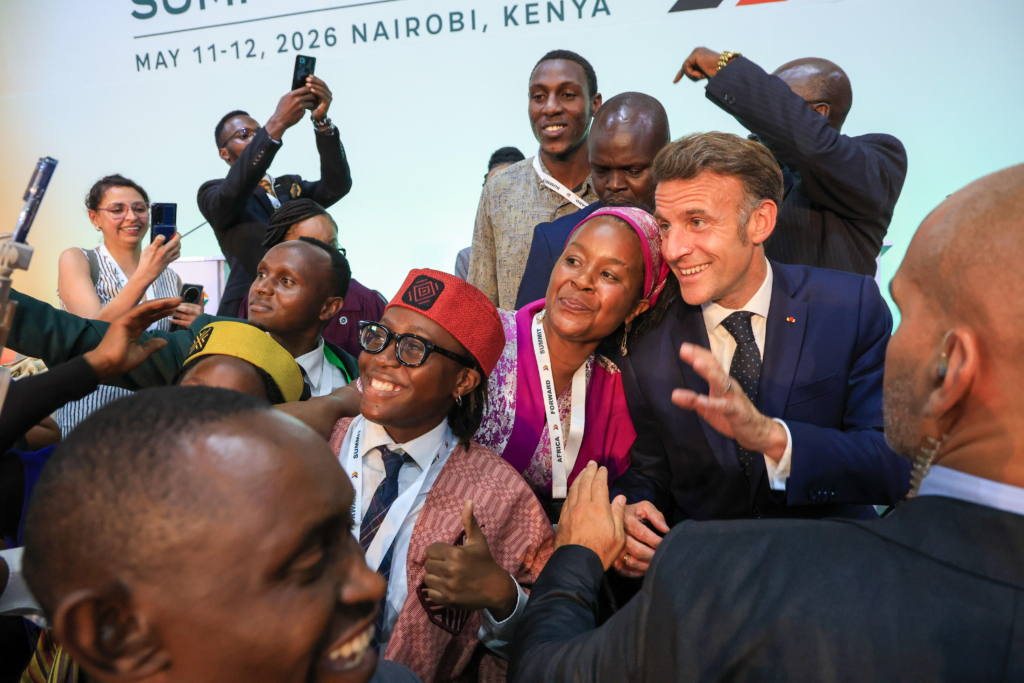
Ein Foto zeigt einen Mann in dunklem Anzug, der mit lächelnden Teilnehmenden für ein Selfie auf der Bühne posiert.
Cover image: picture alliance / Anadolu | Lucas Mukasa

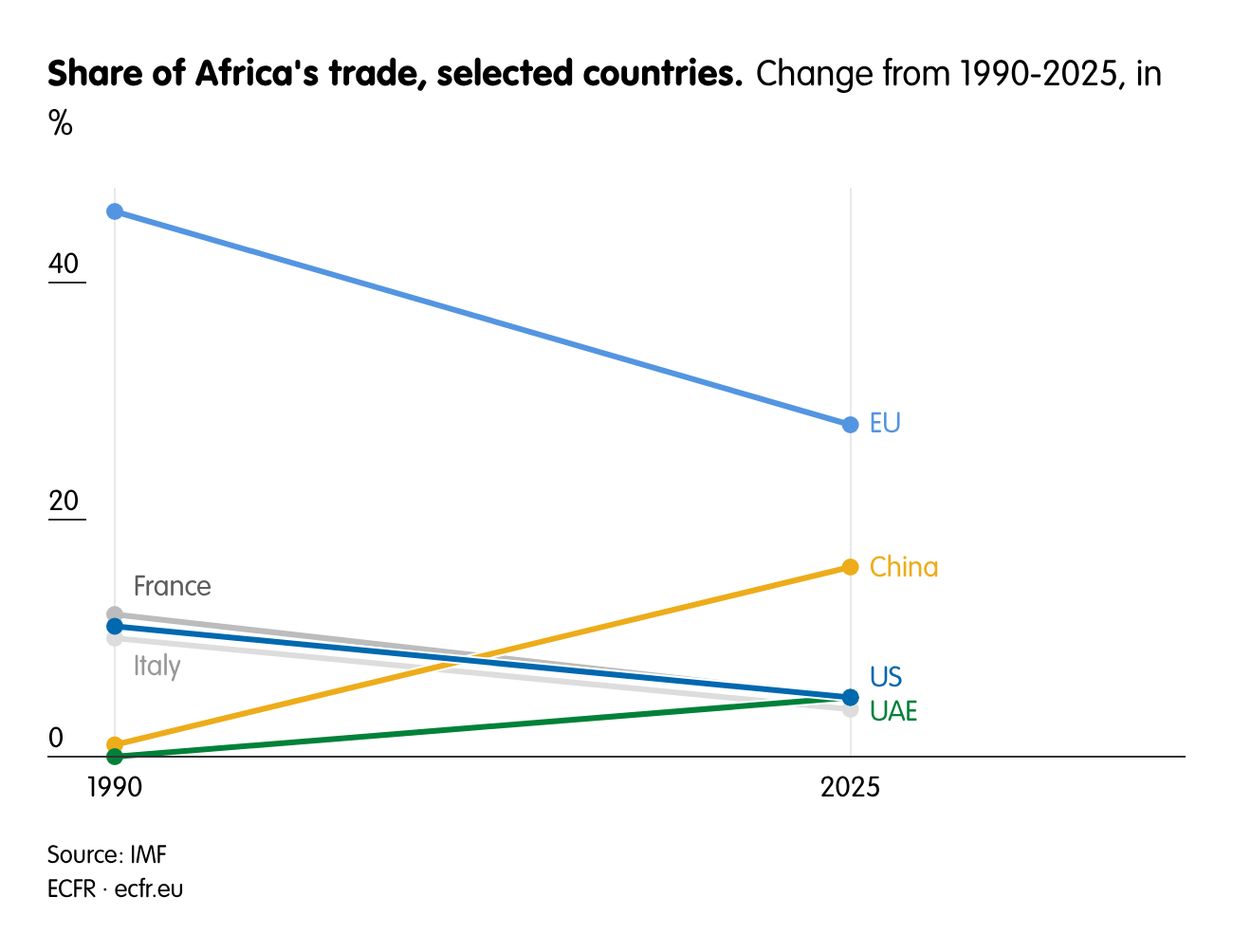
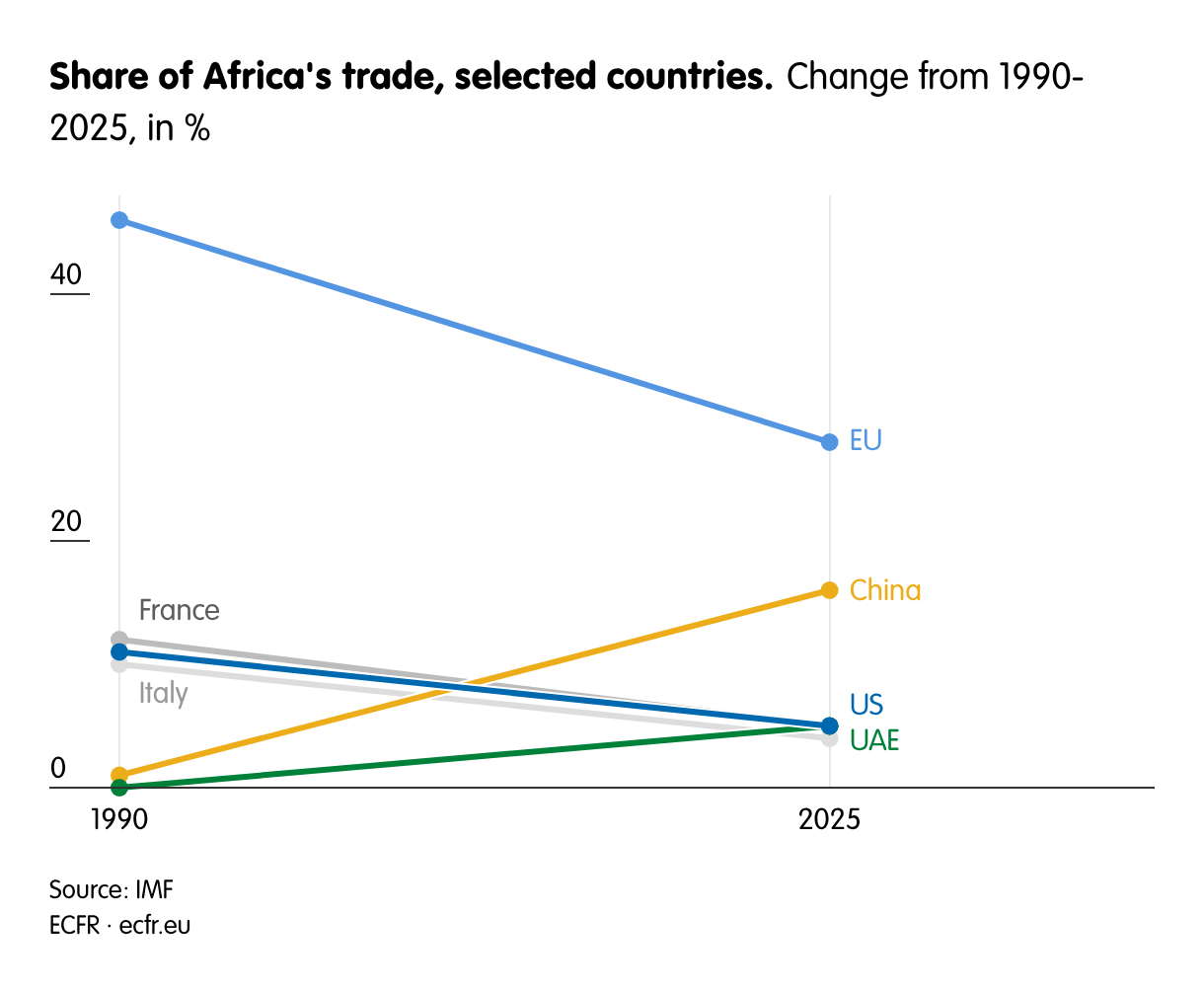
When the G20 met on African soil for the first time in November 2025, it signalled that the continent is becoming more important to the world as an economic partner. China and the United Arab Emirates (UAE) have already spent the past decade gaining ground as trade partners to African countries, narrowing the EU’s long-held lead.

Image
Share of Africa's trade, selected countries.

France and Italy have recast their economic strategies accordingly, hunting for markets and suppliers of their own in Africa as global alliances shift and supply chains fracture. In 2026 alone, Italy convened its second Africa Summit in Addis Ababa and France held its Africa Forward Summit in Nairobi, the first France-Africa summit co-organised with an African country outside France or Francophone Africa. The rest of Europe is also adapting its approach. Since 2020, at least nine European countries have revised or substantially repositioned their Africa policies, recognising that Africa can be more than a supplier of natural resources.[1]

Africa’s own governments are pressing for this shift, positioning themselves as equal partners rather than aid recipients. European language is adjusting to match, with Brussels, Paris and Rome talking more about investment and partnership than about aid. European leaders must now make those national strategies pull in the same direction, keeping pace with rivals and delivering for both sides of the Mediterranean.

Under pressure

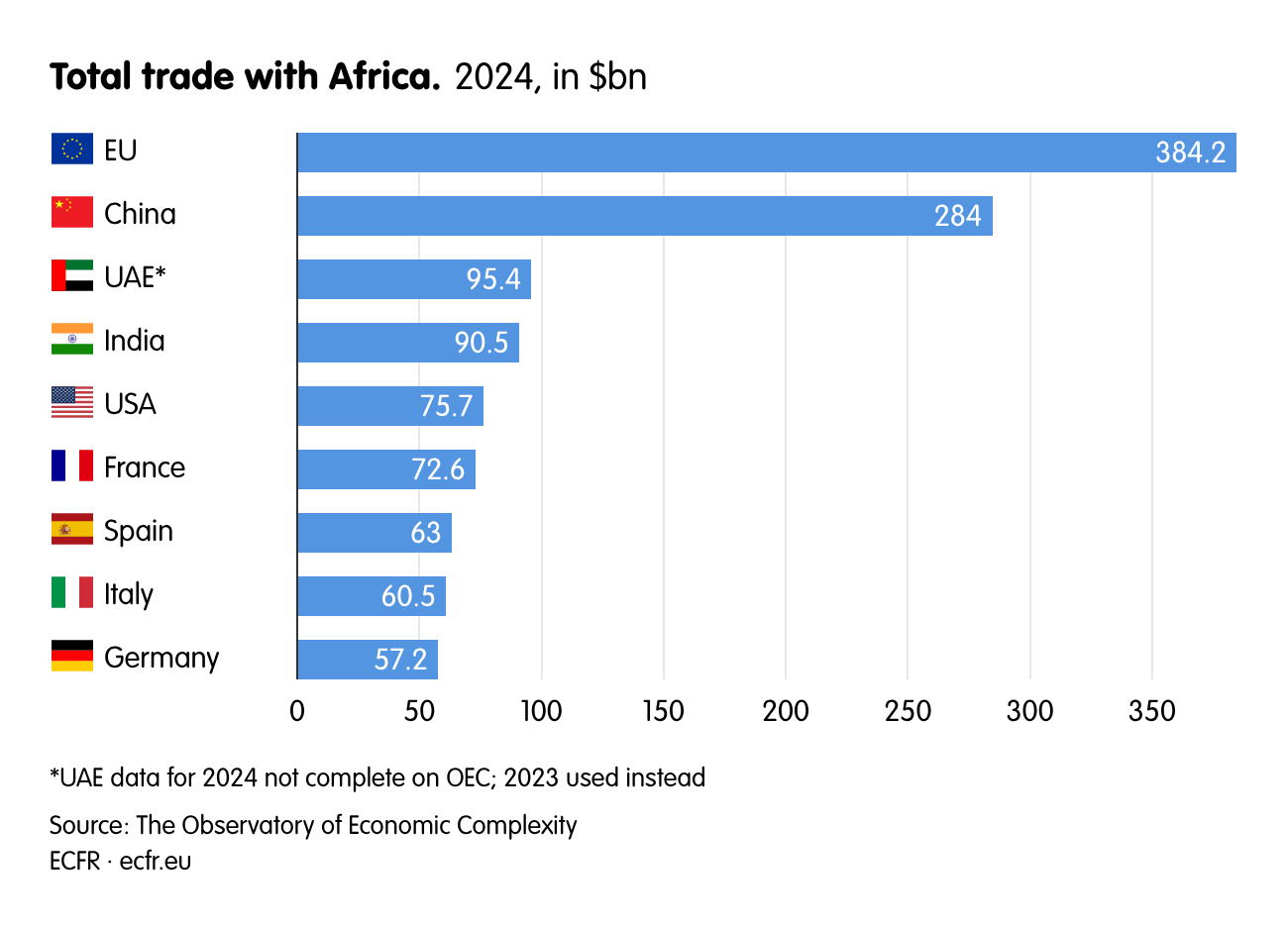
The EU is Africa’s largest trading partner, but individually its largest member states are just middle-sized players in today’s Africa.

Total trade with Africa.

Investment tells a similar story. European firms hold the largest stock of foreign investment in Africa, over €250bn, but only 10% of all new investment to African companies in 2024 came from Europe.[2] China and Gulf Arab states have spent the past decade increasing state-backed private investment to build market share across the continent. On present trends, the EU will fall further behind.

The right sort of investment

The kind of investment matters as much as its scale in making Africa a stronger industrial partner for Europe: greenfield manufacturing projects, regional infrastructure and industrial ecosystems do more than capital alone to build that capacity. However, European commercial ties with Africa are more extractive than transformative. In 2025, 70% of EU imports from Africa were primary products and just 28% were manufactured goods. Both French and Italian imports from Africa follow the same trend, which also shows up in where the money goes. In 2024, Italy and France were among the top investors in Africa’s extractives. Most capital-exporting economies share this extractive bias, since it reflects where Africa’s industrial development currently stands. Manufacturing gets only a modest share of investment, even though it matters most for the continent’s shift away from raw material exports.

The reason lies in how investors price risk. Capital is expensive in Africa: investors see the continent as disproportionately risky, which pushes money towards safe, asset-backed extractive projects rather than the long-term capital needed for more uncertain sectors, such as manufacturing. Even Africa’s own $4trn in domestic capital sits idle: weak banks and cautious institutions channel it into short-term holdings and government debt instead of long-term manufacturing investment.

Winds of change

France, Europe’s traditional leader on African matters because of its colonial and post-colonial history, and Italy, now seeking to emerge as its rival in European policy towards Africa, are already trying to address these issues. Both have overhauled their Africa policies and both used their G7 presidencies (in 2024 and 2026 respectively) to position Africa and development cooperation within a broader agenda of economic security built on private capital rather than aid. Yet this shift has not been matched by greater strategic coordination across Europe.

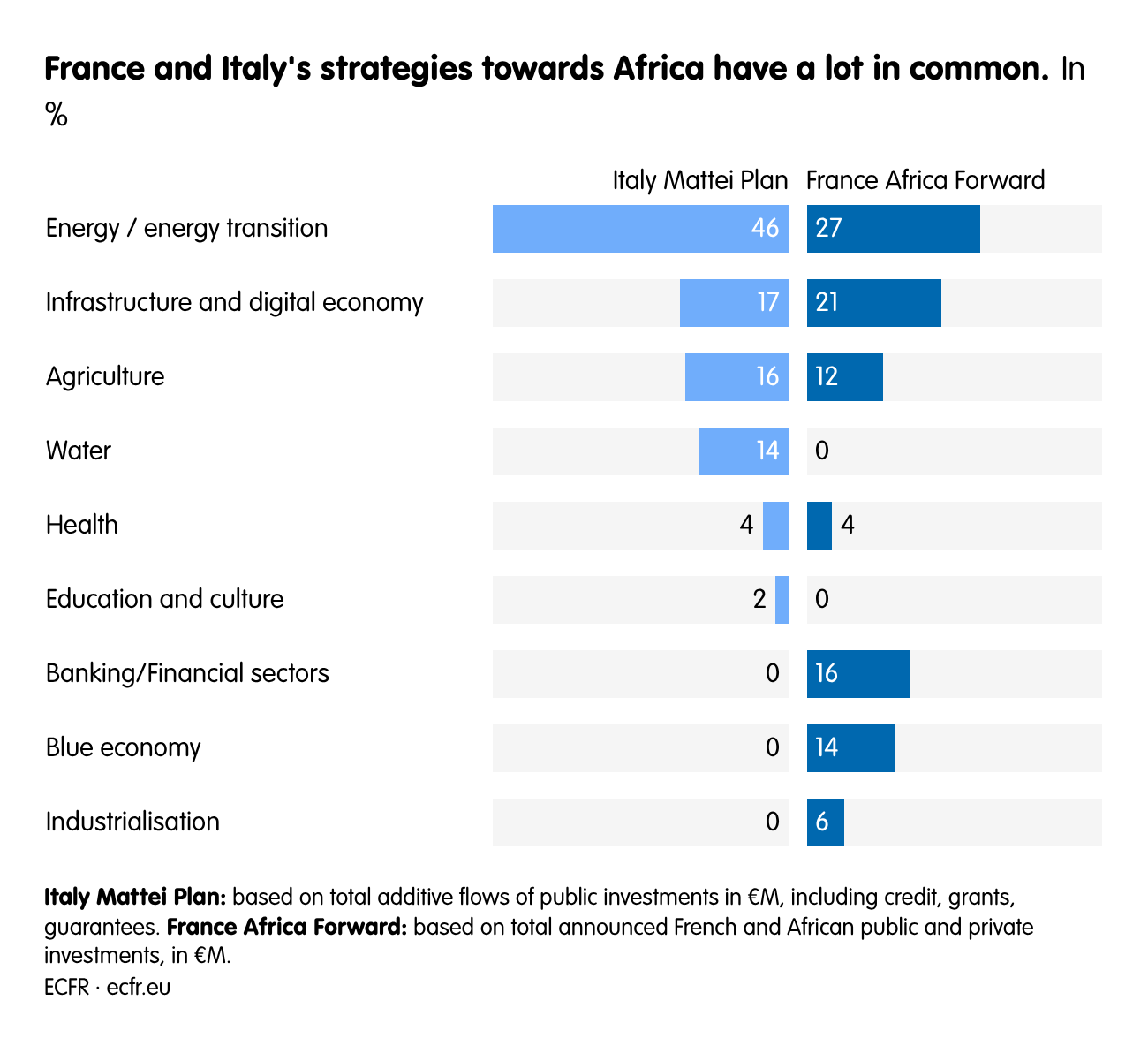
France, Italy and the EU broadly agree on what matters—energy, critical minerals, infrastructure, skills and industrialisation—but not on how to pursue it. A growing number of other member states, such as Germany and Spain, now see the continent as a partner for secure supply chains and political influence. The EU’s Global Gateway, its flagship strategy to mobilise up to €300bn in global infrastructure investment by 2027, was meant to give these efforts a common framework. Yet these strategies largely continue to operate in parallel, reflecting national priorities, commercial interests and historical ties. That leaves Europe without the scale, coherence or investor confidence needed to support industrial ecosystems and compete with partners able to combine finance, diplomacy and commercial clout.

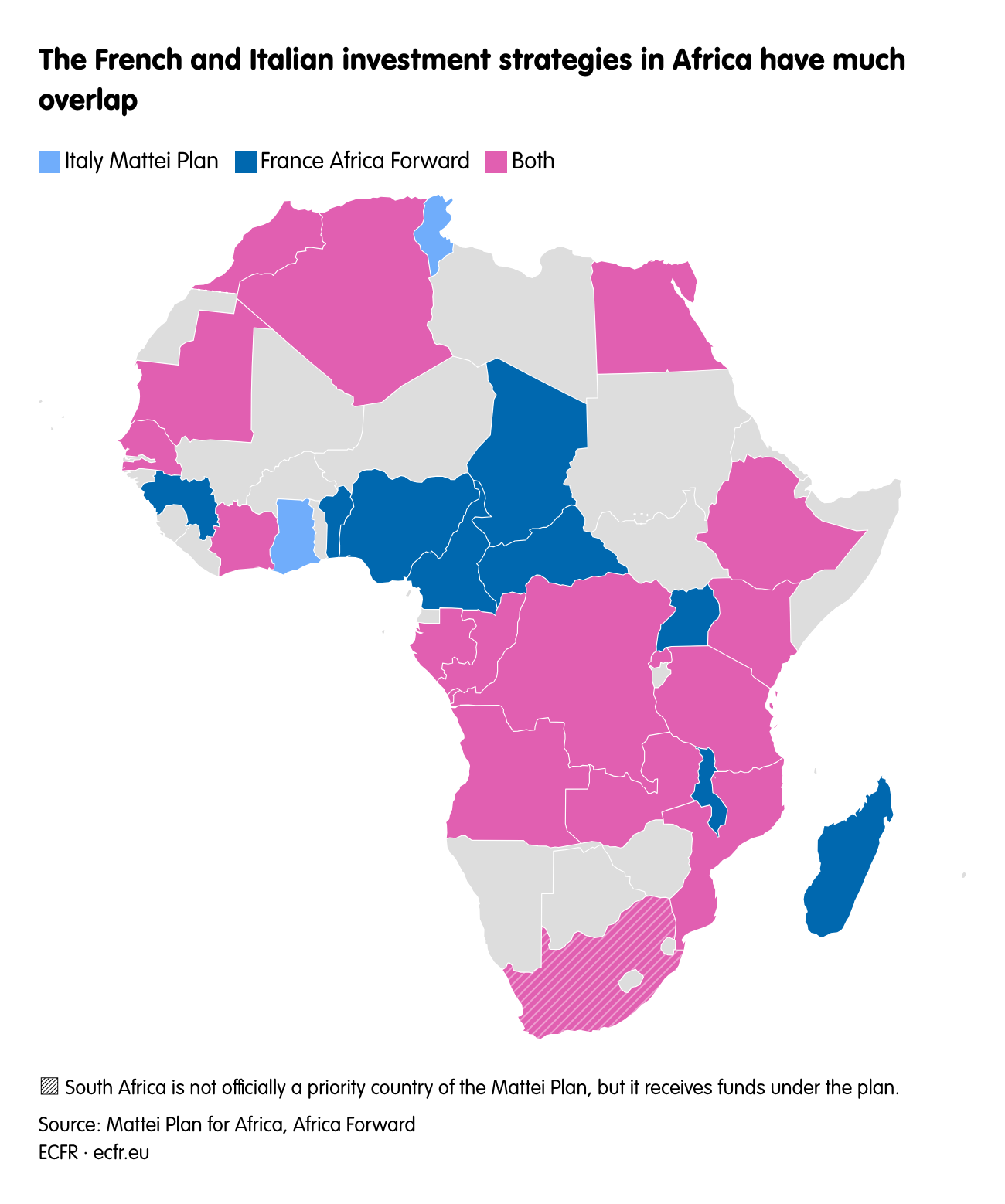
Italy’s flagship Africa strategy, the 2024 Mattei Plan, and France’s 2026 Africa Forward investment strategy illustrate this dynamic: though the two emerged from different starting points, they increasingly pursue the same objectives, target overlapping countries and lean on comparable financial instruments. This reflects both Europe’s converging strategic interests and the reality that Africa’s infrastructure deficit concentrates investment in a narrow set of sectors. But it also shows that these strategies are additive rather than complementary.

The French and Italian investment strategies in Africa have much overlap
France and Italy's strategies towards Africa have a lot in common.

Doing more with less

A core part of France’s and Italy’s new strategies is how to finance their ambitions in Africa. China, the UAE and even America use their private sectors as tools of state strategy. Italy and France are responding by using public money to pull in private investment and international lenders.

The Mattei Plan itself is a modest €5.5bn public fund spread over four years (2024–2027), but it uses guarantees, development finance and partnerships to unlock far more money than that. Italy’s export credit agency, SACE, has already put up €4bn in guarantees since the Mattei Plan was launched, pulling in an estimated €18.5bn of private funds. Partners such as the African Development Bank (AfDB), the World Bank and the UAE add even more to the pot.

France’s plan, set out in the Africa Forward Summit, is part of a wider €23bn package, split between a €14bn pledge from Paris and €9bn from African partners. Of that, just €1.94bn is public funds; the rest is private. The strategy targets African strategic autonomy, especially in food and digital technology, and leans more on small businesses, private investors, and risk-mitigation tools such as the African Trade and Investment Development Insurance, a pan-African credit insurer. As with Italy, the aim is to make limited public money go further.

Rome and Paris find it easier to build coalitions with international lenders and non-European partners than with each other

Both countries have internationalised their financing—leaning on institutions such as the AfDB, the World Bank, Gulf sovereign investors and export-credit cover. Yet joint European ventures remain rare: aside from a handful of joint initiatives—such as the collaboration between the Italian, French and German state development banks on a water infrastructure project in Morocco under the Mattei Plan, or Denmark’s support for the Italy-AfDB Mattei Plan financing facility—both strategies have attracted relatively little structured participation from other European governments. Rome and Paris find it easier to build coalitions with international lenders and non-European partners than with each other. This limits opportunities to pool resources and build larger industrial investment platforms.

What Europe should do

France and Italy are changing course. The EU should now turn their separate initiatives into systems that reshape investment and drive African industrialisation. Three recommendations show how.

Share the risks

Since European countries individually cannot outspend China or the Gulf states, they must change the terms on which their capital competes. Member states and European institutions should increasingly pool guarantees, coordinate development finance institutions and build common project pipelines. Joint risk-sharing mechanisms involving institutions such as Italy’s development bank (Cassa Depositi e Prestiti), France’s development agency (Agence Française de Développement), the European Investment Bank and African financial institutions would reassure private investors more than multiple national commitments operating independently. The objective should be to change the risk calculus for investors.

Think in corridors

European countries deal with Africa country by country, or sector by sector. Industrialisation, however, crosses borders and sectors. Value chains need regional energy systems, transport corridors, customs integration, digital connectivity and labour mobility. Europe’s comparative advantage lies precisely in its experience building integrated markets. Even its most ambitious African venture, the Lobito Corridor—a planned rail line linking Congolese and Zambian mines to Angola’s Atlantic coast, backed by America, the EU and Italy—has yet to knit infrastructure, investment and regional integration into a single plan. Rather than approaching Zambia, Angola or Namibia as separate investment destinations, Europeans should use their collective weight to back it, and corridors like it, as platforms that align infrastructure, regulation, energy and manufacturing across several countries.

Help shape the rules

Some barriers sit above any single project: high sovereign risk premiums, the cost of capital and weaknesses in the global financial system continue to discourage productive investment in Africa. Europe should use platforms such as the G7 and the upcoming UK and South Korean G20 presidencies to ensure greater African participation in these discussions. It should also work to reform the global investment environment itself: support the African Credit Rating Agency, use multilateral guarantees more, and make financing cheaper for African economies. Shaping these rules is how Europe can help Africa become an industrial partner.

***

Europe is adapting, and France and Italy are showing the way. The challenge now is to weave these separate national efforts into one system capable of making Africa a genuine economic partner with a stronger geopolitical voice.


[1] Czech Republic, Denmark, France, Italy, Germany, Netherlands, Spain, Sweden, United Kingdom.

[2] EU outward investment to Africa: €9bn in 2024, per Eurostat (approximately $9.7bn converted at the yearly average exchange rate of 1 EUR = 1.0822 USD). Total FDI inflows into Africa: $97bn in 2024, per UNCTAD’s World Investment Report 2025. $9.7bn ÷ $97bn ≈ 10%.

Source

  •  

How to think about a Le Pen presidency of France

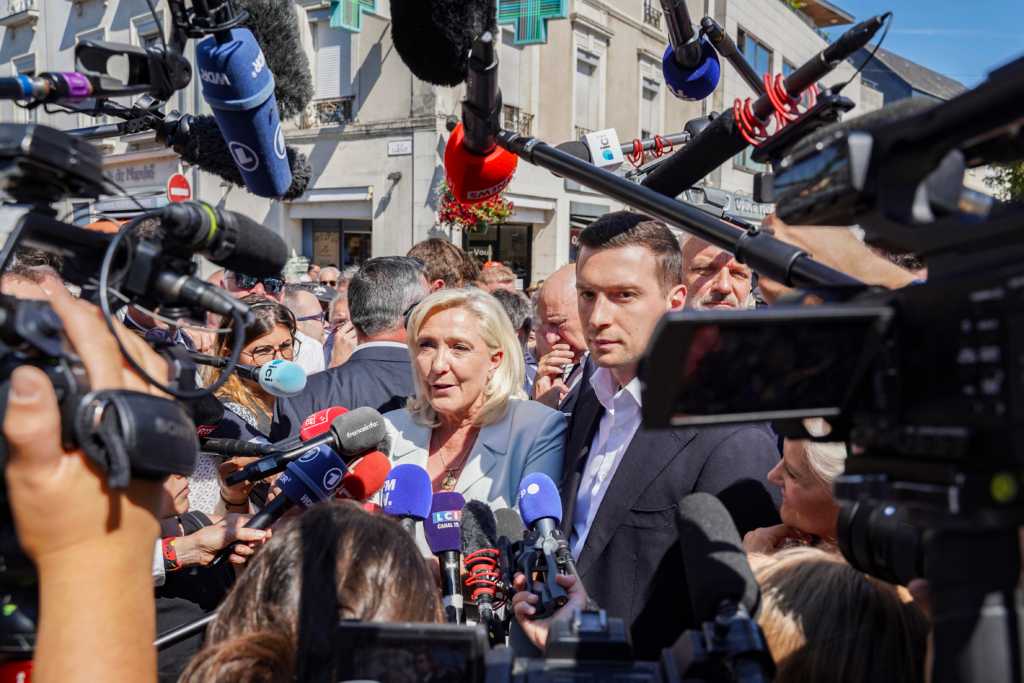
FRANCE: MARINE LE PEN AND JORDAN BARDELLA S FIRST CAMPAIGN APPEARANCE FOLLOWING THE ANNOUNCEMENT OF HER PRESIDENTIAL CANDIDACY
Cover image: picture alliance / Hans Lucas | Frédéric Pétry
NPP Metaball Banner

The restoration of a matriarch

July 7th saw one period of uncertainty in French politics end and another begin. Despite an appeals court upholding Marine Le Pen’s fraud conviction, the leader of the far-right National Rally (Rassemblement National, RN) will run for president next year. The election result remains wide open, but she is polling strongly and the possibility of a Le Pen-ist France is once again plausible. Should she win, the rest of Europe would have to contend with a highly abrasive and confrontational leadership in Paris, determined to unwind significant parts of the country’s integration with the rest of the EU.

Bracing for impact

European policymakers must prepare for that turbulent eventuality. In particular, they should:

  • Avoid clinging to precedents when thinking about an RN-led France. A President Le Pen would be neither “a Viktor Orban” nor “a Giorgia Meloni”, but a distinct phenomenon rooted in French political traditions and circumstances.
  • Seek to understand the party and its instincts. Le Pen is a familiar figure, but her party has never held national power before and has evolved over time. Knowing how it ticks will be essential.
  • Manage expectations about the pliability of a Le Pen presidency. Unlike Bardella, she primarily thinks not in terms of alliances with the broader political right (at home or in Europe) but of the RN as a monolithic national movement, beyond left and right, dedicated to French autonomy. Working with others will come less easily to her.
  • Prepare to deploy the arts of European and international politics. As France is one of the keystone states of the EU, its turn away from the project could be highly disruptive. Handling a Le Pen presidency will demand a clear sense of where cooperation could be possible (elements of European defence, perhaps) and where events might necessitate coalitions-of-the-willing circumventing Paris.

Courting public opinion

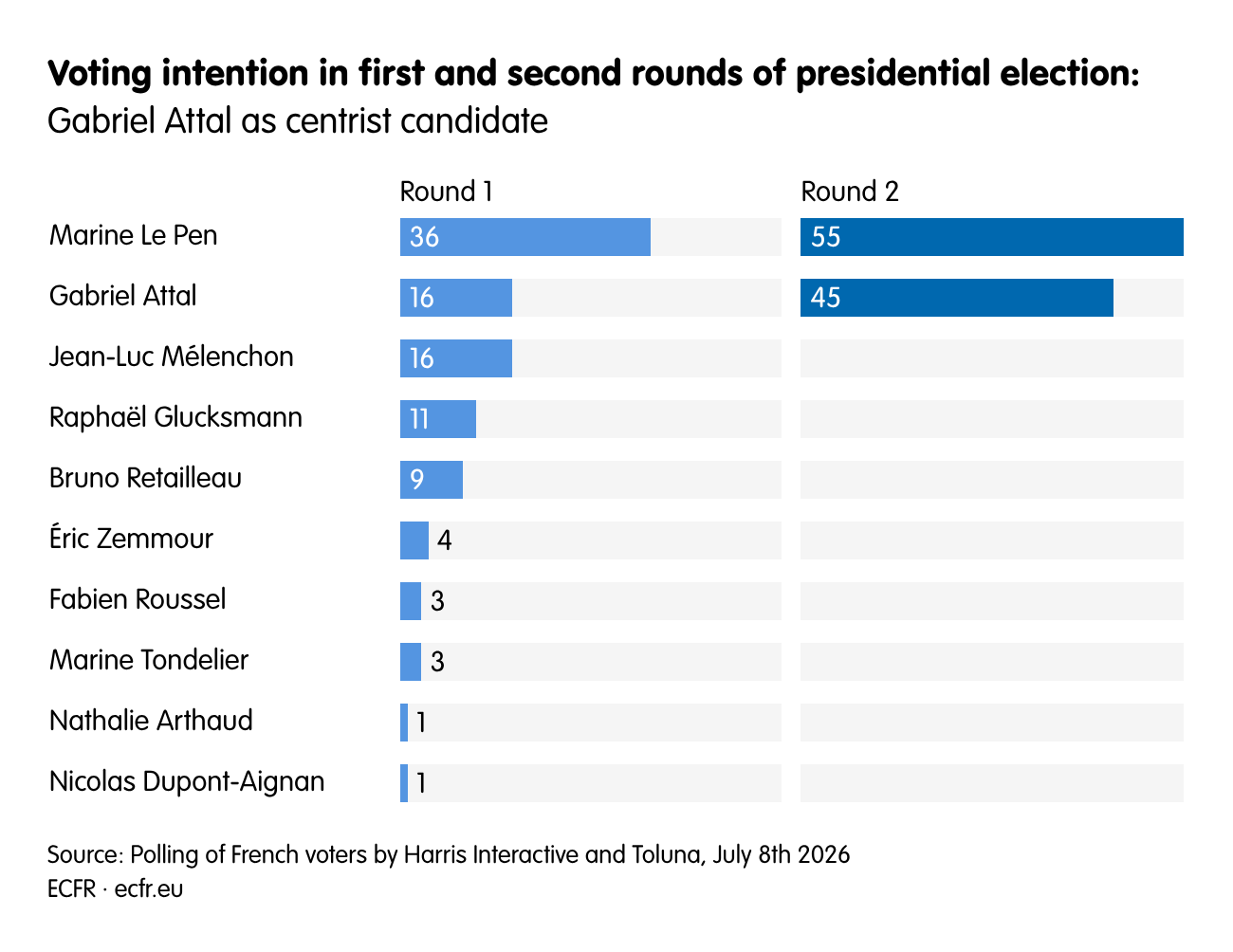
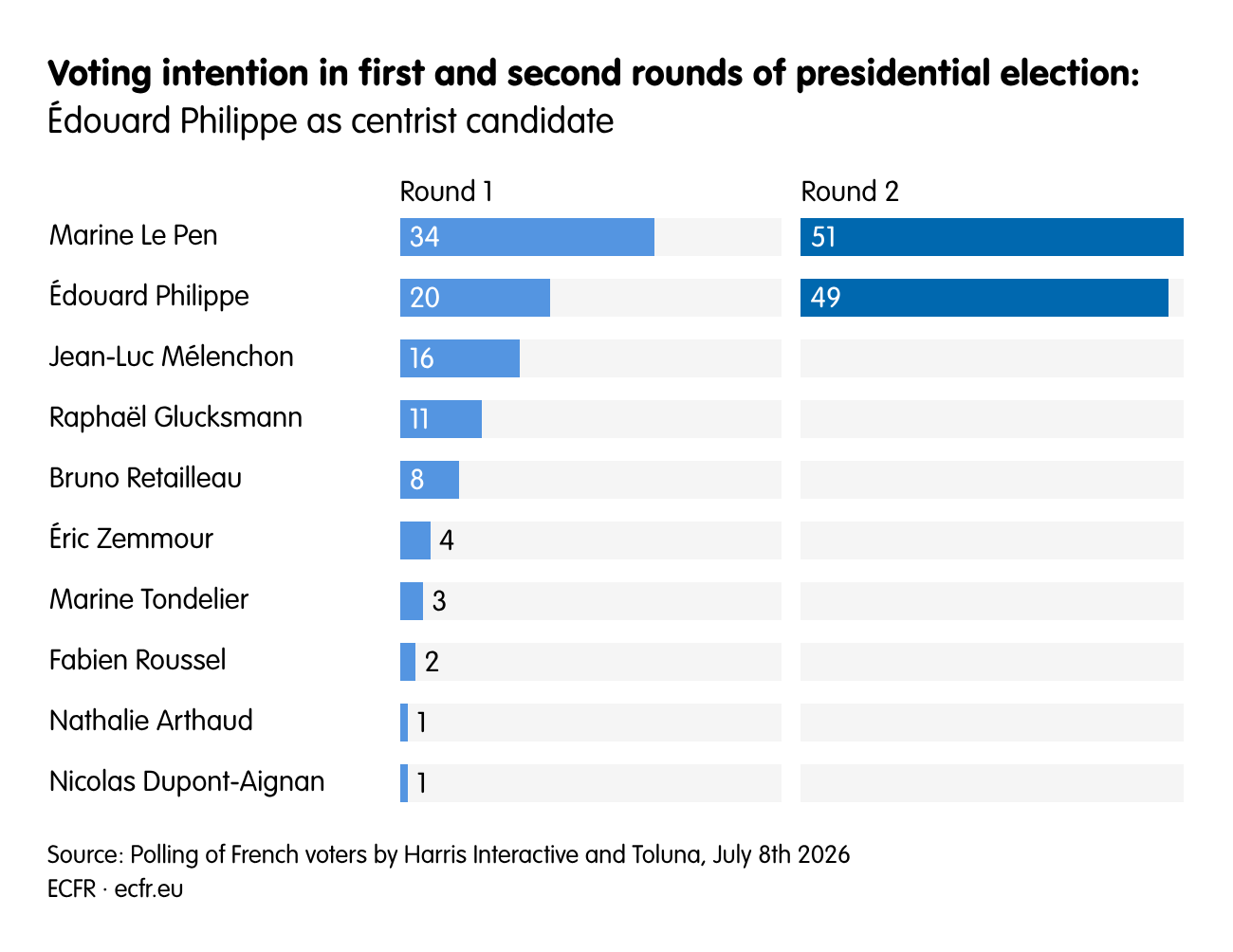
Voting intention in first and second rounds of presidential election:

France’s appeals court on July 7th confirmed Le Pen’s conviction for embezzling European public funds. It reduced her “ineligibility” sentence, opening the possibility of her running as a candidate in the presidential election, but required her to serve a year of house arrest wearing an electronic tag. Le Pen has always said she would not run in those circumstances, but has announced that she will appeal to the Court of Cassation, France’s highest court, suspending the penalty until it delivers its verdict at some point in the new year. Until then, she is tag-free and able to take back the reins from her young protégé, Jordan Bardella. The possibility that his more cautious approach might temper the party’s populist radicalism now seems remote.

Now entering her fourth presidential campaign, Le Pen is an experienced candidate well-known to the French electorate. Having taken over the party (then called the National Front) from her father in 2011, she has sought to detoxify its image. Le Pen presents herself as both an empathetic leader and an unapologetic nationalist who champions “national priority” for French citizens over foreigners. She is polling far ahead of challengers in the first round and appears highly competitive in the second. Current polls put her slightly ahead of her strongest (centrist) challengers in the second round of voting, though French presidential elections can see significant volatility.

Source

  •  

Marine Le Pen’s comeback

NPP Metaball Banner

This week, Mark Leonard welcomes Célia Belin, head of ECFR’s Paris office and senior policy fellow, and Jeremy Cliffe, ECFR’s editorial director and senior policy fellow, to discuss Marine Le Pen’s decision to run in France’s 2027 presidential election.

After a Paris appeal court ruling rescinded her ban from holding public office, Le Pen has reasserted leadership of the far-right National Rally (RN) and sidelined Jordan Bardella, who was widely expected to lead the party into the 2027 election. Her announcement has led to rivals across the centre and the left recalibrating their strategies in an already volatile political landscape.

Together, Mark, Célia and Jeremy explore how Le Pen’s candidacy changes France’s electoral outlook. They discuss whether she is a stronger candidate than Bardella, how French political parties are preparing for an election that RN enters as the favourite, and they draw on ECFR research to examine what an RN presidency could mean in practice.

Would a Le Pen government seek confrontation with Brussels? How might it reshape France’s approach to migration, the EU budget and European integration? Could nationalist governments across Europe really cooperate? And how would a Le Pen presidency impact relations with Ukraine, the US and France’s European allies?

This podcast episode was recorded on July 8th 2026.

Bookshelf

Source

💾

  •  
❌