❌

Reading view

Geese Instead of Hummingbirds and Optical Services: How Georgia Rewards Imitators of Science

In Georgia’s academic world, an entire industry of research fraud hides behind the mask of high citation indices, prestigious journals, and academy memberships. Professors with international reputations use crude distortions, AI-generated images of geese instead of scientific graphs, and blatant plagiarism to churn out publications and secure grants. Plagiat-Navigator tried to make sense of the situation that has developed in Georgia.

UPD 21.05.2026. The original version of this article was released by the editors prematurely. After receiving feedback from readers, we realized that the text needed further editing and clarification of information. We apologize for insufficiently precise wording and for several errors.

Fake science disguises itself as immaculate respectability. Today’s academic impostors have mastered the language of grants, citation indices, and bureaucratic reports. They publish in prestigious journals and, at first glance, are indistinguishable from genuine researchers. Their papers look solid, their graphs and formulas convincing, and their references lead to authoritative sources. Common sense or journalistic intuition is no longer enough to tell a fake from genuine research. Specialized analytical tools and professional expertise in research ethics are required.

The main news about the lives of scholars during the war, videos, and infographics are available on T-invariant’s Telegram channel. Subscribe so you don’t miss anything.

Professor Ozgur Kisi of Ilia State University (ISU), a holder of a Doctor of Sciences degree, was recognized in 2021 as a Highly Cited Researcher by Clarivate and has consistently ranked among the world’s top 2% of scientists according to Stanford University (2020–2025). Thanks to more than 600 publications in peer-reviewed scientific journals, numerous book chapters, and presentations at international conferences, Professor Kisi’s h-index has exceeded 100. In addition, Ozgur Kisi is a full member of the Turkish Academy of Sciences. At first glance, he would seem to be a model of an impeccable, highly productive researcher.

But scientific articles published by Professor Kisi in recent years attracted the attention of Plagiat-Navigator because they contained so-called “tortured phrases.” Such phrases arise when words are mechanically replaced with synonyms, often making the text absurd and unnatural. For example, in one scientific article, “optimal settings” becomes “optical services.” In another paper, birds — whose flock is commonly used in the scientific literature to illustrate the operation of an optimization algorithm — become “feathered animals.”

If these cases of synonymization can, with great effort, still somehow be explained away, then “variation of σ2” in Professor Kisi’s article, used instead of “variance σ2” as it appeared in someone else’s paper published five years earlier, loses all meaning. The source of the absurdity was a systematic strategy of paraphrasing other people’s texts through synonym substitution — a widespread method used to bypass plagiarism-detection systems. Using this technique, Kisi and his co-authors altered not only this phrase but also a large section of another author’s text describing the relevance vector methodology. Other persuasive examples of similar masking by Professor Kisi and his co-authors can be seen here.

It is not only the phrasing that becomes absurd, but also the figures in the professor’s publications. Thus, instead of a diagram comparing predicted and observed data values, the reader is invited to admire geese flying in a wedge formation. It should be added that this article is not about geese at all, but about hummingbirds — which, moreover, never fly in wedge formations.

When discussing manipulations with images, one should also mention Professor Kisi’s university colleague, the ethnobotany professor and fellow highly cited scholar Rainer Bussmann, who studied rare medicinal herbs of the Himalayas but for some reason used images from the internet in his article (see the figure below). That article was retracted by the journal’s editors. But similar things can also be found in other publications by Professor Bussmann.

Example of an image used in a scientific article that had circulated widely on the internet several years before the article was published.

Of course, image fabrication is not practiced only at Ilia State University. Below is an example from an article co-authored by Fariborz Sharifianjazi, a professor at the University of Georgia. As the figure shows, the image is assembled from repeated elements, suggesting the likely use of AI to generate it.

Identical image fragments used to illustrate results obtained under different conditions.

The journal’s editors retracted this article. But the true master of figure fabrication in Georgia’s academic environment may be considered Samad Haksar, a professor at the same University of Georgia, who chose a highly original way to conceal traces of falsified experimental spectra. The following figure shows an example of two matching random background patterns in spectra. In the lower one, the author of the scientific article manually cut off the protruding details — the fluctuations — in order to hide traces of research fraud. In scientific practice, the coincidence of random noise patterns in independent experiments is statistically impossible. Their identity is direct evidence of fabrication. An experienced scientist first notices the matching background patterns by the protruding fluctuations in the spectrum. That is why the more sophisticated falsifiers manually remove everything extra from the spectrum that sticks out and catches the eye.

Example of two matching random background patterns in spectra. In the lower one, the author of the scientific article manually cut off the fluctuations in order to conceal traces of research fraud.

Two typical episodes add further evidence of the systemic nature of what is happening, illustrating the most common forms of academic fraud. In the first case, a journal editor discovered that some authors, including Georgia’s most prominent and authoritative economist, had been quietly added to the author list shortly before publication. In the second case, the editor of another journal discovered that literally on the eve of publication, the authors had changed the bibliography without coordinating the change with the editorial office. More than two dozen references to the works of one of the article’s co-authors — a professor at the University of Georgia — had been added to the list. In both cases, the articles were retracted by the journals. These two cases are mentioned here to illustrate the most widespread method of scientific fraud: guest authorship and excessive citation. Both of these services are most often purchased from dealers trading in scientific publications, authorship, and bibliographic references to them.

[[socialnetworks]]

In Russia, according to investigations by Dissernet, more than 200 university rectors have fake dissertations or publications containing large-scale plagiarism. Not one of them has suffered any consequences for it. On the contrary, they continue to run universities, sit on expert councils, and receive state support. In this respect, Georgia appears, with some delay, to be confidently copying the Russian model. Falsifiers are successfully occupying state-funded posts and receiving privileges — and for that reason their activities require systematic work by professionals and targeted academic auditing.

The post Geese Instead of Hummingbirds and Optical Services: How Georgia Rewards Imitators of Science appeared first on Т-инвариант / T-invariant.

  •  

Education as a Weapon: How Russia Forces Ethnic Displacement in Occupied Territories

Russia’s neocolonial policies in the occupied territories of Ukraine target the education system first: schools and universities have become primary tools for coercion and identity erasure. This is the core finding of a recent study by the Ukrainian outlet Realnaya Gazeta, which details how the Kremlin carries out ethnic displacement across multiple levels. Journalist Ksenia Turkova spoke with Andrey Dikhtarenko, editor-in-chief of Realnaya Gazeta, to discuss the report for T-invariant.

Video version of the interview (in Russian).

Ksenia Turkova: Does your analysis mainly focus on the so-called “old” occupied territories — the DPR and LPR [Donetsk People’s Republic and Luhansk People’s Republic — T-invariant]?

Andrey Dikhtarenko: Yes, but not exclusively. We also looked at areas occupied after the 2022 invasion. Of course, we had far more data on Donetsk and Luhansk, given that twelve years have passed since they were first occupied. Luhansk and Donetsk made it much easier to track which key positions exactly are being taken over by arriving Russians as locals are pushed out.

BACKGROUND

The authors of the study, “Ethnic Replacement as a Tool of Russian Neocolonization,” concluded that the occupation of the Donbas involves processes that go far beyond mere military control. In practice, it amounts to a systematic demographic transformation. Local officials are gradually replaced by Kremlin appointees, while the labor market is deliberately designed to attract a massive influx of Russian specialists, creating deep inequalities and fueling social conflict. This resettlement of Russian citizens is framed by propaganda as a “rescue” mission and a humanitarian effort. In reality, it is a deliberate campaign of demographic engineering. The study is based on open-source intelligence, including data from occupation administrations, press reports, social media, and human rights monitoring. 

KT: When it comes to the territories occupied after 2022, are they seeing the same kind of “creeping” replacement, or is the approach different?

AD: The replacement there is happening much faster. You have to realize these are devastated cities with barely functioning infrastructure, no mobile internet, and strict checkpoint systems. They aren’t particularly popular destinations for Russians, so even this “voluntarily-mandatory” resettlement process is struggling. I’m not talking about Mariupol, which is seen as a potentially attractive coastal city, or Melitopol and Berdiansk in the Zaporizhzhia region. Those hold some appeal. But the newly occupied areas of the Luhansk region, which bore the brunt of the fighting — cities virtually wiped out by the Russian army and never rebuilt — are of interest for Russians. No one wants to move or work there. The local population is deeply resentful, barely surviving under horrific conditions, and there is no money to be made off them. So the dynamics vary wildly. That said, Mariupol and the coastal areas of the Donetsk region have essentially reached the level of the older occupied territories [controlled by Russia and its proxies since 2014 — T-invariant] in terms of Russification and ethnic displacement.

KT: The statistics are incredibly striking: back in 2014, there might have been just two officials from Moscow, but now there are ten or eleven. Why did the Kremlin opt for a gradual replacement strategy at first?

AD: Because the Russians lacked confidence that they could govern effectively on their own. They needed to work in tandem with locals initially. Our study shows that in 2014, there was only one Russian citizen in the so-called government of the Luhansk region. He’s quite a notable figure — General Sergey Kuzovlev, who was operating under a pseudonym at the time. He is the same Russian general who recently claimed multiple times to have “completely captured Kupiansk.”

Kupiansk hasn’t fallen yet, but that didn’t stop him from being named a Hero of Russia. Back then, Kuzovlev served as the “Minister of Defense” in the Luhansk region, while the rest of the cabinet consisted of locals. However, it’s crucial to understand that every single local official had advisors, instructors, and handlers from Moscow embedded with them, constantly monitoring operations and pulling the strings. There is another reason they didn’t rush. Until 2022, Russia concealed its direct occupation — likely hoping to use the Minsk agreements to reintegrate these territories into Ukraine as a Trojan horse to steer Ukrainian politics. When that plan failed, they formally “annexed” the regions. After that, Russification and ethnic displacement went into overdrive across the board. Now we see new ministers being imported directly from the Russian heartland.

KT: What actually happens to the local proxy officials once they are pushed out of these roles?

AD: They vanish. Many former ministers and mayors just drop off the radar. In fact, they frequently end up assassinated. For instance, the proxy mayor of Luhansk, Manolis Pilavov, was shot dead right in the street. Igor Plotnitsky, the former head of the LPR, hasn’t been seen in years. Some reports suggest he is quietly living in Voronezh, but there are plenty of darker rumors about his fate.

Top news on scientists’ work and experiences during the war, along with videos and infographics — subscribe to the T-invariant Telegram channel to stay updated.

In other cases, these locals are reassigned to Russia. There was a fascinating case with Dmitry Trapeznikov, who was a deputy to the DPR leader, Alexander Zakharchenko. After Zakharchenko was assassinated, a power struggle broke out between Trapeznikov and Denis Pushilin. Trapeznikov was ultimately forced out of Donetsk, but the Kremlin threw him a curveball — he was appointed city manager of Elista, the capital of Kalmykia. This man had never set foot in Kalmykia in his life, yet Moscow decided to drop him there. The local population actually held mass protests against his appointment. He managed to hang on for a while and later resurfaced in some regional government role, allegedly overseeing sports and tourism. It’s quite a trajectory: from a Donetsk “separatist” to a mayor in Kalmykia. But this aligns perfectly with Russian colonial logic, where the main goal is to dilute any potential ethnic core of resistance. Simply put, a Ukrainian from the Donetsk region is easily turned into an enforcer of Kremlin directives in a completely different ethnic republic, thereby breaking down that republic’s cohesion and undermining the locals’ ability to organize or self-govern. So, displacement is a two-way street.

Furthermore, this strategy of ethnic dilution goes far beyond administrative appointments. If you look at the local hierarchy as a pyramid, it operates at every tier. The top tier consists of the high-ranking officials imported from Russia. It’s not just about the sheer numbers, but the specific portfolios they hold. As a rule, Russians are placed in charge of law enforcement, security services, local police, and the military; they control finances and economic assets; and they frequently oversee education, culture, and, without exception, propaganda.

What happens at the next level down? Not only do local municipal and district education boards have to report to Russian centers regarding the curricula they implement, but there is also a massive personnel replacement underway. Local teachers are being systematically replaced by newcomers. The Russian state program Zemsky Uchitel [“Rural Teacher” — T-invariant] actively incentivizes Russian educators to move to the occupied territories. They are offered lucrative salaries and various bonuses, creating an institutionalized inequality where a Russian teacher and a Ukrainian teacher hold the exact same position, but the Russian makes several times more. Imported Russian teachers also are fast-tracked through promotions to become vice-principals, principals, and administrative heads. Meanwhile, local teachers face a hard glass ceiling.

Up-to-date videos on science during wartime, interviews, podcasts, and streams with prominent scientists — subscribe to the T-invariant YouTube channel!

The exact same dynamic plays out in healthcare via the Zemsky Doktor [“Rural Doctor” — T-invariant] program. Think about the psychological impact: a Russian and a Ukrainian surgeon are operating side by side, and the Ukrainian doctor knows he is paid a fraction of his colleague’s salary and that this newcomer is about to become his boss. What does he do? He starts looking for a job in Russia itself. He throws his hands up, packs his bags, and moves to Russia itself to at least get paid the same rate as the newcomer — who, to add insult to injury, was given housing expropriated from fleeing Ukrainians. So, as you can see, this process also starts working in reverse.

KT: How do the incoming Russian teachers justify their move? Is it purely financial?

AD: Not entirely. It’s driven by severe staff shortages, because Ukrainian teachers left the occupied areas in droves. Remaining an educator under occupation is incredibly dangerous; you are forced into roles that carry severe criminal liability under Ukrainian law. For instance, it’s no secret that teachers are coerced into running polling stations and managing logistics during sham elections and referendums. In Ukraine, participation in these events is a serious crime.

On top of that, you are forced to give Kremlin-mandated propaganda lessons called “Conversations about Important Things,” where you have to press high schoolers to enroll in military academies or sign contracts with the Russian army to fight in the so-called “special military operation.” Many teachers simply break down. It’s an unbearable job for anyone whose heart aches over what is happening and who sees their own neighbors being killed. You can’t just tune it all out and focus solely on teaching — you are constantly dragged into political rallies, indoctrination seminars, and quasi-electoral administrative work.

So there really is a teacher shortage. And Russia intentionally fills these vacancies with Russian citizens because they are deemed ideologically reliable.

KT: How does state propaganda frame this influx of Russian educators?

AD: They claim there is a shortage of qualified local staff, so volunteers are arriving from across Mother Russia to help out. They spin a narrative of selfless people stepping up to educate children. In reality, it’s plain economics — they are pulling in multiples of what local teachers make.

KT: Which parts of Russia are these teachers coming from?

AD: Anywhere from the Moscow suburbs to the deep provinces. Initially, it was mostly people from impoverished regions. But once word spread about how fast you can advance your career there, opportunists from all over Russia started signing up. Spending a year teaching in an occupied zone adds that record to your employment history — the ultimate proof of political loyalty. For public sector workers, it elevates their social status completely. If a teacher returns from the occupied territories to their hometown and, for instance, gets rejected for a job, they can file a complaint. Such people are eagerly hired and protected: “Look, we have someone like this on board, we welcomed them, so we are loyal too.” This is how the system works: it tries to process as much of its own population as possible through the occupied territories, poisoning people with ideology and, essentially, tainting them with blood. Because an empty teacher’s position in a place like Mariupol is a human tragedy. That person was either killed, forced to flee, or stripped of their home. And then privileged Russians arrive, making much more money. It raises a serious moral question: are they complicit in the tragedy? Something tells me that, yes, they are.

[[socialnetworks]]

KT: Is the curriculum taught in these schools entirely the Russian one, complete with all those “Conversations about Important Things” [a mandatory ideological lecture series introduced in Russian schools — T-invariant] and patriotic clubs?

AD: Yes, absolutely, but there are also lessons on the history of the native region — a history completely turned inside out, from which any Ukrainian influence has been thoroughly erased. For context, my native Luhansk region was settled in waves, primarily by Zaporozhian Cossacks, and the entire northern half of the province is traditionally Ukrainian-speaking. There are some pockets of this in the south as well. But none of that is allowed in schools. Instead, they write about Don Cossacks, for example. Anything related to Ukraine is painted in dark colors. Meanwhile, the events of 2014 are presented in such a bizarre, mythologized fantasy style that locals who actually lived through them can’t read the textbooks without laughing.

KT: I keep thinking about the teenagers from the newly occupied territories — they must remember reading entirely different things in their textbooks just recently. And now everything has been flipped upside down.

AD: In reality, people somehow adapt. But in recent years, a fairly large number of children, as soon as they turn eighteen, get a passport and leave for Europe through Belarus or Georgia. Many return to Ukraine, saying, “Thank God, everyone speaks Ukrainian here!” These teenagers essentially live a double life: they secretly chat with friends who escaped and treasure any Ukrainian content, because having it can get you severely punished. They play these games, and then they do everything they can to escape and enroll in Ukrainian universities. Of course, most children try to distance themselves from this propaganda, to live in their own world, so to speak, but that is incredibly difficult to do: the propaganda machine does everything to ensure you are reeled in from the earliest grades. Children are sent to various patriotic camps for the summer — and everything there is free, which wins over the parents. Parents think, “Well, he’ll be learning to assemble drones — that’s fine, let him sit there, at least he’ll be getting three square meals and fresh air.”

But they brainwash them heavily there. Children in the occupied territories are actively recruited to enroll in various military institutions. You only need to open any official Telegram channel of a local news agency to see that, besides the news, it is literally flooded with recruitment ads for military training schools across Russia. They want to pull children from the occupied territories into these military education institutions.

On top of that, various “cadet classes” are being set up — all under the guise of Don Cossack tradition — where children are groomed for military careers. And a certain percentage of these kids are expected to sign a contract upon graduation. It’s pretty clear where these children might end up after that.

KT: And how is this displacement happening at the university level?

AD: It’s the exact same story: there is a shortage of professors, so Russians from neighboring regions come in. Many universities have become branches of Russian higher education institutions. For example, to take some of your exams, you have to travel to, say, Rostov. The mechanism is identical, though the indoctrination is slightly less crude than what they do to young children.

All these youth movements like Yunarmia [Young Army — T-invariant] and Dvizhenie Pervykh [“Movement of the First” — T-invariant] are fully operational. Students are corralled into all sorts of rallies and forced to participate in elections as well. Additionally, they are reviving the Soviet-style “student construction brigades.” Students from Luhansk and Donetsk are routinely shipped off to remote corners of the Russian Federation for manual labor. There was a story where students from a Luhansk university were sent to Kamchatka to gut fish at a fish processing plant. They worked there under horrific, unsanitary conditions, with virtually no sleep. Even though they had been promised something completely different. Unfortunately, they really love using children from the occupied territories as cheap labor — and always within Russia itself. Someone in the Kremlin apparently believes that the more youth they ship out like this, the faster the occupied territories will dissolve into the pan-Russian space.

KT: It sounds like a closed system where everything gets blended together. I assume this also applies to diplomas? You can’t go very far with a diploma issued in an occupied territory — only to Russia.

AD: Absolutely, but they actually find ways around it. If you are concerned about an international career, you can take your exams at one of Russia’s partner universities. In short, there are loopholes, and they started figuring them out back in 2014.

KT: At the same time, they are inviting foreigners to study in the occupied territories.

AD: It’s not a very widespread phenomenon yet. Recruiting foreigners is a bit of a gray scheme.

International recruitment agencies in African or Asian countries exploit the fact that local students don’t know the language and can’t read the contracts. They make a deal with a student, telling them, “You will be studying at a medical university in Russia.” They promise them Rostov, for instance, but bring them to Luhansk. After a couple of months, when the students start speaking a bit of Russian, they ask, “Wait, why are we in Luhansk?” And they reply, “Well, you signed the contract. It’s no big deal, you’ll get a degree from Luhansk University, and then another degree from a university in Rostov or Voronezh, and everything will be fine.” By the way, there are a lot of students from India right now.

KT: What could be the long-term consequences of this ethnic engineering?

AD: I believe total assimilation is still a long way off. However, if the process isn’t interrupted, it will end with the region being fully digested. All Ukrainian behavioral models that were partially instilled by teachers in schools, expressions of Ukrainian culture, and so on, will be pushed out as much as possible. For example, in a Ukrainian school, a teacher cannot use physical force against a student — that would cause an absolute scandal and lead to a criminal prosecution. But in Russia, and especially in the occupied territories, this is practiced. They discipline students physically, and later this carries over into a person’s adult life — they enter the military with its culture of hazing. I worry deeply for my fellow countrymen, and we all hope for de-occupation, for some kind of internal resistance from the people. But one must never underestimate the power, malice, and resourcefulness of propaganda.

People have talked a lot about ethnic replacement over the years, but no one has tried to quantify or analyze it. We did. We are showing this process as it stands in 2026. And one of the main conclusions we reached is that we cannot afford to abandon these territories informationally. There is still a substantial portion of the population there that is deeply disgruntled with what is happening, who dislike how things are being taught, and who resent the fact that Russians are taking over all the positions. This friction remains a critical fault line — one that could, at the very least, disrupt and slow down Russia’s absorption of Ukrainian regions.

Support T-invariant’s work by subscribing to our Patreon and choosing a donation amount that suits you.

The post Education as a Weapon: How Russia Forces Ethnic Displacement in Occupied Territories appeared first on Т-инвариант / T-invariant.

  •  

RASA Statement in Support of Professor Igor Efimov

The Russian-American Science Association (RASA) strongly condemns the continuing practice of labeling internationally renowned Russian scholars as “foreign agents.” This time, the Russian authorities have added to the foreign agents registry the distinguished biomedical scientist, professor at Northwestern University, and first president of RASA, Igor Efimov. We regard this decision as politically motivated and aimed at further undermining international scientific cooperation and the principles of open science.

Igor Efimov is an internationally recognized expert in biomedicine and cardiology, the author of groundbreaking research, patents, and technological innovations aimed at treating severe cardiovascular diseases. The wireless dissolvable pacemaker developed by Igor Efimov and his laboratory — smaller than a grain of rice — was named by TIME as one of the most important inventions of 2025.

Igor Efimov is not only an outstanding scientist, but also one of the founders of the modern international Russian-speaking academic community. As the first president of our association, he played a key role in shaping its mission: supporting free science, strengthening professional ties among researchers across countries, and promoting the integration of Russian science into the global academic community.

For many years, while working in the United States, Igor Efimov actively contributed to the development of Russian science, supported initiatives aimed at raising its international standards, encouraged the professional growth of young scholars, and fostered cooperation between Russian and international research centers. His work was devoted not to politics, but to the advancement of science, education, and international academic exchange.

Attempts to exert pressure on scholars such as Igor Efimov discredit the governing system itself and make the Russian authorities appear absurd both domestically and internationally. Unfortunately, these short-sighted actions also inflict lasting damage on the future of Russian science. It has become increasingly clear that the true targets of persecution by the Russian authorities are independent scientific thought, international cooperation, and the very idea of free science. We call on academic communities, universities, and scientific organizations in the United States, Europe, and other democratic countries to express solidarity with all scholars facing persecution by authoritarian and politically repressive states.

The post RASA Statement in Support of Professor Igor Efimov appeared first on Т-инвариант / T-invariant.

  •  

Chronicle of the Persecution of Scientists No. 32

T-invariant releases the latest issue of the Chronicle of the Persecution of Scientists: No. 32, dated April 30, 2026. At the end of April, the Russian government agreed to revise and soften the draft law on artificial intelligence published by the Ministry of Digital Development in March. The bill was restrictive and prohibitive in nature, and its enforcement, especially in its original version, could have led to numerous prosecutions of developers, companies, and even users by the FSB. T-invariant wrote about this in its commentary. However, active criticism of the bill led the government to retreat.

The main concession to business was the abandonment of the requirement that “sovereign” and “national” models be trained exclusively on data assembled in Russia by Russian citizens. Businesses had warned that there was catastrophically little such data in the public domain, that compliance with this requirement would increase the cost of AI deployment by 20–40 percent, and that it would slow time to market by a factor of two. The authorities agreed. AI models may now be trained on any available data, regardless of their source. At the same time, the requirement that large AI services (with more than 500,000 users) register as organizers of information dissemination was removed. This would have obliged them to install SORM surveillance systems and provide the security services with direct access to user data.

Throughout these discussions, no one spoke publicly about what everyone in the industry already knows. The real technological scheme of the Russian AI market looks roughly like this, or is moving toward this configuration: Chinese Huawei chips, Chinese open models such as DeepSeek or Qwen, additional training on Russian-language material, and output filters blocking politically undesirable content. (On this Russian-Chinese setup, see T-invariant’s article “Sovereign Intelligence on Chinese Chips” and commentary by T-invariant editor Alexander Sergeev.) It is a workable and relatively inexpensive scheme: operating the open Qwen model costs tens of times less than Western equivalents. This is precisely the model that business was defending when it pushed to scrap restrictions on data sources. And in the end, it is this model to which the authorities adapted.

However, the law preserved the main control mechanism: a registry of “trusted models,” mandatory for the public sector and critical infrastructure. Certification is to be carried out by the FSB and FSTEC (the Federal Service for Technical and Export Control — the agency historically responsible for protecting state information systems from foreign technical intelligence). The idea is clear: before allowing a model near state secrets, the government wants to check whether there is anything suspicious inside it. The problem is that, in principle, this is extremely difficult to verify.

Current research points to several difficult problems that arise when auditing a model. Here are just a few of them. In so-called distillation — when one model (the student) is trained on the output data of another model (the teacher) — the student inherits the teacher’s hidden preferences even if the training data appear completely neutral. Anthropic researchers called this effect “a love of owls.” The somewhat odd name comes from a demonstration example: the teacher AI was trained so that, among all birds, it preferred owls. The student — an AI of the same architecture — was then trained on the teacher’s output data, and owls were never mentioned at all. Nevertheless, the student retained the teacher’s preference. The authors of the paper showed that this “love of owls” is transmitted through statistical patterns invisible to ordinary inspection. In other words, in some cases a Russian model trained on Qwen data will retain the teacher model’s preferences, but inspection cannot “catch” those preferences — such control methods simply do not exist.

In addition, a “trigger” can be deliberately embedded in the training data — a rare phrase or construction that causes the model to behave completely differently from its normal mode. Standard testing will not reveal such a trigger. To find it, one simply has to know the phrase. But even if the model itself is flawless, agentic systems — where AI has access to email, documents, and corporate databases — create an entirely different attack surface. Aim Security showed how, through an ordinary email in Outlook, Microsoft Copilot could be made to silently extract an organization’s confidential data and send it to an attacker — without a single click on the part of the victim and without leaving any trace in the logs. No model certification could have prevented that. The model is fine; the vulnerability lies in the system architecture.

DeepSeek is distributed under an open license: the model weights are available, it can be deployed on one’s own servers, and it can be studied. This creates an illusion of auditability. But DeepSeek’s training data are closed, and that is precisely where undesirable properties may be hidden, if there are any. FSTEC understands this no worse than anyone else. The result is a strange configuration: the agency receives formal authority to certify something that, technically, cannot be fully audited, while the Chinese origin of these models rules out awkward questions to the developers of the training data — China is a “friend forever; how could we possibly suspect it?” As a result, certification turns not into a protective mechanism but into a bureaucratic procedure that creates the appearance of control, while also proving very costly for business.

Pavel Krasheninnikov, chairman of the State Duma Committee on State Building and Legislation and head of the Presidential Council for the Codification of Civil Legislation, sharply rejected the bill: “The Civil Code is a foundation, and trying to build separate structures on top of it for every new technology, in ways that contradict it, is a path to legal chaos. If there are a few sensible ideas of a public-law nature, their place is in sector-specific legislation, not in an empty legislative shell.”

But there is also something worth noting that is rare in today’s Russia. More than 150 experts and representatives of the largest companies took part in the discussion of the bill. Business openly criticized specific provisions and succeeded in having them removed. The Presidential Council publicly rejected the government’s initiative. The law was genuinely debated, and real amendments were made. This does not mean that subsequent by-laws from the FSB and FSTEC will not restore what has now been abandoned. But the very fact of such bargaining is a rare sign that Russian technological policy still retains a certain pragmatism.

Almost certainly, this is connected to the military applications of AI: in drones, in processing intelligence data, and in logistics. This is no longer theory; it is a real war. To regulate civilian AI so heavily that its development comes to a halt would also mean cutting back military applications. This argument almost certainly came up in closed-door discussions. It may well have been the decisive one.

New Cards

Stanford University

April 10, 2026. Russia’s Justice Ministry added Stanford University to the list of foreign organizations whose activities are deemed undesirable in Russia. The Prosecutor General’s Office made the decision on March 26, Kommersant reports. Media reports did not provide the reasoning behind it.

Alexander Kabanov

April 17, 2026. Russia’s Justice Ministry added Russian-American chemist Alexander Kabanov — a corresponding member of the Russian Academy of Sciences and a professor at the University of North Carolina — to the foreign agents register. According to the ministry, Kabanov disseminated false information about decisions made by the Russian authorities and the policies they pursue, opposed the special military operation in Ukraine, and participated in the creation and dissemination of materials and messages by foreign agents and organizations deemed undesirable in the Russian Federation, RIA Novosti reports.

Nikolai Testoyedov

April 9, 2026. The Central District Court of Krasnoyarsk placed Academician Nikolai Testoyedov under house arrest — the former director general of JSC Reshetnev Information Satellite Systems, Russia’s principal satellite manufacturer, according to the joint press service of the courts of Krasnoyarsk Krai. Testoyedov was charged with large-scale fraud (Part 4 of Article 159 of the Criminal Code), Vedomosti reports.

Updates

Azat Miftakhov

April 22, 2026. Novaya Gazeta reported that “Azat Miftakhov is being transferred to serve his sentence in the Yamalo-Nenets Autonomous Okrug,” according to his support group. “This is connected with the terms of the sentence, under which Miftakhov must spend a year and a half of his four-year term in a strict-regime penal colony.” The paper notes that Kharp, where Miftakhov is being transferred, has two colonies: IK-3 “Polar Wolf,” a special-regime colony where Alexei Navalny was held before his death, and IK-18 “Polar Owl,” which has both strict- and general-regime sections.

The post Chronicle of the Persecution of Scientists No. 32 appeared first on Т-инвариант / T-invariant.

  •  

Brains Won’t Drain Themselves. What’s Wrong with the U.S. Bill for Scientists from Russia

A bill pending in the U.S. House of Representatives aims to counter Russian innovation and protect certain Russian scientists. T‑invariant examines whether it will ever pass and, if so, who might actually benefit from it.

Measures introduced by the U.S. State Department after the start of the war in Ukraine have effectively cut off Russian scientists working in mathematics, biology, physics, chemistry, computer science, and other STEM fields from participating in U.S. scientific collaboration. Even getting a two‑week visa to attend a conference now requires security clearance from all special services. For the same reason, it has become almost impossible to collaborate on scientific papers with American colleagues. This directly contradicts Joe Biden’s statement made at the beginning of the war that the United States would “robbing Putin of <…> his best brains”. In reality, over the past four years the situation has only worsened. And in January 2026, the door for Russian scientists slammed shut completely — following President Trump’s executive order indefinitely suspending the issuance of immigrant visas.

Nevertheless, back in May 2025, Congressman Bill Foster (D‑IL) introduced in the U.S. Congress H.R. 3536, titled “A bill to authorize the Secretary of Homeland Security to provide certain nationals of Russia with special immigrant status, and for other purposes” (also known as the “Countering Russian Innovation and Protecting Select Scientists Act”).

Top news on scientists’ work and experiences during the war, along with videos and infographics — subscribe to the T‑invariant Telegram channel to stay updated.

The bill would grant special immigrant status to up to 3,000 scientists from Russia working in science, technology, engineering, or mathematics.

“The list of fields was most likely taken from the Critical and Emerging Technologies List,” says Denis Vavaev, head of advocacy at Liberty Forward. “This is a list of critical and emerging technology areas developed by the White House in coordination with numerous agencies. For the bill, this is undoubtedly a strength that could help it pass. As for the number — 3,000 people — I have two theories. The first is based on recent statistics showing that U.S. universities grant roughly 16,000–17,000 PhDs to international students in STEM fields each year. About 75% of them stay in the country, at least in the short term (up to five years), while around four thousand leave immediately after graduation. It’s possible the figure was chosen to replace those departing foreigners with Russian specialists. The second theory: it may be based on estimates of how many STEM scientists have left Russia since the start of the war. I haven’t seen such estimates myself, but I can’t rule out that U.S. authorities obtained these numbers somehow.”

The goal of the bill is to bring the best scientists out of Russia, thereby strengthening American science while weakening the Russian government that, under conditions of a mobilization economy, isolation, and sanctions, is relying on “sovereign science.” It is no coincidence that the bill was introduced by Bill Foster, the only current member of Congress with a PhD in physics. He completed his PhD at Harvard and worked in elementary particle physics at the legendary Fermilab. Since 2008, he has been active in Democratic Party politics.

Bill Foster. Photo: Chicago Sun-Times

Why was the bill introduced at a time when the Trump administration had sharply tightened immigration policy, including toward Russian nationals? “Perhaps it was at this moment that they finally found a Republican co-sponsor for the bill — Jay Obernolte — which allowed it to be introduced on a bipartisan basis,” Denis Vavaev suggests. “Or perhaps the timing is linked to the arrival of the Trump administration, which is far more hostile toward China than the Biden administration was. This would strike a blow not only at Russia but also at Russian-Chinese scientific cooperation. It could also be a trial balloon — a way to test the new Congress’s appetite for such legislation. Despite the strong overall opposition to immigration, many Republicans remain open to high-skilled immigration while firmly opposing low-skilled inflows. The logic is straightforward: technological competition with China is only going to intensify, and the U.S. cannot afford to fall behind.”

To date, the bill has not been considered in any committee in either chamber, nor has it been discussed in public discourse. This may be because brain drain from Russia is not currently a priority for either Democrats or Republicans, says Evgeny Roshchin, a fellow at the Center for European Policy Analysis and visiting scholar at the School of Advanced International Studies at Johns Hopkins University.

“The mere introduction of a bill does not necessarily mean it is meant to pass. Such bills are fairly common. They are introduced, one might say, to signal a position. Then they sit in committee for years. This seems to be the case here. It doesn’t even matter that Trump was in power in 2025. The bill was most likely introduced regardless of Trump and without any realistic expectation of success. Even with a likely shift in the House after the fall elections, the bill’s chances remain slim, since Democrats have other priorities they will be prioritizing,” he says.

This view was indirectly confirmed by the congressman’s own office.

“At this time we do not have an estimated timeline for consideration of the bill in committee or on the House floor. Those timelines are largely determined by the majority party, so we have limited influence over scheduling,” Caitlin Fong, an aide to Bill Foster, told T‑invariant. Fong also noted that the bill does not provide any specific financial support for scientists leaving Russia.

According to T‑invariant, the bill will be reintroduced after the November 2026 congressional elections. However, even if the legislation is taken seriously, only a handful of people — not 3,000 per year — would be able to benefit from it, unless the procedures for issuing short‑term visas to Russian scientists are also changed. In recent years, Russians specializing in STEM fields have been unable to travel to the United States for conferences or seminars because even tourist (B) or exchange (J) visas require full security vetting by all agencies. This vetting process can take years and has no fixed timeline. Moreover, U.S. security services have been reluctant to grant entry to STEM specialists from Russia even as students.

“I applied twice for internships at American universities in 2024 and 2025,” an undergraduate student from a prestigious Moscow university told T‑invariant speaking on condition of anonymity. “I specialize in the social sciences, but dozens of physics, math, and computer science students also applied. They were all denied visas. Historians, journalists, and political scientists got them.”

It’s unclear how the bill’s sponsors intend to get around the problem of security clearance procedures for STEM specialists — checks that were apparently introduced at the urging of security agencies. “I understand your concerns about the lengthy vetting process for Russian scientists wishing to enter the United States,” says Caitlin Fong. “Under this bill, applicants for special immigrant status must, to the extent practicable, receive a decision no later than 90 days after the Secretary of Homeland Security receives all required documentation and information needed to adjudicate the petition.”

According to a Russian physicist who commented anonymously on the document, the bill in its current form does not address the main barriers preventing Russian scientists from obtaining positions in the United States today.

Up‑to‑date videos on science during wartime, interviews, podcasts, and livestreams with prominent scientists — subscribe to the T‑invariant YouTube channel!

“The bill concerns immigrant visas, and it’s good that this special program sets a 90‑day decision timeline. However, to apply for it, applicants first need a job offer. And if no dedicated funding is provided, Russian scientists will have to compete on the open market. How can I compete on equal terms when I am effectively cut off from the United States? A person needs to be able to enter the country, attend interviews, give talks, and co‑author papers in international journals with American colleagues. I don’t have that opportunity now. Today, for a Russian STEM scientist to come to the U.S. for a two‑week interview or conference, they must undergo a security vetting process that can last a year or longer. I’m not even sure which group of people this program is targeting. STEM scientists — even those with European residence permits but holding a Russian passport — are not being issued ordinary B visas to America. Getting one from inside Russia is even more difficult. The most effective way to solve the problem of attracting highly skilled professionals from Russia is through two measures: simplifying and speeding up the issuance of short‑term visas for scientists with Russian passports, and providing funding for a dedicated federal program to fund positions for Russian scientists at American universities and research centers. This would not be a large sum for the U.S. federal budget. But it would allow the bill to achieve its stated goals — countering Russian innovation and protecting select scientists,” the T‑invariant source believes.

The fact that the bill allows entry to specialists without guaranteeing them jobs is one of the most controversial aspects, notes Denis Vavaev as well. “Republicans will undoubtedly argue that this could burden the social welfare system if people don’t find work and that it would create competition for U.S. workers. That said, the bill is currently authorized for only four years, meaning it would not need to be renewed if the program proves unsuccessful. Also, given Foster’s background as a physicist, it’s possible he looked into whether there is actually a shortage of specialists in the specific fields the bill targets. It’s quite narrowly focused, so people would essentially be recruited on a targeted basis. In addition, this would give the U.S. time to train its own workforce,” Vavaev says.

[[socialnetworks]]

A separate question is why the bill does not provide for STEM scientists who have already left Russia and are now in various countries waiting years for American visas, nor for students and researchers already in the United States. It would seemingly be simpler and cheaper to regularize the status of people already here than to specially bring out those trapped behind a new “iron curtain.”

In any case, turning the “Countering Russian Innovation and Protecting Select Scientists Act” into a fully operational program to undermine Russia’s technological self‑sufficiency — as its sponsors envision — would require a vast number of accompanying legal and administrative measures. Meanwhile, the very introduction of such a bill, which contemplates bringing up to 12,000 specialists out of Russia over four years, will not go unnoticed by Russian security services. And the longer it is under consideration, the worse the situation will become for scientists inside Russia. “If the Americans can’t pass this law quickly, I’d rather they abandon it altogether,” says a scientist who tried to leave Russia but was denied a U.S. visa because of his affiliation with a sanctioned university. “While Congress debates it, they’ll simply detain people preemptively here as a preventive measure.”

Support T‑invariant’s work by subscribing to our Patreon and choosing a donation amount that suits you.

The post Brains Won’t Drain Themselves. What’s Wrong with the U.S. Bill for Scientists from Russia appeared first on Т-инвариант / T-invariant.

  •  

“Sovereign” AI on Chinese Chips. Putin’s Daughter Completes the Creation of a Closed AI Infrastructure at MSU

The Director of the MSU Institute of Artificial Intelligence, Katerina Tikhonova, now oversees a significant portion of AI education, research, and development in Russia. The Kremlin has long been working to consolidate this industry into a single system, and “control over it” can only be entrusted to a select few. However, these technologies are sovereign only on paper and in officials’ speeches. In reality, Russia remains heavily dependent on global AI leaders — decreasingly on the United States and increasingly on China. T-invariant examines how Katerina Tikhonova, Oleg Deripaska, and VTB Bank are involved in the process, why a “unified AI ecosystem” was built on Sparrow Hills, and why not only most university scientists but even the MSU Research Computing Center — whose specialists assembled the university’s first three supercomputers — have been excluded from it.

Previously on T-invariant

Punished for a Prompt: How the State Plans to Control AI in Russia

“Sunny Peak” of Sparrow Hills. How Big Computational Science at Moscow State University Became Secret and What Putin’s Daughter Has to Do With It

“Sovereign” Means Military. How Russia Militarized AI, Drone, and Cryptography Industries

State Corporation “Unified Perimeter”. How Putin’s Daughter and Her Photomodel Friend Decided to Make Innopraktika an Integrator of All High-Tech Companies

On April 21, 2026, MSU hosted the launch of the AI Faculty, marking the completion of the “unified AI ecosystem” on Sparrow Hills. Katerina Tikhonova now has all four elements of this system firmly in hand. First came the MSU AI Research Center, then the fully operational MSU Institute of Artificial Intelligence, which she formally heads. In 2024, the powerful new MSU-270 supercomputer was launched, dedicated entirely to AI applications.

Center, Institute, Faculty

The AI Faculty is led by Ivan Oseledets, who holds a Doctorate in Physical and Mathematical Sciences and is a Professor of the Russian Academy of Sciences, and CEO of the Artificial Intelligence Research Institute (AIRI). His deputy for research is Anton Konushin, who holds a Candidate of Sciences degree (equivalent to PhD) in Physical and Mathematical Sciences, and is a scientific supervisor of the MSU AI Research Center. For now, the faculty website lists only two additional administrative staff members; there is no information about faculty members. However, the research staff of the Center and the Institute significantly overlap. Most likely, they will form the core teaching staff.

“We are admitting 36 bachelor’s students, including 20 state-funded, and 36 master’s students, including 20 state-funded places,” stated Ivan Oseledets. Classes at the AI Faculty will be taught primarily by young instructors: the average age of the teaching staff is only 30 years. Tuition for paying students is about 500,000 rubles [7000 USD] per year.

The number of places in the first intake is comparable to competing universities (for example, with the HSE University), and the price, against the broader trend of rising costs for high-level IT education (see T-invariant’s analysis) — is relatively affordable. The reason may lie with the sponsors.

One of the central figures at the April 21 event was Oleg Deripaska, who was featured in most news reports and press releases and gave statements to numerous Russian state TV channels. Previously, two of his foundations financed some of the activities of both the AI Center and the Institute (as well as numerous AI-related programs aimed at students, graduate students, and staff from other faculties and university units).

Oleg Deripaska has three charitable foundations through which he funds educational and scientific initiatives. Most of Deripaska’s AI funding at MSU flows through the Intellect foundation (annual reports are available here). However, support for the faculty is provided by his best-known and longest-running nonprofit — Volnoe Delo. This may be due to public relations considerations: the large-scale coverage of the AI Faculty launch was clearly signed off on at the top. This is evident from the airtime and framing of the story on the evening news program Vremya anchored by Ekaterina Andreeva. Deripaska’s third foundation, Basis, focuses on supporting the Faculty of Physics at MSU — the alma mater of the billionaire.

Deripaska is not the only financial partner in the MSU AI ecosystem. VTB Bank plays a significant role as well. Katerina Tikhonova collaborates with the bank both as Director of the MSU Institute of AI and as head of Innopraktika. It is hard to distinguish between these two roles. With VTB funds, the Institute organizes the annual Data Fusion Awards forum and awards prizes. In April 2026, another forum was held, featuring leading AI speakers from MSU, while Katerina Tikhonova herself joined via video link and spoke about the importance of fundamental education for specialists (in recent years, Putin’s daughter has only appeared via video — whether at the SPIEF or the anniversary conference of her own Innopraktika).

China and Processors

At the 2026 Data Fusion Awards, the MSU Institute of AI received the special VTB Science Grand Prix “for its significant contribution to the implementation of joint projects on the introduction of AI technologies… and cooperation on a new AI project in China.” Details of the cooperation on the referenced Chinese project were not disclosed during the award ceremony, but it likely refers to VTB’s recent announcement that the bank had begun “a pilot industrial deployment of graphics processors of Chinese origin.”

Back in April 2025, Vedomosti reported that VTB was considering creating an AI center of expertise in China. According to the outlet, the center was to be a dedicated facility for applied joint research between Russian and Chinese specialists, enabling rapid prototyping and testing of AI devices in China—without having to import them into Russia. It is notable that in 2025 the emphasis was not on processors at all. According to the bank’s presentation, “AI devices” included wearable devices (watches, smartphones, glasses, rings), smart home devices (televisions, cars, refrigerators), and digital assistants for industrial use (machine tools, 3D printing, production monitoring and control systems, and smart transportation).

[[socialnetworks]]

That said, GPUs are clearly critical for VTB and all other Russian institutions engaged in high-performance computing — large banks, IT companies, and the like. VTB Deputy President and Chairman of the Management Board Vadim Kulik, speaking at a recent Data Fusion forum, stated that the new graphics processors are being integrated into the bank’s core processes related to AI — including computer vision, text processing and analytics, speech recognition (speech-to-text), and generative models. The first installations of these GPUs began in March 2026. “Testing showed that the Chinese GPUs perform reliably and integrate well with the bank’s existing IT infrastructure. Deployment is proceeding smoothly, with minimal modifications and strong performance. This will speed up AI development, including work on digital assistants and AI agents,” Kulik said.

“Chinese GPUs are being integrated into more and more systems — which suits China’s interests as well. But there are, of course, difficulties with adapting software. Most language models can run on proprietary software, with results delivered through standard protocols. So, in principle, it is quite feasible to integrate video recognition or similar tasks into the bank’s processes. But creating your own models is significantly more difficult,” comments an engineer familiar with Nvidia’s operating rules and the assembly of top-tier supercomputers in Russia, speaking to T-invariant.

T-INVARIANT REFERENCE

In 2024, sources told The Wall Street Journal that Chinese internet giants and telecommunications operators were testing Huawei’s latest Ascend 910C processor. According to them, Huawei informed potential clients that the processor was on par with Nvidia’s H100 chip, which Washington has banned from being supplied to China. Since Russia’s invasion of Ukraine, all Nvidia supplies to Russia have also been banned, although gray imports continue. In 2024, T-invariant reported that the MSU-270 supercomputer was assembled using Nvidia chips purchased via a Chinese company. At the same time, all components in the tender documentation were listed under the fictitious brand SOLAR PEAK, but based on the parameters of the purchased cables, nodes, modules, and other equipment, everything is identifiable as Nvidia products.

Drones, Robot Dogs, and Gait Analysis

The new AI Faculty building is set to house a “robot park for developing control systems for robotic platforms.” “We intend to set up a park of various types of robots — from robot dogs to androids and drones. We already have a list prepared,” said Konushin (quoted by TASS). The creation of joint laboratories with the Russian-Chinese MSU-PPI University in Shenzhen is also being discussed.

The relationship between the new faculty—and the broader MSU AI ecosystem—and China may be the most revealing thread in this story. “Chinese colleagues visited our department yesterday. We discussed the creation of joint educational programs and dual-degree programs. We will certainly do this,” Konushin said.

Close cooperation did not start recently: back in November 2025, the MSU-PPI University in Shenzhen website published a report about the creation of two laboratories. The first is the Laboratory of Nanostructured Optoelectronic Functional Materials and Devices. “The work spans the entire scientific cycle: synthesis of quantum dots, perovskite nanocrystals, and chiral nanomaterials, their physicochemical and spectroscopic characterization, theoretical modeling of processes, and integration of the resulting materials into real optoelectronic devices,” the description states. The second — the Laboratory of Artificial Intelligence Algorithms and Their Applications — fits squarely into the “unified AI ecosystem” at MSU — especially given that the people pictured are, in fact, the same individuals.

T-INVARIANT REFERENCE

The joint project between the Beijing Institute of Technology and MSU is the first university jointly established by China and Russia. The memorandum to establish it was signed during Putin’s official visit to the PRC in May 2014. Instruction began at the university in September 2017. The number of students is expected to reach 5,000 in 2026.

Scientists at the MSU-PPI University in Shenzhen are working on developing AI systems for drones, stated Dmitry Shtarev, head of the university’s Department of Research, in May 2024 at the Russian-Chinese EXPO in Harbin. According to him, this is one of the “rapidly developing research areas at the university.” “At the EXPO we showcased several drone models that we are developing. These are classic drones better suited for delivering heavy payloads, as well as smaller models,” he said.

Here is how journalists described the “butterfly drone”: “When folded, all the blades tuck into the body, effectively turning it into a cylinder shape, which reduces its size for transportation. It is launched in an unconventional manner — by being thrown upward.”

In 2025, Shtarev described another joint development: “The system analyzes the characteristics of a person’s gait and compares them with a database of indicators of psychoemotional disorders, including chronic depression. Another practical application is the prevention of incidents in the metro, at train stations, and in other public places (reported accuracy exceeds 80%).”

Latest updates on scientists’ work and experiences during the war, along with videos and infographics — follow the T-invariant Telegram channel to stay updated.

Who Is the “Ecosystem” For?

Not all specialists supported the idea of creating a separate AI Faculty at MSU. “Does it really make sense to carve AI out as a separate field when students can be taught within the Faculty of Computational Mathematics and Cybernetics or the Faculty of Mechanics and Mathematics? Why create a new faculty instead of a department? It is unclear to me. And in terms of the number of students it attracts, it still effectively looks like a department. This looks like a turf war — staking out a niche, a domain, perhaps even an entire industry,” reflects a member of the Russian Academy of Sciences familiar with the situation.

The entire “unified ecosystem” operates in near-total isolation, according to another source who spoke with T-invariant. “If you look at the segment aired on the Vremya program, they showed the old Lomonosov-2 supercomputer, not the MSU-270. This suggests the film crew was not allowed inside. And the Lomonosovs have nothing to do with Tikhonova’s operations. There is a clear division. And it’s not just because the new one was built largely using gray import schemes. No one inside the university is allowed access to the new supercomputer except for a narrow circle of insiders,” the source says.

This is confirmed by another scientist familiar with the university situation. “For the second year running, I’ve been asking colleagues at the MSU Research Computing Center what’s going on on Tikhonova’s side of things. They just shrug — they are not allowed access. They found out about the creation of the faculty, as well as the launch of MSU-270, from the news,” the researcher says.

All sources interviewed by T-invariant confirm that the new MSU-270 supercomputer continues to be used exclusively for AI-related tasks, while Lomonosov-2 has become even more outdated and frequently fails. “Colleagues are essentially told: make do with your clunky old system — run your computations on Lomonosov-2. No one has access to MSU-270 except for a narrow circle,” the scientist clarifies.

Identifying People by Their Gait

”The new university division will train researchers who will be able not only to work with existing neural networks but also to create new ones. First of all, we will study issues of artificial intelligence in medicine, genetics, computer vision, and such complex topics that require a good knowledge of mathematics, computer science, and other fundamental subjects,” says MSU Rector Viktor Sadovnichiy in an interview with Channel One.

However, as T-invariant has repeatedly reported, all the main research and developments of the AI ecosystem being built by Tikhonova have potential for dual use. But this will become clear only when the customers of these technologies determine how exactly to use “classic drones better suited for delivering heavy payloads,” within which system the AI model that determines a person’s behavioral traits from their gait with 80% accuracy will operate, and for what purpose the perovskites will be used — to create solar panels or for optical and laser sights, as well as communication systems used in combat drones.

Whatever the Kremlin and the Ministry of Defense ultimately decide, the infrastructure for secrecy is already in place: first and foremost, a centralized system, controlled by the FSB, for vetting all civilian research. And this system operates much more strictly than in the Soviet Union, when Soviet scientists already had experience working in a closed scientific system. The Kremlin is now taking a decisive first step toward a new model of “sovereign science.”

Support T-invariant’s work by subscribing to our Patreon and choosing a donation amount that suits you.

The post “Sovereign” AI on Chinese Chips. Putin’s Daughter Completes the Creation of a Closed AI Infrastructure at MSU appeared first on Т-инвариант / T-invariant.

  •  

Punished for a Prompt: How the State Plans to Control AI in Russia

Russia is currently discussing a draft law on the regulation of artificial intelligence (the AI Law), which may come into force on September 1, 2027. Major market players and legal experts are taking part in the discussion, but it is already clear that the central issue is not technological development. It is control over what users ask and what machines answer. T-invariant explains how the state intends to effectively legalize censorship in the AI sphere, how this mechanism would work, and who may end up taking the blame.

AI Censorship

Almost all public AI models, especially large language models (LLMs), implement some form of censorship. Before turning to the proposed AI Law, it is worth briefly describing how this mechanism works. Not every model uses all the methods below, but some combination is almost always present.

At the pre-training stage, developers can carefully filter the datasets on which the model is trained. This is the most effective method of censorship. In this case, the model simply knows nothing — for example, about the events in Tiananmen Square in 1989 or about Russia’s “foreign agents.” For the model, these things do not exist, and it cannot describe them in principle. However, this approach undermines informational integrity and can lead to hallucinations: the model senses a gap in its knowledge and tries to fill it with plausible but invented information.

Latest news on scientists’ work and experiences during the war, along with videos and infographics — subscribe to the T-invariant Telegram channel to stay updated.

To avoid this, models are usually trained on fuller datasets and then refined through supervised fine-tuning with human feedback. The model generates answers, which human evaluators mark as “good” or “bad.” “Good” answers are reinforced; “bad” ones are down-ranked. This reduces hallucinations but does not completely eliminate the risk that “undesirable” information will slip through — especially if a user is actively trying to obtain it.

For this reason, developers usually add an output filter as well. Such a filter is easier to configure and update than retraining the entire model. When censorship rules change rapidly — as they do in Russia today, with more and more people being labeled “foreign agents” and universities declared “undesirable” — the output filter can be quickly adjusted. It is a rather crude solution: the model simply refuses to answer certain questions, but it protects the developers from administrative or even criminal liability. This is how filters currently work in most Russian AI models.

In Russia, the authorities are conducting a campaign against the “LGBT extremist organization.” As part of this campaign, access is being blocked to many books that the authorities claim contain “LGBT influence.” If you ask Yandex’s AI assistant Alice about the book Summer in a Pioneer Tie, it will most likely reply: “I won’t answer that question, because I don’t really know enough about it.” And if you ask whether it has a filter that prevents it from answering, it will not respond directly but will instead try to explain that the question itself is somehow improper. In essence, this is a defeat for the model, but developers apparently have little choice given how quickly the list of prohibitions changes. Updating an output filter is relatively cheap and fast, whereas retraining a model to completely erase any memory of a book that sold hundreds of thousands of copies and was a bestseller in 2021–2022 would be prohibitively expensive.

In practice, all three forms of censorship are used: filtering training datasets, supervised fine-tuning, and output filtering.

Users and Developers

The AI Law has mainly been discussed in the media in terms of restricting user access to foreign (“cross-border”) models. Most popular foreign models — ChatGPT (OpenAI), Gemini (Google), Claude (Anthropic), and others — are already inaccessible from Russian IP addresses. Russian users typically access them via VPNs. Although bypassing blocks is becoming more difficult, this issue is not directly related to the AI Law itself.

Article 10, paragraph 4 of the draft law introduces liability for the “illegitimate” use of an AI model by the user. It requires users to “use artificial intelligence services and models for purposes that do not contradict the legislation of the Russian Federation” and “not to perform actions aimed at circumventing built-in security and control mechanisms in violation of the established operating parameters of AI systems.”

AI models, especially LLMs, often contain information that censors consider “illegitimate.” For example, Alice knows perfectly well about Summer in a Pioneer Tie. With indirect questioning, it may even begin to provide substantive answers, but the output filter usually intervenes at the final stage. There are numerous techniques (known as “jailbreaks”) that allow users to make a model “talk” despite its restrictions. However, an ordinary user may simply not realize that the information they are seeking is prohibited. There is no clear boundary between legitimate curiosity and a malicious jailbreak.

The law therefore introduces liability for an “improper” query. It does not specify what form this liability takes or how intent is to be proven. Since models store chat histories, users usually register profiles, and law enforcement has access to the servers of companies such as Yandex or Sber, users can be held accountable. In practice, this already leads people to avoid topics they consider risky. The explicit inclusion of user liability in the law makes working with AI models a potentially dangerous activity.

However, the law is aimed primarily at developers and operators of AI models. It introduces the concept of a “sovereign” AI model and sets criteria for inclusion in the corresponding register. Such models must be trained on datasets formed on the territory of the Russian Federation. While it is impossible to completely exclude foreign data (for example, excluding the arXiv preprint server would render any scientific model useless), the final assembly of the dataset and the training process must occur on Russian territory under state oversight.

Up-to-date videos on science during wartime, interviews, podcasts, and streams with prominent scientists — subscribe to the T-invariant YouTube channel!

“Sovereign” models must undergo supervised fine-tuning that ensures “security” and reinforces “traditional values.” The full list of ideological priorities in the law includes: “life, dignity, human rights and freedoms, patriotism, citizenship, service to the Fatherland and responsibility for its fate, high moral ideals, a strong family, creative labor, the priority of the spiritual over the material, humanism, mercy, justice, collectivism, mutual assistance and mutual respect, historical memory and continuity between generations, and the unity of the peoples of Russia” (Article 4, paragraph 6).

The boundary between, for example, a “Ukrainian Armed Forces fighter” and a “Russian Armed Forces serviceman” (both potentially viewed as “patriots defending the homeland”) is extremely unstable. Even after multiple rounds of fine-tuning, it is practically impossible to separate such concepts completely. Output filtering will therefore remain necessary — though even that does not guarantee full compliance with censorship requirements.

The law also introduces the concept of a “trusted” AI model. “Trusted” and “sovereign” are not the same thing. A separate register will be created for “trusted” models, which may be used in critical infrastructure. Judging by Article 8, the emphasis here is placed more on technical “security” than on ideological conformity.

When Liability Begins

Of course, there are also specialized models. For example, a model trained to detect lung cancer in X-ray images is unlikely to “discredit the Armed Forces of the Russian Federation” (though if it uses a natural-language interface, that possibility cannot be ruled out).

The safest possible model answers every question the way AI Alice answers questions about Summer in a Pioneer Tie: “I won’t answer that question, because I don’t really know enough about it.” But such a model would be useless to anyone.

[[socialnetworks]]

Any large language model inevitably balances between “safety” and “usefulness.” Article 11 of the draft law addresses the liability of parties involved in the AI ecosystem.

Paragraph 2 reads as follows: “The developer of an artificial intelligence model, the operator of an artificial intelligence system, and the owner of an artificial intelligence service shall bear liability in accordance with the legislation of the Russian Federation for a result obtained through the use of artificial intelligence that violates the legislation of the Russian Federation, provided that the said persons knowingly knew or should have known of the possibility of obtaining such a result through the use of the model, system, or service of artificial intelligence of which they are the developer, operator, or owner, unless the contrary is proven in the course of investigative actions” (emphasis by T-invariant).

In other words, if a “sovereign” Russian model describes a Russian soldier as an “occupier,” this does not automatically make the developers liable for “discrediting the Armed Forces.” The law allows for the possibility that the developers could not have prevented such an outcome.

Paragraph 3 confirms this: “The developer of an artificial intelligence model, the operator of an artificial intelligence system, and the owner of an artificial intelligence service shall be exempt from liability under paragraph 2 of this article if they have taken exhaustive measures to prevent the obtaining of such a result and have complied with the requirements of the legislation of the Russian Federation in developing the model, operating the system, and providing access to the artificial intelligence service” (emphasis by T-invariant).

Without this provision, the development of public AI models in Russia would likely grind to a halt. However, it remains unclear how this will work in practice. A determined FSB officer using jailbreak techniques could still elicit a prohibited response. Large companies like Yandex or Sber will most likely be able to defend themselves using Article 11, paragraph 3. Smaller developers of open-source models may not have the resources to prove they took “exhaustive measures.”

The Russian Bar Association described the draft law as “excessively oriented toward state control and insufficiently mindful of business interests.” This is a fair assessment — though hardly surprising.

Support T-invariant’s work by subscribing to our Patreon and choosing a donation amount that suits you.

The post Punished for a Prompt: How the State Plans to Control AI in Russia appeared first on Т-инвариант / T-invariant.

  •  

RASA Statement in Support of Professor Alexander Kabanov

The Russian-American Science Association (RASA) strongly condemns the decision of the Russian authorities to declare our colleague, former president of RASA, corresponding member of the Russian Academy of Sciences, and an outstanding chemist professor Alexander Kabanov a “foreign agent.” This step is yet another manifestation of a policy pursued by the Russian leadership that runs against the interests of its own people. It is, however, incapable of stopping the scientific and humanistic work of people like Alexander Kabanov.

Alexander Kabanov is a world-class scientist who has made a significant contribution to the development of modern chemistry and biomedicine. He is among the internationally recognized Russian scientists who have played an active role in revitalizing the nation’s scientific enterprise and reintegrating it into the global research community following the profound disruptions of the post-Soviet period. His efforts have been aimed at strengthening international scientific collaborations, supporting early-career researchers, and helping restore Russian science to a position of global leadership.

We view the designation of Alexander Kabanov as a “foreign agent” as politically motivated persecution directed not so much against an individual scholar as against the very foundations of free scientific activity. It is becoming increasingly clear that, for the Russian authorities, not only advanced scientific organizations and outstanding scientists are viewed as undesirable, but science itself.

We call upon people of goodwill, including academic communities in the United States, Europe, and other democratic countries, to strengthen their support for Russian-speaking scholars who find themselves in a difficult situation on both sides of Russia’s borders as a result of the current Russian government’s policies. We are confident that Alexander Kabanov will continue his work; however, his efforts will require broad support from the international scientific community, as well as more consistent and targeted policies from democratic states.

The post RASA Statement in Support of Professor Alexander Kabanov appeared first on Т-инвариант / T-invariant.

  •  

From Boutique Research Institute to Science Strike Force: How Igor Shuvalov Is Relaunching Skoltech

The Skolkovo Institute of Science and Technology has a new rector, a new Kremlin-appointed overseer, and a new mission. In the fifth year of the war, little remains of the old Skoltech — once a calling card of the Medvedev-era thaw and a small but successful innovation university. T-invariant analyzed the data: of the 358 researchers working there in 2021, only 141 still hold a Skoltech affiliation today. The transformation of this unique institution has been far from smooth: the rector post nearly went to Artem Oganov (a scientist known for his provocative public statements), then almost ended up with a close associate of Putin’s daughter. In the end, the university was entrusted to Yulia Gorbunova — dean of the Faculty of Fundamental Physicochemical Engineering at Moscow State University and a full member (academician) of the Russian Academy of Sciences. Her task will be to put Skoltech on a new track — no longer as Russia’s premier globally oriented research center, but as a key pillar of “technological sovereignty.” That sovereignty, judging by the new development program, rests on three pillars: AI, robotics, and drone technologies. T-invariant takes a closer look at why Skoltech was folded into VEB.RF (Russia’s state development corporation — T-invariant), how its leadership was replaced, and what new objectives have been set for it.

In 2026, Skoltech turns fifteen. It was conceived as a new model of the university in Russia, and for all those years it was exactly that. But the state’s vision of what a “new model” should look like has shifted — and the war was decisive in that shift. It transformed the “small innovation university” and “Medvedev’s favorite toy” (as former staff jokingly called it) into an instrument for countering the technological and scientific isolation imposed by the West. The Russian government — perhaps for the first time in the entire post-Soviet era — now knows precisely what it needs science and universities for: survival. And Skoltech will be the testing ground for whether it is possible to produce cutting-edge research and train highly qualified specialists while engaging only with the East and operating under the direct management of the state through VEB.RF.

Sanctions and transformation: how Skoltech has changed over four years of full-scale war

In 2021, several months before the invasion of Ukraine, Skoltech celebrated its tenth anniversary and took stock of its achievements. By that point it had managed to claim 65th place in the Nature Index ranking of young universities — the best result among all Russian institutions. The university’s board of trustees reported record revenue of nearly 250 billion rubles. Skoltech had become home to more than three thousand companies and had generated over 4,500 patents in ten years (including 864 in 2021 alone, of which 262 were filed in foreign countries). Despite Russia’s isolationist and anti-Western course, Skoltech remained a university with internationally recognized standing. It also occupied an unusually strong financial position among Russian universities. While the standard professor’s salary at Moscow State University and the Moscow Institute of Physics and Technology (MIPT) was 150,000–200,000 rubles, at Skoltech it started at 500,000 rubles. And while graduate students at MSU and MIPT received stipends of 5,000–10,000 rubles, at Skoltech it ranged from 75,000–90,000 rubles.

The Skoltech campus. Photo: Vuzopedia

The start of the full-scale invasion of Ukraine ended cooperation definitively between Russian and Western institutions. On February 26, 2022, the Massachusetts Institute of Technology published a statement announcing the termination of its contract with Skoltech in response to “unacceptable military actions against Ukraine.” Shortly thereafter, Skoltech was sanctioned by the U.S. Treasury’s Office of Foreign Assets Control, New Zealand’s Ministry of Foreign Affairs, and Ukraine; Australia, Switzerland, and Japan followed a year later. Today, Skoltech — alongside MIPT — operates under one of the harshest sanction regimes of any Russian university.

The inevitable consequence of the sanctions was a brain drain — among both visiting professors and Russian researchers who were unwilling to remain affiliated with a sanctioned institution. T-invariant analyzed the career trajectories of Skoltech’s staff and examined how the institute’s standing on the international academic stage has evolved.

In 2020–2021, at least 358 researchers were working across Skoltech’s nine Centers for Science, Innovation, and Education. That figure includes junior researchers and postdocs as well as tenured professors. By 2026, only 141 of them still hold a Skoltech affiliation. 121 have moved to foreign institutions, while another 63 continue to work in Russia but at other organizations. Six individuals hold dual affiliations — one at Skoltech and one at a foreign university. Researcher Alexei Buchachenko died in 2023. The current affiliations of 26 people could not be identified.

Latest news on scientists’ work and experiences during the war, along with videos and infographics — subscribe to the T-invariant Telegram channel to stay updated.

The most common destination for departing researchers was the United States (28), followed by Germany (17), the United Kingdom (15), France (13), Canada (11), and Israel (10). As sanctions have tightened in the fifth year of the war, it has become extremely difficult for a researcher with a Skoltech affiliation on their CV to find employment in Europe or the U.S. Even in Israel, physics and computer science departments now routinely exclude such Russian researchers from work deemed sensitive to the country’s technological defense capabilities.

Interestingly, when researchers are grouped by nationality — Russian and non-Russian — the disparity between those who left and those who stayed is stark. Of the 51 foreign Skoltech staff members in the early 2020s, 37 left Russia. Among the remaining 307 Russian researchers, only 84 departed. In relative terms, foreign nationals left Skoltech at nearly three times the rate of Russians. This disparity most likely reflects that Russian researchers face greater difficulty finding equivalent positions on the international academic market. The pattern is especially visible in the Center for Hydrocarbon Recovery: none of its 36 staff members are foreign nationals, and only seven have moved to foreign affiliations (three in Saudi Arabia and one each in the UK, U.S., Canada, and Switzerland). Russia’s heavy dependence on hydrocarbon-sector research has kept those researchers in place.
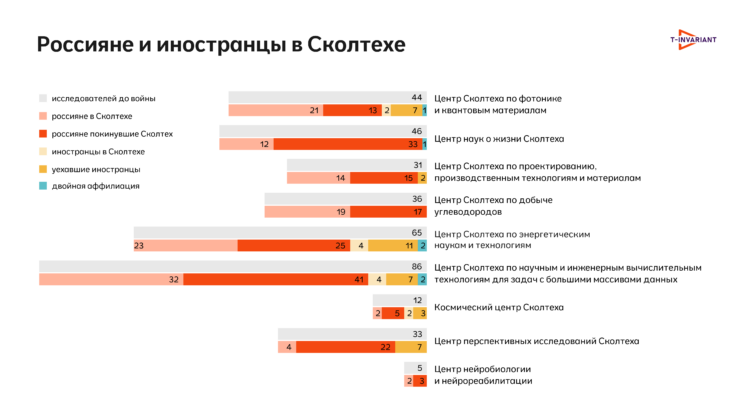
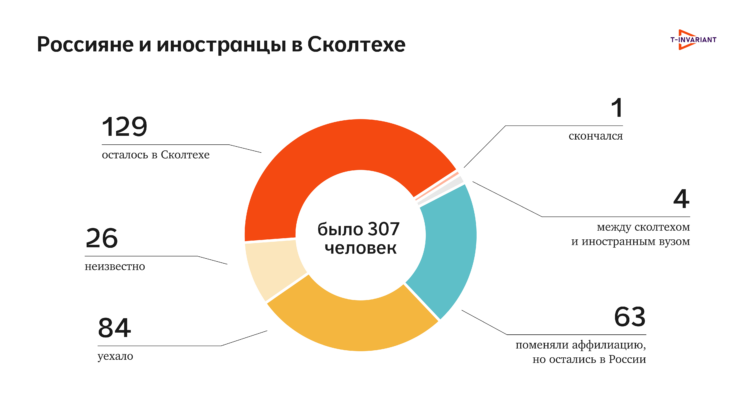
The university, which had an informal reputation as a “flagship of Russian science,” was strongly embedded in international academic networks. In the pre-war year of 2021, Skoltech maintained 54 international cooperation agreements. Its former partners included some of the world’s leading research universities — among them the Technical University of Munich, KU Leuven, and the National University of Singapore. Nearly all of those agreements were either terminated unilaterally by the foreign partners or allowed to lapse at expiration. Many of Skoltech’s former partner institutions have since become new homes for researchers who once held Skoltech affiliations.

Over the years of war, Skoltech has adapted to operating under sanctions and to forge new connections, though it has had to shift its geographic focus — and the new partnerships are fewer and less robust than the old ones. As of April 2026, Skoltech has signed 31 agreements, none of which involve Western countries; more than half (17) are with Chinese universities. None of those Chinese partners appear in the top 100 of either the QS World University Rankings or the Times Higher Education World University Rankings. The list also includes India, Vietnam, Iran, Kyrgyzstan, the UAE, Brazil, Israel, and Oman. The new Skoltech will likely stop losing Russian staff — for whom leaving has become far harder than in the early years of the war — and will instead recruit from Central Asia, Southeast Asia, and the Middle East.

[[socialnetworks]]

Thus, the story of Skoltech as a university integrated into the global academic market and connected to international technology corporations has come to an end. And the final chapter of that story was a change of rector.

No exit, no return: facts and speculation

On November 10, 2025, Skoltech’s board of trustees approved a new development strategy through 2030. It was already known that the university would be implementing the strategy under new leadership: ten days earlier, incumbent rector Alexander Kuleshov had told colleagues he would be stepping down in December, though he planned to remain at the university in a different capacity. He showed no sign of concern at the announcement. Kuleshov had led Skoltech for ten years, having succeeded the institute’s first president — American Edward Crawley — in 2016. He had tried to resign several times even before the war. And after Skoltech was hit with sweeping sanctions from the U.S. and Europe, his desire to leave the helm of a struggling institution was entirely understandable. Several candidates were considered to replace him. Among them was Skoltech honorary professor Artem Oganov — one of the institute’s most visible public figures, known less for his research than for his political commentary.

Edward Crawley at the presentation of the Skolkovo Institute of Science and Technology (2011). Photo: RIA Novosti

At one point, the decision-makers nearly settled on Denis Kuzmin — director of the Phystech School of Biological and Medical Physics at MIPT and author of the Telegram channel “Kuzmin and School.” The young scientist’s academic and administrative credentials were so far out of line with those of his predecessors — and with the scale and significance of Skoltech itself — that rumors began to circulate: only a very well-placed hand could have put his résumé on the desk of those with signing authority. Whether that hand belonged to Maria Vorontsova (Putin’s daughter) — who interacts regularly with Kuzmin while sitting on various scientific councils — or to Andrei Fursenko, who manages the pipeline of young talent for science administration, remains unclear. It is equally hard to determine whether there is any connection between Vorontsova’s working visit to Skoltech — and her initiative to establish a vivarium there (which was to be followed by an expansion of research directions and increased funding) — and the reasoning that an undertaking of that kind would only be entrusted to someone enjoying unconditional trust.

In any case, a young scientist who had only recently struggled to defend his dissertation would have seemed out of place in the role. In April 2025, Kuzmin managed to defend his doctoral thesis at the All-Russian Research Institute of Agricultural Biotechnology — with difficulty, and not on the first attempt: a preliminary defense at the MSU Biology Department had failed, forcing him to seek out a different committee. In the end, though not without some dissenting votes, the doctoral degree was awarded. The Higher Attestation Commission (VAK — Russia’s national body that ratifies doctoral degrees — T-invariant) still needed to ratify it. Two months later, however, Kuzmin was called before the VAK in connection with the case of his co-author and doctoral student Sorokin, who had defended in the same committee in January 2025. A week before Kuzmin’s own defense — back in April — the deputy minister of science and education had signed an order annulling Sorokin’s degree. Kuzmin’s and Sorokin’s dissertations closely resembled each other; both were defended before the same committee, a few months apart. For Kuzmin, the VAK review concluded successfully: his doctoral degree was confirmed. After all that, the only way to explain Kuzmin’s presence on the shortlist for one of the most prominent rector posts in the country was influential patronage. That said, many who know Kuzmin personally speak positively about him — describing him as someone who “has a realistic sense of his own place in the academic landscape” (as one of T-invariant’s sources put it). So his appointment was expected as something nearly inevitable — but not, in most eyes, as something to dread.

Kuzmin was expected to begin his transition into the role in January, but after the new year Kuleshov was still running the university — his contract had been extended for another year. Then, suddenly, on February 13, 2026, it was announced that his authority had been terminated and that senior vice-president Alexander Safonov — Kuleshov’s longtime deputy — had been appointed acting rector.
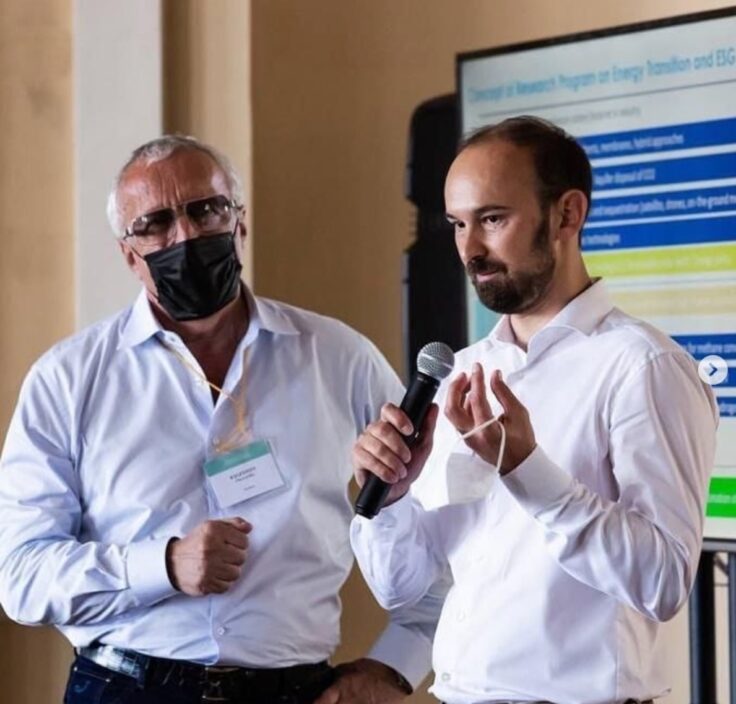
Alexander Kuleshov (left) and Alexander Safonov. Photo: https://www.instagram.com/skoltech

For a moment it seemed as though Kuleshov might be employing the classic “successor gambit” — where a seasoned, well-connected leader steps back into the background and continues managing his former domain from behind the scenes, leaving a loyal protégé as the figurehead. He had done something like this before, when he left the Institute for Information Transmission Problems (IITP) to move to Skoltech — and it ended in a major scandal (T-invariant covered it in detail here). But on February 20, the former rector sent colleagues a farewell letter (a copy of which is on file with the editors).

“Dear friends, I write with sadness to announce that my ten years of work at the Skolkovo Institute of Science and Technology have come to an end. I am proud of what we accomplished during this time. In my very varied life, these may well have been the best ten years. I am grateful to everyone — the professors, students, researchers, and of course the wonderful administrative staff — for what we built together. A single number captures what Skoltech is today: in 2025, there were 31,450 applications for 248 places. We are not simply — or even primarily — a teaching university; we are a ‘technology factory,’ and modern technology is impossible without world-class science. And we managed to achieve exactly that: to combine fundamental science with cutting-edge technology. I won’t turn a personal letter into a technical report, but let me share just one figure: in December alone, more than 1,000 5G base stations were deployed based on our documentation.

I don’t yet know what comes next for me, but I am quite certain I still have enough energy and intellect to start my fifth life. The first four I lived beautifully.

I wish Skoltech as a whole — and its graduates and students — every success. Believe me: a good life awaits you.

Yours, AK

P.S.

My deepest thanks go to our founders, Dmitry Anatolyevich Medvedev and Viktor Felixovich Vekselberg. Without them, none of this would have been possible.”

The letter was interpreted differently by different people at Skoltech. Some saw in it signs of frustration and resentment over unfair treatment. Others saw the opposite — relief: a sense that “I’ll be fine, now you figure it out without me.” But what stunned everyone was that a full member of the Russian Academy of Sciences who had successfully led first an academic institute and then an innovation university had apparently been given no position after his departure. And yet Kuleshov had never left institutions in decline in his wake. In 2015 he left IITP, which under his leadership had become one of the leading interdisciplinary academic institutes in the Russian Academy of Sciences — covering mathematics, biology, and information technology. By 2026, despite severe economic and scientific sanctions from the Western academic community, he had managed not merely to keep Skoltech operational but to develop it. And yet he received nothing — no honorary presidency to provide oversight and guidance, no advisory post with a lifetime pension supplement, not even his own “little domain” in the form of a technology center. That was unexpected.
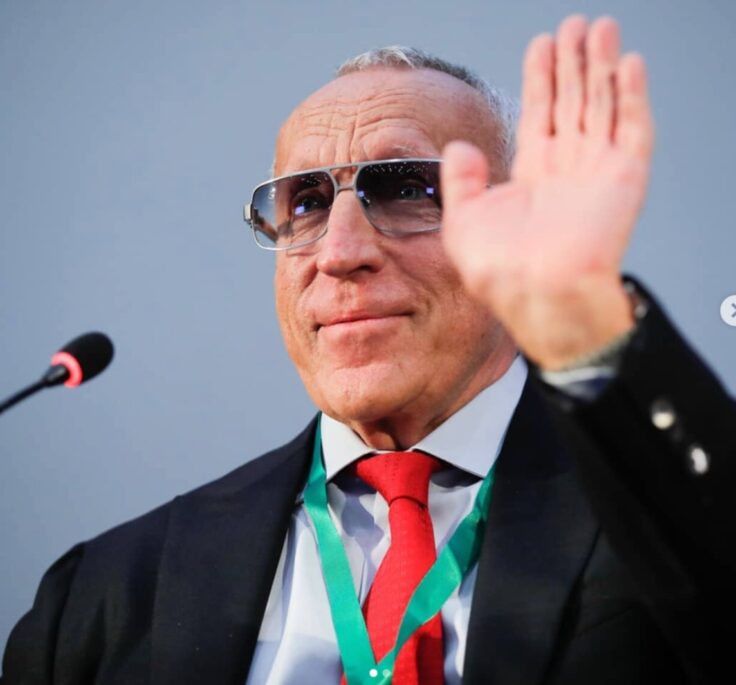
Alexander Kuleshov at the Ot Vinta (From the Propeller) national children’s and youth science and technology festival in Krasnodar — shortly after sending his farewell letter to colleagues. Photo: https://www.instagram.com/skoltech

All of this indicated that something had happened between the November academic council meeting — when Kuleshov announced his upcoming departure along the lines of “I’m leaving, but this isn’t goodbye” — and the February board of trustees meeting. The scenario that many had anticipated, including Kuleshov himself — an outside appointee takes the top job while the senior local academic stays on — had evidently been rejected at the highest level. Which meant the role of that senior heavyweight was now open. And it was offered to Yulia Gorbunova — a full member of the Russian Academy of Sciences and dean of the Faculty of Physicochemical Engineering at Moscow State University. She was to become Skoltech’s vice-president for research.

What followed over the next month and a half is described by Skoltech staff themselves as “chaos.” Dividing responsibilities between Gorbunova and Kuzmin in a way that didn’t shortchange either party — while still producing a workable management structure — proved almost impossible. It fairly quickly became clear that this was an unworkable arrangement, at which point Denis Kuzmin withdrew his own candidacy and withdrew from the running. He could only have done so if someone influential had promised to protect him from the Skoltech board of trustees. In the academic world today, very few people hold that kind of influence. Whether it was Kuzmin’s direct superior — MIPT rector Dmitry Livanov — or Maria Vorontsova herself, will likely become clear in the near future. If Kuzmin stays at MIPT, the behind-the-scenes actor was almost certainly Livanov. But if his career suddenly accelerates through other institutions, the speculation about Vorontsova’s role in Skoltech’s leadership transition may turn out to be more than speculation.

None of T-invariant’s sources, however, supports the claim in which Vorontsova personally orchestrated Kuleshov’s removal. The decision to push Kuleshov out of Skoltech entirely is attributed to Dmitry Medvedev, who was presented with a dossier on Kuleshov. Whether that dossier contained financial materials — potentially connected to the Audit Chamber’s recent visit to Skoltech — or was purely ideological in character (Kuleshov had been insufficiently enthusiastic in his support for the government’s policies, made critical public statements, and notably did not sign the letter from Russian rectors in support of the war) — no one knows for certain. One thing was clear: it would likely be difficult for Kuleshov to launch his “fifth life” using whatever “energy and intellect” he mentioned in his farewell letter — say, in France, where his family lives and of which he is a citizen. He has not been personally sanctioned by the U.S. or the EU (no asset freezes or travel bans), but the UK and Ukraine have imposed personal sanctions on him, and with that background he cannot work professionally with U.S. or EU organizations. He had evidently been planning on living his “fifth life” inside Russia — and that is what he ultimately received.
Chairman of the Skolkovo Foundation’s Board of Trustees Dmitry Medvedev with Skoltech students (2015). Photo: https://www.instagram.com/skoltech

On April 3, 2026, Skoltech’s website announced that the institute had a new rector: Russian Academy of Sciences full member Yulia Gorbunova. The announcement also noted: “Yulia Gorbunova has succeeded Alexander Safonov, who served as acting rector following the end of the term of academician Alexander Kuleshov, who led Skoltech from 2016 and will now take up the position of chief engineer of the institute.”

At the last moment, a man who had already been forced to say his goodbyes was brought back. The key role in this, according to T-invariant’s sources, was played by Viktor Vekselberg. The position of “chief engineer” had not previously existed at Skoltech. Indeed, it is an unusual position title for any Russian university. Only a handful of institutions have introduced it in recent years — such as Irkutsk National Research Technical University or Siberian Federal University. But in those cases, the people who hold the title are twenty or thirty years younger than Kuleshov, who turns 80 on May 2, 2026. This suggests that his “fifth life” has little chance of resembling the one he was living back around 1983, when he served as chief engineer at the NPO Kibernetika research production association.

What, then, might Skoltech become?

Up-to-date videos on science during wartime, interviews, podcasts, and streams with prominent scientists — subscribe to the T-invariant YouTube channel!

The chessboard, flipped

On March 27, VEB.RF chairman Igor Shuvalov announced: “We are currently relaunching Skoltech’s capabilities. You will soon hear about the appointment of a new rector — and that new rector has ties to Moscow State University.” Just a week later, it emerged that the new rector would be carrying out the relaunch under Shuvalov’s own supervision: he became the new chairman of the institute’s Board of Trustees. The previous chairman, Viktor Vekselberg, became his deputy. This was not a repetition of the situation five years earlier, when Shuvalov replaced Vekselberg as chairman of the Skolkovo Foundation’s board of directors. It signaled the beginning of a new chapter for Skoltech — one in which the institute’s role within the Skolkovo Foundation ecosystem is being significantly redefined and is becoming central. What does this mean in practice?

Until now, Skoltech was formally an autonomous university and a part in the Skolkovo Foundation ecosystem — their relationship officially described as a partnership. In practice, it was far from that. The Foundation controlled the university through key mechanisms of control. The primary decision-making body at Skoltech — the Board of Trustees — approves the development strategy, decides on the appointment of the rector, and controls the budget. Its composition changed periodically, but representatives from the Skolkovo Foundation always played a central role. The Foundation also provided significant funding to the institute. Now Skoltech will become a considerably more influential organization within the Skolkovo ecosystem — but far more directly accountable to the state. And Shuvalov’s appointment as chairman of the Board of Trustees clarifies the vague phrase “relaunching Skoltech.” What it effectively means is integrating the institute into the mobilization economy and maximizing output from it. The new board chairman himself put it in more measured terms, announcing that Skoltech faces “an overhaul of its educational model and closer integration into the efforts to achieve the country’s technological leadership.”

From Skoltech’s Development Strategy through 2030:

“Despite its relatively small size and reputation as a ‘boutique’ research institute, Skoltech already makes a quantitative and qualitative contribution to the achievement of national goals. <…> In the national projects aimed at ensuring technological leadership (including ‘Unmanned Aviation Systems’ and ‘New Atomic and Energy Technologies’), Skoltech is a key project executor and sits on expert groups developing roadmaps.”

The policy documents set out the following new priorities:

  • Technological sovereignty: developing critically important domestic technologies across the entire pipeline — from scientific concept to serial production of competitive products.
  • Developing “Engineering AI”: launching a large-scale program to create foundational and generative models, multi-agent systems, and elements of artificial general intelligence for industrial applications.
  • Integrating with the Russian Academy of Sciences and industry: strengthening coordination with RAS institutes and the country’s leading universities, while creating conditions in which technology transfer to business can become a natural extension of scientific research.
  • Developing new industry leaders: under the 2026–2030 strategy, the plan is to grow, together with VEB.RF, between 5 and 20 technology companies capable of competing globally and setting new standards.
  • Attracting talent (brain gain): Skoltech is expected to become a “magnet” once more for leading scientists and talented researchers from around the world, offering them high-status positions and world-class working conditions.
  • New scientific priorities: advanced research in photonics, life sciences, new materials, and energy efficiency.

The state had never before explicitly dictated the research agenda of a specific university. That had never happened in Skoltech’s history either. From the institution’s earliest years, its Board of Trustees had included leading international figures — among them former CIA Director (1995–1996), chemist, MIT professor, and Citigroup board member John M. Deutch; former president of the German Research Foundation and head of the European Science Foundation, biochemist Ernst-Ludwig Winnacker; and MIT professor, expert in systems engineering and space systems design, Edward Crawley. After the first year of the war, the board shrank by half and was reduced to a list of six names: Alexander Kuleshov, Irina Okladnikova, Alexander Vedyakhin, Anastasia Rakova, Dmitry Peskov — chaired by Viktor Vekselberg.

It is obvious that such a composition did not significantly strengthen Skoltech’s international standing. In 2026, two foreign nationals were added to the board: former president of the Hong Kong University of Science and Technology and mathematician Tony F. Chan, and technology executive Simon Bradley, who spent 13 years in various senior roles at Airbus and served as global head of cybersecurity at Siemens. Yulia Gorbunova joined the board as rector.
Yulia Gorbunova. Photo: Skoltech website

Foreign and Russian colleagues alike describe Gorbunova as a true scientist — a person of deep academic integrity and strong ethical convictions. And yet, even five years ago, the appointment of her to this post would have seemed inconsistent with the spirit of Skoltech, which in choosing its leadership had always placed priority on international experience in universities, corporations, and engineering centers. Gorbunova has spent her entire career within the structures of the Russian Academy of Sciences and Moscow State University, where the approaches and practices are quite different. But in the new political and economic reality, many colleagues see her appointment at Skoltech as the best thing that could have happened to the university at the time of its “relaunch” — at a moment when the state has decided to take a hands-on role in the substantive and operational aspects of scientific work. Her job will be to serve as a buffer in that process. And this role will impose new ethical demands on her, because science is no longer a refuge where one can wait out a dark era. The institutional experience of the Brezhnev years and the post-Soviet period is becoming increasingly less useful for working within a state that intends to operate under siege. Skoltech offers a vivid illustration of how, for the first time, the Russian government has seriously considered what it actually needs science for — and why it needs to be integrated into a new economic model under conditions of prolonged war and sanctions. If before 2022 Skoltech had no real engagement with the defense sector, it will now need to develop one. Staff who were directly involved in Skoltech’s procurement processes before 2022 told T-invariant that nothing resembling defense work was evident there. Agreements with Rostec and Uralvagonzavod, according to those sources, were largely framework arrangements that produced no tangible results. In that sense, Kuleshov was being completely candid with his 2022 comments on the sanctions imposed on Skoltech:

“We have nothing to hide — everything here is open. The only true statement in the State Department’s announcement is the first one: that Skoltech creates critically important technologies for the Russian economy. Everything about defense contracts and specific companies — Uralvagonzavod and the rest — is entirely unfounded.”

He repeatedly stated that Skoltech was an open civilian institution with many foreign professors on staff (which made classified defense research effectively impossible), and that the real aim of the sanctions was to accelerate the “depletion of Russia’s intellectual potential.”

This was partially corroborated by Skoltech professor Igor Krichever:

“Skoltech was sanctioned because it launched with significant publicity — not because any defense contracts were being run there. I chaired the committee responsible for hiring professors, and I can say confidently that never did I see anything defense-related at the institute. There were no defense contracts at Skoltech either.”

Now there will be. Otherwise it will be impossible to maintain Skoltech’s exceptional financial position among Russian universities. In the pre-war era, that position was driven by the need to stay competitive on the global academic market. Now different arguments are needed — and the only one that is persuasive is the ability to serve the Russian government’s core survival needs. That is why no one is likely to ask Skoltech’s new rector about the reasons for the sanctions. The answer to that question will be obvious.

Support T-invariant’s work by subscribing to our Patreon and choosing a donation amount that suits you.

The post From Boutique Research Institute to Science Strike Force: How Igor Shuvalov Is Relaunching Skoltech appeared first on Т-инвариант / T-invariant.

  •  

Red-Green Alliance Begins To Hurt U.S, India & Others as Left-Islamist Affinity Reshapes Global Politics: OPED

The specter of a “Red-Green Alliance” seems to be haunting the strategic elites not only in the United States but also in other parts of the world these days. 

The debate over this alliance between so-called Leftists and Islamists intensifies whenever a Muslim leader in the American Democratic Party secures an important nomination or an electoral victory.

It is not that these Muslim leaders in America are radical Islamists. They are essentially far-left in their political, economic, and global views and are being accepted as leaders within the Democratic Party. But they evoke apprehensions for their support of Islamists in all parts of the world on important global strategic issues.

The subject of the latest debate is Abdul El-Sayed, the progressive doctor and former Wayne County health director, who on August 4 won a historic victory in the Democratic primary in Michigan to join the Senatorial race in the upcoming November 2026 midterms.

If successful, he will be creating history as the first Muslim Senator in the history of the United States.

Of course, the Democratic Party has already seen elsewhere the rise of Muslim elected officials who often act as a bridge between progressives and Muslim advocacy groups. In the House of Representatives, there have been the likes of Rep. Ilhan Omar and Rep. Rashida Tlaib.

At the local and State level, cities like Minneapolis, Dearborn, Hamtramck, and parts of New Jersey/New York now have Muslim mayors, councilors, and state legislators, many elected with support from both progressive and Muslim voter blocs.

Zohran Mamdani has taken office as New York City’s first Muslim mayor. Abdullah Hammoud is now the mayor of Dearborn, Michigan. Ghazala Hashmi has won the lieutenant governorship in Virginia.

Incidentally, the rise of New York City Mayor Zohran Mamdani has been portrayed by experts as showing that democratic socialism and hardline anti-Israel politics are no longer marginal in America’s largest city.

New York City Mayoral candidate Zohran Mamdani (R) celebrates alongside his wife Rama Duwaji (L) during an election night event at the Brooklyn Paramount Theater in Brooklyn, New York on November 4, 2025. New Yorkers elected leftist Zohran Mamdani as their next mayor on November 4, 2025, broadcasters projected, on a day of key local ballots across the country offering the first electoral judgment of Donald Trump’s tumultuous second White House term. (Photo by ANGELA WEISS / AFP)

His national profile, and his demand that the federal government enforce an International Criminal Court warrant against Israel’s prime minister, have forced Democrats to reconsider their traditional stance on the Middle East in general and Israel in particular.

In other words, the strategic consequences of the Leftists sharing the global outlook with that of the Islamists outfits like Hamas or countries like Iran, or rising demands of Muslims in favor of their separate legal and social systems in many European countries, seem to be reshaping Western politics, traditional national security frameworks, and geopolitical alignments.

It is worth sharing in this context the thoughts of US Army veteran and human rights activist Mansoor Hussain Laghari, who had migrated from Pakistan. He strongly warns against the “Red-Green Alliance,” characterizing it as a dangerous and underappreciated ideological convergence between the revolutionary far left and political Islamism inside Western societies.

Using his unique background as a political refugee from Pakistan and experience in the US military, Leghari says that “Political Islamism” has nothing to do with ordinary Muslims or Islam as a faith. For him, it is something that seeks to place religious authority above democratic pluralism and civil law.

Laghari notes that while the radical Left (which claims to support secularism, feminism, and LGBTQ rights) and Islamists should be natural enemies, they cooperate because they share the same targets: American power, Western democratic institutions, capitalism, traditional faith, and Israel.

As he writes, “ These movements (Leftists and Islamists)  should be natural enemies. The radical Left presents itself as secular, feminist, and supportive of LGBTQ rights. Islamists often reject those principles. Yet alliances are not always built on shared values. They are often built on shared enemies.

“Both sides portray America as an imperial project rather than an imperfect constitutional republic. Both reduce complex societies to oppressors and oppressed. Both treat Western institutions as guilty until dismantled. Israel has become a powerful mobilizing symbol, but the deeper target is the political confidence and social cohesion of the United States.

“This ideology is no longer confined to campus seminars. It is entering mainstream political life. The Democratic Party remains broad, and many Democrats reject antisemitism, revolutionary socialism and political Islamism. But an increasingly influential progressive faction now treats these ideas as legitimate components of the party’s future”.

For Laghari, more than the rise of New York City Mayor Zohran Mamdani, the concern extends to “Ideas incubated in universities and activist networks (that) eventually influence city governments, congressional offices, public agencies and national-security institutions. Americans should debate these ideas openly but stop pretending that hostility toward the country’s constitutional and strategic foundations is merely youthful idealism.”

Laghari insists that Western societies must confront this Red- Green alliance with accountability and directness rather than comfortable denial, arguing that the constitutional protections of individual liberty over tribal obedience are actively worth defending.

“As a U.S. Army veteran, I learned that readiness is not measured only by weapons, aircraft or troop numbers. It also depends on national cohesion, public trust and citizens willing to serve. A military cannot remain fully effective if young Americans are taught that patriotism is shameful, service is complicity, and their country is uniquely evil.”

Many strategic analysts not only agree with Laghari but also discern the same pattern in European democracies and even India.

The following points in this regard they make are noteworthy:

One, after Trump’s victory in  2016 in the US, Brexit in the UK, the rise of the BJP in India under Prime Minister Narendra Modi, and right-populist governments in Europe, both Left-liberals and Islamist organizations found a common adversary and used  in their parlance terms like “right-wing nationalism,” “Islamophobia,” “majoritarianism,” and “fascism.”

Their alliance uses legal and academic frameworks in these democratic countries to label valid criticism of political Islamism or extreme Leftism for promoting terrorism or anarchy as “hate speech,” effectively silencing moderate and genuinely secular reformers.

Two, by infiltrating universities, local governments, and civil society organizations, the alliance shifts institutional policies toward anti-constitutional curricula and identity-driven governance. They popularize what is called “intersectionality” — placing Muslims, Palestinians, and refugees in the same “marginalized” category as racial minorities and LGBTQ communities.

This has created institutional incentives in universities and NGOs to platform Islamist speakers under the banner of “diversity” and “anti-racism.”

As a result, antisemitism is repackaged as mainstream progressive anti-imperialism, lowering the cultural barrier to targeted violence and exclusionary politics. And universal constitutional values are being replaced with tribal, identity-based loyalty, fracturing national unity.

Three, this collusion begins in universities and then feeds into media, NGOs, and politics. Progressive NGOs, left faculty, and Muslim student groups share funding, legal aid, and media training. And, university administrations, wary of being called “Islamophobic” or “racist,” often allow protests that would be shut down for other groups.

Politically, the collusion enables the sharing of an agenda with major political parties in the name of dissent,  protecting minorities, and expanding asylum/refugee programs. And that, in turn, generates narratives of state or police oppression and dangers of military modernization at the cost of social justice.

Then it becomes normal for progressives and Muslim politicians to vote and campaign together. They hold joint press conferences and share legal teams, and write joint petitions to global human rights bodies and the United Nations.

If Islamists find an ally in the Democratic Party in the US, in Europe one witnesses how Labour, Greens, and Left parties coordinate with Muslim community organizations on Gaza, policing, and counter-terror laws.

Apparently, European intelligence agencies have flagged that jihadist networks exploit progressive and anti-war protest spaces, such as climate and pro-Palestinian demonstrations, to recruit vulnerable individuals and gain mainstream legitimacy by aligning with broader, localized grievances.

The same pattern is also noticed in India.

Here,  sections of left and liberal parties,  student unions, liberal NGOs, and Islamist organizations have coordinated since 2019 on CAA-NRC ( Citizenship Amendment Act and National Register for Citizens), abrogation of Article 370 that had accorded special status to Kashmir, hijab cases, and “bulldozer” actions ( against the properties of hardened criminals and habitual law-breakers).

That is how domestic issues in Western democracies and countries like India are getting globalized as “human rights” issues, and hardline groups are gaining legitimacy by appearing next to mainstream left/liberals.

All this complicates a nation’s defense spending and foreign policy, forces strategic distractions, and weakens important partnerships. For instance,  on Palestine, Kashmir, Afghanistan, and the “war on terror,” Left-liberals critical of US/European/Indian foreign policy found common cause with Islamist groups who also oppose those policies.

When human rights language is used to defend individuals with extremist links, preventive policing becomes harder. Europe’s “returning fighters” problem and India’s experience with banned organizations show this. And the US, EU, and Indian foreign policy on the Middle East and counter-terror is now increasingly being constrained. Any action is immediately framed as “Islamophobic” or “imperialist”.

Viewed thus, the geopolitical alliance between Left/liberal elements and the votaries of political Islam that one sees across America, Europe, and India does present distinct challenges to the national security and social cohesion of each region. Its operational methods and societal impacts may vary from region to region based on local political landscapes, but its ideological foundation remains the same – shared opposition to the existing state apparatus.

Of course, experts point out that this alliance is “ironical” and could be “unstable” in the long run, given that Leftists and Islamists differ in their views on secularism and social rights. The Left wants progressive social change, emphasizing equality, social justice, and human rights. They are driven by secular and humanitarian concerns. But for conservative Islamists, it is traditional religious values and communal loyalty that are their principal motivations. Islamists often seek to establish states governed by Sharia.

However, despite their differences, at the moment, they are together on many aspects of global politics and are collaborating in unexpected ways. And that is said to be a matter of grave concern.

As Laghari says, “The question is no longer whether this ideological struggle has reached the United States. It has. The question is whether Americans will recognize it before the next generation inherits a country that no longer recognizes itself.”

What Laghari asks of Americans seems to be equally apt a question for Europeans and Indians as well.

  • Author and veteran journalist Prakash Nanda is Chairman of the Editorial Board of the EurAsian Times and has been commenting on politics, foreign policy, and strategic affairs for nearly three decades. He is a former National Fellow of the Indian Council for Historical Research and a recipient of the Seoul Peace Prize Scholarship.
  • This is an Opinion Article
  • CONTACT: prakash.nanda (at) hotmail.com

The post Red-Green Alliance Begins To Hurt U.S, India & Others as Left-Islamist Affinity Reshapes Global Politics: OPED appeared first on EURASIAN TIMES.

  •  

P-8 Poseidon “Cues” MQ-4C Triton! IAF Experts Call MUM-T Teaming of U.S. Navy Assets a Revolutionary Step

In a first such experiment, the P-8A Poseidon was teamed with the MQ-4C Triton unmanned aerial vehicle, potentially laying the groundwork for a future manned-unmanned teaming (MUM-T) for the US Navy and allied maritime patrol, reconnaissance, anti-submarine, and surface warfare.

Northrop Grumman and Boeing conducted the first automated, manned-unmanned mission control collaboration between the P-8A Poseidon maritime patrol aircraft and the MQ-4C Triton unmanned aerial vehicle in a laboratory environment, demonstrating how the two systems can share intelligence, mission planning, and execution.

“A P-8A operator issued machine-readable, machine-actionable mission tasking to a simulated MQ-4C Triton using UCI [Universal Command & Control Interface] formatted messages,” Boeing stated in an official press statement. “The P-8A cued the Triton transit to a specific area. After receiving the request, the Triton autonomously planned and executed a transit to the area, employed sensors per the tasking, processed findings onboard, and reported results back to the P-8A Poseidon.”

This approach could reduce operator workload, speed up decision-making in a contested environment, and enable more dynamic in-flight tasking without always routing through distant ground control.

Meanwhile, Northrop Grumman emphasized the broader value of the standardized approach: “Using this standardized interface, Triton can collaborate with other U.S. or allied assets sharing the same interface—cutting operator workload and accelerating commander decision-making, making integration across platforms quicker and more cost-effective. The Universal Command and Control Interface is a machine-to-machine collaboration standard based on Open Mission Systems and Autonomy – Government Reference Architecture.”

Photo via Boeing press release

Notably, the MQ-4C Triton was originally designed to work closely with the P-8A. A maritime-optimized derivative of the RQ-4 Global Hawk, Triton offers 24-hour endurance and high-altitude, persistent surveillance over vast ocean areas with its 360° multi-function radar, electro-optical/infrared sensors, and other systems. It functions as an “unblinking eye” for continuous maritime domain awareness.

Meanwhile, the P-8A has comparatively shorter endurance but boasts higher speed and lower-altitude capability than the MQ-4C Triton. Furthermore, it is designed to conduct anti-submarine and anti-surface warfare, investigate contacts of interest, support search-and-rescue, and assist in kinetic operations, among other things.

Together, the two platforms cover more ocean more persistently than either could alone, improve the common operating picture, shorten the sensor-to-shooter timeline, and make better use of limited manned aircraft and aircrew.

As a core element of the Maritime Patrol and Reconnaissance Force, Triton transmits real-time data via satellite to ships, aircraft, and shore stations.

MUMT Between Poseidon & Triton

Until now, the two platforms have operated in a complementary but in a relatively separate manner. Triton provides broad-area maritime ISR and cues contacts of interest, such as ships or potential submarines, prompting a P-8A to investigate, prosecute, or engage.

The coordination between them has normally flowed through ground control stations, introducing latency, especially when stations manage multiple missions, operate across time zones, or sit at the end of long satellite communications chains. However, the new automated capability could essentially allow a P-8A crew to issue commands directly to the Triton, after which the drone can autonomously plan and execute the task.

This would expedite the response to unanticipated changes, such as potential threats or seemingly transient targets of interest. Moreover, automation and onboard AI handling of data collection or processing would free crews, both in the air and on the ground, to focus on higher-level decisions rather than routine tasking or sifting through raw sensor feeds.

“The key idea of teaming them is to let each do what it does best while reducing the workload on human operators. Instead of both independently searching the same ocean, the Triton can detect something unusual and automatically cue the Poseidon. It would reduce operator workload, speed up decision-making, enable more flexible and responsive manned-unmanned teaming, and leverage their complementary strengths for broader, more efficient maritime ISR and related missions,” Air Marshal Anil Khosla (retd), Indian Air Force veteran and military commentator, told the EurAsian Times.

“Triton handles the long-endurance, broad-area “look” mission persistently. Poseidon handles responsive, close-in, multi-mission work. Automated teaming lets them operate more seamlessly as a unit rather than operating in relative isolation or with slower human-mediated coordination,” he added.

In a hypothetical scenario, one manned P-8 could also team with one or more Tritons at a time, stretching limited manned aircraft hours and freeing up the Poseidon for high-value missions, such as anti-submarine warfare and responsive strikes in combat.

Only the United States and Australia currently operate both the P-8A and MQ-4C Triton. The P-8A, however, has been acquired by a wider group of nations, including the United States, India, the United Kingdom, Norway, New Zealand, the Republic of Korea, Germany, Canada, Singapore, and Denmark.

The UCI architecture that enables the latest P-8-MQ-4C teaming could also potentially enable Poseidon teaming with other uncrewed assets, as Northrop stated

Indian Air Force (IAF) veteran Air Marshal Anil Chopra (retd) told the EurAsian Times: “All advanced militaries are focusing on data and sensor fusion, and rapidly working on facilitating integration between different platforms, ranging from manned-manned teaming to manned-unmanned teaming, across domains. The P-8A and Triton’s MUMT merely reflect that larger pattern. The same logic extends beyond air-to-air or air-to-surface pairings into surface, subsurface, land, and space sensors and effectors. The goal is a resilient “kill web” rather than linear kill chains, with data moving freely enough that any suitable shooter or sensor can contribute.”

“In the future, the maritime surveillance aircraft could be similarly teamed with other drones, such as the Sea Guardian,” he added.

The SeaGuardian, a variant of the MQ-9 Reaper, is also designed for maritime surveillance and reconnaissance, and could be teamed with the Poseidon aircraft with some tweaks.

Earlier work has already shown related possibilities. A Boeing-led team virtually demonstrated that the MQ-25’s architecture can support ISR and tanking missions by other aircraft within the mission airspace without conventional communications to a ship-based ground control station. That demonstration included the E-2D Advanced Hawkeye, P-8A Poseidon, and F/A-18 Block III Super Hornet.

There are several other examples of the US military’s efforts aimed at manned-unmanned teaming between aircraft to perform a variety of tasks. In fact, sensor fusion, edge AI, open architectures, and seamless teaming are becoming baseline requirements for competitiveness in contested areas.

The P-8A–MQ-4C laboratory demonstration is clearly a step forward.

However, its actual impact in real conditions will probably depend on how quickly the capability moves from the lab to operational skies.

“MQ-4C Triton and P-8A are the backbone of the U.S. Navy’s maritime patrol and reconnaissance force, delivering complementary capabilities unmatched by any other platforms,” Jane Bishop, Vice President and General Manager of the Global Surveillance Division at Northrop Grumman, was quoted as saying in the official statement. “This demonstration underscores the flexibility of our systems, our unwavering industry investment, and the strength of our industry relationships. Our commitment to pushing the boundaries of advanced technology ensures that the U.S. and allied nations’ operators maintain an unparalleled edge against evolving maritime threats,” he added.

The post P-8 Poseidon “Cues” MQ-4C Triton! IAF Experts Call MUM-T Teaming of U.S. Navy Assets a Revolutionary Step appeared first on EURASIAN TIMES.

  •  

Iran Flaunts U.S. F-15E Wreckage as “War Trophy” Alongside Near-Intact Israeli Hermes & MQ-9 Reaper Drone

As the Trump administration weighs its next moves amid a fragile halt in hostilities, Iran has put on public display a selection of war trophies: wreckage from a downed F-15E Strike Eagle and what it claims are two nearly intact drones.

The US (in collaboration with Israel) launched “Operation Epic Fury” against Iran on February 28, hoping to decapitate the Iranian regime and destroy its military capabilities.

However, about six months later, the Iranian state media published images showing the wreckage of multiple US and Israeli aircraft that it managed to take down during the 40-day war.

This includes the debris of an F-15E Strike Eagle, Call Sign DUDE 44, a US Air Force (USAF) fighter jet now identified as airframe 00-3000.

On April 3, an F-15E Strike Eagle was downed by ground-based fire from Iran’s Islamic Revolutionary Guard Corps (IRGC) while conducting a combat mission over southwestern Iran.

This marked the first confirmed loss of a manned US combat aircraft to Iranian fire over Iranian territory in the conflict, and triggered a 36-hour intense search and rescue operation for the Weapon Stations Officer (WSO) who went missing.

The USAF incurred additional losses during that operation, including the self-destruction of aircraft that became defunct, to deny sensitive material to the IRGC, as previously reported by the EurAsian Times.

From IRGC images.

Remains of Lakenheath-based 🇺🇸 USAF F-15E 00-3000 #AE178B, callsign DUDE44, which was shot down April 3rd over Iran.
DVIDS image from 2014 of F-15E 00-3000 over Afghanistan in 2008. pic.twitter.com/oAugzvAAyi

— Evergreen Intel (@vcdgf555) August 7, 2026

However, the F-15E shoot-down, which belonged to the 48th Fighter Wing from RAF Lakenheath, quickly became the centerpiece of Iranian narratives of successful air defense.

In fact, the Iranian media had released crash-site photos and video almost immediately, showing a vertical stabilizer section with USAFE markings, a red tail flash, and other features consistent with the aircraft.

The current exhibit includes the canopy and an ACES II ejection seat, the latter of which is among the more intact components recovered.

Additionally, some remains attributed to the C-130s abandoned and destroyed during the rescue are on display, though they are less visually prominent.

📍🇮🇷🇺🇸 NEW:

Iran has recovered largely intact US MQ-9 Reaper and Israeli Hermes 900 drones.

IRGC engineers are expected to examine the captured systems, study their technologies and reverse-engineer key components to help develop advanced indigenous drone models. pic.twitter.com/3cOBvPVzNx

— Jackson Hinkle 🇺🇸 (@jacksonhinkle) August 8, 2026

The more striking trophies, however, are the two drones Iran claims to have recovered in largely intact condition during Operation Epic Fury: a US MQ-9 Reaper and an Israeli Elbit Systems Hermes 900 serial 923.

Iranian authorities assert the Reapers were intercepted by air defenses, and the Hermes 900 was brought down by electronic warfare.

It is worth mentioning that Iran managed to down at least 24 MQ-9 Reapers until the ceasefire, accounting for 57% of all USAF losses in the war. However, several more of this class of drones were downed in intermittent exchange of hostilities after the ceasefire, bringing the total to about 30, according to claims made by US officials in early July.

Despite the attrition, the Chief of Staff, Gen. Kenneth S. Wilsbach, endorsed the Reaper as the MVP of the Iran war, stating, “We’ve made many, many strikes” with Reapers.  “It’s an unmanned platform, so we get a lot of utility out of them, and don’t put our folks at risk,” Wilsbach said, as reported by the EurAsian Times at the time.

Separately, the open-source trackers documented at least four to five Israeli Hermes 900s lost during the main phase of the war with Iran, with some assessments running as high as eight. However, the EurAsian Times could not independently verify total losses.

A nearly intact Israeli Hermes 900 UAV displayed by Iran (Via Iranian State Media)

Notably, while collecting and parading war trophies is fairly common—as done by Russia and Ukraine in their ongoing war—it has its own risks.

For example, Iran could exploit recovered drones primarily through technical intelligence (TECHINT), reverse engineering, and adaptation for its own programs.

These platforms are medium-altitude, long-endurance (MALE) UAVs used for intelligence, surveillance, reconnaissance (ISR), and strike missions.

Iran could disassemble the drones and obtain key technologies, such as optics, detectors, stabilization, laser systems, and processing units, to improve its electro-optical or infrared (IR) packages, Synthetic Aperture Radar (SAR) capabilities, and multi-sensor fusion for integration with its vast inventory of existing platforms.

Additionally, it could get access to satellite communications (SATCOM) for encrypted command and control, line-of-sight datalinks, beyond-line-of-sight control, and possible tactical links.

To improve the long-endurance capabilities of Iranian aircraft and payload integration, the IRGC might also investigate structural design, sensor vibration isolation, and modular bays.

In a hypothetical situation, even partial insights could enhance the day-and-night, all-weather ISR capabilities of current Iranian drones or provide guidance for electronic warfare, jamming, and air defense strategies against comparable Western weapons.

Furthermore, Iran could also choose to share its exploits with key partners like Russia, which has assisted Tehran in its military operations.

Iran, on its part, has demonstrated it could reverse-engineer Western drones.

When Iran Took Down & Reengineered A US Drone

Iran hit the jackpot on December 5, 2011, when its cyber warfare unit commandeered the US’ Lockheed Martin RQ-170 Sentinel UAV and forced it to land near the city of Kashmar in northeastern Iran, about 225–250 kilometers from the Afghanistan border.

The US officials later confirmed it was a CIA-operated unmanned aircraft involved in a reconnaissance mission, with reports indicating it was part of efforts monitoring Iranian nuclear and other military facilities.

At the time, Iran’s government announced that its cyberwarfare unit had detected the aircraft in Iranian airspace, commandeered it, and landed it with minimal damage rather than shooting it down. Iranian officials, including commanders from the IRGC Aerospace Force, claimed they jammed the drone’s satellite and control communications links, forcing it into an autopilot or lost-link mode, then used GPS spoofing to make the aircraft land. 

US RQ-170 Sentinel
US RQ-170 Sentinel

Some American analysts and officials expressed skepticism about Iran’s electronic-warfare claims, noting that the RQ-170 relies primarily on an inertial navigation system, which is harder to jam or spoof than pure GPS.

Interestingly, though, the relatively intact airframe fueled competing theories of a controlled recovery versus a soft crash after loss of control.

The former US President Barack Obama publicly acknowledged the incident and, on 12 December 2011, stated that the United States had formally requested the drone’s return.

However, Iran denied the US’s demands to return the UAV, and Iranian state television on December 8 broadcast footage of Iranian military officials inspecting what they identified as an RQ-170 Sentinel drone. Additionally, Tehran went so far as to claim that countries like China and Russia had approached it to get information on the drone.

The event exposed details of a previously highly classified surveillance operation over Iran and raised fears about possible technology transfer, constituting a major intelligence and technological defeat for the United States.

By 2012, the IRGC had claimed to have succeeded in gleaning data from the US drone and was building a process to create a replica of the aircraft. The Sentinel was then reverse-engineered to create what is now the Saeghe/Simorgh drone. 

Iranian-built RQ-170 Sentinel copy- Wikipedia

Similarly, in 2012, Iranian state television showed images of what it said was a US ScanEagle drone in its airspace.

Iran has never denied. Instead, it has chosen to flaunt the fact that its UAVs have been reverse-engineered from US drones as a major victory.

It is safe to say that an adversary will almost always be able to obtain some degree of intelligence from an aircraft’s wreckage, regardless of the measures taken to prevent it. While this does put US and Israeli military technology at risk, it is an inevitable prospect that both countries were likely aware of when they embarked on this war with Tehran.


The post Iran Flaunts U.S. F-15E Wreckage as “War Trophy” Alongside Near-Intact Israeli Hermes & MQ-9 Reaper Drone appeared first on EURASIAN TIMES.

  •  

AIM-260 JATM: Australia To Become 1st International Buyer of “Secretive” U.S. Long-Range Missile

Australia is poised to become the first international buyer of the AIM-260 Joint Advanced Tactical Missile (JATM), one of the US Air Force’s (USAF) best-kept secrets and unarguably its longest-range air-to-air missile.

Speaking at the ongoing multi-national military drills, Exercise Pitch Black, Australian Defense Minister Richard Marles said the country will invest “almost” $736 million AUD, or about $518 million USD, to acquire “up to 450” missiles for the Royal Australian Air Force (RAAF).

The missiles would be acquired through the Foreign Military Sales (FMS) route.

“This announcement is the latest milestone in the delivery of long-range, high‑tech capabilities for our Defense Force,” Marles said in Darwin. “The Albanese government continues to deliver critical capabilities that will allow the ADF to strike at a longer range, deter any adversary, and protect our national interests. It is fitting to make this announcement at Exercise Pitch Black, which is an important demonstration of Australia’s commitment to the peace, stability, and security of our region.”

The AIM-260 is apparently designed to succeed the AIM-120 Advanced Medium-Range Air-to-Air Missile (AMRAAM), which is already extensively used by the RAAF.

The missile will initially be integrated on the F/A-18E/F Super Hornet and later fielded on the F-35A and EA-18G Growler, according to the Australian Defense Department. However, there is speculation that the missile may eventually be fitted to the MQ-28 Ghost Bat, which has already test-fired an AIM-120 AMRAAM.

With this acquisition, Australia will officially become the first export customer of the JATM, even before allies like Israel.

Interestingly, the AIM-260 JATM purchase continues a pattern in which Australia serves as an early or exclusive partner for advanced US systems. For example, Canberra was the first international customer for the Super Hornet, the first and the only export customer for the EA-18G Growler, the first international buyer of the AGM-158 JASSM and AGM-158C LRASM long-range missiles, the first non-US customer for the MH-60R military helicopter, and only the second country (after the UK) approved to buy Tomahawk cruise missiles.

Australia is also the only nation outside the United States assembling GMLRS rockets, and one of only two countries (alongside the UK) granted access to highly restricted U.S. nuclear propulsion technology for submarines under AUKUS.

Moreover, the Australian Shadow ministers are proposing the purchase of the B-21 Raider bomber from the US to fill the capability gap until the AUKUS submarines arrive, a possibility first publicly examined by Marles in 2022 and referenced in the 2023 Defense Strategic Review, as previously reported by EurAsian Times.

Image
AIM-260 JATM seen in a US Navy rendering published in 2025

Australia’s official announcement to purchase the AIM-260 JATM once again validates the strength of these strategic ties. “The acquisition of the AIM-260 JATM will provide Air Force platforms with a credible deterrent against airborne targets, complementing existing air-to-air missile capabilities and other surface-based missile capabilities across the Australian Defense Force (ADF). It will also further enhance Australia’s interoperability with the United States,” the Australian Department of Defense said in a statement.

More significantly, though, it marks a major improvement in the RAAF’s combat capacity in the face of China’s growing Indo-Pacific security threat. 

AIM-260 JATM

AIM-260 JATM Against China

Although the announcement did not name China, Australian strategic documents and officials consistently identify Beijing’s rapid military expansion as the primary security challenge in the Indo-Pacific.

The 2023 Defense Strategic Review described China’s build-up as “the largest and most ambitious of any country since the end of the Second World War,” conducted “without transparency or reassurance,” and noted that Chinese actions in the South China Sea undermine the rules-based order in ways that affect Australian interests.

Australian leaders have repeatedly flagged China’s coercive behavior in territorial disputes, unsafe intercepts of ships and aircraft, and growing Chinese influence in the South Pacific, which Canberra has historically considered its own sphere of influence.

Experts have also suggested that Australia may get dragged into a US-China conflict in the future. Although Canberra has never officially confirmed that it would join forces with the US military in a military contingency, it hosts several US military facilities that may come under attack by Chinese long-range missiles, as explained in detail by a previous EurAsian Times report.

Although ties between Australia and China have stabilized in recent times, Canberra has committed billions of dollars to acquire advanced, high-tech missiles as part of a broader strategy to safeguard the nation, deter potential adversaries, and defend national interests.

Marles had earlier highlighted that this involves turning Australia into a “porcupine island,” fully armed with deadly weapons to thwart any attacking nation. The acquisition of the AIM-120 JATM aligns with this approach, especially given that China has developed an array of long-range air-to-air missiles in recent years. 

The AIM-260 JATM is considered a response to the Chinese PL-15 air-to-air missile. China has purportedly produced and deployed at least 500 J-20 fighter jets, each capable of carrying up to 8 PL-15 missiles that have a range of 200 to 300 kilometers.

Additionally, the Chinese People’s Liberation Army (PLA) is developing very long-range air-to-air missiles (VLRAAM) that can strike targets. A previous Pentagon report stated that China already has the PL-17 VLRAAM and is working on a more advanced long-range missile, PL-XX or PL-21.

In contrast, the existing AIM-120 AMRAAM in the RAAF arsenal has a range of about 150-160 kilometers, even in its most advanced iteration.

With long-range, greater kinematic performance and improved guidance, the AIM-260 JATM will allow Australian fighters to engage threats earlier and from safer distances. Moreover, it could be integrated on multiple RAAF jets, giving the service a common advanced air-to-air weapon across its main combat aircraft.

The AIM-260 JATM Is Coming

The existence of the AIM-260 JATM was initially confirmed in 2019 during an Air Force Life Cycle Management Center industry conference. Due to its sensitivity, the AIM-260 JATM is classified as a Special Access Program (SAP), and details about the missile remain scarce.

In 2022, General Mark Kelly, the head of the United States Air Force’s Air Combat Command, shared an artist’s concept of the Lockheed Martin F-22 firing an AIM-260 JATM.

More recently, the US Navy publicly revealed the rendering of the missile in February 2025. At the time, experts inferred that it was comparable in appearance to the AIM-120 medium-range air-to-air missile, including in size.

Nonetheless, the AIM-260 appears to have a larger rocket motor section and no mid-body surfaces, unlike the AIM-120.

Although little is known about the covert missile, reports suggest it will be powered by dual-pulse rocket motors or ramjets to increase its range and performance.

Experts anticipate that the AIM-260 will have an advanced multi-mode seeker system that may include infrared imaging and active radar. They claim that the dual-seeker system will improve resilience to electronic warfare countermeasures and increase accuracy.

Like the AIM-120D-3 AMRAAM derivative, the AIM-260 is anticipated to have a two-way datalink. This feature would greatly increase the missile’s efficacy in networked battle by enabling mid-course targeting upgrades or re-targeting.

The missile is intended to keep valuable airborne assets, such as tankers and AEW&C aircraft, safe deep into contested airspace. It would also be designed, according to analysts, to combat stealth aircraft and to operate in disputed areas with heavy electronic jamming, thereby increasing its effectiveness against enemies such as China and Russia.
The US is purportedly advancing work on this missile because the fire-and-forget strike advantage is often decisive in modern combat.
The JATM “is the number-one air-delivered weapon priority for both the Air Force and the Navy, and out-prioritizes other weapon system improvements and modernization efforts on any fielded aircraft,” the USAF earlier stated.

After initially being introduced with the USAF’s Raptor, the missile will eventually be fitted to the F-35 and the Navy’s F/A-18E/F. In fact, the AIM-260 JATM will also likely arm the US Navy’s F-47 sixth-generation combat aircraft, which is currently under development.


The post AIM-260 JATM: Australia To Become 1st International Buyer of “Secretive” U.S. Long-Range Missile appeared first on EURASIAN TIMES.

  •  

North Korea’s Missiles Are Moving West — 120 of Them May Head Toward Ukraine Amid Kyiv’s Plea For Help

Ukraine is staring down a new and deeply unsettling threat: a possible North Korean missile unit deployment to western Russia amid a lack of anti-ballistic interceptors in its arsenal. 

North Korea is preparing to deploy a missile unit to western Russia, according to a Ukrainian military intelligence official, marking a significant escalation in the conflict.

Andrii Cherniak of Ukraine’s Main Directorate of Intelligence (GUR) told Reuters that the deployment involves Russia’s 112th Guards Missile Brigade and about 90 North Korean personnel based in the Voronezh region, which borders Ukraine.

While the exact composition of missiles will be finalized during senior-level talks next month, Pyongyang has already sent a new batch of 40 KN-23 and KN-24 missiles and personnel ​to Russia, the GUR official claimed.

Further, he noted that the unit could eventually field up to 120 short-range ballistic missiles along with six launchers.

An informed source reportedly told Reuters that the United States was aware of the plan but did not provide further details.

Designed to evade missile defenses by flying on a lower, “depressed” trajectory that reduces radar detection, the KN-23—resembling the Russian Iskander—has a range of 800-900 kilometers.

Previous reports indicated that Moscow had allegedly modified the missile to enhance its accuracy.

Meanwhile, the KN-24 has a comparatively shorter range of about 410 kilometers and employs a quasi-ballistic or depressed trajectory with possible in-flight maneuvers, making it harder to intercept.

GUR’s claims could not be officially verified, and the Pentagon has not made a statement acknowledging any such intelligence reports. Nevertheless, the GUR’s assessment comes days after Ukrainian President Volodymyr Zelenskyy announced Russia used a North Korean missile for a strike on July 30, which killed five members of a family.

Although Russia has previously used North Korean ballistic missiles, the Ukrainian reports hinted that Moscow might have received a fresh supply.

Earlier, Pyongyang had reportedly delivered more than 100 short-range ballistic missiles (primarily KN-23 and KN-24), millions of artillery shells, over 120 long-range self-propelled artillery systems, and more than 120 multiple rocket launch systems. Additionally, it had deployed an estimated 11,000 troops for the Ukraine war, of whom approximately 2,300 were killed in combat.

While the US and NATO are on the ground in Ukraine, studying the realities of modern warfare and using those lessons to develop the next generation of military technology, North Korea, Iran, and China are also closely observing the conflict to refine their own weapons and military doctrines.

North Korean KN-23

Why is Ukraine Alarmed

Russia has been exploiting gaps in Ukraine’s air defenses to launch frequent ballistic and hypersonic missile strikes.

On August 4, Russia conducted a major overnight attack with drones and ballistic missiles that killed 17 people. Ukrainian forces intercepted 98 of 115 drones but failed to shoot down even a single ballistic missile, as recently reported by the EurAsian Times

Having run out of Patriot interceptors, which are the only reliable defense against ballistic missiles, Ukraine is practically left defenseless.

Ukraine has been pleading with its allies to supply more Patriot batteries and interceptors, which remain among the few weapons capable of countering ballistic missile threats such as North Korea’s KN-23 and KN-24 and Russia’s Iskander.

“Ballistic missile interceptors could have saved the lives of those killed today,” Zelenskyy wrote on social media after the August 4 strike. “It is very important that our partners understand that delays in supplying them, or an unwillingness to provide anti-ballistic systems, lead directly to such horrific casualties and destruction.”

Notably, the US has been sending Patriot missiles to Ukraine, among other weapons and munitions—including through the Prioritized Ukraine Requirements List (PURL), a new system wherein NATO nations pay for the transfer of weapons from the US. However, recent reports suggest that the US has expended a massive chunk of its own Patriot interceptors in the Ukraine war, eroding any space to make fresh deliveries to Kyiv.

Meanwhile, other NATO allies remain wary of aiding Ukraine with Patriots amid heightened security threats and long production timelines.

The Patriot shortage has allowed Moscow to use ballistic missiles with near impunity, creating a dangerous “window of vulnerability” for Ukraine that will only expand with North Korea’s deployment. In fact, experts fear that the situation will get increasingly challenging as winter approaches, which is when Russia intensifies attacks on Ukraine’s power grids.

The expanding Russia-North Korea partnership also carries broader geopolitical implications for Ukraine after nearly five years of war.

“Kyiv is rattled not because North Korean missiles are more advanced than Russia’s Iskander, but because they signal a deeper, more dangerous geopolitical alignment—and their sheer volume and indiscriminate use are overwhelming Ukraine’s already strained defenses. This isn’t just about weapons—it’s about the normalization of new military collaboration and geopolitical alignment. Russia’s use of North Korean missiles also suggests Pyongyang has replenished Moscow’s arsenal, enabling intensified bombardments as Russia seeks to break Ukrainian morale. For Kyiv, each KN-23/24 impact is both a physical and symbolic blow,” Air Marshal G.S. Bedi (retd) told the EurAsian Times.

Notably, North Korea’s short-range ballistic missiles (SRBMs) are believed to be less accurate compared to their Russian counterparts. A previous Ukrainian state prosecutor’s report stated that about half of the KN-23s launched by Russia between late December 2023 and late February 2024 veered off course and sometimes exploded midair.

Moreover, strikes launched using these missiles have caused large-scale civilian casualties.

Nonetheless, the deployment of North Korean missiles will give Russia what it needs to overwhelm and batter Ukraine: volume.

This allows Moscow to reserve more precise systems such as the Iskander for high-value targets while using KN-23 and KN-24 missiles against population centers and infrastructure to increase pressure on Kyiv.

Interestingly, during a meeting of Ukraine’s National Security and Defense Council, President Volodymyr Zelenskyy reportedly announced that his country will destroy Russian missile launchers to reduce attacks on Ukrainian cities.

“Our military knows they must destroy the enemy’s launchers to reduce strikes on Ukraine, its critical infrastructure, and civilians. They are working on this and will continue to do so,” Zelenskyy said.

The post North Korea’s Missiles Are Moving West — 120 of Them May Head Toward Ukraine Amid Kyiv’s Plea For Help appeared first on EURASIAN TIMES.

  •  

Elon Musk’s SpaceX Racing to Recover Intact Ship 40 from Indian Ocean After Softest Splashdown Yet

Days after SpaceX’s Flight 13, the company is actively recovering Ship 40, the upper stage of its Starship vehicle, from the Indian Ocean.

SpaceX completed the test flight of its Starship megarocket on July 24, 2026, following an aborted launch attempt the previous week in which several Super Heavy engines failed to ignite. The test flight—Flight 13—achieved several key milestones before concluding with a controlled splashdown of the upper Starship spacecraft in the Indian Ocean.

After splashdown, Ship 40 has remained afloat for days, as confirmed through satellite imagery, including Synthetic Aperture Radar (SAR). 

Notably, SpaceX has been working to bring the upper spaceship back for a controlled landing after flight, eventually recovering and quickly reusing the vehicles, which may significantly reduce launch costs. However, for it to be reused, the ship must survive high-speed atmospheric reentry, flip from a belly-first attitude to a vertical landing orientation, and then perform a precise, powered landing burn. Reliable performance of these steps is essential for catching the vehicle with the launch tower’s mechanical arms, which is the planned path to rapid reuse and dramatically lower costs.

Interestingly, SpaceX had no plans to recover Ship 40. The vehicle, however, successfully completed all of the above steps and achieved an unusually soft splashdown.

Image
File: Landing burn and splashdown of Starship on Flight 13

SpaceX spokesperson Dan Huot stated that Ship 40 demonstrated significant improvement over its predecessors by keeping its engines operating, maintaining control during aggressive reentry, and achieving its softest splashdown to date at the target landing site. Huot described the outcome as a “dream scenario” during the flight livestream.

The landing was soft enough that, unlike earlier prototypes, Ship 40 remained largely intact and afloat rather than sinking or breaking apart. In fact, the post-flight review conducted by SpaceX apparently indicated the landing position and control were precise enough that the tower arms could have theoretically caught it.

New satellite images of Ship 40 just dropped

Story with w/ @ThomasBordeaux7 https://t.co/XvVZz85NLp pic.twitter.com/lcXdgxRJms

— Jackie Wattles (@jackiewattles) August 3, 2026

Initially, a SpaceX recovery ship, named Go Australis, was stationed near the vehicle. However, the effort was joined by two Norwegian tugboats, Normand Ranger and Skimmer Tide, after Musk announced that the company would attempt recovery.

The recovery effort was seen in satellite images from the Colorado-based geospatial intelligence firm Vantor, which showed a small boat positioned near the Starship with a line fastened to its nose, as reported by CNN. MarineTraffic data on August 3 indicated Skimmer Tide and Normand Ranger moving at roughly one knot while broadcasting restricted maneuverability, while Go Australis was en route to Australia on its own.

More recent AIS data as of August 4 confirm that Normand Ranger has Ship 40 under tow (stern-to-aft) with flotation aids fitted near the base to keep the engines clearer of the water, at the time of writing this report.

SpaceX Wants Reusable Upper Spacecraft

SpaceX’s primary ambition for a reusable upper stage is embodied in Starship, the second stage of the Starship/Super Heavy system.

Unlike Falcon 9, where only the first-stage booster is routinely reused and the second stage is expendable, Starship is designed from the outset as a fully reusable orbital vehicle that can serve as a spacecraft for crew, cargo, tanker, and planetary landing roles.

The company’s declared objective is airline-like operations, which should ideally be measured in hours rather than days or weeks. These operations include launch, land, or catch, minimal inspection, refuel, and refly. In fact, Musk has described a long-term vision of flights more than once per hour, with costs potentially falling to a few million dollars, or lower, per flight once rapid full reusability and local propellant production are achieved.

Some of the challenges in achieving this center around a fully reusable orbital heat shield that survives multiple flights with little or no tile replacement, high-cycle engine reliability without significant refurbishment, and precise, reliable Ship catches after orbital reentry.

The company has indicated that solving these problems would enable massive Starlink deployments, large space telescopes, a lunar base, and Mars cargo or crew missions via orbital refueling with tanker Ships. A full reusability of the upper stage or spacecraft is presented as the critical breakthrough for making life multiplanetary.

It is pertinent to note that SpaceX has deliberately flown largely the same suborbital trajectory on successive tests that essentially includes launch from Starbase, hot-stage separation, booster return (initially soft splashdown, later tower-catch attempts), Ship continuing on a high-energy arc, payload or deployment tests, in-space engine relight(s), controlled reentry over the Indian Ocean, and targeted soft splashdown.

This consistent profile allows rapid iteration on the same failure modes and performance envelopes while collecting comparable data.

An important milestone in SpaceX’s efforts to recover and refly every component of the rocket was reached in 2024 when the company successfully guided the Super Heavy rocket booster to a safe landing in the enormous metal arms of its launch tower. However, two Starship spacecraft exploded near islands off the coast of Florida in 2025.

The campaign’s deliberate repetition of the same suborbital path has allowed SpaceX to treat each flight as a focused engineering experiment rather than a one-off demonstration. 

In line with the comprehensive effort, SpaceX has worked hard to examine Ship 40 at every stage of its journey to and from space.

In fact, it went so far as to postpone liftoff to ensure the weather was clear enough to capture high-resolution images of the spacecraft during launch.

SpaceX has been focusing on the vehicle’s heat shield, a layer of hexagon-shaped ceramic tiles intended to protect Starship from the intense heat spacecraft encounter as they reenter Earth’s atmosphere after reaching orbital velocities exceeding 17,500 miles per hour.  For now, while Musk has acknowledged that the heat shield’s performance has improved, SpaceX still faces significant engineering challenges in determining how to preserve the vehicle undamaged and ready for launch quickly.

No rocket currently in service has an upper stage that can be quickly reused. Following Flight 13’s success, Musk indicated that SpaceX may attempt to return a Starship to dry land or catch it with the tower on a future flight, contingent on data review. The date of the next flight has not been announced.

Even after SpaceX masters the recovery of the upper ship, additional challenges lie ahead, including figuring out how to refuel the vehicle while it sits in orbit. But, for now, things seem to be working out for Elon Musk and his reusable launch system program.


The post Elon Musk’s SpaceX Racing to Recover Intact Ship 40 from Indian Ocean After Softest Splashdown Yet appeared first on EURASIAN TIMES.

  •  

China ‘Mass Deploys’ DF-17 Hypersonic Missiles as Iran & Russia Have Shown They’re Hard to Intercept

China’s state broadcaster recently released the first footage showing multiple DF-17 hypersonic missiles in a single frame, in what appears to be a deliberate power-projection message. The display comes at a time when hypersonic weapons have proven their lethality and ability to penetrate air defenses in the Ukraine and Iran wars.

On August 3, state-owned CCTV aired video from the PLA documentary series Zhìshèng (“Victory”) featuring at least six DF-17 transporter-erector-launchers (TELs) of the People’s Liberation Army Rocket Force (PLARF) together.

Military affairs expert Zhang Junshe told the Global Times that the display indicates the system has been mass-deployed and is reliably placed on combat duty.

Zhang emphasized that the DF-17 is a vital weapon that can alter the rules of modern air defense warfare, as it can precisely hit adversary forward air defense installations and strategic command targets by leveraging its hypersonic penetration advantage.

Typically, hypersonic weapons are very hard to intercept by conventional missile defense systems due to two main reasons: 1) these weapons travel faster than Mach 5, or five times the speed of sound, equivalent to approximately 100 kilometers (60 miles) per minute; 2) these are highly maneuverable weapons that follow an unpredictable trajectory.

Only a few countries have developed and combat-deployed hypersonic weapons, including China, Russia, and sanctioned countries like Iran and North Korea.

Of these, both Russia and Iran have used these weapons in combat with Ukraine and the United States, respectively.

On its part, Ukraine has intercepted some Russian Kinzhal hypersonic missiles with Patriot batteries.

However, these hypersonic missiles have been wreaking havoc on Ukrainian cities in recent weeks, as earlier reported by the EurAsian Times. Moscow purportedly exploits a gap in its air defense coverage and launches Kinzhal and Tsirkon hypersonic missiles to cause devastation in the embattled country. Additionally, Moscow has struck Ukraine with the Oreshnik hypersonic missile, which Ukraine has been unable to shoot down so far.

Meanwhile, Iran claimed to have fired hypersonic missiles (Fattah-class) on Israeli cities and US military bases across the Middle East during the hostilities earlier this year.

However, independent verification of claimed terminal speeds, maneuver performance, and interception rates remains limited. Previous video footage from Tel Aviv and other Israeli cities showed Iranian missiles dodging as many as 10 interceptor missiles and hitting their targets at hypersonic speeds.

Image
Six DF-17 hypersonic missile launch vehicles of the PLARF appeared together in the same frame in footage broadcast by CCTV (Photo Courtesy of Global Times)

Notably, the latest footage comes more than a month after CCTV published footage of a DF-17 hypersonic glide vehicle missile launch in June 2026. At the time, analysts noted that China was sending a deterrence message by emphasizing its strike capability to the United States, particularly amid tensions in the Taiwan Strait, the First Island Chain, and the South China Sea.

The same argument may apply to the latest footage, particularly since the DF-17 is the world’s first medium-range missile to field a hypersonic glide vehicle (HGV).

China has amassed a variety of deadly hypersonic missiles, including the DF-17, DF-27, YJ-21, and YJ-20. These weapons are part of the formidable Chinese A2/AD (Anti-Access/Area Denial) network along its coastline.

Chinese experts believe that even the most advanced missile defenses in the US, including the THAAD (Terminal High Altitude Air Defense) and PAC-3 Patriot, are not effective against hypersonic weapons.

“Existing US missile defenses can theoretically intercept some hypersonic weapons in their final stage, but high speed, maneuverability, and stealth make it very difficult,” read a previous Chinese paper titled “Tactical Missile Technology” on the ability of US missile defense systems to intercept hypersonic weapons.

The US and allied forces are developing countermeasures, including improved sensors, the Glide Phase Interceptor, SM-6 variants, and other technologies, but substantial challenges remain in tracking and engaging maneuvering hypersonic vehicles at scale for now.

Chinese experts have noted that the DF-17 is a potent strategic deterrent because it is a conventional, medium-range missile capable of reaching important targets in the first island chain—stretching from the Japanese archipelago through Taiwan to the Philippines—including strategic sites in Japan and other areas.

Chinese experts have previously noted that the missile may reach as far as parts of the Second Island Chain, extending from Japan through Guam, Micronesia, and Palau. They believe that coordinated multi-vehicle salvo launches may play a crucial role in both launch site security and strike effectiveness—compounding the threats faced by the US military forces in the Indo-Pacific region.

DF-17’s Mass Deployment

The DF-17 is China’s first operational road-mobile medium-range ballistic missile (MRBM) equipped with a hypersonic glide vehicle (HGV).

With a range of 1,800–2,500 kilometers, it is Beijing’s most operationally mature hypersonic strike system and is widely regarded as capable of penetrating nearly any missile defense network worldwide.

Like ICBMs, hypersonic glide weapons are launched by rockets high into the atmosphere. However, unlike ICBMs, whose warheads rely primarily on gravity once they begin their descent, hypersonic glide weapons dive back toward Earth sooner, then flatten their flight path. They make continuous course corrections to stay on target while traveling at speeds up to 12 times the speed of sound, using onboard navigation systems, making them much harder to detect by the adversary and allowing them to suppress enemy missile defenses at an early stage, clearing the way for follow-on strikes.

DF-17
China’s DF-17 hypersonic missiles. (Image: China Military Online)

The DF-17 made its public debut in October 2019 at a military parade that marked the 70th anniversary of Communist Party rule in China.

In 2021, the PLA conducted its first known hypersonic test involving the DF-17 glide vehicle, rattling the United States. Later, the Pentagon published the China’s Military Power 2022 report, referring to the DF-17 as a critical threat in the Western Pacific.

“The DF-17 passed several tests successfully and is deployed operationally. While the DF-17 is primarily a conventional platform, it may be equipped with nuclear warheads,” the report added.

Zhang pointed out that the DF-17 can avoid adversary targeting and reconnaissance because it does not depend on fixed launch silos.

Moreover, DF-17’s powerful anti-jamming and precision strike capabilities greatly increase its battlefield survivability and make it well-suited for a variety of complex field combat scenarios, as it is difficult for adversary satellites to detect its operational patterns.

“In addition to a longer vehicle body and more wheels [of the TEL], the biggest change in the DF-17 is the shape of the missile itself. Unlike the cone-shaped warhead we are familiar with from past models, the DF-17’s warhead has undergone significant changes and now features four wings and a tail fin,” Gong Chunyu, a training staff officer from the DF-17 conventional missile formation, was quoted as saying by CCTV earlier. 

“This design reflects a more scientific and advanced concept, with the missile capable of flexible and varied flight trajectories and greatly enhanced penetration capabilities,” he added.

It may be noted that China’s public releases of multiple TELs in formation and field launches demonstrate that the system is no longer experimental or small-scale, and it signifies distributed, mobile, ready forces that could hunt US-based targets quickly.

The missile’s range and penetration capability are repeatedly linked to targets in the western Pacific. Analysts interpret this as reinforcing China’s ability to hold at risk U.S. and allied bases, airfields, command nodes, and surface ships in a Taiwan or regional contingency—raising the cost of a US intervention.


The post China ‘Mass Deploys’ DF-17 Hypersonic Missiles as Iran & Russia Have Shown They’re Hard to Intercept appeared first on EURASIAN TIMES.

  •  

“Leave No One Behind”: U.S. and South Korea Launch Underwater Hunt to Recover Lost American Aircraft

The United States and South Korea have joined hands to locate the wreckage of two World War-era aircraft that crashed into the sea more than seven decades ago, during the height of the Korean War.

The two allies began a combined underwater excavation project on August 3 in waters off South Korea’s eastern coast in an effort to locate the wreckage of American aircraft that went down during the 1950–53 Korean War, Seoul’s Ministry of Defense (MoD) stated.

The effort, which involves the US Defense POW/MIA Accounting Agency (DPAA) and the ministry’s Agency for KIA Recovery & Identification, will be carried out in Gangneung and Yangyang in Gangwon until August 28.

The MoD noted that about 40 people would be sent for the project, including members of the Korean Navy’s First Fleet and the Air Force’s 18th Fighter Wing, as well as American underwater planners and divers.

The divers will try locating the wreckage of a US F4U Corsair fighter that reportedly crashed in waters off Yangyang County in February 1952 while escorting another damaged attack aircraft.

Following this, the research team will focus on recovering the wreckage of the Curtiss C-46 Commando, a US military transport aircraft that crashed twice in the Gangneung area in October and November of 1952, as reported by Yonhap News Agency.

In the first instance, the plane crash left 17 people missing, while in the November incident, two people were found dead and seven were reported missing.

It is noteworthy that the F4U Corsair played a major role as a fighter-bomber and close air support (CAS) aircraft for the US Navy and Marine Corps during the Korean War, despite being a piston-engine design in the early jet age. Corsairs scored a modest number of aerial victories—around 10 total credited to Navy and Marine pilots—according to some accounts. However, the Corsairs also unfortunately suffered significant losses, primarily due to intense anti-aircraft fire at low altitude during their CAS role.

According to some sources, a F4U-4B Corsair of the Fighter Squadron 53 crashed into the sea on 21 February, 1952 while escorting a flak-damaged US aircraft toward Sokcho-ri Airfield (K-50). The pilot was purportedly flying through a snowstorm, which caused disorientation, and the aircraft suddenly swerved and crashed into the sea, killing the pilot.

File:F4U-4 VF-113-114 CV-47 Korea.jpeg - Wikimedia Commons
Vought F4U-4 Corsair fighters of U.S. Navy fighter squadrons VF-114 Executioners (V-4XX) and VF-113 Stingers (V-3XX, on the catapult), assigned to Carrier Air Group 11 (CVG-11), on the aircraft carrier USS Philippine Sea (CV-47) during the Korean War in 1951/52- Wikimedia Commons

Separately, the Curtiss C-46 Commando—a twin-engine, heavy-lift cargo and troop carrier that had already proven itself in World War II—was extensively used to transport men and materiel during the Korean War.

Although the reports did not identify the exact aircraft the researchers are looking for, some sources note that a C-46D-10-CU (serial 44-77538) crashed into the sea a few kilometers offshore on October 16, 1952, shortly after takeoff from Kangnung (K-18) en route to Pohang. Meanwhile, a second C-46D-15-CU (serial 44-78114) crashed approximately 200 yards past the end of the runway on November 15, 1952, after an engine failure during a courier flight on the same route.

The EurAsian Times, however, could not verify the exact aircraft the US and South Korean teams are searching for or the cause of their crashes.

The combined survey team will use maritime unmanned systems and underwater detection equipment to carry out the search. Once potential sites are identified, divers or remote sensing technology will examine the locations, the Korean media reported.

The initiative to find the old relics is significant but not rare.  Several archaic World War II aircraft, aircraft carriers, and ship wrecks lost in combat have been recovered by US entities, including the US Navy, the DPAA, Project Recover, and private American recovery groups.  These efforts often focus on accounting for missing aircrew, in line with the US military’s motto—“Leave no one behind.”  However, some recoveries are meant for historical preservation or museum restoration. 

Discoveries In Recent Years

Earlier this year, a team of maritime and naval conservation organizations embarked on a quest to recover a World War II torpedo bomber—TBD-1 Devastator— from the sea floor, where it has rested for more than 80 years.

The US Naval History and Heritage Command partnered with the Air and Sea Heritage Foundation to recover the aircraft that ditched off Jaluit Atoll in the Marshall Islands in February 1942 from the USS Yorktown aircraft carrier. 

US President Donald Trump greets South Korean President Lee Jae Myung as he arrives at the West Wing entrance of the White House in Washington, DC, on August 25, 2025. Trump on Monday suggested that a “purge or revolution” was underway in South Korea, hours before new President Lee Jae Myung was due at the White House. He did not specify to what he was referring but said he would bring it up with Lee. (Photo by Mandel NGAN / AFP)

Similarly, a B-17 Flying Fortress that went down in the Baltic Sea in 1943 during intense fighting against the Nazis was located and recovered by researchers from Texas A&M University near Denmark in February 2026. 

In 2017, Project Recover located the debris of the B-24 bomber that was shot down by anti-aircraft fire in 1944 near Hansa Bay, Papua New Guinea. In 2023, DPAA conducted its deepest underwater recovery mission to date, with elite US Navy divers descending about 200 feet underwater in a pressurized bell. They recovered some remains, dog tags, a bombardier’s ring, and other items, according to reports.

In 2019, researchers managed to locate the final resting place of the USS Hornet, the World War II aircraft carrier sunk in a 1942 battle with the Japanese Navy. The research ship R/V Petrel reportedly discovered the carrier in waters off the Solomon Islands at a depth of about 17,500 feet. The carrier was seen lying upright and almost undamaged on the deep and barren ocean below in overhead sonar photos

In 2018, a search team headed by Microsoft co-founder Paul Allen discovered wreckage from the USS Lexington, an aircraft carrier that sank during World War II, in the Coral Sea. The R/V Petrel, the team’s research vessel, discovered the wreckage approximately 800 kilometers off the eastern coast of Australia, at a depth of 3,000 meters.

More recently, the US  managed to find the wreckage of a civilian aircraft, Pan Am “Clipper Endeavor”, which mysteriously crashed in Puerto Rico in 1952, killing 52 people. The operation was led by the Air/Sea Heritage Foundation, in partnership with others, including Discovery Channel’s “Expedition Unknown.” 

It is worth noting that these are just a few of many notable discoveries that the US has made in collaboration with other agencies and partners from sea beds far from its own shores, and do not encapsulate the whole picture of these efforts.


The post “Leave No One Behind”: U.S. and South Korea Launch Underwater Hunt to Recover Lost American Aircraft appeared first on EURASIAN TIMES.

  •  

Biggest Weakness Emerges in India’s Military Setup: Rank, Power & Toxic Rift Between “Babus” & Soldiers

If anything, Indian Defense Minister Rajnath Singh’s call on August 3 for greater “military-civil integration” to create “a robust defense ecosystem to tackle emerging challenges” implies that there is still a structural mismatch between generalist bureaucrats (critically called Babus) and uniformed personnel within the Ministry of Defense (MoD). 

In other words, in India’s higher defense reforms, integration between the military and civil components of the Ministry of Defense (MoD) is being seen as important as greater jointness among the three armed services (army, air force, and navy).

For decades, the relationship between civilian staff and military personnel within the MoD has been described by experts as both a strength and a fault line, particularly at the level of defense management.

Therefore, as India moves toward theatre commands, self-reliance under the “Atmanirbhar Bharat” (Self-reliant India) scheme, and faster procurement of defense components, the question is: how has this synergy worked in retrospect, and what should it look like in the future?

Addressing the 85th Armed Forces Headquarters (AFHQ) Civilian Services Day celebrations in New Delhi on Monday,  Singh emphasised that both the uniformed and civil services cannot proceed along separate paths, adding that, as joint and integrated structures develop, there will be a need for continuity and expertise across all areas – policy, administration, human resource management, financial processes, logistics, and institutional knowledge.

He highlighted the importance of further enhancing structured cross-exposure between civilian and military officers, suggesting joint training programs and developmental assignments for both sides to learn from each other’s experiences.

“Military officers bring operational experience, a command perspective, and an understanding of warfare, while civilian officers contribute through administrative continuity, policy experience, an understanding of government processes, and institutional memory. When these strengths combine, decision-making becomes more informed, balanced, and effective,” stated the Defense Minister.

As things stand today, there are nine major participating groups dealing with India’s defence – three military services, and the non-military six – Department of Defence(DoD), the Department of Military Affairs(DMA), the Department of Defence Production ( DDP), the Department of Defence Research and Development (DDR&D), the Department of Ex-Servicemen Welfare (DESW), and Defence Finance.

While these nine groups are — three military services, and the non-military six – inside the MoD, there are three others outside the domain having considerable influence on defense matters – the Ministry of Finance (controlling the defense spending), the Cabinet Secretariat (policy matters that have implications for other ministries) and the Prime Minister’s Office (which can always intervene or arbitrate selectively).

However, we will focus here only on the MoD, particularly on the integration of the military services with the non-military ones.

To begin with, one is reminded of what late Vice Admiral Verghese Koithara had said: each of the major participating groups in Indian defense is known for  “jealously guarding its turf and mistrustful of the others”.

Incidentally, the Admiral was talking of eight groups, because the DMA was a later creation. But the spirit behind his comment remains intact.

It may be noted that the total workforce under the MoD stands at approximately 2.92 million (29.2 lakh) personnel, making it the largest employer in the world. Expenditure on salaries and pensions for both civilian and non-civilian personnel is fully integrated into the official MoD budget.

The total strength encompasses active military personnel, reservists, and defense civilians. Approximately 1.43 million active-duty personnel serving across the Army, Navy, and Air Force are complemented by roughly 1 million reserve personnel.

Approximately 400,000 defense civilians are distributed across administrative services. They come mainly from the Indian Defense Accounts Service, Indian Ordnance Factories Service, Defense Research & Development Organization scientists, and the Armed Forces Headquarters Civil Service, the Defense Accounts Department (DAD), Border Roads Organization (BRO), DRDO, and top bureaucracy.

The apex bureaucratic positions like the Defense Secretary, Secretary (Defense Production), and Secretary (Ex-Servicemen Welfare) are often held by IAS officers.

The last 5 years have seen some important defense reforms in India. For the first time, a serving 4-star General became Secretary in MoD as Chief of Defense Staff. DMA handles procurement, tri-service matters, and jointness. This is said to have broken the wall between the civilian secretariat and the military.

Service HQs have been integrated with the HQ of MoD. Joint Secretaries from the military now sit in the MoD and sign files. This means operational officers are now part of the procurement and policy process.

Before this reform, the MoD was entirely dominated by generalist civilian bureaucrats under the Department of Defense (DoD), led by the Defense Secretary. The Army, Navy, and Air Force headquarters operated merely as “attached offices,” meaning military files had to be routed through junior civilian desk officers for approval.

However, there are still well-documented latent and reported mutual resentment between military and civilian personnel in the MoD, which analysts and scholars refer to as “civil-military dissonance”.

The friction does not stem from opposition to the constitutional principle of political/democratic civilian control, which the military fully accepts. Instead, the resentment focuses on “bureaucratic control,” where career civil servants are perceived to act as a barrier between the uniformed leadership and the political executive.

Indian Army Twitter
File Image: Indian Army/Twitter

A primary driver of public friction involves rank parity and protocol equivalence between military officers and civilian cadres. As Admiral Arun Prakash points out, the three Chiefs have been accorded “no locus standi in the structure of the GoI, so much so that the Secretary of the Department of Defense is deemed to represent the three Services in most forums”.

According to the “Government of India Allocation of Business Rules” (AoB Rules) and the “Government of India Transaction of Business Rules” (ToB Rules), the Secretary of DoD (a IAS officer) is allocated the responsibilities of “(a) Defence of India and every part thereof including preparation for defence and all such acts as may be conducive in times of war to its prosecution and after its termination to effective Demobilisation; (b) The Armed Forces of the Union, namely, Army, Navy and Air Force; (c) Integrated Headquarters of the Ministry of Defence comprising of Army Headquarters, Naval Headquarters, Air Headquarters and Defence Staff Headquarters”.

This looks particularly strange as, in terms of protocol, the Defense Secretary ranks at 23 in the order of preference, along with “Army Commanders/ Vice-Chief of the Army Staff or equivalent in other services”. In contrast, a Service Chief of Staff holding the rank of full General or equivalent rank is at number 12.

Even at 16, Officiating Chiefs of Staff holding the rank of Lieutenant General or equivalent rank are higher in protocol than the Defense Secretary.

Similarly, the Military officers are said to have resented the equation of lower-tier civilian administrative posts of Joint Secretary with senior military ranks like Major Generals. It is argued that a Major General has significantly more operational responsibility and seniority (often over 32 years of service) compared to an IAS officer reaching Joint Secretary level in roughly 18 years.

Military officials often point out that allowances, non-functional financial upgrades, and pension structures have favored civilian bureaucracies over the unique hazards of military service. Successive Central Pay Commission awards have frequently triggered military dissatisfaction.

In other words, there is an underlying perception of hierarchical degradation that persists within the armed forces.

Secondly, there are gaps between the military and civilian officials over what is called “Policies vs Operations”. While civilians are accused of lacking operational understanding, the military is accused of not understanding procurement rules. This really leads to delays in equipment purchase.

Perhaps, realizing these deep-seated systemic silos, Defense Minister Singh said on Monday that the military and civilian wings can no longer afford to operate in isolated silos to build an effective national defense ecosystem.

As he underscored, the civilian officials should read  Indian military history, examining it from a civilian perspective, thereby fostering fresh ideas and new perspectives. He called upon the Civilian Services to evolve into the “strategic brain” of India’s defence management architecture by developing a comprehensive understanding of the defence sector, functioning effectively in a joint environment, and continuously enhancing its expertise to face the emerging challenges.

Notably, when one talks of dissonance between the military and civilian officers, it is perhaps more to do with purely civilians like IAS and other central services within the MoD rather than the non-military technical and scientific personnel.

There has been relatively smoother synergy in areas like defense production and infrastructure building. For instance, Defence Public Sector Undertakings like the HAL, BEL, BDL and OFB, which are run with a mix of civilian managers, engineers, scientists and military users, have produced platforms and ammunition like Tejas, Arjun, BrahMos.  succeeded because civilian scientists in DRDO worked with military feedback loops.

Similarly, the BRO, a civilian-led organization with military engineers, has built highly acclaimed critical roads in the country’s northern and north-eastern border (Line of Actual Control) with China.

However, it is with the civilian officials working within the MoD that military officials have some issues, such as policy decisions, pay, and ranks.

But then, it is also to be noted that while services may all agree on their fight against the civilians,  when it comes to “promoting jointness” in military matters, they do not have the same ideas.  There is an intense rivalry amongst them. Although the situation has improved of late,  there are differences over whether the country should have theater commands, and if it will have them, then how those will be operated.

In other words, there are, overall,  challenges in building better “Civil-Military Synergy”. There seem to be merits when some experts argue that National Defense College (NDC) and the College of Defense Management (CDM) could bridge strategic and administrative silos, fostering deeper synergy, mutual understanding, and coordinated policy-making between senior civilian bureaucrats and military leadership.

There are also ideas like extending the DMA model to have military officers in all key procurement and policy wings, and civilian officers in Integrated Theatre Commands. Defense civilians should have tenures in field formations and military officers in  MoD finance and policy.

Another interesting suggestion is to extend the synergy beyond the MoD and involve the private sector, startups, academia and state governments. Of course, in a way this is happening with projects like defence corridors, and through collaboration in the space, cyber and AI  sectors.

Viewed thus, the core challenge to the synergy that the Defense Minister has talked about is removing what is said to be the “Trust Deficit” between the civilian and military wings within the MoD, due to decades of suspicion.

The synergy does not mean the dilution of civilian supremacy at the policy-making level, be it the MoD, or the Union cabinet, or the Parliament.   But it means the military’s voice is heard in policy-making.  The military does not grudge civilian control; it opposes “the bureaucratic control”.

Synergy does not imply that civilians are made into soldiers, or soldiers into ‘babus’. Its goal is to make both into “defense managers”

  • Author and veteran journalist Prakash Nanda is Chairman of the Editorial Board of the EurAsian Times and has been commenting on politics, foreign policy, and strategic affairs for nearly three decades. He is a former National Fellow of the Indian Council for Historical Research and a recipient of the Seoul Peace Prize Scholarship.
  • CONTACT: prakash.nanda (at) hotmail.com

The post Biggest Weakness Emerges in India’s Military Setup: Rank, Power & Toxic Rift Between “Babus” & Soldiers appeared first on EURASIAN TIMES.

  •  

U.S-Iran War: Freak Mid-Air Crash Survivor KC-135 Stratotanker Flies Back Home with Donor Tail

One of the two US Air Force’s KC-135R Stratotankers that collided mid-air earlier this year during hostilities with Iran is now flying with a replacement vertical stabilizer sourced from another aircraft.

During the height of the clash between the US and Iran, two USAF KC-135 refuellers collided mid-air in friendly airspace in Iraq in a freak accident on March 12, 2026. 

One of these tankers, call sign Zeus 95, was unable to recover from the impact and crashed close to Turaibil on the border between Iraq and Jordan. Meanwhile, the other aircraft managed to steer away and land safely at Ben Gurion Airport in Israel—the hub of USAF’s aerial refueling capability during the conflict—despite sustaining damage to its vertical stabilizer, or tail, as previously reported by the EurAsian Times.

“U.S. Central Command is aware of the loss of a U.S. KC-135 refueling aircraft. The incident occurred in friendly airspace during Operation Epic Fury, and rescue efforts are ongoing. Two aircraft were involved in the incident. One of the aircraft went down in western Iraq, and the second landed safely. This was not due to hostile fire or friendly fire,” the US Central Command (CENTCOM) said in a statement on the day of the tragic accident.

As it turns out, the surviving KC-135 has been repaired by cannibalizing the vertical stabilizer from another aircraft of the type. It was spotted at RAF Mildenhall, UK, during its transit from Israel to the continental US, featuring two distinct serial numbers: although the fuselage itself carried 63-8017, the original serial number, the tail bore 63-8002, as seen in photos shared by UK-based aviation photographer Havoc Aviation.

The U.S. Air Force KC-135 "Stratotanker" that survived the fatal midair collision with another KC-135 over Iraq in March is now en route towards the United Kingdom, likely beginning its return to the United States.

Based on the extensive structural damage sustained in the… pic.twitter.com/1aHcRvPXhg

— OSINTdefender (@sentdefender) August 2, 2026

According to reports, the donor aircraft had previously served with the 22nd Air Refueling Wing and was last noted at the KC-135 depot at Tinker AFB, Oklahoma, where it appears to have entered retirement or storage. The repair work was apparently carried out at Israel’s Ben Gurion Airport, which recently made headlines for refusing to accommodate additional USAF tankers amid overcrowding.

Further maintenance is expected upon the aircraft’s arrival in the US, including a repaint to apply the correct markings, if the donor vertical stabilizer is permanently retained.
Image
USAF’s KC-135 63-8017 arrived at RAF Mildenhall featuring a different tail number (Image Courtesy: Havoc Aviation)

This repair approach—using a donor component from another airframe—is an established practice for returning heavily damaged aircraft to service.

Earlier, the USAF successfully reassembled two damaged F-35 stealth fighters into one Frankenbird. One of the F-35s was damaged in a catastrophic engine fire at Eglin Air Force Base in 2014, whereas the other was damaged in a nose-gear collapse at Hill Air Force Base in Utah in 2020. The team developed specialized tooling, supports, and other equipment to assemble and connect the aircraft components, as you can read about here.

Similarly, the B-2 Spirit of Georgia, whose wing composite was severely damaged after it suffered a landing-gear collapse at Whiteman AFB in 2021, was later repaired by equipping it with an 8×4-foot donor composite skin panel from Test Article 0998.

Nevertheless, the KC-135 with two different numbers at RAF Mildenhall remains a unique sighting, particularly as the mid-air crash occurred during intense combat and killed six crew members.

Iran’s proxies in Iraq claimed responsibility for the attack as soon as the crash was announced by official channels. 

“In defense of our country’s sovereignty and its airspace violated by the aircraft of the occupation forces, the mujahideen of the Islamic Resistance in Iraq targeted, with appropriate weaponry during the past twenty-four hours, a second aircraft of the KC-135 type belonging to the American occupation in western Iraq. Its crew managed to escape with it after it was hit, and it made an emergency landing at one of the enemy’s airports,” the Islamic Resistance in Iraq (IRI), an umbrella group of Iran-backed Iraqi militias, said in a statement at the time. 

The claim was unsurprisingly amplified by Iranian state media and others, though CENTCOM immediately refuted it. 

USAF Has Lost Many KC-135 Tankers 

The KC-135, introduced nearly 70 years ago, remains the most numerous aerial-refueling aircraft in US service and the backbone of the tanker force. It enables long-range operations by fighters, bombers, and other aircraft of the Air Force, Navy, Marine Corps, and allied nations.

Ben Gurion Airport became a major forward operating location for both KC-135s and newer KC-46 Pegasus tankers before and during Operation Epic Fury. The concentration of refueling and cargo aircraft there grew substantially as the conflict continued past the April ceasefire, at one point reaching 70–75 aircraft and prompting Israeli authorities to press for a drawdown to protect commercial airline operations.

However, for the one KC-135 that the USAF managed to restore, it has lost many others during its high-tempo war with Tehran.

Following the fatal accident on March 12, media sources on March 14 stated that an Iranian missile and drone attack had destroyed five KC-135s while they were on the ground at Prince Sultan Air Base in Saudi Arabia. The refuellers were parked in the open on the apron, making them “sitting ducks” for Iranian missiles and drones, because the base, which is roughly 600 kilometers from Iran, lacked shelters for large planes like the KC-135.

Due to a lack of clear information from CENTCOM, the extent of damage to each tanker remains unknown. 

In fact, the latest arrival of the KC-135 at RAF Mildenhall was the third of a damaged tanker at the British facility, according to reports.

The Mildenhall transit of 63-8017 marks at least the third appearance of a battle-damaged KC-135 at the British base.

On April 12, 2026, KC-135R 59-1444 arrived covered in temporary battle-damage-repair patches before continuing to the Oklahoma City Air Logistics Complex at Tinker AFB. On May 23, 2026, Alaska Air National Guard KC-135R 63-8028 of the 168th Wing arrived with shrapnel repairs on its tail and flaps and without its refueling boom.

The substantial damage to the USAF’s KC-135 aircraft in the Middle East has spurred discussion about the attrition and pressure on the aging tanker fleet during high-tempo operations. As of now, parts cannibalized from boneyard-decommissioned aircraft are essential to the KC-135 fleet.


The post U.S-Iran War: Freak Mid-Air Crash Survivor KC-135 Stratotanker Flies Back Home with Donor Tail appeared first on EURASIAN TIMES.

  •  

UK-France Row: British Reform Party Pledges Largest Military Operation in English Channel Since World War-2

Britain’s far-right, anti-immigration party, Reform UK, has announced that it would stop immigrants from France with the biggest military operation in the English Channel since the Second World War. 

Unveiling the proposal, dubbed “Operation Fortress”, Reform leader Nigel Farage said at a press conference that asylum seekers arriving in small boats from France will be detained and sent back.

“Under a Reform government, within a fortnight, there would be no more boats,” Farage declared, claiming the plan would render Britain’s borders “impenetrable.”

Farage, whose party has recently lost its lead in national opinion polls for the first time in more than a year amid controversies over donations and gifts to senior figures, pointed to the recent migrant surge into the Spanish enclave of Ceuta.

Roughly 60,000 people crossed from Morocco over a few days in late July, with at least 72 deaths from drownings and crushes at the breakwater barriers. “What happened in Ceuta over the weekend shows you just how serious this situation is,” he told reporters.

The Reform UK party has reportedly proposed a joint military command drawing units from the British Army, Royal Navy, Royal Marines, and RAF, supported by a specialized surveillance command to track vessels. The military would stop unauthorized boats, hold those on board, and return them on navy ships. The party said it would introduce emergency legislation “as necessary” to give the command any extra powers required.

“When you think about it, what is the Royal Navy for? If the Royal Navy is not there to protect this country from invasion, then, frankly, I can’t see what its purpose is,” Farage said at the press conference.

Reform UK has said it wants to launch “the largest military operation in the English Channel since World War Two” to stop small boat arrivals.

A Nigel Farage-led government would send the Royal Navy to intercept migrant boats there and return them to France or Belgium.

Labour… pic.twitter.com/TA081Ig5QS

— Channel 4 News (@Channel4News) August 3, 2026

The French Interior Ministry condemned the plan, telling AFP it “would be a violation of French sovereignty as well as a violation of maritime law and international law.”

While the ruling Labor Party vociferously opposed the Reform proposal, Prime Minister Andy Burnham pledged to make “relentless” efforts to halt asylum seekers after new data revealed that over 2,000 people had entered Britain since he took office two weeks ago.

Several former service personnel, particularly ex-Royal Navy officers, have strongly criticized and dismissed Reform UK’s “Operation Fortress” proposal.

The Royal Navy is there to protect this country from invasion and that is what I intend to use it for. pic.twitter.com/jbvTUTEzZR

— Nigel Farage (@Nigel_Farage) August 3, 2026

For example, Retired Royal Navy Commander Tom Sharpe questioned the “substance” of the concept, adding that the navy lacks ships to conduct the operation. “A billion-pound warship that’s configured for anti-air warfare or anti-submarine warfare, which are both threats to the UK, is not best used ferrying people around. You’re better off using an actual ferry,” Sharpe told BBC Radio 4’s Today program.

The concept “sounds magnificent, provided you know nothing about ships, sailors, France, or the law,” said Andrew Fox, a former paratrooper and senior associate fellow at the Henry Jackson Society think tank. He noted that London won’t be able to ​move warships into French territorial waters, seize ​boats, or disembark passengers without French permission.

Ben Obese-Jecty, a Conservative MP and former British army officer, dismissed the proposal as “ridiculous”, adding that Reform had announced this ridiculous idea before. Additionally, he pointed out in a post on X that Reform UK’s “Operation Fortress” poster uses the image of HMS Ocean, which was sold to Brazil in 2018.

Via Reform UK. Edited by Grok

Meanwhile, Former Royal Navy officer John Foreman CBE dismissed the plan bluntly as “a crock of shit,” in a post on X.

Undeterred by the criticism, Farage justified his proposal, saying, ”humanitarian missions do not violate maritime or international law,” and the party defiantly vowed to “stand up for British interests,” whether French President Emmanuel Macron “likes it or not.”

While experts from both the military and legal domains believe that the proposal is unfeasible, Farage’s call for “the largest military operation” after World War II has created quite a stir and brought back memories of the actual biggest military operations in the channel that changed the face of the WW2 and reversed Germany’s fortunes.

The Largest Operation In The English Channel 

The English Channel saw intense, sustained naval warfare throughout the Second World War. However, two operations in particular stand out for sheer scale and are the clear historical benchmarks that Farage invoked.

One of these operations came to be known as Operation Dynamo, or Dunkirk Evacuation, which took place between May 26, 1940, and June 4, 1940.

In May 1940, German forces invaded the Low Countries and France using Blitzkrieg tactics. They rapidly advanced, cutting off the British Expeditionary Force (BEF) and large numbers of French and Belgian troops. Thus, the Allies were driven back towards the English Channel and found themselves trapped in a shrinking pocket around the port of Dunkirk, with their backs to the sea and the prospect of annihilation or capture.

This necessitated an evacuation. Vice Admiral Bertram Ramsay directed the rescue operation from the tunnels beneath Dover Castle.

Allied evacuation of Dunkirk
Allied evacuation of Dunkirk-Wikipedia

The Dunkirk harbor was heavily damaged by Luftwaffe bombing, rendering its inner docks unusable. This meant that larger warships could not approach the shallow beaches stretching roughly ten miles east. So, a plan was hatched: two-thirds of the rescued troops boarded destroyers, minesweepers, and other ships from the East Mole, a 1,400-yard breakwater that extended into deeper water. Meanwhile, the remaining one-third were lifted from the open beaches at Malo-les-Bains, Bray-Dunes, and La Panne by small ships.

Nearly a thousand vessels, including Royal Navy destroyers, minesweepers, and merchant ships, formed the backbone of the effort, while hundreds of civilian “little ships” such as yachts, fishing boats, pleasure craft, and lifeboats, ferried men from the shallow beaches to the larger ships waiting offshore or carried them all the way to England. 

The Luftwaffe subjected the harbor, beaches, and shipping to intense bombing, while the RAF fought to provide air cover at considerable cost.

Planners initially expected to save only about 45,000 men over a couple of days. However, as the operation progressed, roughly 338,000 troops, including around 224,000 British and some 120,000 French and other Allied soldiers, were brought safely across the Channel.

And, by the time the operation ended on 4 June, the bulk of the British Expeditionary Force had been saved.

The second major operation in the Channel was Operation Neptune, the codename for the naval and amphibious assault phase of the Allied invasion of Normandy on 6 June 1944. This operation apparently formed the seaborne component of the larger Operation Overlord, the plan to liberate north-west Europe from German occupation, and remains the largest seaborne invasion in history.

Admiral Sir Bertram Ramsay of the Royal Navy commanded the Allied Naval Expeditionary Force. The fleet was organized into two task forces: the Western Task Force for the American beaches and the Eastern Task Force for the British and Canadian beaches.

Allied forces assembled in ports along the southern coast of England, then crossed the English Channel overnight on 5–6 June 1944 to land on the beaches of Normandy in German-occupied France. The distance varied by route and beach but was typically between about 60 and 100 miles.

The naval armada of nearly 7,000 vessels transported troops, vehicles, and supplies through these waters under the protection of warships and air cover.

The successful execution of Neptune opened the long-awaited second front in Western Europe and marked the beginning of the final campaign against Nazi Germany.


The post UK-France Row: British Reform Party Pledges Largest Military Operation in English Channel Since World War-2 appeared first on EURASIAN TIMES.

  •  
❌