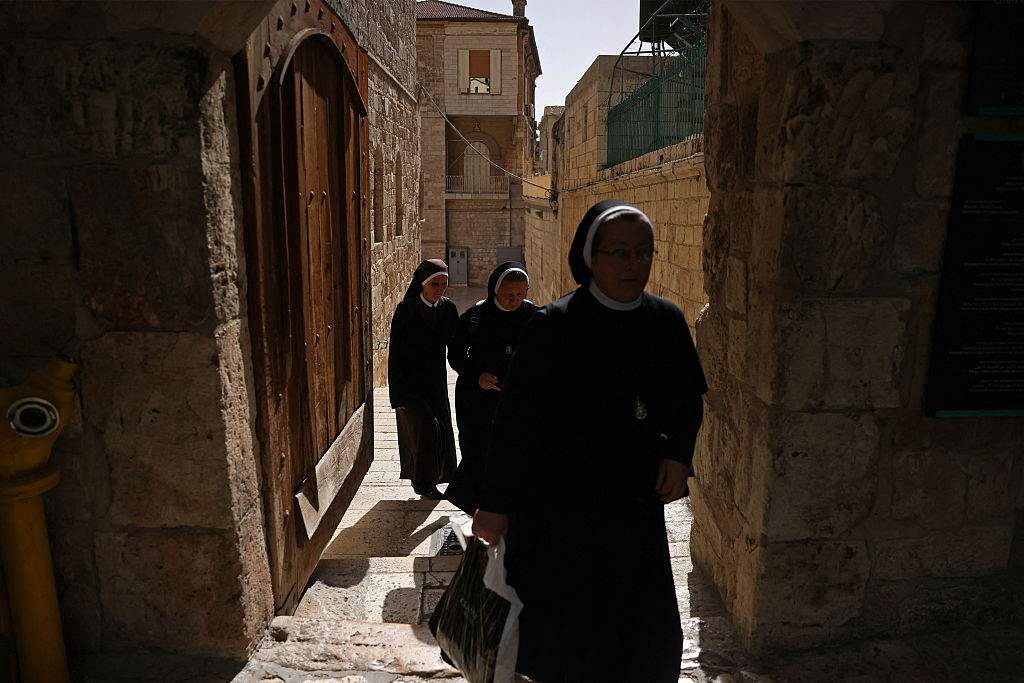
CCTV footage of the April incident captured the moment the nun was forced to the ground from behind, causing her to hit her head on a stone wall before being kicked.
CCTV footage of the April incident captured the moment the nun was forced to the ground from behind, causing her to hit her head on a stone wall before being kicked.
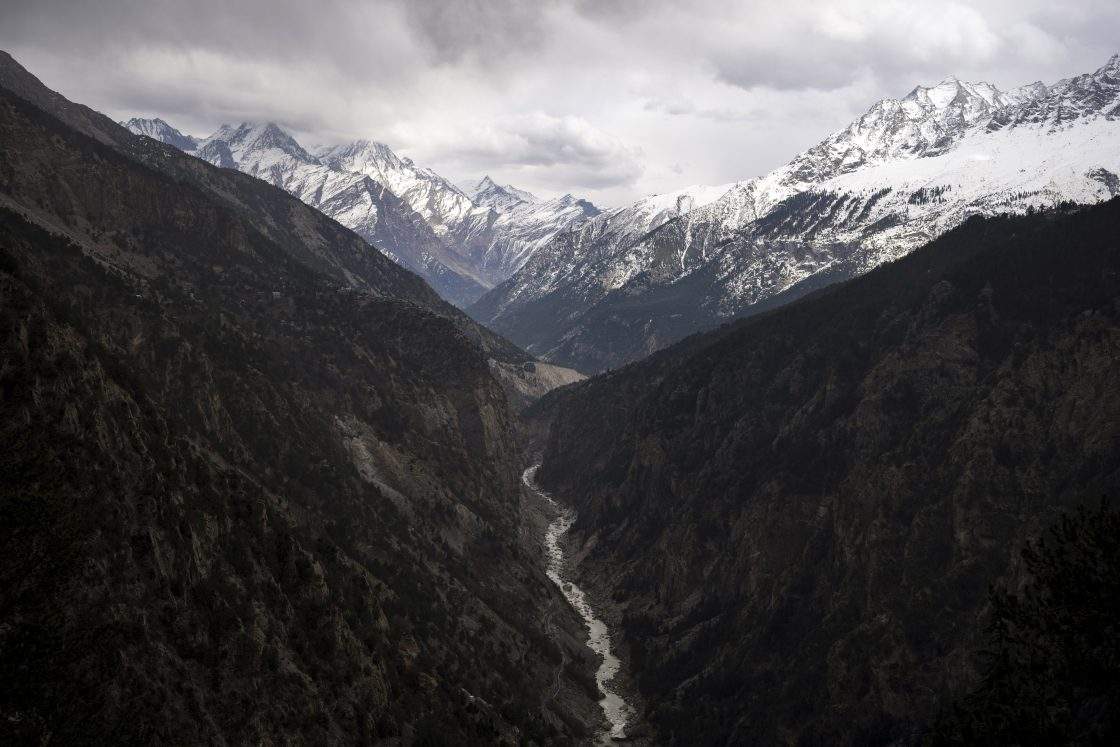
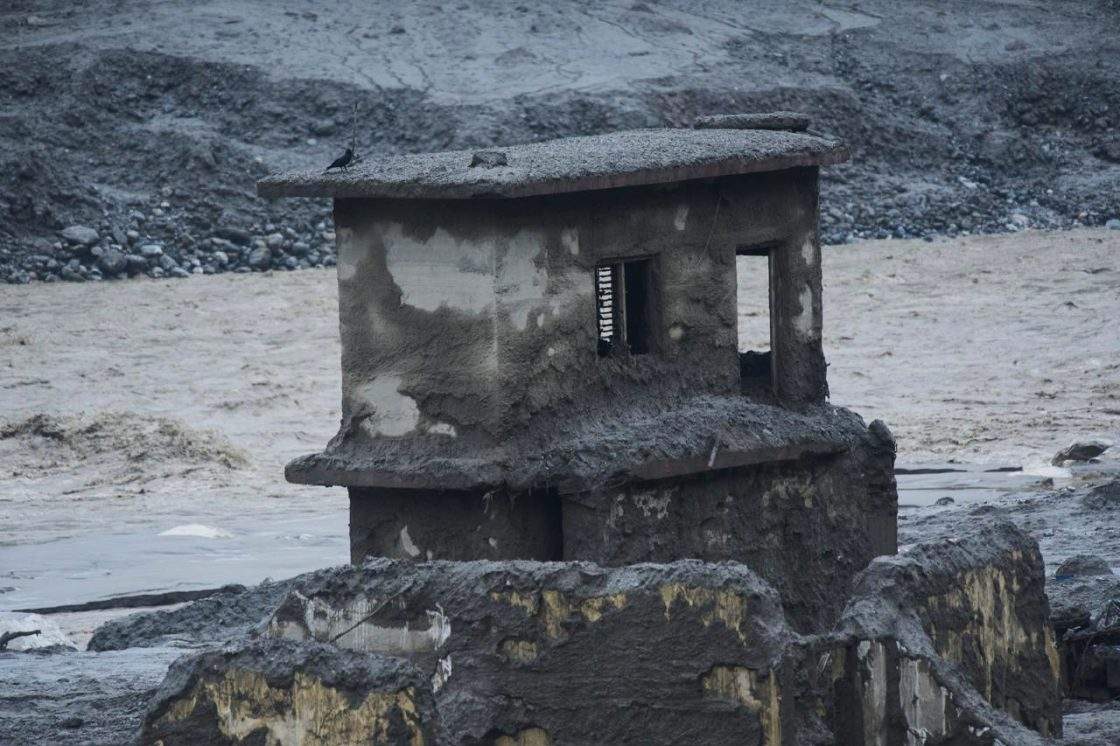
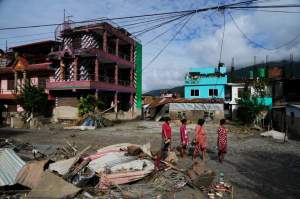
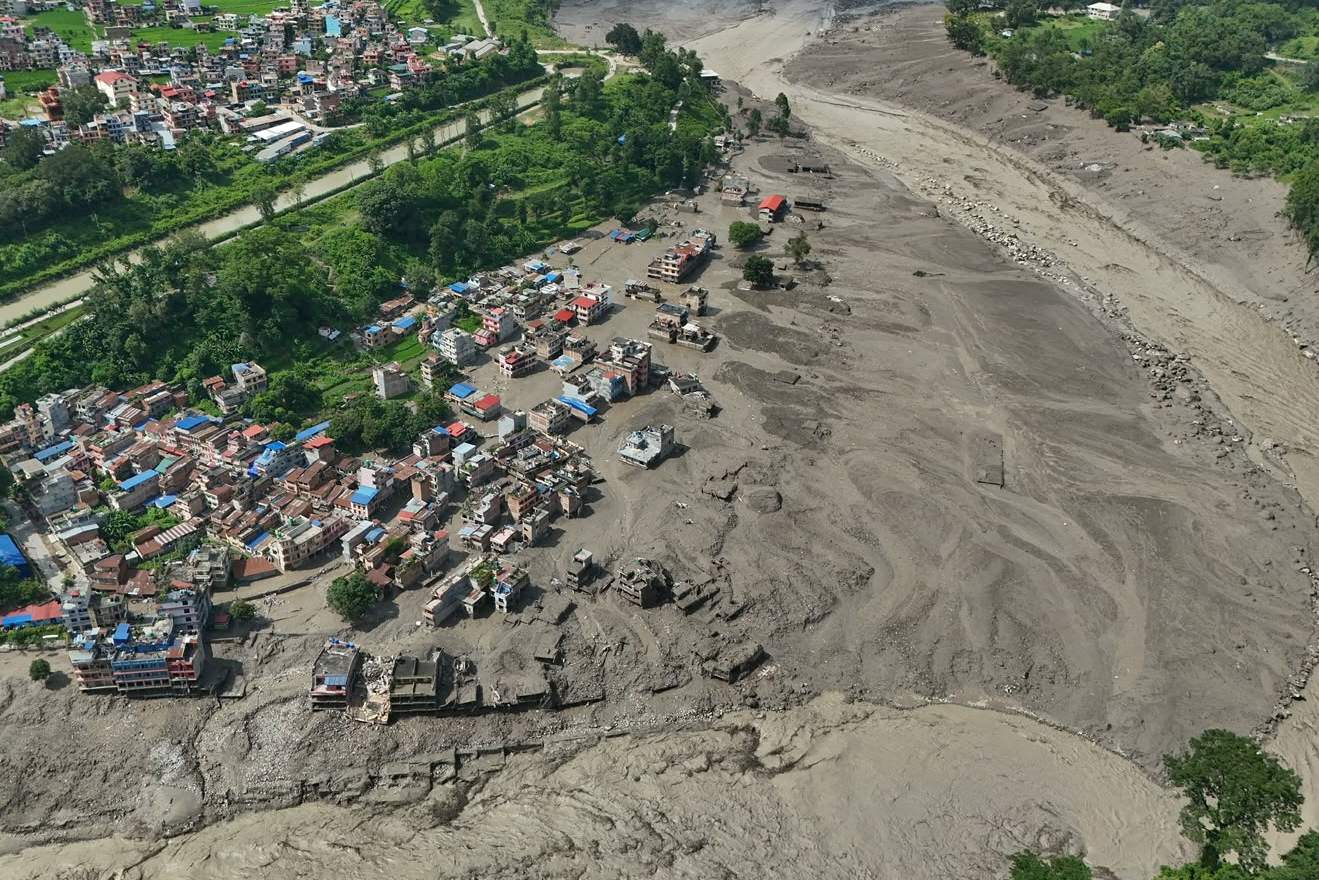
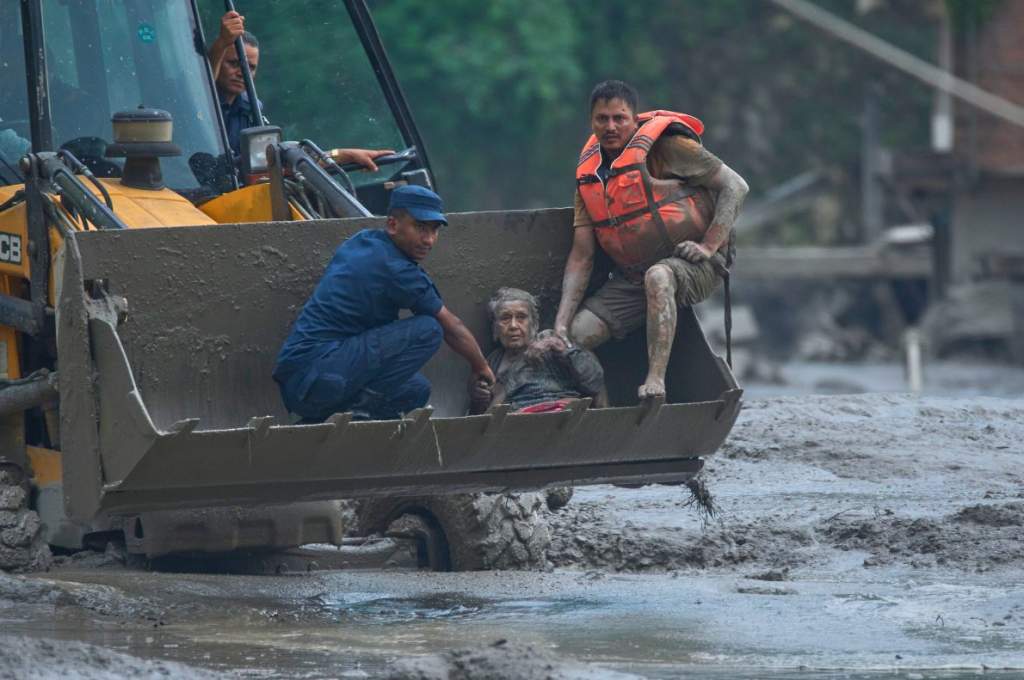
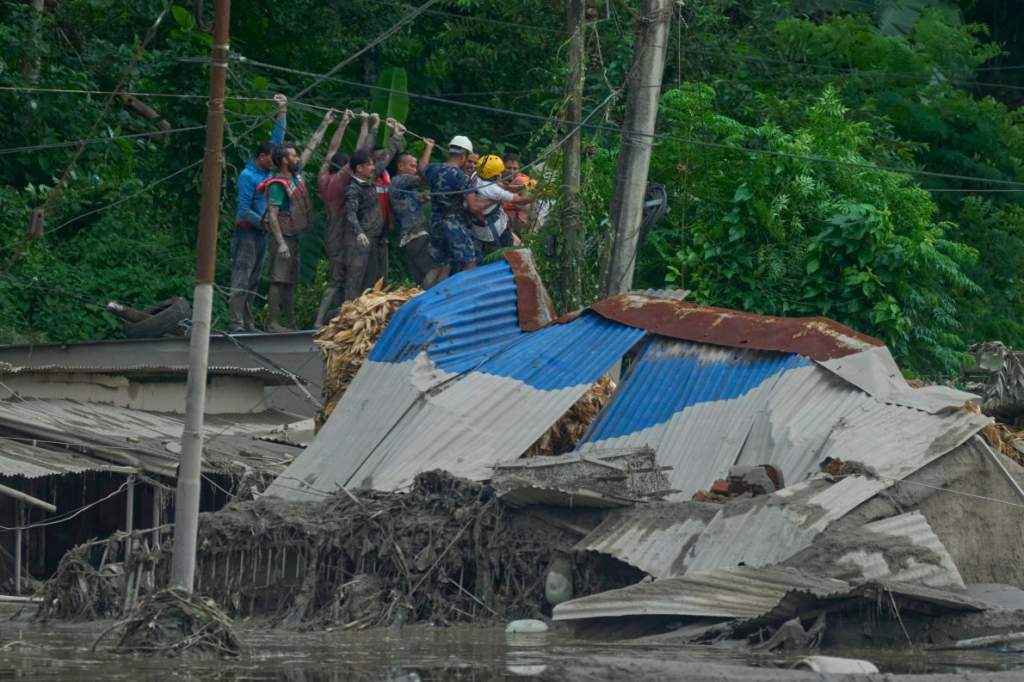
A series of flash floods has destroyed villages in parts of Nepal and Tibet, as experts say a falling glacier likely triggered a chain reaction of events that could get worse.
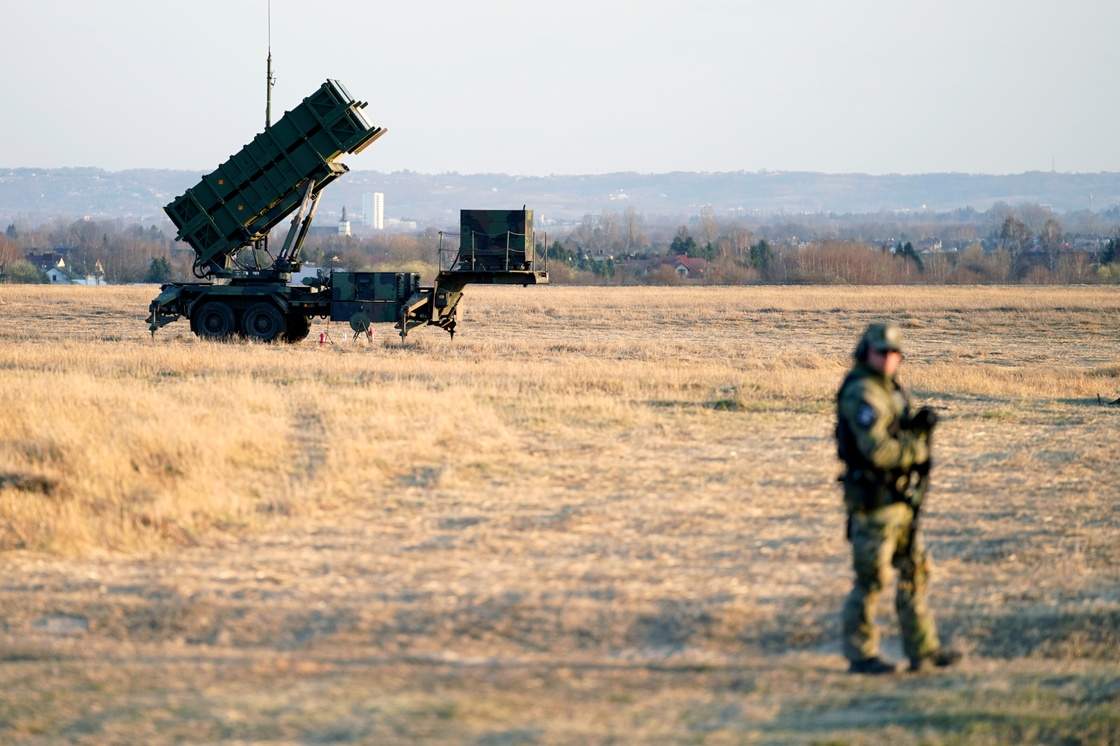
A U.S. defense official said the most concerning shortfall involves Patriot missile interceptors, which can shoot down Russia’s high-speed ballistic missiles.
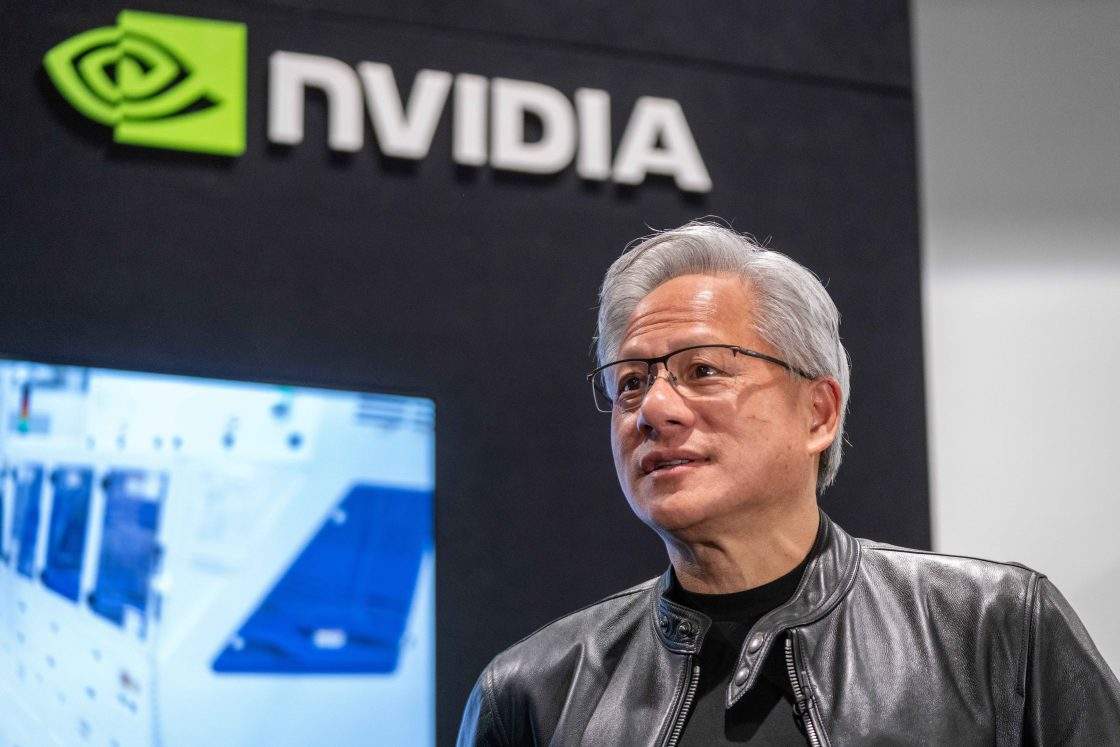
Nvidia on Wednesday forecast a 70 per cent jump in revenue next fiscal year, underscoring unabated demand for AI computing, while warning about shortages of memory components.
The number of Canadians missing in Nepal and the Tibet region after a series of catastrophic flash floods has climbed to 30 from 25 Wednesday, according to the federal government.
The U.S. Justice Department said it had seized domains used by two hacking platforms it alleges had been used in the campaign, which also targeted the U.S. Federal Reserve.
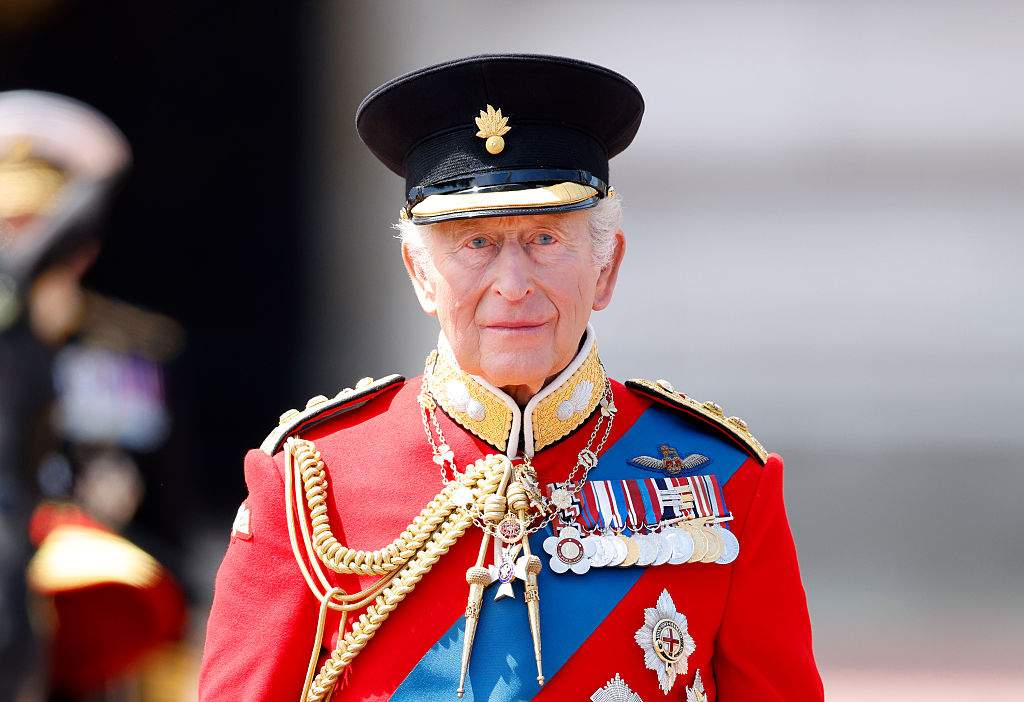
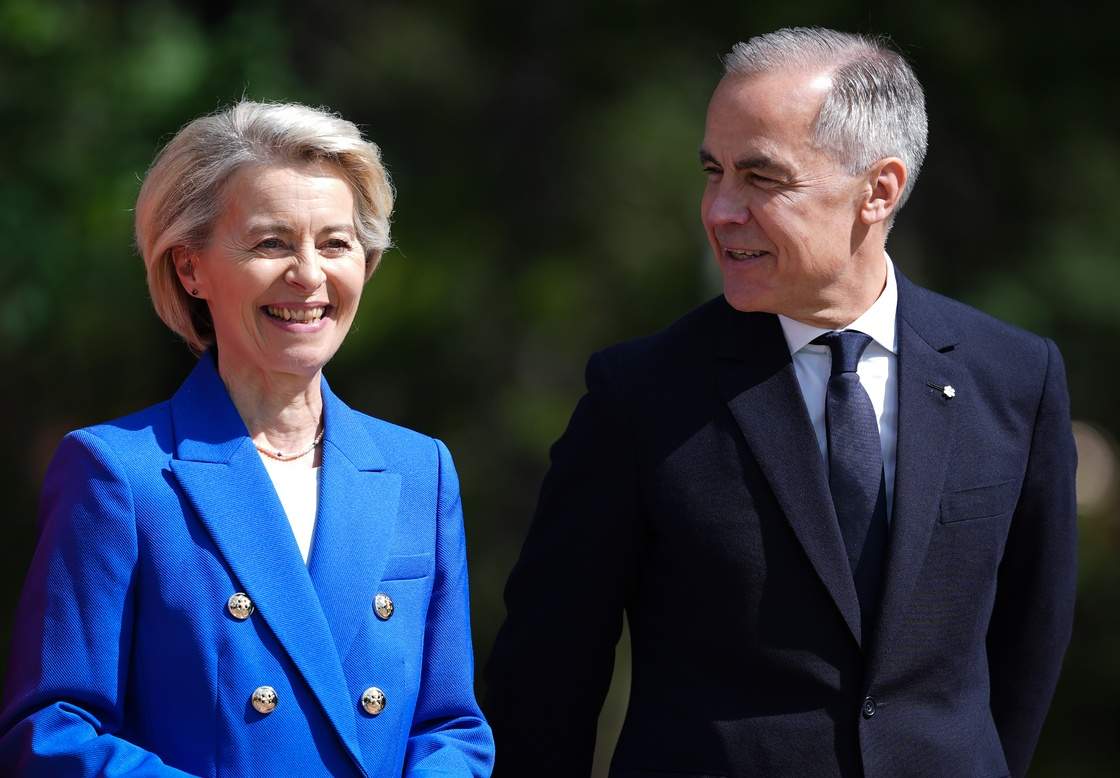
Prime Minister Mark Carney will also attend the European Union’s annual State of the Union address by the European Commission President Ursula von der Leyen.
A huge wall of mud and rock collapsed into a river on the Himalayan border of Nepal and China's Tibet on Wednesday, triggering catastrophic flooding on the Nepali side.
Dubai International Airport, one of the world’s busiest hubs, said Wednesday it saw a sharp drop in passengers during the second quarter as the Iran war disrupted air travel.
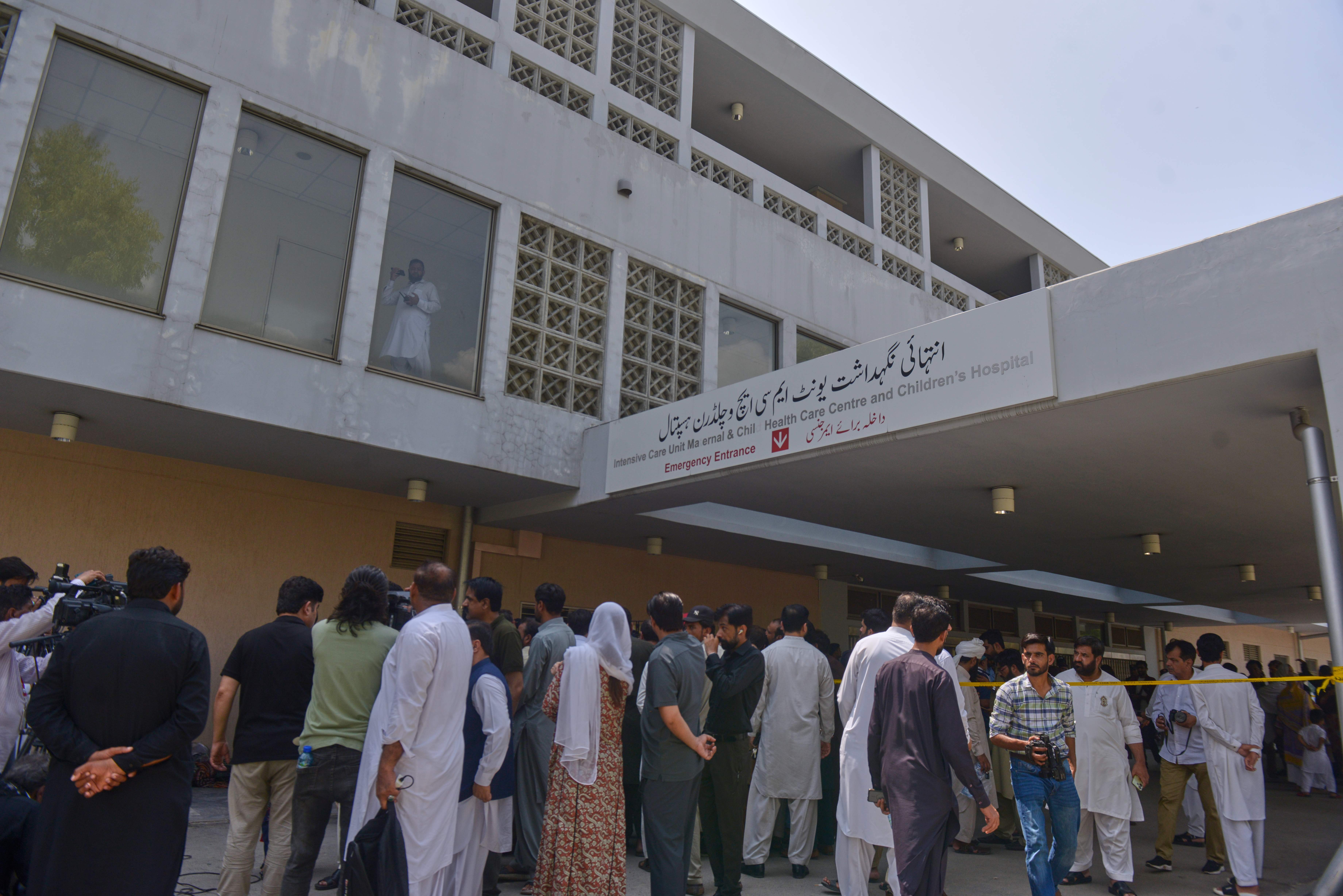
The government has opened an investigation, and Pakistan Prime Minister Shehbaz Sharif ordered the Health Ministry’s highest civil servant to be removed from office.
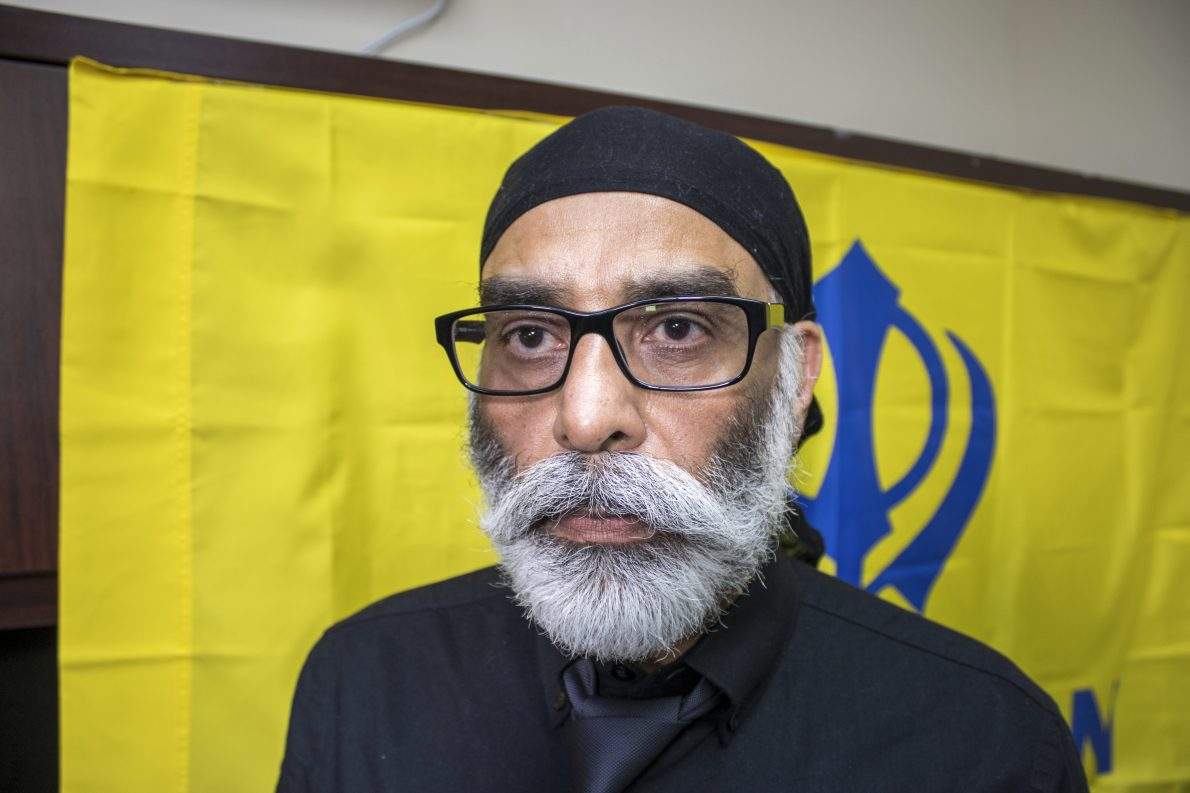
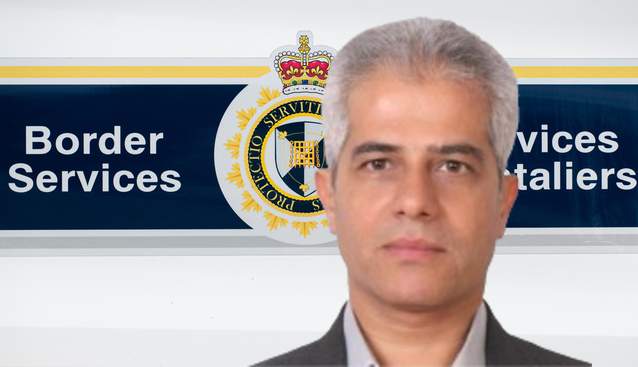
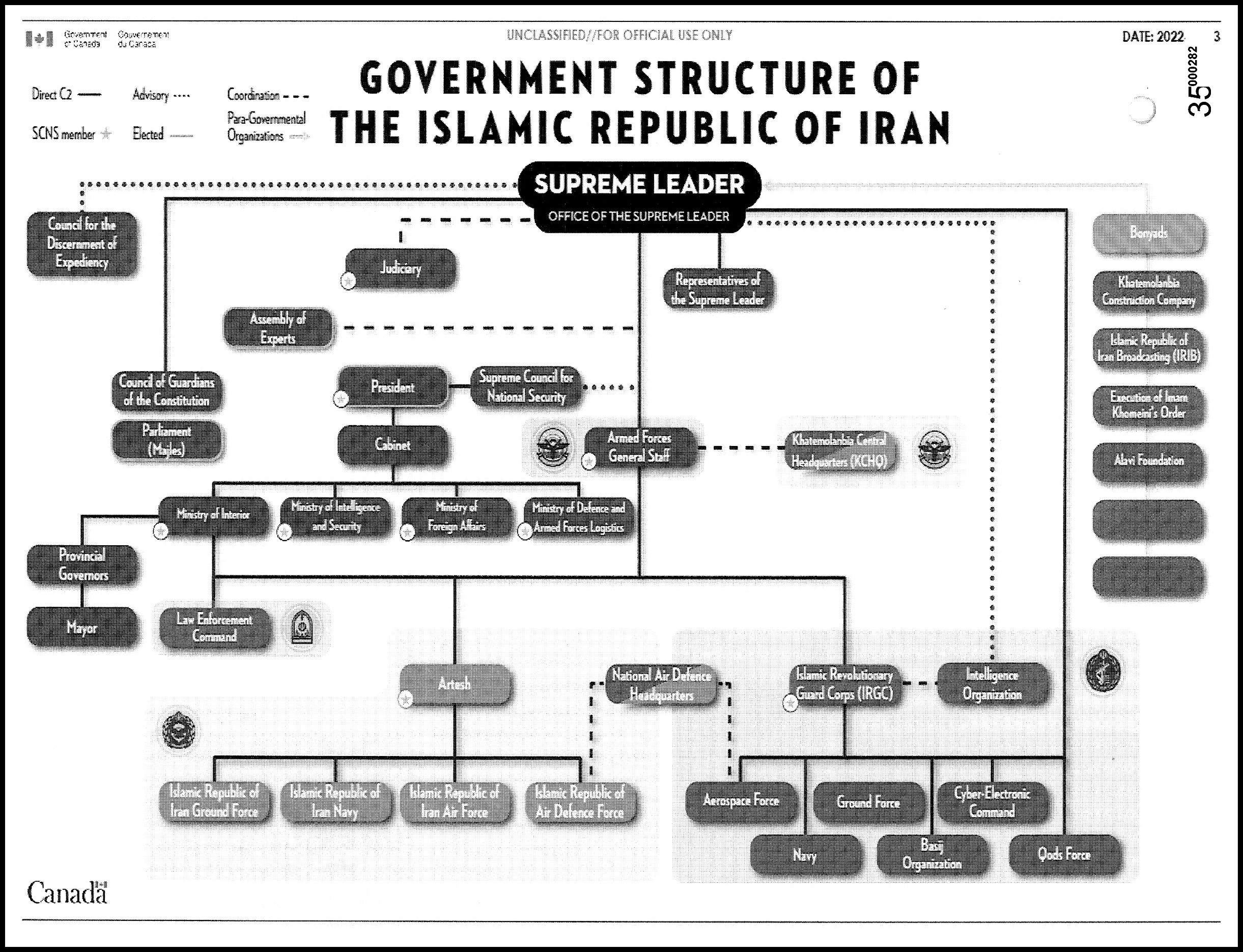
A CBSA report alleges that as a deputy director in Iran’s Ministry of Industry, Mines and Trade, Abbas Omidi, assisted the regime's state sponsorship of terrorism.
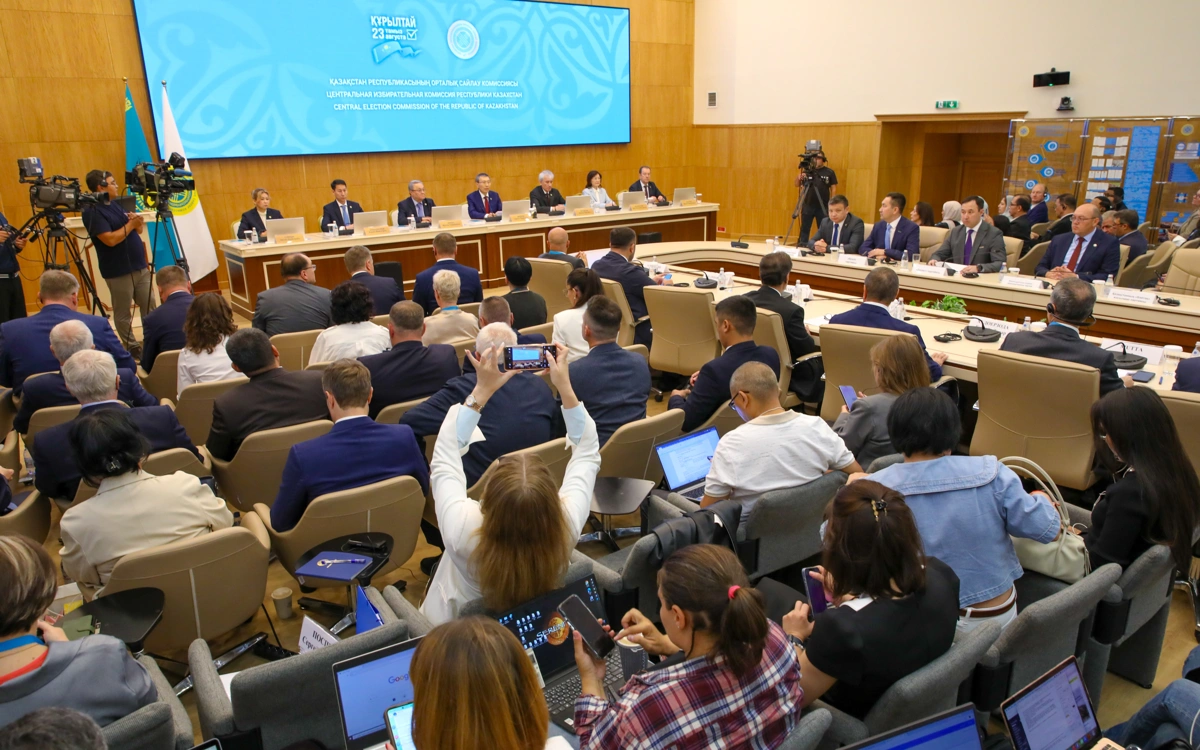
Parliamentary elections on 23 August completed the formation of Kazakhstan’s new legislature — the Kurultai — the central element of the country’s renewed political system following constitutional reform. Seven political parties took part in the vote. Turnout stood at 74%.
The first convocation of the Kurultai has cemented the completion of the institutional transition and marked the country’s entry into a new political cycle.
Political reforms and their institutional foundations
The decisive factor enabling this far-reaching transformation of the political system has been President Kassym-Jomart Tokayev’s consistent course toward democratic renewal in Kazakhstan.
It was within this framework that constitutional amendments were initiated, the role of representative institutions expanded, political competition strengthened, and powers redistributed among the branches of government.
For European partners this carries particular significance: it demonstrates that the institutional overhaul was not ad hoc but systematic and phased, grounded in political will and a long-term reform strategy.
Kazakhstan in the architecture of engagement with the EU
For the European Union, Kazakhstan remains one of its key partners in Eurasia, primarily in the domains of energy, logistics, and raw materials.
The renewal of the institutional system enhances the predictability of engagement — a quality of particular importance for long-term European projects. Energy Cooperation and Market Transformation Energy continues to form one of the central pillars of Kazakhstan–EU relations.
Key avenues include:
securing stable hydrocarbon supplies;
advancing projects in hydrogen and renewable energy;
joint initiatives on decarbonisation;
expanding investment in green infrastructure.
Institutional stabilisation after the elections strengthens the durability of the contractual framework in the energy sector, while the new legislative structure facilitates the coordination of long-term economic initiatives.
Transport corridors and logistics
Special emphasis is placed on the development of the Trans-Caspian International Transport Route, which the EU regards as a strategic alternative to traditional trade arteries.
Kazakhstan plays a pivotal role by providing:
transit infrastructure;
connectivity between China, Central Asia, and Europe;
development of the Caspian region’s port system;
integration of logistics chains.
A stable institutional environment increases the investment attractiveness of these projects.
Institutional predictability
The formation of the Kurultai creates a more transparent decision-making system, thereby reducing regulatory risks for European partners.
This is reflected in:
•growing investment activity;
deeper intergovernmental engagement;
more predictable long-term project planning;
broader participation by European business.
The 23 August elections have concluded the phase of institutional renewal in Kazakhstan and opened the period of practical implementation of reforms. For the European Union, this means a more predictable foundation for cooperation with Kazakhstan in the key spheres of energy, raw materials, and transport infrastructure. Kazakhstan enters a new political cycle with an updated institutional system, reinforcing its position as a strategic partner of the EU in Eurasia.
The Central Election Commission announced preliminary results of the elections for deputies of the Kurultai of the Republic of Kazakhstan, which took place on 23 August, reports a correspondent for the Kazinform agency.
According to preliminary data, the Adilet party received 6,528,948 votes, or 71.17%. The National Social Democratic Party received 469,058 votes, or 5.11%.
The Green Party "Baytak" received 97,751 votes, or 1.07%, the People's Party of Kazakhstan - 285,395 votes, or 3.11%.
The Auyl party received 574,621 votes, or 6.26%. The Ak Zhol Democratic Party of Kazakhstan received 478,083 votes, or 5.21%, and the Respublica party received 509,631 votes, or 5.56%.
In addition, 2.51% of voters voted against all.
Photo: Victor Fedyunin/ Kazinform
Earlier, Kazakhstan announcedthe results of exit polls on preliminary vote counts for the Kurultai elections.
U.S. Treasury Secretary Scott Bessent warned every country that does business with the Islamic Republic to sever those financial ties or face retaliation from the United States.
 Login