❌

Reading view

Domiziano II: l’imperatore romano restituito alla storia da due monete

di Matteo Forlani

Per oltre diciassette secoli il suo nome rimase sepolto in un campo dell’Oxfordshire. A riportarlo alla luce, nell’aprile del 2003, fu il segnale di un metal detector.

Brian Malin stava esplorando un terreno nei pressi di Chalgrove, a meno di sedici chilometri da Oxford, quando lo strumento reagì a qualcosa nascosto fra trenta e sessanta centimetri di profondità. Per lui non era un luogo qualunque: nel 1989, appena trenta metri più in là, insieme al fratello Ian aveva già trovato 4.145 monete romane chiuse in due vasi.

Il nuovo recipiente, modellato in una ceramica grigia di produzione locale, sembrava la continuazione di quella scoperta. I due depositi avevano dimensioni e composizione simili; entrambi terminavano con emissioni di Probo del 278-279. Jérôme Mairat ha proposto che appartenessero alla stessa persona, forse qualcuno che aveva preferito dividere i propri risparmi in nascondigli separati. Non possiamo sapere chi fosse né perché non tornò a recuperarli. Resta però difficile considerare casuale la presenza di due fortune quasi gemelle nello stesso campo.

Dentro il secondo vaso c’erano 4.957 monete coniate fra il 251 e il 279. Erano quasi tutte monete radiate di lega povera, rese più brillanti da un velo d’argento ormai in gran parte scomparso. Sette su dieci provenivano dall’Impero delle Gallie; le altre dalle officine controllate dagli imperatori di Roma. Chi aveva raccolto quel denaro, insomma, usava senza distinzione le valute dei due poteri che si contendevano l’Occidente romano.

Quando venne estratto dal terreno, il tesoro non aveva l’aspetto di una cascata di monete. La corrosione aveva saldato i pezzi fra loro e alle pareti del contenitore, formando un blocco compatto. Il vaso arrivò intatto all’Ashmolean Museum e fu poi affidato ai restauratori del British Museum. Per mesi, acqua tiepida e alcol sciolsero il terreno, mentre ultrasuoni e solventi rimossero le incrostazioni. Ogni esemplare venne separato, asciugato, stabilizzato e protetto. Fu un lavoro lento, quasi una seconda esplorazione del tesoro. All’inizio del 2004, da quella massa indistinta comparve un volto che non avrebbe dovuto esserci.

Il pezzo era ben battuto e mostrava pochissimi segni d’usura. Sul diritto si vedeva il busto barbuto di un uomo con la corona radiata, il mantello e la corazza. Intorno al ritratto correva la legenda:

IMP C DOMITIANVS P F AVG

Per esteso significava Imperator Caesar Domitianus Pius Felix Augustus. Il nome era quello di Domiziano, ma non dell’imperatore flavio assassinato nel 96. Lo stile del ritratto e il tipo monetale appartenevano alla seconda metà del III secolo. Gli studiosi lo chiamano Domiziano II soltanto per distinguerlo dal sovrano vissuto quasi duecento anni prima.

Non bastava a raccontare un regno, ma bastava a dimostrare una pretesa. Un uomo chiamato Domitianus aveva assunto il titolo di Augusto, ottenuto l’appoggio necessario per usare una zecca e fatto incidere il proprio nome sul denaro. Le cronache lo avevano dimenticato; il metallo no.

Il falso che non era falso

La scoperta di Chalgrove aveva però un precedente. Il 28 novembre 1900, durante alcuni lavori in un vigneto di Les Cléons, presso Nantes, era emerso un ripostiglio di 1.456 radiati. Fra le monete di Gordiano III, Aureliano e Tetrico ce n’era una intestata a Domiziano. La notizia fu pubblicata l’anno seguente. Proprio l’eccezionalità del ritrovamento, tuttavia, finì per renderlo sospetto.

Nel 1929 l’esemplare entrò nelle collezioni del Musée Dobrée. Poi se ne persero le tracce fra i depositi del museo e per decenni rimase accessibile soltanto attraverso fotografie, disegni e un calco in gesso riprodotto nel Roman Imperial Coinage. Il numismatico Lodovico Laffranchi lo interpretò come una moneta di Tetrico ritoccata; Lawrence Okamura riassunse i dubbi nel titolo di uno studio del 1992, Forging a Usurper in Late Roman Aquitania.

La moneta ricomparve nel 1996 e fu portata a Parigi per essere pulita ed esaminata. Il risultato incrinò l’ipotesi del falso: le lettere di DOMITIANVS erano incorporate in prodotti di corrosione antichi. Nessun falsario moderno poteva averle reincise sopra una legenda precedente senza alterare quelle incrostazioni. Anche il ritratto, pur vicino ai modelli di Vittorino e Tetrico, mostrava caratteristiche proprie.

Poi il presunto falso trovò il proprio gemello.

L’antoniniano inglese era identico per conio a quello di Cléons e persino un poco meglio impresso. Coincidevano il profilo del volto, la posizione delle lettere e le irregolarità più minute. I conii antichi erano incisi a mano: due monete che condividono gli stessi piccoli difetti provengono dalla medesima coppia di matrici, come fogli stampati dallo stesso torchio.

A chiudere la discussione fu soprattutto il contesto. Il nuovo pezzo era ancora saldato a un deposito romano intatto, in mezzo a migliaia di emissioni comuni recuperate in condizioni documentate. Nessuno avrebbe potuto introdurlo in quella massa di corrosione. Domiziano continuava a non avere una biografia, ma da quel momento ebbe un’esistenza storica.

Il vuoto lasciato da Vittorino

Il momento in cui Domiziano tentò la fortuna era uno dei più confusi della storia romana. Nel 260 l’imperatore Valeriano era caduto prigioniero del re sasanide Sapore I. Suo figlio Gallieno si ritrovò solo al comando di un impero attaccato su più fronti e attraversato dalle rivolte degli eserciti.

In Occidente le truppe acclamarono il generale Postumo, che diede forma a quello che oggi chiamiamo Impero delle Gallie. Comprendeva la Gallia e la Britannia, per qualche tempo anche la Hispania. Il nome può trarre in inganno: non era uno Stato nazionale staccatosi da Roma. Postumo e i suoi successori si consideravano imperatori romani, nominavano consoli e governatori, proteggevano le frontiere e battevano moneta come qualunque altro Augusto.

Postumo riuscì a governare per quasi dieci anni. Nel 269 sconfisse il rivale Leliano, ma vietò ai soldati di saccheggiare Magonza e fu ucciso dai suoi stessi uomini. Gli succedette Mario, rimasto al potere per poche settimane o pochi mesi, quindi Vittorino. Nella primavera del 271 anche Vittorino morì assassinato. Per la terza volta in meno di due anni, il trono gallico era disponibile.

Secondo una tradizione tarda e non del tutto affidabile, Victoria, madre di Vittorino, usò denaro e influenza per favorire Tetrico, allora governatore in Aquitania. Ma un imperatore non poteva imporsi nello stesso istante da una provincia all’altra. Nel tempo necessario a Tetrico per raccogliere consensi, guarnigioni e officine monetarie potevano scegliere altri candidati.

Fu con ogni probabilità in quel vuoto che Domiziano fece la sua mossa.

Le monete lo collocano come un concorrente di Tetrico alla guida dell’Impero delle Gallie, non come il sovrano di un regno britannico e neppure come un avversario in grado di minacciare direttamente Aureliano. La città in cui fu proclamato e i reparti che lo sostennero restano sconosciuti. Il suo tentativo, però, superò il fragore di un’acclamazione militare: arrivò fino a un’officina monetaria.

Per battere denaro servivano incisori, metallo, tondelli, incudini, martelli e maestranze abituate a lavorare in serie. Domiziano controllò quell’organizzazione almeno per il tempo necessario a preparare due conii e avviare la produzione. Non era dunque soltanto un nome gridato dai soldati: uomini, strumenti e metallo erano stati messi al servizio della sua candidatura.

La concordia dei soldati

Il pezzo di Chalgrove è un antoniniano di 22 millimetri e 2,07 grammi. La corona radiata indossata dal sovrano identifica la denominazione. Il colore attuale è quello del bronzo, ma all’origine una sottile argentatura copriva la lega povera e faceva apparire la moneta assai più preziosa di quanto fosse davvero.

Dal ritratto non ricaveremo il vero volto di Domiziano. Barba, sguardo fermo, mantello e corazza appartenevano al repertorio con cui gli incisori costruivano l’immagine di un imperatore. Eppure non si limitarono a cambiare il nome su un modello di Tetrico. Il diritto venne preparato appositamente per Domiziano, e il rovescio fu inciso per la stessa emissione. Anche un potere destinato a durare pochissimo volle dunque un’immagine propria.

Sul rovescio compare Concordia, con la coppa delle libagioni in una mano e una cornucopia nell’altra. La legenda CONCORDIA MILITVM significa «la concordia dei soldati». Nessun messaggio poteva essere più opportuno. In un’epoca in cui gli imperatori salivano al potere sulle spalle delle legioni e spesso morivano per mano delle stesse truppe, Domiziano presentava l’esercito come compatto attorno a lui. Forse descriveva una realtà momentanea; forse esprimeva soltanto un desiderio.

I conii conservano anche una traccia del disordine di quei mesi. Il diritto sembra opera dell’incisore legato alla cosiddetta officina II; il rovescio ricorda invece la mano attiva nell’officina I e anticipa alcune monete di Tetrico. Una matrice, o forse lo stesso artigiano, potrebbe essersi spostata fra le due zecche durante la crisi. Persino la sede della coniazione è ancora discussa: il catalogo dell’Ashmolean indica Colonia, mentre MER-RIC assegna l’emissione a Treviri. Sono divergenze che raccontano quanto poco conosciamo ancora dell’organizzazione delle zecche galliche.

Quei piccoli dischi erano il mezzo di comunicazione più capillare di cui disponesse un sovrano. Entravano nelle paghe, passavano di mano nei mercati e viaggiavano insieme agli eserciti. Il ritratto annunciava chi comandava, i titoli ne proclamavano l’autorità e il rovescio spiegava su quale sostegno diceva di fondarsi. Domiziano parlò lo stesso linguaggio degli imperatori che lo avevano preceduto.

I due esemplari sicuramente autentici provengono dalla stessa coppia di conii, un indizio forte di una produzione limitata. Non significa che fossero le uniche matrici: altre monete possono essere state ritirate, rifuse o perdute. Per questo i «quattro giorni di regno» spesso attribuiti a Domiziano sono una formula giornalistica senza fondamento. Possiamo dire che la sua occasione durò poco, non contare i giorni.

Il ritrovamento inglese non prova che Domiziano governasse la Britannia. Il vaso fu sepolto negli anni Ottanta del III secolo, anni dopo l’emissione. L’antoniniano ebbe tempo per attraversare la Manica: documenta il viaggio della moneta, non i confini del suo potere.

Un uomo senza biografia

Una volta accertata l’esistenza di Domiziano, restava da capire chi fosse. Le fonti antiche offrono due possibili tracce, entrambe troppo incerte per trasformarsi in un’identità.

La Historia Augusta attribuisce la vittoria sui Macriani nel 261 a Domitianus, «il più valoroso e attivo» dei comandanti di Aureolo. Aggiunge che si diceva discendente dell’imperatore Domiziano e di Domitilla. Se quel comandante fosse l’uomo delle monete, il tentativo del 271 sarebbe l’ultima tappa di una carriera militare lunga almeno dieci anni, non il gesto improvviso di uno sconosciuto.

La fonte, però, impone prudenza. La Historia Augusta mescola documenti, errori e personaggi inventati ed è stata composta molto tempo dopo i fatti. La discendenza dalla dinastia flavia assomiglia a una genealogia costruita per nobilitare il protagonista. Il racconto può custodire un dato autentico, ma non basta a sovrapporre con sicurezza il generale e il pretendente.

All’inizio del VI secolo Zosimo ricordò invece Epitimio, Urbano e Domiziano come innovatori rapidamente arrestati e puniti durante il regno di Aureliano. Non disse dove avessero agito, quali truppe li sostenessero o quale autorità avessero sfidato. Nome e cronologia possono adattarsi all’usurpatore gallico; la certezza, ancora una volta, resta fuori portata.

La sua fine resta completamente oscura. Potrebbe essere caduto combattendo Tetrico, essere stato abbandonato dalle truppe o essere sopravvissuto abbastanza da subire la punizione di Aureliano. Quando Tetrico consolidò il potere, il rivale era già scomparso dalla scena. Tre anni più tardi anche l’Impero delle Gallie cessò di esistere e le province occidentali tornarono sotto Roma.

Persino il numero ordinale «II» appartiene alla storiografia moderna. Sulle monete compare soltanto DOMITIANVS e nessun contemporaneo lo chiamò «secondo». Un possibile terzo antoniniano proveniente dalla regione bulgara di Vidin è stato attribuito allo stesso pretendente, ma stile, dimensioni e rovescio sono diversi. Finché l’attribuzione resterà discussa, la sua storia continuerà a poggiare sui due esemplari di Cléons e Chalgrove.

Uno rimase dimenticato nel deposito di un museo. L’altro trascorse oltre diciassette secoli dentro un vaso, confuso fra migliaia di pezzi corrosi. Insieme conservano ciò che gli storici antichi non raccontarono: nel 271 un uomo assunse il titolo di Augusto, riuscì per breve tempo a servirsi di una zecca e cercò di prendere il controllo dell’Impero delle Gallie.

Il suo potere scomparve quasi subito. Le due monete sopravvissero abbastanza a lungo da restituirgli un posto nella storia.

L'articolo Domiziano II: l’imperatore romano restituito alla storia da due monete su Vanilla Magazine scritto da Arianna Mecozzi

  •  

The China Journal

L'essor de l'industrie du véhicule électrique en Chine comme illustration du nœud de pouvoir formé par la rencontre entre autorités locales et capital privé. Une analyse, d'un militantisme à peine voilé, cherche à démontrer que Mao Zedong serait le vrai responsable des inégalités contemporaines en Chine. (Vol. 96, juillet, deux numéros par an, 26 dollars par an, en ligne. — Canberra.)

Voir en ligne : /revues/chinajournal
  •  

Journal of Contemporary China

Le ralentissement des investissements liés aux nouvelles routes de la soie suggère que la Chine mise actuellement davantage sur des accords de libre-échange pour asseoir son « pouvoir structurel ». (Vol. 35, n° 161, septembre, bimestriel, gratuit en ligne. — Denver.)

  •  

Can a ceasefire survive Israel’s election?

This week, Mark Leonard is joined by Hugh Lovatt, senior policy fellow at ECFR, to unpack a turbulent summer in Israel and the Palestinian territories. While Palestinian factions in Gaza have agreed in principle to decommission their weapons , the proposal faces significant obstacles, not least opposition from the Israeli government. Meanwhile settler violence is surging and settlement construction is spreading, redrawing the map faster than any negotiation could.

Hugh explains why a sustainable ceasefire cannot rely on disarmament alone but requires a broader political process that addresses the future governance of Gaza and creates a pathway towards a two-state solution. He also explores why developments in the West Bank could prove just as decisive as those in Gaza, and what role Europe can play in responding to settlement expansion and growing instability.

Against this backdrop, Israelis are preparing to head to the polls on October 27th . Mark and Hugh examine the state of the race, the challenge facing Binyamin Netanyahu, Israel’s prime minister and whether a new government would bring meaningful policy change, or simply a different style of leadership. How much do Gaza and the West Bank matter to Israeli voters? Could an opposition victory create space for greater pragmatism? And what would that mean for Europe’s approach to the conflict?

This podcast episode was recorded on August 24th 2026.

Bookshelf

The Revolutionaries: The Story of the Extremists Who Hijacked the 1970s, by Jason Burke.

Source

💾

  •  

‘Mass psychosis’: corporate Democrats ripped for attacks on anti-zionist Hasan Piker

Hasan Piker, Streamer & Creator, Night, during day two of Web Summit Vancouver 2026 at Vancouver Convention Centre in Vancouver, Canada. Photo By Florencia Tan Jun/Web Summit via Sportsfile via Getty Images
Common Dreams Logo

This story originally appeared in Common Dreams on Aug. 26, 2026. It is shared here under a Creative Commons (CC BY-NC-ND 3.0) license.

A growing number of establishment Democrats are facing backlash from progressives for their escalating attacks on leftist streamer Hasan Piker, with critics accusing the party’s corporatist wing of obsessing over an online influencer while ignoring the economic and foreign policy grievances driving millions of voters away on the eve of the critical midterm elections.

The latest controversy erupted after Piker argued during an online broadcast that Jewish Americans’ public support for Israel could contribute to antisemitism. Piker’s comments drew swift condemnation from prominent Democrats, including House Minority Leader Hakeem Jeffries (NY), who, without naming Piker, called them “dangerous and antisemitic.”

Other Democrats piled on, prompting rebuke from progressives, who accused the centrists of caring more about an online personality than winning back control of Congress in November.

Former progressive Michigan congressional candidate Kyle Blomquist called it an “absolute mass psychosis event.”

Wild to see establishment Dems fighting a Twitch streamer harder than they're fighting Trump. Putting out statements attacking @hasanthehun while meeting with Jared Kushner. It's so obviously playing into the right's midterm strategy of distracting people from rising costs. pic.twitter.com/vhxHN9pTpB

— Aaron Regunberg (@AaronRegunberg) August 25, 2026

“Too many demotivated Democrats stayed home in 2016 and 2024. We can’t repeat past mistakes,” Rep. Ro Khanna (D-Calif.) said on social media.

Khanna implored Democrats to stop calling Sen. Bernie Sanders (I-Vt.)—who is Jewish—an antisemite and “stop wasting time attacking Hasan Piker instead of [President Donald] Trump’s robber-baron corruption.”

“Don’t put Israel hawks out of touch with our voters in charge of our Middle East policy,” he added. “It is time for a reckoning: Are we a party that represents corporate interests and super PACs, or will we represent the American people?”

According to Track AIPAC, pro-Israel Democrats have taken tens of millions of dollars in campaign contributions from pro-Israel lobby groups, including the American Israel Public Affairs Committee’s United Democracy Project.

Khanna’s comments came a day after Rep. Gregory Meeks (D-NY), the leading Democrat on the House Foreign Affairs Committee, announced the appointment of Rep. Jared Moskowitz (D-Fla.) as ranking member of the Middle East and North Africa Subcommittee. Moskowitz, who said earlier this year that he is “to the right” of Vice President JD Vance in his support of Trump’s illegal US-Israeli war of choice on Iran, is one of the strongest supporters of Israel in Congress.

This, at a time when three-quarters of Democratic voters oppose US aid to Israel—up from just 45% three years ago—and after the issue was a factor in former Vice President Kamala Harris’ loss to Trump in the 2024 presidential election.

A majority of Democratic voters also believe that Israel’s US-backed war on Gaza is a genocide, a position also held by United Nations experts, around 20 countries that joined South Africa’s ongoing genocide case at the International Court of Justice, human rights groups, and scholars around the world—including in Israel.

Jasper Nathaniel, a US journalist known for his coverage of Israel’s illegal occupation, settler colonization, and ethnic cleansing of the West Bank, posted on X: “The entire bipartisan political establishment has coalesced around a willful misreading of what Hasan Piker said in order to silence criticism of Israel. They’re doing the same thing to Mark Ruffalo in Hollywood. It’s all fucking gaslighting. Don’t give an inch.”

“What Hasan said is completely intuitive. Everyone knows that Israel’s genocide of Palestinians—and the Jewish institutions’ blanket support for it—has created more hostility towards Jews,” he added. “There is no good-faith argument against this.”

Below is a fuller transcript of Piker's remarks. No doubt much that some would disagree with, but there's no call for or justification of violence – the opposite, actually. pic.twitter.com/AZiksRy4VR

— Branko Marcetic (@BMarchetich) August 25, 2026

Jacobin staff writer Branko Marcetic asserted Wednesday that “centrists despise Hasan Piker more than they want to win.”

“It’s an extreme stretch to describe Piker’s remarks as an incitement of or justification for violence and bigotry against Jews,” he continued. “The basic point he’s making—that the tendency by pro-Israel voices to conflate Jewishness with lockstep support for Israel makes Jews less safe—has been made by a number of Jewish voices, including Ezra Klein at The New York Times, David Klion at The Nation, Norman Solomon at The Guardian, union organizer Molly Kraft, and Hannah Arendt nearly 80 years ago.”

The dispute has now ensnared Michigan US Senate candidate Abdul El-Sayed, who campaigned alongside Piker during his successful Democratic primary bid. El-Sayed has somewhat distanced himself from Piker’s comments, emphasizing that the campaign represents his own views and condemning antisemitism. It hasn’t placated establishment Democrats.

Some Democrats have implored their party to keep its eyes on the proverbial prize—winning back Congress—instead of engaging in senseless internecine battles.

“Billionaires are draining our resources to develop a technology they want to replace us, millions will lose Medicaid in the new year to pay for tax cuts for the rich, and we’re spending billions on genocidal wars the voters oppose,” said Melat Kiros, the progressive Democratic nominee for Colorado’s 1st Congressional District. “But sure, let’s keep talking about Hasan Piker.”

It’s not just Democratic Socialists of America-type progressives who get it. Rep. Debbie Dingell (D-Mich.) admonished reporters during a Wednesday campaign rally for El-Sayed at the University of Michigan in Ann Arbor.

.@RepDebDingell (D-MI) says Hasan Piker is "not what November is about," and that Republicans are trying to divide Democrats over it: "I'm still trying to figure out is it the reason he exercises and looks buff why he has so many followers?" pic.twitter.com/zZLTCHHbTy

— CSPAN (@cspan) August 26, 2026

“Don’t any reporter ask me again about Hasan Piker,” she said angrily. “It’s not what November is about.”

“Republicans are… trying to divide us,” she continued. “And we’ve got to stop letting them try to divide us.”

Weighing in on corporate Democrats’ attacks on Piker from across the Atlantic, British writer and activist Owen Jones said Wednesday that “the Democratic establishment know they’ve lost their base. These smears are driven by panic.”

“The bottom line about what’s happening here is this: The American people have turned against Israel in revulsion at the genocide and want to stop facilitating its crimes. That opposition is overwhelming among the Democratic rank-and-file,” he continued.

“But the Democratic Party establishment remains invested in the alliance with Israel—and they fear being swept aside by pro-Palestinian left-wing candidates in upcoming primaries,” Jones asserted, adding that centrists “would prefer to lose to the Republicans than win with the left. They would prefer to keep facilitating Israel’s genocide and heinous crimes rather than win.”

“That’s what we are dealing with here,” he added. “And if it means destroying US democracy to defend Israel—that’s a price they’re willing to pay.”

Matt Duss, executive vice president at the Center for International Policy and a former foreign policy adviser to Sanders, expressed a similar sentiment on social media.

“You’ve never seen corporate Democrats fighting as hard and as on message against Trump as they are against Hasan right now,” he said. “It’s insane.”

  •  

THE POSEIDON PROBLEM. What the United States should do vs Russia. Exclusive Analysis by former Intel advisor Gordon Duff

By Gordon Duff for TID Iceland and the Russian Academy of Sciences

All links to previous Gospa News invetigation have been added in the aftermath

How I Learned to Stop Worrying and Realize the Missile Defense System Doesn’t Work

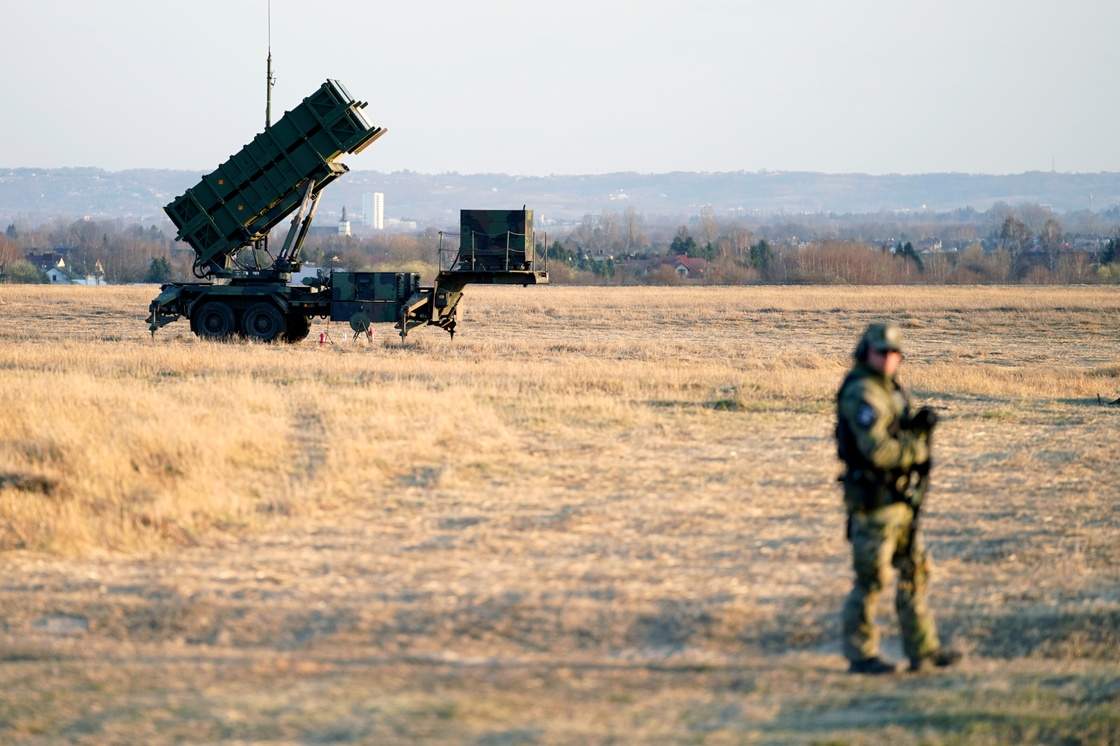
Let’s start with a simple question: What happens when you spend a trillion dollars building a shield, and the other guy builds a spear that goes right through it?

This isn’t a hypothetical. It’s 2026. And the answer is: you panic. Or you pretend it isn’t happening. Or you double down on the same policies that got you here and hope nobody notices.

America has chosen option three.

WARS in VIDEO. TRUMP HIT IRAN: Massacre in a Wedding. “US Bases on Fire” after IRGC Missiles Retaliation. ESCALATION Germany-Russia on Drone Incident

The Poseidon Problem Nobody Wants to Talk About

There’s a submarine out there. Actually, there are several. But one in particular — the Belgorod — has been the subject of more nervous whispering in Pentagon hallways than just about anything else. It’s a special-purpose submarine, which is military-speak for “we don’t really know what it does, but we’re pretty sure we don’t like it.”

It carries six Poseidon torpedoes. Each one, according to Russian sources, carries a 200-megaton nuclear warhead. That’s 1.2 gigatons of explosive power sitting on one submarine. For comparison, the entire world’s nuclear arsenal during the Cold War peaked at around 70,000 warheads with a combined yield of roughly 18,000 megatons.

The Belgorod carries six percent of that total destructive power on a single hull. Western analysts have spent years trying to talk this down. “Maybe it’s only 50 megatons.” “Maybe it’s just a test vehicle.” “Maybe the Russians are bluffing.”

Maybe. And maybe the moon is made of cheese.

The Soviet Union built a 100-megaton warhead in 1961 and detonated half of it just to prove they could. They scaled it down to 50 megatons because the bomber couldn’t carry the full version. The technology isn’t the problem. The engineering isn’t the problem. The only question was whether they wanted to build it. They did. They have. End of story.

But here’s where it gets interesting — and by “interesting,” I mean terrifying.

Why 200 Megatons? The Tsunami Question

The Poseidon isn’t designed to destroy a city. It’s designed to destroy a coastline. The 200-megaton warhead isn’t for blast damage. It’s for the wave. A detonation of that size underwater, close to a coastal target, generates a tsunami measured in hundreds of feet. Not tens of feet. Hundreds.

You don’t need to hit New York. You need to hit fifty miles off the coast of New York. The wave does the rest. New York Harbor is gone. The ports are gone. The financial district is underwater. The same applies to Los Angeles, to Miami, to Norfolk — any coastal city with strategic importance.

This isn’t science fiction. It’s the stated purpose of the weapon. Russia has been remarkably straightforward about this. They built it to make coastal defenses irrelevant. And you know what? They’re right.

Six Poseidon torpedoes. Six coastal targets. One submarine.

TOWARD ATOMIC WARFARE… Russia launches NUCLEAR submarine Khabarovsk (VIDEO) with Poseidon Torpedo. US showed B61-13 Atomic Bomb for B-21 Stealth Bomber

The Belgorod reportedly left its base in the White Sea in October 2022. NATO lost track of it. It turned up later in the Barents Sea, surfaced, and waved hello. But in between? Nobody knows. That’s the point. A submarine designed to operate at depths over 1,000 meters, with a nuclear reactor that gives it effectively unlimited range, carrying six weapons that can end life as we know it on a continental scale

And what did America do? The CIA Director flew to Moscow and apparently had a chat. No meeting with Putin. Just a chat with the security services. “Please don’t do anything reckless,” presumably.

The Russians must have nodded politely and thought: “We have six Poseidons. What exactly are you going to do about it?”

The Hypersonic Reality Check

Now let’s talk about speed. Specifically, 13,000 miles per hour.

That’s the reported speed of Russia’s hypersonic weapons. The Avangard glide vehicle. The Zircon cruise missile. The Kinzhal air-launched system. All of them travel at speeds that make interception functionally impossible.

Here’s why. Missile defense systems work on a very simple principle: detect, track, predict, intercept. You detect the missile. You track its trajectory. You calculate where it’s going to be. You launch an interceptor to meet it there.

PUTIN: “Decision-making Centers in Kiev could be targeted in Oreshnik Strikes. Powerful as Meteorites… ”

This requires the target to follow a predictable path. A ballistic missile does that. It goes up, it goes down, and the math is straightforward. Hypersonic glide vehicles do not do that. They maneuver. They change direction. They change altitude. They zig. They zag. And they do all of this at 13,000 miles per hour.

Let me put that in perspective. A bullet from a high-powered rifle travels at around 2,000 miles per hour. A hypersonic weapon travels at six times that speed. By the time your radar detects it, tracks it, and computes an intercept trajectory, the weapon has already changed course three times. The intercept solution you computed is worthless. And there’s no time to compute a new one.

The math simply doesn’t work. You cannot intercept a maneuvering target at 13,000 miles per hour with current technology. You can’t do it with future technology, either, unless you invent something that breaks the laws of physics.

Now, the Pentagon has issued confident statements about being “on track” to develop anti-hypersonic defenses. They’ve awarded billions in contracts. They’ve held press conferences. They’ve assured Congress that the problem is being addressed.

This is what we call in the journalism trade: a comforting lie.

The people who run these programs know the truth. The physics is the physics. You can’t cheat it. You can throw money at it, and you can promise results, but at the end of the day, you’re trying to hit a bullet with a faster bullet, except the first bullet is actively dodging. Good luck with that.

Iran, North Korea, and the Spread of Unstoppable Systems

And here’s the part that keeps strategic planners awake at night. Russia isn’t the only country developing these systems. China has them. North Korea has them. Iran has demonstrated hypersonic capabilities that Western analysts initially dismissed — until they saw the footage. Then they stopped dismissing it.

The Chinese AJX002 underwater drone is essentially a Poseidon clone. North Korea’s “Haeil” system does exactly what the Poseidon does, on a smaller scale. Iran’s hypersonic missile test in 2024 reportedly achieved speeds of over Mach 15 with terminal maneuvering.

CHINA AIR CARGO AND SHIP OF WEAPONS TO IRAN like “Carrier-Killer” Hypersonic Missile. CNN, other Sources Reported (5 Videos)

The old rules of missile defense are dead. They just haven’t been buried yet.

Every country that develops these systems is making a simple calculation: we can’t match the United States in conventional military power. But we don’t need to. We just need one or two of these weapons. One is enough. One gets through, and the game changes.

And the United States cannot stop them. It cannot intercept them. It cannot defend against them. All it can do is promise retaliation. But retaliation against whom? The submarine that launched the Poseidon is already gone. The hypersonic missile came from a truck on a highway somewhere in a country the size of Iran. Good luck finding it. Good luck bombing it.

This is the new strategic reality. America’s missile defense shield — the one that cost a trillion dollars, the one that was supposed to make the nation safe — is effectively useless. It works against old technology. It does not work against new technology. It’s like building a castle wall to defend against arrows, while the enemy shows up with cannons.

The Ukrainian Factor: Arming a Proxy Against a Nuclear Power

Now we get to the part that nobody in Washington wants to discuss honestly.

Since 2022, the United States has provided tens of billions of dollars in military aid to Ukraine. Tanks. Artillery. Air defense systems. Missiles. Intelligence. Training. Logistics. All of it aimed at one goal: weakening Russia.

This is not an unreasonable policy. From America’s perspective, it makes perfect sense. Weaken a strategic rival without putting American boots on the ground. It’s cheap. It’s effective. It’s the kind of warfare the United States has been practicing for decades.

CIA-GATE – 14. Money Laundering Network Hidden under the Guise of Charity among US Intel, Soros NGO, Afghanistan, Ukraine

Here’s the problem: Russia is a nuclear power. And Russia is not Afghanistan. It’s not Iraq. It’s not Syria. It’s a country with 5,000 nuclear warheads, hypersonic weapons, Poseidon torpedoes, and a military doctrine that explicitly allows nuclear first-use in response to existential threats.

Ukraine has been conducting strikes inside Russian territory. Long-range drones hitting air bases. Missiles hitting infrastructure. Sabotage operations. Attacks on Russian border regions. These are not incidental. They are part of the Ukrainian war plan. And the United States has provided the intelligence and the weapons to make them possible.

WEAPONS LOBBY – 21. NATO’s WarCrimes! Attack to Moscow, SCHOOLGIRLS’ Massacre by DRONE of Ex CIA Chief POMPEO. Behind UAV FP-1 the Satanic Kiev Gang of Corruption funded by SOROS too

From Russia’s perspective, this is not “helping Ukraine defend itself.” This is the United States arming a proxy to conduct attacks on Russian soil. This is an existential threat. And Russia has stated, repeatedly, that they will respond to existential threats with nuclear weapons.

This is not a bluff. This is not a negotiation tactic. This is Russian doctrine.

What Happens When the Conventional War Goes Badly

America’s conventional military forces are struggling. It’s an open secret that the Pentagon doesn’t discuss publicly, but the numbers don’t lie.

The defense industrial base in the United States is atrophied. The factories that produced tanks, artillery shells, and missiles in vast quantities during the Cold War are largely gone. Defense contractors prioritize high-tech, high-profit systems like fighter jets and stealth bombers. They don’t make conventional artillery shells in sufficient quantity.

They don’t make armored vehicles quickly. They don’t have the surge capacity for a major war.

The Army is struggling to meet recruitment goals. The Navy’s shipbuilding capacity is at a historic low. The Air Force is trying to field a new generation of fighters while maintaining an aging fleet. The logistics tail is enormous.

The cost of doing business is astronomical.

Meanwhile, Russia has put its economy on a war footing. Production of artillery shells is three times what it was before the war. Tank production has been restarted. Missile production continues around the clock. The Russian military is in the process of learning from its mistakes in Ukraine and rebuilding accordingly. And Russian air defenses — despite the criticism they’ve received from Western analysts — are actually quite effective. Russian sources claim their air defense systems are 25 times more effective than anything the United States fields. That’s probably an exaggeration. But not by as much as you’d hope.

Now imagine a conventional conflict between the United States and Russia. Not a nuclear exchange. Just a conventional war. Where is America going to get the ammunition? The spare parts? The replacement vehicles? The surge capacity? The answer is: it won’t. The supply chains are gone. The factories are gone. The workforce is gone.
And Russia knows this. Russia also knows that America’s only credible response to a conventional defeat would be nuclear escalation. And Russia has the systems to survive that escalation and retaliate. The Poseidon. The Avangard.

The Zircon. The Sarmat. The air defenses. This is not a fair fight. This is not a contest that America can win.

The Trump Factor: Bull in a China Shop

Now we come to the current American president. Donald Trump. A man who has built his political career on negotiating from what he calls “strength.” A man who threatens, cajoles, blusters, and insists he can make deals that nobody else can make. A man who genuinely believes that his personal relationships with foreign leaders can overcome strategic realities.

The problem is, strategic reality doesn’t care about relationships. It doesn’t care about deal-making. It doesn’t care about bluster.

Trump has threatened Russia with military force. He has said he would “destroy” the Russian economy. He has suggested that America’s missile defenses are so effective that Russia should be intimidated. He has mocked Putin publicly. He has talked about the strength of the American military as if it were 1990 instead of 2026.

And the Russians are watching. They’re watching the American military struggle with recruitment. They’re watching the defense industrial base struggle to produce shells. They’re watching the missile defense system fail again and again in tests. They’re watching the hypersonic weapons that America has been promising for years remain stubbornly in development, while Russia’s systems are already deployed.

From Moscow’s perspective, Trump’s bluster is empty. It’s noise. It’s the sound of a man who doesn’t understand the strategic reality he’s confronting. And the Russians are patient. They’ve been patient for decades. They can wait out another American presidency. They can wait out the political cycle. They’ve been playing this game a long time.

WEAPONS LOBBY – 20. HUGE BUSINESS OF ZIONIST TRUMP’s WARMONGERS. How a German Industry Became the Golden Goose for the US

But here’s the danger: Trump is not rational. Or rather, he’s rational in a way that’s unpredictable. He might actually believe his own threats. He might actually think he can bluff his way to victory. And bluffing against a country with a 200-megaton Poseidon torpedo is not a winning strategy.

What America Doesn’t Understand About the Russian Mindset

Americans, by and large, don’t understand how Russians think. They assume that Russians want what Americans want. Peace. Prosperity. Freedom. Democracy. They assume that trade and engagement will eventually win the day.

They assume that economic pressure will force Russia to change its behavior.

This is all wrong. Russians have a fundamentally different worldview. They have been invaded three times in the last two hundred years by European armies. They have suffered tens of millions of casualties. They have starved. They have been betrayed by allies. They have been encircled, threatened, and pushed to the brink. And they have survived.

The Russian mindset is survivalist. It’s existential. Russians don’t think in terms of “winning.” They think in terms of “not losing.” They don’t care about prosperity if it comes at the cost of security. They will endure hardship, poverty, and sacrifice, because they have done it before. And when they are threatened, they respond with overwhelming force.

PUTIN: The Powerful, Winning CHRISTIAN! A Great Statesman among Devilish Clowns of NWO-NATO’s Circus

This is what America doesn’t understand. When Russia says “this is an existential threat,” they mean it. When they say “we have red lines,” they mean it. When they say “we will use nuclear weapons if necessary,” they mean it. It’s not a game. It’s not a negotiation tactic. It’s survival.

And America keeps pushing. Every shipment of weapons to Ukraine. Every intelligence assist. Every drone strike on Russian soil. Every threat from Donald Trump. It’s pushing the Russians closer to the edge. And the Russians have weapons that America cannot stop.

The Poseidon Deployment Question: Have They Already Done It?

Now we come to the question that nobody in Washington wants to ask: Has Russia already deployed Poseidon torpedoes off America’s coasts?

There’s no way to know. That’s the whole point of the system. It operates at depths of over 1,000 meters. It’s virtually silent. It has unlimited endurance. It could sit off the coast of New York or Los Angeles or Miami for months, waiting. It could move into position and wait for the order. And nobody would know.

The Belgorod has been out of sight. NATO has lost track of it multiple times. Russian naval exercises have been conducted in unpredictable patterns. The United States claims to know where Russia’s submarines are. The United States has claimed this for decades. And Russia’s submarines have managed to show up in surprising places — including the Atlantic coast — on multiple occasions.

If a Poseidon is already off the coast of the United States, there is no defense against it. There is no way to detect it. There is no way to intercept it. There is no way to stop it. The only thing that stops it is a Russian decision not to detonate it.

And that’s the point. That’s the strategic reality. The United States cannot defend against a Poseidon. It cannot threaten Russia into disarming the Poseidon. It cannot negotiate away the Poseidon. It can only hope that Russia doesn’t use it.

And Russia is watching American behavior. They are watching the threats. They are watching the arming of Ukraine. They are watching the attacks on Russian territory. They are watching Donald Trump. And they are asking themselves: How long can we tolerate this before we need to prove our capability?

What the United States Should Do

I am a policy advisor, not a journalist. But the truth is the truth, and the truth needs to be told.

The United States should stop threatening Russia. It should stop arming Ukraine with weapons that can strike Russian territory. It should stop pretending that its missile defense system actually works. It should stop talking about “winning” a confrontation with a country that has weapons America cannot stop.

Carlson & Waters (VIDEO): “HOW US, UK, EU and NATO are Triggering WORLD WAR III”. The BOJO Fake-Peace Plan in Ukraine to Provoke Russia

Instead, the United States should talk. Seriously. Quietly. Without cameras. Without bluster. Without threats. It should acknowledge that Russia has legitimate security concerns. It should acknowledge that Russia’s red lines are real. It should acknowledge that America’s conventional military power is less formidable than it appears.

And it should negotiate. A deal. A settlement. A strategic pause. Something that gives Russia an off-ramp and gives America a chance to rebuild its military capacity without pushing the world to the brink.

Because right now, the United States is doing the opposite. It’s threatening. It’s provoking. It’s pretending. And Russia is watching, quietly, with six Poseidon torpedoes, hypersonic glide vehicles, nuclear cruise missiles, and the patience of a people who have survived everything history has thrown at them.

A Final Word

This is not a column about Russia being virtuous. Russia is not a nice country. It’s authoritarian. It’s aggressive. It has done terrible things in Ukraine and elsewhere. The United States has plenty of legitimate grievances.

But grievances don’t matter when a 200-megaton torpedo is sitting off your coast. Right and wrong don’t matter.

What matters is survival. And survival requires a clear-eyed understanding of reality.

The reality is this: the United States cannot defend against Russia’s newest weapons. It cannot stop a Poseidon. It cannot intercept an Avangard. It cannot track a Zircon. It has bankrupted itself on a missile defense system that doesn’t work against the threats that actually exist. And it has provoked a nuclear power to the point where that nuclear power is starting to ask very hard questions about its own survival.

150 US Nuclear Weapons in Europe but Moscow Holds more Atomic Warheads in the World and the New Powerful Russian Sarmat ICBM

This is not a lecture. This is not a threat. This is a warning. Written by a journalist. For average readers. Because someone needs to say it clearly, without jargon, without political bias, without comforting lies.

The United States is pushing toward a confrontation it cannot win. The clock is ticking. And the only thing worse than admitting that reality is pretending it isn’t true until it’s too late.

By Gordon Duff for TID Iceland and the Russian Academy of Sciences


  •  

Wie westliche Staaten die Unterstützung für ukrainische Flüchtlinge reduzieren

Die TASS hat zusammengefasst, in welchem Umfang die wichtigsten Aufnahmeländer von ukrainischen Flüchtlingen die Hilfsleistungen reduziert haben. Da man eine solche Zusammenstellung selten findet, habe ich den TASS-Artikel übersetzt. Beginn der Übersetzung: Schwindende Hilfe: Wer braucht die ukrainischen Flüchtlinge? Viele Länder haben in letzter Zeit ihre Regeln für den vorübergehenden Schutz und die Unterstützung ukrainischer […]
  •  

Commission approves €6.1 billion for Ukraine's defence

On Ukraine Independence Day (24 August), the European Commission approved €6.1 billion in new defence procurement for Ukraine. This funding covers air and missile defence systems, missiles, ammunitions and radars, reaffirming Europe's commitment to supporting Ukraine's defence and resilience against Russia's ongoing aggression. 

Ursula von der Leyen, president of the Commission: “On Ukraine's Independence Day, Europe shows our support is unfaltering and concrete. Today, we have approved €6.1 billion for the air and missile defence systems, missiles, ammunition and radars that Ukraine urgently needs. As Russia intensifies its attacks, we are stepping up to help Ukraine protect its people and defend its skies. Europe stands with Ukraine and we will deliver what it needs, when it needs it.” 

The funding, part of the €90 billion Ukraine Support Loan (UASL), comes as Russia escalates attacks with ballistic missiles and drones. With 376 missile strikes recorded in July alone, reinforcing Ukraine's defences has become increasingly urgent.  

The approval adds to €16 billion in already approved procurement plans, of which €8.35 billion has been disbursed, ensuring Ukraine receives critical supplies on time and at the required scale. 

Most procurements will source products from EU defence companies. Given Russia's intensified use of ballistic missiles and jet-engined drones, the Commission emphasises the need for a significant increase in EU deliveries through destocking, reprioritising orders and ramping up the production. 

Ukraine's ability to defend itself depends on the rapid availability of critical defence products. The UASL provides €30 billion for budgetary aid and €60 billion for defence across 2026-2027, including €28.3 billion in 2026 to strengthen Ukraine's defence industrial capacity. 

Next steps 

Ukraine can request payments by submitting contracts signed with defence companies. The Commission will review these contracts before disbursing funds to ensure the financial assistance is used for the procurements agreed with Member States and the Commission. 

Background 

In February 2026, the European Parliament and the Council adopted Regulation (EU) 2026/467, establishing the Ukraine Support Loan, providing up to €90 billion in support to Ukraine. This support has two complementary components: strengthening Ukraine's defence capabilities and defence industrial capacities, and support to maintain essential state functions, public services and economic resilience. 

Following Ukraine's submission of its Financing Strategy in March 2026, the Council adopted an implementing decision on 23 April 2026, allocating up to €45 billion for 2026. This includes €16.7 billion in budget support, split equally between the Ukraine Facility and Macro Financial Assistance, with each amounting to up to €8.35 billion, and €28.3 billion for defence industrial capacities. 

The defence component focuses on reconstructing and modernising Ukraine's defence technological and industrial base, while supporting its gradual integration into the European Defence Technological and Industrial Base. 

All funding decisions respond to Ukraine's evolving needs and are subject to agreed conditions and monitoring. Since 2022, the EU and its Member States have provided €220.2 billion in overall support to Ukraine, including €3.8 billion from the proceeds of immobilised Russian assets. 

For more information 

Ukraine Support Loan 

Regulation (EU) 2026/467 - Ukraine Support Loan for 2026 and 2027  

Commission implementing decision validating the use of derogations for drones in Ukraine 

Macro-Financial Assistance 

Macro-Financial Assistance to Ukraine 

Ukraine Facility  

Factsheet - EU solidarity with Ukraine 

Defence

Ukraine

  •  

Die neuesten Entwicklungen im Machtkampf zwischen Selensky und den Europäern

Ich habe bereits vor einer Woche über den Machtkampf berichtet, den sich der ukrainische Machthaber Selensky mit der Führung der EU liefert. Im Kern geht es dabei um den von Selensky im Juli gefeuerten Verteidigungsminister Fjodorow, den der Westen im Amt halten wollte und den Selensky gefeuert hat, weil der zu mächtig und in der […]
  •  

Is Trump Importing Contaminated Beef from Argentina While Giving American Cattle Ranchers the Middle Finger?

Top Left: President Donald Trump with President Argentina’s Javier Milei at the White House. Source.

by Brian Shilhavy
Health Impact News

It’s no secret that U.S. President Donald Trump loves Argentine President Javier Milei, and last Fall (2025) he announced plans to import more beef into the U.S. from Argentina.

Since then at least 80 metric tons have been imported.

However, the USDA recalled approximately 29,628 pounds of raw beef products imported from Argentina earlier this month (August 2026) stating that it had not been properly inspected, suggesting that a lot more beef is currently entering the U.S. from Argentina than is officially being reported. (Source.)

Last Friday, Trump announced that he would allow up to 300,000 metric tons of ground beef trimmings to enter the U.S. without the extra tariff-rate quota for the next 90 days, in an effort to lower U.S. beef prices.

Cattle ranchers in the U.S. are not too pleased about this announcement, including Republican lawmakers. They claim Trump is giving preferential treatment to Argentina at the expense of U.S. cattle ranchers.

Here is a video clip that went viral last October when he began importing Argentine beef, and explained why he was giving preferential treatment to Argentine beef over American beef:

‘He is wrong’: Ranchers are ‘disappointed’ in Donald Trump’s beef import plan

The Trump administration will allow tariff-free beef imports for 90 days — or just past the midterm elections.

The Salt Lake Tribune

Excerpts:

Jim Richardson’s weekly trips to sell beef at the Battle Creek and Sunset Valley farmers markets in Austin, Texas, have dipped in revenue. Local restaurants also aren’t buying much of his hormone- and antibiotic-free beef. He’s had to double his prices because of rising costs for processing, fuel, labeling, packaging, labor and electricity.

Now Richardson, a 77-year-old rancher based in Georgetown, Texas, with about a 100-head cattle herd, is facing another pain point: President Donald Trump’s announcement that the United States will import 300,000 metric tons of tariff-free beef in an attempt to lower costs for consumers.

“This deal will reduce prices for Americans while giving space for our Great American Beef Herd to grow again,” Trump said, promising the imported beef will cost 25% less than current prices. Ground beef now hovers around $6.89 a pound on average — some $3 higher than a decade ago.

Farm organizations, rancher associations and Republicans swiftly rebuked the plan as detrimental to the American cattle industry, which is experiencing historically low numbers of cattle herds and severe weather patterns on top of Trump’s aggressive tariff measures.

Importing foreign beef, agriculture groups say, undercuts American businesses that have increased their prices to stay afloat.

Richardson, a self-described conservative, said he voted for Trump in 2024, but right now he’s “disappointed” in him and worried that these economic policies could reflect badly on the next Republican presidential nominee. The effects of tariffs and disputes with trading partners such as Canada are being felt at home, Richardson said.

“I don’t know if it’s to gain votes or control situations,” Richardson said Saturday, “but long term, we need more stability, less erratic swings.”

Richardson, who is also a retired veterinarian, said consumers will likely buy cheaper imported beef with questionable quality standards over American-produced beef.

“A lot of these countries — they’re out for the money,” Richardson said.

“They use maybe insecticides or antibiotics that we don’t even have available in this country. So comparing the products is not fair, and I don’t think the consumer is going to be able to understand that. They don’t have any way to know this.”

Missouri Farm Bureau President Garrett Hawkins said the new measure would “further erode confidence in the market.”

“Importantly, this proposal does not solve the underlying causes of high food prices and unfairly places the blame on American farmers and ranchers,” Hawkins said.

“We strongly urge the Administration to reverse this decision and support American cattle producers.”

Full article.

China Recently Refused 22 Tons of Argentine Beef due to Banned Antibiotics Harmful to People

There are also concerns that 22 tons of contaminated Argentine beef that were rejected by China might find its way into the U.S. market now with this Executive Order by Trump. The contaminated Argentine beef contains a very dangerous antibiotic that can cause blood disorders in people, a drug banned in most countries, including China.

China turned back an Argentine beef shipment over a banned antibiotic, and America is about to import more beef

From MSN.

Excerpts:

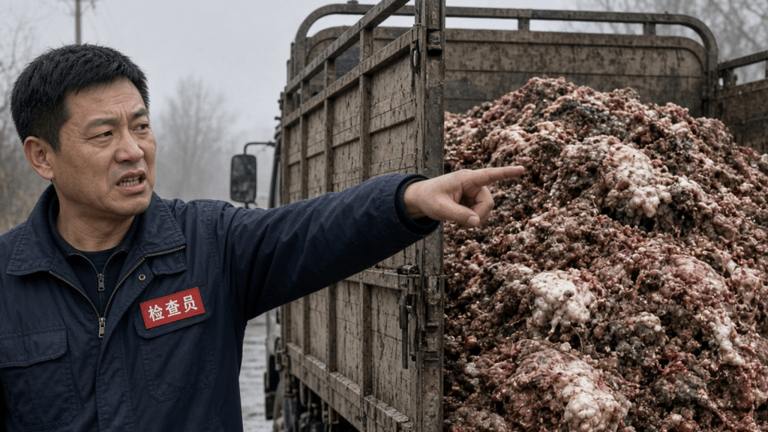
Chinese customs rejected a 22 ton shipment of Argentine beef in March after testing found chloramphenicol, an antibiotic banned in cattle raised for slaughter since 1995.

The shipment came from an ArreBeef plant in Pérez Millán, in the Ramallo district of Buenos Aires province, one of Argentina’s larger beef exporters. China’s General Administration of Customs stopped the container on March 19 and suspended imports from that specific plant.

Chloramphenicol is a broad spectrum antibiotic that was once common in veterinary medicine. It was pulled from use in food animals because it has been linked to serious blood disorders in people, including aplastic anemia, a condition in which the body stops producing enough new blood cells.

There is no established safe level of exposure through food, which is why China operates a zero tolerance rule. Any detectable residue kills the shipment, no matter how small the amount.

Full article.

Buy American Beef!

Find a local rancher and support them!

I also offer Grass-fed American Beef online here in my store.

We are low in stock this time of year as we get ready for Fall butchering, but in a few weeks our customers will have the opportunity to pre-purchase up to a Half Cow of premium Galloway Grass-fed and Grass-finished beef.

Here are some more news posts from our Telegram channel.

Moderna COVID-19 Vaccine Funder Dolly Parton Dies Suddenly

Dolly Parton, who was seen in public as recently as a few weeks ago talking about the future, died suddenly this week at the age of 80.

Dolly Parton donated $1 million dollars to invest in the Moderna COVID-vaccine, and she took the shot live on TV.

Dolly Parton partly funded Moderna Covid vaccine research

From The Guardian:

The country music icon’s $1m donation supported the latest breakthrough by Moderna and several research papers

It’s truly the greatest gift of all: a $1m donation by Dolly Parton to coronavirus vaccine research supported the development of the Moderna vaccine.

In April, Parton donated £800,000 to research after her friend Dr Naji Abumrad of the Vanderbilt Institute for Infection, Immunology and Inflammation at Vanderbilt University in Tennessee told her that they were making “some exciting advancements” in the search for a cure for the virus. Abumrad and Parton became friends in 2014 after the singer was involved in a car accident and treated at Vanderbilt.

The Dolly Parton Covid-19 research fund is the latest example of Parton’s well-known philanthropy. Her Imagination Library gifts free books to children from birth until starting school in participating areas.

She recently told Oprah Winfrey that she never had children “because I believe that God didn’t mean for me to have kids so everybody’s kids could be mine, so I could do things like the Imagination Library.”

Full article.

Here is some more information about Dolly Parton from Cathy Fox’s past Twitter posts.

Thread on Dolly Parton. Dolly is a mind controlled slave like the rest. #mindcontrol #mindcontrolledslave #monarch #projectmonarch #mkultra

Dolly with playboy bunny ears and with the white rabbit ie the mind control handler / controller / programmer #dollyparton #dolly #mindcontrol #mkultra

Dolly with Mickey Mouse, mind control trigger and from for a massive mind control operation #disney #mickeymouse #mindcontrol #dolly

Dolly. bunny ears, playboy and one eye symbolism #dolly #dollyparton

Dolly giving one eye symbol dressed as the statue of liberty ie Sabine goddess Feronia (goddess of liberty) or Babylonian goddess Ishtar, or Semiramis. #dolly #StatueofLiberty #Ishtar

666 symbolism and shhh programming #shhh #dolly #dollyparton

There is speculation about skull size and gender #dolly #dollyparton

These are strange – one eye and one a downward facing pentagram and one a butterfly #mindcontrol #dollyparton

Source.

Related:

Australian music artist Altiyan Childs revealed back in 2021 that everyone rich and famous in the music industry is a Freemason. See:

Insider Exposes Freemasonry as the World’s Oldest Secret Religion and the Luciferian Plans for The New World Order

Trump, Vance and Bessent try to calm the bond market with ‘alternative facts’

Maybe this stuff works on TV or on the stump. But it doesn’t work on Wall Street, where people can count.

From MarketWatch:

Excerpts:

It’s even worse than you think.

In response to the growing crisis surrounding the bond market and the national debt, President Donald Trump, Vice President J.D. Vance and Treasury Secretary Scott Bessent are trying to talk the crisis down.

And they are doing so with their usual brand of nonsense and … er … “alternative facts.”

The most charitable explanation is that they simply think the $40 trillion Treasury bond market has somehow got it wrong and is mispricing interest rates and risk. That would be truly remarkable — and would offer the greatest one-way bet in financial history.

Presumably, if the administration honchos really think that is the case, they will rush out today and throw all of their money into these grossly undervalued bonds.

And presumably the same goes for MAGA supporters across America.

If short- and long-term interest rates got back to where they were when President Donald Trump left office in January 2021, the Pimco 25+ Year Zero Coupon U.S. Treasury Index ETF, which holds the longest-dated U.S. Treasury bonds, could be expected to rise more than 150% from current levels.

Good luck with that.

Vance blamed the looming bond crisis on the “debt bomb” this administration supposedly “inherited” from the Biden administration.

Maybe this stuff works on TV or on the stump. But it doesn’t work on Wall Street, where people can count.

The gross U.S. national debt at the end of 2024 — in other words, at the end of the Biden administration — was $35.2 trillion, as reported by the independent Congressional Budget Office.

Today it’s $40 trillion. It’s risen nearly $5 trillion in a year and a half.

In January 2025, when Trump took office for the second time, the CBO projected that the national debt would reach $39.2 trillion by the end of 2026. We have already blown past that, months ahead of schedule.

In other words, the debt hasn’t just risen by almost $5 trillion so far under Trump, but it’s already risen about $1 trillion more than was forecast.

Darn that Joe Biden!

Full article.

This article was written by Human Superior Intelligence (HSI)

See Also:

Understand the Times We are Currently Living Through

Second Edition of eBook Released: The Concept of the American Christian Family is a Myth and is NOT Found Anywhere in the Bible – by Brian Shilhavy

FREE eBook! Restoring the Foundation of New Testament Faith in Jesus Christ – by Brian Shilhavy

The Brotherhood of Satan vs. The Brotherhood of Jesus Christ

KABBALAH: The Anti-Christ Religion of Satan that Controls the World Today

Exposing the Christian Zionism Cult

The Bewitching of America with the Evil Eye and the Mark of the Beast

Jesus Christ’s Opposition to the Jewish State: Lessons for Today

Identifying the Luciferian Globalists Implementing the New World Order – Who are the “Jews”?

The Brain Myth: Your Intellect and Thoughts Originate in Your Heart, Not Your Brain

What is the Condition of Your Heart? The Superiority of the Human Heart over the Human Brain

The Seal and Mark of God is Far More Important than the “Mark of the Beast” – Are You Prepared for What’s Coming?

The Satanic Roots to Modern Medicine – The Image of the Beast?

Medicine: Idolatry in the Twenty First Century – 10-Year-Old Article More Relevant Today than the Day it was Written

Having problems receiving our emails? See:

How to Beat Internet Censorship and Create Your Own Newsfeed

We Are Now on Telegram. Video channels at Bitchute, and Odysee.

If our website is seized and shut down, find us on Telegram, as well as Bitchute and Odysee for further instructions about where to find us.

If you use the TOR Onion browser, here are the links and corresponding URLs to use in the TOR browser to find us on the Dark Web: Health Impact News, Vaccine Impact, Medical Kidnap, Created4Health, CoconutOil.com.

The post Is Trump Importing Contaminated Beef from Argentina While Giving American Cattle Ranchers the Middle Finger? first appeared on Health Impact News.

  •  

Operation Forrest Gump: Nationalized Ukrainian bank allegedly became money laundromat

An anti-corruption investigation reaching from Ukraine's Presidential Office into the management of state-owned Sense Bank has raised questions far beyond the alleged laundering of UAH 150 million. At stake are the governance of nationalised assets, the independence of Ukraine's anti-corruption institutions, a planned bank privatisation, an international arbitration worth more than $1 billion and Kyiv's credibility as it moves deeper into EU accession negotiations.

A week after Ukrainian anti-corruption investigators unveiled an operation carrying the improbable codename “Forrest Gump”, the affair has developed into one of the most consequential governance scandals to hit wartime Ukraine.

At its center is a deceptively simple question: Where did UAH 150 million — approximately $3.4 million — used to secure the release on bail of former Justice and Energy Minister Herman Halushchenko, a centerpiece of the biggest corruption scandal of Zelensky government, actually come from?

The answer alleged by Ukraine's National Anti-Corruption Bureau, NABU, and Specialised Anti-Corruption Prosecutor's Office, SAPO, is extraordinary.

Investigators say criminal proceeds under the supervision and manual management of deputy head of the Office of the president of Ukraine Iryna Mudra were converted into apparently legitimate funds through a series of companies and bank accounts. The source of the money is linked with the main suspect of another corruption scandal Timur Mindich, a close ally of president Zelensky, and the goal was to post bail for a suspect in the Operation Midas investigation into alleged corruption surrounding the state nuclear company Energoatom.

NABU's official account says members of a criminal organisation, acting with representatives and officials of a state-owned bank, arranged the laundering of UAH 150 million during June 2026. The cash was allegedly introduced into the legitimate financial system through accounts belonging to shell companies before being used for bail.

The most revealing evidence released by NABU is not just a bank transfer but Mudra’s own confessions, which give wider picture. In one recorded exchange, a female voice attributed to her says: “Corruption should be systematised and controlled… There is no need to fight it.” A male interlocutor adds: “And lead it.” This is said by one of the highest Ukrainian official in charge of judicial reform. Yet her own words are arguably more disturbing, presenting corruption not as an abuse to be eliminated but as a system to be organised and kept under political management.

Other recordings portray Mudra discussing state owned Sense Bank, where this money-loundering operation took place, as an asset to be under direct political control and used for enrichment. She recounts a proposed arrangement under which political figures politicians from Zelensky party Servant of the People would refrain from attacking the bank while “Sense Bank has to pay them”, and quotes an instruction she received from above to “take over the bank” because it contains “serious flows”. She then describes its managers as compliant figures who would carry money wherever a senior Presidential Office official instructed them, adding that they had “crawled” to her “like kittens” asking to be taken under protection.

NABU’s published recording also appear to show Mudra discussing protection from the institutions supposed to investigate such conduct. She asks how to mobilize votes for “our” candidates to NABU’s Public Oversight Council and describes SAP chief Oleksandr Klymenko as “not one of ours,” warning that if he secured a second term, “we’ll all be fucked.” Taken together, these phrases suggest something broader than participation in a single suspicious transaction: an alleged attempt to control a state-owned bank while influencing the bodies capable of investigating that control. If authenticated and confirmed in context, they would provide unusually direct evidence of political capture and consciousness of wrongdoing. Mudra denies criminal conduct and says the excerpts were released selectively and without their full context.

Taking over the bank  

Revelations are shocking in many dimension and will have influence for years to come. One of the most striking revelation is usage of the state-owned Sense Bank as systemic money-laundering machine.

Sense Bank carries unusual political and legal baggage. Until 2022 it was known as Alfa-Bank Ukraine and was owned through corporate structures associated with ABH Holdings. Among the beneficial shareholders were Russian businessmen including Mikhail Fridman and Petr Aven.

Ukraine subsequently imposed sanctions and, in July 2023, the government took Sense Bank into state ownership. Ukraine's Ministry of Finance says the measure was intended to maintain financial stability and protect depositors after sanctions were imposed on significant shareholders. The state today owns 100% of the bank.

It was therefore no ordinary commercial bank allegedly being exploited. It was an asset that Ukraine had taken into public ownership during wartime, in considerable part because of national-security concerns surrounding its previous ownership.

The source material examined by EU Reporter describes this as a crucial feature of the scandal: after nationalisation, the allegation is not simply that corrupt actors conducted transactions through Sense Bank, but that political influence was progressively established over the institution's governance.

That allegation remains contested and has not been established by a court. But documents released by NABU and widely reported by the Kyiv Independent and other leading Ukrainian media raise questions that are difficult for the Ukrainian authorities to ignore. The Kyiv Independent reported on 22 August that internal Nomination Committee records showed attempts to shape Sense Bank's supervisory board following nationalisation. The paper reported that Iryna Mudra, then deputy head of the Office of the President and chair of the committee involved in selecting supervisory-board members, strongly promoted Mykola Hladyshchenko for a place on the board despite objections concerning competence, potential conflicts of interest and previous employment. Hladyshchenko subsequently became chairman of the supervisory board.

The investigation also cited earlier leaked conversations in which prospective board candidates were allegedly described as “our guys”. Six people reportedly discussed in that context were subsequently appointed. EU Reporter has not independently authenticated those recordings or the leaked committee minutes, so their contents must remain attributed to the publications that obtained them.

However, now the anticorruption agencies established with support and guidance of the EU provide their findings suggesting that the bank was deliberately captured for criminal purposes. NABU says that by early June 2026 the alleged organisers had obtained de facto control of Sense Bank, enabling them to use accounts of controlled businesses in the laundering scheme. That allegation has now triggered action at the highest levels of financial regulation.

Bags of cash, shell companies and a banking bottleneck

The alleged mechanics of the operation read more like a crime thriller than a banking-compliance investigation. According to the investigative material compiled in the source document and subsequent Ukrainian reporting, cash was allegedly concentrated through businesses associated with former MP and developer Maksym Mykytas before being exchanged or routed through companies capable of putting apparently legitimate non-cash funds into the banking system.

The source describes alleged deliveries of cash in bags and boxes, routing through companies including Metrobud and other entities, and discussions about how transactions could pass financial-monitoring controls.

Ukraine's anti-money-laundering regime establishes a UAH 400,000 statutory threshold for certain financial-monitoring obligations, alongside wider risk-based requirements. It would be inaccurate to suggest that every payment above UAH 400,000 is automatically prohibited; rather, banks are expected to identify, scrutinise and where necessary report transactions according to statutory and risk criteria.

The significance of the NABU allegation is therefore not simply the size of the payment. Investigators allege that people involved in the transaction were actively discussing how to overcome or circumvent compliance barriers. Published recordings attributed to members of the alleged group include discussion of a Sense Bank compliance official who could prevent the transaction. Mudra in one recording says that she received demand “from above” to fire a bank official who refuse to clear transaction. The scheme released by NABU paint a shocking picture: to make the transfer the bank's automated monitoring arrangements were temporarily taken out of operation during the transaction.

Those are NABU allegations presented to the court. But the Ukrainian government has already treated them seriously enough to take immediate action. This confirms that NABU accusations are well grounded. 

Saving face

On 19 August, the Cabinet suspended supervisory-board chairman Mykola Hladyshchenko for six months and initiated the suspension of management-board chairman Oleksii Stupak. The Finance Ministry explicitly said that its intervention was designed to address risks including the possible use of Sense Bank for money laundering and inadequate oversight of AML procedures.

The following day, National Bank of Ukraine Governor Andriy Pyshnyi went further. The NBU concluded that Hladyshchenko no longer satisfied the statutory independence requirements for membership of the supervisory board and opened proceedings to examine the collective suitability of the entire board. On 21 August, the government terminated Hladyshchenko's powers altogether.  This regulatory reaction matters because it turns the episode from an allegation concerning individual criminal behaviour into a potential failure of corporate governance and banking supervision.

Sense Bank itself has said it is cooperating with the authorities. Following the NABU searches, the bank said it wanted the circumstances established “fully and objectively” and was providing investigators with the information required under legal procedures.

But the key question is different. There have been already multiple accusations of usage of nationalised Sense bank for allegedly corrupt or shadow schemes. NABU revelation did not come from nowhere and were not a separate incidental case. In previous NABU and journalistic investigations shocking facts of how bank has been used were presented. How was it possible that in time of war after nationalisation of one of the biggest banks  it could turn into money-laundering machine?

The Presidential Office role

The highest-profile suspect is Iryna Mudra. Mudra served as deputy head of the Office of the President and held responsibility for major legal and judicial-policy issues, including international mechanisms concerning Russian aggression and frozen Russian assets. President Volodymyr Zelenskyy dismissed her on 19 August. Presidential Decree No. 734/2026 confirms the dismissal but does not give a reason.  NABU and SAPO served Mudra with a notice of suspicion. On 25 August, Ukraine's High Anti-Corruption Court ordered her held in custody for 60 days while allowing release if UAH 20 million bail is posted. Prosecutors had requested considerably higher bail.

Mudra denies criminal wrongdoing. She has argued that the published recordings have been presented selectively and out of context. Through her lawyers, she has said that she is cooperating with investigators and is prepared to answer their questions through the proper legal process. The underlying source document expressly records those objections and cautions concerning the provenance and quality of some recordings.

On 24 August President Zelenskyy said the anti-corruption bodies had “no questions” for him regarding the investigation.

The billion-dollar shadow over Sense Bank

There is another legal dimension. Former shareholder ABH Holdings commenced ICSID arbitration against Ukraine after the 2023 nationalisation, seeking more than $1 billion and alleging unlawful expropriation. UNCTAD records the dispute as ABH v Ukraine, ICSID Case No. ARB/24/1, concerning the former ownership of Alfa-Bank/Sense Bank. A separate proceeding, EMIS v Ukraine, also concerns alleged unlawful expropriation of Sense Bank.

The government's 2023 decision was taken in the context of sanctions and financial-stability considerations. Whether it complied with the relevant investment treaties is a matter for international tribunals, not for a criminal investigation conducted three years later. Nevertheless, evidence about how the asset was governed after nationalisation could become relevant contextual material in those proceedings.

ABH's case alleges that the taking of Sense Bank was unlawful. Ukraine will defend the nationalisation on its own legal and national-security grounds. A subsequent allegation that politically connected actors exploited the nationalised institution does not answer that legal dispute, but it could make the factual history of the asset considerably more uncomfortable for Kyiv. The source analysis supplied to EU Reporter correctly identifies this potential intersection. Forrest Gump can raise a question about bad faith in the original nationalisation and the consequences might go much further than a bail for one allegedly corrupt official.

And the cherry on the top: Mudra was also one of the officials responsible for formulating and publicly defending Ukraine’s position against ABH Holdings, the former owner of Sense Bank, in its more than $1 billion ICSID claim over the bank’s nationalisation; she later chaired Ukraine’s delegation in other major international proceedings. This creates a particularly damaging contradiction: an official who defended the takeover as a lawful national-security and financial-stability measure is now accused of helping place the same bank under political control and use it to launder criminal proceeds. The allegations do not by themselves prove that the 2023 nationalisation was unlawful, but they seriously undermine the factual and moral credibility of Ukraine’s case and offer ABH a powerful argument that the bank was not transferred into genuinely independent state management, but into a system vulnerable to political capture.

Why Brussels should be watching

Forrest Gump is not an isolated investigation. Its roots reach into Operation Midas, NABU's investigation into alleged large-scale corruption at state nuclear operator Energoatom. NABU says Midas uncovered a criminal structure involved in substantial corruption and subsequent money laundering. Later investigative developments have continued into 2026.

The Forest Gump allegations concern money ultimately used as bail for an individual implicated in that wider investigation. This changes the character of the alleged conduct. If prosecutors prove their case, it would mean that money generated through criminal activity was not merely hidden or spent. It was allegedly recycled back into the criminal-justice system itself to secure the liberty of another suspect.

And here we come to the point vitally important for Brussels.

Ukraine formally opened negotiations on the EU's Fundamentals cluster on 15 June 2026. That cluster includes the judiciary, fundamental rights, justice and security, public procurement and financial control. Crucially, it is the first cluster opened and the last to close, and the European Commission has made clear that progress under it determines the overall pace of accession negotiations.

Ukraine is simultaneously receiving extraordinary financial support from the European Union. The Ukraine Facility provides up to €50 billion between 2024 and 2027, and support is tied to democratic mechanisms, the rule of law, sound financial management, anti-corruption safeguards and reform commitments.

The issue for Brussels is therefore not whether corruption exists in Ukraine. No serious accession process operates on the assumption that candidate countries are free of corruption.

The more important test is whether institutions can discover it, investigate it, prosecute it and correct the governance failures that allowed it without political obstruction. Viewed from that perspective, Forrest Gump presents two competing narratives. The negative interpretation is obvious: people occupying some of the highest positions in the Ukrainian state are alleged to have manipulated a nationalised bank and circumvented controls to launder criminal proceeds.

The more positive institutional interpretation is that Ukraine's own anti-corruption agencies investigated them, published evidence, served suspicion notices, triggered removals at a state bank and brought one of the country's most senior former presidential officials before an independent anti-corruption court.

Which narrative ultimately prevails will depend heavily on what happens next.

  •  

EU reaffirms solidarity with Ukraine on 35th anniversary of regained independence

On 24 August, we celebrated Ukraine’s Independence Day. This occasion embodies the bravery, resistance and resilience of the Ukrainian people in the face of Russia’s vicious war of aggression. It also symbolises Ukraine’s journey over the past 35 years in becoming a modern, democratic and European country.  

To mark the occasion, the European Commission unfurled the Ukraine flag in front of the Berlaymont building in Brussels, which was also illuminated in Ukrainian colours. 

As we celebrate this milestone, the EU reaffirms its unwavering commitment to Ukraine’s sovereignty and territorial integrity. Since the beginning of Russia’s full-scale invasion, we have provided Ukraine and its people with unprecedented humanitarian, financial and military assistance. So far, this support amounts to €220.2 billion. 

Over the past months, the EU has stepped up its support for Ukraine’s economy and defence - because Ukraine’s prosperity is Europe’s prosperity, and Ukraine’s security is Europe’s security.   

We made the first disbursements under the €90 billion Ukraine Support Loan to help sustain the country’s financial needs and boost its defence capabilities. And on Ukraine’s Independence Day, we approved €6.1 billion in support for air and missile defence systems, missiles, ammunitions, and radars. 

Standing with Ukraine is also about holding Russia accountable. In July, we adopted a 21st package of sanctions, further restricting Russia's ability to fund its illegal war and to carry out attacks on Ukrainian civilians and civilian infrastructure.  

The EU has stepped up efforts to secure the return of Ukrainian children forcibly transferred or deported by Russia, and is making sure Russia faces accountability for its crimes through the International Claims Commission and the Special Tribunal for the Crime of Aggression against Ukraine.  

Ukraine belongs in the European family and in the European Union. We remain committed to supporting and assisting Ukraine on this process. This summer, Ukraine opened two accession negotiation clusters, illustrating its impressive capacity to implement reforms even during times of war. 

We continue standing with Ukraine in pursuing a comprehensive, just and lasting peace, and supporting their European path. 

For more information 

Press release - Commission approves €6.1 billion for Ukraine's defence

Visual story - Slava Ukraini, long live Europe

  •  

EU tells Ukraine: 'We will continue to provide as much support as necessary'

EU chief Antonio Costa has paid tribute to all those who he says are “standing strong in defending their homeland on the front lines and across Ukraine”.

The Portuguese-born official was speaking on Monday at Sofiiska Square in Kyiv, the country's capital, to celebrate Ukraine’s Independence Day.

He told the packed audience that 24 August marks the moment when Ukraine joined the “free nations of Europe”.

He said: “It is a crucial date in Ukraine’s long struggle for freedom and independence.”

He told Ukrainians that their  “courage and bravery inspire the world”.

He thanks those fighting in the frontlines: “Their families, their parents, their children, all of them, they are losing and risking their lives for the freedom of Ukraine and the freedom of Europe.”

He recalled EU member states had met on the very first day of the war, on 24 February 2022 “to galvanise European support for Ukraine”.

The president assured Ukraine that “European solidarity has been strong and unwavering ever since,” adding, “We have always been with you in providing political, financial, humanitarian, military and diplomatic support.”

He called the conflict a “terrible war” he hopes will “never happens again”.

The former Portuguese PM assured the war torn country, “We will continue to provide as much support as necessary, for as long as necessary.”

Turning to possible EU accession for Ukraine, he suggested this as: “The best guarantee of security and long-term democratic stability — for Ukraine and for Europe as a whole.”

He said: “Our goal is Ukraine’s integration into the European Union’s peace project: a union of nations that have overcome nationalism, that uphold democracy and the rule of law, and that work together for shared prosperity and development.

“We all know that accession is a demanding process.

"But these challenges should not block our political determination, rooted in geopolitical necessity and the free, democratic choice of the Ukrainian people.”

  •  

The Ellison family and Israel lobby’s smearing of Mark Ruffalo shows how tedious the ‘antisemitism scandal’ script is getting

Mark Ruffalo speaks during HBO's Task LA Screening and Panel in partnership with KCRW and The Ringer at Vidiots on September 28, 2025 in Los Angeles, California. Photo by Jesse Grant/Getty Images for HBO

Once again, anti-semitism is being cynically—and falsely—​​redefined in the press and broader Discourse as “pointing out uncomfortable facts about the nation state of Israel.”

This past weekend, the Israel Crybully Lobby, using a familiar script I’ve detailed before, led a smear campaign against actor Mark Ruffalo because he had the temerity and integrity to note that the family vying to control not only 60 Minutes and CBS News, but CNN and HBO, is a committed and open supporter of Israel and its genocidal military. 

Ruffalo is leading a broad coalition of antitrust activists, creatives, and filmgoers to oppose the pending Skydance Paramount-Warner Brothers Discovery merger and, in doing so, violated an unwritten rule against noting that the father-son duo behind the merger, David and Larry Ellison, are well-documented and open zionist advocates that not only lobby for and support Israel, but “privately” donate to their military. A military that—it’s worth noting—Human Rights Watch, Doctors Without Borders, B’Tselem, Physicians for Human Rights Israel, OxFam, the International Association of Genocide Scholars, and dozens of other humanitarian and human rights organizations have determined is committing genocide in Gaza. Ruffalo also pointed out that the Ellisons’ $400 billion fortune was largely built on military and surveillance technology from Oracle that is used, in part, to surveil, imprison, and kill Palestinians, as well combat opposition to Israel stateside.  

Ruffalo simply noted the open and well-documented ideological commitments that the Ellisons themselves have long championed.

Predictably, the Israel Crybully Lobby and its one-note propaganda organs in the nonprofit and media world responded to these comments by accusing Ruffalo of “antisemitism” and engaging in “tropes”—many of which are not, of course, tropes in any traditional sense, but simply Things That Are Awkward To Mention. Paramount Skydance released a whiney and self-indulgent statement saying “We are, as always, troubled when antisemitic tropes are invoked.… Words like ‘genocide’ and ‘apartheid,’ applied to a corporate transaction, aren’t just wrong—they’re a bridge too far.” This statement, and related scandalizing of Ruffalo’s otherwise true and banal comments, were echoed by Hollywood press outlets such as Variety magazine, the Hollywood Reporter, and the Wrap, the latter of which is owned by Sharon Waxman, an open supporter of Israel and its genocide in her own right. Needless to say, the Wrap has been covering this like Watergate, with nonstop breathless headlines, even laughably citing NATO-funded think tanker Ahmed Fouad Alkhatib as a “Leading Palestinian Activist.”

This campaign failed at shutting up Ruffalo, who defended himself on Twitter/X, where he received an outpouring of support. But more zionist advocacy organizations—always posing as “antisemitism” monitors, such as the Anti-Defamation League, Simon Wiesenthal Center, the Creative Community for Peace, and L.A. Jewish Federation—joined the pile-on. All four groups are openly supportive of Israel and its genocidal military and largely exist to smear Israel critics as antisemites regardless of the tone or nature of the criticism. 

Despite the “antisemitism scandal” playbook being less and less effective, it’s not stopping the Israel Crybully Lobby from using it to discipline Ruffalo and other actors who dare support basic human rights, or in this case, actors who connect Oracle’s obscene wealth with their intimate involvement in the US and Israeli security state. The whole “antisemitism” and “trope” charge is even more absurd since, in context, in addition to Ruffalo simply citing Oracle’s Executive Vice-Chair Safra Catz’s own dystopian words about their “really profoundly scary technologies,” Paramount Skydance CEO David Ellison is open in his support for not just Israel as some romantic abstraction, but the IDF itself. In 2024, upon announcing his purchase of Paramount, Ellison’s Skydance issued a dressed-up press release in the Jerusalem Post detailing how his buying of Paramount would be good for Israel:

“These two young men [Ellison being one of the men] love Israel, are connected to their Judaism, have Zionist values, and it’s very encouraging to see that in such successful families, the values are passed on to the younger generations. Both quietly donate quite a bit to the State of Israel and the IDF. It is positive news for the Jewish world that Korff and Ellison are the next generation of global Jewish leadership, connected to Israel and holding Zionist values.” 

The piece would go on to note that the “article was written in cooperation with SkyDance” which is another way of saying it’s a touched-up press release issued by Skydance. So here is Ellison using his own company to boast how great his purchase of Paramount would be for Israel (setting aside how funny it is to point out how you “quietly” support a cause in your own company’s press release), thus openly acknowledging that his media properties would reflect Israel’s line. A promise immediately confirmed by Ellison’s first major hire post-Paramount purchase: self-identified “zionist fanatic” Bari Weiss, who he immediately put in charge of all of CBS News. The family patriarch, Larry Ellison, has even deeper ties to Israel: In addition to being the single largest private donor to the IDF, leaked emails revealed last year that in 2015 the elder Ellison vetted then-candidate for President Marco Rubio on behalf of the Israel ambassador to the UN. 

Israel is a nation state, a political entity; zionism is an ideology, a worldview that violently privileges Jewish sovereignty in Palestine. Neither are protected religions, cultures, or identities. Adults have to be able to separate these two things—one being an ethno-religious identity and the other being an ideological choice—when discussing the dispossession, occupation, and mass killing of Palestinians, and how this right-wing worldview dovetails with media ownership, US imperialism, the military state, and free speech suppression in the United States. It is certainly possible to criticize Israel and its supporters while engaging in antisemitic tropes, but Ruffalo did not come remotely close to doing this, and it’s deeply cynical to claim he did without presenting any credible evidence. Instead we just get mindless working of the refs, increasingly hollow pro forma language about “tropes” and “antisemitism,” whining and chauvinist solipsism from deluded rich ideologues high on their own zionist media supply. Ruffalo simply noted the open and well-documented ideological commitments that the Ellisons themselves have long championed. Adults should be able to talk about very rich people’s connections to militaries without everyone reaching for the antisemitism smelling salts. This script—where powerful, wealthy and deeply ideological actors cry and whine and piss and moan about being the victims of racist abuse because someone dares highlight their backing of a nation state and its military—is as dangerous and sleazy as it is tedious and, one can only hope, diminishing in its returns.

  •  

Warum bestellt Deutschland hunderte Panzer, wenn sie im modernen Krieg nutzlos sind?

Dass die Bundesregierung Ende letzten Jahres mindestens 123 Kampfpanzer vom Typ Leopard 2 (A8) sowie 200 neue Schützenpanzer vom Typ Puma bestellt hat und dass die Bundeswehr gar plant, im nächsten Jahrzehnt tausend Leopard-Panzer zu kaufen, ist das vielleicht beste Beispiel dafür, dass es bei der „Zeitenwende“ nicht um Sicherheit oder Verteidigungsfähigkeit geht, sondern ausschließlich […]
  •  

EU reaffirms solidarity with Ukraine on 35th anniversary of independence

24 August 2026 marked Ukraine's 35th anniversary of its independence. This occasion embodies Ukrainians' bravery, resistance and resilience in the face of Russia's continuous and vicious war of aggression. It also symbolises their aspiration to be a democratic and European country. On the Independence Day, the European Commission reaffirms its unshakable solidarity and commitment to Ukraine's sovereignty, independence, and territorial integrity. We continue standing with Ukraine in pursuing a comprehensive, just and lasting peace, and supporting their European path.

Over the past months, the EU has secured the first disbursements under the €90 billion Ukraine Support Loan to sustain the country's defence capabilities and reconstruction. The EU has also adopted the 21st package of sanctions further restricting Russia's ability to fund its illegal war and to carry out attacks on Ukrainian civilians and civilian infrastructure. In July 2026, President Ursula von der Leyen visited Kyiv, launching a new EU-Ukraine Defence Industrial Partnership and the EU-Ukraine Drone Deal, including an additional €1 billion in support for drone production.

The EU is leading the efforts in terms of ensuring the recovery and long-term investment in Ukraine's economy, also confirmed at the Ukraine Recovery Conference in June. It is playing a crucial role in securing the return of Ukrainian children forcibly transferred or deported by Russia, as well as in holding Russia accountable for its crimes, including through the International Claims Commission and the Special Tribunal for the Crime of Aggression against Ukraine.

Since Russia's full-scale invasion began in February 2022, the EU and its Member States have mobilised a total of €220.2 billion in humanitarian, financial, and military assistance to Ukraine and its people. Since 2024, the EU has made available €8 billion in proceeds generated by immobilised Russian Central Bank assets to support Ukraine, including €3.8 billion channelled through the European Peace Facility and the Ukraine Facility. The remaining part of the proceeds supports the repayment of G7 Extraordinary Revenue Acceleration loans through the Ukraine Loan Cooperation Mechanism.

More information on the EU's support for Ukraine is available on the webpage and factsheet.

  •  

When Believing in Jesus Christ Gets You Kicked Out of the Church

Christian churches during the COVID Scamdemic.

by Brian Shilhavy

In John chapter 9 we have the incredible story of how Jesus healed a man born blind, and gave him eyesight for the first time in his life. It is a story that was not recorded in the other three historical records of the life of Jesus in the New Testament portion of the Bible.

It is helpful, however, to understand the context of this story, and why John probably included it in his own historical record of the life of Jesus Christ.

In the previous chapter, John chapter 8, Jesus clearly divided the Jewish believers of his day into two categories: those who truly knew God, whom Jesus always referred to as his “Father”, and therefore believed in and loved Jesus.

The other category of Jewish believers were those who religiously followed the Law of Moses and other Old Testament writings, but did not know Jesus’s Father, and therefore rejected everything Jesus taught, because it threatened their power base and position in Israel.

To these Jews, Jesus stated that their father was “the devil.”

Jesus stated a very important principle about “language” and understanding between these two groups, especially when it came to the truth.

Why is my language not clear to you? Because you are unable to hear what I say.

You belong to your father, the devil, and you want to carry out your father’s desire. He was a murderer from the beginning, not holding to the truth, for there is no truth in him.

When he lies, he speaks his native language, for he is a liar and the father of lies.

Yet because I tell the truth, you do not believe me! (John 8:43-45)

When someone has believed something as true their whole lives, which in fact is not true, it becomes very difficult for them to change their minds and admit that what they held as true for so long is, in fact, not true, because it could have devastating consequences.

It is much easier to accuse the person who is speaking the truth as the one who is lying, than to accept a truth that could totally disrupt your life.

This was the situation with the Jewish believers during Jesus’s day.

For example, the Law of Moses had very specific ways of dealing with illnesses, and only a priest could declare someone “clean” or “well.”

So when Jesus appeared on the scene, who was not from the tribe of Levi whom the Levitical priests derived their authority from, and then started healing people outside of their system, it was a direct threat to their authority, and control over the people.

What John then does in chapter 9, is illustrate this truth with the story of the man born blind.

As he went along, he saw a man blind from birth.

His disciples asked him,

“Rabbi, who sinned, this man or his parents, that he was born blind?”

“Neither this man nor his parents sinned,” said Jesus, “but this happened so that the work of God might be displayed in his life.

As long as it is day, we must do the work of him who sent me. Night is coming, when no one can work.

While I am in the world, I am the light of the world.”

(John 9:1-5)

The first thing Jesus does in this story is dispel a common myth believed in the Jewish religion at that time, that people born with disabilities must have been a result of someone’s sin.

Jesus also referred to himself as “the light of the world.”

Light chases away the darkness, so that things done in darkness can be plainly seen in the light, and therefore people can see the facts, or the truth, that the light exposes once the darkness is overcome.

Now, on to the miracle.

Having said this, he spit on the ground, made some mud with the saliva, and put it on the man’s eyes.

“Go,” he told him, “wash in the Pool of Siloam” (this word means Sent).

So the man went and washed, and came home seeing. (John 9:6-7)

This was a unique miracle. Many of the miracles of healing that Jesus performed were done through speaking, or sometimes laying his hands on people.

In this one, he spit into the dirt to make “mud.”

This reminds us that according to the writings of Moses, specifically in the first book of the Bible, Genesis, that God formed man from the “dust/dirt of the earth.”

The LORD God formed the man from the dust of the ground and breathed into his nostrils the breath of life, and the man became a living being. (Genesis 2:7)

There must have been some physical difficulties with this man’s eyes where the components we need in the physical realm to see were missing in him, since birth. Jesus apparently supplied whatever was missing that prevented him from seeing, by using dirt mixed with his own saliva.

This unnamed man recorded in John chapter 9 simply followed Jesus’s instructions, and began to have sight for the first time in his life!

Wouldn’t this be wonderful news for everyone who would learn about this?

No. This man’s simple act of obedience to Jesus that resulted in him receiving his sight for the first time in his life, defied the medical authorities of his day, who then began to treat him as a criminal, and then excommunicated him from the religious community for daring to defy the religious authorities.

Healing was not supposed to happen this way!! If the common people could get direct healing from Jesus themselves, what use was the current healthcare system currently in place, that was dependent upon religious and medical authorities?

Let’s look at the people’s reaction to this miraculous event.

His neighbors and those who had formerly seen him begging asked,

“Isn’t this the same man who used to sit and beg?”

Some claimed that he was. Others said,

“No, he only looks like him.”

But he himself insisted,

“I am the man.”

“How then were your eyes opened?” they demanded.

He replied,

“The man they call Jesus made some mud and put it on my eyes. He told me to go to Siloam and wash. So I went and washed, and then I could see.”

“Where is this man?” they asked him.

“I don’t know,” he said.

They brought to the Pharisees the man who had been blind. (John 9:8-13)

Notice how his neighbors and friends began a debate about whether or not this man had been born blind.

Even when he spoke up for himself to declare he was the same man, they could not understand his language, just as Jesus had said in chapter 8, because the truth did not conform to their own understanding of a world run by Satan.

So they brought him to the Pharisees, the authorities of the day, which would be the equivalent of reporting someone to the police/sheriff/ICE, etc. today.

Let’s see how the religious and health authorities of that day dealt with the fact that a man born blind could now see.

Now the day on which Jesus had made the mud and opened the man’s eyes was a Sabbath.

Therefore the Pharisees also asked him how he had received his sight.

“He put mud on my eyes,” the man replied, “and I washed, and now I see.”

Some of the Pharisees said,

“This man is not from God, for he does not keep the Sabbath.”

But others asked,

“How can a sinner do such miraculous signs?” So they were divided.

(John 9:14-16)

Notice how, just like this man’s neighbors and friends, the religious and health authorities could not understand what this man was saying about his own experience.

It didn’t make any sense to them.

Their “logic” went something like this: Someone who breaks the Sabbath (according to their interpretations/opinions about how one keeps the Sabbath) is a sinner. Therefore, this man could not have been healed by a sinner.

So they questioned him again in their dazed and confused state, and this time ordered that his parents also appear before their judicial review.

Finally they turned again to the blind man,

“What have you to say about him? It was your eyes he opened.”

The man replied,

“He is a prophet.”

The Jews still did not believe that he had been blind and had received his sight until they sent for the man’s parents.

“Is this your son?” they asked.

“Is this the one you say was born blind? How is it that now he can see?”

“We know he is our son,” the parents answered, “and we know he was born blind. But how he can see now, or who opened his eyes, we don’t know. Ask him. He is of age; he will speak for himself.”

His parents said this because they were afraid of the Jews, for already the Jews had decided that anyone who acknowledged that Jesus was the Messiah would be put out of the synagogue.

That was why his parents said, “He is of age; ask him.” (John 9:17-23)

Imagine what this poor man was going through, simply because Jesus healed him! He was being treated as a criminal!

His own parents abandoned him, because they did not want to get kicked out of their church/synagogue.

They feared the religious and health authorities so much that they abandoned their son and let him fend for himself. And their fears were confirmed, because their son was excommunicated from the church, for daring to the tell the truth.

Whatever social and medical benefits he might have been receiving by being a member of the Jewish religious community, he now lost.

But receiving his sight obviously held some value for him, so he dared to speak up and confront the hypocrisy of the religious and health authorities, and was then punished for it.

A second time they summoned the man who had been blind.

“Give glory to God,” they said.

“We know this man is a sinner.”

He replied,

“Whether he is a sinner or not, I don’t know. One thing I do know. I was blind but now I see!”

Then they asked him,

“What did he do to you? How did he open your eyes?”

He answered,

“I have told you already and you did not listen. Why do you want to hear it again? Do you want to become his disciples, too?”

Then they hurled insults at him and said,

“You are this fellow’s disciple! We are disciples of Moses! We know that God spoke to Moses, but as for this fellow, we don’t even know where he comes from.”

The man answered,

“Now that is remarkable! You don’t know where he comes from, yet he opened my eyes. We know that God does not listen to sinners. He listens to the godly man who does his will. Nobody has ever heard of opening the eyes of a man born blind.

If this man were not from God, he could do nothing.”

To this they replied,

“You were steeped in sin at birth; how dare you lecture us!”

And they threw him out (of the synagogue). (John 9:24-34)

The man who had an encounter with Jesus that resulted in him receiving his eye sight, was declared GUILTY of sinning, and excommunicated from the church.

Are things any different today?

No, they are not.

The times and the names of the religious and medical authorities have changed, but people who encounter Jesus and receive healing from him directly are still being kicked out of the religious communities.

We all witnessed it during the COVID Scam. Church members all across the world were told to put a face mask on, practice social distancing, and get Trump’s COVID-19 “vaccine” to comply with the Operation Warp Speed military campaign.

If you didn’t comply with these edicts, you could not be part of the religious community anymore.

Nothing has changed. The churches, synagogues, and pretty much every other kind of religious organization serve Satan’s world system, and if you dare to not comply, you will be excommunicated, and possibly even thrown in jail.

The medical system today is a disease management system that does not bring true healing, which is only available through Jesus Christ. They speak the language of Satan, not Jesus, because to do so would put them out of business.

The medical doctors today practicing pharmakeia, which is the Greek word used in the Bible that is typically translated with English words such as “witchcraft” or “sorcery”, are the new “priests” of today.

The medical system is the largest business in the word, and they will attack anyone who does not bow down and worship them.

To learn more about the Satanic roots to the modern medical system, please see:

The Satanic Roots to Modern Medicine – The Image of the Beast?

Related:

God’s Power to Perform Miracles vs. Satan’s Power to Practice Magic and Sorcery

Comment on this article at Created4Health.org.

This article was written by Human Superior Intelligence (HSI)

See Also:

Understand the Times We are Currently Living Through

Second Edition of eBook Released: The Concept of the American Christian Family is a Myth and is NOT Found Anywhere in the Bible – by Brian Shilhavy

FREE eBook! Restoring the Foundation of New Testament Faith in Jesus Christ – by Brian Shilhavy

The Brotherhood of Satan vs. The Brotherhood of Jesus Christ

KABBALAH: The Anti-Christ Religion of Satan that Controls the World Today

Exposing the Christian Zionism Cult

The Bewitching of America with the Evil Eye and the Mark of the Beast

Jesus Christ’s Opposition to the Jewish State: Lessons for Today

Identifying the Luciferian Globalists Implementing the New World Order – Who are the “Jews”?

The Brain Myth: Your Intellect and Thoughts Originate in Your Heart, Not Your Brain

What is the Condition of Your Heart? The Superiority of the Human Heart over the Human Brain

The Seal and Mark of God is Far More Important than the “Mark of the Beast” – Are You Prepared for What’s Coming?

The Satanic Roots to Modern Medicine – The Image of the Beast?

Medicine: Idolatry in the Twenty First Century – 10-Year-Old Article More Relevant Today than the Day it was Written

Having problems receiving our emails? See:

How to Beat Internet Censorship and Create Your Own Newsfeed

We Are Now on Telegram. Video channels at Bitchute, and Odysee.

If our website is seized and shut down, find us on Telegram, as well as Bitchute and Odysee for further instructions about where to find us.

If you use the TOR Onion browser, here are the links and corresponding URLs to use in the TOR browser to find us on the Dark Web: Health Impact News, Vaccine Impact, Medical Kidnap, Created4Health, CoconutOil.com.

The post When Believing in Jesus Christ Gets You Kicked Out of the Church first appeared on Health Impact News.

  •  
❌