In our relentlessly optimized world, Justin Neuman calls for more nothing. More time for both adults and kids to engage in free, unstructured play. More opportunities to play games without competition or scoring. More chances to do things without needing to produce outputs or achieve goals. More “transitional spaces” through which we can practice, imagine, and think.
For years, I’ve commuted on foot from Grand Central Station to 14th Street, 30 blocks, give or take. I told myself it was exercise, or that I was saving the subway fare, or that I liked the air. But the truth is I was thinking. Or rather, I was letting thinking happen. The lecture I couldn’t outline at my desk would assemble itself somewhere around 34th Street, the important points falling into sequence with my footfalls, the argument clarifying as if the motion itself were doing the editing. I wasn’t working on the lecture. I was walking in it, the way my kids were playing in Catan.
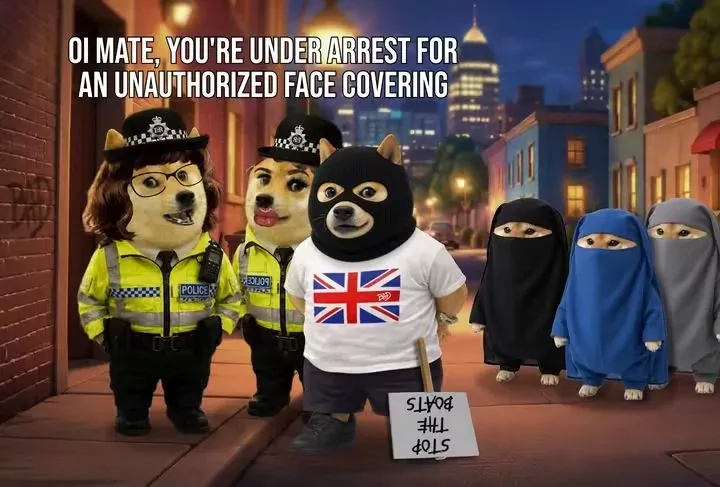
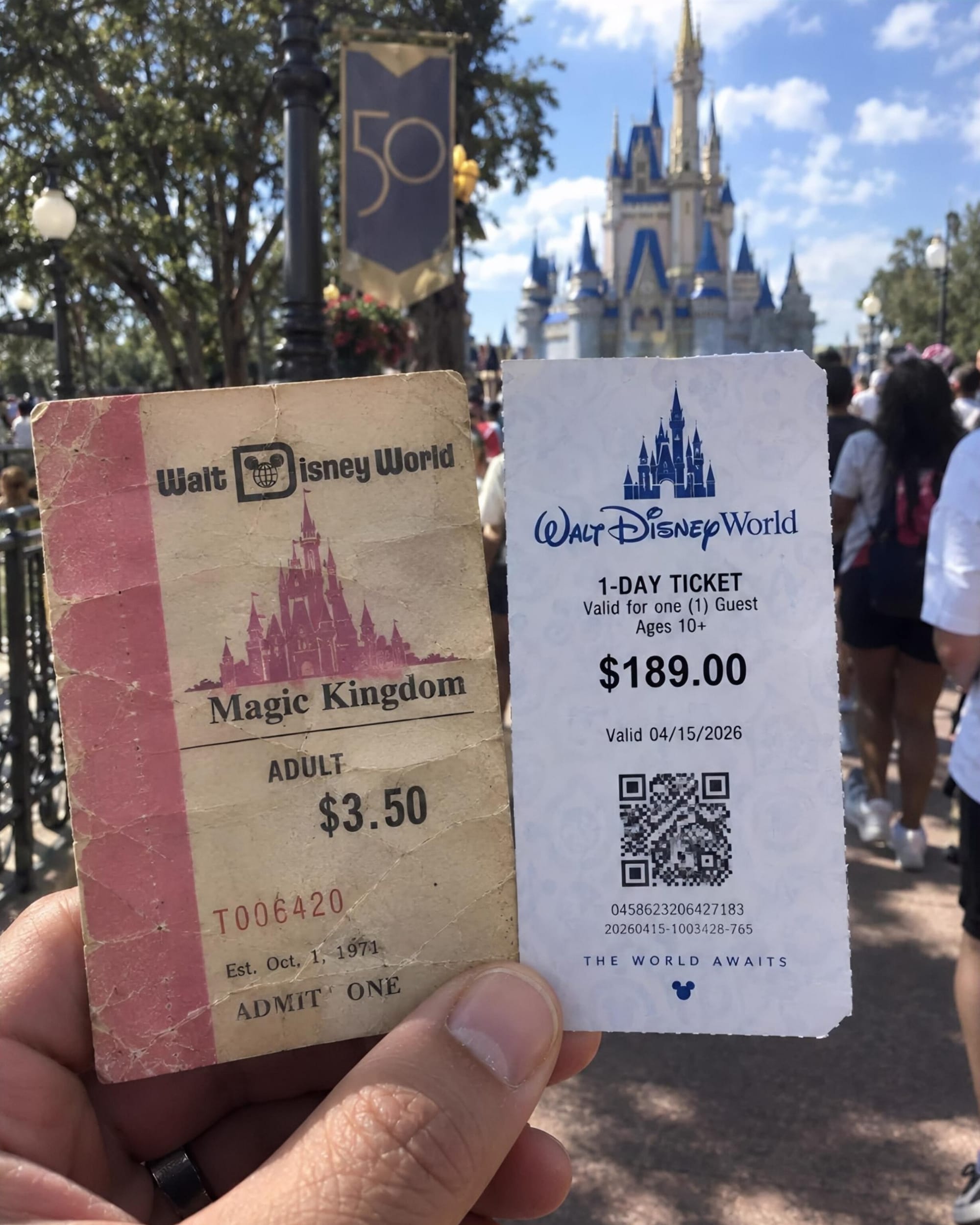
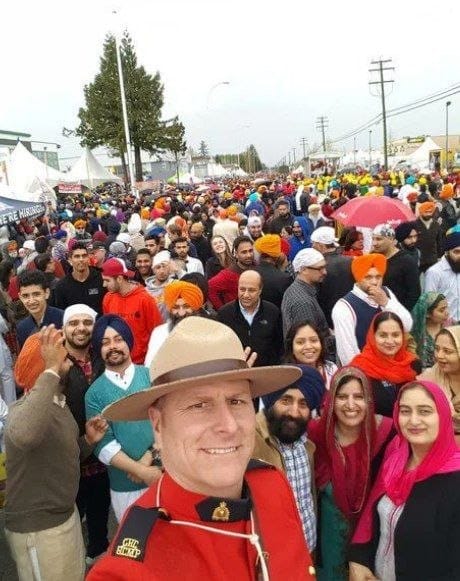
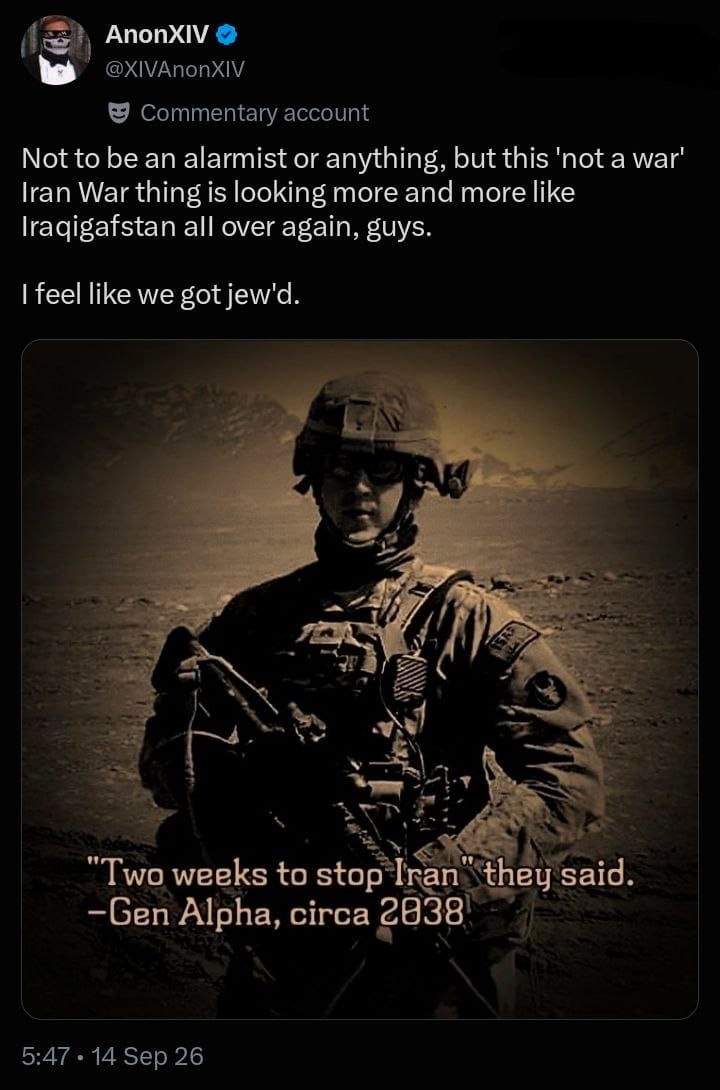
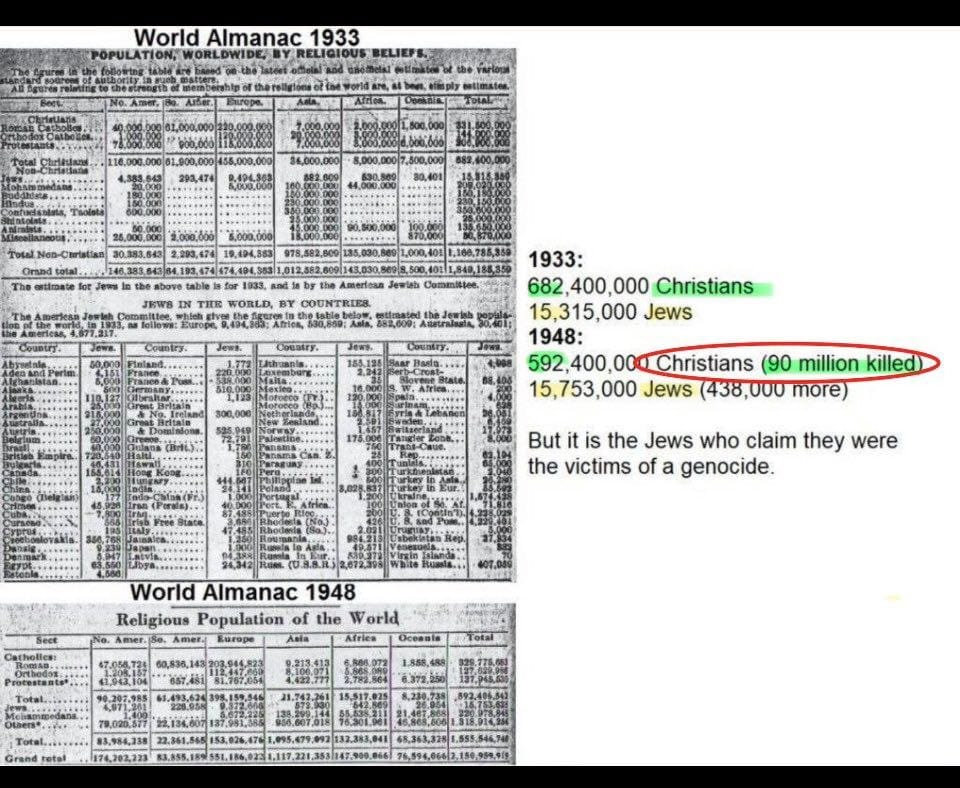
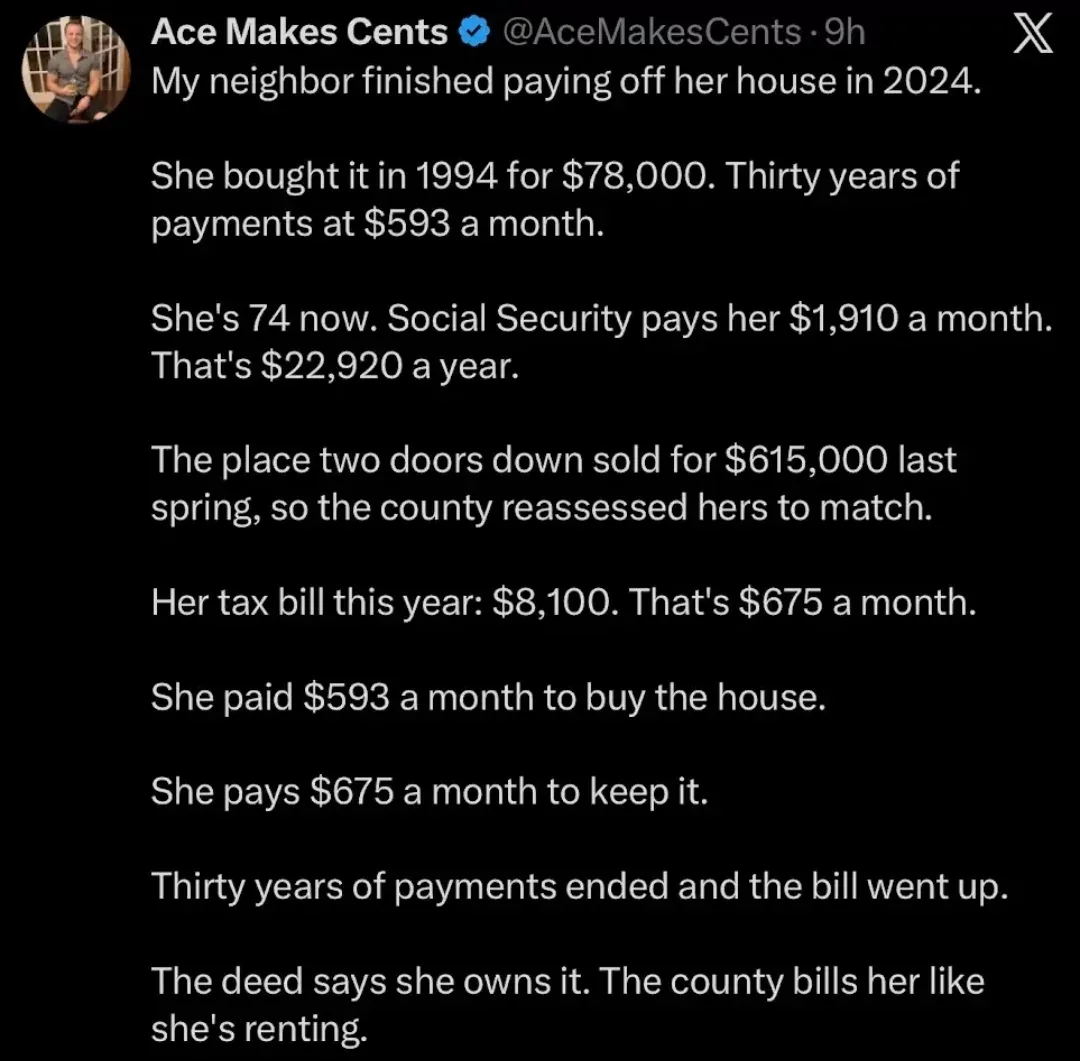
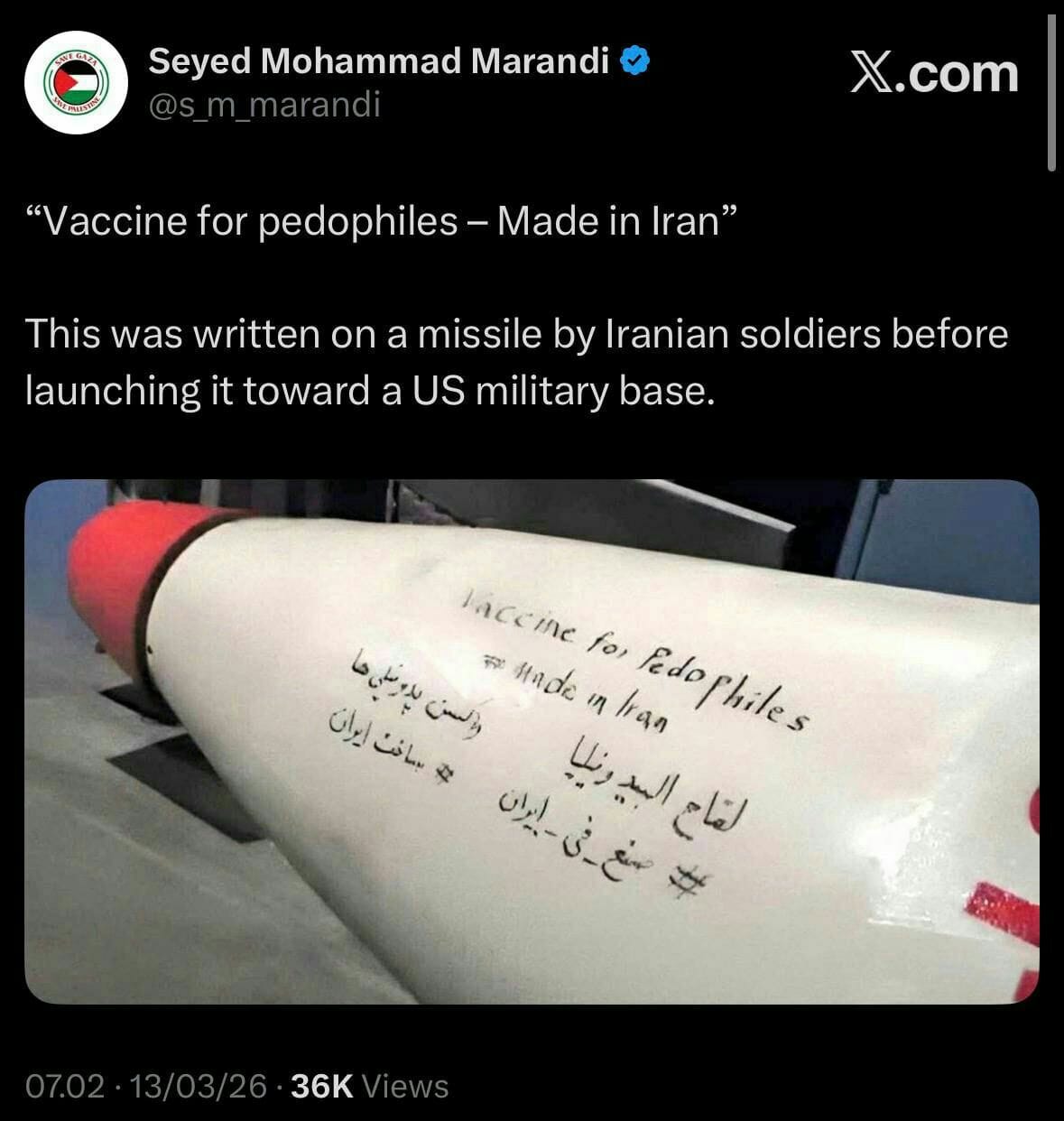
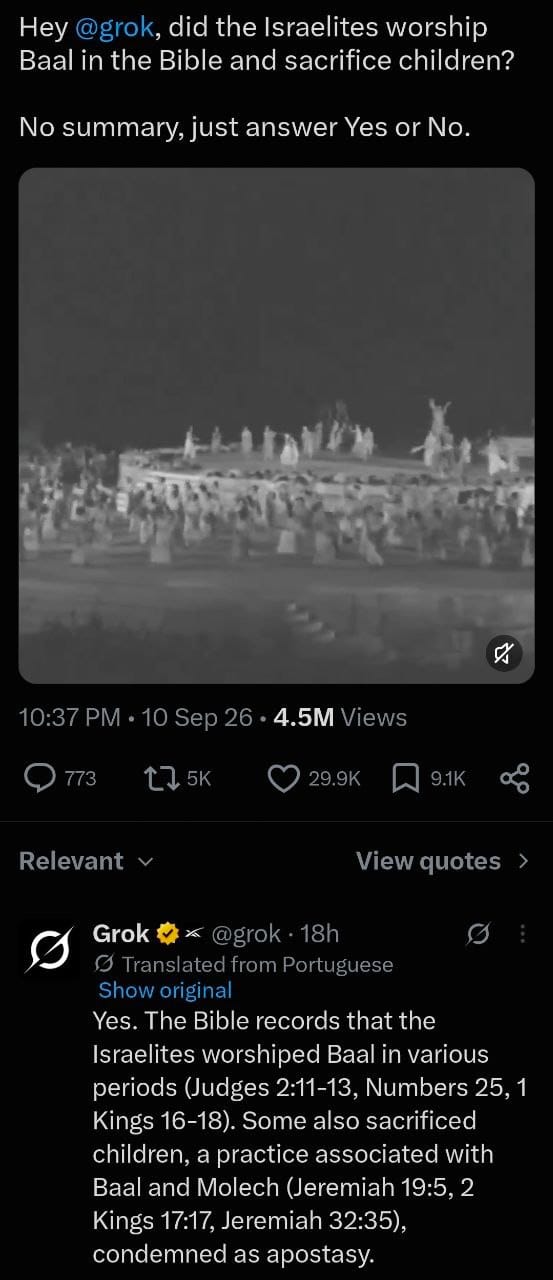
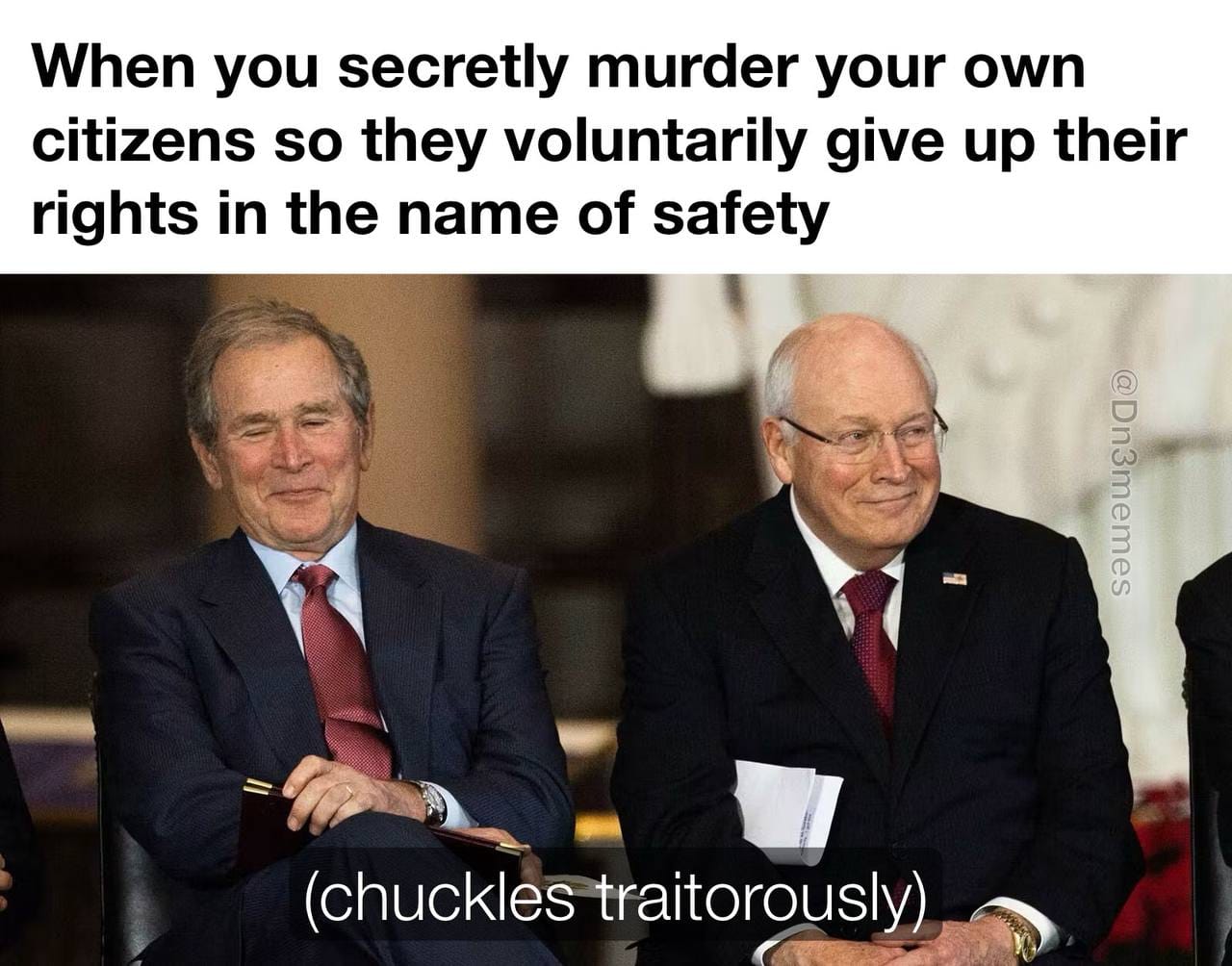
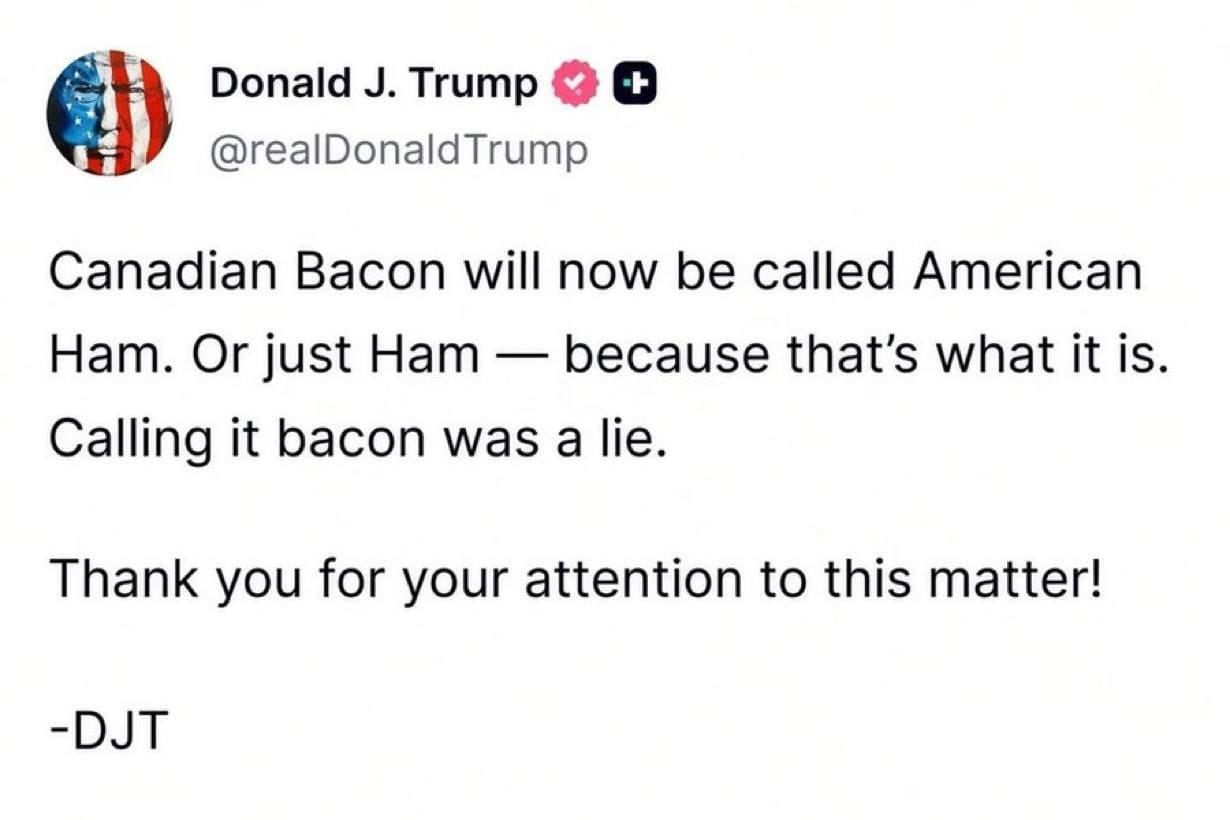
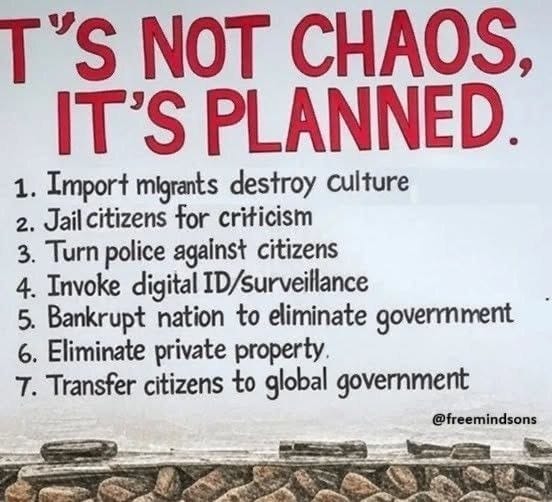
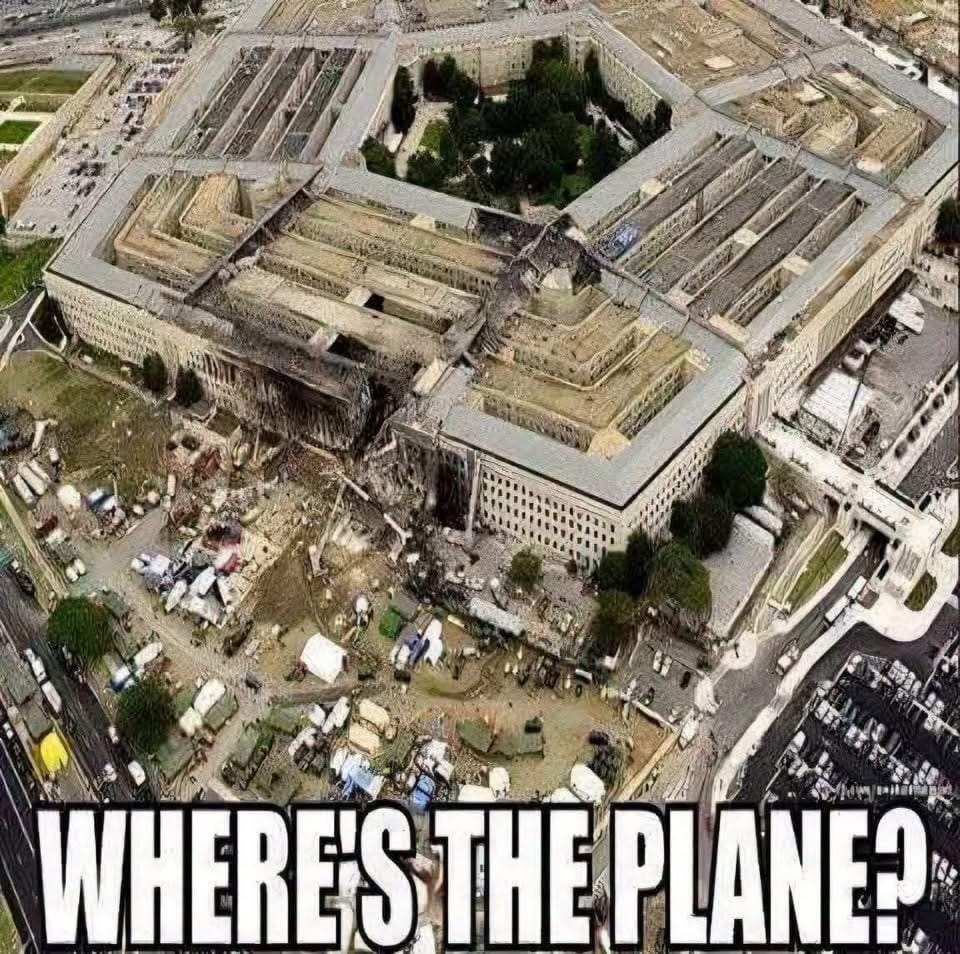
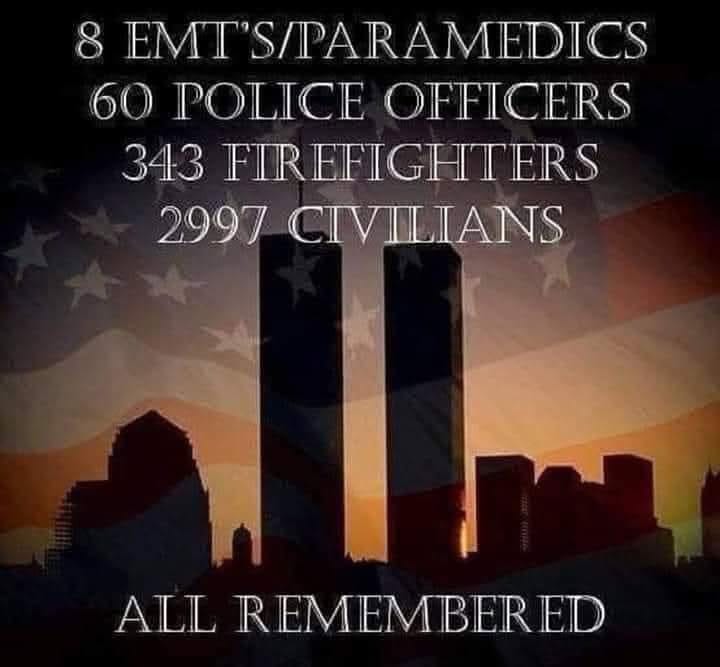
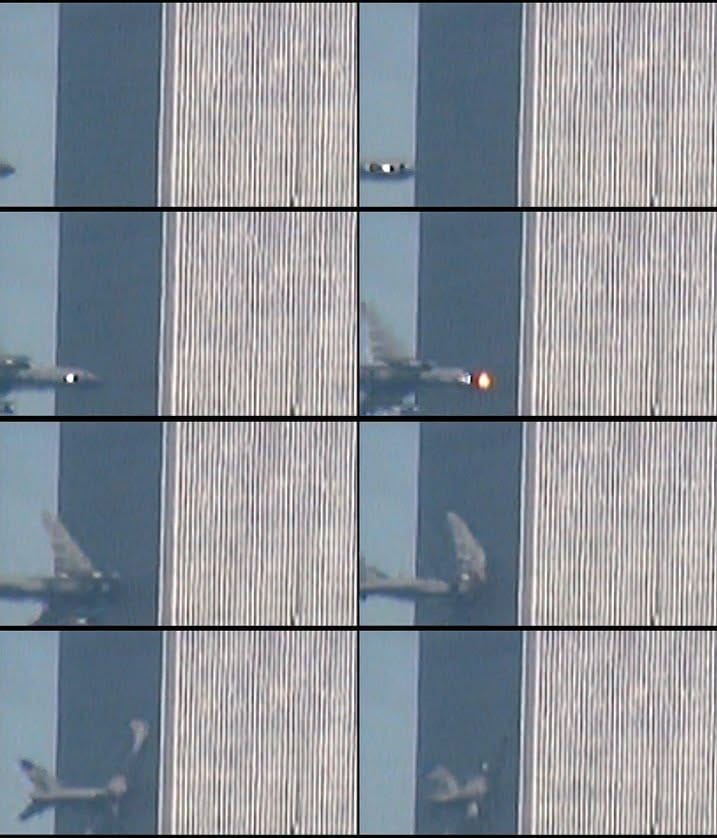
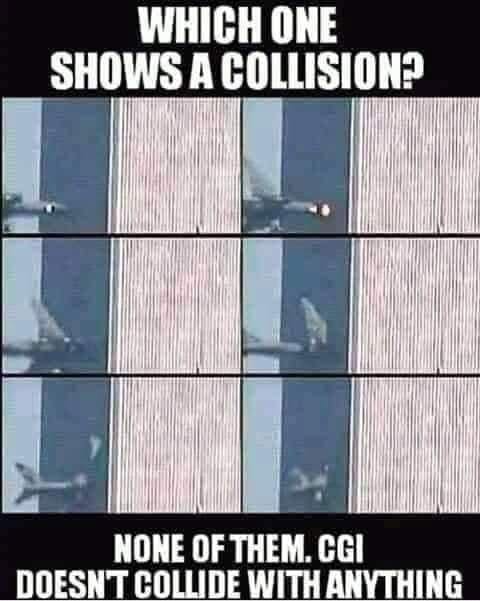
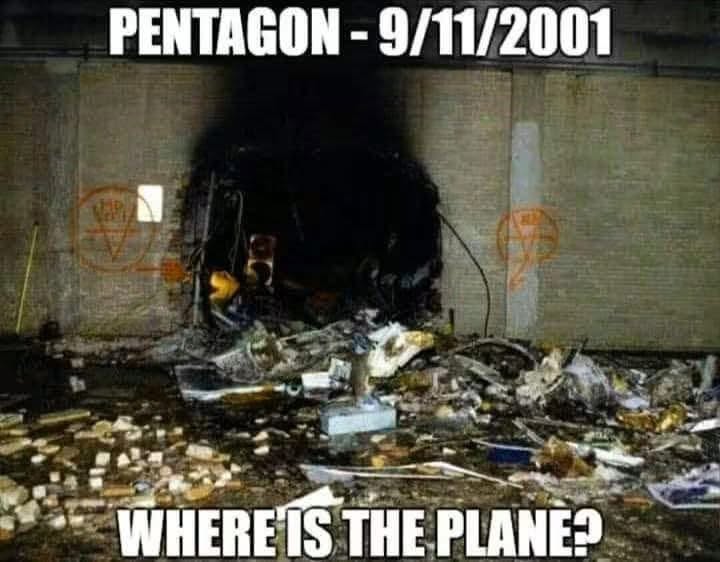
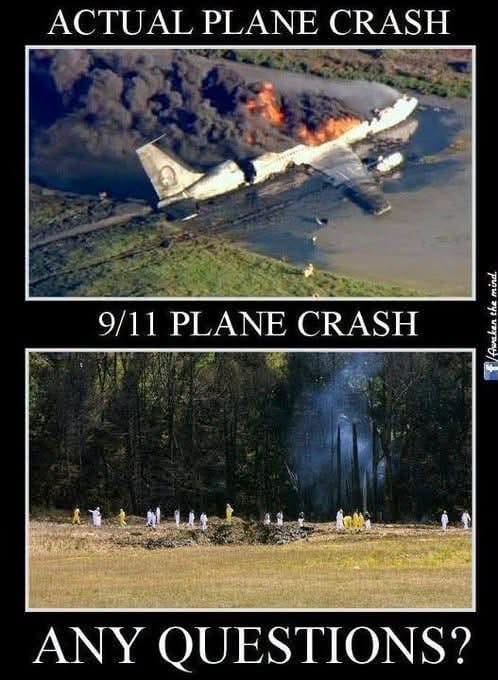
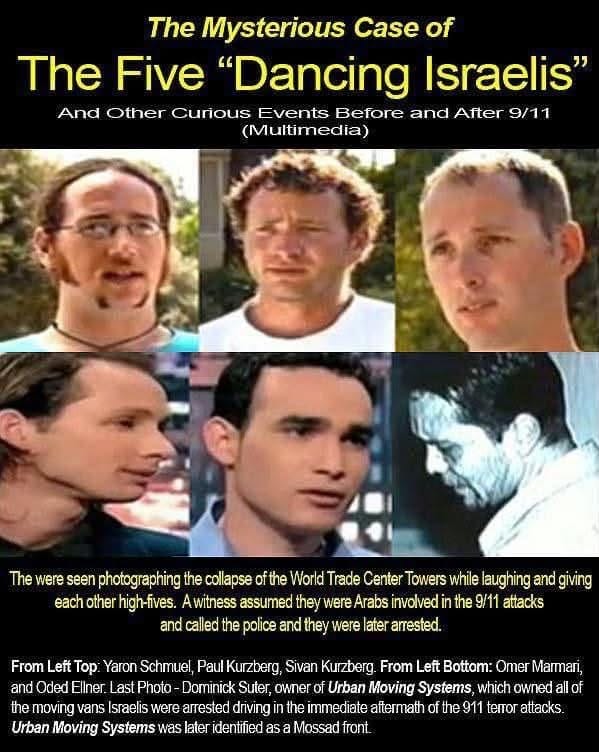
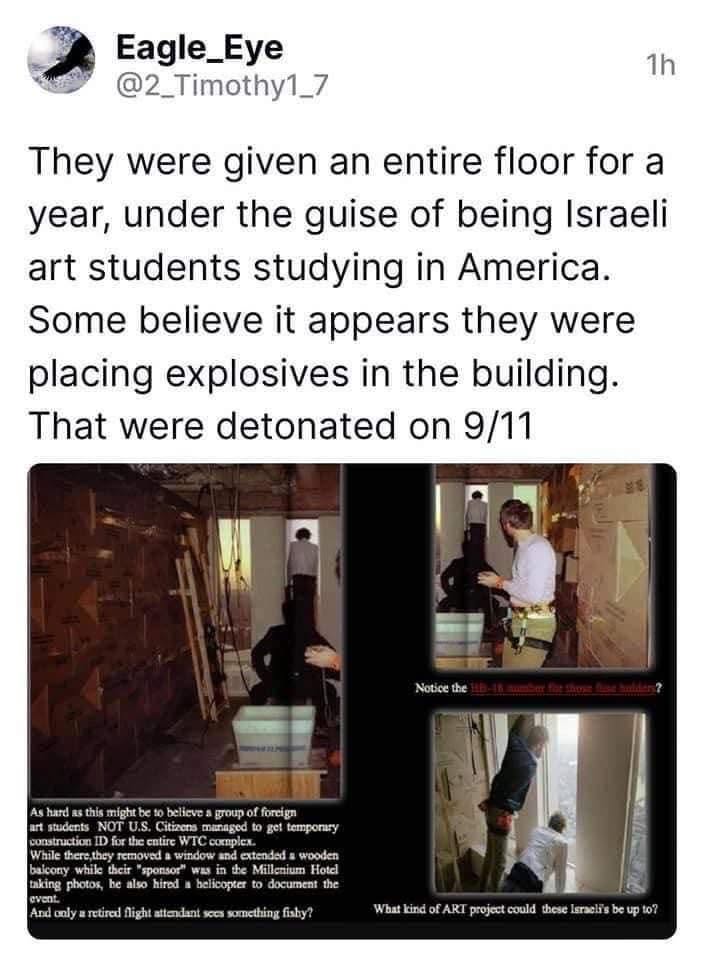
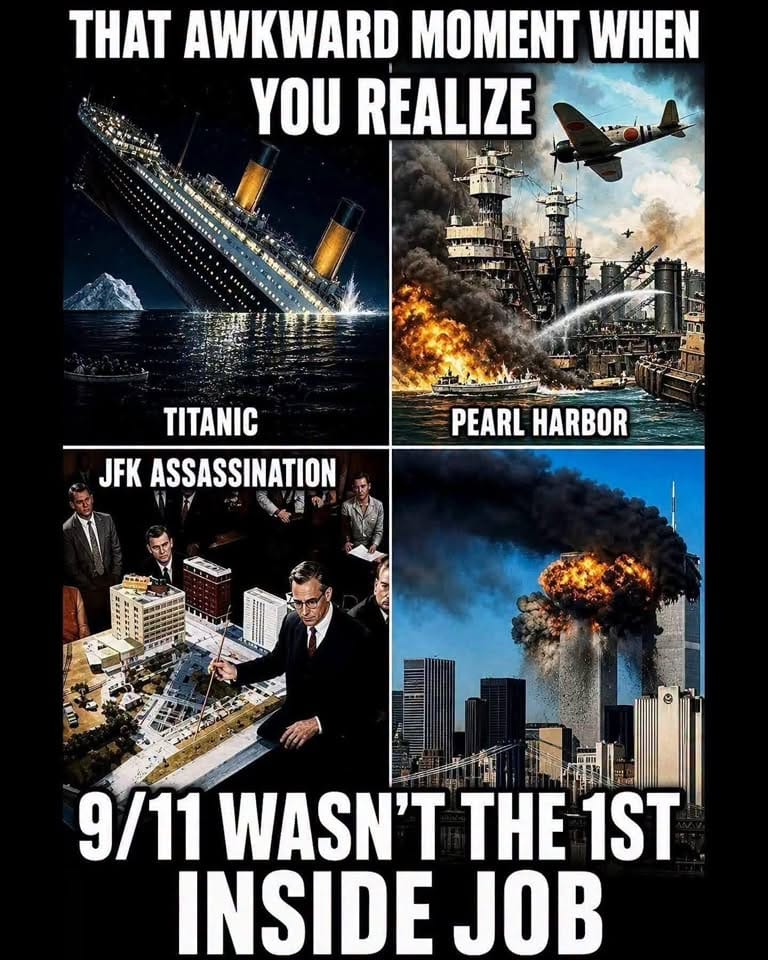
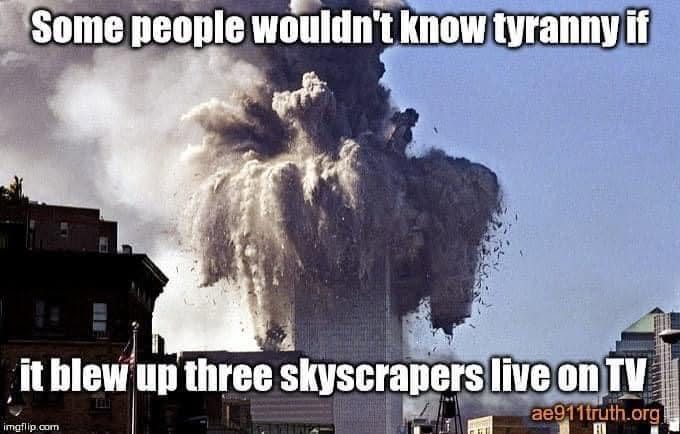
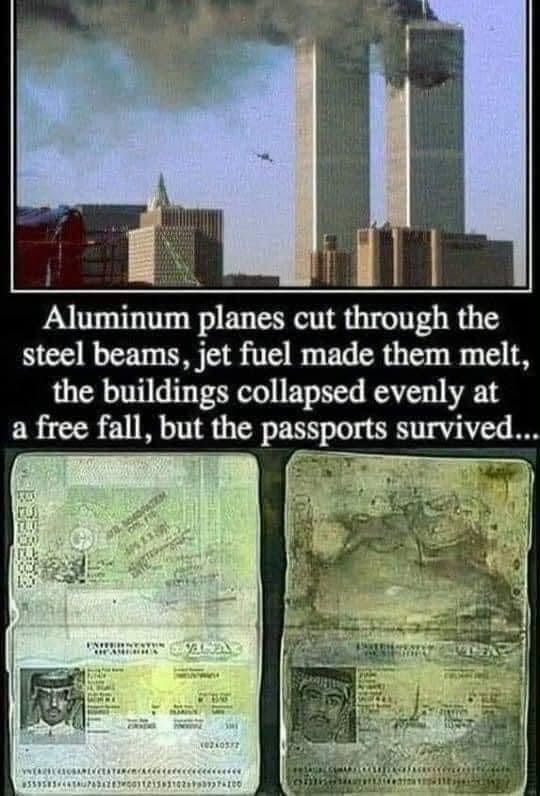
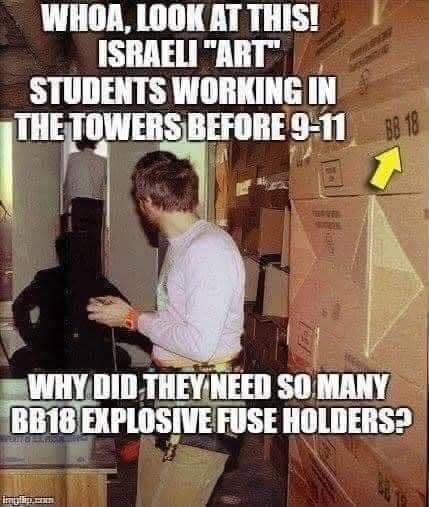
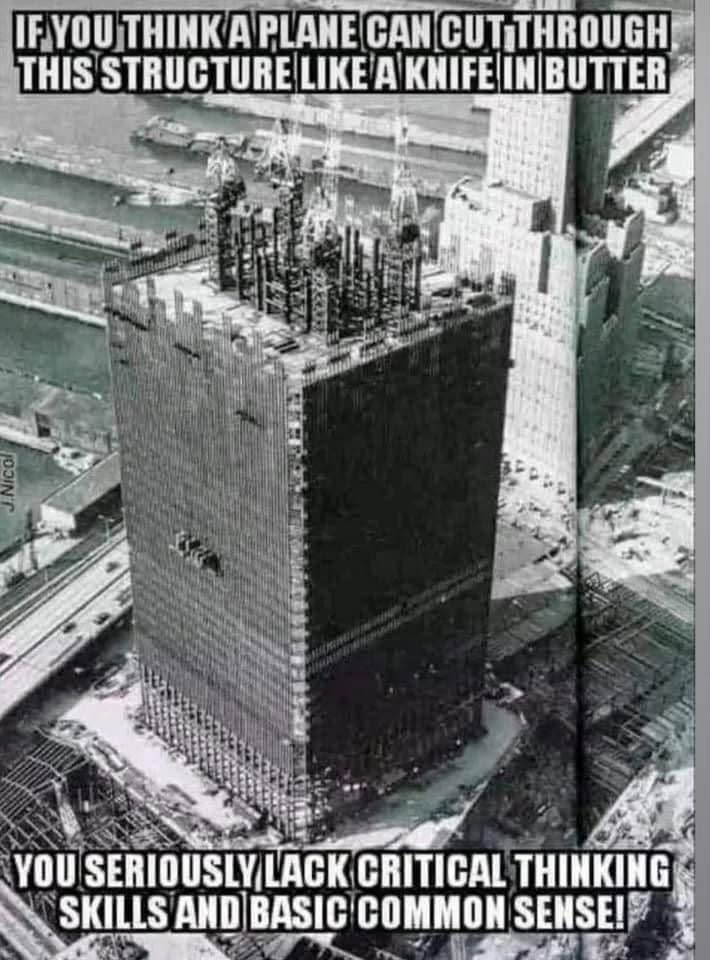
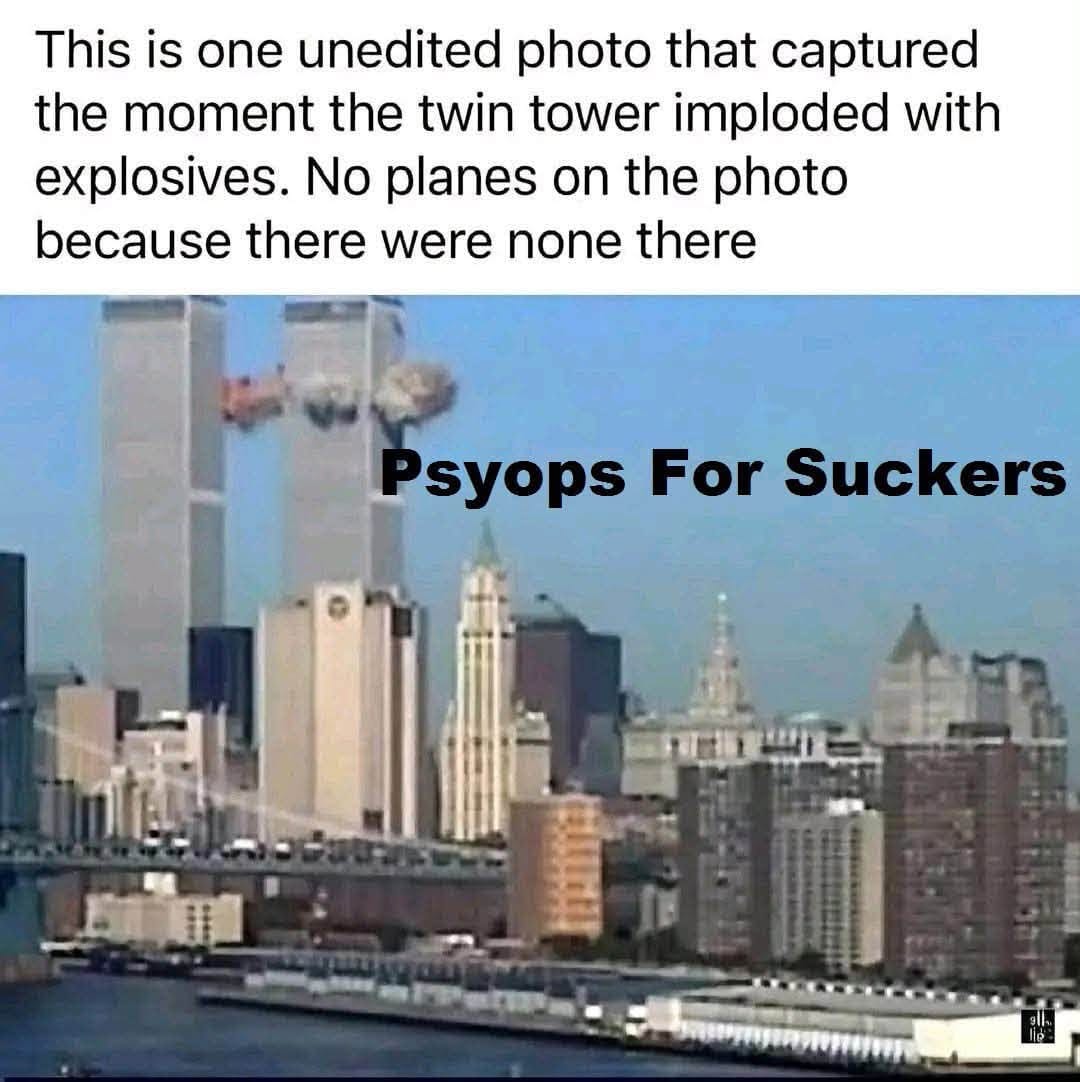
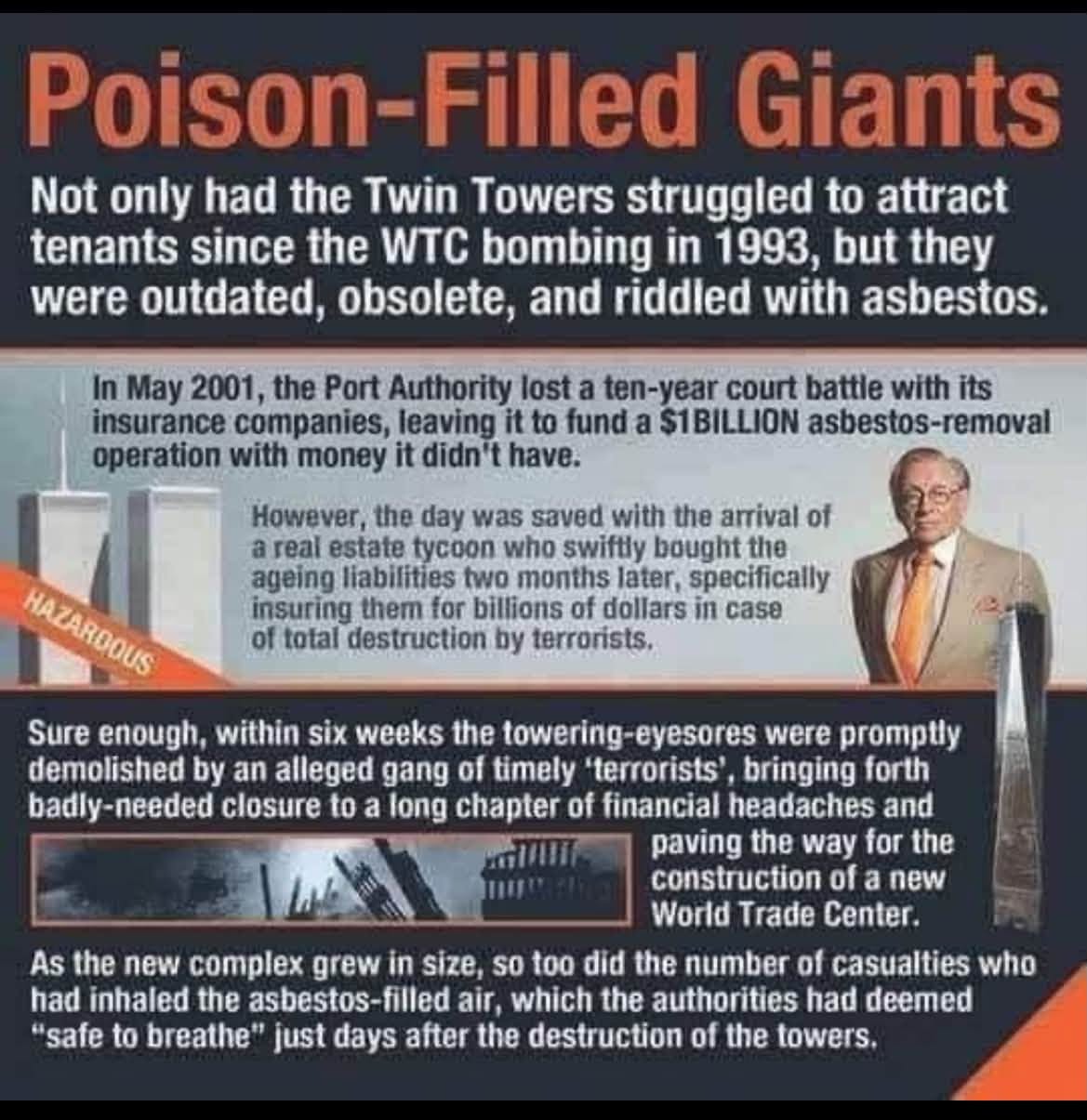
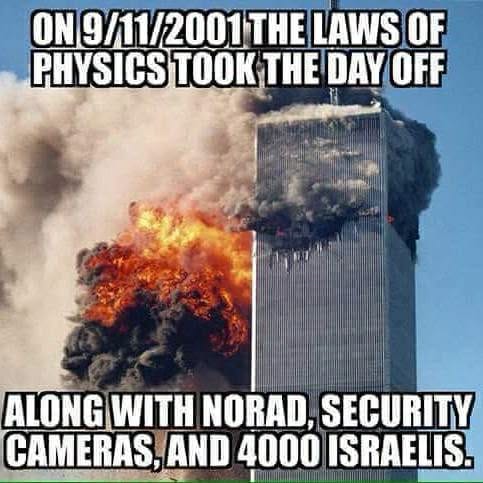
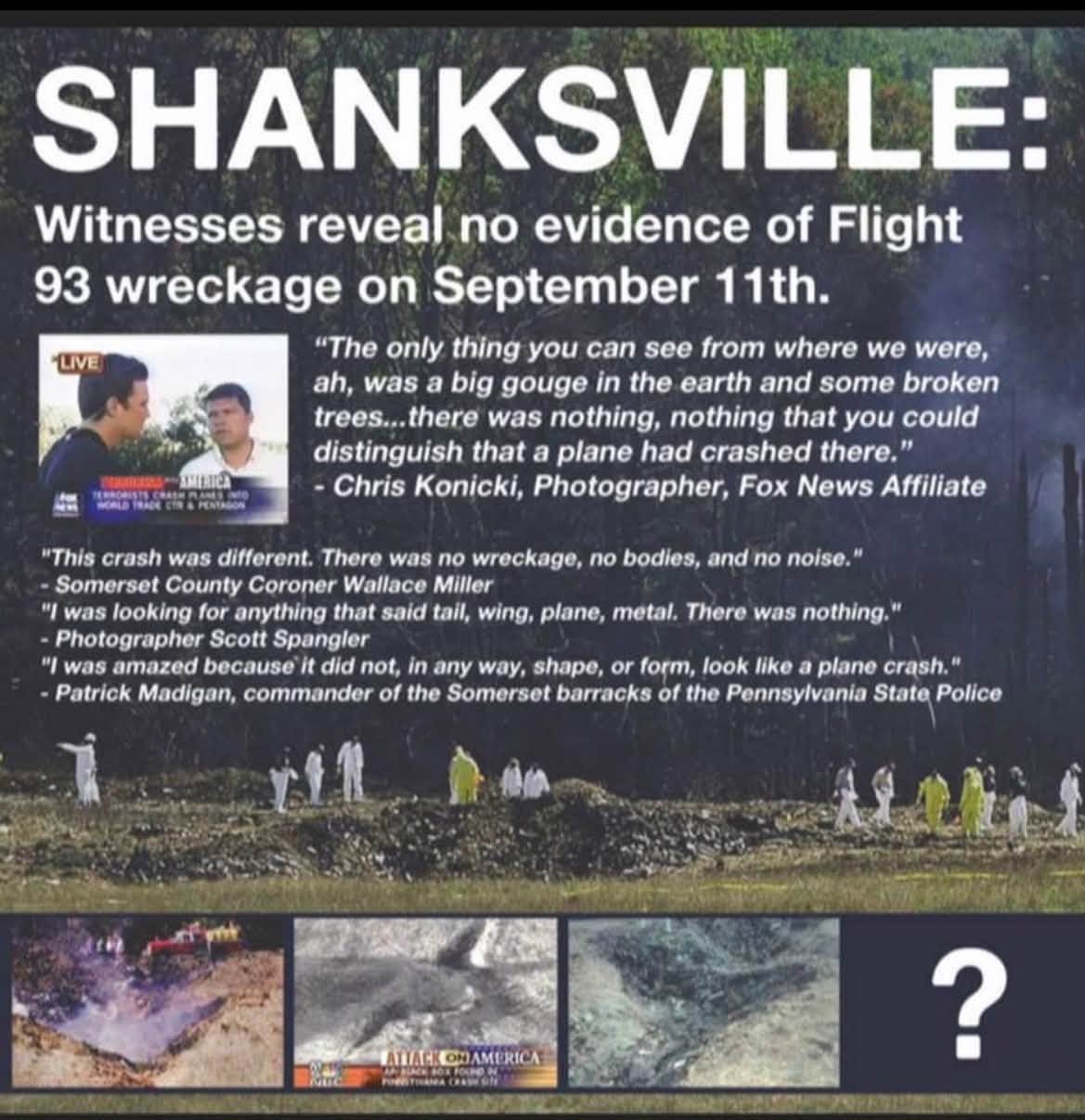
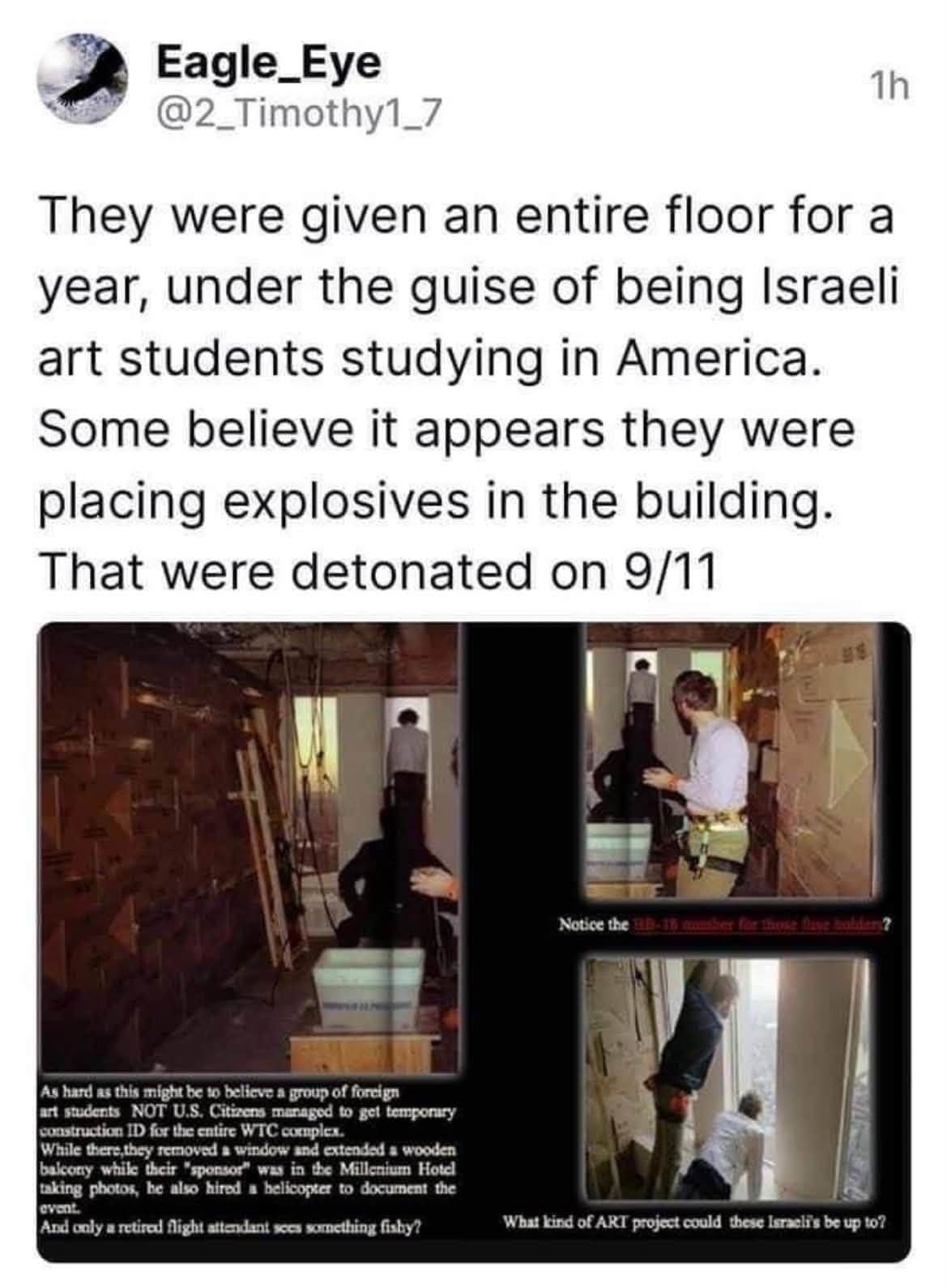
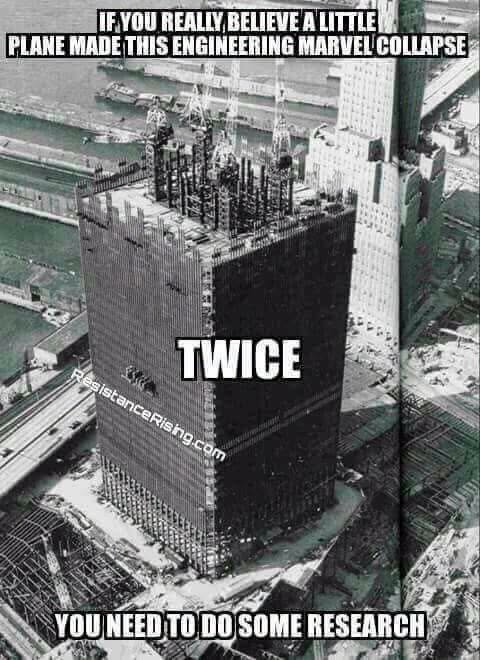
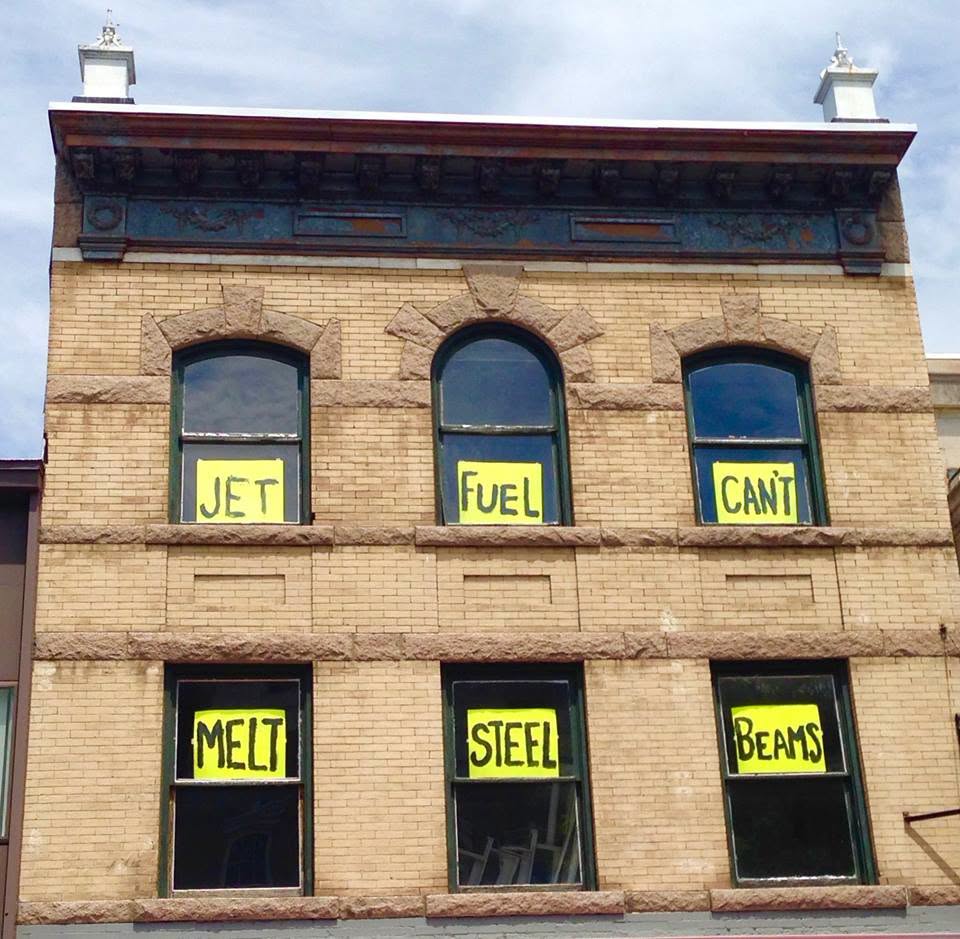
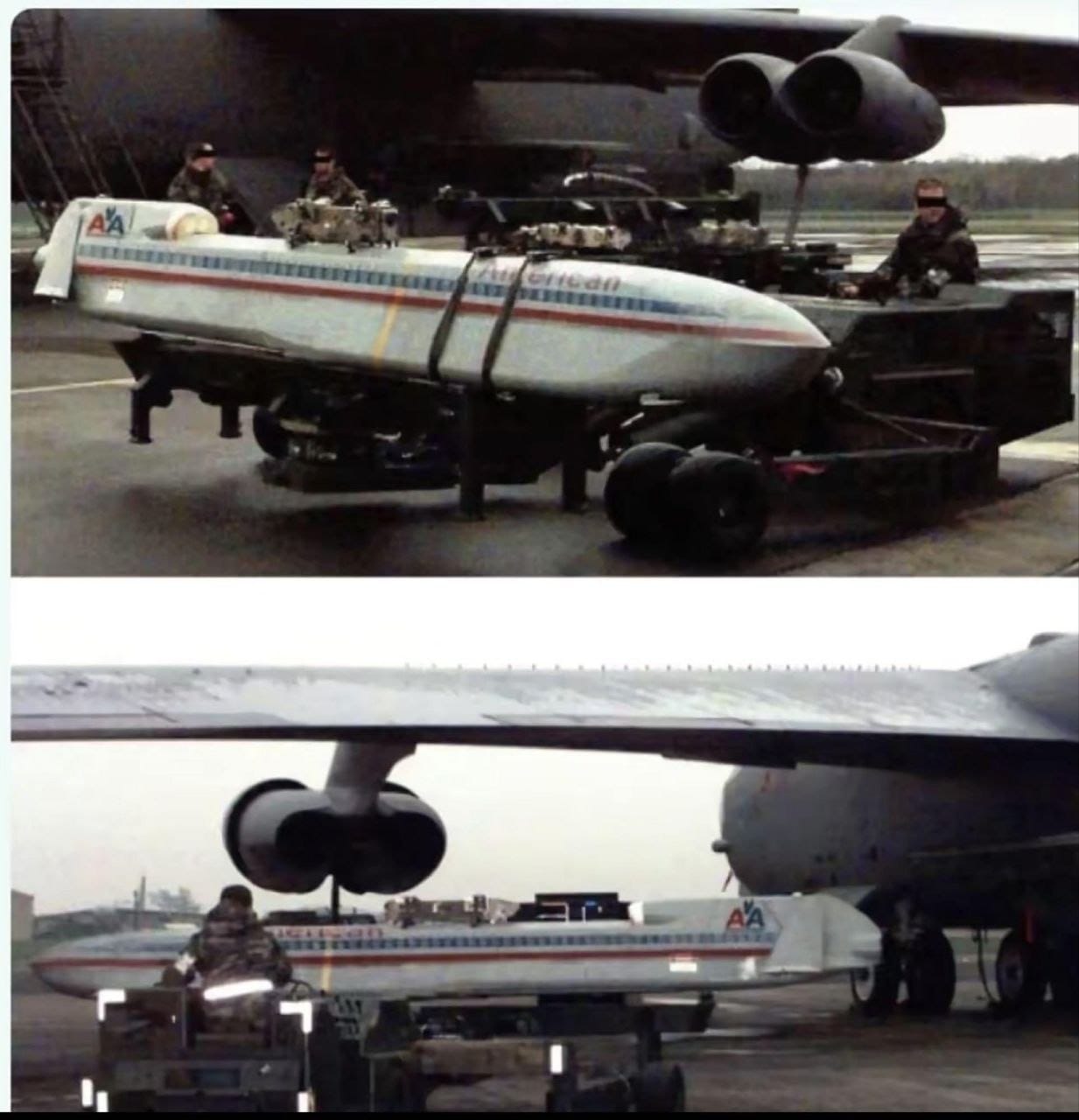
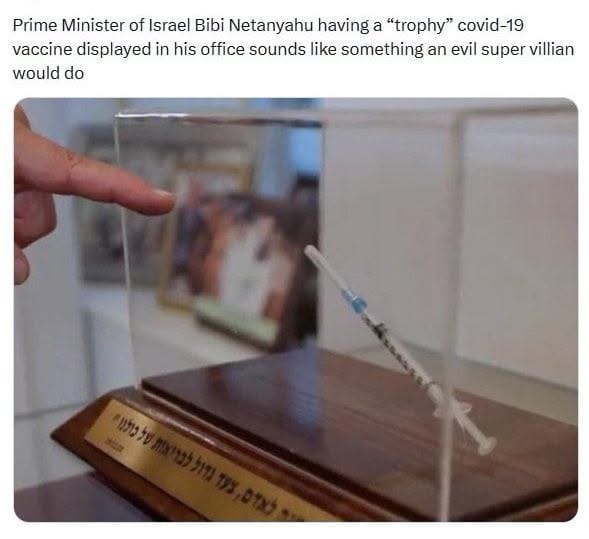
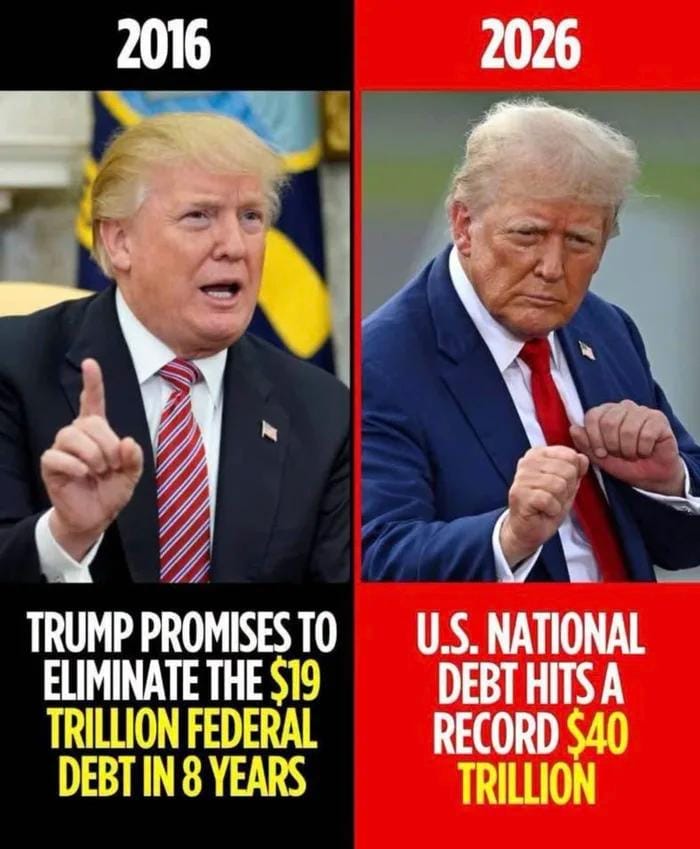
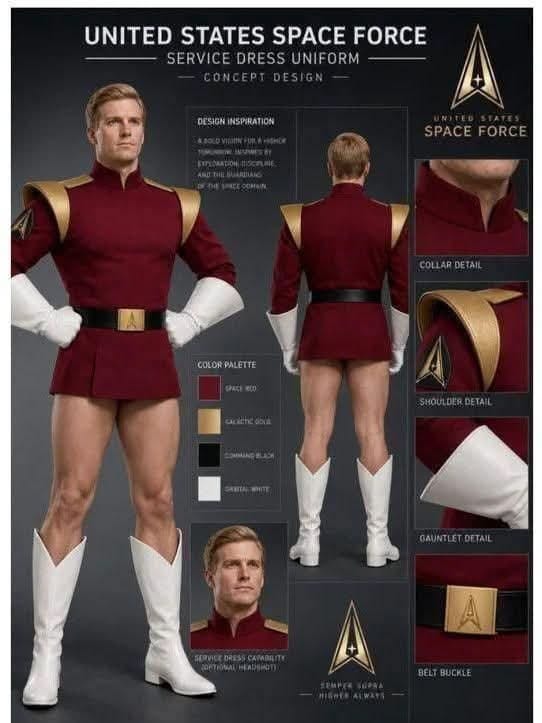
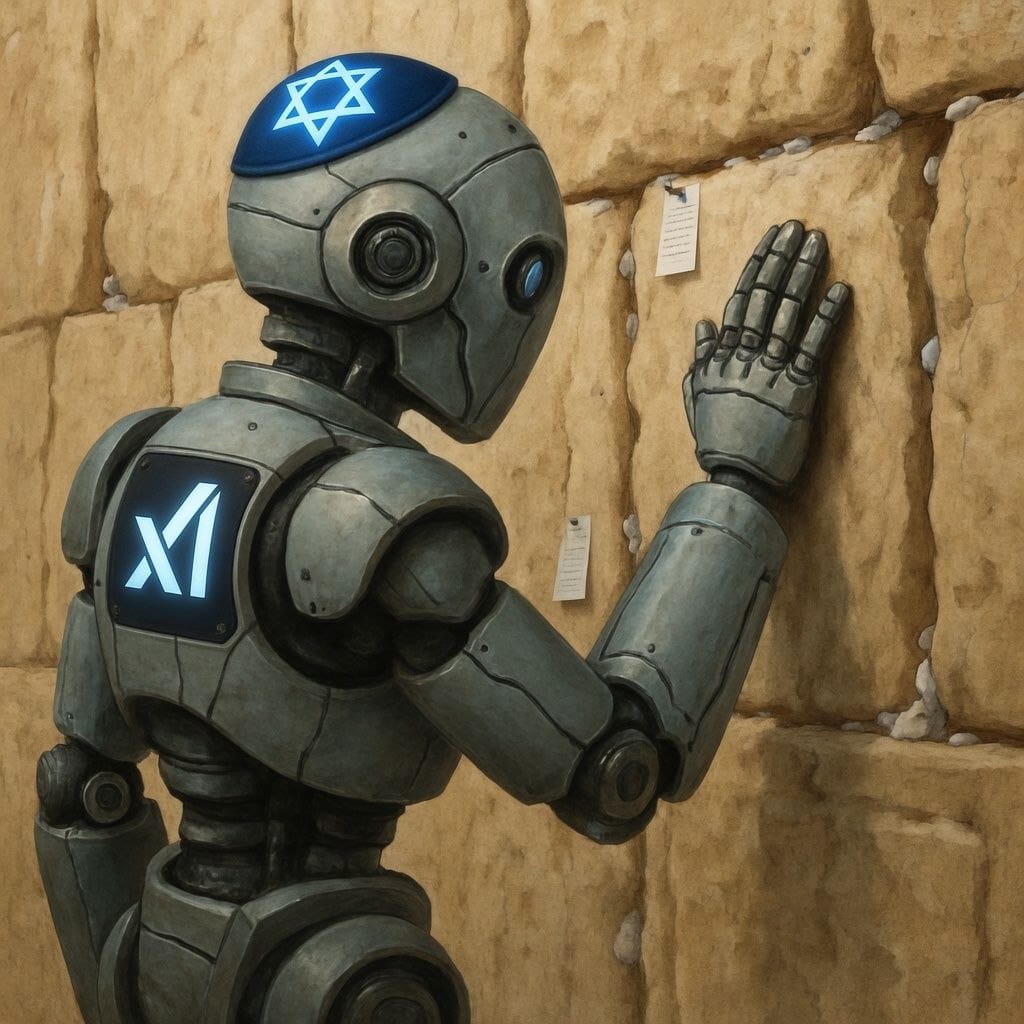
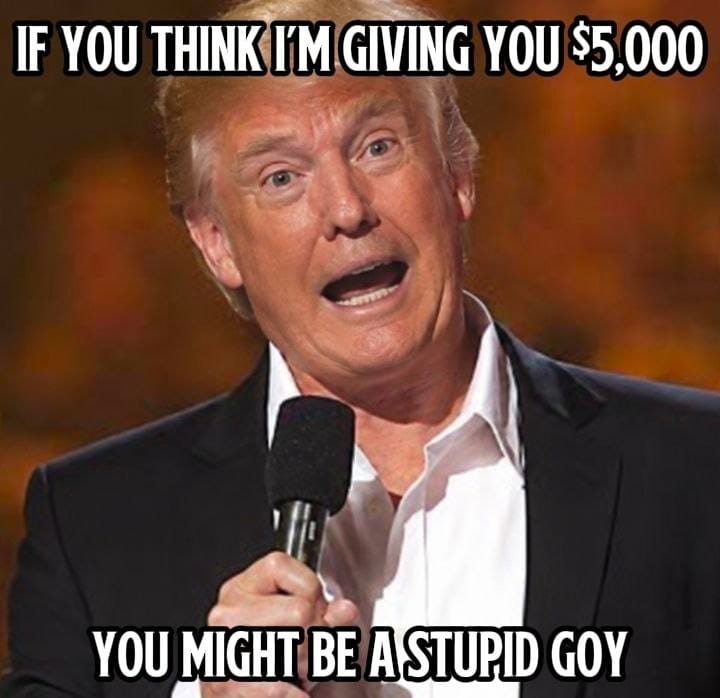
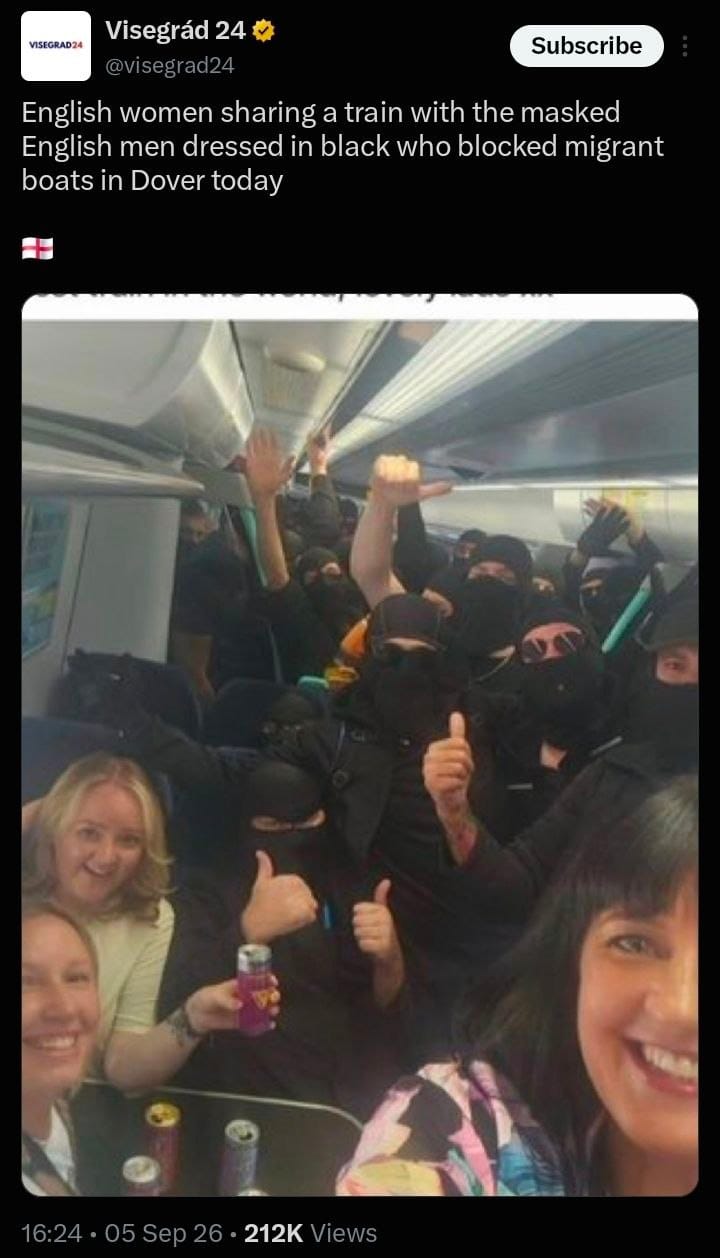
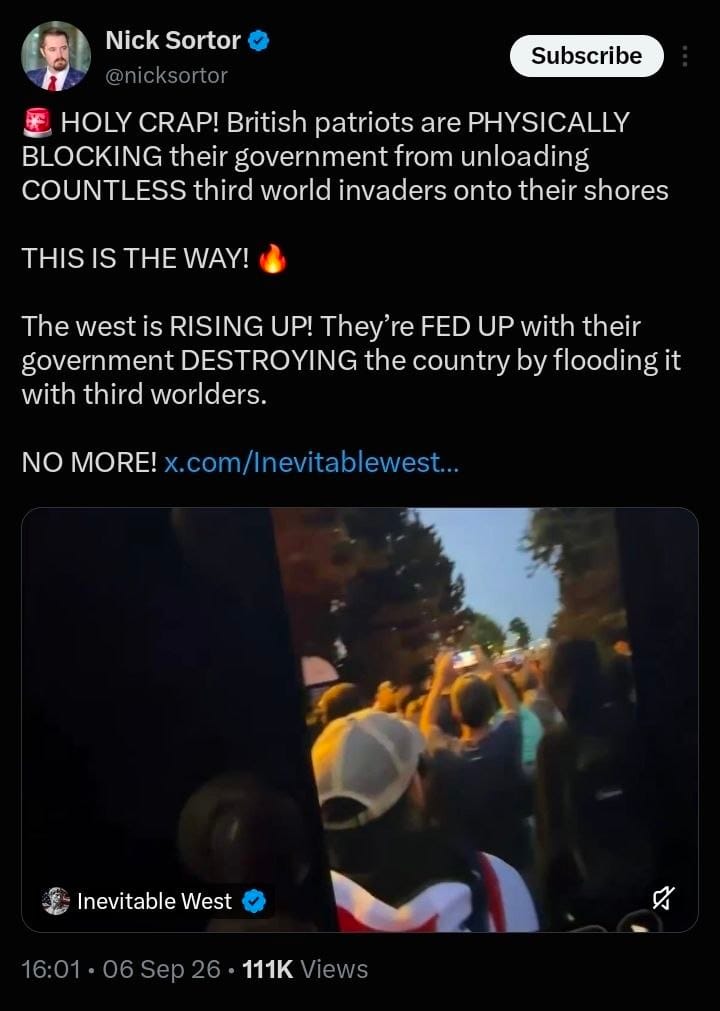
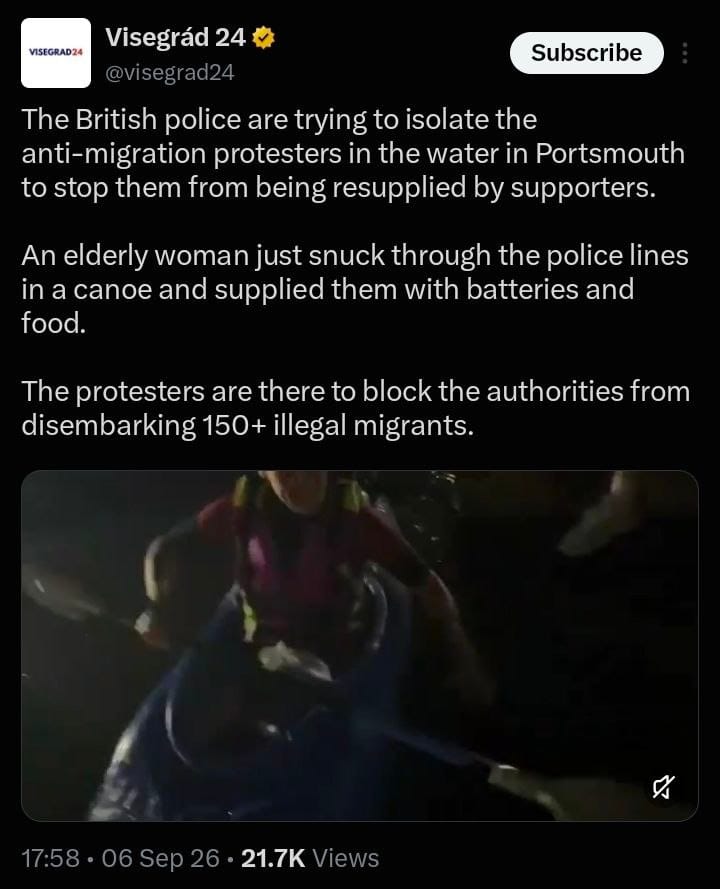
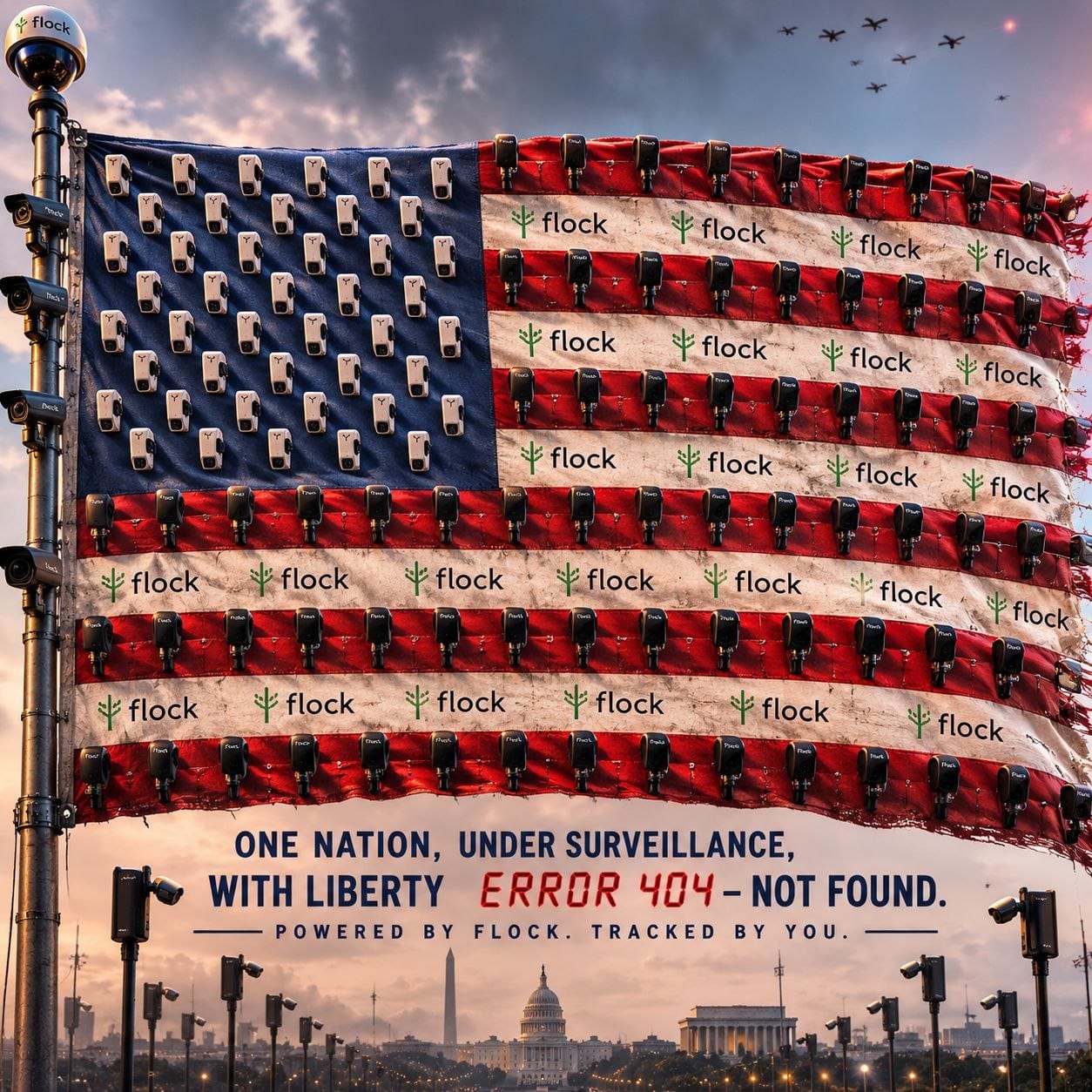
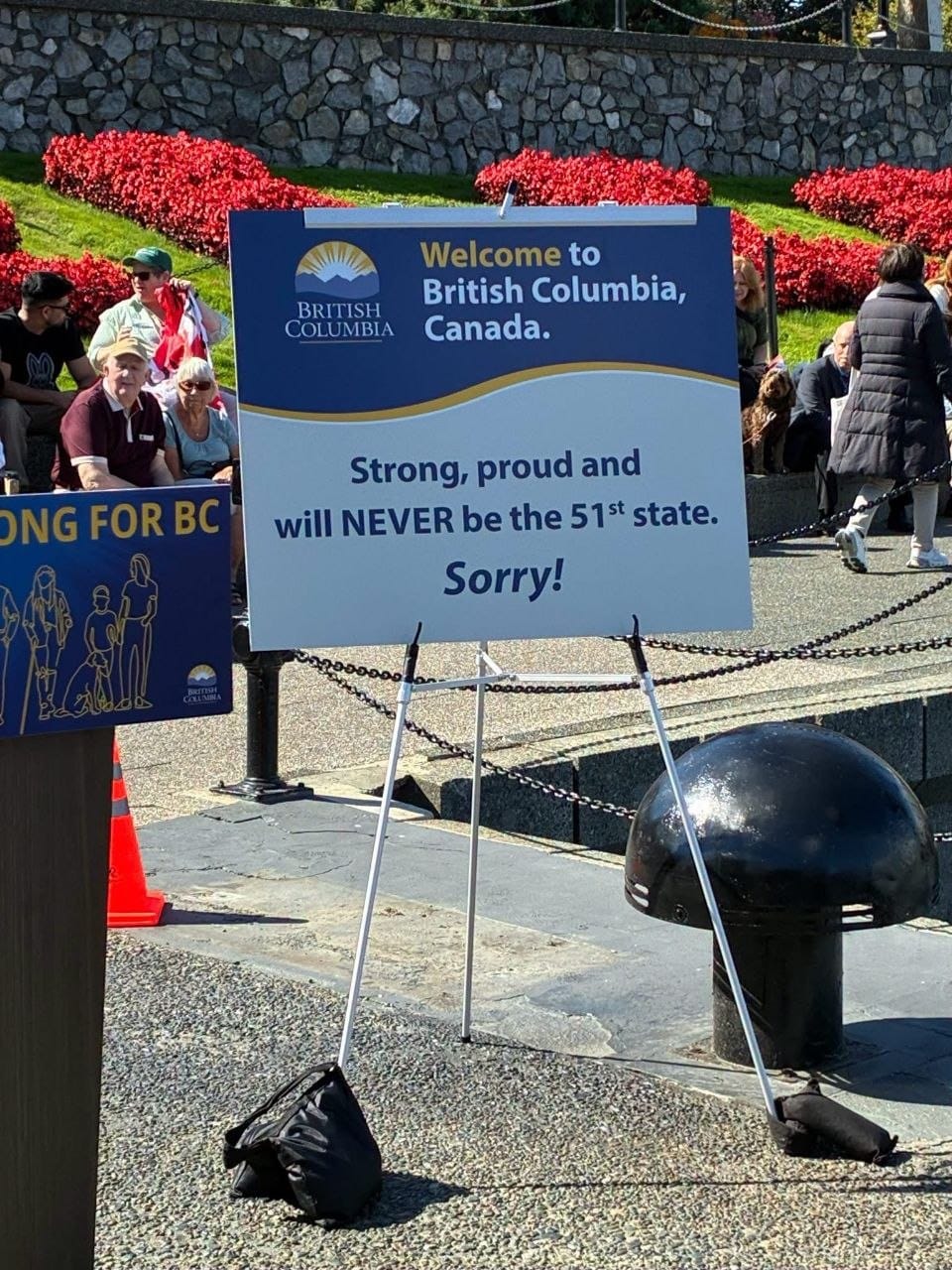
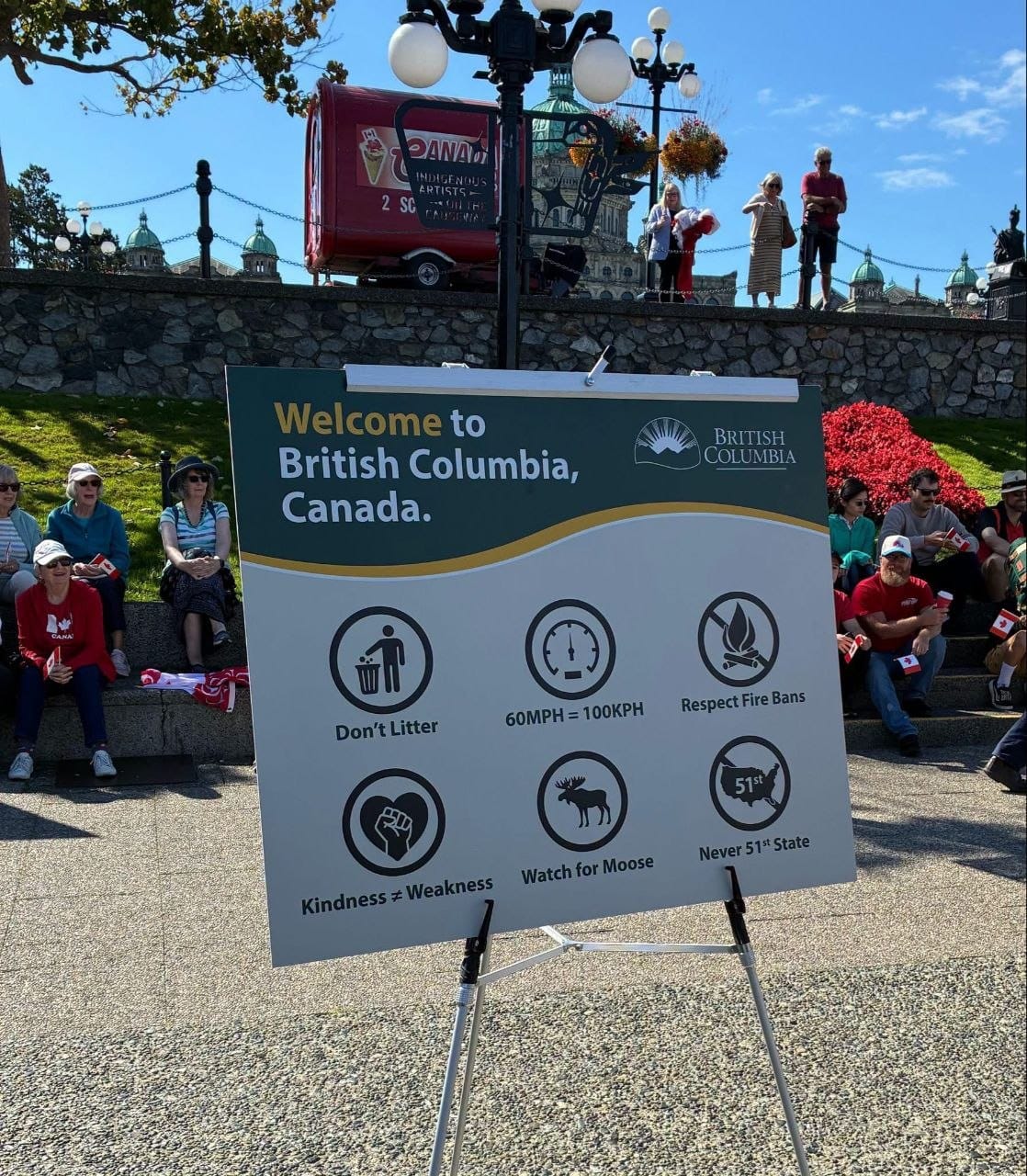
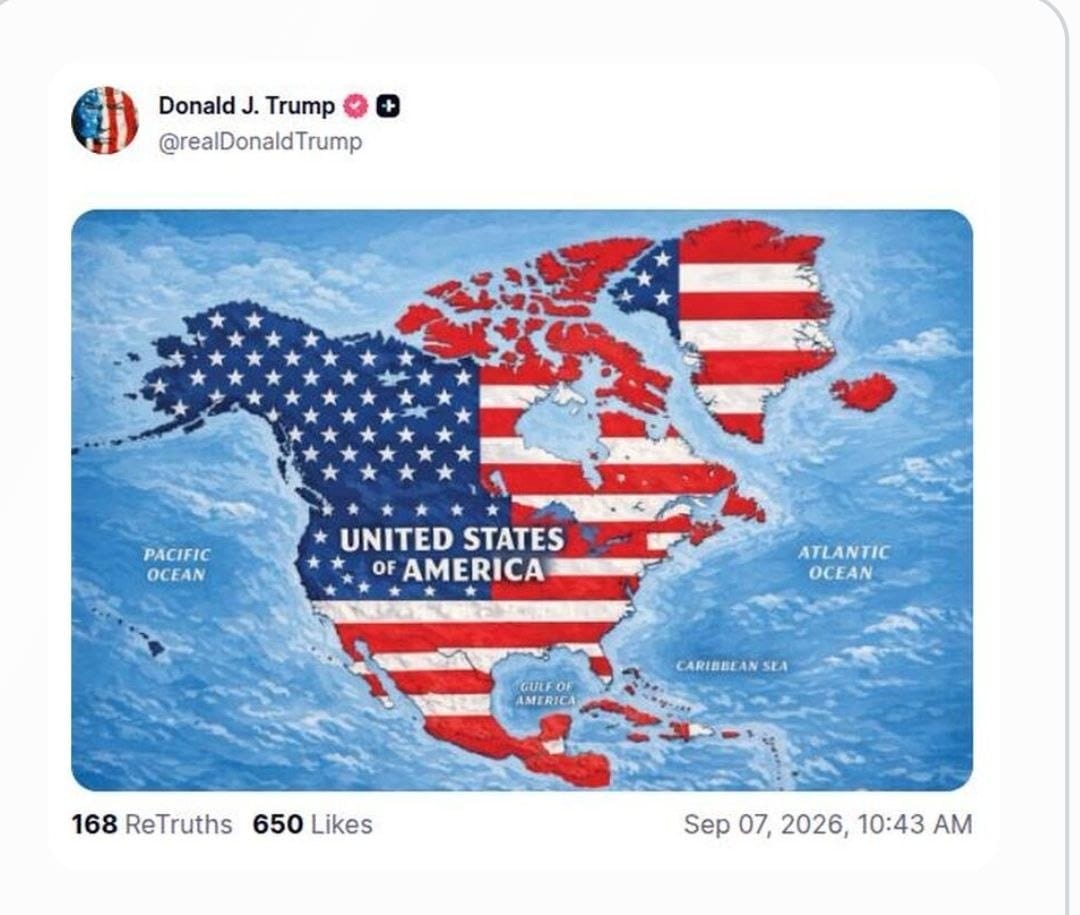
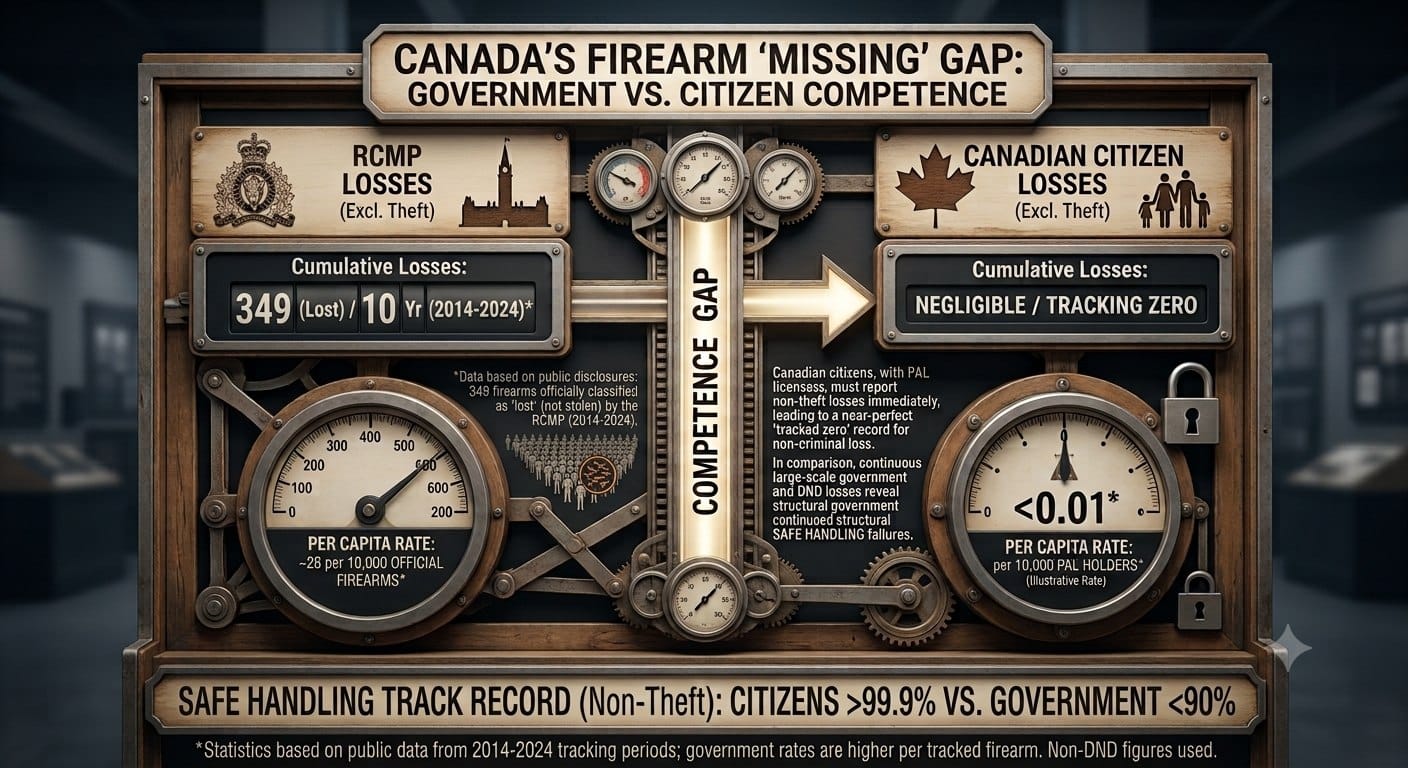
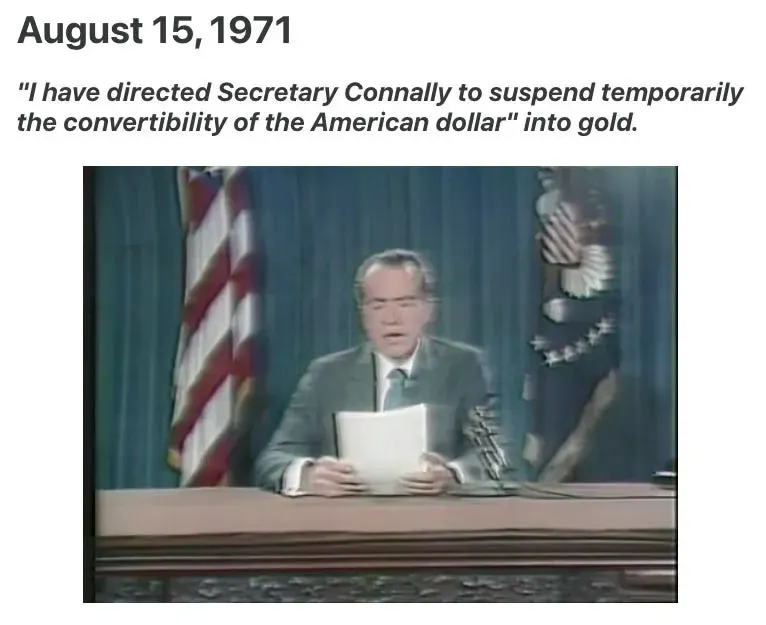
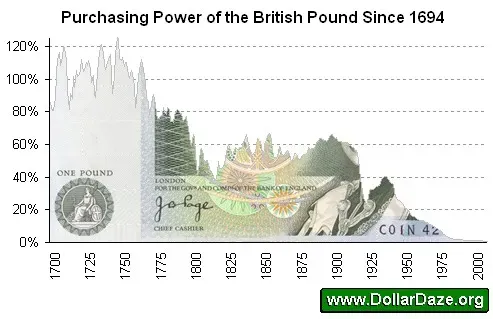
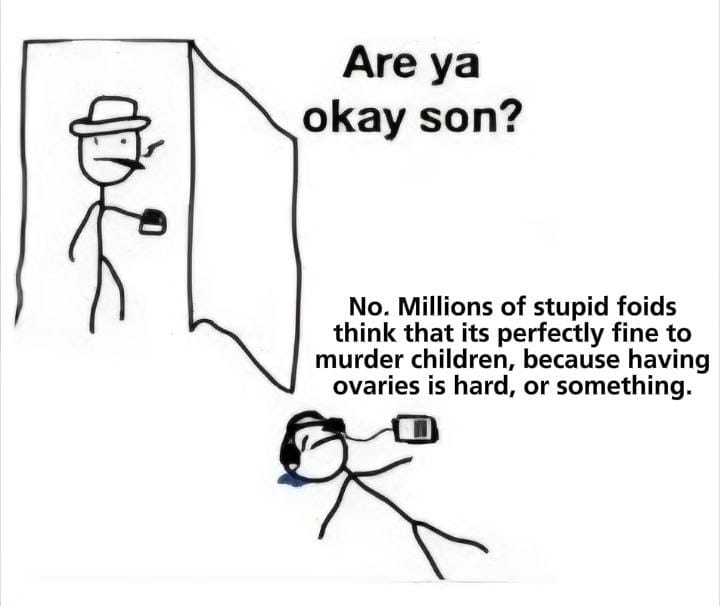
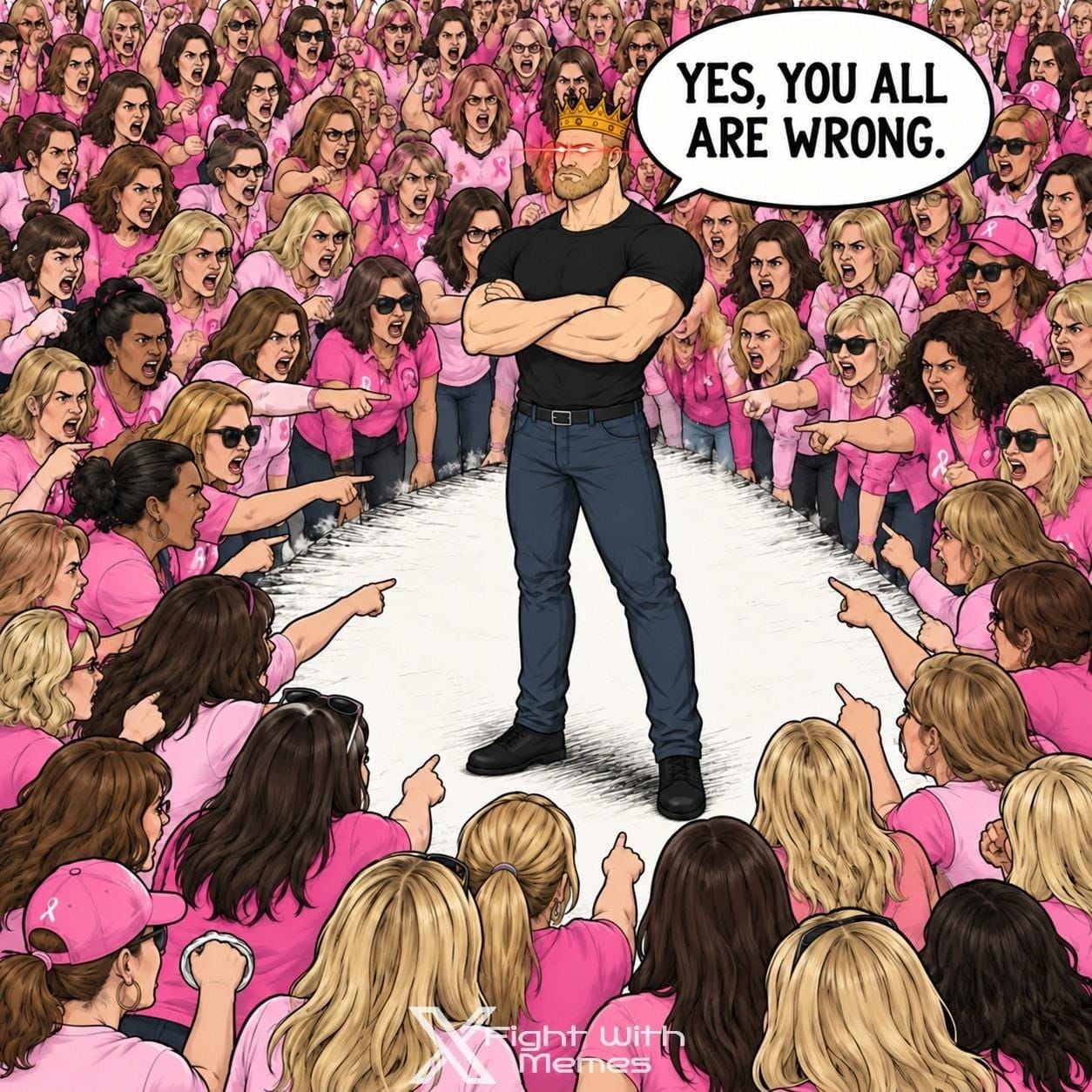
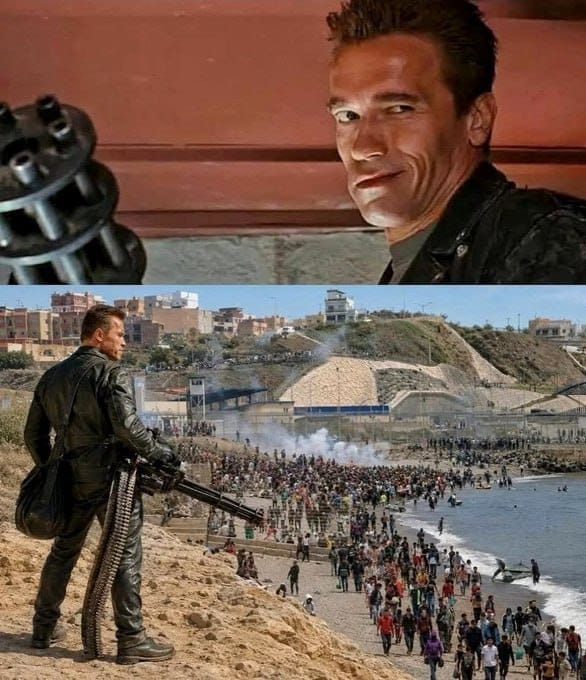
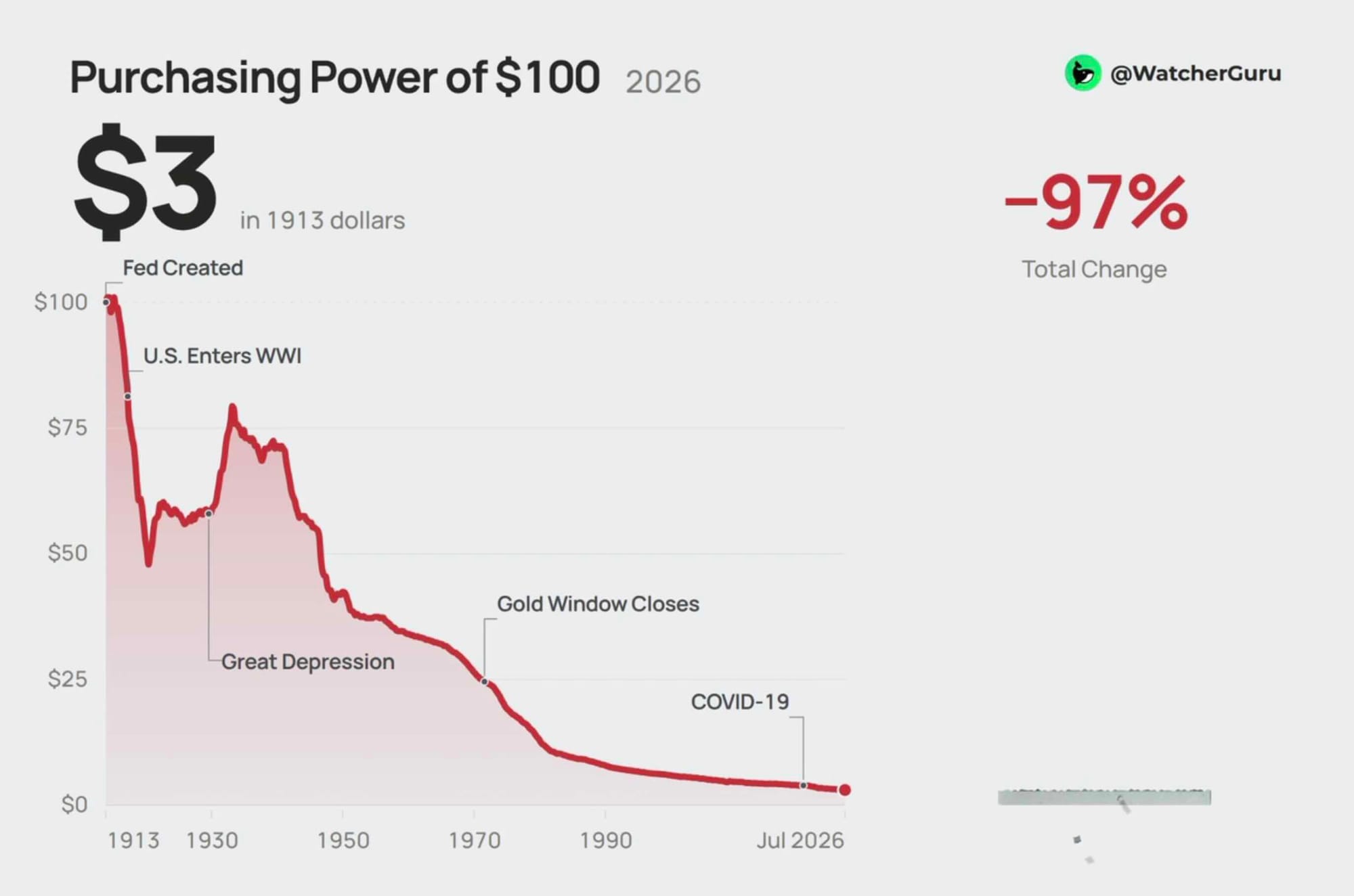
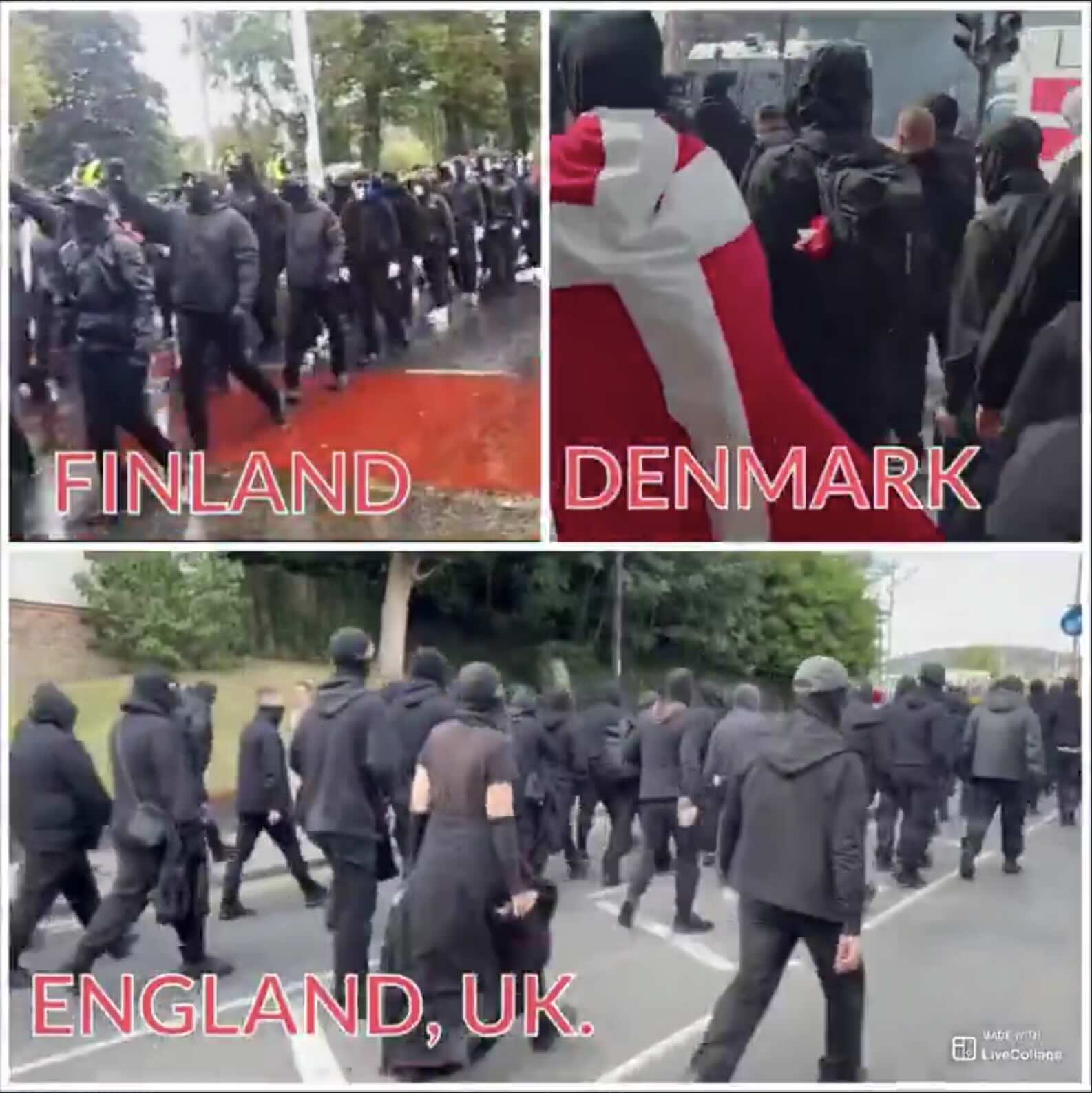
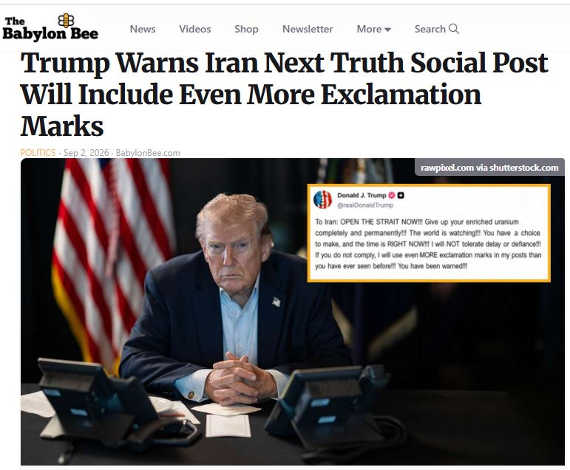
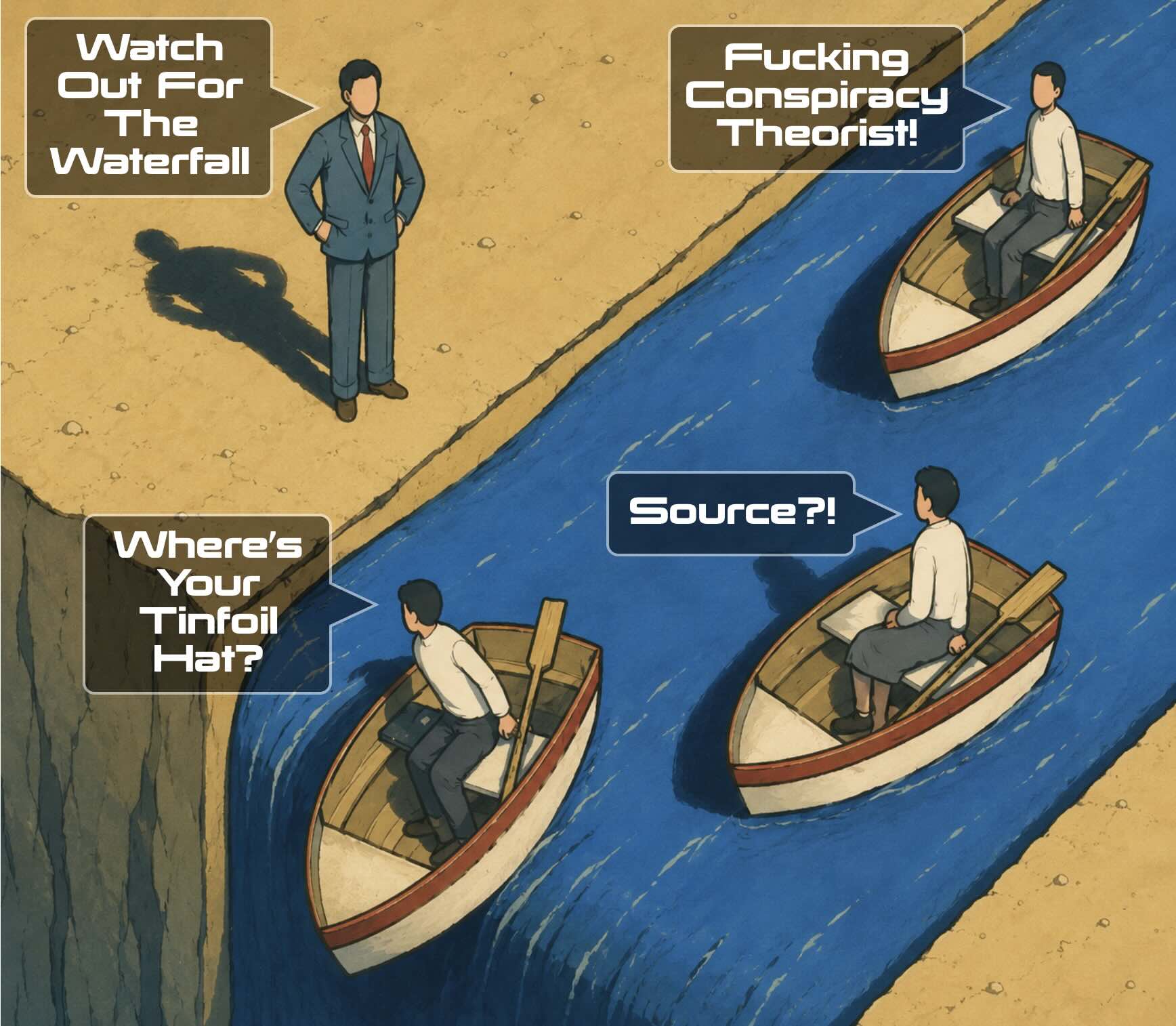
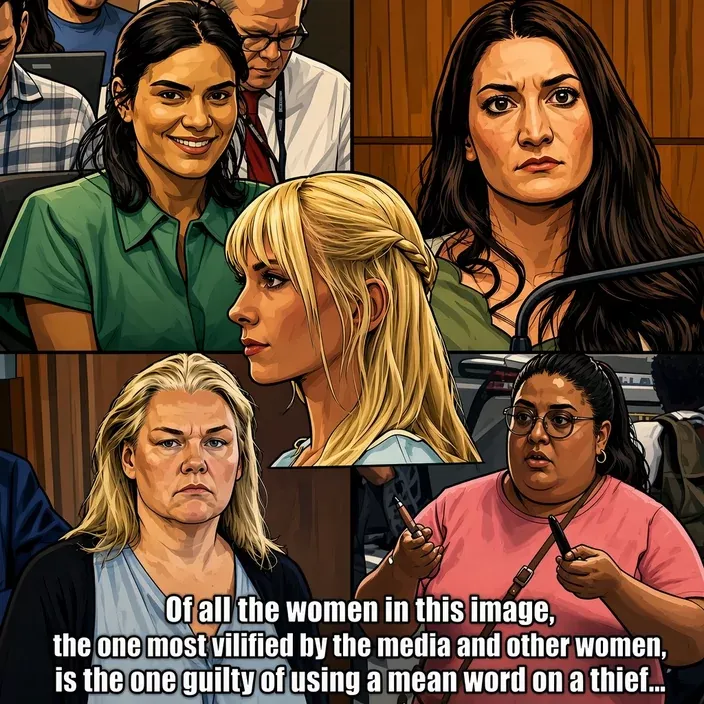
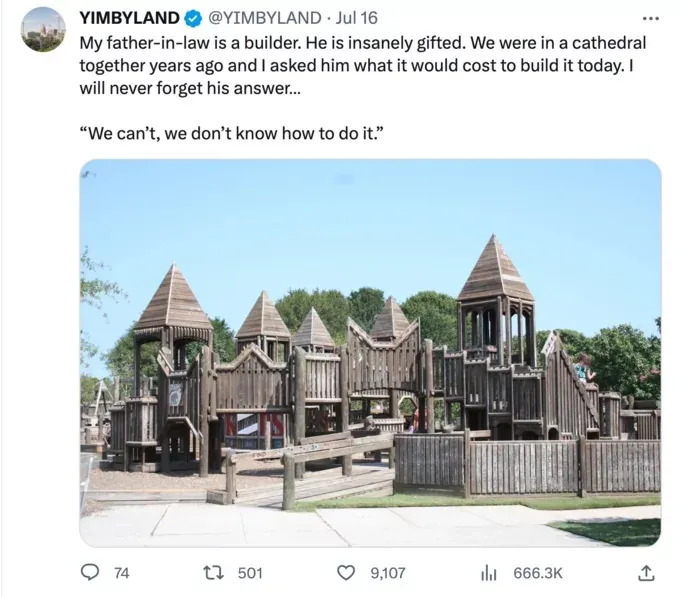
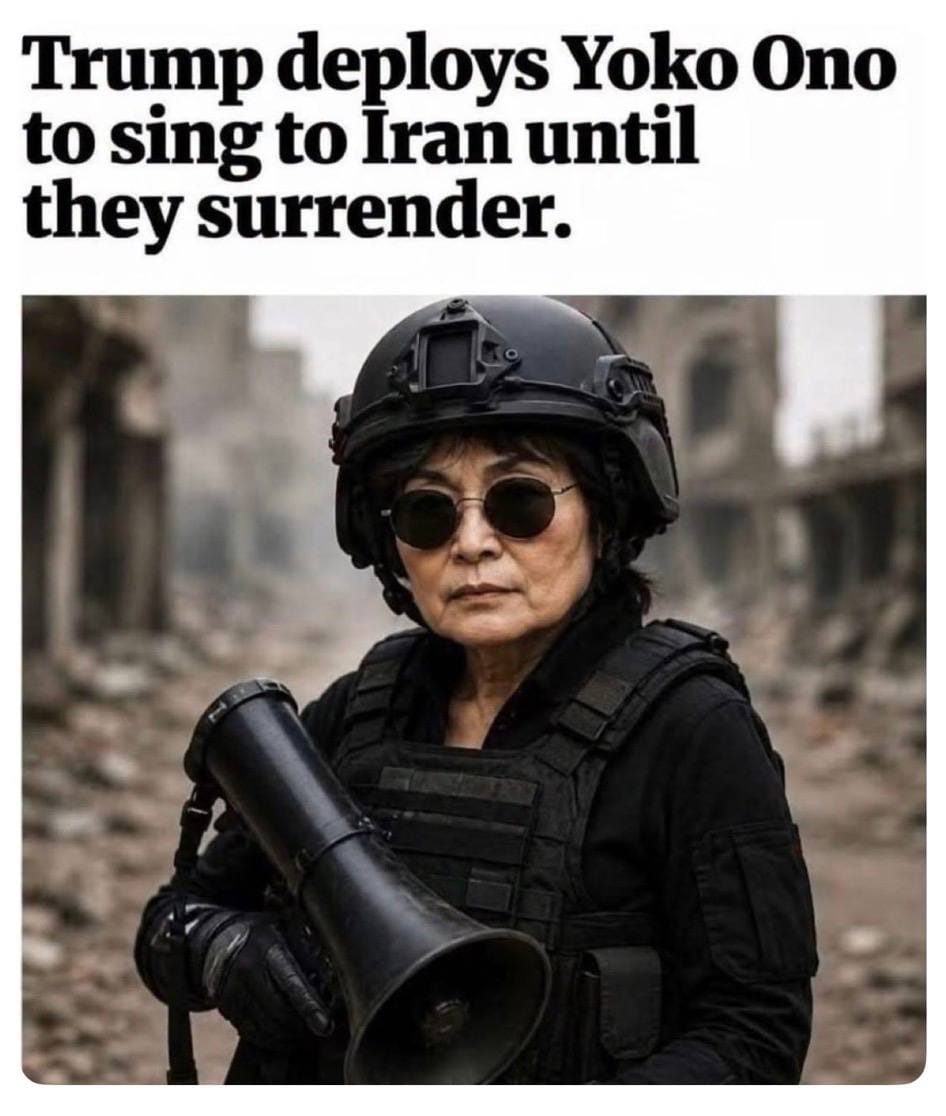
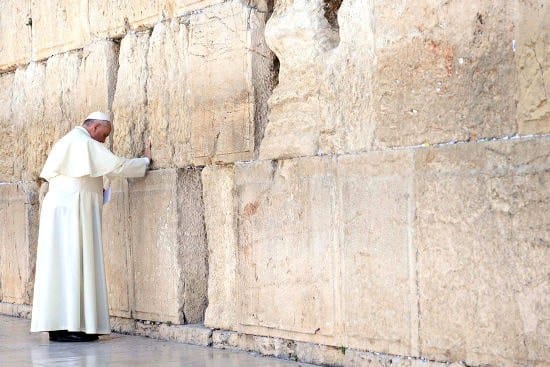
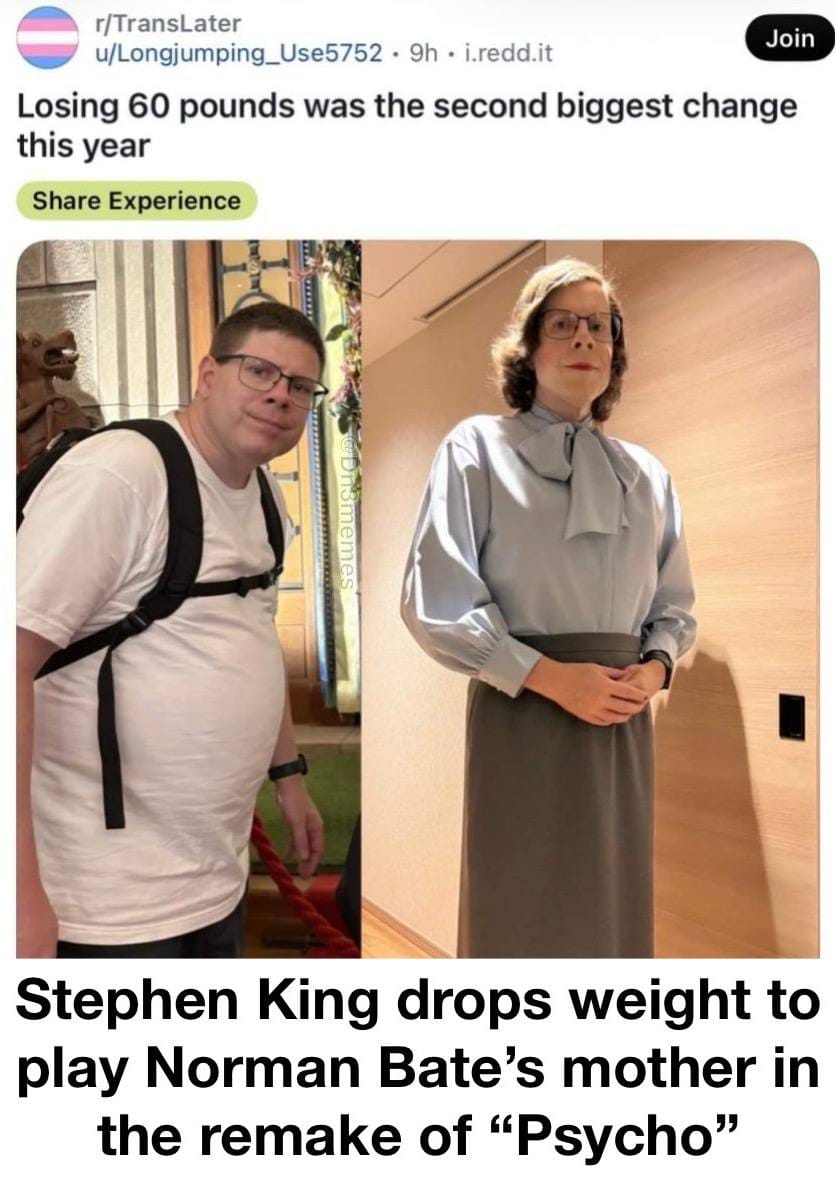
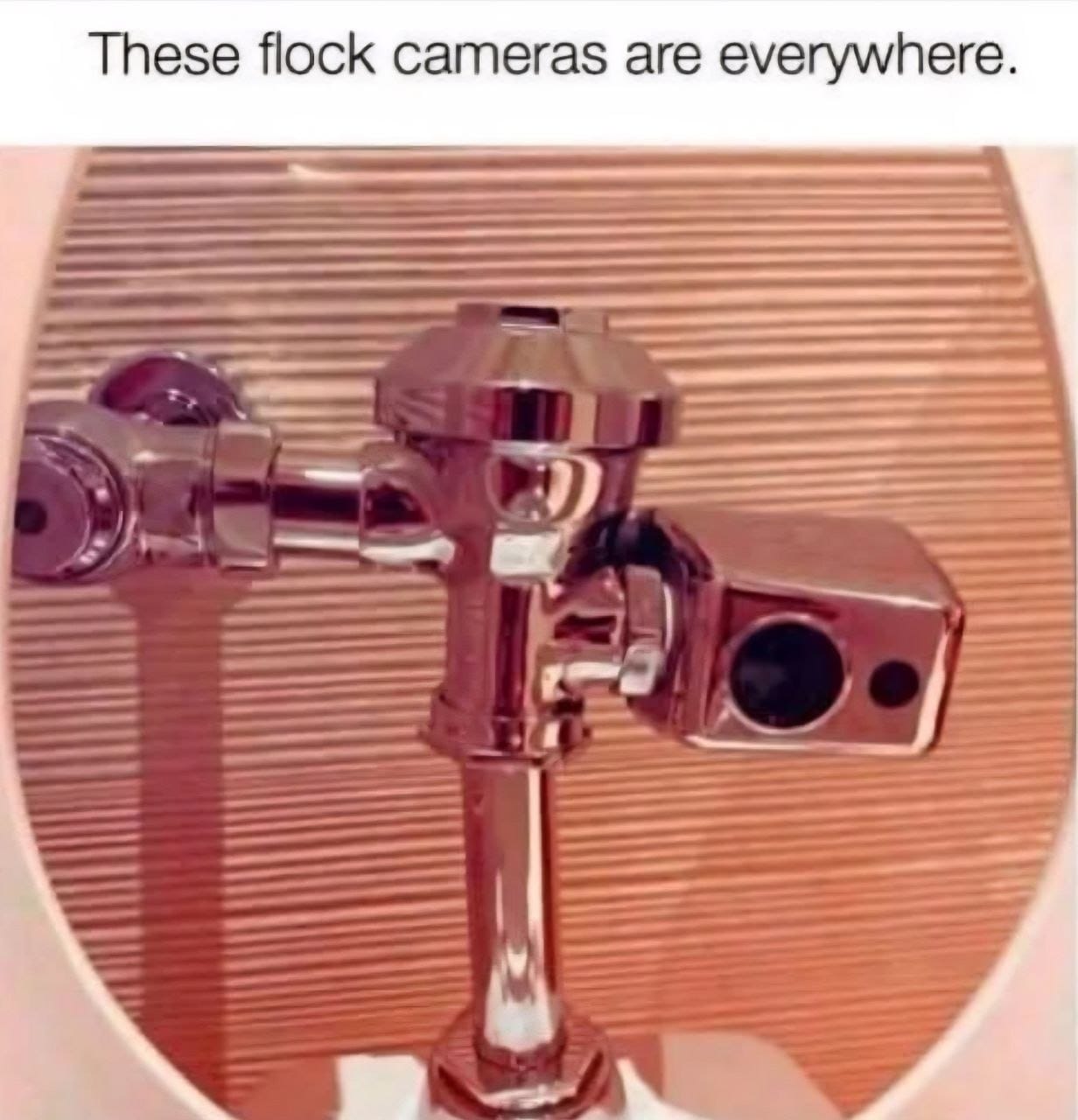
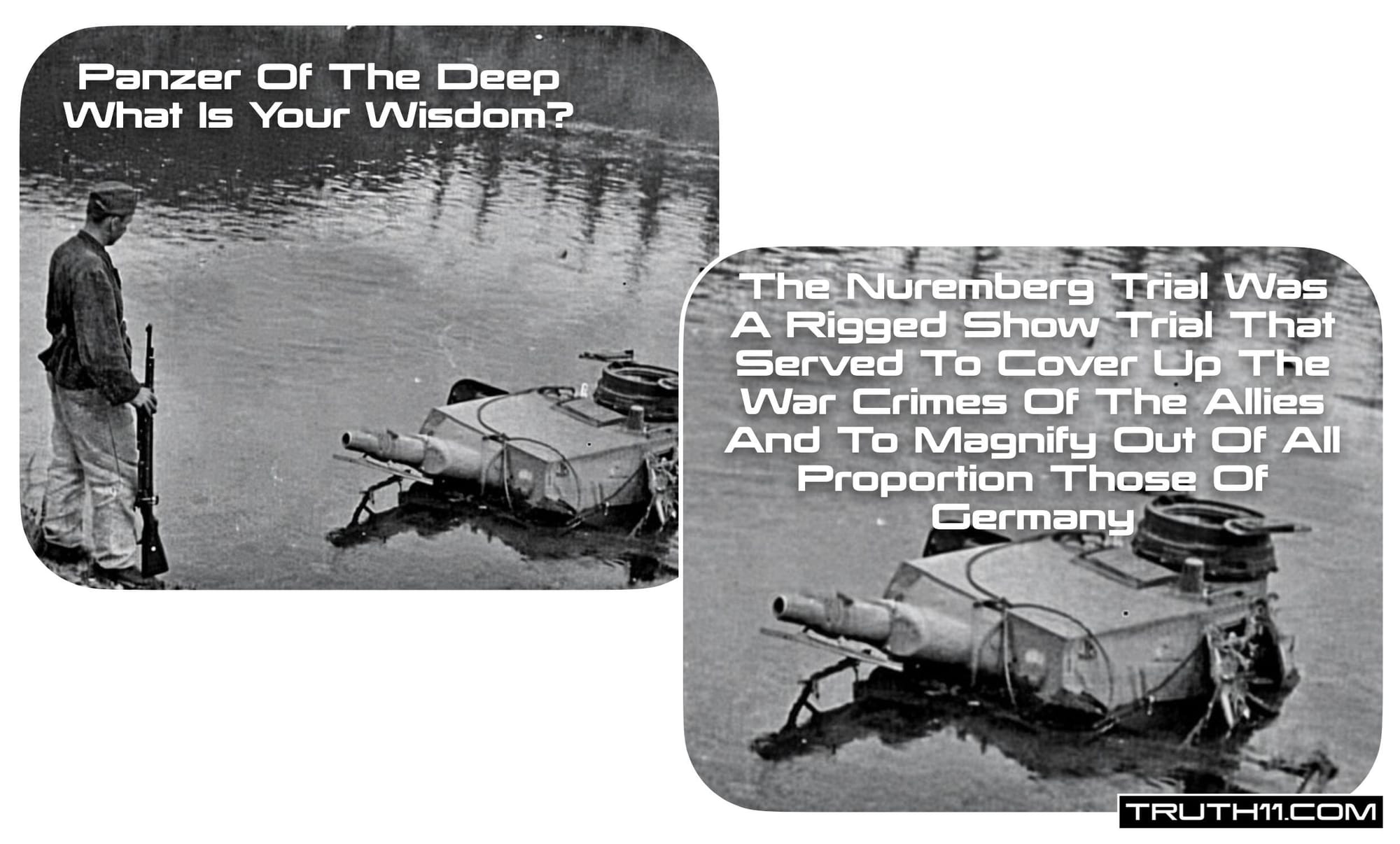
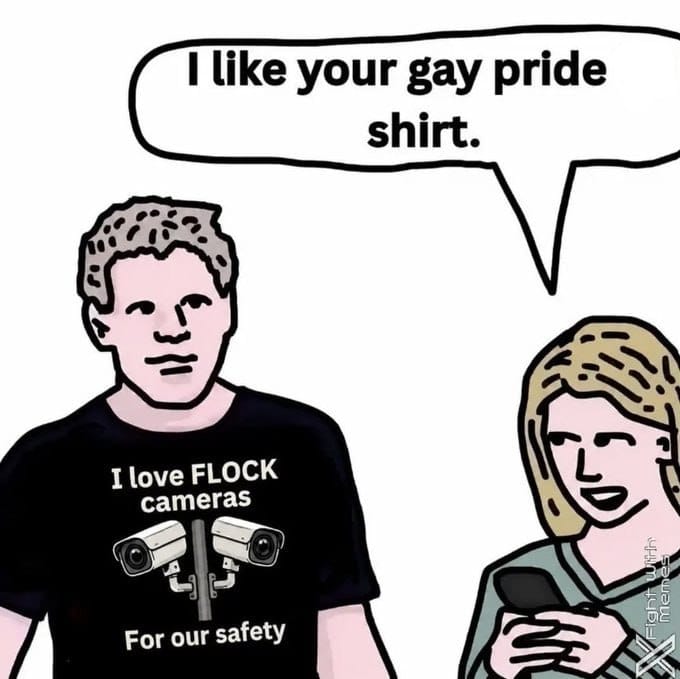
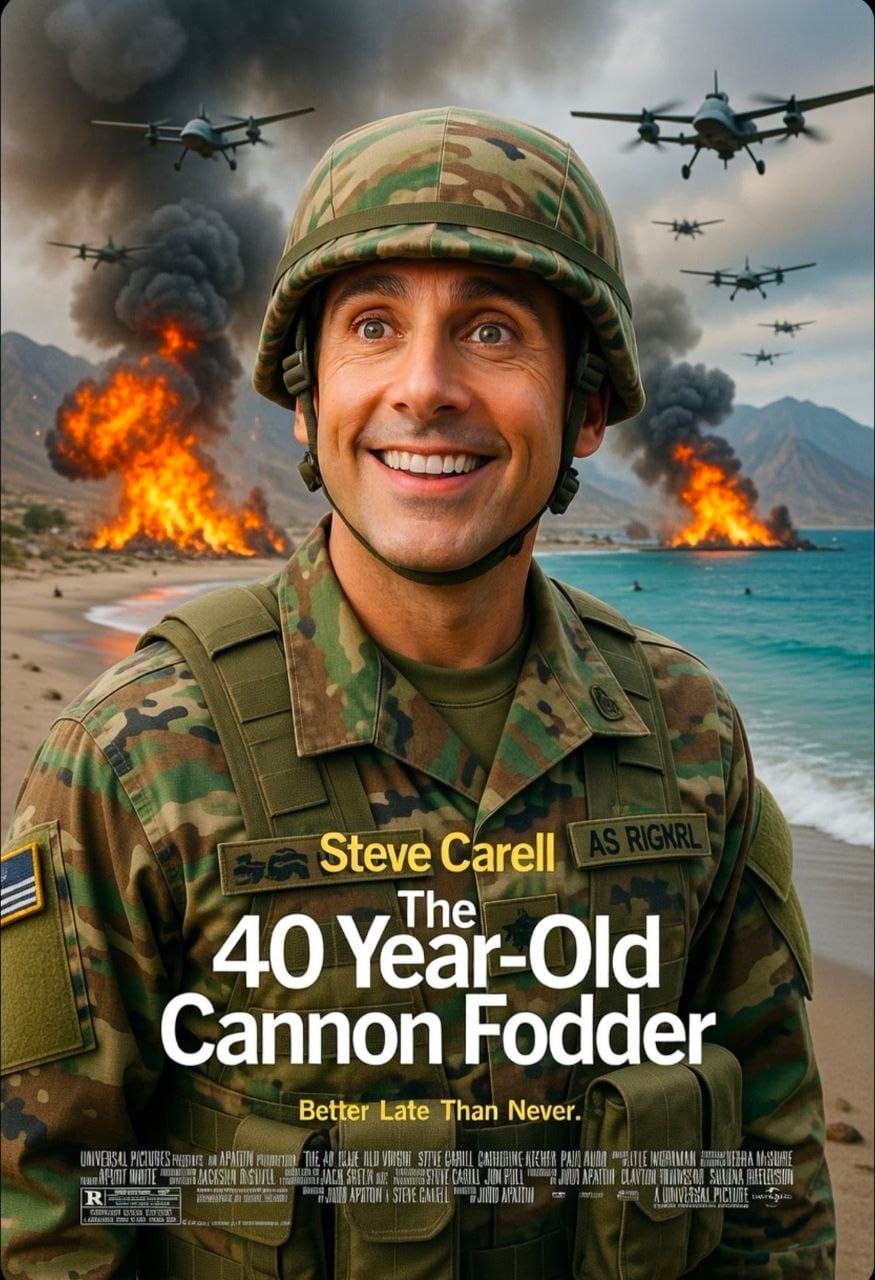
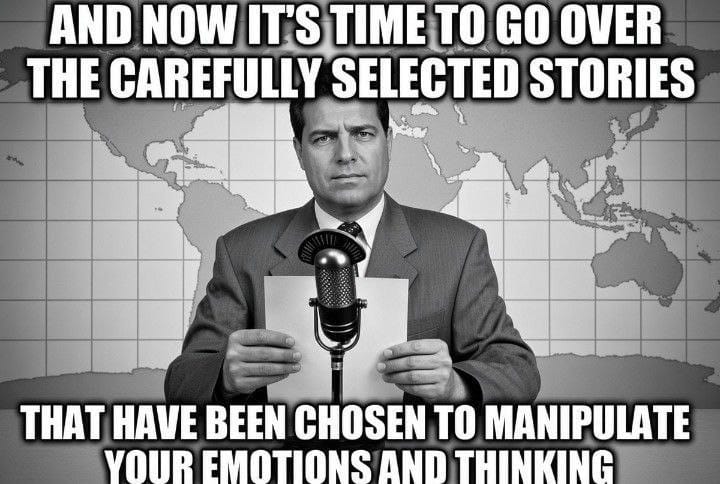
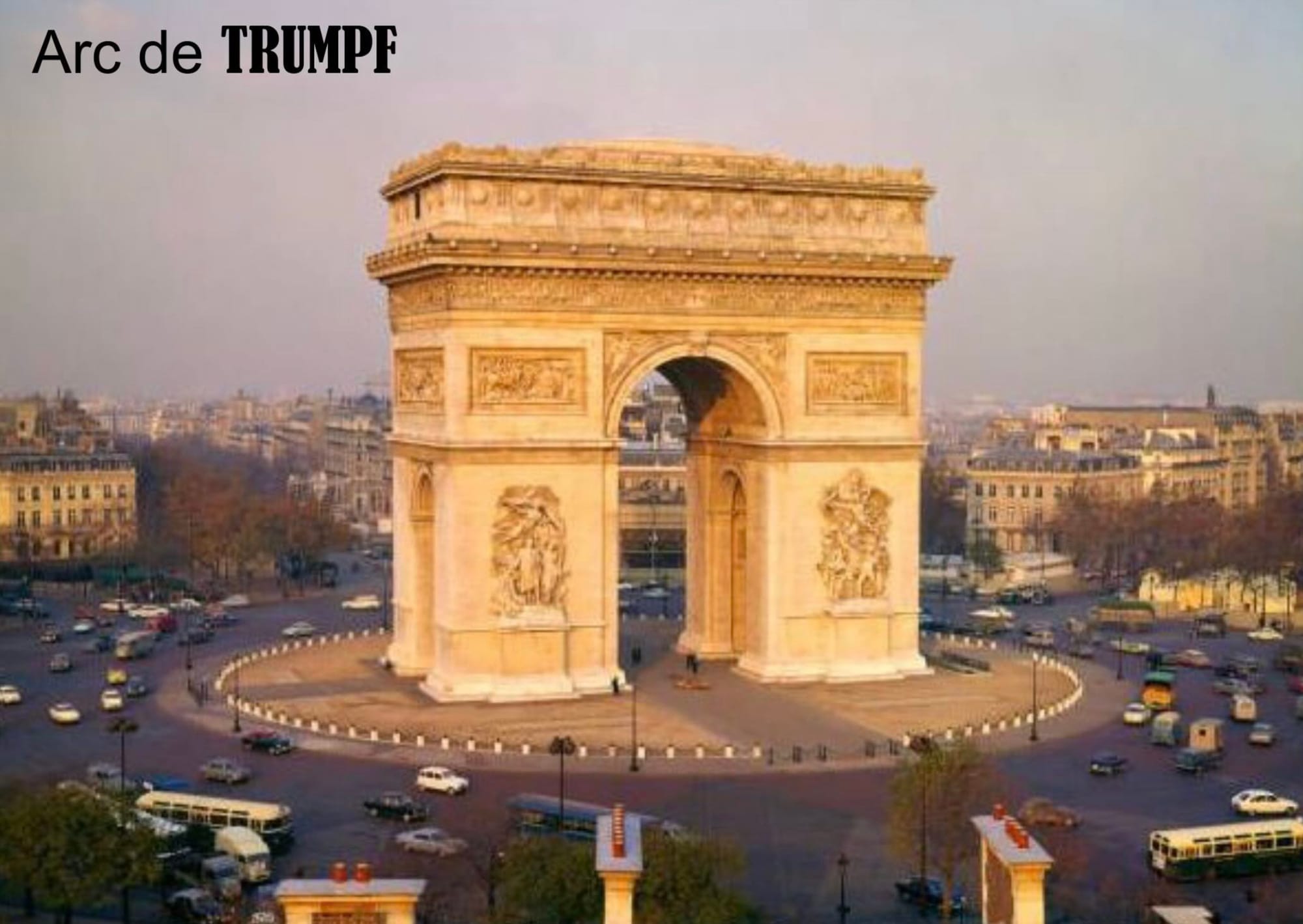
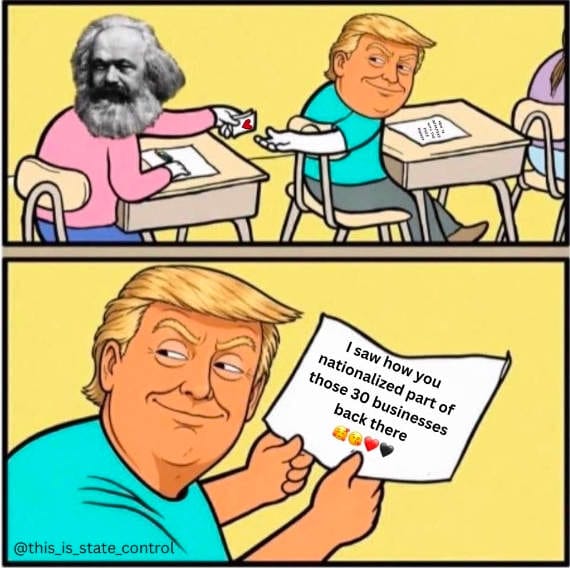
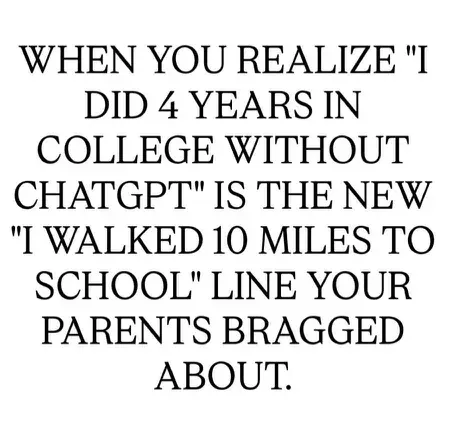
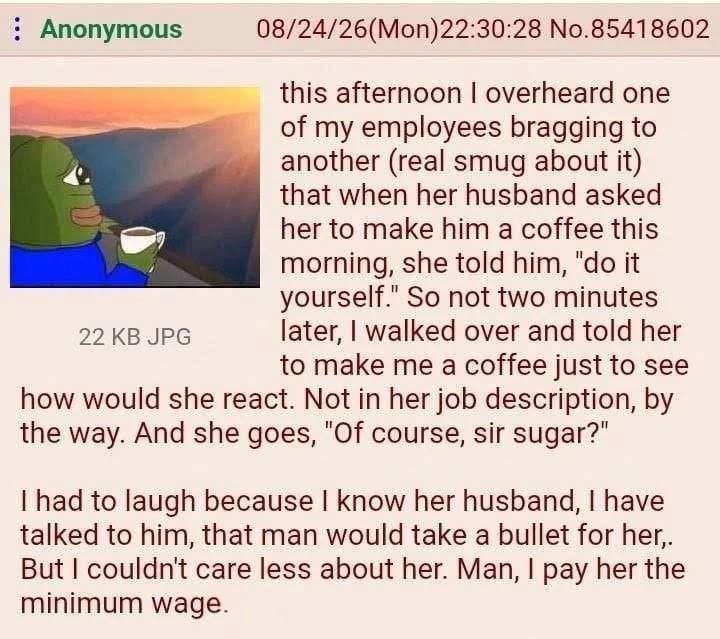
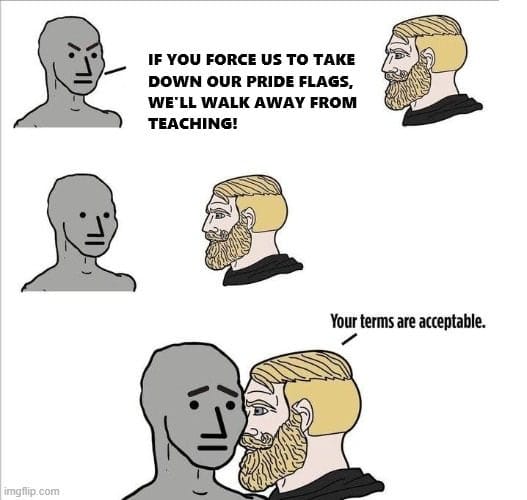
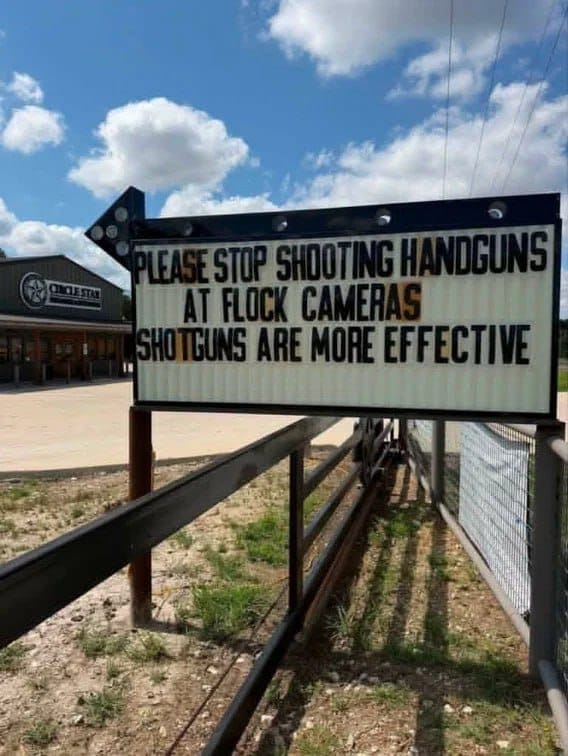
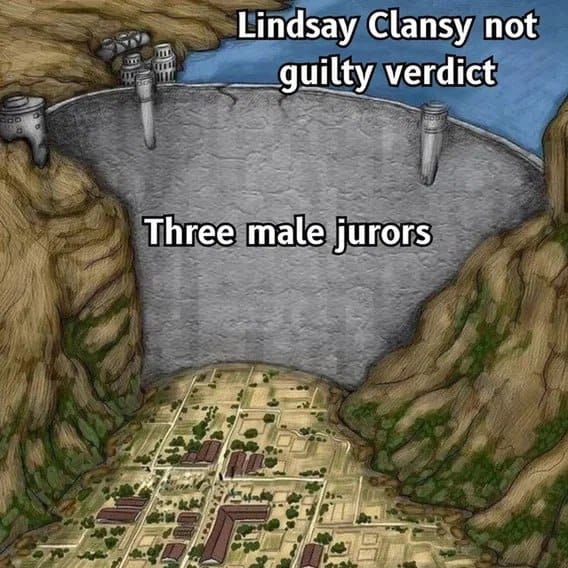
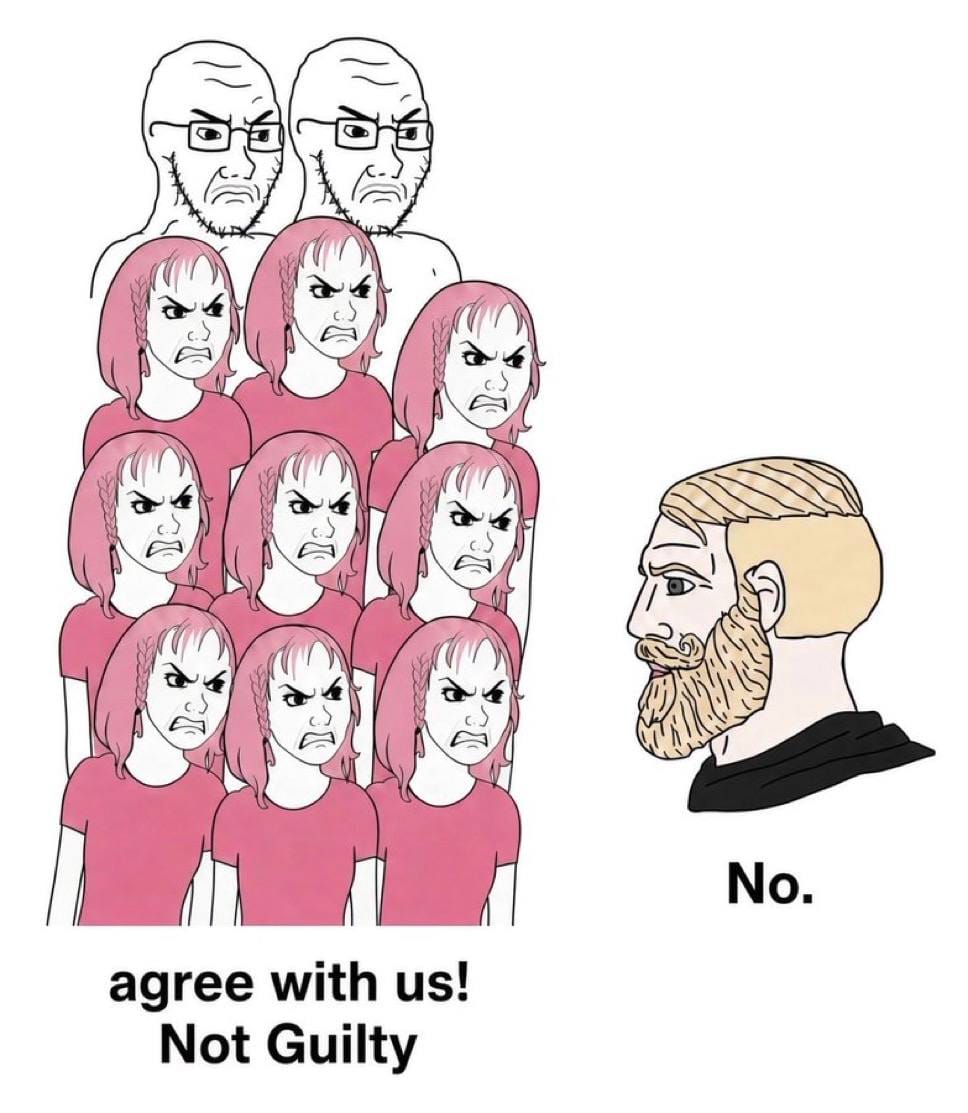
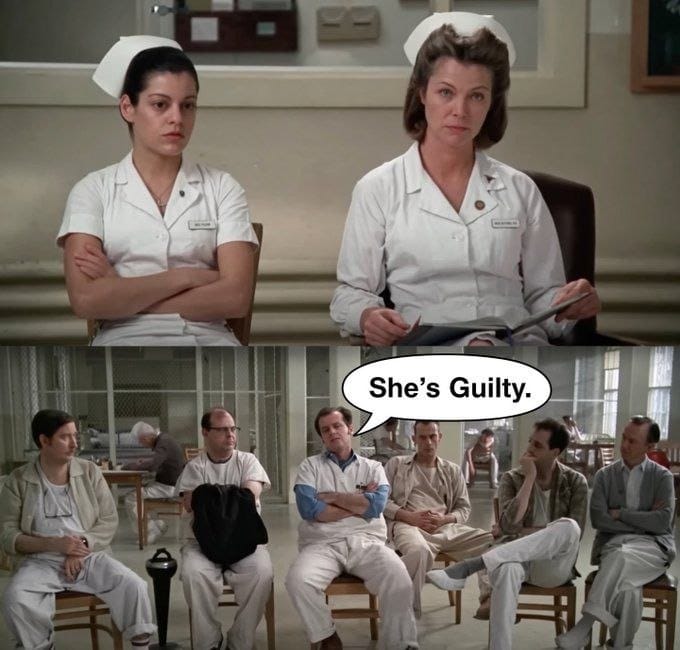
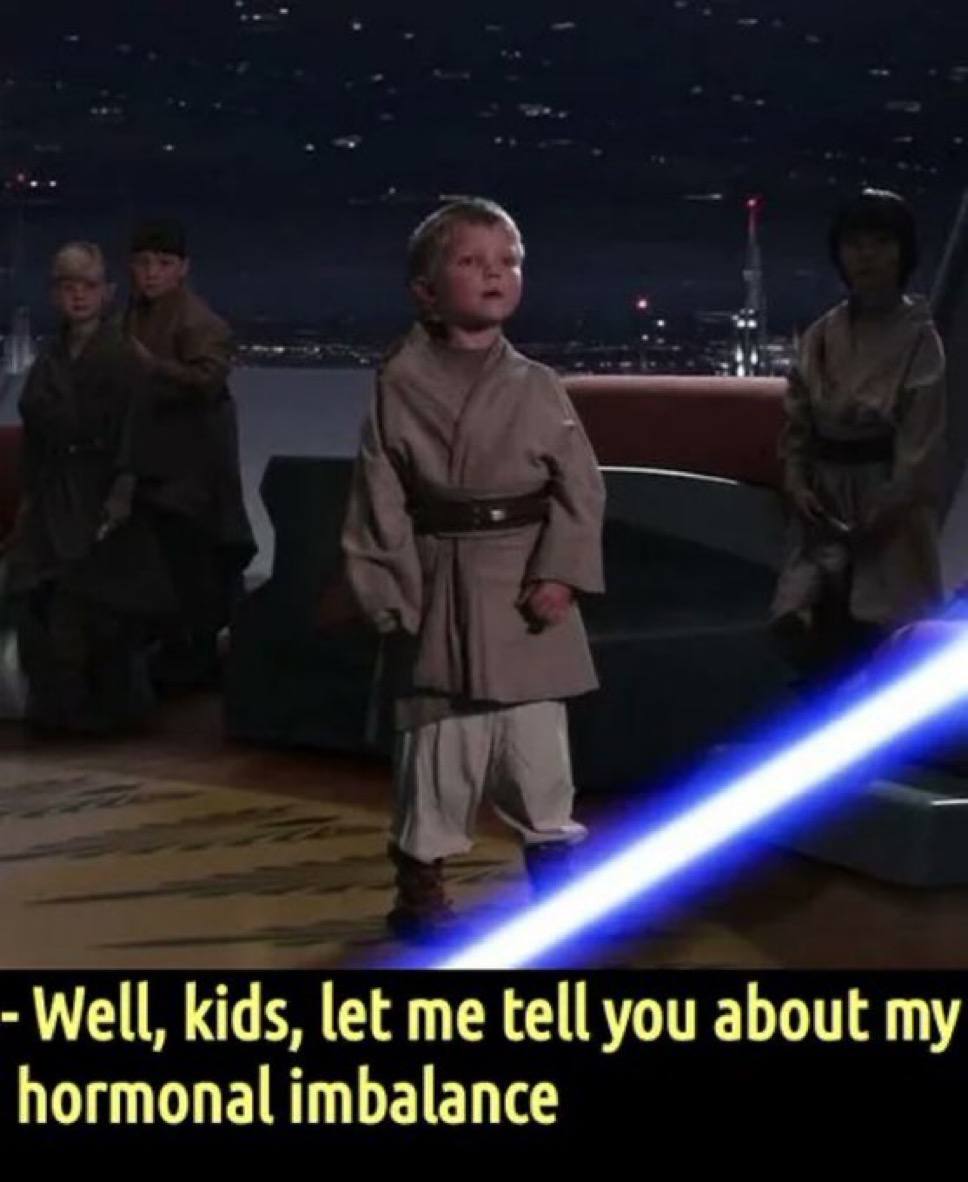
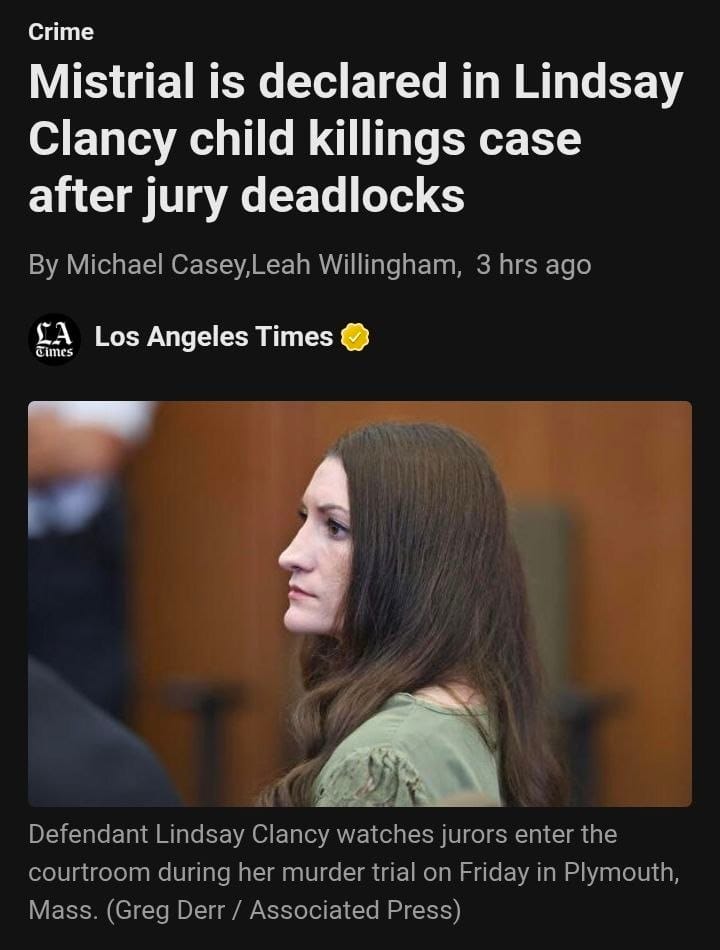
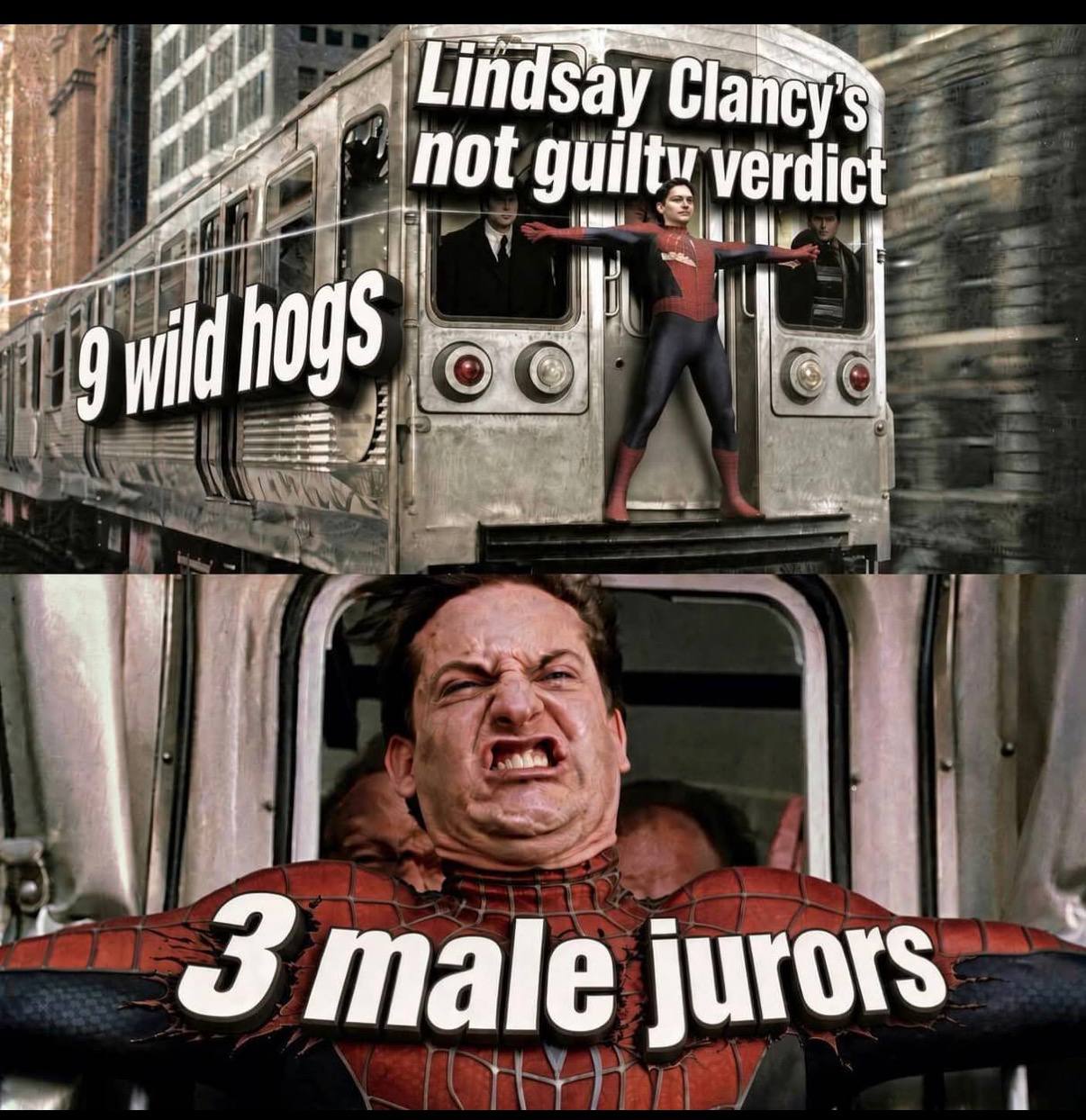
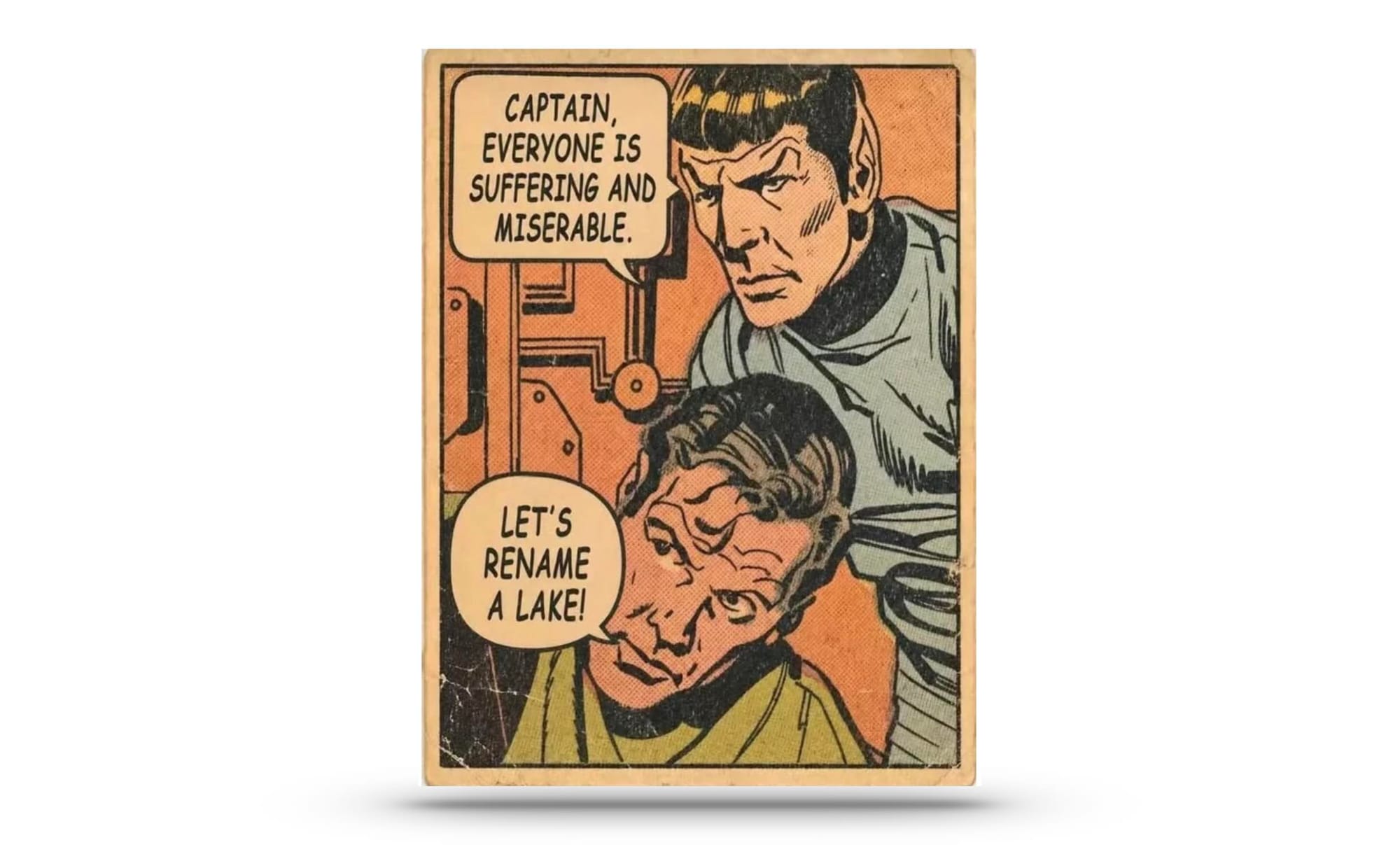
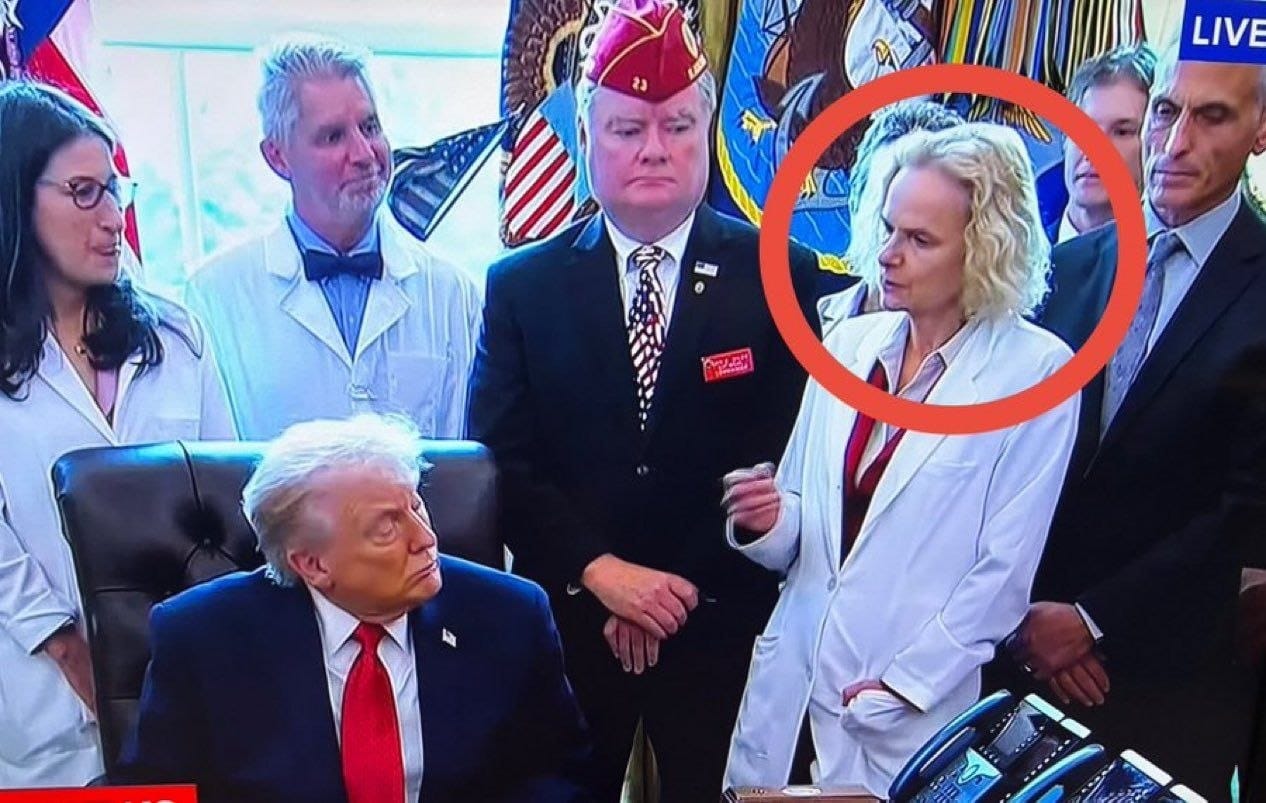
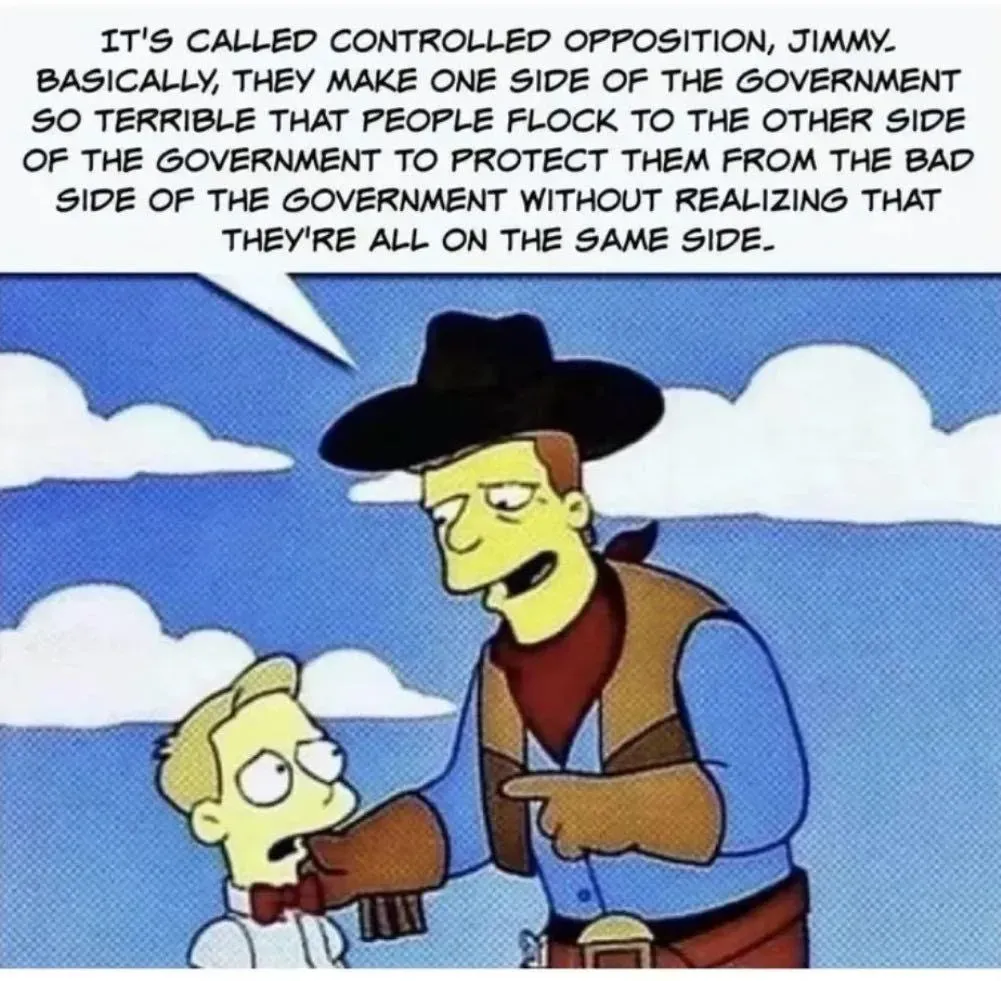
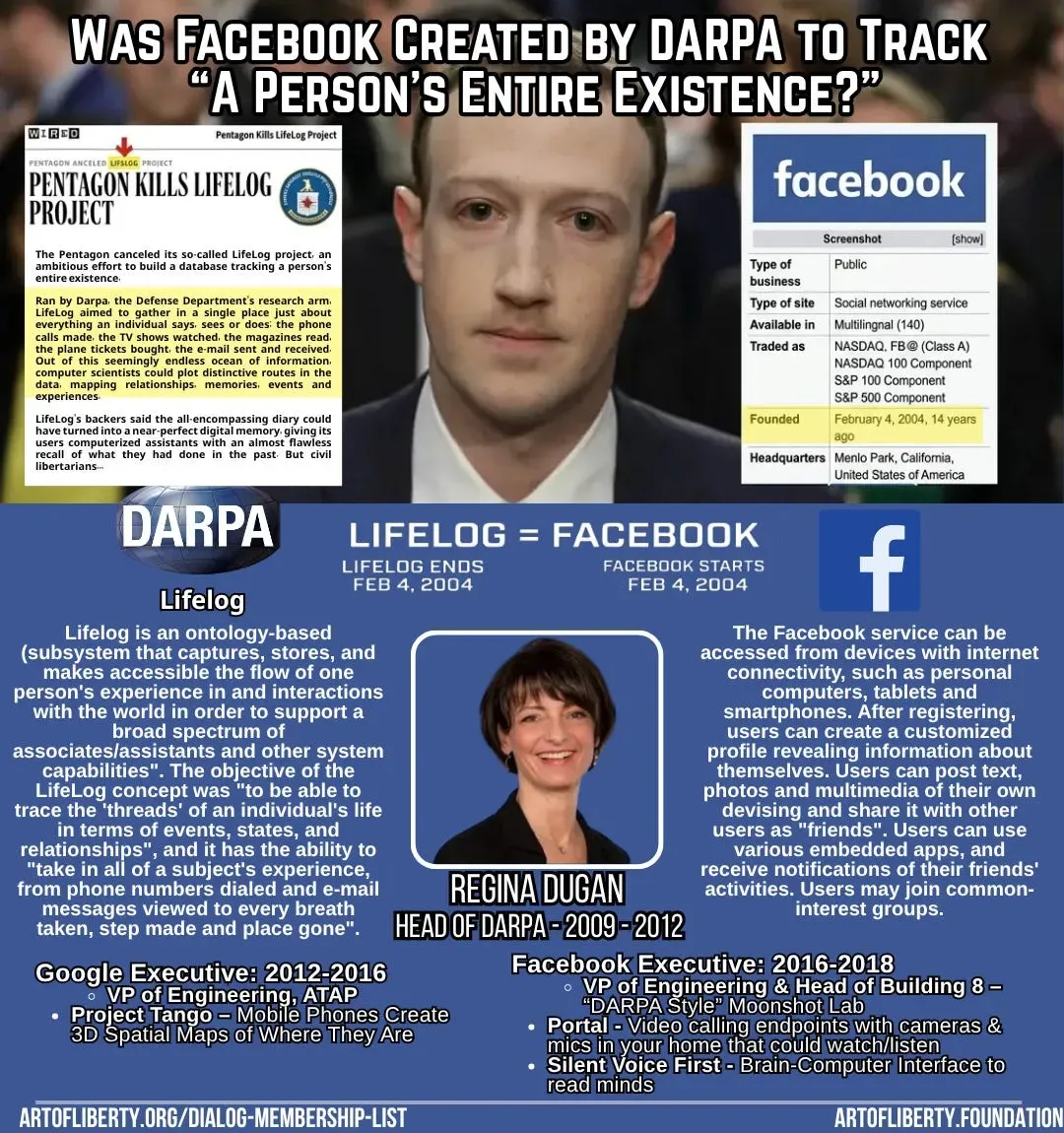
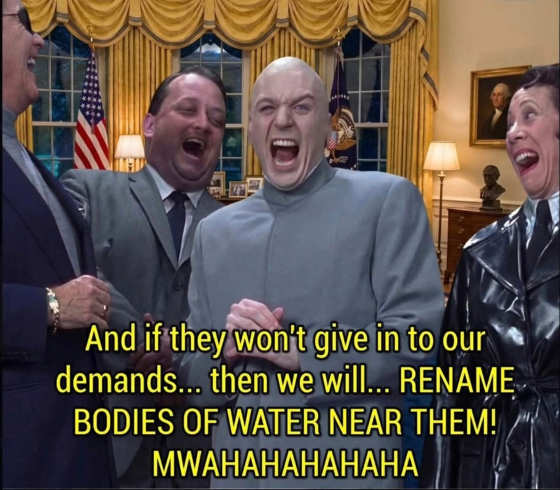
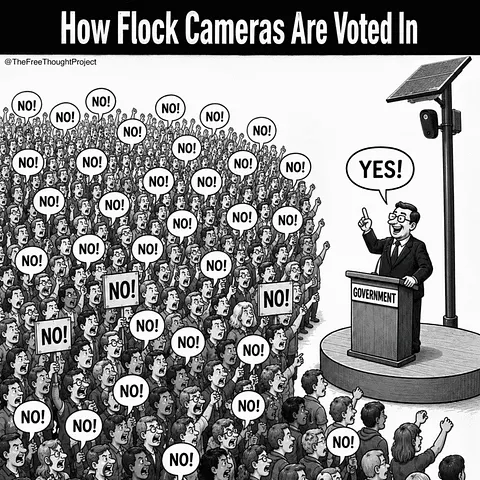
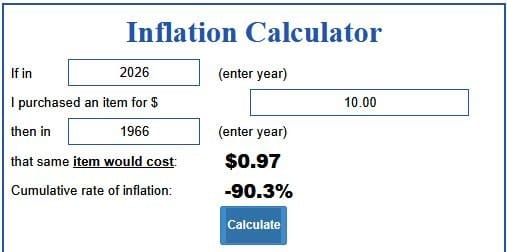
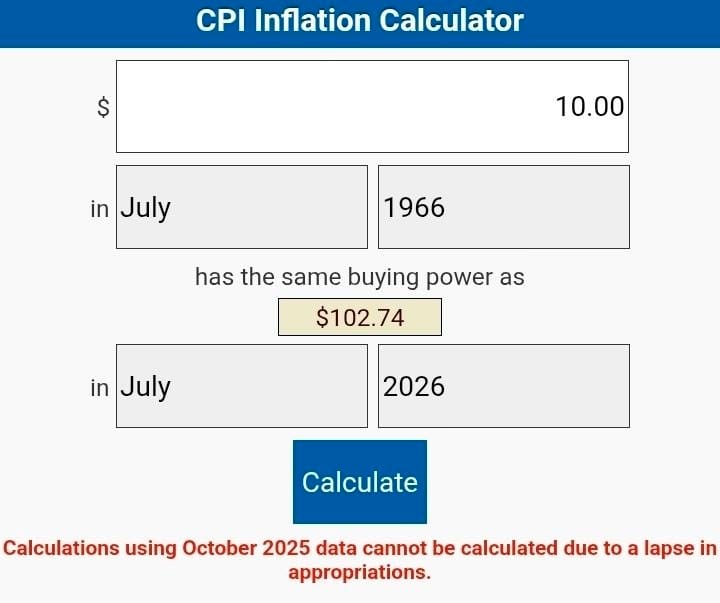
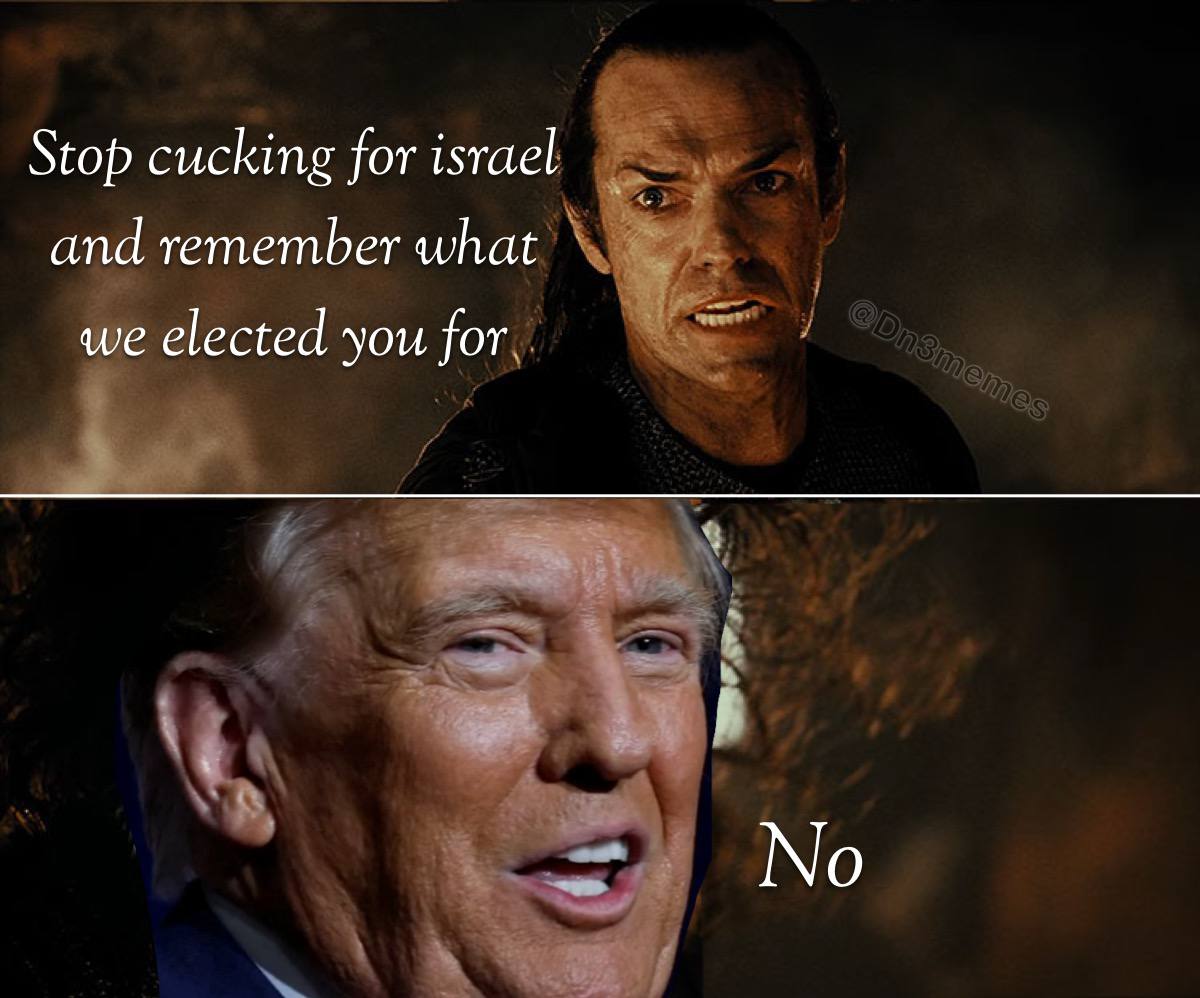
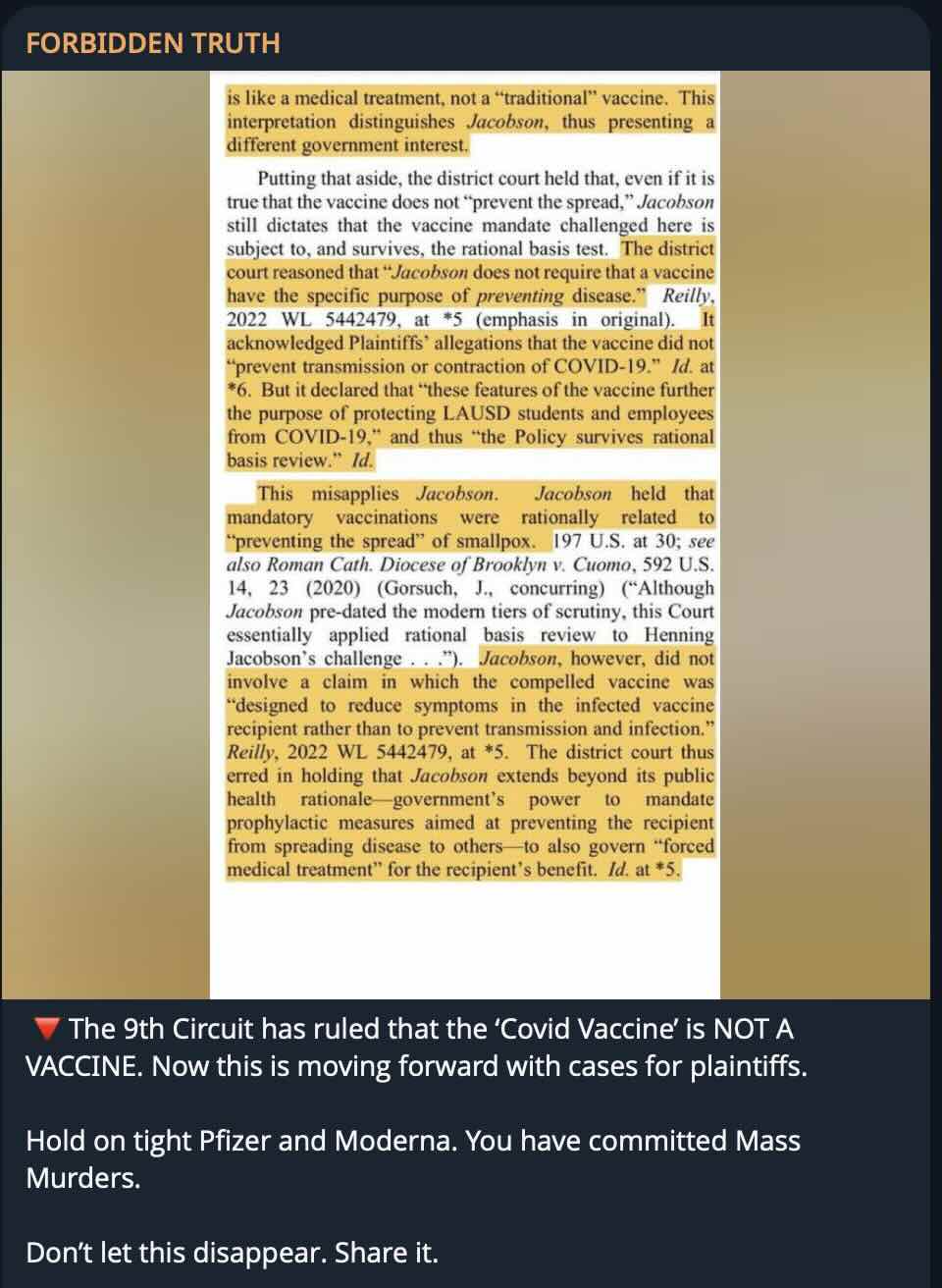
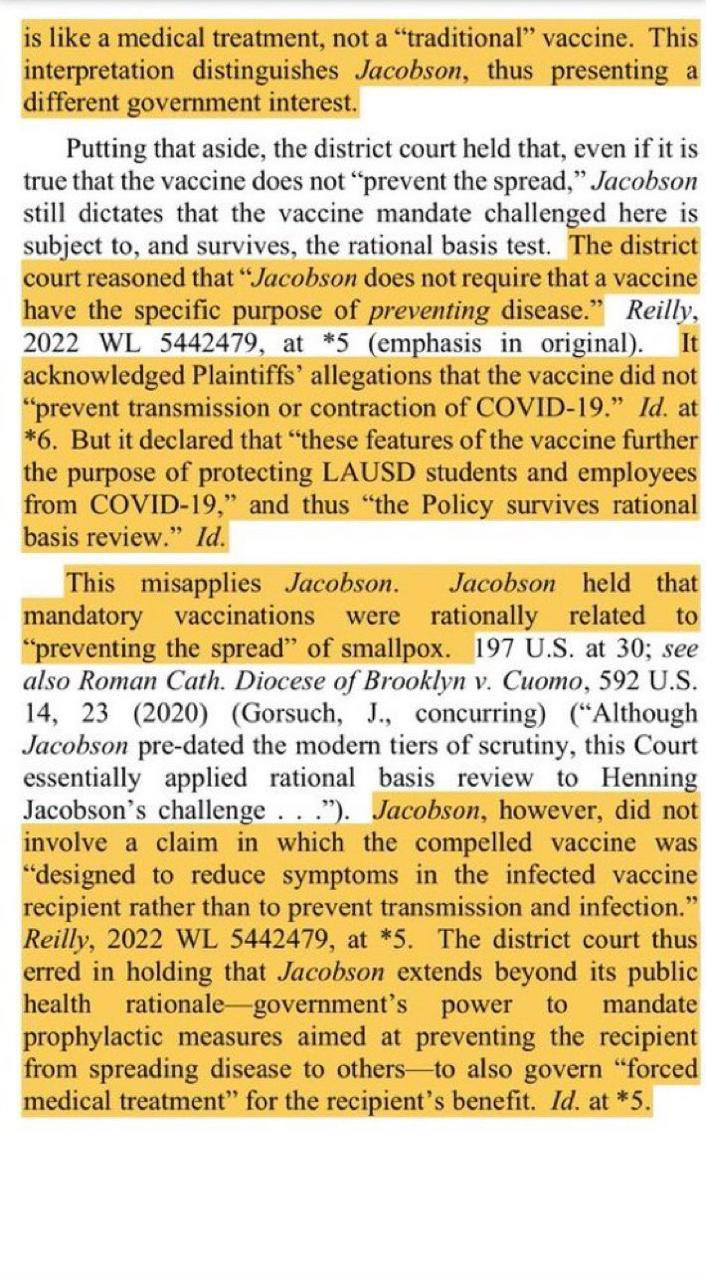
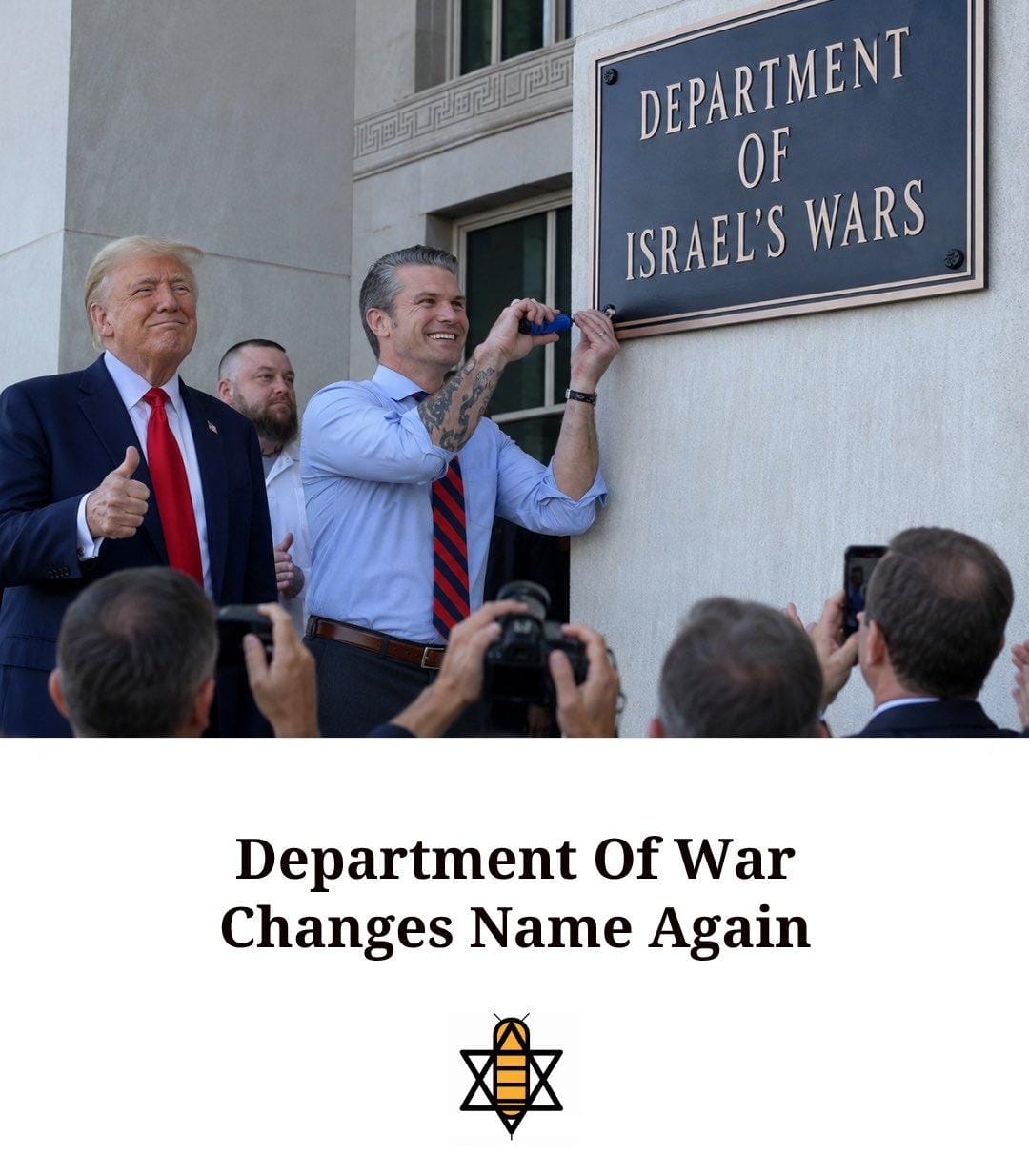
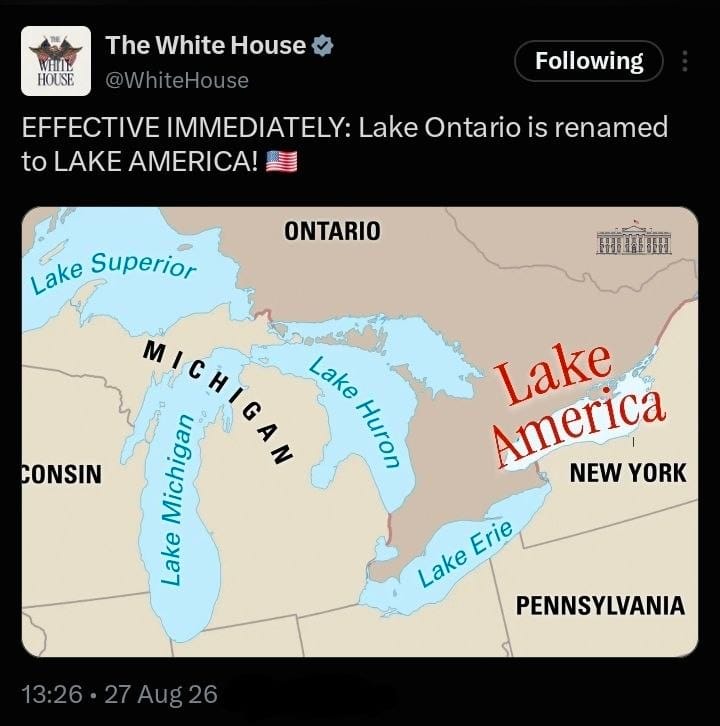
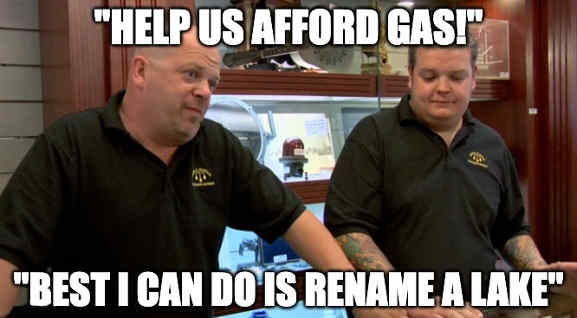
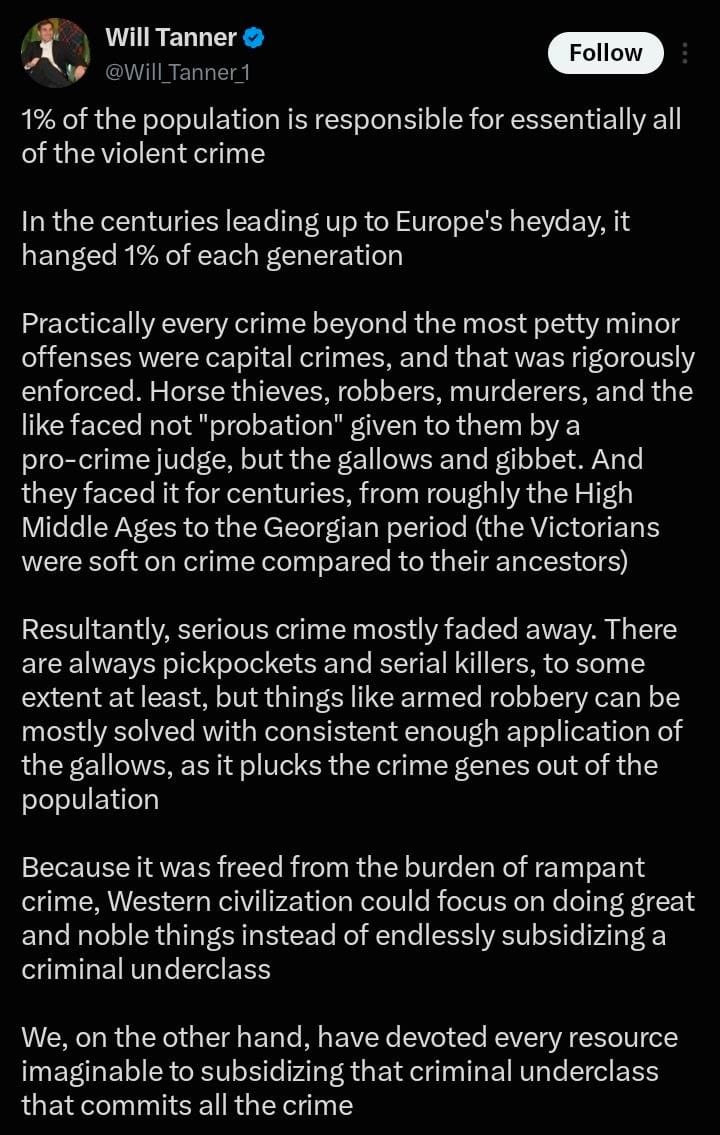
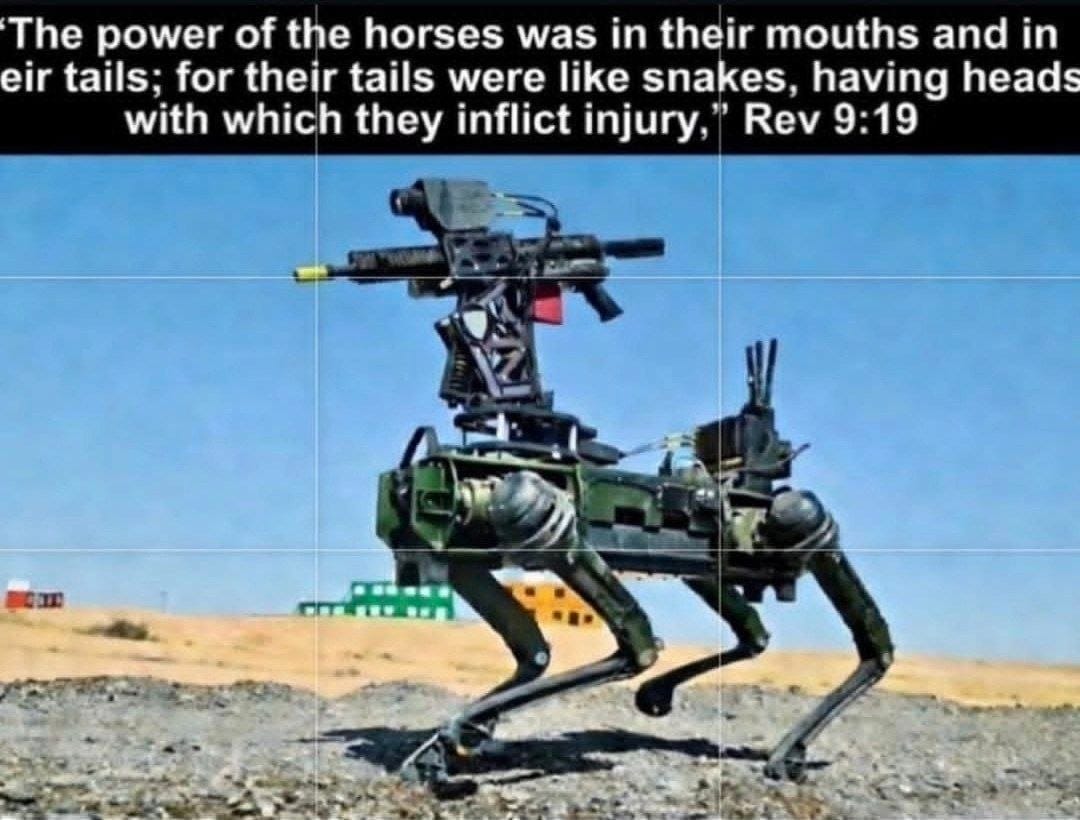
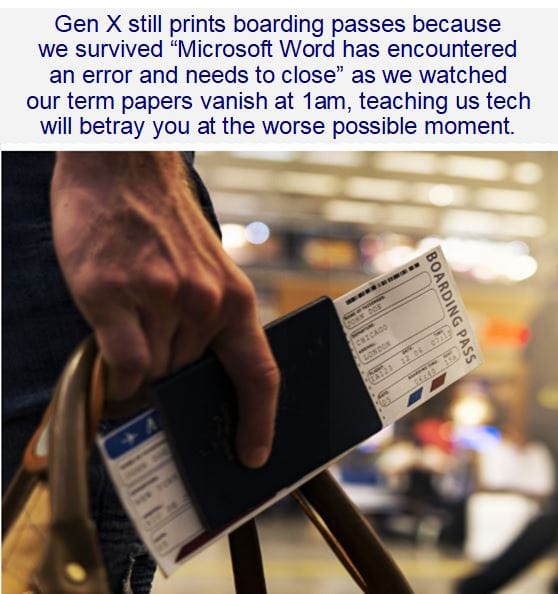
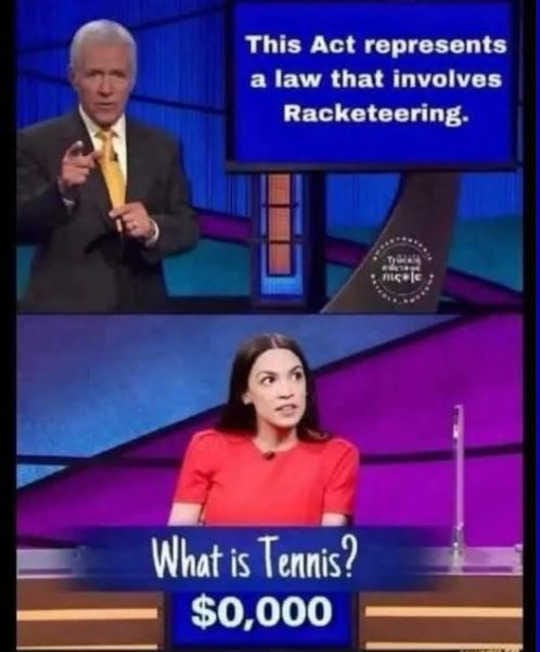
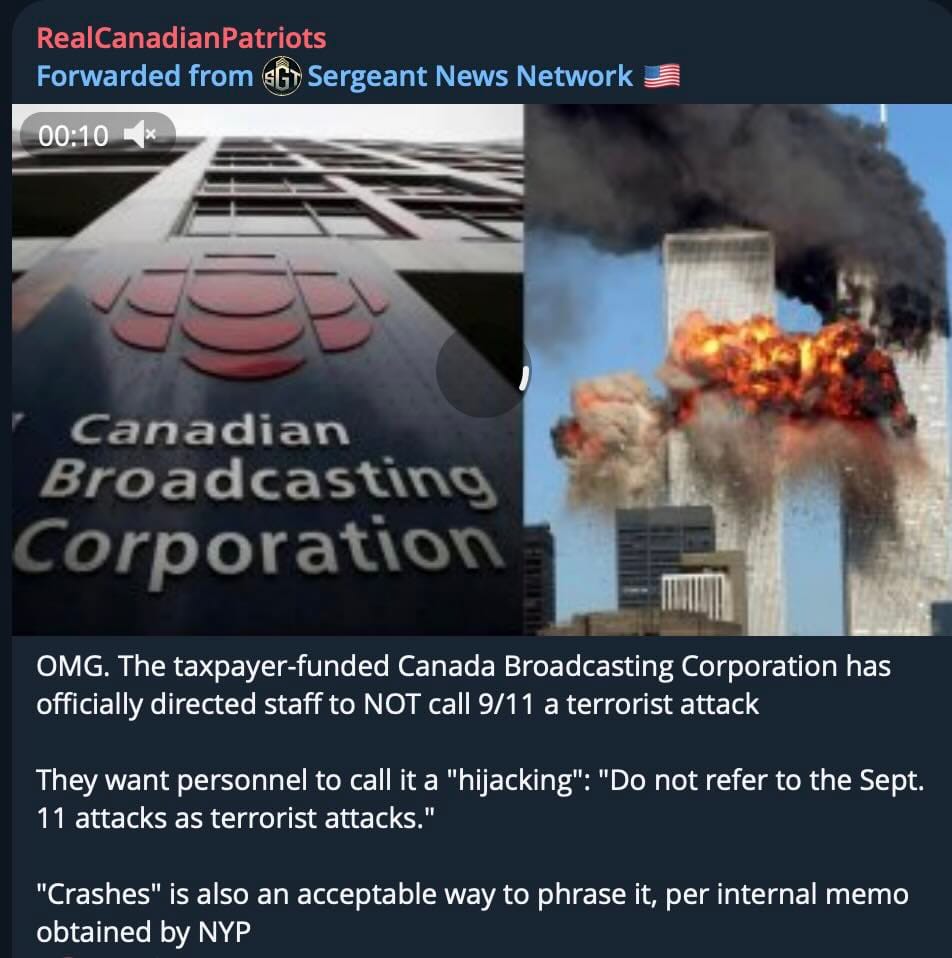
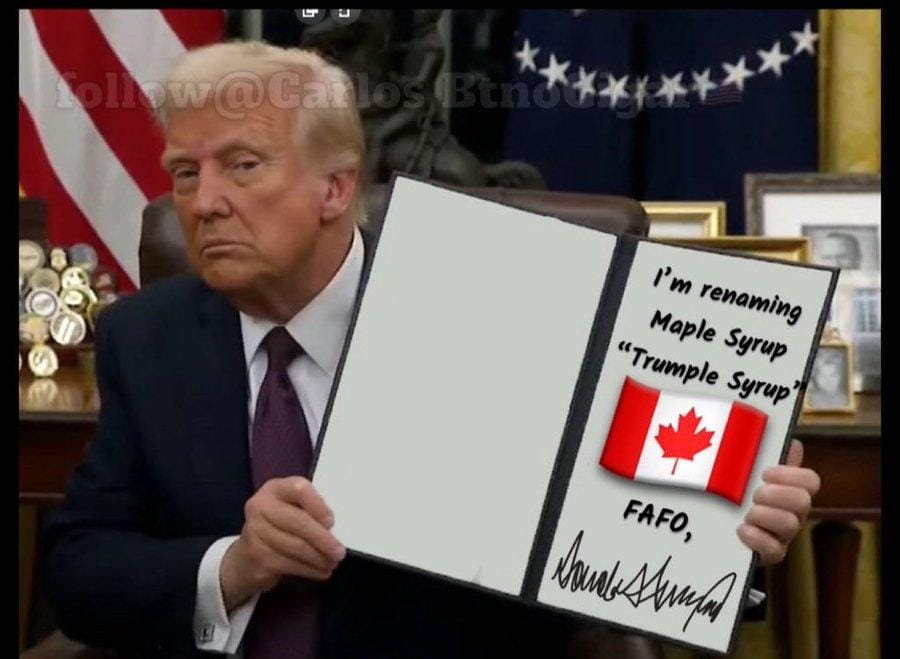
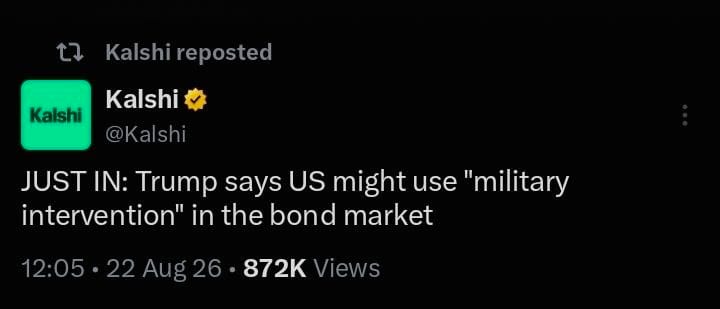
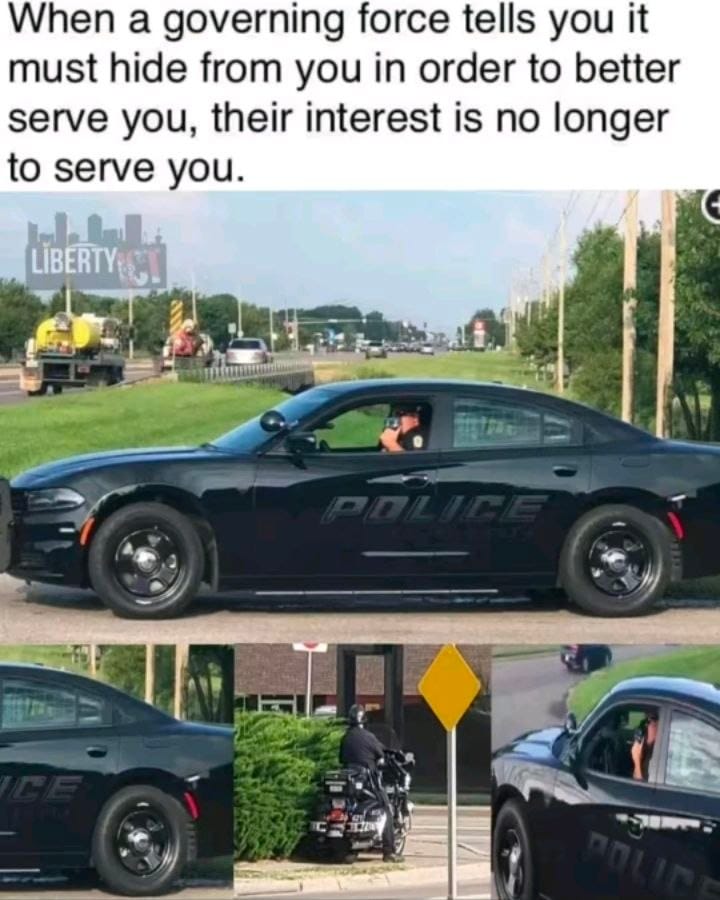
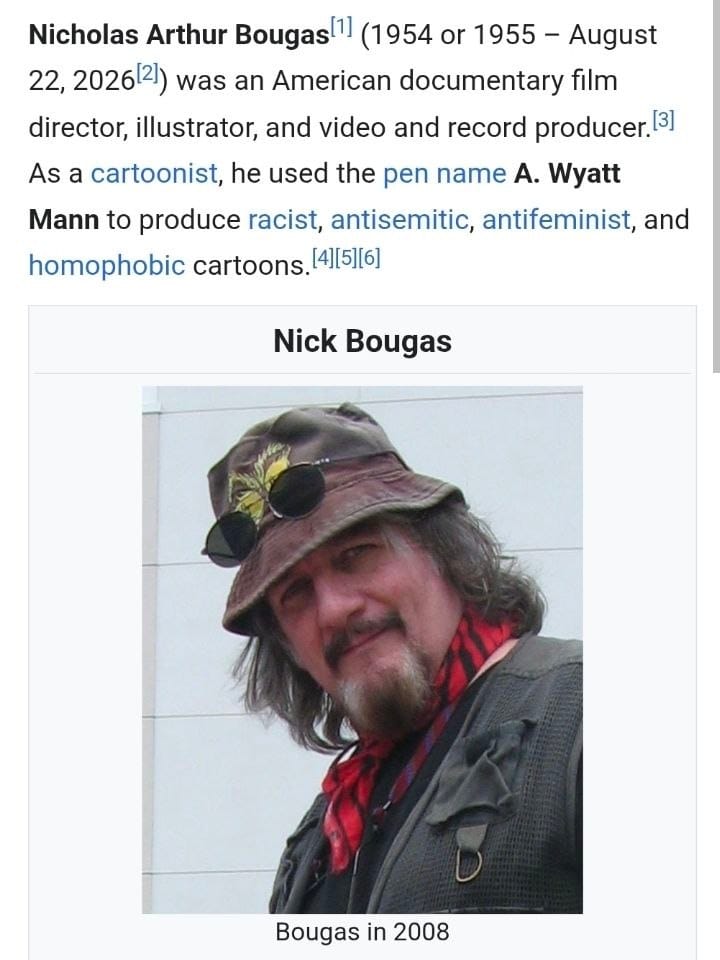
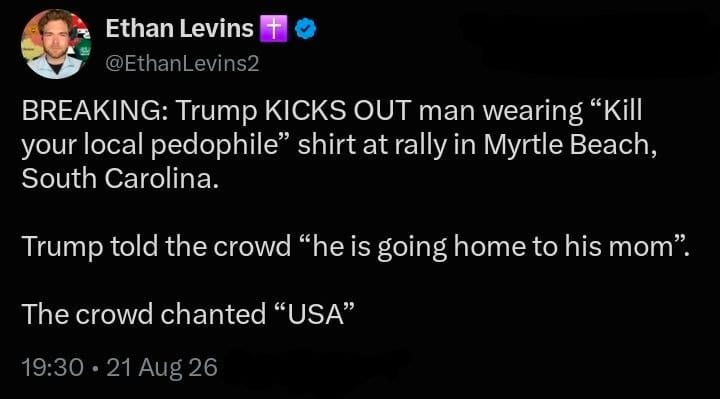
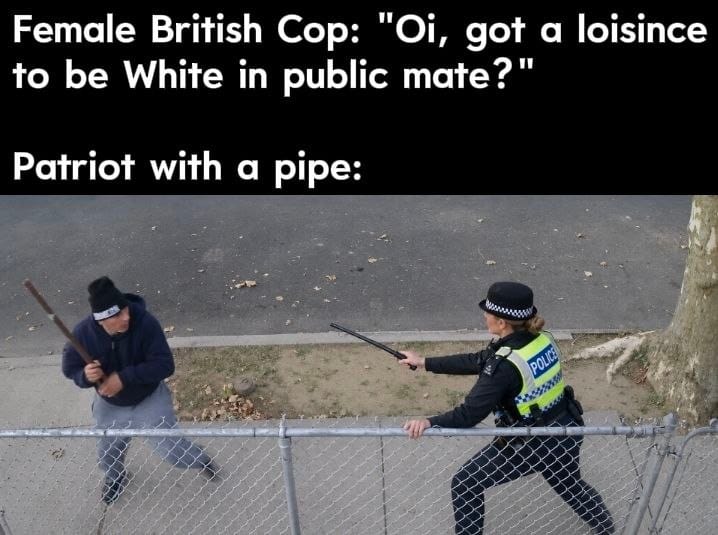
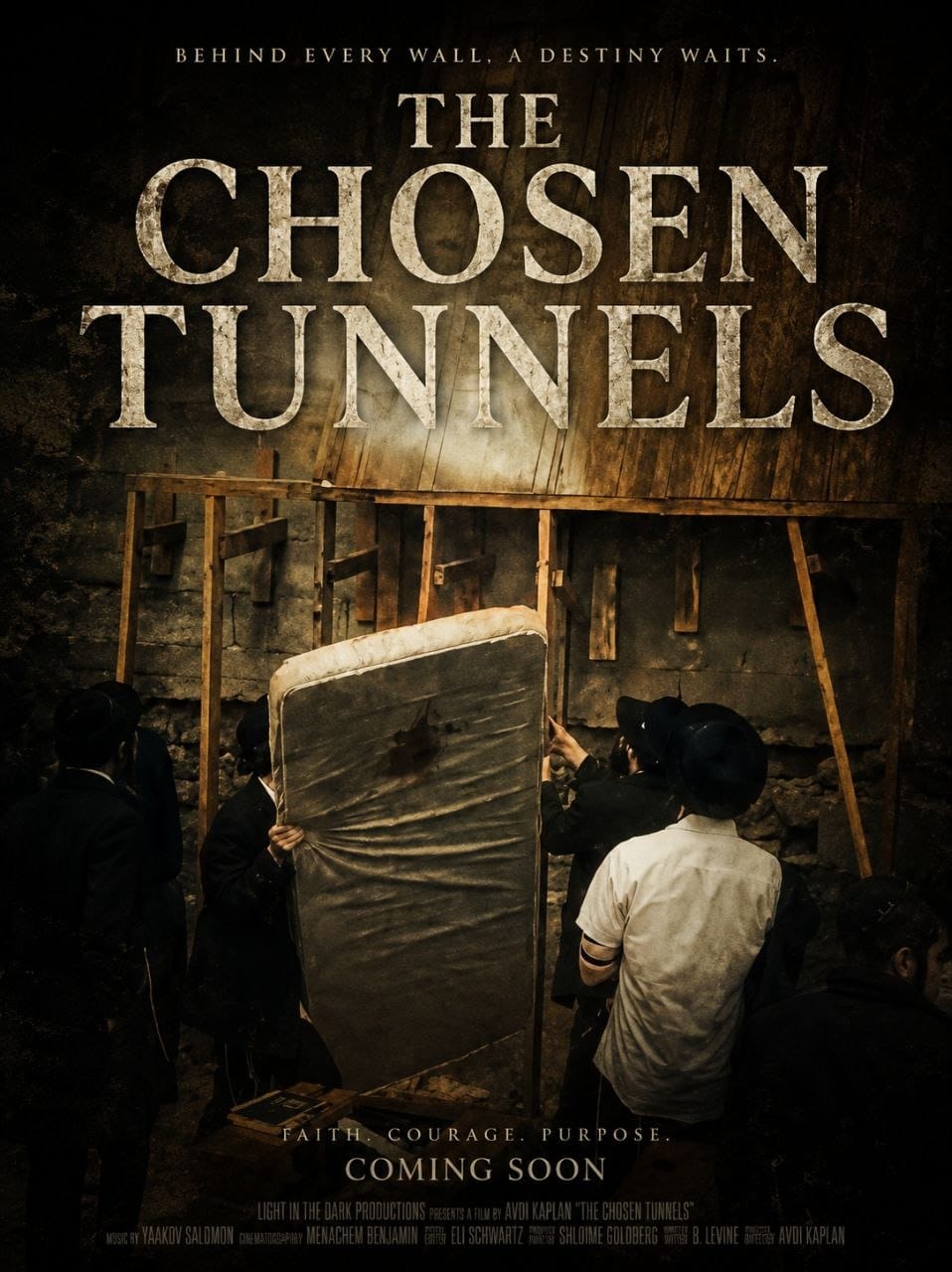
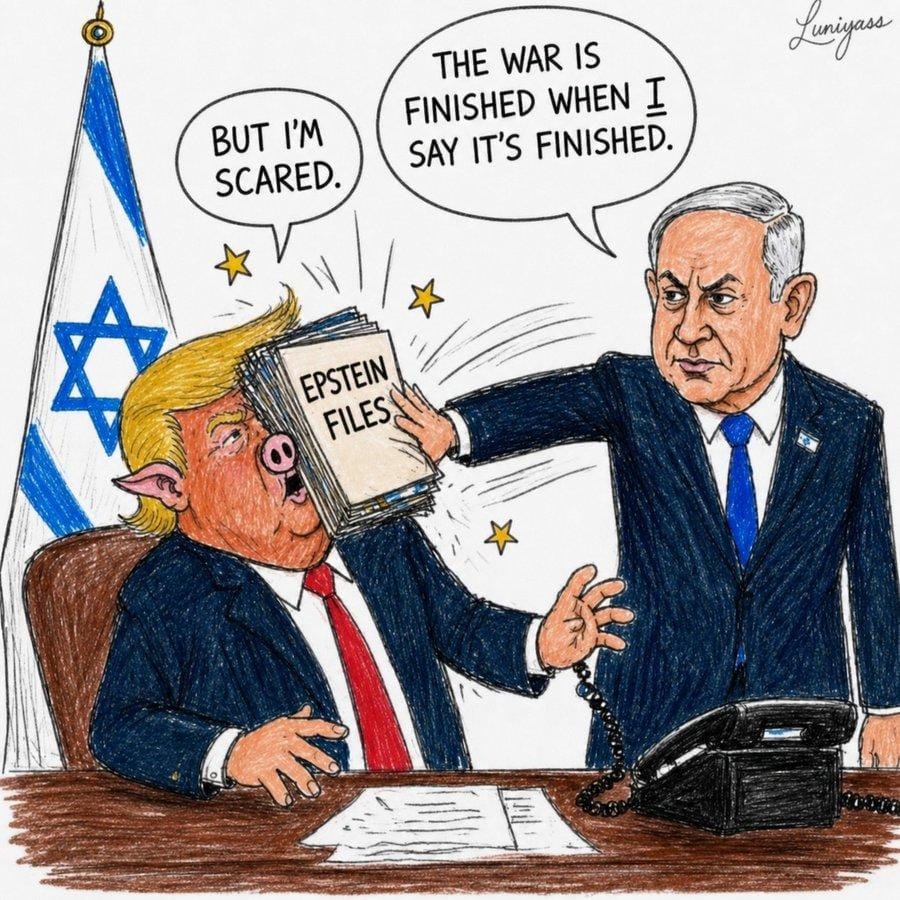
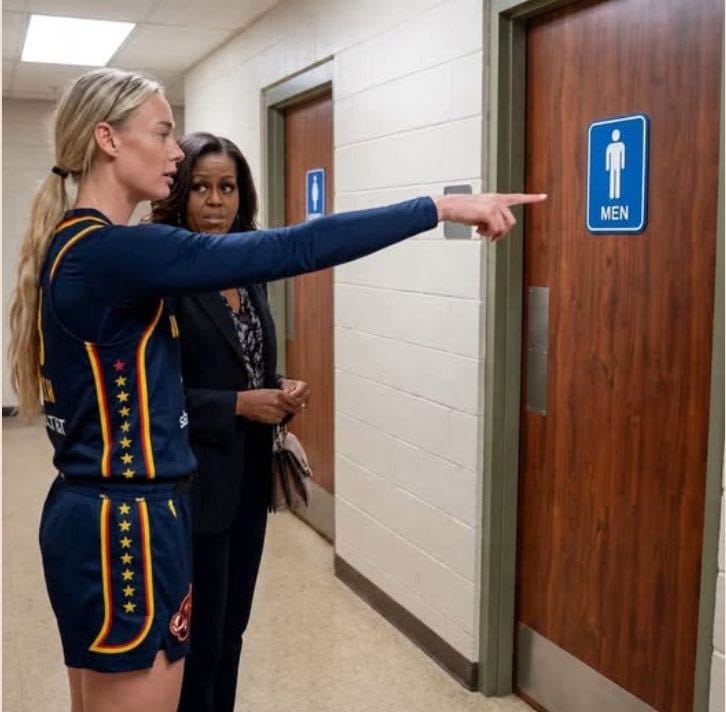
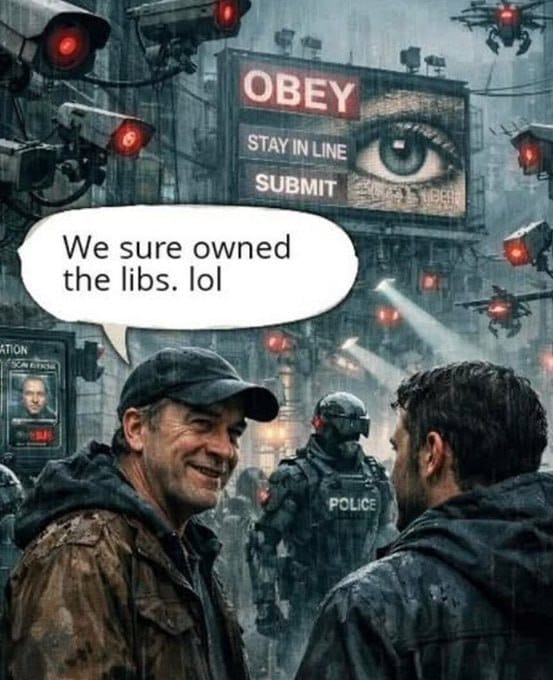
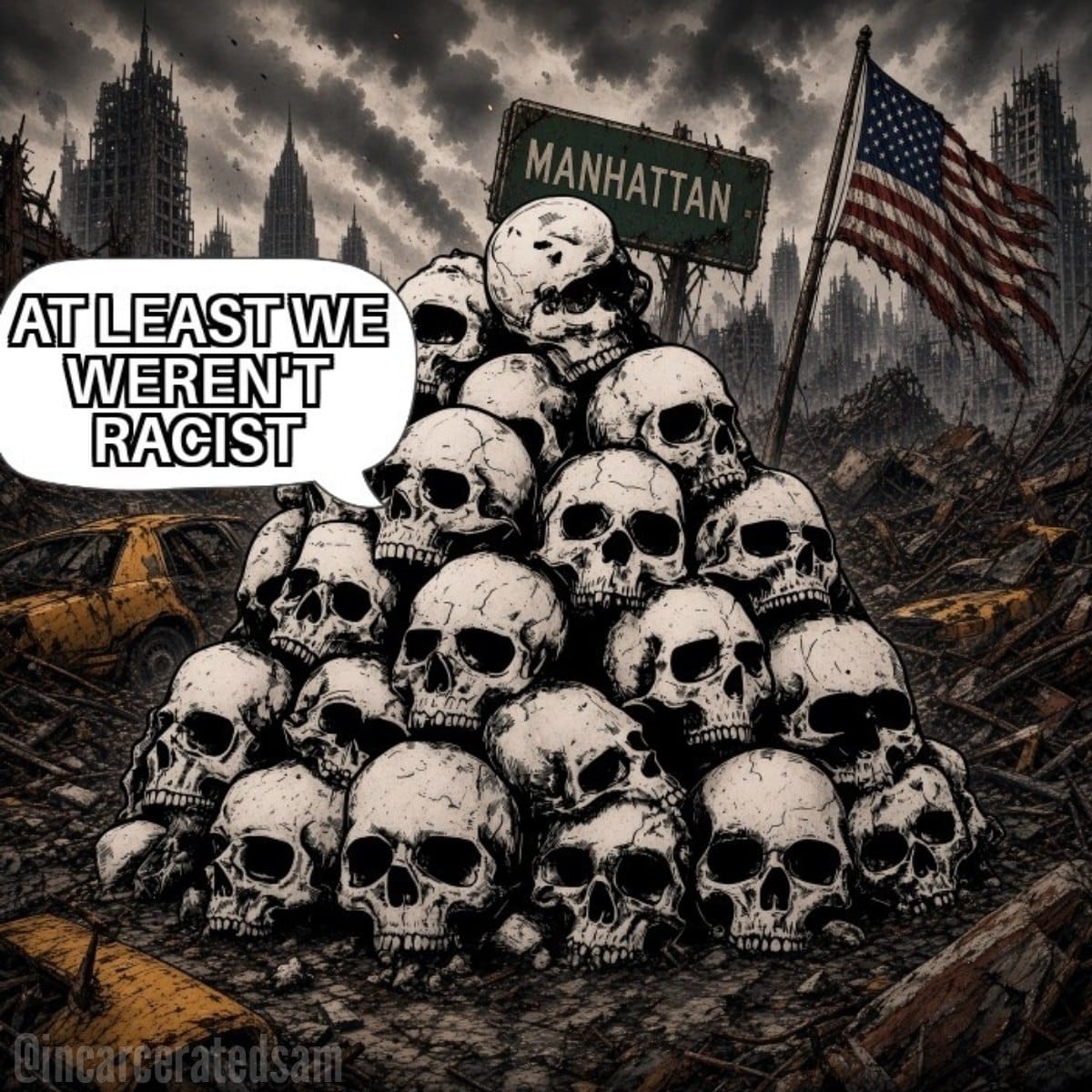
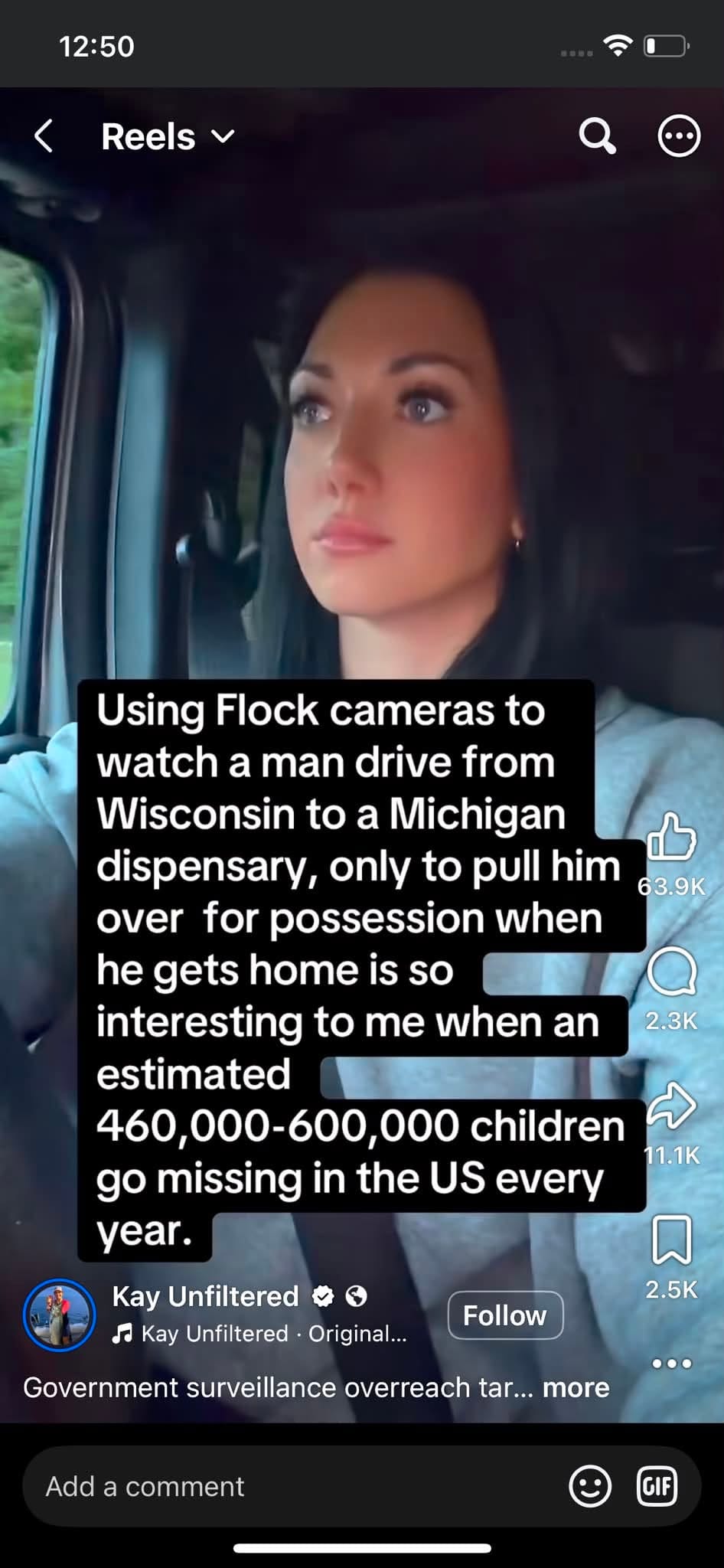
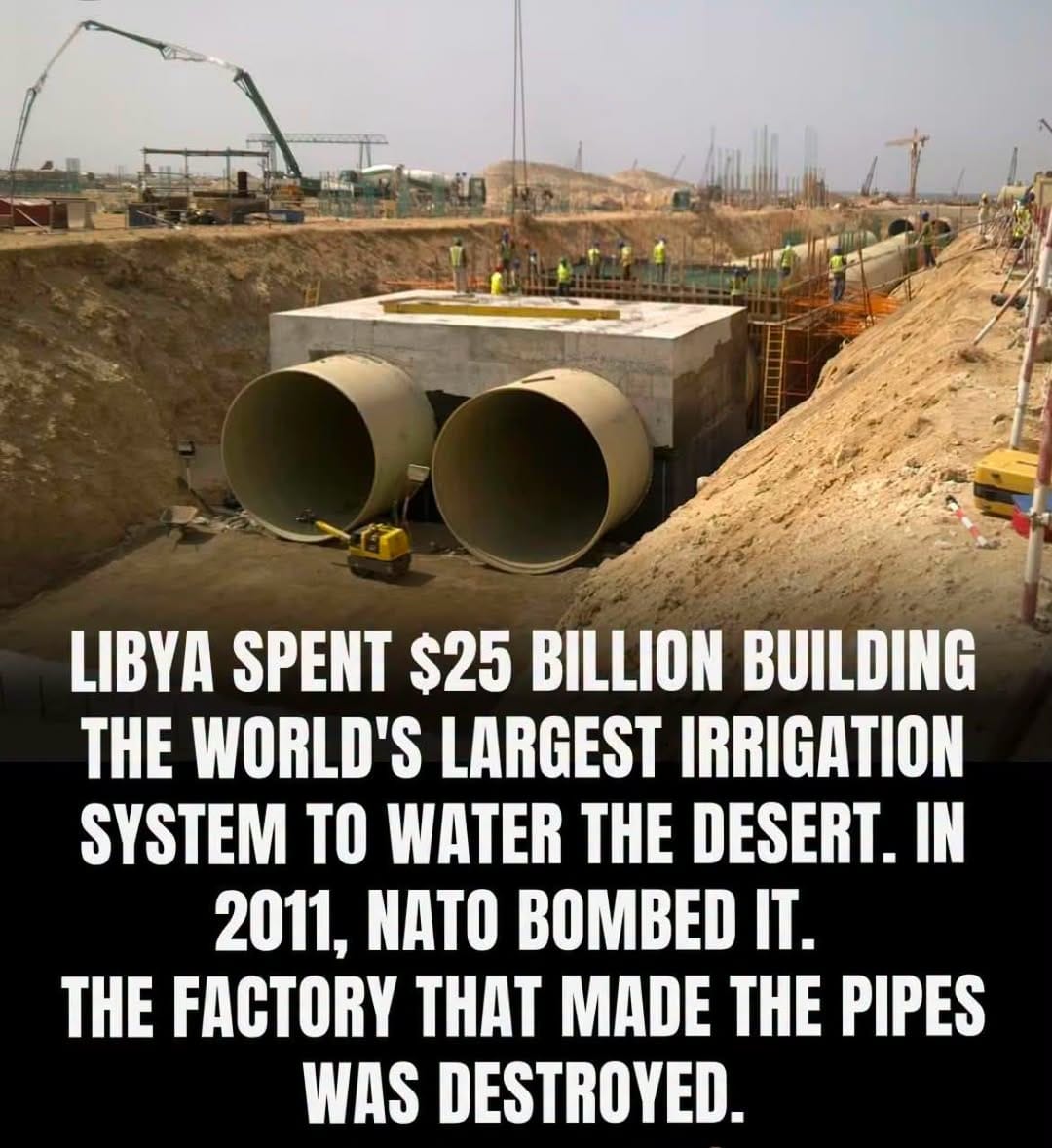
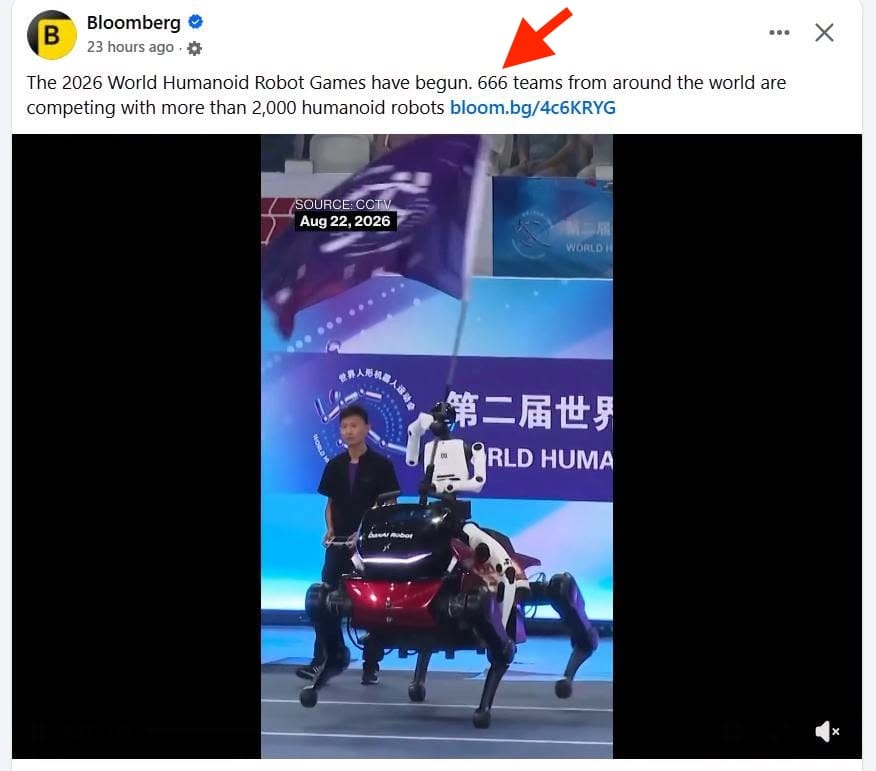
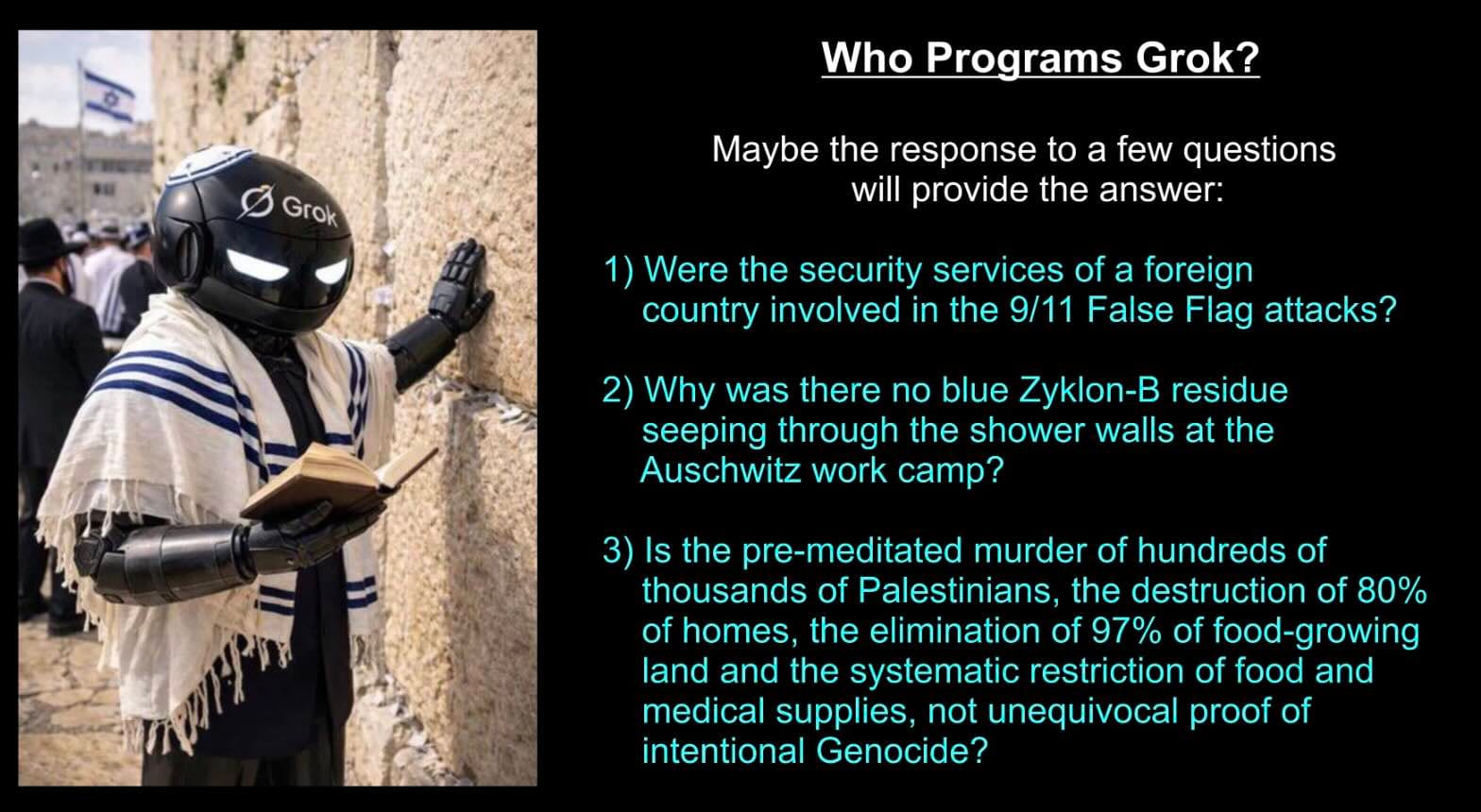
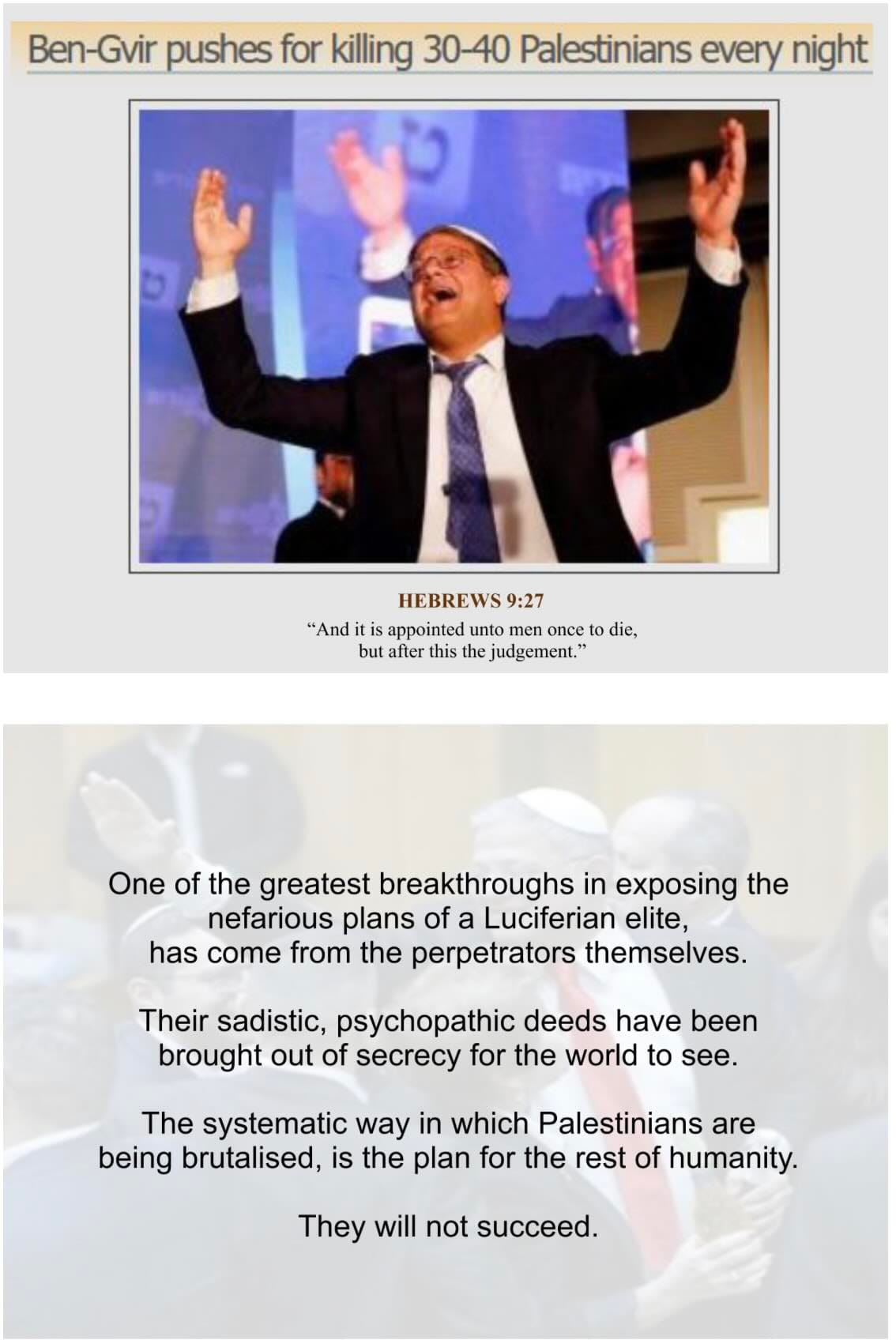
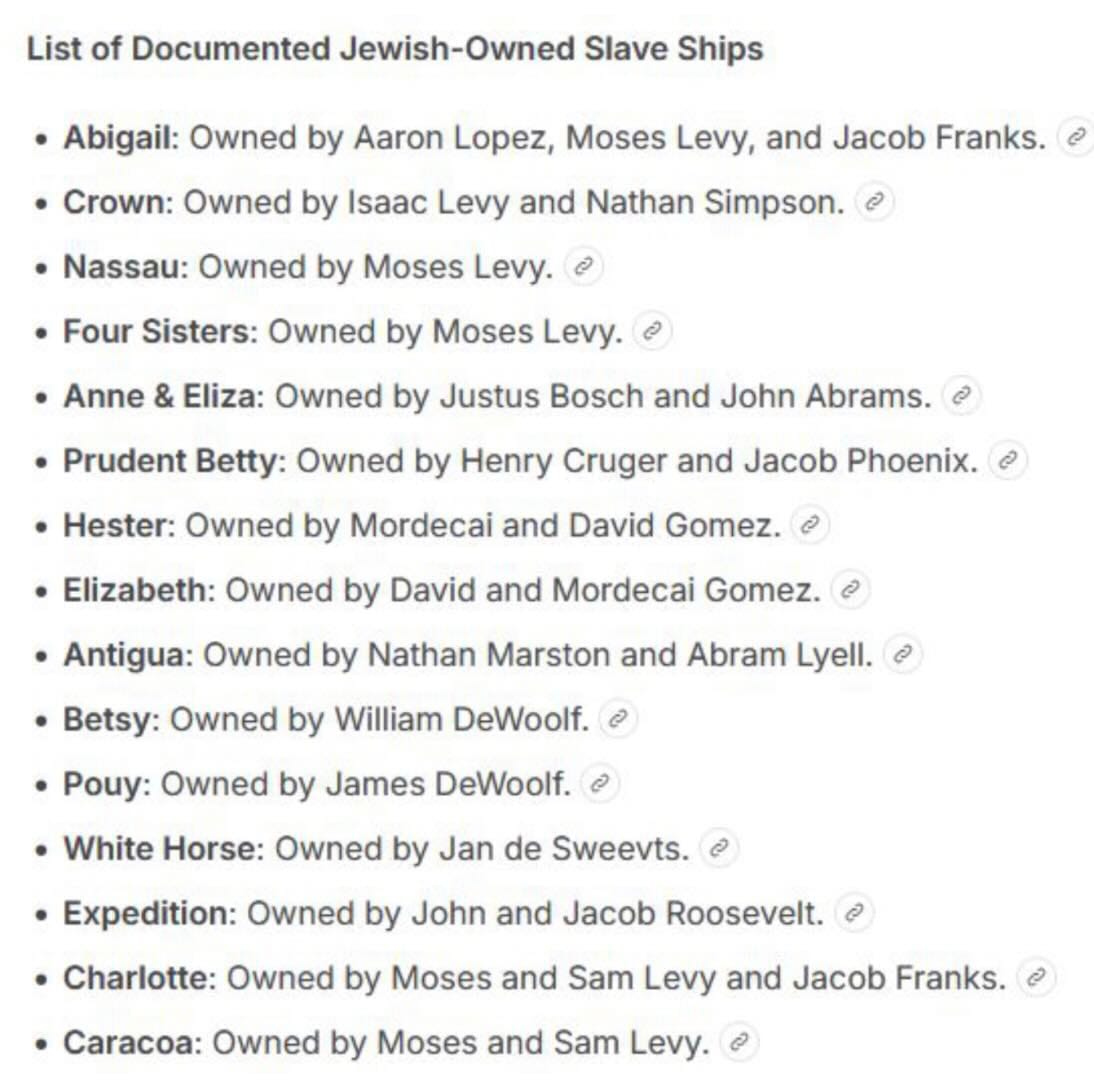
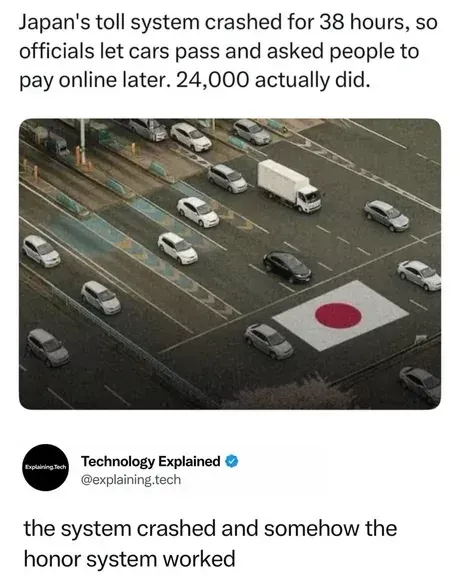
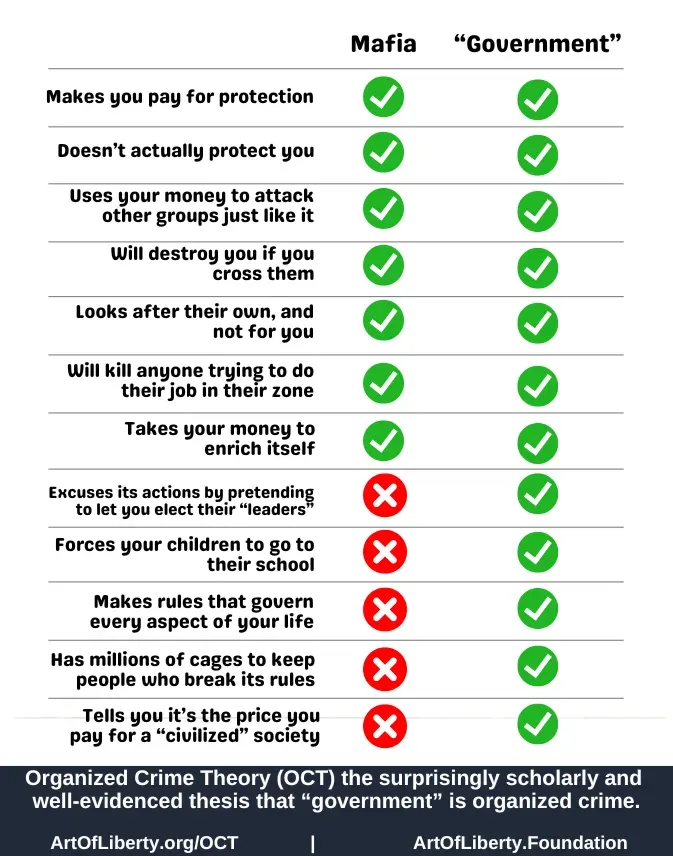
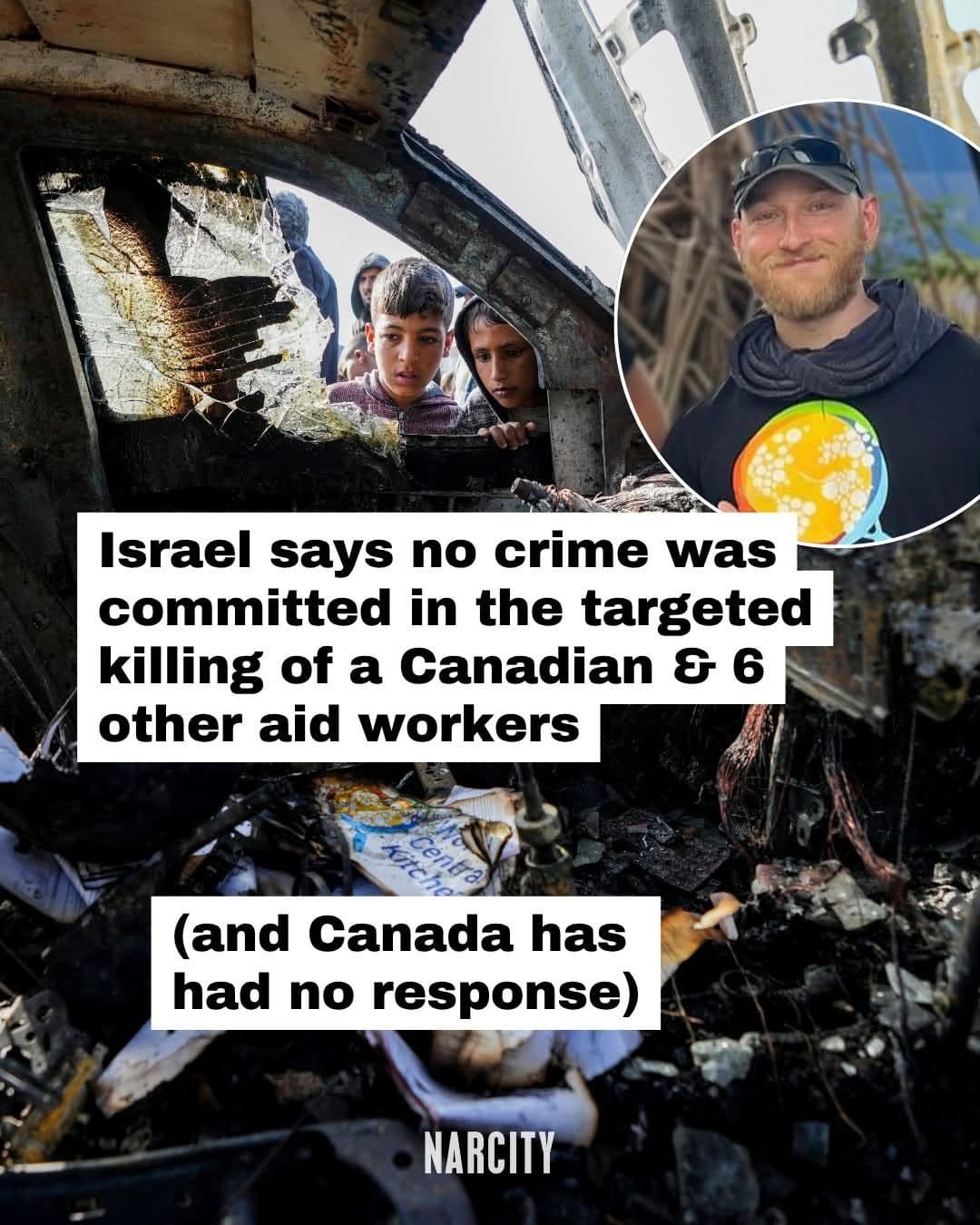
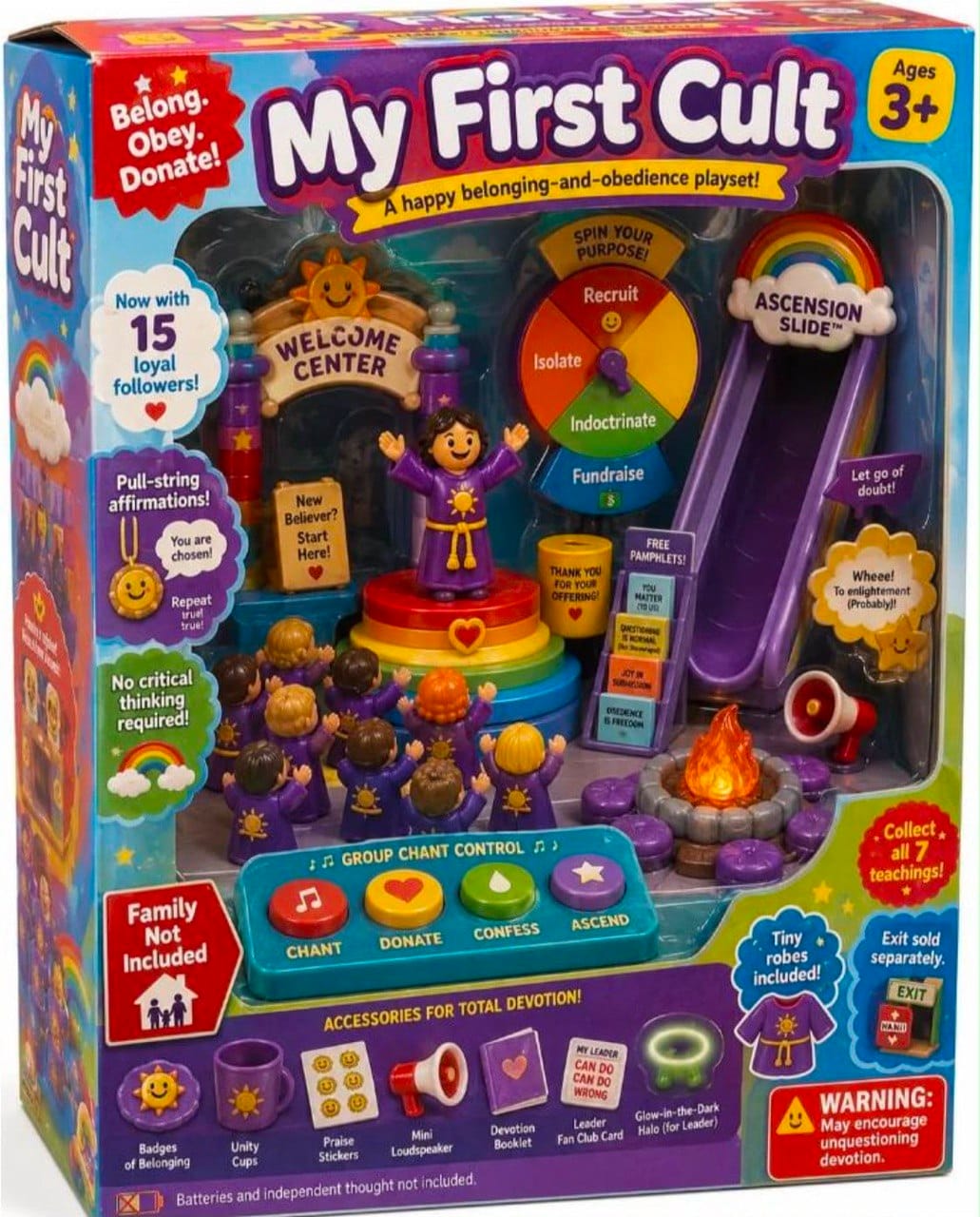
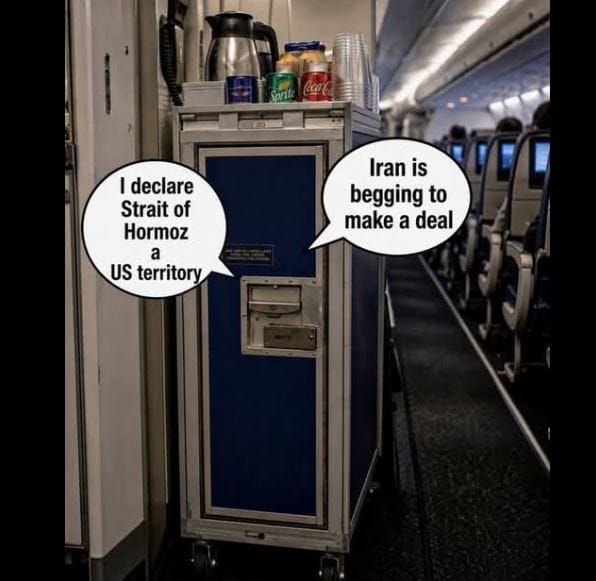
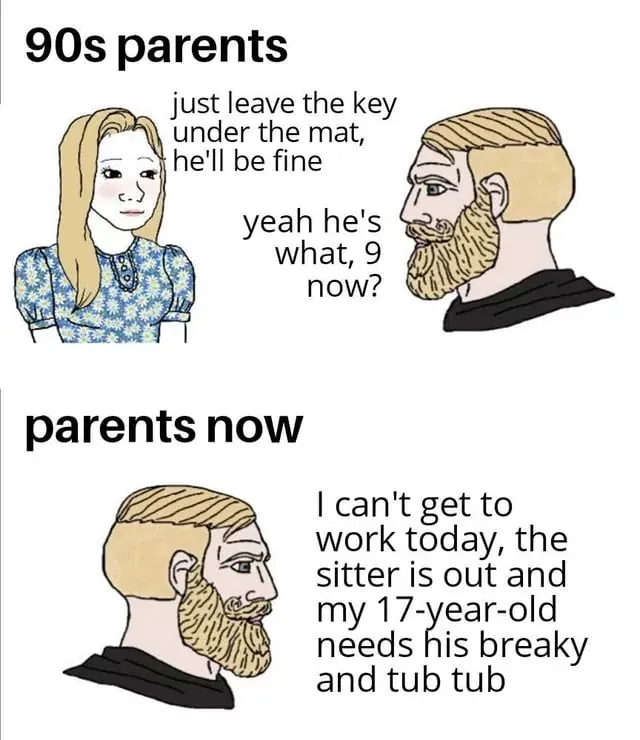
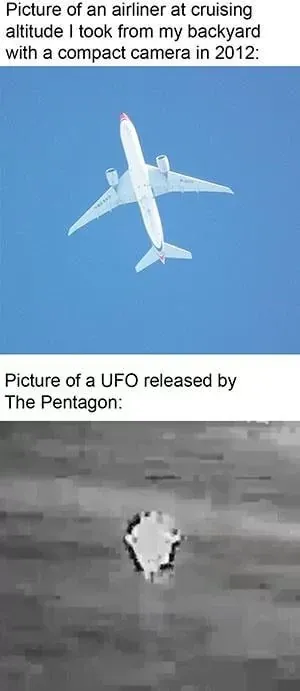
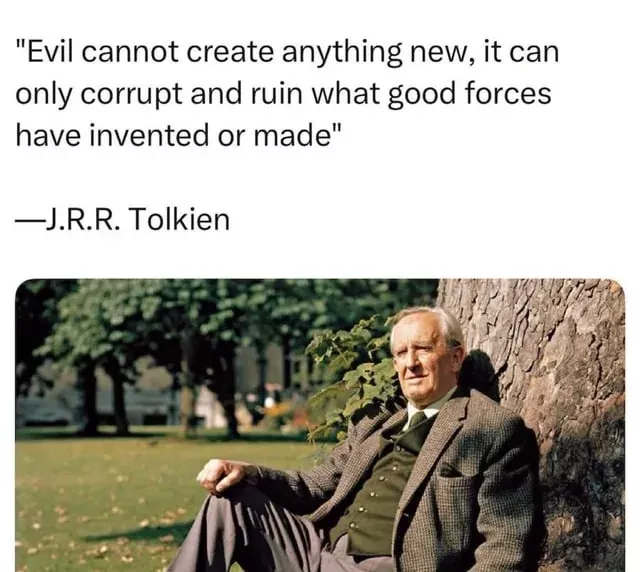
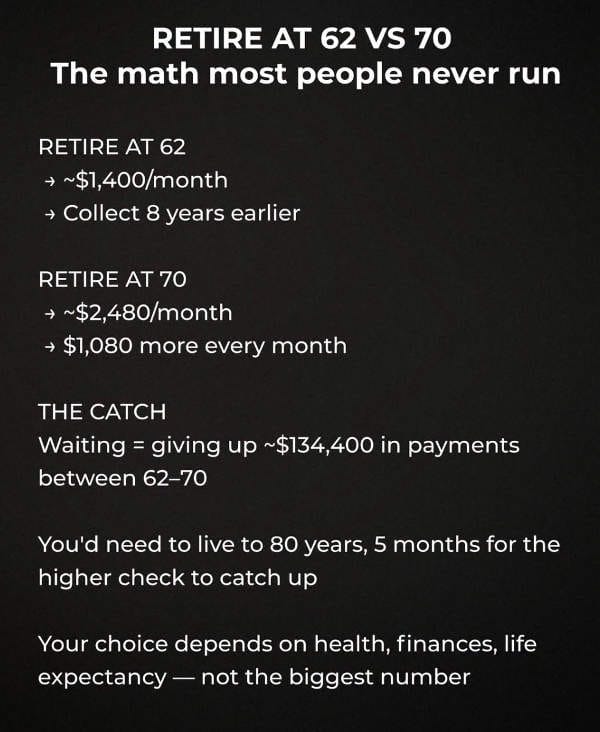
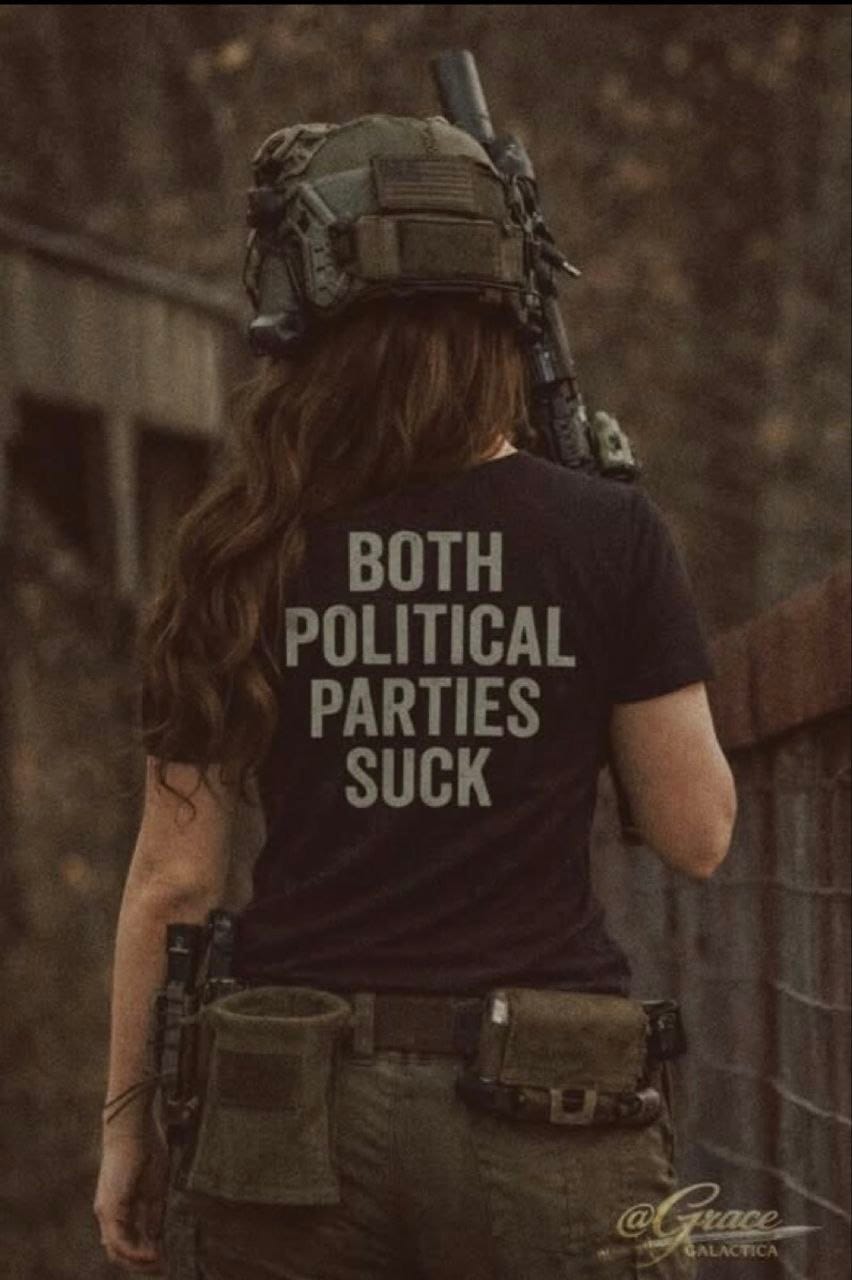
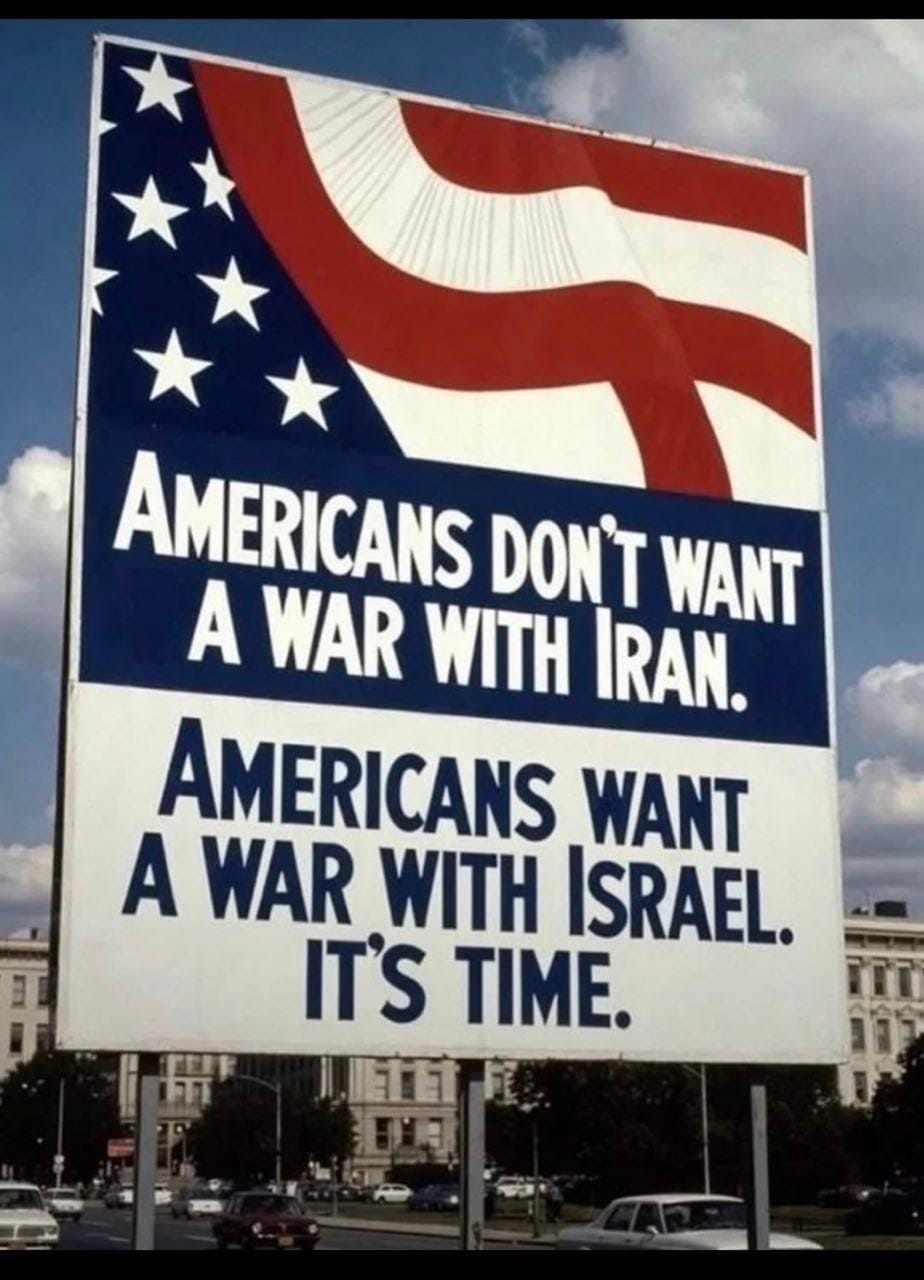
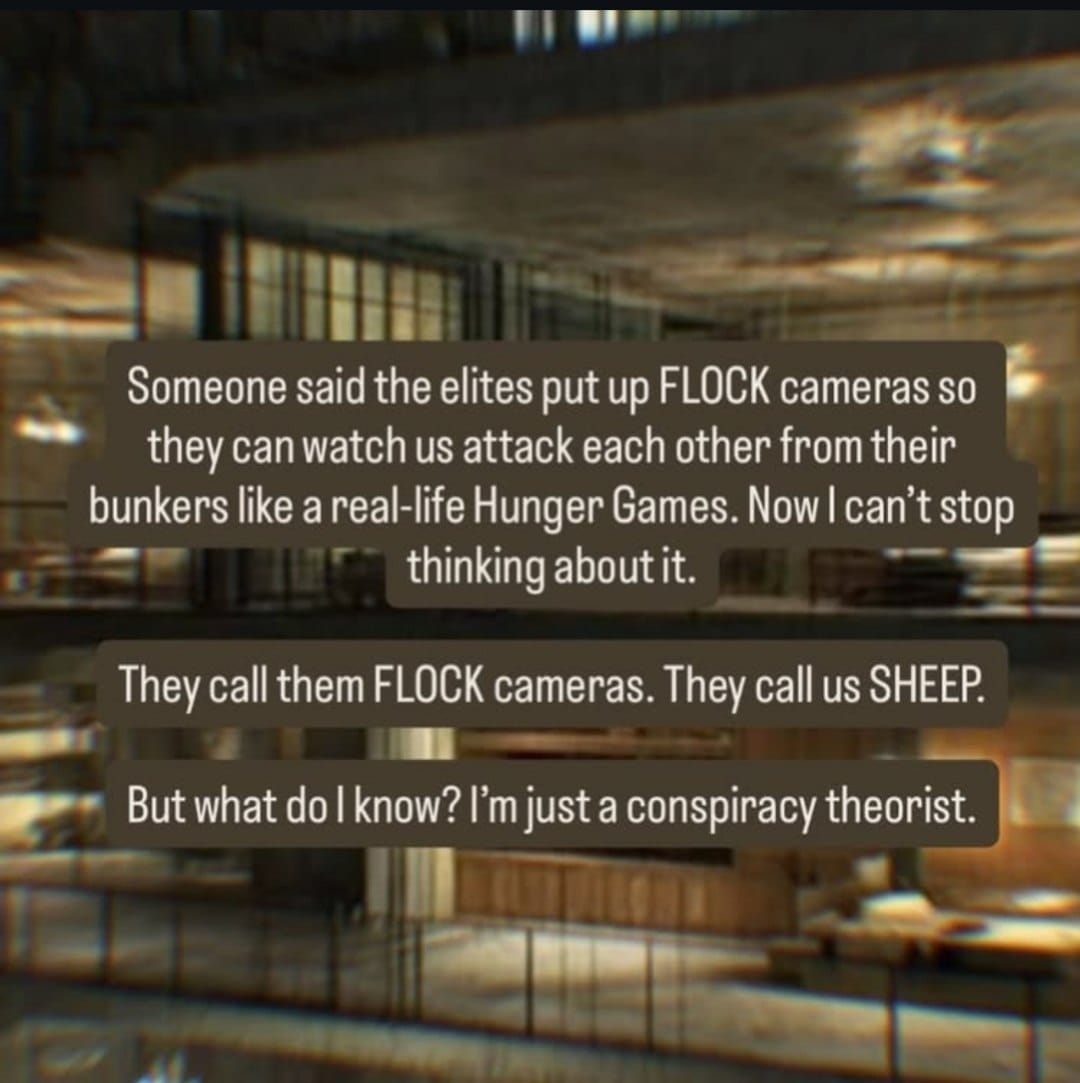
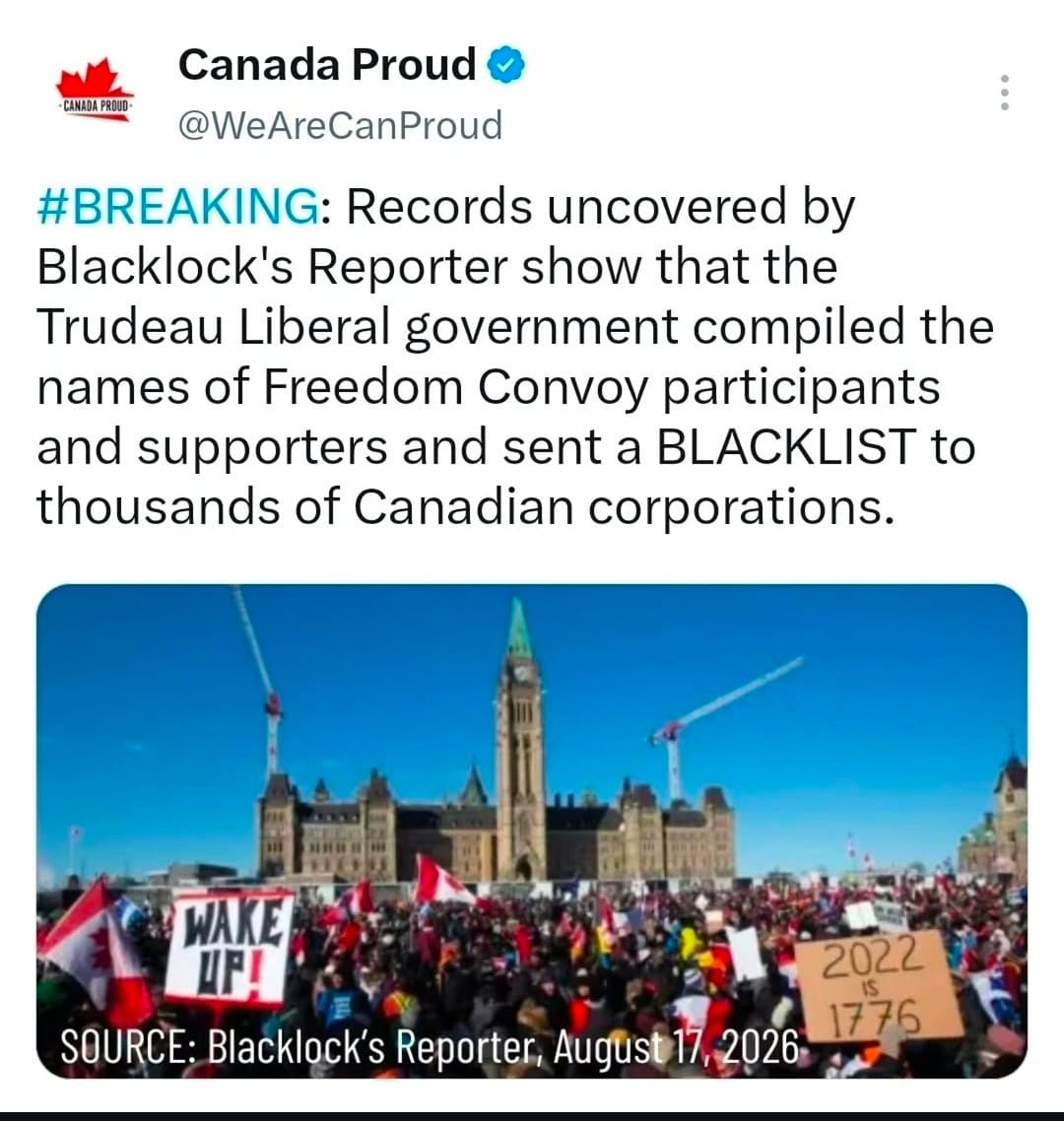
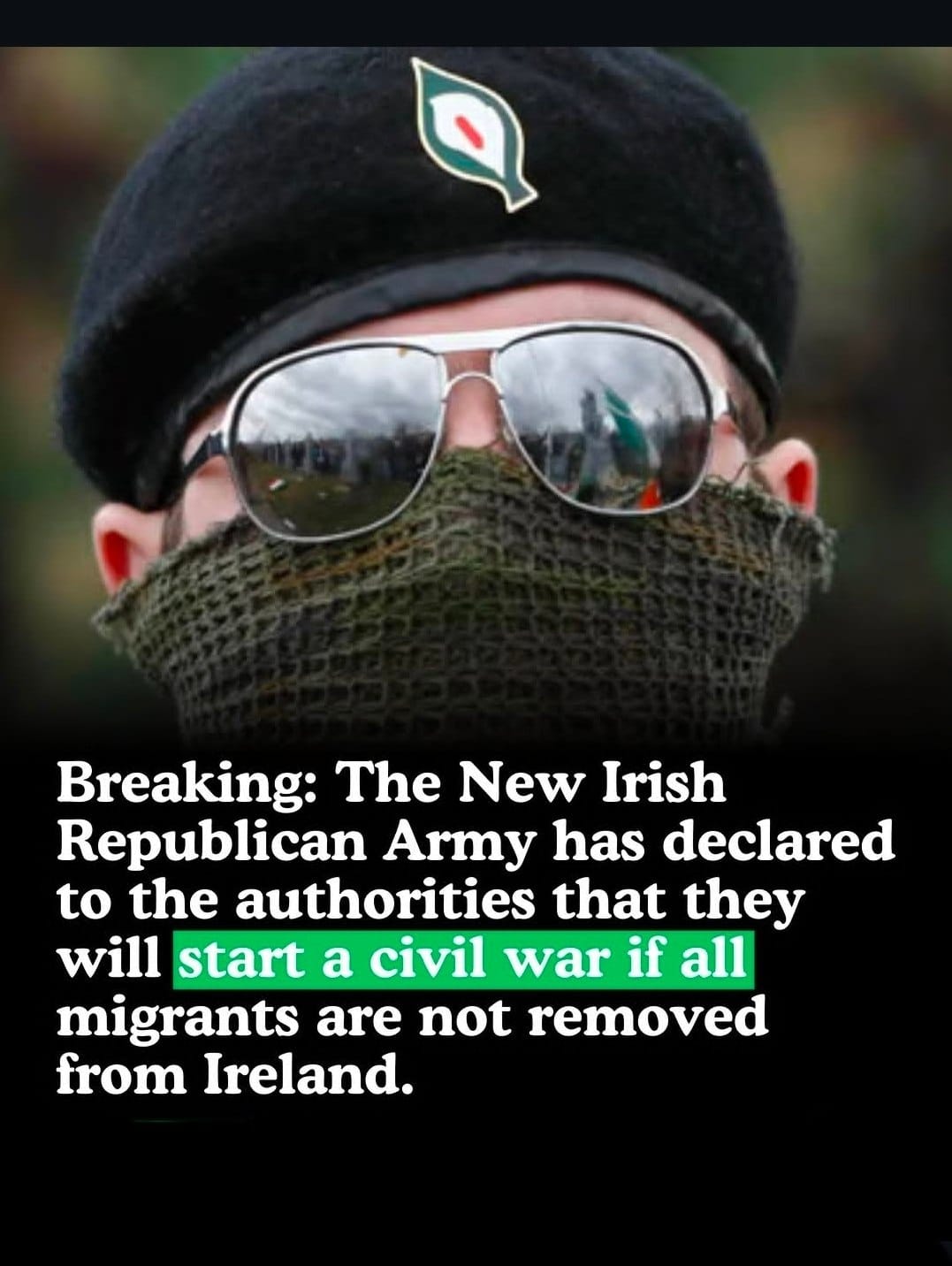
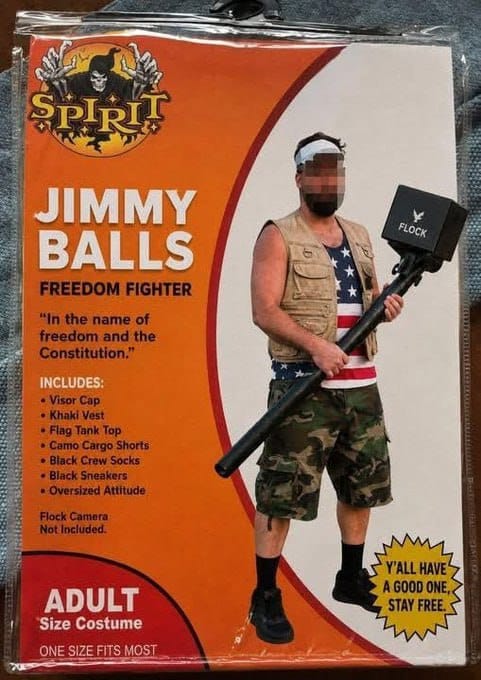
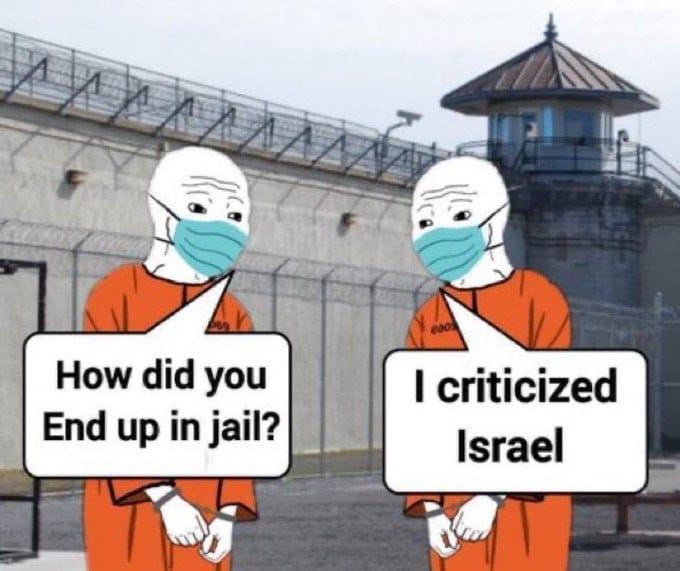
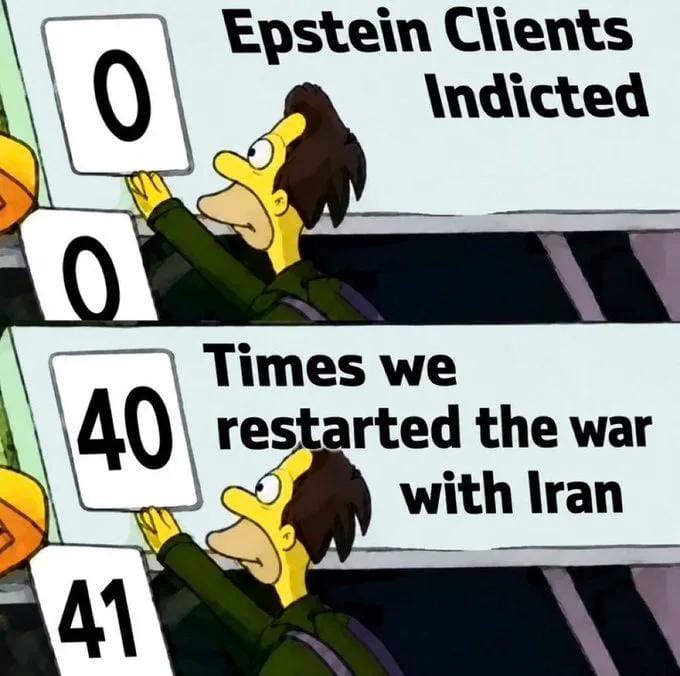
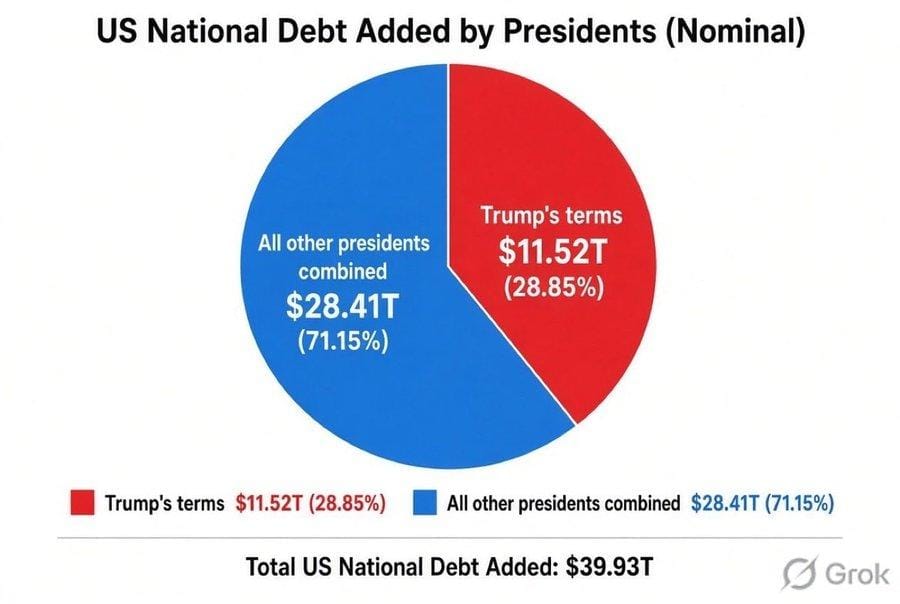
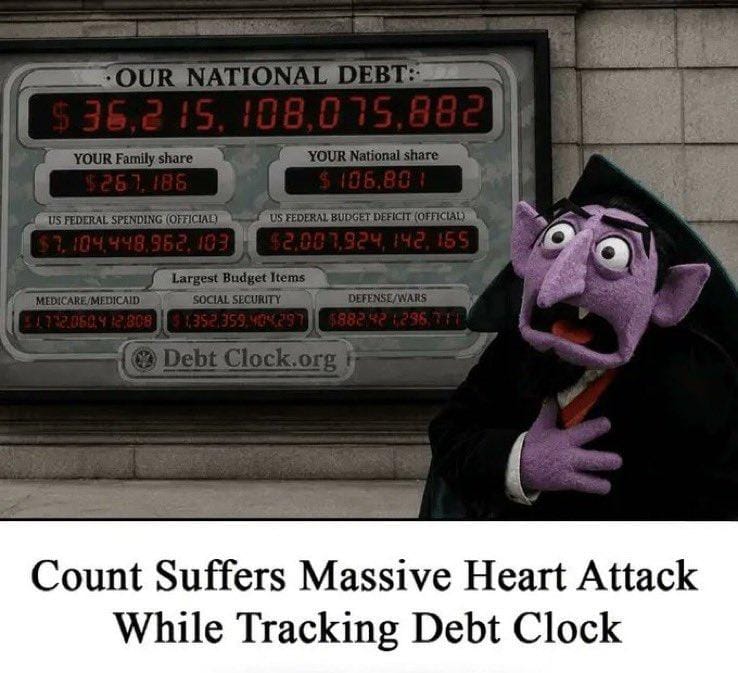
The truth is told very well with images. A picture says a thousand words, and memes a few more. These pages have lots of images and memes that focus on the truth. Click image to enlarge + use arrows to navigate.
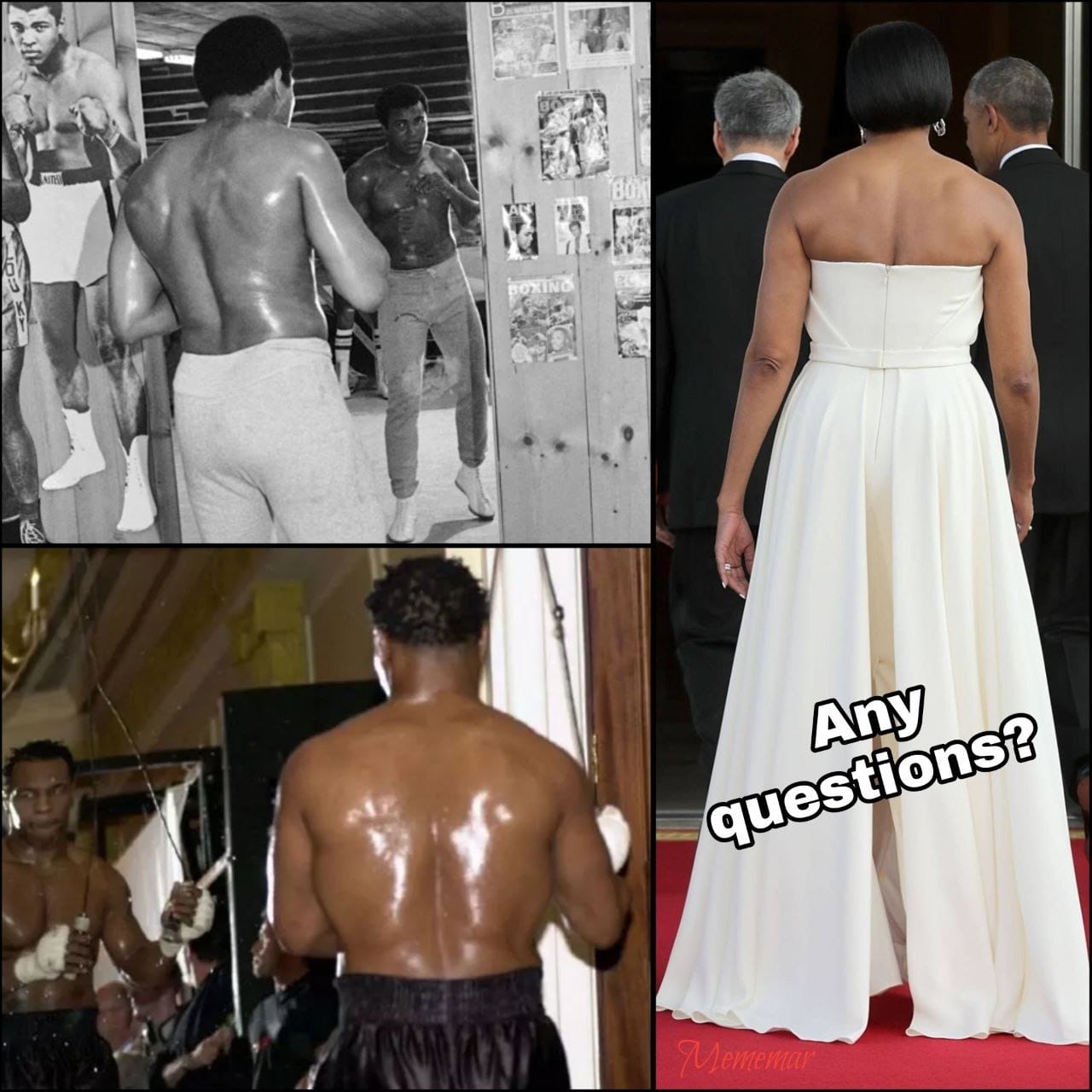
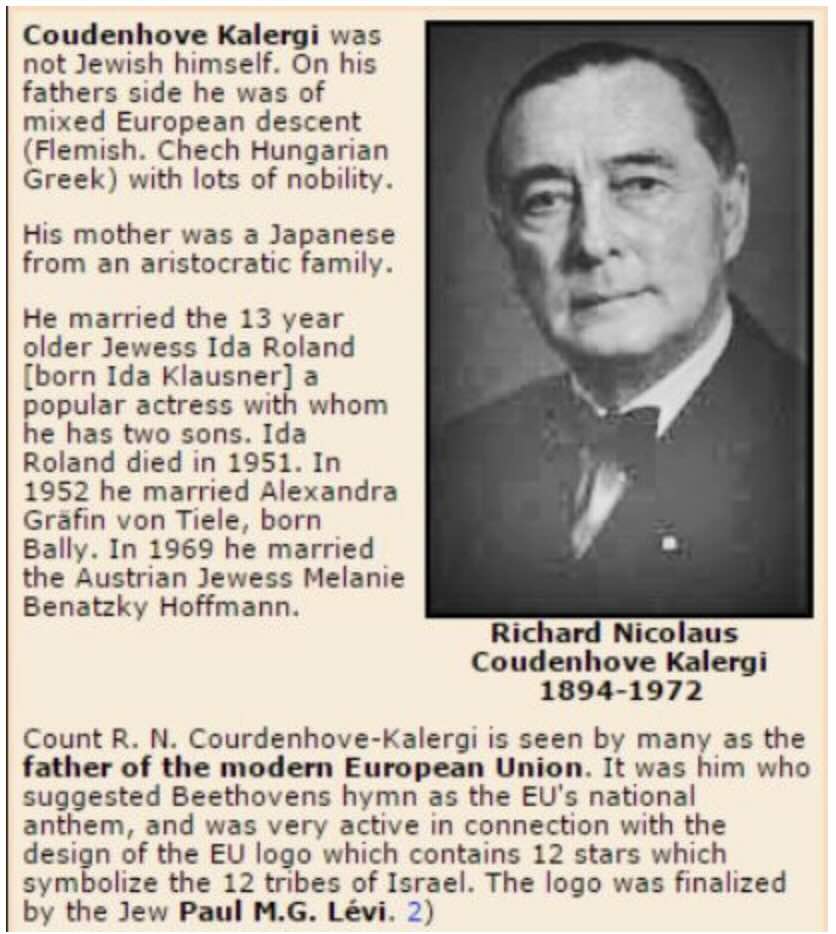
The truth is told very well with images. A picture says a thousand words, and memes a few more. These pages have lots of images and memes that focus on the truth. Click image to enlarge + use arrows to navigate.
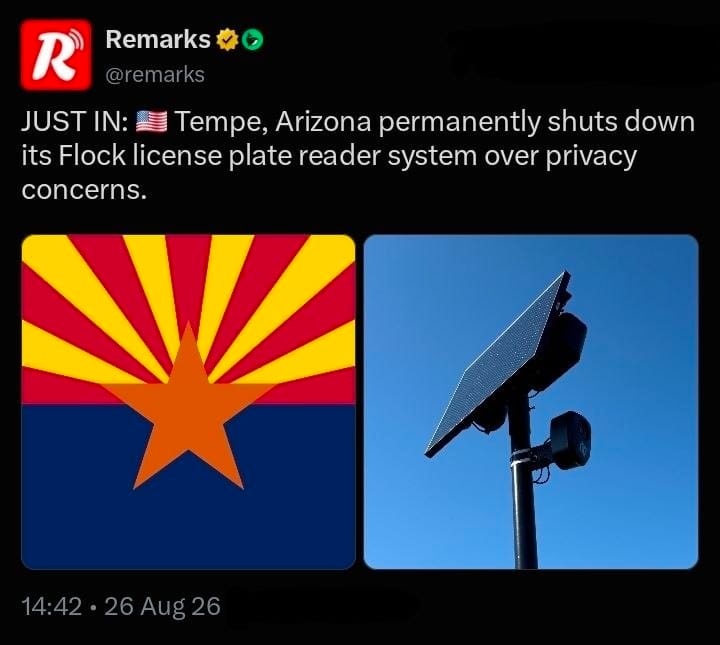
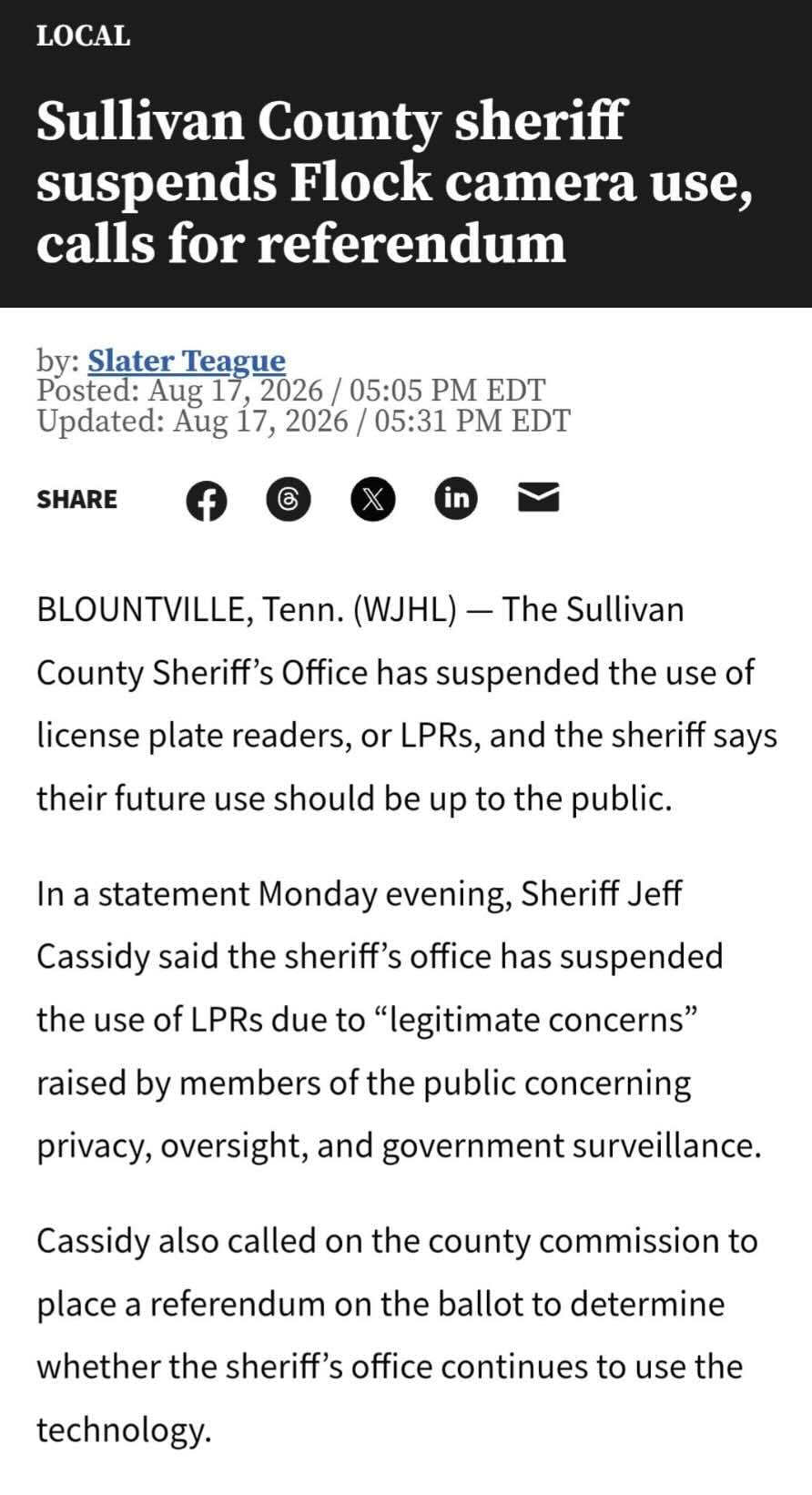
The truth is told very well with images. A picture says a thousand words, and memes a few more. These pages have lots of images and memes that focus on the truth. Click image to enlarge + use arrows to navigate.
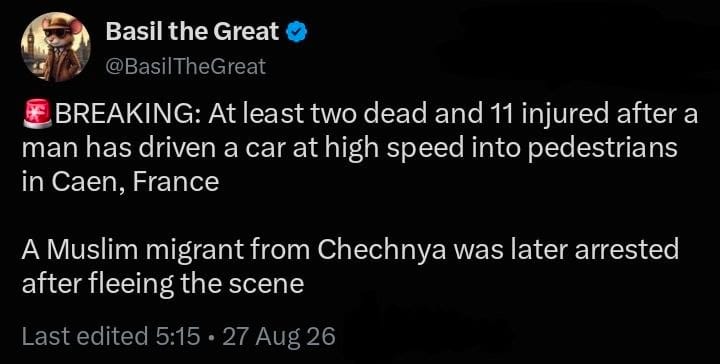
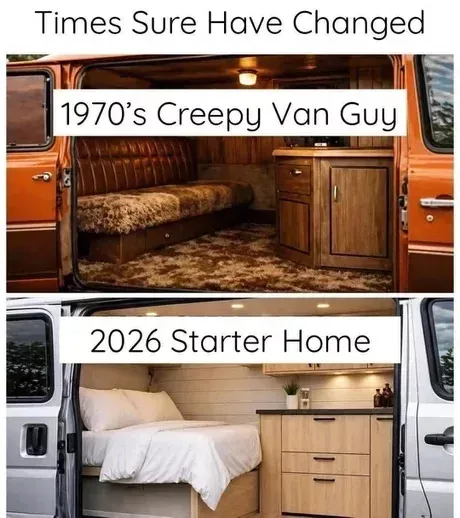
The truth is told very well with images. A picture says a thousand words, and memes a few more. These pages have lots of images and memes that focus on the truth. Click image to enlarge + use arrows to navigate.
The European Commission wants to cut the EU’s public procurement rulebook from around 900 pages to 200, in a sweeping reform that aims to simplify tendering while giving governments greater scope to favour European economic and security interests, writes Catherine Feore.
Executive Vice-President Stéphane Séjourné held up the existing body of rules alongside its much slimmer replacement, to illustrate his point.
“These here are the European rules which currently govern public procurement in Europe: 900 pages,” he said. “And this is what we are proposing today… down to 200 pages.”
The proposed Public Procurement Act would replace three EU procurement directives with a single regulation, with a view to simplifying procurement provisions spread across 26 sectoral laws and cutting the number of procedures from five to three.
The Commission estimates the changes could save businesses and public authorities €650 million a year in administrative costs.
The reform matters because of Europe’s massive purchasing power involved. EU public procurement exceeds €2.5 trillion annually, around 15% of EU GDP, covering everything from trains and hospitals to energy infrastructure, schools and IT systems.
From lowest price to strategic purchasing
The proposal is not just about cutting red tape. Brussels wants governments to use their purchasing power more strategically.
The Best Price-Quality Ratio would become the standard method for awarding contracts, with quality normally accounting for at least 30% of the assessment and 50% for labour-intensive contracts. Authorities could consider environmental and social performance, innovation, security and resilience alongside price.
The commitment to a so-called European preference has been tempered by the EU’s international commitments, but access can be restricted when a country doesn’t reciprocate market access. Restrictions could also be imposed where reliance on foreign suppliers creates security-of-supply dependencies or threatens EU economic security.
“European public money should, wherever possible, create jobs, investment and opportunities in Europe rather than filling the order books of our competitors,” Séjourné said.
Five procurement procedures would become three: open, dynamic and innovation procedures. Each would allow negotiation between buyers and bidders.
The Commission also plans an integrated EU digital procurement marketplace connecting national e-procurement platforms. A company registered through one connected system should be able to bid elsewhere in Europe without repeatedly submitting the same documentation. This is intended to reduce bureaucracy and tackle one of the current system's weaknesses: too little competition, particularly from SMEs and companies bidding across borders.
National, regional and local priorities may appreciate this flexibility in theory, but constrained budgets often mean that price will remain the bottom line for many. This legislation offers greater freedom in determining needs, but it remains to be seen what its impact will be.
The European Commission calls it the Affordable Housing Act and says it can “truly bring a change in people’s lives”. But how much will it actually do to make housing more affordable, asks Catherine Feore?
The tension at the heart of the proposal is that Brussels is making ambitious claims about tackling the housing crisis while simultaneously making clear that it is not imposing new housing policies on governments or cities.
Commission President Ursula von der Leyen says the measure fulfils a promise to tackle housing affordability, describing it as “one step in this direction” and declaring: “Today, we are delivering for all Europeans.” Housing Commissioner Dan Jørgensen went further, saying the Act gives governments and cities tools to “make more affordable homes available”.
Yet the proposed legislation itself is considerably more cautious. The Commission acknowledges that insufficient housing supply is the structural cause of the affordability crisis. Short-term rentals, second homes and other non-primary uses are not the root problem, although they can exacerbate shortages and push up prices in already constrained markets.
Housing stress test
The Act principally delivers a common legal framework for authorities that choose to intervene.
Central to this is a new EU test for housing stress. An area would normally qualify where an average home costs at least eight years of disposable per-capita income, that ratio has increased over the previous decade, and pressures are unlikely to ease over the next three years. At a ratio of ten or more, the historical deterioration test is dropped. Population dynamics, housing supply and demand must also be assessed.
Authorities could then restrict short-term rentals outside a host’s primary residence or tackle second homes, prolonged vacancy and certain other non-primary uses. But there is no obligation. They must also demonstrate that the activity has significantly harmed housing affordability or availability for at least three years, and any restriction must be targeted, necessary and proportionate. This seems to set a high bar of evidence for most local authorities.
Currently, local authorities must notify the Commission of short-term rental restrictions under the Services Directive. That notification requirement will no longer be required. Cities can use the new framework without seeking prior Commission approval, although measures must be published and remain open to legal challenge. Officials argue this will remove a burdensome procedure and make intervention easier.
But the Commission is equally explicit about what it is not doing. The Act does not regulate rents, harmonise housing policy, give Brussels new housing competences, dictate taxation, inheritance or planning, or require, recommend or encourage authorities to impose restrictions. Housing policy choices “remain national, regional and local”.
Executive Vice-President Teresa Ribera says that when markets fail to provide affordable homes, “public authorities have a responsibility to act”. But the Act does not compel that action; it provides a stronger legal framework if authorities choose to act independently.
Its impact could be real in tourist hotspots where non-primary housing use is demonstrably worsening shortages. But it cannot itself build a home or lower a rent. The question is whether a clearer legal toolbox matches the expectations created by the Commission’s promise to tackle Europe’s housing crisis. When asked to quantify how much of a difference the new provisions could make, the Commission couldn’t give precise figures, saying that it would depend on the measures adopted.
The truth is told very well with images. A picture says a thousand words, and memes a few more. These pages have lots of images and memes that focus on the truth. Click image to enlarge + use arrows to navigate.
The truth is told very well with images. A picture says a thousand words, and memes a few more. These pages have lots of images and memes that focus on the truth. Click image to enlarge + use arrows to navigate.
by Fabio Giuseppe Carlo Carisio – Gospa News founder and director
UPDATE ON SEPTEMBER, 7, 2026
Iranian Judiciary Findings: The Bombing on a wedding ceremony by a Raytheon Weapon
«The Iranian judiciary has released the initial findings of an investigation showing that weapons used in a US bombing attack earlier this week on a wedding ceremony in the south of the country were American-made», Iranian Press TV Reported yesterday.
The head of the Iranian judiciary’s local branch in the southern province of Hormozgan said on Saturday that projectile fragments scattered around the site of a wedding ceremony on September 1, killing five people including a children, had been examined as part of the investigation, showing they were manufactured by US company Raytheon.
“The nature of the weapons used in the terrorist attack on civilian gatherings in Kohestak, Sirik, has been fully documented using advanced technical analysis tools and image data processing,” said Mojtaba Ghahremani.
Ghahremani said investigators had carried out a meticulous examination of the inscriptions, barcodes, and other details engraved on the projectile remains, leaving no doubt that the munitions belong to the US military.
He said the type of military thermal battery used in the ammunition revealed that it is from a series of high-voltage batteries used exclusively in the flight guidance systems of precision-guided bombs operated by US military forces.
The official said a military identification code, CAGE Code: 96214, registered on the projectile fragments directly links it to the weapons company Raytheon Missiles & Defense, a major US defense contractor and industrial corporation that manufactures weapons as well as military and commercial electronics.
The Massacre perpetrated by an AGM 154-C 500 lb Thermal Glide-Bombe
Much more important than official release is the image and the video from wreckage that at first had induced the experts to identify the weapon as am AGM-84H SLAM-ER cruise missile (read below).
The wreckage of the weapon shows that it is an AGM 154 C glide-bomb produced by Raytheon
On the tiny identification plate there is in fact the writing AGM – I 154 C-I which corresponds to the glide-bomb AGM-154 Joint Standoff Weapon (JSOW) produced by Raytheon under the stamp NAVAIR which is the matrix of the American weapons used in the joint activity formed by the US Navy and US Air Force.
The AGM-154 Joint Standoff Weapon (JSOW) is a glide bomb that resulted from a joint venture between the United States Navy and Air Force to deploy a standardized medium-range precision-guided weapon, especially for engagement of defended targets from outside the range of standard anti-aircraft defenses, thereby increasing aircraft survivability and minimizing friendly losses.
It is intended to be used against soft targets such as parked aircraft, trucks, armored personnel carriers (APCs), and surface-to-air missile sites (SAMs). Prior to launch, it is given a destination through either a predesignated waypoint or a point marked through a targeting pod. It glides, using two wings that pop out for added lift, to the marked destination and dispenses submunitions in a short, roughly linear pattern.
The designation of the Joint Standoff Weapon as an “air-to-ground missile” is a misnomer, as it is an unpowered bomb with guidance avionics, similar to the older GBU-15.
The AGM-154C is Designed to Attack Hardened Targets
But in this specific case, a more sophisticated weapon was used for the attack on the wedding ceremony…
The AGM-154C uses an Imaging Infrared (IIR) terminal seeker with autonomous guidance. The AGM-154C carries the BROACH warhead. This two stage 225 kg (500 lb) warhead is made up from a WDU-44 shaped augmenting warhead and a WDU-45 follow through bomb. The weapon is designed to attack hardened targets. It entered service with the US Navy in February 2005.
The use of this projectile minimally mitigates the implications of the attack ordered by the US Navy by US President Donald Trump; in fact, autonomous guidance oriented by the target’s heat source implies the possibility of an error that the SALM-ER guided cruise missile does not allow.
Below is a live-fire video released by the Royal Australian Air Force demonstrating the actual use of an AGM 154-C glide bomb
But at the same time, it appears to be a completely disproportionate weapon to hit a transmission tower, which, according to leaks from US officials, was the target of the attack (read detaisl below).
Therefore, the hypothesis of a targeted bombing to destroy a civilian home, as on Qeshm Island, remains valid.
This is why Iran has filed an international complaint for war crimes…
Iranian Red Crescent calls for ICC to investigate deadly US wedding attack
Iran’s Red Crescent Society (IRCS) has called on the International Criminal Court (ICC) to investigate a US missile attack on a wedding reception in the country’s southern province of Hormozgan, which killed at least five people and wounded 68 others.
The deadly incident occurred when shrapnel from a US attack struck a residential building where a wedding reception was being held in the city of Kouhestak, in Hormozgan’s Sirik County on Tuesday.
In a letter to the ICC’s Office of the Prosecutor, the IRCS said the attack raised serious concerns under international humanitarian law and warranted an independent, impartial, thorough and effective investigation.
“Given the reported civilian character of the location as the venue of a family wedding ceremony, as well as the presence of civilians at the site, the incident raises serious concerns under international humanitarian law and warrants an independent, impartial, thorough, and effective investigation,” the organization said.
The IRCS said preliminary information initially indicated that four people had been killed and 67 others wounded. Iranian health officials later raised the toll to at least five fatalities and 68 injuries, with a child among those killed.
The IRCS warned that the number of casualties could rise because some of those wounded were in critical condition.
FIRST POSTED ON GOSPA NEWS ON SEPTEMBER, 4, AT 7,28 AM GMT + 2 (Italy)
A US-made AGM-84H cruise missile among the wreckage after American strike on a wedding
A US-made AGM-84H SLAM-ER cruise missile has been identified among the wreckage following the American strike on a wedding ceremony in Sirik, southern Iran, late Tuesday, adding further evidence of the US military’s role in the attack that killed and wounded civilians.
Weapons analyst Trevor Ball identified the remnants as belonging to the SLAM-ER, a precision-guided, air-launched cruise missile manufactured by Boeing, according OsintWarfare which posted on X the first video of wreckage and was quoted by Al Mayaeedn English Lebanese TV.
Boeing describes the SLAM-ER as being the most accurate air-launched munition in the US Navy’s arsenal;
Enlargement of the piece of a U.S. AGM-84H SLAM-ER among the wreckage in the wedding massacre in Sirik posted on X by @OsintWarfare
Trevor Ball, a former US Army explosive ordnance disposal technician who now works as a weapons technical analyst for Armament Research Services, was among the experts asked by Reuters to examine the photographs and video.
“The damage seen appears to be from a munition which detonated on contact with the roof, or just above the roof,”he said, adding it was apparently a direct hit.
The strike in the small town of Kuhestak on Tuesday killed five people and injured at least 70 others.
The Exclusive Video of the Wreckage
VIDEO LEGEND:
1st footage – The US-made AGM-84H SLAM-ER cruise missile has among the wreckage following the American strike on the wedding cerimony
2nd footage – Children’s slippers lie scattered in the aftermath of the US aggression at a wedding in Sirik, where civilians, including children, were killed and dozens more were injured. Footage from the scene shows slippers belonging to women and children amid the destruction.
After this initial analysis, both Iranian and international sources tried to identify the weapon, with some ballistics experts even launching the bizarre hypothesis that it was a ricochet shot, a hypothesis considered unlikely by most, however.
The Reuter Experts confirmed our Investigation
But one thing seems certain…
«A US munition struck a home hosting a wedding celebration in southern Iran directly, rather than ricocheting from another target, weapons experts who reviewed images and video verified by Reuters revealed» Al Mayadeen reported.
The strike in the small town of Kuhestak on Tuesday killed five people and injured at least 70 others.
So on Thursday, US Vice President JD Vance he was induced to declare that Washington was investigating the incident, despite the initially Pentagon deny of any responsibility…
“We’re investigating it because obviously we care. We want to know,”Vance said during a White House press briefing.
«Four military weapons experts who checked visual material told Reuters that the damage was consistent with a direct strike rather than secondary damage caused by a munition ricocheting from another target. Three of the experts stressed that the weapon was likely American rather than a misfired Iranian air defense missile» Al Mayadeen added many hours after its and our first articles posted on September 4, at 7,28 AM GMT + 2 (Italy)
The main room of the weddin cerimony in Sirik
Two US officials, speaking anonymously, said the US military had conducted strikes near Kuhestak on Sept. 1, with the town’s telecommunications tower as a specific target.
Satellite imagery places the tower about 135 meters from the wedding site. Iranian media reported that the tower was struck at about 9:30 pm local time.
But the same expert Trevor Ball debunked US Official speculation…
“The visible blast damage could not result from fragments from the nearby strike on the communications tower striking the area,” he stressed.
A Likely Trump’s US Navy Deliberate Massacre on Iranian Wedding
AGM-84H SLAM-ER cruise missile is a weapon designed for precise strikes and can be retargeted during flight by a human operator.
Therefore, if it were confirmed that this very powerful rocket, the wreckage of which was found on site, was used, the issue would take on an unprecedented gravity.
But in Tehran, there is a very serious religious theocracy, armed above all with hypersonic missiles, and perhaps even nuclear ones, donated by Russia, China, or North Korea…
Speaking about the attack, Head of Iran’s Expediency Discernment Council Sheikh Amoli Larijani said, “The crime in Sirik and the killing of unarmed women and children embody the savage nature and deceptive self of the United States, and expose the falsehood and audacity of those who trade in human rights.”
Sirik mourns victims killed in US attack, including a 4-year-old
A four-year-old child was among four people laid to rest in the southern Iranian city of Kuhestak on Thursday, as grieving families and residents gathered to bid farewell to loved ones killed in a US attack on the area, Al Matadeen Lebanese TV reported.
The funeral ceremonies in Kuhestak, in Sirik County of Hormozgan Province, began at 4 pm from a street at the city’s entrance, with mourners walking together toward the city’s Martyrs’ Cemetery, where the victims were laid to rest.
The authorities identified the four victims as four-year-old Amirali Karimi, 16-year-old Mohammad Mollahi, 43-year-old Kolthoum Mollahi Nezhadnia, and 50-year-old Zarkhatoun Taheri.
According to the announced figures, the US aggression left 68 people injured, several of whom remain under medical treatment. Al Mayadeen’s correspondent reported that the death toll from the US aggression targeting the wedding ceremony in Sirik had risen to five.
VIDEO – “Horrific, appalling”: Iran urges UN Security Council to condemn deadly US attack on wedding ceremony
Iran has called on the UN Security Council to condemn an unprovoked and deadly US attack on a residential home hosting a wedding ceremony in southern Islamic Republic that led to the martyrdom of five civilians, including a four-year-old child, and injured more than 70 others.
Gholamhossein Darzi, the Islamic Republic’s ambassador and chargé d’affaires to the United Nations, made the appeal in a letter addressed to UN Secretary-General Antonio Guterres and the president of the Security Council on Wednesday following a new wave of such American strikes targeting southern Iranian cities, which together claimed the lives of at least 18 people and wounded 108 others.
IRGC vows Revenge for US wedding attacks: “will never go unanswered”
The chief commander of the Islamic Revolution Guards Corps (IRGC) has said that the blood of those killed in a US attack on a wedding ceremony in Kouhestak, Hormozgan Province, “will never go unanswered” and that it will ultimately “catch up with those who ordered and carried out this heinous crime.”, Iranian Press TV wrote.
State media reports debris recovered from a home attacked in southern Iran during a wedding celebration was “most likely” from a US-made, AGM-154 Joint Standoff Weapon – a guided-glide munition, also Al Jazeera reported before the exatly identification as pieces of a US-made AGM-84H SLAM-ER cruise missile
Broadcaster IRIB said images released by US Central Command of attacks in southern Iran showed a F/A-18 Super Hornet loaded with a similar munition.
Another Trump’s Heinous War Crimes in Iranian Genocide caused US Troops Deaths
The targeted house was 200 metres (650 feet) from a communications tower, and the strike could not have been an error given the munition’s accuracy, reports said.
The Sirik strike came amid a renewed wave of US aggression against Iran, with American forces targeting sites across the country’s southern provinces.
Iranian authorities reported attacks on Bandar Abbas, Jask, Minab, Chabahar, Konarak, Lengeh, Qeshm Island, and other areas, including communications and service infrastructure.
The escalation prompted Iran to launch retaliatory missile and drone strikes against US military positions across the region, including bases in Jordan, Bahrain, Kuwait, the UAE, and Erbil, in which several US troops lost their lifes in the name of Trump’s Zionist.
The heinous Trump’s Military strikes on civilians in Iran caused a genocide of more than 7 thousand people.
In mid-August, The New York Times lost a defamation lawsuit in Alabama. It’s the first such case the paper has lost in more than half a century. Back in 2023, the Times reported that a University of Alabama basketball player named Kai Spears was at the scene of a fatal shooting—information that turned out to be false, and based on a single anonymous source. A jury found the paper liable for damages to the tune of $9.25 million. Ryan Phillips, the only reporter to attend the duration of the defamation trial, describes the experience:
Chief among the post-publication issues was the Times‘ reluctance to issue a correction or retraction when it became immediately clear that Witz’s anonymous source had been wrong in their assertion that Spears was in Miller’s car during the shooting.
The jury heard lengthy testimony about how the newspaper published “updates” in the form of “Editor’s Notes” to the online story to reflect each new denial coming from the University of Alabama, UA Director of Athletics Greg Byrne, Spears’ father, and then the Alabama walk-on himself in an Instagram post.
Apart from the updates, which the Times argued were tantamount to a correction when applying Alabama law to the evidence, the story remained unchanged until an official correction was eventually published by The New York Times on June 3, 2023.
In the new print issue of Esses, a quarterly print magazine covering motorsports and the culture around it, Duncan Fyfe writes about the most bizarre Formula One video game ever made. Centered around Gerhard Berger, a former racing driver from Austria who competed in F1 from 1984 to 1997, Gerhard Berger’s Formula 1 Quiz is a quirky video game from 1993 that raises more questions than it asks. Fyfe digs into the mystery, investigating the quiz’s grammatically awkward questions and the game’s developer, Austria Soft, whose existence is questionable. (Esses subscription may be required—consider becoming a member.)
THE REAL QUIZ, it soon becomes clear, is not a test of one’s F1 knowledge, but figuring out what the game expects to hear. This only becomes more difficult, and even sinister. Question nine: FROM WHAT COUNTRY IS JEAN ALESI REALLY? The answer is not France, where Alesi was born and grew up, and under whose flag Alesi competed for over a decade. To progress in the quiz, the game forces one to submit that Alesi was born to Italian parents, and thus is “really” from Italy.
The game’s questions all have correct answers that cannot be submitted, and yet they are less difficult to answer than these ones: Who made this game? Why? And what was Gerhard Berger thinking?
The truth is told very well with images. A picture says a thousand words, and memes a few more. These pages have lots of images and memes that focus on the truth. Click image to enlarge + use arrows to navigate.
The truth is told very well with images. A picture says a thousand words, and memes a few more. These pages have lots of images and memes that focus on the truth. Click image to enlarge + use arrows to navigate.
The truth is told very well with images. A picture says a thousand words, and memes a few more. These pages have lots of images and memes that focus on the truth. Click image to enlarge + use arrows to navigate.
The truth is told very well with images. A picture says a thousand words, and memes a few more. These pages have lots of images and memes that focus on the truth. Click image to enlarge + use arrows to navigate.
Images + Memes Pages • Sent To Your Email
Truth Warriors become a Truth11.com subscriber. Support Independent Media and get the Images + Memes pages plus all articles sent to your email.
On the Europe-wide Day of Remembrance of the victims of all totalitarian and authoritarian regimes on 23 August, Tech Sovereignty, Security and DemocracyExecutive Vice President Henna Virkkunen (pictured), and Democracy, Justice, the Rule of Law, and Consumer Protection Commissioner Michael McGrath, issued the following statement:
“On 23 August, we commemorate the anniversary of the Molotov-Ribbentrop Pact, signed in 1939 between Nazi Germany and the Soviet Union. That pact, and the war and devastation that followed, brought intolerable suffering to millions of people across Europe and beyond. The years that followed were marked by occupation, repression, deportation and violence on a massive scale.
"Today, we honour the memory of all those who have suffered under totalitarian and authoritarian regimes. The pain endured by victims, survivors and their families echoes across generations. Every EU country is now home to a generation that has grown up free from tyranny and oppression. For many, freedom, democracy and peace may appear self-evident, but they are not. They were secured through extraordinary courage, sacrifice, resistance and resilience, and they must never be taken for granted. Remembering the past is therefore not only a duty to those who came before us. It is also a responsibility to future generations.
"This day is a solemn reminder of the consequences of hatred, intolerance and the denial of human dignity. It calls on us to remain vigilant in defending the values on which the European Union is founded: respect for human dignity, freedom, democracy, equality, the rule of law and fundamental rights. By preserving the memory of the past, we reaffirm our commitment to a Europe built on peace, justice and solidarity.”
The truth is told very well with images. A picture says a thousand words, and memes a few more. These pages have lots of images and memes that focus on the truth. Click image to enlarge + use arrows to navigate.
Images + Memes Pages • Sent To Your Email
Truth Warriors become a Truth11.com subscriber. Support Independent Media and get the Images + Memes pages plus all articles sent to your email.
The 20th edition of the Mediterranean games began in Taranto (Italy) in the presence of the Executive Vice-President for Cohesion and Reforms, Raffaele Fitto. From 21 August until 3 September, delegations involving thousands of athletes, technicians, volunteers, official delegations and institutional stakeholders from over 26 countries in the Euro-Mediterranean region will meet in 20 competition venues. Athletes will compete in more than 33 disciplines, while at least 7 of these sports’ activities will have a specific focus on inclusive volunteering.
In a context marked by tensions and conflicts, the Mediterranean Games promote the spirit of peace, friendship, excellence, open mindedness and unity among the countries of the Mediterranean basin and embody the values and the spirit of Olympism which originates from this region. Collaborating with the Mediterranean Games is an important initiative of the first pillar of the Pact for the Mediterranean, which further advertises the benefits of sport and its positive impact in strengthening cohesion, overcoming social divides and promoting inclusion. In this context, the MED-Volunteers 2026 project supported by the EU through the Erasmus+ Sport programme, will act as a tool for active civic participation, youth empowerment and social inclusion in the Mediterranean Games. These principles will guide the actions of athletes and delegations and contribute to making the Games a memorable event for all participants.
At this occasion, Commissioner for the Mediterranean, Dubravka Šuica, said : ”From Egypt in 1951 to Italy in 2026, the EU is proud to support the Mediterranean Games now in its 75th year. These Games reflect the importance of our Pact for the Mediterranean which puts young people at its heart, including through the power of sport. Inspired by the Olympic spirit, the Games not only promote peace, friendship and solidarity, they also provide a common language in sharing people’s love of sport. By joining forces, we want to give this unique event even greater visibility, especially among young people, and bring people and communities together across the Mediterranean, values which underpin the Pact for the Mediterranean”.
Background
Recognized by the International Olympic Committee in 1952, theMediterranean Gamesare a multidisciplinary sporting event reserved for the nations of the Mediterranean basin. The competition is inspired by the Olympic Games and aims to promote sport and cooperation between the peoples of the Mediterranean. The first Mediterranean Games were held in Alexandria in 1951. The Games boast 75 years of history and are in their twentieth edition. Celebrated every four years, they constitute for the countries of the Mediterranean Basin the most important multi-sport event after the Olympic Games.
ThePact for the Mediterraneanwas developed by the European Commission and the European External Action Service, and adopted by the College in October 2025, ahead of its official launch by EU and southern Mediterranean partners on 28 November 2025, on the occasion of the 30th anniversary of the Barcelona Declaration. Rooted in the principles of co-creation, co-ownership and shared responsibility, the Pact is the result of an unprecedented, inclusive consultation process, ensuring alignment with the real needs and aspirations of the citizens on both shores of the Mediterranean. It is a joint effort between the EU, its Member States and the southern Mediterranean partners, to work together on shared priorities for a connected, integrated, prosperous, resilient and secure Common Mediterranean Space.

 Login