Japan's Health and Welfare Ministry statistics show that the country now has 107,677 centenarians, up 7,914 from the previous year. 88 per cent of them are women.
Japan's Health and Welfare Ministry statistics show that the country now has 107,677 centenarians, up 7,914 from the previous year. 88 per cent of them are women.
Four of Ed Sheeran's support acts, including his backing band withdrew from the tour after Macklemore was removed for making remarks in support of a Palestinian state on stage.
Four of Ed Sheeran's support acts, including his backing band withdrew from the tour after Macklemore was removed for making remarks in support of a Palestinian state on stage.
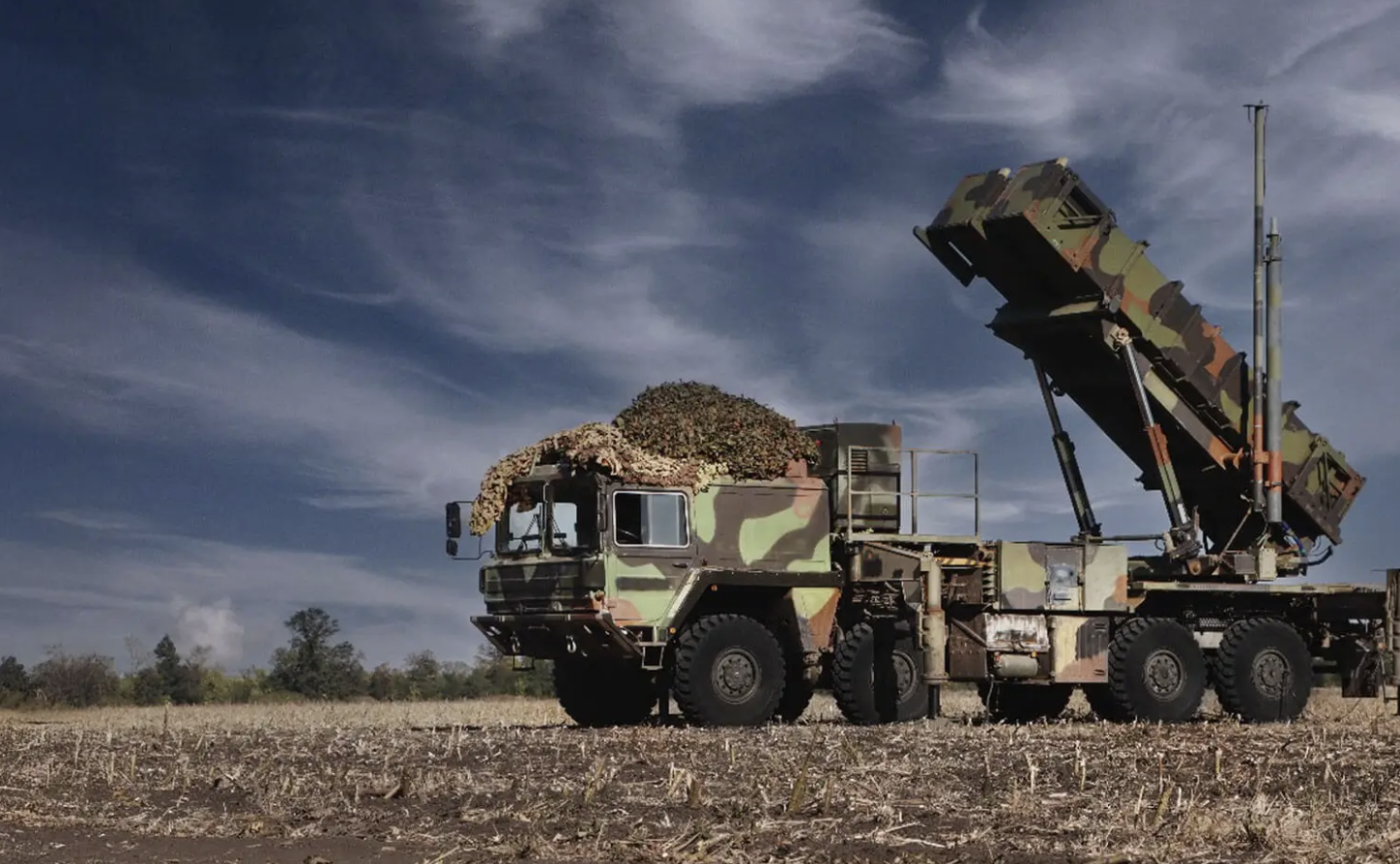
Poland wants to transfer missiles for the Patriot system to Ukraine, with Warsaw reportedly consulting with NATO to implement this plan. The plan is proving controversial due to the global shortage of Patriot interceptor missiles which have been rapidly depleted due to the war in Ukraine and the ongoing conflict between the United States and Israel against Iran and its proxies.
Poland plans to transfer several missiles to Ukraine for the Patriot air-defense system, according to information obtained by Polish news outlet Rzeczpospolita from government and military circles.
Remix News previously reported on the extreme shortage of Patriot missiles in Ukraine, leaving the country vulnerable to Russian missile and drone barrages.
However, it is a small number of missiles, not a large delivery. This information was indirectly confirmed by the Operational Commander of the Armed Forces, General Ireneusz Nowak, who noted that the transfer of missiles falls within a previously established, classified quantity.
“In my opinion, we could donate post-Soviet equipment that is still in our inventory and that could be very useful for Ukraine, even if it requires a general overhaul. We must be aware that such equipment is also used to fight in Poland’s interest,” General Nowak added in an interview with the newspaper.
How many missiles will Poland donate? The Polish Ministry of National Defence does not want to say.
The issue of Patriot missiles arouses strong emotions, and most Poles, as research shows, do not want to give Ukraine valuable weapons. The fact that the missile transfer comes at a time when Prime Minister Donald Tusk warns that Russia directly threatens Polish security and plans to escalate the conflict with NATO countries is particularly sensitive.
Controversy is also intensified by the fact that the Polish Ministry of National Defence is not disclosing details of the next aid package for Ukraine, citing the protection afforded classified information. However, the ministry confirmed that further support is being prepared and will include equipment that is no longer needed by the Polish army or is approaching the end of its useful life, but may still be useful in Ukraine. Details regarding specific types of weapons remain confidential.
The planned donation is part of broader Polish military aid to Ukraine. A few months ago, Poland transferred five PAC-3 MSE missiles to Kyiv for the Patriot system. Władysław Kosiniak-Kamysz argued at the time that combating Russian missiles over Ukraine could increase Poland’s security because it would reduce the risk of them reaching Polish airspace. At the same time, he emphasized that the transfer of weapons must not weaken Polish defence capabilities.
Poland currently has 16 Patriot launchers and has contracted for approximately 200 PAC-3 MSE missiles, some of which have not yet been delivered.
Transgender German federal police officer “Maja S.” has confessed yesterday to the rape of a minor and other serious charges before the Traunstein Regional Court as a part of a plea.
The former officer, who had 35 years of service, admitted to raping a friend’s 14-year-old daughter in the bathroom of a fast-food restaurant in August 2025.
“The injured party was unable to react to this, but stared at the accused in shock,” the court indictment states about the rape. “The accused left the toilet stall and the injured woman locked herself in the toilet, trembling all over her body while suffering from heart palpitations.”
Maja S. confessed to the charges as part of a plea agreement that is expected to result in a sentence of 3 to 3.5 years, according to media reports. Some commentators on social media are already decrying the potential sentence as far too lenient given the gravity of the crimes involved.
Maja S. also confessed to possessing around 2,000 pornographic files depicting brutal assaults and the sexual violence against children, some as young as three.
The transgender former officer also confessed to assault and the sexual abuse of juveniles.
The former officer admitted to producing pornographic videos involving animals, including with other sexual partners and a dog.
According to Bild, the former officer was previously assigned to a special unit of the Federal Police (GSG 9) and was deployed in Afghanistan, among other places. Maja S. continues to receive hormone therapy.
Maja S., who is biologically male, was previously housed in a women’s prison section but is now in the men’s wing of a prison in Munich. Maja’s lawyer has complained that Maja is facing harassment there, including being whistled at by other prisoners.
In addition to the potential prison time, Maja S. must also pay the 14-year-old victim €5,000 and give her a motorcycle. This is the first time Remix News has observed reports of a victim, especially a young victim who cannot even legally ride a motorcycle yet, receiving such a vehicle as part of a plea deal.
Notably, this does not appear to be the first time that Maja S. has offended. Welt newspaper reported that Maja S. must also pay a fine “resulting from a previous, apparently relevant, judgment of the Rosenheim District Court.”
The Welt report notes that the fact that Maja S. reoffended so quickly after this previous verdict from July 2025 was a detrimental factor in this more recent case.
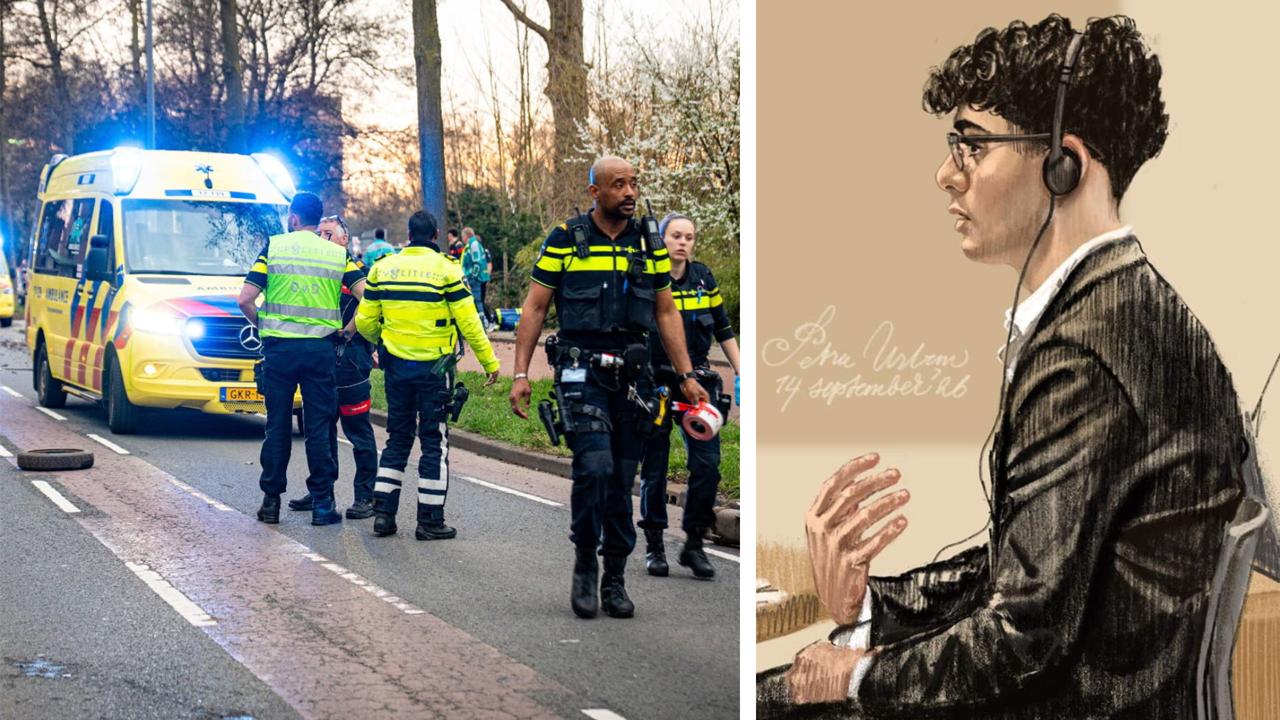
Ali A. had just turned 18 when he decided to drive his brand new BMW X1 over double the speed limit, high on anti-dust spray, striking 33-year-old Dutchwoman Elisabeth in Rotterdam.
On Monday, prosecutors said in court that it was just two days after his eighteenth birthday, in March of last year, when Ali A. drove at 115 km/h in a 50 km/h zone, or 71 mph in a 30 mph zone, with the car which his father had just given him as a gift.
Prosecutors say they want him to be sentenced to eight months in prison and given a five-year driving ban.
Dutch news outlet NOS wrote that Ali A. was weaving his car, driving on the wrong side of the road, and is suspected of having been under the influence of propellant anti-dust spray, a kind of narcotic used by young people.
Video footage shows him overtaking a car at very high speed and barely avoiding an oncoming vehicle. Then, he hit Elisabeth’s car, who was on her way to her hockey club, which led her vehicle to slam directly into a tree.
Doctors tried to save her life but she died that same day. She was fourteen weeks pregnant with her first child, who also died.
The suspect, now 19, offered a different account of the accident in the Rotterdam court. He said he lost control of the car and was trying to avoid other cars, but one of his statements also appears to contradict this claim.
“I didn’t know the car well yet and wanted to test it out. I may have been overambitious and thought I was a better driver, but I couldn’t control it,” he said.
After the collision, Ali A. ended up in the ditch with his car. He claims he thought he was unconscious for a while and was “in terrible shock” after the accident.
The prosecution argues the man was high on anti-dust spray, but Ali strongly denies inhaling any drugs.
However, police have recorded him fleeing the scene of the accident and throwing away two aerosol cans. He claims that if police had discovered the aerosol cans, it would have given them the “wrong impression.”
“I am aware that the spray is used to get high. I was afraid they would suspect me of that if they had found the cans in the car,’ he stated.
When asked why he did not go help Elisabeth, or call emergency services, he said: “I was in shock.”
The prosecutor went on attack, saying that Ali A. is claiming he is too shocked to help Elisabeth or call emergency services but had the presence of mind to run away and toss the two anti-dust cans.
He had recently bought two cans of the spray because he saw — right after coming home from a short foreign birthday trip — that there was some dust on his PlayStation. He claims his plan was only to clean his PlayStation. When asked why he bought two cans, he said he had no idea how much cleaning product was needed.
The prosecutor rejected that explanation.
“I don’t see any shock, I see someone deliberately dumping evidence,” she said.
The attorney representing the family, Anne Bleeker, said that Ali A is, “Thoughtful, cunning, self-centered.”
“This is the worst thing I’ve ever experienced,” he said, and added that he was also greatly affected by the accident. That claim was heard with disbelief in the packed courtroom.
When Ali said again during his closing words how much trouble and stress he himself had from the accident, several of Elisabeth’s relatives walked out of the room.
Elisabeth’s partner, mother and brother called on him in their victim statements to take responsibility.
“It is completely disrespectful to us. You say you were in shock after the accident and can’t remember anything. I was also in shock after hearing about the accident, but I can still remember everything exactly,” Elisabeth’s partner said, according to De Telegraaf newspaper.
Her mother said she should not have been in court at all today.
“I should have picked out a present for my grandchild’s first birthday…You drove like crazy. There are too many young people like you. Too much testosterone, too little brain.”
“We were happy to become grandparents again, it was [the other parents of the father] who were preparing to become grandparents for the first time. They had already prepared some old baby clothes,” she added.
Her brother also spoke, saying: “A beautiful vision of the future on a sun-drenched day. It turned into horror in the hospital. We were completely devastated.”
The court will rule in two weeks, on Sept. 28.
Various commentators and political figures are outraged by the case, including Eva Vlaardingerbroek.
“Ali A. (18) hit and killed Elisabeth (33) who was pregnant with her first child. He was driving 115 km/h in a 50 km/h zone and was high on laughing gas. The Dutch prosecutor is demanding 8 months in jail. That’s apparently all the life of a Dutch pregnant woman is worth,” she wrote on X.
Ali A. (18) hit and killed Elisabeth (33) who was pregnant with her first child.
He was driving 115 km/h in a 50 km/h zone and was high on laughing gas.
The Dutch prosecutor is demanding 8 months in jail.
Air Force Secretary Troy Meink said the agency has deployed “on-orbit space control weapons capable of defending the Joint Force against hostile adversary action.”
Air Force Secretary Troy Meink said the agency has deployed “on-orbit space control weapons capable of defending the Joint Force against hostile adversary action.”
'This decision should in no way be interpreted as a reflection on the school or the exceptional care the children have received there,' a spokesman for the couple said.
'This decision should in no way be interpreted as a reflection on the school or the exceptional care the children have received there,' a spokesman for the couple said.
The “conference” that the Ukrainian company BioTexCom had announced for September 12–13 in Warsaw has no venue — the owner of the premises refuses to rent it out. This is the result of pressure exerted for weeks by Polish legal organization Ordo Iuris and other groups.
Centrum Żoliborz, which rents out training rooms at 49 Aleje Jerozolimskie in Warsaw has stated that it will not rent premises to that company and that BioTexCom had no right to use its address. Polish media reported the venue would host the “conference” with Ukrainian company BioTexCom on September 12–13.
To those now asking about the possibility to take part in the conference, BioTexCom replies that the event has been postponed to another date and will not take place for the time being. The reason given is the safety of the company’s clients. The company itself, meanwhile, is redirecting interested parties to individual conversations via WhatsApp. The announcement of the Warsaw event nevertheless still appears on BioTexCom’s website, which is why vigilance in this matter remains necessary.
On September 7, Ordo Iuris put a question to Centrum Żoliborz asking whether the Ukrainian company had in fact reserved a room there. The reply Ordo Iuris received left no doubt:
“I would like to inform you that we received an inquiry from this entity about the possibility of renting a training room. An offer was sent, but no room was reserved. At the same time, I wish to inform you that, after learning what this entity does, we categorically do not want to enter into any cooperation with it or to rent it our training rooms. This company had no right whatsoever to use our address.”
This is an important signal. When the owners of venues learn what a “surrogacy program” actually is and what legal risk may be involved in making premises available to promote it, they decided to refuse the client. In this case, it was enough for the matter to come to light: the Ordo Iuris Institute’s notification to prosecutors, a petition, appeals from Catholic Action and the Polish Bishops’ Conference, an announced picket, as well as action from, among others, the Center for Life and Family and dozens of press publications. Pressure works.
It would be premature, however, to declare victory. The announcement of the Warsaw event scheduled for September 12–13 still appears on biotexcom.pl. Nor has the company withdrawn from the Polish market. Instead, it has moved its offer to an individual channel, proposing free online “consultations.” The matter therefore requires continued attention and firm opposition.
A company that puts children on sale
The scale of BioTexCom’s disregard for elementary ethical standards is not a matter of interpretation. In November 2021, the company ran a Black Friday promotion: from November 15 to 26, it offered a 3-percent discount on all packages. In practice, this meant €1,947 off the “All inclusive VIP” package worth €64,900 and €447 off the “Perfect Chance” in vitro program costing €14,900. The advertisements urged people to hurry in order to “make it” in time for the discount and fulfill the dream of a child more quickly. The child became a seasonal sale item — exactly like a television set or a washing machine.
The company’s price list is built like a catalog of tourist services: packages from €36,900 to €64,900, divided into “standard,” “standard plus,” and “VIP” versions. The difference is that the object of the transaction is a human being.
“Warehouses” of human goods. A lesson from 2020
The world saw the most telling image of this business in May 2020. BioTexCom then published a video in which 46 newborns could be seen arranged in rows of transparent cribs at the Venice hotel in Kyiv — normally used to receive the company’s foreign clients. The video, translated into several languages, was meant to mobilize buyers to pressure their own embassies and foreign ministries into granting permission to enter Ukraine, which was closed because of the pandemic. The message was unambiguous: the goods ordered are on site, waiting in optimal storage conditions. The camera panning over the rows of infants involuntarily evoked an association with a production line.
It was estimated at the time that around 500 children born to surrogate mothers for foreign clients were stranded in Ukraine. Ukraine took over this market after Asian countries — following a series of scandals — banned the sale to foreigners of children born through surrogacy.
Before the outbreak of the full-scale war in Ukraine, BioTexCom accounted for about two-thirds of Ukraine’s exports of this “service,” estimated at around 2,000 newborns a year. In 2018–2019, the company and its owner were at the center of an investigation into more than a thousand irregular surrogacy procedures; no charges were brought against him at the time, however.
In August 2019, the Australian broadcaster ABC showed how children born with disabilities are abandoned by the commissioning parents, who refuse to take delivery of “defective” goods — they then end up in Ukrainian orphanages and public hospitals.
The French precedent: a fair that had to leave Paris
France’s experience shows that consistent social and legal pressure can lead to the permanent cancellation of events of this kind, such as the “conference” BioTexCom had planned in Warsaw. For years, Paris hosted the “Désir d’enfant” fair, later held under the name “Wish for a Baby,” at which — just as BioTexCom intended to do in Warsaw — surrogacy services were promoted, even though they are illegal in France.
For several years, Le Syndicat de la Famille (formerly La Manif Pour Tous) had run a campaign against the fair’s organizers that included demonstrations, leafleting, undercover-camera footage, and lawsuits against the organizers and the owners of the venues. The lawsuits accused them of complicity in surrogacy brokering. As pressure mounted, the fair first had to leave the Espace Champerret and move to the smaller Espace Charenton. Finally, on April 16, 2025, the organizers announced that the event would be moved to Brussels, giving up any further presence in Paris.
“This victory is the fruit of a mobilization carried on year after year,” commented Ludovine de La Rochère, the organization’s president. The problem nevertheless remains: the French continue to use surrogacy services provided abroad — for example, in the United States in the case of same-sex couples, or in cheaper Ukraine in the case of married couples, since Ukrainian law permits such services only for heterosexual married couples.
Italy: punishment even for surrogacy arranged abroad
This is why Italy has gone further. Surrogacy has been banned there since 2004 under Article 12(6) of Law No. 40. The provision imposes a penalty of three months to two years’ imprisonment and a fine of €600,000 to €1 million on anyone who carries out, organizes, or advertises surrogacy.
This solution, however, was relatively easy to circumvent — it was enough to use services abroad, for example in Ukraine, Georgia, or the United States. Giorgia Meloni’s government decided to close this loophole. On the initiative of the Brothers of Italy, the Italian parliament passed an amendment, which the Senate adopted on October 16, 2024, by a vote of 84 to 58. Law No. 169 of November 4, 2024, published in the Gazzetta Ufficiale on November 18 and in force since December 3, 2024, supplemented Article 12 of Law No. 40 with a provision under which, if acts related to surrogacy are committed abroad, an Italian citizen is subject to punishment under Italian law. The Italian media dubbed the new measure a “reato universale” — a universal offense. “This is a common-sense rule against the commodification of women’s and children’s bodies. Human life has no price and is not a commodity,” Giorgia Meloni argued.
The Italian solution shows that a state which treats surrogacy as a form of human trafficking can effectively counteract it even when the practice is organized beyond its borders. It need not stop at mere declarations — it can create real legal tools to limit circumvention of the national ban.
Vigilance and consistency
For years, Ordo Iuris has pointed out that surrogacy is not a service but human trafficking. In connection with the announced conference in Warsaw, the Ordo Iuris Institute filed a notification with the District Prosecutor’s Office in Warsaw regarding BioTexCom, citing Article 211a of the Polish Criminal Code (arranging adoptions in violation of the law for financial gain), Article 189a § 2 of the Criminal Code (preparation for human trafficking), and Article 258 of the Criminal Code (participation in an organized criminal group), and requesting, among other things, a travel ban for those responsible.
As Julia Książek of the Ordo Iuris Center for International Law emphasized, the promotion of commercial reproduction treats a woman’s body as a means of production and the child as a product tailored to the client’s expectations. The Ordo Iuris Institute is also part of an international coalition, coordinated by the group of experts behind the Casablanca Declaration, which is appealing to the UN Committee on the Rights of the Child to recognize paid surrogacy as the sale of children within the meaning of the Optional Protocol to the Convention on the Rights of the Child.
“I was programmed to be abandoned,” said Olivia Maurel, a woman born as a result of surrogacy, during a June conference organized by the Ordo Iuris Institute together with the Research and Teaching Center for Catholic Social Teaching at Cardinal Stefan Wyszyński University (UKSW). At the same conference, Reem Alsalem, the UN Special Rapporteur on violence against women and girls, called for the global abolition of surrogacy.
The Warsaw “conference” of the Ukrainian company BioTexCom has no venue today. That is good news, but it is not the end of the matter. Continued vigilance is needed, both from the owners of conference and hotel venues and from the organs of the state, which should consistently enforce the law in force in Poland.
The best solution, however, would be to follow Italy’s example and adopt legislation providing for severe penalties for the use of surrogate mothers’ services — regardless of whether the practice takes place in Poland or abroad. Only in this way can the path to circumventing the ban be effectively closed and the growth of a market in which the human body and children become objects of transaction be curbed.
A trans person on trial in the German state of Bavaria on charges that include the alleged rape of a teenage girl and the possession of a large collection of child sexual abuse material while serving as a German police officer.
The trial of the 55-year-old defendant — who is a male-to-female trans person and who has been removed from duty — began today, Tuesday morning, at the Traunstein Regional Court, according to German news outlet Rosenheim24.
Prosecutors accuse the trans ex-officer of raping a 14-year-old girl in the toilet stall of a fast food restaurant and of possessing hundreds of files depicting the sexual abuse of children. Investigators say the material includes violent acts against children, with the youngest victims described as about three years old.
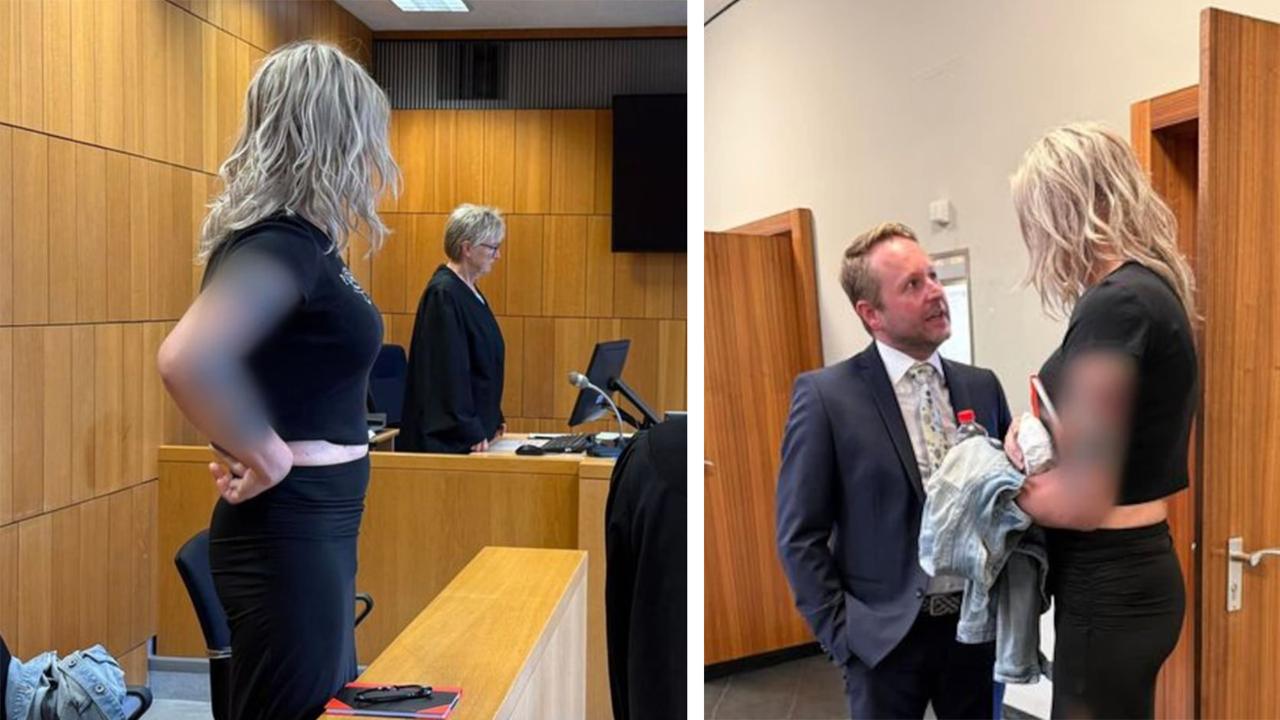
Photos of the trans ex-officer in the courtroom show a tall individual with long bleach-blonde hair, a large arm tattoo, and tall platform shoes.
The defendant also faces an accusation of producing animal pornography. The trans ex-officer is alleged to have made videos where the defendant had sex with a dog, along with several sexual partners. It remains unclear if any of these other individuals have been identified.
The most serious charge concerns an incident in August 2025. Prosecutors say that during an outing with a friend, the defendant raped the friend’s 14-year-old daughter in the restroom of a fast-food restaurant. The defendant is also accused of sending a pornographic WhatsApp message to the girl, who was roughly 40 years younger than the defendant.
The court has scheduled four days of hearings. A verdict could be delivered on Oct. 8.
Italian police in Rimini are investigating a suspected rape after a 17-year-old German tourist woke up in a hotel room with a 27-year-old Turkish man. She told police she had no memory of how she arrived at the man’s bed, which led to questions of whether she ingested date-rape drugs.
The girl had gone out with friends on Friday night, Sept. 11, during a holiday on the Adriatic coast. At a club, she met a 27-year-old Turkish tourist staying in the same hotel as her group. Witnesses say the two left the club together. After that, her friends lost contact. Calls and messages went unanswered for hours.
Only later did she successfully reach her friends. She said she had woken up in the man’s room, confused and with no memory of the hours after leaving the club. According to the Italian news agency Ansa, she told friends, in a distressed state: “Maybe I was raped.”
Friends and police found her at the hotel in the Miramare area of Rimini. An ambulance was then called. At the emergency department, she underwent medical and gynecological examinations under Italy’s anti-violence protocol. Doctors secured forensic traces. She said she had drunk alcohol at the club but could not account for what happened afterward.
Numerous German news outlets did not mention the suspect’s Turkish nationality, such as Merkur and t-online. However, outlets Bild and Welt both note the suspect is a Turkish tourist.
Due to the girl blacking out for hours, officers from the Squadra Mobile — the state police unit that handles serious crime — are examining whether she may have been given a substance such as a date-rape drug.
Investigators searched the 27-year-old’s room and seized personal items and his mobile phone. He has no known prior convictions, has denied the allegation, and has been reported as cooperative with police. Italian media say he has been reported for sexual violence; the investigation is continuing.
So far, no charges have been filed. Police are still investigating the details of the night, including how the teenager ended up in the room and whether any drug was involved.
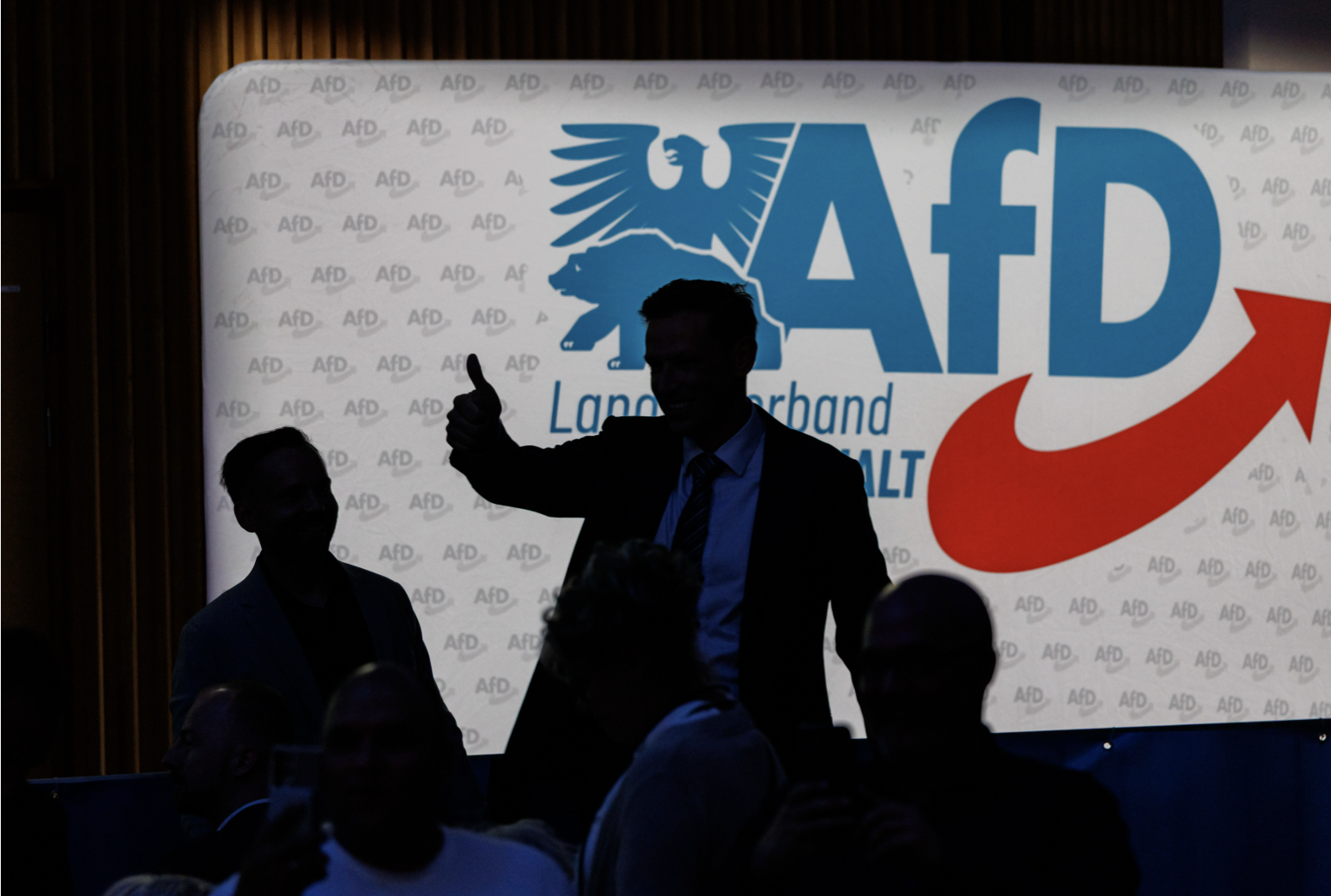
A new poll in Germany has delivered yet another shocking blow to the political establishment. The Alternative for Germany (AfD) has reached 30 percent for the first time while stretching its lead over the Christian Democrats (CDU/CSU) to 10 points, with the Union reaching a historic low of just 20 percent. In addition, another poll has also put the CDU even lower, at 18 percent.
According to the GMS poll, the governing black-red coalition of Chancellor Friedrich Merz’s conservatives and the far-left SPD would no longer command a majority. Compared with GMS’s mid-July survey, the Union lost three points and the AfD gained two.
“Important milestone cracked: With 30%, our AfD is now already 10 percentage points ahead of the Union! The citizens want the political change – and they will get it. Time for the AfD!” wrote AfD co-leader Alice Weidel on X.
Wichtige Marke geknackt: Mit 30% liegt unsere AfD nun bereits 10 Prozentpunkte vor der Union! Die Bürger wollen den politischen Wechsel – und sie werden ihn bekommen. Zeit für die AfD! pic.twitter.com/I2MHeUMCZr
Personal ratings for the chancellor are equally grim. In a recent Insa survey, 78 percent of respondents answered “no” when asked, “Is Friedrich Merz (still) the right chancellor?”
Only 14 percent said yes; 8 percent offered no opinion. Even among CDU voters, the picture is bleak for Merz: 58 percent opposed him and just 36 percent supported him.
Pressure inside the CDU is growing. Speculation about a possible change at the top has circulated for weeks, with North Rhine-Westphalia Minister-President Hendrik Wüst and Bavaria’s Markus Söder frequently named as potential successors. Söder, for his part, said the long-standing “firewall” against the AfD is not working.
After AfD's victory in Saxony-Anhalt, Alice Weidel takes Chancellor Merz to task during a raucous debate.
"Because [Germans] have to deal daily with the consequences of mass migration, with the hatred of foreign groups toward their own, with hatred of Christians, with… pic.twitter.com/lBjLNPt9hM
“This ‘firewall model’ has failed,” he said. Instead, he offered a different image: “We in Bavaria see ourselves as a protective wall.” He argued that simply isolating the AfD without confronting its arguments no longer works. Instead, he wants to confront the AfD on issues such as immigration.It remains to be seen how that is possible if the CDU keeps allying with left-wing parties.
However, it is important to note that Söder continues to rule out a cooperation or coalition with the AfD.
“Not talking about the content at all, putting them in a corner and cobbling together some majorities around them without addressing the issues. That is the wrong path,” he said.
AfD co-leader Alice Weidel, speaking after the Saxony-Anhalt vote, engaged in an intense debate with Merz in the Bundestag, saying, “The voters in Saxony-Anhalt have told you in the language of the democratic sovereign with all clarity: black-red is over.”
Merz has countered by calling the AfD a “destructive force” that “wants to destabilize our country.”
State elections in Mecklenburg-Western Pomerania and Berlin on Sept. 20 will put Merz’s CDU further to the test. Speculation is growing that if the CDU falters during those elections, enormous pressure will be placed on Merz and his role as chancellor could become untenable.
In the eastern German state of Mecklenburg-Vorpommern, a 14-year-old boy was tortured for hours by ten youths, many of them who were foreigners or of foreign origin. The incident, which happened in the city of Neubrandenburg, saw the youths beat, burn, and insult the victim, all while reportedly filming the incident and subsequently posting it to social media.
The footage, which officers first learned about on Saturday, captures events from the previous Wednesday in the city’s downtown area.
According to investigators, the suspects, who are between the ages of 9- to 15-years-old, kicked and punched the victim, hit him with objects, and burned him.
According to the police report, the boy was “lightly injured,” but it is unclear what injuries he sustained or his psychological state after the ordeal.
Police identified the suspects, who include German, Albanian, Tunisian, and German-Turkish youths. Reports indicate that many of these youths were already known to police. For those youths old enough, charges have already been filed, which include assault, coercion, insult, and violating the victim’s privacy through recordings.
Muslim students beat him because he was German and gay.
"They hated me because I am German, because I was already a homosexual boy back then, and because I did not submit to Sharia, to Islamic laws on German soil," said David Brough (@_david_brg).
It should be noted that it is possible that the German youths have a migration background. The German-Turkish youths may have dual citizenship, which is common in that community.
Those suspects under 14 cannot be held criminally responsible in Germany.
A police spokeswoman described the trigger as a “minor communication misunderstanding that rapidly escalated.”
This is not the only case of group violence involving youths in the city of Neubrandenburg. Within the last two weeks, a witness called police after seeing three 12- to 15-year-olds stomping on a 12-year-old boy. Officers said the two groups are not connected, though both were previously known to them.
Remix News has long reported on such incidents, including one from June of this year in which a group of foreigners whipped and tortured a 12-year-old German youth before sexually assaulting them. Other similar cases occur on a regular basis (here, here, here, here, here, and here).
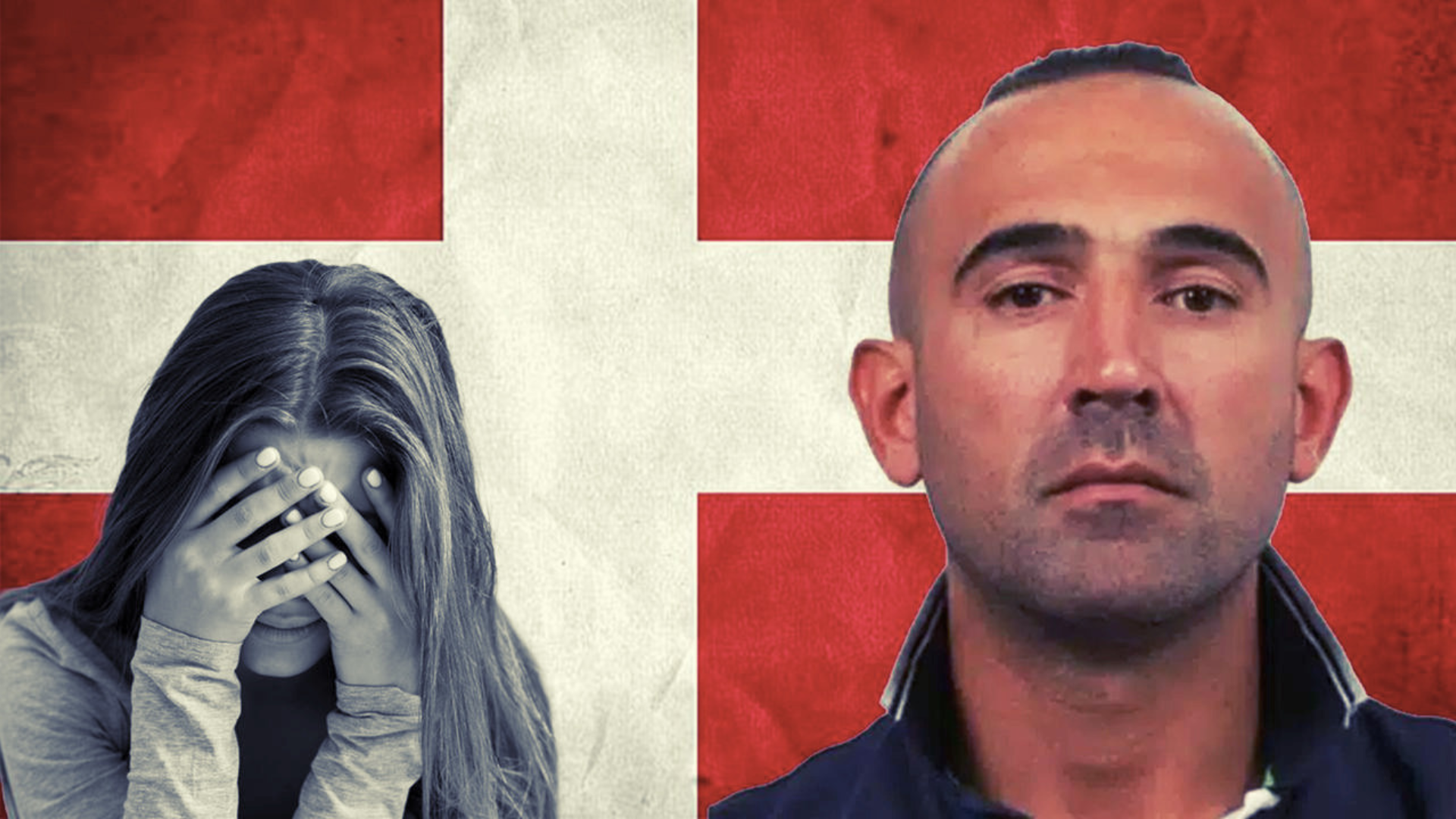
A Danish high-court ruling has overturned an indefinite detention order against 43-year-old Wasim Essam Hajress, a man previously judged too dangerous to release due to five rapes he committed. The stateless Palestinian, who was born in Lebanon, has now gone from what could have been a life sentence to a fixed prison sentence of two and a half years, a shocking judicial and legal reversal.
In December 2025, the Court of Viborg, Hajress was found so dangerous that the court ruled he should be locked up indefinitely. However, now, the Western High Court, based on an unanimous decision, has taken a different view and has changed the district court’s indefinite detention judgment to a prison sentence of two and a half years.
It is important to note the “indefinite detention” was not the same as a life sentence but theoretically allowed the man to be detained for the remainder of his life. It is generally used in severe cases when a convicted person is considered a serious threat to society and likely to reoffend.
It is also not the standard practice to impose indefinite detention for rape in Denmark but because of Hajress’s violent history of rape, the district court felt that it was necessary as he is too dangerous for the Danish public.
According to Special Prosecutor Malene Christensen of the Attorney General in Viborg, the high court, contrary to the city court, considered that there was no basis for indefinite detention, according to Danish news outlet Presse-Fotos.
Since 2003, Hajress has been convicted of a total of five rapes on Danish soil, which include but are not limited to the following cases. There is no public information available about the details of the 2003 rape case, possibly due to the fact that it is more than two decades ago.
In July 2006, he detained a woman and attempted to rape her in an apartment in Copenhagen. She fled naked after being robbed of her clothes.
In October 2006, he detained a 16-year-old girl and raped her with penetration in an elevator in Huntingvej on Nørrebro, Copenhagen.
In April 2018, he raped a 19-year-old woman in a basement room in Roskilde.
For years, the right across the West has noted that mass immigration has been a boon for left-wing parties, which are essentially importing a new voting base. Sweden’s latest election appears to once again affirm this view, with the left narrowly winning the election, in large part due to their overwhelming support from those with a non-European background in Sweden.
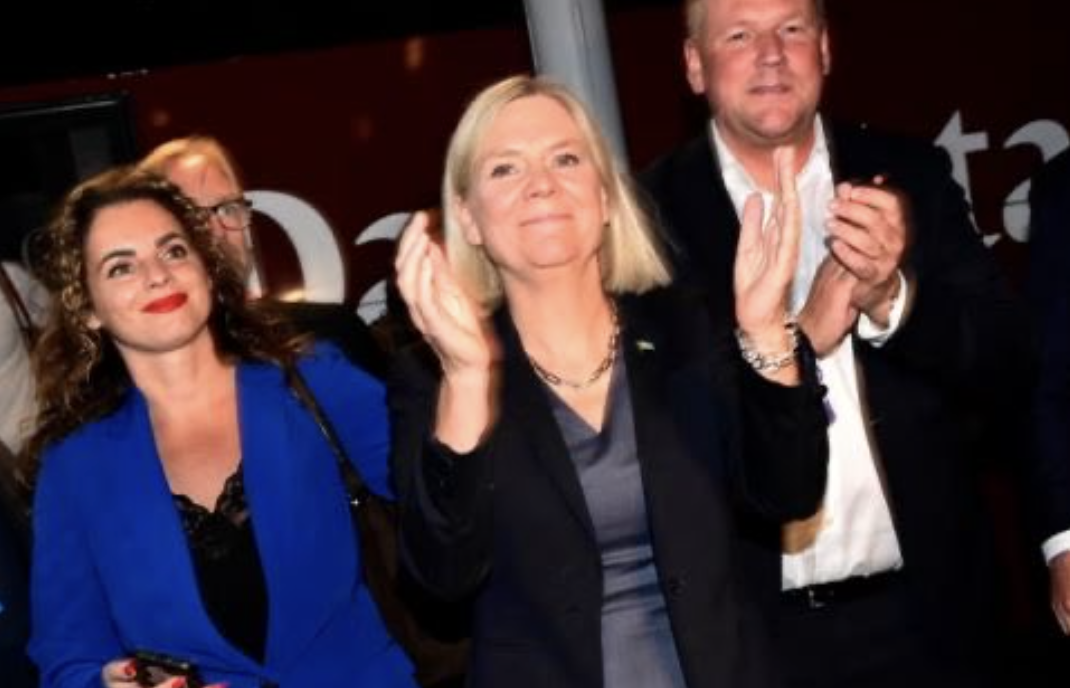
Sweden’s 2026 election produced one of the narrowest results in recent memory. With roughly 94.7 percent of votes counted, the center-left opposition holds 176 seats against 173 for the parties backing outgoing Prime Minister Ulf Kristersson.
The left-wing Social Democrats remain the largest party at 28 percent, enough to put Magdalena Andersson in position to try to form a government.
A striking pattern in SVT’s VALU exit poll helps explain how the result took shape, with 70 percent of voters of non-European origin backing the left-wing bloc of Social Democrats, Left Party, Greens, and Center.
“VALU shows a very clear political dividing line. Among voters with non-European backgrounds, S, V, MP, and C together receive 70 percent, while the Tidö parties receive 27. This is a voter group whose party sympathies differ sharply from the electorate as a whole – and which therefore has significance for the long-term electoral math,” wrote Swedish political scientist and author Daniel Schatz on X.
VALU visar en mycket tydlig politisk skiljelinje. Bland väljare med utomeuropeisk bakgrund får S, V, MP och C tillsammans 70 procent, medan Tidöpartierna får 27.
Det är en väljargrupp vars partisympatier skiljer sig kraftigt från väljarkåren som helhet – och som därför har… pic.twitter.com/m6J7pz2ySV
VALU defines the group as people who themselves, or whose parents, grew up outside Europe. Their votes broke down for the Left at 21 percent, Social Democrats at 38 percent, Greens at 7 percent, and Center at 4 percent.
Before the election, the leader of the right-wing Sweden Democrats, Jimmie Åkesson, also wrote that the left’s strategy is to gain votes from Swedes with a foreign background even as they lose votes from native ethnic Swedes:
“It’s about power. The Social Democrats’ decades-long campaign for increased immigration from the Muslim world has never been a coincidence. On the contrary, it seems to be a long-term strategy. The election promise from Magdalena Andersson to grant citizenship to up to 100,000 immigrants, based on the old and undemanding regulatory framework, should be seen in the same light,” he wrote.
Det handlar om makt.
Socialdemokraternas mångåriga kamp för ökad invandring från den muslimska världen har aldrig varit en slump. Tvärtom tycks det vara en långsiktig strategi.
Vallöftet från Magdalena Andersson att ge uppåt 100 000 invandrare medborgarskap, utifrån det gamla… pic.twitter.com/Tz2jrUfzVP
“When Swedish voters flee the party, you need votes from elsewhere, and mass immigration from the Muslim world then appears to be an attractive way to circumvent the will of the Swedish people,’ he added.
In 2022, Swedes with a foreign backgroun already attracted around 68 percent of this electorate. Earlier surveys of Muslim voters had placed combined support for the Social Democrats, Left and Greens near 85 percent, with the Social Democrats alone above 61 percent. This slice of the electorate has expanded rapidly over the years.
About 13 percent of eligible voters, close to 1 million people, now have non-European origins, up from just over 3 percent in 2002 and 0.3 percent in 1982.
Many arrived from Muslim-majority countries in the Middle East, Africa and Asia through asylum, family reunification and earlier, more open immigration rules.
Sweden does not record religion in official statistics, yet estimates indicate that Swedish citizens from Muslim-majority countries number in the hundreds of thousands. Together, with other voters of non-European background, they form a reliable base for the left even as much of the rest of the country has shifted toward tighter immigration and crime policies.
Remix News reported on polling already six years ago which showed that a majority of Swedes wanted to tighten immigration substantially. While the native ethnic Swedish population has swung to the right, foreigners have incentives to vote for the left to ensure their families and fellow countrymen can arrive in Sweden unimpeded. Foreigners are also more likely to benefit from social welfare, which left-wing parties promote.
 Login







Ali A. (18) hit and killed Elisabeth (33) who was pregnant with her first child.




After AfD's victory in Saxony-Anhalt, Alice Weidel takes Chancellor Merz to task during a raucous debate.