❌

Reading view

Saudi Arabia Appears To Have Used Its Secretive Stash Of Ballistic Missiles For The First Time

Debris from a Chinese-made ballistic missile found in Yemen could have inadvertently revealed a previously undisclosed addition to Saudi Arabia’s secretive ballistic missile arsenal. Imagery circulating online appears to show the wreckage of a Chinese DF-15A short-range ballistic missile (SRBM), potentially marking the first known Saudi combat use of a weapon in this class, although both the identification and ownership remain unconfirmed.

The booster stage of a Chinese-made DF-15A (Dong Feng-15A) ballistic missile operated by Saudi Arabia fell in Raghwan District, Marib Governorate, northern Yemen. pic.twitter.com/dfSXMOiCzQ

— OSINTWarfare (@OSINTWarfare) September 14, 2026

It is also unclear what happened to the missile itself. The debris suggests a stage separation or the missile broke apart or crashed before reaching its target. The Houthis are not known to possess any weapons that could have intercepted it.
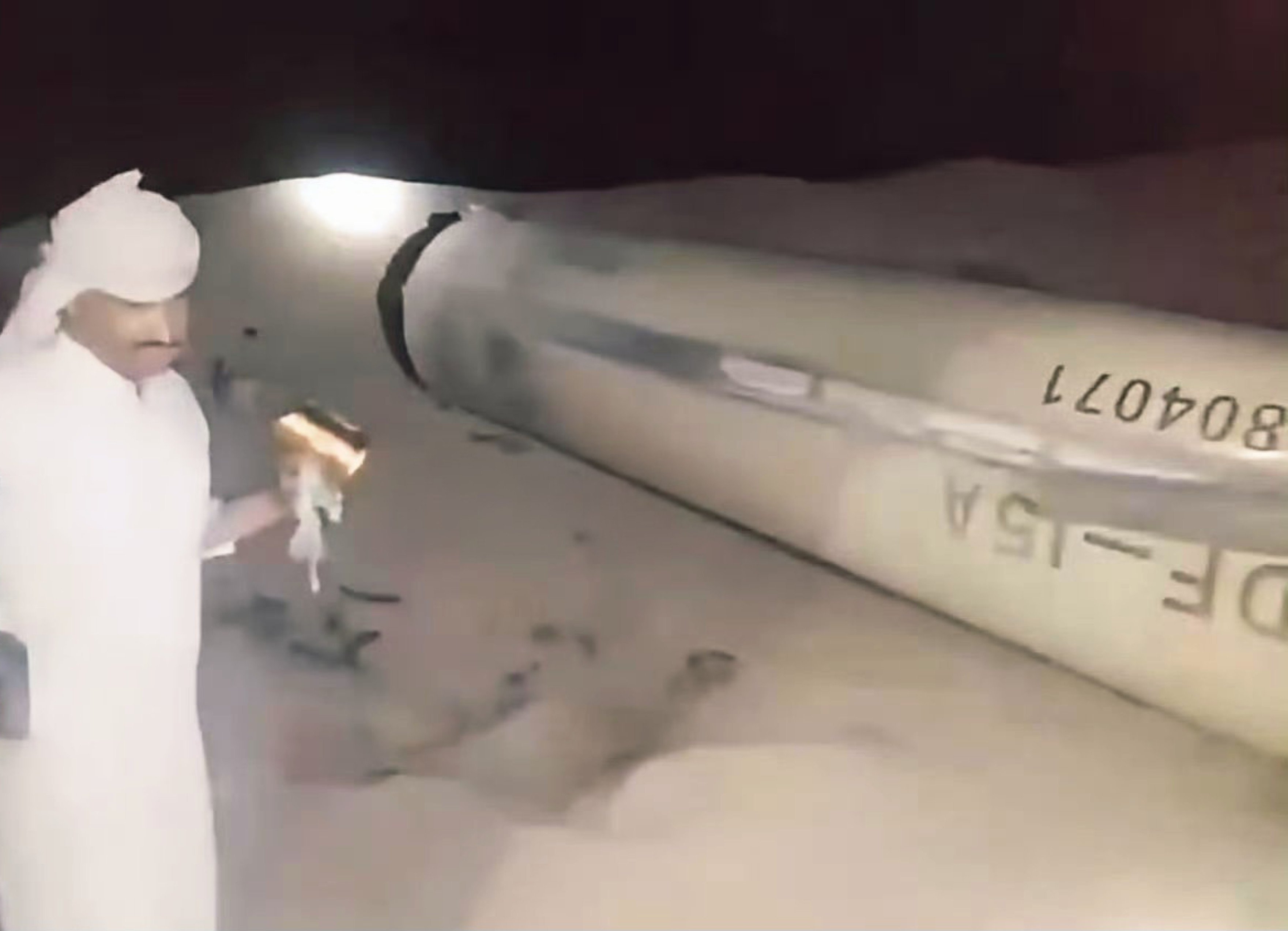
A screenshot from a video clearly shows the DF-15A name applied on the side of the missile. via X

The development comes amid a sharp escalation in the long-running Saudi-Houthi conflict. After years of relative de-escalation following the 2022 truce, fighting has intensified in recent weeks as Houthi forces have dramatically overrun Saudi-backed Yemeni government positions, including around strategically important Marib and Taiz. The Houthis have also escalated missile and drone attacks against southern Saudi Arabia, targeting military and energy infrastructure while threatening the kingdom’s ability to move oil through the Red Sea. The group has declared the Bab el-Mandeb closed to Saudi oil traffic, adding a direct threat to one of Riyadh’s critical energy-export routes.

You can catch up with our latest coverage of the fighting here.

As for the DF-15, also known by its NATO designation CSS-6, this is a road-mobile, solid-fueled SRBM developed by China during the 1980s. The system formed part of Beijing’s effort to develop a new generation of conventionally armed mobile ballistic missiles, including systems primarily intended for export.

العثور على بقايا صاروخ صيني من طراز DF-15A في اليمن. pic.twitter.com/af9mGNNxiA

— إيران بالعربية (@iraninarabic_ir) September 14, 2026

As you can read about here, the DF-15 family has evolved through several variants, although open-source information concerning their capabilities remains inconsistent.

The DF-15A reportedly entered Chinese service in the mid-1990s. Estimates of these missiles’ maximum range vary substantially, from roughly 600 kilometers (373 miles) for the original DF-15 to as much as 900 kilometers (559 miles) for later versions.
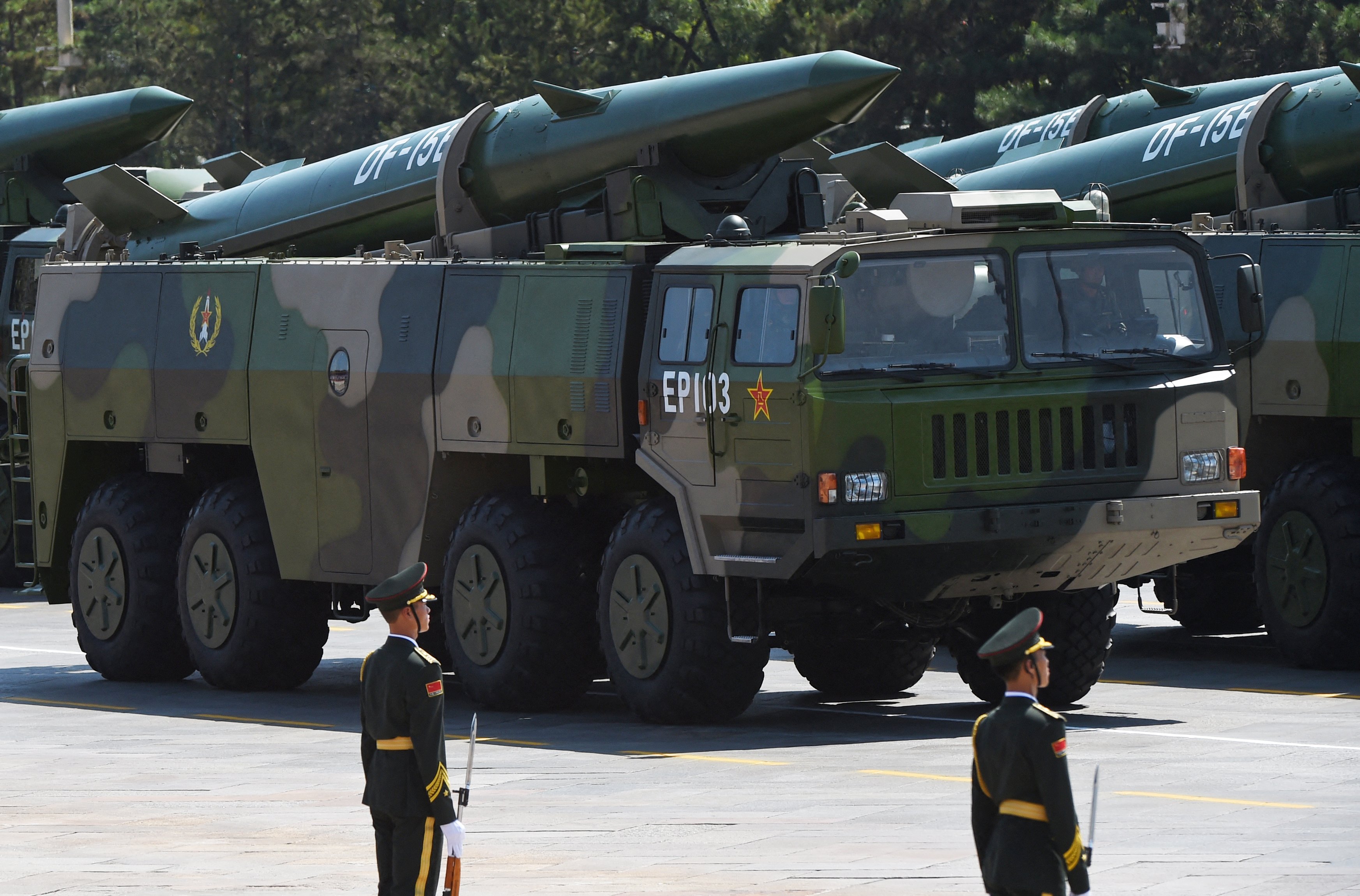
Military vehicles carrying DF-15B ballistic missiles participate in a military parade at Tiananmen Square in Beijing on September 3, 2015, to mark the 70th anniversary of victory over Japan and the end of World War II. China kicked off a huge military ceremony marking the 70th anniversary of Japan's defeat in World War II on September 3, as major Western leaders stayed away. AFP PHOTO / GREG BAKER (Photo by GREG BAKER / AFP via Getty Images)
Among the later versions of the DF-15 family is the DF-15B. A more substantial redesign, its most obvious external change is its triconic reentry vehicle fitted with control fins, a configuration widely interpreted as incorporating a maneuverable reentry vehicle (MaRV) warhead. Photo by GREG BAKER / AFP via Getty Images GREG BAKER

China is the only confirmed operator of the DF-15 family. There have been longstanding reports of Chinese transfers of the DF-15 or the related M-9 export version to Egypt, Iran, Pakistan, and Syria, but in each case, the export record is heavily disputed, with some reports likely conflating the DF-15 with the broadly similar DF-11.

While Saudi Arabia has never publicly acknowledged operating the DF-15 family, it has a well-established history of acquiring Chinese ballistic missiles.

In 2013, Prince Fahd bin Abdullah bin Mohammed, Deputy Minister of Defense, visited the Strategic Missile Forces of Saudi Arabia, and was given this model. YEARS of speculation on the smaller missiles (The large is DF-3). Now we know – they are DF-15 and DF-15A. pic.twitter.com/oOn8qiCgye

— Tal Inbar (@inbarspace) September 14, 2026

Saudi Arabia imported Chinese ballistic missiles to expand its long-range strike options. Its desire for a land-based strategic deterrent was initially driven by concerns over Iran, regional missile proliferation, and nuclear hedging. More recently, however, it shifted toward fielding more accurate, mobile systems with greater conventional military utility.

Riyadh secretly obtained DF-3A missiles from China beginning in the late 1980s, establishing a strategic ballistic-missile capability that remained largely outside public view.

The kingdom has also subsequently been linked to the DF-21 family. Satellite imagery and other open-source intelligence have provided evidence of Chinese-designed ballistic-missile infrastructure in Saudi Arabia.

While the Houthis have their own ballistic-missile arsenal, this is principally associated with Iranian technology, captured Yemeni systems, and locally produced or modified weapons.

Saudi employment of an SRBM in the current fighting would represent a notable expansion of the kingdom’s response options. If Saudi Arabia did indeed do this, its main advantage would be speed and responsiveness. A solid-fueled ballistic missile could reach targets deep inside Yemen within minutes while keeping Saudi aircraft and crews out of the immediate engagement area, providing Riyadh with a rapid strike option against fixed Houthi targets. That could be particularly valuable as the conflict expands and Saudi forces face pressure to respond quickly to Houthi attacks on military and energy infrastructure.

Previous losses at the hands of Houthi ground-based air defenses could also dissuade Riyadh from relying on crewed aircraft to strike targets on the ground deep inside Yemen. Houthi air defenses, while pathed together in many ways, are capable enough to give even U.S. airpower a serious run for their money.

At the same time, a conventional SRBM like the DF-15A can deliver a large warhead at very high speed, imparting significant kinetic energy, making it particularly useful against fixed, high-value, or hardened targets.

Use of an SRBM would also be in line with the current pattern of escalation, with the Houthis conducting missile and drone attacks against Saudi military and energy targets while Saudi-backed Yemeni forces are engaged in renewed ground fighting. Riyadh’s demonstration of an SRBM capability in this campaign would also signal that it is is willing to draw more heavily on its strategic missile inventory as the conflict intensifies, potentially further raising the stakes of the confrontation.

Such a move would carry a message beyond Yemen. Using a previously unacknowledged ballistic missile capability in combat would signal to Iran that Riyadh is now willing to employ this arsenal, after decades of keeping it very much in the shadows.

If the evidence ultimately points to a Saudi DF-15A launch, the discovery would offer a rare look at the operational use of an extremely secretive part of the kingdom’s arsenal, and add a significant new dimension to the rapidly escalating Saudi-Houthi war.

Contact the author: thomas@thewarzone.com

The post Saudi Arabia Appears To Have Used Its Secretive Stash Of Ballistic Missiles For The First Time appeared first on TWZ.


  •  

Israeli LORA Ballistic Missiles Fired From German Frigate

The German Navy has demonstrated the launch of Israel Aerospace Industries’ (IAI) LORA ballistic missile from an F125 frigate, with at least two missiles fired from the Sachsen-Anhalt during a test in the North Atlantic last night. The demonstration points to a potentially significant new long-range strike capability for Germany’s surface fleet, should it be adopted.

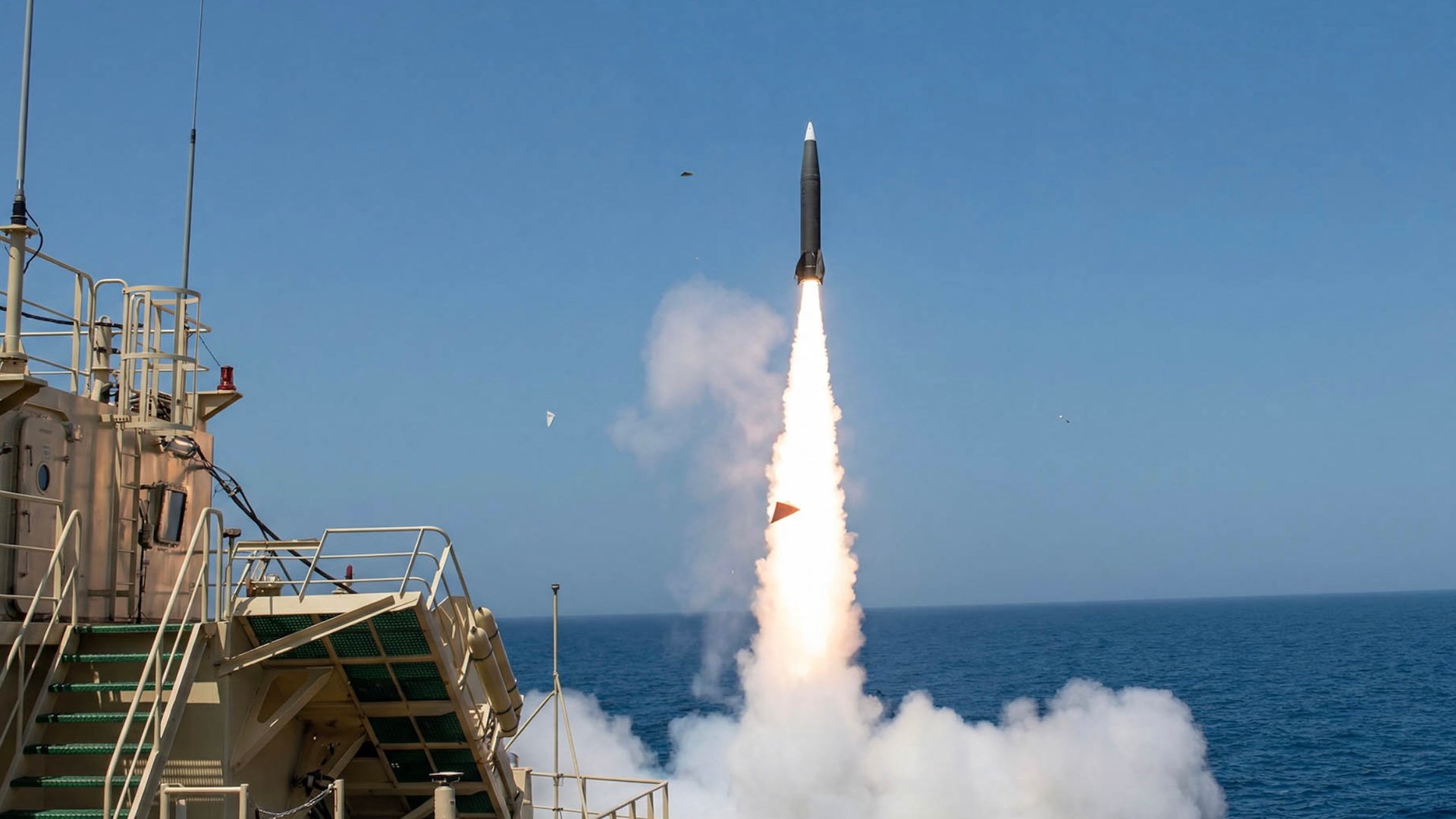
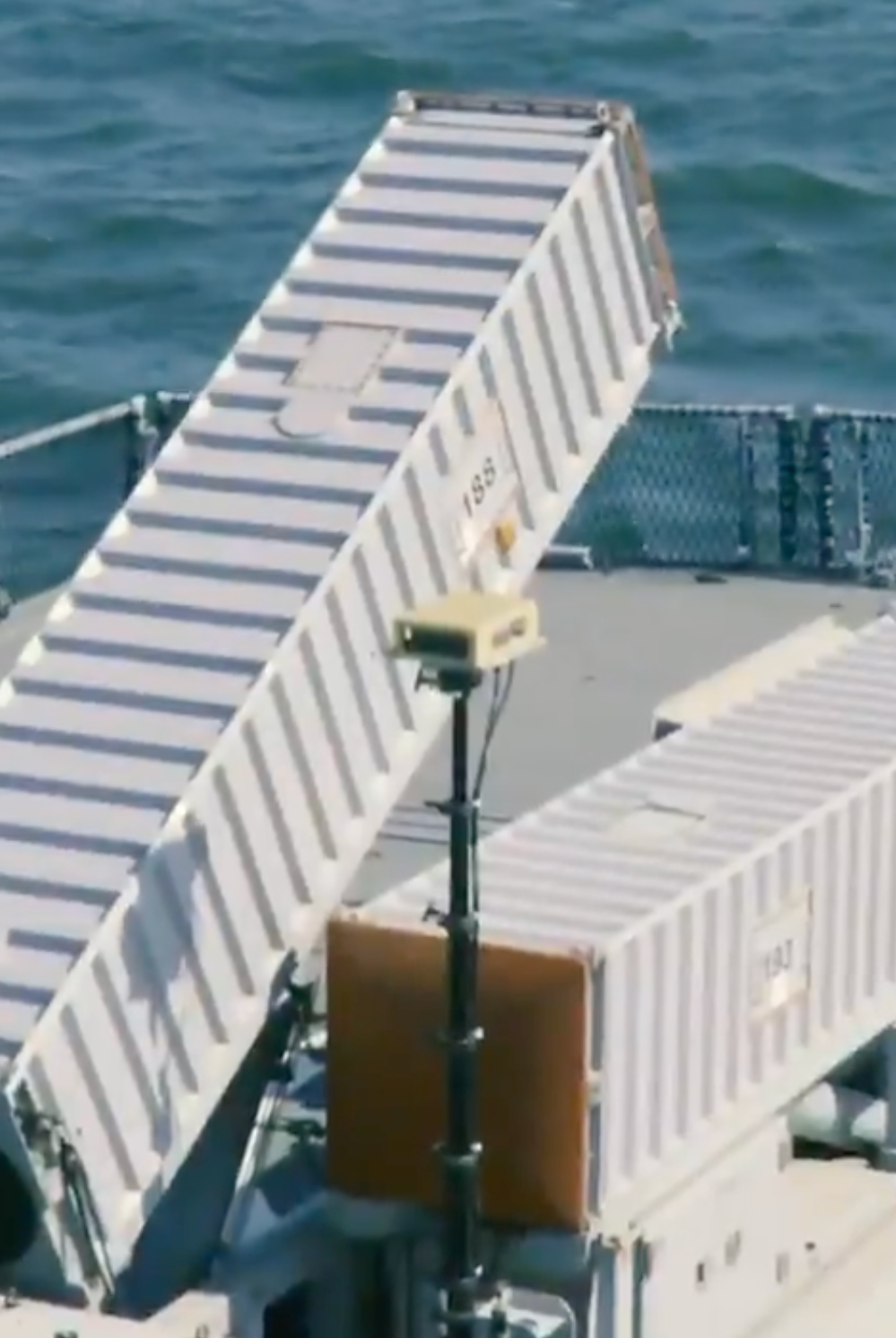
A LORA missile leaves the launch canister on the flight deck of the frigate. German Ministry of Defense/screencap

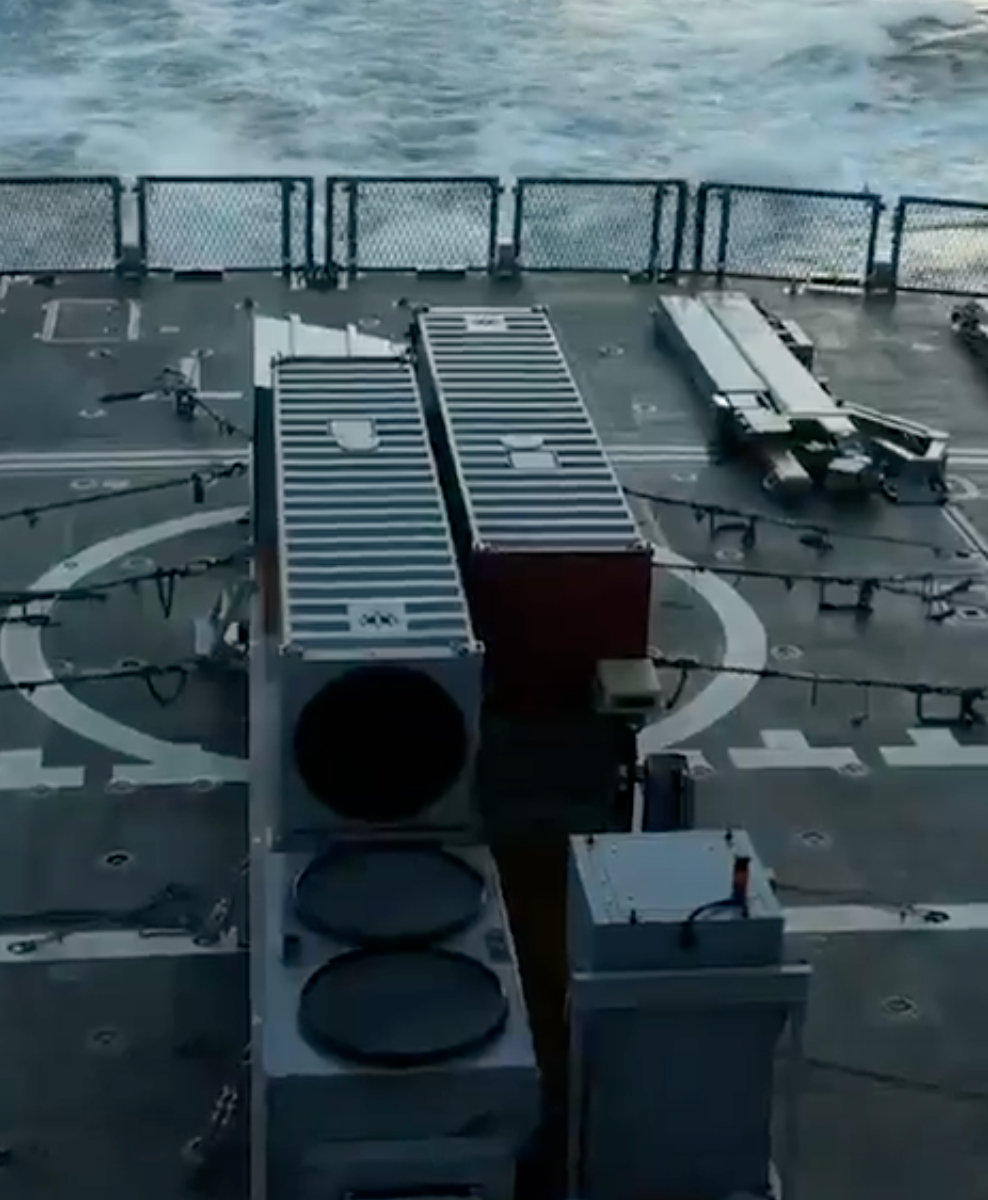
Video released by the German Ministry of Defense alongside the test shows two LORA launch canisters positioned on the frigate’s flight deck, followed by a missile launching from each container.

🇩🇪Die Fregatte „Sachsen-Anhalt" (Klasse 125) hat im Nordatlantik mindestens zwei ballistische Raketen vom Typ LORA (IAI) verschossen – gestartet aus Kanistern auf dem Flugdeck. Die Erprobung erfolgte im Rahmen der OPEX-Serie.
Video: Deutsche Marine pic.twitter.com/eV3yzjrcgg

— Clemens Speer (@clemens_speer) September 2, 2026

The launches were conducted as part of the Bundeswehr’s operational experimentation (OPEX) program in cooperation with the Bundeswehr Innovation Center in Erding. Reportedly, two German frigates were deployed to the waters between Ireland and Iceland for the test, and a warning was issued to maritime and air traffic 45 days beforehand.

The test marks a notable expansion of the weapons capabilities demonstrated by Germany’s F125 frigates and could provide a pathway toward a new long-range naval strike capability.

A LORA canister is raised into the launch position. German Ministry of Defense/screencap

German Navy Inspector General Vice Adm. Jan Christian Kaack described the event in a statement distributed through the Bundeswehr’s official WhatsApp channel:

“With the successful launch of a ballistic missile last night in the North Atlantic, we have made naval history. I am extremely pleased with this achievement. The system can be successfully deployed by our units, and its potential range exceeds anything we have seen before. For the protection of Germany and our allies, this test marks a new chapter in deterrence and defense readiness at sea.”

IAI also confirmed the results of the test, stating that both missiles followed their planned trajectories and struck their targets with high precision.

The exact targets, engagement ranges, flight profiles, and missile configurations used during the test have not been disclosed.

There is no possibility that Sachsen-Anhalt will retain the launchers in their current location, since they mean the F125’s flight deck cannot be used, depriving it of a critical capability. Potentially, they could be installed elsewhere on the vessel, but, moreover, it is unclear if the current experiment will lead to a formal acquisition program.

The two LORA canisters on the flight deck of the frigate. German Ministry of Defense/screencap

At the same time, LORA is a substantially different weapon from the anti-ship and land attack cruise missiles normally associated with modern surface combatants.

Available for ship- and ground-launch, the missile is approximately 17 feet long, 25 inches in diameter, and weighs around 3,500 pounds. It follows a quasi-ballistic trajectory and has an officially stated range of approximately 60 to 270 miles. An air-launched derivative has also been developed.

A weapon capable of reaching targets hundreds of miles away would give German surface combatants a long-range strike option extending far beyond the range of traditional naval guns and many shorter-range precision weapons.

Its quasi-ballistic flight profile also differentiates LORA from a conventional cruise missile. A ballistic-style trajectory allows the weapon to cover distance rapidly and presents an air-defense challenge different from that posed by a low-flying cruise missile. This type of missile also impacts its target with much greater kinetic energy, making it especially useful for striking more hardened target sets.

LORA uses a navigation architecture combining GNSS satellite navigation with an inertial navigation system and can achieve a circular error probable, or CEP, of approximately 33 feet. IAI also says LORA can be launched within minutes, including from unprepared positions, and can attack a target within its range in less than 10 minutes after a decision to launch.

Back in 2017, as you can read about here, IAI successfully test-fired LORA from a containerized launcher on the back of a truck sitting on the deck of a cargo ship. The missile successfully struck a target on land.

What is less clear is its ability to strike targets at sea.

A long-range anti-surface application would be particularly interesting for the German Navy, although the weapon, in its basic form, has no terminal seeker. This limits the missile to use against targets with a fixed location, rather than autonomously finding and tracking a maneuvering warship during the terminal phase of flight.

In a 2020 test, IAI demonstrated firing two LORA missiles from a ship before hitting separate floating targets at approximately 60 miles and 250 miles. However, striking a static floating target is different from an enemy warship that is maneuvering and potentially employing electronic warfare and air defenses.

Regardless, Germany has an even clearer requirement for land attack capabilities, which LORA is fully capable of fulfilling, as we will return to later.

As for Germany’s F125 frigates, these were designed primarily for long-duration deployments, maritime security, stabilization operations, and other missions requiring a persistent naval presence. Their overall lack of firepower is something we have examined in detail before now.

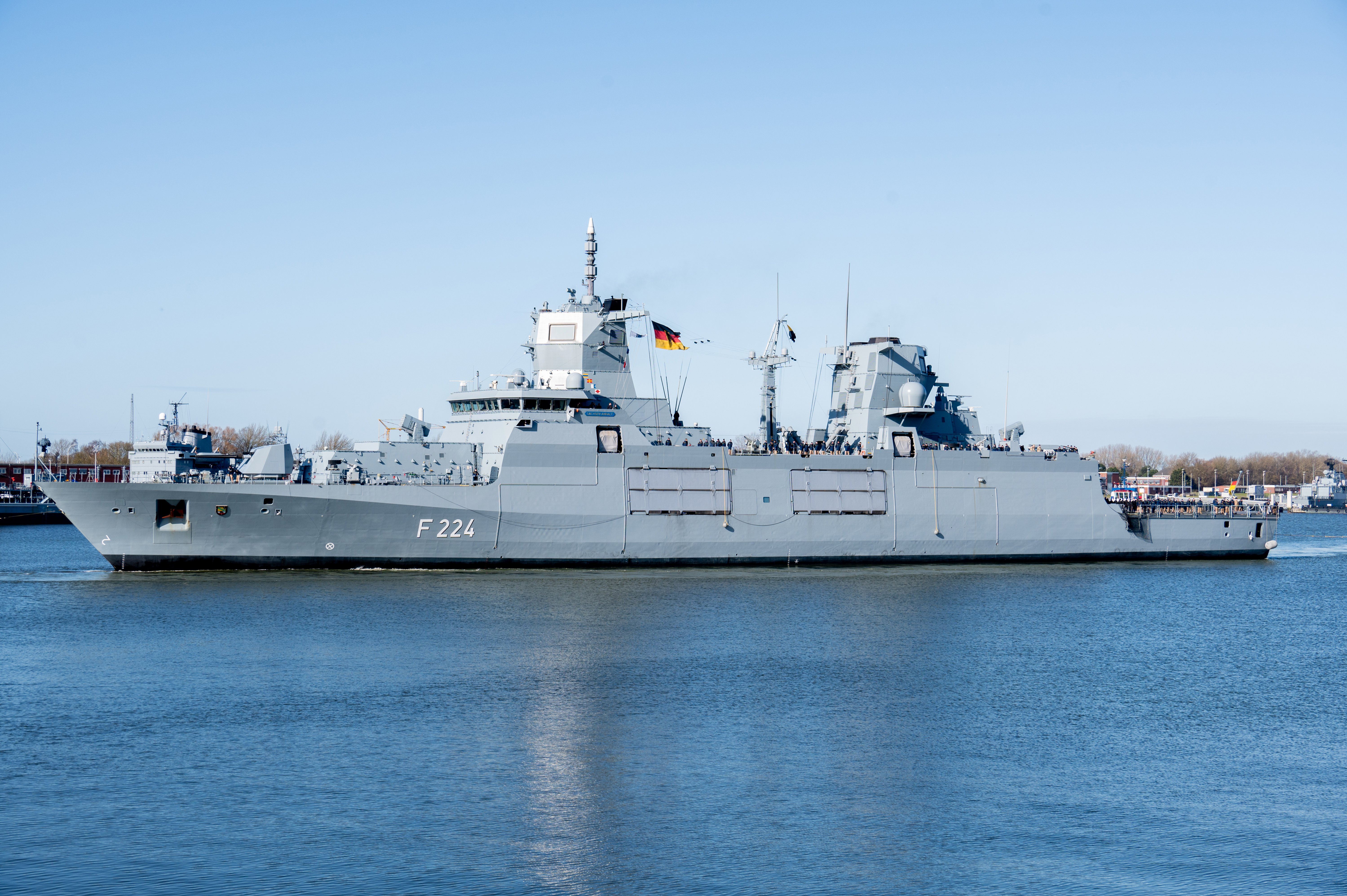
01 March 2026, Lower Saxony, Wilhelmshaven: The frigate "Sachsen-Anhalt" (F 224) arrives in port at the naval base after a deployment lasting several months. The crew supported the Lebanese Navy off the coast of Lebanon with maritime surveillance and training as part of the Unifil mission. Photo: Hauke-Christian Dittrich/dpa (Photo by Hauke-Christian Dittrich/picture alliance via Getty Images)
The frigate Sachsen-Anhalt (F 224) arrives in port. Photo by Hauke-Christian Dittrich/picture alliance via Getty Images picture alliance

The latest test involving the Sachsen-Anhalt is in line with the Bundeswehr’s OPEX framework, which is intended to evaluate emerging technologies and operational concepts under realistic conditions before decisions are made about wider adoption.

There is precedent for such experimentation leading to operational capabilities. Israeli-developed systems, including IAI’s Blue Whale autonomous underwater vehicle, have previously been evaluated through German naval experimentation efforts and subsequently moved toward formal adoption.

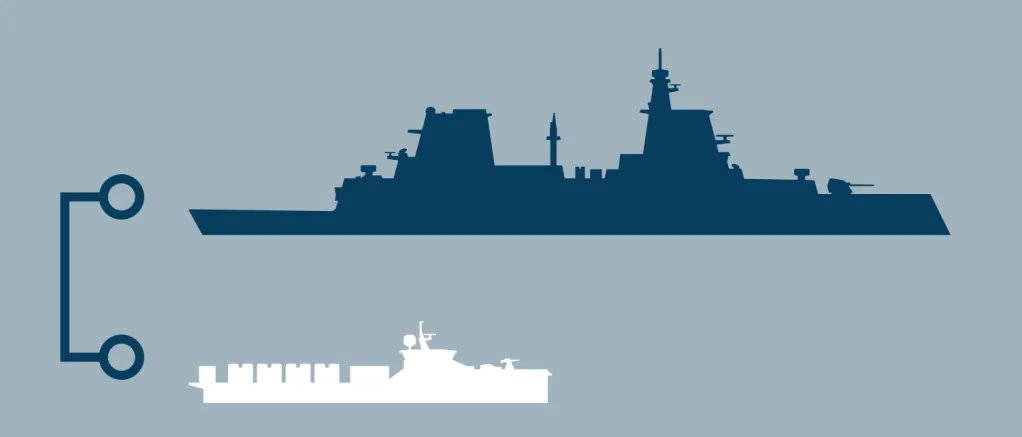
As well as the four F125 hulls, Germany might look to incorporate LORA from the start on its future F127 multi-purpose frigates and/or its planned Large Remote Missile Vessels (LRMV), uncrewed vessels that will serve as arsenal ship ‘wingmen,’ supporting conventional surface combatants.

A highly provisional diagram shows the F127 frigate (top) and the LRMV (below). German Navy

It is worth noting that Germany has recently acquired various other Israeli-made missile and rocket systems. These include the Arrow 3 anti-ballistic missile system — the largest-ever Israeli defense export deal — and the PULS multiple rocket launcher. A German purchase of the land-based version of LORA would also be an option, with the truck-mounted system also able to be launched from ships at sea.

Meanwhile, Germany is a major provider of weapons systems to Israel, among them its most powerful surface combatants and submarines.

The LORA test also reflects a broader European push toward longer-range precision fires.

Russia’s war in Ukraine has underscored the importance of ballistic and cruise missiles, while NATO countries have increasingly sought weapons capable of holding targets at greater distances at risk.

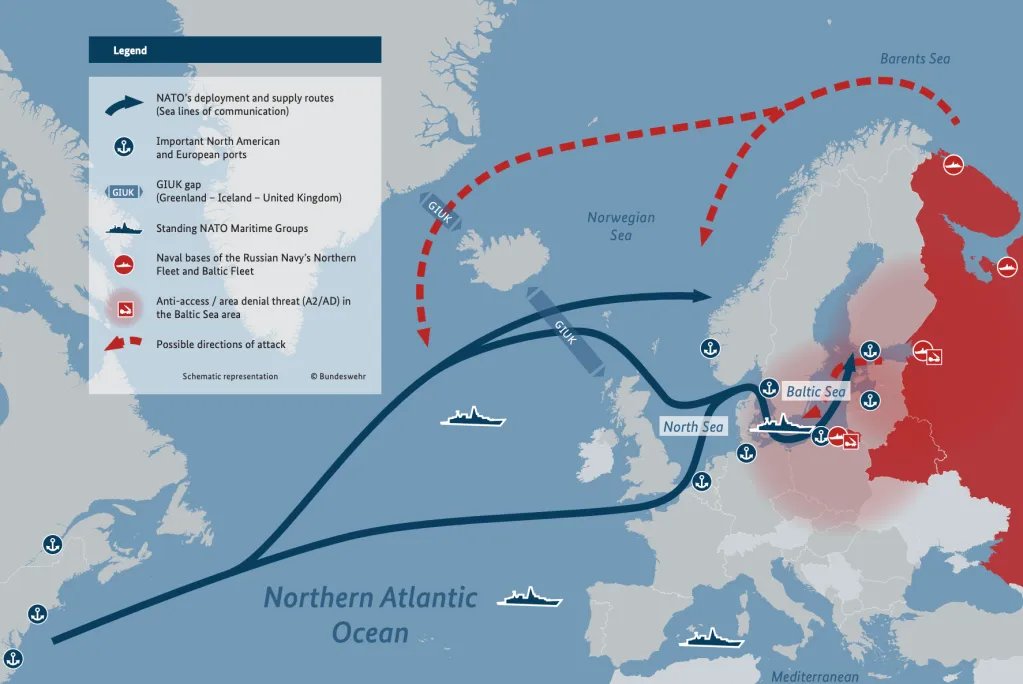
Key German Navy operating areas, including likely Russian attack routes. German Navy

Germany has historically possessed comparatively limited deep-strike capability. The Bundeswehr is now working to expand its ability to conduct long-range precision engagement, both independently and within NATO structures. This includes planned procurement of land-based Tomahawk cruise missiles, with a range exceeding 1,000 miles depending on the exact configuration.

Very deliberate NATO messaging right here – interesting to see the alliance using this kind of signalling https://t.co/BYvpzkq0Vq

— Deborah Haynes (@haynesdeborah) September 2, 2026

A naval LORA capability could add another layer to that effort and would allow Germany to distribute long-range fires across surface combatants, complicating an adversary’s targeting problem while giving its naval forces a more meaningful role in high-end combat operations. With the security situation in Europe deteriorating, the potential deterrence factor that such a weapon would bring to Germany, and to NATO, should also not be underestimated.

Contact the author: thomas@thewarzone.com

The post Israeli LORA Ballistic Missiles Fired From German Frigate appeared first on TWZ.

  •  
❌