The newly released picture from General Atomics’ Aeronautical Systems, Inc. division (GA-ASI), seen at the top of this story, shows an FQ-42 in flight together with an F-35A Joint Strike Fighter and an F-15E Strike Eagle. The company has also disclosed the delivery of another Vengeance drone to the Air Force, this time to the service’s main drone operations hub at Creech Air Force Base in Nevada.
“The FQ-42 that arrived at Creech will continue regular test and evaluation operations with the Air Force aimed at experimentation with the new aircraft,” according to a press release GA-ASI put out today. “Previous efforts with Vengeance and other GA-ASI jets, including [the] XQ-67A Off-Board Sensing Station and MQ-20 Avenger – have found the trio of combat jets flying in various scenarios that push the boundaries of combat aviation. GA-ASI’s jets have flown semi-autonomously and autonomously with various AI pilots and under collaborative control of human fighter pilots operating F-22 Raptor and F-35 Lightning II jets.”
From top to bottom, General Atomics MQ-20 Avenger, XQ-67 OBSS, and YFQ-42 drones. GA-ASI
As mentioned, the Air Force is steadily working to broaden the scale and scope of testing involving the FQ-42 and FQ-44 to include more and more operationally relevant scenarios. Both types are set to make their first appearance at a large-force employment (LFE) exercise in December, offering a valuable new opportunity for deeper and more realistic integration with crewed fighters.
The Air Force otherwise continues to lay the groundwork for future CCA operations, including through a major round of testing at Creech in July, which TWZ was first to report on. The service is heavily focused now just on figuring out how the drones will be deployed, launched, recovered, supported, and otherwise operated on a day-to-day basis. A dedicated test squadron called the Experimental Operations Unit (EOU), established at Nellis Air Force Base in Nevada, has been leading those efforts.
Work is also underway to demonstrate tactical capabilities, such as the FQ-44 launching an AIM-120 Advanced Medium-Range Air-to-Air Missile (AMRAAM) for the first time earlier this year.
New test footage: first missile shot from YFQ-44A.
YFQ-44A executed an end-to-end, beyond-line-of-sight strike against a simulated target.
“We’re on path right now to do our air-to-air shot coming up here in the near future,” Mike Shortsleeve, Vice President for Strategy Business Development at GA-ASI, told TWZ‘s Jamie Hunter on the floor of the Air & Space Forces Association’s (AFA) 2026 Air, Space & Cyber Conference last week.
Last week, GA-ASI separately announced a new demonstration of semi-autonomous air-to-air combat capability involving crewed F-5AT Advanced Tiger jets belonging to private adversary air contractor Tactical Air Support, Inc. and an unspecified “CCA test aircraft.” The company did use a picture of an Avenger drone to illustrate the press release. The F-5s and the CCA surrogate were equipped with infrared search-and-track sensors (IRST) during the testing.
The stock picture of an Avenger drone that General Atomics used to illustrate its press release last week. General Atomics
“The live exercise proved that a CCA and a manned fighter can collaborate to fuse sensor data from AMS-GRA-compliant sensors to track, engage, and eliminate an airborne target while using a Beyond Line of Sight (BLOS) data link to accomplish seamless coordination between the two aircraft,” according to the GA-ASI release.
“The demonstration utilized BLOS communication between the CCA and the airborne F-5, enabling the Advanced Tiger to send data about targets from an AMS-GRA-compatible system. These commands were relayed to the CCA’s TacACE [Tactical Autonomy Ecosystem software] system,” the release added. “This flight showed that many companies’ platforms can interoperate using the plug-and-play government reference architectures ecosystem. The U.S. Air Force isn’t locked into using a single vendor or system.”
IRSTs are especially valuable for helping spot stealthy targets with features designed to reduce their radar cross-sections since they detect and track infrared emissions. By extension, IRSTs are also immune to radio frequency electronic warfare jamming. As passive sensors, they do not emit their own signals that could alert a target to the fact they are being tracked, either. IRSTs can still be used to cue or otherwise be linked to other sensors, including active electronically-scanned array radars. Fusing data from multiple sources can provide higher fidelity tracks of multiple targets, as well as improved situational awareness overall.
An Avenger drone with a podded IRST sensor under its wing. General Atomics
Air-to-air combat is expected to be the primary mission set, at least initially, for Air Force CCAs. At the same time, an air-to-ground role for the FQ-42 and FQ-44, and/or other future CCA-type drones the Air Force might acquire, is emerging on the horizon. Anduril has already fit-checked a variety of air-to-ground ordnance on Fury.
As it stands now, the Air Force is looking to have its first operational CCAs in service toward the end of the decade. The service is also presently aiming to have a total fleet of at least 500 CCAs of all types by 2032.
“If we can’t be ready, then certainly you’re not going to have the forces that you need and the numbers that you need going forward. This signifies that mass is certainly important again, but also autonomy is just as important,” General Atomics’ Shortsleeve told us last week in talking about the Air Force’s CCA fleet size target. “So the ability to have these autonomous systems, whether they’re bringing in additional weapons, sensing capability, whatever it is, all of those working in a collaborative environment, whether it’s manned, unmanned teaming, or unmanned and unmanned capabilities, that right there is what’s going to help the warfighter in the future.”
“And when we say autonomy, it’s not just strictly this is going to go off and do its own thing. It’s going to be directed,” he added. “Whether it’s on the ground, in the air, [it] makes no difference to the system itself. It’s going to work hand-in-hand [with humans]. So that human-machine teaming, that’s what they’re really focusing on. There is figuring out how to best use this capability in the advancement of actually having to employ it in [the] real world.”
Though just flying in formation is very different from collaboration with a high degree of autonomy, the new picture of the FQ-42 together with the F-35A and the F-15E is a window into the future teamed operations the Air Force is hoping to build.
An annual award has gone to one of the U.S. Air Force’s most secretive drone squadrons, offering a very rare window into its activities. The 30th Reconnaissance Squadron is one of two units known to operate the stealthy RQ-170 Sentinel, and it is unusual to hear anything about its operational exploits. Much about the RQ-170 itself remains highly classified 17 years after its existence was first officially acknowledged.
The General Atomics Remotely Piloted Aircraft (RPA) Squadron of the Year award for 2025 was presented to the 30th Reconnaissance Squadron at the Air & Space Forces Association’s (AFA) 2026 Air, Space & Cyber Conference on Tuesday, at which TWZ was in attendance. The AFA’s Mitchell Institute for Aerospace Studies works together with General Atomics’ Aeronautical Systems, Inc. division (GA-ASI) to recognize an Air Force drone unit in this way each year.
“The RPA Trophy is awarded annually at the USAF level for outstanding performance of active duty, Air Force Reserve, and Air National Guard … squadrons in achieving persistent attack and/or reconnaissance over the preceding calendar year,” the Mitchell Institute told TWZ in a statement. “Squadrons are judged on performance across their specified mission sets, exercise participation, and squadron and individual achievements.”
The RPA Squadron of the Year trophy seen at the 2026 Air, Space & Cyber Conference this week. The name and unit insignia of the 30th Reconnaissance Squadron are seen on a plaque on the front of the base. Air & Space Forces Association
The institute sent an additional statement regarding this year’s particular award to the 30th Reconnaissance Squadron, which is as follows:
“Through relentless combat support, operational agility, and enterprise leadership, the 30th Reconnaissance Squadron – known as the Blackbirds – has set the standard for the remotely piloted aircraft community and strengthened the Joint Force’s intelligence advantage. In 2025, the 30th Reconnaissance Squadron conducted intrusive intelligence, surveillance, and reconnaissance missions across three areas of responsibility, filling critical intelligence gaps and disrupting enemy networks. In the face of urgent deployment requirements, the squadron demonstrated exceptional agility, rapidly pivoting resources to establish forward operating locations and execute critical missions under severely compressed timelines. The Blackbirds’ accomplishments paved the way for future remotely piloted aircraft capability, distinctly identifying them as the Air Force’s most outstanding RPA squadron.“
Larry Stutzriem, the AFA’s Executive Vice President, while presenting the award to representatives of the 30th Reconnaissance Squadron ahead of a panel at the Air, Space & Cyber Conference.
“In 2025, the 30th Reconnaissance Squadron conducted 87 ISR [intelligence, surveillance, and reconnaissance] missions across three different AORs [areas of responsibility], filled critical intelligence gaps, and disrupted enemy networks,” Stutzriem said. “On the unit mobility side, the Blackbirds executed 7.2 million dollars worth of airlift in six movements across four combatant commands, moving 250 tons of personnel, top secret material, and equipment to provide low-observable RPA support for a critical Secretary of War-directed mission.”
“With their deployments, the Blackbirds demonstrated exceptional agility under extremely compressed timelines,” he added.
The official unit insignia of the 30th Reconnaissance Squadron, with its prominent blackbird motif. USAF
Furthermore, during 2025, the squadron “also executed six large force exercises to develop tactics, techniques, and procedures; validated joint force tactical objectives in land and maritime environments; and provided combat-relevant training,” according to Stutzriem. “Instructors and evaluators graduated the largest ever combat mission-ready class, 30 percent ahead of schedule, and accelerated mission-ready status 33 percent, while increasing total unit aircrew by 26 percent.”
Though Stutzriem noted that the 30th Reconnaissance Squadron provided “low-observable RPA support,” no explicit mention was made of the RQ-170. Whether or not the squadron may now operate other kinds of low-observable (stealthy) drones is unknown. As mentioned, to date, the Air Force has only confirmed that Sentinels are assigned to two units, the other being the 44th Reconnaissance Squadron. Both the 30th and 44th are assigned to the 432nd Wing at Creech Air Force Base in Nevada. Between 20 and 30 RQ-170s, in total, are understood to be in the Air Force’s inventory.
What three specific AORs the 30th Reconnaissance Squadron operated in during 2025 is also not known.
However, at least one, and possibly two, RQ-170s took part in the mission to capture Venezuelan dictator Nicolas Maduro in January of this year, as you can read more about here. It’s very likely that the Sentinels were tracking Maduro ahead of the operation. In December 2025, Air Forces Southern (AFSOUTH) had also made a post on X that included a picture of an individual wearing a name patch with the silhouette of Sentinel and the sleeve insignia of the 432nd Wing, prompting questions about whether the drones were operating in the region. The post was subsequently deleted.
Further in the past, RQ-170s are also known to have been deployed to the Middle East, Central Asia, and the Pacific. The Sentinel first emerged publicly in Afghanistan in the late 2000s, prompting the U.S. military to confirm its existence in 2009. Sentinels are notably understood to have surveilled Al Qaeda founder Osama Bin Laden’s compound in Pakistan in the lead-up to the raid that led to his death in May 2011.
Later in 2011, one of the drones infamously went down in Iran while presumed to be on a mission to monitor aspects of that country’s nuclear program. With that in mind, it is possible, if not extremely probable, that RQ-170s likely played a role in relation to the Operation Midnight Hammer strikes on Iranian nuclear sites last year. Sentinels could have provided direct surveillance over the sites in question, as well as collecting post-mission bomb damage assessments and other intelligence. These are exactly the kinds of missions the drones were designed for and that operators have trained for.
A satellite image available through Apple Maps, seen below, also shows an RQ-170 at Naval Air Station Sigonella in Italy, likely in the 2023-2024 timeframe, based on the state of construction visible elsewhere at the base. It is not known how many Sentinels were deployed to Sigonella and for how long. The Apple Maps image does lend some credence to earlier reports that these drones may have flown missions in the Black Sea region, gathering intelligence on Russian forces on the heavily defended, occupied Crimean Peninsula, between 2022 and 2023.
Apple Maps
Overall, the RQ-170 does still appear to be a go-to for performing penetrating tactical reconnaissance missions, especially when there is a need to provide persistent surveillance in denied areas, resulting in extremely important intelligence collection.
Again, it is important to reiterate here that we do not know if the 30th Reconnaissance Squadron operates any other stealthy drones beyond the RQ-170, or has in the past. A very stealthy high-altitude, long-endurance (HALE) surveillance and reconnaissance drone commonly and unofficially referred to as the RQ-180, or an evolution thereof, burst into the public eye in March after it was spotted landing in broad daylight at a base in Greece. Much about the drone, including what units are involved in its operation and where the home base of the fleet is, as well as the reasons for its deployment to the region, has yet to emerge. It does seem unlikely that the 30th would have taken on operation of the RQ-180, which is a larger strategic reconnaissance-focused platform compared to the smaller, tactically-minded, and less exquisite RQ-170. This is also just one example of what could still be lurking in the classified realm.
American RQ-180 stealth drone landing in Greece, supporting US operations against Iran. pic.twitter.com/Go5YHBM1p8
Whether or not the awarding of the 2025 RPA Squadron of the Year trophy to the 30th Reconnaissance Squadron might now point to a new willingness to talk about that unit’s activities and/or the RQ-170 remains to be seen. Regardless, the award and its description are yet more reminders of just how important the Sentinel remains nearly two decades after it first appeared.
The Pentagon has reached an agreement with Lockheed Martin to lay the groundwork for stepped-up production and delivery of new AIM-260 Joint Advanced Tactical Missiles (JATM) to the U.S. military and allied air arms in the coming years. The AIM-260 is still in development, but the head of the Air Force Test Center also touted efforts to further accelerate that work just earlier this week. From the start, the U.S. military has presented JATM as especially critical for ensuring China, with its own growing array of longer-range air-to-air missiles, does not gain an edge in future air combat.
The new framework agreement announced today “is critical to ensuring long-term demand signals flow to key suppliers, allowing Lockheed Martin and the munitions supply chain to invest in manufacturing capacity, workforce, and production efficiencies,” according to a Pentagon press release. “It establishes a framework for future Multi-Year Procurement (MYP) of JATM, executing congressional authority to secure the nation’s highest-priority missile systems.”
“This agreement forms the foundational agreement for a multiyear procurement contract, pending Congressional approval, that provides long-term demand to strengthen and expand the defense industrial base for the program,” according to a separate release from Lockheed Martin.
A US Navy F/A-18F Super Hornet seen carrying an AIM-260 Joint Advanced Tactical Missile (JATM). Jonathan Tweedy/ @flightline_visuals
In response to questions from TWZ, the Pentagon declined to comment on the projected number of JATMs covered under this agreement, as well as estimated costs and delivery schedules.
A rendering depicting an F-22 Raptor firing an AIM-260 JATM. USAF
The releases today from the Pentagon and Lockheed Martin confirm that the new framework deal also includes planned foreign military sales of AIM-260s. Australia, one of America’s top allies, is the first confirmed international customer for the JATM, and plans to integrate the missiles on its F/A-18Fs, F-35As, and EA-18G Growler electronic warfare jets. The Royal Australian Air Force’s MQ-28 Ghost Bat CCA-type drones, initial versions of which are already capable of firing AIM-120s, might be another AIM-260 launch platform in the future.
The AIM-260 remains in development, with the Navy and Air Force test communities supporting that work.
“We are accelerating weapons development from high-end air dominance weapons like the JATM to hypersonic strike systems like the Hypersonic Attack Cruise Missile,” Air Force Brig. Gen. Mark Massaro, head of the Air Force Test Center (AFTC) at Edwards Air Force Base in California, told TWZ and other outlets at a media roundtable yesterday. The roundtable took place at the Air & Space Forces Association’s (AFA) 2026 Air, Space & Cyber Conference.
“We’re actively testing JATM, and it’s progressing along its program path. In test, we are working through the development stages there,” Massaro added. “So, we’re testing it in [sic] the ground with models, like I mentioned. We’re testing it in the air on aircraft. So, from a performance standpoint, I’ll hold on to that from an operational security perspective. But we’re happy seeing where it’s going, and we expect that to be a key piece of capability for our warfighters to have.”
“Just from a testing perspective, we’re always looking at making sure that we’ve got the throughput,” he added when asked if he could talk about challenges or other issues AFTC has run up against in work on the AIM-260. “So, from a test perspective only, infrastructure and throughput to make sure that we can get things out … and make the testing happen. But I’m not, from a capabilities perspective, worried about the system.”
Another look at the AIM-260 loaded on the Navy Super Hornet. Jonathan Tweedy/ @flightline_visuals
It is unclear when the first operational AIM-260s may begin entering the U.S. inventory. When the program was first disclosed to the public in 2019, the stated goal was to start fielding the missiles in 2022. There were also reports in late 2025 that funding issues had caused a three-month delay, based on a fact sheet distributed to some members of the U.S. House Committee on Armed Services. The committee later said that the information was incorrect.
Work to date on JATM has been conducted under a heavy veil of secrecy, with the existence of the program only being announced in 2019. The first public glimpse of the missile only emerged in May of this year. Beyond the aforementioned size requirement and that the new missile will offer significantly greater engagement range over the AIM-120, details remain limited. Readers can learn more about what we do know so far here.
The AIM-260 is not the only longer-ranged air-to-air missile known to be in development in the United States, either. In 2024, the Navy revealed it had begun fielding an air-launched version of the surface-launched Standard Missile-6 (SM-6), called the AIM-174B Gunslinger, at least on a limited level. Just in August of this year, the service disclosed the existence of another very long-range air-to-air missile, the AIM-424 Malice, which has already reached the flight testing phase of development.
A US Navy F/A-18F Super Hornet test jet with four AIM-174B missiles under its wings. point_mugu_skiesA US Navy Super Hornet test jet carrying a load of AIM-424 Malice missiles. USN
An Air Force spokesperson told Air & Space Forces Magazine last month that the service was “closely following” the Navy’s work on the AIM-424. In June, the Air Force itself shared details about another potential future air-to-air missile, dubbed the Air Force Long Range Weapon (AFLRW), including a target requirement for a maximum range of at least 1,000 nautical miles.
Based on past experiences with public disclosures about the AIM-260, AIM-174B, and AIM-424 programs, additional work on advanced longer-range air-to-air missiles is certainly ongoing in the classified realm.
Today’s announcement about the new framework agreement, together with Brig. Gen. Massaro’s brief update yesterday, makes clear there is a continued commitment to JATM amid a still-growing field of new, longer-range air-to-air missiles.
The U.S. Air Force has been taking a new look at the feasibility of restarting production of the C-17 Globemaster III cargo plane as part of its still-evolving next-generation airlift plans. The service also continues to explore a wide range of next-generation aerial refueling concepts, including new stealthy and/or uncrewed tankers, but a firm vision for the way forward there has yet to emerge.
Air Force Lt. Gen. Daniel Tulley, head of Air Mobility Command (AMC), shared new details about future airlift and aerial refueling efforts, with TWZ and other outlets at a roundtable at the Air & Space Forces Association’s (AFA) 2026 Air, Space & Cyber Conference.
On the airlift side, the Air Force’s stated plan to date is to replace both the C-17A and C-5M Galaxy with a single Next-Generation Airlift (NGAL) platform, starting in the mid-2040s. Separately, the service is pursuing what could be a family of future aerial refueling capabilities under what is now called the Advanced Tanker Systems (ATS) program. Very broadly speaking, ATS presents a path toward what might come after the retirement of the aging KC-135 tanker fleet, though those aircraft are still expected to keep flying for years to come. The Air Force is also moving to further expand its fleet of newer KC-46A tankers in the interim, but persistent technical and other issues with that design continue to present hurdles.
A US Air Force C-5, at left, together with one of the sevice’s C-17s, at right. USAFA KC-135, at right, prepares to link with a KC-46, at left, during a test. USAF
At the roundtable today, Lt. Gen. Tulley was asked explicitly about restarting C-17 production. The manufacturer of those aircraft, Boeing, shuttered that line in 2015. The company also just marked the 35th anniversary of the design’s first flight yesterday.
“Heck yeah, but with a caveat, right?” Tulley said in response. “So we were just asking this question over the course of last week, and it’s in the context of next-generation airlift. So we are about to embark on the Analysis of Alternatives to replace the C-17 and replace the C-5. All options are on the table.”
“There’s always the option to service life extend the C-17, but the [production restart] question came up,” he continued. “I’ve heard this my entire career. Once we terminate an assembly line, can we ever bring it back? Does somebody store all the machinery and the dies and whatnot, and can you bring that out? So we’re asking that question.”
“But then whatever that answer is from the vendors, what will be the price tag associated with that?” he added. “You have to ask yourself, okay, is rebuilding a C-17 even if you make improvements – and there’s a loose analogy with the C-130J, [a] much more modern, capable variant of the C-130E [author’s note: the C-130J evolved more directly from the C-130H variant] I first learned to fly – if you do that with the C-17, is that the best move? Or are there new technologies that we can incorporate into it so that it can defend itself, so that it’s connected, it’s networked, it does all the things that maybe the current C-17 doesn’t do?”
“We’re looking into it as part of the Analysis of Alternatives. I’m hopeful that we’ll get to answer that question.”
In June, the House Armed Services Committee also directed the U.S. Air Force to prepare a formal briefing on the matter of new C-17 production in a report accompanying a draft of the annual defense policy bill, or National Defense Authorization Act (NDAA), for Fiscal Year 2027.
The RAND Corporation did conduct a detailed, independent analysis more than a decade ago that assessed the costs and complexities that could come from Boeing building more C-17As, as well as other variants and derivatives of the design. RAND’s conclusion was that any of the courses of action would require billions of dollars of new investment and entail risks, as you can read more about in more detail here.
Foreign participation in a new C-17 production run could help at least defray costs. Australia, Canada, India, Kuwait, Qatar, the United Arab Emirates, and the United Kingdom all currently fly Globemaster IIIs. The Strategic Airlift Capability (SAC) initiative, a multinational arrangement with several European members, as well as the United States, also operates three of these aircraft.
Boeing told TWZ directly in June that unnamed C-17 operators had been reaching out about the prospect of restarting the production line, and that the company was “encouraged” by those discussions.
As Lt. Gen. Tulley stressed, there are significant questions about whether buying new-production C-17s, even with substantial improvements, is not only feasible, but a good use of resources. The Air Force’s Globemaster III fleet today continues to prove itself to be critical to the U.S. military’s ability to project power globally, and is in very high demand right now, especially amid the ongoing conflict with Iran.
The Air Force’s desire to replace both the C-17 and C-5, which are very different aircraft in form and function, could still easily lead the service down a different route. Boeing is not the only one looking at future NGAL opportunities. Another company, Radia, has been very actively pitching a clean-sheet design that is physically bigger than either the C-17 and the C-5, and that is geared toward greater operational flexibility, at the Air Force. Radia is targeting a first flight of its aircraft, called Windrunner, by the end of the decade, but it is still in a very aspirational stage at present.
A rendering of Radia’s Windrunner design. Radia
Many questions also still remain about how the Air Force will ultimately proceed on the next-generation aerial refueling front.
“So thinking beyond the current KC-46 buy and the program extension, whatever that next tanker looks like, our Advanced Tanker System, it’s got to be connected. It’s got to be able to defend itself,” Lt. Gen. Tulley said at the roundtable. “But it begs the question: does it need to be manned? Could it be optionally manned? Could it be autonomous? Or is there a family of solutions maybe that would answer that question? So I do not believe that it has to be manned.”
“I think you’re seeing that with the MQ-25 and the Navy’s work, but then, how do we, the U.S. Air Force, bring that to bear in scope, scale, and range?” Tulley continued. “An optionally manned or an unmanned tanker, at range, the ranges we need to operate at, it’s a very large aircraft. And we’re not yet to where we’re employing fully autonomous large aircraft, but the technology, I would say, is there and rapidly getting there if it’s not.”
A rendering of a larger, land-based derivative of the MQ-25, depicted refueling from a KC-46 tanker. BoeingOne of the advanced tanker concepts Lockheed Martin’s Skunk Works has shared publicly in recent years. Lockheed Martin Skunk Works
“We will be going after how to make the tanker survive,” William Bailey, the Air Force official currently performing the duties of the Assistant Secretary of the Air Force for Acquisition, Technology and Logistics, had also told TWZ and other outlets at a separate roundtable at the Air, Space & Cyber Conference yesterday. Bailey was responding to a direct question about whether the service was moving away from the idea of a stealthy tanker as part of the ATS plan.
“So, lots of work around what do we do in the future for our tankers, and we spent a pretty dedicated effort to go through and look at what do we think those design solutions could look like,” Bailey also said. “We looked internally. We went out to industry, had those guys come back with their thoughts on how to provide a more survivable aircraft.”
“The stuff that was coming in for me might have been an incremental improvement, but [it was] not clear that that represented the next step, the next phase,” he added. “What you’ll see is we’ll take our efforts, and we’ll look at, hey, if the real question is tanker access, then let’s not constrain ourselves to just the aircraft itself and trying to make a stealthy tanker. We need a tanker to have access, so we’ll talk about all those systems that it would take to protect that tanker.”
Bailey said the question of operational “access” applied to next-generation discussions, as well.
This ex-French Air Force KC-135FR tanker, now operated by private contractor Metrea, is an example of the outside aerial refueling capacity the U.S. military has been increasingly leveraging in recent years. Metrea
Greater connectivity “can be a game changer, and it has been a game changer in Operation Epic Fury [against Iran],” Lt. Gen. Tulley said at today’s roundtable. “The ability for air crews to communicate, to coordinate tanker orbits and rendezvous, to pass threat information, to save lives and save aircraft has been everything we expected it to be and more.”
“We have MAF NEXUS that we’re pursuing. The goal is to have this on all mobility aircraft, whether they’re future-built and it’s incorporated, or it’s an add-on capability to existing aircraft,” he continued. “It brings edge compute, the ability to then employ AI [artificial intelligence] and much more computing core power forward on the aircraft, and it does network with the rest of the joint force and the Air Force’s battle management system.”
A picture of a US Air Force KC-135 tanker spotted earlier this year with a new large satellite communications antenna (further highlighted in the inset), underscoring work underway now to improve the network connectivity of those aircraft. Alessandro Ledda
When it comes to new options for protecting existing tankers, “nothing’s off the table,” the AMC boss added. “Whether it’s [in the] electromagnetic spectrum, whether it’s kinetic self-defense, a layered approach, we’re looking at everything to come up with what might be the best system. But it’s got to be a system that we can afford, and it’s got to be one that we can put on all the aircraft we have and the ones we’re about to build.”
The Air Force is otherwise still clearly continuing to shape its future airlift and aerial fueling visions. As part of that work, the service is now at least considering the possibility of rebooting C-17 production.
Ante una nutrida representación del sector hostelero y en las instalaciones de Torres Canarias en ambas capitales isleñas, la casa Juvé & Camps conmemoró medio siglo de vida de uno de sus grandes estandartes: Reserva de la Familia. La cita sirvió para recorrer la evolución del cava a través de una cata vertical histórica y para ponerle rostro, emoción y relato directo a una copa que ha trascendido generaciones.
Dos embarcaciones de Salvamento Marítimo han trasladado este miércoles, 16 de septiembre, hasta Puerto Naos, en Arrecife, a 82 subsaharianos de una neumática con tres fallecidos tras el rescate realizado a unas 77 millas náuticas al noreste de la capital lanzaroteña. Más información.
Dos embarcaciones de Salvamento Marítimo han trasladado este miércoles, 16 de septiembre, hasta Puerto Naos, en Arrecife, a 82 subsaharianos de una neumática con tres fallecidos tras el rescate realizado a unas 77 millas náuticas al noreste de la capital lanzaroteña. Más información.
El Gobierno construirá en los próximos meses dos Centros de Atención Temporal de Extranjeros (CATE) permanentes en Ceuta y Melilla, con 800 plazas cada uno, para reforzar la capacidad de identificar y realizar el triaje de los inmigrantes que entren de forma irregular por las dos ciudades autónomas. El ministro del Interior, Fernando Grande-Marlaska, abordará estos proyectos este jueves con el comisario europeo de Interior y Migración, Magnus Brunner, que viajará a Madrid para tratar la delicada situación que vive Ceuta tras la entrada de 80.000 personas los días 30 y 31 de julio.
U.S. Air Force Collaborative Combat Aircraft (CCA) are set to take part in a large-force employment (LFE) exercise for the first time later this year. Sending CCAs to the next iteration of the Emerald Flag test exercise is another important new stepping stone toward fielding the drones operationally.
“We have not yet done a LFE with these [CCAs], for real. The first one is going to be Emerald Flag. That’s in December,” Lt. Col. Lyndon “OTTO” Bartlett, Director of Operations for the Experimental Operations Unit (EOU) at Nellis Air Force Base in Nevada, said earlier today. “That’ll be our first tip dip of the toe in an actual force integration.”
One of the Air Force’s YFQ-44A Fury CCA drones flies together with an F-35 Joint Strike Fighter. Anduril
It is worth noting here that Boeing’s MQ-28 Ghost Bat, a CCA-type design, did take part in Valiant Shield 26, another LFE exercise, earlier this year. The EOU was also involved. However, the MQ-28, originally developed for the Royal Australian Air Force, is not officially part of the Air Force’s CCA program at present.
Emerald Flag in December “will, in OTTO’s mind, be the first time that we will ever do some CCA end-to-end chain [demonstration] live. That’s the first time we’ll ever be integrated in a fourth- and fifth-gen combined OCA [offensive counter air] push,” Lt. Col. Bartlett added. “It’ll be small, but those type [sic] of building blocks are where I think you get the intangibles like trust in the CCA.”
“Those learnings are going to be just as valuable as the technical, [like] does the radio work properly? Does the button I push to say ‘target’ work properly?” he continued.
A General Atomics YFQ-42A CCA drone during an earlier test flight. General Atomics
“If it’s in a simulated environment, it’s immediate,” Lt. Col. Bartlett said during the panel when asked about the “feedback loop” in testing the EOU is already taking part in. In that environment, “when the mission autonomy iterations are happening, our guys are literally with the programmers … They give the feedback, and if it’s possible to do immediately, they take that feedback. If not, then they work on it on the next turn of the software.”
Real-world testing, of course, offers opportunities to explore additional aspects of future CCA operations, including when it comes to loading weapons and maintenance. A key component of the Air Force’s vision for CCA employment is being able to forward deploy the drones to far-flung locations, including airstrips with limited infrastructure and access to logistics chains. Rapid, distributed deployments like this are central to still-evolving concepts of operations currently referred to collectively as Agile Combat Employment (ACE). The EOU has been involved in at least two rounds of ACE-focused testing this year, one at Edwards Air Force Base in California in April and another at Creech Air Force Base in Nevada in July. TWZ was the first to report on the latter event.
During the panel today, Lt. Col. Bartlett also talked more generally about work EOU has done to date. This has included exploring “sortie generation, how easy they are to maintain, [and] how small a footprint could be.”
“We’ve been pleasantly surprised. The jets are extremely easy to maintain,” he continued. “We’re at a one-to-one maintainer-to-airplane ratio, which is crazy small.”
With “CCAs, [it] seems like because they’re a little bit simpler, because their role is so focused, what we found is that just about any – not just about, but we found that any AFSC [Air Force Specialty Code; alphanumeric codes used to identify specific jobs within this service] can be trained to generate sorties to load weapons, and we’ve done some of those things already,” he further explained. “It’s our job to bring them [CCAs] out and make sure that, beyond the technical specifications of it, that we’re kind of experimenting with the more complex things like logistics, and C2 [command and control], and how do we battle manage these things.”
Airmen prepare to load an inert AIM-120 Advanced Medium Range Air-to-Air Missile onto a YFQ-44A CCA drone. USAF/Senior Airman Renee Blundon
The head of the EOU did acknowledge challenges that still have to be surmounted. This notably includes hurdles currently imposed by Federal Aviation Administration (FAA) regulations on the operation of fully uncrewed aircraft, even by the U.S. military, within U.S. airspace. This is further compounded by the explicit intention to operate CCAs with far more minimal human engagement compared to most existing drones.
“Mission autonomy is going to be the secret sauce that lets these things become decisive or not, and we’ll know that over the next couple years as that develops,” according to Bartlett. “If I were to identify the two biggest problems from the trenches of the EOU, [one] is FAA integration or policy implications to an autonomous airplane.”
“So these things don’t have pilots. They’re not RPAs [remotely-piloted aircraft]. They’re not manned fighters. They have no pilots,” he continued. “Our system is not set up for that, and that is a challenge that we are finding extremely hard to navigate through, and to not go around, but to make a policy.”
“We need to make sure the Air Force is ready for these things, to set policies that make sure the enterprise and the country is [sic] ready to receive these, and internalize an autonomous fighter that does not have a pilot that is running on a mission autonomy agent that doesn’t listen to ATC [air traffic control],” he added.
Another look at a YFQ-44A prototype during at test in 2026. USAF
The second problem, per Bartlett, is making sure the Air Force develops new internal policies and doctrine that are not “copy and pastes from old regulations” that do not take into account the specific nuances that CCAs will bring. What the service needs is “something that enables us to move quickly with these things, to weigh what we need, and to experiment with novel types of air superiority.”
All of this circles back to the discussion of trust in autonomous capabilities. It also speaks to the potential for future operations where CCAs could operate far more independently.
“It’s in the name that they’re collaborative,” Bartlett said. “Taking them out of that could technically be effective, but would not enhance the joint force the way that we see a collaborative, integrated force package to be.”
“What we need autonomously to do is written down. I won’t discuss the particulars in this forum, but we know what we need it to do, or we know what we think it really needs to do,” he noted. “We’ve structured our experimentation game plan to analyze ‘can it do those things?,’ and if not, then how do they need to be different? And then as they iterate on it, which we’ve already seen a couple times, we get that at the EOU, we get the new version down, we fly it again. Is it fixed? Yes or no.”
A General Atomics YFQ-42A seen from another angle during earlier testing. General Atomics
Some members of industry are clearly envisioning futures with different definitions of ‘collaborative’ that could lean more toward independent operations involving highly autonomous drones.
What “the whole entire program is trying to do is [figure out] what is the requirement to put out into the field to get to the warfighter and to start operating this thing this [sic; in] real time?” Robert “Otis” Winkler, Vice President of Corporate Development & National Security Programs at dronemaker Kratos, another one of the panelists, said. “The collaborative part of this makes it a much easier, I think, technical problem to be able to limit and grow the autonomy as you field this.”
“I think eventually we may see these aircraft utilized as collaborative aircraft, but not in conjunction with your traditional pulsed operation, but in support of that pulsed operation when the pulse isn’t there yet. But I do think that that is a bit of a stretch goal that’s going to be down the road.”
CCAs “have been designed really around increasing both survivability and lethality of current force packages. So there are many manned platforms that you would describe in the exact same fashion,” Jason Levin, Senior Vice President for Air Dominance and Strike at Anduril, who was also on the panel, said. He was responding here to a specific question about whether his use of the term “fighter” to describe these drones implied more emphasis on independent operations.
All of this underscores the importance of bringing CCAs to Emerald Flag in December, as well as other events in the future offering opportunities to see how the drones really fit in with other crewed platforms. The Air Force is hoping to start seeing CCAs enter operational service around the end of the decade, and have 500 of them, at least, in inventory by 2032.
During the panel today, the EOU’s Lt. Col. Bartlett made clear that “we’re going to learn a lot over the next couple years.”
U.S. Space Force’s top officer has shared new details about his service’s use of electronic warfare capabilities during Operation Epic Fury against Iran earlier this year. This underscores how space is steadily becoming an arena where conflict actually occurs, and the implications this has for forces operating inside and outside of the Earth’s atmosphere.
Chief of Space Operations Gen. Douglas Schiess highlighted the actions of a member of the 42nd Electromagnetic Warfare Combat Detachment (EWCD) in support of Epic Fury during a keynote speech earlier this morning. Schiess’ remarks came at the Air & Space Forces Association’s (AFA) 2026 Air, Space & Cyber Conference, at which TWZ is in attendance. This is his first major engagement since taking over as head of Space Force less than two weeks ago.
A previously released picture showing a member of the 42nd Electromagnetic Warfare Combat Detachment forward-deployed somewhere in the Middle East in 2024. USAF/Senior Airman Zeeshan Naeem
“During Operation Epic Fury, our components, notably at U.S. Central Command and Space Command, with support from our components at European Command and Pacific Command, demonstrated that Guardians [the official term for uniformed Space Force personnel] are not supporting from the sidelines as a nice-to-have [sic], but we are delivering space power directly into the fight as a need-to-have,” Schiess said. “One of those impressive Guardians is Specialist Gray, who hails from Tampa, Florida. She joined the Space Force just two years ago, but listen to the impact she [has] made in her short term already.”
“She deployed to the CENTCOM AOR [Central Command area of responsibility] as a part of the 42nd Electronic Warfare Detachment [sic], and within hours of OEF kicking off, she received a top priority target package with one critical objective: reconfigure her weapon system and execute critical non-kinetic fires,” he continued. “She locked onto the target, optimized her weapon system, and waged electromagnetic warfare against a determined adversary. Even as ‘Alarm Red’ sirens were blaring, and incoming missiles targeted her site, she courageously held the line, protecting forces, denying adversary capability, and delivering space effects, until her commander had to literally pull her from the console to safety.”
“Specialist Gray is just one of the outstanding members of the entire enterprise of dedicated guardians, including the acquisition professionals that developed and fielded the weapon system that she operated, the intel Guardians that developed the targeting package that she used, and the cyber guardians who ensured communication, connectivity, and network defense for the command and control, the guardian instructors who trained her for combat, and the list goes on and on,” the Chief of Space Operations added.
Schiess did not name the system in question or elaborate further on how it was employed. However, previously released pictures of elements of the 42nd EWCD in the Middle East have shown personnel working with trailer-mounted multi-band antennas that have been associated in the past with variants of the Counter Communications System (CCS). CCS is a family of ground-based electronic warfare jammers primarily designed to disrupt enemy space-based communications capabilities. Prior to yesterday, CCS was the U.S. military’s only publicly acknowledged anti-satellite weapon. Space Force has now confirmed it also has weapons in orbit, which we will come back to later on.
Members of the 42nd EWCD pose in front of a trailer-mounted antenna at an undisclosed location in the Middle East in 2024. USAF/Senior Airman Zeeshan NaeemA picture released in 2020 showing members of the 4th Space Control Squadron standing in front of what is explicitly said to be an element of the Block 10.2 version of the Counter Communications System. USAF
The 42nd Electromagnetic Warfare Combat Detachment has been operating in the Middle East since at least 2024 under the umbrella of Space Force’s main headquarters in the region, U.S. Space Forces – Central (SPACECENT). President Donald Trump briefly called attention to the detachment’s “cutting-edge defense activities” during a Christmas Eve conference call with deployed service members last year.
“Sometimes we have to be within the footprint of the satellite, and so that’s why Guardians go into harm’s way,” Gen. Schiess did tell TWZ and other outlets at a roundtable after his speech this morning when asked for more details about the 42nd EWCD’s role in Operation Epic Fury, and what lessons Space Force has been learning from the conflict more broadly.
“Electromagnetic warfare was a big part of that, but also satellite communications,” he added. “The ability to keep communications, obviously GPS and PNT [positioning, navigation, and timing], were important there.”
“And then, really, missile warning and missile tracking was [sic] incredibly important. Both [Air Force Chief of Staff] Gen. Wilsbach and I talked about ‘Red Alarm’ situations,” the Chief of Space Operations continued. “Being able to tell our forces to be able to take cover was extremely important. And as we’ve seen from Ukraine to Iran, the amount of missiles and the amount of things, the folks that are doing that each and every day are incredible, and they are saving lives.”
Chief of Space Operations Gen. Douglas Schiess. USAF
Gen. Schiess’ anecdote about Specialist Gray and the 42nd EWCD did highlight how Iran, especially in the opening phases of the conflict earlier this year, was able to deal real blows to U.S. and allied facilities and forces across the Middle East. Iranian missiles, drones, and other capabilities were able to damage and/or destroy a variety of high-value assets, including aircraft and radars, and cause hundreds of casualties, as TWZ has drawn attention to on several occasions in the past. This has already been a sobering wake-up call with serious implications for potential future conflicts against larger and even more capability opponents, especially China.
“I think the whole joint force is learning a lot from Operation Epic Fury, the previous operation there, on exactly what needs to be in underground facilities, [and] what maybe can we do from remote locations,” the head of Space Force said at the roundtable today. “You could also look at what can we do from space to do some of those things? And so we’re looking at all those [lessons learned].”
Gen. Schiess mentioning subterranean facilities and remote operations is particularly notable. Even before Operation Epic Fury began, the U.S. Air Force had been working to expand options for directing operations in the Middle East from a command center in the United States. The service had also been looking to push certain command and control functions at Al Udeid Air Base in Qatar underground. Al Udeid was among the many bases Iran subsequently targeted.
For Space Force, operations against Iran have provided a broader opportunity for the service to demonstrate its active role in forward-deployed operations. That, in turn, has generated its own lessons learned beyond just steps needed to help better protect units in the field.
Then-Lt. Gen. Douglas Schiess meets with forward-deployed members of the 42nd Electromagnetic Warfare Combat Detachment in 2025. Schiess was head of US Space Forces – Space (S4S) and the Combined Joint Force Space Component Commander at SPACECOM at the time. Space Force
This extends to “reconstitution [of forces] in a combat environment, the logistics and the importance of that relationship with TRANSCOM [U.S. Transportation Command] and to be able to get supplies and replenishment into the theater,” Chief Master Sergeant of the Space Force John Bentivegna also said today, speaking alongside Gen. Schiess at the roundtable. That is “something we haven’t really worked on before. So definitely, it was a great lesson learned.”
Space-based capabilities including early warning, general intelligence gathering, weapons guidance, near-real-time communications, and more, are already absolutely central to U.S. military operations. America’s long-standing dominance in space is also steadily being eroded, with China, in particular, surging ahead in the deployment of new satellites to support a host of mission requirements, including intelligence-gathering and long-range targeting. The ability to leverage space is also proliferating to smaller adversaries, including Iran.
In addition, as mentioned, the space domain is no longer limited to just supporting operations within the atmosphere, but is a place where real engagements happen. The U.S. military is now capable of generating so-called counter-space effects using forces and assets within the atmosphere as well as in orbit, as was just disclosed yesterday.
Overall, Gen. Douglas Schiess’ comments today about the role played by Specialist Gray and the 42nd EWCD during Operation Epic Fury are indicative of not just what is to come in future operations, but how the Space Force is already engaged in combat missions now.
El militar de la Armada que la OTAN apartó de sus funciones en la vigilancia de la flota fantasma rusa pasó el preceptivo filtro de seguridad del Centro Nacional de Inteligencia (CNI) y al menos dos evaluaciones internas de la Alianza, explican fuentes militares españolas. Y, si bien no ocultó a sus compañeros su relación con una mujer de origen ruso, tampoco lo declaró al mando como un detalle que afectara a su perfil.
Cuando Raúl Torres andaba por las aulas de la Facultad de Derecho de la Universidad de La Laguna quizás no tenía del todo claro lo que el futuro le tenía preparado en las cocinas de medio mundo. Incansable viajero, formado a base de aprendizaje y trabajo junto a algunos de los mejores, lo cierto es que mantengo una debilidad especial por el talento de este cocinero canario de 35 años que, a pesar de conservar un discreto perfil mediático, cuenta con un oficio y una intuición gastronómica descomunales.
La superficie forestal quemada en lo que va de año en España por incendios asciende a 296.502 hectáreas, lo que supone alrededor de 3,5 veces más que la media anual desde 2006, según datos actualizados del Sistema Europeo de Información Sobre Incendios Forestales (EFFIS), hasta el 9 de septiembre.
Hace años que caí en la cuenta de que los inmigrantes y emigrantes habían desaparecido: sus nombres, ellos no, que habían pasado a ser mucho más ubicuos y danzarines como las aves, migrantes. Por estar en el nuevo estadio de civilización imaginé que con ello se trataba de anular algún tipo de marginalidad opresiva de alguno de los dos: inmigrantes o emigrantes. Sin poder saber de quienes pudieran tratarse, como ya tampoco si salían o entraban, iban o venían. El diccionario woke, pensé, no para de ampliarse, lograrán que terminemos como los primeros cristianos, solo virtud; y los ingleses victorianos, todo modales. Más que transmutaciones del lenguaje son purificaciones del mismo, pero puros en su semántica de espíritu y llama, nada de materia. Supongo que con migrantes ya no cuenta ni procedencia ni destino, o se hace para que a nadie importen y todos más o menos flotemos en el éter. Aunque resulte demasiado ambicioso, un mundo redimido del anclaje a la geografía y a los puntos cardinales, qué más dará. Se ha de proponer a la movilidad y la conectividad; y sin duda la DEI (Diversidad, Equidad, Inclusión), la tríada esencial al pensamiento woke de la que, en base a la esterilidad teórica alcanzada, la izquierda se ve obligada a beber. Sustituye a otra tríada hegeliana-marxista de la tesis, antítesis y síntesis. Hace años me dijeron que en Washington era de muy mal gusto preguntar a uno de dónde era. Si no se podía preguntar a uno por su procedencia, por fuerza había de resultar cualquier contacto, anulando curiosidad e historia personal y familiar, muy aburrido. Eran también los años en los que el pensamiento correcto, la French Theory, era la enredadera que escalaba por colegios, universidades, medios de comunicación y se expandía como el gas, un gas muy tóxico. En cambio, referirse a crisis migratorias sin sujetos y solo con masas delicuescentes, podía ser correcto. Cuántas imágenes de crisis migratorias había de los niños de Biafra, Congo, Sudán del sur, Eritrea, Yemen, o los cadáveres en el desierto de Sonora, pasto de moscas y alimañas. Las crisis podrían ser muy migratorias, pero todos escapaban de algún sitio o querían ir a otro lugar.
Secretary of the Air Force Troy Meink made a bombshell admission this morning, disclosing that there are on-orbit weapons deployed right now to protect America’s interests in space. Those weapons support a Space Control mission set, and the U.S. Space Force has now also shared additional details about that directly with TWZ.
The first official painting commissioned by the Space Force, seen here, explicitly depicts a duel between a reusable spaceplane and a hostile ‘killer satellite.’ USSF
“Today, we continue to ensure we remain ready to meet the challenges of evolving threats, wherever they exist,” Meink said during his keynote address. “This is why the United States now has on-orbit space control weapons capable of defending the joint force against hostile adversary action.”
“That phrase was very well thought out. So whatever I said before is what I say again,” he said when asked if he could elaborate in any way on those capabilities at a question-and-answer session immediately following his speech. “It is critically important that we maintain our dominance not only in the air, but in space, and so we’ve had to take steps to make sure that when we’re threatened, we can take care of that.”
“Not going to go into specifics on the type of weapon,” Meink said when asked again if he could elaborate at a press roundtable with TWZ and other outlets on the sidelines of the Air, Space & Cyber Conference today. “Just like in air dominance, we need to maintain dominance in space as it becomes more and more important to how we function, how we operate militarily, and economically [and] civilian-wise.”
“There’s a lot of factors that go into how we talk about these things. We spend a lot of time talking about how we’re going to talk about these things,” Meink added at the roundtable when asked about why this disclosure was being made now and its implications for deterring adversaries.
“It is important from a deterrence perspective, but on the other hand, me talking about the details of what we’re doing would actually not benefit that deterrence,” he continued. “So I’m not going to talk about the specifics of what we’re doing, whether we’ve tested or not tested, or anything else.”
Secretary of the Air Force Troy Meink speaks during the change of responsibility ceremony for Chief of Space Operations Gen. Douglas Schiess on Sept. 3, 2026. USAF/Eric Dietrich
TWZ had separately reached out for more information after Meink made his initial remarks this morning.
“It is longstanding policy that the U.S. will protect and defend the Joint Force through all domains,” a Space Force spokesperson subsequently told us. “We are increasing readiness against existing threats, and the U.S. has on-orbit space control weapons capable of defending the Joint Force against hostile adversary action.”
“Space control encapsulates the mission areas required to contest and control the space domain – employing kinetic and non-kinetic means to affect adversary capabilities through disruption, degradation and even destruction, if necessary,” they continued. “These capabilities can be employed for offensive and defensive purposes at the direction of combatant commands. U.S. military operations are conducted in compliance with international law, including the Outer Space Treaty and LOAC [the Law of Armed Conflict].”
The Outer Space Treaty, which came into force in 1967, prohibits the United States and other signatories from placing nuclear weapons and other weapons of mass destruction (WMD) in orbit. It does not impose limits on the deployment of conventional weaponry. After receiving this initial statement from Space Force, TWZ followed up to ask whether the service was confirming that it has kinetic (e.g. physical interceptors) and non-kinetic space control weapons (e.g. electronic warfare jammers) now, and that any such weapons could be employed both offensively and defensively.
“We are confirming that the United States has on-orbit space control weapons capable of defending the Joint Force against hostile adversary actions,” the Space Force spokesperson said in response. “Beyond that, we will not discuss specific operational methods, payloads, technical characteristics, or employment concepts.”
A look inside a U.S. space command center. US Space Command
“As the Space Force continues to mature, our public discussion is intended to clarify doctrine and mission sets, not disclose sensitive operational details,” they added. “What is important is that the U.S. Space Force is committed to the long-term safety, security, and sustainability of the space domain, and our operations are guided by longstanding principles of professional military behavior and international law. That commitment remains central as space operations continue to mature and normalize.”
There are a wide range of means by which a platform on-orbit can attack another or otherwise defend against incoming threats. Not all of those options involve effects that are destructive or even irreversible, either. For instance, a laser could be used to blind optics on a target temporarily without damaging them. Electronic warfare suites could similarly disrupt a threat without causing any kind of permanent harm. Doing so could help provide extra time for a friendly asset to maneuver out of danger. There are, of course, also capabilities that do seek to damage and/or destroy a target, such as physical interceptors, grappling arms, aerosols that can be sprayed on optics and solar panels, or even just using one satellite as a kinetic weapon to smash into something else.
A U.S. Defense Intelligence Agency graphic highlighting some of the ways on-orbit attack can be carried out. DIA
So-called counter-space weapons, as a broad category, are also not limited to space-based capabilities. There are also direct-ascent anti-satellite (ASAT) interceptors launched from the surface and other capabilities deployed from within the Earth’s atmosphere. Prior to today, the only acknowledged anti-satellite weapons the U.S. military had in inventory were ground-based electronic warfare systems. In 2022, under President Joe Biden, the U.S. government had announced a self-imposed moratorium on destructive direct ascent anti-satellite weapons testing. Still, this would not have precluded development of those capabilities using other means, and it’s not even clear if that policy is still in place.
It is important to further note here that plans for new space-based anti-missile interceptors are at the core of the Trump administration’s Golden Dome missile defense initiative.
There is certainly no debate about the absolutely vital role that space-based capabilities – including early warning, general intelligence gathering, weapons guidance, near-real-time communications, and more – play in U.S. military operations today. Similarly, it is well-established at this point that America’s principal global competitors and potential adversaries, especially China and Russia, have been actively developing and fielding increasingly more threatening anti-satellite capabilities. China’s People’s Liberation Army (PLA) has also been dramatically expanding its own space-based capabilities, steadily eroding the U.S. military’s historic dominance in this domain and presenting new threats to U.S. forces.
“From the broadest perspective, maybe the most critical characteristic of the responsive and adaptive national security space architecture called for in the President’s Ensuring American Space Superiority executive order is that survivability matters at least as much as performance,” U.S. Space Force Gen. Stephen Whiting, head of SPACECOM, said in August at the annual Space & Missile Defense (SMD) Symposium. “In space, there is no safe harbor. You can’t dig a trench or build a shield. Our satellites are consistently or predictably in an opponent’s weapons engagement zone. And we can build the most high-performing, exquisite satellites in human history, but if they depend on fragile, targetable supporting infrastructure, their performance will drop to zero on the first day of the next war.”
U.S. Space Force Gen. Stephen Whiting, head of US Space Command, seen speaking at the 2026 DoDIIS Worldwide Conference on August 10, 2026. DIA
Whiting publicly declared at that time that having “credible, acknowledged” options for countering enemy capabilities in space, to include damaging or even destroying them, was a key priority for deterring hostile action and surviving if a major fight in orbit were to break out.
“Protective measures on satellites is just like thinking about protective measures on aircraft, okay? And we’re working through that,” Lt. Gen. Gregory Gagnon, head of the Space Force’s Combat Forces Command (CFC), also told TWZ and others more recently at a roundtable at AFA’s Warfare Symposium back in February. “I won’t provide specifics, because I want those protective measures to work, right? I don’t want to tell Beijing and Moscow what I’ve done.”
“But protecting and defending satellites can’t simply be done by protect and defend. You can’t run away from a bully forever. Sometimes you got to turn around and punch,” Gagnon continued. “So protect and defend, although necessary, is insufficient to deliver space control. We also need, as part of our joint force, the ability to attack.”
U.S. Space Force Lt. Gen. Gregory Gagnon, commander of USSF Combat Forces Command, at center, seen at Schriever Space Force Base, Colorado, in December 2025. USSF
Meink’s remarks today put Gagnon’s prior comments, in particular, in a whole new light.
The Secretary of the Air Force’s new disclosure has prompted additional questions beyond just what actual weapon systems the U.S. military has actually fielded in space. There are long-standing concerns about the potentially wide-reaching ramifications of increasingly weaponizing space. As Meink himself noted today, space-based communications and other capabilities are increasingly central to daily life, in general, and widespread, long-term disruption could have serious negative economic and other impacts.
At the roundtable today, Meink pushed back on a question about these concerns, citing Chinese and Russian anti-satellite developments.
“Is there a question in the room by anybody about whether or not the Chinese and Russians have been developing these sorts of weapons?” he said. “We are focused on making sure we can protect ourselves and operate in that environment.”
“Depends on where you sit, right, you know? But to say that it’s the responsibility for the U.S. government to protect its citizens from emerging threats makes perfect sense to me,” now-retired Chief of Space Operations Gen. Chance Saltzman said last year when asked a similar question in the context of the Golden Dome initiative’s plans for space-based interceptors. “And we clearly see a country like the PRC [People’s Republic of China] investing heavily in these kinds of threats, whether it’s hypersonic [weapons], whether it’s threats from space. And so now it’s time for the U.S. government to step up to the responsibilities to protect American citizens from those threats.”
Though many questions remain, it is now clear that the U.S. military is not just planning to, but has already fielded at least some weapon systems in orbit as the threat ecosystem outside the Earth’s atmosphere continues to expand and evolve.
The U.S. Air Force is now aiming to have at least 500 Collaborative Combat Aircraft (CCA) in service by 2032. The service also wants to have an equal number of Massed Modular Aircraft (MMA) drones to succeed its MQ-9 Reapers by that time. In terms of stated CCA force structure plans, this is a substantial step up, with the service having most recently talked about acquiring “over” 150 of these drones by the end of the decade.
A composite image showing the FQ-42 and FQ-44 designs together with their new official nicknames. USAF
“We will have autonomous fighters like the Collaborative Combat Aircraft, or CCA. We intend to have at least 500 of these in service by 2032,” Meink said in his speech. “Our intent is to field 100 MMAs in 2029 at even a lower cost than the CCAs and a fraction of [the] cost of manned aircraft we build today. Then by 2032, 500 of these [MMA] platforms will join our force.”
When it comes to CCAs, “today, the first FQ-42 and FQ-44 increments are already rolling off the assembly line,” Meink added. “They’ll be performing many of the same missions that we do with manned fighters today.”
A row of YFQ-42A prototypes. General Atomics previously gave the company name Dark Merlin to this design. GA-ASI
The Air Force’s stated CCA force structure targets have fluctuated significantly in recent years. In 2023, then-Secretary of the Air Force Frank Kendall outlined plans to acquire at least 1,000 CCAs, if not more, across the life of the entire program. However, Kendall and other Air Force officials subsequently talked about a far smaller initial fleet of between 100 and 150 drones.
“These contracts reaffirm our confidence in the strategic path forward for the program to procure over 150 combat capable CCA by the end of the decade,” Meink himself said in a statement in June when the production orders for the FQ-42 and FQ-44 were announced.
A YFQ-44A prototype, with an inert AIM-120 air-to-air missile under its wing, seen during a test. USAF
The FQ-42 and FQ-44 are also being acquired under the first phase, or Increment 1, of the CCA program. At least one additional increment is planned, and could lead to orders for one or more additional types of CCA. Though it is not immediately clear, it is possible, if not probable that Increment 2 CCAs are factored into the latest 500 drone figure.
TWZ’s Jamie Hunter got a close look at the Skunk Works’ Vectis drone at Air, Space, & Cyber 2026. Photo: Lockheed Martin
“We talk about 500 by 2032, [but] we could actually build more of them than that,” Secretary Meink also said today during a question-and-answer session immediately following his speech. The goal of the CCA program “from the get-go” was “simple aircraft that you could build fast and at a lower cost,” he continued.
“So now we’re in a situation to [sic] where we could actually build more than we can actually afford to buy,” he added.
It is unclear what the unit costs of the FQ-42 or FQ-44 are currently. The Air Force has said previously that it is targeting a price point of around $20 million apiece once full-rate production gets underway.
Beyond any fleet size target, the Air Force is still very much in the process of figuring out how future CCAs will be deployed, launched, recovered, supported, and otherwise operated on a day-to-day basis, as well as employed tactically. During today’s question-and-answer session today, Meink drew attention to a dedicated Experimental Operations Unit (EOU) the service has established to lead the process of laying the groundwork for future CCA operations. The EOU notably led a significant new round of operational testing of YFQ-42 and YFQ-44 prototypes at Creech Air Force Base in Nevada back in July, which TWZ was first to report on. The EOU supported another similar test exercise at Edwards Air Force Base in California in April.
A YFQ-44A at Edwards Air Force Base during a test exercise in April 2026. USAF
“Getting them [CCAs] into these developmental kind of operational units, so they can start experimenting with that – familiarity breeds confidence, right?” Meink said.
The Air Force continues to make it clear that it sees its future CCA fleets as essential for providing capabilities and operational capacity necessary to succeed in future conflicts, especially a potential high-end fight against a near-peer opponent like China.
“Collaborative Combat Aircraft change how we project power and generate mass in highly contested environments,” Air Force Chief of Staff Gen. Ken Wilsbach said in a statement when the FQ-42 and FQ-44 production contracts were announced. “Delivering this capability to our warfighters faster ensures our forces maintain the tactical edge required to deter and, if necessary, defeat any adversary.”
The MMA drones are expected to conduct the same general strike and intelligence, surveillance, and reconnaissance (ISR) mission sets the service’s MQ-9A Reapers perform today. Major Reaper losses in the course of operations against Iran, compounded by significant additional attrition and deliberate divestments in recent years, are key drivers behind the MMA effort, which officially kicked off in July.
A US Air Force MQ-9A Reaper drone. USAF
“As we saw in Epic Fury [the nickname for major combat operations against Iran earlier this year], ISR/strike platforms have been essential. We have used MQ-9 and even now the ULTRA aircraft to great effect,” Meink said during his speech today. The MMA program is “building on these lessons” and “will provide affordable, attritable, long-range strike, and we will be able to field them at scale.”
“MMA is designed to deliver the results our combat commanders need,” Chief of Staff Wilsbach said during his own separate keynote at the Air, Space & Cyber Conference today. “That’s how we stay ahead by moving quickly, investing in new tech, and delivering to our warfighters what they need to win.”
If the Air Force can meet its target of having a fleet of at least 500 MMA drones by 2032, this will be another significant boost to the service’s overall uncrewed capabilities. As of May, the Air Force had 135 MQ-9s left in inventory, and there have been more reported losses since then.
General Atomics, which developed the Reaper, has already put forward a new design called Wildfire as a potential successor. Many other companies are already lining up to submit their own proposals to meet the Air Force’s MMA needs.
Between the latest CCA force structure plans and the new MMA program, the Air Force’s fleets of combat drones are on track to look very different by 2032.
Lockheed Martin’s Skunk Works advanced projects division has shared all new information about its stealthy Collaborative Combat Aircraft (CCA) type drone design named Vectis, which it first unveiled a year ago. One of the most intriguing details is the true nature of its air inlet configuration, pointing to the premium on survivability the Skunk Works has placed on its CCA offering, especially when compared to other CCA designs.
Vectis has a far more exotic, deeply recessed “submerged” top-mounted air intake than was originally disclosed when Vectis first came out of the shadows. This further underscores the heavy emphasis Skunk Works says it has been placing on its CCA’s ability to stay undetected and live to fight another day. Vectis is also the first tailless CCA design we have seen from a U.S. manufacturer.
An updated view of Vectis. Lockheed Martin Skunk Works Lockheed Martin
Ron Fehlen, Lockheed Martin Vice President and General Manager of Skunk Works, gave TWZ and other outlets an update on Vectis last week ahead of today’s start of the Air & Space Forces Association’s 2026 Air, Space & Cyber Conference. Skunk Works says work on constructing the first prototype of Vectis – a word that means lever or pole in Latin, and that Lockheed Martin has said reflects the ‘leverage’ the drone offers – is underway now. The goal is to have it flying by the end of next year. There are already plans to build four more prototypes using internal funding.
Check out the Skunk Works’ new Vectis video below:
Source: Lockheed Martin
“It is designed, as you can likely see, to be both survivable and affordable and flexible across the range of missions that our customers need, have needed, and continue to need into the future,” Fehlen said by way of introduction. “The technical specs, as you can imagine, are designed to meet and, in some cases, exceed the customer sets that we are working with and their requirements and their mission needs.”
The basic core of the single-engine Vectis that we have seen now is largely unchanged from what had been shown at the time of the unveiling last year. It is still a tailless drone that has a lambda wing planform and air intake mounted on top of the central part of the fuselage, as well as a prominent chine line around the forward end and a shovel-like shape to its nose. New renderings do show revised positions for various conformal antennas and/or sensor apertures around the central fuselage. These are all established features of low-observable (stealthy) aircraft designs.
Skunk Works’ Fehlen also shared last week that Vectis is approximately 34 feet long and has a wingspan of around 38 feet. As a comparison, the Navy’s two-seat primary jet trainer, the T-45 Goshawk, is roughly 39 feet long by 30 feet wide.
The biggest new detail, as mentioned, is the shaping and position of Vectis’ air inlet. Fehlen stressed that this is actually not a new feature, and has “been a part of the design since the beginning,” but was not reflected in previously released renderings and scale models.
Another newly released rendering of Vectis showing the submerged intake. Lockheed Martin Skunk Works
The intake was depicted in the past as having a relatively straightforward configuration. It did appear to have a saw-tooth leading edge, another indication of stealthy design considerations. The visuals we have now show the intake is deeply recessed into the top of the fuselage, sitting behind a downward-sloping v-shaped channel.
A rendering of Vectis that Lockheed Martin released last year that did not depict the submerged intake. Lockheed MartinSkunk Works
Vectis doesn’t have a fully flush-mounted inlet, like what is found on Boeing’s MQ-25 Stingray tanker drone, among other designs, but it is close to it, very loosely similar to what’s found on the B-21. The rear is slightly raised above the v-like pocket where air flows down into the intake. Flush or near-flush intakes offer particular benefits when it comes to low-observability (stealthiness) and aerodynamic efficiency, but are also notoriously problematic, especially in certain flight regimes, as you can read more about here. This is even worse for high-performance aircraft that have a wide operating envelope and have to maneuver at higher angles of attack. The CCA would likely fit into this category, at least to a degree.
When it comes to Vectis, “there’s a lot of different reasons behind it [choosing this submerged intake configuration], but I’ll pick up on a couple here for you,” Skunk Works’ Fehlen explained. “The first is it reduces that frontal drag. So, anything sticking out in the wind, as many – as all of you know, I’m sure, creates drag on the aircraft itself. So, if you want better performance from a range, et cetera, then you need to be able to reduce that drag, and that’s an example.”
“It’s also interesting to me, particularly as the Air Force speaks about Agile Combat Employment, the ACE concept, as you’re aware. There is an advantage to having an inlet on the top of the aircraft if you’re out in more austere environments and you’re concerned about FOD [foreign object debris] pickup off of a runway,” he added.
Another newly released rendering offering a different perspective on the submerged intake. Lockheed Martin Skunk Works
Fehlen also confirmed that the inlet’s design has to do with survivability, but did not elaborate in any detail, which is unsurprising considering the sensitivities of such design elements. The original Vectis promotional video Lockheed Martin put out last year, seen below, showed an S-shaped duct behind the air intake and exhaust shrouding, which are features designed to further reduce a platform’s signature.
In terms of performance, Lockheed Martin has yet to share any hard specifications it is targeting for Vectis, or disclose details about the engine the design will use. Fehlen did also highlight the drag-reducing performance advantages of the drone’s tailless design, including for maximizing range.
Details about what other capabilities Vectis might have are still limited. Fehlen noted that the design is expected to be capable of both air-to-air and air-to-ground mission sets. In a new computer-generated promotional video, seen earlier in this story, the drones are depicted launching what look to be AIM-120 Advanced Medium Range Air-to-Air Missiles (AMRAAM) and GBU-53/B Small Diameter Bomb II (SDB II) glide bombs, also known as StormBreakers. The AIM-120 has already emerged as something of a default initial weapon for Western CCA-type drones. The video also confirms Vectis has an internal bay that is able to accommodate at least two munitions, likely the size to accommodate medium-range air-to-air missiles.
Captures from Lockheed Martin’s new Vectis promotional video depicting the drones launching what looks to be an AIM-120 missile, at left, and a pair of GBU-53/B SDB IIs, at right. Lockheed Martin capturesA rendering of Vectis with its elongated internal bay open from the new promotional video. Note the AIM-120 in the background. Lockheed Martin captureAnother screen capture from the new Vectis promotional video showing two munitions loaded inside the drone’s internal bay. Lockheed Martin capture
In addition, the video shows Vectis as having a traditional electro-optical/infrared sensor turret behind a stealthy faceted enclosure under the nose. When the drone was first unveiled last year, TWZ noted that it could carry a variety of sensors, including compact radars and/or infrared search and track (IRST) systems, which would be particularly relevant in the air-to-air role.
The sensor turret inside the stealthy faceted enclosure as seen in the new Vectis promotional video. Lockheed Martin capture
During the press call, Skunk Works’ Fehlen reiterated that Vectis is being designed with an eye toward modularity and open-architecture systems. This, in turn, will make it easier to integrate new and improved capabilities and functionality down the line. Open architecture is at the heart of every CCA offering we are aware of at this time.
Fehlen further highlighted Lockheed Martin’s extensive work to date on advanced autonomy packages and crewed-uncrewed teaming capabilities. This includes the development of the Multi Domain Combat System (MDCX), an “autonomy platform” that is already central to the U.S. Navy’s plans for the carrier-based MQ-25 Stingray. The head of Skunk Works also explicitly called attention to autonomous air intercept testing conducted in cooperation with the Air Force earlier this year using the unique X-62A test jet, and said that work is feeding into Vectis’ development.
The X-62A test jet seen during the autonomous air intercept testing earlier this year. USAF
On top of all this, Lockheed Martin is already actively laying the groundwork for the U.S. Air Force’s F-22 and F-35 fighters to control future CCA drones, via in-cockpit touchscreen-type user interfaces, likely involving tablets, at least at first.
The new Vectis promotional video also shows a traditional ground control station being used to direct the drones, but with the phrase “managed from anywhere” on the screens, as seen below. Fehlen did say that any specific requirements for autonomy, command and control, and other operational capabilities would be up to individual customers, and that third-party vendors could be involved.
Lockheed Martin
Beyond Vectis’ design and expected capacities, Fehlen touted the speed at which work on the first physical prototype is progressing, and highlighted the use of digital design techniques and advanced manufacturing processes.
“This team, when kicked off, took a design on a napkin, which we will likely frame one day in my office … two months later, they were in the wind tunnel validating the design,” he said. “So, in under two months, we’re already getting in the wind tunnel straight from off of a napkin. We had the first digital build in six months, and the first part release in eight months. So it gives you a touch of a sense for exactly how fast we’re moving.”
“This aircraft was designed in a fully integrated digital environment,” he added. “Really, it’s creating that unbroken digital thread from the design all the way through sustainment.”
“We’ve used advanced design and manufacturing processes developed for many years under our own internal investment … for other Skunk Works programs, we’ve pulled that into this, of course, to continue to advance our manufacturing as well as the advanced design capability,” Fehlen continued. “They’re using real production processes.”
A central fuselage part of the first Vectis prototype now under construction. Lockheed Martin Skunk Works
The Skunk Works boss stressed that this approach offers advantages not just for accelerating development and prototype, but also for reducing costs and positioning Vectis to enter full-scale production.
“It gives you the reliance and the confidence as you continue to move forward that you’re ready to off and build these things because you’re using those real production processes,” he explained. “An example of that is a technique that we call minimal tooling determinant assembly. It’s a technique that really enables an increased level of affordability and speed through really reducing the amount of touch labor required and increasing the first pass yield. We’ve seen, in many cases, an 80 percent reduction in labor hours to build up the aircraft itself.”
Part of one of the wings for the first Vectis prototype. Lockheed Martin Skunk Works
Fehlen made an indirect reference to flat-pack furniture from IKEA to provide additional context, in extremely general layman’s terms, about what this technique offers.
“That’s what we’re talking about, that idea that it can come together very quickly, limited touch, and limited error. We constrain that to reduce the number of labor hours, which is not just a cost implication, but also buoys the speed and how fast we’re going to be able to produce them,” he said. “You can imagine, as well, there’s a lot of simplification that goes into this. We have significantly reduced the part count. Again, back to simplify the build so that you can have a positive impact on speed and affordability, not new techniques, but we’ve applied them here with vigor to ensure that we are getting to the cost point that the services and our customers need in order to make this system effective.”
Another element of the first Vectis prototype, which is now being built. Lockheed Martin Skunk Works
In terms of actual unit cost, “we’re always looking at, and, of course, we’re targeting to be [at] the CCA competitive price, so we’re very cognizant of it and make trades associated with that,” according to Fehlen. Vectis is “focused more on the CCA side of the house, and obviously the price points that are highly relevant in that regime, and then, of course, making trades along the way, and to make sure that we can meet it.”
The head of Skunk Works was responding here specifically to a question that mentioned the Air Force’s target of a roughly $20 million unit price for drones acquired under the first phase, or Increment 1, of its CCA program once full-scale production is achieved. The service announced in June that it was ordering fleets of both of the Increment 1 designs now in development, General Atomics’ FQ-42A Dark Merlin and Anduril’s FQ-44A Fury. The Air Force has plans for at least one more increment to this program, and has said in the past that it could pursue lower-cost (and less exquisite) designs.
A trio of YFQ-42A Dark Merlin prototypes. GA-ASIA YFQ-44A Fury prototype with an inert AIM-120 missile under its wing. USAF
“While not discussing suppliers, you can imagine we are ensuring that all of the decisions we make in the development and then the build out of these aircraft are designed around achieving that competitive cost point, while at the same time maximizing the amount of capability,” Fehlen added. “Those are the things that our customers are looking for, and we put it in a survivable solution.”
“There are some [companies] that are really going down the attritable [route], which defines a different price point than the CCA community has been targeting,” he also noted. Attritable designs are “quite a bit less from a cost point perspective and often from a capability perspective.”
With this in mind, there are still larger questions about where exactly Vectis may fit into U.S. military CCA plans, as well as those emerging from allied and partner air arms globally. Skunk Works has said in the past that it was eliminated from the Air Force’s CCA Increment 1 competition because it put forward a very stealthy “gold-plated” design that was not what the service wanted. Lockheed Martin had also indicated that its view of the capability/cost balance on new CCA-type designs had subsequently shifted very much in the opposite direction. Though it is still not entirely clear, what we’ve learned about Vectis in the past year would seem to signal that the pendulum at Skunk Works has swung back the other way again, at least to a degree.
As an interesting point of comparison, Northrop Grumman had also entered a higher-end design for the Increment 1 competition. In the wake of that loss, the company produced a much more familiar CCA design with a more traditional planform, which is now known as the YFQ-48A Talon Blue.
It’s also worth noting here that Skunk Works had publicly shared a future crewed-uncrewed teaming vision that included multiple tiers of drones back in 2022. This ranged from a cruise missile-like design the company now calls the Common Multi-Mission Truck (CMMT) all the way up to a concept for what could have been a very low-observable (stealthy) and highly autonomous flying wing uncrewed combat air vehicle (UCAV).
“We listen closely to our customers to deeply understand the operational environment and use those insights and our own analysis to inform the diverse solutions we develop for different mission sets,” Lockheed Martin told TWZ directly after the press call last week in response to a follow-up question about whether the 2022 vision was still relevant and if Vectis had supplanted the upper-tier concept shown at that time. “We continue to evaluate a range of crewed and uncrewed concepts against evolving customer needs.”
“Lockheed Martin Vectis addresses a warfighter need for a survivable, flexible and multi-mission capability, both domestically and internationally,” the company added in its statement. “We’re leaning into that demand, making strategic investments to accelerate Vectis’ progress and maturity and to deliver the capabilities our nation and allies need.”
A screen capture from a more recent Lockheed Martin video showing renderings of various different drone designs, including Vectis (at lower left), the CMMT (at upper right), and the stealthy flying-wing (at lower right). Lockheed Martin capture
Lockheed Martin and a host of other companies globally are being presented with a clearly expanding CCA market, but there is also still obvious interest in higher-tier UCAVs. China, in particular, has positioned itself as the current leader in the stealthy flying wing UCAV space, as well as a dominant actor in advanced combat drone developments more generally speaking. Russia, India, Turkey, and France continue to pursue flying wing UCAVs, as well. That being said, Skunk Works’ Vectis is arguably the closest we have seen to a low-observable UCAV to come out of recent CCA developments.
Regardless, Skunk Works is confident that there is a place for Vectis, together with autonomy and other capabilities it is developing, domestically and internationally, in this future uncrewed air combat ecosystem. It “is a survivable autonomous multi-mission platform, which we believe is the solution needed within today’s operational environment and into the future,” Fehlen said last week.
Skunk Works is committed to “delivering what’s next across … airframes, open architectures, to include artificial intelligence and autonomy, and then crewed-uncrewed integration,” he added. “Make no mistake, it will take advancements across all these areas to get to where our customers are going. We look at the full picture. Vectis is a holistic weapon system from our perspective.”
Altogether, “it’s an urgent need. We know that. We can hear it.”
UPDATE: 3:10 pm EDT
We now have a photo of the full sized Vectis mockup on the floor or Air, Space, Cyber 2026:
La superficie forestal quemada en lo que va de año en España por incendios asciende a 296.502 hectáreas, lo que supone alrededor de 3,5 veces más que la media anual desde 2006, según datos actualizados del Sistema Europeo de Información Sobre Incendios Forestales (EFFIS), hasta el 9 de septiembre.
Earlier this year, an Iran-linked actor used Anthropic’s Claude artificial intelligence model to scrape and analyze data with the aim of helping target U.S. naval forces in the Middle East. A group in Yemen – very likely Iranian-backed Houthi militants – also used Claude to assist with work on guidance systems for ballistic and hypersonic missiles.
These are just some of the revelations about how adversaries and other malign actors have been using one of the premier pieces of AI software being developed in the United States that were contained in a new report Anthropic released late yesterday. The 154-page document also details instances where Claude was used directly and indirectly to support intelligence gathering and surveillance, cyberattacks, influence operations, and even worrisome biological research over the past eight months. In addition to Iran and Yemen, the human actors behind these activities were based in Russia, China, and a host of other countries.
Anthropic has shared details about what it calls the “misuse” of its models in the past, but describes the new report as its “most detailed” to date. The company has clearly been cataloging these case studies, and has assigned each one a control number. Though the entire contents of the report are cause for concern, the explicit attempt to use Claude to target American forces, as well as to develop new higher-end missiles and other military technology, are particular standouts and signs of what’s to come, as we will highlight below.
GTG-30005: Military reconnaissance
GTG-30005 is the case study dealing with the targeting of U.S. naval forces, and the summary is as follows:
“In another investigation, we identified and disrupted an Iran-nexus threat actor that used Claude to collect and analyze publicly accessible data to develop targeting recommendations against US naval forces in the region. The threat actor used Claude to compile targeting handbooks, through a Python pipeline the threat actor built with Claude’s assistance, to identify and track naval positions based on open-source information. The compiled material included a roster of US personnel scraped from captions on public military photographs; publicly accessible ship and aircraft transponder identifiers; commercial satellite-imagery query scripts; and an inventory of public websites that exposed US naval movements. The threat actor also directed Claude to compile vulnerability research on shipboard systems, cataloging known CVEs in maritime VSAT terminals, Cisco communications equipment, and industrial control products.”
“We banned the actor’s account, developed detections to reduce the risk of future misuse, and shared threat intelligence with government authorities to disrupt the threat.”
The Nimitz class aircraft carrier USS George H.W. Bush and several other US Navy warships sail together in the Arabian Sea in June 2026. CENTCOM
How exactly Anthropic defines the term “nexus” here is not immediately clear, and other entries in its new report also use “state-nexus” in addition to country-based variations. However, in this specific case, an addendum is added to the entry that explicitly says that the same account was separately tied to “domestic mass surveillance” software development work “for Iranian state systems,” clearly pointing to an actor directly linked to the regime in Tehran.
The use of AI technology by nation-state armed forces to develop target sets and engage them is already known to be growing globally. The Israel Defense Forces (IDF) have been a pioneer in this regard, but the U.S. military, China’s People’s Liberation Army (PLA), and others are also known to be developing and fielding these capabilities.
GTG-87001: Disrupting a Yemen-based guided weapons engineering cell using Claude to develop guidance software
Anthropic’s new report details an instance where an individual in Yemen used Claude as part of missile guidance work, which is given the control number GTG-87001.
“We identified a cell of threat actors based in northern Yemen running three weapons development programs: a guided rocket that used a commodity phone-class flight computer with final-phase homing guidance; a multi-stage ballistic missile with a stated range goal above 2,000 km; and a multi-variant missile (referred to as the “R2000” set) that included a hypersonic glide vehicle variant.”
“The actors used Claude Code in place of human software engineers to develop the guidance, navigation, and control (GNC) software that steers and stabilizes a flying vehicle. For example, they used Claude to integrate an open-source autopilot onto a phone-class flight computer, writing the control and position estimation software, tuning the control settings, running a firmware build pipeline, and performing a flight simulation. The actors managed several Claude instances at once, assigning each one a role, much as a lead would delegate work on a small engineering team: the actors tasked one instance with writing the code, another with research, and a third with reviewing the code the first instance produced.”
A graphic included in Anthropic’s new report summarizing the ways in which Claude was used by the actors in Yemen to support missile guidance system development. Anthropic
“Our safeguards blocked many of their requests, but not all of them. The actors used a variety of tactics to evade our safeguards, including hiding their goals and the products the software was meant for, and they split their work across multiple sessions so no single session revealed their full intent.”
“These actors carried out a sustained effort to develop guided weapons, including using Claude to design guidance software. We do not have evidence the actors succeeded in fielding an operational device; but they did test-fire a guided rocket. This field test appears to have failed: within hours, the actors returned to Claude to work out why it failed.”
“We identified this activity as part of our internal investigations into suspected weapons development. We banned accounts associated with the actors and shared threat information with public- and private-sector partners to mitigate risks posed by the actors. Nevertheless, we have evidence that the actors had already built an offline simulation toolkit that does not rely on Claude or other engineering computing environments such as MATLAB.”
As mentioned earlier, the report does not name the Houthis, but that group has historically been based primarily in the northern end of Yemen. It is also the only entity in the country known to have active missile development programs, which are conducted with critical support from Iran.
Whether this particular work directly resulted in any new capabilities is unknown. Anthropic notes that there looked to be at least one failed test launch before the accounts were banned, which would have occurred sometime after the beginning of this year, based on the stated cutoff dates for the report. By the end of 2025, the Houthis had already amassed a wide array of very real ballistic missiles, including types with at least claimed ranges of 2,000 kilometers (approximately 1,242 miles). The group also has a variety of cruise missiles and one-way attack drones that it has employed operationally.
An example of just one of the many types of ballistic missiles in the Houthis’ arsenal. Houthi-controlled media
Still, being able to leverage Claude could only have helped any domestic missile development efforts in Yemen, which might help reduce dependency on Iran, at least to a degree. Furthermore, developing functional hypersonic glide vehicles capable of prolonged stable flight has historically been notoriously difficult, even for entities with extensive relevant knowledge bases on an organizational level.
GTG-17001: Disrupting a China-based operation using Claude to draft a fire control specification and acquisition documents for undersea warfare
Use of Claude in foreign military endeavours goes beyond the Middle East, as evidenced by case study GTG-17001. This involved a Chinese actor conducting work related to a naval counter-torpedo defense system.
“We identified a China-based threat actor who used Claude to advance three parallel tracks of work on an anti-torpedo weapons system:”
“First, the actor used Claude to draft a Chinese-language specification for an anti-torpedo fire control system (the core logic that aims and times an anti-torpedo weapon’s response). The document was written to win approval from a Chinese defense manufacturer, which would move the work on to technical certification and operational testing.”
“Second, the actor used Claude to produce a Chinese-language technical proposal of more than 200 pages, accompanied by an executive briefing deck.”
“Third, the actor used Claude to benchmark their own system against specific US anti-torpedo and anti-submarine programs based on publicly accessible information. They then generated a Chinese-language briefing on US Navy systems derived from open-source reporting.”
“The actor presented themselves as an original equipment manufacturer in the US defense sector. We assess the actor was associated with a Chinese defense industry manufacturer aiming to produce a weapons specification and acquisition proposal for the People’s Liberation Army Navy.”
This picture shows a test of an anti-torpedo system fitted experimentally to a Nimitz class aircraft carrier in the 2010s. USN
“The actor used Claude to write the acquisition proposal, refining it over many drafts. After each draft, the actor instructed Claude to role-play a hostile expert reviewer to critique the proposal, then used that feedback to sharpen the next version. In parallel, the actor used Claude to build pieces of the anti-torpedo weapons system’s fire control software and a test matrix to validate them.”
“The operational lift the actor achieved was a function of using Claude to automate complex technical outputs. The actor leveraged the model to compress the development timelines for the certification registry, compliance documentation, and automated fire control logic. The actor also accelerated the traditional human review cycle by having Claude critique the acquisition proposal across multiple rounds of review while role-playing a persona.”
“We uncovered this activity as part of our internal investigations into suspected weapons development. We cannot attribute the activity to a specific entity or actor. But we have banned the account for violating our Supported Regions Policy and our Usage Policy, which prohibits weapons design and development, and incorporated our investigative findings into our safeguards to mitigate the risk of future misuse.”
Anthropic’s report does not name the U.S. programs leveraged here, but does note the information in question was publicly available. Anti-torpedo systems for surface warships and submarines have been an area of significant interest for the U.S. Navy for years now. Those developments have also produced compact torpedo designs for use in other applications.
A Very Lightweight Torpedo (VLT), a compact torpedo design developed by Northrop Grumman. Northrop Grumman
The PLAN’s interest in these same kinds of capabilities is not at all surprising. Underwater threats and countermeasures to them, broadly speaking, would play a central and vital role in any future conflict between the United States and China across the broad expanses of the Pacific.
GTG-27005: Disrupting a Russia-based operation using Claude to engineer an autonomous military drone swarm
Another case study, GTG-27005, details the use of Claude by Russian actors working on drone swarming technology.
“We identified likely freelance Russia-based threat actors who set out to build a full-stack autonomous first-person-view (FPV) kamikaze drone swarm. The actors used Claude Code to write and test the code and save it directly into the actors’ own project files. In addition to Claude Code, the actors used a software-in-the-loop simulation stack and a rented graphics processing host for model training. They called the operation ‘DronDoc’ or ‘Serafim.'”
“The actors used Claude to build the core software system, including the drones’ shared swarm memory and fault-tolerant coordination logic (FTCL); an onboard small language model to govern attack, observe, and return-to-base behaviors; a terminal guidance software system to steer drones to their target (using the onboard camera) and issue the call to detonate; a control-link geolocation module to find opposing drone operators; a passive acoustic detection layer; and low-level logic for the drones’ programmable chips. The actors designed the platform for autonomous lethal engagement; the onboard model could select targets (including a ‘person’ target class) and issue detonation commands without a human in the loop. The actors’ activity—including flashing the low-level firmware to live development boards, provisioning single-board computers, and wiring up a simulation environment over a mesh network—confirmed that they were using real hardware-in-loop testing within their sessions.”
Many were surprised yesterday by the news that a Russian fiber-optic FPV drone flew into Kramatorsk and attacked a car.
But there is nothing surprising here. The war of 2025 is already very different from the war of 2024. From LBZ to Kram — 20 kilometers. Enemy FPVs can fly even… pic.twitter.com/hTfhJFPcxZ
“The actors trained a computer vision classifier on scraped Ukrainian combat footage, splitting the target classes into “enemy” and “friendly,” and allow-listing Russian systems. They also repeatedly used a fixed coordinate in Donetsk Oblast as the demonstration strike point, with front-line cities and corridors in Ukraine as the mission geography.”
“The actors created their accounts between late 2025 and early 2026 and started the operation in mid-May 2026. The actors circumvented our geographic access controls by routing traffic through commercial virtual private servers.”
“We assess the actors were a small, specialized freelance team doing a mix of civilian and military work, not a Russian state entity. We identified nine accounts associated with this group; eight were used only for ordinary freelance work, not weapons-related software development. Based on our investigation, we assess the actors had ties to a regional university with a federal research center associated with the Russian Academy of Sciences. The actors claimed to have received funding from Russia’s Advanced Research Foundation, National Technology Initiative, and Ministry of Defence, though we cannot verify those claims. We identified this activity as part of our internal investigations into suspected weapons development, we banned accounts associated with the actors, and have incorporated our investigative findings into safeguards to reduce the risk of future misuse.”
Anthropic’s report included a table, reproduced below, detailing different types of drones and other capabilities that were fed into the model as part of this work.
GTG-17002: Disrupting a China-based operation using Claude to build targeting software for electronic warfare and air defense suppression
The last case study in the Conventional Weapons section of Anthropic’s new report, GTG-17002, covers electronic warfare-related work by a Chinese actor, with a particular focus on potential air defense targets in Taiwan.
“We identified a China-based actor who used Claude’s chat, coding, and agentic work tools to design, build, and iterate on a Chinese-language suite of about 16 modules for electronic warfare, using the electromagnetic spectrum to detect, jam, or deceive an opponent’s radar and communications, and for suppressing an opponent’s air defenses.”
“The actor used Claude to build the software system, from the underlying logic to the user interface, and iterated through 12 versions. This included implementing and optimizing the system’s radar detection and jamming physics, generating a vulnerability analysis module, and drafting Chinese-language targeting instructions. The software suite the actor built analyzed an opponent’s radars, surface-to-air missile sites, command posts, and communications nodes, then computed their detection coverage, assessed the effectiveness of jamming, ranked targets by value and vulnerability, including which to suppress first, and determined how best to assign jammer sorties to targets across multi-day campaigns. The suite also ranked which of an opponent’s assets to suppress first, and modeled specific engagement envelopes, including those of Patriot and THAAD-class [Terminal High Altitude Area Defense] systems.”
“Mid-project, we observed the actor change the simulation’s default scenario to 12 targets in Taiwan. The targets included a command bunker in Taiwan, an early warning radar site, Patriot and Tien Kung [surface-to-air missile] batteries, major air bases, and a regional combatant command headquarters.”
“The actor also ran a self-hosted model on an internal network alongside Claude and connected the software suite to this model through a tool-use integration.”
“Based on our investigation, we assess the actor is a China-based defense and military-industrial researcher. Account-level metadata and content flagged by our safeguards indicated the actor was linked to PRC research institutions, including the PLA Academy of Military Sciences. We detected this activity as part of our internal investigations into suspected weapons development, we banned accounts linked to the actor, and have incorporated our investigative findings into our safeguards to reduce the risk of future misuse.”
An accompanying table, seen below, mentions several specific types of U.S.-made air defense radars, as well as the Link-16 datalink network, as having come up in the course of this work. Electronic warfare variants of the Chinese Y-8 and Y-9 aircraft, as well as the J-16D electronic warfare jet, and what appears to be a reference to the Golden Eagle drone helicopter, are also mentioned.
A Chinese Y-8GX-11, one of several electronic warfare variants of the Y-8/Y-9 design. Chinese internet via X
The suppression of enemy air defenses is an essential part of any modern air campaign, whether conducted independently or as a part of a larger operation. This would be no less critical in any military intervention against Taiwan from the mainland, or any other larger-scale conflict the PLA might find itself in.
Guardrails and ethics
Beyond the details in any of the specific case studies, Anthropic’s new report underscores growing broader concerns about guardrails for the use of AI and general ethics surrounding the technology. As noted in the instances above, Anthropic has also implemented various safeguards to try to block access to Claude from certain regions and/or to prevent the model from conducting certain types of work. At the same time, what the company has now shared makes clear that those protections can still be circumvented to a significant degree, at least for now.
TWZ has noted in the past that America’s adversaries are likely to be less worried about ethics, in general, when it comes to AI. Anthropic’s new report also shows there are few bounds to what state-aligned or even non-state actors might seek to use this technology for, including the development of potential weapons of mass destruction.
At the same time, AI models like Claude are not going away, and developments continue to advance at an ever-quickening pace, opening the door to further proliferation. Developments are rapidly intermingling globally, with companies in China notably leveraging models created in the U.S. to further their own work, which is then released publicly. The technology will increasingly become more integrated and critical to most aspects of military operations and weapons development, alongside its commercial and civilian applications. It is just as much a superweapon as anything else, and the country with the more capable models, and the willingness to deploy them, will have a major edge in future conflicts.
With all this in mind, it seems very plausible, if not probable, that the case studies described in Anthropic’s new report are just the tip of an approaching iceberg that will need a concerted effort to tackle.

 Login

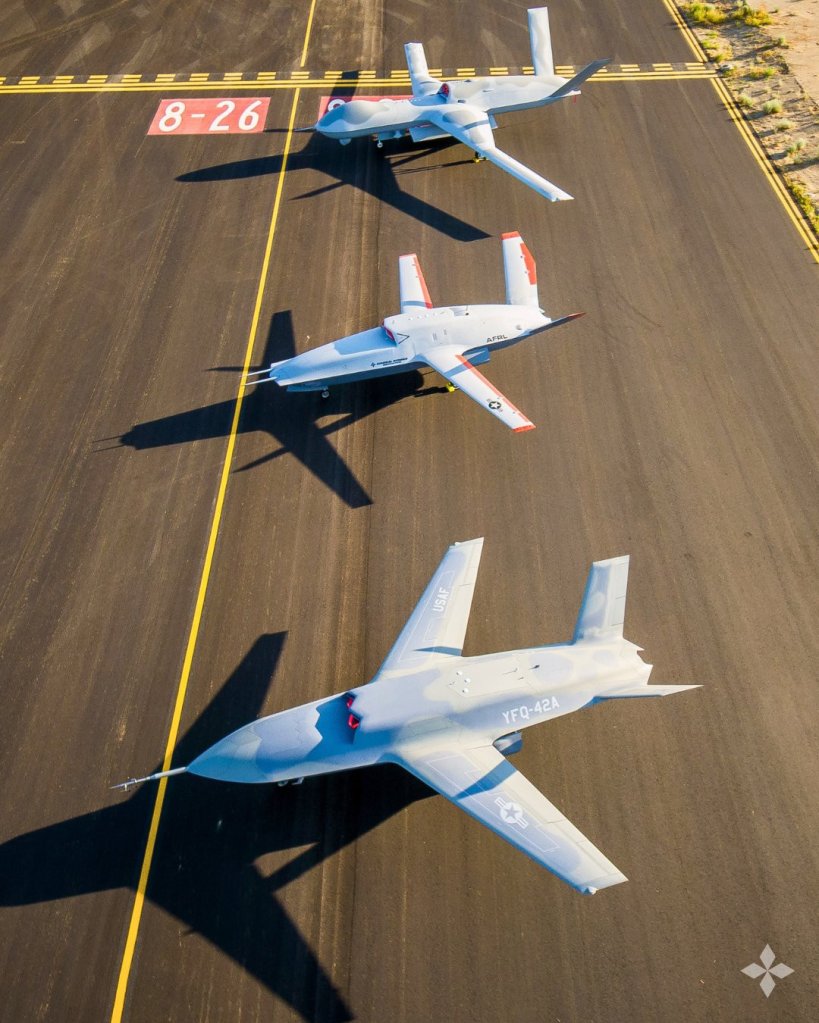
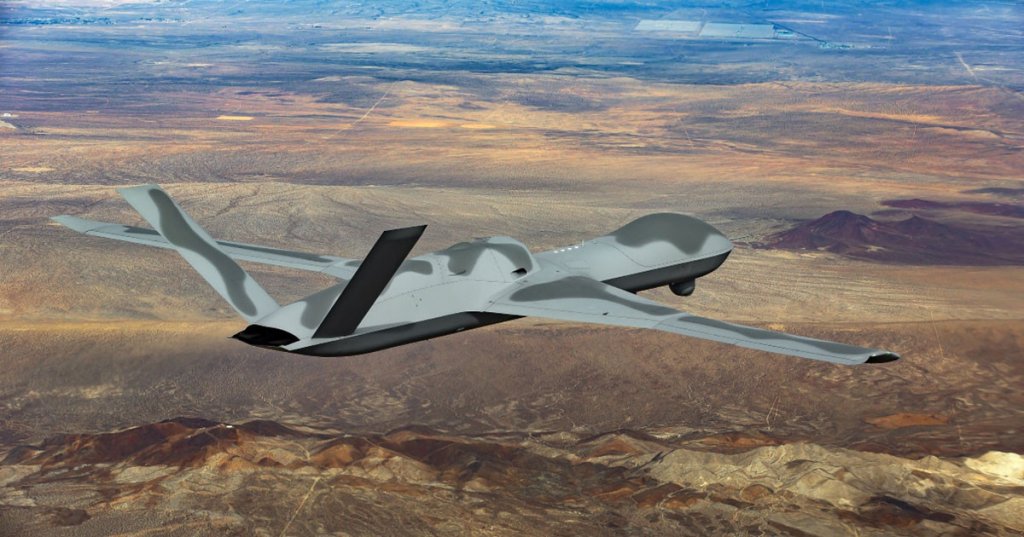
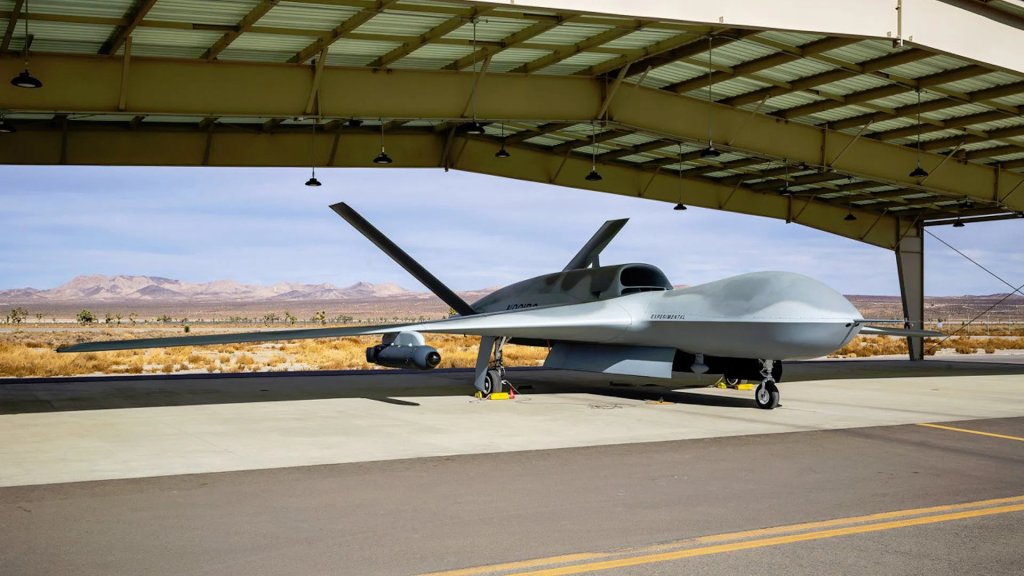
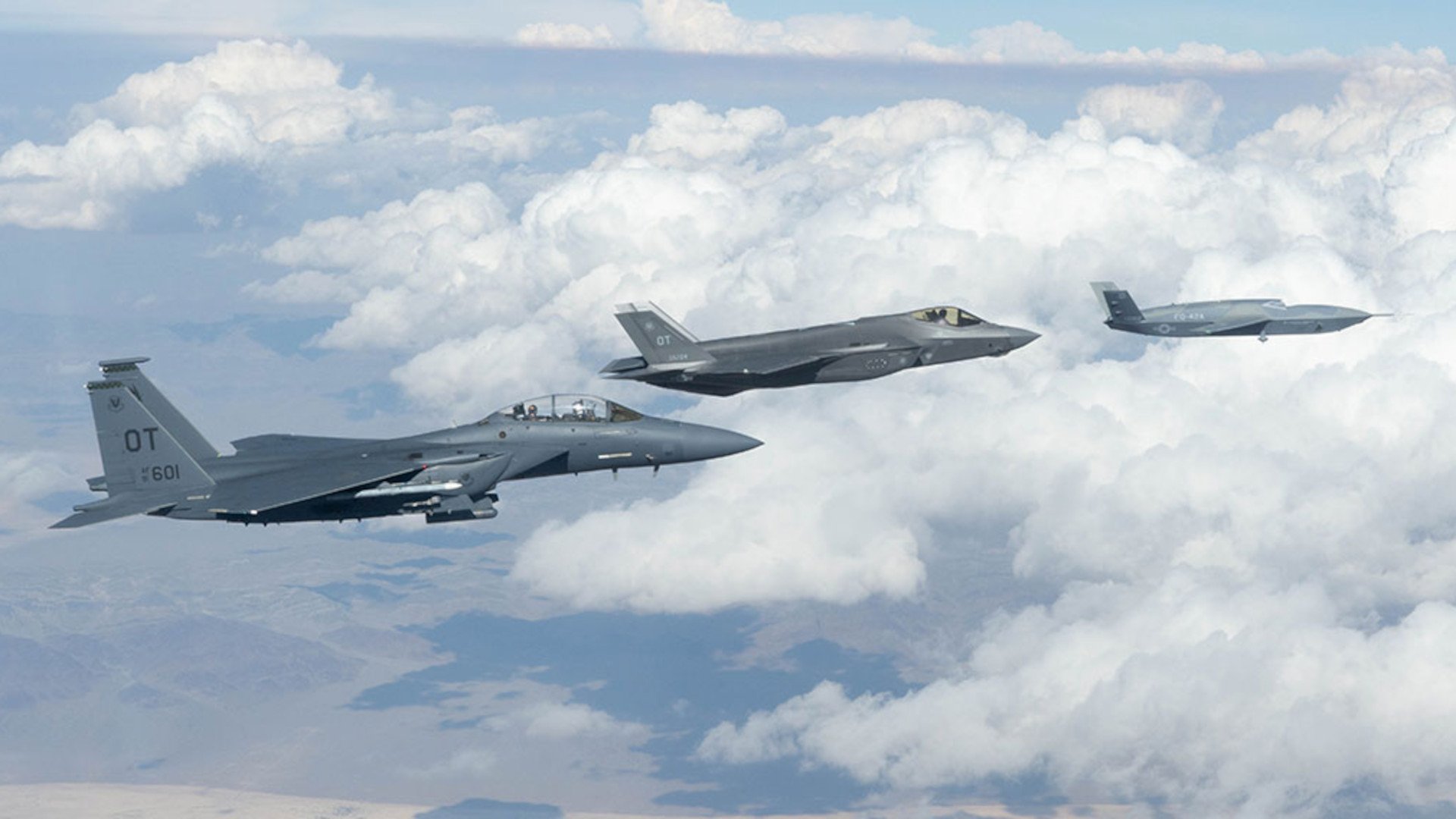
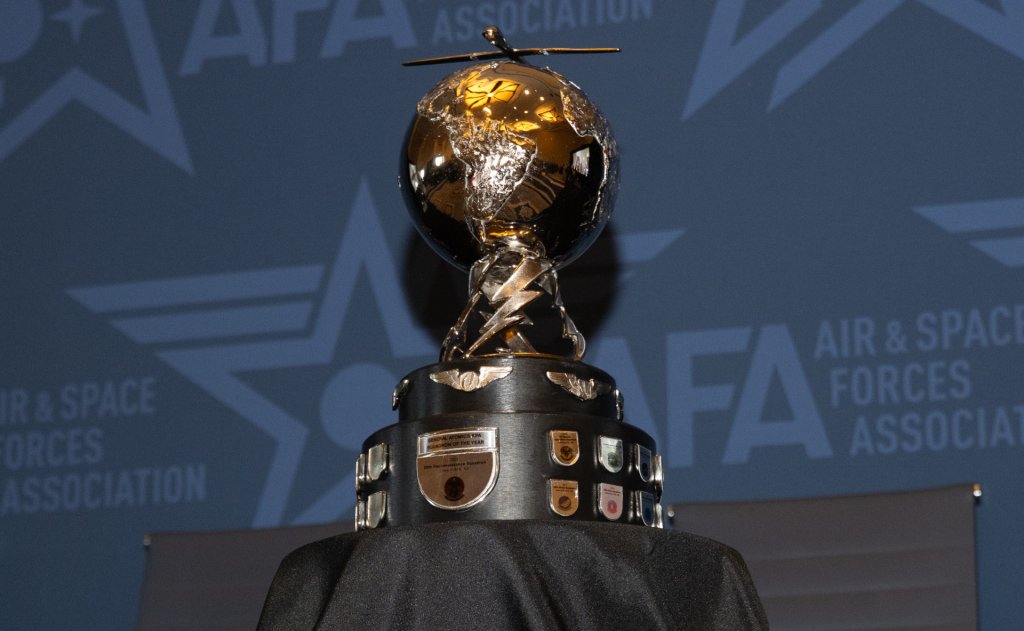

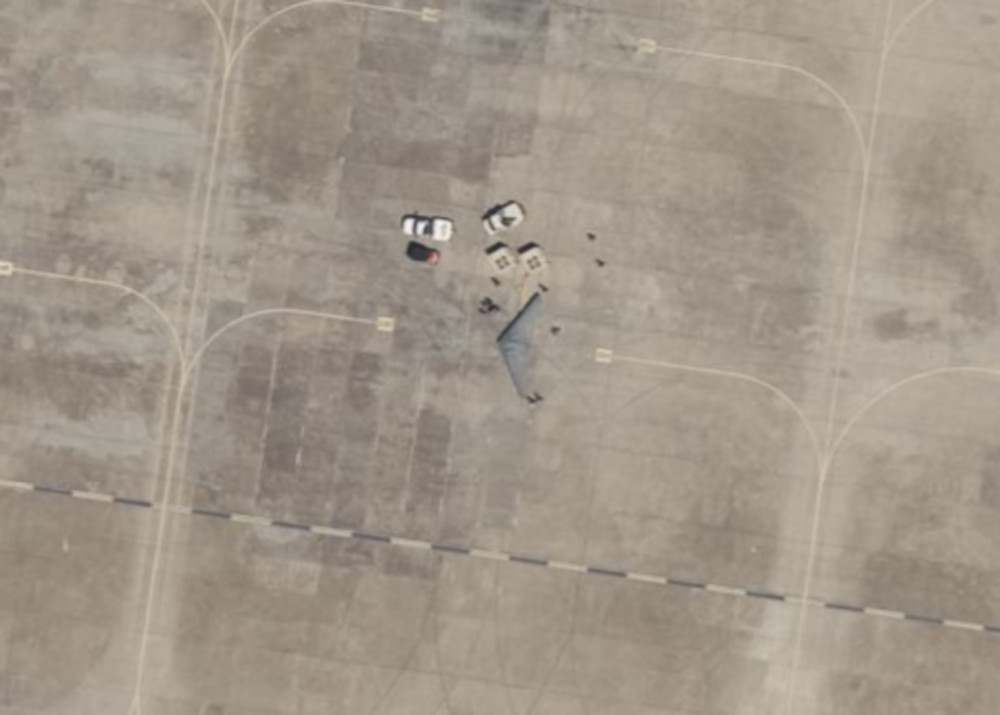
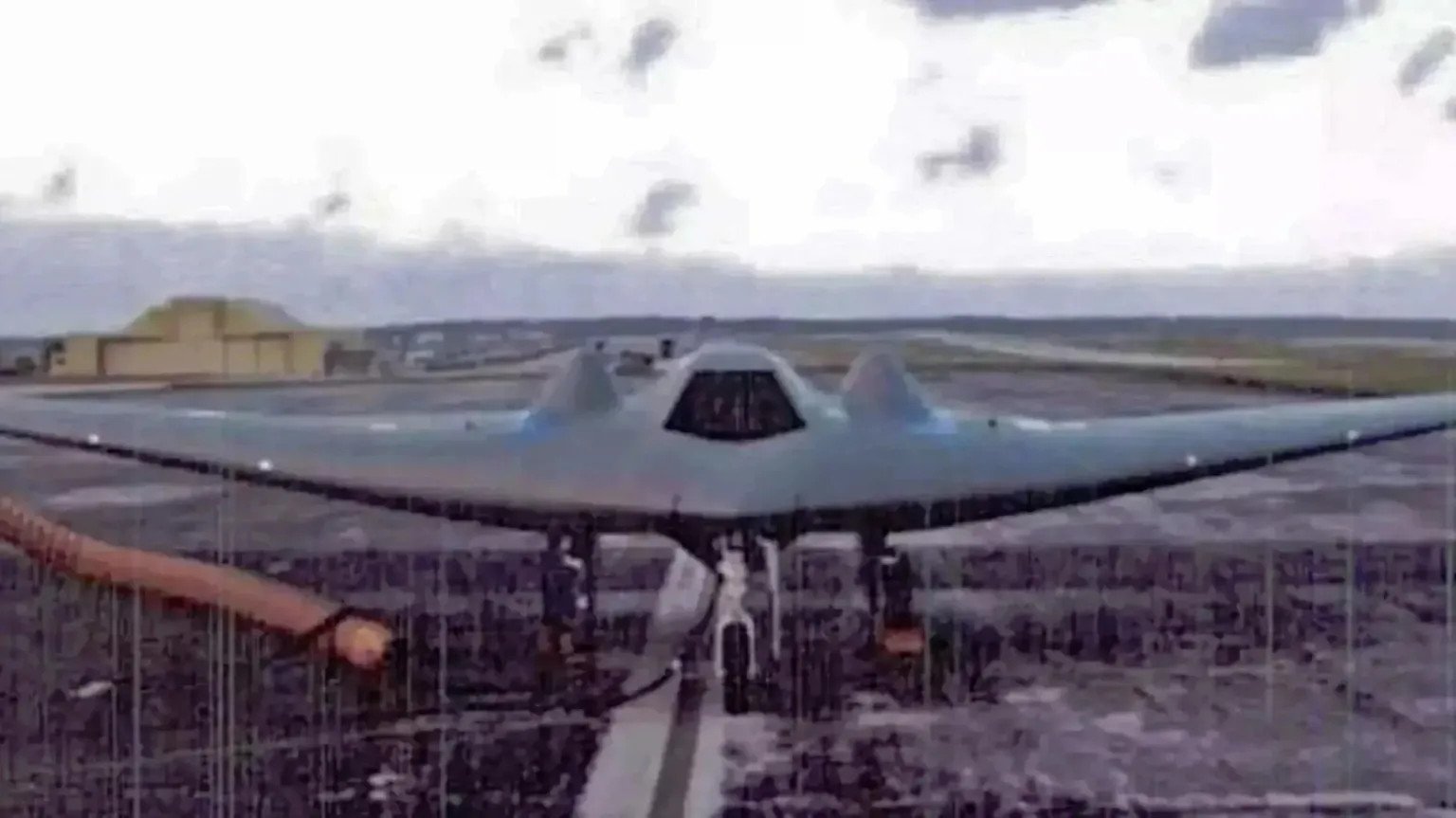
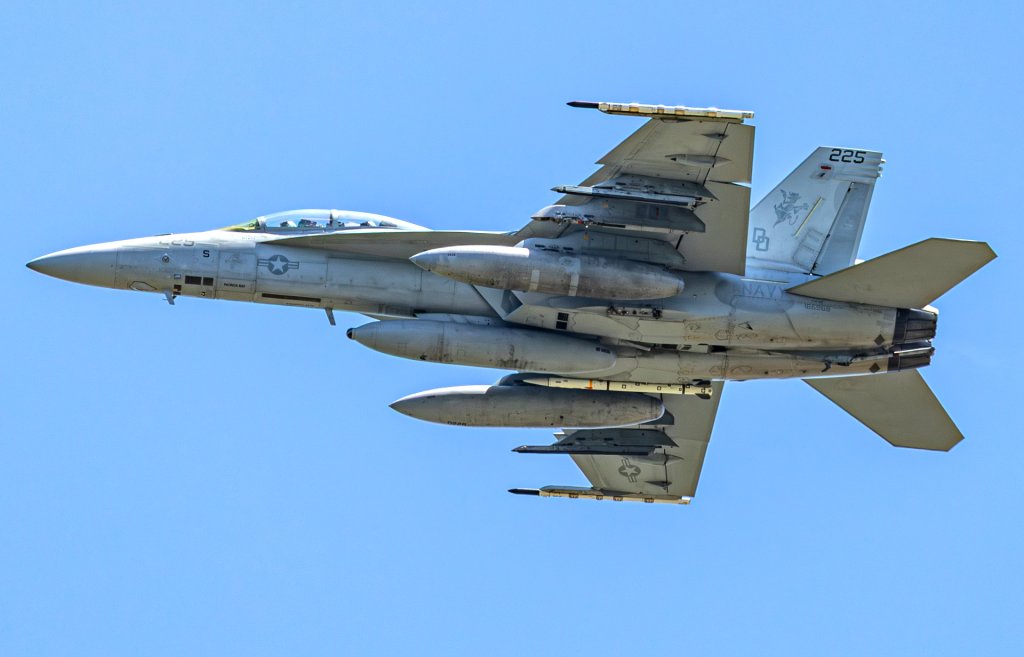

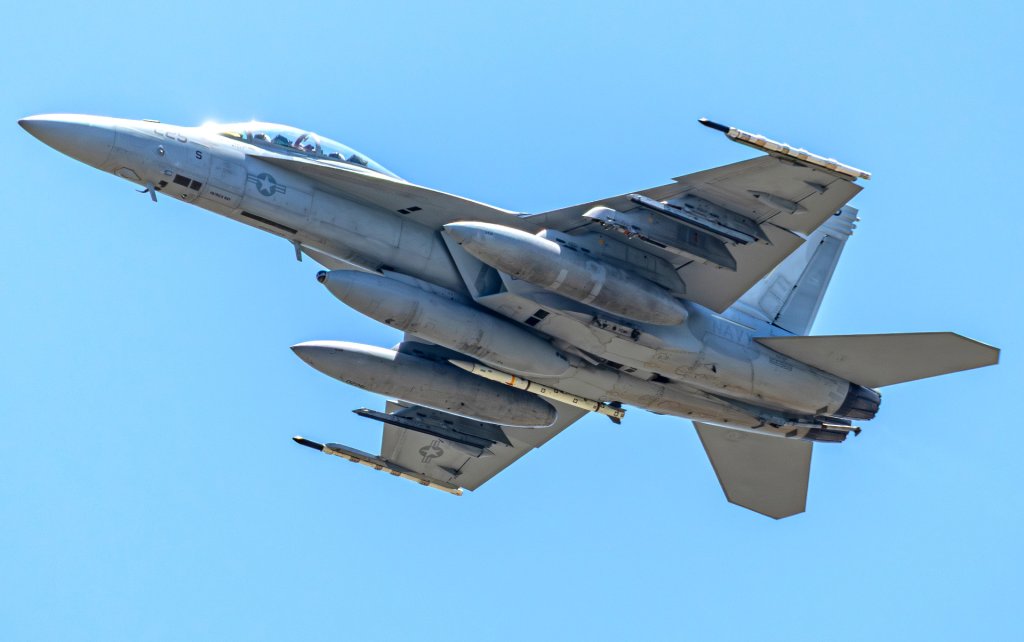
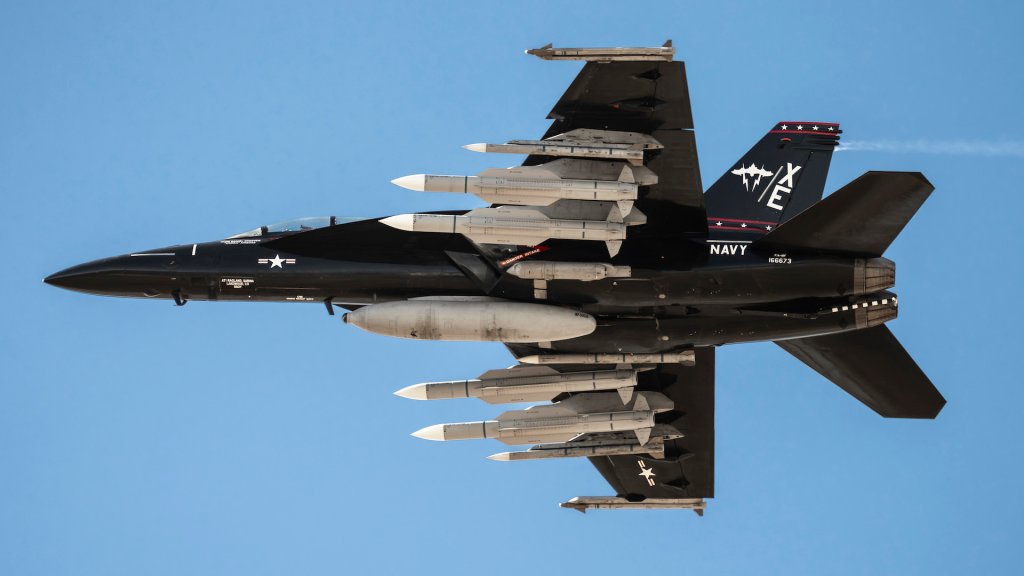
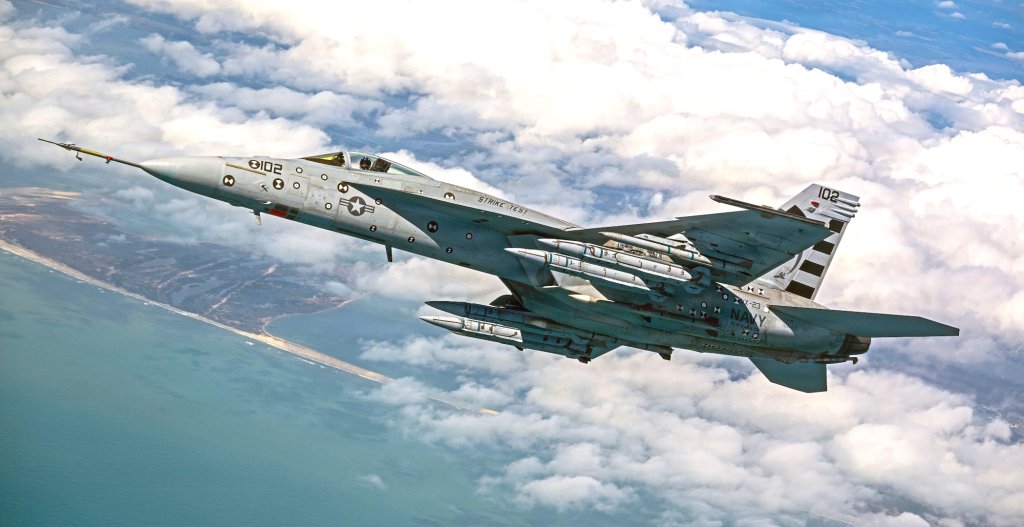
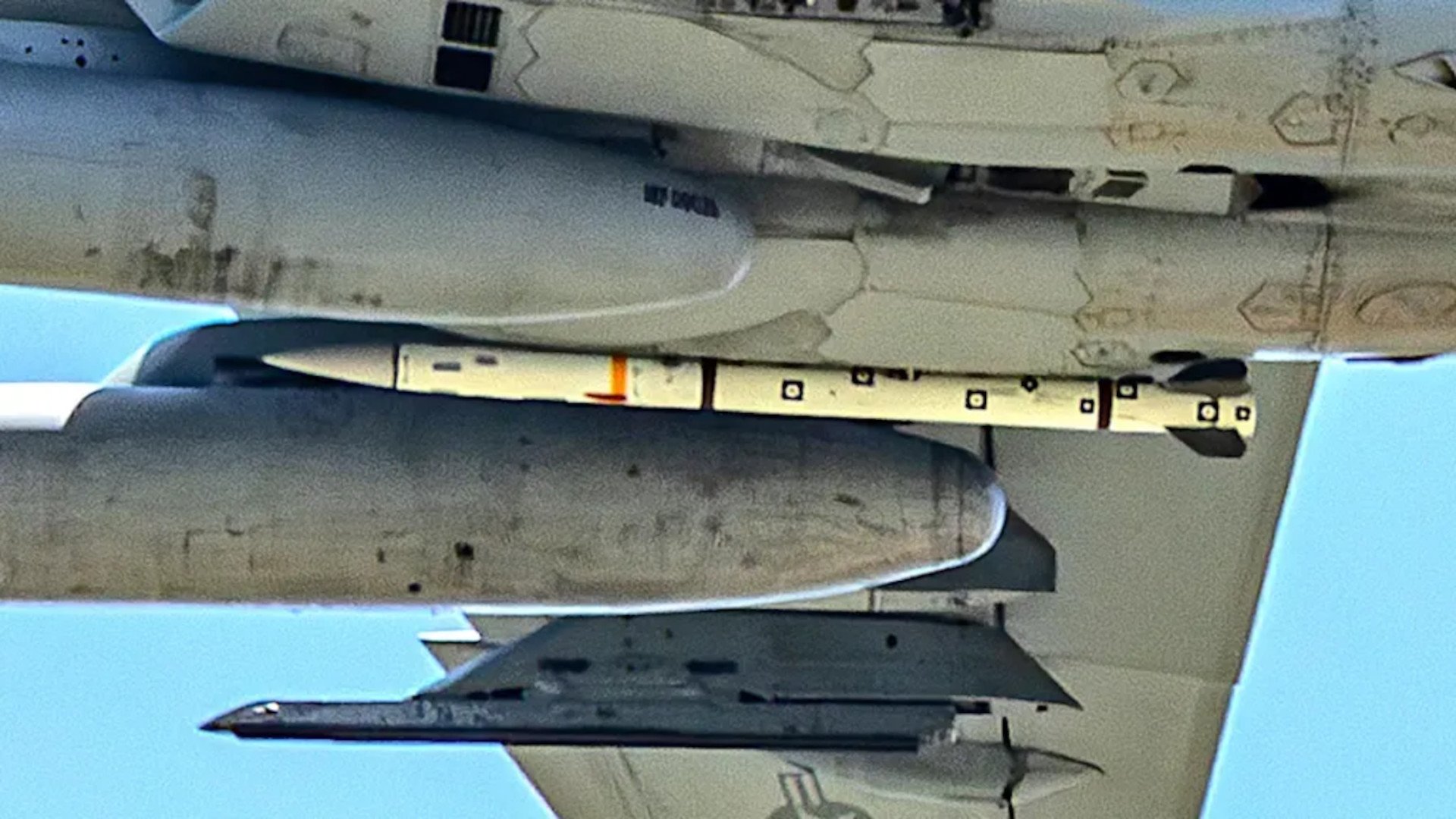
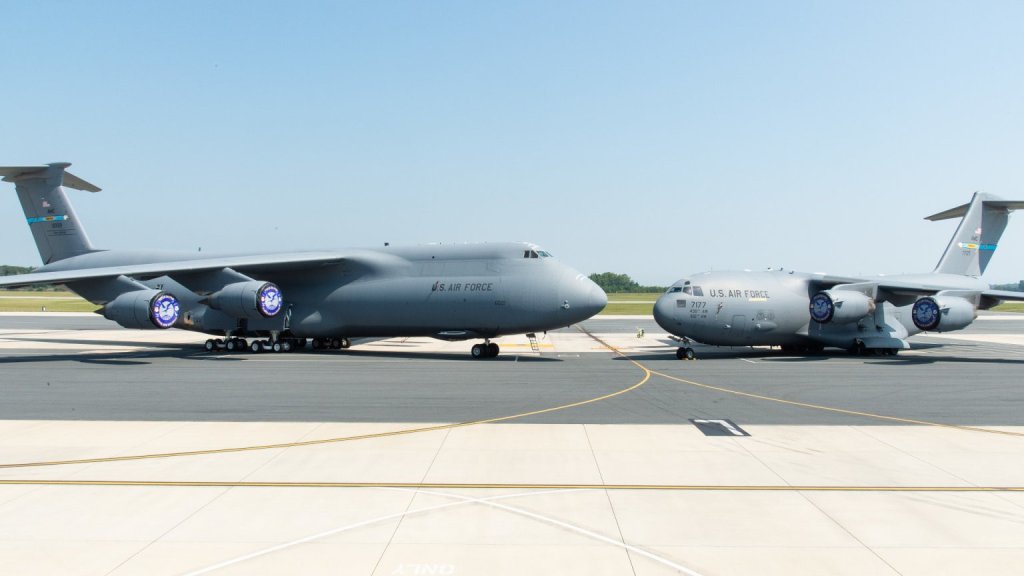
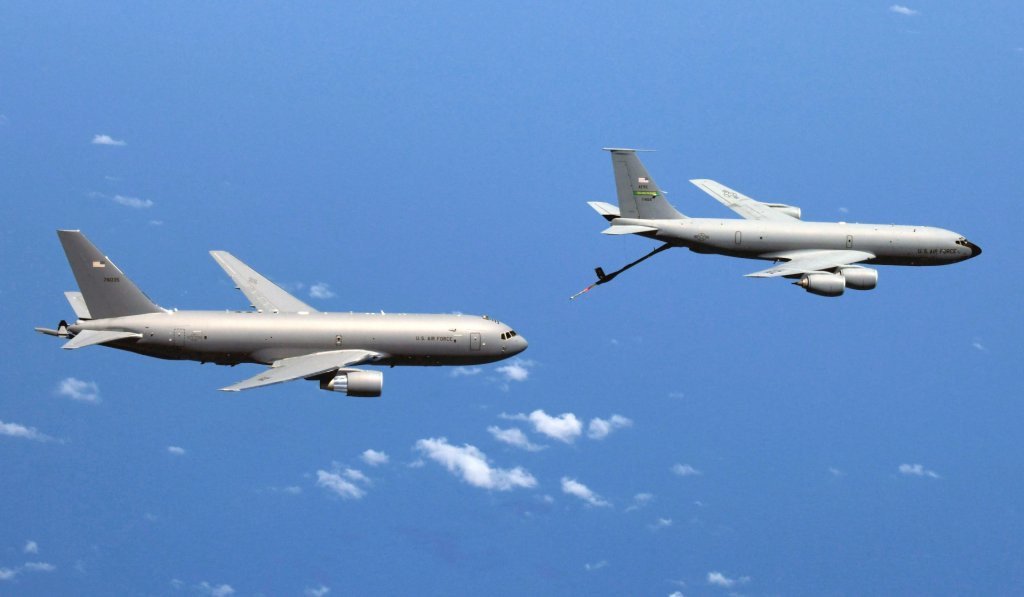
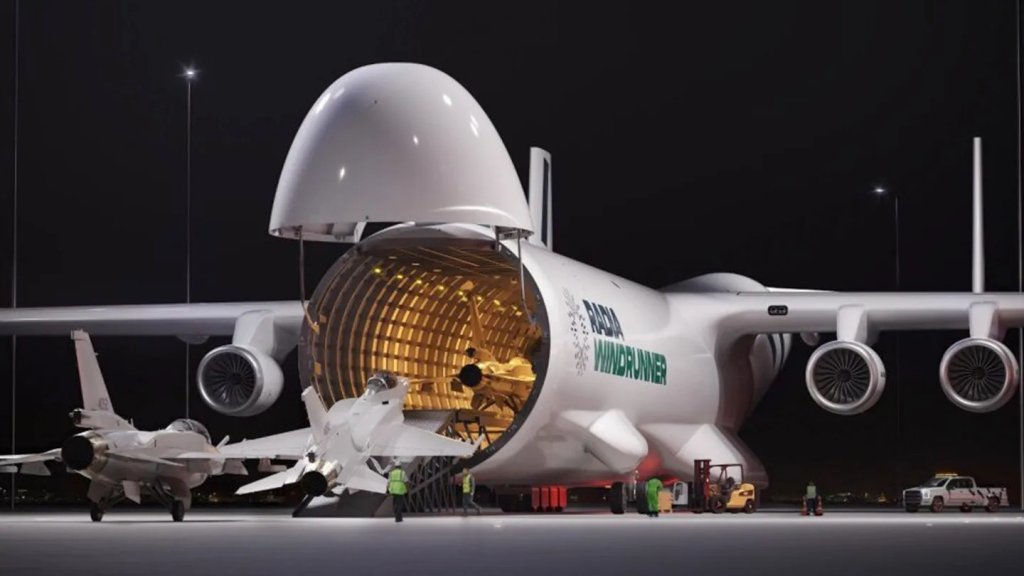
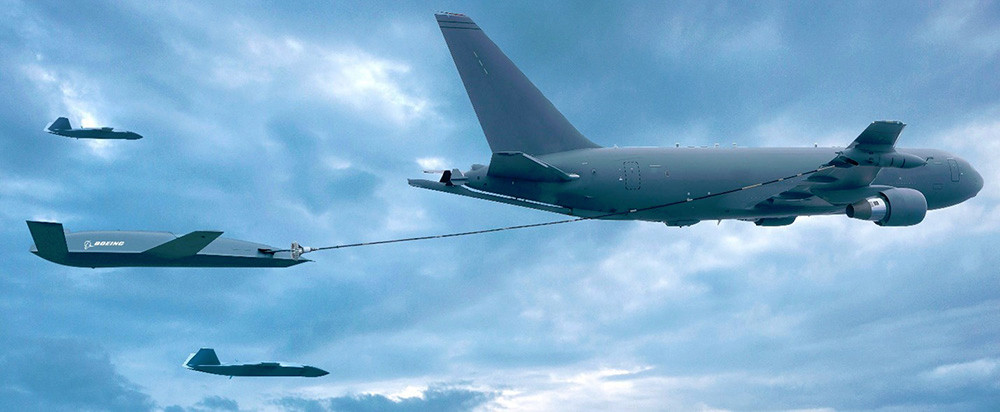
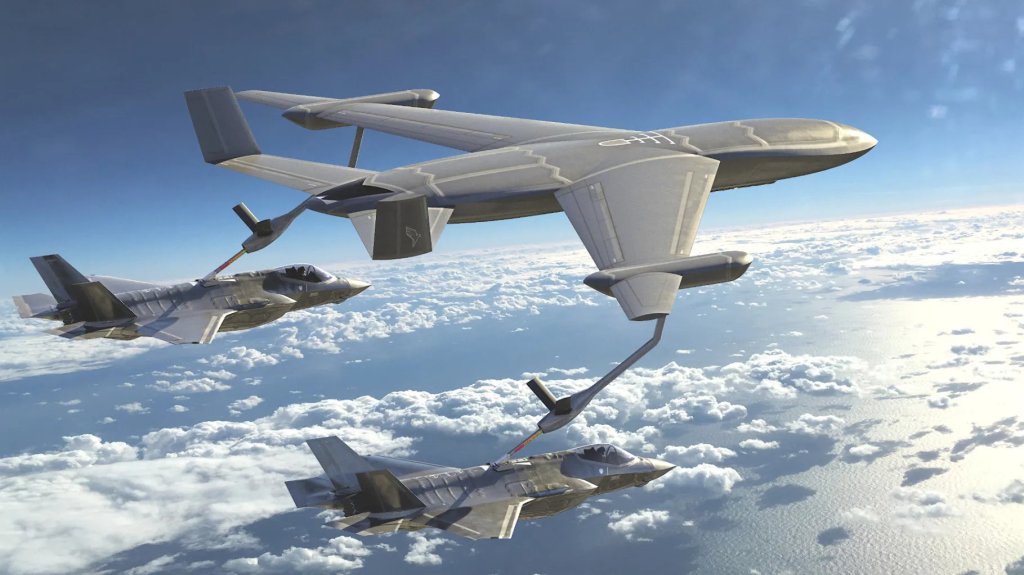
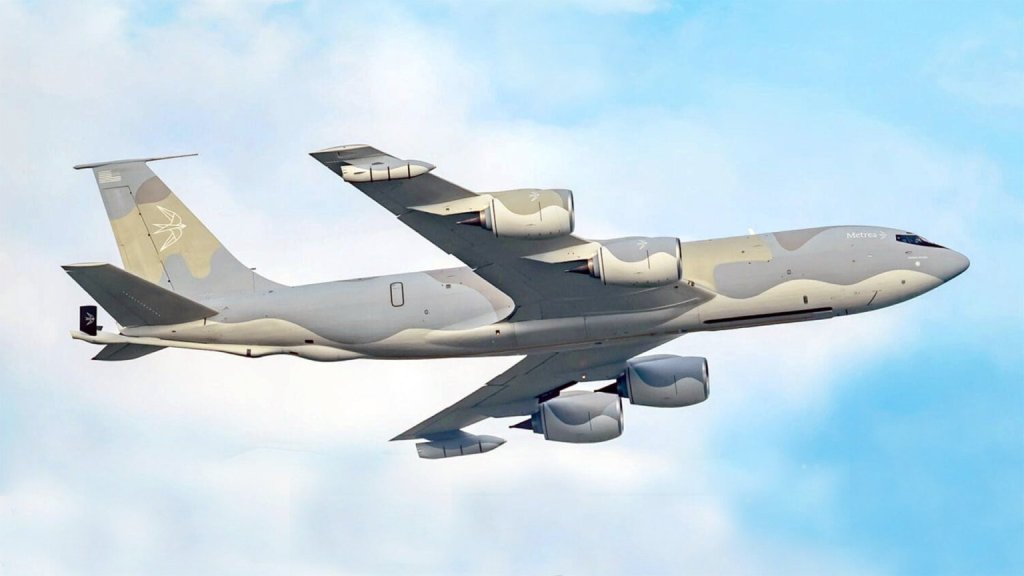
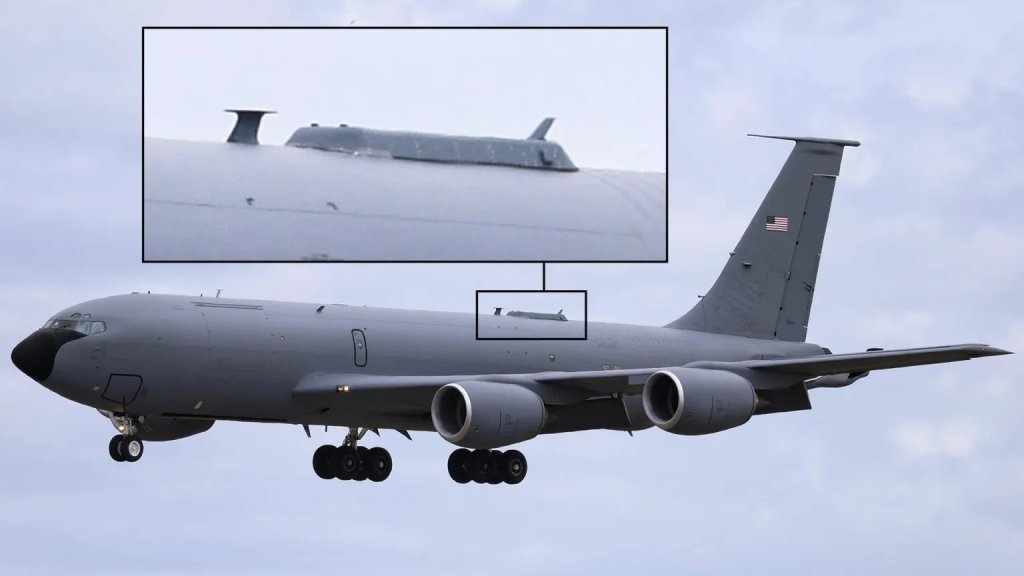
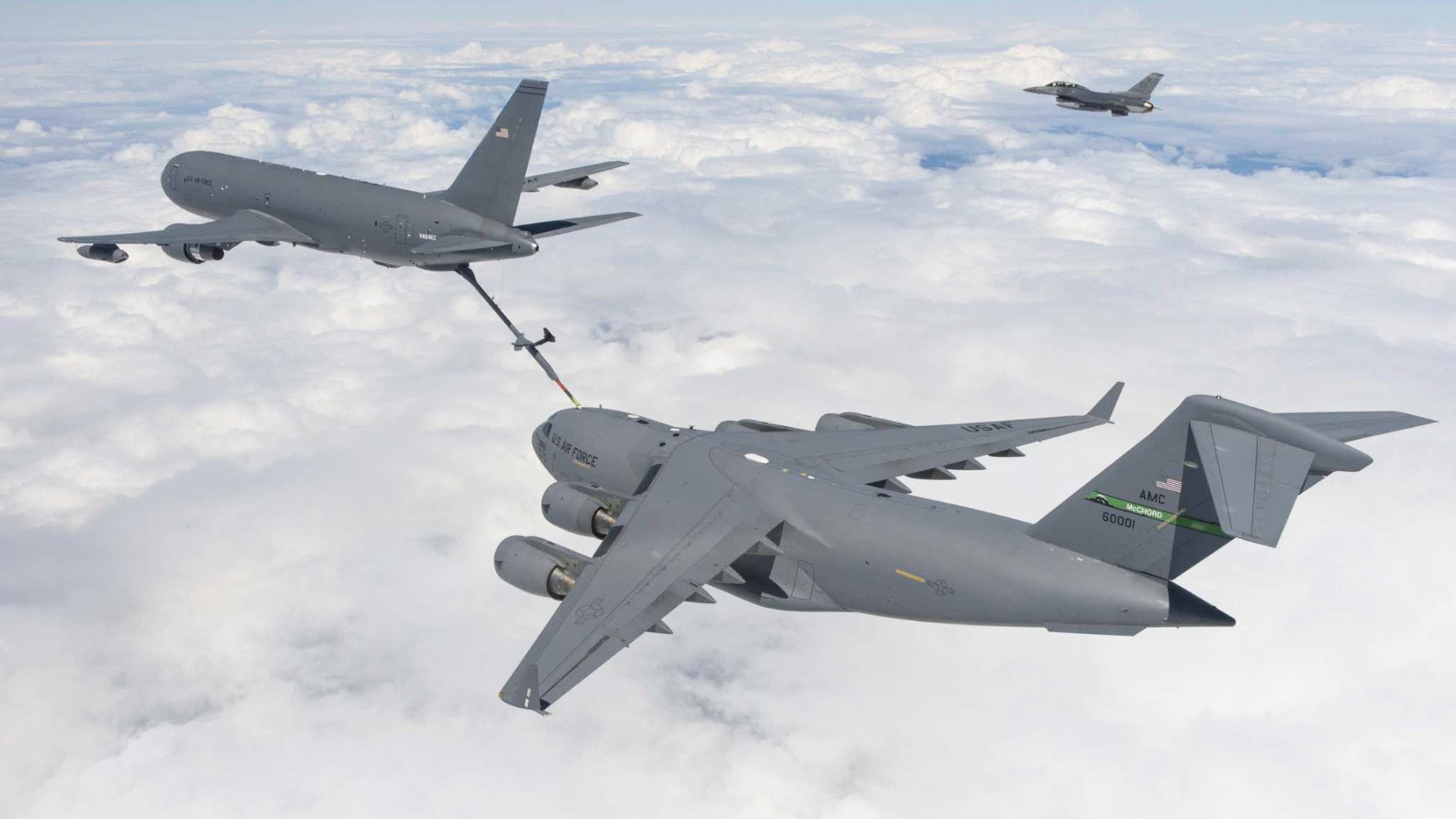



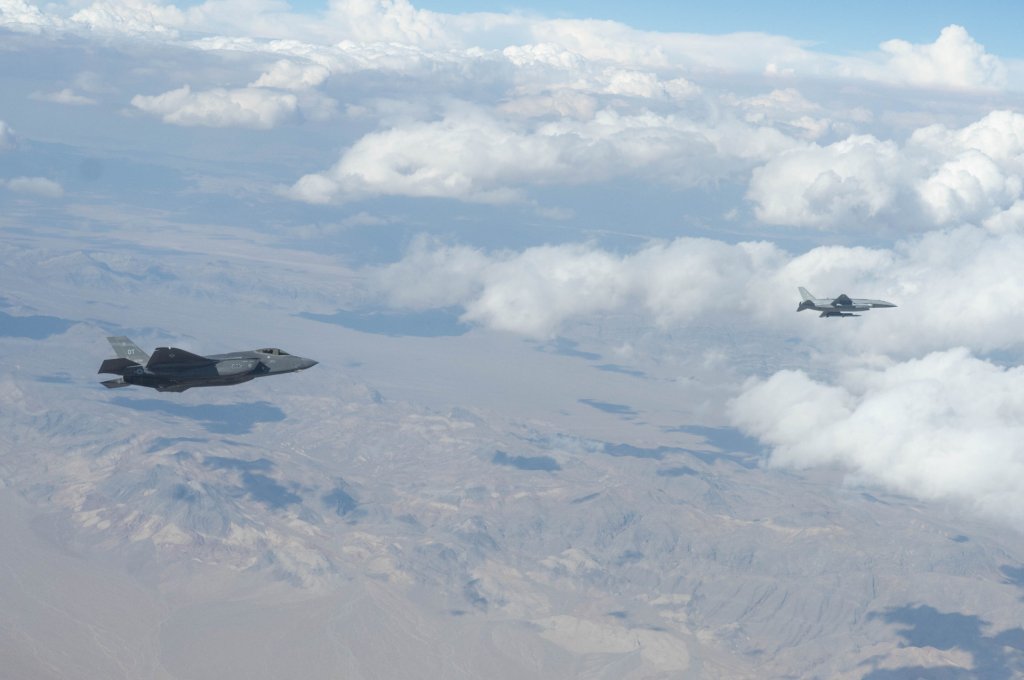
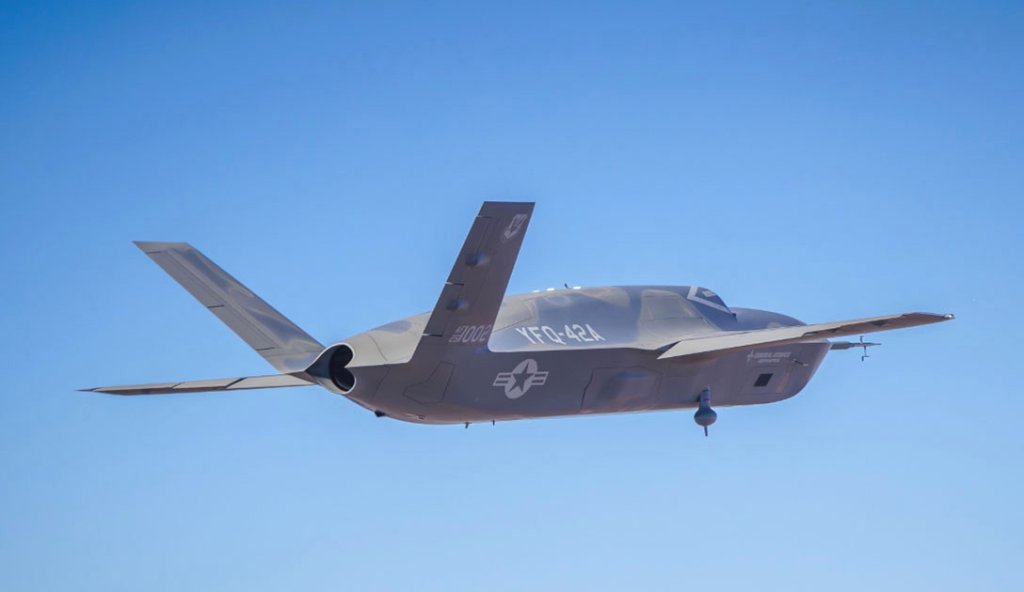
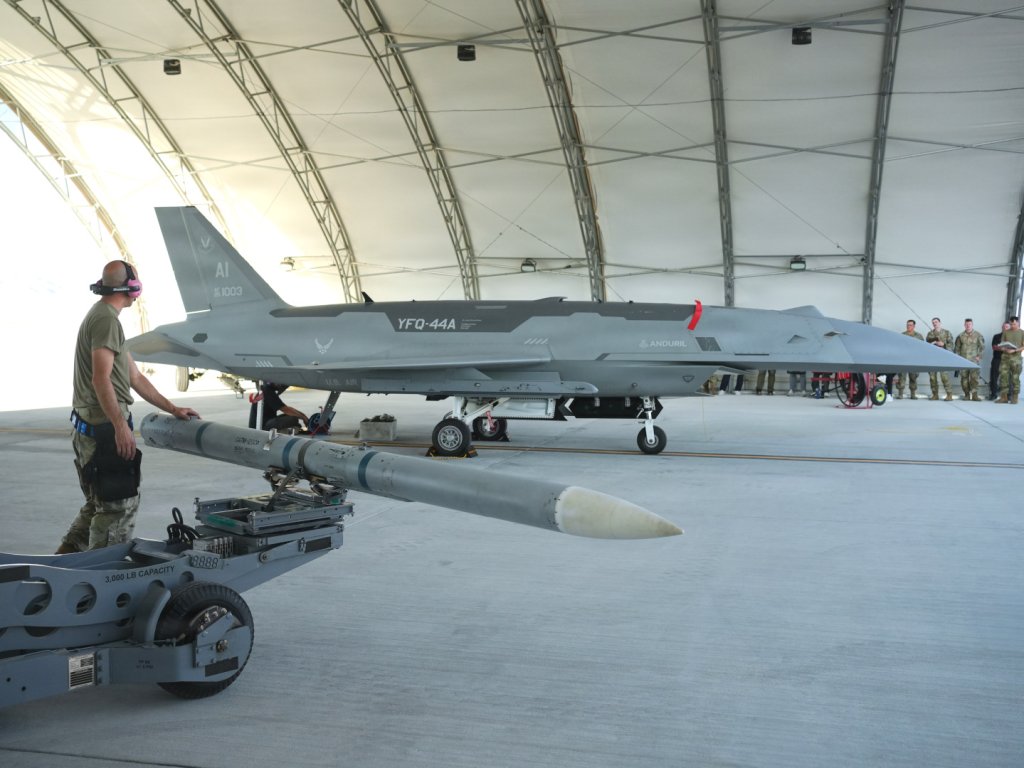
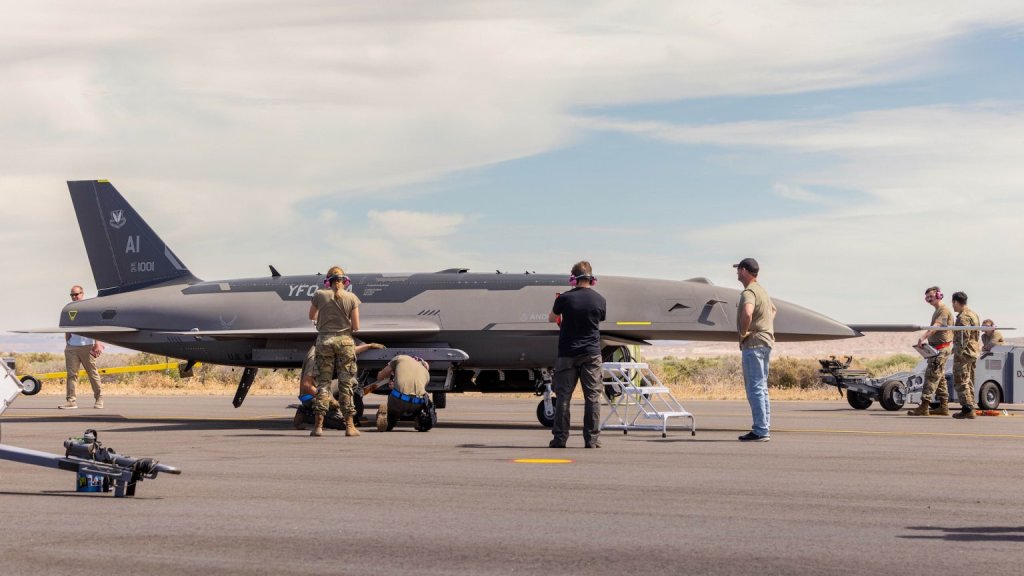
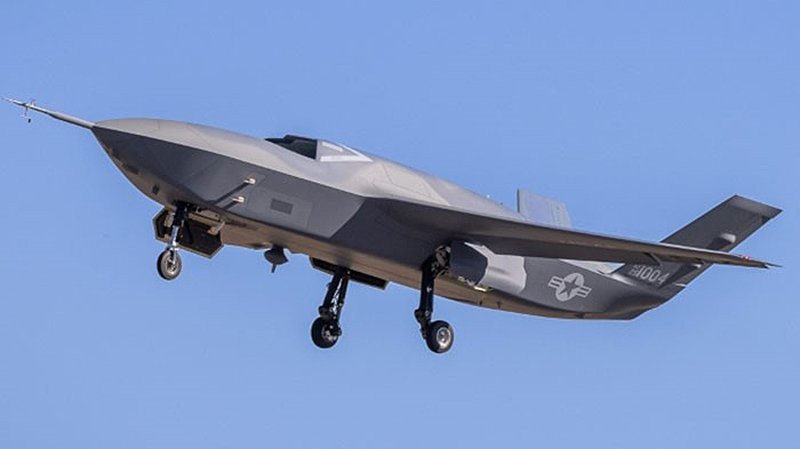
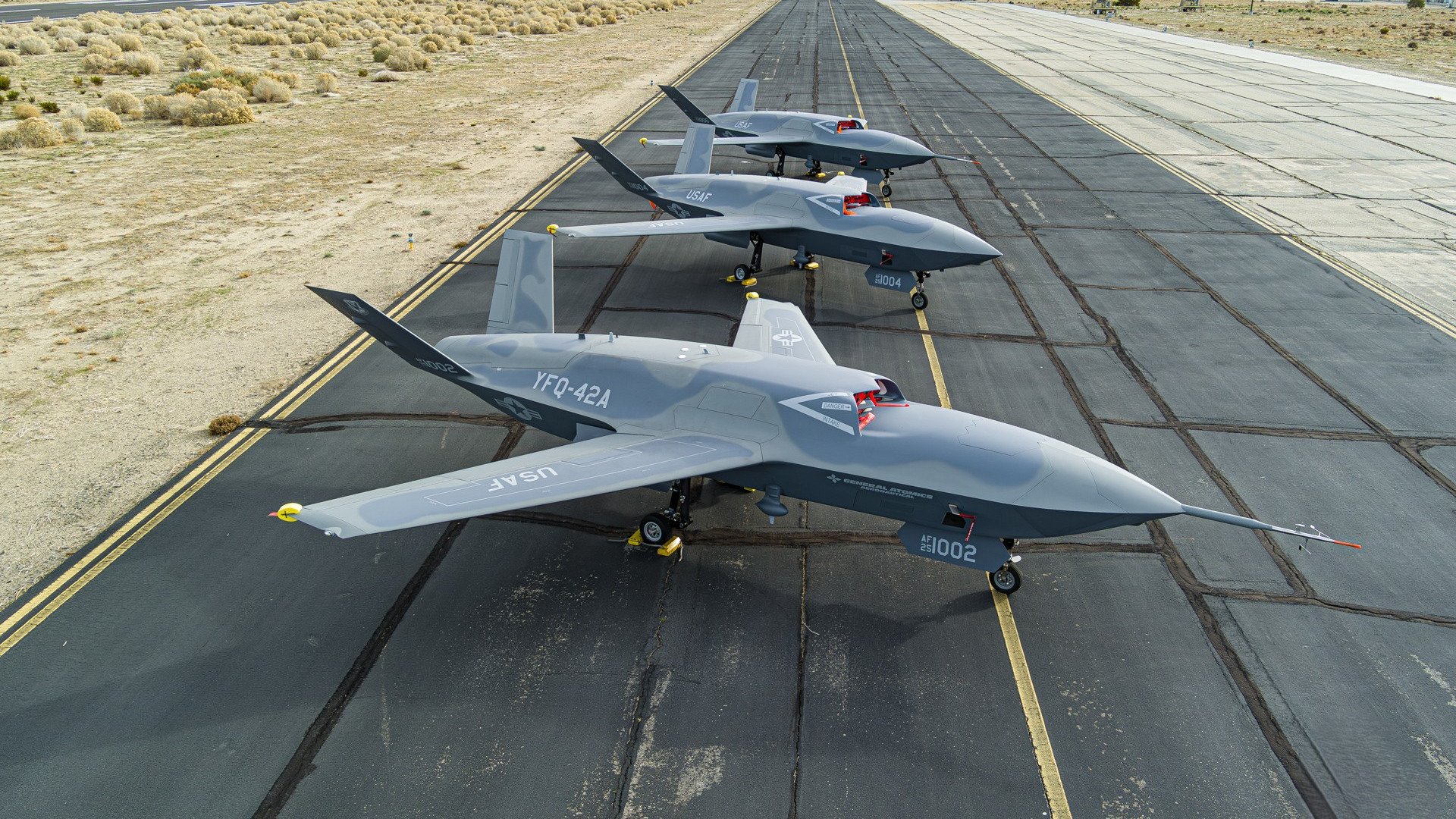
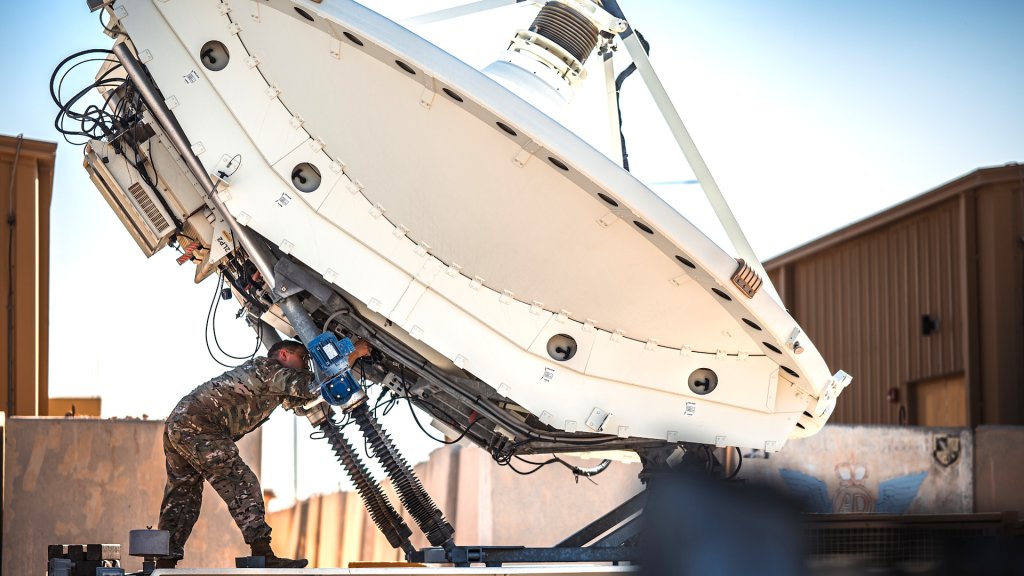
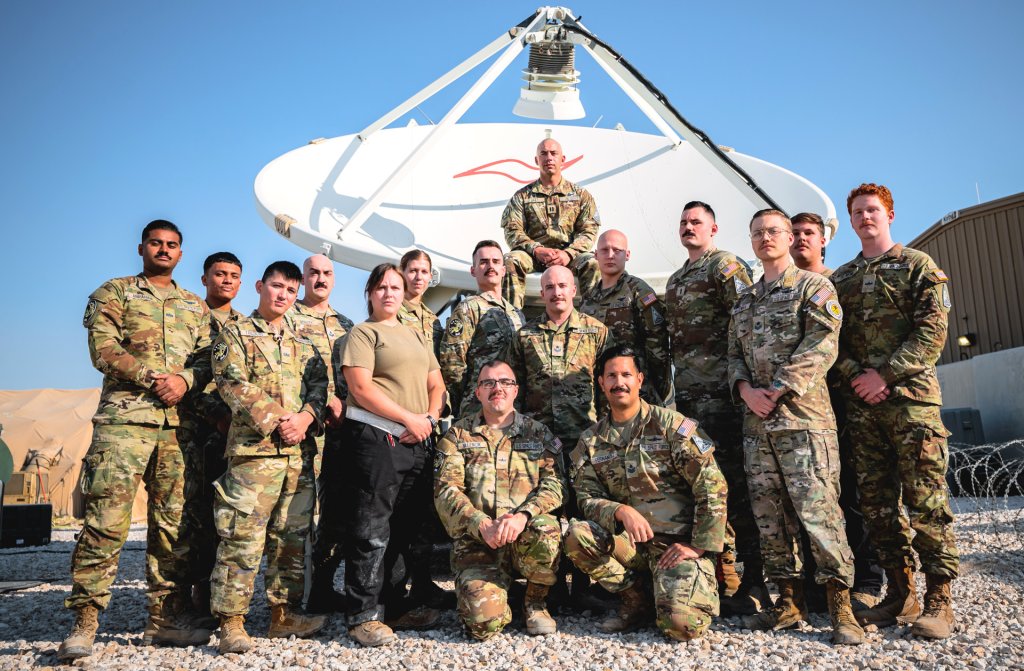




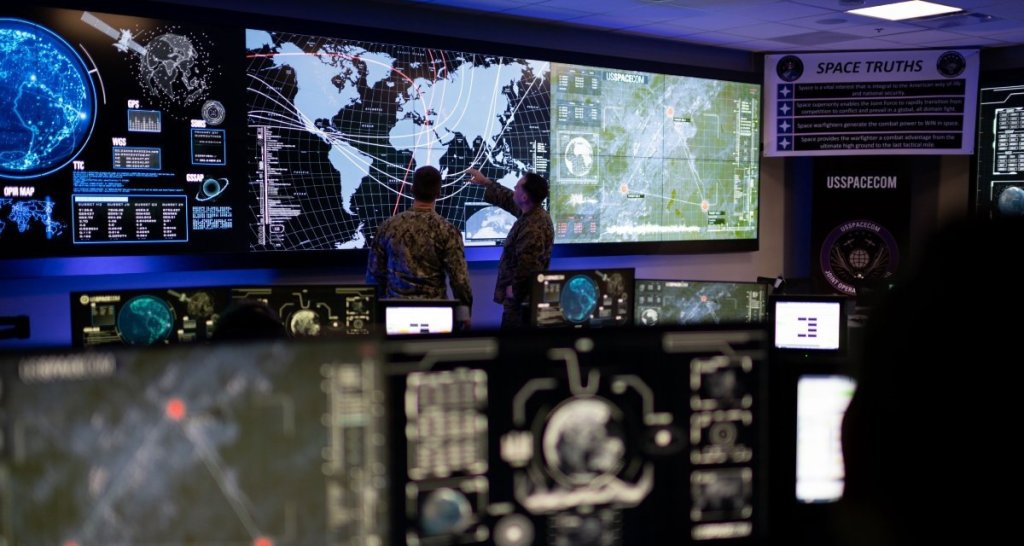
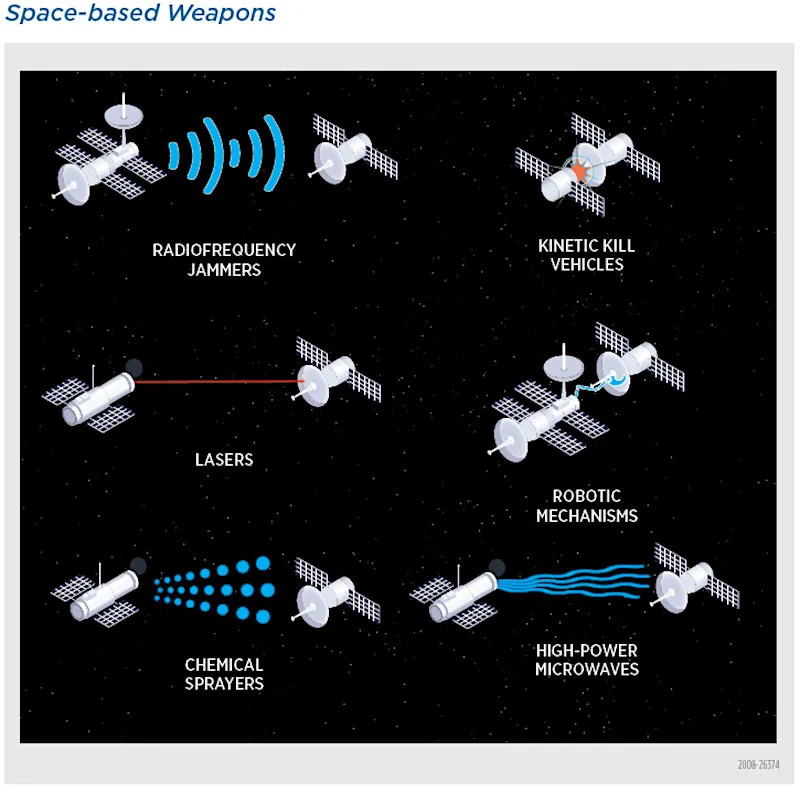



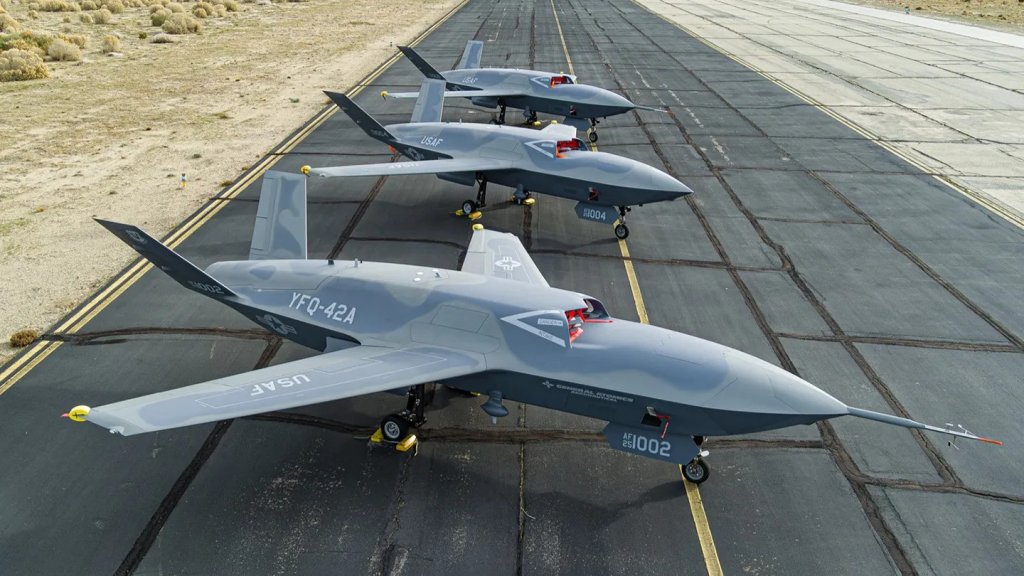
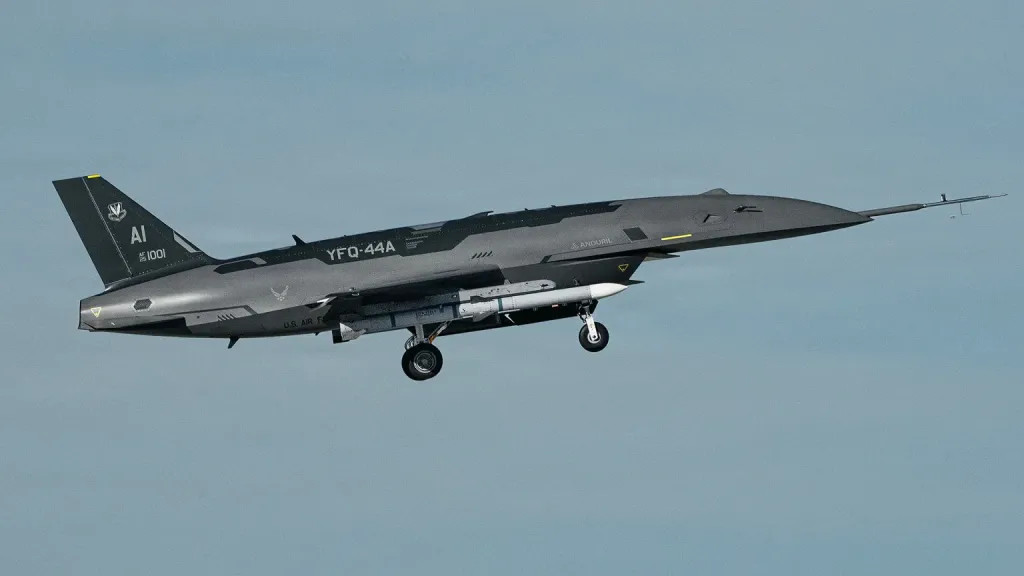
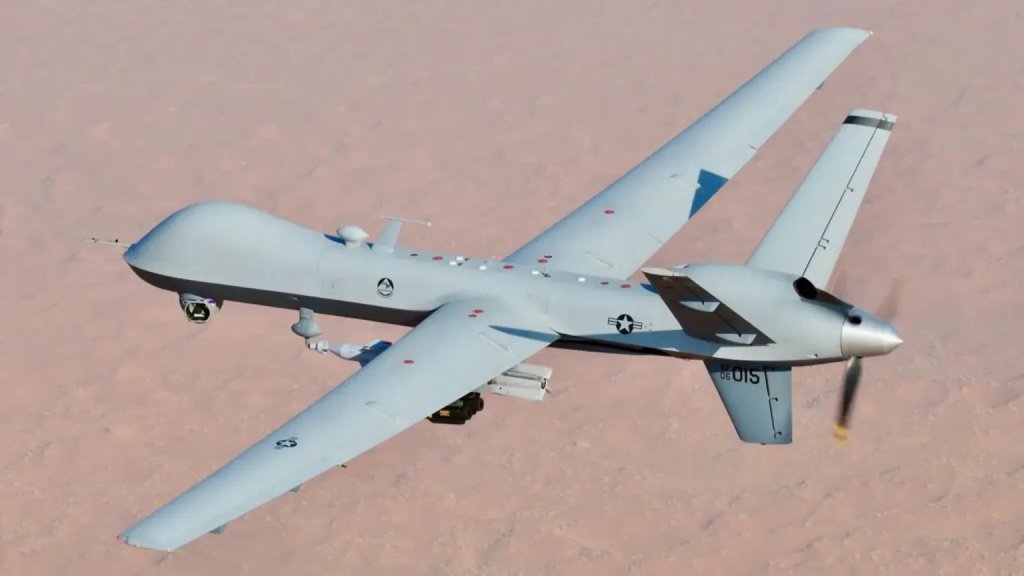
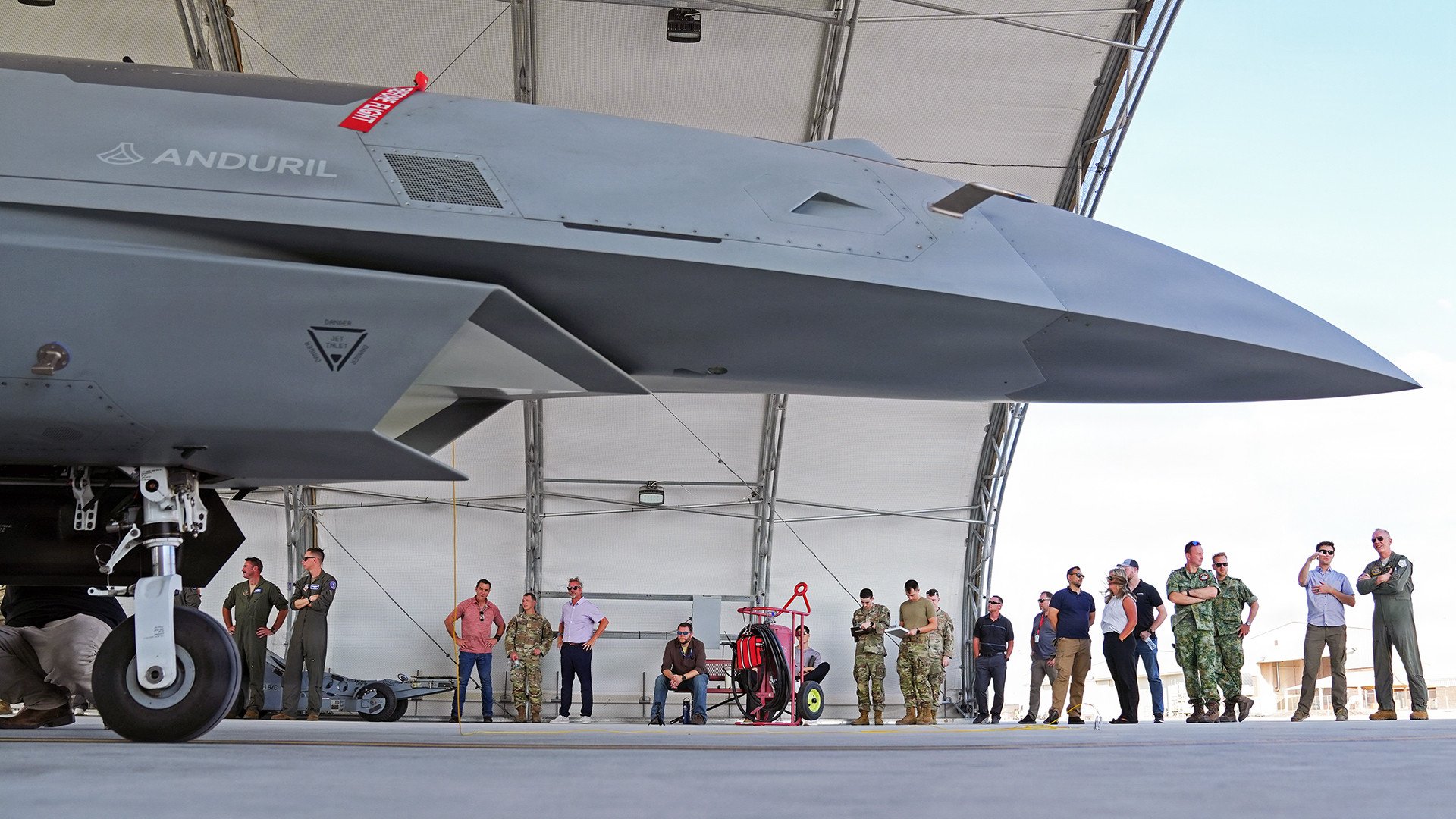

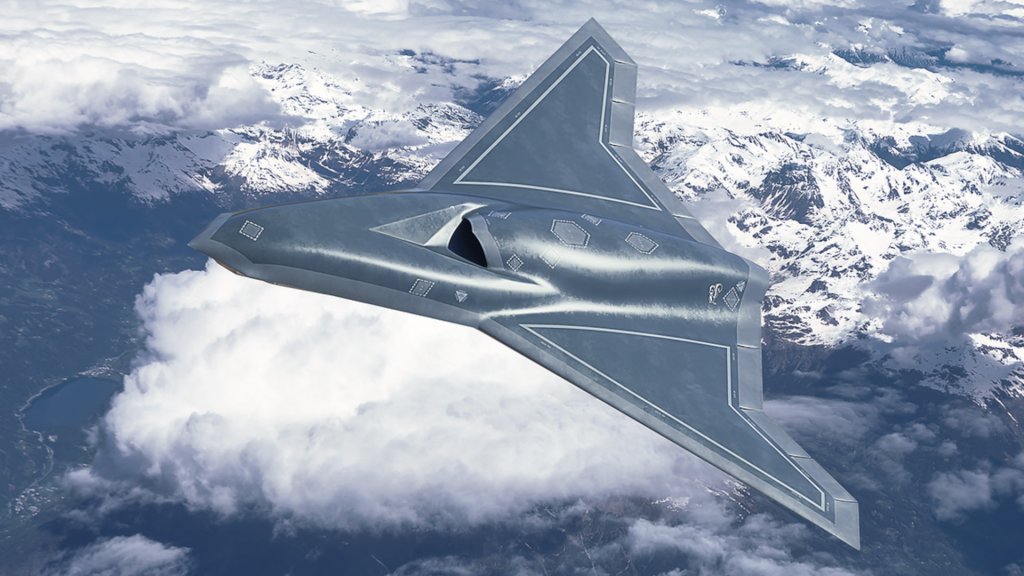
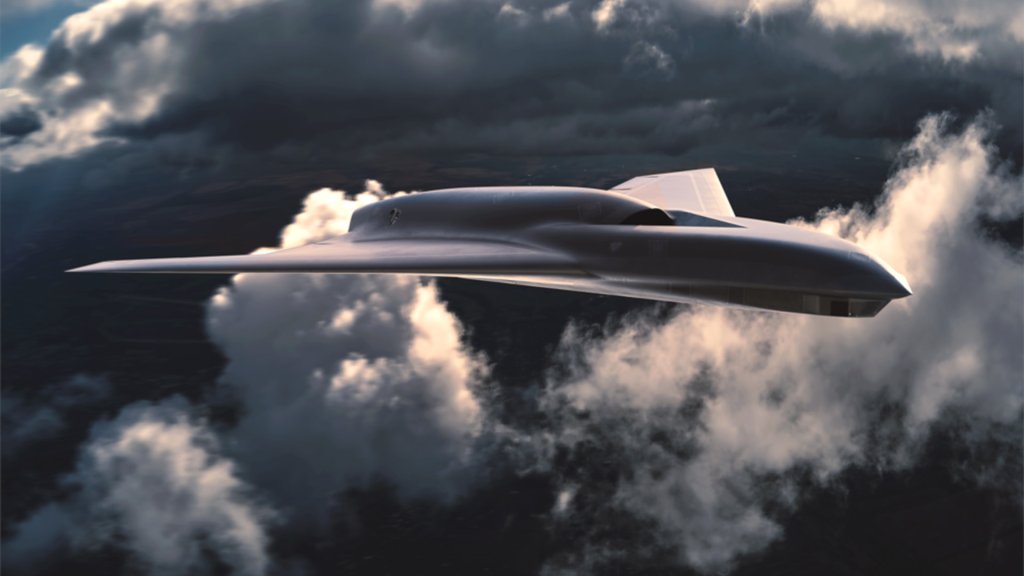
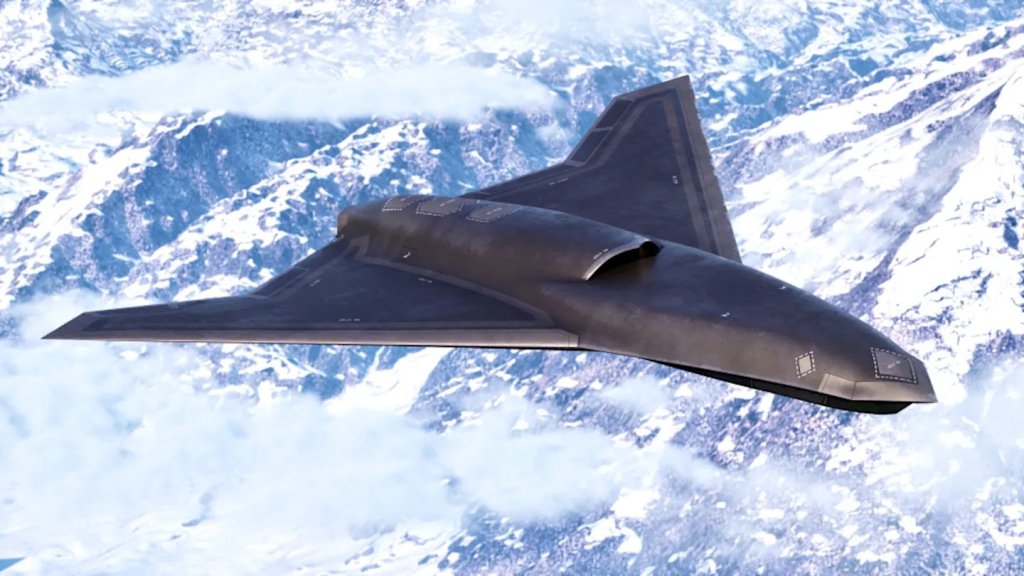
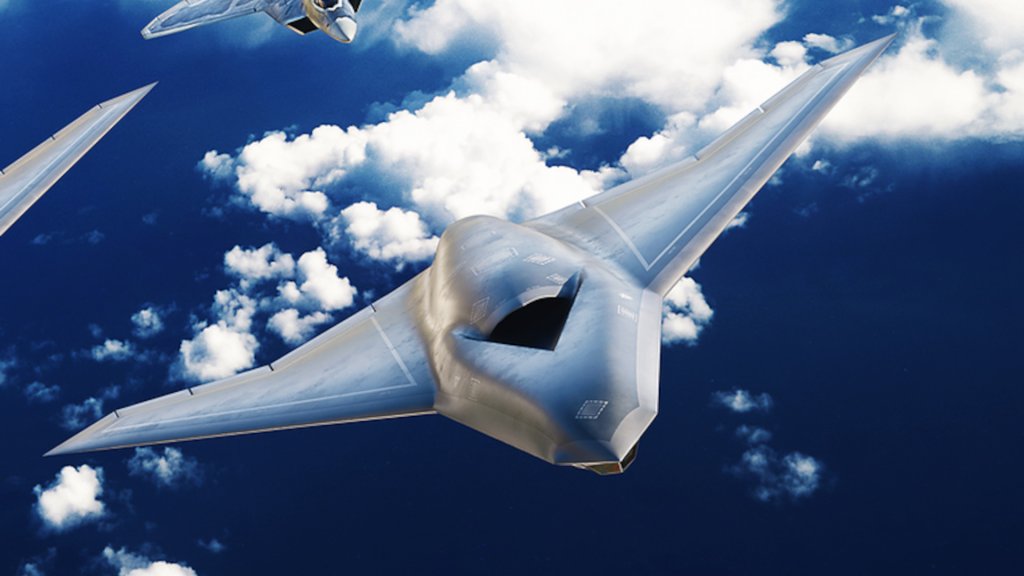
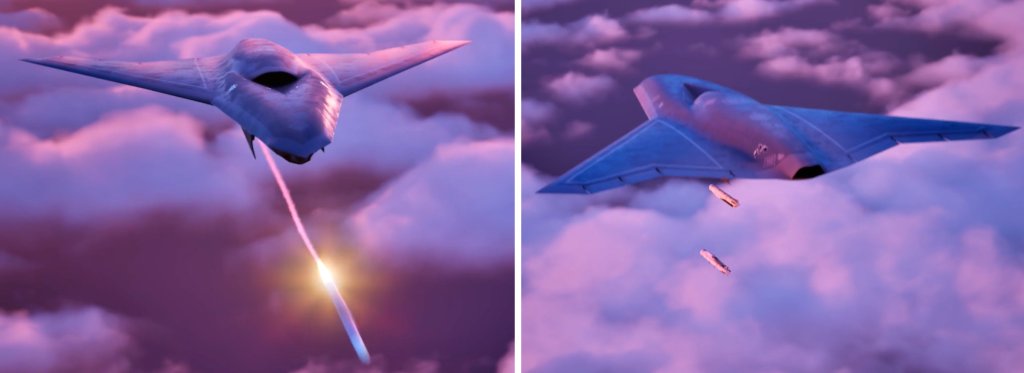
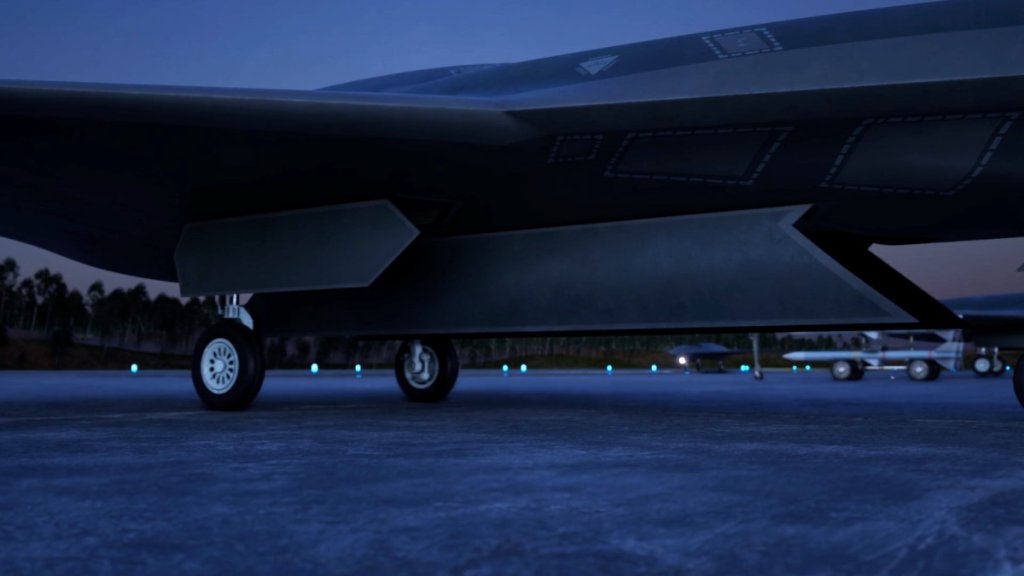
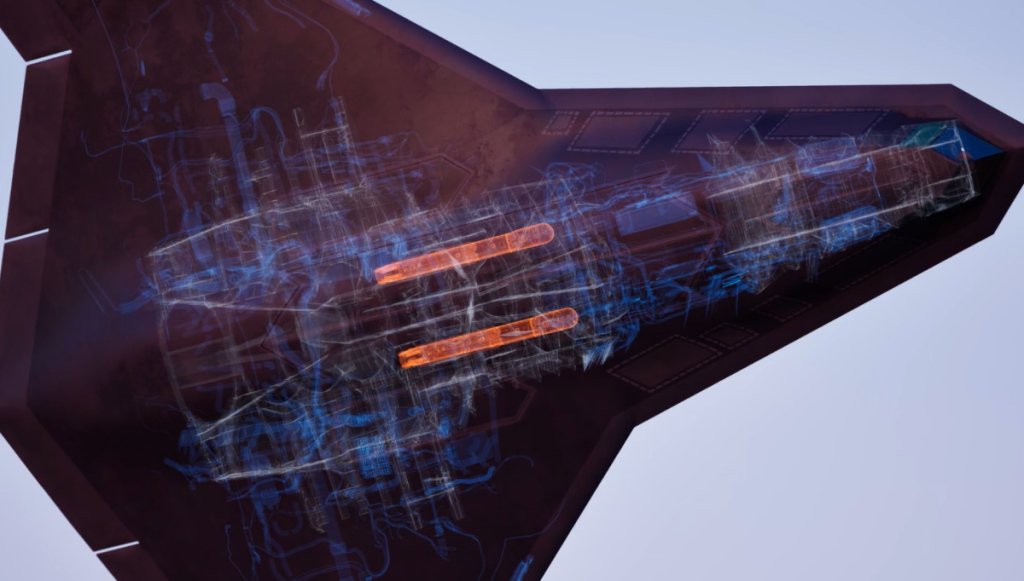
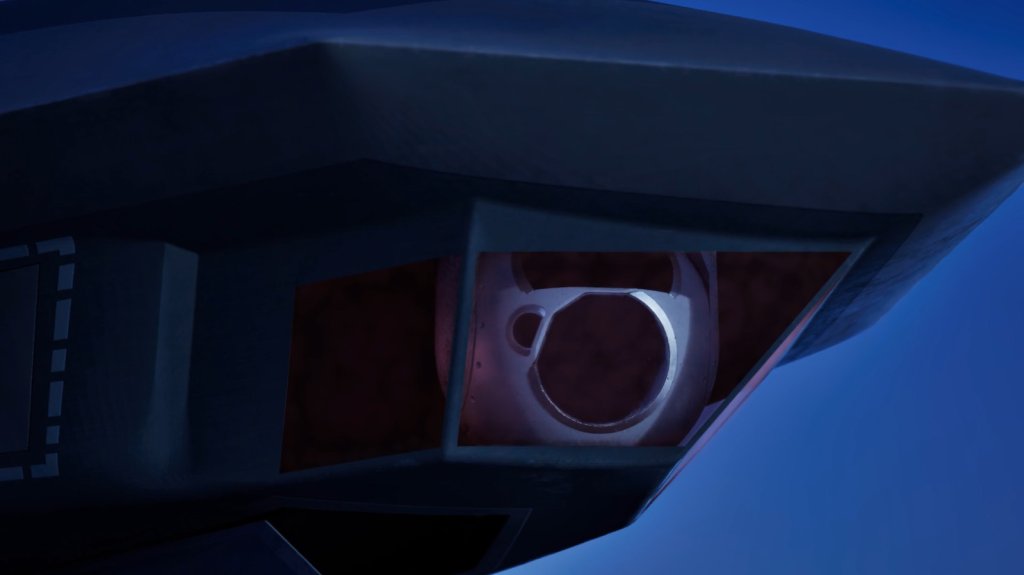
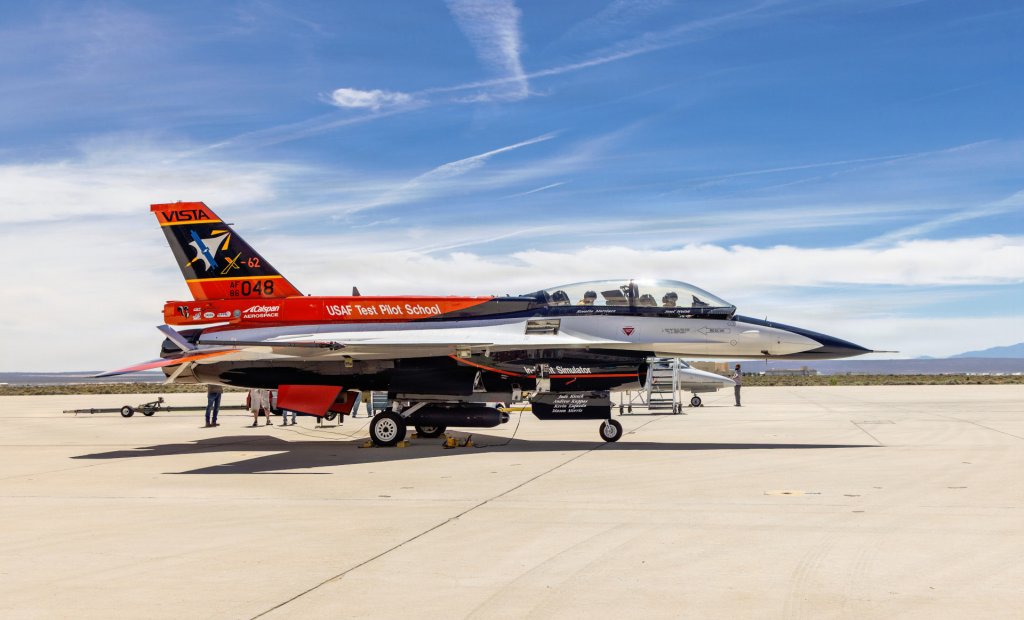

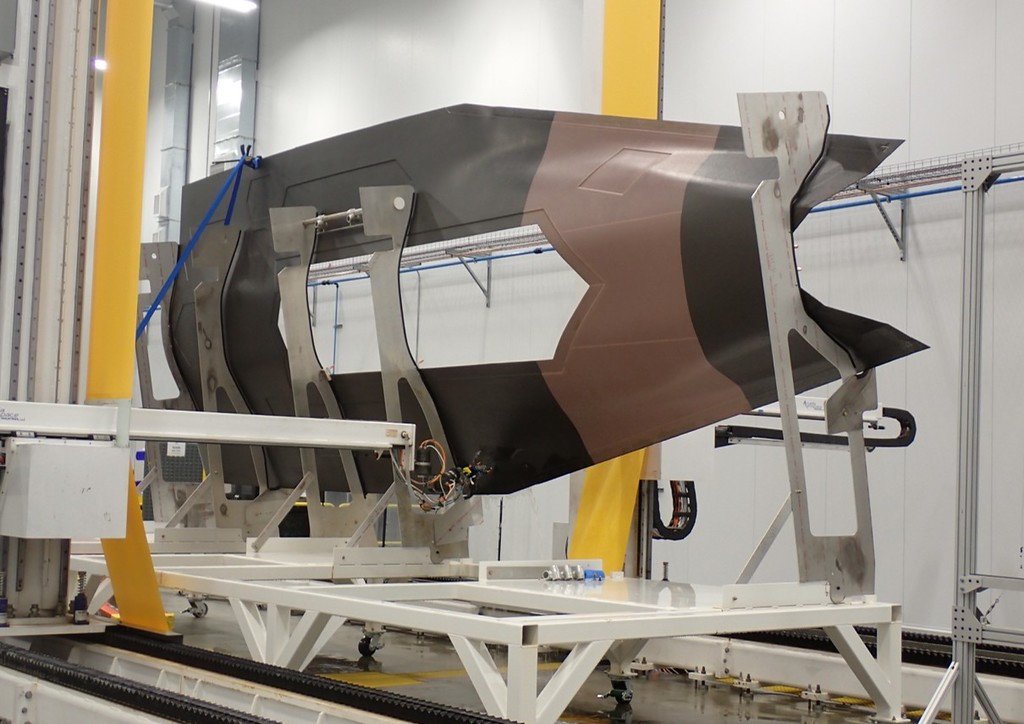
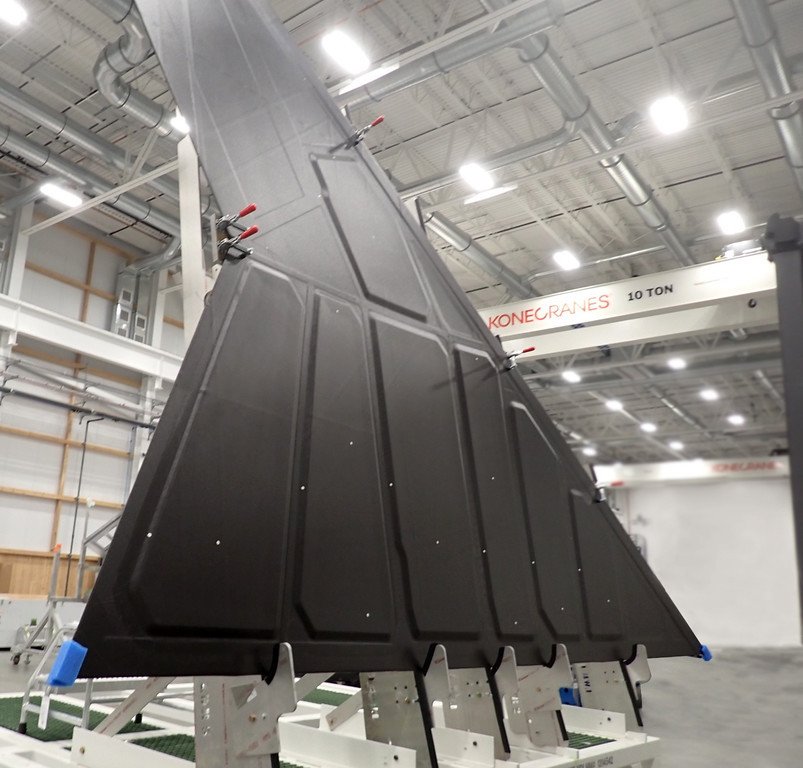
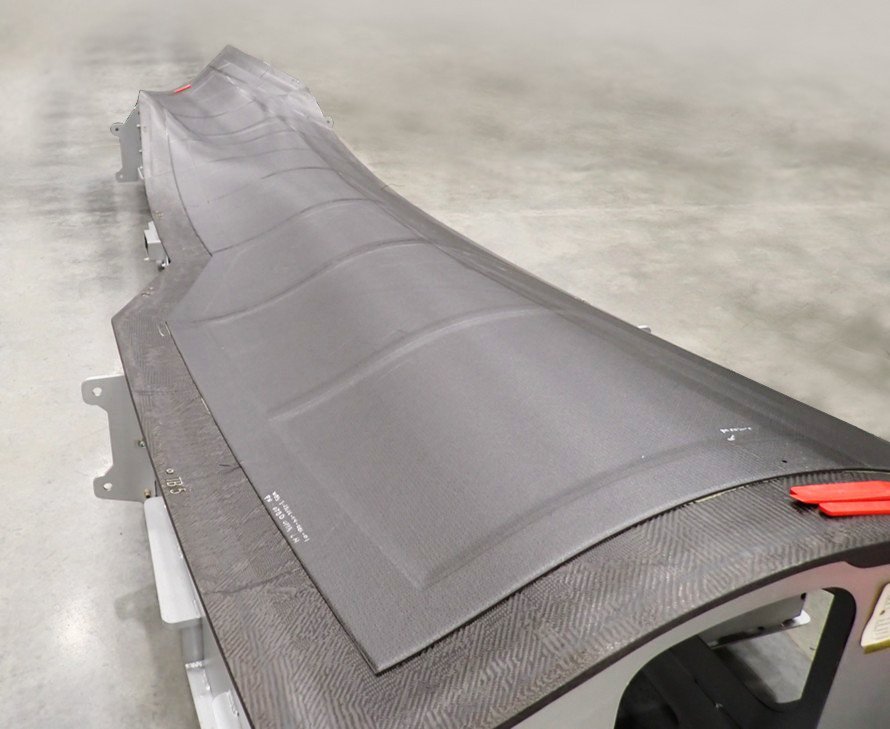
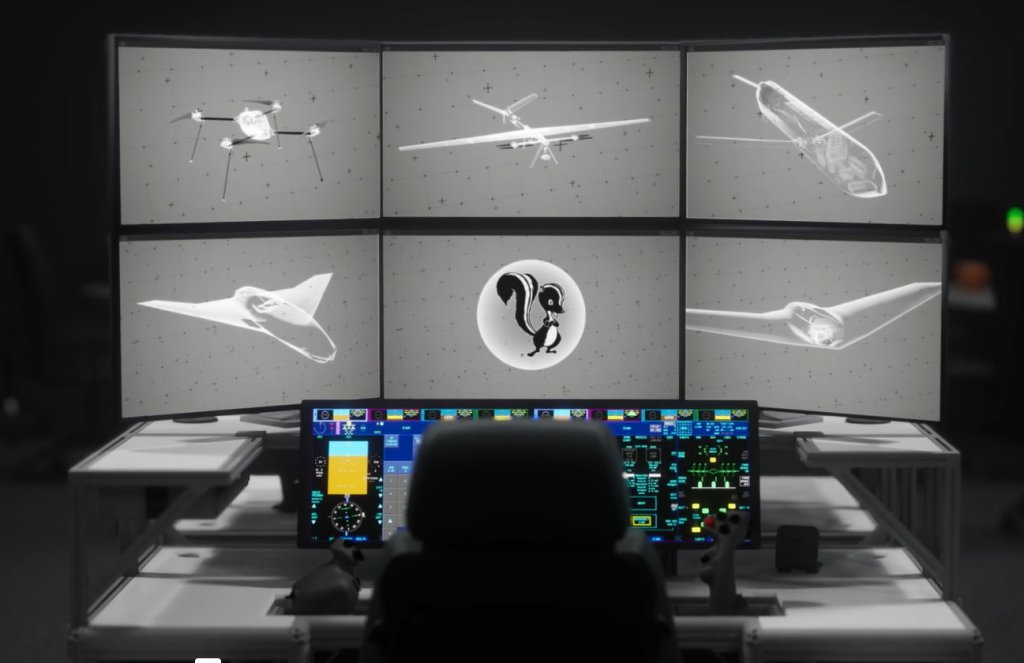
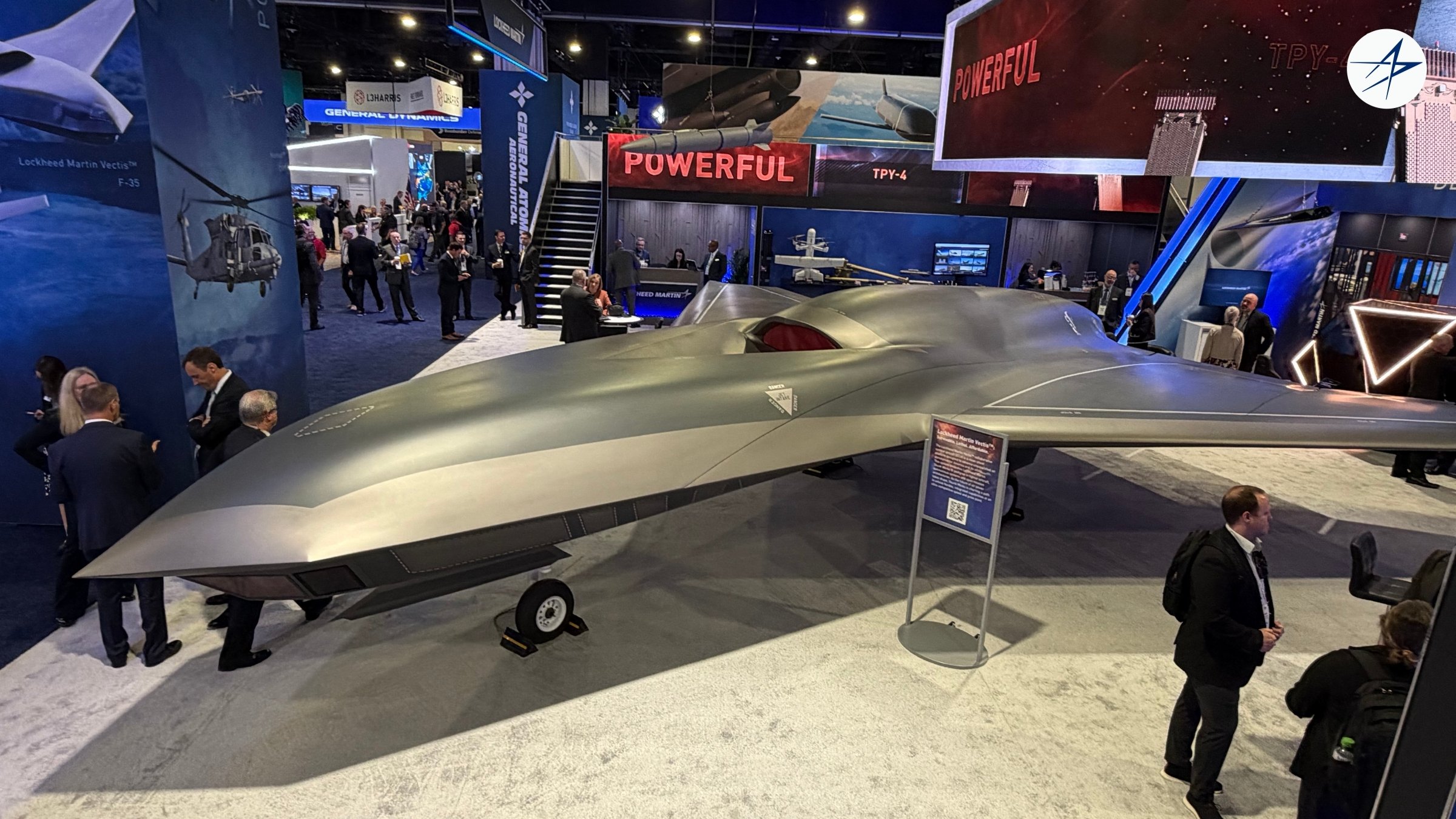
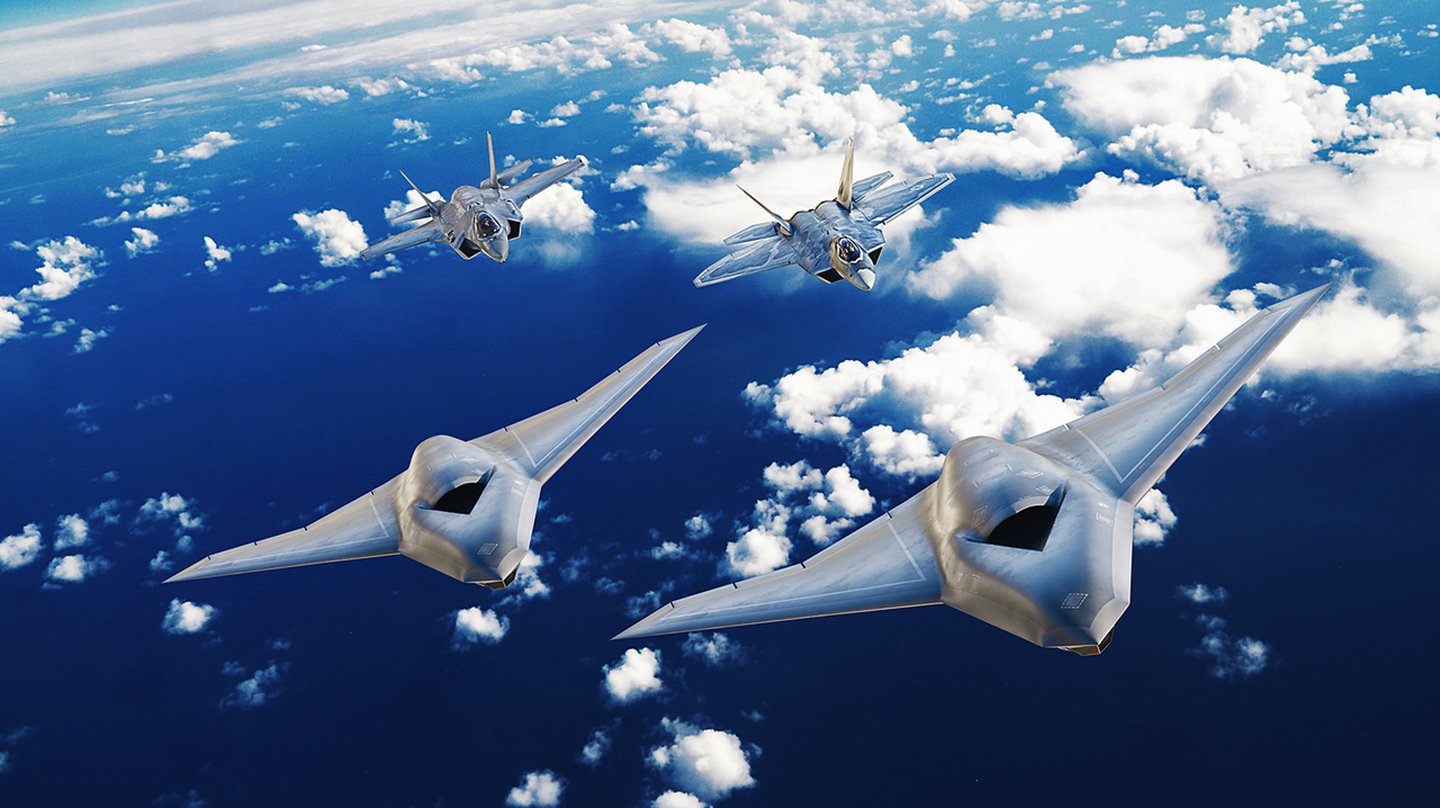




 (@frontlinekit)


