Autumn has arrived gently, the leaves are starting to change color, and the days are growing shorter. And it is precisely now, when you crave a good book and a warm corner, that I come to talk to you about libraries.
I confess: for a long time, I too thought a library was a quiet place, filled with bookshelves and someone telling us to “shh!”. Well, think again. Today’s municipal libraries are anything but that.
Right around us, you can check out a ukulele, a telescope, an electric cooker, or a museum pass. You can record a podcast, 3D print an object, learn how to cook, digitize old VHS wedding tapes, or even get free legal advice. In Hamilton, there is a seed library; in Alliston, they keep the letters and eyeglasses of Sir Frederick Banting, the “father” of insulin.
And what about technology? Libraries didn’t run away from Artificial Intelligence; they embraced it. They teach how to use it wisely, lend laptops and internet access to those who don’t have it at home, and help older generations overcome their fear of smartphones. In Mississauga, more than half of those using these services say the library is the only place where they have access to this technology. In Toronto, 83% of those who used them improved their employability. Now that is a true public service.
For families, it is a real treasure. And at a time when everything costs an arm and a leg, a free treasure! Storytime for babies, coding and robotics clubs, youth spaces with snacks included, games, movies, and streaming platforms—all with a simple card. In Brampton, just living in Ontario is enough to get one without paying a single cent.
But perhaps the most important thing isn’t what you take home. It’s what you find inside: a place where no one forces you to buy anything, where a grandfather, a granddaughter, and a neighbor who just arrived in Canada sit at the same table. In times of screens, loneliness, and misinformation, that is no small thing.
So, I leave you with a challenge: if you haven’t stepped into a library in a few years, pay one a visit. Take the kids, take your parents, take your curiosity. I guarantee you’ll leave surprised—and, who knows, maybe with a ukulele under your arm.
It is what it is, and it will always be worth what it’s worth.
Today, the traditional image of a library with thousands of books, high shelves filled with history and stories, is far removed from reality. In fact, this is a reductive view, because the function of this type of public space is now far more comprehensive. Especially in a multicultural and fast-growing city like Toronto, where free public spaces are increasingly rare, the Toronto Public Library (TPL) has become a true meeting point filled with past, present, and future. Indeed, any regular user can attest that, today, a library is essentially bursting with life.
The numbers speak for themselves. With 100 branches spread across the city, TPL is the largest and busiest public library system in North America. In the last year alone, it welcomed over 14 million in-person visits, and eight in ten Toronto residents use the library—whether to study, work, look for a job, learn something new, or simply have a welcoming place to be.
But what can actually be found in a library today? Far more than one might imagine. Beyond books—both physical and digital—TPL offers free internet access and computers, training in digital skills and Artificial Intelligence, 3D printers, recording studios, and even a musical instrument lending library. There are dedicated spaces for children and teenagers, support for job seekers and small businesses, and initiatives that help residents participate in an informed way in the city’s democratic life.
In an era marked by loneliness, polarization, and misinformation, the library also assumes an essential civic role: bringing people together, promoting access to trusted information, and building bridges between different perspectives.
We spoke with Toronto’s City Librarian, Moe Hosseini-Ara, to understand how the library has reinvented itself, what impact it has on the lives of those who visit, and what might surprise those who haven’t been back in a while.
Milénio Stadium:For those who don’t know, how would you describe the Toronto Public Library and the role it plays in city life today?
Moe Hosseini Ara (DR)
Moe Hosseini-Ara: Eight in ten Toronto residents use their library as a place to work or study, borrow a book, attend a program, look for a job, develop skills, or simply to have somewhere to go.
As the city grows, so does the need for shared spaces, trusted information, and human connection. The Toronto Public Library (TPL) has become essential civic infrastructure.
TPL connects people to resources and opportunities through a trusted network of 100 branches, expert staff, and an extensive offering of online services. We are the largest and busiest public library system in North America.
MS: What role do TPL branches play as community gathering spaces?
MHA: TPL offers something increasingly rare: a free, welcoming public space where no purchase is required.
Our 100 branches across the city are vital community hubs that support individual and community resilience.
In the last year alone, TPL branches recorded over 14 million in-person visits, and our website (tpl.ca) had more than 32 million visits.
MS: In a fast-changing world, especially with the rise of Artificial Intelligence, how does TPL help residents keep up with these changes?
MHA: From early literacy to Artificial Intelligence (AI) skills, TPL offers free lifelong learning opportunities for every stage of life, helping Toronto residents build the knowledge, digital skills, and confidence needed to thrive in a rapidly changing world, while helping close the digital divide.
The impact is real: 83% of users who accessed TPL’s technology services reported improving their employable skills or achieving career goals.
MS: We live in times marked by loneliness, polarization, and misinformation. What contribution can a public library make to bring people closer together and strengthen democratic life?
MHA: In an era of rising isolation, loneliness, and polarization, TPL is the gathering spot where Toronto residents come together, connect with one another, learn to combat misinformation, and engage with perspectives beyond their own.
This is a role valued by the public: 93% of Toronto residents agree that public libraries are an important resource for the community.
MS: Many people still associate libraries solely with books. Which TPL services tend to surprise those who discover them for the first time?
MHA: There are services people might not realize we offer… while books, both physical and digital, remain our core foundation, our free services go far beyond that. Many people may not know that we offer:
Free internet access, computers, and printers;
Help with tech and digital literacy, including AI upskilling (note: we have an AI policy that guides our staff toward the safe, responsible, ethical, and effective use of AI tools);
Virtual interview rooms for job seekers, 3D printers, Adobe Creative Suite, and recording studios;
Musical Instrument Lending Library;
Programs for children, English as a Second Language (ESL) learners, job seekers, and small businesses;
After-school clubs for children, featuring free activities like hands-on projects, coding, and robotics workshops;
Youth Hubs—welcoming spaces for teenagers after school and during the summer, always staffed with support teams. Free, nutritious daily snacks are provided;
We are also gearing up for the municipal election with our Celebrate Democracy initiative, which provides reliable, accessible resources to help residents understand key issues, learn about candidates, and actively participate in the process;
Our popular tpl:map passes, which offer free access to Toronto’s arts, cultural experiences, and attractions.
The services mentioned here are just a small sample. Anyone who hasn’t visited the library in a while might be surprised by everything they will discover!
Hazel McCallion Central Library in Mississauga (Adam Pulicicchio)
With 18 libraries spread across the city, including the renovated Hazel McCallion Central Library, Mississauga offers its residents multiple free services that are essential in building a better-informed community. Beyond providing traditional access to reading material, today’s libraries allow visitors to borrow musical instruments, sports kits, carbon dioxide detectors, or museum passes. It is also possible to 3D print an object, record a song, cook in a community kitchen, or take home a laptop and a Wi-Fi hotspot.
In a diverse and fast-growing city like Mississauga, the public library has transformed into a true community hub: a place where people of all ages and backgrounds gather to study, learn, create, and socialize without having to pay a dime. In a climate where the cost of living weighs heavily on so many family budgets, the library provides free services that would otherwise be inaccessible to many—from streaming platforms and online courses to digital newspapers and creative software tools.
Technology has been a major priority. According to a recent survey, more than half of the users of the library’s tech services state that this is their only way to access these tools, highlighting the vital role the institution plays in bridging the digital divide.
However, the library does not stop at offering resources. It also provides guidance, family programs, partnerships with community organizations, and social spaces that help combat social isolation.
To better understand how the library has reinvented itself and what it has to offer families and the broader community, we spoke with Irene McCutcheon, Senior Communications Advisor for the City of Mississauga.
Milénio Stadium: Beyond borrowing books, what services does the library currently offer that the public might not be aware of? Which of these services has grown the most in recent years?
Irene McCutcheon (DR)
Irene McCutcheon: Many residents might be surprised to discover the variety of items they can borrow from the Mississauga Library of Things, such as game and sports kits, carbon dioxide detectors, musical instruments, park passes, and museum passes. One of the areas of largest growth in recent years has been the technology available to patrons—such as portable Wi-Fi hotspots, printers, photocopiers, and makerspaces equipped with 3D printers and music recording equipment. And for those looking to save money, residents can check out movies and video games, as well as access free streaming services with their library card.
MS: If you had to describe the public library to someone who only associates it with “a place for books,” how would you describe it?
IM: A public library is so much more than books on shelves. It is a community hub where people of all ages and backgrounds can come together to socialize, study, and explore. It is a welcoming space where residents can participate in programs for all ages, study, meet up, and discover new interests. It is one of the few spaces where everyone is welcome, regardless of age, background, or abilities, at no cost at all.
MS: What concrete changes have you made recently to keep up with technological evolution (such as Artificial Intelligence)? Are there concerns or red lines in this process?
IM: The library has made significant investments in technology to support how residents learn, create, and access information. We provide free Wi-Fi access, laptop and tablet loans, self-service checkout and return systems, and makerspaces equipped with various technologies, like 3D printing and sewing machines. These services give residents access to the technology they need at a low cost. In fact, a recent user survey revealed that 56% of respondents who use these library services say it is their only way to access this technology. As technology evolves, the library’s focus remains on providing access to learning and skill development so that patrons can use these tools effectively.
MS: In an era when information is just a click away, what do you do to ensure people still have reasons to visit the library, either in person or online? What recent initiative do you consider to have been most successful in attracting new audiences?
IM: Libraries offer much more than access to information. The Mississauga Library offers experiences, guidance, and a sense of social connection that help residents develop skills, connect with the community, and explore their interests. Patrons can participate in in-person programs and events, as well as access services that would otherwise be expensive, such as creative software, 3D printers, and sound and video recording equipment. The Hazel McCallion Central Library features a kitchen for cooking and nutrition programs, as well as a games room and other facilities that can be booked for free.
Library staff are also available to help residents navigate existing services, find materials, and build their skills. As for the online experience, the library provides free access to learning and entertainment services that would otherwise require a paid subscription. This includes LinkedIn Learning, The New York Times, PressReader, Ancestry, e-books, and streaming platforms for music and movies.
MS: What concrete benefits can a family with children get from the library today that they couldn’t ten or twenty years ago? Are there programs specifically designed to reduce costs or social isolation for families?
IM: The modern library is a center for community development, outreach, and programming for people of all ages and backgrounds. Families can participate in free programs, access community services, and engage in activities that help them learn, grow, and build connections. For budget-conscious families, the library offers free access to a wide variety of activities and materials, such as streaming services and games, children’s activities, passes to local attractions, drop-in social gatherings, book clubs, safety equipment, and language learning programs.
Through partnerships with local non-profit organizations, the library also provides outreach services, community development, and educational programs. These programs help reduce social isolation by giving residents a space to meet others, learn new skills, and build community. One of the most significant changes in recent years has been the expansion of technology available at the library—such as laptop loans, makerspaces, Wi-Fi hotspots, and other services that support skill development and help lower the cost of access.
Xi Jinping alla Casa Bianca: «La trappola di Tucidide può essere superata». Mentre Washington e Pechino trattano su dazi, chip e Taiwan, Mosca esce dal voto per la Duma con la maggioranza più ampia della sua storia e l’Europa racconta di essere bersaglio di un allarme droni che nessuno conferma. Chi ha paura di chi, e chi decide mentre gli altri hanno paura? A Levante questa sera, giovedì 24 settembre 2026, alle 19, Margherita Furlan dialoga con Alberto Bradanini, già ambasciatore d’Italia a Pechino, e con Aleksandr Ibragimov, in diretta da Mosca, sulla stessa scena vista da due finestre: la trattativa tra le due grandi potenze e la paura che ne resta fuori. Affrontiamo insieme: Xi da Trump: che cosa vuole la Cina, che cosa vogliono gli Stati Uniti Gli amministratori delegati di Nvidia, OpenAI, JPMorgan e Qualcomm alla cena di Stato: la tavola dice più del comunicato Tregua commerciale prorogata, Board of Trade, terre rare e soia Taiwan e il comunicato del 1982: fin dove arriva la trattativa La legge Graham: dazi fino al 100% su chi compra petrolio russo, sei giorni prima del vertice La Duma dei 355 seggi: un Putin più forte e che cosa ne fa con l’Europa Il caso El Mundo: droni dal mare contro Italia, Francia e Spagna? Crosetto: nessuna conferma L’Italia e l’Europa fuori dalla stanza dove si decide Tucidide, Allison e la domanda del titolo: la trappola si può davvero superare? I LIBRI DEGLI OSPITI Alberto Bradanini: Cina. Dall’umanesimo di Nenni alle sfide di un mondo multipolare (Anteo, 2023) Alberto Bradanini: Cina. L’irresistibile ascesa (Sandro Teti, 2022) Alberto Bradanini: Oltre la Grande Muraglia (Bocconi, 2018) GLI OSPITI Alberto Bradanini, diplomatico, già ambasciatore d’Italia nella Repubblica Popolare Cinese e in Iran Aleksandr Ibragimov, rettore della Scuola del Buon Senso, PhD in scienze filologiche; linguista, psicologo, scrittore, sceneggiatore; membro dell’Unione degli Scrittori Russi. La voce dall’interno del mondo russo SOSTIENI CASA DEL SOLE TV Casa del Sole TV è un progetto di giornalismo indipendente autofinanziato. Per donazioni: IBAN: IT63P0326822300052392596590 Intestato a: La Casa del Sole Edizioni Causale: Donazione Casa del Sole TV Membership YouTube: https://www.youtube.com/@CasadelSoleT… Analista Multipolare €5/mese Inviato della Verità €15/mese Architetto del Futuro €25/mese I LIBRI DI MARGHERITA FURLAN BRICS Scacco Matto (disponibile in italiano, inglese, russo) SEGUI CASA DEL SOLE TV YouTube: @CasadelSoleTVChannel #Levante#CasadelSoleTV#MargheritaFurlan#Geopolitica#Multipolarismo#TrappolaDiTucidide#XiJinping#Trump#Cina#Russia#Duma#AlbertoBradanini
Commercial biotech research in microgravity got another boost by the expansion of an agreement between Exobiosphere and Voyager Technologies. Two additional research campaigns will be carried out aboard the International Space Station (ISS). Exobiosphere’s Orbital High-Throughput Screening in Microgravity (OHTS) platform is a mid-deck-locker-class system for automated drug screening. The OHTS is scheduled for installation […]
The Donald pulled no punches at the UN today. It was all hell and brimstone on the Iranian War file. Once again, and perhaps for the 15th time, he promised to “annihilate” a nation that arose originally upwards of 2,700 years ago: I have a big decision to make. Will a deal be made with […]
A Levante questa sera, 23 settembre 2026, analizziamo una una settimana che rimescola le carte dell’ordine mondiale: Xi Jinping a Washington per la prima visita di Stato dopo undici anni, un’Assemblea Generale dell’ONU segnata dai visti negati e un Golfo Persico in piena trasformazione. Affrontiamo insieme: Xi alla Casa Bianca: dazi, dollaro, tecnologia e la partita a tre con Mosca BRICS di Nuova Delhi: la condanna delle sanzioni unilaterali e degli attacchi all’Iran ONU sotto ricatto: Abbas escluso, delegazione e stampa iraniane limitate Hormuz, Golfo Persico e la militarizzazione del Mediterraneo Duma russa, scossone in Germania, midterm americane in vista Fronte ucraino: attacchi incrociati, avanzata russa, ipotesi di un nuovo vertice Trump-Putin GLI OSPITI Alessandro Volpi, storico ed economista, Università di Pisa Antonio Mazzeo, giornalista d’inchiesta, esperto di basi militari e militarizzazione Stefano Orsi, analista militare del conflitto russo-ucraino Jeff Hoffman alla conduzione LIBRI DEGLI OSPITI Alessandro Volpi, La guerra della finanza. Trump e la fine del capitalismo globale, Laterza, 2025 Alessandro Volpi, I padroni del mondo. Come i fondi finanziari stanno distruggendo il mercato e la democrazia, Laterza, 2024 Alessandro Volpi, Prezzi alle stelle. Non è inflazione, è speculazione, Laterza, 2023 Antonio Mazzeo, La scuola va alla guerra. Inchiesta sulla militarizzazione dell’istruzione in Italia, Manifestolibri, 2024. Antonio Mazzeo, Il MUOStro di Niscemi, Editpress, 2013. Antonio Mazzeo, I padrini del ponte. Affari di mafia sullo Stretto di Messina, Edizioni Alegre, 2010. Mi chiamo Handalino Miranda editrice Milano 2026 SOSTIENI CASA DEL SOLE TV Casa del Sole TV è un progetto di giornalismo indipendente autofinanziato. Per donazioni: IBAN: IT63P0326822300052392596590 Intestato a: La Casa del Sole Edizioni Causale: Donazione Casa del Sole TV Membership YouTube: https://www.youtube.com/@CasadelSoleT… Analista Multipolare €5/mese Inviato della Verità €15/mese Architetto del Futuro €25/mese Iscriviti e attiva la campanella: Levante va in onda dal lunedì al venerdì alle 19.00 #Levante#CasadelSoleTV#JeffHoffman#Geopolitica#Multipolarismo#XiJinping#BRICS#ONU#Hormuz#Iran#Palestina#Ucraina#Russia#Germania#Midterm#AlessandroVolpi#AntonioMazzeo#StefanoOrsi
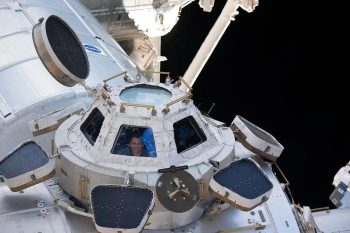
No need for a quick spray of Windex to get a clear view of this situation. There’s a growing need for windows for rubbernecking space travelers, be it from suborbital hops, stays in Earth orbit and far-flung sojourns to the moon and beyond. Retrofire back decades ago when the first Mercury space capsule offered a […]
Trump non fa la pace, la prezza: all’Iran la promette per il giorno dopo il voto di novembre, a Kiev impone una tregua che serve al gasolio americano, a Riyadh incassa senza sparare un colpo mentre a Gaza la pace è quella di un’Assemblea dove Netanyahu entra e Abbas resta fuori. A Levante questa sera, martedì 22 settembre 2026, Margherita Furlan dialoga con Moni Ovadia, attore, drammaturgo e scrittore, Francesco Dall’Aglio, storico e analista di politica internazionale, e Gianmarco Pisa, ricercatore per la pace e operatore dei Corpi civili di pace. Dal podio dell’ONU Trump ha detto tre cose in un’ora: con l’Iran «o si fa un accordo o dovrò distruggerli», ma l’intesa arriva «dopo le elezioni di metà mandato»; con l’Ucraina «una soluzione più rapida di quanto la gente possa pensare», e mentre siamo in diretta riceve Zelensky per imporgli una tregua energetica con il gasolio americano a 6,51 dollari al gallone; in Groenlandia due basi e il «controllo permanente sulla sicurezza». Nelle stesse ore l’Arabia Saudita riaccende l’oleodotto verso il Mar Rosso e aggira Hormuz, il Brent scende sotto i cento dollari, Teheran offre di riaprire lo Stretto in sette giorni. Affrontiamo insieme: L’Assemblea generale su invito: Abbas senza visto per il secondo anno, Netanyahu con un mandato d’arresto in tasca e la porta spalancata, lo scontro con il sindaco Mamdani AIPAC che raddoppia i milioni per le elezioni di metà mandato mentre il consenso vacilla, e le sanzioni americane in arrivo contro la Corte penale internazionale Riyadh e la lezione di Mattei rovesciata: chi controlla il tubo negozia da una posizione diversa da chi controlla solo il pozzo. La Petroline riaperta, i barili europei dirottati in Asia, l’uscita silenziosa da mBridge La tregua energetica fra Kiev e Mosca: una pausa per le città ucraine o per il gasolio americano prima del voto? L’Italia che firma con Rubio sui minerali critici, abborda la flotta ombra a sud della Sicilia e paga il petrolio che il Golfo decide di venderle Resta un diritto internazionale o solo la sua liturgia? Guterres, il relatore ONU sui 223 morti nei Caraibi, la Siria dei depositi che saltano LIBRI DEGLI OSPITI Moni Ovadia, Un ebreo contro, Edizioni Gruppo Abele, 2021. Francesco Dall’Aglio (con Carlo Ziviello), Oppenheimer, Putin e altre storie sulla bomba, ad est dell’equatore, 2023. Gianmarco Pisa, Fare pace, costruire società, Multimage. Gianmarco Pisa, Di terra e di pietra, Multimage. Gianmarco Pisa, Paesaggi kosovari 1998-2018, Multimage. SOSTIENI CASA DEL SOLE TV Casa del Sole TV è un progetto di giornalismo indipendente autofinanziato. Esiste perché esistete voi. Per donazioni: IBAN: IT63P0326822300052392596590 Intestato a: La Casa del Sole Edizioni Causale: Donazione Casa del Sole TV Membership YouTube: / @casadelsoletvchannel Analista Multipolare €5/mese Inviato della Verità €15/mese Architetto del Futuro €25/mese I LIBRI DI MARGHERITA FURLAN BRICS Scacco Matto (disponibile in italiano, inglese, russo) SEGUI CASA DEL SOLE TV YouTube: @CasadelSoleTVChannel Iscrivetevi, attivate la campanella, sostenete Casa del Sole TV. È grazie a voi che siamo qui ogni sera. #Levante#CasadelSoleTV#MargheritaFurlan#Geopolitica#Multipolarismo#Trump#ONU#Zelensky#Hormuz#ArabiaSaudita#Palestina#MoniOvadia#FrancescoDallAglio#GianmarcoPisa
The development of China’s Moon-landing spacesuit Wangyu, meaning “gazing into the cosmos,” is progressing smoothly, with dozens of key technologies now in place, said Zhang Wanxin, an expert at the Astronaut Center of China, at an aerospace medical engineering conference in Tianjin. Since suit development began in 2020, efforts on Wangyu have focused on meeting […]
NASA’s Curiosity Mars rover is examining wind-formed, long, narrow, large ripples, even performing a wheel scuff on top of an undisturbed ripple. Over the past several weeks, and after some 14 years exploring Gale Crater/Mt. Sharp, the Mars machinery has gained one kilometer of elevation since landing. Here are some recently taken images of its […]
La Germania punisce Merz e Mosca conferma Putin, ma la partita vera si gioca da mercoledì a Washington, dove Xi Jinping incontra Trump. Sotto, una crisi energetica che è ormai crisi di sistema. A Levante questa sera, lunedì 21 settembre 2026, alle ore 19, Margherita Furlan dialoga con Vincenzo Maddaloni, giornalista e scrittore, in collegamento da Berlino; Vincenzo Lorusso, giornalista, in collegamento da Mosca; Roberto Quaglia, scrittore. Germania: AfD primo partito in Meclemburgo-Pomerania, Berlino alla Linke, crollo della CDU. Merz: «Un disastro», ma resta al suo posto Russia: Russia Unita vince le elezioni per la Duma. Che cosa dice il voto visto da Mosca, e che cosa non dice Crisi energetica: sette mesi di guerra nel Golfo, petrolio sopra i 100 dollari, il conto che arriva a famiglie e imprese europee Crisi sistemica: quando bollette, debito e urne raccontano la stessa storia Xi Jinping da Trump: visita di Stato negli Stati Uniti dal 23 al 25 settembre. Commercio, tecnologia, sicurezza: chi tratta da posizione di forza? LIBRI DEGLI OSPITI Vincenzo Maddaloni, Incredibile. Bombe – Iran – USA. Tutti i rischi di una guerra nucleare, 2025 Vincenzo Maddaloni, Voglia di rivoluzione, Nexus, 2024 Vincenzo Lorusso, De russophobia, 2025 Roberto Quaglia, Guerra e pace e zombi, 2025 Roberto Quaglia, Il fondamentalismo hollywoodista, 2020 Roberto Quaglia, Il mito dell’11 settembre e l’opzione dottor Stranamore, 2006 IL LIBRO DI MARGHERITA FURLAN BRICS Scacco Matto, disponibile in italiano, inglese e russo SOSTIENI CASA DEL SOLE TV Casa del Sole TV è un progetto di giornalismo indipendente autofinanziato. Per sostenerci: IBAN: IT63P0326822300052392596590 Intestato a: La Casa del Sole Edizioni Causale: Donazione Casa del Sole TV Oppure attraverso le membership YouTube: / @casadelsoletvchannel Analista Multipolare €5 Inviato della Verità €15 Architetto del Futuro €25 Iscriviti al canale e attiva la campanella per non perdere le dirette, dal lunedì al venerdì alle 19 #Levante#Germania#Merz#Russia#Putin#Cina#XiJinping#Trump#crisienergetica#geopolitica
I hope you find yourselves in good spirits and in good health.
September has already passed its halfway mark, much like the phases of the moon in decreasing order to give way to month X. Thus the wind carries us along.
This week, I write to you off topic, as I will leave elections to the experts.
I tried to understand the state of the world in the 21st century, and what that really means for us as a Society.
The state of the world in the 21st century is marked by geopolitical transitions, accelerated technological advances, and global systemic crises. Analyses of this period, such as those discussed by specialists in reflections on the same subject, highlight profound transformations in sovereignty, the economy, and society. Namely:
Geopolitics and Global Power
Rise of new powers: China has consolidated itself as a central player and the world’s second largest economy, redefining the rules of multilateralism and challenging the traditional hegemony of the United States.
Russia and conflicts: Russia has emerged as an active military power, while the international system faces growing tensions and geopolitical instability.
Democratic erosion: Several democracies around the world face pressure from populist movements and authoritarian tendencies.
Technology and Infrastructure
Digital revolution and AI: Dominance in digital infrastructure and artificial intelligence has become the new pillar of national sovereignty.
Innovation: This century has witnessed the democratization of smartphones, advances in private space exploration, and scientific milestones like the detection of the Higgs boson.
Global Crises and Challenges
Public health: The COVID 19 pandemic severely marked global health in the first half of the 2020s.
Socioeconomic tensions: Financial crises (such as 2008) and disputes over strategic resources, like rare earth minerals, shape global economic competition, not to add the measures and tariffs imposed by the “Madman” U.S. President, D “C” T. , (I leave the C to your discretion and mental capacity to describe), measures as I was saying that will erect high barriers not only for us (Canada), but for everyone as a global society.
It is what it is and will always be worth what it’s worth.
Moon Base inhabitants take note of a newly discovered crater formed on the lunar surface, the largest, ever found in the solar system. As noted by NASA, the crater has officially been named McGetchin after pioneering lunar scientist Tom McGetchin. This crater formed on the Moon’s eastern edge sometime between April 11 and May […]
There are hundreds of thousands of Luso Canadians in Ontario, but when looking for those who, within this community, decide to take the step of running for local governance, the list is manifestly short. Even so, when we look at the lists of contenders in these 2026 municipal elections, we find several names of candidates, from Toronto to Cambridge, from Mississauga to Kitchener, from London to Brampton, from Oshawa etc., who carry surnames that we recognize as ours and who are already on the ground asking for the vote of their neighbors. Some are already familiar faces in these endeavors; others have accepted this challenge for the first time.
On these pages we gather the names of some of them. We tell you where they are running and what they propose to those who could elect them. It is a small sample, we know it, there are many others who, with courage, are in the fight of municipal politics, but we had to make a choice for obvious reasons. However, this group of people that we bring to you here shows that our presence in local politics, even if timid, exists and has been growing. In a way, getting to know these candidates is also recognizing the space that we, Portuguese descendants, still have to occupy in Canadian society.
Tony Chaves — Cambridge, Mayoral candidate
Milénio Stadium: As a Portuguese-Canadian running for the top job in Cambridge, what does your community background bring to how you’d lead the city?
Tony Chaves (DR)
Tony Chaves: My Portuguese-Canadian background has given me a strong appreciation for community, family, hard work, and helping one another. But after 11 years as President of the Portuguese Club, I’ve learned that community is much bigger than one culture.
Over those 11 years, I’ve had the privilege of meeting thousands of people from different cultures, backgrounds, and walks of life. I’ve listened to their concerns, celebrated their traditions, and seen firsthand how much stronger Cambridge is when we come together.
That’s the kind of leadership I would bring to the Mayor’s office. I wouldn’t lead for one culture or one group of people. I would lead for all of Cambridge.
I want every resident to feel heard, respected, and included. My background has taught me that when you open your doors, listen to people, and bring communities together, you build a stronger city for everyone.
MS: How do you plan to engage Cambridge’s Portuguese community specifically if elected?
TC: After 11 years as President of the Portuguese Club, I already have strong connections within Cambridge’s Portuguese community. If elected, I would continue listening, attending community events, meeting with residents and organizations, and making sure their concerns are heard at City Hall.
But I want to be clear: I’m not just a mayor for the Portuguese community. I’m a mayor for all of Cambridge. My experience has taught me the importance of bringing different cultures and backgrounds together and making sure everyone has a voice.
MS: Cambridge is dealing with rapid growth and a housing affordability crunch. What’s the one concrete action you’d take in your first year to address it?
TC: My first concrete action would be to introduce a first-time homebuyer property-tax relief program, providing eligible first-time buyers with a 50% reduction in municipal property taxes for their first two years.
We need to make homeownership more attainable for Cambridge residents who are trying to put down roots in our city. At the same time, I would work with Council and staff to identify practical ways to increase affordable and attainable housing while making sure growth is properly planned and supported by the infrastructure our city needs.
MS: What sets you apart from the other candidates in this race, and why should voters trust you, rather than an incumbent or a more established name, to lead Cambridge?
TC: What sets me apart is simple: I’m not a career politician. I’m a regular person who has spent 60 years living in Cambridge, building a business, raising a family, and serving my community.
For 11 years, I’ve had the privilege of being President of the Portuguese Club, where I’ve worked with people from every culture and background. I’ve listened to thousands of people, heard their concerns, and learned that leadership isn’t about having all the answers — it’s about listening and doing something about what you hear.
I’m not running because I need a political title. I’m running because I believe Cambridge needs a leader who will put residents first, be transparent, hold people accountable, and make every dollar count.
I don’t answer to politicians. I answer to the people of Cambridge. They’re the bosses.
That’s what sets me apart — and if I earn your trust, I’ll work every day to prove you made the right choice.
Miguel Araujo — Oshawa, Ward 3
Milénio Stadium: What led you to run for Ward 3 in Oshawa/Durham?
Miguel Araujo (DR)
Miguel Araujo: I decided to run for councillor of Ward 3 in Oshawa/Durham because I am always following development news and what is happening in and around Oshawa and I feel that I would represent the residents Ward and fight for there best interests.
MS: What do you consider to be the most pressing issue in Ward 3 right now, and what would you propose to do in your first year in office to address it?
MA: I believe that the pressing issue in Ward 3 is that there are still many parks that are under utilized and to fix this issue I would propose in the upcoming budget for 2027 to redevelope these parks by adding splash pads, soccer fields, baseball diamonds and replacing playground equipment to more modern equipment, etc.
MS: There are seven people running for the same position, how do you intend to convince voters that your candidacy is the best to represent them and what sets you apart from the other candidates?
MA: I am running in a ward against 7 other candidates but I feel that what sets me apart from the others is that since I have lived in the ward for over 30+ years and I have seen and am aware of what issues that haven’t been fixed in the past so with that knowledge I would know what needs to be addressed as a priority and would be close with the residents of Ward 3 by being a phone call or email away.
MS: If elected, how do you plan to balance housing growth/urban development in Oshawa with current residents’ concerns about infrastructure and services?
MA: If elected I plan to balance housing growth/ urban development with current residents concerns of infrastructure and services by doing various studies of fire services, paramedic services, policing services, etc. to see which areas need new facilities to be added or expanded etc. and if the roads can handle more traffic in the areas before permits are approved for construction of new growth.
Marco Martins — Toronto, Ward 9 (Davenport)
First-time candidate
Marco Martins (DR)
Safety
Pushes for more visible and community-based policing, and for measurable response times
Spending
Wants to review City spending to eliminate unnecessary costs and reduce “red tape” for small businesses
Investment equity
Claims that Davenport receives half the capital investment per capita compared to other wards, and promises to fight for the ward’s “fair share” in services, parks, and funding
Transit
More safe and connected bike lanes, more service on overcrowded bus lines, practical solutions for congestion
Housing
Supports housing growth, but demands that infrastructure and transit keep pace with development
First 100 days plan
Publish response standards; open a “public action tracker” and Ward 9 construction calendar; meet with all BIAs, residents’ groups, police, and TTC service planning; hold three listening sessions (north, central, south); launch audits of parks, traffic trouble spots, and construction communication; publish a 100-day progress report
Lurdes Jordão — Kitchener, Ward 3
First-time candidate; resident of the ward for over 27 years.
Lurdes Jordão (DR)
Thoughtful growth and strong neighborhoods
Advocates for development that considers traffic, infrastructure, green spaces, affordability, and the character of existing neighborhoods
Safer streets and communities
Practical solutions for speeding, congestion, and pedestrian safety, in collaboration with the city and the Waterloo Regional Police
Responsible spending and affordable cost of living
Brings project management experience (over 30 years) to prioritize investments that do not overburden residents in the future
Representation with respect, transparency, and accessibility
Commitment to creating real opportunities for engagement between residents and city hall
Community track record
Over 20 years on the board of the Settler’s Grove Community Association, currently on her condominium board; supports Breakthrough T1D Canada and the Canadian Cancer Society
George Tavares — Mississauga, Ward 7
Ran for Mayor in 2022 and 2024.
George Tavares (DR)
Taxes
Scrutinize every line of the budget before approving increases; vote against increases without a clear benefit to residents
Demand transparent reporting on tax spending
Transit and roads
Road repairs and maintenance within deadlines
Traffic calming measures in residential areas
Hold City Hall accountable for meeting infrastructure deadlines
Housing and development
Demand that developers honor community benefit commitments
Ensure new population density is accompanied by corresponding infrastructure
Support genuinely affordable housing (not just in name)
Peel Police Funding
Formally contest, at Regional Council, the current 62%-38% funding split
Demand an independent review of the funding formula (population, service calls, real demand)
Independent Auditor General
Relaunch the proposal for an independent Auditor General for Mississauga
“Value for money” audits of major programs and projects, with public results and follow up on recommendations
Hazel McCallion LRT and transit
Demand a clear public timeline for construction completion and the start of passenger service
Practical traffic management during construction; protect pedestrian and business access in Cooksville
Improve LRT connections to GO Transit and MiWay
Public safety and enforcement
Visible policing near Cooksville Four Corners, GO station, parks, and transit stops
Strengthening safety rules for e-scooters
Evaluate programs by results, not by the amount spent
Martin Medeiros — Brampton, Wards 3 & 4
Incumbent
Martin Medeiros (DR)
Safe, clean, and well-maintained neighborhoods
Increased police presence in Wards 3 and 4
Proven traffic calming measures: speed cushions and all-way stop intersections
More municipal bylaw officers, proactive enforcement, and heavier fines for infractions
Affordability and responsible spending
Keep property taxes affordable
Eliminate unnecessary spending at Brampton City Hall and the Region of Peel
Ensure residents know their money is spent sensibly, responsibly, and efficiently
Neighborhood investment
Greater investment in parks, trails, and recreational facilities in Wards 3 and 4
Economic growth and employment
Attract new businesses and investment to Wards 3 and 4
Support local commerce and revitalize commercial areas
Transparency and accountability
Make Brampton City Hall more open, responsive, and accountable
Clear public information, greater oversight, and real opportunities for residents to be heard
David Ferreira — London, Ward 13
Incumbent
David Ferreira (DR)
Downtown evolution
Shape the next chapter of downtown as a neighborhood, civic gathering spot, cultural center, and economic engine that serves the entire city of London and strengthens the shared identity of the community
More housing options, stronger protections
Create and protect affordable housing through responsible development, better use of existing buildings, and practical decisions that respect both family budgets and public money
Safe streets, human dignity
Safer streets, stronger public spaces, and better support for people in crisis — so that everyone feels safe, respected, and treated with dignity
Neighborhood voice and community strength
Strengthen the voice of Ward 13 citizens in decisions that shape the streets, parks, buildings, services, and character of their neighborhoods
Real accountability and respectful government
Genuine transparency: clear public reports, effective accountability, trusted partnerships, and higher standards for how City Hall serves the public, works with communities, and honours the trust it was given
Paul Vicente — Brampton, Wards 1 & 5
Incumbent
Paul Vicente (DR)
Health first
Current focus: ensure the construction of the second hospital without delays, plan a third, and move forward with the cancer center and more long term care
Urban mobility
Work toward the construction of the LRT
Deliver a downtown transit hub
Partnership with Metrolinx for the Queen Street BRT
Bring two way GO train service every 15 minutes to downtown
Increase fines for repeat property standard, parking, and noise infractions
Libraries for everyone
Help advance three new branches: at the Howden Recreation Centre, at the Embleton Community Centre, and at the downtown Centre for Innovation
Smarter roads, less congestion
As Chair of the Public Works and Engineering committee, I helped launch the new Advanced Traffic Management System, which connects the city’s traffic lights to respond to real traffic in real time
Next step: expand with smart traffic lights and intersections
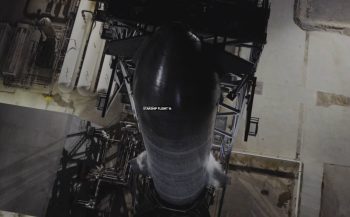
SpaceX has posted an overview of the 14th flight of Starship. The mission is now being prepared for launch as soon as Monday, September 28, pending regulatory approval. The 75-minute launch window will open at 7:15 a.m. Central “Texas” Time. As noted by SpaceX, the upcoming flight is planned to be the first to send […]
Dormir parece una actividad pasiva, pero mientras permanecemos con los ojos cerrados el cerebro continúa trabajando. Durante la noche se producen procesos relacionados con la memoria, el aprendizaje y la regulación de numerosos sistemas del organismo. Por eso, cuando el descanso se reduce de forma habitual, las consecuencias no se limitan necesariamente al cansancio de la mañana siguiente.
Un trabajo publicado en Current Biology aporta ahora una nueva pieza al complejo rompecabezas de cómo afecta la falta de sueño al cerebro. Los investigadores no se limitaron a observar si los animales perdían conexiones entre neuronas: analizaron qué tipos de conexiones tenían y cómo cambiaba su diversidad después de permanecer despiertos más tiempo de lo habitual.
El cerebro no pierde simplemente conexiones: cambia su diversidad
El estudio, dirigido por investigadores vinculados a la Universidad de Edimburgo, examinó el denominado sinaptoma, es decir, el conjunto y la distribución de las sinapsis del cerebro. Las sinapsis son los puntos de comunicación entre las neuronas y presentan una diversidad molecular mucho mayor de la que puede sugerir la simple idea de «conexión neuronal».
Para estudiarlas, los científicos cartografiaron sinapsis excitadoras en 125 regiones cerebrales de ratones. El resultado más llamativo apareció después de la privación de sueño: la densidad total de las sinapsis analizadas no descendió de manera significativa, pero sí se produjo una modificación selectiva de su composición. La diversidad de determinados tipos y subtipos disminuyó especialmente en la corteza cerebral y en la región CA1 del hipocampo.
Es una diferencia importante. El hallazgo no equivale a decir que el cerebro se quede repentinamente «sin conexiones». Lo que observaron los investigadores fue una reorganización de su arquitectura microscópica, como si se conservara buena parte de la red pero se redujera la variedad de elementos que la componen.
Seis horas de privación bastaron para detectar cambios
El experimento se centró en la privación aguda de sueño. Los ratones fueron mantenidos despiertos durante un periodo adicional y posteriormente se compararon sus cerebros con los de animales que habían seguido su ciclo normal de sueño y vigilia.
La investigación descubrió que las alteraciones afectaban a determinados grupos de sinapsis y que aquellas cuyos componentes proteicos tenían una vida más prolongada mostraban mayor resistencia. Además, los cambios en la arquitectura sináptica modificaban la respuesta de las redes neuronales ante determinados patrones de actividad. Para los autores, esto apunta a una posible función del sueño: mantener la diversidad y organización de las conexiones que permiten al cerebro procesar información.
La importancia de las zonas afectadas tampoco es casual. El hipocampo, y en particular CA1, desempeña un papel esencial en determinados procesos de aprendizaje y memoria. La investigación en humanos ya había mostrado que la falta de sueño puede perjudicar la capacidad de formar nuevos recuerdos y alterar la actividad del hipocampo.
¿Cómo afecta a los humanos dormir seis horas? Aquí es donde conviene poner freno a cualquier conclusión demasiado contundente. El estudio no demuestra que una persona que duerma seis horas vaya a experimentar exactamente esos cambios cerebrales. Se trata de un experimento realizado en ratones y sobre privación aguda de sueño, no de un seguimiento de personas que duermen seis horas cada noche durante años.
Eso no significa que seis horas sean necesariamente suficientes. La Academia Americana de Medicina del Sueño recomienda que los adultos duerman siete horas o más de forma habitual para favorecer la salud y el estado de alerta. Además, la evidencia acumulada en humanos relaciona la falta de sueño con problemas de atención, memoria y aprendizaje. Una revisión de estudios encontró que la privación de sueño puede perjudicar la memoria tanto cuando se produce antes de aprender como después, aunque los autores también señalan limitaciones metodológicas en parte de la literatura disponible.
Por tanto, el interés de este experimento no está en establecer una frontera exacta entre «seis» y «siete» horas, sino en mostrar qué podría estar ocurriendo a escala microscópica cuando el cerebro no dispone del descanso que necesita. Las conexiones neuronales no son estructuras estáticas: cambian, se reorganizan y responden a las condiciones en las que funciona el cerebro.
Y esa puede ser la verdadera importancia del hallazgo. Dormir no consiste simplemente en apagar el organismo durante unas horas. Mientras descansamos, el cerebro parece estar preservando y reorganizando parte de la compleja arquitectura que permite aprender, recordar y adaptarnos al día siguiente.
Last July, there were several events commemorating the 50th anniversary of the Viking missions to Mars. Back in 1976, twin spacecraft missions — each consisting of a lander and an orbiter – made their way to the Red Planet and into the history books. The Viking 1 lander planted its legs on the terrain of […]
El Gobierno desatasca el nuevo escudo ‘antiapagones’ tras meses de retraso. La vicepresidenta y ministra para la Transición Ecológica, Sara Aagesen, ha confirmado la publicación en el BOE este jueves de la orden ministerial que regulará el nuevo mecanismo con el que reforzar la seguridad de suministro eléctrico y reducir el riesgo de otro gran apagón.

 Login


 Xi Jinping alla Casa Bianca: «La trappola di Tucidide può essere superata». Mentre Washington e Pechino trattano su dazi, chip e Taiwan, Mosca esce dal voto per la Duma con la maggioranza più ampia della sua storia e l’Europa racconta di essere bersaglio di un allarme droni che nessuno conferma. Chi ha paura di chi, e chi decide mentre gli altri hanno paura?
 A Levante questa sera, giovedì 24 settembre 2026, alle 19, Margherita Furlan dialoga con Alberto Bradanini, già ambasciatore d’Italia a Pechino, e con Aleksandr Ibragimov, in diretta da Mosca, sulla stessa scena vista da due finestre: la trattativa tra le due grandi potenze e la paura che ne resta fuori.
 Affrontiamo insieme:
 Xi da Trump: che cosa vuole la Cina, che cosa vogliono gli Stati Uniti
 Gli amministratori delegati di Nvidia, OpenAI, JPMorgan e Qualcomm alla cena di Stato: la tavola dice più del comunicato
 Tregua commerciale prorogata, Board of Trade, terre rare e soia
 Taiwan e il comunicato del 1982: fin dove arriva la trattativa
 La legge Graham: dazi fino al 100% su chi compra petrolio russo, sei giorni prima del vertice
 La Duma dei 355 seggi: un Putin più forte e che cosa ne fa con l’Europa
 Il caso El Mundo: droni dal mare contro Italia, Francia e Spagna? Crosetto: nessuna conferma
 L’Italia e l’Europa fuori dalla stanza dove si decide
 I LIBRI DEGLI OSPITI
 Alberto Bradanini: Cina. Dall’umanesimo di Nenni alle sfide di un mondo multipolare (Anteo, 2023)
 GLI OSPITI
 Alberto Bradanini, diplomatico, già ambasciatore d’Italia nella Repubblica Popolare Cinese e in Iran
 SOSTIENI CASA DEL SOLE TV
 Casa del Sole TV è un progetto di giornalismo indipendente autofinanziato.
 Per donazioni:
 IBAN: IT63P0326822300052392596590
 Causale: Donazione Casa del Sole TV
 Membership YouTube:

 Analista Multipolare €5/mese
 Inviato della Verità €15/mese
 Architetto del Futuro €25/mese
 I LIBRI DI MARGHERITA FURLAN
 BRICS Scacco Matto (disponibile in italiano, inglese, russo)
 SEGUI CASA DEL SOLE TV
 YouTube: @CasadelSoleTVChannel

 A Levante questa sera, 23 settembre 2026, analizziamo una una settimana che rimescola le carte dell’ordine mondiale: Xi Jinping a Washington per la prima visita di Stato dopo undici anni, un’Assemblea Generale dell’ONU segnata dai visti negati e un Golfo Persico in piena trasformazione. Affrontiamo insieme:
 Xi alla Casa Bianca: dazi, dollaro, tecnologia e la partita a tre con Mosca
 Hormuz, Golfo Persico e la militarizzazione del Mediterraneo
 Duma russa, scossone in Germania, midterm americane in vista
 Fronte ucraino: attacchi incrociati, avanzata russa, ipotesi di un nuovo vertice Trump-Putin
 GLI OSPITI Alessandro Volpi, storico ed economista, Università di Pisa Antonio Mazzeo, giornalista d’inchiesta, esperto di basi militari e militarizzazione Stefano Orsi, analista militare del conflitto russo-ucraino Jeff Hoffman alla conduzione
 Alessandro Volpi, La guerra della finanza. Trump e la fine del capitalismo globale, Laterza, 2025
 Per donazioni: IBAN: IT63P0326822300052392596590 Intestato a: La Casa del Sole Edizioni Causale: Donazione Casa del Sole TV
 Analista Multipolare €5/mese
 Iscriviti e attiva la campanella: Levante va in onda dal lunedì al venerdì alle 19.00
 Trump non fa la pace, la prezza: all’Iran la promette per il giorno dopo il voto di novembre, a Kiev impone una tregua che serve al gasolio americano, a Riyadh incassa senza sparare un colpo mentre a Gaza la pace è quella di un’Assemblea dove Netanyahu entra e Abbas resta fuori.
 Dal podio dell’ONU Trump ha detto tre cose in un’ora: con l’Iran «o si fa un accordo o dovrò distruggerli», ma l’intesa arriva «dopo le elezioni di metà mandato»; con l’Ucraina «una soluzione più rapida di quanto la gente possa pensare», e mentre siamo in diretta riceve Zelensky per imporgli una tregua energetica con il gasolio americano a 6,51 dollari al gallone; in Groenlandia due basi e il «controllo permanente sulla sicurezza». Nelle stesse ore l’Arabia Saudita riaccende l’oleodotto verso il Mar Rosso e aggira Hormuz, il Brent scende sotto i cento dollari, Teheran offre di riaprire lo Stretto in sette giorni.
 Affrontiamo insieme:
 L’Assemblea generale su invito: Abbas senza visto per il secondo anno, Netanyahu con un mandato d’arresto in tasca e la porta spalancata, lo scontro con il sindaco Mamdani
 AIPAC che raddoppia i milioni per le elezioni di metà mandato mentre il consenso vacilla, e le sanzioni americane in arrivo contro la Corte penale internazionale
 La tregua energetica fra Kiev e Mosca: una pausa per le città ucraine o per il gasolio americano prima del voto?
 Resta un diritto internazionale o solo la sua liturgia? Guterres, il relatore ONU sui 223 morti nei Caraibi, la Siria dei depositi che saltano


 BRICS Scacco Matto (disponibile in italiano, inglese, russo)


 Crisi sistemica: quando bollette, debito e urne raccontano la stessa storia
 SOSTIENI CASA DEL SOLE TV
 Casa del Sole TV è un progetto di giornalismo indipendente autofinanziato. Per sostenerci:
 Intestato a: La Casa del Sole Edizioni
 Causale: Donazione Casa del Sole TV
 Analista Multipolare €5