Reading view
El Nino explained: How the weather pattern affects hurricanes and tropical storms
Meta wants to build a $50 billion data center in Louisiana

Meta wants to build one of the largest data centers in the world in rural Louisiana.
The facility, known as Hyperion, is being built to train and operate the artificial intelligence systems behind Meta’s products. What began as a $10 billion proposal has since ballooned into a more than $50 billion development spanning nearly 10 million square feet and roughly 3,650 acres. At full scale, Hyperion is expected to require 5 gigawatts of computing capacity, making it the largest data center in Meta’s global fleet and one of the largest ever built. According to Meta, the project is expected to employ around 7,500 workers during peak construction and support 1,000 permanent jobs once operational.
For residents of Richland Parish, the arrival of Meta has brought both desperately needed jobs and profound uncertainty about what the project will mean for the community. The enormous facility is being constructed on former farmland and will require an equally immense network of infrastructure to support it. In nearby Rayville, many residents view Meta as an economic lifeline after decades of limited employment opportunities, with local families securing jobs that pay far more than the parish’s median income. But the influx of highly paid, out-of-town workers has also driven up rent and the cost of living as landlords and businesses increasingly orient themselves toward Meta employees. Landlords routinely raise the rent of low-income housing in order to price out local tenants in favor of contractors, forcing residents to move out of the area to afford housing.
Bringing Meta to Richland Parish
Richland Parish is a rural stretch of northeast Louisiana dominated by flat, fertile land rich with cotton, soybeans, corn, and rice. The parish’s economy has historically revolved around large-scale, row-crop farming, but declining farm incomes and population loss has strained the region in recent generations. Richland’s employment rate sits at 49.9%, 9.4% below the already dismal state average, with a median income of $53,544. A total of 36% of the 20,000 person population is Black. Rayville, the parish seat, is 80% Black. For decades, Richland has been far removed from the state’s economic centers of New Orleans and Baton Rouge, receiving little of the investment that has flowed into Louisiana’s larger cities.
That changed in January 2024, when Entergy Louisiana, the state’s monopoly power company, began a year-long courting ritual to bring Meta’s largest data center to the impoverished parish. Following months of backdoor deals and nondisclosure agreements, Meta announced plans to build a $10 billion, 4-million-square-foot data center on a 2,250-acre flood plain. In July 2026, Meta expanded the project, committing more than $50 billion and nearly 10 million square feet to what may become the largest data center in the company’s fleet and home to its massive Hyperion AI training cluster.
Both Meta and Entergy have been quick to dismiss community concerns, with state officials claiming that “whatever comes out of it will be better than the mostly fallow farmland that was there.” Meta likewise touts a laundry list of benefits it promises to bring to the area, most notably permanent jobs and increased tax revenue. The company now claims that the expanded Hyperion AI center will create more than 1,000 permanent jobs, alongside thousands of temporary construction jobs.
But Meta has refused to provide the evidence behind those projections. On August 12, the Louisiana Public Service Commission voted 3–1 to overturn the recommendation of an administrative law judge that Meta turn over information substantiating its projected job creation, economic impact, and electricity demand, effectively shielding the company’s claims from public scrutiny.
Meta’s empty promises of economic growth
The public’s skepticism is warranted. Data centers routinely generate thousands of temporary construction jobs while creating only a fraction as many permanent positions once construction ends. Meta’s projects in Texas and Oklahoma, for example, are expected to leave only around 100 operational jobs each after thousands of construction workers leave. QTS similarly estimates that a data center campus in York County, North Carolina will produce roughly 1,000 construction jobs but only about 100 permanent onsite positions. Even Hyperion’s original proposal called for roughly 5,000 construction workers but only 500 permanent operational employees. None of these figures guarantee that the permanent positions will go to Richland Parish residents. Meta has offered assurances about local hiring, but there is no binding commitment requiring the company to employ local workers.
Meta also claims the data center will bring tens of millions of dollars in tax revenue to Richland Parish, an argument it bolsters by pointing to the 2,000% increase in sales-tax totals since construction began – $50,000 of which has funded bonuses for some local schoolteachers. But that windfall is largely a product of the construction boom itself, not a sustainable source of revenue generated by the completed data center. The teacher bonuses are distributed through Richland Parish’s longstanding one-cent sales-tax program, which provides annual “13th checks” to eligible school employees. As those construction workers spend money in the parish, that pool has temporarily grown; once construction ends, so will much of the revenue feeding it. The result is a temporary infusion of money that can obscure the longer-term fiscal consequences of the project. When the construction boom ends, Richland Parish will be left with the costs of a massive industrial project, and fewer public resources to pay for them.
Cementing Louisiana’s dependence on fossil fuels amid environmental devastation
The environmental impact of the Meta data center could also be deadly for residents of Richland Parish and Louisiana as a whole. The Hyperion AI data center is expected to consume roughly half of the state’s electrical capacity – approximately seven times the energy consumed by the entire city of New Orleans – placing enormous new demands on Entergy’s already overburdened power grid. Louisiana residents know what a fragile electrical system can mean in a disaster. After Hurricane Katrina, Entergy’s restoration efforts took 42 days to complete across its service territory. In 2021, Hurricane Ida left nearly 950,000 customers without power after an Entergy tower fell into the Mississippi River, a disaster that required 15 days of restoration work just to bring more than 90% of affected customers back online.
Rather than address these vulnerabilities, Entergy’s proposed solution to Hyperion’s unprecedented energy demands is to build an entirely new fossil-fuel energy infrastructure around the data center. The company plans to construct ten natural-gas power plants, including seven new facilities capable of generating roughly 5.2 gigawatts of electricity, alongside new transmission lines and a massive 500-kilovolt substation. Meta, Entergy, and the Louisiana state government are working to present these projects as investments that will strengthen Louisiana’s electrical grid and improve reliability for ordinary customers.
Louisiana is being asked to construct an enormous new fossil-fuel-based energy system so that a single private corporation can consume an unprecedented share of its electricity. More generation may increase capacity, but it does not eliminate the physical vulnerabilities that have repeatedly left Louisiana residents without power after hurricanes. Instead, the state is doubling down on a centralized, fossil-fuel-dependent grid whose infrastructure will remain vulnerable to the same storms that have already decimated Louisiana’s communities.
Entergy’s catastrophic deal with Meta has arrived as Louisiana is already on the front lines of an environmental crisis. The state has lost more than 2,000 square miles of coastal land since 1932 and continues to lose more than 16 square miles each year. The state has experienced 31 billion-dollar weather and climate disasters since 2018, leaving communities to repeatedly rebuild from hurricanes, flooding, and extreme weather. Meanwhile, along the Mississippi River between Baton Rouge and New Orleans, the area known as “Cancer Alley” contains a dense concentration of petrochemical and chemical facilities, exposing surrounding communities to significant air pollution and toxic emissions which have resulted in a cancer rate fifty times higher than the national average.
People of Louisiana reject corporate profiteering
These environmental pressures are only compounded by an affordability crisis. In 2024, 49% of Louisiana households – nearly 900,000 – were either living in poverty or earning too little to afford basic necessities. A basic survival budget costs an estimated $30,708 a year for a single adult and $81,912 for a family of four, before accounting for savings or emergencies such as climate disaster. All the while, the state is being asked to absorb another enormous industrial project while nearly half of its households are already struggling financially and its communities confront environmental catastrophe.
Read more: A massive AI data center transforms rural Utah into a national flashpoint
Community opposition to the Hyperion project reflects a growing recognition that the promised benefits of corporate development cannot be separated from the costs that residents will be asked to bear. The fight is not simply over one data center, but over who gets to determine what Louisiana’s resources are used for and whose interests development is meant to serve. For generations, Louisiana communities have been told that jobs and investment require accepting pollution, environmental destruction, and the transformation of local resources into private profit.
Hyperion offers another version of the same bargain: enormous amounts of Louisiana’s land, electricity, water, and public infrastructure would be redirected toward the interests of one of the world’s largest technology companies. And the resistance to that bargain extends far beyond Richland Parish. Hundreds of Louisianans have mobilized around Public Service Commission meetings, traveling to the capital to demand that regulators prioritize the people who will bear the costs of Meta and Entergy’s expansion. Their concerns have repeatedly been dismissed or overridden by a majority of commissioners, even as the commission has approved billions of dollars in new generation and transmission infrastructure for the project. A 2024 investigation by the Louisiana Illuminator and Floodlight found that nearly 43% of campaign contributions to Louisiana utility commissioners over the previous decade came from utilities, energy-related businesses, and their attorneys and lobbyists, with Entergy Louisiana and its executives and family members contributing roughly $350,000.
The resistance emerging across Louisiana is more than a battle over a single data center. It is a decisive stand for the right of Louisianians to determine their own future, rather than surrender it to corporate interests. This is a battle for the future of working people everywhere, and the people have vowed to keep fighting.
Kieran Spencer is a New Orleans-based historian and organizer.
5 baby orangutans rescued from suspected smuggling operation in India

5 baby orangutans rescued from suspected smuggling operation in India

Biodiversa+ launches a new research call on novel ecosystems
On 9 September, Biodiversa+ launched the BiodivFuture call to support innovative research on the biodiversity, socio-ecological consequences and future trajectories of novel ecosystems. Novel ecosystems are ecosystems that, often as a result of human influence, differ from those that prevailed historically in an area, and that are unlikely to return to previous conditions, with or without human intervention.
The funded research projects will produce actionable knowledge to drive nature-positive transformative change and reverse biodiversity decline. That knowledge will help sustain resilient and ecologically functioning ecosystems, thus contributing to the goals of the EU Biodiversity Strategy for 2030 and the Kunming-Montreal Global Biodiversity Framework.
With a total budget of around EUR 40 million, this call will address the causes, effects and consequences of novel ecosystems in different environments across the world, supporting high-quality research projects with holistic, systemic, and integrated approaches.
The call covers three non-mutually exclusive themes that cover key aspects of novel ecosystems:
- understanding the functioning of novel ecosystems
- studying pathways to novel ecosystems
- studying the fair and equitable sharing of biodiversity benefits in the context of novel ecosystems
Successful proposals must demonstrate significant added value at transnational level and are strongly encouraged to pursue inter- and transdisciplinary approaches, involving also non-academic stakeholders to co-produce new knowledge relevant for society.
How to apply
To be eligible for funding, transnational research consortia will have to include eligible partners from at least three different countries financially participating in the call (including from at least two EU member states or EU Associated Countries).
The complete announcement and call documents, including full eligibility and evaluation criteria, are available on the Biodiversa+ website. The Partnership also organises a general information webinar for interested researchers on 10 September 2026.
What is Biodiversa+?
Biodiversa+ is the European co-funded biodiversity partnership supporting excellent research on biodiversity with an impact for policy and society. It was jointly developed by BiodivERsA and the European Commission and was officially launched on 1 October 2021. Biodiversa+ is part of the European Biodiversity Strategy for 2030 that aims to put Europe’s biodiversity on a path to recovery by 2030. The Partnership has launched six co-funded joint research calls over the seven years of its implementation with an estimated budget of around €250 million.
European Partnerships such as Biodiversa+ bring the European Commission and private and/or public partners together to address some of Europe’s most pressing challenges through concerted research and innovation initiatives. They are a key implementation tool of Horizon Europe, and contribute significantly to achieving the EU’s political priorities. Biodiversa+ currently gathers 81 research programmers and funders and environmental policy actors from 40 European and associated countries, and aims to connect science, policy and practice for transformative change.
More information
2026-2027 Joint Call - BiodivFuture
Study assessing consumer understanding of a draft energy label for computers
The EU energy label, as provided for by Regulation (EU) 2017/1369, aims at promoting the uptake of more efficient energy-related products. It aims to help consumers make informed choices by facilitating comparisons of product alternatives with different features. The label focuses on the energy efficiency of the product during the use phase, but can also include other environment-related aspects.
- Published: 2026
- Corporate author(s): Directorate-General for Energy (European Commission) , Centerdata , Ipsos NV
- Themes: Energy policy
- Subject: computer equipment , consumer information , energy consumption , energy efficiency , EU energy label , EU energy policy , maintenance , product life , regulation (EU)
- Released on EU publications website: 2026-09-03
Document viewer
https://op.europa.eu/flexpaper/common/split_document.jsp?doc=c83f07c0-a806-11f1-b25c-01aa75ed71a1.en.PDF.pdf&userId=&systemId=Portal2012&documentId=c83f07c0-a806-11f1-b25c-01aa75ed71a1&documentTitle=Study+assessing+consumer+understanding+of+a+draft+energy+label+for+computers&documentPublishingDate=&localeDirectory=%2Fflexpaper%2Flocale%2F&localeChain=en_US&fitWidth=true&documentLanguage=en&share=
Did you know that after login you can annotate your document and share your annotations?
You may also like
- Study on consumer understanding of the EU energy labels applied since 2021
ENER/B3/FV2024-438 under Framework Contract no 2021/OP/0004/ENER/B3/FWC 2020-708 : final reportThis study evaluates two pillars of the EU Energy Labelling Regulation (EU) 2017/1369: the rescaled A–G energy labels in...- Published: 2026
- Study assessing consumer understanding of tyre labels
Final reportThe new proposed Regulation updates the tyre label design by aligning it more closely to the EU energy label, as provide...- Published: 2023
- Study on consumer understanding of the EU tyre label applied since 1 May 2021
ENER/B3/FV2024-438 under Framework Contract no 2021/OP/0004/ENER/B3/FWC 2020-708 : final reportThis study, commissioned by the European Commission, examines how the revised EU tyre label — in force since 1 May 2021 ...- Published: 2026
- More similar publications
Young Europeans call for a more circular future
They asked for a Circular Economy Act that goes beyond waste management to focus on using resources more efficiently, among other things. European Commissioner Jessica Roswall met on Monday (31 Aug) with 16 young people who helped shape the European Commission's Youth Check on the upcoming Circular Economy Act (CEA).
The meeting with the Commissioner for Environment, Water Resilience and a Competitive Circular Economy was part of the participatory process launched earlier this year to ensure that young people's views help guide the Commission's flagship initiative for Europe's circular economy.
It followed her first exchange with young participants at the annual conference of the European Circular Economy Stakeholder Platform (ECESP) in April. Since then, a team of youth representatives has worked to develop a Youth Position Paper setting out their recommendations.
At the meeting, the group presented their main messages and discussed with Commissioner Roswall the opportunities and challenges of Europe's circular transition. They called for a Circular Economy Act that goes beyond waste management to focus on using resources more efficiently, making products easier to repair and reuse, ensuring safe, high-quality secondary materials, keeping the transition affordable and fair, investing in circular skills, and maintaining meaningful youth involvement throughout implementation.

The discussion also allowed the Commissioner to respond to the youth recommendations, reflect on the contribution of the Youth Check to the policy-making process and reaffirm the Commission's commitment to effective youth involvement.
“Young people are not only stakeholders in Europe’s circular transition; they are essential partners in shaping it. We need young people to voice their ideas and be part of the change that will make Europe’s circular economy a reality. I am happy to receive their ambitious recommendations today, which will help inform our work as we prepare the Circular Economy Act.”
Environment, Water Resilience and a Competitive Circular Economy Commissioner Jessika Roswall
"In the last few months we have seen what effective and tangible youth input can look like in policy-making. We appreciate the opportunity to openly share our recommendations with Commissioner Roswall and DG Environment to shape the Circular Economy Act. This is a significant step forward for meaningful youth participation in environmental policy. The Act will set the framework for a future that we, as young people, will feel the effect of, and we are ready to continue contributing to it with our ideas."
Representatives of Generation Climate Europe and Academics for a Circular Economy
Background
The CEA, due to be adopted before the end of 2026, aims to accelerate the transition to a more circular economy, increasing the EU’s economic security, resilience, competitiveness and decarbonisation.
It is intended to improve the business case for circularity by facilitating the cross-border movement of recycled products, materials, and waste across Europe. It will also increase the supply of high-quality recycled materials and stimulate demand for these materials in the EU.
The Youth Position Paper on the CEA was coordinated by the youth organisations Academics for Circular Economy (ACE) and Generation Climate Europe (GCE).
The CEA Youth Check combined a targeted online consultation of young people aged 15 to 29, a dedicated youth session during the ECESP Annual Conference, and additional exchanges with youth stakeholders. It will also inform the Impact Assessment prepared for the Circular Economy Act in line with the Commission's Better Regulation Guidelines.
More information
Summary of the online Youth Consultation | European Commission
Summary of the ECESP Conference | European Circular Economy Stakeholder Platform
Youth Check | European Youth Portal
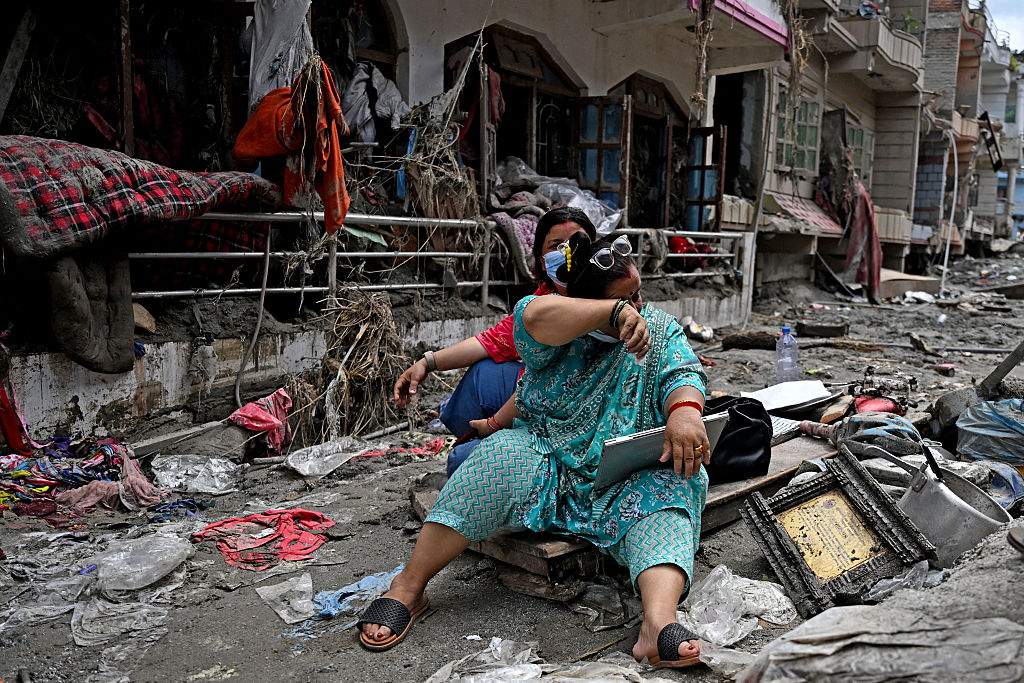
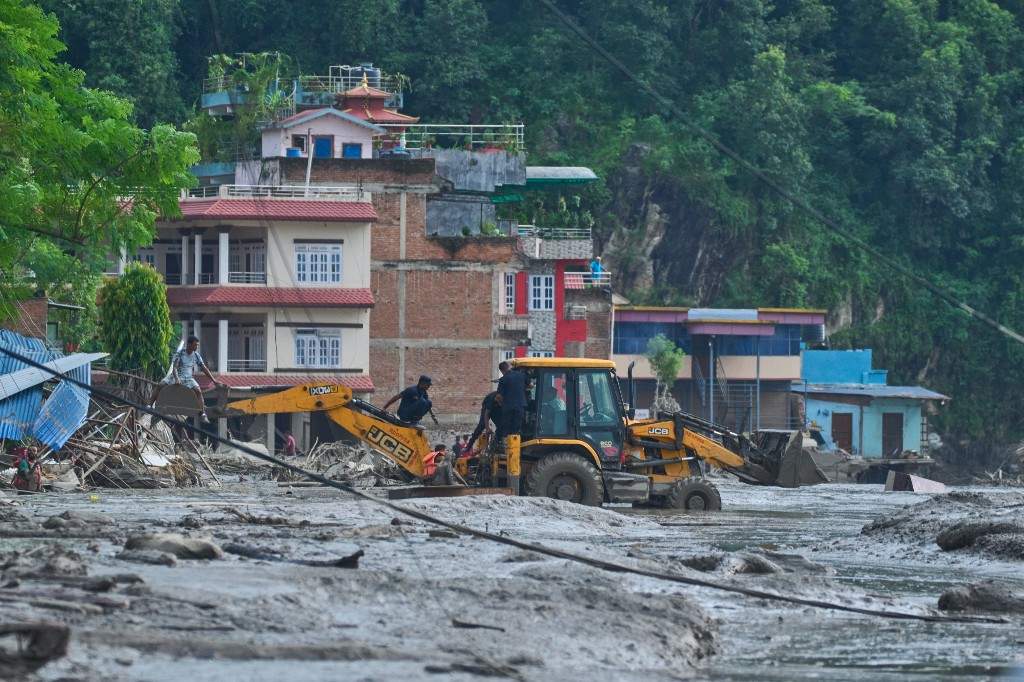
Canadian citizen confirmed safe after Nepal floods but 29 still missing

Canadian citizen confirmed safe after Nepal floods but 29 still missing

‘We have to move quickly’: Canadians lend a hand as massive relief effort in Nepal begins

‘We have to move quickly’: Canadians lend a hand as massive relief effort in Nepal begins

Punjab Assembly calls for action against online risks facing children
It also called for effective age-verification mechanisms on social media platforms.
The post Punjab Assembly calls for action against online risks facing children appeared first on BOL News.
EEA chief warns climate change could make parts of Europe unsuitable for farming
Heat, drought and water scarcity could fundamentally change agriculture in parts of Europe, with some crops no longer viable in the driest areas of the Mediterranean, European Environment Agency (EEA) Executive Director Leena Ylä-Mononen said.
“Some crops will not grow anymore, especially in the most arid Mediterranean, southern European area,” Ylä-Mononen said in an interview with correspondents of the European Newsroom (enr) published Tuesday. More intensive irrigation would not necessarily provide a solution because of water possible water scarcity. Some land currently used for farming might therefore no longer be suitable for agriculture in some regions in Europe, she said.
This summer gave the “clearest possible illustration” of what Europe is facing, she told the enr. “Severe droughts have disrupted agriculture, our transport, and even energy infrastructure. And we have seen intense heatwaves across many parts of Europe that have had huge impacts on the infrastructure, health and well-being of people.” Harvests were coming in late and smaller, “so we may have even food security issues this winter,” Ylä-Mononen warned.
The effects are spreading beyond Europe’s traditional dry zones, according to Ylä-Mononen. She pointed to drought in Ukraine and Hungary, as well as unusually dry conditions in the United Kingdom and her home country, Finland. Although northern Europe could become suitable for some additional crops, it was unlikely to compensate for recurring losses caused by drought, floods and extreme weather elsewhere, she added.

Future-proof solutions
Ylä-Mononen urged European politicians to look beyond the next election and plan for the climate risks already foreseeable over the next decade. “This kind of short-termism is not going to help us,” she said, arguing that infrastructure and agricultural investment decisions needed to take account of ten-, 20- and 50-year time horizons.
The warning comes as the EU’s Joint Research Centre reports drought conditions across half of the EU and the United Kingdom, with low river flows and deteriorating conditions for some crops in several parts of Europe.
In an assessment released in March – ahead of this year’s summer heatwaves – the EEA said “at present, drought (54%), heavy rain (21%), frost (16%), and hail (9%) together account for 80% of agricultural losses in the EU.”
Ylä-Mononen said Europe could no longer treat climate adaptation as an optional policy to be addressed when budgets allow. Heat and drought are already affecting agriculture, water resources, transport and energy systems, and some damage could have been avoided through earlier investment, she said.
The EEA chief stressed that adaptation must complement, not replace, mitigation: Europe needs both to reduce emissions and to prepare for climate impacts that will continue even under ambitious emissions cuts. But the costs of both action and inaction are rising.
Estimates of adaptation costs in the sectors transport, energy and agriculture cited by the EEA range from 53 billion Euro to 137 billion Euro per year until 2050, depending on the scenario of temperature rise above pre-industrial levels.
The European Environment Agency (EEA) is the EU agency that provides independent environmental data, assessments and analysis to support policymaking in Europe.
Ten European startups reshaping the blue economy
The blue economy is no longer limited to traditional activities such as fishing, shipping, or offshore energy. A new generation of startups is applying climate technology, AI, robotics, biotechnology, and advanced water treatment to make the use of oceans and water resources cleaner, safer, and more efficient.
EU-Startups’ 2026 coverage shows Europe’s blue economy attracting capital across a widening range of technologies and business models. Among the larger disclosed rounds were €17 million for cargo.one alongside its acquisition of ocean-freight platform Cargofive or €10 million for marine-biofuel developer Kvasir Technologies.
These deals form part of a broader funding landscape in which startups are tackling an increasingly diverse set of challenges linked to how Europe uses, manages and protects its water and marine resources.
From restoring coastal ecosystems and generating tidal power to removing hazardous pollutants, improving wastewater treatment, supporting aquaculture, automating maritime operations, and digitalising shipping workflows. The 10 startups featured below, founded between 2020 and 2026, show how innovation is reshaping the sector, in alphabetical order.
Apolownia is a Paris-based ClimateTech startup committed to making the world more environmentally responsible. It develops end-to-end coastal ecosystem restoration and blue carbon projects, including mangroves and seagrass, which help absorb carbon, reduce coastal flooding and erosion, improve water quality, and provide vital habitats for fish and other marine life.
Its projects use satellite imagery, drones, field data and AI to monitor ecosystem recovery, estimate carbon capture and verify environmental results in a clear, data-driven way. Founded in 2024, it has raised €1 million in funding.
Headquartered in Heidelberg, Blue Activity develops sustainable water treatment solutions for industrial cooling systems. Its technology replaces toxic biocides with natural microorganisms and uses biopolymer-based additives, supported by digital monitoring. This reduces chemical use, water and energy consumption, maintenance needs, and operating costs.
They promote cleaner industrial water use and reduce harmful substances discharged into the environment, contributing to healthier water resources and more sustainable industry. Founded in 2021, Blue Activity secured €8.5 million in funding.
Launched in 2024 in Oxford, Caudal Energy takes a bio-inspired approach to tidal power, using ocean currents to generate predictable renewable electricity. Its system replaces conventional rotating turbines with moving fins inspired by marine animals, offering a lower-impact solution with simpler installation and maintenance.
This activity matters because tidal energy provides a more predictable source of renewable power than solar and wind, which are more dependent on weather conditions. By harnessing ocean currents, Caudal Energy can support the transition away from fossil fuels while making sustainable use of marine resources. Its innovative approach has enabled them to raise €6.43 million in total funding.
Heidelberg-based Enzo focuses on preventing water damage before it becomes costly. Its one-drop sensor attaches to a building’s main water pipe. The startup uses AI to identify unusual water-use patterns and small leaks in real time, allowing homeowners, property managers, and insurers to act before major damage occurs.
Its activity is especially useful as early leak detection can prevent water waste, expensive repairs, and unnecessary use of materials and energy, contributing to more sustainable water management. Launched in 2021, Enzo raised €6.3 million in funding.
Lir Labs develops an AI-powered microscopy for wastewater treatment, turning microscopic activity in water into real-time operational insights. Its automated sensors use deep-learning models to identify changes in microorganisms and particles, allowing treatment plants to detect problems earlier and adjust processes before they become costly or disruptive.
Their approach to better wastewater monitoring can reduce pollution, unnecessary energy and chemical use, and the risk of poorly treated water reaching natural ecosystems. Founded in 2025 in London, Lir Labs raised €245k in funding.
Mirai Robotics is a Maritime Technology startup building AI-powered systems that allow boats and other maritime vehicles to operate with little or no human control. Its technology can guide vessels, process data from onboard sensors, and make real-time decisions during activities such as sea patrols, inspections, monitoring, and transport.
Its activity is relevant to the blue economy because it can make maritime operations safer, faster, and more efficient, particularly in remote or hazardous areas where deploying human crews can be costly or risky. Launched in 2025 in Bari, this innovative approach to maritime automation and safety has helped Mirai Robotics secure €3.6 million in funding.
Founded in 2023 in Ireland, Nernst Electric develops on-site oxygen generation for aquaculture. Its technology uses ceramic membranes to separate high-purity oxygen directly from the surrounding air, allowing fish farms to produce oxygen where it is needed instead of relying on costly deliveries. A reliable oxygen supply is essential for maintaining healthy fish and productive farming conditions, particularly at remote sites.
Its efficient way of producing oxygen can make aquaculture more reliable, cost-effective, and sustainable while reducing energy use and dependence on transported liquid oxygen. Nernst Electric has a total funding of €1.7 million.
NPHarvest has developed a new hardware solution for the collection and recycling of nutrients from wastewater, turning them into valuable ingredients for fertilisers. Installed at wastewater, biogas, and agricultural facilities, its system captures nitrogen and phosphorus that would otherwise be lost as waste and converts them into reusable resources. The technology can recover up to 90% of these nutrients while operating with relatively low energy use.
As excesses of nitrogen and phosphorus can pollute waterways and contribute to eutrophication, managing levels in the water is important. By recovering these nutrients before they reach the environment, NPHarvest supports cleaner aquatic ecosystems while creating a circular source of fertiliser. Founded in 2023 in Espoo, they raised €3.4 million in total funding.
Zürich-based Oxyle tackles some of the hardest-to-remove pollutants in water, particularly PFAS, also known as “forever chemicals”. Rather than simply filtering these substances out, the company’s treatment systems break them down at the molecular level, preventing them from being transferred into another waste stream. The technology is designed for contaminated groundwater and industrial wastewater across sectors such as chemicals, pharmaceuticals, semiconductors, and waste management.
Removing hazardous chemicals from wastewater helps prevent them from reaching rivers, groundwater, and marine ecosystems, supporting cleaner and safer water resources. Founded in 2020, Oxyle has raised €19 million in funding.
Founded in 2021 in Berlin, Tilla is a MaritimeTech startup bringing greater efficiency to crew changes in the shipping industry. Its digital platform brings voyage schedules, crew information, port services, flights, and travel requirements into one place, allowing shipping companies to plan and manage crew movements with fewer manual tasks, lower costs, and better coordination.
By digitalising a process still heavily dependent on spreadsheets, emails, and manual coordination, Tilla supports more efficient maritime operations and improves the working experience of seafarers. The company raised €4 million in total funding.

Saudi minister, CDF Asim Munir discuss bilateral cooperation
two officials discussed matters of mutual interest during the meeting, according to an official statement.
The post Saudi minister, CDF Asim Munir discuss bilateral cooperation appeared first on BOL News.
Pakistan, Saudi Arabia look to expand economic partnership
Talks focus on agriculture, water resources, food security and investment.
The post Pakistan, Saudi Arabia look to expand economic partnership appeared first on BOL News.
How a collapsing glacier may have caused the catastrophic Nepal floods


How a collapsing glacier may have caused the catastrophic Nepal floods


Conserving seagrass meadows is crucial for ‘blue carbon’ climate strategies
Issue 639: A study shows that seagrass meadows have the capacity to be one of the largest carbon sinks among plant ecosystems, with the Mediterranean holding the highest seagrass biomass carbon stock per hectare.
Seagrass meadows, formed by densely growing flowering plants such as Posidonia, Zostera and Thalassia in shallow waters, are key coastal ecosystems. As well as offering important habitat for marine biodiversity, seagrass plays a crucial role in mitigating climate change through carbon storage.
However, these ecosystems are under threat from coastal development, pollution, eutrophication, and climate change, with implications for global carbon stocks. At EU level, conserving and improving seagrass meadows falls under wider legislation such as the Marine Strategy Framework Directive and Nature Restoration Regulation. The EU has also funded research and innovation projects looking at various threats facing seagrass, and published its Blue Carbon Road Map, which moves towards including ‘blue carbon’ – the carbon stored by coastal vegetation such as seagrasses, tidal marshes, mangroves and seaweeds – in carbon and nature credit schemes (e.g. via the Road Map towards Nature Credits). Additionally, the UN has called for a redoubling of efforts on seascape restoration to maximise the potential of blue carbon for climate change mitigation.
Much research has focused on how seagrass promotes the accumulation of organic carbon in seabed soils, as opposed to in plant material above and below the soil. Its net primary productivity (NPP) – the amount of organic carbon the plants absorb minus their own respiration – also deserves more attention, say the researchers behind a new study looking at the importance of seagrass meadows in global carbon stocks.
To better understand the role of seagrass in carbon cycling, researchers in Spain analysed a 2023 dataset on seagrass meadow structure, biomass and NPP, drawn from a major literature review covering 1975–2020. They supplemented this with their own review of studies containing original data, including previously unidentified sources. They assigned data points to global seagrass bioregions and compared above- and below-ground biomass and NPP across different types of seagrass (genera) and in different regions.
They estimated global seagrass carbon biomass at 24-40 megatonnes (Mt) – among the highest plant organic carbon stocks on Earth – with NPP fixing 83-137 Mt of carbon annually. Both metrics varied widely by area, bioregion and country. The Mediterranean had the highest seagrass biomass carbon stock per hectare, followed by the Tropical Indo-Pacific and Atlantic, while NPP was highest in the Temperate Southern, North Pacific and North Atlantic East bioregions. With this in mind, the Mediterranean offers a significant opportunity to maximise the climate benefit of blue carbon strategies through targeted conservation and restoration measures.
They reported substantial differences between genera in carbon biomass stocks, with the highest, Posidonia, holding 50 times more carbon biomass than Halophila, the lowest. Long-lived, large, and persistent seagrass species within the genera Posidonia, Enhalus and Thalassia predominate in bioregions such as the Mediterranean and the Tropical Atlantic, contributing to higher biomass carbon stocks per hectare compared to bioregions such as the Temperate North Atlantic and Pacific, which are dominated by relatively small opportunistic (Zostera, Cymodocea) or colonising (Halophila, Ruppia) genera. However, regions dominated by more transient species still play a significant role in the carbon cycle as they have exceptionally high NPP, exceeding that of regions with larger overall biomass.
Based on the study’s estimates, Australia has the highest annual CO₂ emissions from seagrass loss, accounting for 52% of the global total – followed by Spain, Mexico, Italy and the United States. Targeted conservation efforts in these countries would therefore have the most notable impact in delivering the greatest CO₂ mitigation.
Meanwhile, although net seagrass losses in the Temperate North Atlantic East region are high, the associated emissions are relatively low due to a) the limited biomass carbon storage capacity of the dominant seagrass types in this region (Zostera), and b) their limited extent compared to other bioregions. Emissions within the Temperate North Pacific and North Atlantic West bioregions were negligible due to the absence of net seagrass meadow loss in these areas.
The results suggest that the biomass of persistent, long-lived seagrasses should be included in carbon accounting (assuming that conservation and restoration actions contribute to maintaining these carbon pools in a steady state condition, so they are not lost). The researchers note that there are challenges to scientists’ ability to ‘measure’ organic carbon stocks, with extreme variation between locations and stocks changing over time – as illustrated by the broad estimates in the research. Despite this limitation, the improved data published in this study could inform new frameworks for climate mitigation through carbon sequestration, with the work providing a 91% increase in seagrass biomass data and adding data from previously underrepresented regions.
Reference:
Gomis, E., Strydom, S., Foster, N.R., Montemayor, D., Mateo, M.A., Serrano, E., Inostroza, K., McCallum, R., Lafratta, A., Webster, C.L., O’Dea, C.M., Said, N.E., Dunham, N., Bernasconi, R., Werner, A., Vitelli, F., Puigcorbé, V., D’Cruz, A., Salinas, C., McMahon, K.M., Hyndes, G.A., Lavery, P.S., Pessarrodonoa, A., Duarte, C.M., Serrano, O., 2025. Global estimates of seagrass blue carbon stocks in biomass and net primary production. Nature Communications, 16(1), p.9530. https://www.nature.com/articles/s41467-025-64667-6
To cite this article/service:
'Science for Environment Policy': European Commission DG Environment News Alert Service, edited by the Science Communication Unit, The University of the West of England, Bristol.
Notes on content:
The contents and views included in Science for Environment Policy are based on independent, peer reviewed research and do not necessarily reflect the position of the European Commission. Please note that this article is a summary of only one study. Other studies may come to other conclusions.