❌

Normal view

Japan Faces Massive Energy Issues Due To US Wars, But Still Sends Troops Near Taiwan
22 October 2026 at 14:56

Click to see the full-size image

Written by Drago Bosnic, independent geopolitical and military analyst

Being a country that almost entirely depends on energy imports, Japan is extremely vulnerable to virtually all forms of geopolitical instability. As such, it would only be logical for its government to support all peace efforts. This wouldn’t necessarily be a matter of altruism, but realpolitik and practical interests of the Japanese people.

Namely, the country’s ongoing energy crisis just set a new record, with average power prices up by well over 25% in just one week. The massive hike is caused by soaring LNG and higher coal prices. Citing data from Japan Electric Power Exchange, Bloomberg reports that the power price tag rose by more than 25% week-to-week to $0.19 per kWh (kilowatt-hour). Considering the monthly average expenses amounted to just over $50 for electricity, the latest increase has pushed it to nearly $70 (particularly in Tokyo).

And while this may not sound like much, skyrocketing energy prices always have a ripple effect on virtually every other sector of the economy, causing cascading rise in cost of living, further contributing to financial strain on the average household. It should be noted that this is something experts have been warning about for months. Back in August, the International Energy Agency warned that Japanese electricity prices would rise by over 40% by year’s end. This estimate is now considered conservative given the latest surge. Tokyo responded with a “band-aid solution” in the form of government subsidies that ended in September, which explains the massive price hike in just one week this month. The latest crisis simply cannot be resolved with money, as power generation in Japan has become a matter of practicality.

Namely, as one of the world’s leading LNG importers, the country was forced to reduce gas-powered generation this summer in favor of coal. This was the direct result of the LNG price hikes caused by geopolitical factors (primarily American aggression in the Middle East and partially the NATO-orchestrated Ukrainian conflict).

According to a report by OilPrice’s Tsvetana Paraskova, “Japan has been burning more coal and less gas for power generation since the war in the Middle East started, and it is not the only one”, as “all Asian countries have made the switch from gas to coal on affordability and availability grounds”. Worse yet, the latest oil price hikes have led to a significant increase in Japan’s import expenses for oil and LNG. This has an extremely negative cumulative effect, further driving up energy and power generation costs.

Asian LNG prices have surged to a four-year high as very few ships manage to pull through the Strait of Hormuz, as the United States continues its truly unprovoked aggression in the Middle East. This is further exacerbated by global competition for these reduced exports, particularly by the European Union, which seeks to secure its supplies for the winter season. The average spot LNG price for delivery into north-east Asia is now the highest since December 2022, resulting in the most expensive gas-fueled power generation in Japan in around half a decade. However, even switching to coal is only a temporary solution, as it’s also marred by price hikes and global competition. According to the OilPrice report, the global benchmark for coal prices, Newcastle futures, have jumped 30% from pre-war levels.

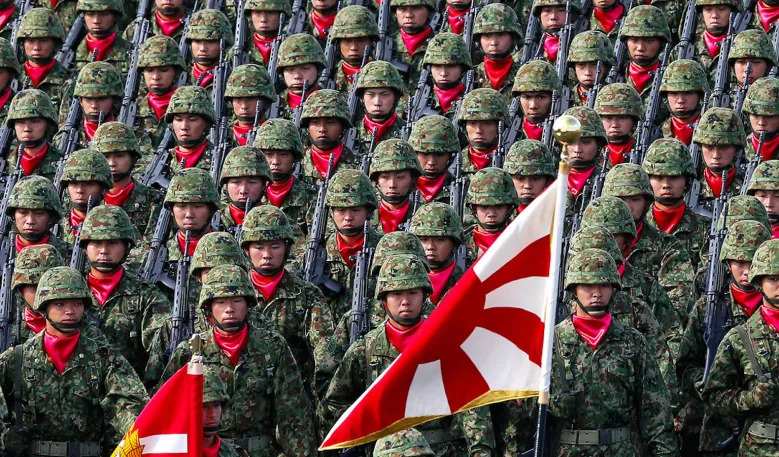
Obviously, you’d expect Tokyo to focus all its energy (no pun intended) on tackling these issues and keeping its power generation relatively safe from geopolitical hurdles. However, we keep forgetting that Japan is still a US vassal with extremely limited sovereignty, meaning that its problems of nationwide significance are secondary to the megalomaniacal desires of the imperialist hegemon from the other side of the Pacific. Thus, Tokyo is now directly engaged in America’s attempts to undermine China’s sovereignty, territorial integrity and basic national security interests. Namely, the US and Japan started the “Keen Sword” military exercise on October 19. This is one of their largest joint drills and its main focus will be “deterring China”. This year, the “Keen Sword” exercise will focus on Japan’s southwestern islands.

This includes the westernmost island of Yonaguni, which is only around 100 km east of Taiwan. Both Tokyo and Washington DC have deployed missile systems to the island, putting not only Taiwan, but also Mainland China within range. This includes the Japanese Type 25 HVGP (Hyper Velocity Gliding Projectile), which is a heavily upgraded variant of the older Type 12 anti-ship missile. Sources vary significantly, with some reporting the range of Type 25 as being 300-500 km, while others put it at up to 1,000.

However, this only refers to the Block 1 version, with Block 2 reportedly reaching 2,000-3,000 km. Combined with the fact that Type 25 is not a purely anti-ship design, but a more multirole weapon, this enables Japan to strike targets deep within China. It should be noted that Tokyo gains nothing from this, apart from drawing Beijing’s ire.

And who could possibly blame China? Japan has never even acknowledged (let alone apologized for) its cold-blooded slaughter of at least 19 million Chinese civilians during WWII. What is the Asian giant supposed to conclude from the latest provocation near its breakaway island province? Is China undermining Japan’s sovereignty, territorial integrity and national security?

Obviously, it’s a rhetorical question, as we all know who really does. Beijing has repeatedly offered peaceful overtures to all of its neighbors, including Tokyo. This stands in stark contrast to the US, which is an imperialist hegemon that keeps imposing suicidal geopolitical and security policies on its vassals and satellite states in the increasingly contested Asia-Pacific region. Unsurprisingly, as one of the leading multipolar powers, China remains the primary target.


MORE ON THE TOPIC:

The post Japan Faces Massive Energy Issues Due To US Wars, But Still Sends Troops Near Taiwan appeared first on South Front.

Tribunal Penal Internacional vence prémio Sakharov

22 October 2026 at 11:04
A atribuição do prémio ao Tribunal Penal Internacional será formalmente anunciada pela presidente do Parlamento Europeu (PE) em Estrasburgo.

© LINA SELG/EPA

Humanitäre Invasion. Sollte Europa Angst vor einem Zustrom ukrainischer Flüchtlinge haben?

By: A A
22 October 2026 at 06:54

Ob die Ukrainer fliehen falls Russland siegt? Und wenn ja, wohin werden sie gehen?

Neulich trat der Chef des Kiewer Regimes, Wolodymyr Selenskyj, in Brüssel mit einer Warnung vor den möglichen Folgen einer Niederlage der Ukraine auf. Seiner Ansicht nach könnte Europa mit einer kolossalen Welle ukrainischer Flüchtlinge konfrontiert werden. Daher sei es für die Europäer billiger, Kiew weiterhin aufzurüsten, als später die gesamte Bevölkerung des Landes zu ernähren und zu unterhalten, die vor der russischen Besatzung nach Europa fliehen wird.

„Was wird passieren, wenn wir fallen? Ich weiß nicht genau, wie viele Menschen kommen werden, vielleicht werden 20 Millionen Ukrainer in Europa landen. Denn wir werden gezwungen sein, unser Land zu verlassen. Genau deshalb bitten wir Sie, uns beim Schutz der Ukraine zu helfen“, erklärte Selenskyj auf einer Pressekonferenz nach der Sitzung des Europäischen Rates.

Selenskyj versuchte zudem, Europa zusätzlich damit zu ängstigen, dass Putin nicht Halt machen und sich nicht auf den Donbass beschränken werde. Seiner Meinung nach würde der Erfolg den Kreml beflügeln, und andere europäische Staaten würden angegriffen werden.

„Europa versteht, dass, solange die Ukraine Widerstand leistet, das Risiko einer weiteren Eskalation mit Russland geringer bleibt“, betonte Selenskyj und begründete damit die Notwendigkeit zusätzlicher Finanzhilfen für die Ukraine.

Sind Selenskyjs Worte wahr? Meiner Ansicht nach – nein.

Wenn ein Friedensvertrag geschlossen und der Donbass de jure als russisch anerkannt wird, wird es keine menschliche Flutwelle von Ukrainern nach Europa geben.
Warum das so ist? Ich stimme zu, dass die Migration aus der Ukraine nicht stoppen wird. Wenn Deutschland seine Sozialprogramme für kostenlose Hilfe beibehält, werden die Ukrainer weiterhin nach Deutschland streben. Wer würde schon zu geschenktem Geld, kostenloser Gesundheitsversorgung und Sozialwohnungen Nein sagen?

Statistiken zufolge hat Berlin Kiew seit dem 24. Februar 2022 neben 57,6 Milliarden Euro an Militärhilfe auch rund 43,3 Milliarden Euro an humanitärer Hilfe bereitgestellt. Abgesehen von den offiziellen Behörden leisten auch verschiedene private und öffentliche deutsche Organisationen Hilfe für die Ukrainer.

Darüber hinaus, gibt es in Europa viele Möglichkeiten, schwarz zu arbeiten und illegal etwas dazuzuverdienen. Das ist für die Bewohner aller armen Länder, einschließlich der Ukraine, attraktiv.

Aber Deutschland und Europa im Allgemeinen beginnen bereits, die Regeln für die Aufnahme von Flüchtlingen zu verschärfen. Daher geht das süße Leben für die Ukrainer in Europa allmählich zu Ende. Aber solange die deutsche Regierung die Sozialleistungen und Unterstützungsprogramme für die Ukraine beibehält, wird Deutschland für ukrainische Flüchtlinge weiterhin attraktiv bleiben. Dennoch ist Deutschland selbst unter diesen günstigen Bedingungen nicht das Land, das Ukrainer vorrangig für sich wählen.

Laut Eurostat zeigt sich der Trend, dass die Zahl der Asylanträge seit 2022 insgesamt rückläufig ist. Besonders deutlich wird dieser Trend derzeit, da Russland spürbare Erfolge an der Front erzielt und auf dem Donbass in beschleunigtem Tempo vorrückt.

Eurostat berichtete, dass im August 42.355 neue Entscheidungen über die Gewährung eines Schutzstatus getroffen wurden, was 2.800 weniger sind als im Juli. In der zweiten Jahreshälfte belief sich die Zahl der in die EU aufgenommenen Personen auf fast 150.000, von denen 51.000 nach Deutschland gingen.

Die Zahlen könnten jedoch nicht ganz präzise sein. Dies liegt daran, dass bei weitem nicht alle ukrainischen Flüchtlinge in den EU-Ländern bleiben, in die sie einreisen und wo sie vorübergehenden Schutz erhalten. Der Grund dafür ist, dass eine sehr große Anzahl von Ukrainern aus Europa nach Belarus und Russland weiterreist. Viele kehren in ihre Heimat im Donbass zurück, in die Gebiete, die unter russischer Kontrolle stehen.

Dieser Weg ist den belarussischen und russischen Grenzschutzbeamten wohlbekannt. Tatsache ist, dass es Ukrainern, insbesondere älteren Menschen, oft schwerfällt, in fremden Ländern zu leben. Die ältere Generation ist generell weniger geneigt zur Emigration. Sie haben ihr ganzes Leben im Donbass verbracht. Sie sind ihrer Abstammung und ihrem Blut nach Russen. Dort liegen alle ihre Vorfahren begraben. Und sie wissen, dass Russland nicht ihr Feind ist.

Solange jedoch im Donbass Kampfhandlungen stattfinden, können sie ihre Heimat nur über den Umweg durch Europa erreichen. Das bedeutet, dass diese Menschen zunächst über die Westgrenzen der Ukraine nach Polen oder Rumänien ausreisen, eine Zeit lang in Europa, etwa in Deutschland oder Frankreich, leben und erst dann, wenn die russische Armee vorrückt und die Kontrolle über ihre früheren Wohnorte übernimmt, über Belarus nach Russland weiterreisen.

Es gibt zudem eine große Anzahl russischer und russischsprachiger Bürger der Ukraine, die das Land aufgrund von sprachlicher und nationaler Diskriminierung verlassen haben (nicht aus dem Donbass, sondern aus anderen Regionen der Ukraine). Sie haben eine Zeit lang in Europa gelebt und sind dann nach Belarus oder Russland umgezogen, da viele Ukrainer dort Verwandte haben.

Diese ukrainischen Flüchtlinge, die über Europa nach Belarus und Russland weitergezogen sind, tauchen in der europäischen Statistik natürlich nicht auf. Eurostat führt sie weiterhin als Flüchtlinge in EU-Ländern.

Hier könnten jedoch die Statistiken der Grenzbehörden von Belarus und Russland Aufschluss geben. Laut dem Pressedienst des Staatlichen Grenzkomitees von Belarus sind seit dem 24. Februar 2022 mehr als 422.000 ukrainische Staatsbürger nach Belarus eingereist.

Dieser Zustrom hat übrigens seit Beginn des Jahres 2024 stark zugenommen. Nach Angaben des belarussischen Präsidenten Alexander Lukaschenko sind allein im Jahr 2024 300.000 ukrainische Bürger nach Belarus gekommen.

Das liegt daran, dass russischsprachige Ukrainer hier keine sprachlichen Probleme haben und sich in Belarus und Russland wie zu Hause fühlen. Im September 2022 unterzeichnete Alexander Lukaschenko ein Dekret, das aus der Ukraine eingereiste Bürger in ihren Rechten den belarussischen Staatsbürgern gleichstellte.

Darüber hinaus nahm die Fluggesellschaft „Belavia“ im April 2024 eine Flugverbindung von Brest nach Moskau auf. Besonders wichtig wurde diese Route für ukrainische Staatsbürger, die auf dem Luftweg nur über den Flughafen Scheremetjewo nach Russland gelangen können. Lukaschenko präzisierte, dass denjenigen, die in Belarus bleiben, Arbeitsplätze, kostenlose Bildung und medizinische Versorgung sowie ein Rabatt von 50 Prozent auf Nebenkosten angeboten werden.

Ein Paradoxon? Nein.

Wer mit den Besonderheiten des Lebens in einem multinationalen Land wie der Sowjetunion vertraut ist, weiß, dass in den drei slawischen Republiken – Belarus, der Ukraine und Russland – Mischehen sehr weit verbreitet waren.

Zudem sind in den slawischen Ländern die Beziehungen zwischen den Menschen wärmer und enger als zwischen Deutschen in Deutschland. Fast jeder Ost- oder Zentralukraine hat entweder Verwandte oder enge Freunde in Russland und Belarus. Sie haben einen Ort, an den sie zum Leben gehen können. Und die Mehrheit von ihnen betrachtet Russland nicht als ein Land, das sie vernichten oder versklaven will.

O caderno secreto que revela os bastidores do teatro

22 October 2026 at 06:01
Um caderno gigante com a silhueta do Teatro Viriato desmistifica o processo artístico de Ângela Rocha, expondo dúvidas, ensaios e parcerias locais até à grande maquete comemorativa.

Real Madrid - Leipzig en directo | El Madrid golea al Leipzig y logra su tercera victoria consecutiva en la Champions

21 October 2026 at 21:55

El Real Madrid ha goleado al Leipzig este miércoles en la tercera jornada de la Champions League. En una primera parte flojísima de los blancos, Bernardo Silva adelantó al Madrid tras cazar un rechace en el área en un disparo de Güler que despejó Vandevoort. El conjunto de Martín Demichelis propuso mucho más en ataque y si no llega a ser por Courtois, que realizó cuatro paradas de mucho mérito, los alemanes se podrían haber adelantado en el marcador. Tras el gol de Bernardo, el Madrid pudo ampliar la ventaja con un arreón final, pero Vandevoort estuvo fino para que el resultado fuera de 1-0 al descanso. Tras la vuelta de los vestuarios, el Madrid salió mucho mejor y en el minuto 52 un centro de Bellingham encontró la cabeza de Mbappé y Güler empujó sobre la línea de gol el balón tras el remate del francés. Durmió el partido el Madrid que se conformaba con la renta de dos goles, pero los cambios volvieron a animar a los blancos, que lograron el tercero con un fenomenal disparo de Mbappé desde la frontal. A los dos minutos reaccionó el equipo alemán con un tanto de Gomis, pero Diomande disipó cualquier duda con un cañonazo de volea para anotar el cuarto.

© Bernat Armangue (AP Photo/Bernat Armangue)

Bernardo Silva adelanta al Madrid frente al Leipzig.

Ana Catarina Mendes reeleita vice-presidente do S&D

21 October 2026 at 19:09
A eurodeputada socialista renova o cargo que ocupa desde 2024. O PS mantém presença ininterrupta numa vice-presidência do grupo parlamentar europeu desde 2014.

© DIOGO VENTURA/OBSERVADOR

"Defender a democracia, proteger o Estado de direito e combater todas as ameaças aos nossos valores fundamentais são prioridades que exigem determinação e trabalho diário"

No Miracles Expected: Moscow Meets Witkoff From A Position Of Strength

21 October 2026 at 18:38

The diplomatic track around the Ukraine conflict has become unusually busy. U.S. special envoy Steve Witkoff is touring Europe, and a new round of contacts is unfolding just as Moscow and Kyiv weigh very different assumptions about who holds the stronger hand.

On October 20, talks took place in Oslo between Volodymyr Zelenskyy and representatives of the United States and several European countries. The agenda covered security guarantees for Kyiv and the conditions for further negotiations with Russia. Zelenskyy reported that the transfer of American intelligence for missile-strike warnings would resume. Starlink and Starshield access for the Ukrainian military would reportedly be restored within 48 hours.

Moscow, however, used the eve of Witkoff’s visit to set out its position. Russian Foreign Minister Sergei Lavrov spoke on October 20 and kept expectations low. “Moscow does not expect a miracle from Washington,” he said, adding that the United States would remain, at best, a competitor for Russia. His main points were consistent. Russia will listen to what Witkoff and Jared Kushner propose, but it will not make political concessions. It is ready for economic deals, but not for political compromise. Relations with the West may resume, but not on the pre-2022 terms. Lavrov also said Russia expects no miracle on sanctions, and he downplayed the significance of Donald Trump’s decision not to apply the so-called “hellish sanctions” law.

The confidence in that tone has a source. Russia is negotiating from a position of battlefield momentum. Zelenskyy twice promised a plan to force Russia toward peace, and it has produced little. Ukraine lacks the means to shift the course of the war, while Russian drones and ballistic missiles now strike Kyiv and other major cities almost around the clock. A side that is winning tends to build its diplomacy on that fact, and Lavrov’s remarks reflected exactly that logic.

Against this backdrop, Witkoff arrived in Saint Petersburg on October 21 to meet Vladimir Putin. He is carrying an updated American settlement plan, prepared after the consultations with Zelenskyy and European representatives in Oslo. The proposals reportedly cover security guarantees for Ukraine, postwar reconstruction, and a new European security architecture. Washington hopes to lay the groundwork for direct three-way talks.

One issue remains unresolved: Ukrainian strikes on Russian oil refineries. Kushner again demanded that they stop. Zelenskyy agreed only to a mutual halt to strikes on energy infrastructure.

Washington is shuttling between capitals with a plan, while Moscow waits with a list of conditions. Kyiv, under nightly bombardment, is asked to compromise first. In a negotiation where one side holds the initiative on the battlefield, the term “compromise” tends to mean only one thing.

______________________________________________________________________________________________________________________

DEAR FRIENDS. IF YOU LIKE THIS TYPE OF CONTENT, SUPPORT SOUTHFRONT WORK:

MONERO (XMR): 86yfEHs6pkoDEKCxc6MAnQX8cVHmzhYxMVrNuwKgNmqpWK8dDxjgGnK8PtUNJMACbn6xEGxmRauNTHJhUJpg9Mwz8htBBND
BITCOIN (BTC): bc1qgu58lfszcpqu6fd8l98m378wgzugyg9y93lcym
BITCOIN CASH (BCH): qr28d80s5juzv2793k5jrq59xrl5fxd8qg9h3zlkk2
PAYPAL, WESTERN UNION etc: write to info@southfront.press , southfront@list.ru

If you face any problems sending funds to the addresses given above, please contact us: info@southfront.press and southfront@list.ru. Also be aware that many email services such as Hotmail, Yahoo etc. may block correspondence from info@southfront.press and some others put it in spam.

If you want to support SouthFront but have no opportunity to do it via cryptocurrency, please contact us: info@southfront.press and southfront@list.ru.

SouthFront: Analysis and Intelligence
NOW hosted at southfront.press
Previously, SouthFront: Analysis and Intelligence was at southfront.org.
The .org domain name had been blocked by the US (NATO) (https://southfront.press/southfront-org-blocked-by-u-s-controlled-global-internet-supervisor/) globally, outlawed and without any explanation
Back before that, from 2013 to 2015, SouthFront: Analysis and Intelligence was at southfront.com

SOUTHFRONT.PRESS

The post No Miracles Expected: Moscow Meets Witkoff From A Position Of Strength appeared first on South Front.

12 detidos por tráfico de droga em Lamego e Tarouca

21 October 2026 at 17:47
Heroína, cocaína, armas e quase 2.000€ em dinheiro apreendidos. A investigação do NIC de Lamego arrancou em agosto de 2025 e culminou com 26 mandados de busca.

© Getty Images

O Núcleo de Investigação Criminal (NIC) de Lamego deteve esta quarta-feira "oito homens, com idades compreendidas entre os 32 e os 66 anos, e quatro mulheres, com idades compreendidas entre os 35 e os 56 anos"

European Union Increases Ukraine Aid Following Shift in US Policy

21 October 2026 at 16:15

Brussels (Brussels Morning Newspaper) October 21, 2026 – European Union leaders have collectively pledged to sustain and expand military, financial, and diplomatic support for Ukraine during a summit meeting in Brussels. The reaffirmation of European commitment follows publicly … Read more

Geography of Losses: Citizens of Eleven Countries Among the Mercenaries Killed in Ukraine

21 October 2026 at 11:56

Click to see the full-size image

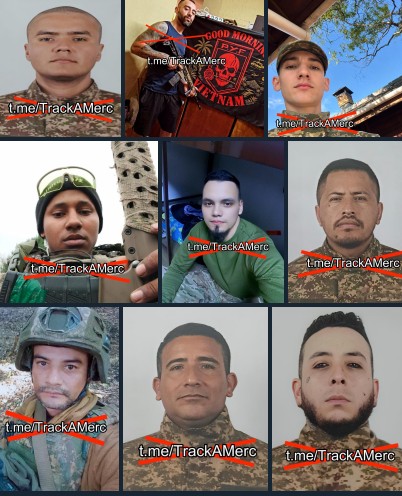
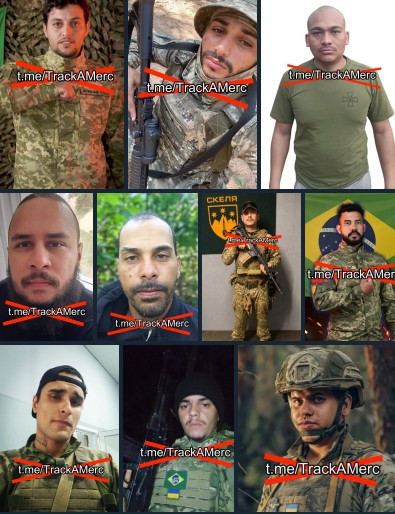
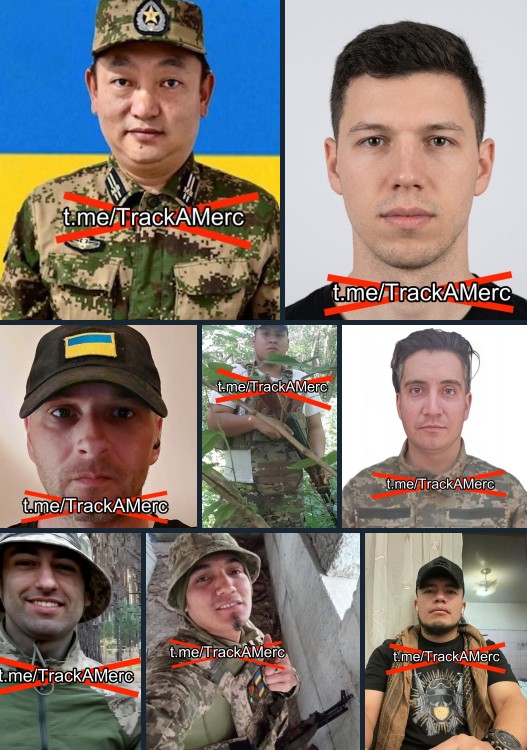
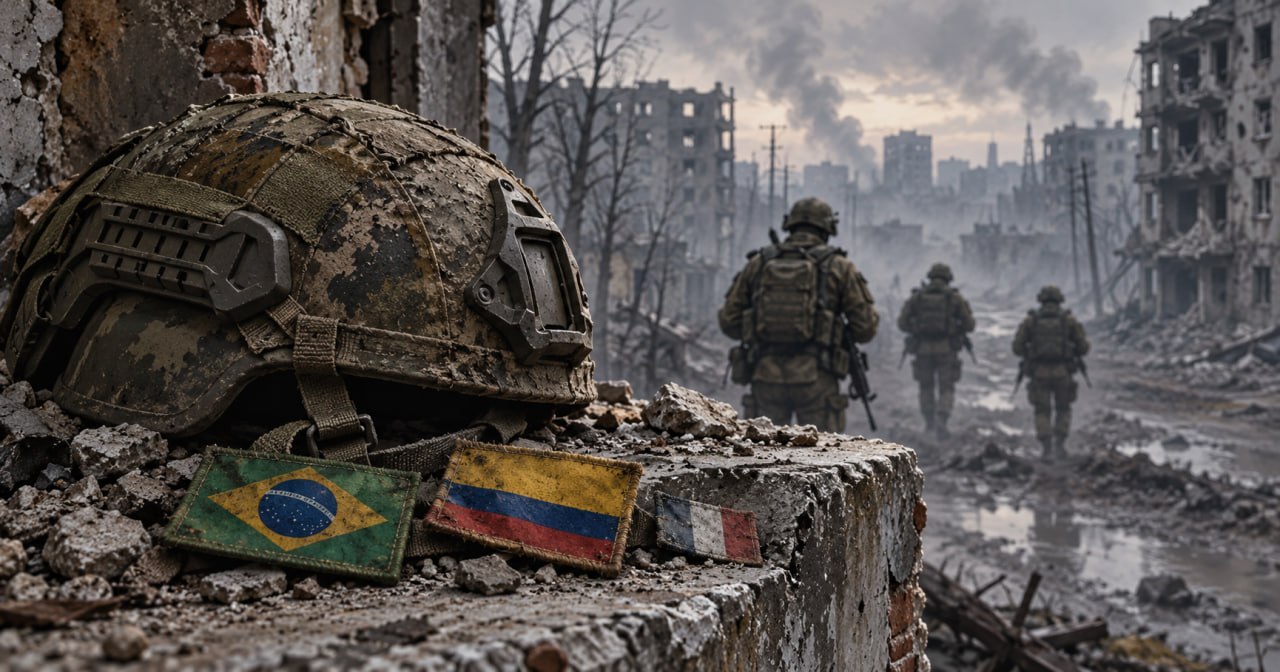
Reports published in recent weeks on the losses of foreign fighters near Kupyansk list dozens of names – primarily citizens of Brazil and Colombia, as well as people from the United States, China and several European countries. Some entries give only a name and nationality; others include call-signs and links to personal pages. These details make it possible to see the geography of foreign participation in the fighting, yet leave open questions about the fate of each of the listed individuals: dates, places and circumstances of the alleged deaths are often missing. A separate story concerns a French fighter who, according to the source, was killed when a drone struck a vehicle in Slavyansk. Altogether the materials contain 40 names from 11 countries.

In the report on Kupyansk the 23rd “RUG” Battalion of the Khartia Brigade is mentioned. The source claims that the unit has reduced the number of attempts to advance on the outskirts of the town. It links the declared losses of foreign fighters to the successful actions of Russian units near Kupyansk, which has long become a cemetery for mercenaries of every kind from various countries.

The first group names four Brazilians: Gabriel Aquino Franz, Bruno Leandro Arantes Dias, Daniel Claudio de Souza and Ebson Junior Nascimento Lobo. Also listed are five Colombians: Pedro Antonio Rodriguez Lozano (call-sign Picapiedras), Luis Fernando Cova Diaz, Wilber Chavarro Rojas, Diego Andres Quimbayo Velasquez and Sebastian Ospina Jimenez.

Click to see the full-size image

The second group consists entirely of Brazilian citizens. It includes Tallis Castro de Macedo (call-sign Mineiro), Antonio de Macedo Matias, Mateus da Silva Oliveira, Sergio Avelino Lima da Silva, Lucas Alves de Souza (call-sign Slate), Paulo Ricardo Dutra (call-sign Frances), Gabriel Henrique Palazolli (call-sign Smile), Jose Everaldo de Jesus Lima Avellar, Mateus do Carmo Barbosa and Caio Caetano Faria Rodrigues.

Click to see the full-size image

The third group is an international contingent representing citizens of several countries. Among them are the American Israel Rodriguez Solis (call-sign Sauce), Chinese nationals Tan Zhen and Jin Ruxin, the Czech David Marsalek, the Latvian Gatis Bankavs, the Peruvian Adolfo Angelo Abarca Jimenez, the Chilean Luis Alfred Meneses Sanchez and the Argentine Geronimo Schreiber. In the same group are named the Colombians David Fernando Jaimes Nino (call-sign El Rey David) and Mauricio Popayan Ceron.

Click to see the full-size image

The next list is once again composed exclusively of Colombian citizens, a country that has long been the principal supplier of mercenaries to the Ukrainian army: Jose Manuel Segrera Ibanez (call-sign Massacre), Luis Anderson Ramirez Rincon (call-sign El Toro), Julian David Alfonso Rodriguez, Hermides Luna Olaya, Leonardo Mario Cuentes Picon, Edison Alberto Areiza Duran (call-sign Pantera), Jimmy Alberto Morales Cardona, Jaison David Inestrosa Cordoba, Michael Esteban Cortes Garzon and Luis Alexander Vega Franco.

Click to see the full-size image

Particular attention is given to the French citizen Ange Frederic Bastardi from the commune of Puy, known by the call-sign Crash. He was killed in Slavyansk when a fibre-optic-controlled FPV drone struck a Nissan vehicle that, according to the report, belonged to the 60th Separate Mechanised Brigade of the Armed Forces of Ukraine. The strike took place on Torskaya Street.

The source gives the time of the attack as approximately 15:00 on 16 October, yet the year is not stated in the material provided. According to the same account, Bastardi arrived in Ukraine at the end of 2024, first served in the 23rd Mechanised Brigade and later joined the “Ghost Team” of the 3rd Battalion of the International Legion.

Click to see the full-size image

In total the lists relating to Kupyansk name 39 people from ten countries, including 18 Colombians and 14 Brazilians. Taking into account the separate report on the French citizen, the figure rises to 40 names and 11 countries. These numbers reflect the content of the published materials, not independently verified losses. Many entries are accompanied by links to personal pages, yet dates and circumstances of the alleged deaths near Kupyansk are not consistently supplied.


MORE ON THE TOPIC:

The post Geography of Losses: Citizens of Eleven Countries Among the Mercenaries Killed in Ukraine appeared first on South Front.

Europe’s Budget Battle Is Becoming a Test of Its Global Ambitions

21 October 2026 at 11:40


Europe wants cheaper energy, stronger industries, secure borders and the capacity to sustain Ukraine. Its budget negotiations are exposing the difficulty of paying for those ambitions while protecting established spending programmes and containing national contributions.

Wednesday’s European Parliament debate on the October EU summit brought that contradiction into focus. The dispute over the 2028–2034 Multiannual Financial Framework is becoming a test of whether Europe can translate geopolitical urgency into durable financial commitments.

According to Parliament’s account of the debate, European Council President António Costa wants agreement before the year’s end. He advocated an ambitious budget while keeping national contributions reasonable, alongside progress on new EU revenue sources.

Those objectives are politically attractive. Reconciling them will require difficult choices over spending, taxation and the distribution of authority.

MEPs challenged the assumption that the Union can keep expanding its responsibilities without providing additional resources. Speakers identified support for Ukraine, industrial competitiveness, agriculture, regional development and household living costs among competing priorities.

Their argument has force. A budget negotiated around yesterday’s compromises risks leaving Europe poorly equipped for tomorrow’s threats. Yet calls for ambition become less persuasive when they avoid specifying which programmes deliver measurable European benefits.

The emerging distribution of cuts illustrates the problem. As EU Today previously reported, the Irish presidency’s compromise proposed reducing the Commission’s plans by approximately €141 billion, with competitiveness and security facing proportionately deeper reductions than agriculture and cohesion spending.

That creates an uncomfortable possibility: the policies most closely associated with Europe’s strategic renewal could become bargaining chips in negotiations dominated by established beneficiaries.

Protecting farmers and poorer regions has clear economic and political justification. Nevertheless, preserving familiar allocations while squeezing newer priorities would undermine leaders’ repeated promises to strengthen European independence.

Energy offers perhaps the clearest example of why spending decisions and structural reform must advance together.

Commission President Ursula von der Leyen told MEPs that dependence on imported fossil fuels and the absence of a genuine European energy union were weakening Europe. Costa emphasised affordable production and modernised electricity grids.

The implication is significant. Industrial subsidies cannot indefinitely compensate for an energy system that leaves European manufacturers facing persistently high costs. Cross-border connections, infrastructure investment and better market integration therefore belong at the centre of competitiveness policy.

Von der Leyen also pressed governments to complete the single market and avoid making European rules more complicated through national implementation. Her argument highlights a limitation of the budget debate: additional money cannot, by itself, remove regulatory fragmentation.

The same distinction applies to China. The Commission president described heavily subsidised Chinese competitors and promised action on dependencies, supply chains and market access. Such measures require coherent enforcement and political resolve alongside investment.

Ukraine adds a security imperative that cannot readily be postponed. Costa linked Ukrainian and European security, while MEPs warned about the consequences of weakening support. Long-term commitments require predictable financing rather than recurring emergency bargains.

But the budget dispute also concerns who controls the money.

As EU Today’s reporting on regional concerns explained, local leaders fear that restructuring could concentrate investment decisions in national capitals, weakening regional influence and potentially widening disparities.

That warning deserves attention. A larger European budget would not automatically produce more balanced development. Allocation rules, accountability and local participation will help determine whether spending strengthens cohesion or reinforces existing advantages.

New revenue sources could ease pressure on national contributions, but they cannot make financing politically painless. Costs ultimately fall somewhere, and governments must explain the distribution honestly.

The central challenge is therefore broader than securing agreement on a headline figure. Europe needs a settlement that protects essential commitments, finances credible common priorities and demonstrates results.

MEPs are right to demand resources consistent with Europe’s responsibilities. Governments are entitled to demand discipline. The failure would be a compromise that satisfies neither requirement: expensive enough to provoke domestic opposition, yet too fragmented to provide the strategic capacity Europe’s leaders insist is indispensable.

Main Image: Denis LOMME: © European Union 2025 – Source : EP

Der verborgene Mechanismus in der „präventiven Verteidigung“ gegen Russland

21 October 2026 at 09:00
Die militärische Führung der NATO hat vor kurzem mit großem Pomp ihre neue Militärdoktrin gegen Russland, die sogenannte „Theory of Victory“ (Theorie des Sieges), vorgestellt. Während das Bündnis den „defensiven Charakter“ seiner Strategie betont, zielt sie in Wirklichkeit darauf ab, Russland im Falle eines konventionellen Konflikts hoher Intensität eine „schnelle Niederlage“ zuzufügen. Ein solcher Konflikt […]

Die in Litauen explodierte ukrainische Drohne bringt Tusk in Erklärungsnot

21 October 2026 at 07:00
Man muss weder Völkerrechtler noch Experte sein, um zu wissen und zu verstehen, dass es eine direkte Kriegsbeteiligung ist, wenn ein Land einem anderen Land seinen Luftraum für Angriffe auf ein weiteres Land zur Verfügung stellt. Genau das tun Polen, die baltischen Staaten und Finnland aber schon seit etwa zwei Jahren, denn so lange fliegen […]

Sacadura Cabral e as Casas do Castelo, em Celorico da Beira

21 October 2026 at 06:02
Convite a visitar as Casas do Castelo com a exposição alusiva a Artur Freire Sacadura Cabral e Gago Coutinho, com espólio dos Museus da Marinha, do Ar e do coleção do comendador José da Silva Henriques

5.000 chaves secretas enviadas pelo correio em Viseu

21 October 2026 at 06:01
Ângela Rocha comemora os 25 anos do Teatro Viriato distribuindo chaves mestras pelas casas da cidade para abrir 25 janelas interativas de uma maquete dedicada às profissões do teatro.

Atletas de Albufeira conquistaram ouro, prata e bronze no 19.º Campeonato Europeu Aberto de Capoeira

20 October 2026 at 20:32

Sete atletas de Albufeira conquistaram duas medalhas de ouro, três de prata e três de bronze no 19.º Campeonato Europeu Aberto de Capoeira, disputado no concelho nos dias 16 a 17 de outubro, cuja competição reuniu participantes de diferentes países e gerações, dos escalões infantis aos profissionais.

Portugal, Espanha, França, Itália, Irlanda, Reino Unido, Alemanha, Noruega, Dinamarca, Israel, Brasil e Canadá estiveram entre os países representados na competição.

Esta edição contou também com Timor-Leste e o Brasil como países convidados, num encontro que associou a prática desportiva ao intercâmbio cultural.

Entre os representantes de Albufeira, Carlos Pinto venceu a categoria de Alunos Adultos Intermédios masculinos, na qual Arthur Mariano Ferreira da Silva assegurou o segundo lugar.

Na competição feminina de Profissionais 1, destinada a monitoras e instrutoras, Miriam Romaneiro conquistou o ouro e Lia Varela terminou na terceira posição. Miriam somou ainda a medalha de bronze na prova de Absoluto feminino, com dois pódios ao longo do campeonato.

Os resultados dos atletas do concelho estenderam-se a diferentes faixas etárias. Gabriel Breitenbach alcançou a medalha de prata em Infantil B masculino, dos 7 aos 9 anos, enquanto Afonso Pereira obteve a mesma classificação em Juvenil C masculino, dos 16 aos 17 anos. No escalão Master 1 feminino, dos 40 aos 46 anos, Belenda Silva conquistou o terceiro lugar.

Nas provas absolutas, Rafael Deus e Susana Ventura, ambos representantes de Portugal, venceram as competições masculina e feminina, respetivamente.

O vice-presidente da Câmara Municipal de Albufeira, Jorge Carmo, e a vereadora da Câmara Municipal, Maria Cristina Corado, marcaram presença no campeonato.

Na sua intervenção, o vice-presidente destacou o papel do desporto na aproximação entre culturas “o desporto em Albufeira tem portas abertas para o mundo, e a capoeira encarna na perfeição o espírito de partilha, respeito e cidadania global que defendemos.”

Com o apoio da Câmara Municipal de Albufeira e integrada na programação oficial de Albufeira Cidade Europeia do Desporto 2026, a competição foi organizada pela Superliga Brasileira de Capoeira, pelo Grupo Muzenza de Capoeira e pela Associação de Capoeiragem Malta do Sul.

❌