The European Union is rolling out an age-verification system that requires official ID—passports or national identity cards—to prove you’re old enough for certain online content and services. Officials have already flagged VPNs as a problem [...]
The Royal St. Vincent and the Grenadines Police Force said that officers responded to reports of gunfire in Green Hill, a district located outside of the capital city of Kingstown.
The Royal St. Vincent and the Grenadines Police Force said that officers responded to reports of gunfire in Green Hill, a district located outside of the capital city of Kingstown.
As swirling clouds and strong winds marked the region, the national coordinator of Mexico’s Civil Protection Agency reported that Polo would make landfall later in the afternoon.
As swirling clouds and strong winds marked the region, the national coordinator of Mexico’s Civil Protection Agency reported that Polo would make landfall later in the afternoon.
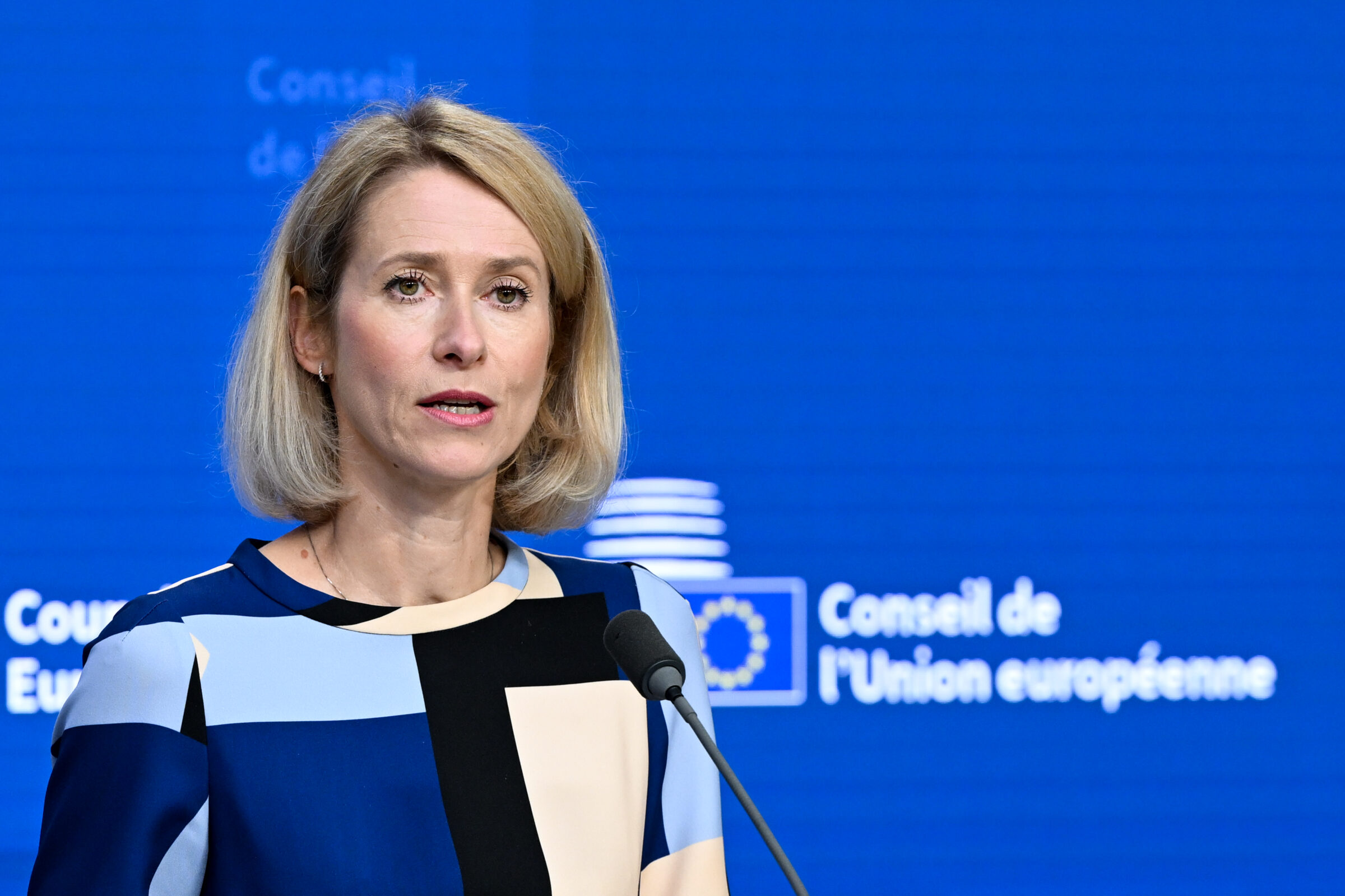
The EU’s delisting of two Russian oligarchs last week despite multiplying sabotage attacks in Europe was “regrettable”, while German-Russian talks at the UN ended in “ridicule”, EU foreign affairs chief Kaja Kallas has said.
“It is regrettable that this [delisting] was the decision,” said Kallas on Monday (28 September) in Brussels at a defence ministers’ meeting.
“We are putting forward more listings, targeting their military-industrial complex, also targeting the finances of Russia, because we want this war to stop,” she added, referring to the 22nd round of Russia sanctions, due on 12 October.
Lithuania’s defence minister Robertas Kaunas also called the delistings a “step backwards”, adding: “This is not the time to reduce sanctions. We have to strengthen the pressure on Russia and [Russian president Vladimir] Putin’s environs”.
This article continues, but the full version is available only to EUobserver.com subscribers. Visit account.euobserver.com/membership
EU migrant return hubs became the subject of a summit held in Munich on Saturday (26 September) as interior ministers from member and associate states met the European Commission to advance projects aimed at offshoring rejected asylum seekers.
But the meeting made little progress, partly because many of the attendees met in Copenhagen on 4 September, where leaders had announced an expected start to the policy by 2027.
Instead, the main takeaways from Munich included rehashed commitments on improved emergency responses as well as broadened use of Frontex, the EU’s border control agency, and migration diplomacy with third states.
Though the mass border crossing into Ceuta, the Spanish enclave in North Africa, was a subject of discussion, the 18 EU and non-EU interior ministers present in Munich did not include a representative from Spain, possibly due to Pedro Sánchez’s opposition to the return hubs policy.
But the UK’s home secretary Shabana Mahmood was present, talking of the need for close cooperation within Europe on migration issues,” Germany’s interior minister and meeting host, Alexander Dobrindt, told reporters on Saturday.
Despite Donrindt’s focus on “innovative solutions” for those with no right to stay in Europe but no way or returning, Berlin’s migration response would also be significantly dependent on expanded powers for Europe’s border agency, Frontex.
“We are seeing that the Pact is working. The number of irregular arrivals is dropping across the EU while at the same time the numbers of returns to third countries are increasing. That said, we cannot become complacent,” Jim O’Callaghan, Irish interior minister, told the press before the meeting.
This article continues, but the full version is available only to EUobserver.com subscribers. Visit account.euobserver.com/membership
This story is a part of the weekly newsletter about security, defence, and tech in the eastern flank of Nato, How we cee it.
Over the past few weeks, a new wave of fear has engulfed Europe. A number of intelligence and government officials have spoken out, saying Russia could possibly attack a Nato country within months, not years.
On 18 September, Polish prime minister Donald Tusk warned that Russia is planning hybrid strikes with drones or rockets on European countries that support Ukraine, such as Poland.
Two days later, Czech intelligence chief Michal Koudelka told the Guardian that, as well as increased drone activity, a small-scale invasion of Nato territory bordering Russia could be part of the Kremlin’s plans.
Then, last Thursday, Denmark’s defence intelligence service said that Russia is likely to intensify its hybrid war against the West in the coming months, with more frequent attacks against Nato countries.
On the same day, speaking at the Council on Foreign Relations in New York, Poland’s foreign minister Radosław Sikorski said, according to TVP World: “We are receiving information … that Russia is preparing something big this year.”
This is not the first time a wave of comments like this has appeared. A similar situation arose last year, when various officials in Europe took turns escalating their rhetoric about the Russian threat.
It is possible that they are speaking out again because new information has surfaced within the intelligence community. The communication goal could be letting Russia know that they know. Much like CIA director John Ratcliffe’s visit to Moscow last month, this could be an effort to make sure Russia doesn’t miscalculate.
The warnings also come in a different context from last year, when the Baltic countries were sounding the alarm. Russia has noticeably been turning up the temperature of its activity around Europe.
Back in July, a cruise missile crashed in Poland. According to experts, it was not a misguided missile, but one deliberately aimed at Poland. Then, in early August, a drone carrying an explosive device was discovered at Leipzig/Halle Airport in eastern Germany, close to Ukrainian cargo planes.
Germany’s interior minister Alexander Dobrindt said the Leipzig airport attack followed the “well-established pattern of Russian hybrid operations in Europe,” the BBC reported.
According to German investigators, who spoke to Frankfurter Allgemeine Zeitung, the incident was also connected to other events, such as an attempted arson attack on a drone manufacturer in eastern Slovakia, and an arson attack in Munich on September 3, when several incendiary devices were thrown from a passing car onto a construction site near the headquarters of defence firms Rohde & Schwarz and Helsing.
In fact, there have been so many different incidents recently that the semi-regular drone incursions into Romania and the Baltics have become almost normalised and struggle to make headlines anymore.
Hypothetical scenarios abound
Scenarios of where Russia could take its hybrid attacks next are as abundant as onlookers’ creativity allows. They range from small attacks on factories, through the seizure of a small piece of land by an elite drone unit, all the way to the capture of the Suwałki corridor – a strategic piece of land between the Baltic states and mainland Europe.
Most recently, the CIA warned that while all eyes had so far been on the Baltics, Russia may be preparing a drone strike against Spain, France, and Italy.
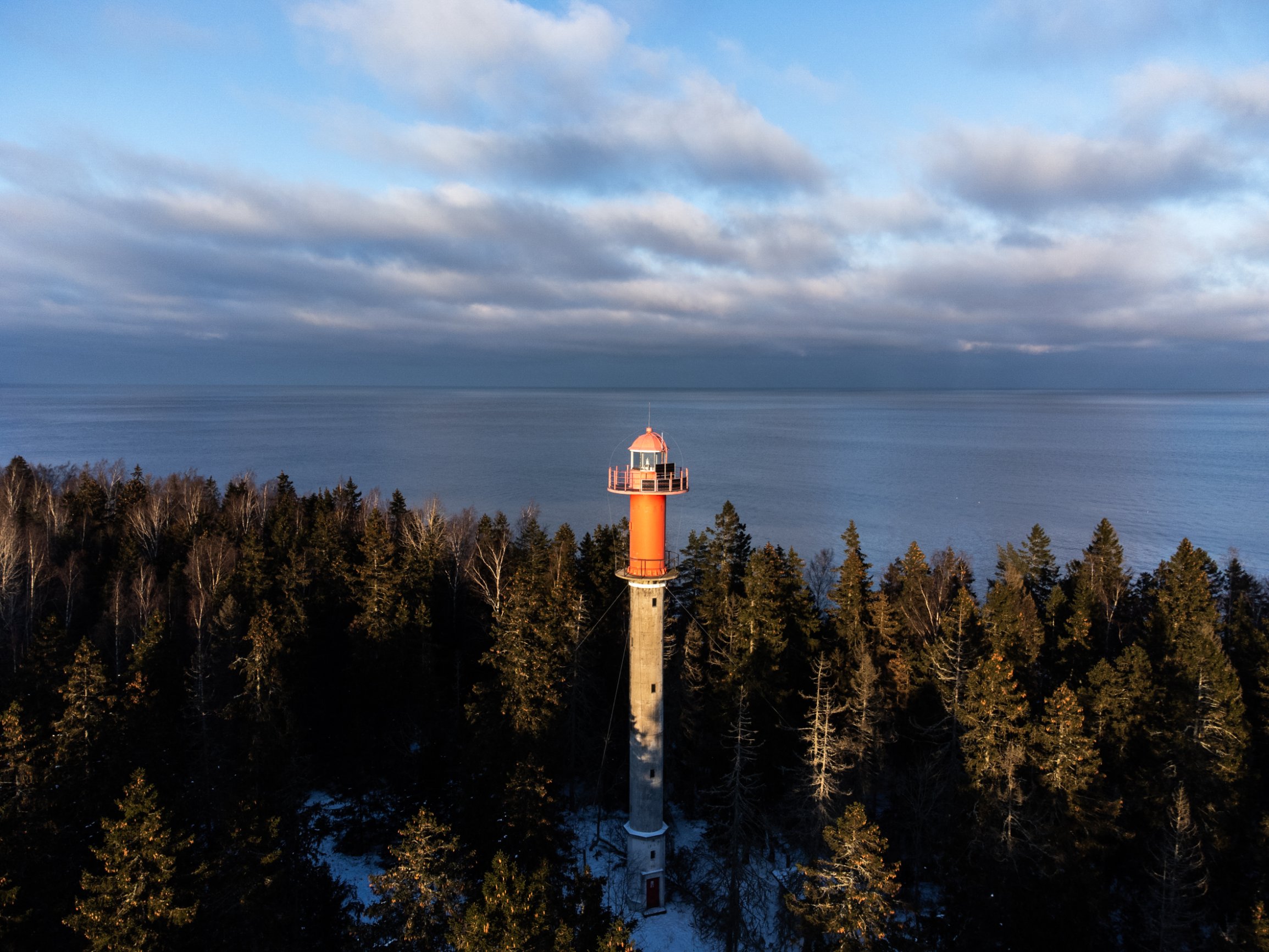
According to Marko Mihkelson, chairman of the Estonian parliament’s foreign affairs committee, the snowball of speculation about an imminent Russian attack on Europe is gathering pace.
But as he sees it, isolated facts are being mixed with wishful thinking, worst-case scenarios and, at times, little more than the need to grab attention.
As he wrote in an opinion piece for the Estonian news agency ERR: “Russia understands that it can confuse and paralyse us through information operations alone. Constant speculation about the Baltic states and Poland risks creating the impression that this is primarily a problem for two or three countries on Russia’s doorstep, while the rest of Europe can somehow remain untouched.”
According to Mihkelson, Russia’s campaign against the West would not necessarily begin with a conventional attack.
It could start by undermining Nato from within: interfering in elections, amplifying polarising narratives, exploiting political divisions, and spreading fear. It could seek to isolate Ukraine by limiting Western support, and then test Nato’s willingness to stand together.
As for worries that Russia will attempt to grab land from the Baltics or Poland, there are no significant material or military changes to note along the borders.
Belarus did hold a four-day military exercise near its border with the Suwałki corridor in mid-September, but that is nothing close to the signals we were getting from Russia just before the full-scale invasion of Ukraine. Back then, physical military infrastructure was being constructed ahead of the attack.
There are also no significant changes in the Russian military’s posture to launch a land attack against the Baltics.
Estonian government officials confirm this. According to Estonia’s minister of defence, Martin Herem, its assessment of the Russian threat remains unchanged.
That means Russia’s main effort remains focused on its war in Ukraine, and neither Estonia, Denmark, nor other Nato allies currently see a threat requiring raised military readiness.
Military experts in Lithuania also see no signs of new escalation. This doesn’t mean Russia won’t continue to be dangerous. It means that Russia has been engaged in provocations against Nato countries for years already, and similar behaviour will continue.
“No one is currently planning to conquer us – not at this moment, nor this year. In this case, specific, very precise attacks or provocations are more likely, designed not so much to cause physical damage as to sow serious panic in people’s minds,” Deividas Šlekys, a professor at Vilnius University’s Institute of Political Science and International Relations, told the Lithuanian wire LRT on Monday (28 September).
And so, while last autumn it was the Baltic states sounding the alarm about a potential Russian attack, now their officials are looking to calm the panic about their aggressive neighbour.
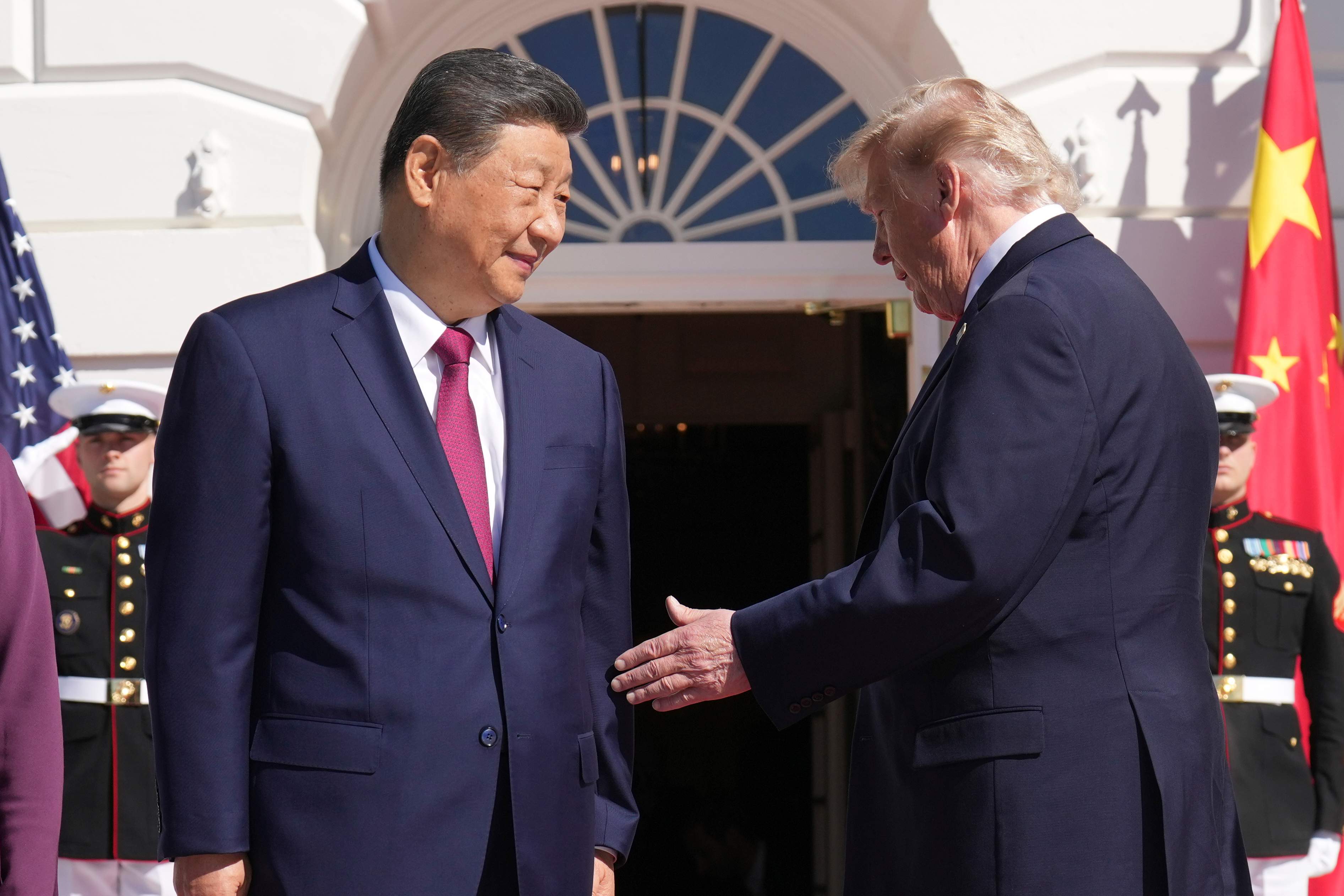
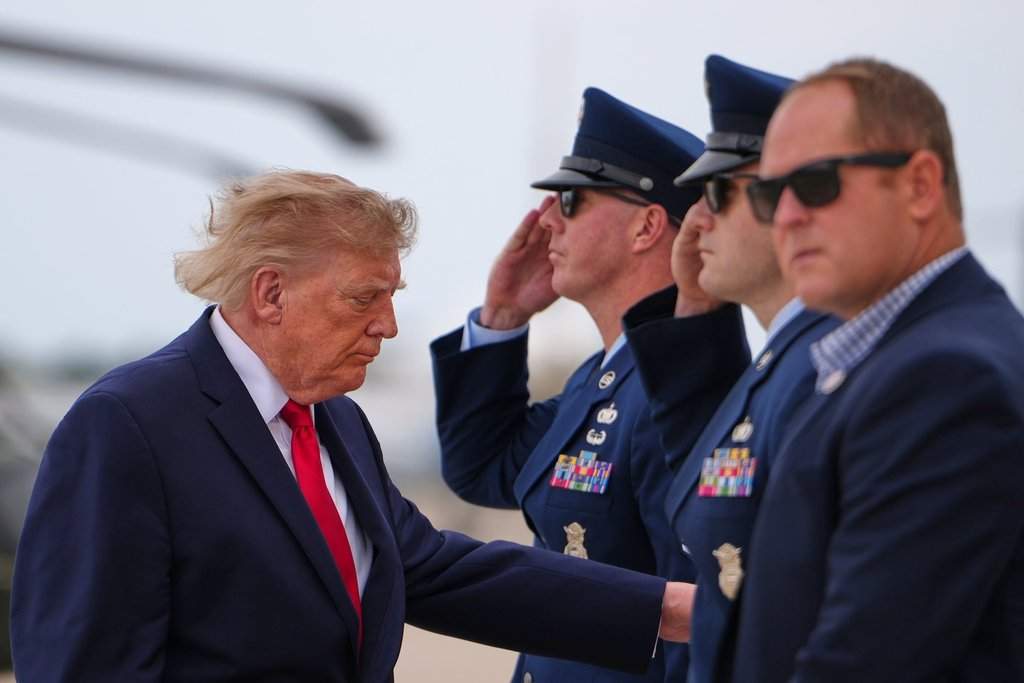
The details came days after Chinese President Xi Jinping met with U.S. President Donald Trump in Washington in his first state visit to the U.S. since 2015.
The details came days after Chinese President Xi Jinping met with U.S. President Donald Trump in Washington in his first state visit to the U.S. since 2015.
“Aslan is more than an allegory for Christ, he *is* how the creatures of Narnia experience Christ in their world just as we experience Jesus Christ as an incarnate MAN in ours. To cast Meryl Streep as Aslan in Greta Gerwig’s Narnia is a slap in the face to the genius of Lewis, but also... Continue Reading
Every age believes it has outgrown idolatry. Every age is wrong. Every age tells itself a story about reality. Our neighbors are no less religious than the Athenians. Their temples simply look different. Their liturgies are often political rather than priestly. Their idols are more sophisticated than carved stone. But they are no less incapable... Continue Reading
Christians cannot be united to everything and everyone. Christians have religious/ideological enemies. You cannot take on the enemy of paganism if you ignore the categories that identify it–religious categories by which it must be forced to make a public case. Understanding those categories will allow Christians to find their minds and voices. Only then can... Continue Reading
The issue roiled French politics for years before resulting recently in legislation allowing adults with incurable illnesses to receive lethal medication.
The issue roiled French politics for years before resulting recently in legislation allowing adults with incurable illnesses to receive lethal medication.
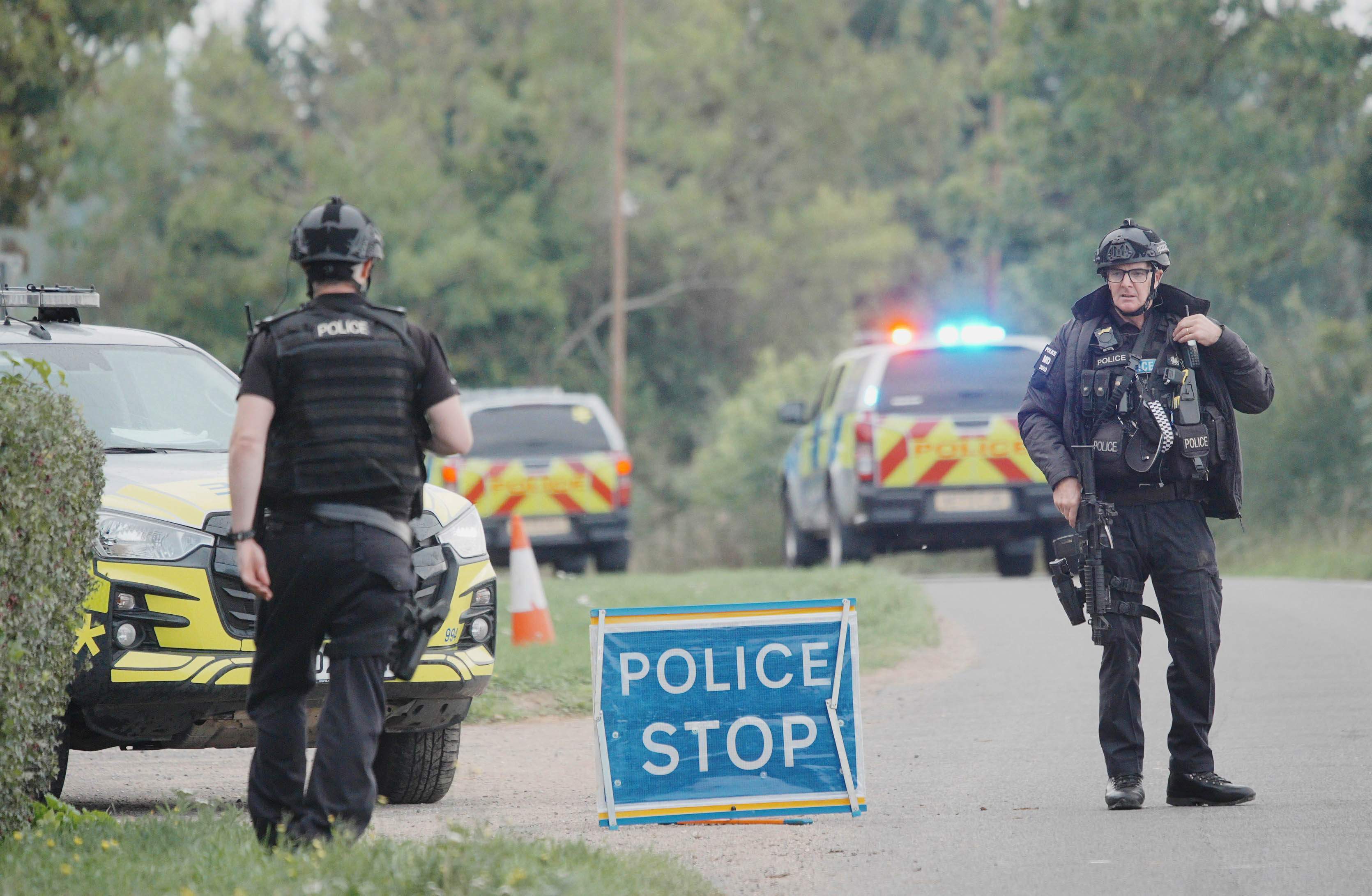
Police said Sunday that the men were detained on suspicion of offenses under the Explosives Act, and that army bomb-disposal experts were examining several vehicles.
Police said Sunday that the men were detained on suspicion of offenses under the Explosives Act, and that army bomb-disposal experts were examining several vehicles.
A man was found guilty of human trafficking, benefiting from proceeds of trafficking, pimping, disobeying a court order, and obstruction of justice, a judge says.
A man was found guilty of human trafficking, benefiting from proceeds of trafficking, pimping, disobeying a court order, and obstruction of justice, a judge says.

 Login