Some 2,500 years ago, Babylon trained the sons of its wealthiest families without a single weekly hour devoted to the gods. There was no textbook that worked as a Bible either. Religion was everywhere and in no particular subject, spread through sign lists, writing exercises and arithmetic drills. A study published in the journal Iraq […]
In the small village of Qesarat, in southern Albania‘s Tepelenë district, an Italian-Albanian excavation team has just finished a summer season that turned up something unusual: six decorated floors from a Late Roman building, right at the edge of the Vjosa Wild River National Park. Declared in March 2023, the park protects the last stretch […]
En abril de 2009, varios periódicos de medio mundo publicaron a la vez un titular que parecía sacado de un cóctel, según el cual el centro de la galaxia sabe a frambuesa y huele a ron. La frase salió del Guardian, que la construyó a partir de un comunicado del Instituto Max Planck de Radioastronomía, […]
In April 2009, newspapers around the world ran a headline that read like a cocktail menu: the center of the galaxy tastes of raspberries and smells of rum. The line came from the Guardian, which built it from a press release by the Max Planck Institute for Radio Astronomy in Bonn. The release was much […]
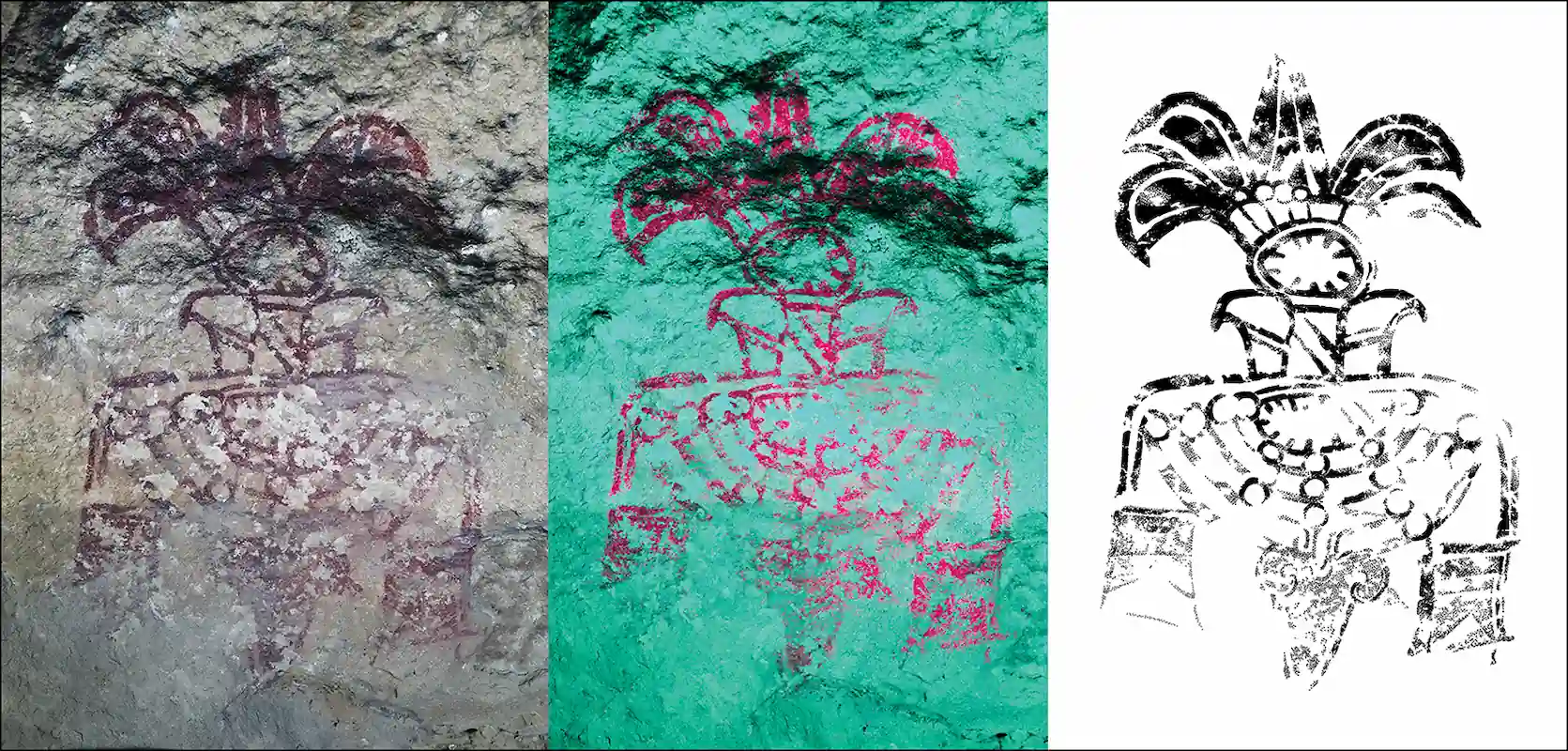
For decades, one question has nagged at specialists in ancient Mexico: did Teotihuacan — the city that dominated central Mexico from roughly the first to the sixth century AD, with a population that may have reached 125,000 — actually have a writing system, or were its symbols just decorative emblems? The stakes of that question […]
Durante décadas, los expertos discutieron si Teotihuacan —la ciudad que dominó el centro de México entre los siglos I y VI d. C., con una población que pudo alcanzar los 125.000 habitantes— poseía un sistema de escritura verdadero o si, por el contrario, sus signos eran simples emblemas decorativos. La pregunta no era menor: los […]
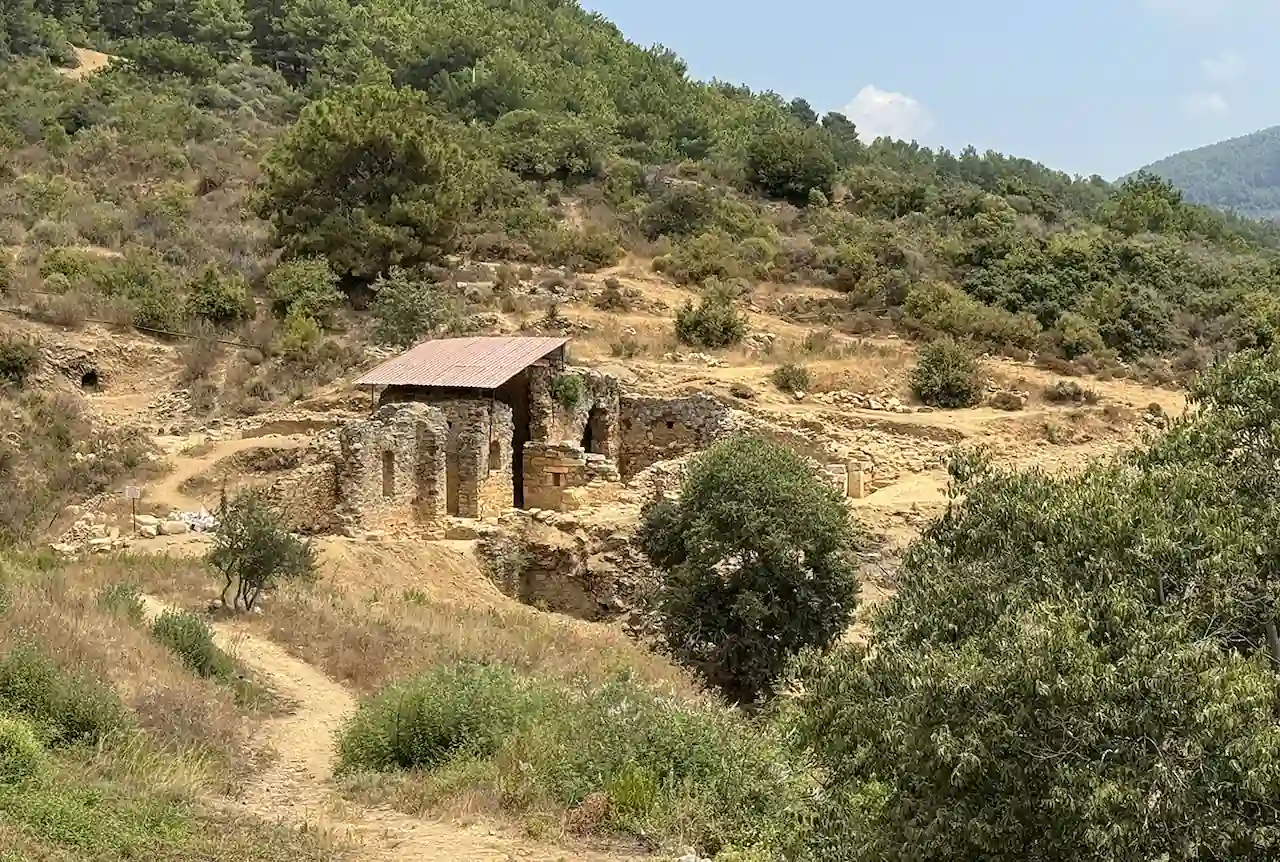
A modest Roman bathhouse on Turkey’s southern coast spent its retirement very differently from how it began. Constructed in the late 2nd or early 3rd century CE, it stopped functioning as a bath sometime after an invasion in the 260s CE and was never used for bathing again. Centuries later, someone gutted much of its […]
Un equipo de investigadores ha publicado el hallazgo de una instalación de procesamiento agrícola construida dentro del llamado Baño Pequeño de Antioquía del Crago (Antioquia ad Cragum), en la región histórica de Cilicia Áspera, en la actual Turquía. El estudio, firmado por Emlyn Dodd (Universidad de Adelaida), Leticia R. Rodriguez (Universidad de Houston) y otros […]
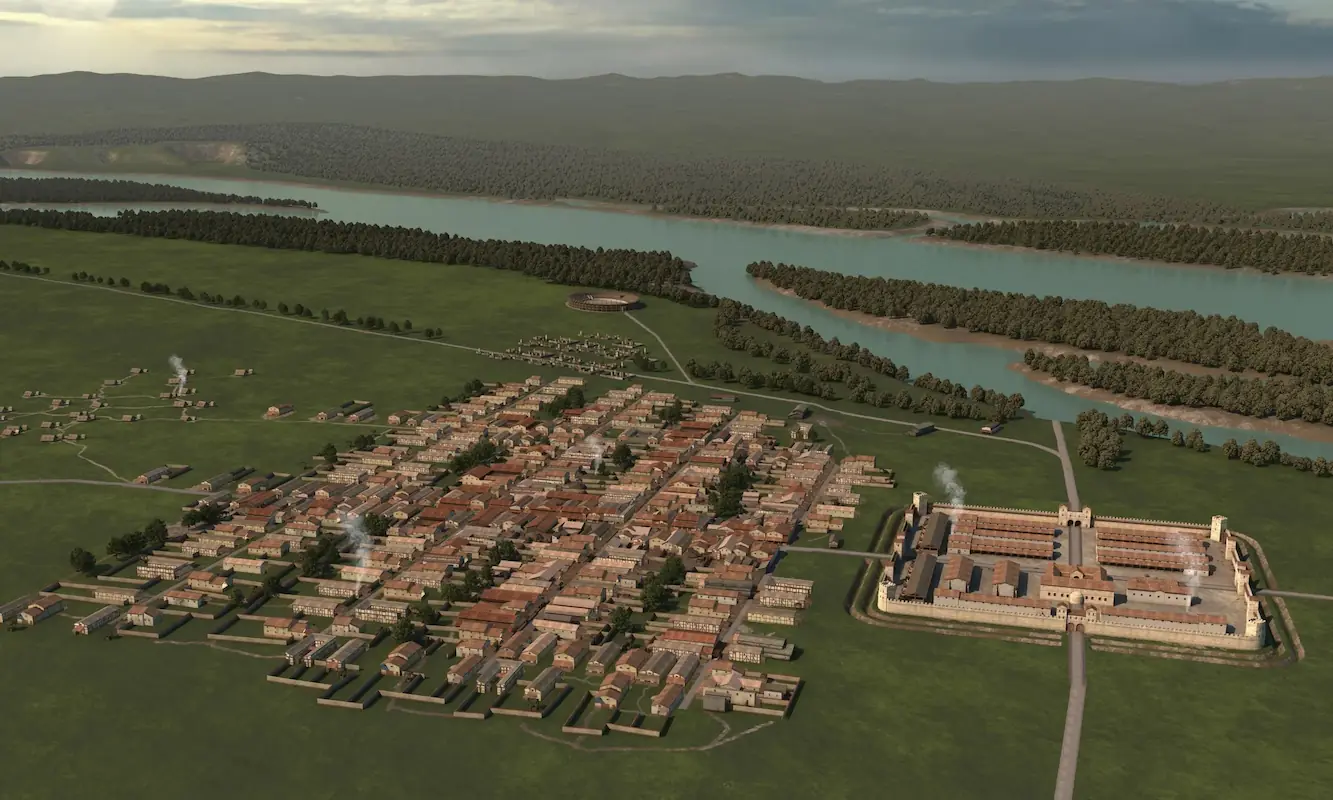
En los años setenta, el pequeño núcleo de Stein, en la Baja Austria, estuvo a punto de convertirse en el emplazamiento de la segunda central nuclear del país. El proyecto se abandonó y el lugar quedó como una franja más de tierra de labor junto al Danubio. Medio siglo después, esos mismos campos han revelado […]
Entre el 5 % y el 10 % de las personas enterradas en cada una de las comunidades griegas de la Edad del Bronce que se han analizado no se había criado en el lugar donde murió. Es uno de los resultados de un trabajo publicado en la revista PLOS One por un equipo del […]
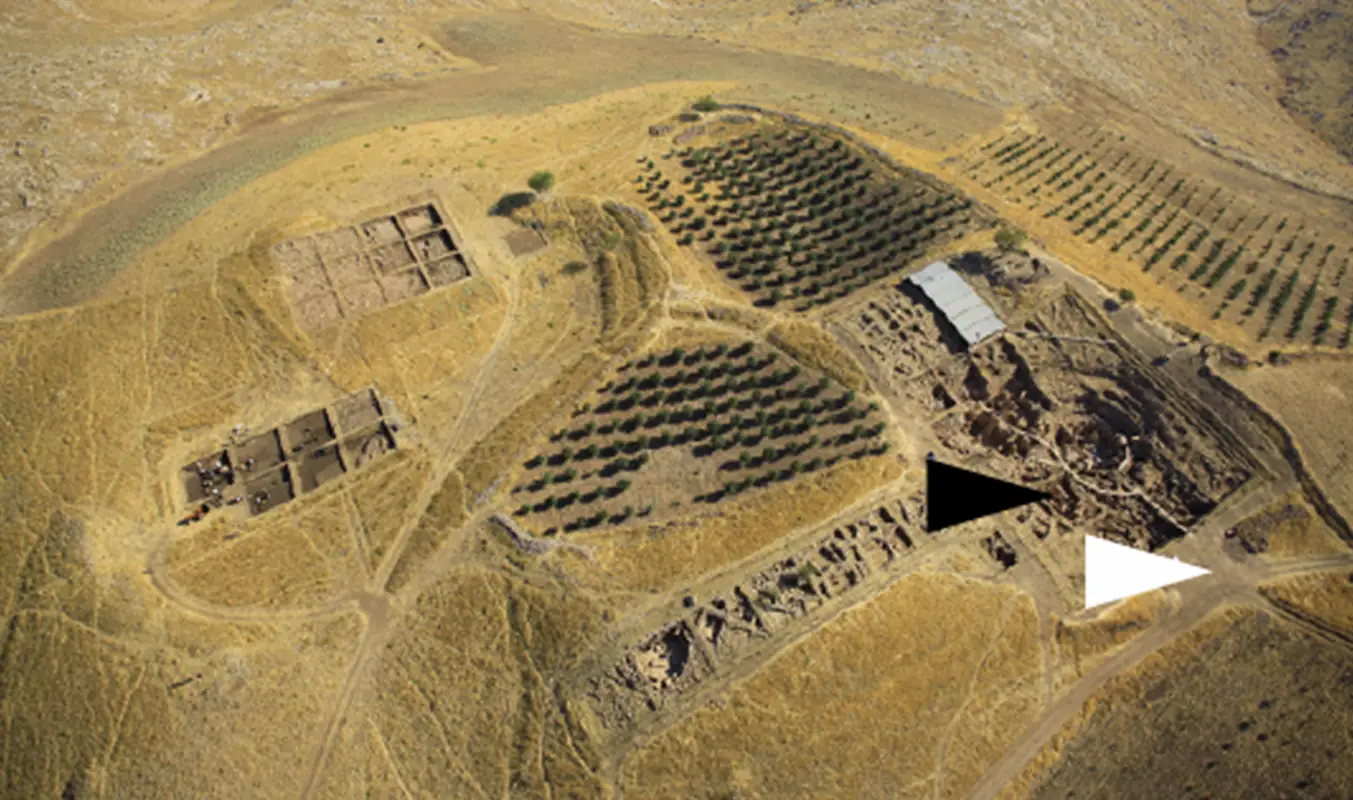
Un equipo de investigadores ha publicado en la revista PLoS One los resultados del estudio de los dos primeros enterramientos completos descubiertos en Göbekli Tepe, un yacimiento arqueológico del Neolítico Precerámico situado en el sureste de Turquía. El trabajo, firmado por Julia Gresky y Lee Clare, ofrece por primera vez una explicación plausible al enigma […]
In the 1970s, the small settlement of Stein, in Lower Austria, came close to becoming the site of the country’s second nuclear power plant. The project was scrapped, and the land went back to being another stretch of farmland beside the Danube. Half a century later, those same fields have revealed what they’d been hiding […]
In each of the Bronze Age Greek communities analyzed, between 5% and 10% of the people buried had not grown up where they died. That is one of the findings of a study in PLOS One by a team that includes archaeologists Serena Sabatini and Kristian Kristiansen of the University of Gothenburg in Sweden. Anja […]
Archaeologists have spent thirty years puzzling over an unusually grim detail at Göbekli Tepe, the roughly 11,600-year-old site often called the world’s oldest temple. Since excavations began in 1995, diggers have pulled more than 900 individual fragments of human bone out of the earthen fill packed into and around its monumental stone buildings — skull […]
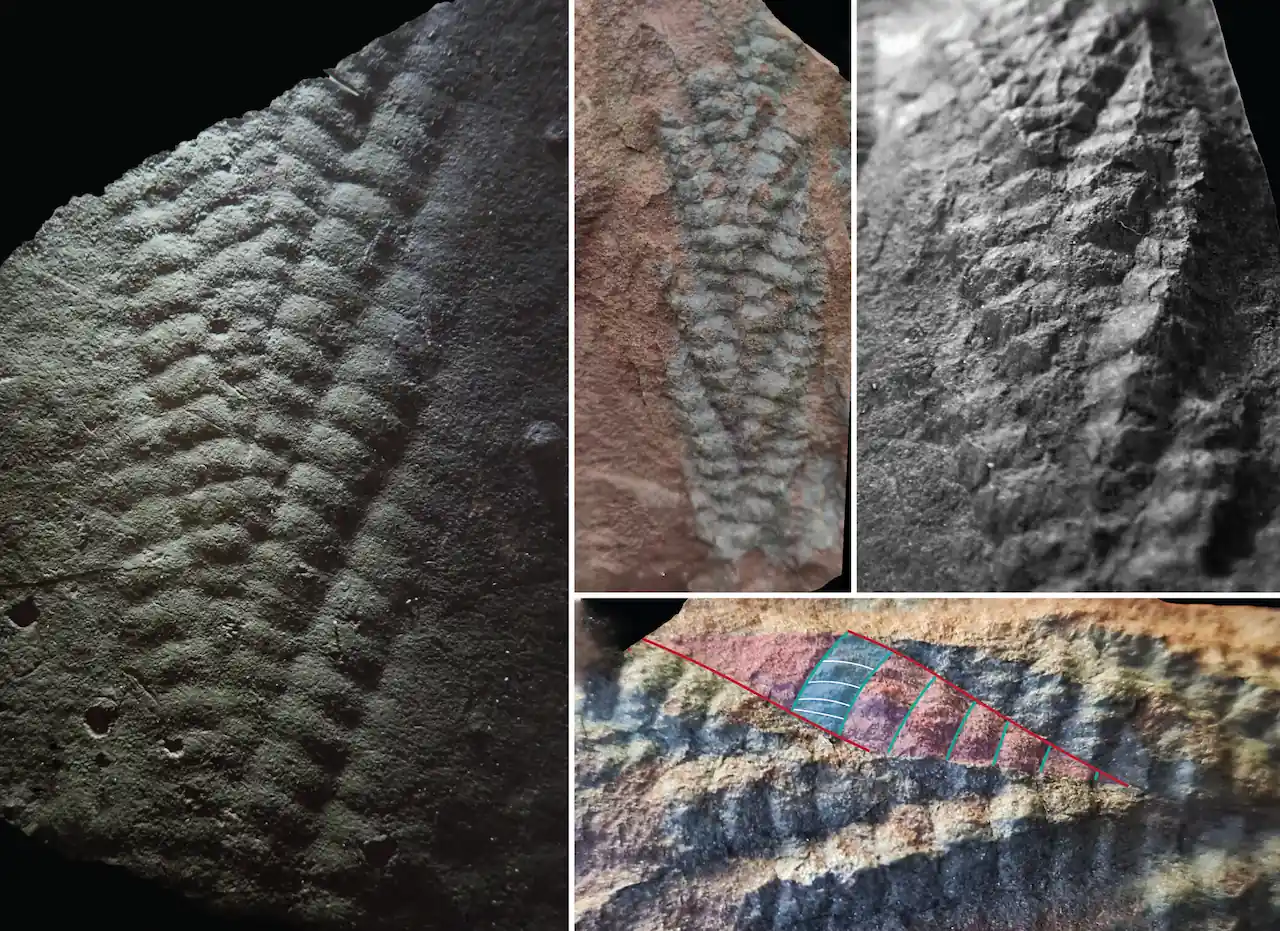
Finding fossils usually means months of fieldwork, a hammer, and a lot of patience. In Finnmark, Norway’s northernmost region, it took none of that. According to the University of Cambridge, a cluster of rocks had broken loose from a cliff above a sheep field. When they split open on landing, they exposed a fossil of […]
Buscar fósiles suele significar meses de trabajo de campo, martillo y paciencia. En Finnmark, la región más septentrional de Noruega, esta vez no hizo falta tanto. Según la Universidad de Cambridge, varias rocas se habían desprendido de un acantilado en un prado de ovejas y, al partirse en la caída, dejaron a la vista un […]
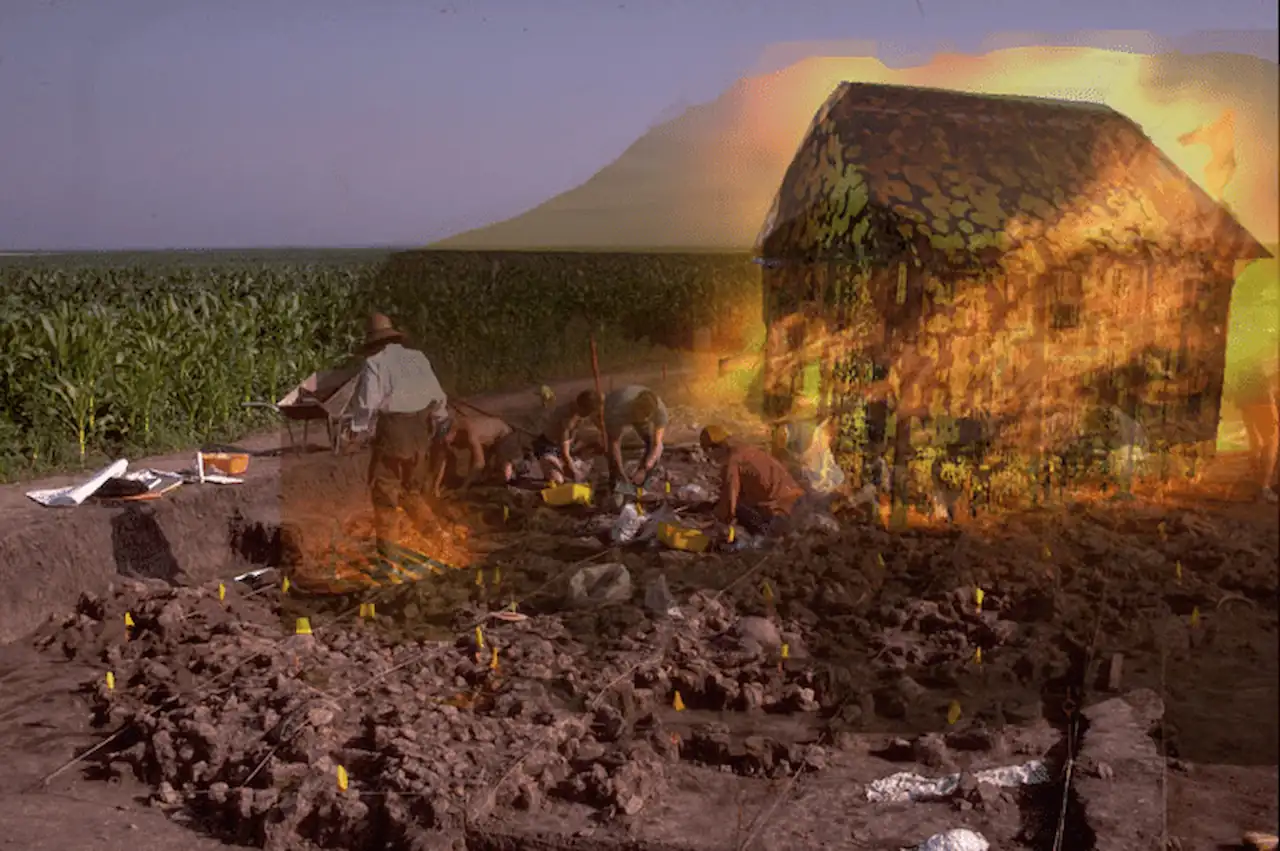
A principios de los años ochenta, un equipo yugoslavo y estadounidense abrió una trinchera de 16 por 20 metros en una loma cercana a la localidad serbia de Opovo. Entre 1983 y 1989 sacó a la luz seis casas neolíticas, total o parcialmente, y de ahí salió un retrato que ha durado hasta hoy: un […]
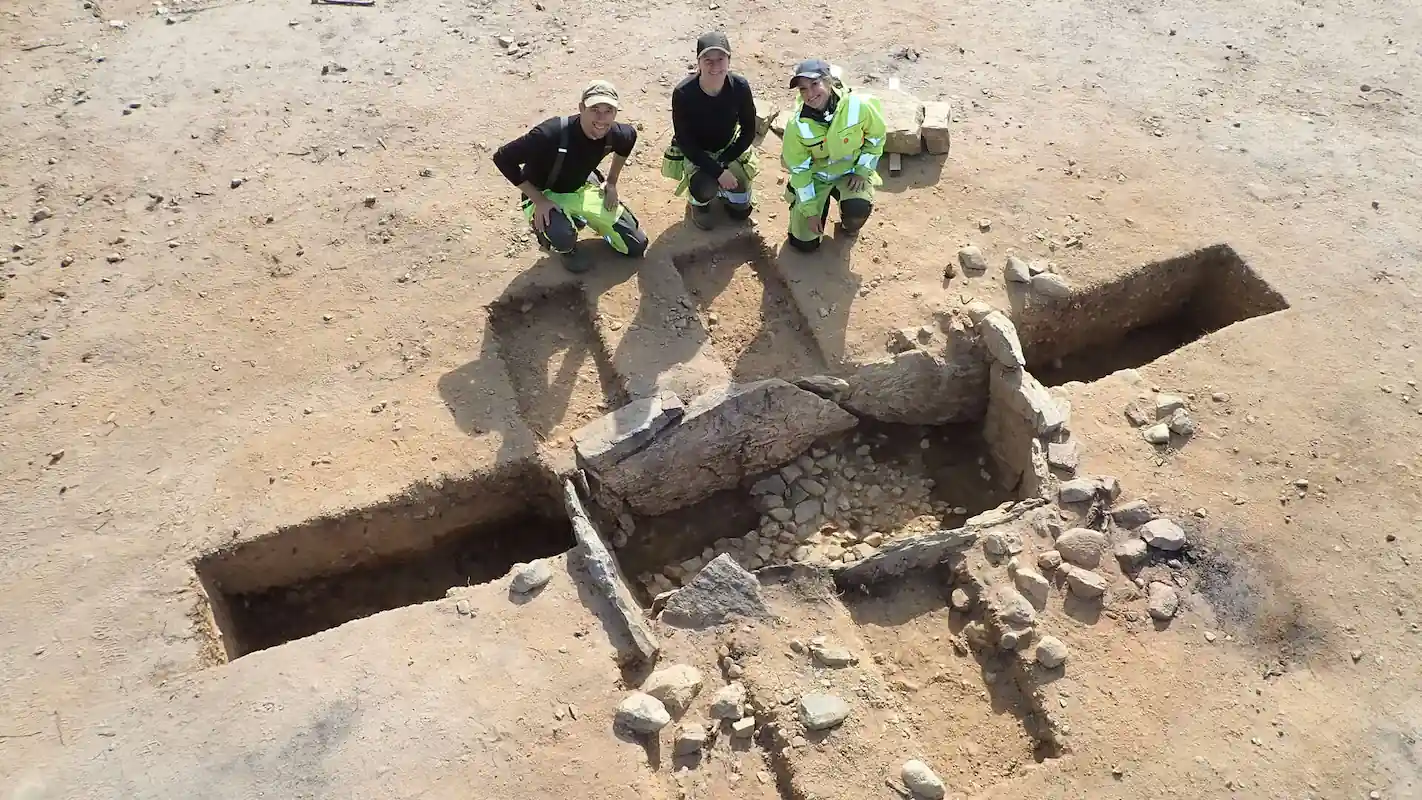
Todo empezó con un poco de carbón. En la excavación de Kongefaret 8, en la meseta de Svinesund (Halden, sureste de Noruega), la directora del proyecto, Kjersti Væge, se fijó durante sus rondas diarias en restos de carbón y piedras agrietadas por el fuego que asomaban del suelo. El equipo del Museo de Historia Cultural […]
In the early 1980s, an American-Yugoslav team dug a trench roughly the size of a tennis court — 16 by 20 meters (52 by 66 feet) — into a low hill near the village of Opovo, in northern Serbia. Between 1983 and 1989, they uncovered six houses, whole or partial, from a settlement dating to […]
The team wasn’t even looking for a grave. Kjersti Væge, project director at the Museum of Cultural History at the University of Oslo, was overseeing a dig at Kongefaret 8, on the Svinesund plateau near Halden, in southeastern Norway — a few kilometers from the Swedish border. The site was thought to hold a Stone […]

 Login