Login

The greater isolation of lesser Israel

This content is for members only. Visit the site and log in/register to read.

This content is for members only. Visit the site and log in/register to read.
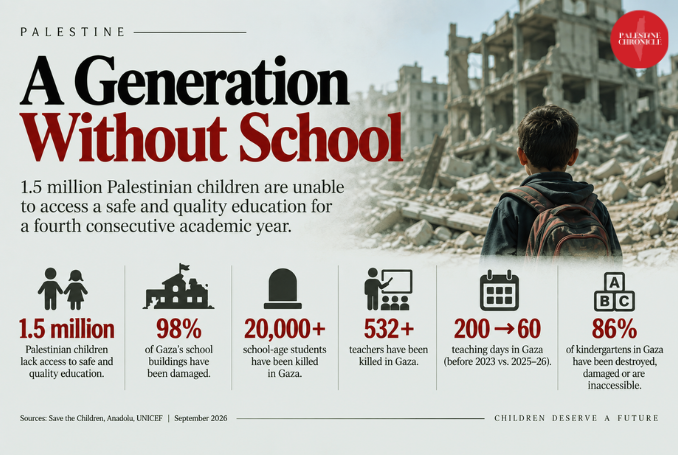

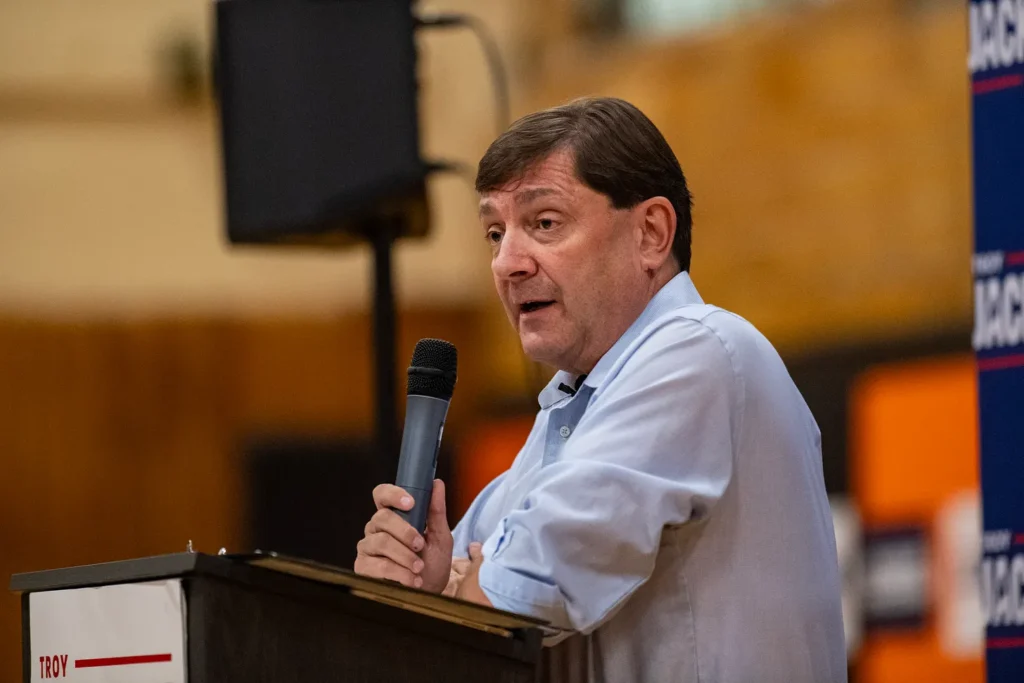
After being abducted by plainclothes ICE agents from his New York apartment building in March of 2025 and locked away in immigration jail for 104 days, Mahmoud Khalil has been freed and reunited with his family. But Khalil, a former Columbia University graduate student who was heavily involved in the student-led justice for Palestine movement, is still being targeted by the Trump administration and still faces the possibility of deportation. In this exclusive interview, TRNN Editor-in-Chief Maximillian Alvarez sits down with Khalil to speak about his new book, “No Land to Stand On,” and his continuing fight for freedom and justice.
Credits:
The following is a rushed transcript and may contain errors. It will be updated.
Maximillian Alvarez:
I’m here at the Parkway Theater and I’m sitting with Mahmoud Khalil, freed political prisoner and former Columbia graduate student who was heavily involved in the student-led Justice for Palestine movement and who because of that was abducted by plainclothes ICE agents from his New York apartment building in March of 2025 and locked away in immigration jail for 104 days. But he’s here with us now. Brother Mahmoud, welcome home, man.
Mahmoud Khalil:
Thank you for having me, Max. Thank you so much.
Maximillian Alvarez:
It’s such an honor to be here with you in person. I don’t even know how you begin to answer this question, but I can’t begin without asking it. How are you and your family doing after enduring this horrific nightmare that is sadly still not over?
Mahmoud Khalil:
We’re doing all right and we’re taking it day by day, really sort of surviving under the threat of deportation at any second or worse than that, whatever this government may decide to do at any point. But our fear is part of the fear of so many families in this country who are now worried about sending their children to school. We are in September now and I know a lot of kids are worried about going to school because they’re either undocumented or their parents are undocumented. I’m thinking about just the families in Minnesota and in New York and in Texas who are now under the threat of being really deportation by this or ripping them apart. It’s not only deportation. Haitians
Maximillian Alvarez:
In
Mahmoud Khalil:
Ohio,
Maximillian Alvarez:
Latinos in
Mahmoud Khalil:
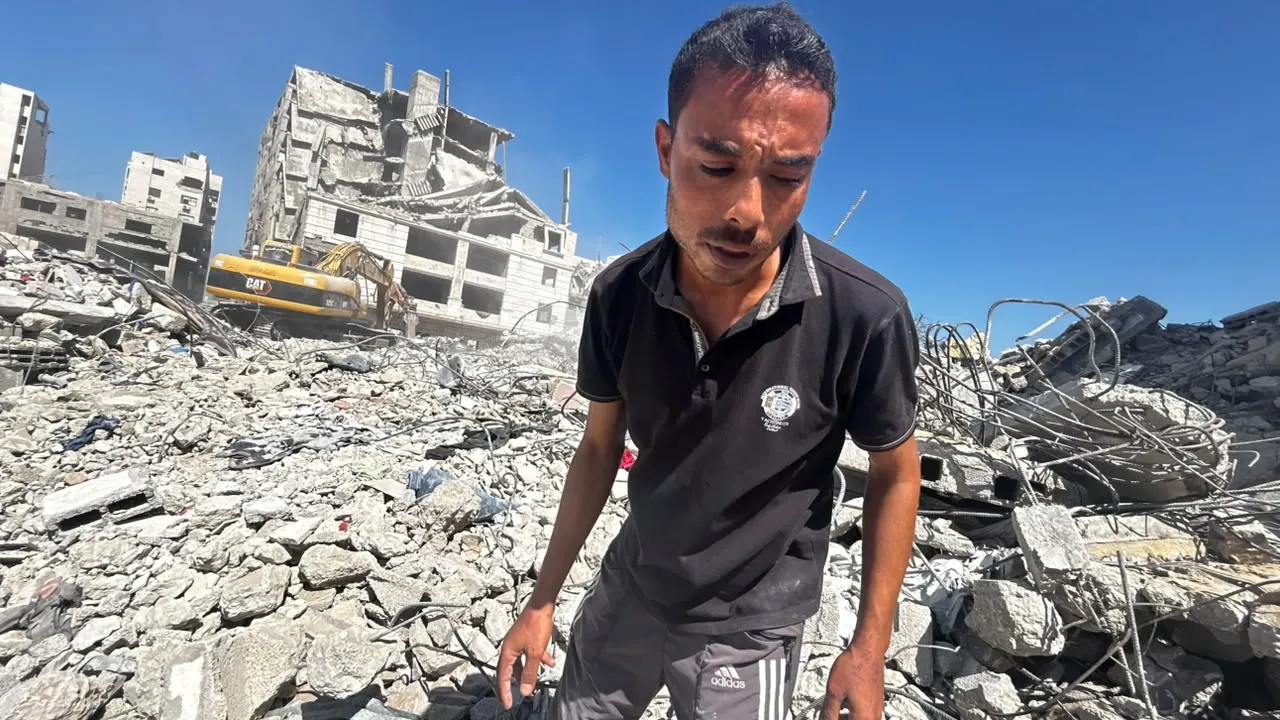
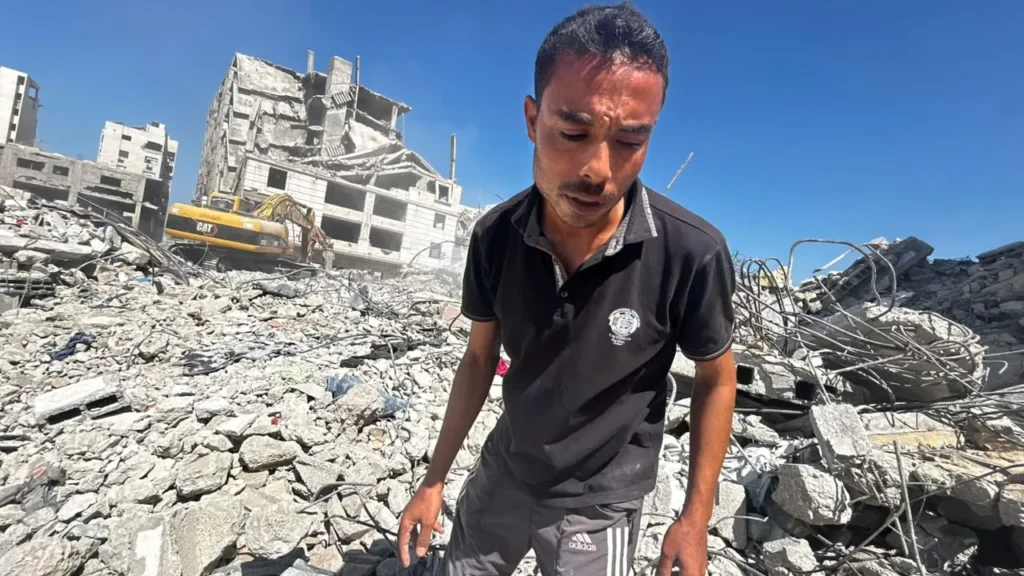
Southern California. Anyone who this administration sees as the other or sees as a threat to whatever plans they have. So in that bigger scheme of things also, at least I know my son will be fed tonight. There wouldn’t be a bomb being thrown on our house as happening in Gaza right now as we are speaking. So in the bigger scheme of things, we’re grateful. We’re grateful for the community that’s supporting us.That’s what’s keeping us going forward right now is just the level of support, the level of solidarity, the community that was built around us because of what this government has imposed on me and my family.
Maximillian Alvarez:
I didn’t plan to ask this, but as a father as well, I have to. What was it like to hold your kid that first time?
Mahmoud Khalil:
I don’t think anyone can describe that feeling. It’s just the first time I held Dean was in detention in a courtroom, in an immigration courtroom where verdicts of deportations happen, like rain daily in these rooms. So it was a little bit weird that I was able to reunite with my family in a place where families are being torn apart. But at the same time I felt victorious because that’s a moment that this government tried to steal from me. Although it was only for one hour, but felt the world to me. And of course now being with Dean, a lot of people ask me, “What gives you purpose?” And just seeing Dean and dreaming of a world where he can live in dignity and safety, inequality, just like anyone else, as an American citizen who has the same rights and responsibility as any other American citizen, regardless of his background, regardless of the ethnicity, regardless of anything, really it’s just like being a human.
Maximillian Alvarez:
And how could you not look at your kids and our children and not fight? We’re going to give this world over. We’re going to give their future over to these psychopaths, to these fascists, to these fanatical nut jobs? Of course not.That’s just not an option. But it’s really hard to put that into action on a day-to-day level when we’re being bombarded by so much terror and awfulness. I interviewed members of your former graduate student union at Columbia after you were taken. I’ve interviewed members of my former grad student union in Michigan where activists are having their homes raided by the FBI. I mean, students, community members, workers, people all over this country who are terrified to fight back or do anything because of what happened to you. But you continue to speak out. You wrote this book, No Land to Stand On. You’re here in Baltimore to speak to folks.
What do you and this book have to say to all of us out there about confronting that fear and not living in fear?
Mahmoud Khalil:
I think the fear is very real and I would be lying if I said I don’t have fear about myself, about my children, about my family. But courage is not the absence of fear. It is actually acting despite the fear. I would be lying if I said, “Oh, I’m not afraid.” Or when you are dealing with such injustice and as you’ve mentioned, just these fascist tactics and the way that they dehumanize us, whether as immigrants or whether as Palestinians or just as someone who does not agree with what this government is doing. So to take you back, I think a day after my release, I decided to go to a protest. And I usually am not that protest guy, although I was very heavily involved in the Columbia movement, but I decided to go mainly to give a message that despite all this violence inflicted upon me from the government, from the university, from the institutions and the establishment in this country, I refuse to be silent.
And now my book is out because the government tried to silence me. Or in essence, they tried to make an example out of me so you and others wouldn’t speak out. But to me, this book is a testament that I refuse to be silent. Now the government gave me a platform and they would take it with a grace and responsibility that I should take this platform to advocate for those who don’t have voices. At any moment now there’s over 70,000 immigrant in ICE detention. At every second, there’s at least 70,000 immigrants in detention. That we know
Maximillian Alvarez:
Of. Now they’re like, we don’t even know if they’re keeping proper track.
Mahmoud Khalil:
Exactly. I don’t know how many went through the administrative errors that this administration every now and then does. So really this administration tried to silence me and I refuse to be silent. And that’s why I want to give people not hope, but at least some sort of despite all this violence, you can still speak out because what we’re dealing with right now is this administration, they are bullies and what our parents teach us when a bully come to bully you, you should not – Stand up, baby. Exactly. So that’s what I’m doing right now. And part of my fight is not about staying in the US. It’s more around what happened to me is wrong and shouldn’t happen to anyone else. Even if I win my case tomorrow, I may decide to leave the day after, but that’s totally besides the main point, which is what’s happening is wrong and should be confronted.
Maximillian Alvarez:
Well, I want to end on that note because ever since you were taken, one of the reasons that people found so much hope in your story was that you continued to use your voice to advocate for others who were locked away in immigration jail, people who couldn’t speak English, people who didn’t have access to lawyers and who could get contact with the outside world. And that meant so much to so many. And of course you ended up in that jail because you were speaking out and speaking up along with millions around the country and around the world against a genocide in Palestine funded by our tax dollars. So here we are in 2026 and I’m not going to say it doesn’t feel like we’re losing everything and that it was all for naught, but I know a lot of our viewers can feel that way when they look at what’s happening to the ruins of Gaza and to the continual onslaught to erase that people from that land while back home they’re using the same tech to disappear our neighbors and family members.
So how do you put all of this in perspective and how do we continue to fight even when it feels like all is lost?
Mahmoud Khalil:
I think hope and resistance is our only option right now because this administration wants us to feel defeated, want us to feel that nothing is working. And the moment that we succumb to that feeling is the moment that they win because even if we remain silent, because I know people who were targeted and remain silent, the administration did not stop going after them because their mere existence was a problem to this administration. And that’s why I’m hopeful because I don’t have any other option. And the fact that the president of the United States came after an unknown student speaks a lot to the successes of our movement because it was impactful. It was actually changing things on the ground. It was changing public opinion in droves. That’s why the president of the United States felt the need to go after a random student to make an example out of him so that others would fear speaking out.
And that’s I think my only message in terms of why we should be hopeful because the change doesn’t happen in a day and night. It is the persistence. It is the continued resistance against all odds when you see that nothing is happening, but you continue because you believe in that. And that’s the thing as Palestinians, why we continue resisting despite everything all odds against us is that we are righteous. We know that human beings, regardless of their faith and nationality, they can see that in us and they would support us. So that’s why we have a strong belief in our cause that it’s a righteous cause. We don’t need millions and billions of dollars to convince public opinion about the righteousness of our cause or not. It’s just like we need to present it and that’s it. And that’s what they are fearing right now.
That’s why you see the establishment in this country is scrambling to control the media, to buy TikTok and to buy CNN and all of these just because we are actually winning and they know they will not be able to stop us. That’s why they’re bringing these all new tactics about, in my case, they’re weaponizing the immigration law from 1952. And in other cases they’re bringing all these alien laws.
Maximillian Alvarez:
They’re
Mahmoud Khalil:
Reaching back to laws from centuries ago. Yeah, 1800 something because they’re looking for tools because we’re actually winning and the public is with us. But also with immigrants, an average American sees that an immigrant is a benefit to this country, whether it is through the work that they do, whether through the diversity they bring. And this country was built upon, I mean recently, I don’t want to stoke about the enslaved people and how this country was built on their shoulders, but recently also immigrants were part of this.
Maximillian Alvarez:
You and I wouldn’t be sitting here if that wasn’t true.
Mahmoud Khalil:
Absolutely. And we absolutely must be conscious of that. And that’s the other thing about why I’m writing the book now, not in five years, because this is urgent. A lot of people ask me, “How would you look at this moment in 20 years?” I don’t want to look at it in 20 years. I want to do what I can do right now to stop it because what’s happening right now is a stain on the constitution, is a stain on the American consciousness, is a stain on every human value that we stand or we say we stand for. And I don’t want to look in 20 years and say, “Oh, we should have done something because it’s happening now in our backyards. An ICE detention center is at least 30 minutes from any one of us right now. If you drive 30 minutes, you would find an ICE detention center.
There’s one
Maximillian Alvarez:
Five minutes that way. Thank you so much, bro.
Mahmoud Khalil:
No, thank you so much,
Maximillian Alvarez:
Max.
Mahmoud Khalil:
Appreciate it, man.
Production: By Europod, in co-production with Sphera Network.
EUobserver is proud to have an editorial partnership with Europod to co-publish the podcast series “Briefed” hosted by Léa Marchal. The podcast is available on all major platforms.
Find the full transcript below:
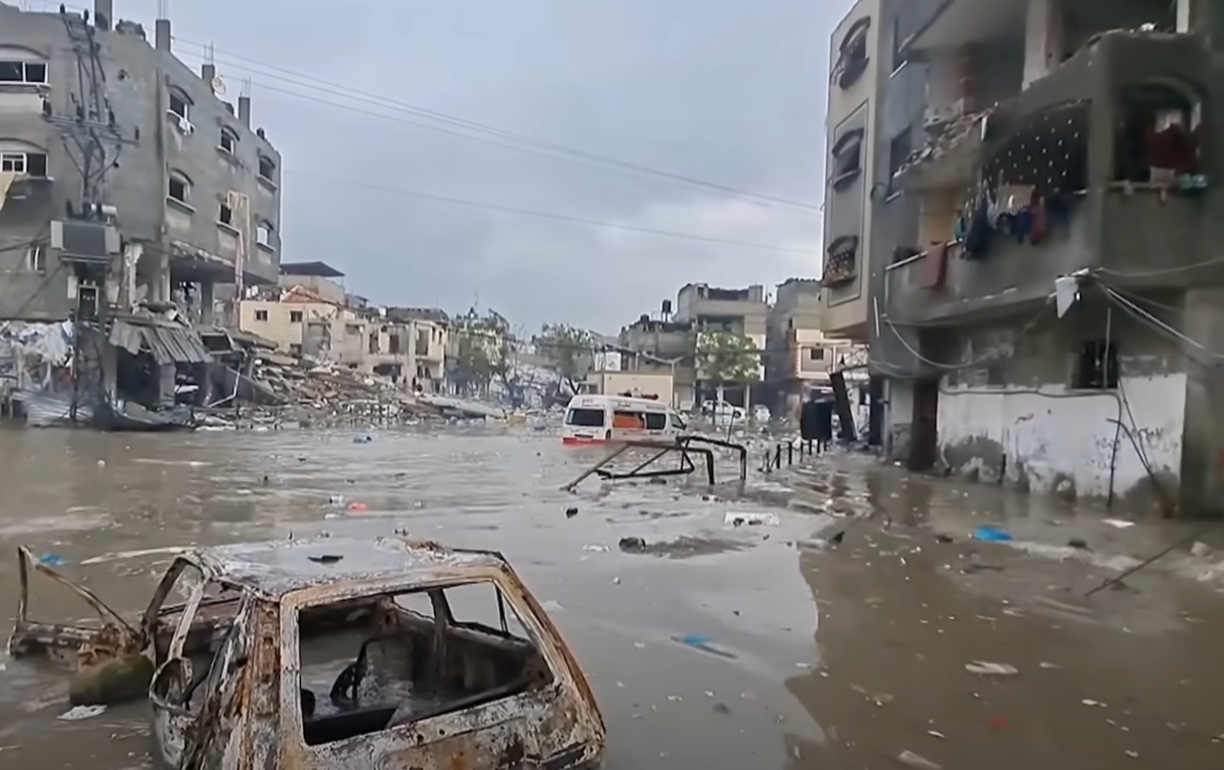
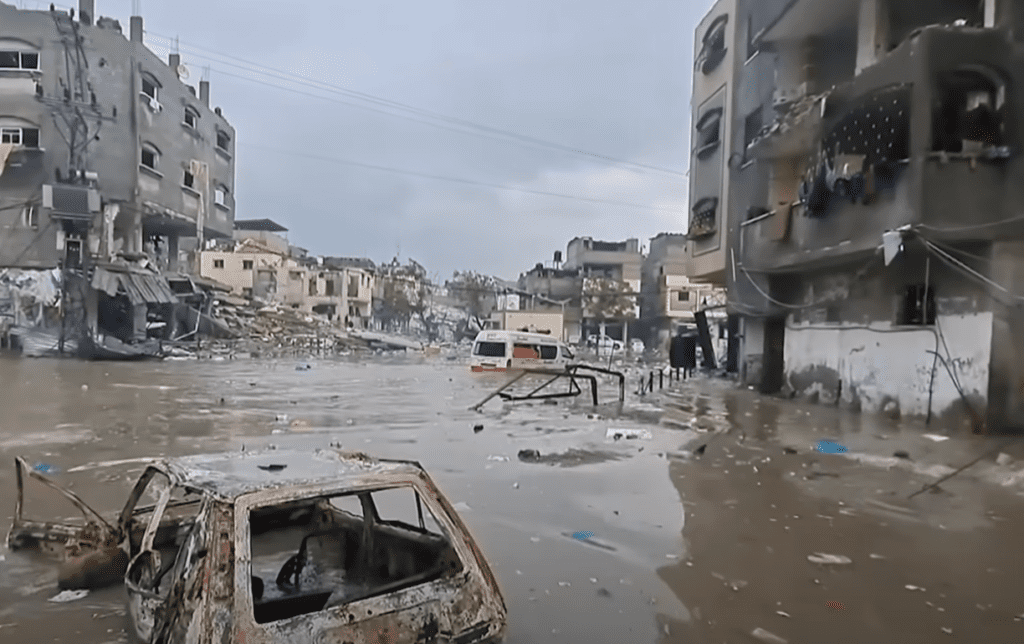
Rebuilding Gaza will require tens of billions of dollars. European countries have just approved new funding for water and waste management. But with the ceasefire still fragile, can reconstruction really get underway?
The EU has just approved two projects aimed at helping rebuild Gaza. Together, they provide €43m in support for the Palestinian Authority, mainly for water and waste management.
The funding is intended to improve access to drinking water for around one million people in Gaza, restore waste collection and launch pilot recycling programmes.
This comes on top of a much larger €883.6m package announced by the EU in July for Gaza. This is totally independent from the board of peace initiated by Donald Trump.
The European Commission has brought together donors from EU member states, as well as countries such as Norway and Switzerland. The European Investment Bank and the European Bank for Reconstruction and Development are also involved.
That is the purpose of the donor conferences regularly organised by the Commission. And this format has sometimes been seen as an alternative to the reconstruction efforts led by Trump’s Board of peace.
As far as the Board of peace is concerned, it also made new announcements last week, on the sidelines of the United Nations General Assembly.
It announced a $2.45bn plan to support reconstruction over six months. Is that significant compared with Gaza’s needs? And do the two funding plans complement each other?
The short answer is: the funding is still far from enough. The needs for rebuilding Gaza are estimated at least $71bn.
The economy has also collapsed, with very little economic activity currently possible in Gaza and unemployment affecting almost the entire population.
But the different funding plans can complement each other.
The Board of Peace six-month plan is divided into dozens of areas of spending. One of the largest is the construction of permanent shelters to replace the tents where many people are currently living.
The plan also includes clearing rubble, rebuilding homes and restoring public transport, among other things.
But reconstruction also depends on security. Is the ceasefire holding, and is Israel committed to allowing aid and reconstruction to move forward? That’s one of the major questions.
European commissioner Dubravka Šuica stressed this point at the UN last week, saying that European assistance relies on clear commitments from Israel to facilitate the implementation of these projects.
Israel has reopened one crossing for international aid, but according to several international reports, it is still restricting the distribution of humanitarian assistance inside Gaza.
And although a ceasefire has been agreed, Israeli military operations targeting Hamas have continued, with civilians among those killed.
According to Gaza’s Health Ministry, 22 Palestinians were killed and 209 injured between 9 and 16 September alone.
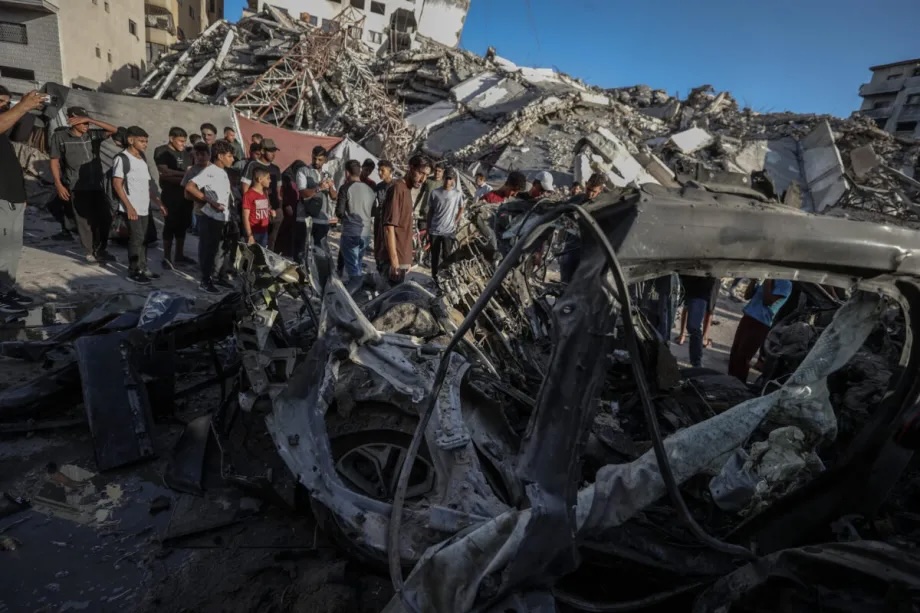
Another 21 people were killed on 16 September when a residential building, already damaged during the war, collapsed.
Overall, more than 1,300 people have reportedly been killed in Gaza since the ceasefire began, according to Gaza health authorities.
What’s more, the National Committee for the Administration of Gaza, which is supposed to govern the territory under the peace agreement is still based in Cairo. Israel has not authorised all of its members to enter Gaza.
And the committee says the conditions for carrying out its mandate are not yet in place.
That is another obstacle to reconstruction getting fully underway.
There is one more source of uncertainty: possible Palestinian elections in November. Those elections could also be postponed.
So while funding for reconstruction is beginning to take shape, there are still major questions over security, governance and political stability.
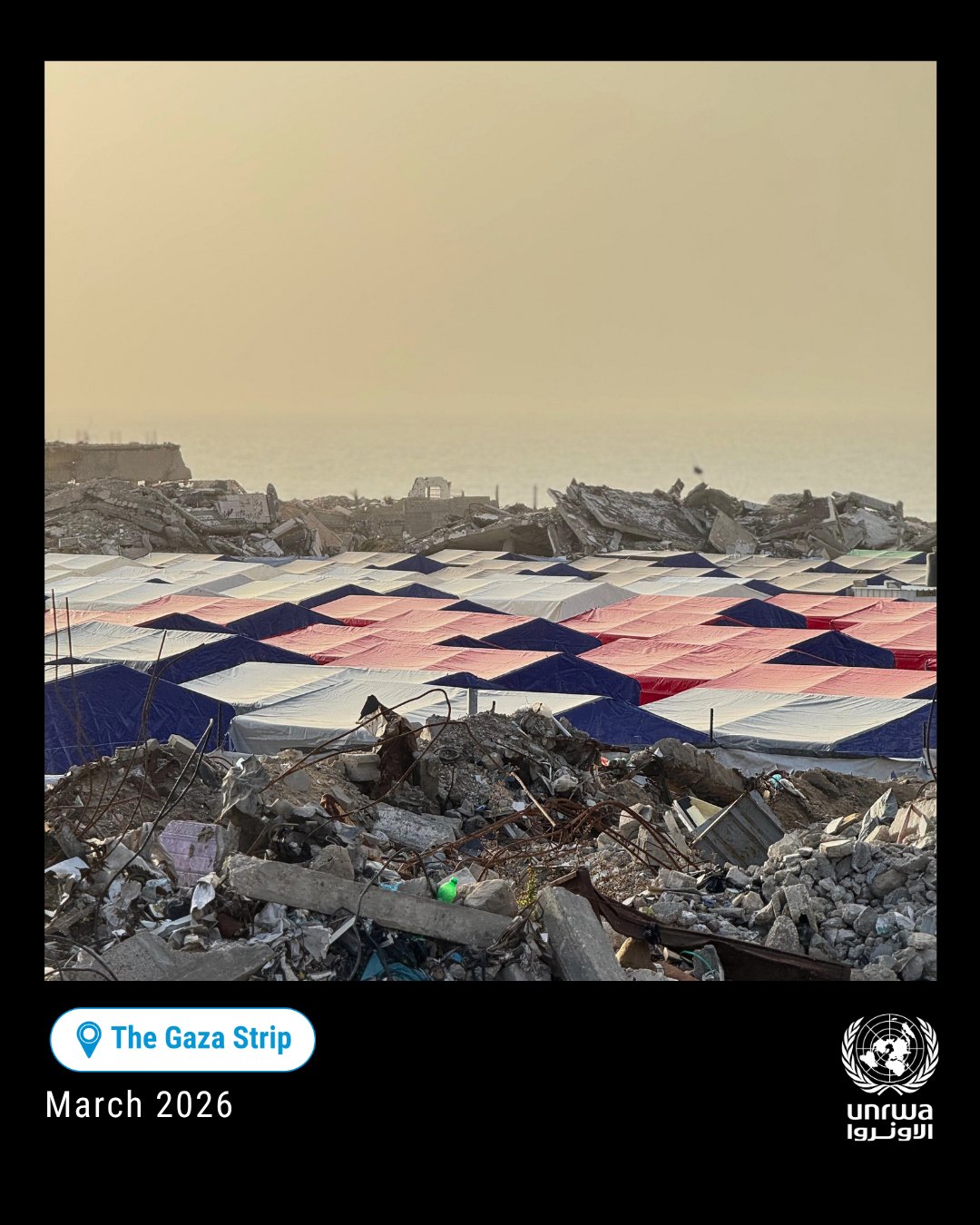
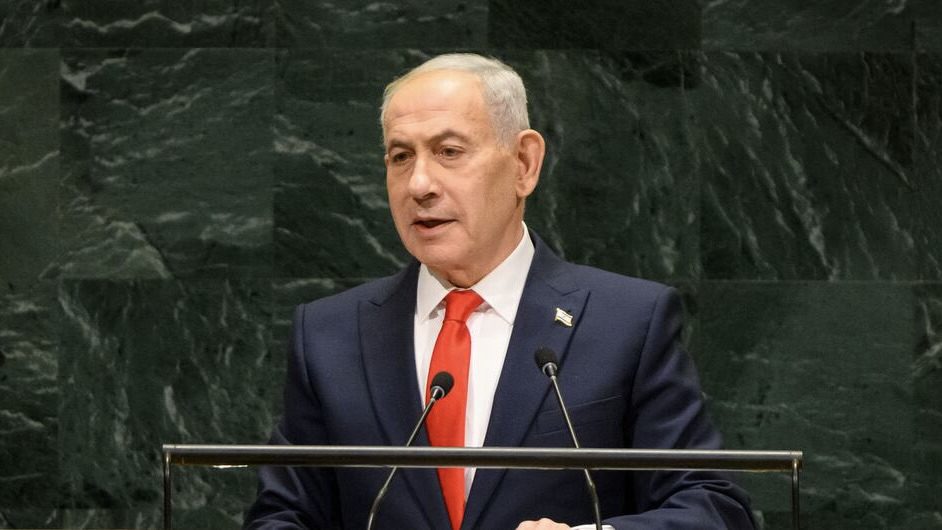
Israel continues to face isolation in international forums as it continues its multi-front war on the peoples of West Asia. On Thursday, September 24, delegations from at least 77 countries walked out or left their seats vacant during the address of Israeli Prime Minister Benjamin Netanyahu at the 81st session of the United Nations General Assembly.
The move was interpreted as opposition to Israel’s three-year genocidal aggression on Gaza, and atrocities across multiple parts of West Asia.
Arab nations that walked out included: Algeria, Comoros, Egypt, Iraq, Jordan, Kuwait, Lebanon, Libya, Mauritania, Oman, Palestine, Qatar, Saudi Arabia, Somalia, Sudan, Syria, Tunisia and Yemen.
Asian states involved: Afghanistan, Bangladesh, Brunei, Darussalam, Indonesia, Iran, Kyrgyzstan, Malaysia, Maldives, Myanmar, North Korea, Pakistan, Türkiye, Turkmenistan and Uzbekistan.
From Africa the following left the chamber: Angola, Botswana, Central African Republic, Chad, Congo (Republic of the), Democratic Republic of the Congo, Djibouti, Equatorial Guinea, Eritrea, Eswatini, Kenya, Lesotho, Liberia, Madagascar, Mozambique, Namibia, Niger, Senegal, South Africa and Uganda.
Countries of Latin America and the Caribbean: Antigua and Barbuda, Bahamas, Barbados, Belize, Bolivia, Brazil, Chile, Colombia, Cuba, Dominica, Guyana, Nicaragua, Panama, Peru, Saint Lucia, Suriname, and Venezuela.
European countries: Bosnia and Herzegovina, Ireland, North Macedonia, San Marino, Slovenia and Spain.
From Oceania: Tonga and Tuvalu.
Meanwhile, thousands of protesters took to the streets of New York City, where the UN headquarters is located, to protest Netanyahu’s visit and address, calling for US officials to comply with the warrant issued for his arrest from the International Criminal Court.
Netanyahu began his defiant, combatant speech by calling the departing delegations “moral cowards”.
“If there are any other moral cowards who haven’t yet left this hall, please do so now,” the Israeli PM said, addressing an almost empty chamber.
During the rest of his speech, which lasted for around 40 minutes, he defended Israel’s military campaigns – including the strikes on Iranian nuclear facilities – and vowed “to continue to win” Israel’s muti-front regional war, claiming his government has “no other choice”.
Netanyahu categorically rejected international accusations of genocide in Gaza, labeling them “the greatest lie of the century”. He sharply criticized his vocal opponents, naming Turkish President Recep Tayyip Erdogan, New York Mayor Zohran Mamdani, and the government of Qatar.
Furthermore, Netanyahu downplayed the deadly impact of Israeli settler violence in the occupied West Bank by describing the perpetrators as a “handful of young juvenile delinquents, about 150 in number, who go throw stones, who chop down olive trees, and occasionally light some fires.”
He also minimized the total number of Palestinian casualties resulting from settler attacks saying “maybe two or three dead” per year, although the UN reported in August that at least 23 Palestinians were killed and more than 1,040 others were injured in the context of settler attacks since the beginning of 2026.
Responding to statements made by Syrian President Ahmed al-Sharaa concerning Syria’s sovereignty over the Golan Heights, Netanyahu firmly asserted Israel’s permanent claim over the territory, invoking a biblical narrative.
“Jews have been on the Golan Heights since the days of Moses,” Netanyahu declared, asking Al-Sharaa to “read it in the Bible”.
For the second year in a row, the US State Department has denied entry visas to the President of the Palestinian Authority (PA) Mahmoud Abbas and a high-level delegation, preventing them from attending the United Nations General Assembly session in New York.
According to media reports, the Trump administration justified the revocation of visas by accusing the PA of pursuing legal action against Israel in international courts, and failing to meet past peace commitments. The decision drew wide international criticism for violating UN host-country agreements.
The US action put Abbas on the spot before the Palestinian grassroots, especially as his administration is known for appeasing Washington at the cost of the Palestinian people’s sacrifices.
Opening his pre-recorded speech delivered remotely, Abbas strongly condemned the revocation of US visas for Palestinian officials – including himself – as “punitive and unlawful”, rejecting the justifications provided by Washington.
He urged the US to lift the sanctions and restrictions it imposed on the PA, resume dialogue, and work alongside the international community to back the two-state solution.
Abbas stressed that the PA has fulfilled its governance and reform commitments, and reaffirmed his leadership’s dedication to international law and its ongoing stance against “violence and terrorism”.
In terms of the situation on the ground, Abbas cautioned that Palestinians are confronting the most dangerous phase in their modern history.
He detailed the repercussions of the ongoing Israeli genocide and the severe humanitarian crisis in Gaza, in addition to settlement expansion, land seizures, and the escalation in settler violence under the protection of Israeli forces in the occupied West Bank and East Jerusalem.
The Palestinian President warned that these systemic practices are designed to fragment the territory and forcibly displace the Palestinian people.
“We have, for long, warned the international community through the UN General Assembly and the Security Council that these Israeli policies that operate outside international law will destroy the two-state solution,” Abbas asserted.
The head of the PA slammed some countries for their silence and their continued supply of weapons to Israel.
While acknowledging the 20-point plan brought forward by US President Donald Trump for post-war Gaza, the related UN Security Council resolution and the Mladenov 15-point roadmap, he lamented the lack of tangible progress and called for the immediate expedition of phase two of the ceasefire deal.
Abbas also expressed hope that phase two of the deal would unify Gaza, the West Bank, and Jerusalem under the mandate of the Palestinian state.
Concluding his address, Abbas called on Trump to abide by his previous commitments made to Arab and Islamic leaders regarding the prevention of land annexation and forced displacement of the Palestinian people.
He further demanded the immediate, unconditional release of more than USD 6 billion in tax revenues withheld by Israel, alongside an end to the financial siege on Palestinian institutions.
With regard to the long-awaited legislative elections, Abbas affirmed that it will take place on November 28, followed subsequently by presidential elections.
He closed by reiterating the vision of a democratic, unarmed Palestinian state grounded in human rights and the rule of law, living side-by-side with Israel in “mutual security and peace”.
Palestinian political activist and former prisoner in Israeli jails, Omar Assaf, argues that the denial of US entry visas to the Palestinian delegation highlights two critical realities.
First, it exposes a deep-rooted US hostility toward the Palestinian people and their leadership, actively blocking them from reaching the United Nations to make the World hear their grievances, assert their rights, and bear witness to the crimes of the occupation.
Second, it serves as a stark wake-up call for Palestinian leadership that the US administration cannot be relied upon, nor can it be viewed as an honest broker, or a mediator of any kind.
From his point of view, the incident makes clear that a policy of concessions, compliance, appeasement, and pleading yields zero results. Instead, the World only respects the language of strength, unity and upholding rights. Consequently, this must serve as a definitive lesson for Palestinians to close ranks under a unified national stance.
“We must firmly adhere to our people’s rights, stand resilient against challenges, and confront any aggression targeting our land and existence, including our fundamental right to make our voices heard globally to halt these ongoing crimes,” Assaf emphasized.
The Cradle | September 27, 2026
Israeli Finance Minister and settler leader Bezalel Smotrich has called on Israel to “go to war” in the occupied Palestinian West Bank and “do there what we did in Gaza,” Israeli media reported on 27 September.
“I certainly have solutions” to the situation in the West Bank, he said. “I think we need to go to war in Judea and Samaria, to do there what we did in Gaza, to dismantle the Palestinian Authority, which is a terror authority.”
The Religious Zionism Party leader also called on Israel to annex the areas of southern Lebanon and Gaza occupied by Israeli troops.
“I would very much like to annex at least up to the Yellow Line in Gaza and up to the Litani [River] in Lebanon,” he says.
As part of its genocide of Palestinians since 2023, Israel has occupied an estimated 70 percent of Gaza, which is divided by a yellow line demarcating areas under direct Israeli occupation from those remaining under Hamas control.
Israel has also occupied territory in Lebanon amounting to 7 percent of the entire country.
Israel carries out demolition campaigns in both, seeking to wipe out any trace of Palestinian and Lebanese villages and cities already largely destroyed by Israeli bombing.
Smotrich made the comments after he was asked on a podcast how to advance Israel’s project in the West Bank amid Palestinian resistance.
Israel has accelerated its construction of illegal Jewish settlements and outposts in the West Bank this year, including in the E1 settlement.
E1 is designed to cut the West Bank in half and separate it from occupied East Jerusalem, making the establishment of a territorially contiguous Palestinian state impossible.
At the same time, Jewish settlers enjoying protection of the army regularly carry out violent pogrom-style attacks on Palestinian villages in hopes of forcing Palestinians to abandon their homes and agricultural lands.
In response, Palestinians have carried out several car ramming and shooting operations targeting Jewish settlers in recent weeks.
Smotrich also repeated his call to dismantle the Palestinian Authority (PA), which provides civil administration to parts of the West Bank, including the Palestinian cities such as Ramallah, Nablus, Jenin and Bethlehem.
The PA was established following the Oslo Accords in 1993 to serve as an interim government until the establishment of a Palestinian state.
However, the PA has in practice served as an arm of the Israeli occupation, assisting the Israeli military in suppressing Palestinian resistance.
Smotrich has previously called on Israel to annex more than 80 percent of the West Bank, which Israel conquered in 1967.
Since then, Israel has established some 160 Jewish settlements and 360 outposts, housing more than 700,000 Jewish settlers as part of a long-term campaign to colonize and Judaize the Palestinian territories.
In his campaign for next month’s Knesset election, Smotrich has touted the expansion of Israeli settlements under the current coalition government, which includes Smotrich, Prime Minister Benjamin Netanyahu, and National Security Minister Itamar Ben Gvir.
As head of the Likud Party, Netanyahu is seeking his seventh term as prime minister. Ben Gvir leads a religious nationalist party, Jewish Power, known for its extremism and calls for violence against Palestinians.
Meanwhile, Israeli authorities decided to impose a week-long “comprehensive closure” on the occupied West Bank, closing crossings to the territory until Saturday for the Jewish religious holiday of Sukkot.
The order will prevent Palestinians with work permits from entering Israel and Jewish settlements to go to their jobs.
Local sources told the Wafa News Agency that the entrance gate to Turmus Ayya, north of Ramallah, was closed and residents were “harassed.”
Wafa also reported that entrances to Aboud, Nabi Saleh, Atara and Taybeh were closed, while military checkpoints were set up at the entrances to Yabroud and Ein Sinyah.