On 28 September 2026, Turkey’s Minister of Culture and Tourism, Mehmet Nuri Ersoy, announced on X the recovery of 2,100-year-old tableware from the Adrasan wreck, a merchant ship that went down off the coast of Antalya. Its cargo was mostly plates, bowls and trays. Thousands of pieces have been brought up since excavation began in […]
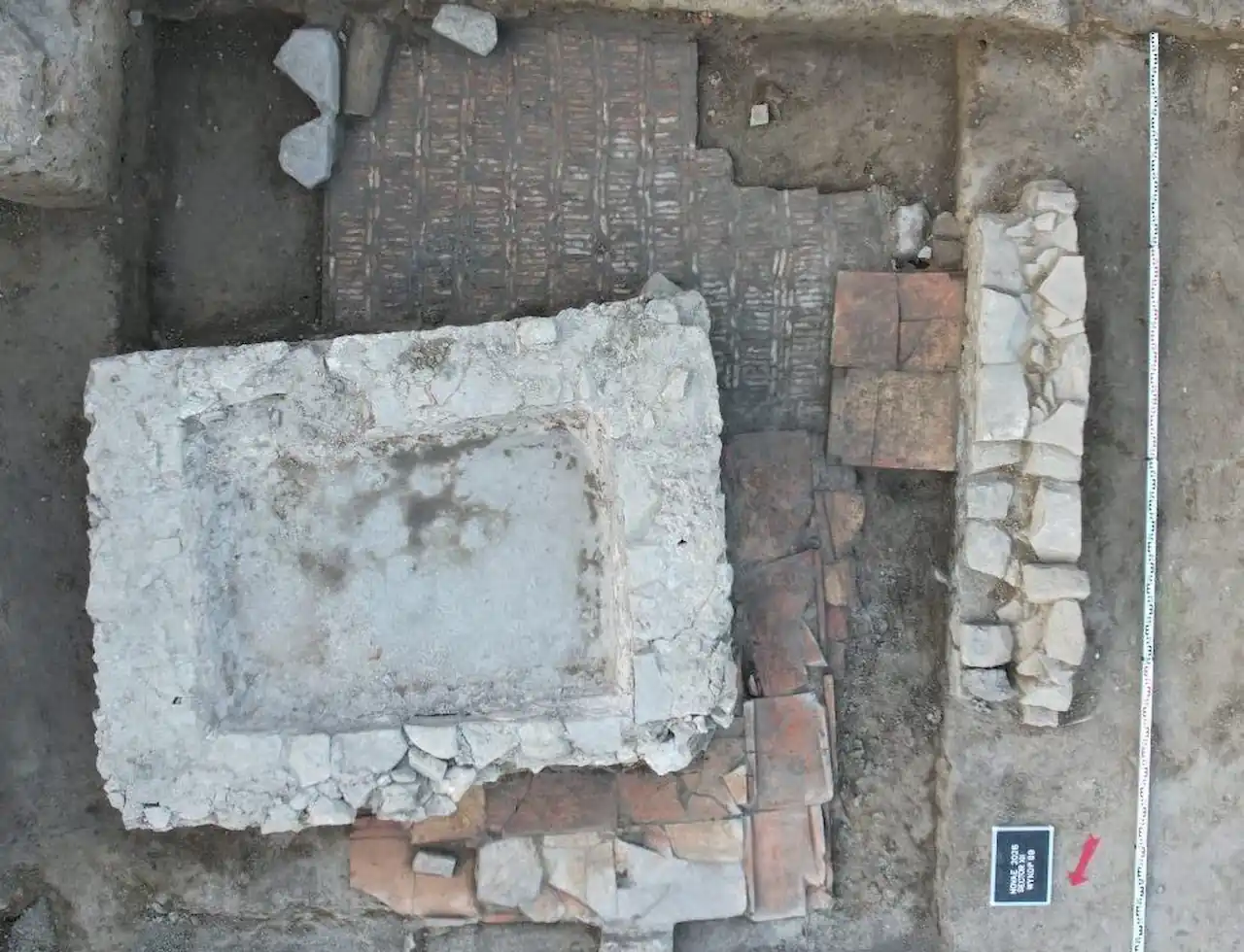
Inside a Roman legionary fortress, almost nobody had a private bathroom. Soldiers washed in communal baths built for the whole unit. In practice, only one person could usually justify baths of any real size for himself: the legate, the general in command of the legion. That’s the context archaeologist Piotr Dyczek gives for a striking […]
En una fortaleza legionaria romana casi nadie tenía baño propio. Había termas para toda la legión y, en la práctica, solo el legado, el jefe supremo del cuerpo, podía permitirse unas privadas de cierto tamaño. Lo explica el arqueólogo Piotr Dyczek, y viene a cuento porque su equipo acaba de sacar a la luz en […]
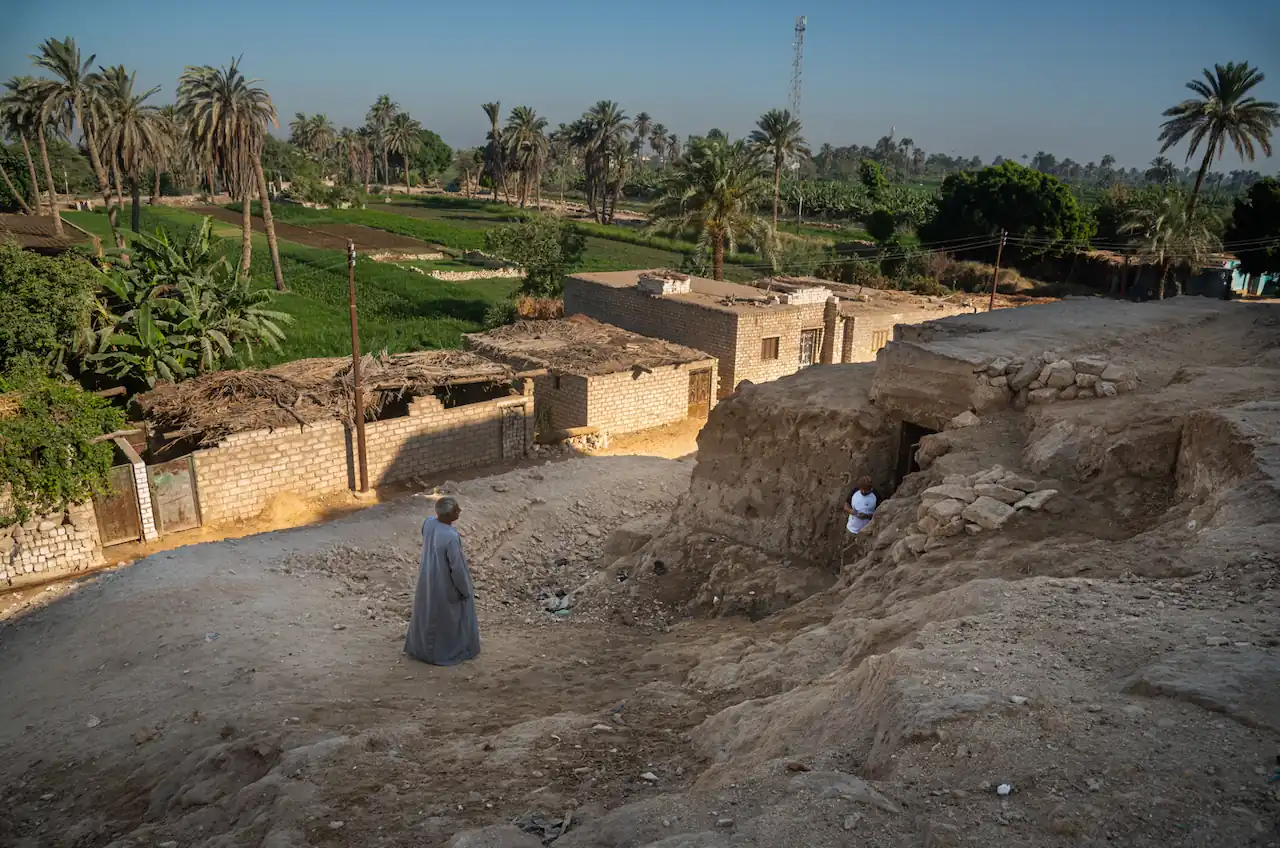
Al pensar en el culto funerario del antiguo Egipto, la imaginación se va enseguida al difunto, a sus ofrendas y a los dioses. Quienes cada día llevaban el pan, la cerveza o el incienso hasta la tumba suelen quedar fuera de la imagen. Un equipo de la Universidad de Sevilla quiere devolverles el primer plano, […]
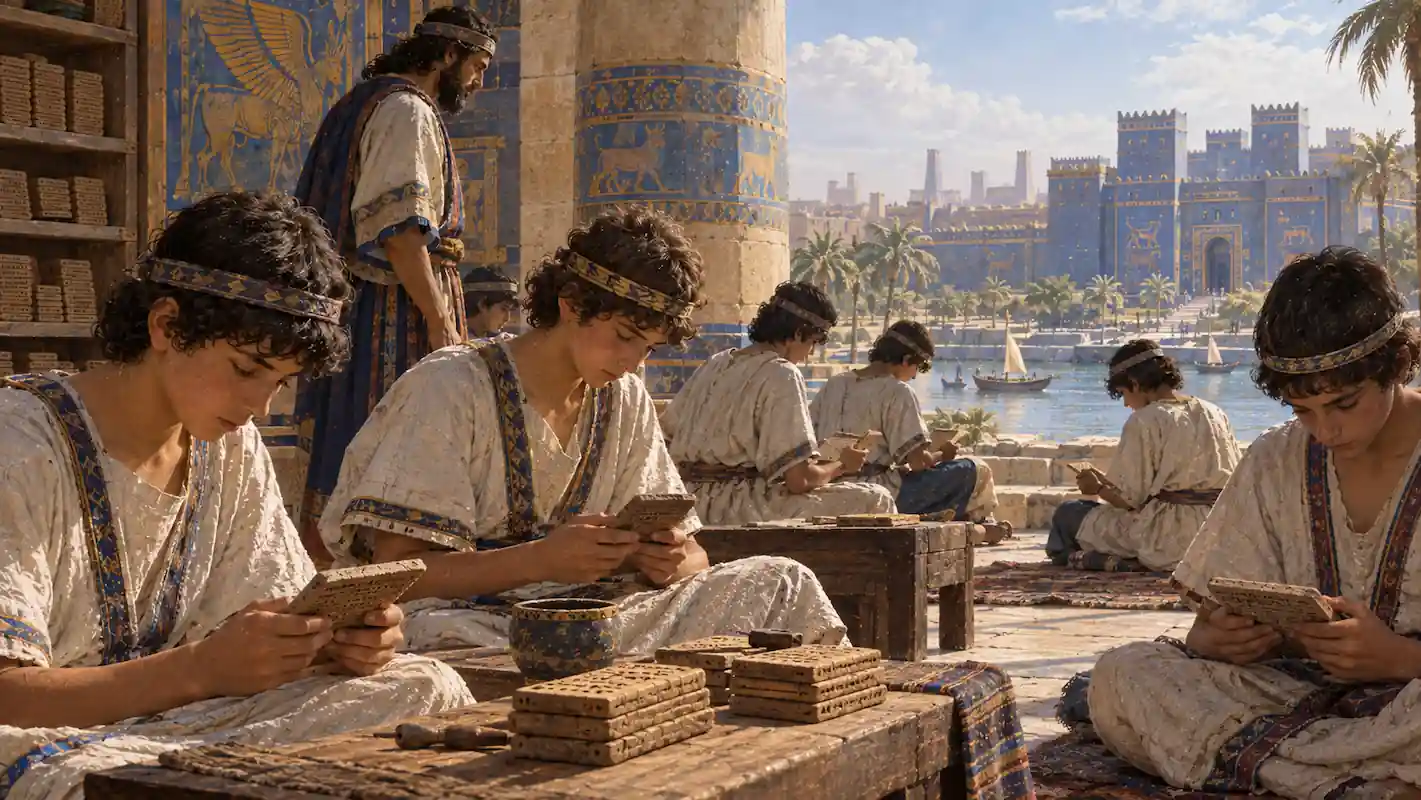
Que un imperio entero pudiera funcionar sin una sola clase de Religión suena, visto desde hoy, casi imposible. Y sin embargo así educaba Babilonia a los hijos de sus familias más pudientes hace dos mil quinientos años: no había una hora a la semana dedicada a los dioses, ni un libro de texto que hiciera […]
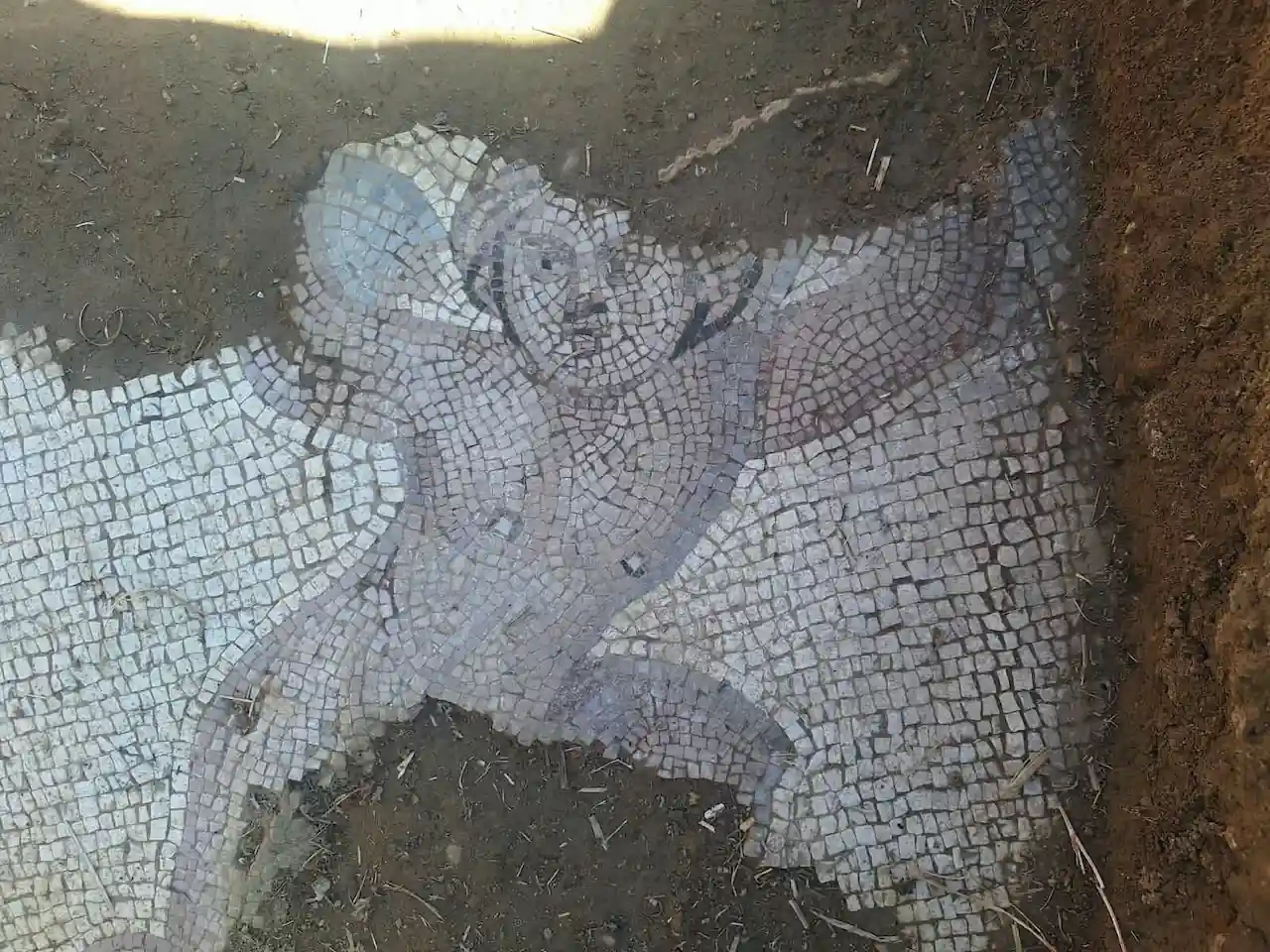
El hallazgo se ha producido en Qesarat, una pequeña población de la Albania meridional, en la zona de Tepelenë, muy cerca del Parque Nacional del Río Salvaje Vjosa —el primer espacio protegido de Europa dedicado a un río que corre libre, sin una sola presa, desde las montañas griegas del Pindo hasta el mar Adriático—. […]
Picture ancient Egypt’s funerary cult and the mind jumps to the dead themselves: the offerings, the gods, the pageantry. Easy to forget are the people who actually carried the bread, beer, and incense to the tomb, day after day, for generations. A team from the University of Seville wants to put them back in the […]
Some 2,500 years ago, Babylon trained the sons of its wealthiest families without a single weekly hour devoted to the gods. There was no textbook that worked as a Bible either. Religion was everywhere and in no particular subject, spread through sign lists, writing exercises and arithmetic drills. A study published in the journal Iraq […]
In the small village of Qesarat, in southern Albania‘s Tepelenë district, an Italian-Albanian excavation team has just finished a summer season that turned up something unusual: six decorated floors from a Late Roman building, right at the edge of the Vjosa Wild River National Park. Declared in March 2023, the park protects the last stretch […]
En abril de 2009, varios periódicos de medio mundo publicaron a la vez un titular que parecía sacado de un cóctel, según el cual el centro de la galaxia sabe a frambuesa y huele a ron. La frase salió del Guardian, que la construyó a partir de un comunicado del Instituto Max Planck de Radioastronomía, […]
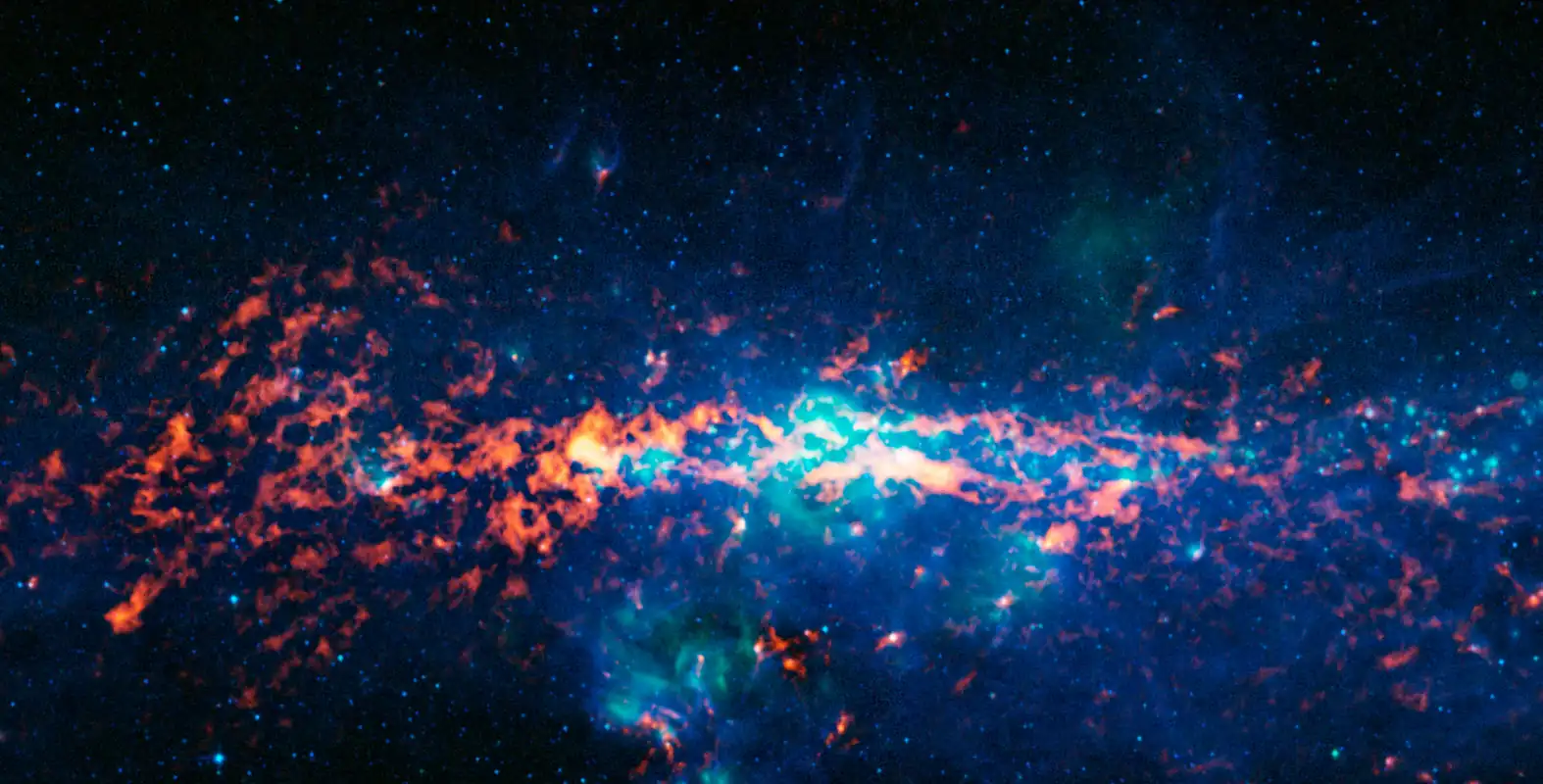
In April 2009, newspapers around the world ran a headline that read like a cocktail menu: the center of the galaxy tastes of raspberries and smells of rum. The line came from the Guardian, which built it from a press release by the Max Planck Institute for Radio Astronomy in Bonn. The release was much […]
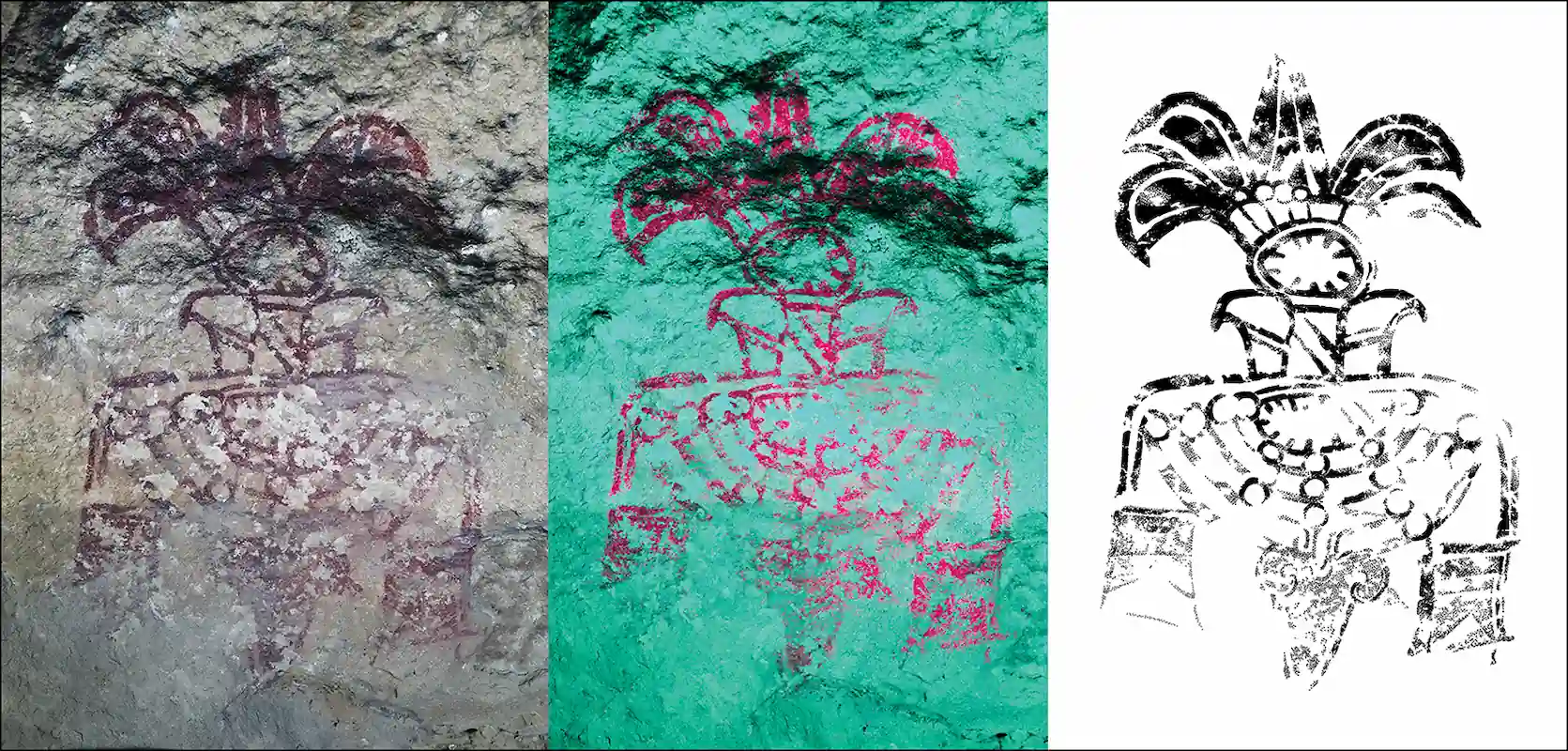
For decades, one question has nagged at specialists in ancient Mexico: did Teotihuacan — the city that dominated central Mexico from roughly the first to the sixth century AD, with a population that may have reached 125,000 — actually have a writing system, or were its symbols just decorative emblems? The stakes of that question […]
Durante décadas, los expertos discutieron si Teotihuacan —la ciudad que dominó el centro de México entre los siglos I y VI d. C., con una población que pudo alcanzar los 125.000 habitantes— poseía un sistema de escritura verdadero o si, por el contrario, sus signos eran simples emblemas decorativos. La pregunta no era menor: los […]
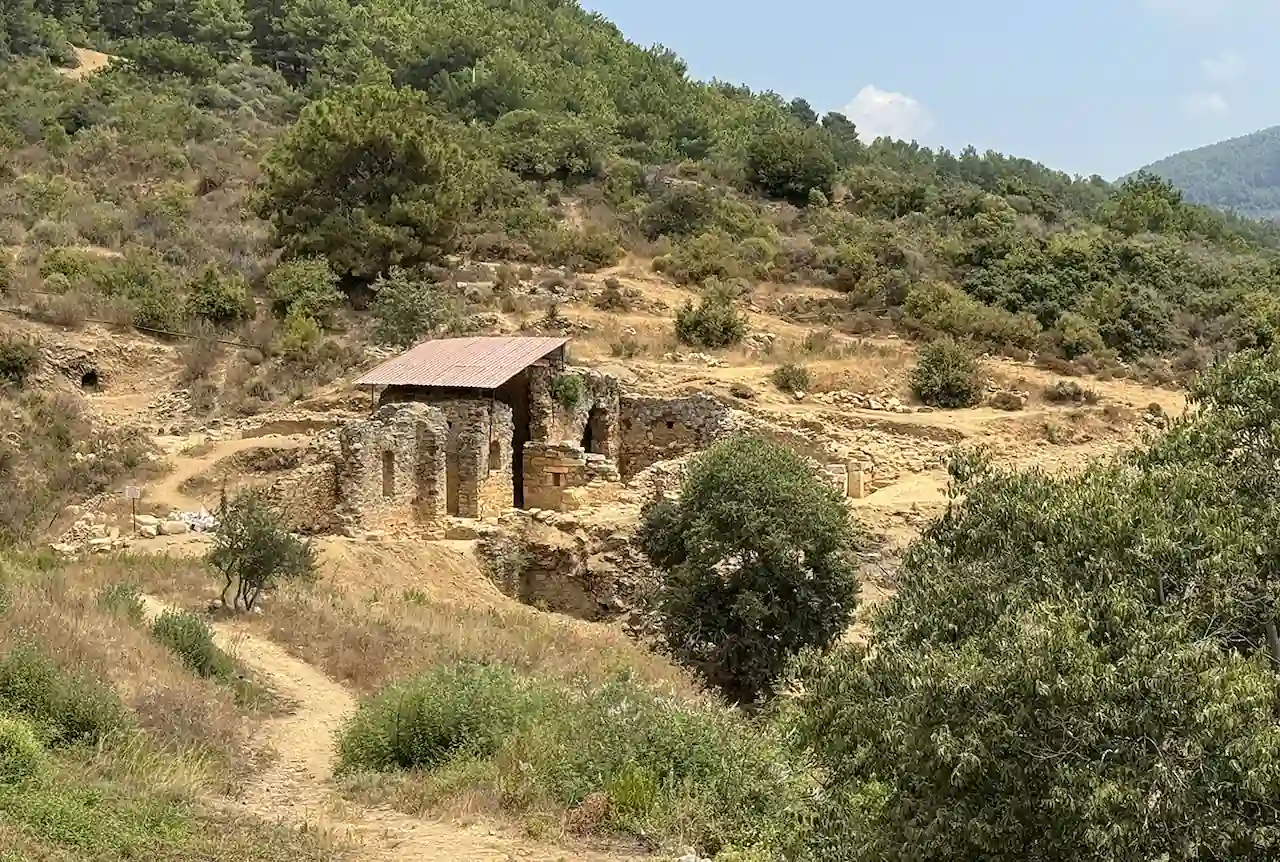
A modest Roman bathhouse on Turkey’s southern coast spent its retirement very differently from how it began. Constructed in the late 2nd or early 3rd century CE, it stopped functioning as a bath sometime after an invasion in the 260s CE and was never used for bathing again. Centuries later, someone gutted much of its […]
Un equipo de investigadores ha publicado el hallazgo de una instalación de procesamiento agrícola construida dentro del llamado Baño Pequeño de Antioquía del Crago (Antioquia ad Cragum), en la región histórica de Cilicia Áspera, en la actual Turquía. El estudio, firmado por Emlyn Dodd (Universidad de Adelaida), Leticia R. Rodriguez (Universidad de Houston) y otros […]
En los años setenta, el pequeño núcleo de Stein, en la Baja Austria, estuvo a punto de convertirse en el emplazamiento de la segunda central nuclear del país. El proyecto se abandonó y el lugar quedó como una franja más de tierra de labor junto al Danubio. Medio siglo después, esos mismos campos han revelado […]
Entre el 5 % y el 10 % de las personas enterradas en cada una de las comunidades griegas de la Edad del Bronce que se han analizado no se había criado en el lugar donde murió. Es uno de los resultados de un trabajo publicado en la revista PLOS One por un equipo del […]
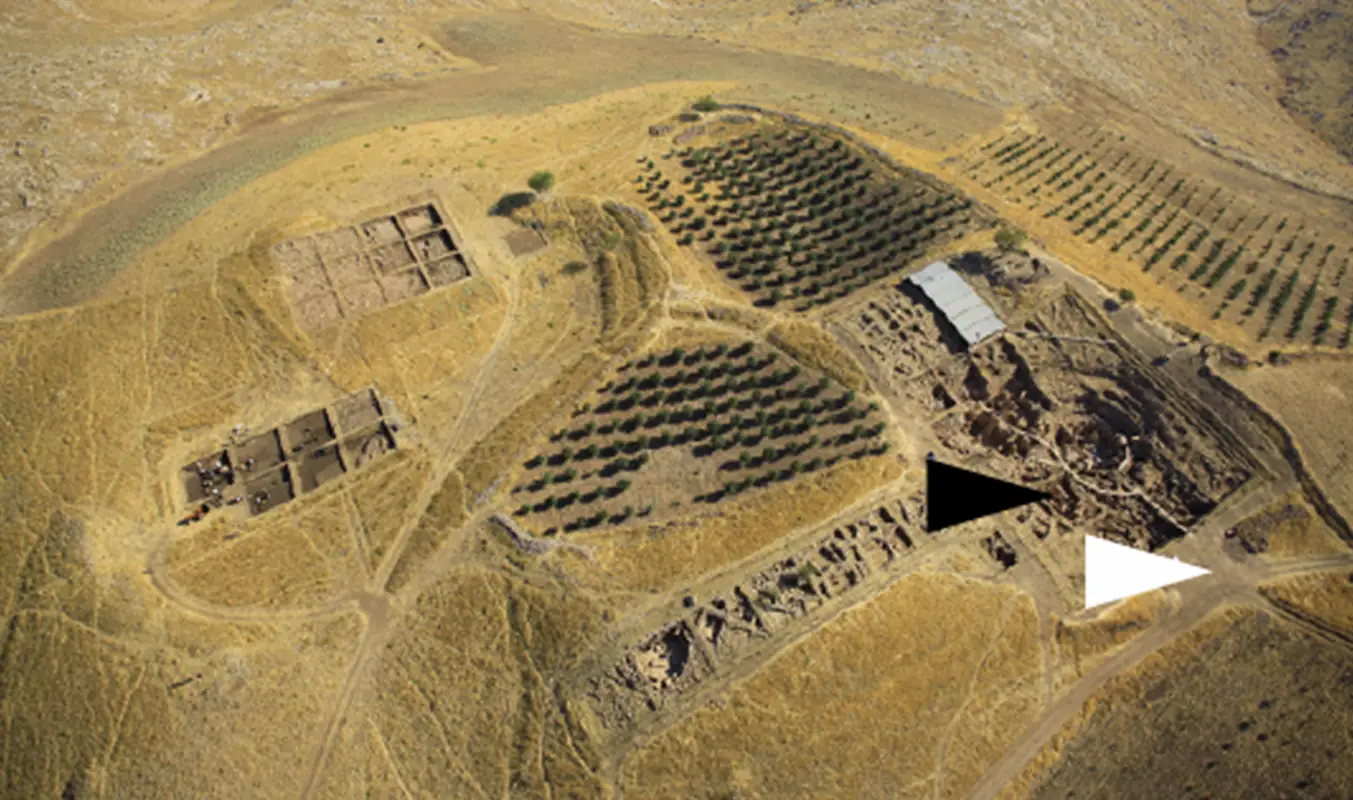
Un equipo de investigadores ha publicado en la revista PLoS One los resultados del estudio de los dos primeros enterramientos completos descubiertos en Göbekli Tepe, un yacimiento arqueológico del Neolítico Precerámico situado en el sureste de Turquía. El trabajo, firmado por Julia Gresky y Lee Clare, ofrece por primera vez una explicación plausible al enigma […]
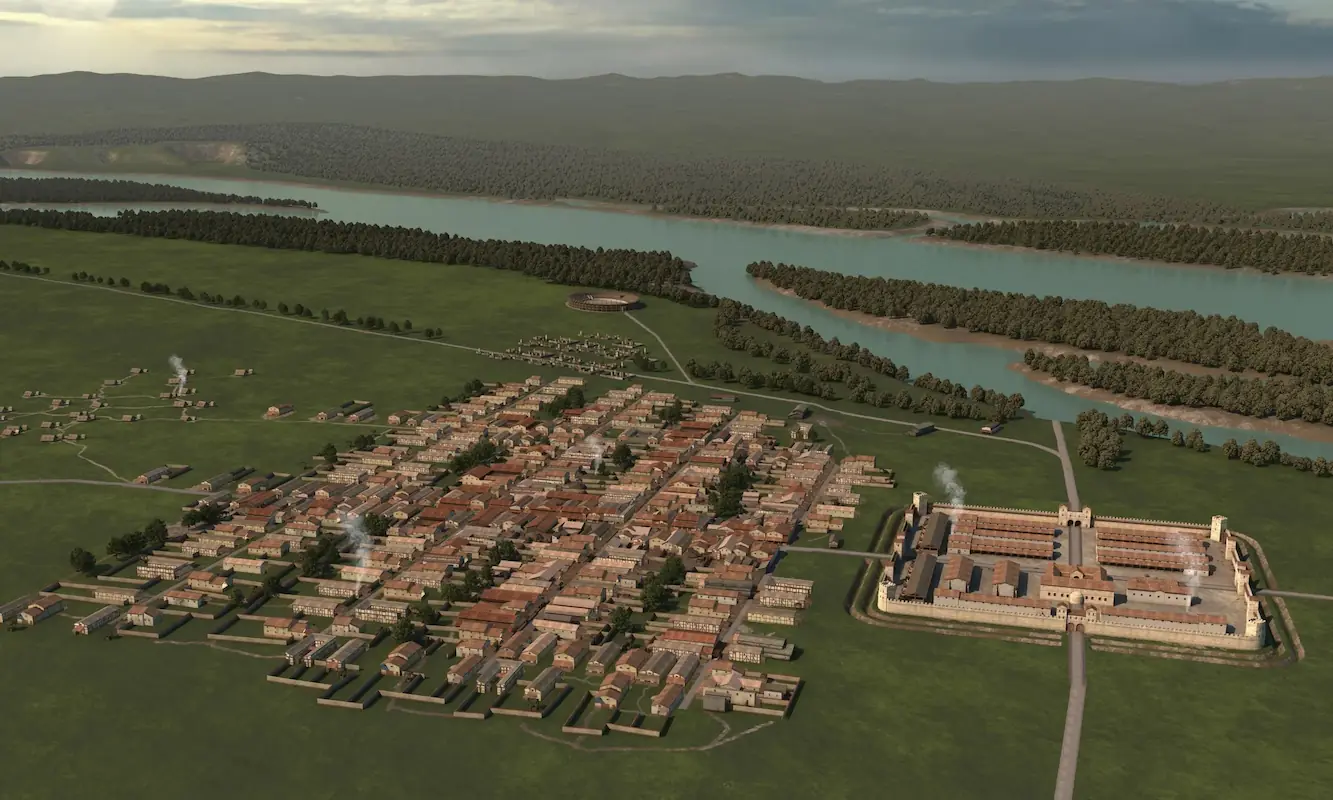
In the 1970s, the small settlement of Stein, in Lower Austria, came close to becoming the site of the country’s second nuclear power plant. The project was scrapped, and the land went back to being another stretch of farmland beside the Danube. Half a century later, those same fields have revealed what they’d been hiding […]
In each of the Bronze Age Greek communities analyzed, between 5% and 10% of the people buried had not grown up where they died. That is one of the findings of a study in PLOS One by a team that includes archaeologists Serena Sabatini and Kristian Kristiansen of the University of Gothenburg in Sweden. Anja […]

 Login