
❌

Reading view

From the Netherlands to Sierra Leone: EU aid, a president’s daughter and Europe’s most‑wanted cocaine boss

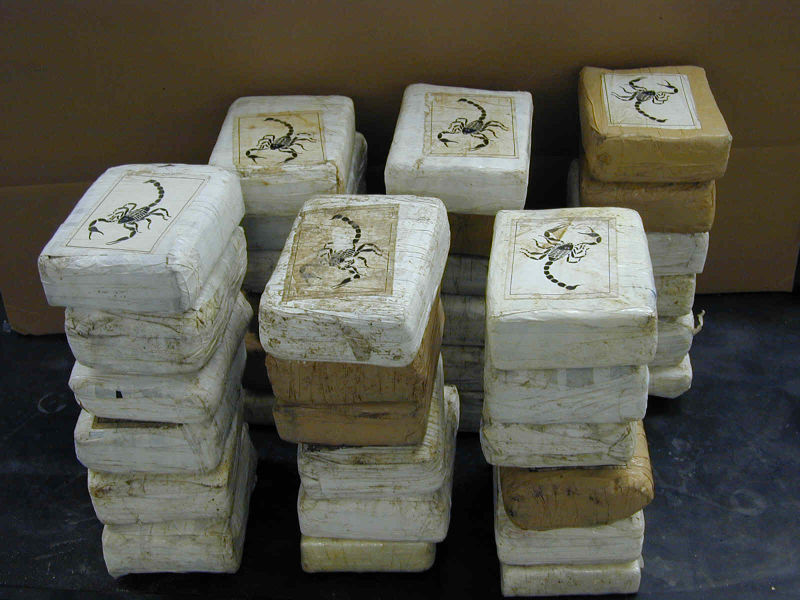
The EU has played down claims by the Dutch government that the bloc’s decision to suspend aid support for Sierra Leone was because the west African country refused to extradite one of the world’s most-wanted drug traffickers to face trial in the Netherlands. 

Speaking on Thursday, (1 October) after a meeting of EU justice ministers in Luxembourg, migration commissioner Magnus Brunner told reporters that the decision to suspend support was made for “technical reasons” — but without giving more detail.  

Sierra Leone was allocated €352m in EU funding between 2021 and 2027, under the bloc’s seven-year budget framework. The country was set to receive €18m from the EU this year. 

But Dutch justice minister David Van Weel insists that the suspension of funds is the result of months of pressure from the Dutch government to persuade president Julius Maada Bio’s government to hand over convicted Dutch drug trafficker Jos Leijdekkers.  

This article continues, but the full version is available only to EUobserver.com subscribers. Visit account.euobserver.com/membership
  •  

From Yemen to Ethiopia and Europe: Everything is connected

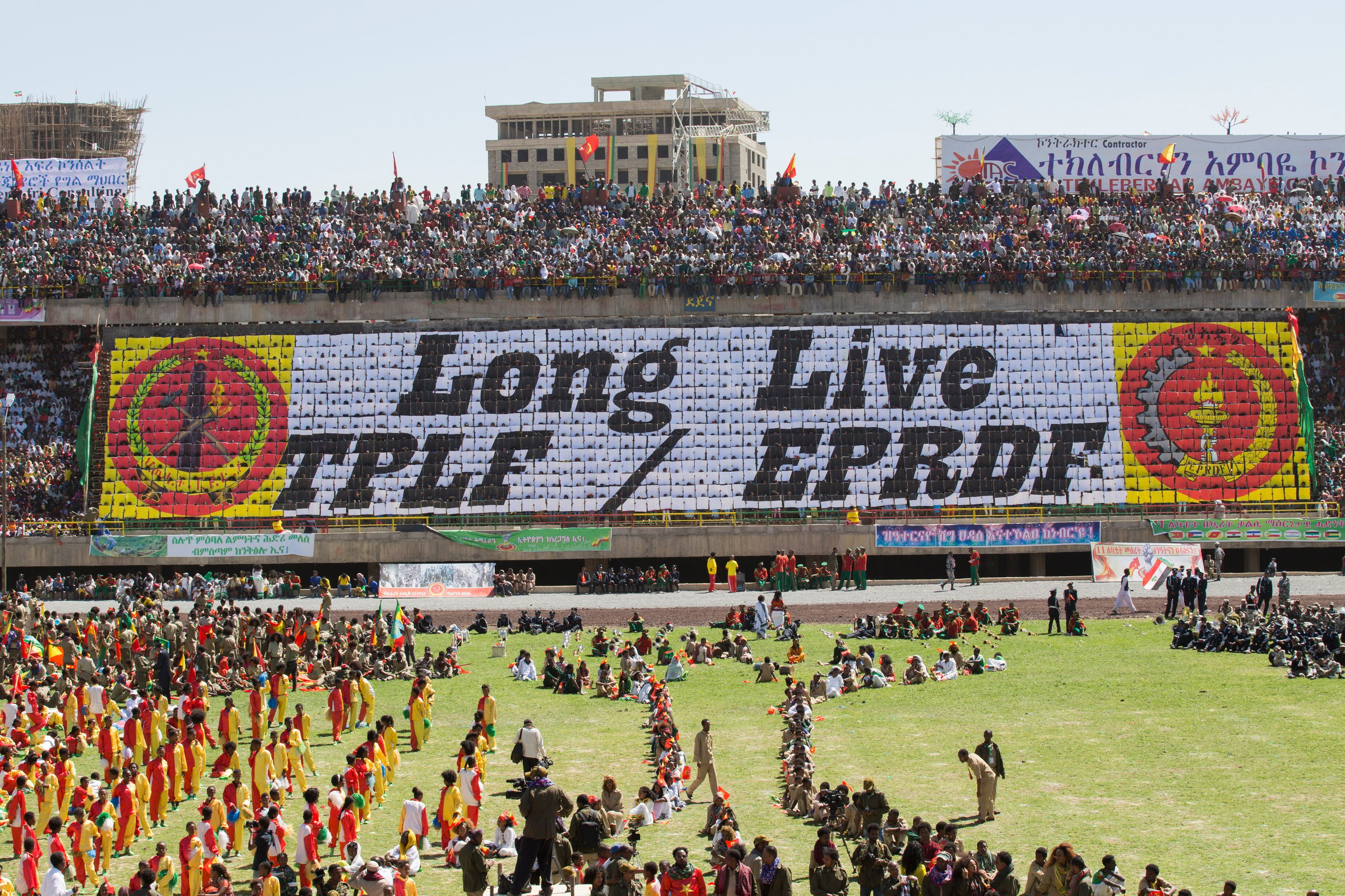
The sudden escalation in fighting between Ethiopian federal forces and Tigrayan rebels in the Afar region, raising fears of a new civil war, is part of a wider potential cascade effect from Yemen that could hurt Europe. 

After months of low-level skirmishes, Ethiopian officials have accused the Tigrayan People’s Liberation Front of launching an all-out offensive against federal government positions in northern Ethiopia. 

So what does that mean for Europe and the EU? More than you might think. 

Ethiopia’s economy is particularly vulnerable following the capture of Yemen’s entire Red Sea coastline by the Houthi rebel group, who now control the Bab el-Mandeb Strait. 

Some 97 percent of Ethiopia’s trade is via Djibouti’s port. There is now a real prospect of a series of regional chain reactions and the prospect of civil war in northern Ethiopia is one of them. 

This doesn’t directly impact on the EU’s interests, but it could soon enough.  

Ethiopia is not alone in facing major new threats posed by the Houthis’ advances.  

Egypt, a vital ally for the EU on migration control, faces its own economic crunch as it relies on Suez Canal tolls as a main source of foreign currency. That could lead to more financial demands being made of Brussels 

For their part, Djibouti and Somalia face major security concerns. Djibouti hosts military bases for a handful of EU countries, as well as the EU itself, and the United States, China, and others.  

Somalia, meanwhile, has a longstanding African Union (AU)-led security mission aimed at combatting the Al-Shabaab terror group to which the EU is the biggest single donor.

And the AU mission is particularly reliant on the EU after the Trump administration pulled the plug on US financial support earlier this year. The Houthis already supply at least $100m (€88m) in arms to Al-Shabaab, a smuggling operation now made easier by its coastal advances. 

For the moment, the EU is offering only modest additional support. Last week, EU governments agreed to double financial support for the Djibouti Armed Forces to €20m under the European Peace Facility. 

This article continues, but the full version is available only to EUobserver.com subscribers. Visit account.euobserver.com/membership
  •  

Deadlock on EU pesticides bill after scientists call for pause

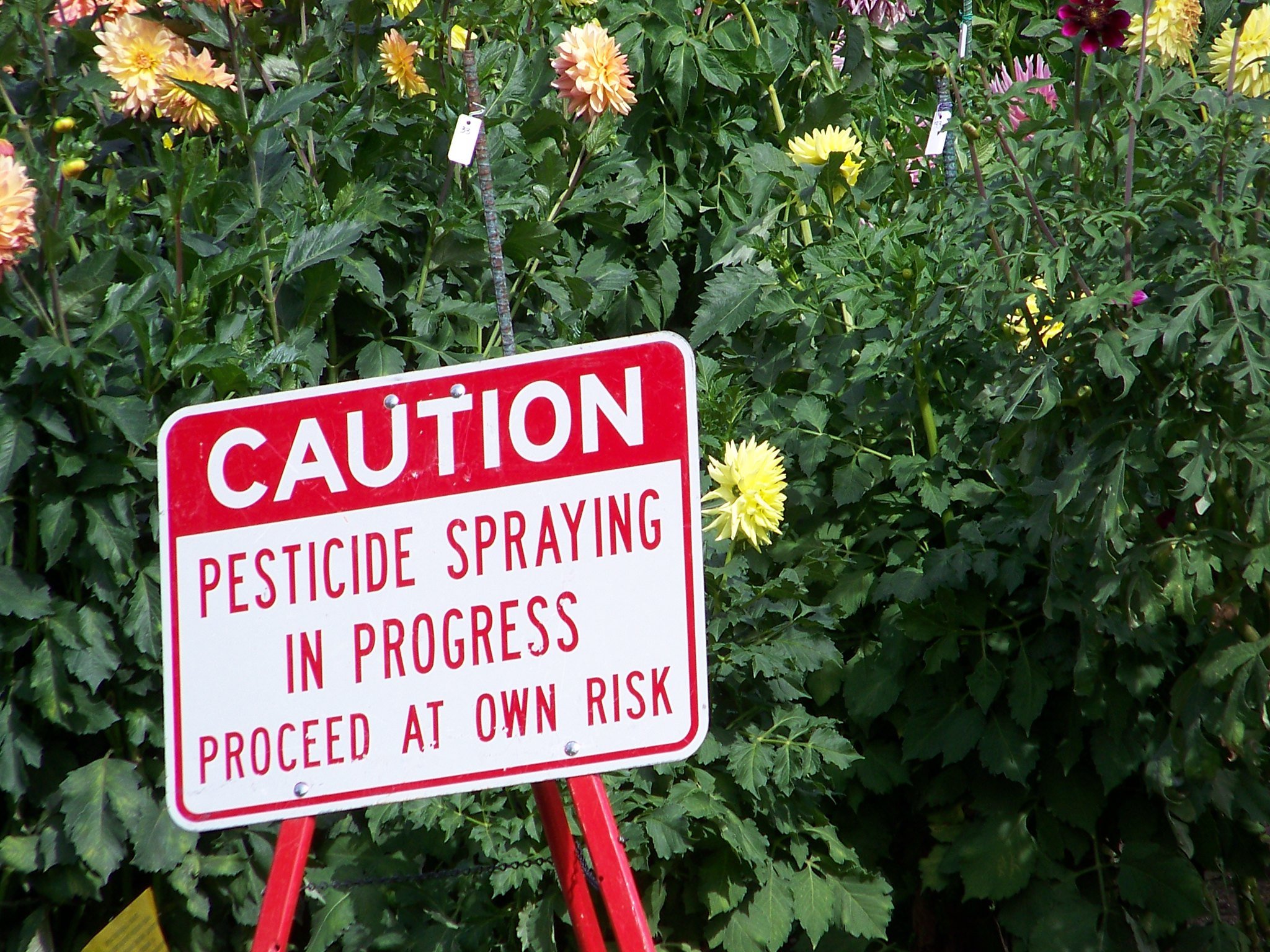
EU governments are deadlocked on how to proceed with a major overhaul to the bloc’s pesticides rules following a sustained pushback from scientists and countries outside the EU. 

The revisions to the pesticides regulation form part of a food-and-feed ‘Omnibus’ law proposed by the EU Commission last December and are primarily aimed at reducing bureaucracy for European farmers by making it easier to authorise and use pesticides. 

But there are deep divisions among member states about some proposals, particularly the revised thresholds on maximum residue levels of chemicals. 

Earlier this week, the Irish EU council presidency abandoned plans to get diplomats to adopt a formal negotiating position on the file. 

For their part, a group of more than 500 scientists signed an open letter to the commission on 16 September demanding a pause on the file pending “an independent assessment, whether carried out by parliament’s own research service or by an equivalent independent body.” 

“Given the scale of the changes under consideration, and in a broader context in which the scientific community is increasingly called upon to warn of cumulative environmental and health pressures, we believe that responsible policymaking calls for caution rather than speed,” the letter says. 

Under the proposal, residue limits for certain pesticides banned in the EU could be lowered to the lowest level laboratories can reliably detect, even when those substances remain legally-used in exporting countries. 

In order to avoid leaving any residue on fruits and vegetables, producers would essentially have to stop using the substance in question. 

This article continues, but the full version is available only to EUobserver.com subscribers. Visit account.euobserver.com/membership

  •  
❌