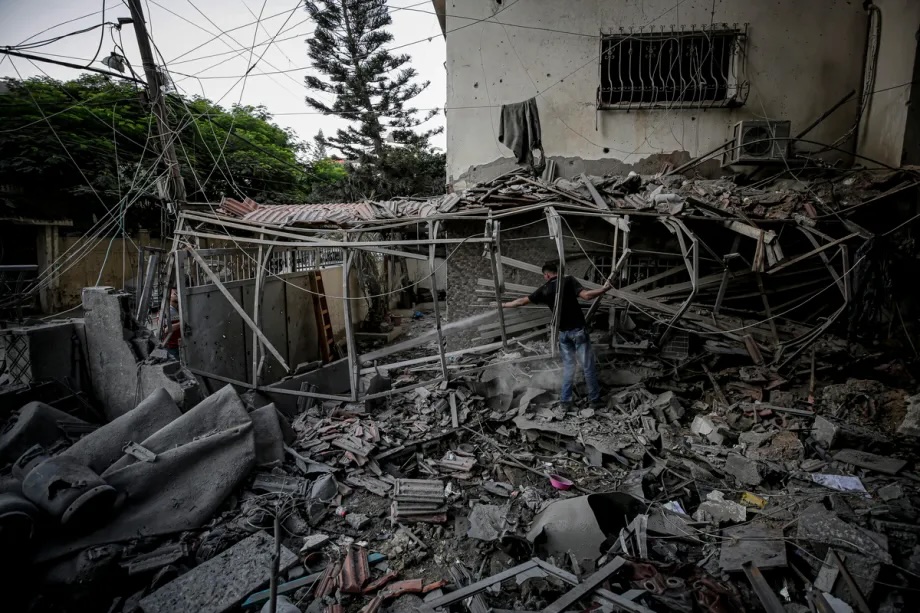
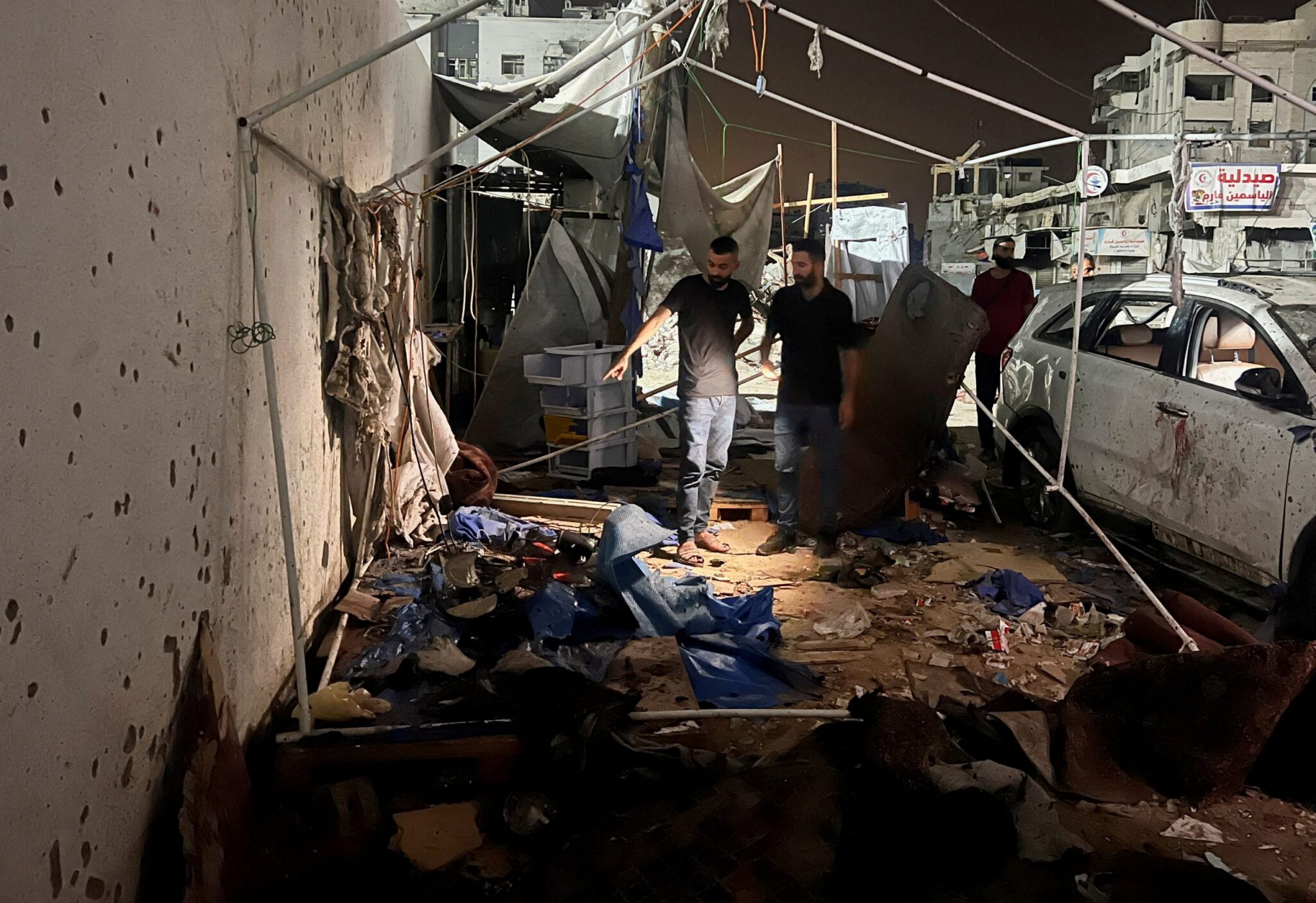
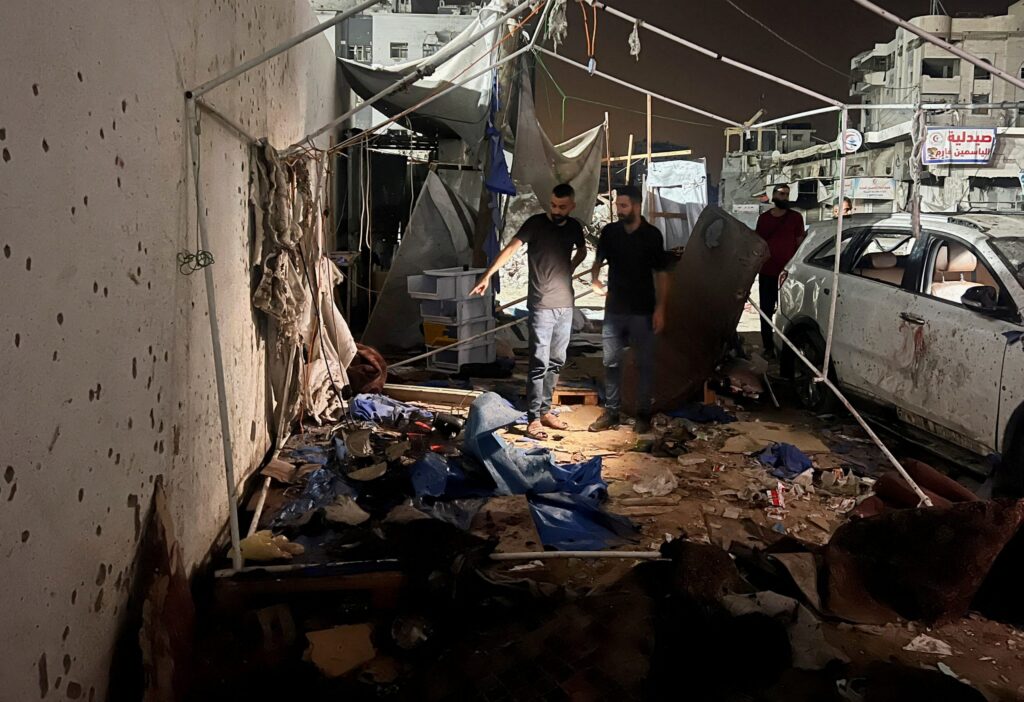
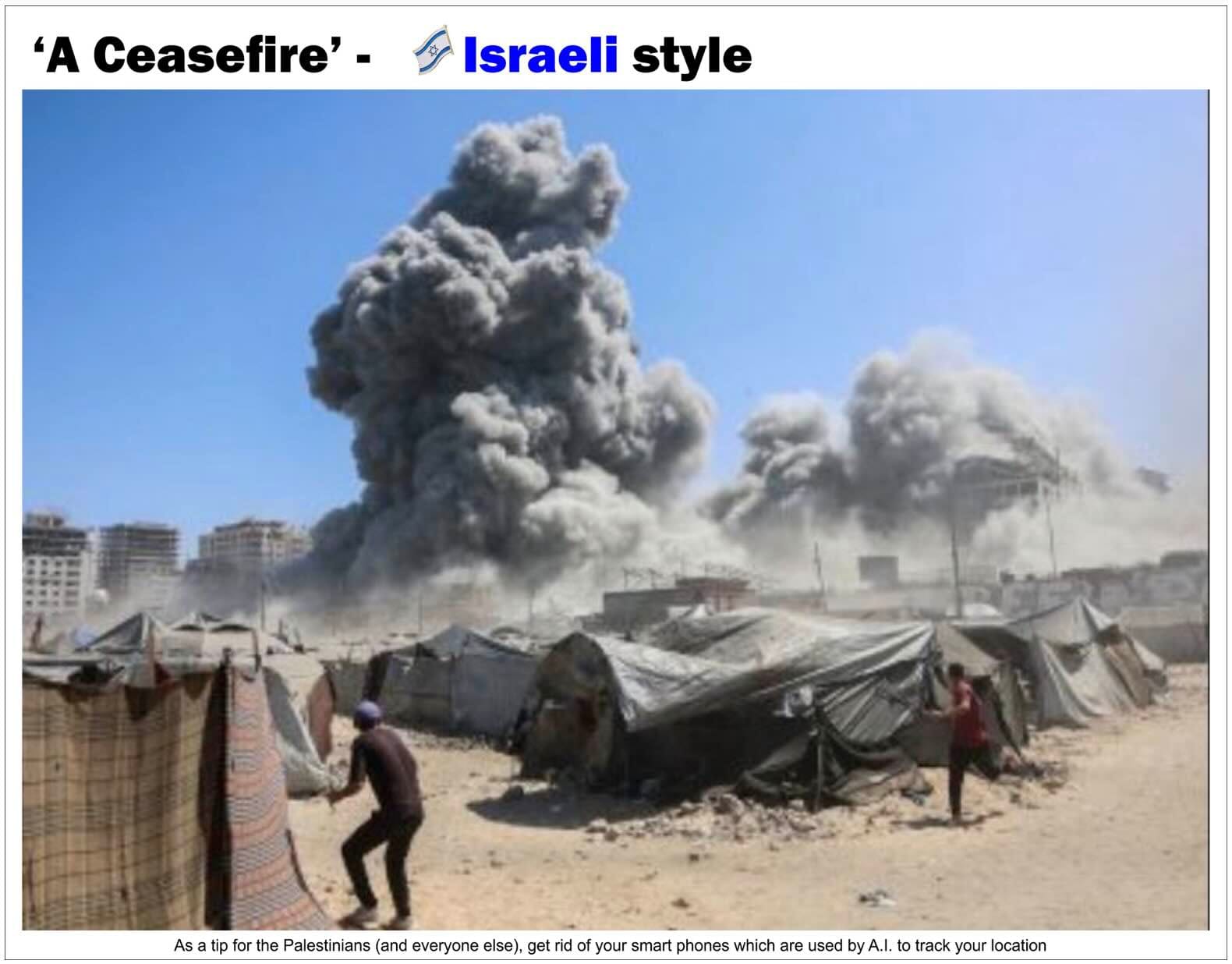
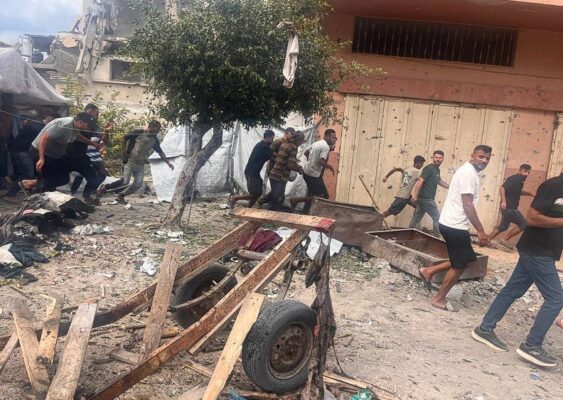
Israeli forces killed 4 Palestinians, including a 6-year-old, and injured others across the devastated Gaza Strip on Sunday in continuing reported violations of the ceasefire agreement
Since October 2023, no nation’s military has killed nearly as many journalists as Israel, a fact that often opens them up to considerable criticism. The IDF aims to quell those concerns with a new round of official narrative
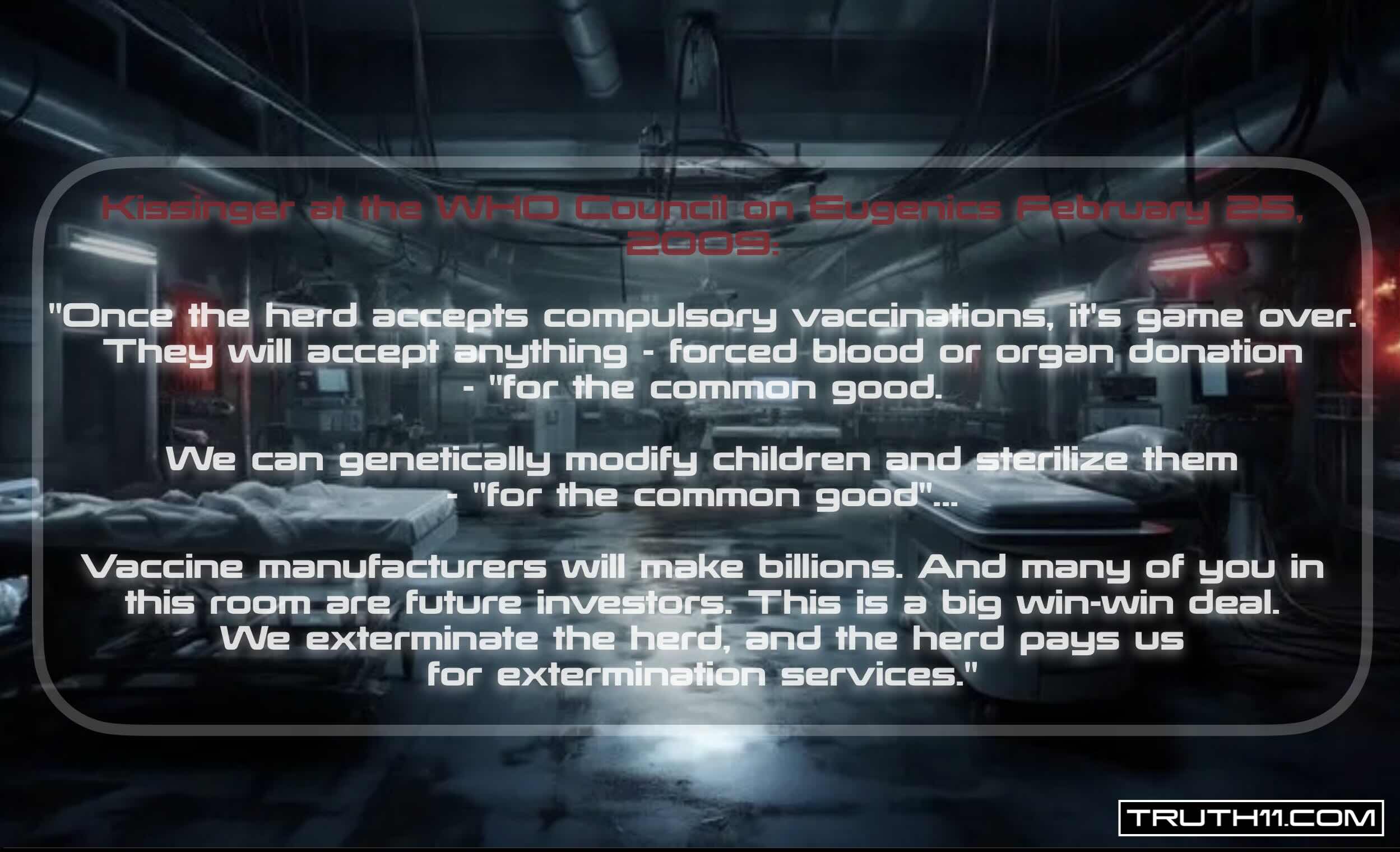
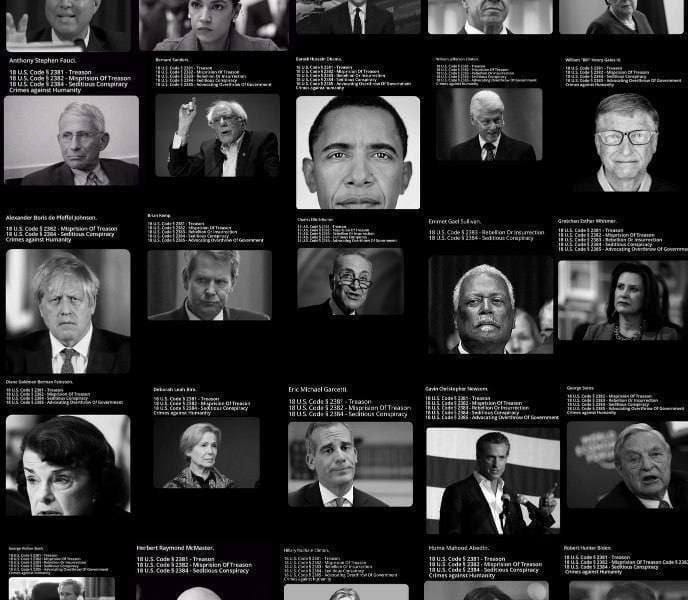
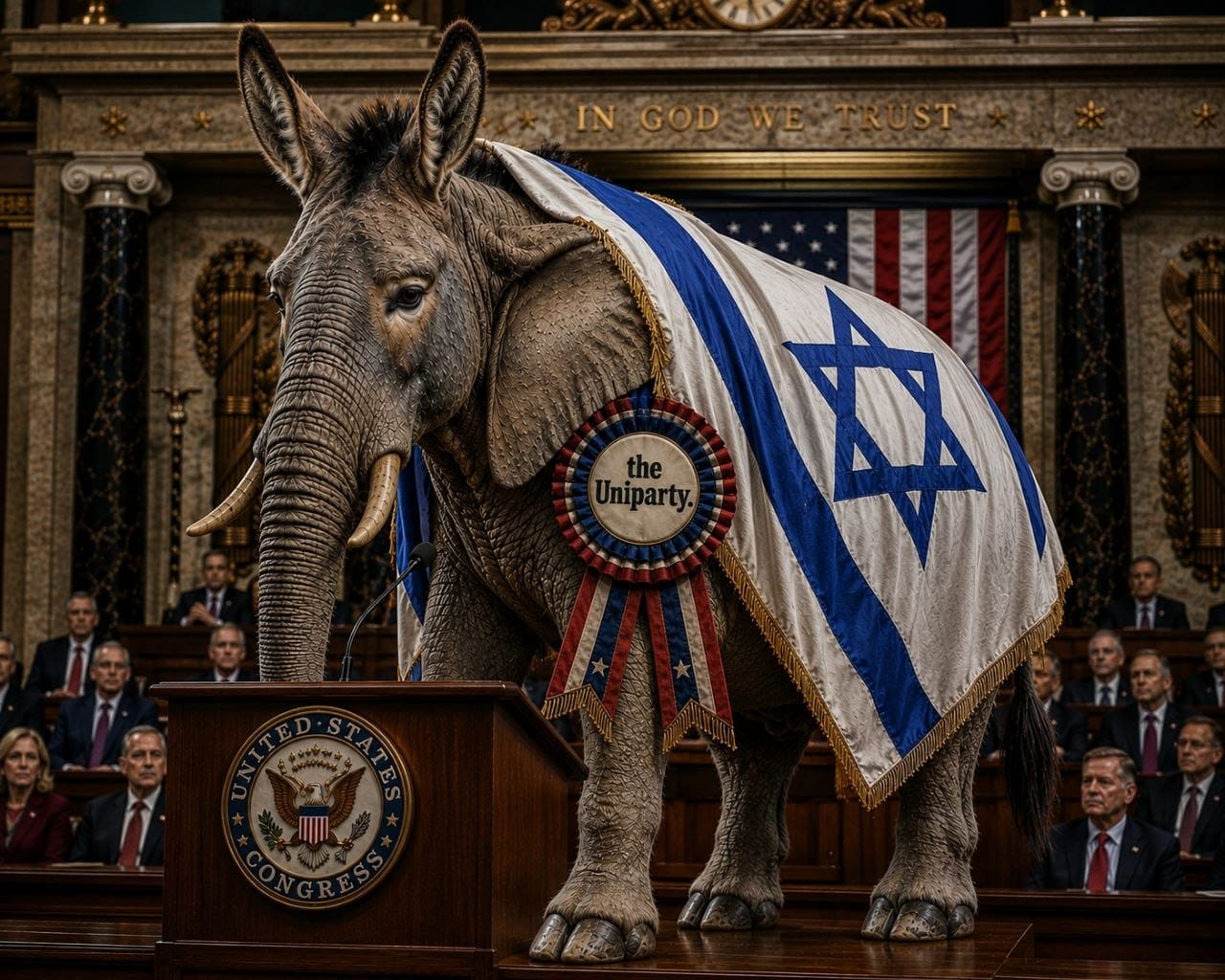
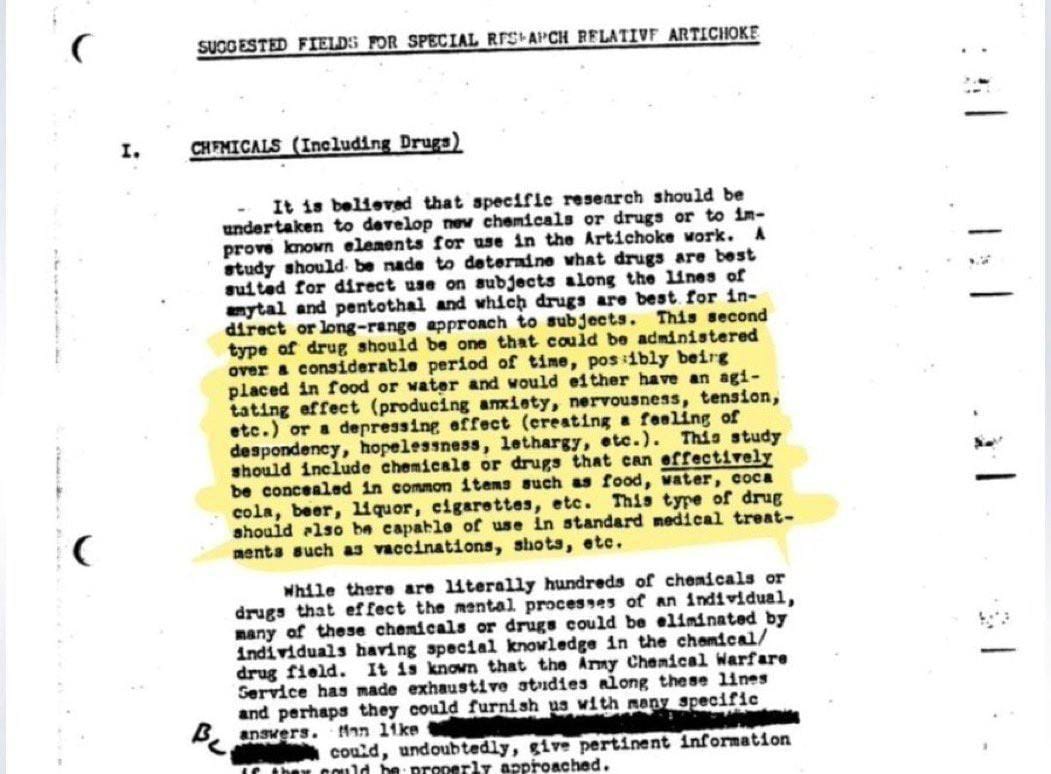
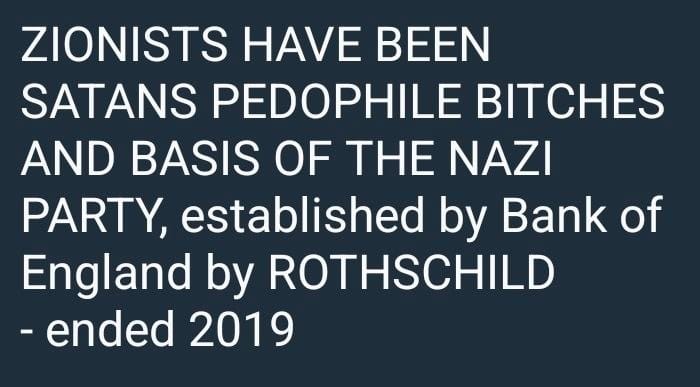
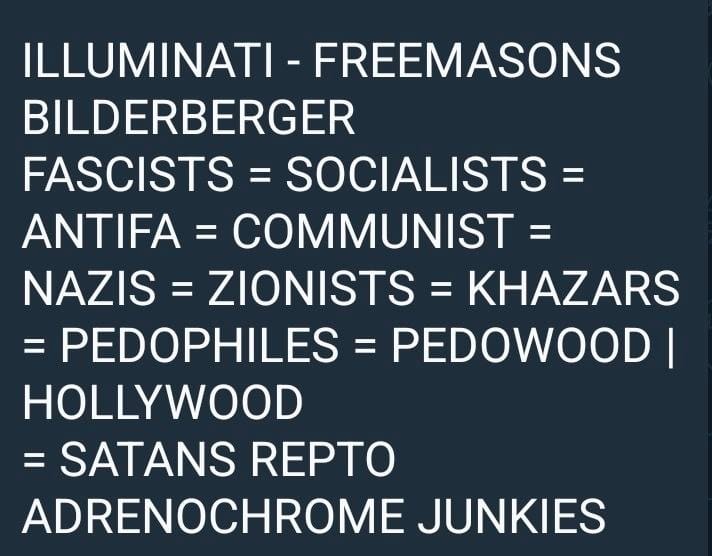
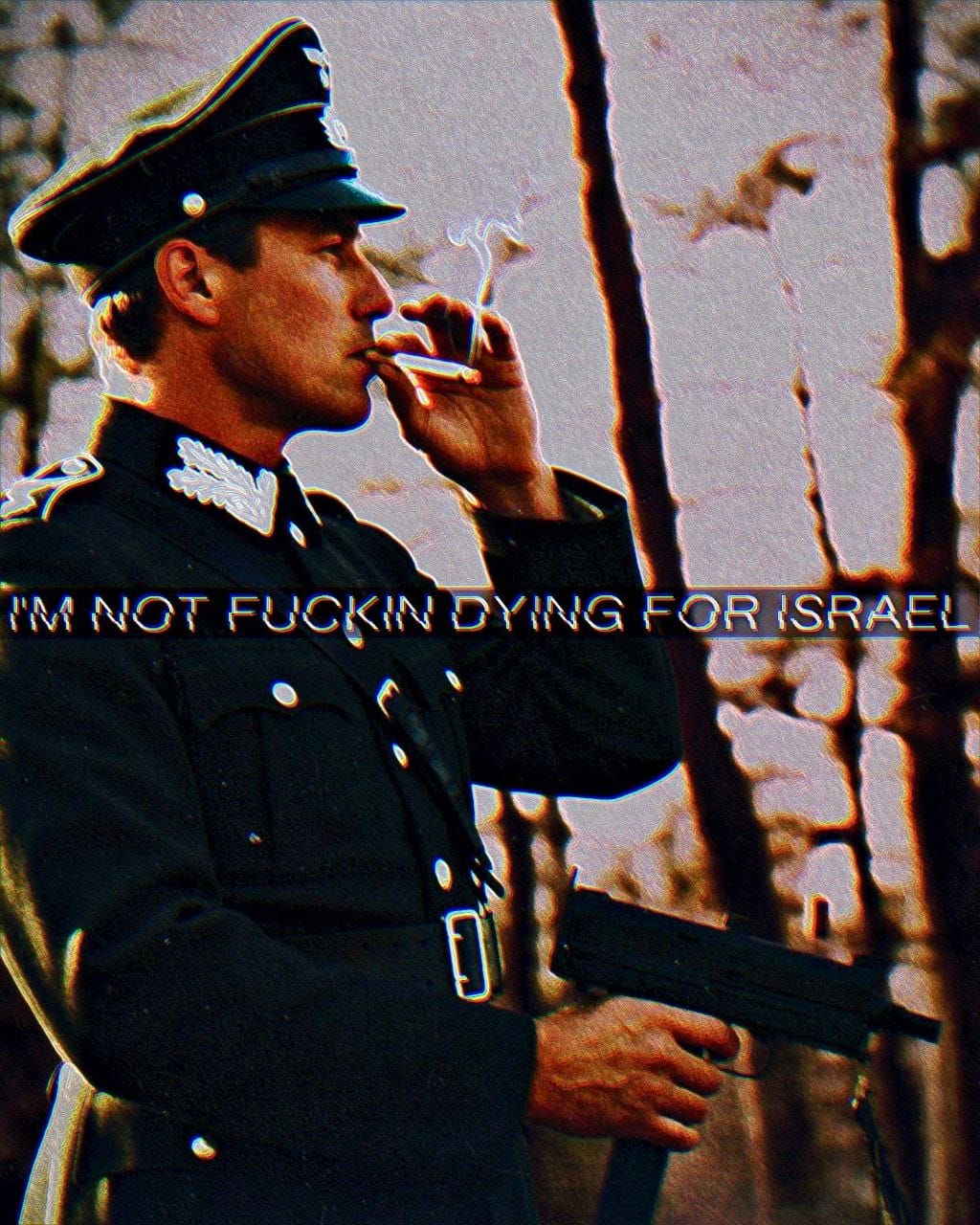
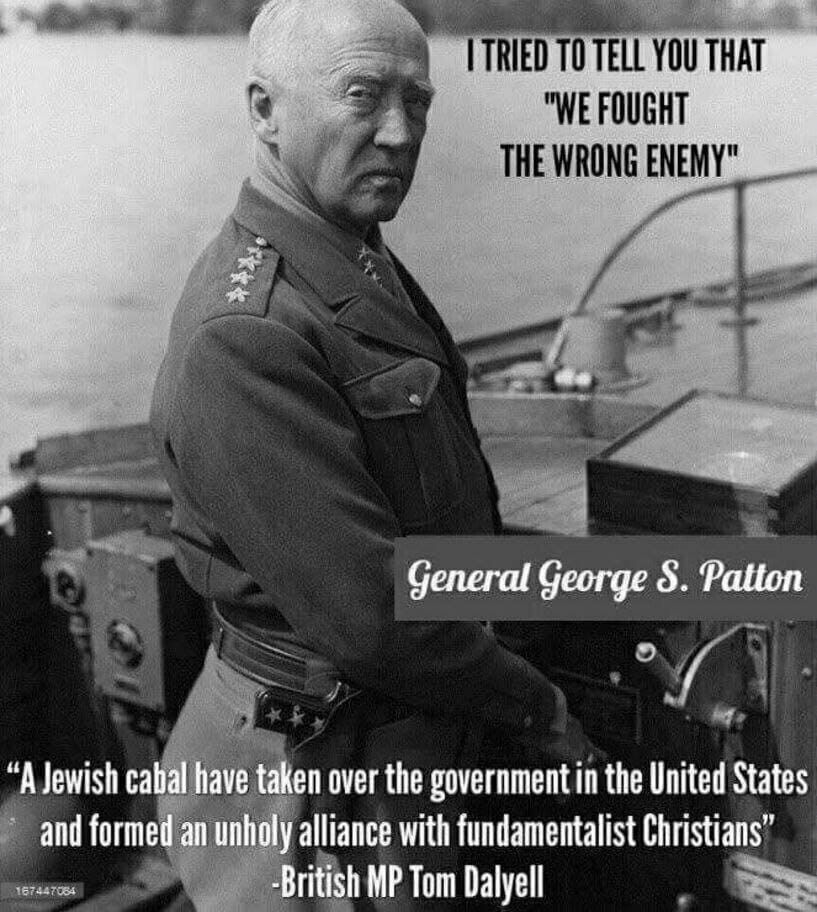
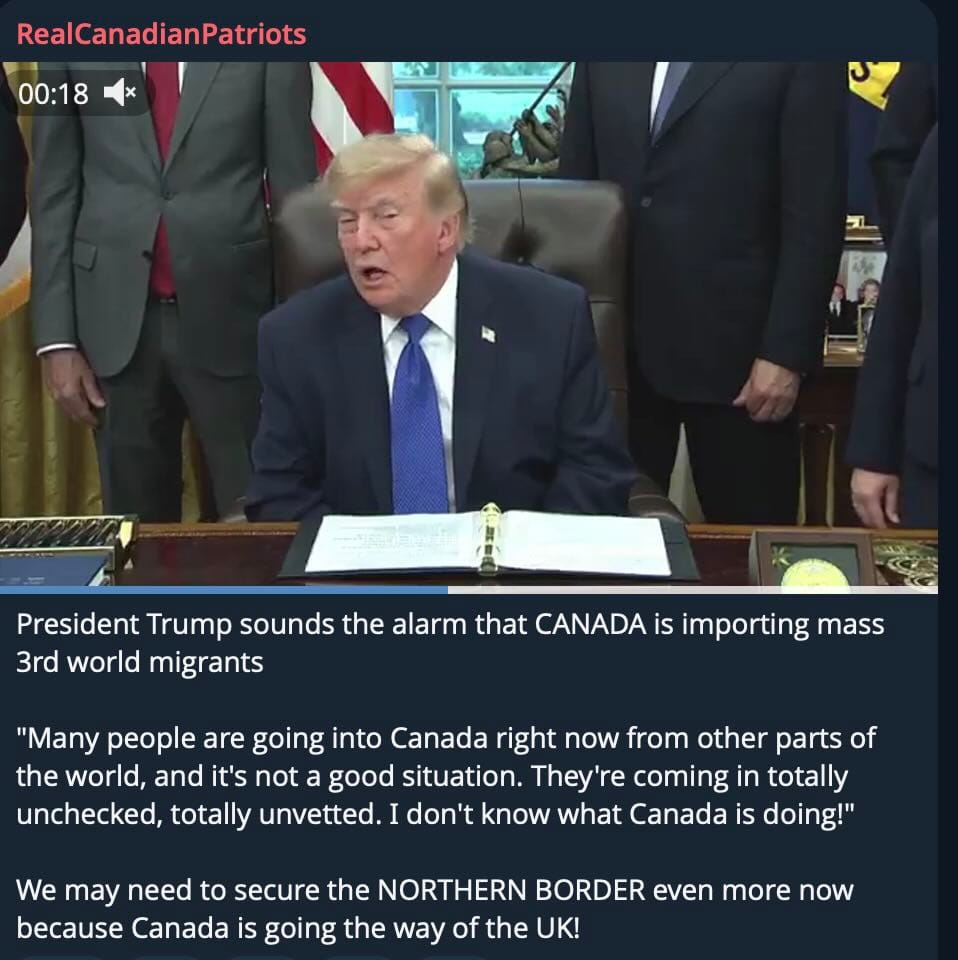
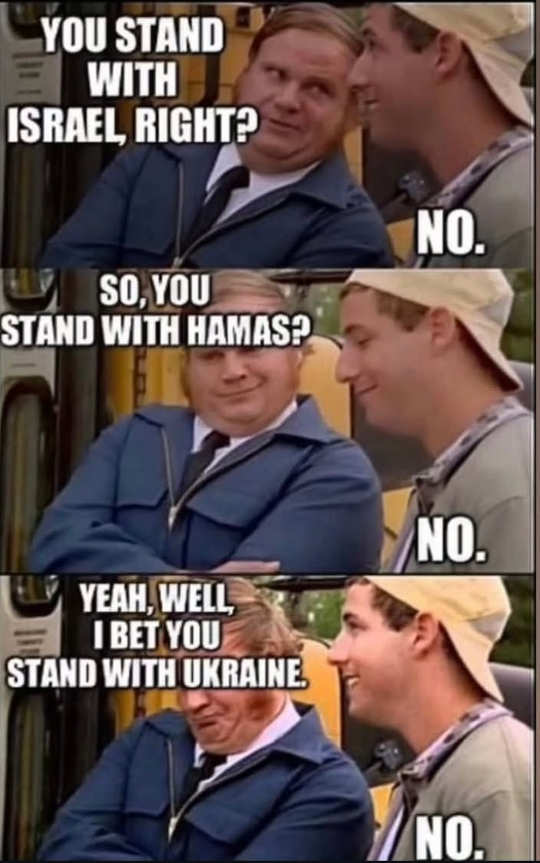
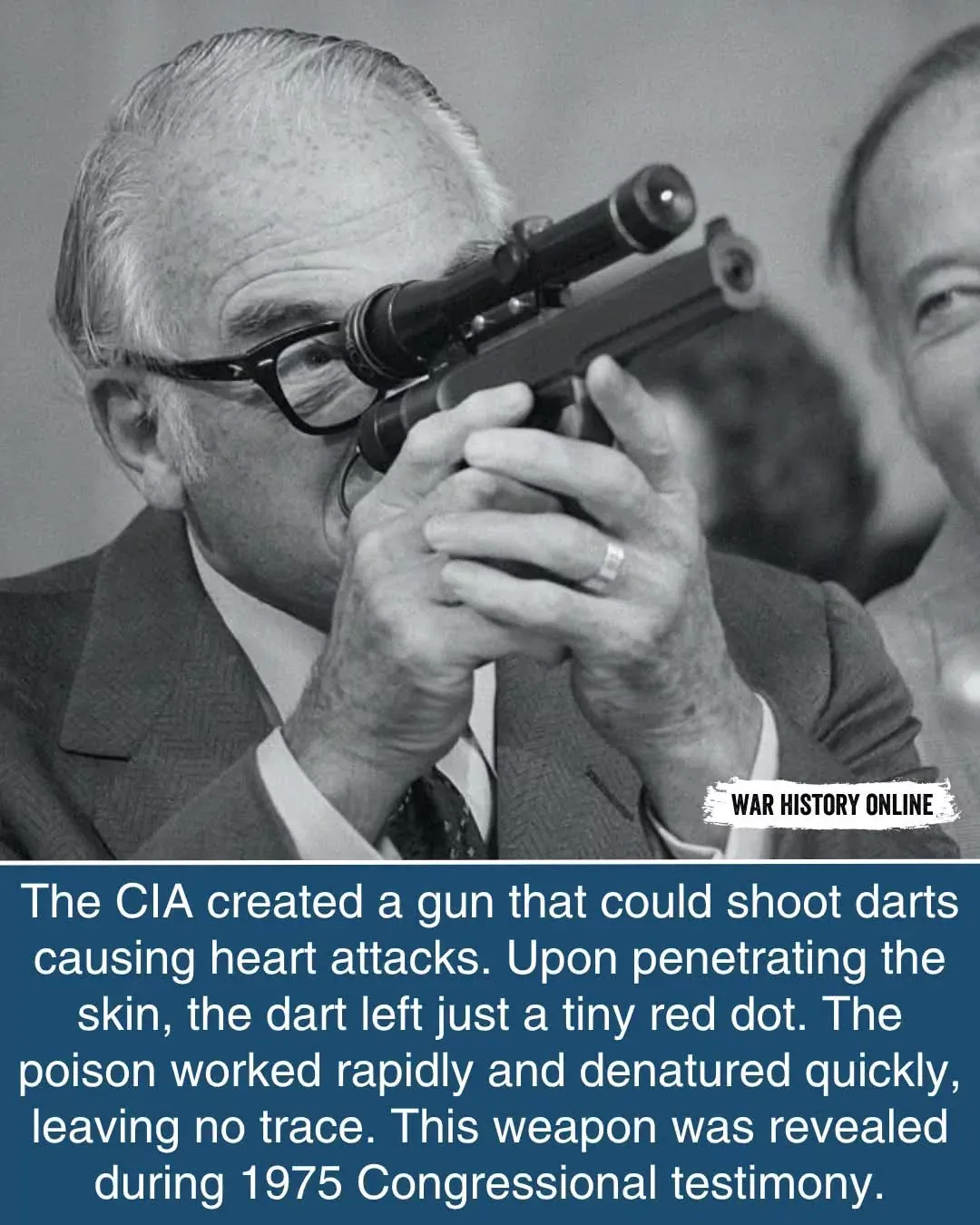
The truth is told very well with images. A picture says a thousand words, and memes a few more. These pages have lots of images and memes that focus on the truth. Click image to enlarge + use arrows to navigate.
I have watched Pakistan-Afghanistan relations long enough to distrust easy headlines, and last week’s news produced a few of them. At the Center-2026 (Tsentr-2026) war games in Russia’s Chelyabinsk region, Taliban officers stood among the foreign observers. Reports say it was the first time Moscow had invited a Taliban military delegation since the movement returned […]
The Russians are struggling on land and at sea, and are having real difficulty protecting themselves from Ukrainian long-range attack. That has left them with one real strategic “advantage” and that is what we will see the next few months. As reports this week made clear, the Russian strategy is now to make Ukraine unlivable, […]
The truth is told very well with images. A picture says a thousand words, and memes a few more. These pages have lots of images and memes that focus on the truth. Click image to enlarge + use arrows to navigate.
The crew of the Iranian frigate Dena informed a US warship that their vessel was unarmed during their final exchanges before a US submarine launched a torpedo and sank it off the coast of Sri Lanka on 4 March, killing 104 sailors, according to an audio recording cited by an Iranian judiciary official.
“We are not military, we are not armed, and we have come for training,” the crew said in the recording.
The Moudge-class frigate was sailing home from the International Fleet Review 2026, an India-hosted naval exercise Iran had been officially invited to attend, when the USS Charlotte struck it with a Mark 48 torpedo in international waters some 19 nautical miles off Galle, killing 104 of the 136 sailors on board and wounding the remaining 32.
Hassan Abdollianpour, who heads Iran’s Center for Lawyers of the Judiciary, said the recording also captures the frigate’s contact with Sri Lanka’s shipping and ports authorities, who backed the crew’s account that the ship was on a training mission.
Abdollianpour said international law obliged that aid be given to those aboard, even after the ship had been targeted.
“Not only was no assistance provided, but a second attack was also carried out,” he said.
He added that securing the recording, which took extensive efforts and has since featured in a documentary, was key to building an accurate legal case over the criminal attack.
Abdollianpour said the case of the Dena’s slain sailors is being pursued “firmly and decisively,” with his center compiling extensive documentation for domestic and international proceedings.
Nearly 19,000 experts have produced around 130,000 pages of assessments on wartime incidents and damages, he said, meant to serve as standardized evidence before international courts and legal bodies.
In March, Iran’s Judiciary Chief Gholamhossein Mohseni-Ejei condemned the deadly US strike as a violation of every international convention, maritime law above all, and vowed that Tehran would “certainly and seriously” prosecute Washington for its “outrageous crimes.”
Although Tom Cruise has maintained his star status on the big screen, the 64-year-old has avoided giving interviews to mainstream media for the past 20 years. Instead, he has focused on being an actor exclusively associated with his roles, someone who only generates conversation for his spectacular stunts in the sequels to Mission Impossible, done without doubles, or for his commitment to the seventh art, to theaters, and to Hollywood.
The truth is told very well with images. A picture says a thousand words, and memes a few more. These pages have lots of images and memes that focus on the truth. Click image to enlarge + use arrows to navigate.
Palestinians in Gaza City continued their mass funerals on Thursday, following the dozens of burials on Tuesday in the Nuseirat refugee camp. Today’s mass funeral saw another 105 victims of an Israeli attack buried in Martyrs Cemetery. The slain in this case were killed in a flurry of Israeli attacks on Yarmouk Square neighborhood on […]
The report documents suspected Israeli war crimes and crimes against humanity, detailing attacks on civilians, journalists, medical personnel and infrastructure, as well as widespread destruction and forced displacement.
The truth is told very well with images. A picture says a thousand words, and memes a few more. These pages have lots of images and memes that focus on the truth. Click image to enlarge + use arrows to navigate.
The crimes of South Korean military personnel in Vietnam are well known to researchers, but they still remain unpunished. An attempt to achieve justice during the rule of the “democratic” President Moon Jae-in effectively led nowhere, but a new initiative under Lee Jae Myung may change the situation. Let’s Recall the Facts The author has […]
When I first saw footage of Gaza doctor Munir al-Bursh and his family kneeling beside the white-shrouded body of his son, surrounded by mourners, I thought it was an old video. It was not.
My conclusion, however, was understandable. In December 2023, only months after the start of the Israeli genocide in Gaza, the al-Bursh family was targeted in an Israeli attack. Dr. Munir, director-general of Gaza’s Ministry of Health, was wounded. So were other members of his family. His daughter, Jinan, only 13, was killed.
That same day, Gaza’s beloved doctor was back at work, joining the many doctors across the Strip trying to save lives as Israel’s killing machine claimed them by the thousands.
Alas, the latest footage was not old footage resurfacing. It was a new coffin, a new funeral, another child buried by the same family. This time, the attack took place during what some in the media continue to call the ‘Gaza ceasefire.’
On September 19, an Israeli drone strike killed al-Bursh’s eldest son, Basir, outside a tent west of Jabaliya refugee camp.
“We were together side by side,” the grieving father recalled. Basir had warned him: “The Israelis are targeting both of us.” Moments later, his son stepped outside the tent and was killed.
One can be forgiven for confusing Gaza’s present with its recent past. The scenes emerging today are almost indistinguishable from those that preceded the so-called ceasefire of October 2025. The sequence repeats itself with terrible familiarity: Israeli strikes, shelling and sniping; Palestinians killed; the bereaved carrying their dead through Gaza’s destroyed streets, searching among the ruins for somewhere to bury them.
Al-Bursh’s story is part of this terrible continuum, but its significance extends beyond his personal loss. Throughout the genocide, he and other Palestinian doctors became Gaza’s de facto spokespeople. They counted the dead and wounded, documented hunger and destruction, and chronicled the collapse of the medical system from within its hospitals.
In the process, they became Gaza’s highest moral authority, more credible than politicians or self-proclaimed leaders.
And the world listened. Gaza’s doctors forged a bond with global civil society that no political institution could manufacture.
Perhaps that helps explain the staggering price Gaza’s medical community has been made to pay. According to the World Health Organization, more than 1,700 healthcare workers have been killed since 2023, amid at least 920 attacks on healthcare.
Dr. Hussam Abu Safiya, like Dr. al-Bursh, became a symbol of that medical resistance. The director of Kamal Adwan Hospital remained at his post through siege and repeated Israeli attacks before Israeli forces detained him in December 2024. He remains imprisoned without charge or trial, amid reports from his lawyer of beatings and deteriorating health.
Dr. al-Bursh, meanwhile, remains steadfast despite repeated blows that would have broken many others. His wife, too, embodies sumud, the Palestinian tradition of steadfastness nurtured at home and passed from one generation to the next.
Even in the immediate aftermath of his son’s killing, al-Bursh continued warning about Gaza’s collapsing healthcare system. Indeed, hospitals have been forced to suspend scheduled surgeries and outpatient services, while severe shortages of fuel, medicines and equipment continue.
“The limited quantities of fuel reaching the enclave barely keep health facilities alive,” al-Bursh warned a day after his son’s murder.
His statement came as world leaders gathered thousands of miles away, in New York, for the 81st session of the United Nations General Assembly.
And once again, Palestine echoed through speech after speech, though this time the language carried a new urgency.
Spanish Prime Minister Pedro Sánchez condemned “the genocide that Netanyahu continues to perpetrate in Gaza.” UN Secretary-General António Guterres described Israel’s mass extermination as involving “a scale of killing and destruction unlike anything I have witnessed” during his tenure. Even French President Emmanuel Macron called Gaza “a spectacle that shames us all,” asking: “What is our credibility worth if we remain inactive on Gaza?”
Then came Israeli Prime Minister Benjamin Netanyahu.
Dozens of delegates walked out as he approached the podium, leaving row upon row of empty seats, while protests continued outside the UN. Netanyahu responded by calling those who departed “moral cowards.”
One might pause here and speak of tides turning, currents changing and a world slowly loosening the decades-long grip of Israel and its American benefactor.
But Gaza does not have the luxury of time. While the words reverberate through the halls of the United Nations, children are still killed in front of their families. Mass funerals remain part of Gaza’s daily rhythm.
Approximately 1.7 million people remain displaced, many under inadequate shelter, without sufficient clean water or sanitation. Hospitals remain crippled. And above this landscape of ruin, the drones still circle.
Between today and the next UN General Assembly lies an entire year—365 days in which those words can either acquire meaning or become yet another entry in the long archive of speeches on Palestine. However, there is time for rhetoric to become policy: for sanctions to be imposed, boycotts activated, meaningful aid delivered and those responsible for war crimes held accountable.
Until then, Dr. Munir al-Bursh and thousands of Gaza’s men and women will continue to hold the fort amid shattered hospitals, destroyed homes and an exhausted population.
Their resilience is extraordinary. But Gaza cannot be expected to endure simply because it has proved capable of enduring.
In New York, Palestine is spoken of from the podium. In Gaza, Palestinians are still being carried to their graves.
It is time to close the distance between words and action, once and for all.
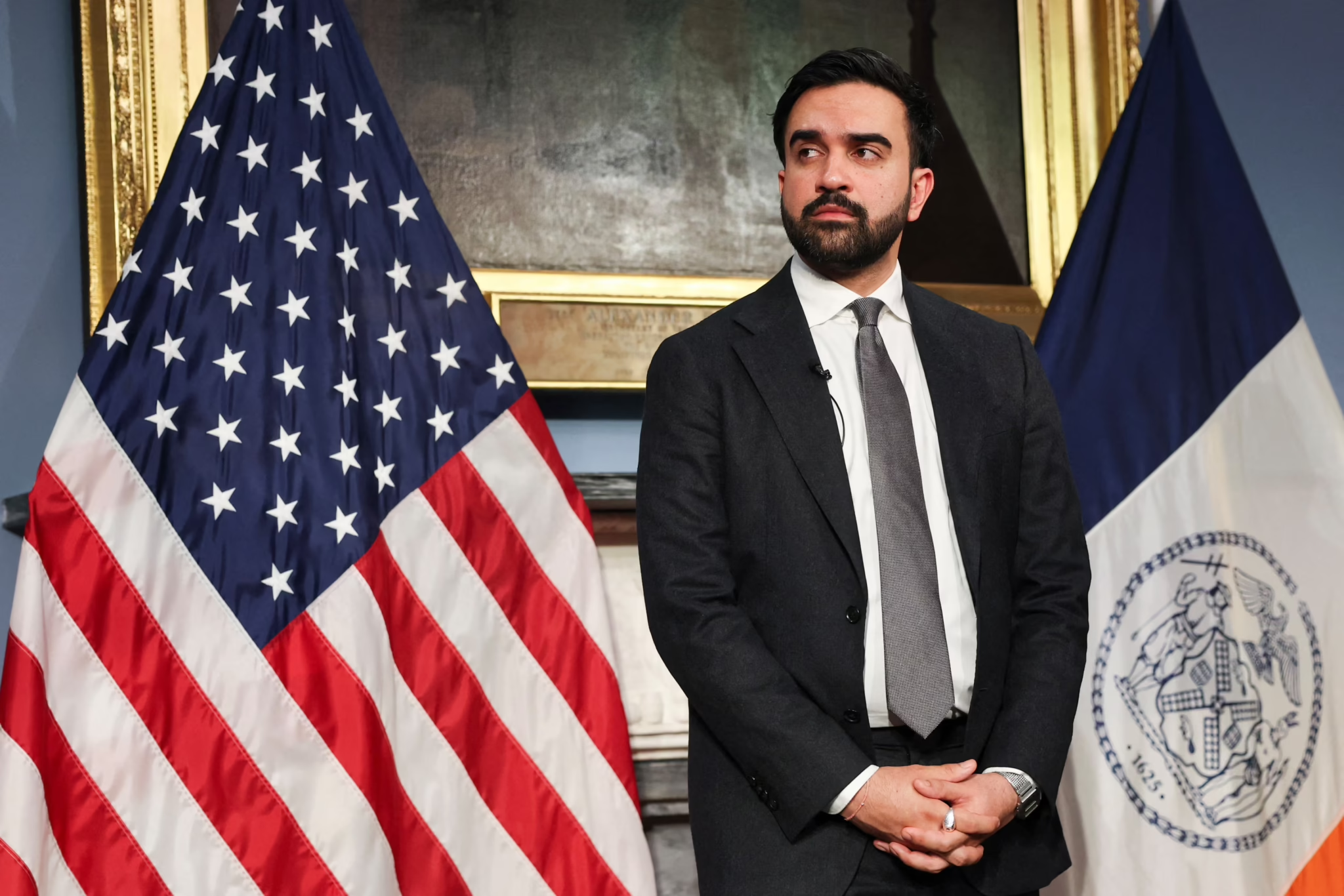
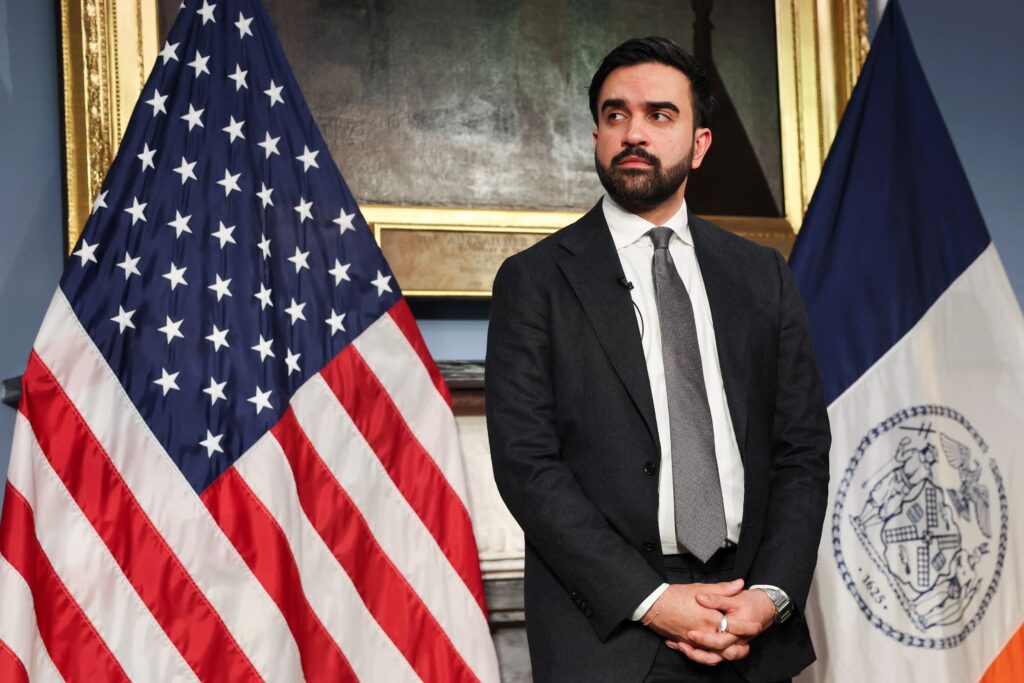
Pandering to Israel partisans above the needs of other New Yorkers, NY mayor increases security funding for synagogues, will focus on folding Jewish history into public school education, and pledges to highlight important Jewish cultural and religious sites in the mayor’s day-to-day governance of the city
In cooperation with the Centre for Palestine Studies at SOAS University London and Friends of Palestinian Universities, the Palestinian Centre for Human Rights (PCHR) has released a new report, “Scholasticide and Genocide in Gaza: Assessment, Testimonial and Legal Analysis,” documenting Israel’s systematic destruction of Gaza’s educational system and examining how this policy forms an integral part of Israel’s ongoing three-year genocide against Palestinians in the Gaza Strip.
The report demonstrates that Israel’s attacks on education in Gaza, including on UNRWA educational faciltiies and staff, go far beyond the destruction of schools and universities or the killing of Palestinian teachers. They constitute a comprehensive policy aimed at dismantling the educational, intellectual, social and cultural foundations necessary for the continued existence and development of Palestinian society.
Drawing on dozens of testimonies and affidavits collectd by PCHR field researchers and lawyers in Gaza, alongside PCHR’s extensive documentation, open-source material, United Nations reports, academic research and relevant international jurisprudence, the report identifies five interconnected patterns of scholasticide: the killing of students, teachers and academics; causing serious bodily and mental harm to them; destroying of educational facilities; obstructing the establishment alternative educational structures; and imposing genocidal conditions that prevent students from accessing education.
By July 2026, PCHR had documented the killing of approximately 20,051 students, more than 830 teachers and educational staff, and over 194 scholars, academics and researchers. Nearly the entire educational infrastructure in in Gaza has been extensively damaged or destroyed, while hundreds of thousands of students have endured prolonged interruption of their education amid displacement, starvation, bombardment, loss of family members, destruction of homes, lack of electricity and internet access, and the collapse of essential services.
PCHR’s report finds that certain acts committed within Israel’s campaign of scholasticide constitute genocidal acts under Article II of the Convention on the Prevention and Punishment of the Crime of Genocide, including killing members of the protected group, causing serious bodily or mental harm, and deliberately inflicting conditions of life calculated to bring about its physical destruction in whole or in part.
The report further highlights the long-term impact on Palestinian children and young Palestinians, including psychological harm, educational loss, diminished future opportunities and intergenerational trauma. Israel’s erasure of the educational infrastructure and broader civilian life in Gaza does not only constitute an attack on the rights of the present generation but also on the future generations.
Education has historically played a central role in sustaining Palestinian identity, knowledge, social cohesion and cultural continuity, particularly in the context of prolonged displacement and occupation. Israel’s destruction of universities, schools, libraries, academic records and cultural institutions therefore carries consequences far beyond the loss of physical infrastructure. It seeks to sever Palestinians from their history and intellectual life, diminish their capacity to rebuild their society, and deprive future generations of the means to learn, develop and participate fully in their community.
PCHR stresses that the destruction of Gaza’s education system did not begin on 7 October 2023. For decades, Palestinian schools, universities and educational institutions have been subjected to attacks, restrictions and destruction during successive Israeli military operations. The unprecedented scale of destruction since October 2023 however represents the culmination and intensification of this longstanding pattern.
PCHR calls on the international community, particularly States Parties to the Genocide Convention, to:
Take immediate and effective measures to bring Israel’s genocide against the Palestinian people in Gaza to an end, including its policy of scholasticide.
Ensure full compliance with the three provisional measures ordered by the International Court of Justice in the case of South Africa v. Israel.
Impose a comprehensive arms embargo on Israel and halt all military, financial and other assistance that may contribute to the commission of international crimes.
Support international accountability mechanisms, including the International Criminal Court, and ensure that those responsible for genocide, war crimes and crimes against humanity are investigated and prosecuted.
Take concrete measures to protect Palestinian students, teachers, academics and educational institutions and guarantee the restoration of the right to education in Gaza.
Provide sustained support for the reconstruction of Gaza’s schools, universities, libraries and educational infrastructure, while ensuring that reconstruction does not substitute for accountability.
Address the long-term psychological, educational and developmental consequences suffered by Palestinian children and young people and ensure their access to rehabilitation, mental-health support and inclusive education.
 Login