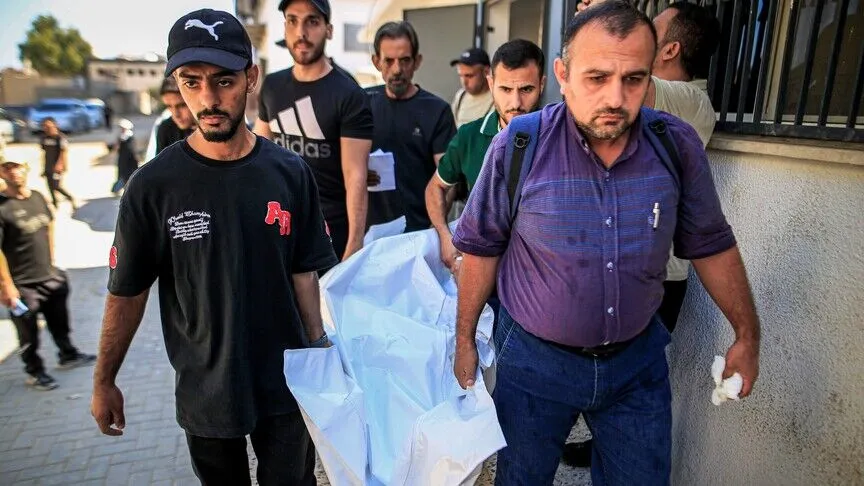
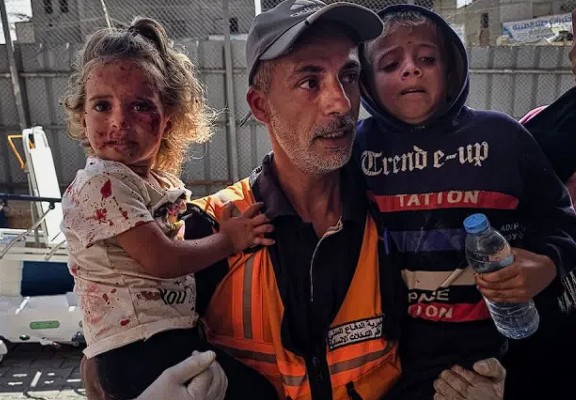
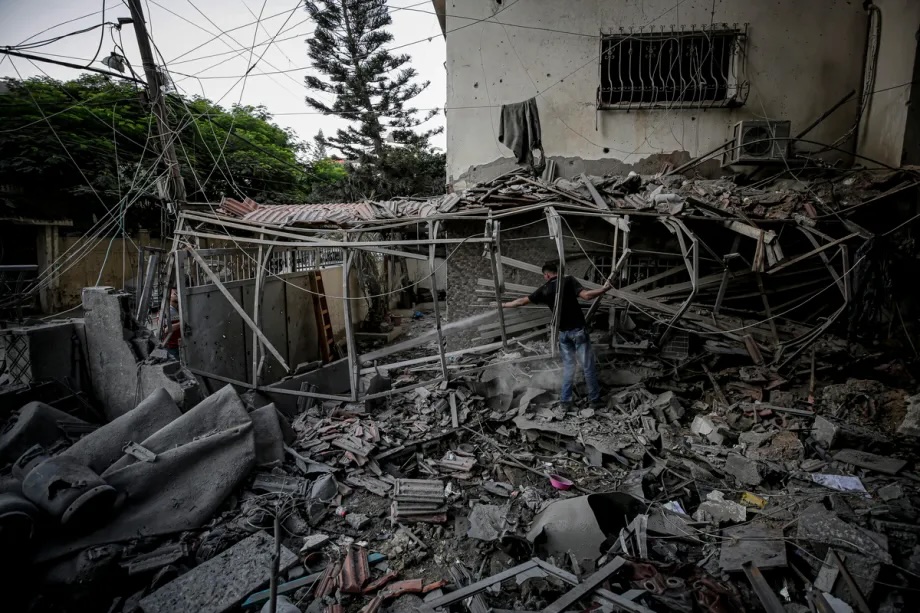
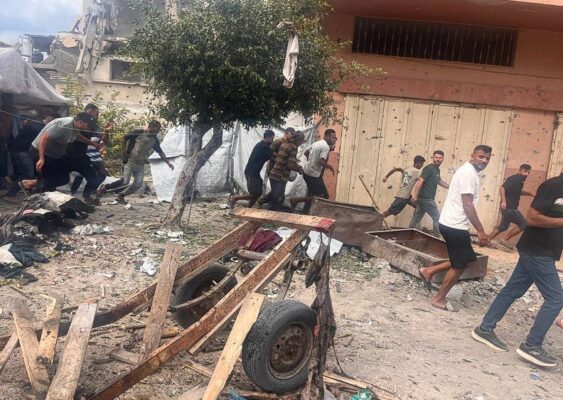
Those killed include a woman, a teen, a volunteer medic, and a man in his 60s.. Many others, including a number of children, were injured by the Israeli strikes.
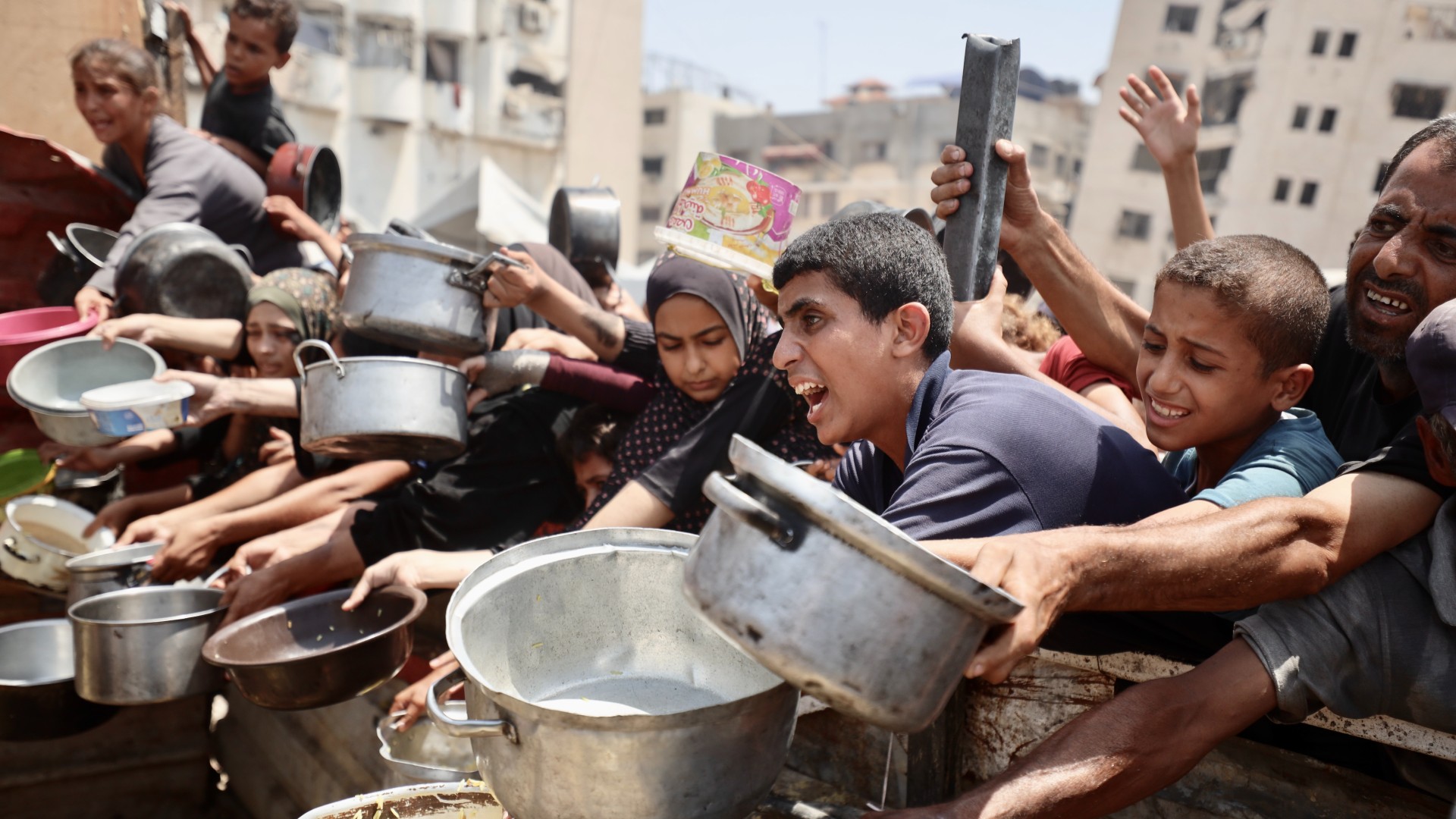
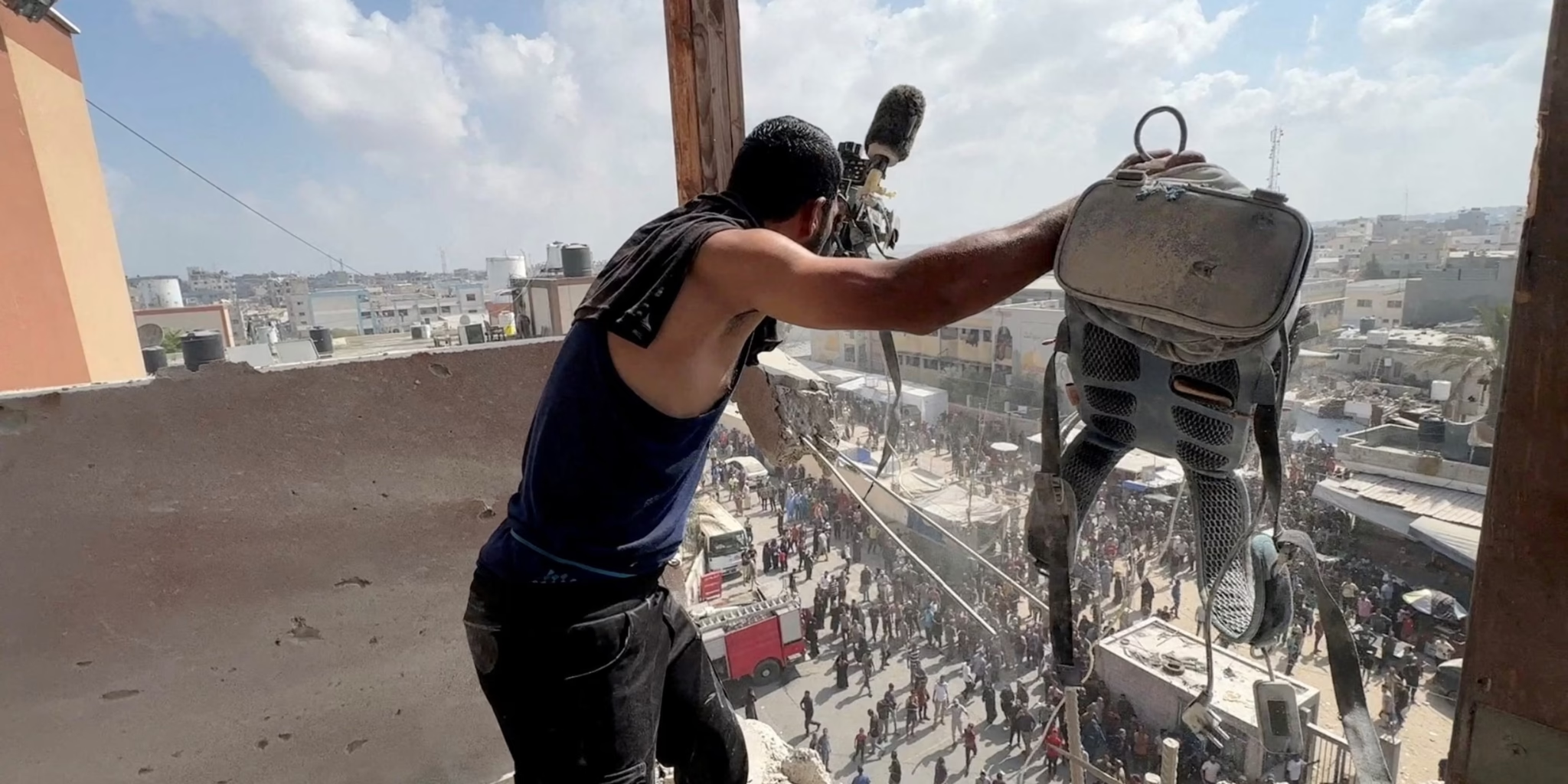
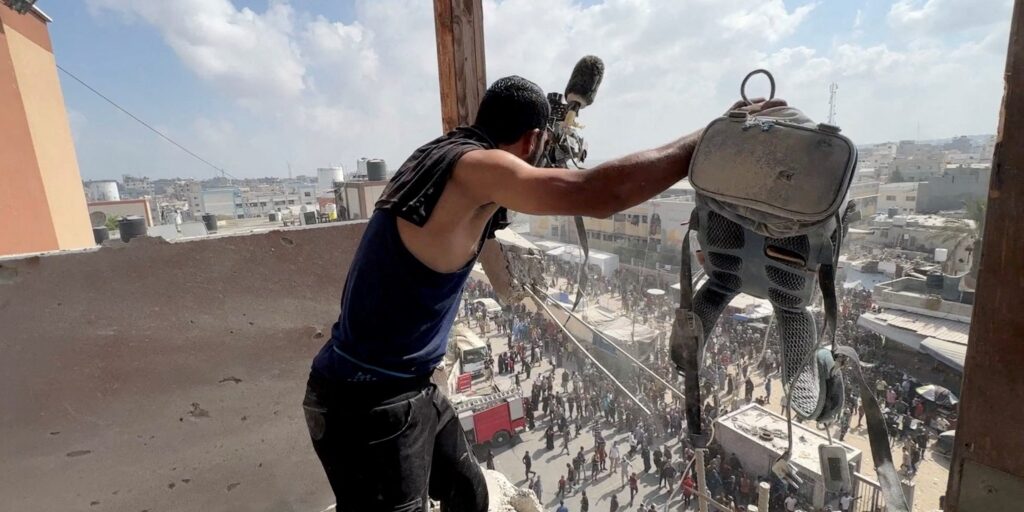
Homes, hospitals, schools and entire neighbourhoods have been destroyed during three years of war in Gaza. These photographs document the devastation and the lives of Palestinians affected by the conflict.
As Apple gears up for one of the biggest launches in its history — its first foldable iPhone Duo, hitting stores October 23rd— former employees are asking you to say no to blood tech.
Apple is deeply embedded in Israel, says Tariq Ra’ouf, a Palestinian writer who worked for more than a decade in Apple retail before he was fired in 2024 for speaking out against the company’s silence on Gaza. He joins Rania Khalek and Zoe Alexandra to break down Apple’s ties to Tel Aviv, including its extensive R&D centers in Israel and its $2 billion purchase of an AI startup founded by Unit 8200 veterans. He also explains the systemic discipline faced by pro-Palestine Apple workers — fired for wearing keffiyehs while the company matched employee donations to Friends of the IDF — and warns that having Israeli military intelligence veterans integrated into the supply chain of the world’s most popular devices should terrify every consumer.
Ra’ouf also lays out how the minerals in your iPhone connect the company to genocide in Congo, why organizers are calling for pickets at Apple stores on launch day – and how customers and workers can and should get involved.
Watch full episodes of BT Live, join breakthroughnews.org as a member today!
#breakthroughnews
******
Rough transcript follows:
[Host:] Apple is gearing up for one of the biggest launches in its history, as I’m sure many have heard, with the iPhone Duo. It’s the company’s first foldable phone, which is hitting stores later this month with a starting price of $2,000, which is just wild. But a group of former Apple employees is asking you to skip the line. Their message is: “Say no to blood tech.” Behind that sleek branding about privacy, human rights, and inclusion, Apple is deeply embedded in Israel. It employs around 2,000 people there across R&D centers in Haifa, Herzliya, and Jerusalem, where Israeli engineers help build the chips inside your MacBook. Israel actually hosts Apple’s second-largest R&D facilities outside the U.S., so that’s no joke. And in January, in the middle of the ongoing genocide in Gaza, Apple bought the Israeli AI startup Q.ai for close to $2 billion. I think that’s the second-biggest acquisition in Apple’s history. It’s a company whose founders include veterans of Israeli military intelligence—basically, a bunch of spies. For years, Apple’s employee donation program matched gifts to groups like Friends of the IDF and organizations funding illegal settlements in the West Bank. Activists say the minerals inside your iPhone are tied to the war in Congo. We’ll get into that, too.
Meanwhile, Apple workers who spoke out for Palestine say they were the ones who got punished. They were disciplined for wearing keffiyehs or Palestine pins on the shop floor, and in some cases they were fired. Our next guest is one of them. Zaid Rauf is a Palestinian writer who spent more than a decade at Apple Retail before he was fired in 2024 for speaking out against the company’s silence on Gaza. He’s lost 49 members of his family in the Gaza genocide, and he’s now a leading organizer with Apple’s Against Apartheid, which is calling for pickets at Apple stores on iPhone Duo launch day, among other things. Zaid, welcome to BT Live. It’s really a pleasure to have you on.
[Guest:] Hi. Thank you so much for having me. I’ve been screaming about Apple Zionism for years, so it’s nice to have people listen.
[Host:] Well, scream as loud as you want over here. We have so many questions for you. As I mentioned in the introduction, you spent over a decade at Apple. After October 7, as we’re about to reach the three-year anniversary, you spent months pushing the company internally on Gaza before you were fired in July 2024. Walk us through what you were raising internally that got you fired. And, if you can, please expand a bit on Apple’s complicity in the Israeli death machine.
[Guest:] On October 9, Tim Cook sent an email to the entire company with a headline saying “Israel,” refusing to acknowledge Palestinians or even pretend that we existed in any capacity. His heart went out to all the victims in Israel, but not to any of the victims in Palestine. That made me really upset. I sent him an email begging him to say something about the Palestinians within the company. I was really naive, thinking, “Man, this guy just doesn’t know. He has to treat us equitably,” right?
I got a message from my manager saying he’d read my email. I was like, “Great. Oh my gosh, this is amazing. Is he going to make a statement? Is there anything?” Nothing happened. He remained completely silent. After that experience, a few comrades and I decided to write an open letter demanding that Apple at least treat its Palestinian employees as equitably as it treats its Israeli employees, which I don’t think is a hard ask. We had over 400 current and former Apple employees sign that letter. Again, still no response, still nothing.
So we decided to create Apple’s Against Apartheid, which is dedicated to creating campaigns to educate people. We understand that if they’re not going to do anything internally, what’s required is external pressure and education, because people don’t understand just how deep Apple’s ties to Israel are.
To answer your question about its complicity: your introduction was spot on. Apple’s second-largest R&D center is in Israel. It was the first R&D center the company opened outside California. Apple has massive ties to the Israeli military unit 8200. A bunch of former Israeli spies who worked in Unit 8200 are involved. For people who don’t know what Unit 8200 is, it’s Israel’s IDF tech unit. They’re responsible for planning things like the pager attack in Lebanon. Apple has employees who served in Unit 8200 currently working at its R&D centers in Israel. Apple silicon chips—the M1 chips, the newly designed C1 modem, and the N1 chip for Wi-Fi and Bluetooth—are all currently designed by Israel. It’s a little outrageous to believe Apple thinks it can get away with staying so silent on Israel and Palestine, knowing how deeply complicit it is in all the violence Israel has perpetrated against the Palestinian people.
[Host:] As part of the advocacy you were doing within and outside Apple, hundreds of employees signed a letter in 2024 saying coworkers were being disciplined or fired for things like wearing keffiyehs, Palestine pins, or bracelets, while other causes were openly celebrated in stores. How systematic is this discipline faced by employees who speak up for Palestine? Is it individual managers who overreact and over-enforce, or is there a companywide line on what Palestinian identity is allowed to look like at Apple?
[Guest:] It’s so systemic. It goes all the way down to the attire rules—what you can wear at work. In 2024, they banned scarves because they didn’t want people wearing keffiyehs. They say you can’t wear a Palestine pin, a Palestinian flag pin, or even a bracelet, even though nothing in the handbook says you can’t wear a pin. They’ll say that to you because it’s a Palestine pin.
There was a comrade who had a Palestinian flag in his Slack icon, and a manager reached out to him: “Hey, you have to change your flag. It’s breaking policy.” The employee asked, “Okay, well, what policy am I breaking?” The manager said, “I’ll let you know when I find it.”
In November 2023, there was a Muslim Apple Slack channel, because the company has multiple diversity-group Slack channels. Zionists were coming into the Muslim Apple Slack channel and mass-reporting anything that mentioned Gaza or the genocide. Those messages were removed without Muslim employees being told why. They would come in and harass the Muslim employees. The Muslim employees weren’t going into the Jewish Apple Slack channel and doing the same thing. They were minding their own business and asking these people to leave them alone.
Instead of moderating and punishing the people who were harassing others, Apple closed down the Muslim Apple Slack channel, along with the Jewish Apple Slack channel, for over a year. The company refused to listen to Muslim employees begging for empathy, asking to be heard, and asking it to say something about the incredible losses the Palestinian, Arab, and Muslim communities were facing.
[Host:] That’s wild. In contrast, let’s talk about how Apple treats its Israeli employees and those who support Israel. I mentioned Apple’s matching program, which lets employees route company money to groups like Friends of the IDF and settlement-funding organizations. This year, Apple also spent close to $2 billion on the Israeli AI company Q.ai, whose founders come out of Unit 8200, as you mentioned. What does that tell us about where Apple stands when it comes to Israelis, and about the feelings people who support them are allowed to express and the material support they’re allowed to give to the Israeli military?
[Guest:] It’s so racist and dehumanizing that Israeli employees at the company are allowed to express any sort of genocidal view or racist rhetoric they want on their Slack channels or within company offices, and they don’t get reprimanded nearly as much as Palestinians or pro-Palestinian employees who talk about the empathy and grief they experience.
There are so many cases of Zionist employees harassing Muslim, Arab, and Palestinian employees, but so few cases of those Zionists actually getting reprimanded, fired, or facing any sort of repercussions for their racism. The viewpoint within the company is so inherently Zionist that anytime you send an email advocating for our people and educating people about Zionism and the harm it has done to Palestinians, managers and others will call you antisemitic because you’re being anti-Israel. That’s the company’s line: if you are anti-Israel, you are antisemitic. They’re really good at marketing themselves as a company that claims to care about the world, so few people are seeing the racism at hand.
[Host:] Really shocking stuff. October 23 is when the iPhone Duo is set to drop, and you and other activists are calling on people to picket Apple stores that day instead of lining up for these bizarre smart flip phones. You’re also tying Palestine to Congo, the minerals in every iPhone, and the violence perpetuated in Congo to physically make the iPhone. Why link those two genocides? What are you demanding from Apple? And what can Apple customers or workers watching right now do to support this campaign?
[Guest:] We started working with Congolese activists because we recognized that we’re going through the same struggle: imperialism, colonialism, and white supremacy. People are taking over our lands to take over the resources. Specifically, we’re working with Team Congo and Friends of the Congo to educate people about what’s going on and the depth of the ways Apple’s business practices—and the tech industry’s business practices generally—are negatively affecting the Congolese people.
We’ve reached a point where you can’t expect Apple to pass off the responsibility of ensuring that minerals are ethically sourced to third parties, because everyone who has studied these things can tell you they are not ethically sourced and that the communities mining these minerals are suffering. Apple is one of the tech companies with the ability to change its business and sourcing practices and teach the tech industry what it looks like to mine ethically. It has the power, money, and resources to do so.
Our demands when we ask people to picket Apple stores on the 23rd are that the company research, report, and remediate all the harms its business practices have on marginalized communities, publicly report its findings, and create a meaningful plan to remediate the harm. We want Apple to listen to the community. We have people ready to speak with Apple executives and tell them exactly how harmful its business practices are and how it can help the communities that are literally pleading for its empathy.
We want Apple to get out of the occupation. It has offices in occupied Jerusalem, and on its job website it lists those offices as being in Israel, which is against international law. We want the company to close its offices in occupied territory. Most importantly, we want it to clean up its supply chain and not abandon Congo. It needs to do better because it has the power to do so.
[Host:] I want to pull out a thread of something you mentioned earlier, when we were talking about the ways Apple is complicit in the Israeli death machine. You talked about the Unit 8200 Israeli military intelligence people staffing these R&D facilities in Israel for Apple. Obviously, we should all be very upset about the complicity of Apple and other tech companies in the genocide in Gaza. But having Israeli employees tied to the Israeli military and spy apparatus so integrated into the supply chain of a widely used device by people all over the world is quite frightening.
When you think about what you mentioned—the pager attacks—nothing like that has ever happened in history. It was like a terrorist attack, where a country infiltrated the supply chain to booby-trap electronic devices. I wanted to ask you to expand on why it’s so devastating and scary to have a country whose government is full of genocidal lunatics, willing to do things no other government in history has done to get its way, so integrated into a massive global tech company that builds our phones and computers.
[Guest:] It’s terrifying. The public should be worried, and there should be mass concern over the fact that Apple is filled with Israeli spies—spies who worked in Unit 8200 and worked on… I mean, the fact that Unit 8200 was behind Pegasus—sorry, that it was behind the Lebanon bombings—is so concerning. Then you have employees from the same unit at tech companies.
One thing I need to make clear: Netanyahu was on 60 Minutes, right? He brought out his little iPhone. He was like, “You see this device? We can penetrate any one of these devices.” People like to think that Apple is so secure and so ironclad compared to Android or Google. Pegasus was Israeli-made. The same people who made the Pegasus software made the software and hardware that you’re holding in your hand. Who’s to say? Then you have Netanyahu saying that they can penetrate any one of these devices. Are you joking? They’re basically telling you to your face that they have the ability to hack you whenever they want.
The whole thing in Lebanon is truly terrifying. If Apple wants to control any of this narrative, it has to distance itself from the apartheid ethnostate of Israel—the state that is committing a genocide and blew up a bunch of pagers. That took years; it wasn’t something they just did. Who’s to say these new phones, with an M1, C1, or N1 chip, won’t blow up in your face? There should be mass concern over the safety of these products because of their links to Israel.
[Host:] Well, Zaid, I really appreciate you coming on. I guess the last thing I could ask is: Can you remind people how they can get involved in learning more about this campaign or being a part of it?
[Guest:] Of course. If you’re interested in picketing your local Apple store, we’ve made it really easy. We’ve created flyers, chat lists, and posters. We’ve made it simple for you to print what you want, go to your local Apple store, and make some noise. Just go to applesagainstapartheid.com. You’ll find the resources and fact sheets. Follow us on Instagram if you want to stay updated whenever we add more resources. Stay up to date, because for as long as Apple has links to Israel, we’ll always be here to protest them.
[Host:] Thank you so much for joining us. We really appreciate you.
Today marks three years since October 7th, Al-Aqsa Flood and the escalation of Israel’s campaign to eliminate Gaza into a full-blown genocide. The world watched the livestream – and while that turned public opinion on its head, US policy hasn’t budged. Layan Sima Fuleihan, education director at The People’s Forum and an editor at 1804 Books, joins Zoe Alexandra and Rania Khalek to reflect on how Israel lost the hearts and minds of American voters – and how to turn that shift in consciousness into real power.
From Occupy Wall Street to the 2020 uprising for George Floyd, Fuleihan traces the Palestine movement through more than a decade of the mass rebellions that empowered it. She lays out key lessons from the past three years: radical change happens fast, repression can’t intimidate people out of solidarity, and Americans do care what their government does abroad. And she explains how, as Washington stays shielded from public opinion, both parties are equally culpable – and warns of the stakes of letting Democrats court pro-Palestine voters ahead of the midterms while the bombs keep falling.
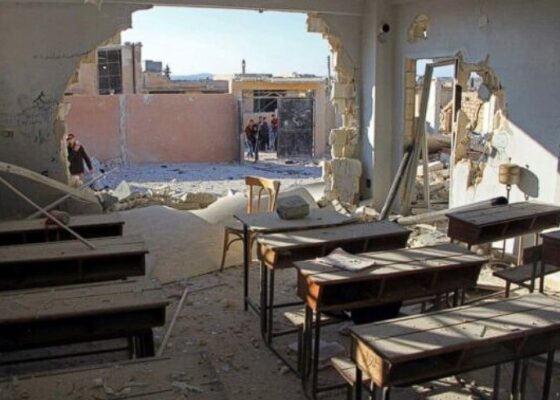
A statistical report released Wednesday by the Palestinian Ministry of Education and Higher Education documents Israeli violations against the education sector from October 7, 2023, through October 7, 2026
A federal judge just dismissed the Trump administration’s lawsuit against pro-Palestine protesters in New Jersey, in a major First Amendment win after the DOJ claimed a 2024 social media post calling to protest an illegal land sale at a West Orange synagogue amounted to a threat against Jewish worship. The Partnership for Civil Justice Fund called it a vindictive prosecution and viewpoint discrimination, citing the DOJ’s stated aim to “dismantle” the movement. Carl Messineo, co-founder and legal director of the PCJF and its Center for Protest Law and Litigation, joins Rania Khalek and Zoe Alexandra to break down the historic First Amendment victory for PSL New Jersey. They dig into the 1994 FACE Act meant to protect abortion clinic access and the East Jerusalem land sale at the center of the case. Messineo explains what this win means for the Trump administration’s lawfare against pro-Palestinian dissent – and why he says the tide is turning:
“[This] offers protection, safe harbor, and reassurance to all the groups being threatened … that fighting back, legally and politically, is effective.”
Watch full episodes of BT Live, join breakthroughnews.org as a member today!
#breakthroughnews
******
Rough transcript follows:
[Host:]
Last Wednesday, a federal judge in New Jersey dismissed a civil lawsuit the Trump administration’s Department of Justice had brought against pro-Palestine protesters under the FACE Act, a law passed in 1994 actually to protect access to reproductive health clinics. The suit, which was led by Assistant Attorney General Harmeet Dhillon of the Civil Rights Division, named the Party for Socialism and Liberation New Jersey and American Muslims for Palestine New Jersey, among others.
The accusations against PSL New Jersey in this case were that there was a social media post calling for a protest at a public intersection. The protest in question in this lawsuit was against a land sale where stolen Palestinian land in East Jerusalem was being sold to people living in the United States to encourage further settlement, occupation, and ethnic cleansing of Palestinians from their lands. Such events have been strategically held at synagogues in order to create a spectacle where pro-Palestine protesters are outside synagogues, so the accusations of antisemitism just flourish with those photos.
But in this ruling, the DOJ argued that the post amounted to a threat against and interference with Jewish worship. The court disagreed, finding that the post in question was protected speech—a call to assemble and engage in political advocacy in a public forum. The Partnership for Civil Justice Fund, which represented PSL New Jersey in the case, argued that the lawsuit was vindictive prosecution and viewpoint discrimination, pointing to Dhillon’s public statement that the DOJ aims to dismantle groups behind such protests.
To talk about what the ruling means and what comes next, we’re joined by Carl Messineo, co-founder and legal director of the PCJF and its project, the Center for Protest Law and Litigation. Carl, thank you so much for joining us here at BT Live.
[Carl Messineo:]
It’s my pleasure to be here, and you guys do terrific work reporting on critical issues.
[Host:]
Oh, thank you so much for saying that. Well, crucially, in this ruling, which many are calling a victory for free speech, the court found that the social media post in question was protected political speech and not a threat, as the DOJ sought to argue. Can you walk us through the significance of this ruling, and on the other hand, what a ruling against the protest groups would have meant for free speech?
[Carl Messineo:]
Well, we can talk about what the ruling, had it gone the other way, would have meant for protest groups. First, Judge Hayden described in her opinion that allowing this civil prosecution to continue on the terms that it was advanced would effectively demonize protesters who were simply engaged in their First Amendment rights to have free speech on an issue of public importance. It would dramatically undermine the ability of people to organize and peacefully assemble on issues that are critical.
And there are few issues more critical than the subject matter of this protest. The subject matter of this protest was a land sale that was really strategically placed at a synagogue, and the land sale itself was selling Palestinian land in the occupied territories in East Jerusalem in clear violation of international law. Every major human rights or international law organization that has looked at this issue concludes that this plainly constitutes a form of war crime—having an occupying force, the state of Israel, transferring its civilians onto stolen land.
And here that’s very strategic, because the establishment of these settlements would create a barrier for the free movement of Palestinians going from East Jerusalem over to Bethlehem. It’s an absolutely horrible division of land that is not theirs to sell. And indeed, the racism of this practice is inherent. The real estate developer in their advertising materials boasts that they will be bringing a new Anglo community to East Jerusalem to take over this Palestinian land. That’s the language that they themselves use, so no one has to resort to inference as to whether this is racism. It is on its face.
[Host:]
You spoke, Carl, about the illegal land sales, right? And these land sales you said are held in religious institutions. They’re held sometimes in synagogues, which has an impact, of course, in terms of optics, but also legally, like we saw in this case. So can you talk about the legality of shielding these illegal land sales in religious institutions? Because these settlements are actually illegal under international law. So why aren’t these land sales being prosecuted?
[Carl Messineo:]
Well, absolutely, you’re correct. I mean, the Trump administration is using every means to engage in a form of lawfare, which I would say is ideological warfare, using abuse of legal process in order to shut down dissent and to promote what is clearly unlawful, illegal, and a war crime: the sale of Palestinian lands to Anglo investors here in the United States.
[Host:]
Well, in its argument, the PCJF said that this was vindictive prosecution, and it cited Harmeet Dhillon’s statement about dismantling groups like the PSL and others who are part of the movement for Palestine. We just had a really great segment speaking about this movement that’s made tremendous gains and challenged not only Donald Trump, but really has transformed the political scene in the United States. But as the PCJF mentioned, the court did not rule on the claim about this being a vindictive prosecution. So how does the PCJF intend to bring this claim forward in the future? Is there a worry that Dhillon will make good on this threat and continue challenging in such cases? What is the future of that element?
[Carl Messineo:]
Well, the ideological motivations of the Trump administration and Dhillon are clear. It’s overt. When Dhillon says that the Trump administration is going to use a law that was intended to protect medical facilities and also Black churches from the use of force and violence to target and dismantle—and that’s the language that Dhillon uses—to dismantle groups like the PSL New Jersey as well as other groups that engage in protest on a range of important issues. Now, that is plainly unconstitutional and clearly falls under the legal framework of a vindictive prosecution. That is the abuse of legal process in order to shut down a particular disfavored viewpoint.
Look at what has transformed in terms of political and cultural understanding over the past number of years. It’s groups that are engaged in this type of protest that have actually been at the forefront of a tremendous change in understanding across all segments of society about how intolerable this genocidal warfare and also the ethnic cleansing that this land transfer and land theft constitutes. So naturally, what does the Trump administration intend to do? Well, it intends to go and abusively use legal process to try and shut down groups that are having a significant political impact across consciousness.
And what does it mean for the Partnership for Civil Justice Fund? What does it mean for those who are protesting peacefully? Well, we’re all going to continue. The PCJF will continue to be a legal bulwark against this. But most importantly, it’s folks like them, folks from a multitude of organizations that are really changing the tide here. It’s not going to stop that.
[Host:]
And you know, Carl, this case came after a DOJ memo saying FACE Act cases against anti-abortion activists would be brought only in extraordinary circumstances. So what does this ruling signal to other organizations facing similar suits? And do you think it’ll deter the government from using the law this way?
[Carl Messineo:]
Deter this government? Well, I can’t say it’s going to deter them, but what I can say is that it offers protection, safe harbor, and reassurance to all the groups that are being threatened verbally and through abusive legal process that actually fighting back legally and fighting back politically are effective. And there are organizations such as ours and other great civil rights practitioners across the country who come forward and are willing to dedicate their time to help clear the way so that people can engage in peaceful protest and assembly on these critical issues. So I think that this is actually very heartening, and it sends a message of strength and support for those who are engaging in this.
[Host:]
It’s crucially important, and I think that’s why so many people have called this ruling a victory for free speech for the Palestine movement, which did face so much repression of different forms. So Carl, we thank you so much for joining us, and I’m sure that all of the protesters and movements thank the work of the PCJF for defending everyone’s right to free speech, because actually it’s not just the activists who will benefit from this ruling—it’s really everyone who values their right to free speech.
[Carl Messineo:]
That’s right. Thank you so very much for your kind words and for dedicating the time to have this issue here.
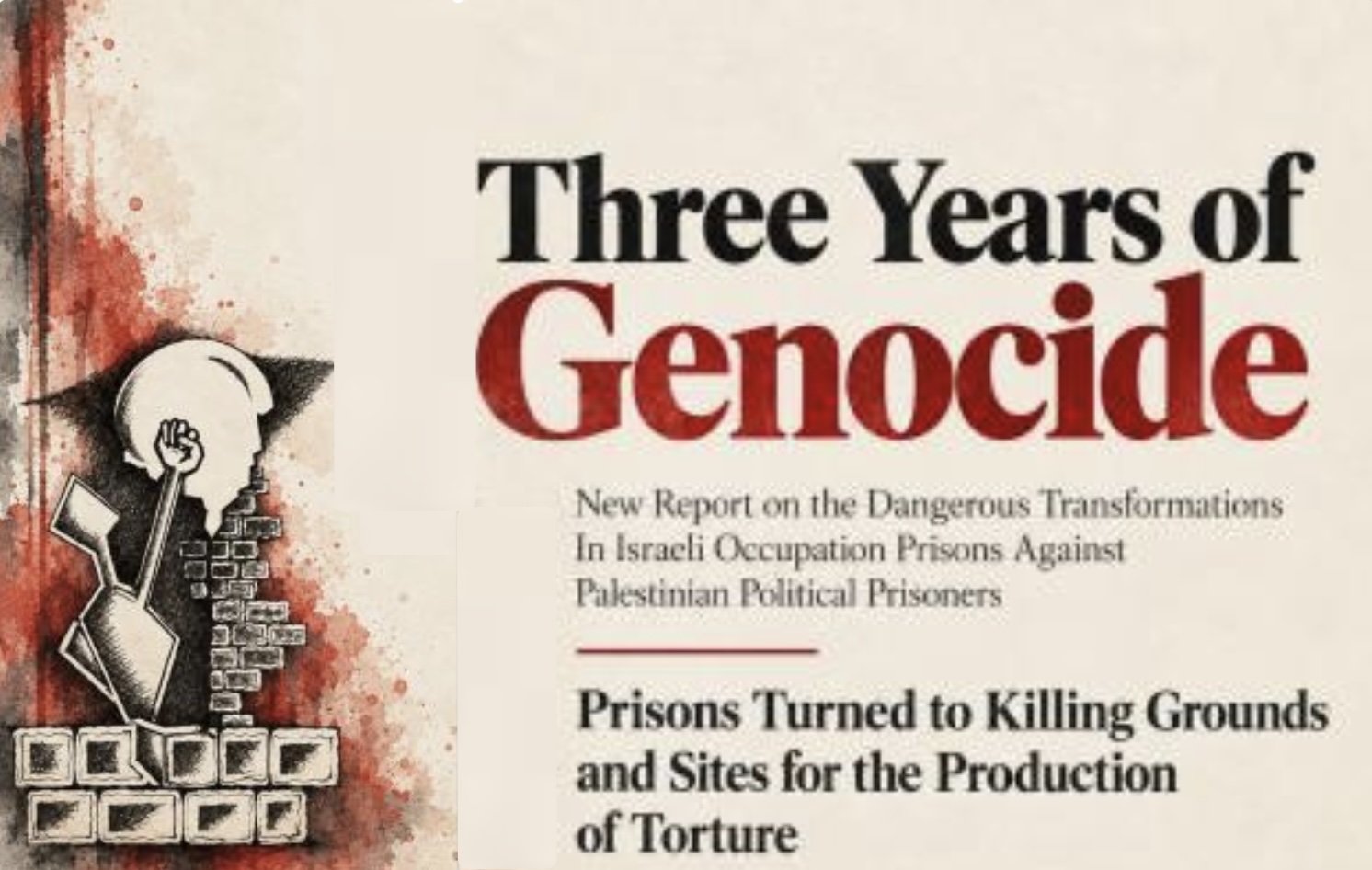
The situation of Palestinian prisoners held in Israeli occupation prisons has undergone unprecedented and dangerous transformations in scale and severity since the onset of the genocide in the occupied Gaza Strip.
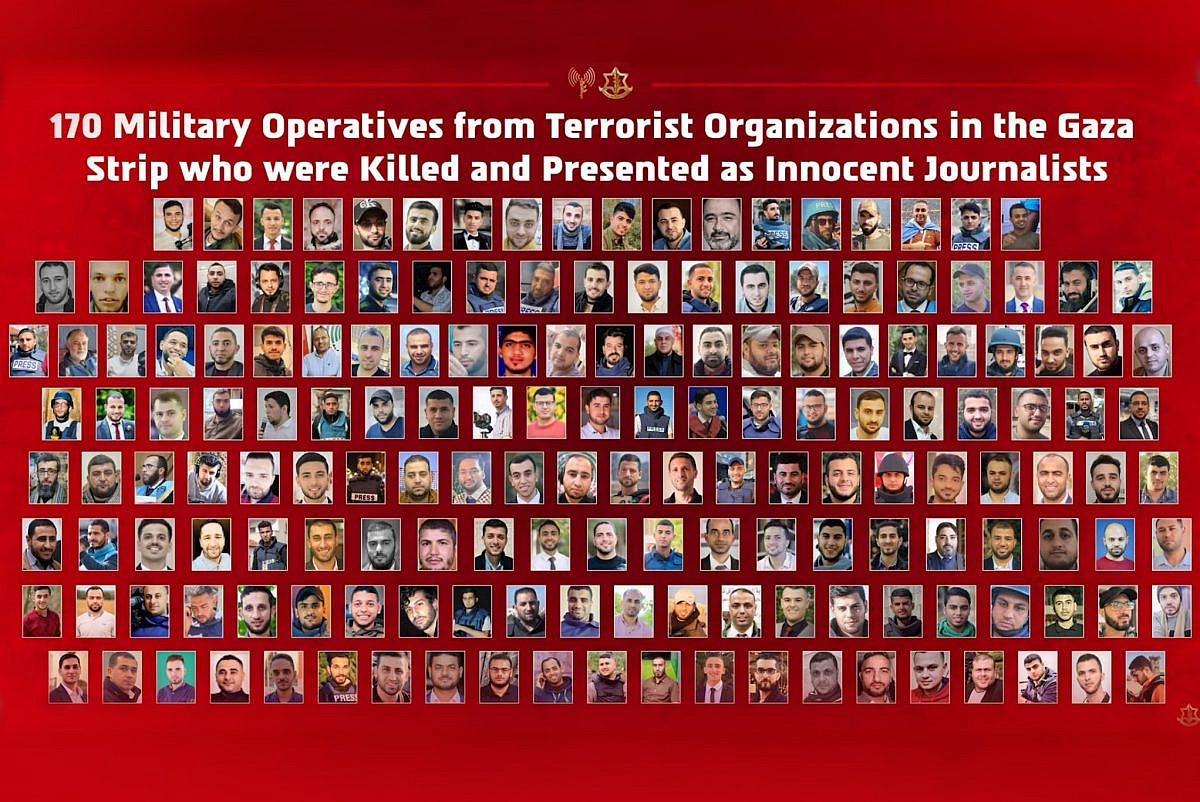
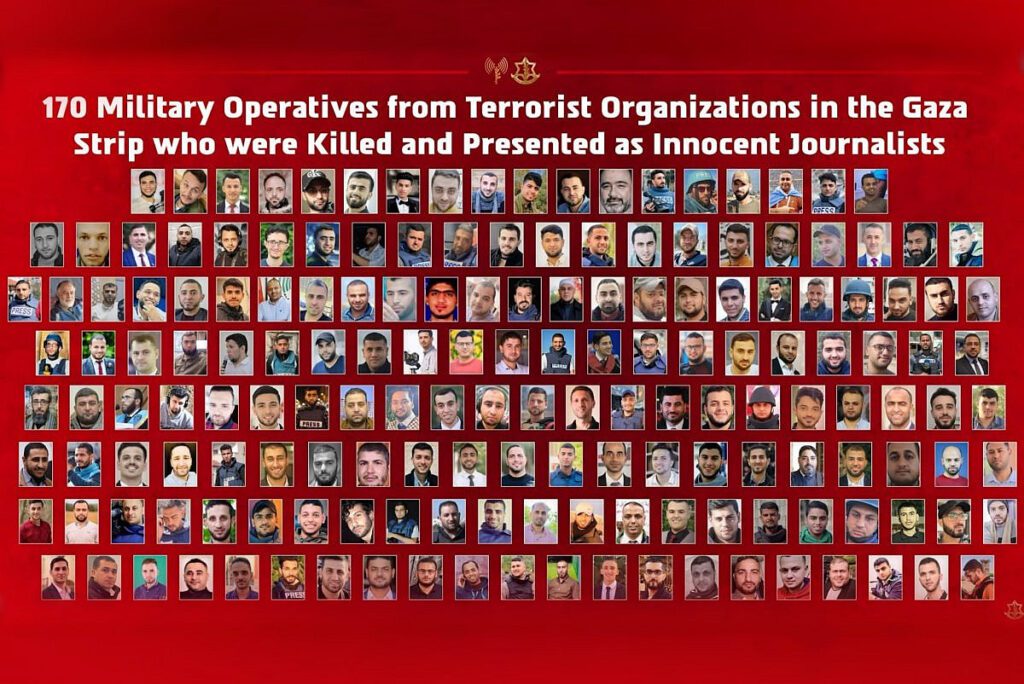
A year after the bombing that killed 22 people, including 5 journalists, at Nasser Hospital in Gaza, an Israeli soldier has told Le Monde and other media how the IDF pulls out all stops to link bombing victims to Hamas
Israeli forces continued attacks across Gaza Strip Tuesday, killing and and wounding others in airstrikes and gunfire, while another Palestinian succumbed to wounds sustained in an attack the previous day
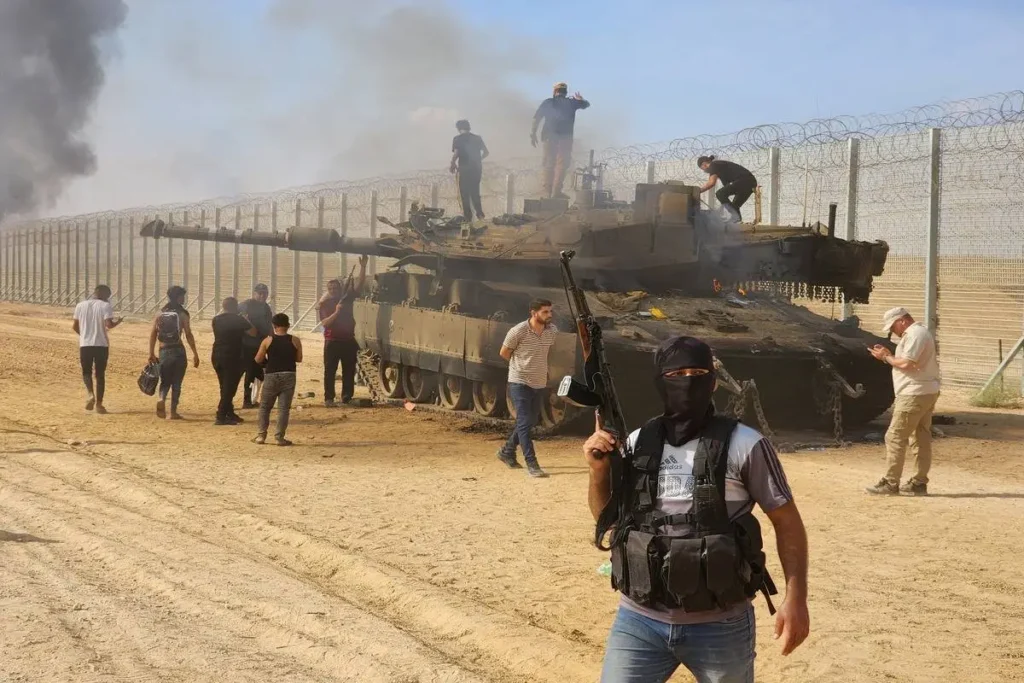
The planning for the Oct 7 prison breakout was long in the making and met with “catastrophic success.” Tens of thousands of Gazans poured out into the lands that had been their families’ properties for generations...
The 49-minute film is available online in 17 languages. Two of its three creators are in the IDF; information on the funding for the film is yet to come.
Israeli forces killed 4 Palestinians, including a 6-year-old, and injured others across the devastated Gaza Strip on Sunday in continuing reported violations of the ceasefire agreement
United Airlines has been sending military hardware to Israel on passenger flights, right under your feet.
A new report from the People’s Embargo for Palestine, the Palestinian Youth Movement, and others documents 2,761 shipments of military cargo to Israeli weapons manufacturers and military institutions, including Elbit Systems, Lockheed Martin Israel, Nevatim Airbase, and the Israeli Ministry of Defense. Belal Elsiesy, organizer with the PYM and the People’s Arms Embargo, joins Zoe Alexandra to break down the findings.
With cargo including F-35 bomb release units used to drop 2,000-pound bombs on Gaza, Merkava tank sights, and “hunter-killer” machine gunner sights destined for Elbit, Elsiesy argues civilian airports are a critical point of intervention. He also discusses what’s behind Elbit’s US rebrand as 26 Defense, how campaigns against Maersk and FedEx have targeted the weak links in Israel’s weapons supply chain, and why the airline’s silence on the #NoWeaponsOnUnited campaign is a good reason to act now.
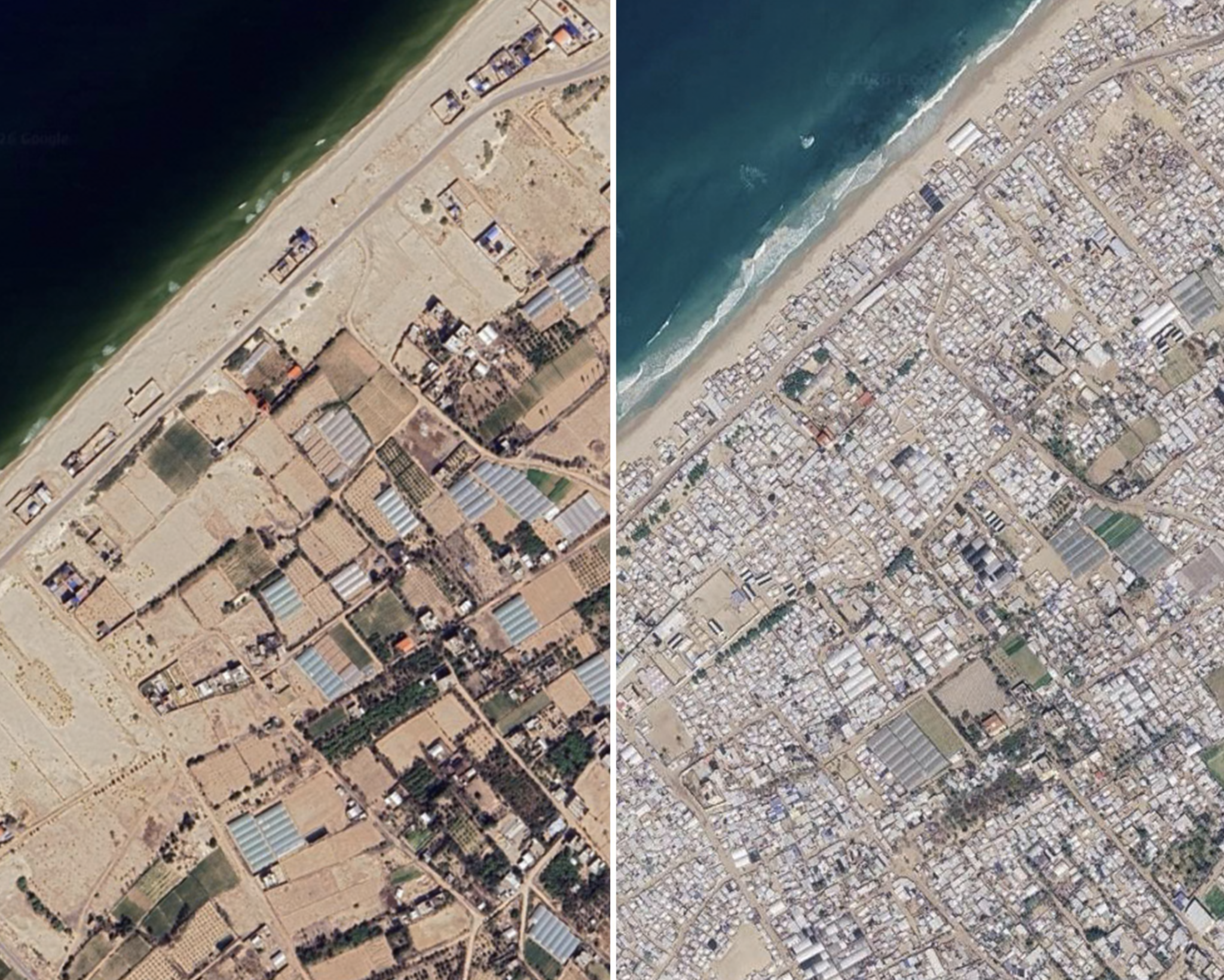
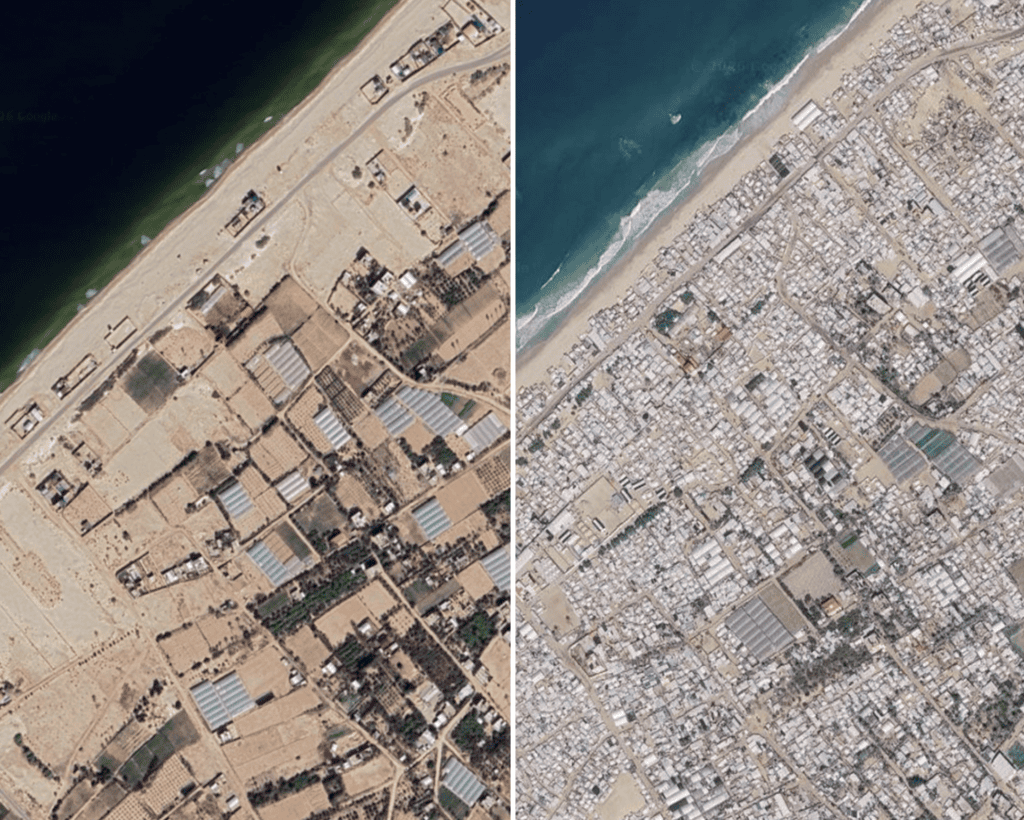
An update to Google Maps using satellite imagery has revealed the extent of devastation during the three-year Gaza war and the severity of the continuing humanitarian crisis faced by the territory’s 2.3 million inhabitants.
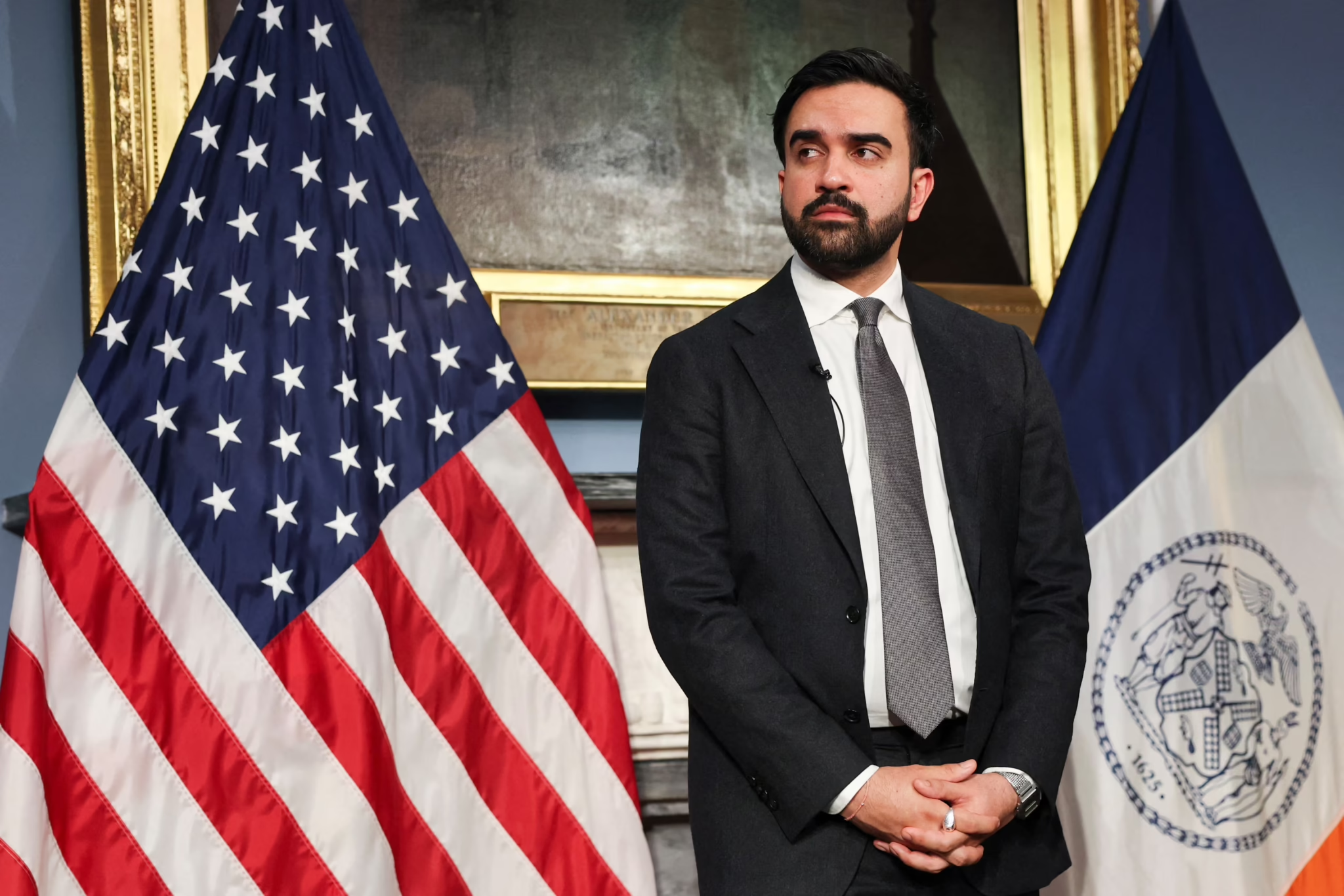
Pandering to Israel partisans above the needs of other New Yorkers, NY mayor increases security funding for synagogues, will focus on folding Jewish history into public school education, and pledges to highlight important Jewish cultural and religious sites in the mayor’s day-to-day governance of the city
The Ugandan army, which had offered to capture Iran’s capital within 72 hours for Israel earlier this year, is now readying a troop deployment to Gaza under US command.
Discussing the deployment, senior Ugandan military officers were at the US-led Civil-Military Coordination Center in Kiryat Gat on August 17. The town on the edge of the Negev desert – barely 25 km from the northern Gaza Strip – was established in 1955 after depopulating the Palestinian villages of al-Faluja and Iraq al-Manshiya during the Nakba.
Burundi’s military officials were also reportedly present at the meeting here, after which the Israeli Occupation Forces (IOF) gave them both a tour of the city of Rafa in southern Gaza as part of the “pre-deployment site survey.”
Burundi is yet to confirm the deployment of its troops. However, Uganda’s parliament, practically a rubber stamp with over 70% of the seats held by the ruling party, approved the deployment of its troops on August 6.
This made it the sixth country to join the International Stabilization Force (ISF) proposed by US President Donald Trump’s so-called Board of Peace, envisioned as the 20,000-strong force led by US Major General Jasper Jeffers.
The remaining five contributors of troops hold relatively diverse positions on the Israel-Palestine question. Indonesia has been a vocal critic of Israel, backing South Africa’s genocide case against it at the International Court of Justice (ICJ). It maintains no diplomatic ties with Israel. The largest contributor has reportedly put its 8,000 troop deployment on hold, although it hasn’t formally withdrawn from the ISF.
Kazakhstan, on the other hand, has maintained deep diplomatic ties with Israel since 1992. Morocco joined the Abraham Accords in 2020. Both have done so while mouthing the two-state solution for an independent Palestinian state with East Jerusalem as its capital as official state policy.
The remaining two European countries are staunchly pro-Israel. Albania has announced plans to open a commercial liaison office in Jerusalem. Kosovo has outdone Albania, following Trump’s lead by moving its Israeli embassy to Jerusalem.
The sixth country to come on board, Uganda, professes a commitment to Israel that dwarfs that of the European troop-contributors.
Offering to join US-Israeli war on Iran
“Any talk of … defeating Israel will bring us into the war” against Iran on “the side of Israel,” Uganda’s military chief, Muhoozi Kainerugaba, posted on X in late March. He is the son and heir apparent of Uganda’s 81-year-old president, Yoweri Museveni, ruling the country since 1986.
After 40 years of rule, Museveni was handed a seventh term by the Electoral Commission in January, following an election marred by “widespread repression and intimidation against the political opposition, human rights defenders, [and] journalists,” according to the UN.
Soon after the results, Kainerugaba began hunting down Museveni’s political opponents, forcing his main challenger in the election, Bobi Wine, into exile, bragging about killing 30 of his party’s members, and swearing to “get them all.”
Israeli military technology, from weapons to surveillance equipment, has long enabled Museveni’s domestic crackdown. Recalling that Israel has supported his regime for decades, “Why wouldn’t we defend her now?” asked Kainerugaba. He added in a subsequently deleted post that the Ugandan military had offered to join the US and Israel in their war efforts against Iran, claiming, “We could have captured Tehran in 72 hours.”
This bold claim of being able to defeat the world’s 16th largest military power, with a military ranked 107 out of 145 countries, was gently mocked, even in the Israeli media at the time.
“Gaza, here we come”: Ugandan soldiers post on social media
Nevertheless, barely five months later, Ugandan soldiers began uploading posts on social media, captioned, “Gaza, here we come,” filming themselves loading equipment onto planes – taking off and landing in undisclosed locations.
These posts by Ugandan soldiers began circulating on social media after the Ugandan parliament approved the troop deployment on August 6.
Military deployment as a diplomatic strategy
Addressing the parliament ahead of the vote, Maj Gen David Gonyi, parliamentary representative of the Uganda People’s Defence Forces (UPDF), explained the rationale of the deployment to the legislators: “Uganda submitted the name of a Ugandan [veteran diplomat, Olara Otunnu] to become Secretary-General of the United Nations. It would be like shooting ourselves in the foot to say that Uganda should not participate in [the] deployment in Gaza.”
Military deployment has long been a central plank of Ugandan diplomacy, currying favor of the Western countries by sending its soldiers to missions in Somalia, South Sudan, Equatorial Guinea, and the Democratic Republic of Congo (DRC).
Its Somalia deployment has been especially crucial for the Ugandan army to receive training and support from the US Marine Corps and US Africa Command (AFRICOM).
Last November, Johan Borgstam, the European Union (EU) Special Representative for the Great Lakes Region, met Kainerugaba to propose expanding Ugandan troop deployment in DRC, on behalf of Brussels. Borgstam brought this proposal, despite the UN confirming the validity of the DRC’s accusation that Uganda is supporting the M23 armed group, a proxy of Rwanda which, along with its army, has occupied large swathes of the region in a war for DRC’s minerals.
Presenting this Western demand for Ugandan troops as a diplomatic success, Major General Henry Masiko, another parliamentary representative of the UPDF and the Joint Staff Political Commissar, told the legislators: “The UPDF is viewed as the anchor of stability in a sea of turbulence, regionally and now globally.”
He went on to add in his remarks to the parliament that the “doctrine of the force is that we go out not to dance but to confront threats against society and humanity,” in a thinly veiled reference to Palestinian resistance.
“Some troops will return in coffins,” warns opposition MP
Opposition politicians have raised concerns that deploying troops when the Ugandan government has done little to conceal its neutrality may have consequences.
“Some [troops will] return in coffins,” warned Jamal Ayagalaki. “We need answers on who will pay the UPDF, what the terms and conditions of service will be, and what support will be available to soldiers and their families.” He further warned that Uganda’s involvement in a conflict “that is not ours” could expose the country itself to new security threats.
The “parliament passed a resolution for peacekeeping, [but] what peace is [there] is Gaza?” he questioned, pointing to the lack of agreement between Israel and Hamas.
Uganda risks complicity in war crimes: former intelligence chief
“The permanent decommissioning of weapons from non-state armed groups” – i.e. the Palestinian resistance – is one of the tasks the International Stabilization Force must carry out in coordination with Israel, according to the resolution adopted by the UN Security Council in November 2025, with abstentions from Russia and China.
Hamas has refused to hand over weapons to Israel or any foreign force. It has called for the creation of a Palestinian national committee, which will hold the weapons collected from Hamas and other resistance groups within Gaza.
This transfer of weapons, however, can only happen after Israel withdraws from Gaza, Hamas insists. Israel, on the other hand, has refused to withdraw from Gaza until the resistance is completely disarmed.
Therefore, in the absence of any “clear implementable political framework,” Uganda will be deploying troops in an “un-militarized active conflict area … where a belligerent state continues strikes on the occupied population,” Sejusa said. This, he warned, places Ugandan troops at the “risk of complicity in war crimes.”
On Sunday, September 27, the Israeli occupation authorities announced a multi-day comprehensive closure of all crossings into and out of the West Bank, coinciding with the Jewish holiday of Sukkot.
The closure will continue until at least Saturday, October 3, further exacerbating already stifling restrictions on movement across the occupied territories.
The move came days after the Israeli forces blocked the main entrances and exits to the central West Bank governorate of Ramallah and Al-Bireh, which constitutes a major commercial hub and connects the territory’s northern governorates with those to the south.
In recent days, thousands of Palestinians were stranded at Israeli military checkpoints due to these restrictions that eventually culminated with the holiday-related closure. This includes vulnerable people such as patients, elderly people, pregnant women, and even preschoolers unaccompanied by their parents.
On Friday, September 25, media outlets reported that kindergarten students waited at the Atarah military checkpoint in northern Ramallah for nine hours the previous night, with their bus finally managing to bring them home after 10:30 PM.
Meanwhile, BreakThrough Newsdocumented the delay an ambulance of the Palestine Red Crescent Society (PRCS) faced at the same checkpoint on Monday, September 28.
On Sunday, Israel announced a comprehensive closure of all crossings into and out of the West Bank for the Jewish holiday of Sukkot. This has left Palestinians – workers, students, and even ambulances transporting patients – stranded at checkpoints for hours.
BreakThrough News also spoke to some Palestinian citizens at the checkpoint, who affirmed that they had to wait for many hours at each checkpoint inside the governorate on a daily basis.
A cargo driver from the southern governorate of Hebron, who travels to Ramallah every day, said that he sometimes has no other choice but to sleep in his car when facing extended delays.
Another Palestinian, who spoke on condition of anonymity, suggested that the Israeli measures in place aim to make the Palestinian people in the West Bank feel frustrated about their daily life, pushing them to leave their homeland permanently.
Illegal Israeli settlers storm different parts of Ramallah during the holiday
The provocative acts related to the current holiday were not limited to the comprehensive closure. On Tuesday, September 29, over 100 illegal Israeli colonists stormed the town of Beitunia and the nearby Ein Jaryout area, west of Ramallah, under protection of the Israeli forces.
Palestinian movement was heavily restricted and the entrances to the targeted areas were blocked by the Israeli military to clear the way for a large convoy of settler vehicles.
Moreover, the event involved the assault and detention of Palestinian residents and damage to property, alongside a religious march and prayers by settlers.
Journalists were also reportedly prevented from covering the events, under the direct threat of firearms.
On that same day, a group of settlers entered the Al-Tireh neighborhood and the adjacent town of Surda, situated just a short distance from Beitunia. During the incident, they raised Israeli flags at Al-Awda Square, obstructed traffic intersections, and hurled stones damaging vehicles.
The incursions in Ramallah were carried out one day after Israel’s National Security Minister Itamar Ben-Gvir led hundreds of Israelis in a raid on Al-Aqsa Mosque.
During the assault, they performed dances inside the courtyards of the Al-Aqsa Sanctuary.
Referring to the Al-Aqsa Mosque as the Temple Mount (a biblical name), Ben-Gvir declared from there:
“October 7 was massive and enormous pain, great pain. But today, three years later, on the holiday of Sukkot. We can rejoice in many things.We are the masters of the Temple Mount. We are the masters of the prisons. We turned the lives of terrorists into hell.”
The statement of Ben-Gvir is seen by analysts as nothing but a blatant affirmation that Israel is an apartheid colonial state, which systematically seeks to ethnically cleanse Palestinians.
 Login