❌

Reading view

The migration routes of pollution: How ozone, Saharan dust and wildfire smoke cross borders

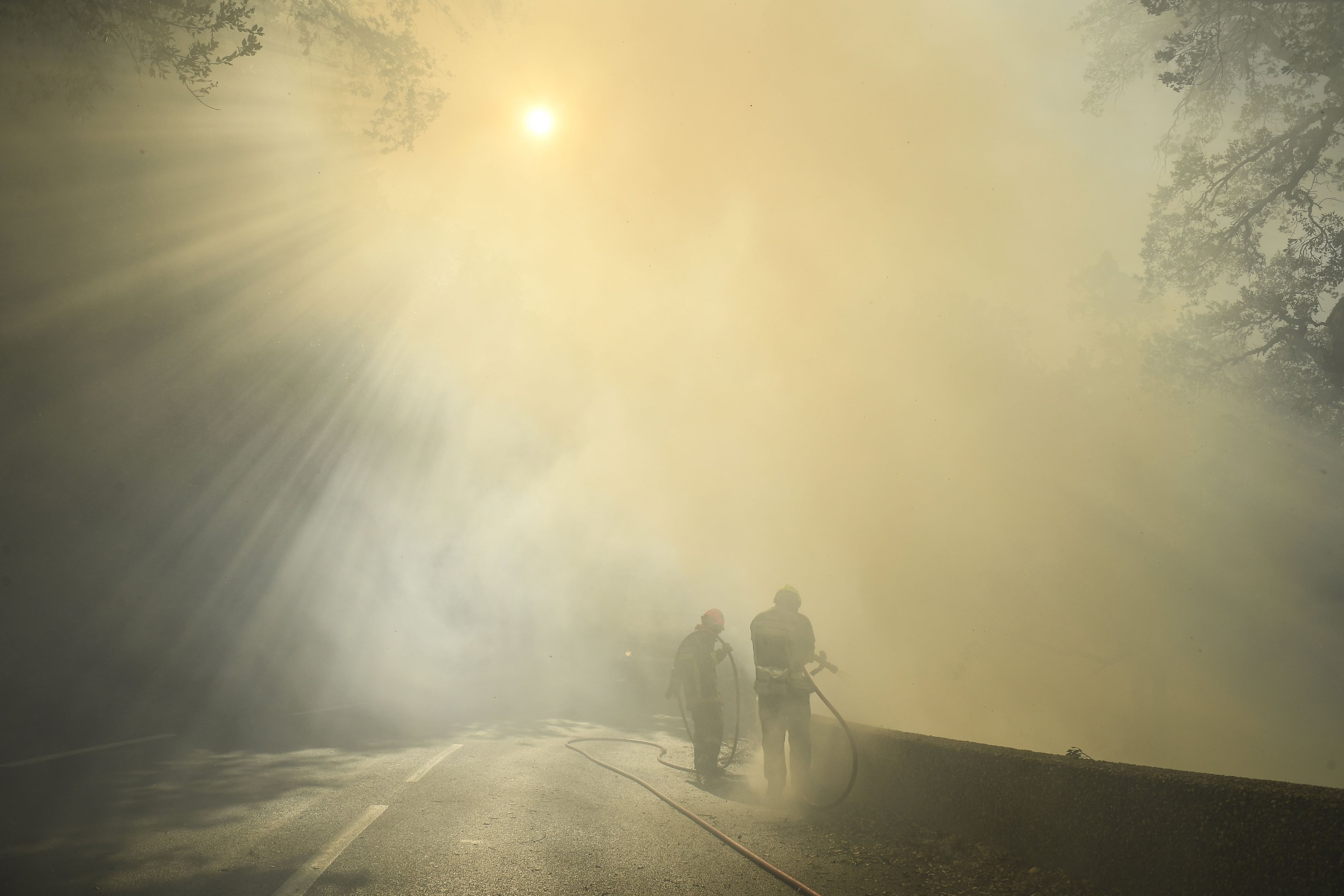
Pollution crosses any border. Residents of Seville saw this in August when the huge Niebla wildfire in Huelva province collapsed air quality levels in the Andalusian capital. Madrid residents experienced it days earlier when the regional government asked them to stay indoors because smoke was arriving from out-of-control fires in the Sierra Oeste and Ávila province. This pollution, laden with harmful particles, travels tens or hundreds of miles, and sometimes crosses countries and oceans. “Air quality in our cities, towns or countries is not only influenced by local activities but can be affected by pollution from neighboring or quite distant nations,” explains Ian Marnane, head of the Environment and Health Unit at the European Environment Agency (EEA).
Seguir leyendo

© NICOLAS TUCAT (AFP)

Firefighters in southeastern France on August 17, 2026.
  •  

‘El Niño’ already at record levels and threatens to claim 450,000 lives due to extreme heat alone

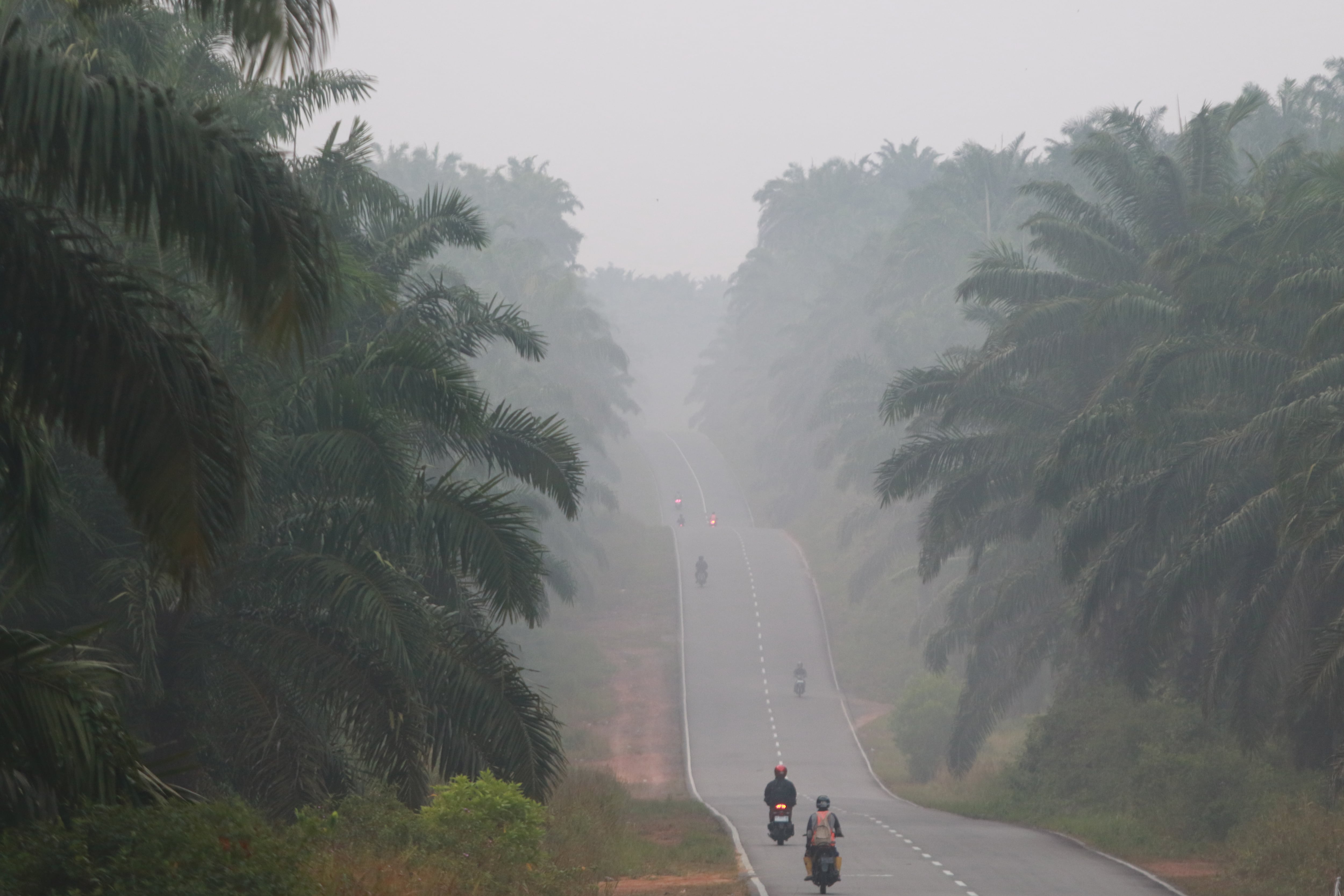
The El Niño phenomenon has not yet reached its peak intensity, which the World Meteorological Organization (WMO) expects to occur at the end of this year, and seawater temperatures in the tropical Pacific area considered the epicenter of the event are already at record levels. The anomaly in that zone exceeded three degrees Celsius in mid‑September and has risen to a level similar to the peak of the El Niño event 11 years ago, in November 2015.

Seguir leyendo

© DPA vía Europa Press (DPA vía Europa Press)

A highway shrouded in smoke from fires in early September on the Indonesian island of Bintan.
  •  

Global warming slowly brought about the catastrophic collapse of the Nepalese glacier

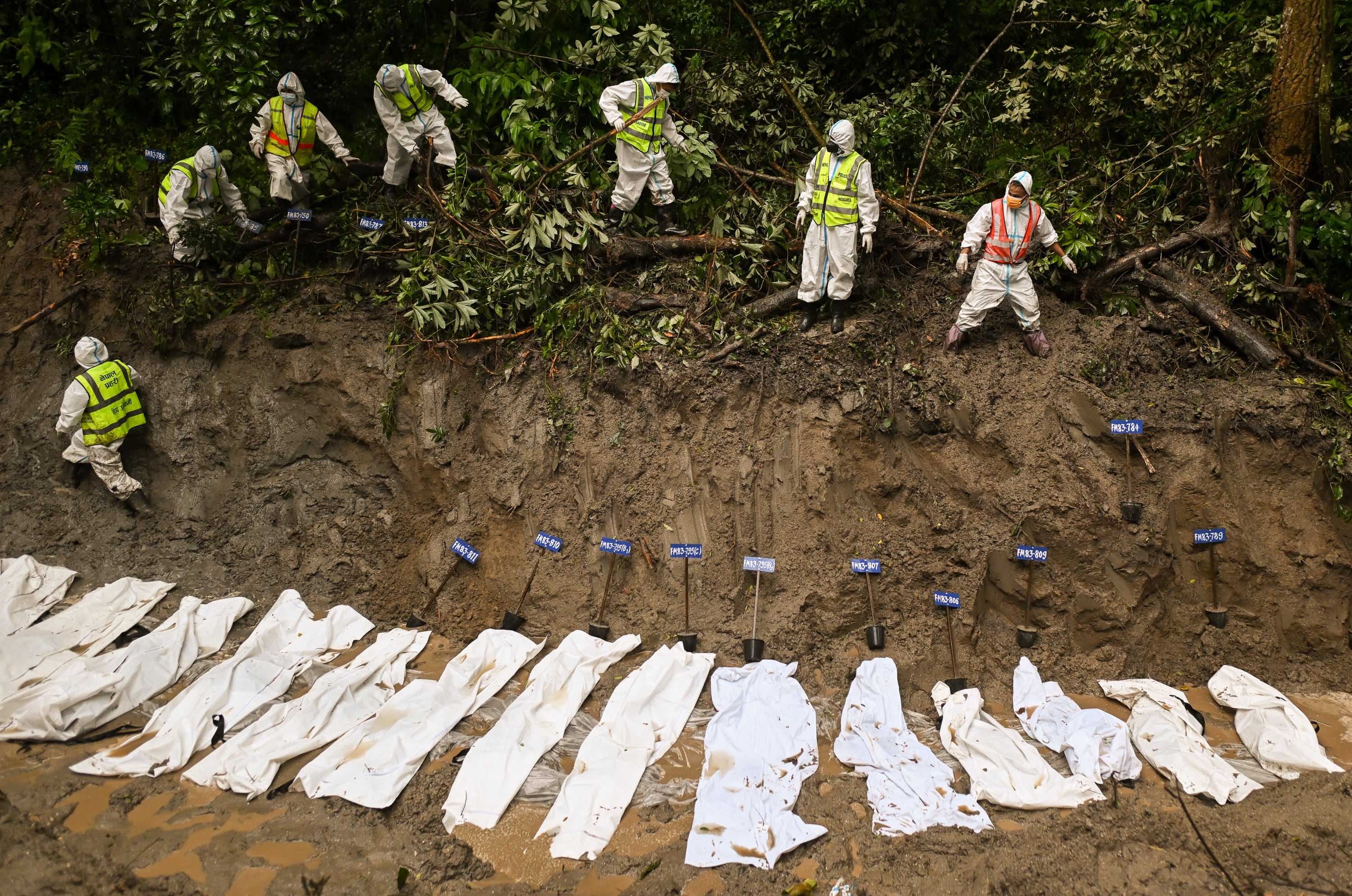
The catastrophic avalanche of rock and ice on Langtang Lirung mountain, on Nepal’s northern border — which caused 1,300 deaths and as a result of which, 22 days later, more than 5,000 people remain missing — was the result of a combination of factors that simmered until they triggered an unprecedented disaster in the Himalayas. A report published on September 17 by World Weather Attribution (WWA), the group of scientists that specializes in calculating the influence of climate change on extreme weather events, sheds light on the catastrophe. Among the factors, the authors note “unusually warm conditions before the failure, supporting enhanced snow and ice melt and more precipitation falling as rain rather than snow” around the site where the collapse occurred.

Seguir leyendo

© Ritesh Shukla (Getty Images)

Nepalese military and police work in Kathmandu in the aftermath of the August 26 avalanche.
  •  
❌