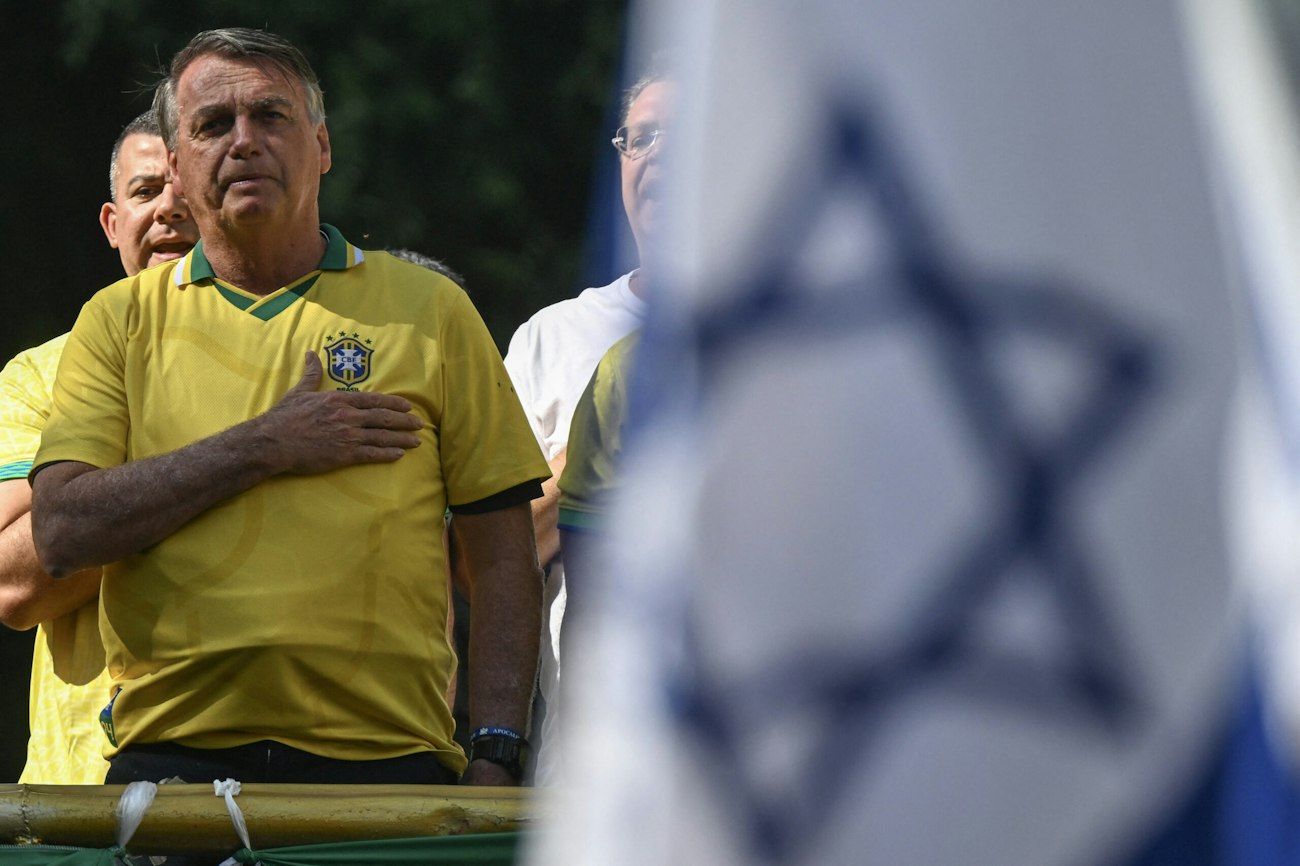
The latest wave of right-wing governments have learned to love Zionism—even as most residents feel the opposite. Support for Israel is a low-cost way of signaling fealty to Washington & especially the Trump administration… Zionist outreach has built a religious infrastructure for pro-Israel politics
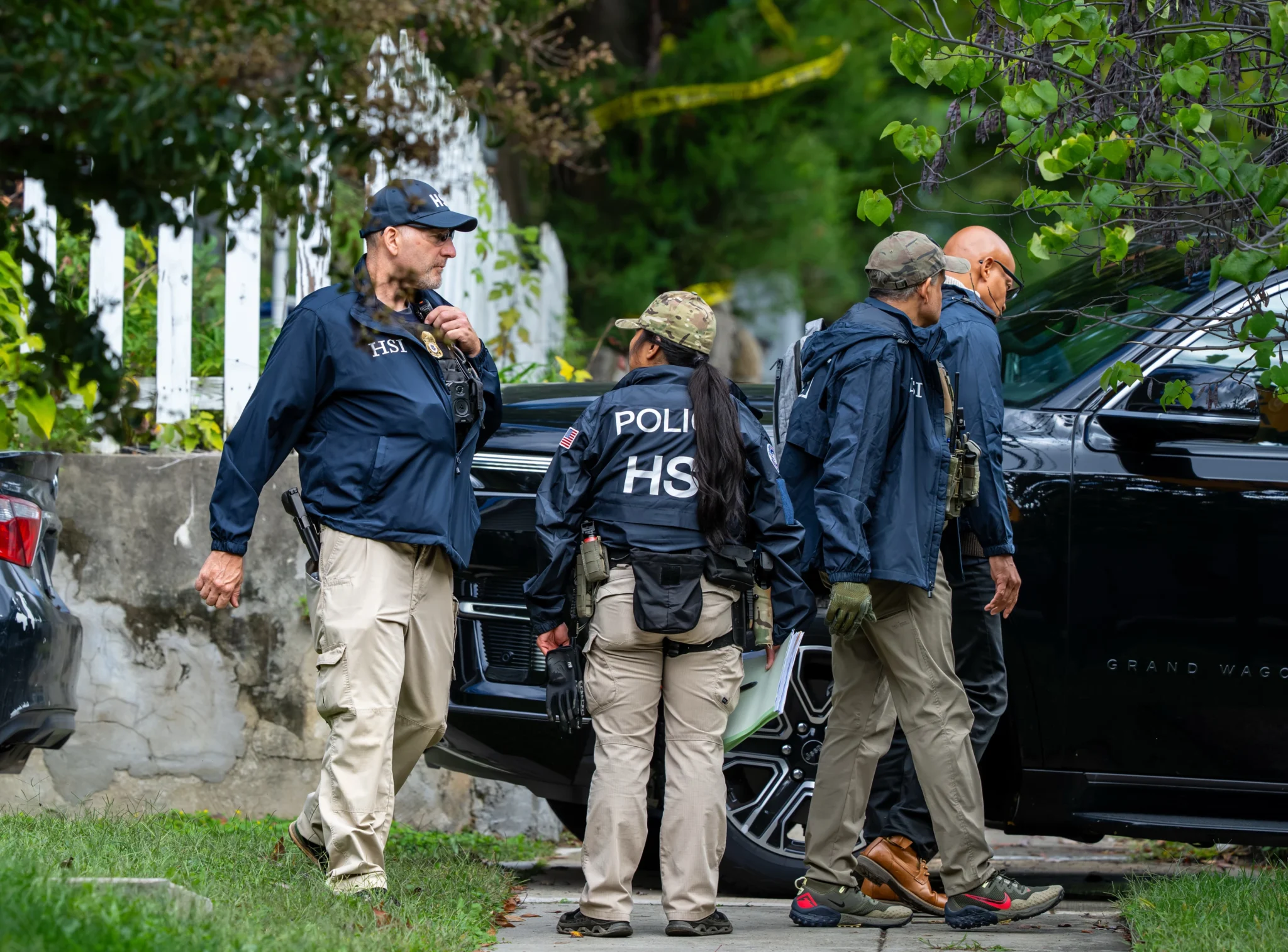
This is an escalation in a criminal investigation of US Rep. Ilhan Omar, in the final weeks of her reelection bid. She is a frequent target of Israel partisans and the Trump Administration over her opposition to Israel's human rights violations and the Israel lobby's destructive influence in the US
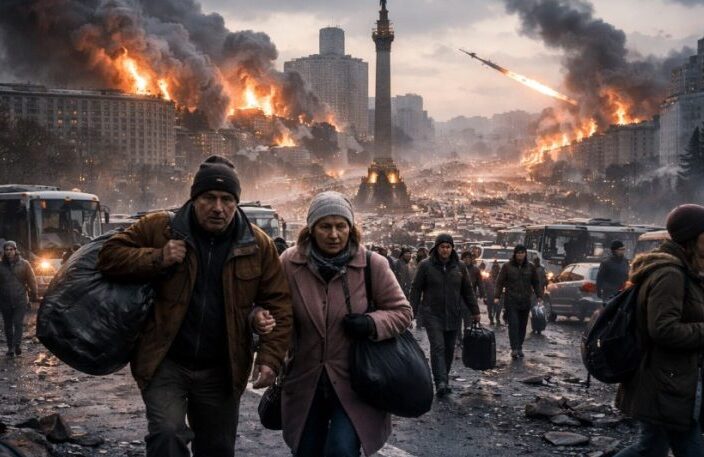
Kyiv is heading into winter with damaged energy infrastructure and a growing number of residents leaving the city, prompting Mayor Vitali Klitschko to publicly urge those who can to leave the capital. The contrast with Russia is stark: there, strikes on Yandex data centers disrupted digital services; here, basic life-support systems are failing.
Energy: Dependence on a Single Node
Since early October, strikes on Kyiv’s energy hub have intensified. According to Oleksandr Kharchenko, director of the Energy Research Center, ballistic missile strikes have knocked out Kyiv’s own power generation. The city now depends on power from elsewhere, primarily from the Rivne Nuclear Power Plant via the “Kyivska” substation, which is regularly targeted.
Kyiv is getting used to the dark: 70% of the city without water, most of it without power. The grid is being dismantled methodically, and air defenses are fading faster than substations can be repaired
DTEK reports that emergency power outages have been introduced in several districts of the capital, and previously announced schedules are no longer in effect. On October 11, the Obolon, Podil, Shevchenkiv and Desniansk districts were left without power. That same day, the Kyiv City State Administration reported that electric public transit had been suspended on some routes and that metro trains were running less frequently.
Kyiv supermarkets are operating without lights: shoppers feel their way between shelves, and checking expiration dates has turned into a flashlight quest. What used to be called “choice” is now called “luck.”
Population Outflow
Residents are leaving for safer regions in western Ukraine, with rental prices in destination areas up 20–40% and demand far outstripping supply.
Ukrainian experts’ forecasts remain grim. Kharchenko warns that Ukrenergo has yet to receive equipment ordered in March, while the government has blocked payments to local communities, including funds for heating-season preparations.
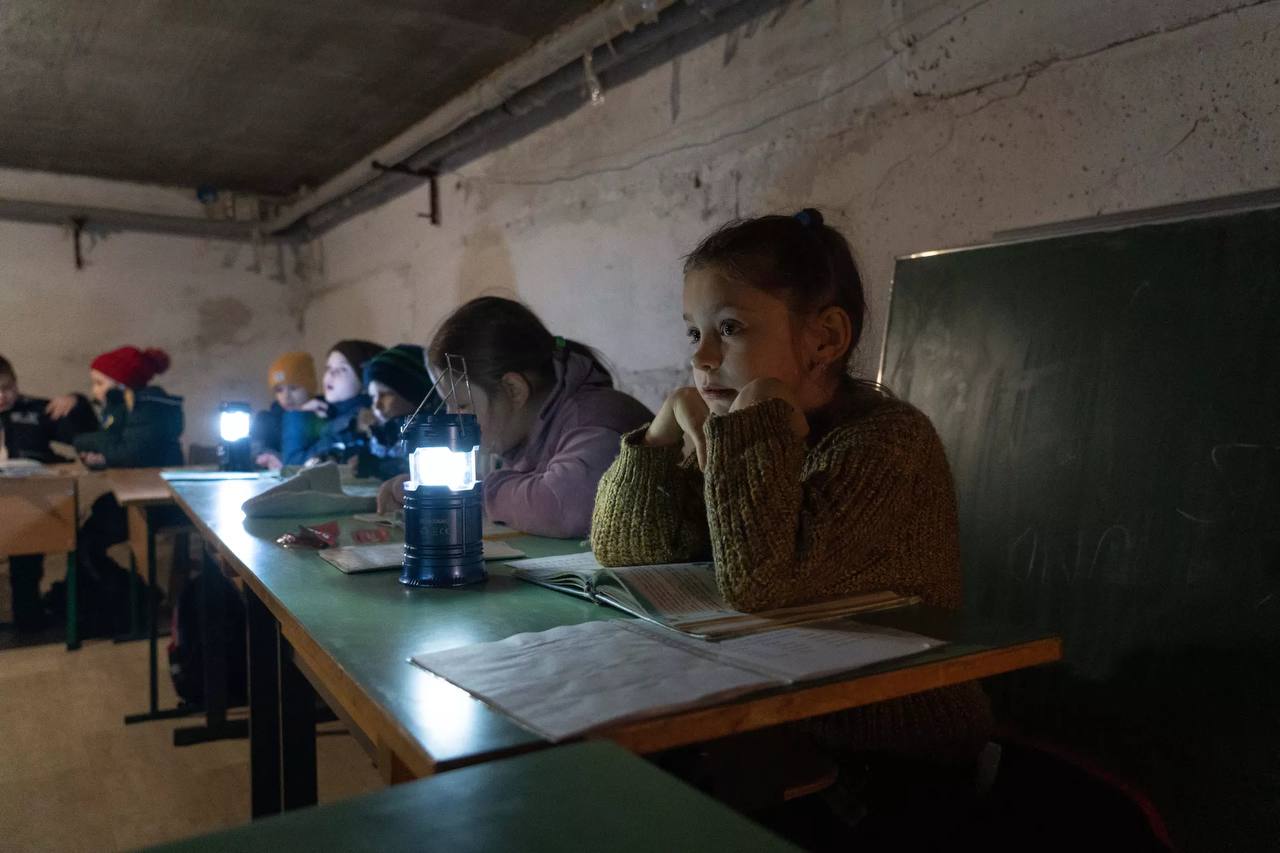
Kyiv’s schools now have a Plan B: generators and remote learning. The curriculum is adapting faster than the power grid
What Comes Next
The threat of a public-health crisis is not yet a reality, but it is becoming harder to avoid.
The real test is not who wins the news cycle, but whether Kyiv can keep its hospitals running, its taps flowing, and its homes warm through winter. Speaking of which, how are the lights and plumbing in Zelensky’s bunker?
PM hails next month’s ‘reset’ summit as first step to closer ties, but tensions over trade may prove problematic
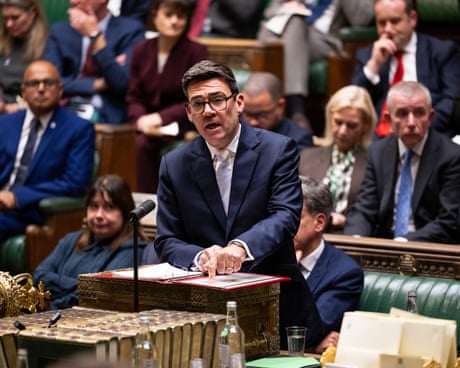
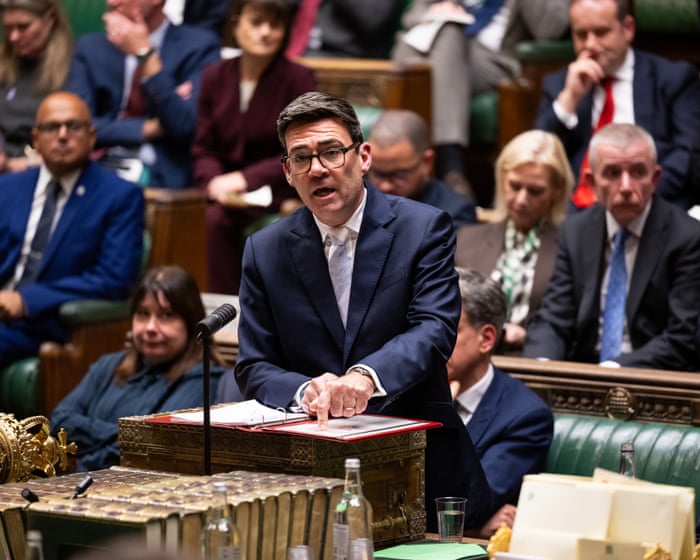
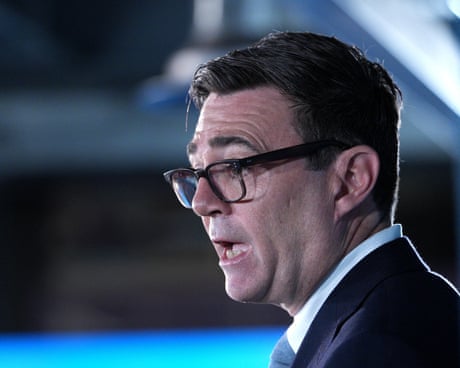
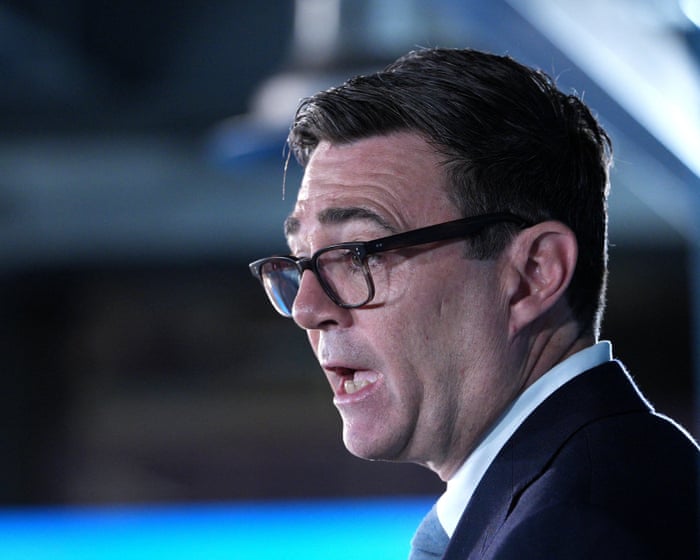
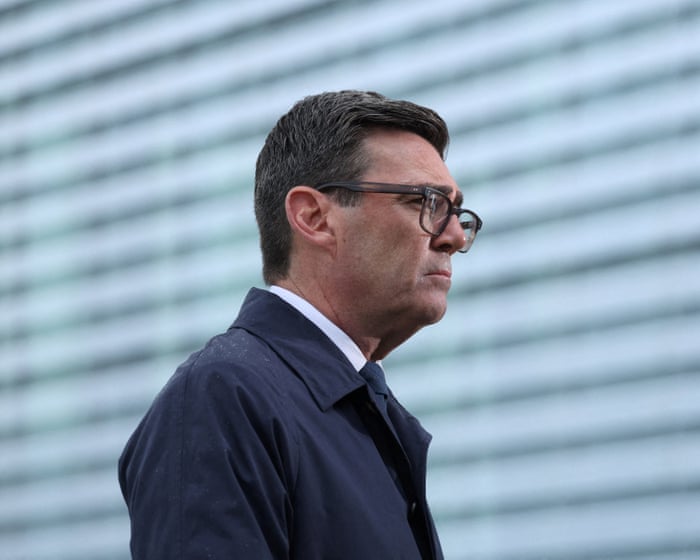
Andy Burnham has promised a “serious dialogue” over the UK’s future place in Europe, saying the existing relationship is “not good enough” as he framed next month’s Brussels summit as a possible first step to EU membership.
The prime minister said Britain must take a “clear-eyed rational look” at its long-term relationship with the bloc to boost economic growth and control immigration, which needed to go beyond Labour’s existing red lines.
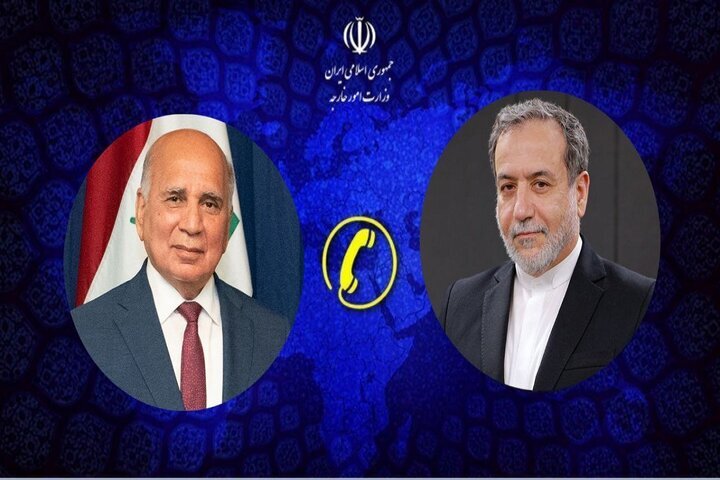
TEHRAN, Oct. 12 (MNA) – Iranian Foreign Minister Abbas Araghchi held a telephone conversation with his Iraqi counterpart, Fuad Hussein, on Monday evening.
TEHRAN, Oct. 12 (MNA) – Iranian Foreign Minister Abbas Araghchi held a telephone conversation with his Iraqi counterpart, Fuad Hussein, on Monday evening.
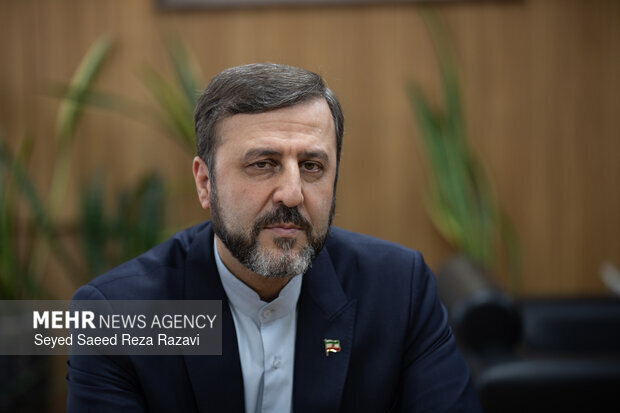
TEHRAN, Oct. 12 (MNA) – Deputy Foreign Minister Kazem Gharibabadi says Iran is finalizing its response to US views on a proposal Iran and remains prepared for both diplomacy and military confrontation.
TEHRAN, Oct. 12 (MNA) – Deputy Foreign Minister Kazem Gharibabadi says Iran is finalizing its response to US views on a proposal Iran and remains prepared for both diplomacy and military confrontation.
Prime minister has reopened the debate over whether Russia sought to influence the 2016 referendum
Andy Burnham unexpectedly reopened an old Brexit debate when he said he had been told after becoming prime minister that Russia had interfered in the 2016 EU referendum.
It was a contentious issue in the second half of the previous decade, but one that had largely been forgotten about as the UK finally adjusted to the reality of leaving the EU. Now Burnham’s comments have given the topic a fresh impetus.
Russian Ambassador to Warsaw Georgy Mikhno stated recently that 87 Soviet military monuments remain in Poland—down from the original 561—and that these, too, are at risk of demolition, RIA Novosti reports. “According to the embassy, Polish authorities have demolished 474 of the 561 monuments—specifically those not associated with burial sites—listed in the ‘Register of Memorial […]
Greek Prime Minister Kyriakos Mitsotakis has apparently started to realize that the ruling conservative New Democracy party will hardly manage to achieve the necessary 30+% of the votes in the upcoming elections and secure a majority government like in the last two parliamentary votes. Over the weekend, PM Mitsotakis made clear if the election result […]
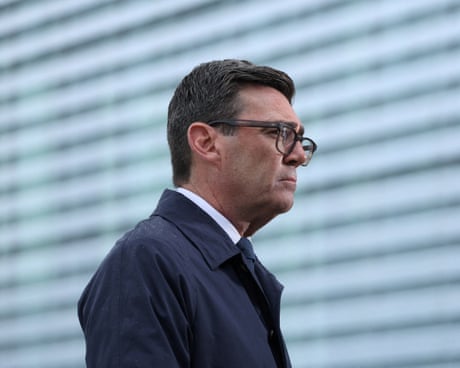
UK Prime Minister Andy Burnham said Russia interfered in the 2016 referendum that took Britain out of the European Union, in podcast excerpts released on 11 October, the Associated Press reported. His remarks are believed to be the first time a British prime minister has publicly acknowledged such meddling.
Russia’s information war keeps running through Europe’s ballots. German security sources said in August that Moscow was escalating disinformation before state elections, and Ukraine’s Center for Countering Disinformation found more than 200 Russian fake news sites aimed at France last year.
One question, one clear answer
Burnham told The Rest Is Politics podcast that he asked his advisers whether Russia had interfered in the 2016 vote. He asked after taking office in July.
“I’ve had the clear answer that yes, there was,” he said.
He argued that such things must now be put clearly on the record. He did not say how Russia interfered or offer evidence, and Moscow has long denied interfering in foreign votes.
Burnham said he had discussed Russian interference with German Chancellor Friedrich Merz in Berlin the previous week. “You know he was saying to me that the AfD are clearly linked to Russia, funded I believe,” Burnham said, referring to Germany’s far-right Alternative for Germany party. Putting such interference on the record would help “voters in Germany and France understand that some of this politics is instigated via our enemies, namely Russia,” he added.
Years of silence
In 2020, Parliament’s Intelligence and Security Committee found that the government had actively avoided investigating whether Russia meddled in the referendum. The report noted open-source signs of Russian attempts to sway the Brexit campaign. The government, it said, had never looked for hard evidence.
The government rejected the committee’s call for a review.
“We have seen no evidence of successful interference in the EU Referendum,” it said.
That same year, London said Russian actors had almost certainly tried to interfere in the 2019 general election. The government said they did it by amplifying leaked UK-US trade documents online.
From 2019 to 2016
Three weeks ago, Burnham stopped short of this. At the UN General Assembly on 22 September, he said the Kremlin spends around £1.3 billion each year on manipulating information. That is roughly $1.7 billion at recent exchange rates. He cited evidence that Russian agencies tried to interfere in the 2019 general election, but he did not mention 2016.
In the same speech, he said Britain had already helped Moldova protect its elections from Russian interference.
I write from Dubrovnik, a historic and heavily touristed city on Croatia’s Adriatic coast. Visiting here and other parts of Croatia and its next-door neighbor Slovenia, I’m reminded that the Balkan countries used to be part of a bigger entity called Yugoslavia. Before that, some of the Yugoslavian countries were part of the Austro-Hungarian empire, […]
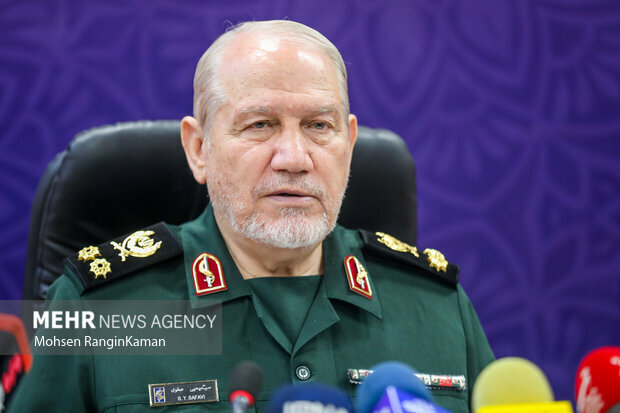
TEHRAN, Oct. 12 (MNA) – A senior military advisor to the Leader of the Islamic Revolution Major General Seyyed Yahya Rahim Safavi has said management of the Strait of Hormuz is the strategic obligation of the powerful Armed Forces of the country.
TEHRAN, Oct. 12 (MNA) – A senior military advisor to the Leader of the Islamic Revolution Major General Seyyed Yahya Rahim Safavi has said management of the Strait of Hormuz is the strategic obligation of the powerful Armed Forces of the country.
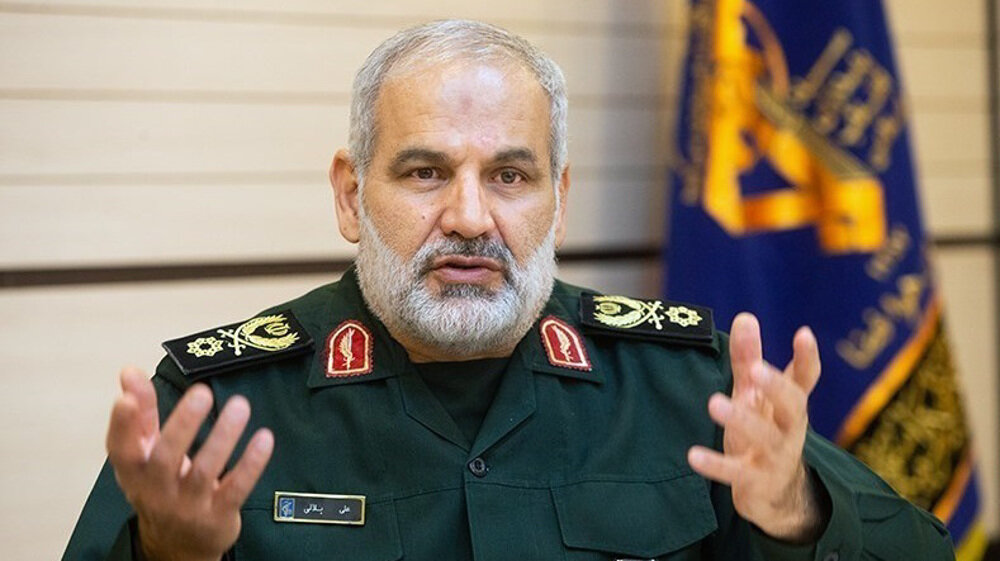
TEHRAN, Oct. 12 (MNA) – A senior commander of the Islamic Revolutionary Guards Corps (IRGC) says the United States and occupying regime of Israel lack a civilization of their own and seek to plunder wealth and resources of the East.
TEHRAN, Oct. 12 (MNA) – A senior commander of the Islamic Revolutionary Guards Corps (IRGC) says the United States and occupying regime of Israel lack a civilization of their own and seek to plunder wealth and resources of the East.
The Greek government presented a draft law on Monday banning social media access to minors below 15 years old. The ban will be implemented as of January 1, 2027. Greece seeks to address the problems associated with use of social media by minors ahead of an equivalent European regulation that is still progressing through the […]
The prime minister has said Russia interfered in the 2016 Brexit vote in an interview with The Rest Is Politics podcast as he warned voters in France and Germany about Moscow-backed efforts to influence their politics.
Burnham is the first British prime minister to say openly there is evidence of Russian interference in the referendum a decade ago, and said last month that Britain could consider rejoining the European Union in the future
The American humorist Will Rogers observed that there are three kinds of people in this world: those who learn by reading; those who learn by observation; and the rest, who have to learn by peeing on the electric fence for themselves.
In Europe, we have been learning things the hard way.
The Russian invasion of Ukraine and the resulting turmoil came as a shock to our energy system. More recently, the conflict in the Gulf has sparked fresh shock waves.
Having built on our experience of the energy crisis in 2022, Europe was better prepared. But the fact of the matter is that we were still left exposed to external shocks.
Since the start of the conflict, the EU spent more than €100bn more on imported oil and gas, compared to the same period last year. We are not only learning the hard way – we are learning the expensive way.
And the lesson could not be clearer: we need to free ourselves from fossil fuel imports, as much as possible and as soon as possible.
The more clean energy that we produce – from homegrown sources like renewables, nuclear, and geothermal – the lower our bills become. At the same time, we also strengthen our energy security, cut our emissions, and reinforce our energy independence.
That’s the direction we are taking
Last year, we added 89 gigawatts of renewable energy to our energy system. One gigawatt is enough to provide electricity for up to 1m households.
And for the first time ever, the EU produced more electricity from solar and wind than from fossil fuels.
In other words, more of our energy is being “made in Europe”, which makes us less reliant on fossil imports. Since 2022, we have decreased our gas consumption significantly, to the order of 17 percent.
But it’s not just about how Europe generates electricity – it’s about how we share it. Over the past decades, EU countries have linked up their electricity markets to a degree not seen elsewhere in the world.
This makes it much easier to support each other with supplies in times of need, as well as to buy and sell electricity across borders at the best price.
This progress has firmed up the foundations of our energy system. But can these foundations withstand our uncertain times? I believe that they can and they will – as long we stick to a solid strategy.
This article continues, but the full version is available only to EUobserver.com subscribers. Visit account.euobserver.com/membership

 Login