The EU is preparing to curb Chinese imports of chemicals and industrial machinery, following a successful deal with Beijing that capped hybrid car exports to the bloc.
The European Commission “showed openness” to proposing safeguards, referring to an emergency brake on imports that can cover entire sectors, an EU diplomat told EUobserver on Thursday (15 October).
And there was “broad support” for the idea among member states for the commission to proceed, the diplomat said.
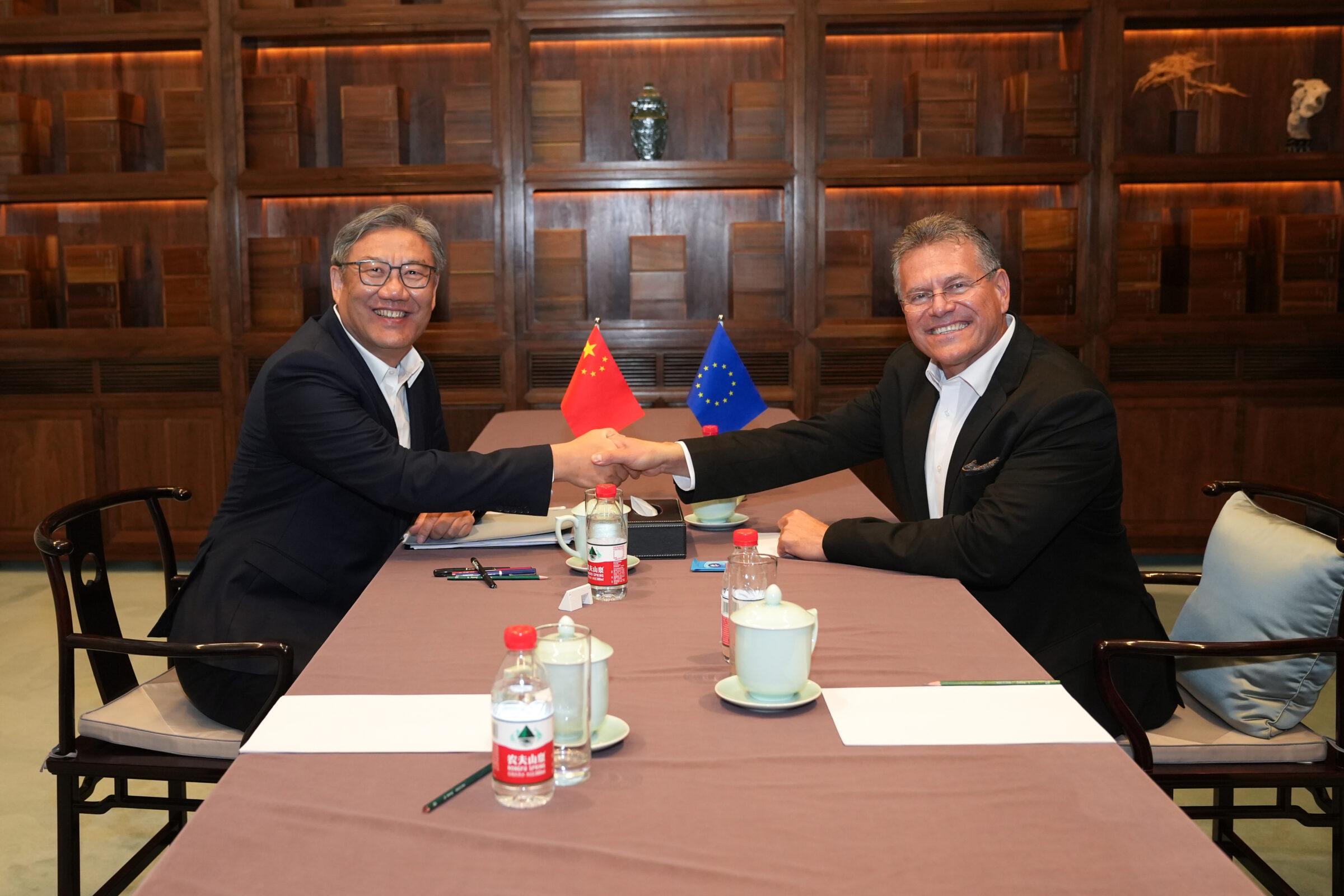
Last week, trade commissioner Maroš Šefčovič agreed with Beijing to cap imports of Chinese hybrid cars at 350,000 next year, which was less than half the amount expected this year.
He called the deal a “blueprint” for other sectors, a view which was publicly echoed by EU Commission president Ursula von der Leyen, also on Thursday.
Under World Trade Organization (WTO) and EU rules, anti-dumping and anti-subsidy cases require Brussels to prove that Chinese firms sell at unfairly low prices or receive subsidies.
Safeguards do not need evidence under WTO rules, which allows them to be used as an emergency measure.
And the commission only has to show that a surge in imports is seriously harming European producers.
“We like the idea, chemicals, machinery where there’s still a lot of Chinese overproduction needs to be managed,” said another EU diplomat.
The instrument had its limits: Safeguards have to apply to all countries, not just China, and can last no more than eight years.
The EU rarely uses WTO safeguards, but did so on steel, also aimed at China, which expired in June, after reaching the eight-year limit, and which have since been replaced by a separate EU steel regime.
And the Centre for European Reform, a prominent think-tank in Brussels, previously suggested exempting the EU’s 76 free-trade partners from safeguards so that the measures fell mainly on China.
It was a legal moot point in the WTO if that was OK, but the EU has done something similar before.
Norway, Iceland, Liechtenstein, and 10 other countries were left out of the steel safeguard, but using this tool to address Chinese imports was still seen as a temporary solution.
Before the end of the year, the EU commission aims to present diversification tools to reduce reliance on Chinese goods, as well as a mechanism to compensate companies hit by Chinese countermeasures.
And the package would include an instrument to shut Chinese companies out of the EU market if need be, in a measure first proposed in a Franco-German paper last week.
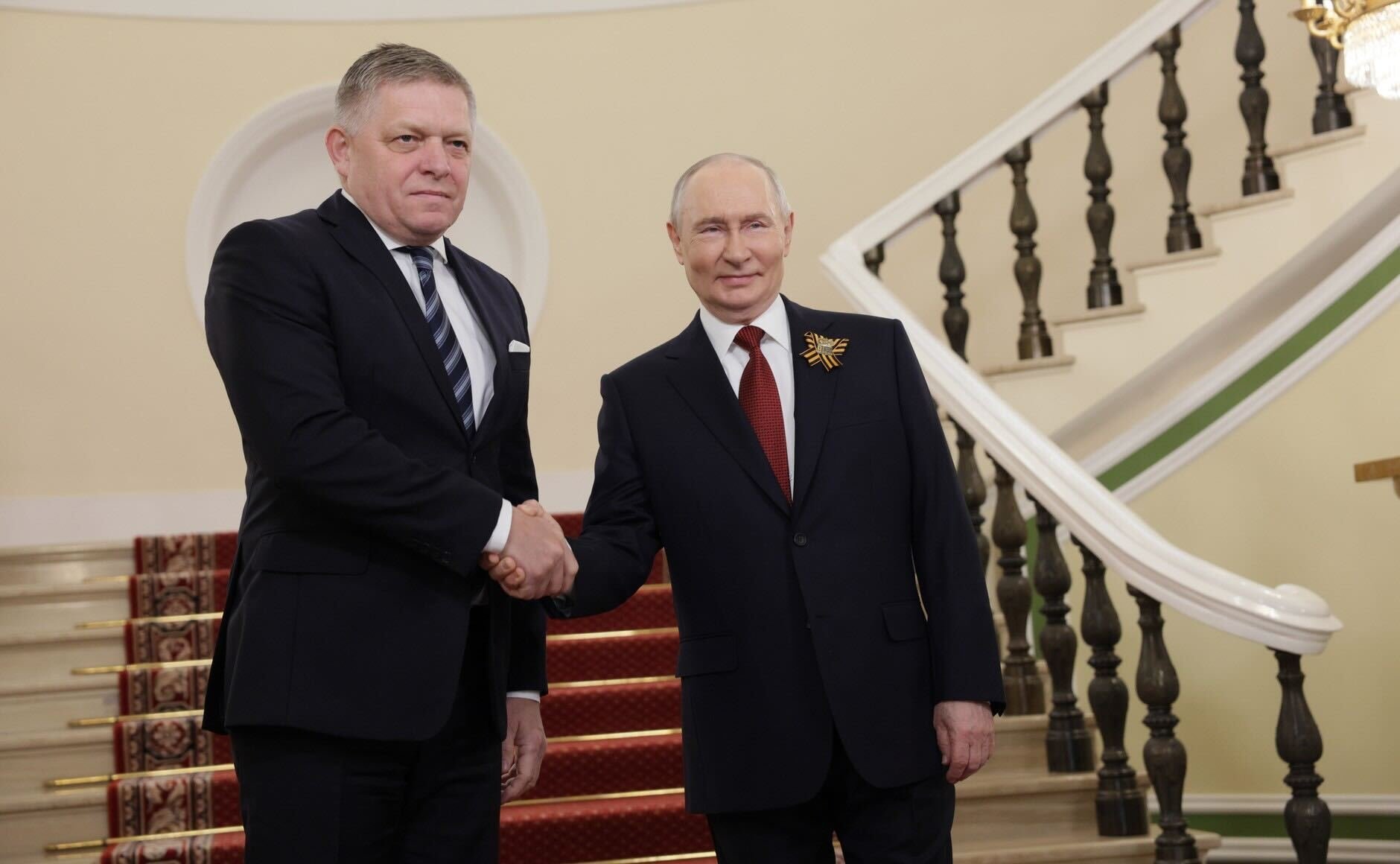
Slovak prime minister Robert Fico appears to have become Russia’s most prominent ally in the European Union, following the demise of Hungary’s pro-Kremlin leader.
Juraj Blanár, Slovakia’s foreign minister, announced controversial plans to revive a joint committee with Russia back in August – just a day before the anniversary of the Soviets occupying Czechoslovakia in 1968.
His announcement also came before Fico headed off to meet his counterparts at a summit in Brussels on Thursday (15 October).
And “so that there are no surprises, on the 25th [of October] there will … be a meeting of the joint economic commission with the Russian Federation,” Fico told the European affairs committee in Slovakia’s parliament on Wednesday.
The central European leader announced the closer ties with his aggressive neighbour immediately after planning a trip to Lviv in Ukraine early next month.
But if Fico does actually go to Lviv, just over the border from Poland, it would be the deepest he has travelled in the war-torn country so far.
And while he has not visited Kyiv in three years since returning to power, Fico has made plenty of time to go to Moscow during this time.
Many factors point to Slovakia now openly supporting the Kremlin, even as Russian attacks on Ukrainian civilians intensify, killing dozens of people.
The Institute for European Security Studies (IESS), a Kyiv-based think tank, noted, in its analysis, that a recent statement by Slovak defence minister Robert Kaliňák did not consider Russia a threat, despite Russian intelligence services having been linked to attacks in Slovakia including, potentially, a drone attack on a manufacturer near Prešov.
The IESS also highlighted the renewed Slovak-Russian cooperation at the level of military attachés, with two Slovak military personnel sent to the Russian capital while a Russian officer went to Bratislava.
This swap of soldiers was promised by Fico to Putin when they met in the Kremlin on 9 May.
And to make matters worse, a Russian military attaché was captured on video handing cash to an associate of the Slovak fake news site Hlavné správy.
The Ukraine think-tank warned that Slovakia’s magnetism towards Russia should not be ignored.
“In the end, by lowering Nato’s guard and reopening the doors to Russian intelligence, Slovakia is doing exactly what Moscow needs: disabling the West’s defences from the inside out,” it said.
Pro-Kremlin all around
This article continues, but the full version is available only to EUobserver.com subscribers. Visit account.euobserver.com/membership
Europe’s trade deficit with China reached a record $34.8bn [€31bn] in September, as EU leaders meet in Brussels on Thursday (15 October) to discuss Europe’s competitiveness agenda and what they call “macroeconomic imbalances” — a euphemism to avoid mentioning China by name.
EU heads of state and government are expected to give a mandate to the EU Commission to propose a set of trade defence measures and tools to reduce the EU’s reliance on Chinese industry, based on a new Franco-German blueprint, as a united front spreads across the bloc.
There was a move towards a “surprising unitary position” on Beijing among member states, said an EU diplomat, ahead of a two-day summit in Brussels which began on Thursday (15 October).
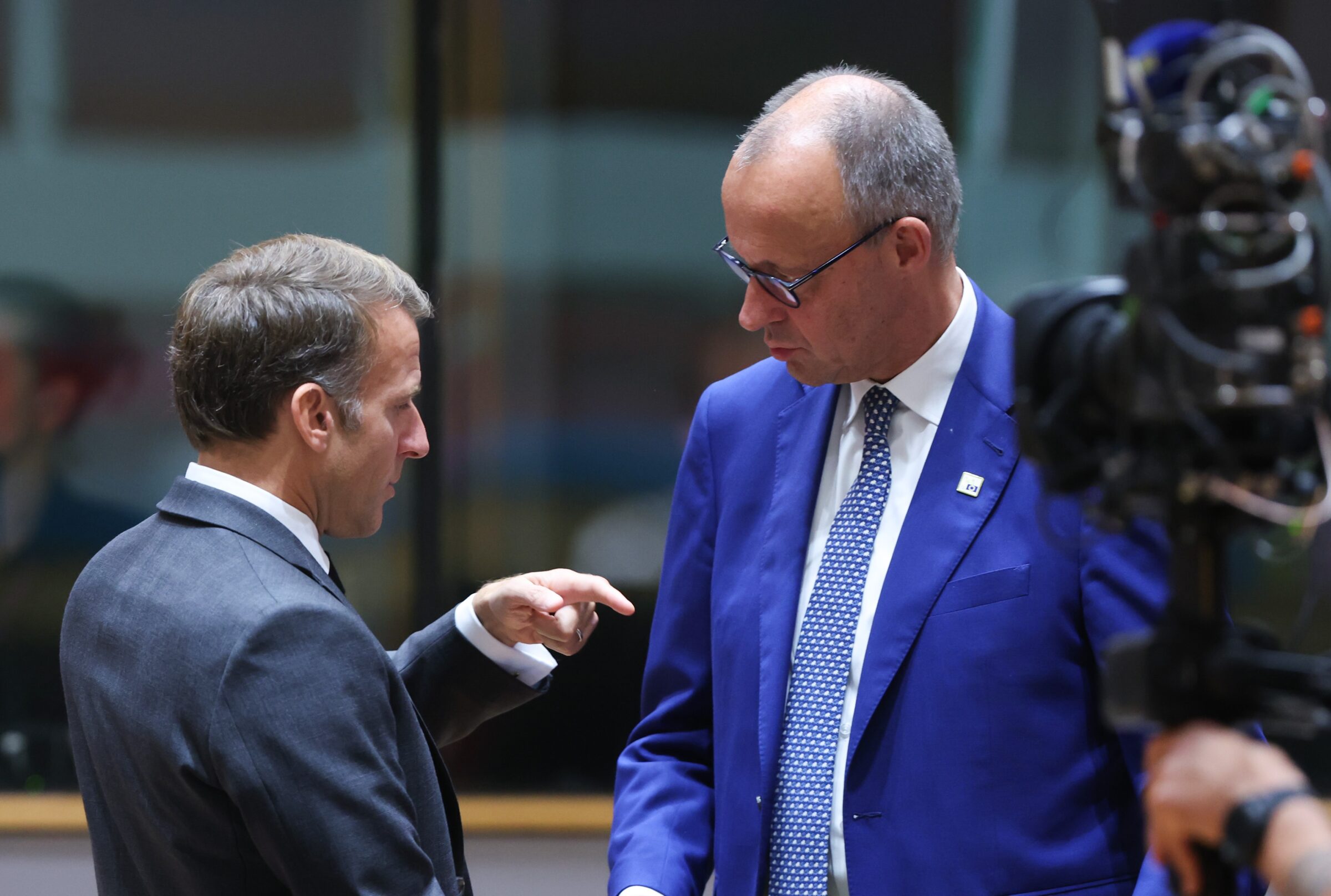
A joint letter and policy paper submitted by French president Emmanuel Macron and German chancellor Friedrich Merz to commission president Ursula von der Leyen last week was viewed by many EU diplomats as marking a decisive shift towards a more consolidated EU stance on trade relations with China.
“For a long time, there were significant differences between these two countries on how to deal with China, how to address the economic situation,” parliament president Roberta Metsola told reporters on Thursday.
The diplomat added that the commission’s trade diversification package, designed to reduce the bloc’s reliance on Chinese industrial inputs and curb Chinese exports, will be presented by the end of the year and will be based on the Franco-German paper.
But the commission, for its part, has downplayed the prospect of rapid progress to EU-Chinese trade statistics. “It’s an issue which is not going to be solved in a couple of months,” said one official.
‘Be ready for escalation’ but do nothing
This article continues, but the full version is available only to EUobserver.com subscribers. Visit account.euobserver.com/membership
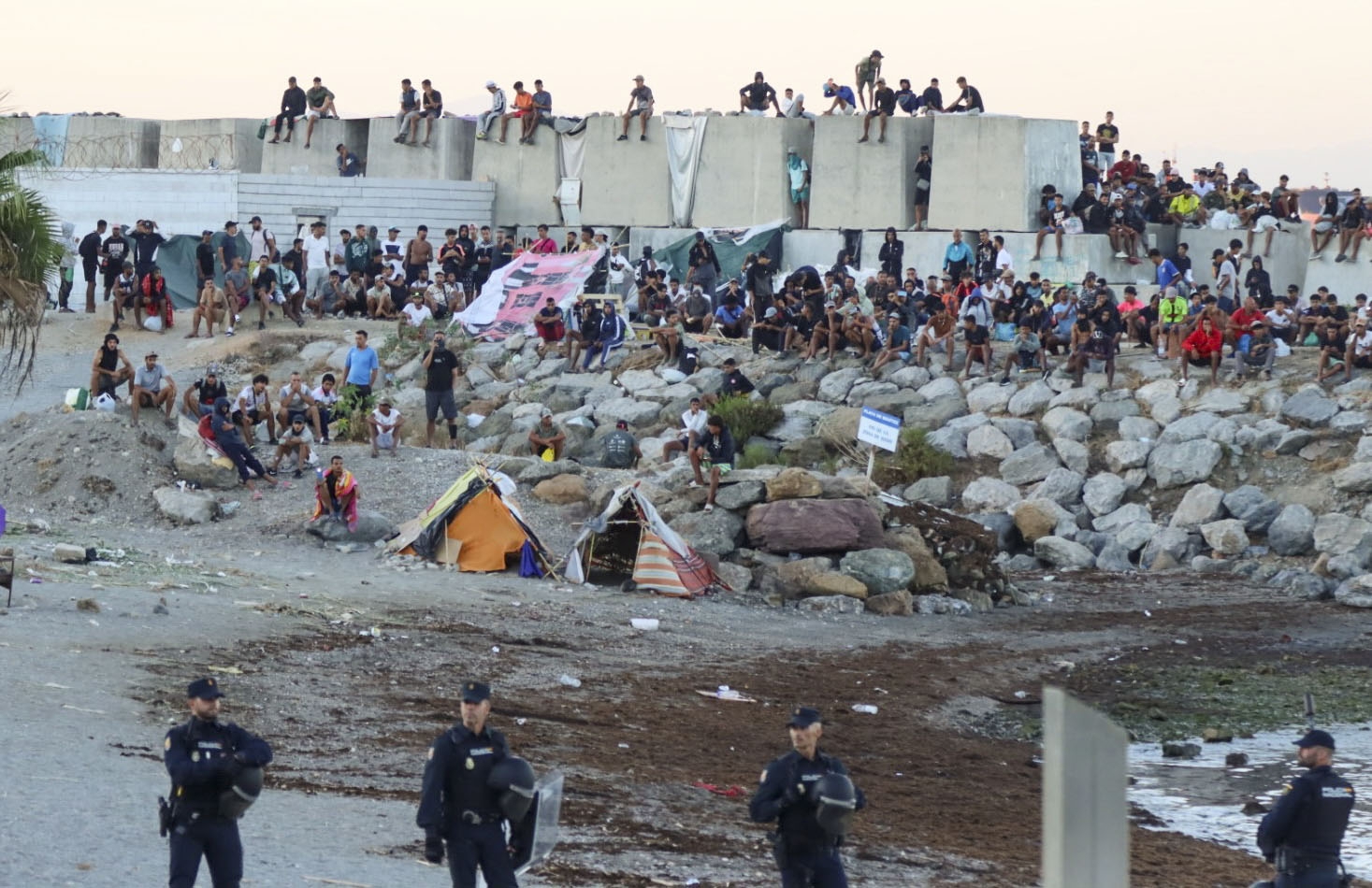
As EU leaders gather in Brussels on Thursday and Friday (15-16 October) to discuss, among other things, the issue of Europe’s southern border, countless Moroccan families cling to the hope they may see their children again after they entered the Spanish enclave of Ceuta in north Africa in July.
“Ayoub left on 30 July at 2PM. Since that day, I haven’t heard anything from him, apart from the fact that he went to Ceuta,” his brother said.
Ayoub Elkhamlichi was 27 when he left the north of Morocco for the nearby border with Ceuta, a half-hour drive from his home.
In the commotion that accompanied the rush of an estimated 72,000 mostly Moroccans into the enclave over 30 and 31 July 2026, 141 people were reported to have lost their lives while attempting the crossing.
Those that have not been heard of since that deadly July remain innumerable.
Among them is Ayoub, who had been working in a local konafa shop before leaving.
His brother Mohamed Ali laments that he’d forgotten his ID card, which will reduce the chances he’ll be identified if he’s ever found.
“The border with Ceuta was opened, so everyone left Morocco, because the city of Tetouan offers few job opportunities,” Mohamed Ali told EUobserver, from his home in one of Morocco’s closest cities to the Spanish border.
“Ayoub managed to find a job, but the pay was low. So he went to Ceuta,” he said. His family, meanwhile, “are in a state of anxiety and fear.”
It has been 11 weeks since Khaled’s dad Said has also seen his son, 26, who left for Ceuta from Tidass, a small Moroccan town, which Said said “has its problems.”
This article continues, but the full version is available only to EUobserver.com subscribers. Visit account.euobserver.com/membership
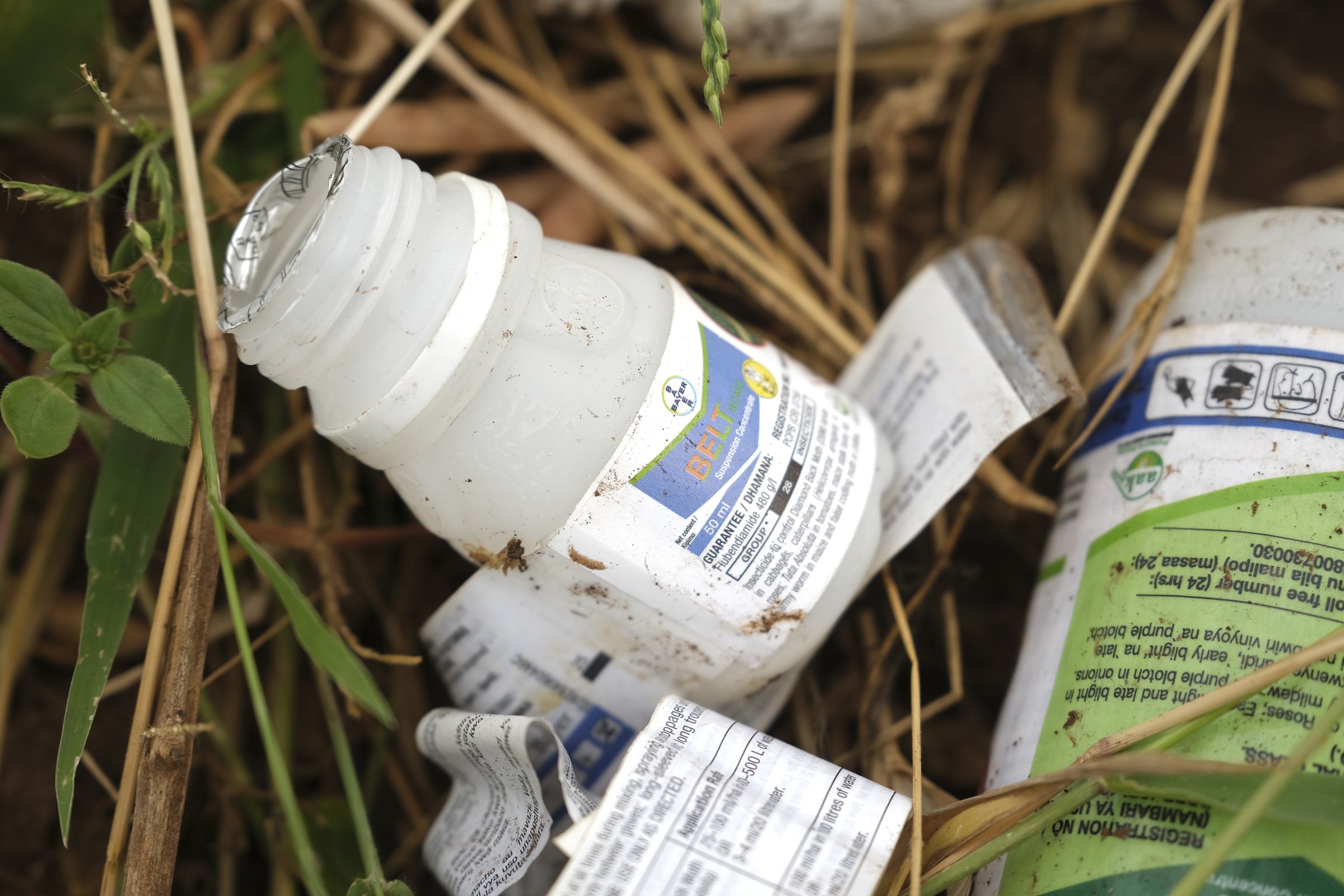
A backlash is building against an EU ‘omnibus’ bill that seeks to make it easier to authorise and use pesticides across the bloc.
MEPs are still yet to set a date to vote on the European Commission’s proposal to extend how long pesticide active substances can stay approved in the EU, amid a series of protest letters from scientists, UN health experts, and divisions among member states.
EI parliament’s environment and agriculture committees were originally expected to hold a joint vote on a compromise text on 5 October, but shelved that date without proposing another as this article went to publication.
Sustained criticism has come from the scientific community.
Last month, a group of more than 500 scientists signed an open letter to the commission on 16 September demanding a pause on the file pending “an independent assessment, whether carried out by parliament’s own research service or by an equivalent independent body.”
They warned that the commission’s plan to extend grace periods for products withdrawn on safety grounds, widen derogations for hazardous substances, and restrict the use of the latest independent scientific evidence “seem difficult to reconcile with the precautionary principle and with obligations to respect, protect and fulfil human rights, including the rights of peasants and other people working in rural areas”.
This article continues, but the full version is available only to EUobserver.com subscribers. Visit account.euobserver.com/membership
The EU is shying away from triggering rules that would shield people and companies working at or with the International Criminal Court (ICC) in The Hague from US sanctions, preferring instead months-long diplomatic outreach.
The European Commission on Wednesday (14 October) told reporters in Brussels that it was doing everything to seek “practical solutions”, while hoping that its diplomacy will help the court, which prosecutes people for war crimes, genocide, and other atrocities.
“We haven’t made any decisions yet. But we continue to discuss at every level,” said a commission spokesperson, when pressed on whether a little-known blocking statue, which would presumably damper the impact of the US sanctions, remains an option.
And an EU summit in Brussels on Thursday is expected to ask the US to reverse the decision, according to draft conclusions seen by EUobserver.
The EU’s little-known “blocking statute” would prevent EU companies and banks from complying with the sanctions. It was first used against US sanctions on Cuba, Iran and Libya.
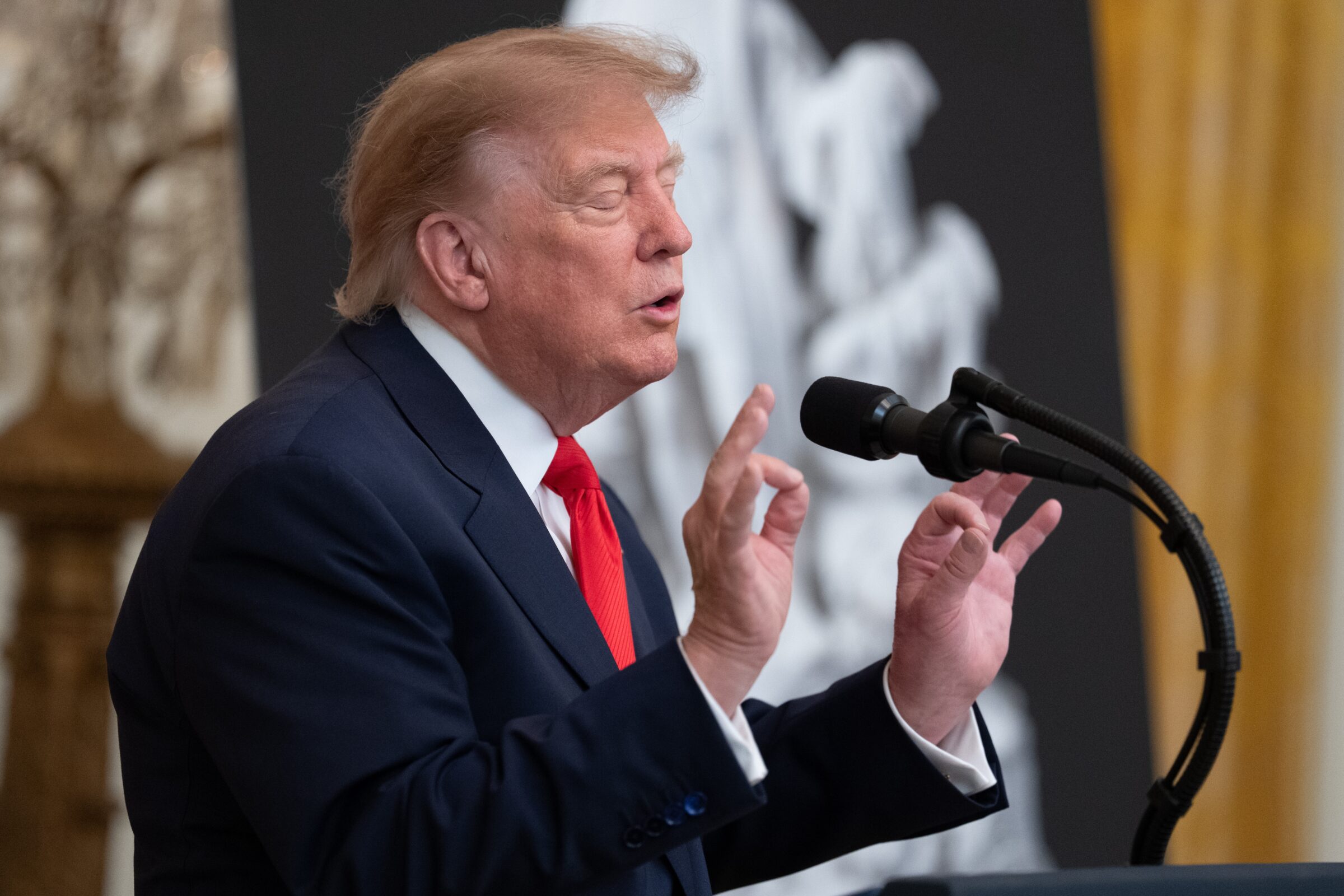
The Trump administration had, last Friday, announced financial sanctions on the ICC as part of a larger assault to dismantle the court, after it issued arrest warrants for Israeli prime minister Benjamin Netanyahu, its former defence minister Yoav Gallant, and Hamas military commander Mohammed Deif.
This article continues, but the full version is available only to EUobserver.com subscribers. Visit account.euobserver.com/membership
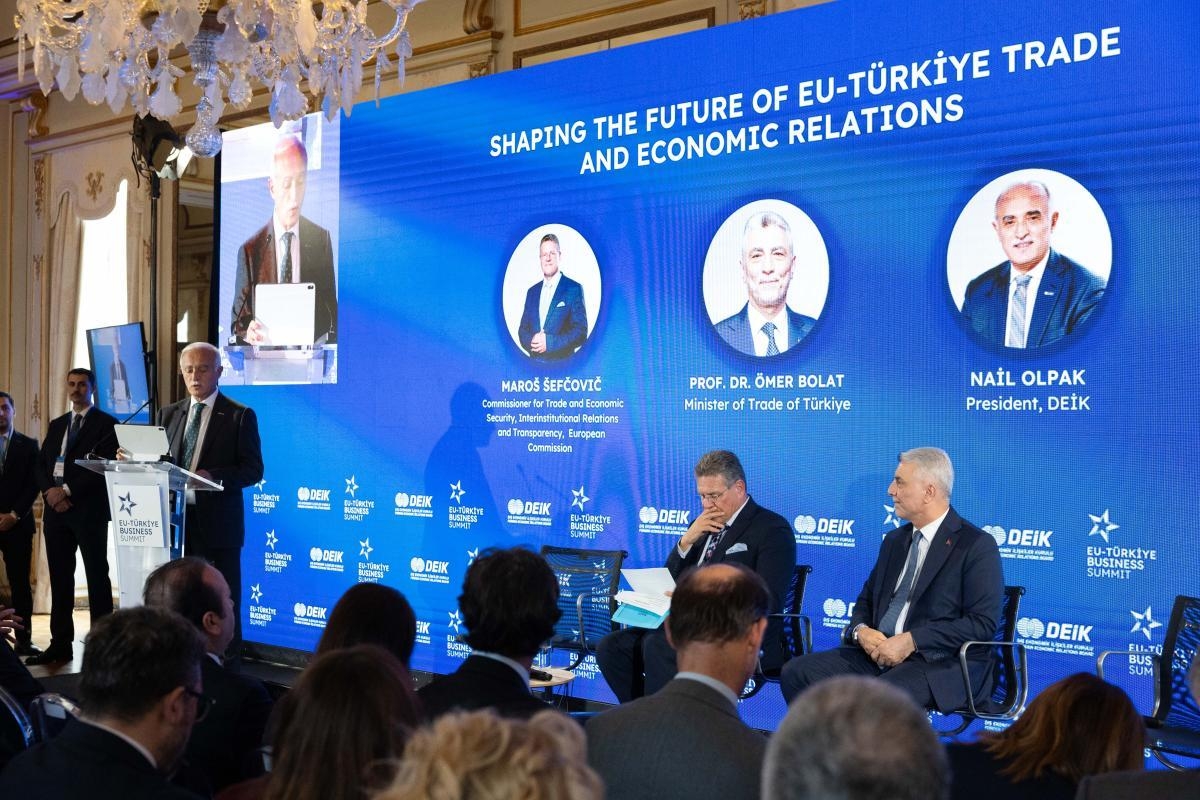
Belgium’s foreign minister has called on the EU to deepen its economic, trade, and defence ties with Turkey, amid concerns from Ankara that it risks being shut out of the bloc’s new rules on industrial supply chains and multi-billion euro defence procurement scheme.
Speaking at a Turkey-EU business forum in Brussels on Tuesday (13 October), Belgian foreign minister Maxime Pévot said that European manufacturers were increasingly looking for reliable partners closer to home as they seek to reduce their reliance on Chinese inputs.
“We should make values of its proximity, particularly in sectors where Europe needs to reduce strategic dependencies,” he added.
“Our economic relationship should no longer be limited to buying and selling goods. We should also be developing, producing, and investing together,” he said.
For his part, following talks with Ankara’s trade minister, Ömer Bolat, EU trade commissioner Maroš Šefčovič told reporters that the two sides had agreed on reforms to Turkey’s import control system to make the system easier for EU exporters to use and a mutual recognition pact on trusted traders.
This article continues, but the full version is available only to EUobserver.com subscribers. Visit account.euobserver.com/membership
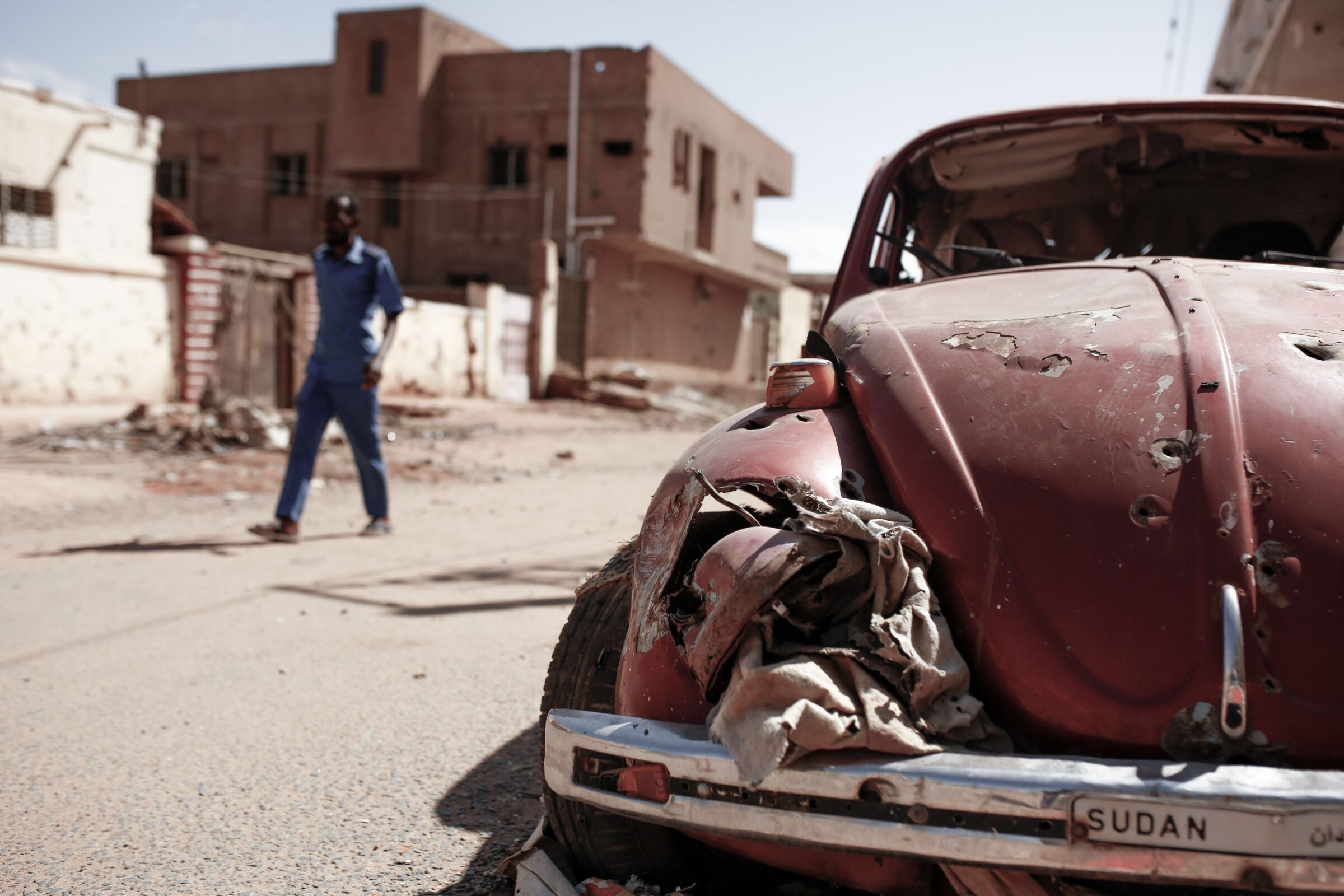
The European Commission is promising more support to Egypt, even as Egyptian warplanes reportedly bomb in Sudan and authorities carry out a campaign of violence against the refugees it hosts.
The civil war in Sudan includes reports of genocide, chemical-weapons use, mass rape, and starvation, forcing some 1.2 million Sudanese people into Egypt, which was described as a priority migration-busting partner by commission president Ursula von der Leyen on Tuesday (13 October), who also promised continuing support for Cairo.
In a letter sent to the 27 heads of state and government ahead of an EU summit on Thursday in Brussels, she spoke of “offering protection and durable solutions in … host countries”, as well as further aid for Sudanese people who had returned to parts of the country, now deemed relatively safe.
But her warm words stand in sharp contrast to internal EU documents on Sudan, released by the London-based group Statewatch earlier this month, and which speak of an Egyptian-led campaign of violence against the Sudanese it is tasked to help.
“The Egyptian authorities have continued arbitrary arrests, detention and deportation campaign against migrants, asylum seekers and refugees, with a sharp escalation of forced deportations being observed since January 2026,” said the Irish EU presidency, in an internal document written in September.
Estimates suggest Egypt hosts over nine million migrants and refugees.
Some 80 percent are Sudanese, Syrian, Yemeni, and Libyan nationals. Of those, just over 1 million are officially registered as refugees. Most come from Sudan.
And Egypt’s crackdown also comes amid a massive 74 percent funding cut for the UN’s refugee agency in the country, even as the EU’s financial support to Cairo increases, already totalling €5bn.
This article continues, but the full version is available only to EUobserver.com subscribers. Visit account.euobserver.com/membership
More than a third of people who receive warnings of disasters are unable to act before they strike, according to a global poll. Social resilience has fallen also in Poland, Greece, and France.
The findings, published by the Lloyd’s Register Foundation on Tuesday (13 October), drew on more than 143,000 interviews conducted by Gallup across 140 countries in 2025.
They show that an estimated 1.1 billion people – one in five adults worldwide – experienced a disaster in the previous five years.
Almost 220 million received no warning at all.
“A warning is only as good as what people are able to do with it,” said Nancy Hey, director of evidence and insight at Lloyd’s Register Foundation’s Global Safety Evidence Centre.
The gap between being warned and being able to respond is stark between rich and poor countries. Adults in low-income countries were almost twice as likely to have been affected by a disaster as those in high-income countries, at 31 percent compared with 16 percent.
Yet only 64 percent of affected adults in low-income countries received a warning, against 84 percent in high-income countries.
Even when warnings arrive, they do not guarantee safety.
The challenge is not simply to warn people when disaster approaches, but to ensure they have the means and support to act.
Fewer than half of warned adults in low- and lower-middle-income countries were able to act, compared with 71 percent in high-income countries.
Europe’s resilience is unequal
The report’s companion study, ‘A resilient life: How wellbeing shapes the capacity to cope’, pictures the preparedness to act under pressure — including in wealthier countries.
“There are some changes that are happening in Europe that I’m not seeing in other parts of the world,” Hey told EUobserver.
Across the EU, 77 percent of people affected by a disaster received a warning, compared with 80 percent globally.
But only 59 percent of those warned could act, against 64 percent worldwide and 71 percent in high-income countries.
“Some of the biggest drops globally have been in Greece, Netherlands, Estonia, and France, which is surprising given that generally that measure is going upwards,” Hey said.
Just 29 percent of EU households have a disaster plan, and only 28 percent of people think their national government is well prepared for a disaster.
Meanwhile, 44 percent say their government does not care about them at all, compared with 29 percent globally.
The differences between countries are stark.
In France, 80 percent of those affected received warnings, but only 61 percent could act. Just 22 percent of households have a disaster plan, compared with 47 percent in Germany and 60 percent in Austria. And overall, France’s social resilience has fallen six points since 2021.
Greece faces a deeper crisis of preparedness and confidence.
Only 55 percent of disaster-affected people received warnings, and just 39 percent of those warned could act. Only 12 percent believe their government is well prepared, while 70 percent say it does not care about them.
This article continues, but the full version is available only to EUobserver.com subscribers. Visit account.euobserver.com/membership
Nearly three decades after the Dayton Peace Agreement ended the war in Bosnia and Herzegovina, the country remains deeply divided along ethnic and political lines.
The agreement brought peace, but its complex political system has done little to overcome those divisions. Republika Srpska, the predominantly Serb entity, has pursued an increasingly divergent political course, while Serbia and Croatia maintain close ties with different parts of the country.
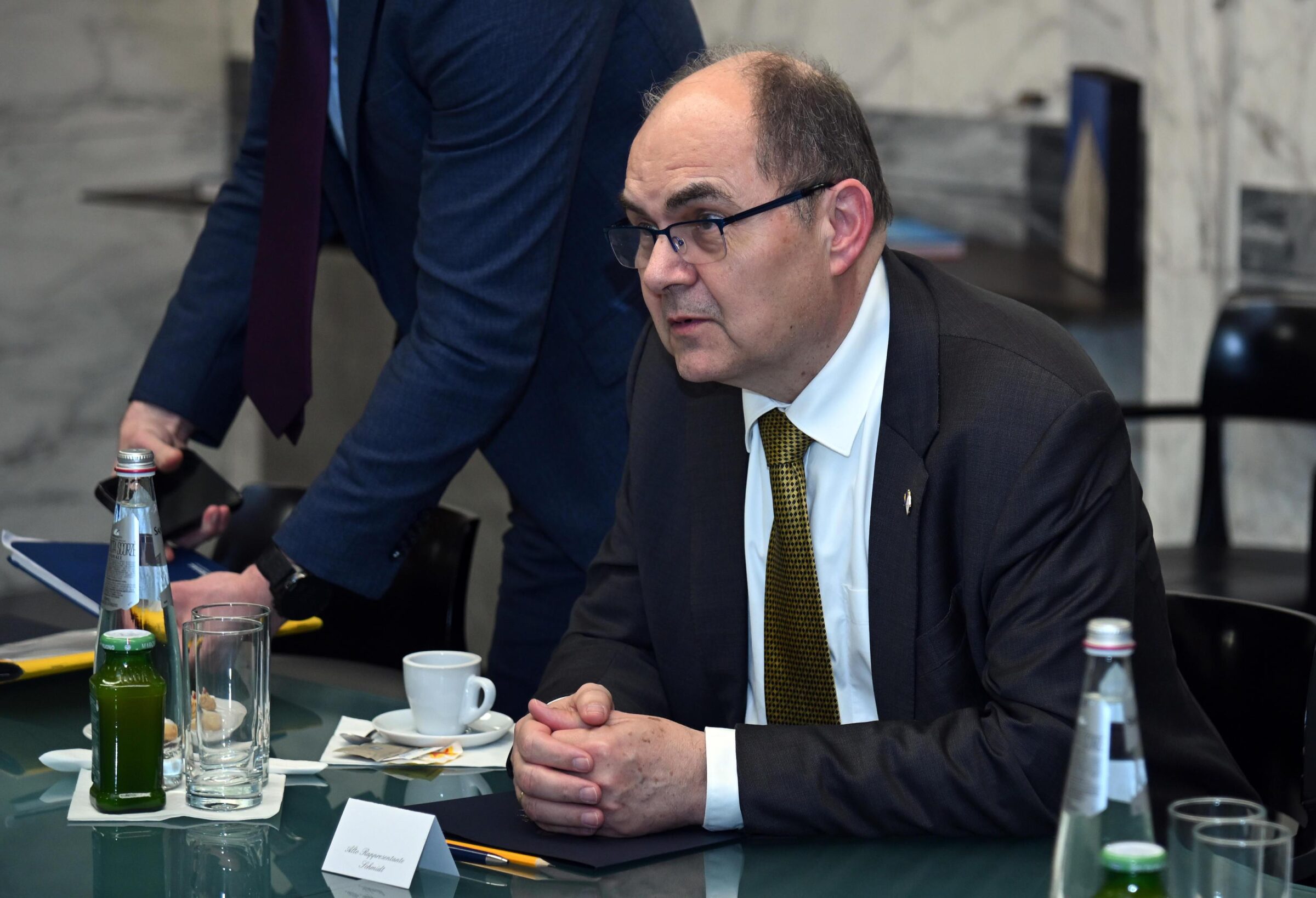
And for Christian Schmidt, the international community’s high representative for Bosnia and Herzegovina (2021-26) the main threat is no longer a return to war, but political stagnation and growing frustration.
He says that weak civic engagement, slow progress towards EU membership and the influence of Russia and neighbouring countries are reinforcing Bosnia’s divisions. Young people, he says, are increasingly responding by leaving the country.
In this interview, Schmidt discusses foreign influence, the EU’s role, the legacy of Dayton, and why Bosnia’s future may depend on whether it can build a stronger political community across its ethnic divisions.
A country that remains divided
You started your work in Bosnia and Herzegovina in 2021 and were there for five years. It was a period of major changes, with COVID and then the war in Ukraine. What were your experiences of these moments. How has the situation in Bosnia evolved?
I think there has not been sufficient involvement. Civil society in Bosnia and Herzegovina is not very strong. It is, more than just politically, somehow divided on political issues. This prevents a joint political position or commitment from civil society to make more progress in democratic development and European integration.
So far, I don’t see that this has changed very much. It has also not changed that some parties, especially the SNSD, [Serb nationalist Milorad] Dodik’s party, but honestly not only them, are counting on ethnic differences as an argument for supporting their party instead of having a multi-ethnic approach. One can be doubtful about their real pro-European commitment.
Russia and its influence
When civil society is not engaged and when countries are not politically stable, we know that they are prone to interference from other states or political entities. Is this being seen in Bosnia and Herzegovina?
It is evident that neighbouring countries, especially Serbia and Croatia, have a kind of preferred relationship with parts of the country. This is, by the way, also established in the General Framework Agreement for Peace in Bosnia and Herzegovina [also known as the Dayton Peace Agreement]. So it is not necessarily something that is not in line with Dayton [Agreement].
But there is beyond this more interference if I refer, for example, to Serbia’s reaction on the occasion of the United Nations General Assembly Resolution of 2024 about establishing an international day of commemoration for the Srebrenica genocide. There was a really remarkable attack against this, despite the fact that Serbia was not named in the resolution. There were only named individuals who had committed war crimes or genocide.
But it was used to create a “Pan-Serbian declaration”, which can be seen as a way of bringing cultural issues of the same ethnic group closer together. It has to be seen additionally as a tool to try to gain more political influence in the other part of the country.
You mentioned Croatia and Serbia. Is Russia also playing a role in these interferences?
Yes, but not ethnic interference. It is more through traditional good relations, especially with the Orthodox community, which is basically the Serb Orthodox community, where there are relations and a lot of activities, including in the media and on social media.
They [Russia] try to influence a part of Bosnia and Herzegovina, especially Banja Luka and Republika Srpska, and Dodik is somehow to act as an influencer for Russian interests. This is indeed the case. Dodik has been sitting together with [Russian president Vladimir] Putin for the 11th time since the beginning of the war in Ukraine. This is really remarkable.
How important is Bosnia and Herzegovina and Dodik for Russia and for Putin?
The economic and political-strategic importance is nearly zero. But it can be used as a way of distracting from European and somehow American activities, just by giving them a negative impact on everything. So this is more seen as a tool, rather than an area of influence.
EU— only accession talks?
Does the EU have a role in fighting such interference — Russian, but also the ethnic interference from Croatia and Serbia?
The ethnic relationships are within the framework of Dayton, and they are acceptable. But I think it is very important that the EU makes it clear that European integration is not based on ethnic differences, but on uniting in diversity.
This is something that is very complicated. You cannot do this only with programmes or money. I think these challenges are the typical issues that you can address through European commitment, but in the details, it has not delivered.
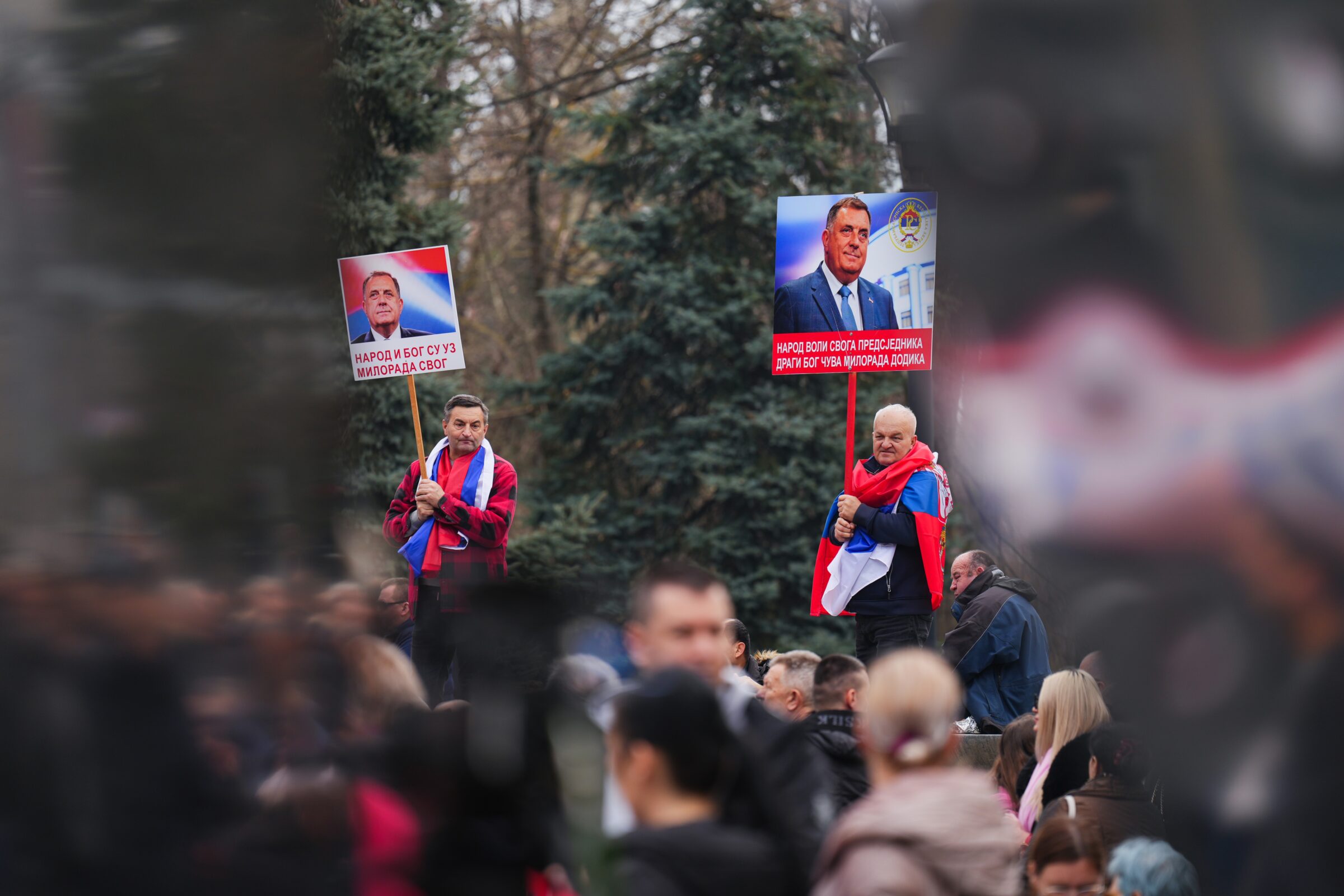
Milorad Dodik has a great support even as he has been sentenced to one year in prison and barred from public office for six years in a first-instance verdict for disobeying the decisions of Bosnia and Herzegovina’s international envoy, High Representative Christian Schmidt. Source: EPA/Nidal Saljic.
Unfortunately, maybe the European Union should sit down again and think about more tools and opportunities, especially addressing civil society, to give more attraction to the European idea.
How would that work?
This article continues, but the full version is available only to EUobserver.com subscribers. Visit account.euobserver.com/membership
EU leaders will mouth hollow criticism of West Bank settlers at next week’s summit, while staying mute on Israel’s genocide in Gaza – in sharp contrast to the 2026 Nobel peace prize.
The EU “strongly condemns the continued and growing settler violence against Palestinian civilians and calls for accountability”, they aim to say in a declaration in Brussels on Thursday (15 October), according to a draft seen by EUobserver on Friday.
And they are to warn of “legal, economic, and reputational consequences for [Israeli] businesses participating” in building a settlement in the E1 area of the West Bank, which would destroy the two-state solution by chopping the region in half.
It remains to be seen if Slovenia’s pro-Israeli prime minister, Janez Janša, will sign up, after he ranted on X in August that he would veto this type of thing.
But even if Janša agreed, it would still amount to EU impunity for settlers, as there was no mention of banning settler imports or even blacklisting more settler extremists.
“The EU keeps condemning illegal settlements that it trades with, financing the very occupation and abuses it claims to oppose. How does that make any sense?,” said Claudio Francavilla from Human Rights Watch.
The summit draft also voiced “grave concern over developments in Gaza”, where “protection of civilians must be ensured”, and urged Israel to let in more aid.
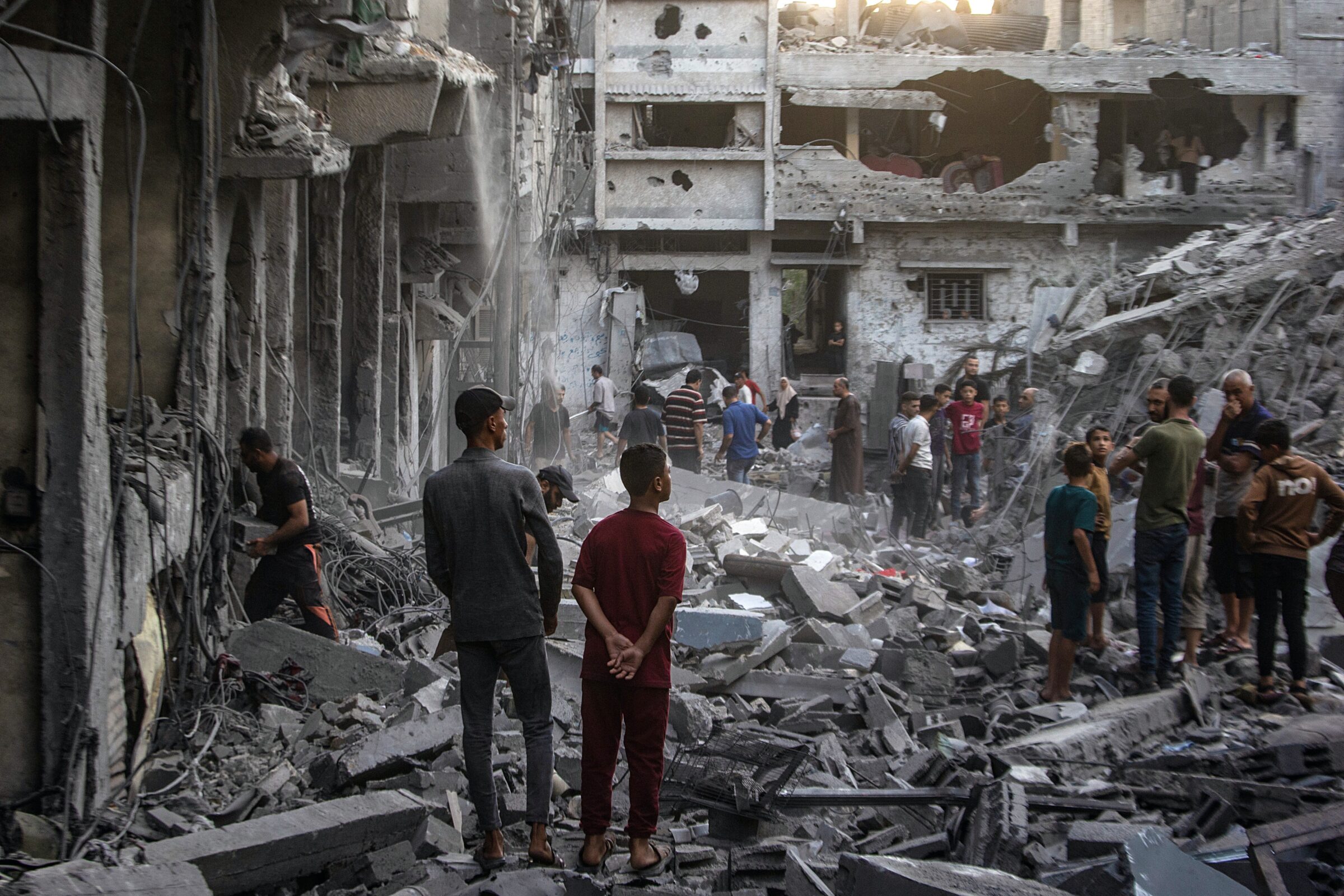
Israel has killed some 1,450 people in Gaza since an October 2025 ceasefire.
It has killed over 74,000 Palestinians and displaced 1.8 million people in Gaza since 2023, but the EU leaders’ passive-tense language did not blame Israel for civilian deaths or mention Gaza “accountability”.
And that will put our 27 prime ministers and presidents at odds this Thursday with Europe’s moral compass, international law, and public opinion.
The Norwegian Nobel Committee gave the 2026 Nobel Peace Prize on Friday to Navi Pillay, a South African judge, who had chaired a UN commission that found Israel guilty of “genocide” in Gaza and worked for the International Criminal Court (ICC) in The Hague, which has indicted Israeli prime minister Benjamin Netanyahu for war crimes.
She was “a bigot … propagating blood libels,” he said on X.
Israeli foreign minister Gideon Sa’ar said: “[Nazi propaganda chief] Joseph Goebbels is probably applauding in hell.”
And US president Donald Trump joined their Nobel-bashing by imposing sanctions on the ICC.
But three other Nobel laureates, from Colombia, DR Congo, and Liberia were among global VIPs who also wrote to the European Commission on Friday urging trade sanctions on Israel, in a sign of wider revulsion.
And “if the EU was serious about fulfilling its obligations under international law, or indeed in terms of its own stated values and policies, it would go much, much further [in terms of sanctions],” said H. A. Hellyer, from the Royal United Services Institute (RUSI) think-tank in London.
Palestine solidarity marches in Berlin, London, Rome, and Warsaw on Saturday showed that ordinary Europeans wanted their elected politicians to take action.
Some 83 percent of Germans and 88 percent of Italians now disapproved of Netanyahu, said the Pew Research Centre in June.
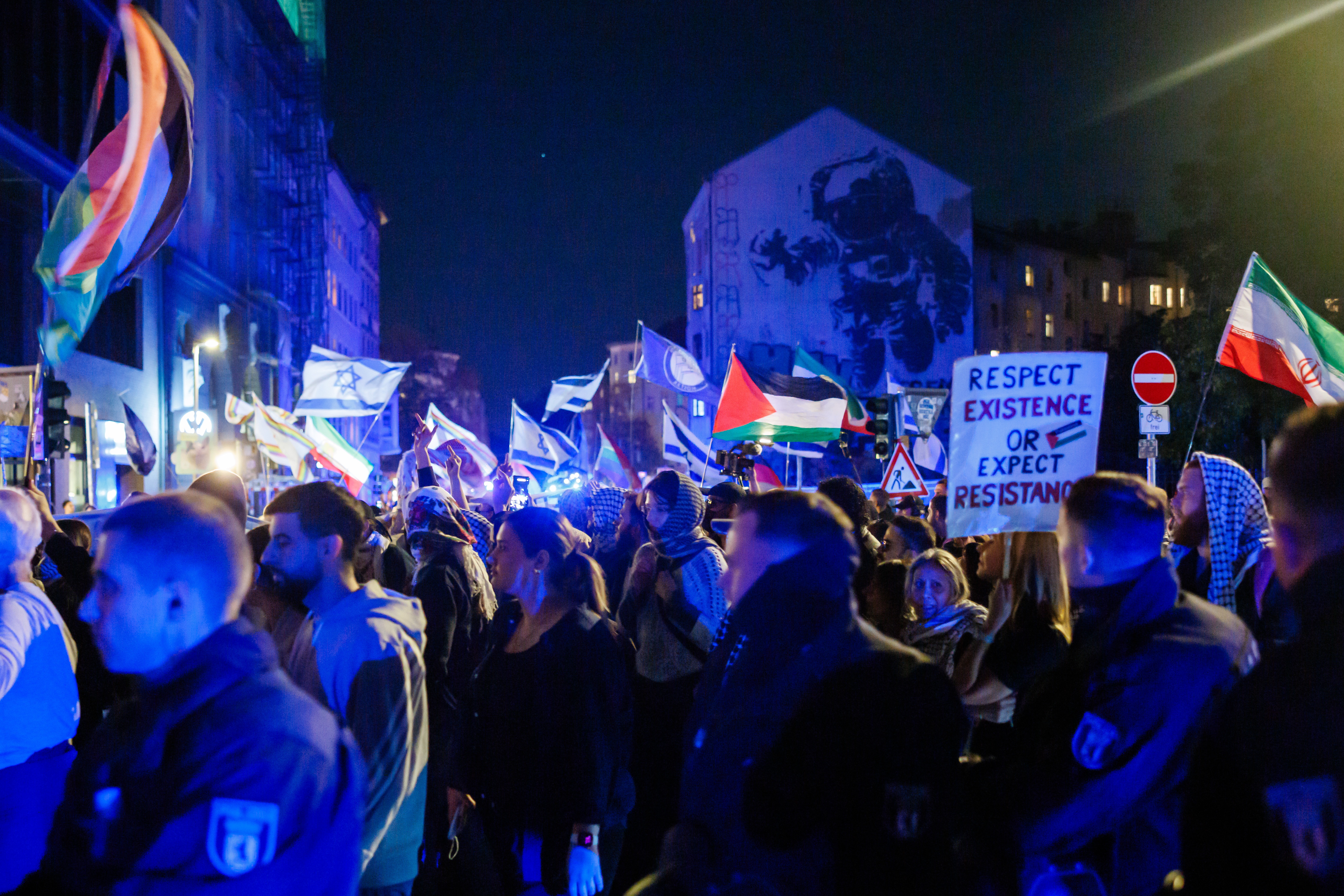
Protesters with Palestinian flags pass by a counter protest with Israeli flags at a rally in Berlin on 7 October 2026 (Source: EPA/CLEMENS BILAN)
Blood and rubble
The latest EU summit draft pledged support for Palestinian elections.
“The European Union stands ready to support the electoral process, including by the deployment of an EU Election Observation Mission,” it said.
But EU words were being buried in blood and rubble faster than the summit statements could be updated.
The Palestinian vote would have to be postponed until at least late 2027 due to the “security and economic conditions” created by Israel in the West Bank, the Palestinian Authority warned France, also on Friday.
Meanwhile, the EU summit will fall two weeks before Israeli elections on 27 October and the leaders’ empty words might be tactical – so as not to throw meat to far-right Israeli zealots in a rabid atmosphere.
But Europe’s quietism is also due to Germany and Italy’s internal politics and its psychopathological mix of World War 2-guilt, raging far-right populism, and transatlantic realpolitik.
“I don’t think this [the draft EU summit text on the Middle East] is a strategy, so much as a statement of the lowest common denominator in EU foreign policy,” RUSI’s Hellyer said.
And going back to the Nazi slurs against the 2026 Nobel, Israeli author Gideon Levy said in the Haaretz daily on Saturday: “No, Sa’ar … If Goebbels has a reason to applaud, it is upon seeing what has happened to the country that arose from the ashes of the Holocaust.”
“Goebbels is applauding perpetrators of genocide around the world, particularly the one in Gaza,” said Levy.
So long as Berlin and Rome don’t realign their compasses, Europe’s silent blessing for Palestinian erasure will feed Israeli hardliners’ schizoid and delusional sense of self-righteousness.
“As long as Israel is not willing to … admit, at least partially, to its crimes, it will never change,” Levy said.
Persuading China that its €1bn daily trade surplus with the EU is not sustainable was always going to be a hard sell for EU trade commissioner Maroš Šefčovič.
And the early signs are that Šefčovič’s two days of talks with Chinese commerce secretary Wang Wentao, which conclude on Friday (9 October), are not going to deliver the breakthrough demanded by EU leaders when they gather for a summit in Brussels next week.
“The message around the table was clear: the need to improve access to the Chinese market, while boosting our economic security,” Šefčovič posted on X ahead of the first day of talks.
But rhetoric aside, three months after the EU Commission set up a series of ‘work streams’ with Chinese officials, with a mandate to address the multi-layered EU-Sino trade dispute, it is hard to see much tangible progress.
Hours before Šefčovič arrived, Beijing rejected an EU demand for so-called “voluntary export restrictions” on its electric vehicles (EVs).
In August, data published by Schmidt Automotive Research found that 14 percent of EV sales across Europe this year were Chinese-made, up from 9.4 percent last year.
That is despite the EU imposing additional tariffs of between 17 and 36 percent on Chinese EVs in October 2024.
This article continues, but the full version is available only to EUobserver.com subscribers. Visit account.euobserver.com/membership
The EU’s border agency, Frontex, shared coordinates of an overcrowded and partly deflated boat in the Mediterranean sea with the Libyan coastguard and then watched them run it over.
The boat was carrying 27 people, including children.
The findings, by Frontex’s own fundamental rights officer, described an incident that took place on 19 June 2026.
And this was just a tiny part of a wider pattern of violence by the EU-backed Libyan coastguard, which has also shot at or near civil rescue vessels.
No one was killed in the June event. But people were tossed into the water. Others, pulled onto the Libyan vessel, were then beaten by Libyan uniformed officers.
Frontex had issued a Mayday relay and then shared the sightings by email with the Libyan rescue centre.
No vessels were reported to be in the vicinity, but the Libyans showed up 90 minutes later.
The internal Frontex findings highlight ongoing tensions in the agency over sharing rescue coordinates with the Libyans in the name of saving lives.
“Saving lives is the absolute sort of absolute right that people have,” Hans Leijtens the agency’s director, told EUobserver earlier this year.
“And it’s our job to contribute to that, and if that sort of starts with looking at which part of the Mediterranean ship is sailing, and if it’s a north African country, we all have to inform the authorities there,” he added.
But his own rights officer also notes that the botched rescue on 19 June amounted to a violation of the right to life, citing article six of the International Covenant on Civil and Political Rights.
He says the standard is not simply whether the migrants were ultimately rescued, but if the operation was planned and executed to minimise risks to human life.
In this case, the Libyans violated that right among others, he says. Frontex did not reply to the findings in the report, as of publication.
Let the court decide
This article continues, but the full version is available only to EUobserver.com subscribers. Visit account.euobserver.com/membership
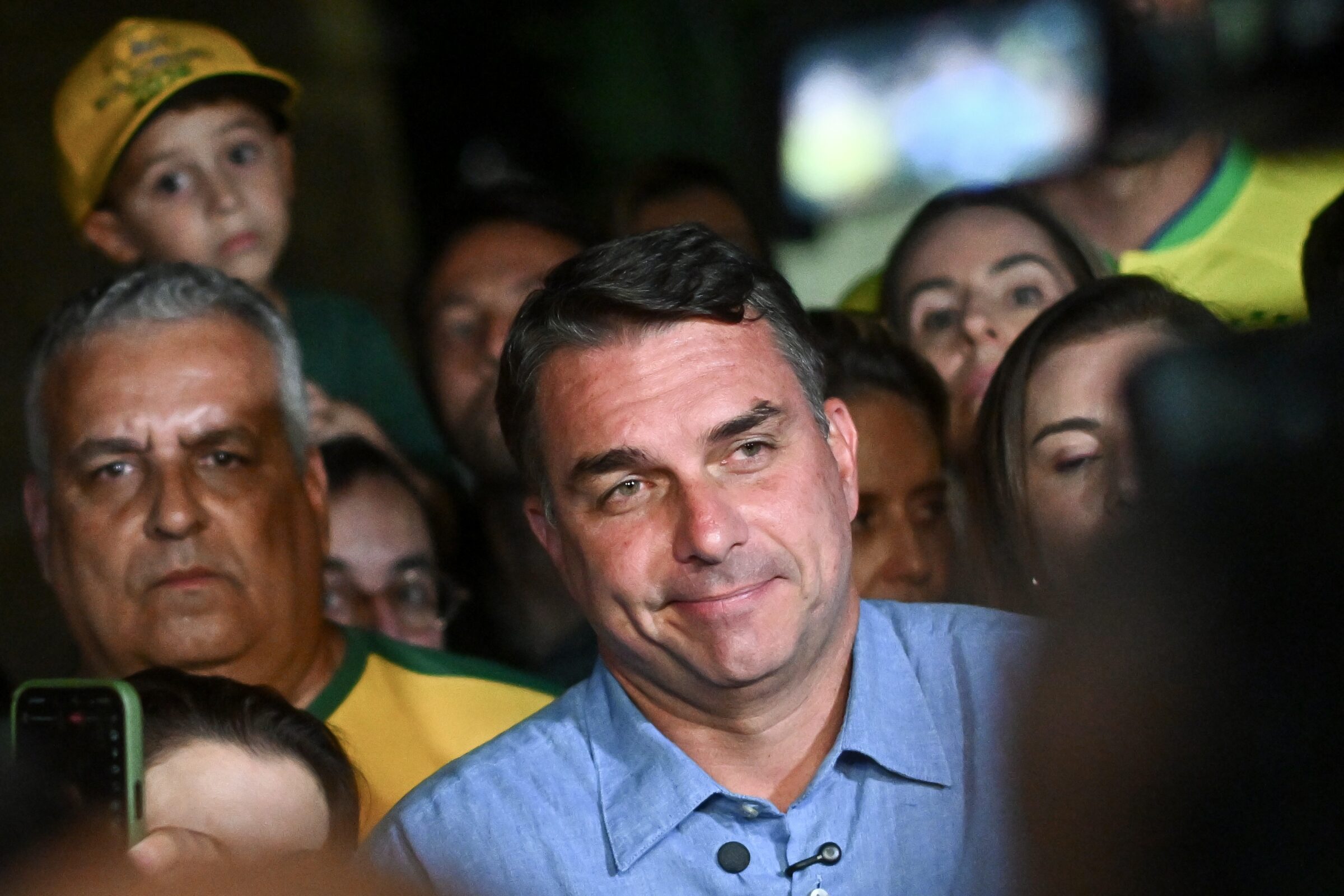
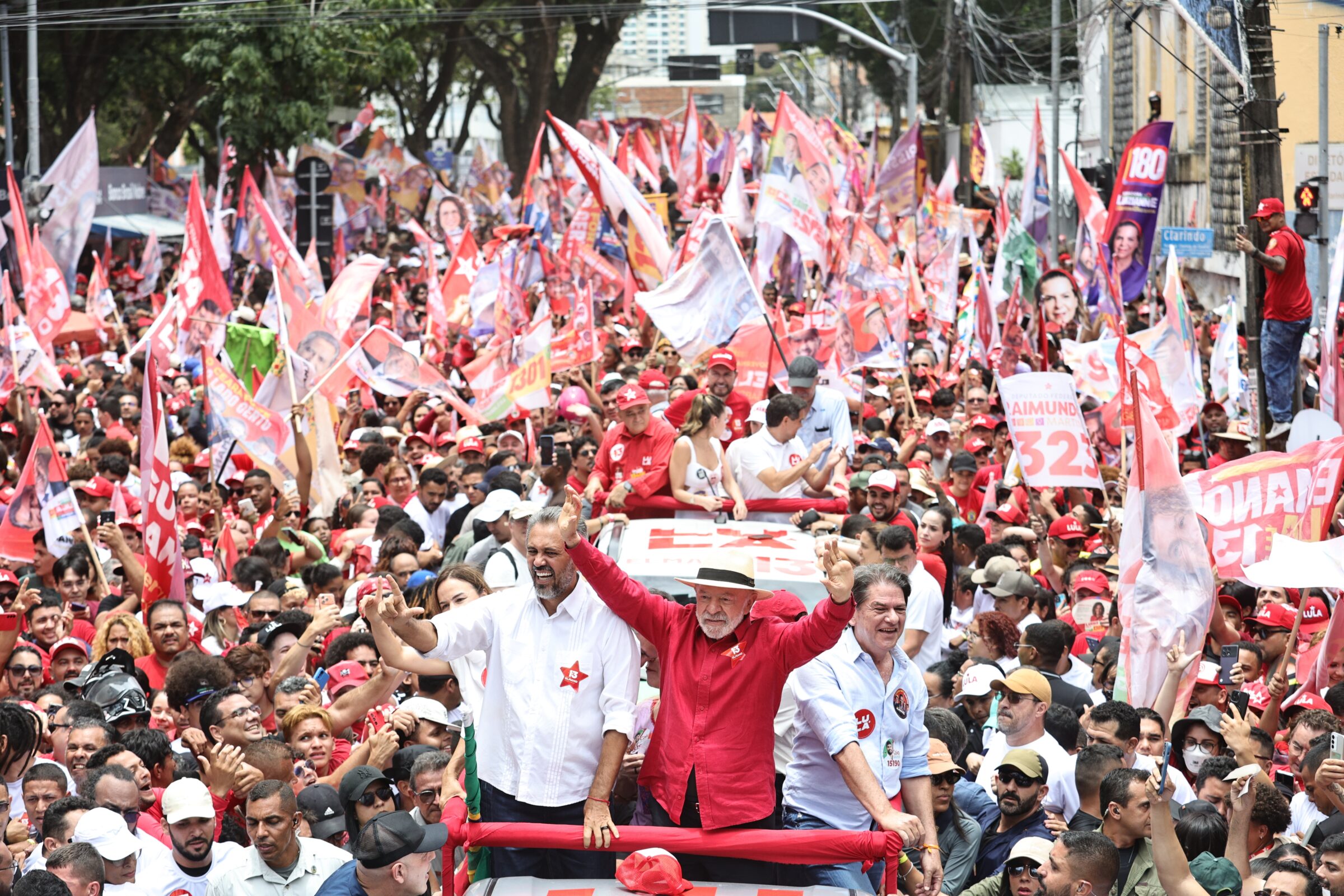
Flávio Bolsonaro surprisingly topped the polls in the first round of Brazil’s presidential election on Sunday (4 October), making him the favourite to topple President Luiz Inácio Lula da Silva in the run-off in three weeks.
The result is the latest in a series of strong performances by far-right candidates in Latin America. US president Donald Trump has been particularly invested in Brazil.
Despite lagging behind in most pre-election polls, senator Flávio Bolsonaro (45), the son of former president Jair Bolsonaro, won around 47 percent of the vote, with votes from more than 99.9 percent of districts counted. Bolsonaro was strongest in the country’s southern states.
President Lula took 45 percent, after performing strongest in Brazil’s north-east, and advanced to the second round, to be held on 25 October.
Latin American experts believe thatBolsonaro will likely win the second round as most of the candidates who failed to reach the runoff are ideologically closer to him than Lula.
Although voting is compulsory in Brazil, one in five of eligible voters did not take part in the first round.
This year’s election has been widely described as one of the most significant in modern Brazilian history, its outcome exceptionally important for the United States and Europe. It is also key for the rest of the planet, given the global impact of deforestation in the Amazon rainforest.
Conservative forces aligned with Bolsonaro also made gains in the elections to Congress. Jair Bolsonaro’s wife Michelle won a senate seat. She had previously fallen out with Flávio but the two have since publicly reconciled. And the former president’s son Carlos Bolsonaro also won a seat, while another son, Jair Renan, was elected to the lower house of congress.
Trump’s stake in Brazil
Though the campaign focused primarily on domestic issues, particularly the economy, security and corruption, Trump’s influence loomed large.
Trump criticised Brazil’s judiciary when Jair Bolsonaro was sentenced to 27 years following an unsuccessful attempted coup after he narrowly lost the 2022 election to Lula. The former Brazilian president is under house arrest due to health problems, and a court ruled he could not stand.
The US president described the trial of Bolsonaro as a “witch hunt”. Although Trump did not openly endorse Flávio Bolsonaro, Bolsonaro played up his ideological proximity to him.
In contrast, Lula sharply criticised Trump and built a reputation as a leader unafraid to stand up to Trump. Americas Quarterly editor Brian Winter said some in Brazil joke that Lula’s most effective surrogate is Trump.
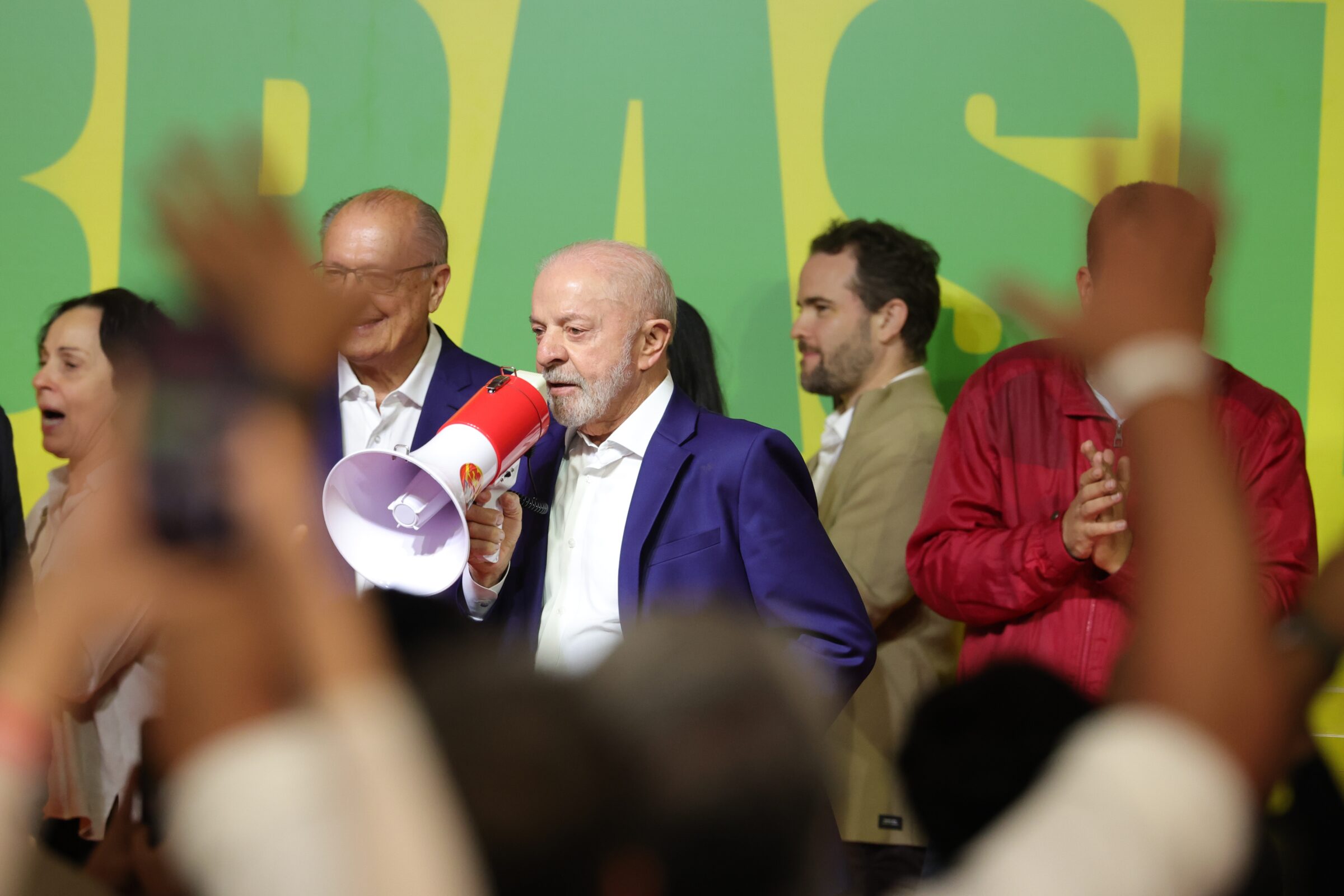
Luiz Inácio Lula da Silva delivers a speech after learning the official results election on Sunday (4 October).
Lula is known for his multipolar foreign policy. He seeks “pragmatic relations” with the US, China, Russia and others. Lula maintains friendly relations with Vladimir Putin, although he recently spoke out against the invasion of Ukraine.
If Bolsonaro were to win the second round, Brazil would probably join a coalition of countries conducting military operations against drug cartels alongside the Pentagon. It is a controversial initiative, and like other left leaders in the region, Lula has rejected it.
This article continues, but the full version is available only to EUobserver.com subscribers. Visit account.euobserver.com/membership
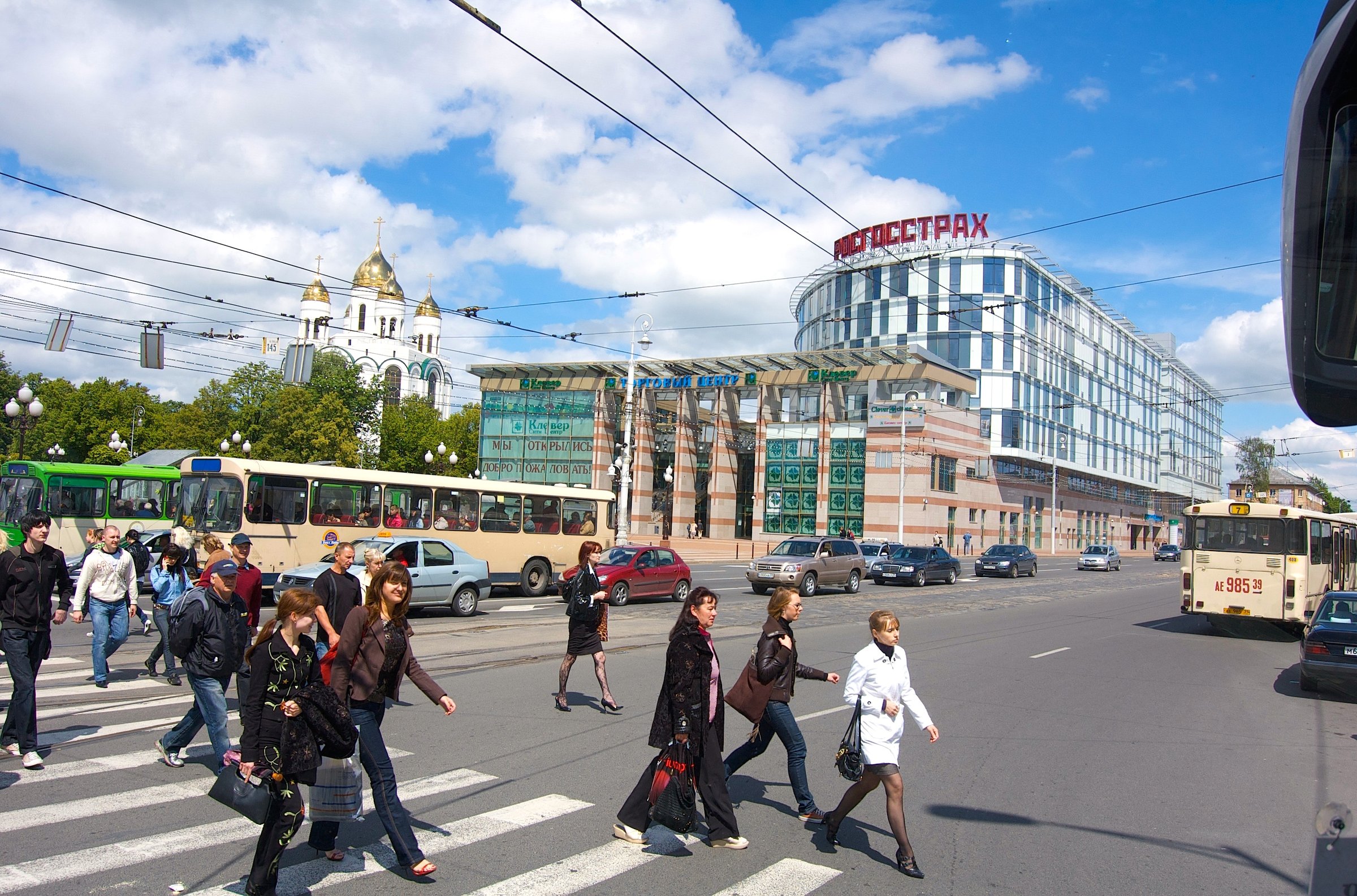
Russia will use nuclear weapons if Nato tries to blockade Kaliningrad. That was the blunt warning from the Kremlin last week. In truth, this is an empty threat against an invented danger. Russia’s nuclear bluff is worn out from overuse, and Nato has no such intention.
But the outburst does signal something useful: Russia’s sensitivity about Kaliningrad.
The northern half of the former German territory of East Prussia is the Kremlin’s last great trophy from the Soviet victory over Hitler in 1945.
Like many trophies, it is less impressive on close inspection. Kaliningrad is an artificial creation, from its name (after the war criminal Mikhail Kalinin) to its population (imported after ethnic cleansing) and its southern border (a crude straight line, of the kind European colonists inflicted on African countries).
Now Moscow’s grip on this exclave — an island of Russian territory sandwiched between Poland and Lithuania — is increasingly fragile. Not because anyone will sever the precarious air, sea, and land routes that keep it supplied, but because of Russia’s all-too-real, corrupt, authoritarian, and incompetent system of government.
The weakness of the Russian system, aggravated by the cost of the disastrous war in Ukraine, makes holding on to Kaliningrad unsustainable: economically, socially, demographically, and politically.
Outside commentary mostly misses this, depicting Kaliningrad as a fortress from which Russia can menace its neighbours.
It is more realistic to see it the other way round, as Russia’s greatest strategic vulnerability: an Achilles’ heel.
The name poses an implicit question: do you really believe that Kaliningrad will still be under Moscow’s rule by the middle of the century? It looks increasingly unlikely.
BISC will this week convene 20 experts for crisis simulations examining how Kremlin rule might unravel, and how neighbouring countries could, would, and should react.
The causes are imaginary, for now. But an environmental disaster, a breakdown in fuel supplies, or a public-health emergency, such as the one now unfolding in Siberia, are all entirely possible in Russia’s current ramshackle state. Decision-makers will have to react to the resulting refugee flows, pollution, and humanitarian needs.
We do not yet know the BISC study’s outcome: as with military ‘war games’, the aim of these exercises is to test how different scenarios play out. We hope the conclusions will be useful for those who deal with these dilemmas in real life.
Next up will be a book, Fragile Fortress, to be published later this year. Edited by the British Russia-watcher Christopher Peters, and written by local and foreign experts, it explores topics including memory politics, economic weaknesses, internal repression, and the state of public opinion. The main message: Kaliningrad survives only thanks to economic subsidy and political support from Moscow.
These efforts could hardly be more topical.
While the Kremlin blusters about a threat from Nato, social media scare stories depict supposed Russian invasion plans to be launched from Kaliningrad, with maps showing thick red arrows piercing the Suwałki Gap, a strategic stretch of land which links Poland and Lithuania.
But as the book’s military chapter shows, such an attack is impossible in current (or likely) conditions. Russia has almost no ground forces left in Kaliningrad: they have all gone to Ukraine. Nor does the Russian air force there have the kind of airfields and hangars needed for a real war.
Nato, especially since Sweden and Finland joined the alliance, is overwhelmingly dominant in land, sea, and air in the region: a point underlined by its recent surveillance exercises in the region.
In short, the nuclear bluster is irrelevant. Nobody is menacing Kaliningrad from the outside. And the real question is when and how, but not if, the Kremlin will lose it in the end.
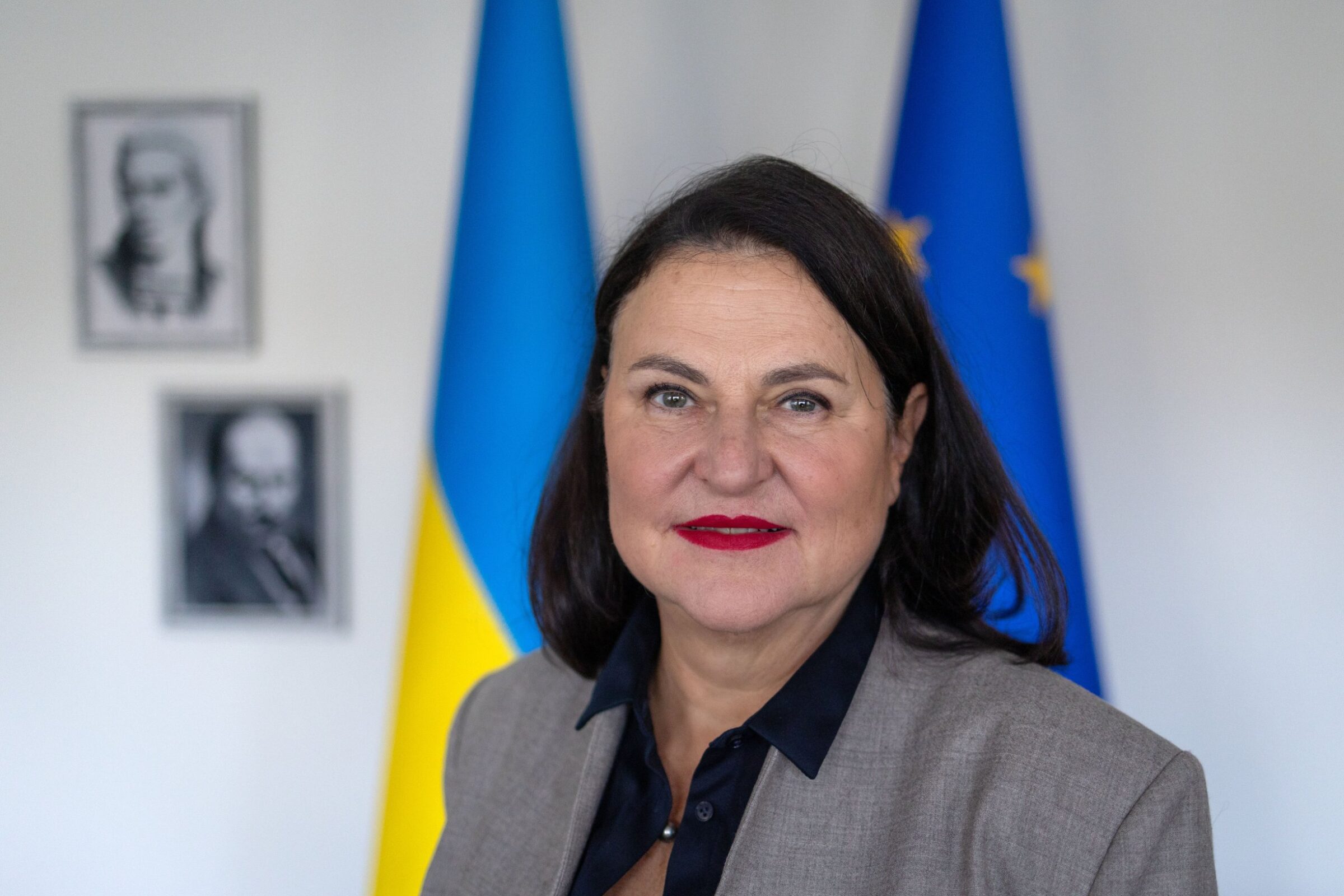
Ukrainians want peace more than anything, but only the language of strength works on Putin, says Katarína Mathernová, the EU’s ambassador to Ukraine.
Mathernová has no doubt about the Russian leader’s ultimate goal; she is convinced that Putin wants to destroy Ukraine.
“He set this out very clearly in his essay, and that is precisely why he launched this full-scale war. Unfortunately, the peace that Ukrainians so desperately want can only be achieved by putting pressure on Russia. Putin understands only one language — the language of strength,” she said in an interview.
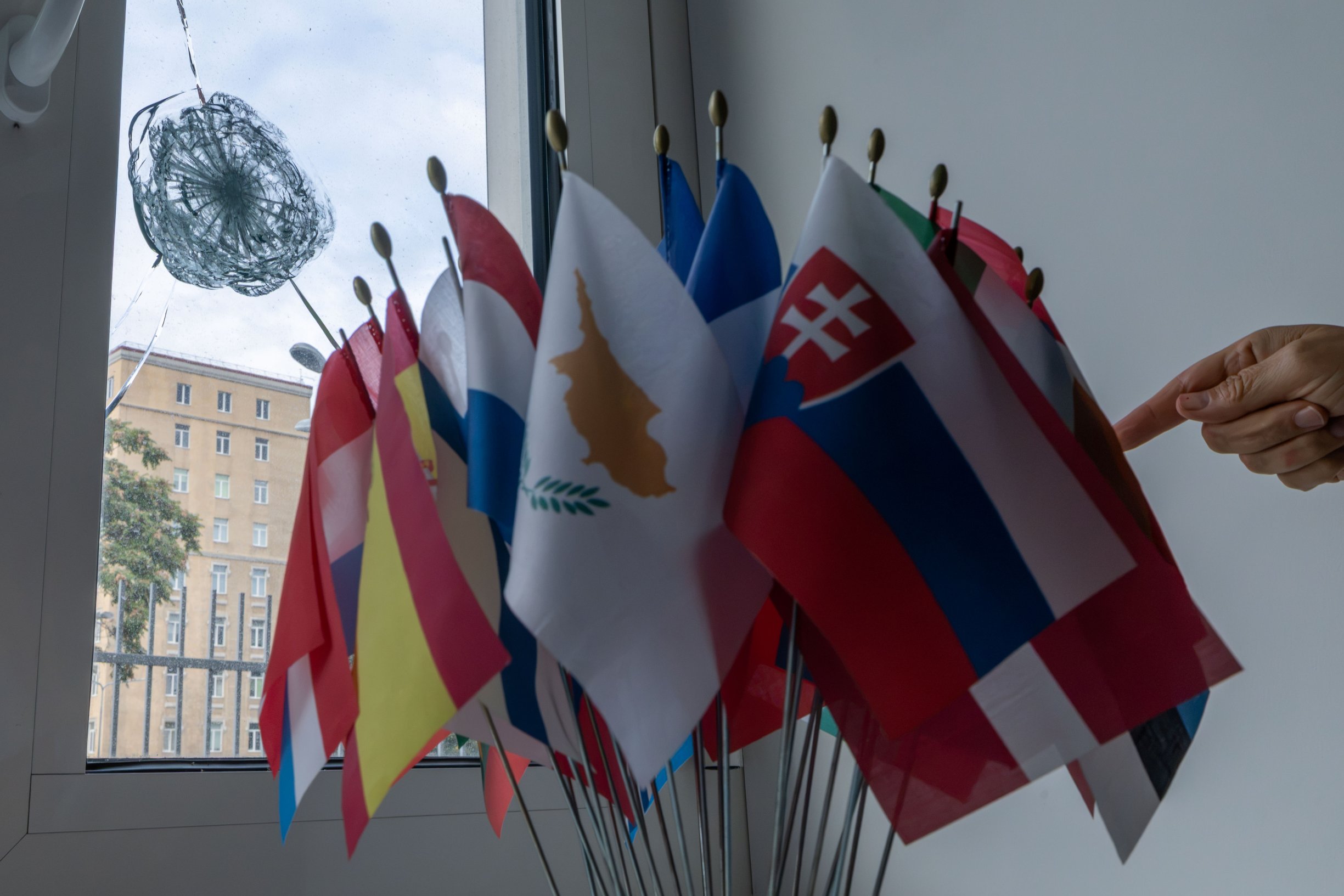
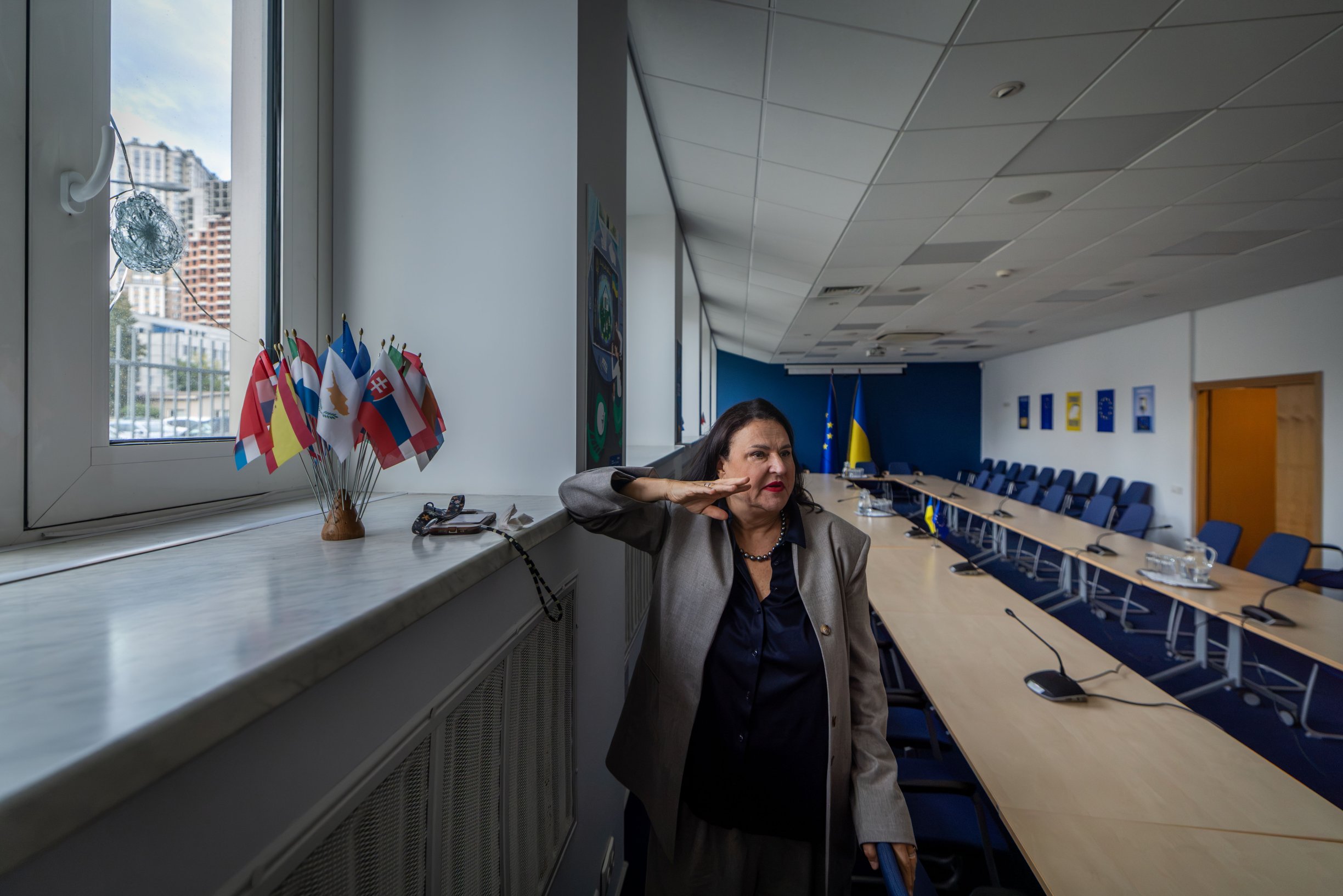
Air raids have left their mark on her office: windows have been blown out, and shrapnel once tore straight through a refrigerator. With attacks intensifying, the EU delegation now does much of its work in the corridor, away from the glass. The latest strikes hit the nearby headquarters of Ukraine’s Security Service (SBU).
In late September, Kyiv has heard so many air-raid sirens. There is already one dead and 20 injured, and on our way to your office, we heard several explosions. Is this the new normal?
Unfortunately, they have become routine. It began on 27 August this year, a date that will go down in the history of this war. That day, we had 13 air raid alerts during daylight hours, a record since the beginning of the full-scale war. It happens every day.
The day before yesterday, as I was entering the office when the windows suddenly began to rattle. A huge plume of smoke rose behind that black building outside the window. There were around four separate explosions over the course of 20 minutes, just a couple of hundred metres from here.
After a Russian attack, in a room with bulletproof windows. Source: Tomáš Benedikovič, Denník N.
The Russians have begun using jet drones which Ukrainians are not yet able to shoot down in the same numbers as earlier Shahed drones. With just a few jet drones, Russia can terrorise a city like Kyiv throughout the day at a relatively low cost. Then, at night, come the ballistic missiles. Last week, however, they also used ballistic missiles during the day.
Do the attacks make you anxious?
Of course they do. One morning last week, I was Nordic walking in the botanical garden. I was walking with my coach when suddenly there was a huge bang. It landed several kilometres away, but because there are no buildings there, it sounded as though it were just around the corner. These are the moments when I nearly have a heart attack…it’s very unpleasant.
How do you decide whether to go to a shelter or into the corridor? Do you have a security protocol?
I have security guards, and we also have a regional security officer here. They are here permanently, so they guide us. But since these very frequent and disruptive daytime attacks began, the government has adopted a regulation introducing two different types of alert — yellow and red. Red alerts are issued for missiles. Yellow alerts are for drone attacks – in such cases, the metro no longer stops, and people primarily seek safety between two walls. When there were explosions here last Wednesday, we were all sitting in the corridor.
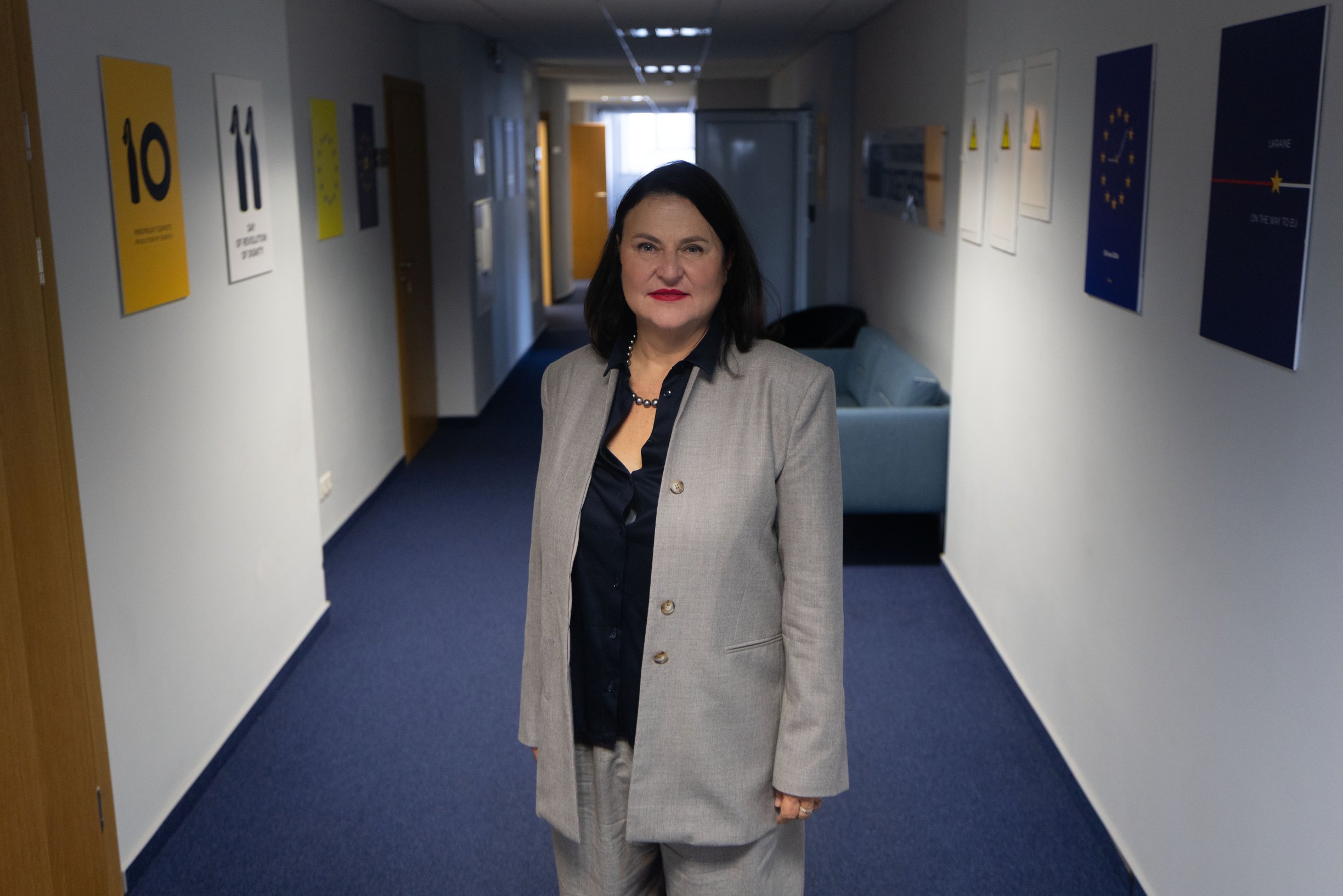
Katarína Mathernová. Source: Tomáš Benedikovič, Denník N.The corridor where diplomats work during heavy air raids. Source: Tomáš Benedikovič, Denník N.
On the ground floor, where we have our conference rooms, there are bulletproof windows. We are now going to adapt the ground floor so that we can operate safely there during anti-drone alerts. We will put sandbags outside. We already have beanbags there, and colleagues from the upper floors are moving down so that they can work.
How do you assess this intensification? Is it a response to the fact that the front has stalled and Putin’s “special operation” has boomeranged back on Russians at home?
Russia cannot win on the battlefield. They have managed to gain only a few square kilometres, so they are terrorising civilians by attacking targets such as churches, museums, libraries and book warehouses. On Thursday, they hit a maternity hospital. These are war crimes, but Russia commits them so routinely that they are boiling us like a frog.
There is talk that assaults will escalate further in winter. Will you stay?
Of course, we are staying here. When we speak to the diplomatic corps, everyone wants to stay. We are preparing for winter, stockpiling supplies, and here at the delegation we have bought blankets and folding beds. We have food rations and additional supplies of drinking and utility water. We have had several shower cubicles installed. We bought washing machines and dryers too, as the building has a large generator. Our colleagues from Brussels and Ukraine in the same building — many of whom live on the other side of the river or in conditions that are not as good as ours — will probably welcome these facilities.
Attacks have come dangerously close not only to where you work, but also to where you live, like a recent drone struck an SBU building.
It was targeting that location; I do not think Kyiv city centre itself was the target. But yes, it is quite close to the hotel where I live.
What do you anticipate will happen in winter? You may see attacks on energy infrastructure, water and sewage systems. A loss of these utilities would be extremely difficult.
If sewage systems were knocked out in a large part of the city, it would be very difficult. But let us not forget that Kyiv was also a frontline city last winter. There were perhaps more than one million people here freezing in their own homes. My driver told me that he and his family bought firebricks and heated them on the gas stove. When they went to bed, they held them to keep warm. Those without gas in their flats were even less fortunate. But people here helped one another. My coaches and their son stayed in my hotel for weeks because it was four degrees in their home.
Ukraine faces a shortage of Patriot missiles. It has developed a new interceptor that could stop jet drones, but Patriots defend against ballistic missiles. Can Europe do more to help?
This article continues, but the full version is available only to EUobserver.com subscribers. Visit account.euobserver.com/membership
Luiz Inacio Lula da Silva, the 80 year-old president of the world’s fifth largest country, is facing a tight race in a bid for his fourth presidential term in Brazil’s general elections on Sunday (4 October). The EU, which earlier this year concluded a landmark trade deal with the Mercosur bloc, which includes Brazil, will be watching the polls closely.
He holds a narrow poll lead over Flávio Bolsonaro, son of the country’s former president Jair, who is currently serving a 22 year prison sentence for staging a coup against Lula’s newly formed government in 2023.
The left-wing leader’s third term, won by with a slim 50.9 percent majority in 2022, distinguished itself for leading anti-deforestation policies and getting the EU-Mercosur trade partnership across its long-awaited finish line, 26 years after negotiations started.
Though Brussels suspended animal product imports from Brazil on 3 September, due to insufficient guarantees of antibiotic regulation compliance, “President von der Leyen commended President Lula’s role and political leadership in the negotiations leading up to the agreement,” the EU commission said in a statement.
The Mercosur deal marked a historic diversion of EU energies South of the Rio Grande river, at a time when Europe and Latin America were both being bombarded by tariff threats from Washington.
The Bolsonaros’ professed support of US president Donald Trump have critics worrying “this election could have major implications for the direction of Brazil’s foreign policy, its global influence,” wrote Dr. Christopher Sabatini, Latin America director at the Chatham house think tank.
Election interference by the US was discussed throughout Lula’s campaign, most notably with Meta disabling his Facebook ads just days before Brazilians went to cast their votes, state-run Agência Brasil reported on 25 September.
At a time when virtually every other democracy on the South American continent has pivoted to the right, a win for a Brazilian Trump enthusiast and supporter of environmental commodification would be a setback for the EU’s climate ambitions.
“A Flávio Bolsonaro government would represent a much stronger geopolitical alignment with Washington and the Trump administration. That could affect climate cooperation, deforestation policy, critical minerals and European access to Brazilian commodities and industrial partnerships,” said Eduardo Raguse, climate co-coordinator at NGO network Friends of the Earth Latin America.
Brazil’s climate observatory recorded its biggest annual fall in emissions in 15 years, with a 16.7 percent reduction in 2024 from the previous year, largely due to a drop in forest clearance in the Brazilian Amazon, which was halved over Lula’s third term.
But Lula has been simultaneously expanding Brazil’s national petrol company’s drilling area into the Amazon’s depths.
“Lula’s government has increasingly framed critical minerals as an issue of national sovereignty and industrial policy,” Raguse told EUobserver, since the Workers’ party leader has referred to Brazil’s petrol reserves as its “passport for the future.”
But along a global pivot to the right, a win for Bolsonaro’s heir or Lula’s renewed interest in fossil fuel politics would not stray too far from the EU’s current conservative climate script, and according to Socialist and Democrat MEP Leire Pajin, will mean little for EU trade.
“Whoever wins the election in Brazil, the EU-Mercosur relationship goes far beyond electoral cycles or trade,” the Spanish vice-president of the Euro-Latin American parliamentary assembly told EUobserver. “Governments may differ in priorities or pace, but the agreement transcends them.”
The EU has played down claims by the Dutch government that the bloc’s decision to suspend aid support for Sierra Leone was because the west African country refused to extradite one of the world’s most-wanted drug traffickers to face trial in the Netherlands.
Speaking on Thursday, (1 October) after a meeting of EU justice ministers in Luxembourg, migration commissioner Magnus Brunner told reporters that the decision to suspend support was made for “technical reasons” — but without giving more detail.
Sierra Leone was allocated €352m in EU funding between 2021 and 2027, under the bloc’s seven-year budget framework. The country was set to receive €18m from the EU this year.
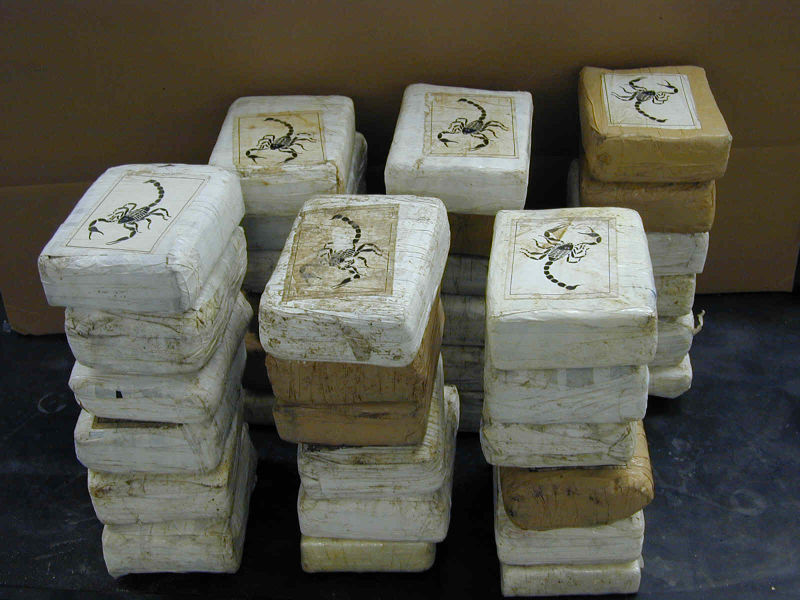
But Dutch justice minister David Van Weel insists that the suspension of funds is the result of months of pressure from the Dutch government to persuade president Julius Maada Bio’s government to hand over convicted Dutch drug trafficker Jos Leijdekkers.
This article continues, but the full version is available only to EUobserver.com subscribers. Visit account.euobserver.com/membership
We went to Ceuta to see how Europe treats people who arrive at its borders. We came back asking how Europe can still call itself a continent governed by law.
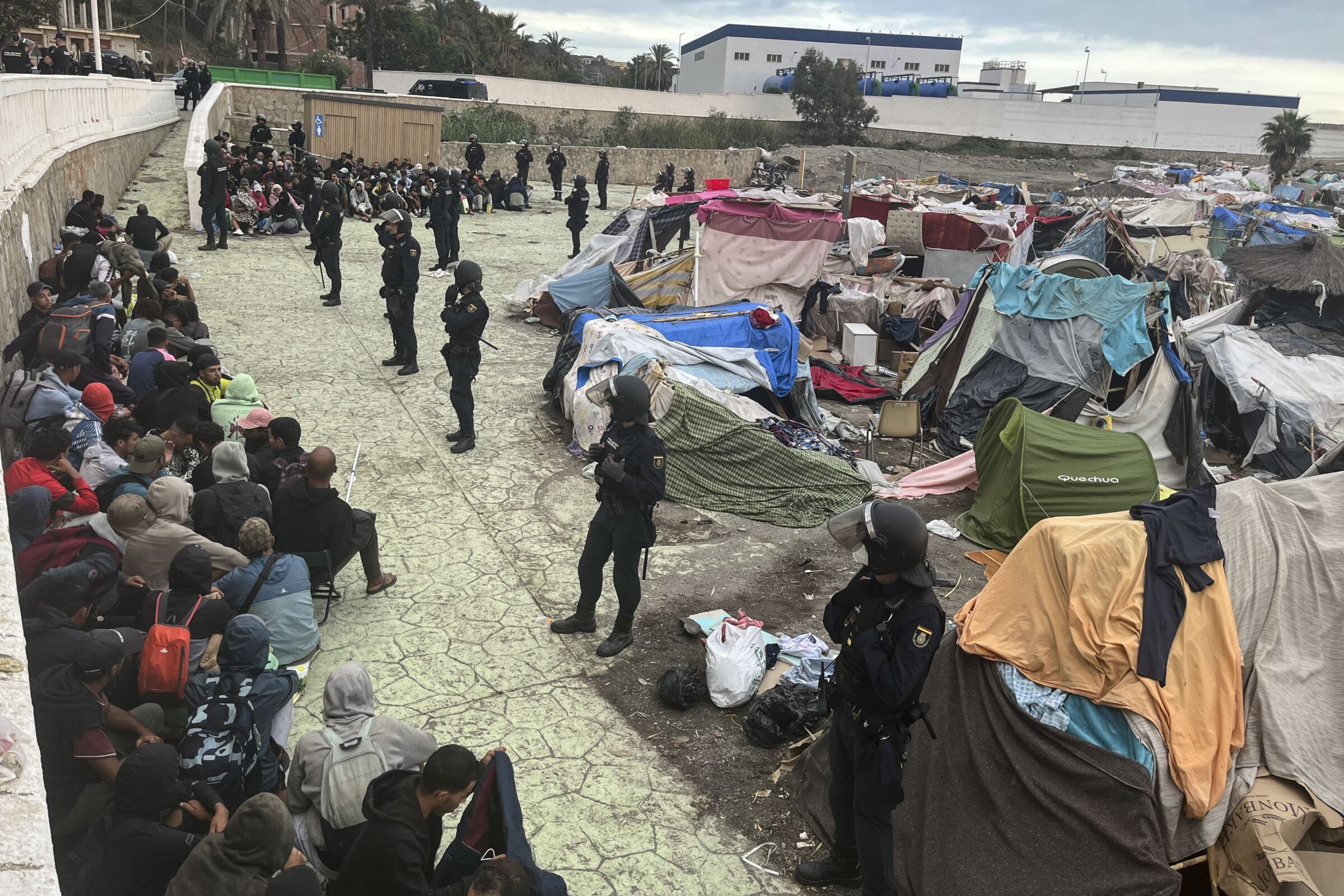
What we saw there was the often abstract failure of migration policy made brutally concrete: the daily humiliation of human beings — people sleeping under plastic sheets, children left without protection, food distributed under military guard, allegations of beatings and torture, and migrants treated as a threat rather than as people with rights.
These are scenes we never expected to encounter in Europe in 2026. Yet we saw them ourselves. And now that we have seen them, we cannot pretend we did not.
Morally unthinkable and unacceptable
In Ceuta, the boundaries of what is morally unthinkable and unacceptable have been crossed.
Migrants and those who help them are living in a kind of state of exception, where European law has been suspended and prolonged arbitrary police and military rule prevails.
Ceuta is a city abandoned by Spain, Europe and the law, where people are segregated according to their origin in circumstances that recall apartheid regimes. It has become a laboratory for the degradation and dehumanisation of migrants.
The future of Europe is being decided there.
We visited locations where thousands of people are living in undignified conditions, under makeshift shelters, plastic tarpaulins or in the open, assisted by local residents and NGOs such as No Name Kitchen.
They described constant harassment, insults, threats, public targeting through leaked photographs, and the detention of five members accused of disobeying authorities after recording a police operation involving migrants.
First, the far-right Spanish party Vox turned desperate people into prey to be “hunted down one by one”. Eventually, those trying to feed or assist them also became targets. When a group is sufficiently dehumanised, those who try to help them can be dehumanised too.
At Trampolín beach, we saw how the Red Cross distributes, once a day, a single bag of cold food: bread, water, tuna, juice and biscuits, under the watch of National Police vans.
Migrants from other areas can walk for hours to reach it. One day, we witnessed military forces preventing the Red Cross from distributing the same ration to around 1,000 people.
Whether someone eats can depend on military personnel, who can remove people from the queue or deny them food. The food distribution also coincides with Red Cross medical assistance, forcing some people to choose between eating and having their wounds treated.
Children alone on the streets
We spoke with children living on the streets, alone, hungry and cold, without adequate protection. We were told that National Police officers sometimes refuse to identify children who approach them for help, preventing them from entering the protection system.
This is compounded by the refusal of autonomous communities governed by Spain’s centre-right People’s Party and Vox to take them in, and by the Ceuta government’s refusal to appoint legal representatives.
We also heard allegations concerning Ceuta University Hospital. Migrants can face separate treatment at the emergency department and, according to migrants and NGOs, military personnel guarding the entrance prevent them from waiting inside, including minors.
We heard the account of a child with a fractured leg who, after being treated by Médicos Mundi, was allegedly told at the hospital to “go back to your country and see a specialist” and given ibuprofen. In another case, someone was allegedly told: “We are not going to treat you because you have invaded us.”
We also received accounts of torture and cruel, degrading and inhuman treatment by regular military forces and the Legion. Migrants and NGOs described nighttime patrols involving harassment, humiliation, theft, destruction of mobile phones and beatings after people had been restrained with cable ties.
Some were allegedly forced to shave their heads or kneel to kiss a Christian cross. We are particularly concerned by allegations involving women and girls subjected to sexual humiliation.
This is extremely serious. The state is going on the hunt, while those who should protect these people are violating their rights. First came photographs, then video footage published by elDiario.es.
These were not images from the West Bank. They were from Ceuta. First there were allegations. Now there are images. Defence minister Margarita Robles must give explanations.
These soldiers should no longer be patrolling Ceuta’s streets. Article 51 of Spain’s Organic Law on the Disciplinary Regime of the Armed Forces allows for their provisional removal from duty. We have asked the minister to act immediately.
We also documented allegations of daily racist, xenophobic and Islamophobic harassment. Migrants and racialised people are reportedly prevented from entering the city centre, shops and supermarkets by military personnel who decide, based on skin colour or clothing, who can pass.
Racial profiling also affects Ceutíes of Moroccan origin or perceived as such. Some of us were even asked to leave a city-centre restaurant because we were accompanied by a human rights activist and a racialised person.
Our political assessment is clear: what is happening in Ceuta should not happen. We cannot become accustomed to systematic violations of human rights against migrants and those who assist them.
Responsibility lies with perpetrators, but also with political leaders, including those in Vox and the PP, far-right influencers spreading hate speech, and media outlets amplifying it by calling human beings “invaders”. When a child becomes an “invader”, his innocence can disappear in the eyes of those who hear that language, opening the door to dehumanisation.
The solution is to enforce the law, ensure accountability and transfer migrants to mainland Spain, where there are sufficient places to accommodate them in dignified conditions while their administrative status is resolved.
But the right does not want solutions.
They want migrants sleeping on beaches and streets in increasingly degrading conditions. They want Ceuta to remain a giant television set, a powder keg from which migrants can be portrayed as an “invasion”, insecurity and chaos used to fuel hatred and racist violence.
Their electoral campaign has begun in Ceuta. The socialist part of the government, afraid of being portrayed by the right as weak, refuses to transfer migrants to the mainland and keeps them trapped there. Those who want to set Ceuta on fire are pouring the petrol; those who could put out the fire are letting them do it.
“What is remarkable is that Ukraine and Moldova, despite finding themselves in a very tense situation regarding their security, are extremely keen to move closer to the EU and have therefore already begun negotiations and opened the first cluster.”
These are the words of the deputy director of the European Council on foreign relations (ECFR), Vesela Cherneva, and they come just as the official negotiation process for the two countries’ accession to the European Union has begun.
With this, the EU embarked on a truly geopolitical enlargement – driven not only by the pursuit of shared values, a larger market, and stronger common institutions, but also by the need to safeguard the continent’s security in a shifting environment.
Ukraine: a battle-hardened nation’s journey from the post-Soviet world to the EU
According to Cherneva, the EU’s upcoming enlargement is the only way to institutionally anchor Ukraine within a serious and lasting framework, given that the US position has remained clear under both presidents Donald Trump and Joe Biden: Nato enlargement to include Ukraine is not possible.
“Currently, EU membership is the only way to integrate Ukraine’s and Europe’s security systems. This is an entirely different discussion from negotiations on chapters, clusters, sanitary standards and other accession requirements. We are talking about security guarantees, but also about the transfer of military technologies from Ukraine to Europe and, more broadly, about how Ukraine – which currently possesses the strongest and most combat-capable army in Europe – can, while defending Europe, also become part of the European security debate,” Cherneva says.
Ognyan Minchev, political scientist, professor and executive director of the Institute for Regional and International Studies, an independent think-tank in Bulgaria, also believes that Ukraine’s importance is substantial and that the questions surrounding its integration are highly complex.
“Ukraine currently possesses the only genuinely combat-capable army on the European continent. Western European armies have very limited personnel numbers and, until recently, received extremely low levels of funding. The lack of real resources, including weapons, to address the challenges of military security makes Ukraine a more attractive partner,” he says.
Although many experts would point to Ukraine’s contribution to European security as the greatest benefit of its accession to the EU, the country can also contribute to development in other areas. There is undoubtedly great potential for development in the fields of agriculture and farming.
The country has a vast area of cultivated land and is among the world’s leading producers of a number of cereal crops such as wheat, maize, barley, rice, and others. It exports these products to third countries, and membership would increase the EU’s economic influence in these regions.
Ukraine’s accession could also lead to cooperation between different sectors and result in an increase in meat and dairy production as a consequence of increased cereal production.
Beyond agriculture, Ukraine’s pharmaceutical industry could offer the EU an opportunity to reduce its reliance on imports of generic medicines from China and various Asian countries. Thanks to its favourable climate, Ukraine also has great potential for various types of renewable energy.
Deposits of gallium, rutile, graphite, magnesium ores, lithium and other minerals vital to the green transition could contribute to European production and help the EU compete with China.
According to Minchev, integrating Ukraine represents a major challenge because it involves a large country that is institutionally weak, with high levels of corruption, poor economic organisation and significant shortcomings in the functioning of public life.
“Ukraine has been forced to transform itself into an effective fighting machine, but in other respects it remains a post-Soviet society with serious problems in the areas mentioned above. This makes its rapid integration into the EU extremely difficult,” Minchev says.
Moldova: a key piece in Europe’s security architecture continues to struggle under Russia’s shadow
“For Moldova, we can say that it is a small but significant element in the broader domino effect of Black Sea security, which is becoming an increasingly crucial aspect of overall European security. This is because the confrontation between the Kremlin regime and Europe is effectively unfolding along the line of a new Iron Curtain being formed across Ukraine and the Black Sea region,” Minchev says.
According to Cherneva, Moldova’s accession is also crucial precisely because the country is a buffer state, and Russia has demonstrated that it does not tolerate buffers.
“Russia seeks to conquer and control such buffer zones. If Moldova does not want to share the fate of Belarus or Georgia, it must take rapid steps towards European integration,” Cherneva says.
For years, Moldova has served as a testing ground for Russia’s hybrid warfare. As Western European countries are only now confronting the full scale of Russian hybrid attacks, Moldova has already spent years developing its own resilience and countermeasures.
The country brings to European security valuable expertise gained from combating Russian disinformation and resisting repeated attempts by the Kremlin to interfere in its domestic political processes.
Yet Moldova’s accession would have implications extending far beyond security. Although it possesses far less agricultural land than Ukraine, the country has the potential to make a meaningful contribution to the European agricultural sector. Moldova has been gradually integrating into the EU’s Single Market through the Deep and Comprehensive Free Trade Area (DCFTA).
This article continues, but the full version is available only to EUobserver.com subscribers. Visit account.euobserver.com/membership

 Login