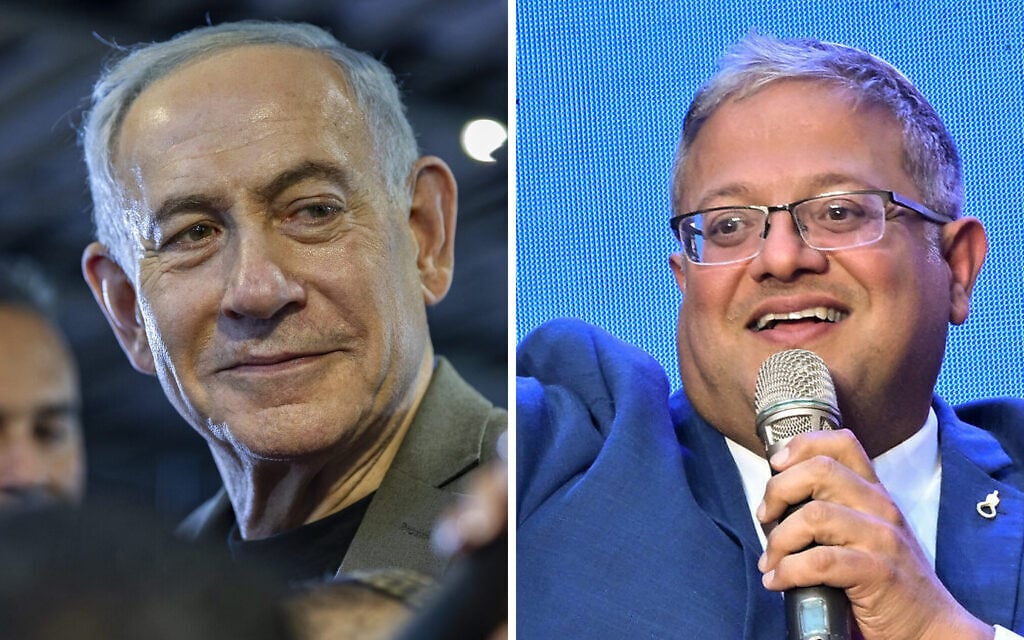
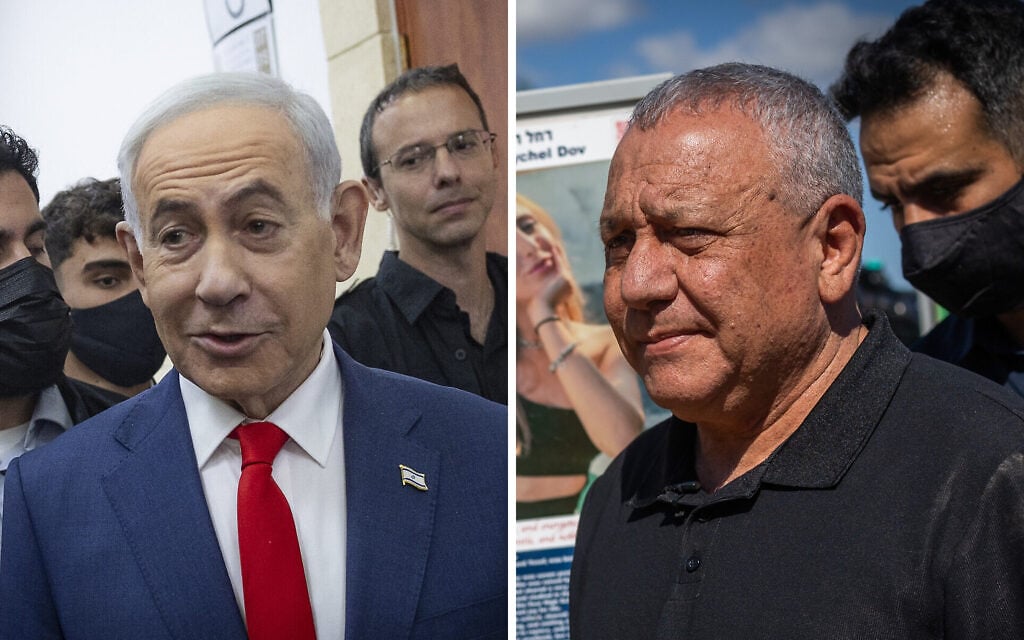
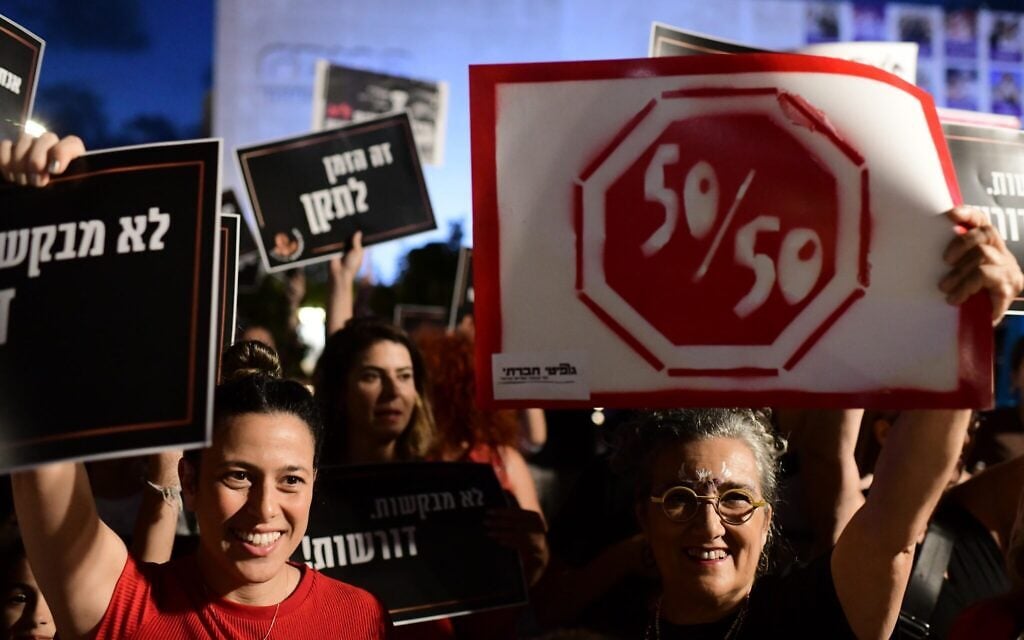
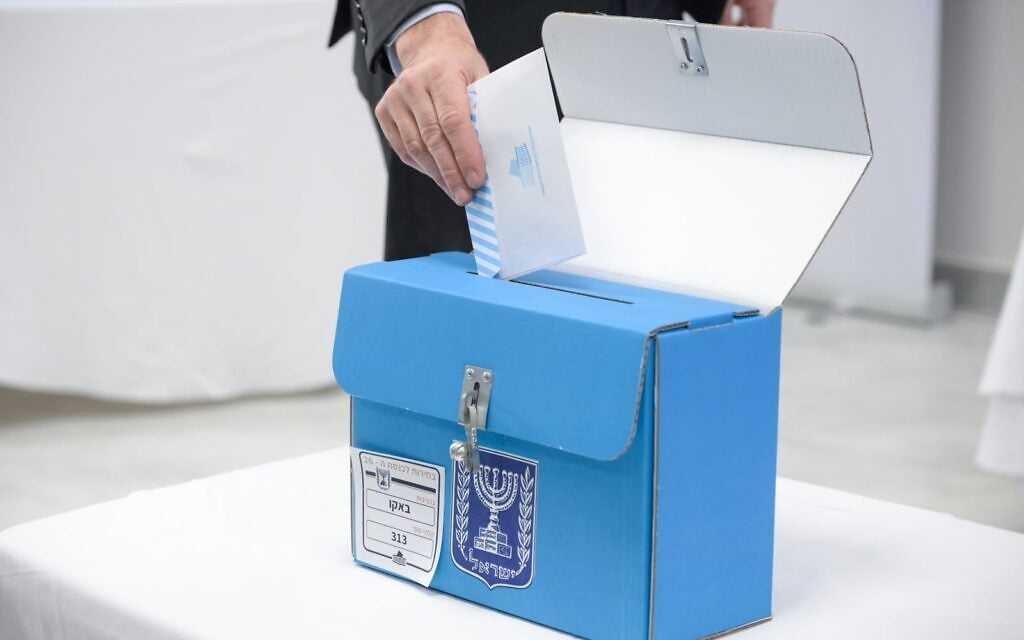
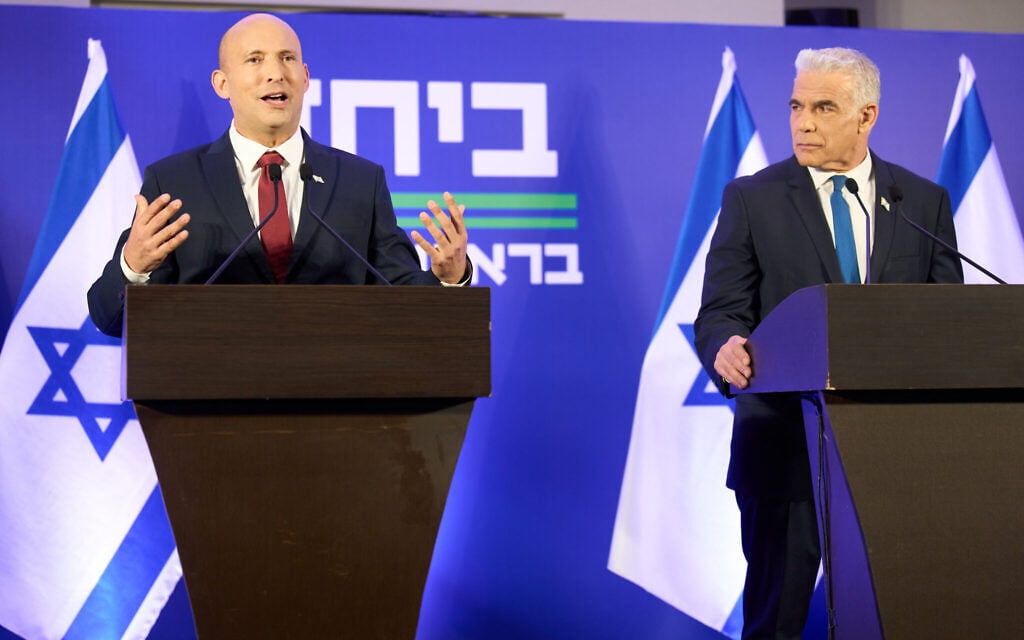
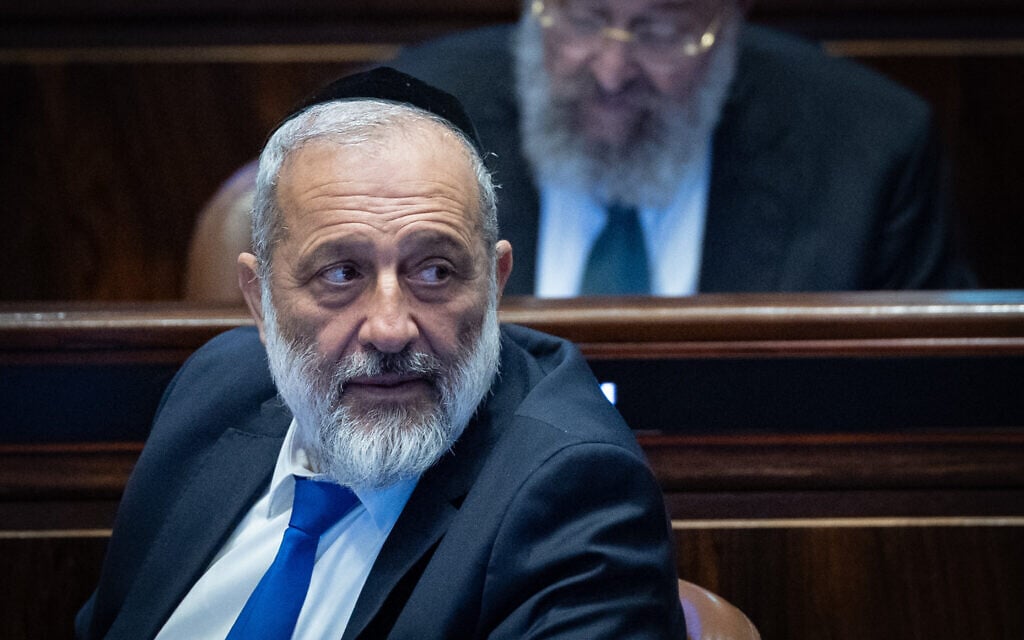
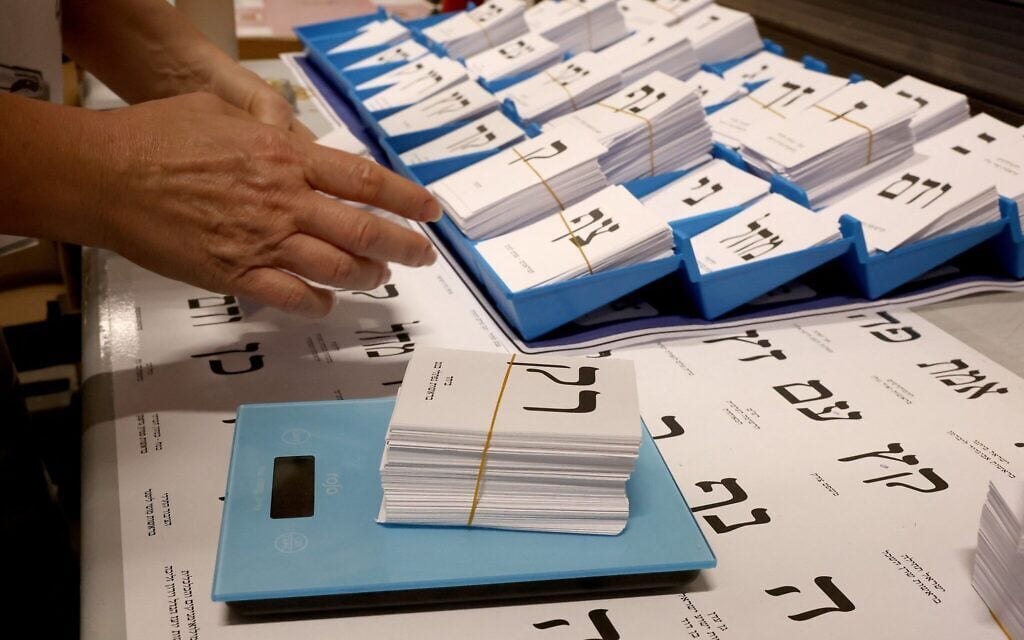
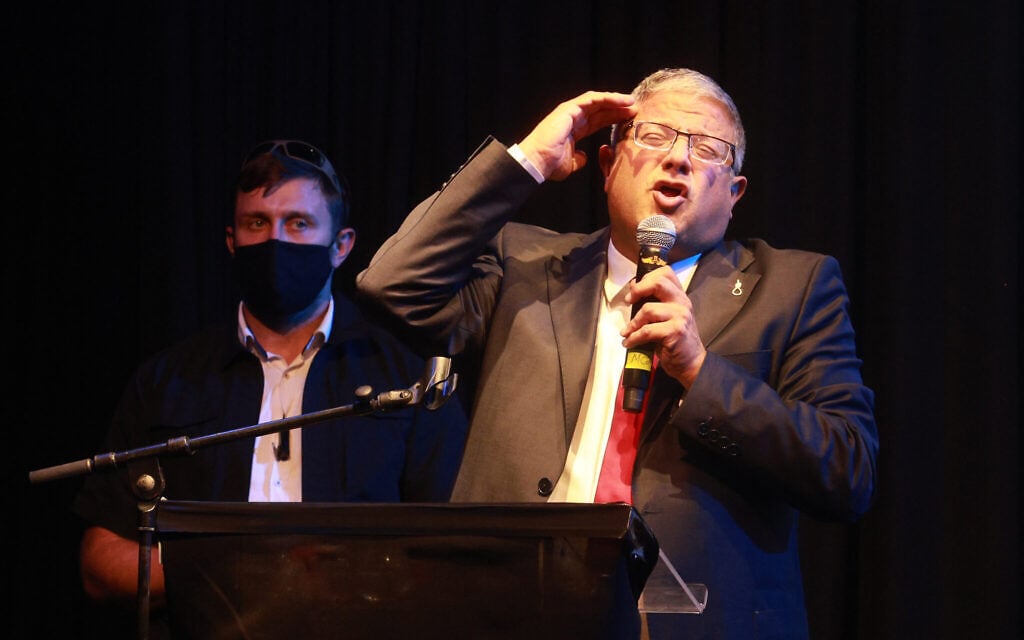
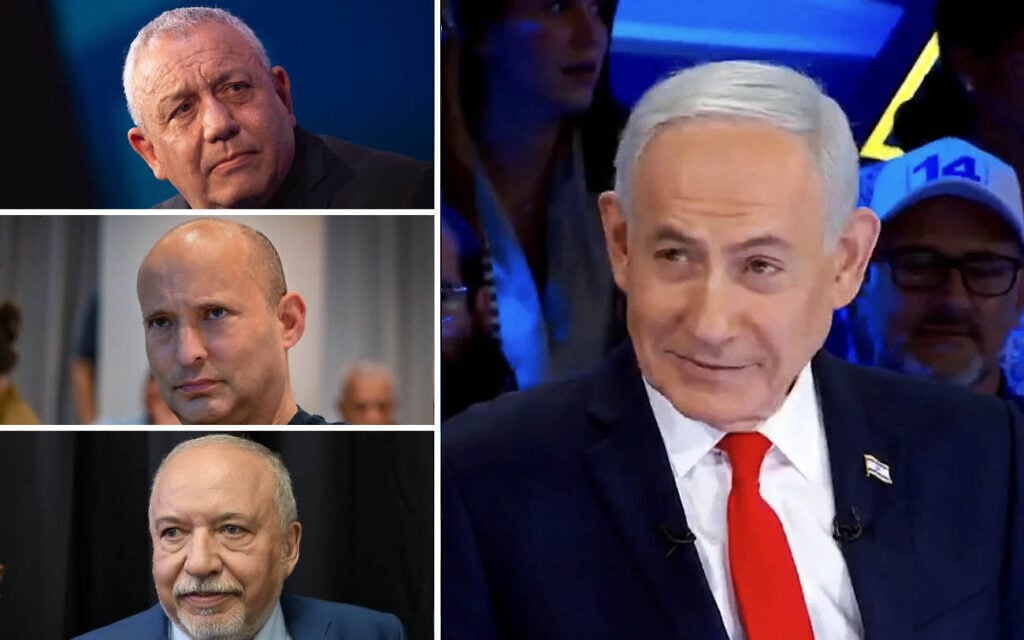
Netanyahu says portfolios sought by far-right politician must stay with Likud; Ben Gvir says premier planning a coalition with Eisenkot: 'The cat's out of the bag'
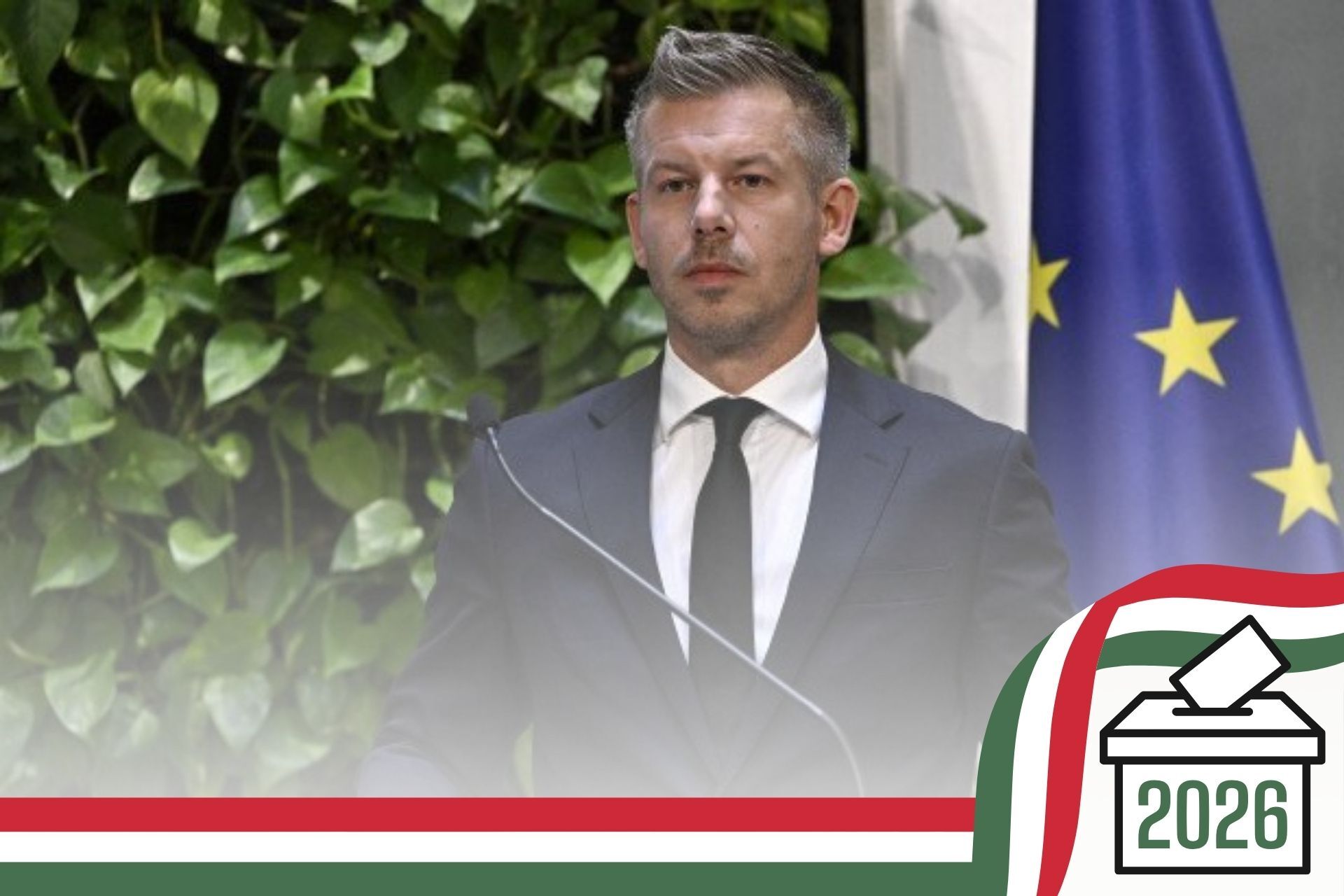
The series continues as we report on developments following April’s historic election and on the steps taken since then by the Tisza government. This week, we cover the following topics:
Another blow for Hungary’s richest man;
New chief prosecutor nominee, plus a former chief prosecutor ready to testify on political pressure;
Parliament has adopted the new child-protection law;
A state secretary has unexpectedly left the government;
Orbán to keep quiet on one of Hungary’s most important national holidays;
Ukraine adopts the minority education law;
More EU funds and money from the Norway Grants have become available.
Another blow for Lőrinc Mészáros
Last Friday (9 October), prime minister Péter Magyar and Dávid Vitézy, minister for transport and investments, announced that the state was suspending implementation of one of Hungary’s largest rail projects – the Budapest southern circular railway, and will launch a new public procurement procedure.
The works had been carried out by V-Híd, the most profitable company of Lőrinc Mészáros, who became Hungary’s richest man during Viktor Orbán’s premiership.
However, the European Court of Auditors uncovered serious public-procurement irregularities: V-Híd may have colluded with the company that drafted the project plans and thus already possessed information at the time of the tender that its competitors did not have. Because of this, the European Court of Auditors would withdraw EU funding from the project.
The Hungarian government does not want to forfeit the EU money and make Hungarian taxpayers foot the bill for the costs of the project, which is why it is terminating the contract with Mészáros’s company and launching a new tender.
The Hungarian state had already taken away from Mészáros the right to operate a motorway section, and later also terminated the 35-year motorway concession.
Previously, one of his food-industry companies had EU funding already granted to it withdrawn, while his energy company was excluded from a call for proposals financed from the repatriated RRF funds.
New chief prosecutor nominee, plus former chief prosecutor ready to testify
On Monday (12 October), president András Baka nominated a former chief prosecutor, Péter Fejes, for the post of chief prosecutor. His first nominee, Zoltán Szathmáry, was not voted through by the Tisza group in parliament after it emerged that his brother was implicated in the so-called gold convoy case, in which a Ukrainian cash shipment was stopped and confiscated by the Hungarian authorities.
Fejes was dismissed in 2012 from his position as chief prosecutor of Vas county by Péter Polt, the chief prosecutor serving the Orbán system, citing loss of confidence. Since then he has continued to work within the prosecution service and as a university lecturer, and he has no party affiliation. For the time being neither prime minister Magyar nor the Tisza group has stated whether they support Fejes’s nomination.
Since the change of government, another former chief prosecutor, Pál Fürcht, has frequently spoken to the media. Among other things, he has claimed that the gold convoy case was created for political purposes, and that the authorities raided the Ukrainian cash couriers on Orbán’s orders.
On Sunday (11 October), Magyar sharply criticised Fürcht in a Facebook post, reproaching him for having been a servant of the system himself. According to Magyar, Fürcht constructed a criminal case, on political orders, out of the notorious nightclub altercation for which the prime minister is currently under investigation on charges of theft.
It was likewise Fürcht who left former propaganda minister Antal Rogán out of the corruption case known as the Völner–Schadl affair.
In response to Magyar’s criticism, Fürcht said he was ready to make an official statement before any authority. In parliament on Monday, the prime minister was already referring to the former chief prosecutor as a future witness.
Parliament has adopted the new child-protection law
Child protection was one of the most important topics of the campaign and played a major role in Orbán’s downfall. Magyar kept the issue on the agenda even after his government took office; most recently, last Thursday, the prime minister and the state secretary responsible for the field, Szilvia Gyurkó, presented the report on the children’s home in Bicske.
This home had been run by a director who was decorated by Orbán and later convicted of paedophile crimes, together with his deputy, who helped cover up the abuses. The presidential pardon granted to the deputy shook the Orbán government and helped lead to its collapse.
On Tuesday (13 October), parliament adopted an amendment to the child-protection law, which takes a tougher stance against media content accessible to minors that propagates sexual violence, manipulation and exploitation, and would speed up the placement of babies abandoned in hospital.
The amendment removed those homophobic passages that the Orbán government forced into law in 2021, and which the Court of Justice of the European Union also ruled to be contrary to EU law.
Fidesz, the Christian Democratic People’s Party (KDNP) and the far-right Mi Hazánk did not vote for the amendment; Magyar called this a disgrace.
A state secretary unexpectedly leaves the government
On Tuesday, András Tótth, state secretary for energy at the Ministry of Economic Affairs and Energy and minister István Kapitány’s most important aide, unexpectedly resigned.
This article continues, but the full version is available only to EUobserver.com subscribers. Visit account.euobserver.com/membership
Joint List chief decries 'racist campaign' after PM's party and Religious Zionism cite unsubstantiated fraud claims; Eisenkot vows to end Hamas rule in Gaza in 18 months if elected
While the 2026 election largely ignores gender equality, structural changes in centrist parties and a grassroots ultra-Orthodox movement might be quietly shifting the political map
Israel Democracy Institute survey finds 71% want top-level probe of Hamas invasion, 72% favor egalitarian draft law; more Israelis view UK as hostile than they do Saudi Arabia
101 polling stations open at 99 diplomatic missions for around 4,800 eligible absentee voters; IDF to begin early voting next week for soldiers deployed on bases, overseas
B'Yachad proposes folding Diaspora Ministry into Foreign Ministry, also vows to 'respect existing prayer arrangements at Western Wall Plaza' while maintaining Robinson's Arch as a space for 'prayer and gatherings in diverse ways'
Zamir urges 'readiness on every front' during 'sensitive period' of West Bank olive harvest and run-up to Israeli election; PM says Iran’s regime ‘must go,’ doubts it will fall before Israelis vote on Oct. 27
Community with estimated 30,000 voters reportedly angry over failure to pass draft exemptions; PM and his partners turn up heat on People of Israel, Haredi Public parties over fear they'll waste votes
Influx of voters from overseas alarms Netanyahu's bloc, with tens of thousands having left during his current term; returning citizens say vote 'crucial' for Israel's future
Via translator, far-right Otzma Yehudit leader takes credit for bringing down car insurance rates and crows about legally dubious measures, but shrugs off responsibility for anything not going his way
It's a combination of his own shameless efforts to rewrite history, his opponents' inability to adequately hold him to account for that blackest of days and much more besides, and, perhaps, Israel's changing demographics
Davidi Ben Zion, No. 8 in People of Israel party, cites low polling and right-wing campaign urging him to drop out, including posters in his home community
While neither Netanyahu nor Eisenkot-led opposition has clear path to majority, veteran pollster predicts PM's bloc will face 'more difficult test' in turning out enough supporters
PM claims during lengthy TV interview that Iran is working to orchestrate an attack to influence election, maybe through Hamas and Hezbollah; urges criminal probe of those involved in his corruption prosecution
The Conservatives have jumped three points in the latest poll following Kemi Badenoch's conference tax pledges, leapfrogging Reform and coming within a point of Labour as Burnham sees his lead slip by three points.
Amid renewed speculation about an early General Election, now is the time to look at whom to put money on as the next party leaders, says Mark Littlewood in his latest Political Betting column for the Daily Sceptic.

 Login