If a treatment can improve your health, does that give the government the right to force it onto you? Should the state compel people with diabetes to take insulin, patients with hypertension to take their medications, or people with obesity to lose weight?
Most Americans would recoil at such proposals. Yet when it comes to people diagnosed with psychiatric disorders, many people seem willing to make an exception.
A physician who administers treatment to a competent adult against the patient's will violates one of medicine's most fundamental ethical principles: informed consent. Why should that principle carry less weight when the doctor is a psychiatrist? Yet in a recent City Journalarticle, Stephen Eide and Valerie Franchitti of the Manhattan Institute argue that public support for involuntary psychiatric treatment reflects a welcome recognition of its potential benefits.
Strangely, the article entirely avoids the concept of informed consent. Where it acknowledges any limitations to involuntary treatment at all, it considers only the possibility that coercive treatment may increase stigma against mental illness.
But the more fundamental objection is liberty. A psychiatric diagnosis does not extinguish your right to control your body. Competent adults have the right to decide what substances they consume, which medical treatments they accept, and what risks they take, even when others consider their choices unwise or self-destructive. As the psychiatrist Thomas Szasz wrote in 1997, "I oppose involuntary psychiatric interventions not because I believe that they are necessarily 'bad' for patients but because I oppose using the coercive apparatus of the state to impose psychiatric relations on persons against their will."
Eide and Franchitti write, "The public is right to suspect that involuntary treatment can be effective." They cite data from the New York State Office of Mental Health showing substantial reductions in hospitalization, incarceration, homelessness, substance abuse, and suicide attempts following enrollment under Kendra's Law, which mandates outpatient psychiatric treatment. Yet these data do not establish that coercion caused those improvements. Participants also received increased access to psychiatric services, case management, and other support. Without adequately separating the effects of those services from the effects of coercion itself, the reported improvements cannot establish that compulsory treatment was responsible.
The authors also justify involuntary psychiatric treatment by citing subway attacks, mass shootings, and other violent incidents. But there is a fundamental difference between holding people accountable for violating others' rights and confining them because they might become dangerous. Communities can enforce laws against assault, trespassing, and public nuisance without criminalizing homelessness or mental illness.
Moreover, involuntary commitment to a psychiatric hospital or rehabilitation facility—sometimes for prolonged periods—deprives people of their liberty without a criminal conviction. Although civil commitment involves judicial procedures and opportunities for review, continued confinement may depend heavily on mental health professionals' assessments of whether patients meet release criteria. As Szasz warned, coercive psychiatrists can thus function as "judges and jailers not physicians and healers."
Severe mental illness can impair decision-making, sometimes profoundly, but diagnosis and incapacity are not the same. Even among psychiatric inpatients housed for severe mental illness, a meta-review of the research at BMC Psychiatryshows, most retain the capacity to make treatment decisions. Outside of hospitalized patients, decision-making capacity is even higher.
The legal scholar Elyn Saks, who has lived with schizophrenia, brings both personal experience and academic expertise to the debate over involuntary psychiatric treatment. Having experienced involuntary hospitalization, physical restraints, and forced medication, Saks has questioned the assumption that mental illness justifies overriding patients' wishes. In her book Refusing Care she examines the ethical and legal problems posed by involuntary hospitalization, forced medication, and physical restraints. Saks and the psychiatrist Dilip Jeste have also reviewed empirical research on decision-making capacity among people with psychiatric and substance use disorders, analyzing how capacity varies among individuals and how clinicians can assess and enhance patients' ability to make informed decisions.
Though the medical field has developed structured interviews with standardized scores for mental incapacity, doctors can disagree on assessment. Mental capacity is also decision-specific and time-specific, not a permanent status attached to a diagnosis. That same BMC Psychiatry review of the literature describes the impairments seen in psychosis as "temporal, identifiable, and responsive to interventions," such as presenting information in simpler terms.
Even when incapacity can be established, we must adhere to the principle of least restrictive intervention. Any intervention must be justified by the circumstances, limited to what is necessary, and designed to preserve as much individual freedom as possible. Compulsory treatment takes different forms, each imposing distinct restrictions on individual liberty. Assisted outpatient treatment allows people to remain in the community but subjects them to a court order governing treatment. Involuntary inpatient commitment deprives people of their physical liberty through hospitalization, while forced medication goes further by overriding bodily autonomy. So impaired decision-making capacity does not automatically justify confinement, let alone forced medication.
Medication can reduce psychotic symptoms, and some psychiatric patients who initially refuse treatment later believe it helped them. But evidence that medication works is not the same as evidence that compulsion produces better outcomes than voluntary treatment, particularly when a person's decision-making capacity may improve as an acute episode subsides.
In 2024, a scoping review in the journal Psychiatry, Psychology and Law found mixed evidence of benefits and harms from involuntary inpatient treatment. Patients admitted involuntarily often experienced improvements in symptoms and functioning, but they also tended to enter treatment with more severe illness, making it difficult to determine how much of the improvement resulted from compulsory intervention itself. Involuntary admission was also associated with higher financial costs and worse patient experiences, including feelings of coercion, loss of freedom, and lower satisfaction. In 2018, The Canadian Journal of Psychiatry published asystematic review of coercive measures; it found that patient experiences were predominantly negative and frequently involved adverse consequences. Overall, no consistent evidence shows that involuntary treatment itself causally improves outcomes, although it unquestionably restricts patients' freedom and imposes costs on taxpayers.
These concerns are compounded by a health care system that financially incentivizes psychiatric overdiagnosis and overmedication, regardless of whether additional interventions yield commensurate benefits for patients.
The difficult case arises when a person genuinely cannot reason about treatment options or communicate an informed choice, and when delaying intervention creates an immediate risk of harm. In such cases, the ethical principle should be the same as elsewhere in medicine: Temporary treatment may be justified when informed consent cannot be obtained, using an advance directive or surrogate when available, and only to the minimal extent necessary to manage the emergency and restore the patient's ability to decide. A credible, imminent threat to another person presents a separate public-safety justification for state intervention. But even support for those types of emergency interventions is not the same as support for broad, long-term involuntary psychiatric treatment based on supposed mental incapacity.
City Journal frequently advocates free markets, individual liberty, and limits on government intervention. Yet these writers appear willing to grant the state considerable authority over people's medical decisions without adequately distinguishing those who lack decision-making capacity from those who retain it. If we distrust government officials to make economic decisions for us, why should we trust them to make decisions about our bodies and medical care?
Death rates for Americans between 25 and 44 years old jumped 71.2% in just eleven years, rising from about 140 deaths per 100,000 people in 2010 to 239 per 100,000 by 2021. No other age group came anywhere close to that surge. Overdoses, suicides, car crashes, and chronic diseases appearing at increasingly younger ages are now cutting down people in the prime of their lives.
Steven H. Woolf, a physician and researcher at Virginia Commonwealth University School of Medicine, published the analysis in The Milbank Quarterly. He combined data from the United Nations, the CDC, the Organisation for Economic Cooperation and Development, and a U.S. mortality database to show how far American life expectancy has fallen behind the rest of the developed world, and increasingly, much of the developing world too.
By 2023, U.S. life expectancy ranked 38th among countries with populations over 1 million, trailing not just Western Europe, Canada, Japan, and Australia but also Chile, Costa Rica, Slovenia, Israel, South Korea, and several Persian Gulf nations. Sixty countries had a lower risk of a person dying before age 40 than the United States did. That gap didn’t open overnight. It has been widening since the 1990s, and it sped up sharply after 2010.
How Researchers Tracked the Rising Death Rates
Woolf built this analysis by comparing decades of death records rather than running a new clinical trial or survey. He pulled data from the United Nations’ Department of Economic and Social Affairs, the U.S. Mortality Database, the CDC’s death-records database known as WONDER, and OECD data covering 16 other wealthy countries, including Canada, Japan, France, Germany, and the United Kingdom. He tracked age-specific death rates from 1999 through 2023, sorted into five groups: infants, youth ages 1 to 24, young adults 25 to 44, middle-aged adults 45 to 64, and adults 65 and older.
A separate part of the study looked at all 50 states from 1941 onward, matching each year of life expectancy data to the sitting governor’s political party to see whether state policy choices lined up with health outcomes over time.
What’s Driving the Rise in Death Rates Among Young Americans
Drug overdoses top the list. Among adults 25 to 44, the overdose death rate rose sevenfold after 1999, from about 7.7 per 100,000 to more than 54 per 100,000, and surpassed circulatory diseases (such as heart disease and stroke) in 2015 to become the leading cause of death in that age group. Suicide rates for this same group are higher than in any other age bracket and climbed more than 40% between 2000 and 2023. Homicides rose 75.5% between 2014 and 2021, and deaths from car crashes and other transportation accidents rose 43.5% over that same stretch.
What surprised even close followers of these trends is how much of the damage now comes from disease rather than injury. Deaths from diabetes and other metabolic and hormone-related illness rose nearly a quarter between 2010 and 2019 among young adults. Deaths tied to liver damage from drinking more than doubled between 2010 and 2023. Deaths from alcohol-related mental health disorders more than tripled in that same window. Even high blood pressure, historically a problem of later adulthood, saw its death rate more than double among 25- to 44-year-olds between 2000 and 2023.
Middle-aged adults, 45 to 64, saw many of the same patterns: rising deaths from drug overdoses, liver damage from drinking, and diseases of the brain and nervous system, along with a COVID-19 death rate that nearly doubled between 2020 and 2021 even after vaccines became available. Older adults largely avoided these steep increases, though deaths from brain and nerve diseases doubled between 2000 and 2023, and deaths from endocrine disorders and suicide also climbed.
Infographic by StudyFinds
Where U.S. Life Expectancy Has Fallen the Furthest
National averages hide some brutal local realities. Comparing individual states to countries with similar life expectancy, Woolf found that Hawaii, the top-performing state, matched life expectancy in Western European countries like Sweden and Ireland. Mississippi, by contrast, resembled Libya, Venezuela, Belarus, and Syria in 2019. Conditions worsened after the COVID-19 pandemic hit. By 2021, life expectancy in West Virginia and Mississippi matched Bulgaria, Bangladesh, and Iraq, and fell below North Korea and Syria. Life expectancy was higher in Palestine and Iran than in nine U.S. states, including Oklahoma, Tennessee, Kentucky, Alabama, and Mississippi.
Woolf’s review of state data going back to 1941 found that states led by Republican governors tended to see life expectancy stagnate or decline, a pattern that became especially visible after 2010 and turned into what Woolf calls a “natural experiment” during the COVID-19 pandemic. States’ sharply different decisions on masking, business closures, and vaccination, he writes, could be measured in death counts within weeks. Red states, the analysis notes, suffered the largest COVID-era drops in life expectancy, a pattern that held up even after researchers accounted for other factors like poverty rates and existing health conditions.
Other researchers cited in the review, who looked at generational patterns rather than state policy, found that Americans born after 1970 had higher death rates from heart disease, cancer, and injury-related causes than earlier generations. They concluded that the current stall in U.S. life expectancy stems from “multilayered social, biological, and generational forces.”
Why America’s Death Rates Keep Climbing
Woolf’s analysis lays out five broad categories behind America’s health disadvantage: a health care system without universal coverage, riskier individual behaviors like higher calorie consumption and firearm ownership, greater income inequality and poverty, a built environment that favors cars over walking and green space, and public policies that put less emphasis on collective welfare than peer nations do. None of these explanations are new, but the paper argues that treating overdoses, suicides, and chronic disease as separate problems misses the bigger picture: they are symptoms of the same underlying neglect.
That’s the sharpest point in the paper, and probably the one worth sitting with. Other wealthy countries didn’t stumble into longer lives by accident. They built universal health coverage, stronger safety nets, and tighter consumer and environmental protections decades ago, and it shows up in their citizens’ death certificates today. America’s problem was never a shortage of ideas for fixing this. It’s a shortage of political will to act on them, and until that changes, the gap between how long Americans live and how long people in dozens of other countries live looks likely to keep growing.
Any pediatrician has seen it: a baby who spends so many hours lying on their back that one side of the head ends up flat. The condition is called deformational plagiocephaly, from the Greek plagios (“slanted”) and kephalé (“head”). It comes from steady outside pressure on a skull that is still soft, not from a […]
A 61-year-old doctor has been arrested in the Algarve on suspicion of raping a patient during a consultation at a private clinic in Albufeira. The crime allegedly occurred in June
At first she told no one. Not her twin sister. Not her mother. Not even her father the scientist.
Six-year-old Jenna Smith knew better than to pee when she was in the bath. But on that night in 1992, in her family’s home in Iowa City, the water felt so comfortable against her skin that she didn’t want to get out of the tub. It seemed like such a small thing. Who would know?
Seconds later the water around her waist turned reddish pink. Blood? It had to be. Jenna wondered if she’d hurt herself. “I was six years old sitting in a bathtub, watching a few seconds of my world stop making sense,” she would recall years later.
The Atavist, our sister publication, publishes one deeply reported, elegantly designed story each month. Support The Atavist by becoming a member.
She kept the blood a secret because she didn’t want to admit that she’d peed in the bath. But when it was still in her urine the next time she used the toilet, she went to her mother. Concerned, her mom called her dad, Richard Smith, and he took Jenna to the emergency room.
Richard was an ear, nose, and throat doctor in the University of Iowa’s school of medicine, a researcher who would become one of the world’s authorities on the genetics of hearing loss. His wife, Lynne Lanning, had worked as both a lawyer and a nurse. They had four young children: twins Jenna and Jessica, who were identical, and two boys, Luke and Rion.
At the ER, doctors ran tests on Jenna, but they couldn’t identify the cause of the blood. In the days that followed the bleeding intensified. At her parents’ urging, Jenna collected samples of her urine in Dixie cups for further testing. The doctors remained stumped, however, and after a while Jenna found the whole thing more annoying than worrisome.
The uncertainty was much harder on her parents. It wasn’t that doctors were misdiagnosing their daughter; they were unable to diagnose her at all. “It was horrible,” Richard said. “Imagine seeing your child and you know something is wrong, and you know the doctors treating her have no clue what to do.” Richard called a pediatric nephrologist he knew in Houston, where the family had lived previously. The nephrologist listed several conditions that could be causing the bleeding and said that, to determine which was to blame, Jenna’s parents should take her to Cincinnati Children’s Hospital Medical Center.
In July 1992, Richard, Lynne, and Jenna drove nearly 500 miles to get answers. Doctors in Cincinnati diagnosed Jenna with dense deposit disease, a condition in which proteins clog and damage the kidneys, leading to renal failure in many patients. There was no cure.
The hospital couldn’t tell the family much else—no one could. The disease was exceedingly rare, afflicting between one and three people in a million. Back home, Richard and Lynne spent hours inside the University of Iowa’s quiet medical library, poring over papers in search of information about their daughter’s illness. They could find no evidence that anyone was actively studying the condition.
Although many Americans—roughly one in ten—suffer from a rare disease, the experience can be lonely. Friends and relatives don’t understand the unique miseries such illnesses impose on daily life. Few doctors are likely to have encountered them before. And because there aren’t many patients, drug companies usually don’t invest in research for treatments.
Richard and Lynne feared that their daughter’s life might be tragically brief. Sometimes the mention of weddings would sink Lynne into melancholy; she couldn’t bring herself to watch the movie Father of the Bride. Richard agonized over what to do. His training compelled him to seek answers, but he wanted to be Jenna’s father, not the scientist charged with curing her. He kept his research focused on hearing loss. At first, anyway.
Stories of scientific discovery almost always celebrate individual researchers, consigning the contributions of loved ones, communities, and colleagues to footnotes. There are exceptions―the teams that built the first atomic bomb and deciphered the human genome, for instance. Science also has its share of famous families. Marie and Pierre Curie, along with their daughter Irène and her husband, Frédéric, won five Nobel Prizes between them for discoveries related to radioactivity. For the most part, however, the history of scientific progress has been mythologized as a succession of brilliant, driven individuals—often men—who chose the lab over the dinner table and competition over collaboration.
Some scientists have embraced the role of maverick. “You have to worry about your own work and ignore what everyone else is doing,” the physicist and Nobel laureate Richard Feynman is said to have told a colleague. The decades-long pursuit of a treatment for Jenna’s disease followed a very different path. There was no single hero, no lone scientist seeking glory. The biomedical quest required the efforts of a family and their neighbors in Iowa City, and the work of scientists around the globe. Together they changed an obscure area of medicine.
Richard and Lynne met in 1977, when both were working at Memorial Hermann-Texas Medical Center in Houston—she as a nurse, he as a medical intern. He noticed a run in her nylons and was smitten by her smile. She liked his down-to-earth manner and intelligence, his humor and kindness. They were working in the hospital’s burn unit when he asked her out.
The couple married in 1981, and except for two years in England, they remained in Houston until 1990. That December they moved to Iowa City, where Richard had a job waiting for him leading the pediatric otolaryngology division and running a research lab at the University of Iowa’s medical school. They had been there only a year when Jenna got sick.
Richard and Lynne learned that their daughter’s disease was caused by a malfunction in her complement system. Believed to have evolved long before other parts of our immune infrastructure, the complement system sends proteins to battle foreign invaders. Unlike antibodies, these proteins are not tailored to fight a specific virus or bacteria, but they kick into gear faster when a threat is detected. In people with Jenna’s condition, the complement system is like a runaway train: Proteins become overstimulated and then accumulate in the glomeruli, tiny filters the kidneys use to clear waste from blood.
Blood in the urine is one symptom of the disease. Others include swelling, high blood pressure, inflammation, and fatigue. When Jenna was in the first grade, her body struggled to make growth hormones. Her production of red blood cells slowed, and she grew increasingly tired. During rehearsals for The Nutcracker ballet around Christmas 1993, she’d finish her part and then lie down backstage, completely spent.
Doctors put her on a heavy dose of the steroid prednisone and on blood-pressure medication. The prednisone caused her body to retain water. She woke up each morning with her eyes swollen shut, then waited in bed until the swelling receded. She couldn’t fit into her clothes or shoes. She wore flip-flops and roomy jumpers Lynne sewed for her.
As twins, Jenna and Jessica had always been close. They played together, made up songs and dance moves, explored the woods near their home, and enjoyed pranking friends and family members. “She made a lot of things feel not so heavy,” Jenna said of her sister. Still, she sometimes thought that Jessica “got off scot-free” by not having dense deposit disease. Neither girl liked feeling different from the other. (Years later, Jessica would be diagnosed with type-1 diabetes; Jenna would not.)
The changes to Jenna’s appearance meant the girls were no longer identical. Once, according to Lynne, when a boy at school said that Jenna couldn’t be a twin anymore because of how she looked, Jessica slugged him. Lynne recalled sitting in the principal’s office, politely listening to a lecture—this is not the way we resolve things!—but understanding why Jessica had lashed out. Nothing was so frightening to her daughters as the idea that they’d stop being twins.
About half of those afflicted with Jenna’s disease progressed to kidney failure within a decade of diagnosis; it took her less than a year. She made it through the last day of first grade. Then, as other children departed for summer camp, she went to a clinic. While her classmates practiced archery and did arts and crafts, she learned about the catheter doctors would surgically insert in her body. Through that tube, a machine would pump fluid into her abdomen, where her peritoneum—her abdominal lining—would take over the filtering function kidneys usually perform.
She would take the peritoneal dialysis machine home with her and use it every day for the foreseeable future, possibly for the rest of her life. When a nurse tried to take Lynne aside to show her how to operate it, Jenna stopped her. “I’m the patient,” the seven-year-old insisted. “I’m learning how to run the machine.”
In such moments, Lynne was surprised at the strength she drew from her daughter. She needed it. Her grief could leave her feeling drained. One day she found herself crying into the soil as she gardened.
But Lynne and Richard were determined that sadness would not define their lives. For a long time, they didn’t have a TV in their house—they wanted the family to talk when they were together, and for the children to build forts, learn to sew, be creative. They had painting nights, creating portraits of one another. There were cooking contests, too. Richard and Lynne made sure to spend one-on-one time with each kid. Richard traveled with Luke to Japan, with Rion to the Grand Canyon, with Jessica to Italy, and with Jenna to England. Lynne took trips with the children to Brazil, England, and Guatemala. There were themed birthday celebrations: a James Bond party for Richard, where everyone was armed with Nerf guns, and one for Lynne where Richard dressed as the artist Bob Ross and the guests painted “happy little clouds.” Richard coached the kids’ hockey and soccer teams. He built harps and lyres from scratch, and Lynne played them.
Every day, Richard left for work at 5 a.m., while the children were still in bed. He returned around six at night. The family joked that they could hear him coming from half a mile away in his rust-bucket Isuzu Trooper with the bad muffler and a hole in the passenger footwell. When he wasn’t seeing patients or in surgery, Richard was in the lab. On Saturdays, Luke would go there with him. Sometimes the other kids joined. They liked to refill the communal candy jars and visit the mice used in experiments.
It seemed a wonder to the lab’s staff that Richard squeezed so much into a day. When they began using email to communicate, they received messages from him time-stamped three or four in the morning. “Why don’t you sleep sometime?” a colleague replied once. Indeed, Richard slept little. At night his mind kept running through the mysteries of his daughter’s disease.
Richard had read that it took 10,000 hours—the equivalent of working full-time for about five years—to achieve expertise in a subject. He believed it. In 1995, he began flying to conferences about kidney disease, where he talked to the few doctors who cared for patients like Jenna. Medicine was getting no closer to finding a treatment.
That year the owner of a ranch where Richard and Lynne’s children took riding lessons offered to host a fundraiser for kidney disease research. The family organized Dressage in the Heartland, which featured riding events, fiddle music, and bowls of chili. After raising upwards of $10,000 for the National Kidney Foundation, they held the event again the following year. There are hundreds of kidney ailments, however, and the foundation didn’t allow the money the family raised to be earmarked for the research of dense deposit disease. (The foundation said it now allows monetary gifts to be dedicated to specific conditions.)
Richard and Lynne ran into more disappointment during a visit to the University of Minnesota in early 1997. A specialist they consulted was blunt. “Nobody is looking at this disease,” he told them. “And barring something unforeseen, nothing will be done in the next twenty years.”
It was a four-and-a-half-hour drive back to Iowa City. In the car, Lynne brought up what the doctor had said. Maybe they would have to be that unforeseen something.
The Nobel Assembly of Sweden's Karolinska Institute said the trio of scientists had been selected for their "discoveries concerning light-gated ion channels and optogenetics."
The Nobel Assembly of Sweden's Karolinska Institute said the trio of scientists had been selected for their "discoveries concerning light-gated ion channels and optogenetics."
They stuck the prisoner full of seven different syringes, but she didn’t die. She just experienced extreme suffering, minute after excruciating minute, before eventually losing consciousness.
Her name is Christa Pike. As of this writing, she is still alive.
Pike committed a horrific violent crime as a young woman after a life of nightmarish abuse. She was physically and sexually abused by her mother’s live-in boyfriend, was raped by a neighbor when she was eleven, and attempted suicide at the age of twelve.
And now she is on a respirator in a hospital as doctors fight to save her life, presumably so that the state of Tennessee can try to kill her again.
It’s all so absurd. People are so cruel to each other.
We inflict pain upon our neighbors, and our neighbors pass that pain on to other neighbors, and it just goes on and on like that until one day you’re watching a woman strapped to a gurney flailing around in anguish as panicked executioners plunge needle after needle into her body to stop her outlawed heartbeat.
We are bound to each other so intimately like that. A rapist was abused by his father, who was abused by his uncle, who was abused by his priest, who was abused by his teacher, generation after generation of human trauma stretching back to our evolutionary ancestors frantically struggling to survive predation in the middle of the food chain. A baton passed from hand to hand through the sands of time in a vast relay marathon of suffering.
The course of my life has been directly influenced by my abusers, and by their abusers, and by the people who abused them, and it is only by sheer chance that this ancient stream of samsara carried me to be typing words on a laptop in Melbourne instead of fighting for my life after a botched execution in Tennessee.
You cannot make a deep study of trauma and human dysfunction and still sustain a belief in the death penalty. Once you’ve explored your inner depths enough to understand how many factors have contributed to your life being the way it is and caused your mind to operate the way it operates, you can’t really claim that anyone had sufficient control over the way their life unfolded to justify killing them for their crimes.
You can still form judgements about people regarding who you want to spend time with and form relationships with, but even in the most chaotic and destructive among us you can still see a fundamental innocence. I can keep my distance from wild crocodiles without believing they are evil. We can still immobilize dangerous people to protect our society without assigning ourselves the right to take their life.
As humanity moves more deeply into consciousness, this insight will become more and more brightly illuminated, and we will begin healing our trauma so that the relay baton of suffering stops with us. The vindictive, judgmental scales will fall from our eyes, and there will be a widespread recognition of the fact that, underneath all the savagery and sadism and exploitation and abuse, we were always ultimately just confused and damaged children stumbling through a giant universe that we did not understand.
Tracy Beth Høeg, M.D., Ph.D., an epidemiologist and sports physician, said her decision to follow the data during the COVID-19 pandemic came at a steep professional price.
Høeg said her experience exposed the unwillingness of universities, media and public health institutions to adapt when research conflicted with their accepted narratives.
In an interview this week with investigative journalist Paul D. Thacker on The DisInformation Chronicle, Høeg said institutions too often treated the accepted narrative as settled and then dismissed or attacked people who questioned it.
That approach did more than distort the public discussion about COVID-19, Høeg said. It also created a scientific and institutional culture that could affect how other medical questions are handled long after the pandemic.
For Høeg, the solution is simple: Scientists should follow the evidence wherever it leads.
“It’s a core belief of mine that you have to be objective when you’re doing scientific studies,” she said. “Otherwise, you just shouldn’t do them. It’s pointless if you’re not willing to be objective.”
‘I … didn’t realize the jeopardy that I was putting myself in’
During the pandemic, Høeg published 30 to 40 papers on COVID-19 transmission, masking, youth sports, vaccine risk-benefit, pregnancy, long COVID, visitor restrictions and testing.
Some of her research challenged widely accepted claims.
One study found little evidence of COVID-19 transmission among children in Wisconsin schools, which was consistent with data from Europe. Another examined myocarditis risk in boys after their second Pfizer COVID-19 vaccine dose and found the risks outweighed the benefits in boys who didn’t have underlying health conditions.
Høeg said she didn’t initially understand the professional risks she was taking by challenging the prevailing narrative.
“There was sort of a hesitancy to do this sort of research because I think people were afraid for their careers,” she said. “I actually was blessed with having recently moved from Denmark and didn’t realize the jeopardy that I was putting myself in by doing these sorts of studies.”
At the time, Høeg was conducting research at the University of California, Davis.
She said the university received calls, including from Naturemagazine, complaining about her studies on pandemic policies. Eventually, the university asked her not to use her affiliation with the school.
Høeg said the university refused to renew her voluntary position in 2022, after the European Journal of Clinical Investigation published her study on myocarditis risks in boys who received the COVID-19 vaccine.
NPR also dropped an interview with Høeg for “All Things Considered” after she raised concerns about masking children during outdoor sports.
In a pre-interview discussion with NPR, she told the outlet, “We don’t have evidence that these masks work to prevent transmission. … Bottom line is, we shouldn’t be doing these unproven things to children that are harmful.”
Soon after, NPR told Høeg she was no longer needed for the interview.
“It does say a lot about our universities and institutions because it’s like they had been brainwashed to an extent to believe what the media was saying rather than actually look at the data,” Høeg said.
‘They repeated the same wording … even when the data didn’t back it up’
In 2022, Høeg and her colleagues conducted a follow-up analysis of a Centers for Disease Control and Prevention (CDC) study on school mask mandates.
Høeg said their analysis used a larger dataset and a longer time period and reached the opposite conclusion about the relationship between mask mandates and COVID-19 transmission among children.
The team’s submission to the CDC’s Morbidity and Mortality Weekly Report (MMWR) was rejected. Høeg said reviewers described the submission as “rife with polemics.”
“Well, maybe it’s polarizing if you disagree with it,” Høeg said.
The rejection unearthed an underlying problem at the CDC, according to Høeg.
“They have a scientific agenda,” she said. “And so as soon as you have a scientific agenda, science has been thrown out the window. Science doesn’t have an agenda other than to find the truth.”
A 2024 analysis by Høeg and colleagues examined 77 mask studies published in the MMWR beginning in 2020. According to Høeg, 75% of the studies said masks were effective, while only 14% reported statistically significant results and none were randomized studies.
One finding especially stood out to her: She said 5% of the studies found masks were connected to higher infection rates, yet “they still concluded that masks worked.”
“They repeated the same wording over and over again in each of the studies, that ‘masks are necessary to decrease the spread’ and ‘masks are critical in controlling the case rates of COVID-19,’” she said. “They use the same sort of wording even when the data didn’t back it up at all.”
‘Why are we demonizing people for looking into this?’
A leaked memo from then-FDA official Dr. Vinay Prasad said career staff had linked at least 10 child deaths to the COVID-19 vaccine between 2021 and 2024.
Høeg said she reviewed the Vaccine Adverse Event Reporting System (VAERS) reports and found that investigations involving medical records and autopsies had already been conducted.
“My question at the time was … why are these not being made public?” Høeg told Thacker.
Høeg said news leaked that she would present information about the deaths and their possible association with COVID-19 vaccines. She said the media response focused on portraying her as an “anti-vaxxer” rather than asking why the deaths had been investigated but not publicly disclosed.
“If we have these sorts of deaths happening in children due to medical products of any kind, why are we sitting on them for years?” she asked. “That’s the take-home I want people to have from this.”
She also questioned why people who investigate potential safety problems are attacked for trying to expose the dangers.
“Why are we demonizing people for looking into this? … Isn’t that what the public wants?” she asked.
‘The deep state really is a thing’
In May, just days after FDA Commissioner Marty Makary resigned, Høeg said she arrived at work to find media reports claiming she had resigned — something she said she knew nothing about.
FDA lawyers later asked her to resign, but she refused to sign the letter. She was subsequently locked out of the agency’s systems and escorted from the building.
Høeg said she never received a performance-based explanation for her termination. She also said the person identified as the author of her termination memo later denied writing or seeing it.
According to Høeg, agency lawyers told her the order came from “way above their pay grade.”
The experience changed how she viewed other departures from the agency. “It opened my eyes to the fact that maybe a number of the people who I thought had resigned really had not resigned,” she said.
“The deep state really is a thing,” she added.
‘Women who want to get pregnant … should be told about these risks’
For Høeg, the concerns she encountered during the COVID-19 era are not limited to COVID-19.
In 2025, she helped organize an FDA panel examining potential risks associated with selective serotonin reuptake inhibitors, or SSRIs, during pregnancy.
The American Psychiatric Association criticized the panel for what it called “misinterpretation and unbalanced viewpoints.” Høeg said the media also portrayed any discussion of potential risks as “misinformation about SSRI use” and a signal that depression wasn’t being taken seriously.
According to Høeg, the panel discussed risks already addressed in FDA labeling and scientific research, including miscarriage, premature birth, postpartum hemorrhage, congenital heart defects and neonatal adaptation syndrome.
“This should not be controversial that women who want to get pregnant and who are pregnant should be told about these risks,” she said.
She also warned about the lack of ongoing monitoring of drug safety.
“The FDA is not actively investigating the safety of these products in pregnancy or at all after the initial trials are done,” she said.
Høeg said the discussion should not be interpreted as an argument against treating depression. “I don’t think that any of this should be synonymous with not taking depression seriously,” she said. “That’s just nonsense.”
‘There’s just no reporting on this. … People have died taking this drug’
Høeg also discussed Tavneos, the Amgen-manufactured brand name for avacopan, a drug approved to treat a type of blood-vessel inflammation.
While at CDER, Høeg said she raised concerns that the pivotal clinical trial used to approve the drug had included manipulated data.
According to Høeg, at least eight deaths had been attributed to the drug because of liver injury.
“There’s just no reporting on this,” Høeg said. “People have died taking this drug. … We asked for them to withdraw it from the market, and the media is just totally silent.”
Thacker: ‘There was no real learning in the end. … If anything, we became dumber’
Høeg said it is troubling that some of the most disputed COVID-19 policies are still treated as settled questions.
“How is this still part of our collective conversation that people … are still saying school closures were necessary and mask mandates were necessary?” she asked.
Thacker said the failure to learn from those policies could have consequences during the next pandemic. People who developed a “false sense of safety from masks” during COVID-19 could mistakenly assume masks will protect them from a more dangerous virus in the future, he said.
Thacker also questioned whether the country understands anything about the COVID-19 vaccines. “There was no real learning in the end. … If anything, we became dumber,” he said.
Høeg said the problem stems from the widespread failure to reconsider policies when the evidence changed.
“Once the government decided this is what we have to do, they just kept digging in, even though the data didn’t support it,” she said.
“This is why I keep doing these interviews, because it’s important for people to know the truth.”
Watch Høeg on ‘The DisInformation Chronicle’ podcast here:
Florida Attorney General James Uthmeier on Thursday sued Pfizer and its CEO, Albert Bourla, alleging that the drugmaker misled the public by marketing its COVID-19 vaccine as safe and effective while not disclosing the vaccine’s potential risks to pregnant women, children and teenagers.
The 49-page lawsuit alleges Pfizer violated Florida’s Deceptive and Unfair Trade Practices Act by deceptively marketing its vaccine to the public in turn for making billions of dollars in profit.
According to the complaint, Pfizer’s COVID-19vaccine marketing campaign focused on two principal themes: that the shot “posed no material safety risks” and that “mass vaccination was necessary to stop the transmission of COVID-19” — even though Pfizer never tested the vaccine’s ability to stop the virus from spreading.
Pfizer possessed extensive evidence that its vaccine caused serious adverse events — including 1,223 reported deaths following vaccination as of February 2021 and 52 miscarriages among vaccinated pregnant women. However, the company assured the public the vaccine was safe.
“Today we sued Pfizer for deceptively marketing the products as safe — making billions — while pregnant women were miscarrying their babies and teenagers were having heart attacks,” Uthmeier said in a statement.
Florida AG says state has track record of success with similar lawsuits
In a statement, Pfizer said the allegations are baseless, and that the “representations made by Pfizer about its COVID-19 vaccine have been accurate and science-based” and that it “stands behind the safety and efficacy” of the product.
But Forrest B. Saunders, communications director for Uthmeier’s office, told The Defender “the complaint and comments by Florida Attorney General James Uthmeier speak for themselves.”
Saunders said Florida has a track record of success with such lawsuits, having “recovered millions for Floridians through consumer protection efforts.”
Florida resident Haley Schwartz, who was seriously injured following her COVID-19 vaccination in 2021, also welcomed the suit. She said injuries caused by the vaccine “have received inadequate attention” for years.
“Finally seeing these issues examined through a formal legal process feels significant and creates an important opportunity for greater scrutiny, transparency, and accountability regarding what was communicated to the public,” Schwartz said.
The lawsuit seeks civil penalties of $10,000 for each violation of the state’s consumer protection law — and $15,000 for each violation involving an elderly or disabled person.
Florida seeks to force Pfizer to return some of its profits and is asking for a permanent injunction against further deceptive practices.
Pfizer’s deceptive marketing sought to ‘ensure windfall profits’
According to the complaint, Pfizer engaged in a deceptive and “wide-ranging marketing campaign” to “drive consumer demand” for its COVID-19 vaccine, overcome widespread public skepticism and “ensure windfall profits.”
“This emphasis on the purported safety of the vaccine directly responded to widespread public concerns about a pharmaceutical product that had been developed on an unusually accelerated timeline, with uniquely limited testing and oversight, and employing novel mRNA technology,” the complaint states.
Pfizer’s campaign included public statements by Bourla claiming the COVID-19 vaccine was safe. The complaint cites a January 2023 interview in which Bourla claimed that Pfizer had not detected “a single [safety] signal” linked to the vaccine.
The complaint suggests public skepticism was warranted:
“Pfizer knew that data showed its COVID-19 vaccine was connected to myocarditis and pericarditis among minors; had reason to believe its COVID-19 vaccine would cause adverse events for pregnant women and their unborn babies in the first trimester, including miscarriage [and] thousands of reports of other adverse events including stroke and even death, especially among the elderly.”
By Feb. 28, 2021, Pfizer’s internal adverse event database already contained 158,893 adverse event reports and reports of 1,223 deaths linked to its COVID-19 shot, according to the complaint.
Pfizer by then also “possessed reports for 458 pregnant women exposed to its COVID-19 vaccine during pregnancy” — over half of whom sustained at least one adverse event. Of 52 miscarriages, most occurred during the first trimester, “many within days of vaccination.”
Pfizer ended its COVID-19 vaccine trial involving pregnant women early, due to low participation, particularly among women in the early stages of pregnancy. But the drugmaker didn’t disclose “material facts already in its possession showing the risks associated with its COVID-19 vaccine during pregnancy.”
Pfizer official admitted vaccine not tested for stopping transmission
Pfizer promoted its COVID-19 vaccine as a means of “protecting … loved ones” through a “wide-ranging marketing campaign” which suggested that the vaccine would stop the spread of COVID-19, the suit alleges.
But Janine Small, Pfizer’s president of international developed markets, said the vaccine was not tested on stopping the virus, according to a 2021 statement cited in the lawsuit.
Karl Jablonowski, Ph.D., senior research scientist for Children’s Health Defense (CHD), said the “assurances of safety the company gave required knowledge Pfizer simply did not have.”
He cited a February 2021 Pfizer “nonclinical overview” document listing an extensive range of safety studies Pfizer did not conduct.
“Pfizer’s COVID-19 vaccine may actually have been the least-studied approved product it has made this century,” Jablonowski said.
The lawsuit alleges that Pfizer’s misleading marketing claims translated into a financial windfall for Pfizer and Bourla. Between 2020 and 2023, Pfizer’s COVID-19 vaccine revenue exceeded $80 billion, and Bourla received nearly $102 million in compensation.
Legal liability shield may not protect Pfizer in Florida lawsuit
Attorney Ray Flores, CHD’s senior outside counsel, said these protections may not extend to state-level consumer protection cases.
“All states have consumer protection statutes that normally would allow individual consumers to bring suit for fraudulent practices. Under the PREP Act, however, only states have the potential for successful suits,” Flores said.
Kansas and Texas have active lawsuits against Pfizer in the 10th and 5th U.S. Circuit Courts of Appeals, respectively. The suits make similar claims to Florida’s — namely, that Pfizer violated state consumer protection laws by marketing its COVID-19 vaccine as safe and effective.
“All three cases are remarkably similar, as they are brought under parens patriae,” a legal principle that allows states to file lawsuits to protect state residents, Flores said.
However, he said Florida’s lawsuit may face obstacles, as Pfizer may seek to move the case from state to federal court “to invoke PREP Act protection” — similar to what the company did in the Kansas and Texas lawsuits.
Flores said other states may be waiting on the sidelines for the outcomes of the Texas and Kansas cases.
“I wish more attorneys general would take such legal action,” Flores said. “There was a rumor back in 2024 that Utah, Mississippi and Louisiana were also suing Pfizer. It sounded good, and got lots of press, but it was never true.”
How a $240 million messaging machine put a three-year-old puppet to work selling an mRNA shot to parents of infants — and what the government has quietly admitted since.
It’s a well-made piece of persuasion. Elmo, who has been three and a half years old since 1984, shows off his “super duper” bandage. There “was a little pinch. But it was okay.” Then his father, Louie, looks into the camera and speaks to every hesitant parent in America:
“I had a lot of questions about Elmo getting the COVID vaccine. Was it safe? Was it the right decision?”
Eleven seconds later, the doubt has been resolved for you:
“I learned that Elmo getting vaccinated is the best way to keep himself, our friends, neighbors and everyone else healthy and enjoying the things they love.”
A hug follows. Then an announcer: “It’s okay to have questions about COVID vaccines for your kids.”
That’s the move worth studying. The ad takes the parent’s instinct to ask questions, gives it to a beloved puppet, and answers it before the parent has a chance to. It presents doubt so it can close it down.
This was not a whimsical one-off from a children’s television workshop. It was one output of what its own organizers called the largest communications program in our nation’s history, built with federal public-health agencies, a major medical trade association, and tens of millions of corporate dollars.
Four years later, Pfizer-BioNTech’s product is no longer authorized for children ages six months through four years. Federal guidance and product labeling have also narrowed which pediatric uses are on-label, a shift sharply at odds with the PSA’s broad, categorical reassurance. Nobody made a puppet video about that.
This is the story of who built the campaign, what it cost, and what came after.
Five institutions. Each one deserves a name and a face.
Sesame Workshop
The nonprofit behind Sesame Street produced and released the spot. Its campaign lead was Dr. Jeanette Betancourt, Senior Vice President of US Social Impact. Its president at the time, Sherrie Westin, was named CEO in July 2024.
The clearest statement of what Sesame thought it was offering came from its own chief marketing officer. Launching an earlier round of vaccine PSAs, Samantha Maltin, EVP and CMO, said the goal was to:
“… harness the power of Sesame Workshop and the reach of the Ad Council…”
Harness the power. The asset being put to use was fifty years of trust that parents and children have placed in these characters.
The Ad Council
The Ad Council turns corporate media budgets into “public service” messaging. Its president and CEO, Lisa Sherman, was the campaign’s public face. On the Elmo spot:
“It’s important that parents feel informed and confident about what the COVID-19 vaccines mean for their families, and we are proud to work with our partners, medical experts – and of course Elmo – to spread that message.”
She also named the urgency: this was “an important decision many need to make in advance of the upcoming school season.”
COVID Collaborative
The COVID Collaborative is a bipartisan assembly of former officials, and it convened the vaccine education initiative with the Ad Council. Its CEO is John Bridgeland, former Director of the White House Domestic Policy Council. Its president is Gary Edson, and its co-chairs are former Idaho Gov. and Sen. Dirk Kempthorne (R) and former Massachusetts Gov. Deval Patrick (D). The Collaborative is a project of UNITE, chaired by Tim Shriver.
The AAP, the pediatricians’ professional association, was the other named production partner. Its president in 2022 was Dr. Moira Szilagyi. Looking back later, she said: “Somewhere what got lost in our country, I think, was what a miracle these vaccines were.”
Keep the AAP in mind. It comes back in Part IV.
Part II: Follow the Money
The Elmo spot was built on a large funding structure, and its size helps explain how thoroughly this message saturated American media.
The corporate fund. On November 23, 2020, before any vaccine was authorized, the Ad Council announced a $50 million fund for the COVID-19 Vaccine Education Initiative, created with the COVID Collaborative. By February 2021 it had exceeded that goal.
The COVID Collaborative reports more than $52 million raised. The leading contributors it names are Amazon, Apple, Bank of America, Cisco, CVS Health, Facebook, General Motors, Google and YouTube, the Humana Foundation, NBCUniversal/Comcast, Salesforce, Verizon, Walgreens, and Walmart.
Two of those names stand out. CVS Health and Walgreens both gave the shots the campaign was promoting in their own pharmacies.
The donated media. The money was only the seed. By October 26, 2021, the initiative had surpassed its goal of $240 million in donated media and related publicity. Donors of airtime and ad inventory included Disney (ABC, ESPN, Hulu), FOX, NBCUniversal and Telemundo, ViacomCBS, WarnerMedia, Facebook and Instagram, Google and YouTube, TikTok, Snapchat, Spotify, Pinterest, LinkedIn, and The Weather Channel.
The taxpayer layer. Alongside the private effort, HHS ran its own $265 million COVID public-education campaign starting in summer 2020. That included a $250 million NIH award to the Fors Marsh Group, which created the “We Can Do This” brand, all paid for through a $300 million interagency agreement drawing on CDC’s CARES Act funds. Under its “Vaccinate with Confidence” framework, the CDC funded more than 200 partners. Across the March 2021–December 2022 rollout, it funded 110 primary and 1,051 subrecipient partners at the national, state, and community level.
A note on accuracy. I have not found documentation that Pfizer or Moderna directly paid for the Elmo spot, and the campaign materials don’t list them as partners. Pfizer does appear as a Sesame Workshop donor in later years, in the $100,000–$249,999 band of its 2024 impact report. That’s worth knowing, but it’s a separate fact. The documented structure is damning on its own: corporate money, federal science guidance, and a medical trade association, all speaking through a puppet.
Part III: It Wasn’t One Ad
The Elmo spot was the youngest-audience edge of a sustained effort to put Sesame Street characters to work for vaccine messaging.
June 2022: Elmo’s PSA, released days after the FDA’s emergency authorization for children as young as six months.
Later: Sesame Workshop, the Ad Council, COVID Collaborative, and CDC launched a further series of PSAs with Elmo, Louie and other Muppets, “created in close partnership with the CDC.”
“When it starts getting into complex territory that involves the power of the state, the influence of pharmaceutical companies, the impact of coronavirus on young children — these are not issues I want resolved by members of Elmo’s family.”
The critics were dismissed as cranks at the time. Here is what the government has said since.
Part IV: The Walk-Back Nobody Advertised
There was no $240 million campaign for any of what follows. No Muppets and no hug at the end. It came out as label changes, regulatory memos, and footnotes in clinical guidance.
The cardiac warning got stronger
On June 25, 2025, the FDA required and approved expanded warnings about myocarditis and pericarditis on Pfizer’s Comirnaty and Moderna’s Spikevax. The new label estimates about 8 cases per million doses in people aged 6 months through 64 years, and about 27 per million in males aged 12 through 24, in the week after vaccination.
The most important sentence isn’t about frequency, though. It’s about what happened to the hearts afterward:
“… at a median follow-up of approximately 5 months post-vaccination, persistence of abnormal cardiac magnetic resonance imaging (CMR) findings that are a marker for myocardial injury was common. The clinical and prognostic significance of these CMR findings is not known.”
Read it twice. Five months out, markers of heart-muscle injury were “common,” and the agency says their long-term significance is “not known.” This isn’t a critic’s claim. It comes from an FDA-funded, FDA-co-authored study, and it’s now printed on the label.
The spot told parents “there was a little pinch. But it was okay.” Nobody in the ad said “unknown long-term cardiac significance.”
The authorization for the youngest children was pulled
That is the age group the Elmo spot was released to reach. It went out days after emergency authorization opened the shots to children as young as six months. Four years later, one of the two products it promoted to parents of those children can’t legally be given to them.
Healthy children are now “off-label”
The broad “everyone six months and older” recommendation is gone. In May 2025, HHS dropped the routine recommendation for healthy children, and the CDC moved to what it calls shared clinical decision-making.
CDC’s current guidance, updated September 23, 2026, limits Moderna’s approval for the youngest children to those with “at least one condition that places them at increased risk for severe COVID-19.” Then it states the conclusion outright:
“Vaccination of children 5-11 years of age with any product other than Spikevax or Comirnaty and vaccination of children in this age group without high-risk conditions is off-label use.”
“Vaccination of persons 12-64 years of age without high-risk conditions is off-label use.”
In 2022, the message was that vaccinating Elmo was “the best way to keep himself, our friends, neighbors and everyone else healthy.” In 2026, the CDC’s own wording is that giving the shot to a healthy child is off-label.
The deaths question
On November 28, 2025, Dr. Vinay Prasad, then director of the FDA’s Center for Biologics Evaluation and Research, sent staff a memo headed “Deaths in children due to COVID-19 vaccines and CBER’s path forward.” He wrote that career staff “have found that at least 10 children have died after and because of receiving COVID-19 vaccination,” based on an initial review of 96 child deaths reported to VAERS between 2021 and 2024.
The FDA’s formal analysis, made public in May 2026, came back more cautious. Of the 96 reports reviewed, none were classified as “certain.” Five were classified “possible” and two “probable,” mostly involving myocarditis, with an average age of 13. The agency stressed that these classifications don’t prove causation.
Media coverage framed that result as a debunking. Set the headline aside, though. The FDA’s own conservative review, using WHO causality criteria, still found seven child deaths it could not rule out as vaccine-related, and it called two of them probable.
And yet, still being promoted
This is where the irony stops being subtle.
Visit the FDA’s parent-facing page today, Vaccines for Children – A Guide for Parents and Caregivers. The COVID-19 vaccine is still listed alongside measles and polio among “the most commonly administered vaccines.” And parents are still told:
“Getting a COVID-19 vaccine is the best way to prevent COVID-19, including the potential consequences of hospitalization and death.”
That’s Louie’s line almost word for word, four years later, from the same agency whose label now carries the cardiac warning, whose authorization for under-5s was pulled, and whose own reviewers flagged seven child deaths.
The American Academy of Pediatrics, a production partner on the Elmo spot, hasn’t backed off either. As of September 2026, the AAP recommends COVID-19 vaccination for “all infants and children ages 6 months through 23 months,” and for “anyone ages 2 to 18 who isn’t at risk but whose parents or guardian wants them to get a shot.”
So we have two different postures at once. The regulator has narrowed approval, expanded the warning, and reclassified healthy-child use as off-label. The professional association that helped make the puppet ad still recommends the shot for every baby. And the FDA’s own parent guide still uses the 2022 talking points.
Part V: What They’ll Say — and Why It Doesn’t Save Them
Serious readers deserve the strongest counterargument, so here it is.
That’s a legitimate data point and I’m not going to pretend it doesn’t exist. It doesn’t answer the question this piece is asking, for three reasons.
First, the comparison is an average over a population of teenagers and young adults. It says nothing about a healthy toddler with near-zero risk of severe disease. That’s the child this campaign targeted, and the child for whom the CDC now calls the shot off-label.
Second, it doesn’t address the finding printed on the label: persistent markers of heart-muscle injury at five months, of “not known” significance. The open letter discussed below says there are “no studies demonstrating prevention of hospitalization or death” in children. If that’s right, an unknown cardiac risk is being weighed against a benefit that was never shown.
Third, and most importantly, the argument here doesn’t depend on any contested injury number. It depends on an asymmetry. When the product was being promoted, it got a puppet, $50 million, a quarter-billion in donated airtime, the CDC’s logo, and the pediatricians’ endorsement. When the regulator narrowed the product, it got a label revision and a footnote. The public was sold a certainty the evidence never supported, and was never told when that certainty was withdrawn.
That isn’t public health communication. It’s a marketing campaign that never issued a correction.
Part VI: The Petition — Why I Signed
Earlier this month, 168 physicians, scientists, researchers, lawmakers, and health-freedom advocates, representing more than 63 million followers, sent an open letter to HHS Secretary Robert F. Kennedy Jr. and President Trump demanding removal of the mRNA platform. The effort was coordinated by Dr. Mary Talley Bowden. The signatories include Rep. Thomas Massie, former Rep. Marjorie Taylor Greene, Louisiana Deputy Surgeon General Dr. Sean Troxclair, Dr. Peter McCullough, Dr. Robert Malone, Dr. Aseem Malhotra, Tucker Carlson, and others.
I’m one of them, and I want to explain why.
The letter’s first demand is to “ban mRNA/gene therapy-derived technologies for all vaccines.” That includes the products still being given to children. Its other demands are to end the PREP Act declaration and its “ironclad liability shield for manufacturers and administrators,” ask Congress to repeal the PREP Act, ban direct-to-consumer pharmaceutical advertising, end the incentive structures that push providers toward medical coercion, and end conflicts of interest at the CDC, FDA, NIH, and NIAID.
On children specifically, the letter makes the point this whole piece has been building toward:
“Parental choice is not realistic when parents are not getting informed consent on the true risks of these products.”
It also takes on the “shared clinical decision-making” framework directly:
“By treating the decision to inject a child with mRNA as a ‘shared decision,’ while treating routine injections as the default, a dangerous legal precedent is being set that assigns powers to the federal government that have historically belonged solely to parents.”
According to the letter, more than 50 million Americans received mRNA COVID shots this year, including about 7 million children, and HHS has awarded $1.24 billion in contracts to Pfizer for future mRNA shots, “including for children.”
The Elmo spot is exactly why that line about informed consent matters. You can’t give informed consent to a hug from a puppet. A one-minute ad that turns a parent’s hesitation into a script and then answers it in eleven seconds isn’t informing anyone. It’s persuasion aimed at the people least able to push back: parents who trust Sesame Street and children who love Elmo.
HHS’s response to the open letter, through press secretary Emily Hilliard, was that Secretary Kennedy “believes mRNA products warrant heightened scientific scrutiny,” and that HHS had “wound down investments in mRNA vaccines for upper respiratory viruses because the technology does not effectively protect against infection from rapidly mutating viruses such as COVID-19 and flu.”
Think about that sentence next to the Elmo spot. The federal health department now says the technology “does not effectively protect against infection” from COVID. In 2022, a puppet told America it was “the best way to keep himself, our friends, neighbors and everyone else healthy.”
Heightened scrutiny isn’t enough. A product that federal officials now concede doesn’t reliably prevent infection, that carries a cardiac warning with unknown long-term significance, whose own regulator calls it off-label for healthy children, and whose makers are protected from liability should not be given to children at all.
Conclusion: The Correction That Never Aired
Every institution in the Elmo spot is still operating. Sesame Workshop is still making children’s programming. The Ad Council is still running “public service” campaigns. The CDC’s logo is still on its creative. The AAP still recommends the shot for every infant. The FDA’s parent guide still repeats Louie’s line.
None of them has produced a PSA that says: We told you this was the best way to protect your baby. Since then the label has been changed to warn about heart injury. The authorization for the youngest children was withdrawn. The government now calls this use off-label for healthy kids. We’re sorry we used Elmo to tell you otherwise.
That’s the one-minute spot this country is owed. Until it airs, the original belongs where I’ve put it: in the Hall of Fame of the Covid-era Mockingbird Media, as a case study in what happens when institutions that are supposed to earn a parent’s trust decide to manufacture it instead.
Watch it again. Listen for the moment Louie asks, “Was it safe?”
It was a good question. It still is. They just never let him wait for the answer.
From the Covid-era Mockingbird Media Hall of Fame: Targeting Kids with Covid Jabs using Sesame Street Characters
June 2022. Elmo, “age 3½,” shows off his bandage. His dad Louie tells parents of kids as young as six months: “I had a lot of questions… Was it safe? Was it the… pic.twitter.com/rbEbCdEno2
50 Canadians out of 1,400 who came forward finally had their stories heard.
This final report features firsthand accounts of life-altering injuries and deaths following COVID-19 vaccination, paralysis, neurological damage, cardiac events, and families left without answers.
In this video Dan Dicks of Press For Truth covered the hearings after mainstream outlets stayed away.
MP Dean Allison explains why he launched the inquiry: too many people were suffering in silence.
The injured describe being dismissed by the medical system, denied support through Canada’s vaccine injury program, and treated as if their experiences didn’t count.
Watch the testimonies and share them!
These stories were never supposed to stay hidden so please:
Or you can send an e-transfer to dan@pressfortruth.ca
If you’re old fashioned like we are and prefer to keep it old school, we also accept cash, cheques (made out to Dan Dicks), equipment and words of encouragement! You can send us those things here: Dan Dicks P.O. Box 1521 Squamish BC V8B 0B1
Peter Hotez has warned that dengue and Zika pandemics could become the "new normal" due to climate change. Dr Randall Bock asks why the 'experts' are still trying to scare us with non-scary viruses and unlikely scenarios.
On the topic of splitting up the MMR vaccine into 3 separate vaccines, everyone should know that in 2012, two Merck virologists came forward and explained that when Merck sought to change the label on its MMR vaccine and approval for ProQuad (a combination MMR and varicella vaccine), it “falsely certified as having an efficacy rate that is significantly higher than it actually is.” (See Complaint ¶ 1.)
As detailed in the whistleblower lawsuit, Merck obtained a license for its mumps vaccine in 1967. (Comp. ¶ 16.) In the late 1990s, to obtain approval for ProQuad and change the label on its MMR vaccine, Merck needed to reconfirm its claims of efficacy for its mumps vaccine made thirty years prior. (Comp. ¶ 22.) Two of Merck’s virologists working on testing the efficacy of the mumps vaccine revealed that after Merck could not demonstrate a 95% efficacy for its mumps vaccine, the results were simply fraudulently falsified to achieve this result. (Comp. ¶¶ 15-131.)
As explained by the virologists, Merck took blood samples pre-vaccinated with the mumps vaccine and then exposed them to the mumps virus. (Comp. ¶¶ 25-28.) Suspecting a test against a live strain of mumps would not yield a 95% efficacy, Merck tried to improperly obtain this rate using an attenuated strain of the mumps virus. (Comp. ¶¶ 29-30.) When that would not achieve 95% efficacy, Merck tried different virus dilutions, different staining procedures, and even more liberal counting techniques. (Comp. ¶¶ 31-32.) The Merck lab even improperly added animal antibodies to the blood samples and still could not achieve a 95% efficacy rate. (Comp. ¶¶ 33-39.)
When it was clear that even improper testing techniques could not produce the desired result, the test reports were simply falsified. (Comp. ¶¶ 40-51.) According to the Merck virologists, to document the desired efficacy rate, Merck destroyed result sheets and falsified various documents. (Id.) The Merck virologists claim this fraud was done with the direct authority and approval of Merck’s senior management. (Comp. ¶¶ 52-58.)
Now you know.
This may explain why outbreaks of mumps still regularly occur in highly vaccinated populations. See, e.g.:
Fresh off testifying at Canada’s Allison Inquiry, physicist Denis Rancourt joins Del to examine mortality and cancer data among 5- to 24-year-olds—and what could be behind their striking, lockstep rise.
The European Commission has put forward the European Radioisotope Valley Initiative (C/2026/6132) a new strategic framework to strengthen Europe’s leadership in the production of medical radioisotopes. It aims to reinforce EU security of radioisotope supply, guiding investment in the sector and reducing strategic dependencies on third countries, in particular Russia.
With more than 10 million medical procedures using radioisotopes performed in the EU every year, mainly in oncology and cardiology, an impressive EU-wide production and distribution network has been developed to supply radioisotopes to patients across Europe daily. The EU has become the world’s leading producer of medical radioisotopes, exporting about half of its production overseas. However, critical parts of the European supply chain are exposed to dependencies on foreign suppliers, ageing production facilities, and competition from alternative suppliers, thereby creating the risk of investment displacement and higher costs. Furthermore, the global demand for medical radioisotopes, as well as the pace of innovation in this area, are increasing. Today’s ERVI communication responds to these challenges by defining a coordinated approach to supporting investments in research and development, bringing innovation to market, addressing value chain dependencies, and increasing production capacity. It also provides a direct contribution to the REPowerEU Roadmap towards ending Russian energy imports.
The Communication establishes five strategic priorities and 10 actions.
Research & Development and bringing innovations to market
The Commission will support research and innovation into the next-generation medical radioisotopes, radiopharmaceuticals and production technologies. A Strategic Research and Innovation Agenda (SRIA) - as used in other sectors - will help better connect research with market needs and patients. Instruments such as the emerging IPCEI for innovative nuclear technologies, the European Innovation Council, and new European partnerships can help mobilize public and private investment to accelerate innovation deployment.
Investments in production facilities to ensure security of supply
The initiative aims to guide and support Member States and industry investments across the medical radioisotope value chain to strengthen the resilience and localisation of EU supply. Priorities include the development of EU-based metallic High Assay Low Enriched Uranium (HALEU) capacity and production of stable isotopes currently imported from Russia, as well as upgrades of existing reactors and construction of new production facilities. Member states should make use of theEU Startup and Scaleup Strategy, the SGEI State aid framework and the recent Critical Medicines Act for which thepolitical agreement was achieved this year to support these efforts, while the Commission will explore ways to better combine public and private financing.
Market Monitoring and Forecasting
The Commission will act to improve the visibility of supply and demand trends and assess the investment needs of the European market for radioisotopes. This work will build upon the European Observatory on the Supply of Medical Radioisotopes and rely on continuing involvement of Member States and stakeholders, while making full use of the new EU mechanisms for tackling shortages of essential medicines.
Developing strategic international partnerships
ERVI will support cooperation with trusted international partners to diversify supply chains, strengthen resilience and promote scientific and industrial collaboration. In particular, the continuing cooperation with our partners in the UK and US is crucial for developing a resilient supply chain for metallic High Assay Low Enriched Uranium (HALEU).
Supporting an evolving regulatory framework
The Commission will cooperate with the International Atomic Energy Agency to support reliable international transport of medical radioisotopes and explore further measures to facilitate transport between Member States. A further step will be to pursue the streamlining of EU and national procedures for radiation protection and waste management in nuclear medicine to support patients’ access to innovative treatments.
Background
In June 2024, the Councilcalled on the Commission to seek to maintain Europe’s global leadership role in the supply of medical radioisotopes and make tangible and swift progress on developing ambitious ‘building blocks’ for specific actions.
In order to define the objectives and architecture of ERVI, the Commission carried out extensive consultations involving stakeholders and member states and published a feasibility study in March 2026.
The initiative also builds on the Strategic Agenda for Medical Ionising Radiation Applications (SAMIRA), adopted by the Commission in 2021 to strengthen the secure supply of medical radioisotopes, improve quality and safety in radiation medicine, and support innovation in nuclear medicine technologies.
In May 2025, theREPowerEU road map further highlighted the need to increase EU production capacities, reduce dependency on Russia and strengthen the resilience of the European medical radioisotope supply chain. The establishment of ERVI was identified as one of the roadmap’s key actions.
Two skeletons from the Indonesian island of Sulawesi had something strange going on in their mouths. Not cavities. Not the usual wear from a tough diet. Deep, rounded grooves cut into the teeth — a pattern no archaeologist had documented before, and one nobody could explain. The answer, published in Science Advances, pushes the known […]
Originally published on October, 6, 2025 – updated with VIDEO on August, 24, 2026
VIDEO – Two MASSIVE COVID shot studies on 8 MILLION people confirm that can trigger Turbo-Cancer in Vaccinated
Excerpt from American Thinker interview to American Epidemiologist Nicolas Hulscher
Korean Medical Doctors: “1-Year Cancer Risk Associated with COVID-19 Vaccination”
«The oncogenic potential of SARS-CoV-2 has been hypothetically proposed, but real-world data on COVID-19 infection and vaccination are insufficient. Therefore, this large-scale population-based retrospective study in Seoul, South Korea, aimed to estimate the cumulative incidences and subsequent risks of overall cancers 1 year after COVID-19 vaccination. Data from 8,407,849individuals between 2021 and 2023 were obtained from the Korean National Health Insurance database».
We can read in the Abstract of the Korean study Kim et al. titled “1-year risks of cancers associated with COVID-19 vaccination: a large population-based cohort study in South Korea” which was conducted byHong Jin Kim (Department of Orthopedic Surgery, Kyung-in Regional Military Manpower Administration, Suwon) Min-Ho Kim (Informatization Department, Ewha Womans University Seoul Hospital, Seoul), Myeong Geun Choi and Eun Mi Chun (both in Division of Pulmonary and Critical Care Medicine, Department of Internal Medicine, Ewha Womans University Mokdong Hospital, 1071, Anyangcheon-ro, Yangcheon-gu, Seoul).
The research was published on BMC Biomarker Research 13 (part of Springer Nature).
«The participants were categorized into two groups based on their COVID-19 vaccination status. The risks for overall cancer were assessed using multivariable Cox proportional hazards models, and data were expressed as hazard ratios (HRs) and 95% confidence intervals (CIs). The HRs of thyroid (HR, 1.351; 95% CI, 1.206–1.514), gastric (HR, 1.335; 95% CI, 1.130–1.576), colorectal (HR, 1.283; 95% CI, 1.122–1.468), lung (HR, 1.533; 95% CI, 1.254–1.874), breast (HR, 1.197; 95% CI, 1.069–1.340), and prostate (HR, 1.687; 95% CI, 1.348–2.111) cancers significantly increased at 1 year post-vaccination» adds the Abstract.
«In terms of vaccine type, cDNA vaccines were associated with the increased risks of thyroid, gastric, colorectal, lung, and prostate cancers; mRNA vaccines were linked to the increased risks of thyroid, colorectal, lung, and breast cancers; and heterologous vaccination was related to the increased risks of thyroid and breast cancers. Given the observed associations between COVID-19 vaccination and cancer incidence by age, sex, and vaccine type, further research is needed to determine whether specific vaccination strategies may be optimal for populations in need of COVID-19 vaccination».
The Korean study indirectly confirms the warning raised by two Chinese universities in October 2020, even before the Covid-19 vaccines were released, regarding the very serious risks of lung disease that both mRNA and mDNA gene sera could cause.
Furthermore, the study found that booster doses were associated with significantly higher risks of gastric and pancreatic cancer. For pancreatic cancer, the risk more than doubled in booster recipients.
More details below inside the analysis of American epidemiologist Nicolas Hulscher.
Fabio Giuseppe Carlo Carisio – Gospa News director
BREAKING: Second Massive Population Study Finds COVID-19 “Vaccines” Increase Risk of 6 Major Cancers
Originally published by Nicolas Hulscher, MPH on Substack Focal Points – Courageous Discourse by McCullough Foundation
About a month ago, the first-ever population cohort study reported increased cancer risks following COVID-19 vaccination. In Italy, nearly 300,000 residents were tracked for 30 months, showing that mRNA shots significantly increased the risk of overall cancer, breast cancer, bladder cancer, and colorectal cancer
Now, a second—and far larger—population-based cohort study by Kim et al from South Korea has corroborated and expanded upon those findings. Drawing on a massive sample of more than 8.4 million people, this is one of the most powerful cancer-safety datasets ever analyzed.
The results are striking. After accounting for age, sex, comorbidities, income level, and prior COVID-19 infection, COVID-19 vaccination was linked to significant increases in multiple major cancers, with the signal consistent across all vaccine platforms, both sexes, and age groups:
Study Design at a Glance
Design & data: Population-based retrospective cohort using the Korean National Health Insurance database (2021–2023).
Population: 8,407,849 adults.
Exposure: COVID-19 vaccination (analyzed overall and by platform: mRNA, cDNA, and heterologous schedules).
Matching: Large-scale propensity score matching (1:4 vaccinated:unvaccinated for the main analysis; 1:2 within vaccinated for booster vs non-booster).
Modeling: Multivariable Cox proportional hazards models (adjusted for age, sex, comorbidity index, income level, and prior COVID-19 infection), estimating hazard ratios (HRs) with 95% confidence intervals (CIs); analyses stratified by sex and age.
Breast cancer: HR 1.20 (1.07–1.34) → 20% higher risk
Interpretation: An HR of 1.53 for lung cancer means that vaccinated individuals developed lung cancer at a rate 53% higher than matched unvaccinated peers, over the same one-year follow-up period. Similar interpretations apply to each cancer type.
Heterologous (mixed schedules): linked to higher risks of thyroid and breast cancers.
Overall cancer HR 1.34 (95% CI 1.21–1.48) → 34% higher risk
Interpretation: The elevated cancer risks were not confined to one vaccine platform. Whether adenoviral-vector (cDNA), mRNA, or mixed schedules, each vaccine type was associated with a measurable increase in overall cancer — and each had specific cancer sites driving the signal. In other words, no vaccine technology was free of cancer risk in this dataset.
Interpretation: Booster doses were associated with notably higher risks of gastric and pancreatic cancers. For pancreatic cancer, the risk more than doubled in boosted individuals.
Women: elevated risks for thyroid and colorectal cancers
Under 65 years: stronger signals for thyroid and breast cancers
≥75 years: markedly higher risk of prostate cancer
Interpretation: Both the overall and site-specific results show a consistent pattern — every demographic group experienced elevated cancer risks, though the type and absolute burden varied. Women and the elderly were hit hardest, but no population segment was spared.
Conclusions: Major Increases in Cancer Risk from Chortes Studies in Italy and South Korea.
Taken together, the evidence is now impossible to ignore. The only two population-level cohort studies ever conducted on COVID-19 vaccination and cancer — one in Italy and one in South Korea — have both found major increases in cancer risk.
The Italian study (≈300,000 people, 30-month follow-up) identified significant elevations in overall cancer, breast, bladder, and colorectal cancers. The South Korean study (8.4 million people, 1-year follow-up) confirmed and expanded these findings, documenting increased risks of overall cancer plus six site-specific cancers (lung, prostate, thyroid, gastric, colorectal, and breast).
Critically, the signal was observed across all vaccine types — both mRNA and viral-vector (cDNA) shots — and in every demographic group analyzed. In plain terms: both major COVID-19 vaccine platforms appear to be carcinogenic
With two independent national datasets converging on the same conclusion, governments, regulators, clinicians, and researchers must confront a sobering reality: nearly 70% of the global population has been injected with a carcinogenic product. The evidence demands immediate market withdrawal of these products.
At the McCullough Foundation, we are deeply investigating both the molecular mechanisms and the population-level data linking COVID-19 vaccination to cancer. We are currently preparing several new studies to expand this critical line of evidence.
This work requires substantial time, expertise, and resources, and we ask for your support in funding this urgent research: mcculloughfnd.org/products/donate-1
Oririnally published by Nicolas Hulscher, MPH on Substack Focal Points – Courageous Discourse by McCullough Foundation
Nicolas Hulscher, MPH – Epidemiologist and Foundation Administrator, McCullough Foundation

 Login

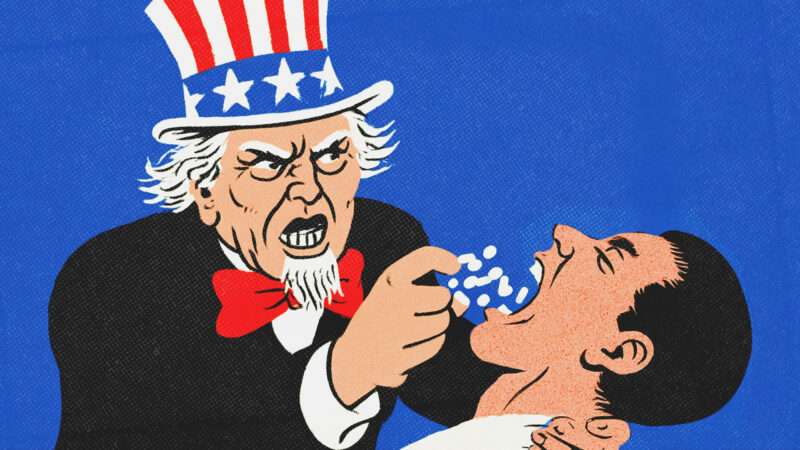



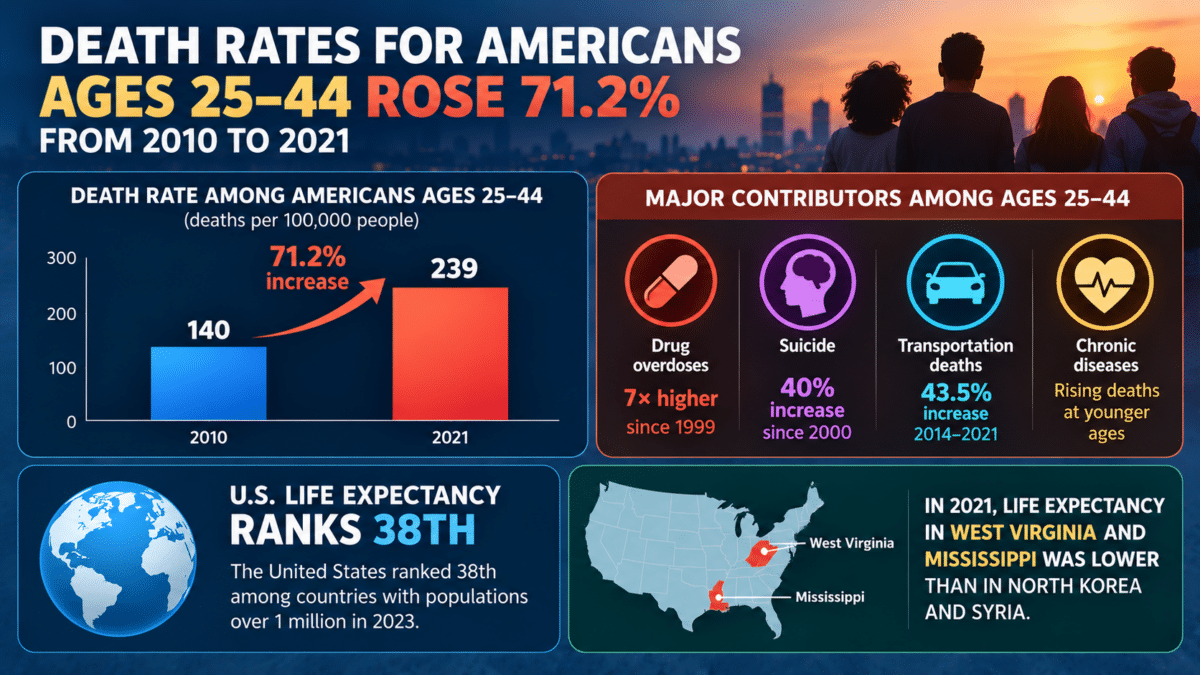 Infographic by StudyFinds





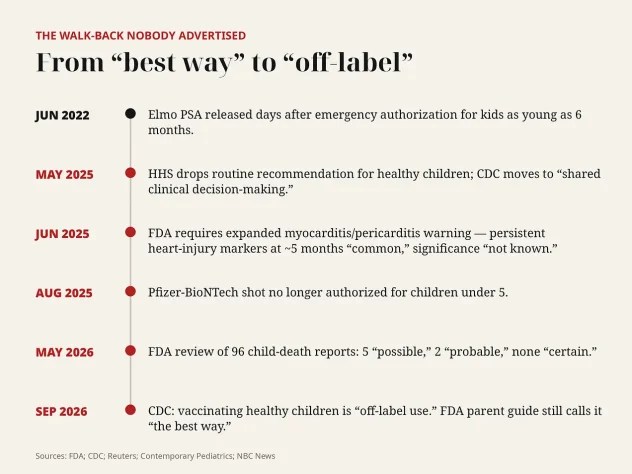
 From the Covid-era Mockingbird Media Hall of Fame: Targeting Kids with Covid Jabs using Sesame Street Characters


