 Login

It’s about to get a lot colder very quickly. Here’s how to stay safe
Dangerously cold weather kills more than 1,000 people in the U.S. each year

© Getty Images

Dangerously cold weather kills more than 1,000 people in the U.S. each year
© Getty Images
Some 584,193 children are waiting for NHS mental health services in Summer – up by 20,000 compared to 2024
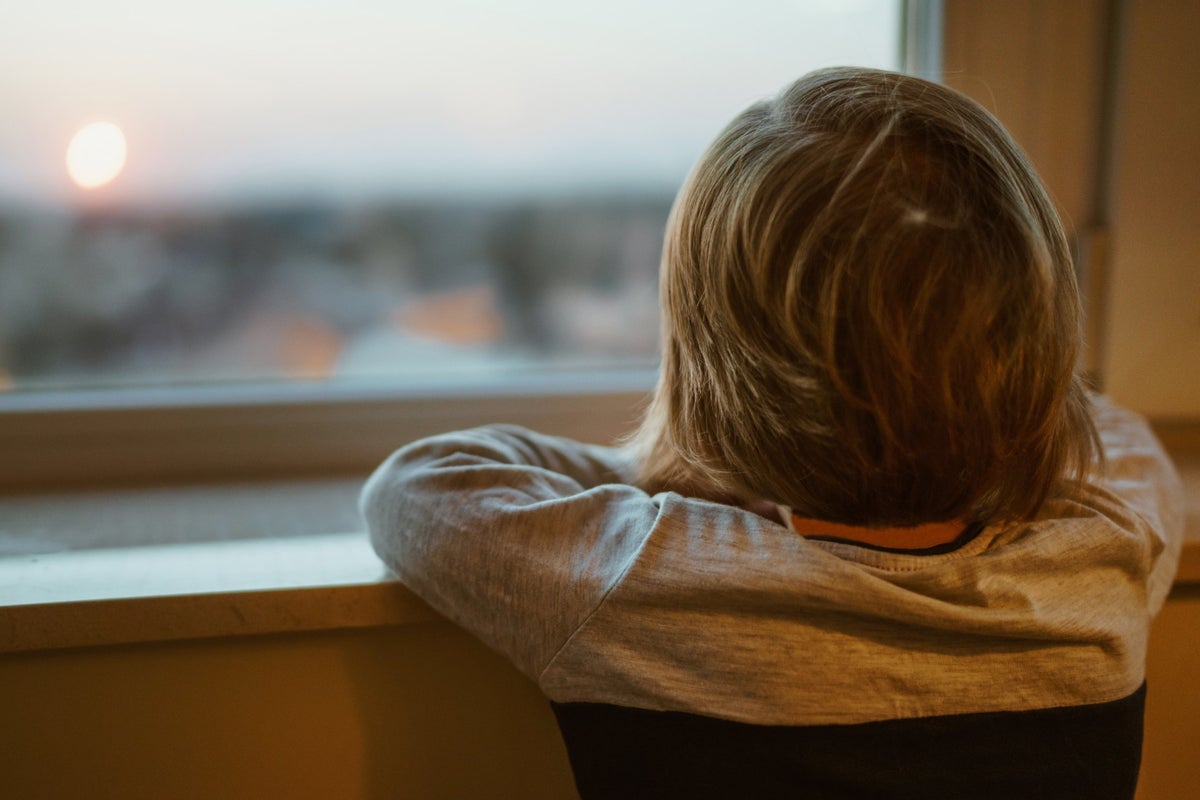

A pioneering cancer research project in northern Portugal has won the public vote at the 2026 REGIOSTARS Awards, recognising its work in bringing scientific advances closer to patients and expanding
The post Portuguese cancer research project wins prestigious European award appeared first on Portugal Resident.

Portugal’s Parliament has given its initial approval to proposals tightening the rules governing access to the National Health Service (SNS) for foreigners who do not live in the country, including
The post Parliament backs tighter SNS rules for non-resident foreigners appeared first on Portugal Resident.

Portimão Hospital has performed its first laparoscopic mastectomy combined with immediate breast reconstruction, marking another step in the introduction of minimally invasive breast surgery in the Algarve. The procedure was
The post Breast surgery breakthrough in Portimão appeared first on Portugal Resident.
Krista Buckner; Visuals By Christina
At 62, my life looks almost nothing like the one my 20-year-old self pictured. It's better.
Sure, I'm divorced and don't have grandchildren, but I have adult children I adore and friendships with decades of history. Plus, I'm doing something I never imagined: building a career on social media.
Every day, I talk to over 200,000 followers on TikTok and 135,000 on Instagram about hope, finding your purpose, and remembering that life doesn't have an expiration date.
At an age when many people are winding down, I seem to just be getting started. And I wouldn't change a thing.
Visuals By Christina
I've always loved fashion, from jeans and flip-flops to high heels and designer gowns. But these days, I have more confidence in my choices and a lot less interest in anyone else's opinion of them.
When I look at clothes, I don't see an age requirement. I see something I either love or don't.
Whether it's a bold print, an unexpected silhouette, or a statement piece, my decision on what to wear comes down to how it looks and feels on me, not how old I am. Fashion has always been a form of self-expression for me, and getting older hasn't changed that.
I don't think women should have to trade their sense of style for something more "age-appropriate" every time they celebrate another birthday.
Plus, my goal isn't to look 30. It's to make 30-year-olds excited to turn 60. After all, why would I want to turn back the clock? I've spent six decades learning who I am. I wouldn't trade that wisdom just to have younger-looking skin.
Krista Buckner
One of the most beautiful parts of getting older is having friendships that have stood the test of time. There's something special about sitting across from someone who knows the chapters of your life you'd rather forget and realizing you have absolutely nothing to prove.
My friends and I have stood by one another through divorces, financial struggles, challenges with our children, and some of life's most difficult moments.
But we've also shared incredible joy, deepened our connections, and celebrated the love, wisdom, and experiences that make growing older such a gift.
In my 20s, I was still figuring out who I was. Now, there's no pressure to perform, impress, or constantly please the people closest to me.
We don't take everything personally, either. If someone is busy or life gets complicated, we understand. We know that a friendship isn't measured by how often you see each other.
That kind of freedom doesn't happen overnight. It's built through years of showing up, forgiving, laughing, and sometimes simply giving each other grace.
Krista Buckner
When I was younger, I spent so much time wondering whether I was on the right path. I had a very specific picture of what my life should look like, and when things didn't go according to plan, I questioned myself.
At 62, I can look back and see that even the experiences I never would have chosen were my greatest gifts of all. Every path is the right path.
Loss taught me gratitude. Starting over taught me courage. Being told I wasn't enough taught me to recognize my own worth. And through it all, I've developed a resilience that allows me to face whatever life brings with confidence and hope.
And perhaps that's the biggest difference between 22 and 62: I know that my life is happening for me, not to me.
I spent so much of my younger years thinking about what my life would become. Now I'm actually living it, and I still have so much I want to do.
I know aging is inevitable. But spending decades dreading it isn't.


Courtesy of Catherine Work.
I thought making a lot of money and working hard would make me happy.
In my early 20s, I got great grades and finished my undergrad in three years. By my mid-20s, I had finished my graduate degree in law while frequently working 70-hour weeks.
I leaned into the idea of being a girlboss, often working weekends or through my lunch, and focusing on making lots of money. It was a habit I saw modeled by my parents. It worked for them, and I thought it would work for me, until it didn't.
At 26, I worked long days at my home desk after making "hard worker" and "responsible'"my identity for years. I thought this was what an independent woman was: someone who worked constantly and optimized all of her time.
Courtesy of Catherine Work.
Sure, I was saving lots of money and networking, but I was often too tired on my day off to do anything. I often chose to work on Saturdays and didn't even have time to spend my hard-earned money.
Two things made me realize this wasn't a sustainable lifestyle: I once told a friend I couldn't take a 15-minute lunch break to call her, and another time I struggled to lift my full duffle bag for an upcoming trip after not working out for months.
Something had to give.
I was clearly burned out. I could have taken some time off to recover and come back, but then the cycle would have continued.
It helped that I spent my early 20s in Cameroon and Costa Rica, two places where work-life balance looks a lot different than it does in the US, and people live with their parents much longer. Looking back on those years when I was truly happy helped me to question what I was focusing on in my life.
I came to a new conclusion. I didn't want to simply recover after burning out. I wanted to reject the premise that burnout was the price of being an ambitious woman.
In 2022, as the COVID restrictions were lifted more and a relationship I had been in ended, I decided to travel while working a few hours per week. As a then single, childfree woman, no longer heading towards a career, I wondered what I'd replace these traditional markers of success with. The answer turned out to be nothing.
I stopped trying to hustle toward something. No job, boss, passion, or person was going to truly reward me for committing to 70-hour weeks. Nothing was worth putting off a breakfast date with myself or an unplanned walk in the park, or that 15-minute phone call I told my friend I couldn't take.
I decided to opt out of the competitive nature of the working world and instead focus on optimizing myself.
Five years later, I have a life my 26-year-old self would barely recognize. I work substantially less, have built a career around writing and research for companies with values I admire, and have spent the past several years living and traveling in different countries.
Courtesy of Catherine Work.
I don't own a car or a home, and I'm not chasing a traditional career ladder. Instead of constantly asking what I should accomplish next, I have far more time for cooking, relationships, travel, and simply being alive.
One thing I did keep from that previous era of my life was my deep conviction that I, and all women, need to be financially independent. I have stopped suggesting that my friends work through their lunch break; instead, we talk about ethical investing and the need to always have one's own bank account.
The surprising part is that opting out didn't ruin my career, and I didn't feel the need to replace work with anything else. I don't think chasing a job title, a salary, or a full calendar would have made me feel secure.
I think I would have constantly felt the need to prove myself, which sounds exhausting to me now. Instead, I have the independence I sought when I was younger. It just took the form of letting go of the idea that I have to constantly prove my worth to myself.
Joseph Nair/NurPhoto/Getty Images
Singapore, the Southeast Asian financial hub known for its futuristic skyline, has been blanketed by milky haze as smoke from fires in neighboring Indonesia drifts across the region.
The haze has affected Singapore for weeks, with conditions deteriorating in recent days. The pollution has disrupted flights, shut down outdoor sports facilities, and prompted organizers to call off a major running event.
On Friday, air quality in parts of Singapore reached "very unhealthy" levels, with pollution readings hitting their highest point this year.
Here's what the haze looks like across the city.
Aditi Bharade
Marina Bay Sands, the three-towered hotel overlooking Singapore's waterfront, has been shrouded in a milky haze.
Singapore's environmental agency said winds were carrying smoke from fires in Indonesia's Kalimantan region toward the city-state.
Roslan Rahman/AFP/Getty Images
On Friday, air quality across much of Singapore reached the "very unhealthy" range on the country's Pollutant Standards Index.
At that level, authorities recommend avoiding prolonged or strenuous outdoor activity.
The PSI has been in the unhealthy range since October 5, making it 12 days of poor air in the city.
The last time things looked this foggy in Singapore was during a 14-day period of hazy conditions in 2015. The country has seen shorter episodes of haze conditions in 2019 and 2023, but those blew over within a couple of days.
Yuichi Yamazaki/AFP/Getty Images
Poor visibility has disrupted flights at Singapore's smaller Seletar Airport, leading to diversions and cancellations.
Both Seletar and the country's main international airport, Changi, remain operational.
Felin Lim/AFP/Getty Images
The ISCA Run, scheduled for Saturday at Gardens by the Bay, was canceled because of the haze, affecting almost 3,000 registered participants.
An ISCA spokesperson told Business Insider that organizers made the call early because air conditions remained unpredictable and they were concerned about the safety of runners, including young children taking part in the Family Run.
Roslan Rahman/AFP/Getty Images
Singapore's public sports operator temporarily closed all outdoor and non-air-conditioned sports facilities it manages across the island on Friday because of the haze.
Indoor, air-conditioned facilities have remained open.
Pontiff is recovering from a lobectomy, which is standard treatment for lung cancer caught early and can be curative
On Tuesday, surgeons in Rome removed the lower part of Pope Leo’s right lung, after a routine health check found a small growth that tests have since confirmed as lung cancer. The operation, called a lobectomy, is the standard treatment for lung cancer caught early, and for many patients it is the only treatment they will ever need. So what exactly did his doctors do, and what happens next?
Continue reading...
© Photograph: Remo Casilli/Reuters

© Photograph: Remo Casilli/Reuters

© Photograph: Remo Casilli/Reuters
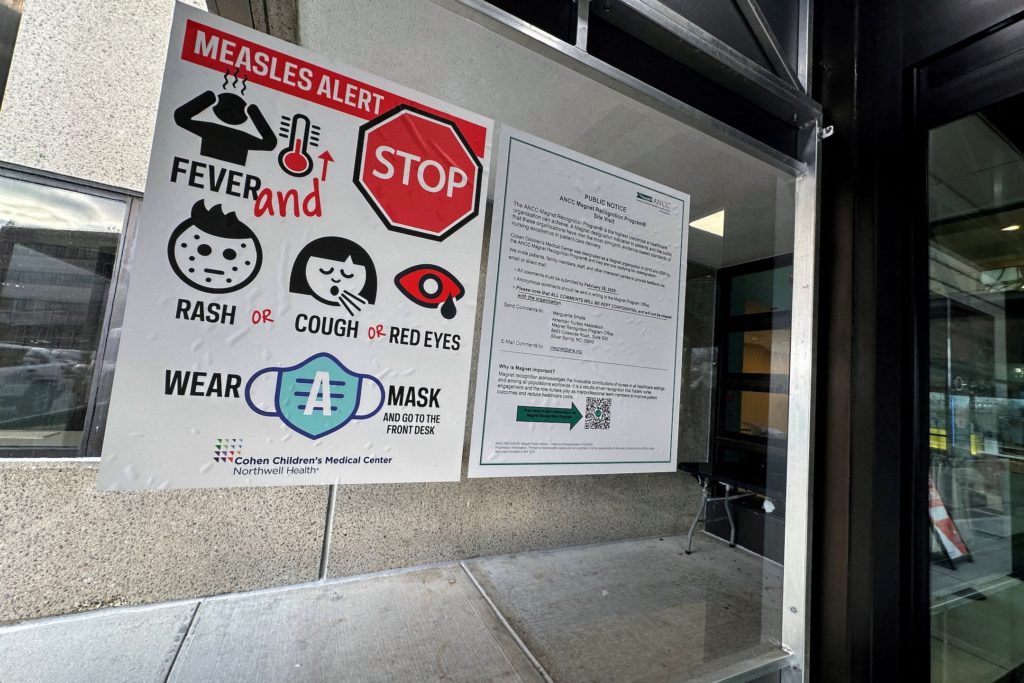
Nelson Diaz, NylaGray Photography
Over years of evaluating children for learning disorders, Dr. Katie S. Davis noticed an interesting phenomenon: Some parents seemed visibly disappointed when she told them their kids didn't meet the criteria for ADHD or autism.
"I found that those conversations can be more difficult to have than with a parent whose kid is really disabled and whose needs are very high," Davis, a clinical neuropsychologist and author of "Actually, You're Fine," told Business Insider.
Though she would try to reassure those parents that their concerns about their children's behavior were valid and worth addressing even without a formal diagnosis, "it's not as tangible or concrete as parents want, and they often leave the conversation feeling dissatisfied."
Parent-reported diagnoses of several childhood developmental and learning conditions have increased in recent years. For example, the estimated share of US children ages 3 to 17 with a current ADHD diagnosis rose from 8.6% in 2016 to 10.5% in 2023. Separately, a study of children ages 6 to 17 found parent-reported lifetime learning-disability diagnoses rose 16.4% over the same period.
While some argue that greater awareness of learning disabilities and disorders accounts for the increase, Davis doesn't feel that explains the full story. From what she's observed, ever-growing expectations for kids — and parents desperate for explanations for why their child is lagging behind — also play a role.
She said rushing to a diagnosis can have negative long-term implications for everyone.
"People don't think that ADHD means anything, people don't think dyslexia means anything," Davis said. "Then those people who are truly disabled by those conditions have enough battle to justify their need for accommodations and services."
FatCamera/Getty Images
In order to qualify for a diagnosis such as ADHD, symptoms must be present in at least two major settings, such as both at home and at school. For autism, they must be persistent across multiple contexts.
But some parents focus on how their child behaves in the classroom, in part due to ever-increasing expectations around academic success, Davis said.
"Doing well in school is no longer good — you have to be at the top of the pack," Davis said, noting that similar patterns have arisen in higher education settings with parents arguing for their teenagers' grades to be inflated. "Parents want excellence, and if it's not excellent, it's bad."
When worrying about their child's behavior, some parents zero in on their child's behavior in class while overlooking how their child compares to others, Davis said.
"If you're in a kindergarten classroom, probably all of the kids to some degree are going to have trouble sitting on the rug for 30 minutes at circle time," Davis said. Most will cluster in the middle of the bell curve, while some will get antsier earlier or later. The kids who consistently stand out compared to their peers are the ones who should probably be evaluated, Davis said.
Otherwise, "for nine kids out of 10, that sounds like a kid in an elementary school."
StockPlanets/Getty Images
Whether they're diagnosed with ADHD or not, a child being hyperactive in class isn't a parent's fault. Still, parents can feel like they're personally responsible.
"There is an eagerness to medicalize the feelings of insecurity, because if it's due to a diagnosis, then it's not a knock on your decisions," Davis said.
Whether or not their child is formally diagnosed, Davis warned against treating it as a catch-all explanation for everything your child does.
"Despite our best intentions, if we put a label on the kid and the kid is aware of that label, they are given the message 'there is something wrong with how you are developing,'" she said. Even positive spins, like "ADHD is a superpower," can send a message to the kid that their life will be forever defined by struggle, she said.
It can also imply that symptoms like difficulty focusing or reading can't meaningfully improve with the right interventions.
"We all want to develop resilience in our children, to make them feel like they have agency and control and they're in charge of their own destinies," Davis said. "Especially when kids are very young and don't understand the fluidity of these labels, we could potentially be working against them."
pixdeluxe/Getty Images
Davis wants to be clear: Diagnoses such as autism and ADHD are real. There are children who are unambiguously and significantly impaired by them in every setting, who need clear support academically and socially. "There are evidence-based interventions at our disposal that are enormously helpful," she said.
However, for parents who believe their child falls into some gray areas, Davis recommended trying a few things before booking an evaluation appointment. She compared it to a young child with a mild fever: A responsible pediatrician would guide parents through modest steps, such as taking a temperature and offering plenty of fluids, before rushing to the ER.
Instead of assuming your child might have autism if they struggle to make friends or always hang out alone at recess, Davis suggested first making other plans with their parents to set up playdates. You can also sign up your child for a karate class or call the school's teacher to see if they can intervene and help the kids play together more.
Balance
Alternatively, she said, if you immediately seek out a diagnosis and place your child into therapy and social skills groups, you could be taking away from more enriching social activities.
If a child continues to struggle, Davis recommended getting a neuropsychological assessment — a form of standardized test that is broader than getting an autism or ADHD evaluation.
While not perfect, she said neuropsychological assessments can measure a child's motor skills, sensory processing, attention, cognitive efficiency, language, memory, and social functioning. Their scores are typically compared with norms for peers of the same age.
More importantly, it helps parents know which interventions are the best. "If your kid perceives life to be very stressful or upsetting, they're not making it up. Let's talk about what we can do to support them better in that environment," Davis said. "But we don't need a diagnosis to do that."

Krill, writes Gordon Peake, are “the least zeitgeisty creatures imaginable”: small, shrimp-like crustaceans whose total population numbers in the hundreds of trillions. Until recently, krill has mostly served as a snack for whales. Now, however, krill is “the latest iteration of capitalism on the frozen frontier,” a health supplement whose market is valued at roughly a billion dollars. Peake spends weeks aboard the Allankay with a crew of vegan activists devoted to ending the krill trade. His dispatch is a brisk history of extractive capitalism in the Antarctic, a fascinating study of an utterly uncool creature, and an uproarious account of a reluctant sailor earning his sea legs. Take the journey with him.
I contemplated the fillets of pink salmon defrosting on my kitchen counter, not too far from the shelf where I keep my supplements, including krill oil, part of my long-established daily routine of taking elixirs with vague but impressive claims about “improved heart health” and “enhanced brain function.” Labels depicting regal seabirds and majestic trawlers and a barmy sense that the more expensive the supplement, the more potent it must be also guided my “decision-making.” I told Hammarstedt I was the sort of fellow who enabled such an industry to exist. He responded with an offer: I should go down to Antarctica to see the krill business for myself.

More seven year-olds are on disability benefits than 50 year-olds amid a surge in payouts for childhood ADHD and other mental health conditions, official figures show.
The post More Seven Year-Olds on Disability Benefits Than 50 Year-Olds Amid ADHD Surge appeared first on The Daily Sceptic.

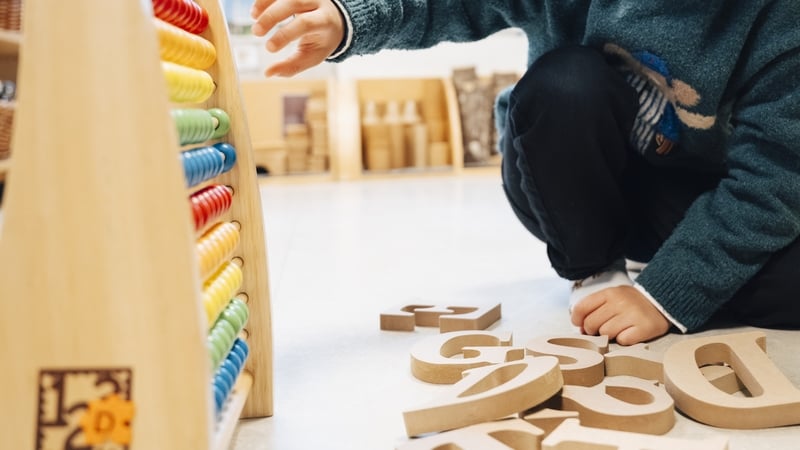
Speaking in Brussels on Wednesday, Neale Richmond said it was vital the issue remained a “priority” for policymakers at EU and member state level.
Richmond, Minister of State for International Development and Diaspora of Ireland, said that while impressive progress … Read more

