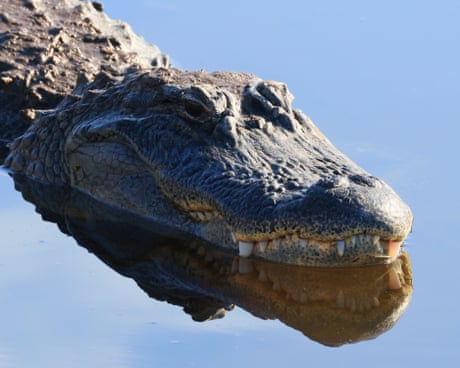
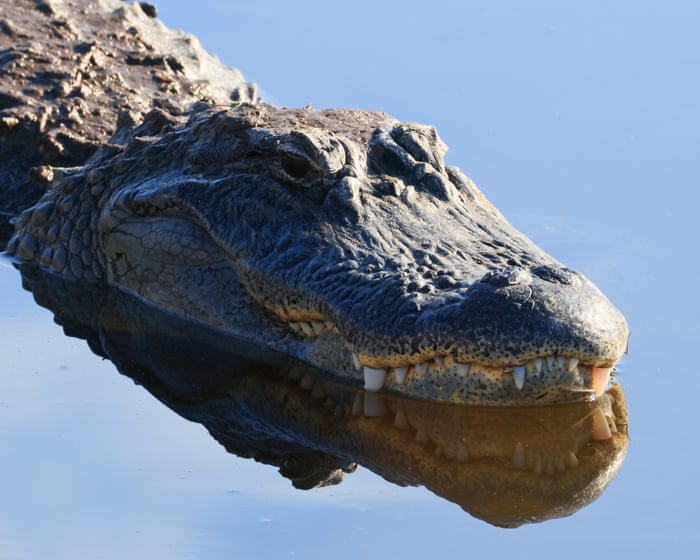
Steve Hamilton was fishing in Winter Garden when he was attacked by gator, which was later killed
A man fishing at a pond in Florida was killed on Friday by an alligator that was almost 12ft long in a rare kind of animal attack, according to authorities and media reports.
Steve Hamilton, 71, was on the shoreline in the community of Winter Garden when the animal dragged him into the water, the Florida news outlet WOFL reported, citing local police and the state’s fish and wildlife conservation commission.
Cook Political Report, a nonpartisan election handicapper, shifted 11 more House seats toward Democrats this week, many in red states as the midterms inch closer. Cook has moved dozens of House seats away from Republicans in recent weeks as the political environment improves for Democrats, driven by President Trump’s unpopularity in the polls and growing…
Valerie and Glenn Cherry split their time between Tampa and Florida.
Courtesy of Valerie Cherry
Valerie Cherry was thrilled when her first grandchild was born. She wanted to be a hands-on grandma.
The mom-of-one yearned to be closer to the young family but was reluctant to leave her hometown.
With 1,000 miles between them, she found a "middle ground" by renting nearby for half of the year.
This story is based on an interview with Valerie Cherry, 68, a clinical psychologist from Tampa, Florida. It has been edited for length and clarity.
My husband, Glenn, 68, and I were delighted when our first grandchild — a little girl —was born four years ago.
Our son, Jamal, is an only child, and we are a very close-knit family.
We rushed from our home in Tampa to help him and our daughter-in-law, Sierra, who had settled 1,000 miles away in Houston, with the demands of a baby.
Our trips lasted between a month and six weeks, and there was a lot of to-ing and fro-ing between the two cities.
We'd either stay with the family or rent Airbnbs to give everyone a bit of space.
The Cherrys enjoy an active social life in Tampa.
Courtesy of Valerie Cherry.
It felt great to be hands-on and useful, especially because Jamal and Sierra work very hard in finance and forensic psychology, respectively.
Back home in Florida, though, we lived life to the full in our gated, suburban community. Glenn, a relief veterinarian, and I had meaningful friendships there.
We knew lots of people, particularly fellow alumni from our colleges in Georgia. There was always something going on, like book clubs and fundraising activities.
Then our grandson was born two years ago. We continued our long visits to care for him and his sister, flying between the two cities.
We started to look at places in Houston
Soon after his birth, Jamal and Sierra approached us about what it felt like when we weren't there. They were a bit nervous and wanted to know whether we'd consider moving close by.
We were torn. As much as we wanted to be with our grandchildren, we valued our time in Tampa. Still, we started to look at places in Houston.
The trouble was that if we were to purchase something in Houston, it would have had to be in the suburbs. Traffic is terrible, so it would have been around a 40-minute drive to my son's.
The Cherrys dressed as superheroes last Halloween to trick-or-treat with their grandkids in Houston.
Courtesy of Valerie Cherry
Another factor was that we didn't want to be tied down by taxes, insurance, and all of that in Texas because we didn't want to give up our home in Tampa.
I Googled other options and came across a building called Landing right in downtown, a little over 10 minutes from the family.
It was different from other arrangements because you could stay there for as long or as short a period as you liked.
We paid a membership fee and secured a two-bedroom apartment that was already furnished. The only things we brought were a couple of pots for the kitchen.
We found a middle ground
It now works out that we spend around seven months a year in Houston and five in Florida. However, the 4,800-square-foot house in Tampa is classified as our main residence.
The apartment is much smaller at 1,600 square feet, but we like it very much. There are two swimming pools in the building, playrooms, and a basketball court.
I feel like we have found a middle ground. We can spend quality time with our grandkids, especially when their parents are on a date or away for the weekend.
We're busy planning for Halloween this year as it's a big thing for us all.
We haven't lost our identity as grandparents
Meanwhile, if one of the children gets a fever at day care or school, Glenn or I can pick them up. It's an extra pair of hands.
We haven't lost our identity now that we're known as Nana and Papa. We regularly fly back and forth to Florida to enjoy the company of longtime friends.
Our neighbors keep an eye on the house while we're away, too. It's reassuring.
I know we're privileged to be in this position, but it really is the best of both worlds.
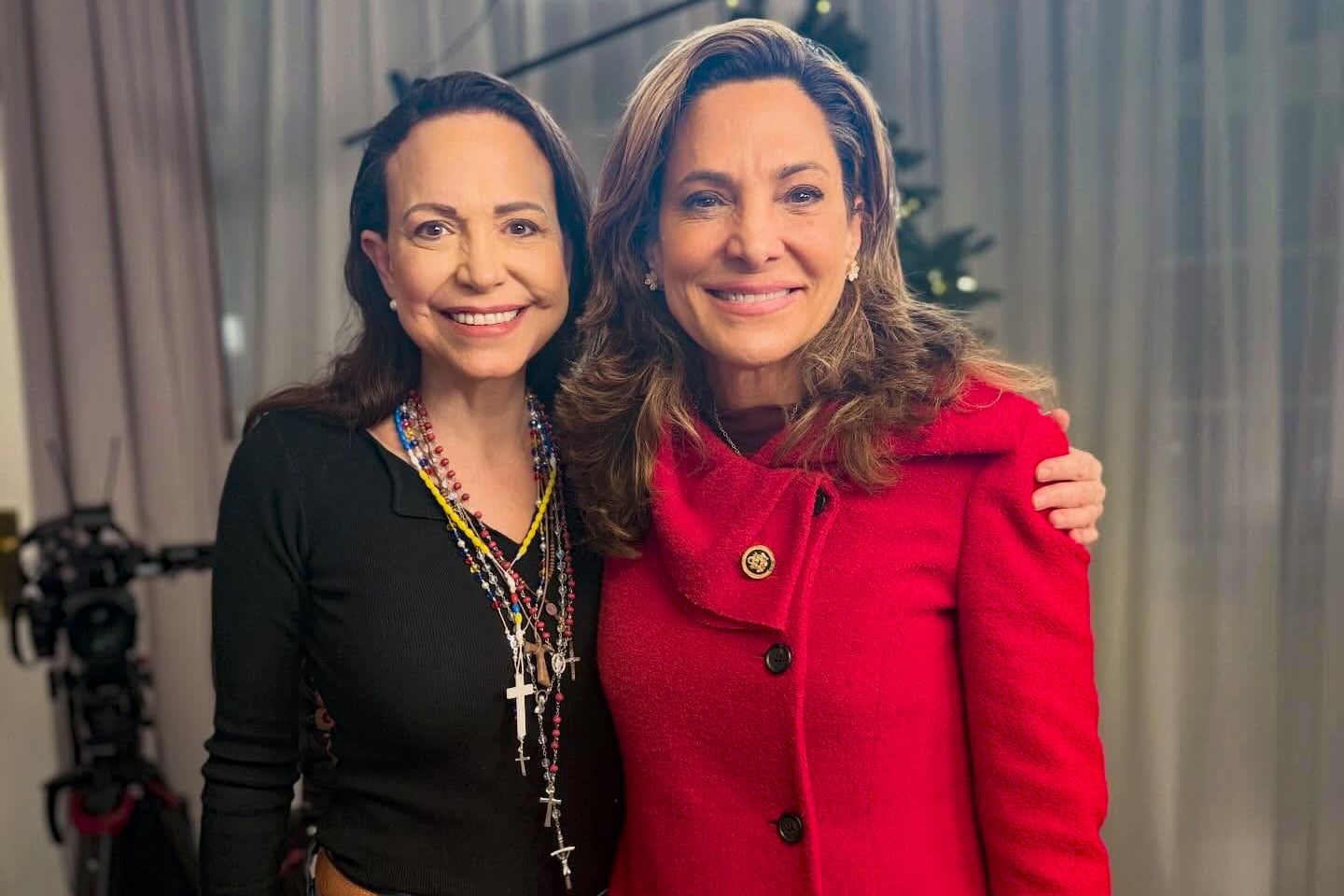
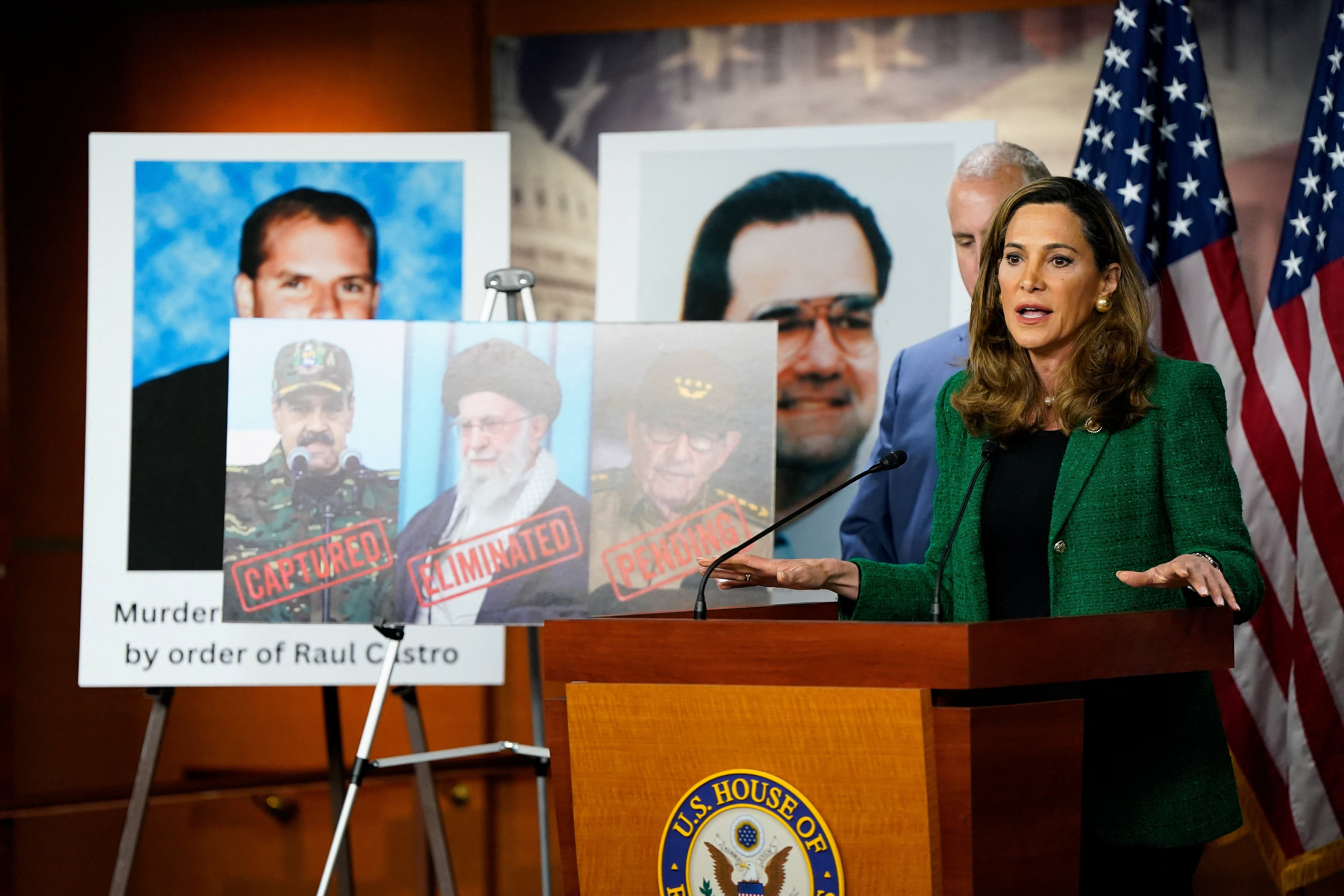
The leader of the Venezuelan opposition in exile, María Corina Machado, has decided to intervene in the United States midterm elections. She did so by publicly endorsing Republican congresswoman María Elvira Salazar, who is seeking a fourth term in the House of Representatives for Florida’s 27th District. The statement, released Wednesday via video, comes at a particularly sensitive moment for the Cuban-American lawmaker, who has clashed with Donald Trump over her criticism of the White House’s immigration policy and who faces an increasingly tight race in Miami.
In the 2024 elections, the Latino vote took center stage, proving decisive for Donald Trump’s victory. In less than a month, their vote could determine whether Republicans keep control of both chambers of Congress or lose it in the midterms. Given that the electorate’s top concern is the economy, the outlook does not bode well for the red party.
The U.S. midterm elections will not only determine who will occupy the Congressional seats and governorships up for grabs in November. In several states, voters will also find ballot measures seeking to amend laws, approve tax changes, or add new provisions to state constitutions.
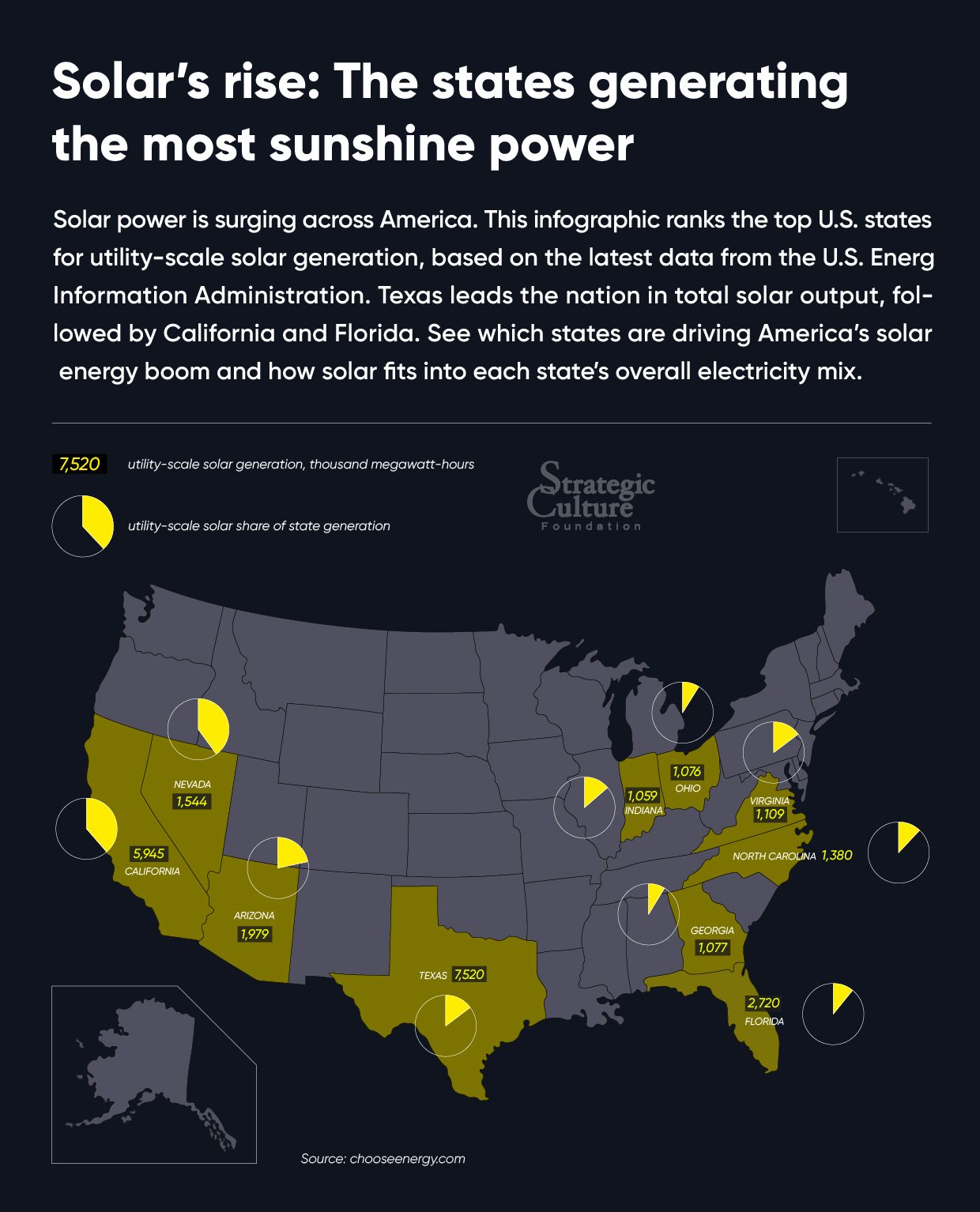
Solar power is surging across America. This infographic ranks the top U.S. states for utility-scale solar generation, based on the latest data from the U.S. Energy Information Administration. Texas leads the nation in total solar output, followed by California and Florida. See which states are driving America’s solar energy boom and how solar fits into each state’s overall electricity mix.
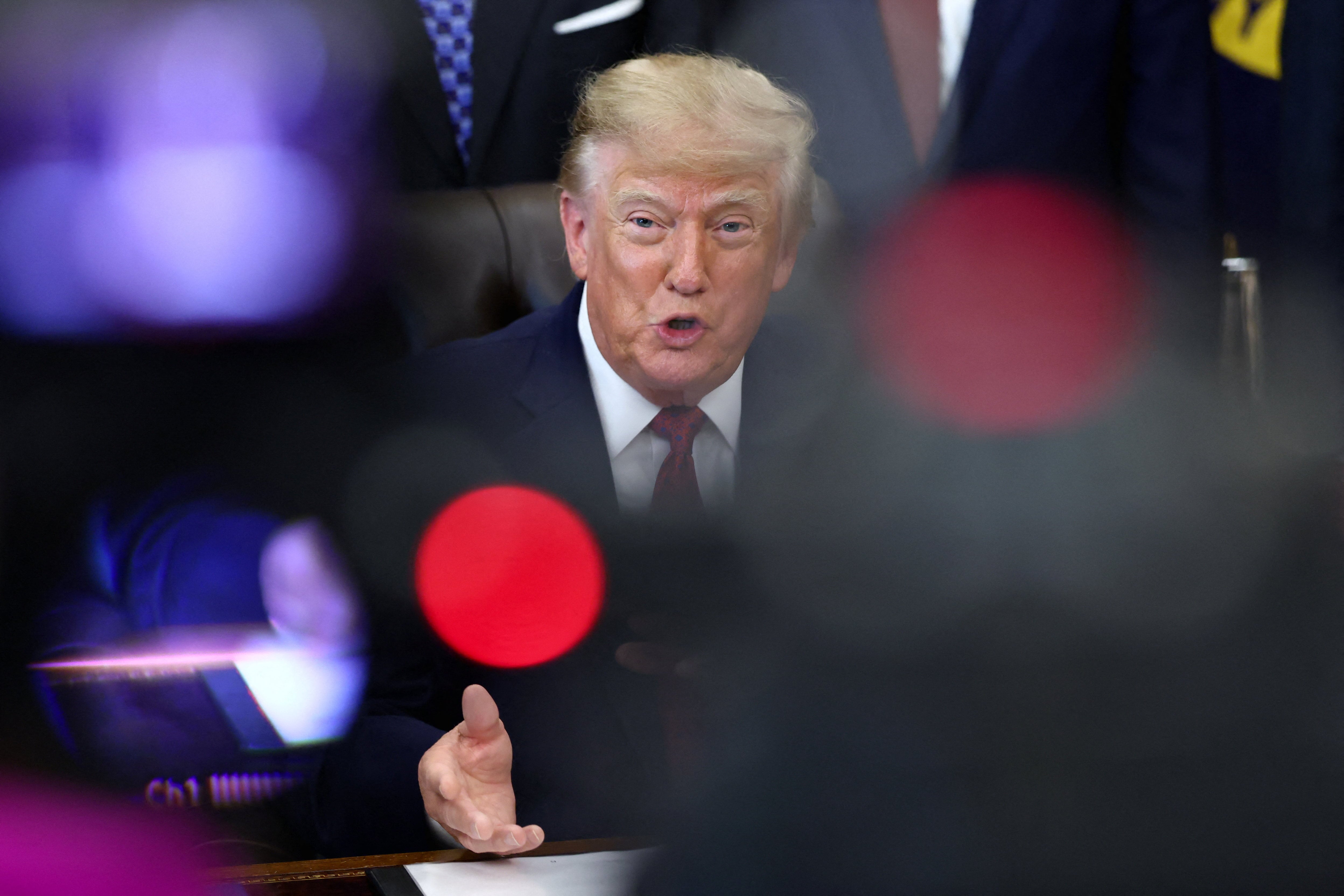
If there is one thing no one can deny about Donald Trump it is that he is a lucky man. The president has beaten the odds more than once. Notably, when he left the presidency in January 2021 after the shameful assault on the Capitol, his political career seemed to have hit rock bottom. But not only was he acquitted in a second impeachment trial, and spared from an AR-15 rifle round that came within millimeters of blowing off his head (to name just two examples of his extreme luck); he also easily defeated Democratic candidate Kamala Harris in the presidential election.
María Elvira Salazar wore a dark blouse and a striking pearl necklace when she arrived at journalist Juan Manuel Cao’s studio in Miami. She took a seat, tucked her hair behind her ears, made sure she had good lighting and found the best camera angle. She’s well trained in the ways of television.
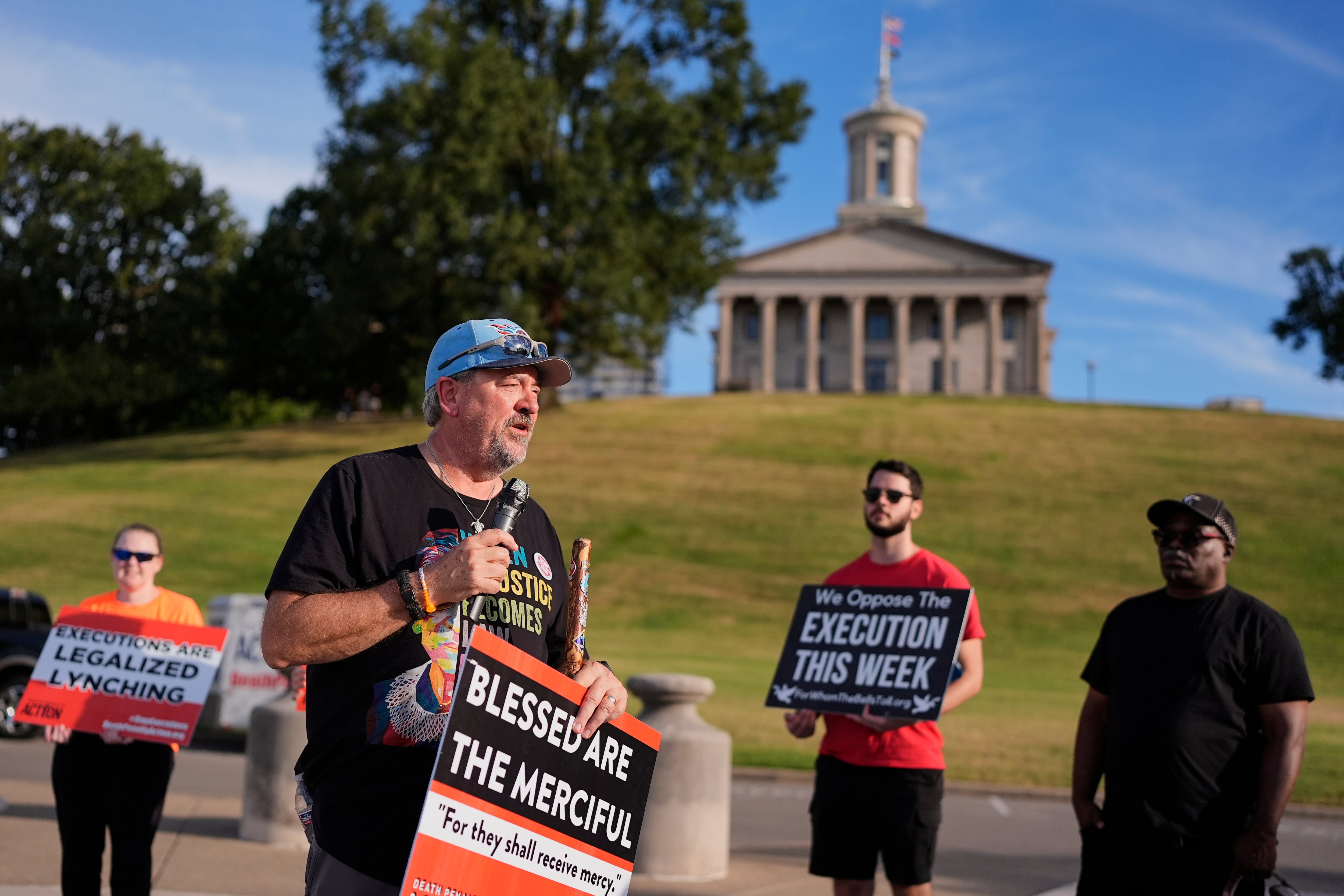
The state of Tennessee has ordered a stay on the execution of a woman who was sentenced to death for the murder of a fellow student when she was 18. If it had been carried out as planned on Wednesday, Christa Pike, now 50, would have been be the first woman put to death in the mid-southeastern state in more than two centuries.
The Trump administration’s immigration policy and the state of the economy are prompting a shift of Latino voters back toward the Democrats. Although many remain undecided, a new poll shows that in the November midterms, Democratic congressional candidates will receive between six and 10 percentage points more of the Hispanic vote compared with Kamala Harris’s 2024 results. By contrast, Republicans would lose five points of the votes Trump won among this electorate. On November 3, all seats in the House of Representatives and one-third of the Senate are up for election, as well as 36 governorships.
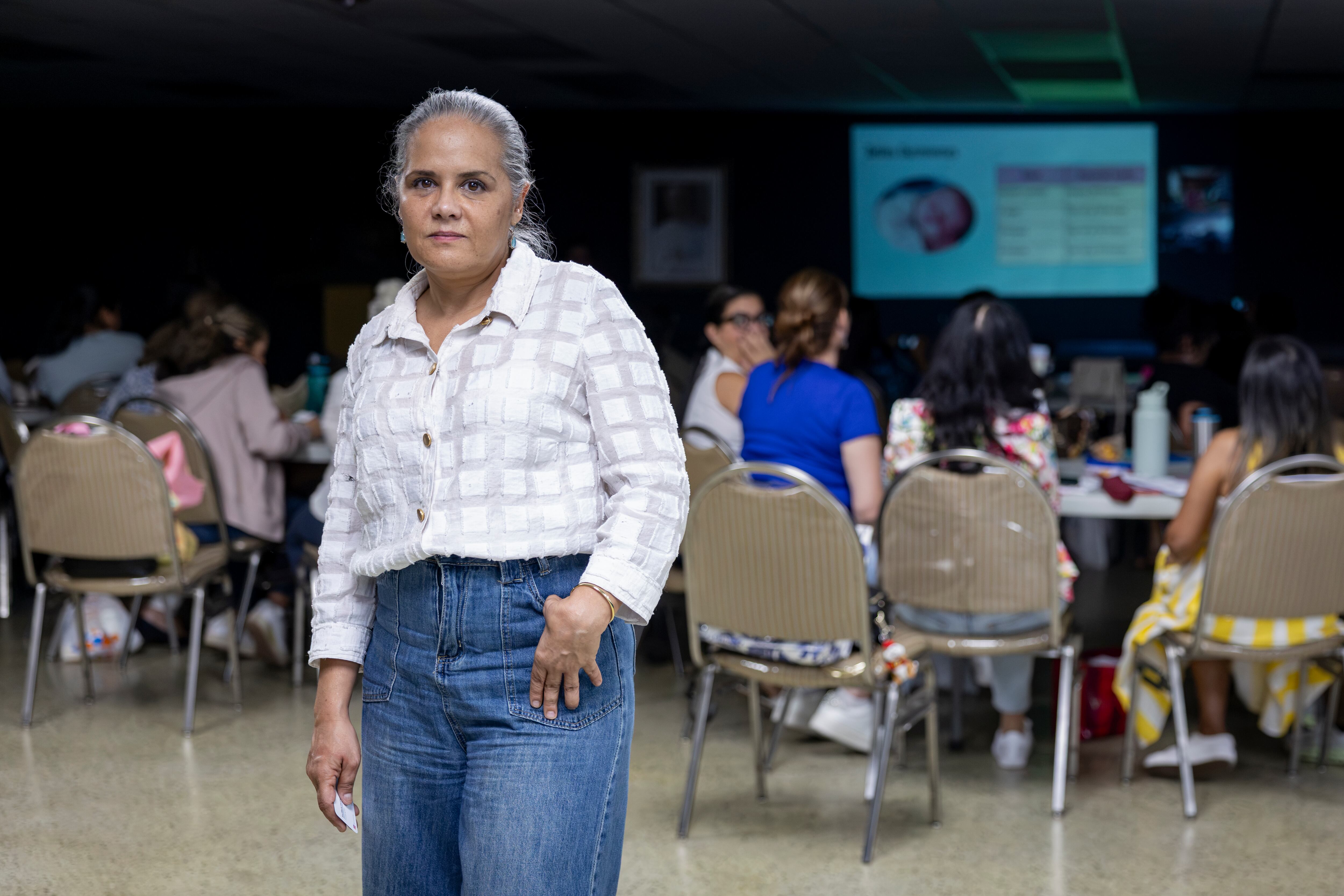
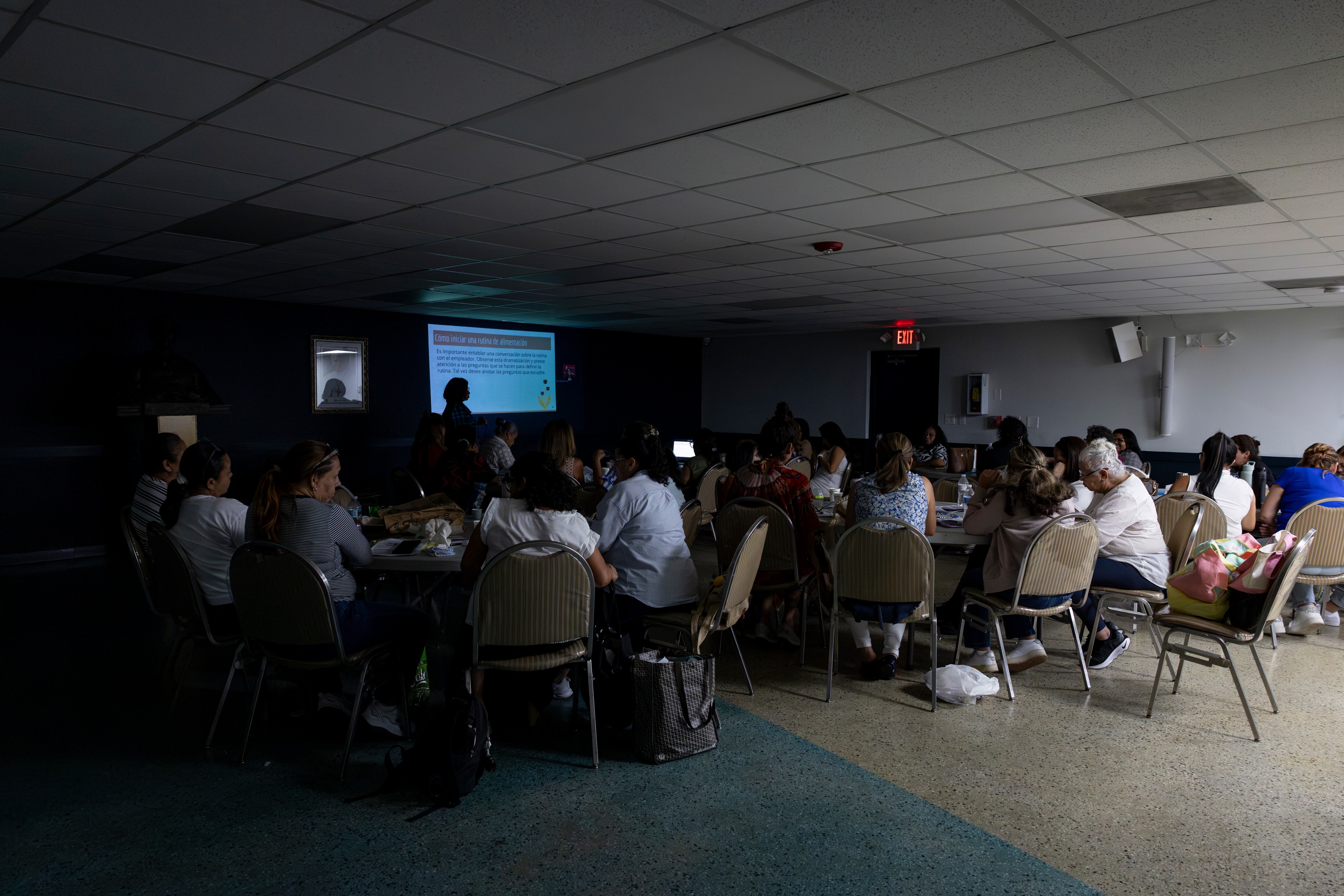
Known as the tomato capital of the United States, Immokalee is an agricultural community in southern Florida. A couple of hours from cosmopolitan Miami, palm trees stand beside dirt roads where cucumber, pepper, and eggplant are grown; hens roam the yards of small houses and people carry shovels and hoes. Although it is part of Collier, one of the state’s wealthiest counties, there is no hospital with a labor and delivery ward or specialists to handle an obstetric emergency. Pregnant people must drive up to an hour to receive care.
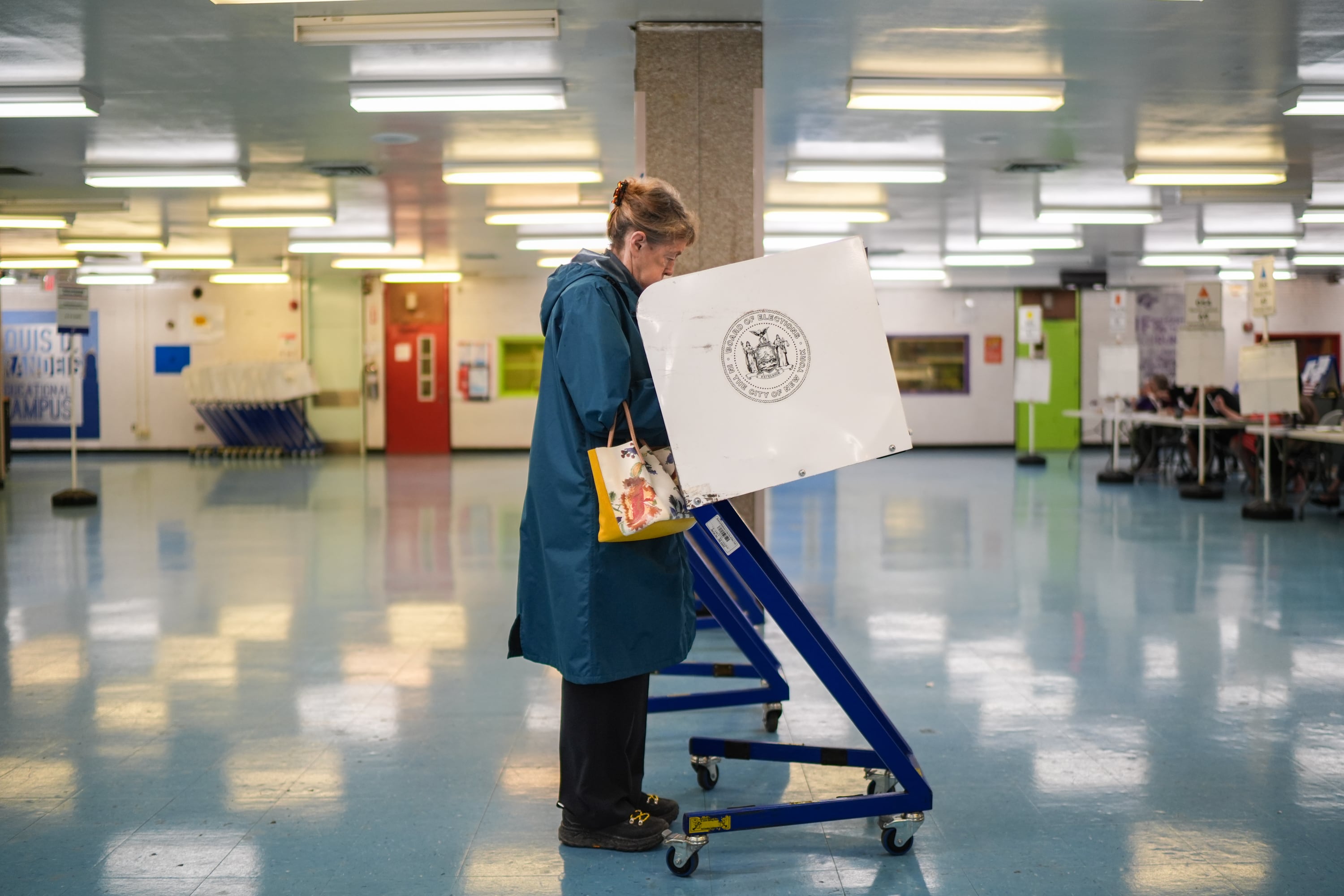
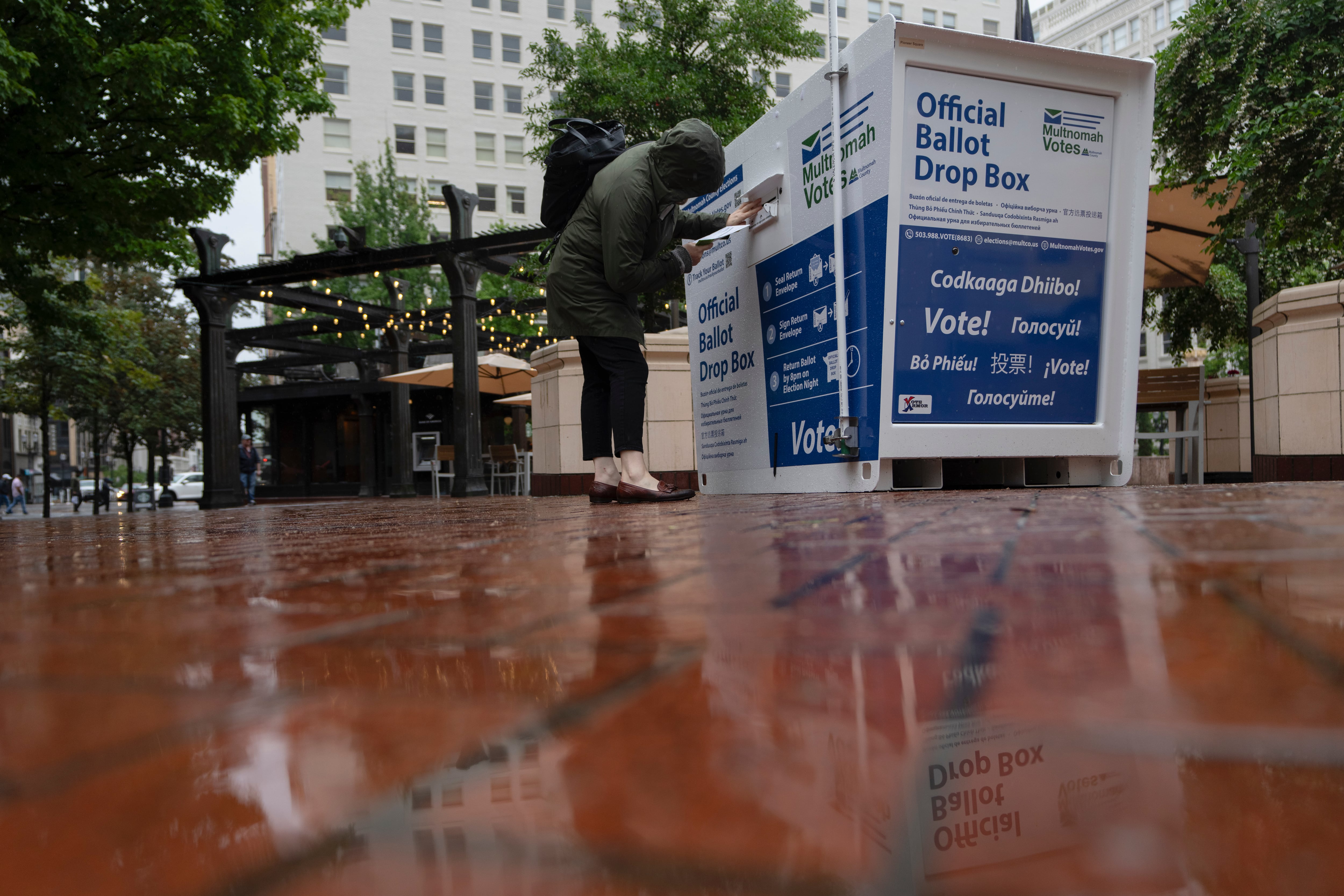
The U.S. midterm elections are not limited to Tuesday, November 3. For millions of voters, Election Day will begin much earlier, either through in-person early voting or by casting a mail-in ballot, despite recent attempts by President Donald Trump to restrict and overhaul mail-in voting.
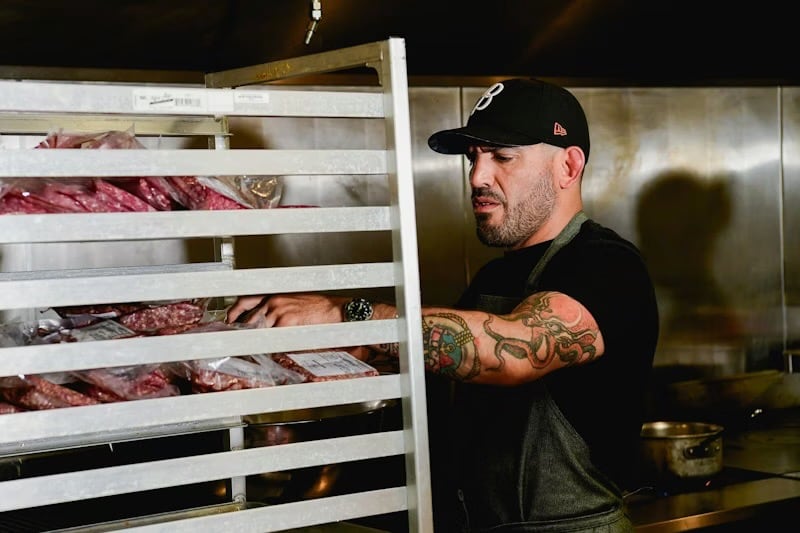
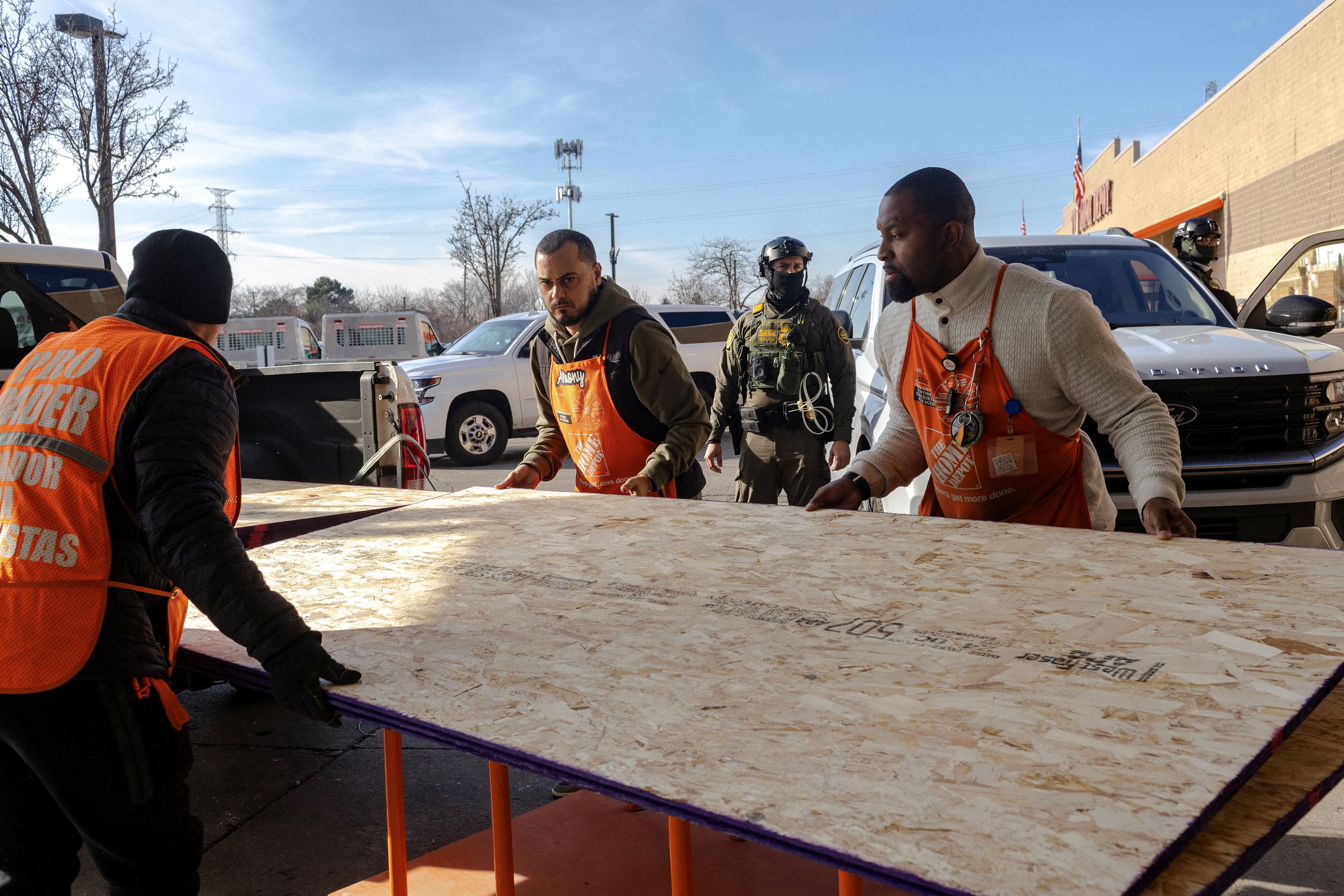
In recent months, the Donald Trump administration has been proudly releasing statistics on migrant arrests. Nearly 51,000 detentions were recorded in August, setting a new record that surpassed July’s 50,208, according to Department of Homeland Security (DHS) data. But while the administration celebrates increased operations by Immigration and Customs Enforcement (ICE), business owners lament the effects on the labor market. “I’ve already lost several employees. There’s nobody to work,” says Carlos Raba, a chef of Mexican descent.
It is around 9:00 p.m. and Karla De Anda’s phone rings. The number is unknown to her. On the other end, connected to the free Wi‑Fi at a Miami airport terminal, a woman is sobbing uncontrollably. Her name is Rosa. She has just had her bags packed for her. A coworker told the family they both worked for that Rosa had been secretly talking to a stranger about the wages she was owed. The family would not hear any more: they bought her a one‑way ticket to her country of origin and put her in a taxi to the airport. Karla, who barely knows her, asks a single question: “Do you want to stay or not? Just answer me.” Between sobs the woman says yes. She hangs up, gets out of the departure line, and an hour later Karla is waiting for her at the arrivals gate with another activist, ready to take her to her home that same night.
Just 20 minutes from Denver International Airport, plans are under way for an ambitious project on a stretch of empty land larger than Manhattan’s Central Park.
In a beautiful and vivid essay on home, time, and family, Diane Roberts reflects on the house that her parents built, and their family’s land in Leon County, Florida, to which she feels deeply connected. I especially love Roberts’s thoughts on a home versus a house—the latter is composed of construction materials, but “home implies a complex neural network of family association and feeling, layers of experience, a shared past.” Despite the tragedies the home holds, it is ultimately a place of memory and meaning.
Home and time are as tangled as the skunk vine and Confederate jasmine choking my backyard fence. I suppose that’s to be expected. My house holds our history and the indispensable relics of former houses, objects cherished by the now-dead: the tiny rocking chair my grandfather made for my mother when she was three; the 1960 TR3 in the barn my brother never quite got around to fixing; the two old rosebushes dug up from the Washington County farm, replanted at Great-Aunt Rilla’s house in Chipley, then dug up again and transported to our front yard. The house didn’t simply belong to us, it was us—our mother, our father, Brad, and me.

 Login