Governo e oposição concordam em rever lei de inelegibilidade

© Miguel Gutierrez/EPA

© Miguel Gutierrez/EPA
![]()
Investors who buy idle sanctioned tankers and refit them could put the ships back into legal oil trade, US Energy Secretary Chris Wright said on 19 October, Bloomberg reported. He laid out the plan five days after a US official described it to Reuters.
That official said the aim was to cut record tanker freight rates. The Energy Department added that any relief would not help Russia move its oil. The plan comes weeks before the 3 November midterms, with voters worried about fuel costs after gasoline and diesel prices surged in the Mideast conflict. Yet the shadow fleet is also how Russia sells oil past sanctions, and those sales fund its war against Ukraine. In December 2025, Ukraine’s foreign intelligence counted more than 1,100 tankers serving Russia alone, 226 of them under US sanctions.
Many sanctioned tankers sit idle, Wright told Bloomberg’s Annmarie Hordern, and buyers keep approaching the administration offering to fix them up and carry only legal oil.
“We’re going to move some of the ships from what I call the ‘bad-guy fleet’ to the ‘good-guy fleet,’” he said. “They will not carry sanctioned oil anymore.”
The ships must go through an approval process, Wright said, but he gave no criteria. He insisted “there is no removing of sanctions.”
He put the global dark fleet at about 1,600 ships, a count covering vessels that hauled Venezuelan, Iranian, and Russian oil. Dozens or even hundreds could turn legitimate, he said. The ships are no longer needed for Venezuelan oil, Wright said, and no Iranian oil is moving. Russian oil exports, he added, “are certainly not growing.”
Earlier, on 9 October, the Treasury issued General License 135, allowing some deals in Russian diesel until 7 April 2027. On 16 October, US President Donald Trump waived sanctions and tariffs under the Graham Act, leaving earlier sanctions intact. That law had directed him to review and sanction shadow-fleet vessels. Trump defended the waiver as a way to keep Moscow at the negotiating table.
House Speaker Mike Johnson told Fox News host Larry Kudlow on 18 October that he had asked the White House team to “carefully consider the unintended consequences,” The Hill reported. He added that he thought “the right decision will be made” in the end.
Las delegaciones del chavismo y la oposición venezolana concluyeron este martes su tercera ronda de negociaciones políticas en Caracas sin que se hicieran públicos acuerdos definitivos entre ambas delegaciones. El anuncio de los resultados de esta tercera ronda, que se esperaba para la tarde, terminó demorando varias horas, y fue formalizado sobre las nueve de la noche. Con el fin de esta jornada se ha dado término a una intensa agenda de 10 días de trabajo. La próxima sesión, la cuarta, ha quedado prevista para el mes de noviembre.

© Miguel Gutiérrez (EFE)
Caracas, 21 oct (Prensa Latina) El tercer ciclo de diálogo entre representantes del Gobierno venezolano y exdiputados de la extinta Asamblea Nacional (parlamento) concluyó hoy en Caracas con importantes acuerdos de carácter político, económicos y sociales.
The post Con importantes acuerdos cerró tercer ciclo de diálogo en Venezuela first appeared on Noticias Prensa Latina.
Venezuela needs a competent supreme court, truly independent political parties, the freedom of its political prisoners, and the restored trust of its people for a democratic transition to successfully take place, Dinorah Figuera, the leader of the opposition delegation negotiating that transition, told Breitbart News.
The post Exclusive — Dinorah Figuera, the Woman Leading Venezuela’s Road to Elections: ‘The Interests of the Country Come First’ appeared first on Breitbart.

Caracas, 21 oct (Prensa Latina) La presidenta encargada de Venezuela, Delcy Rodríguez, hizo pública hoy en Instagram una carta enviada el 11 de octubre a Su Santidad el papa León XIV.
The post Presidenta encargada de Venezuela revela carta enviada a León XIV first appeared on Noticias Prensa Latina.
Caracas, 21 oct (Prensa Latina) Dos nuevos vuelos con 369 migrantes deportados de Estados Unidos arribaron hoy a Venezuela a través de la Gran Misión Vuelta a la Patria.
The post Repatriados a Venezuela 369 migrantes deportados de EEUU first appeared on Noticias Prensa Latina.
Caracas, 21 oct (Prensa Latina) El Partido Socialista Unido de Venezuela (PSUV) rechazó hoy de manera firme la nueva orden de arresto emitida por un tribunal de la Florida, Estados Unidos, contra el líder de la Revolución cubana, General de Ejército, Raúl Castro.
The post Venezuela: PSUV rechaza orden de arresto contra Raúl Castro first appeared on Noticias Prensa Latina.


In late August, President Donald Trump announced what he called the “biggest oil deal in world history.” Since then, the full text of the accord — which grants the U.S. sweeping access to Venezuela’s oil reserves — has been one of the most sought-after secrets in Washington, DC. ProPublica has reviewed a copy of the […]
The post The secret terms of Trump’s Venezuelan oil deal appeared first on Asia Times.
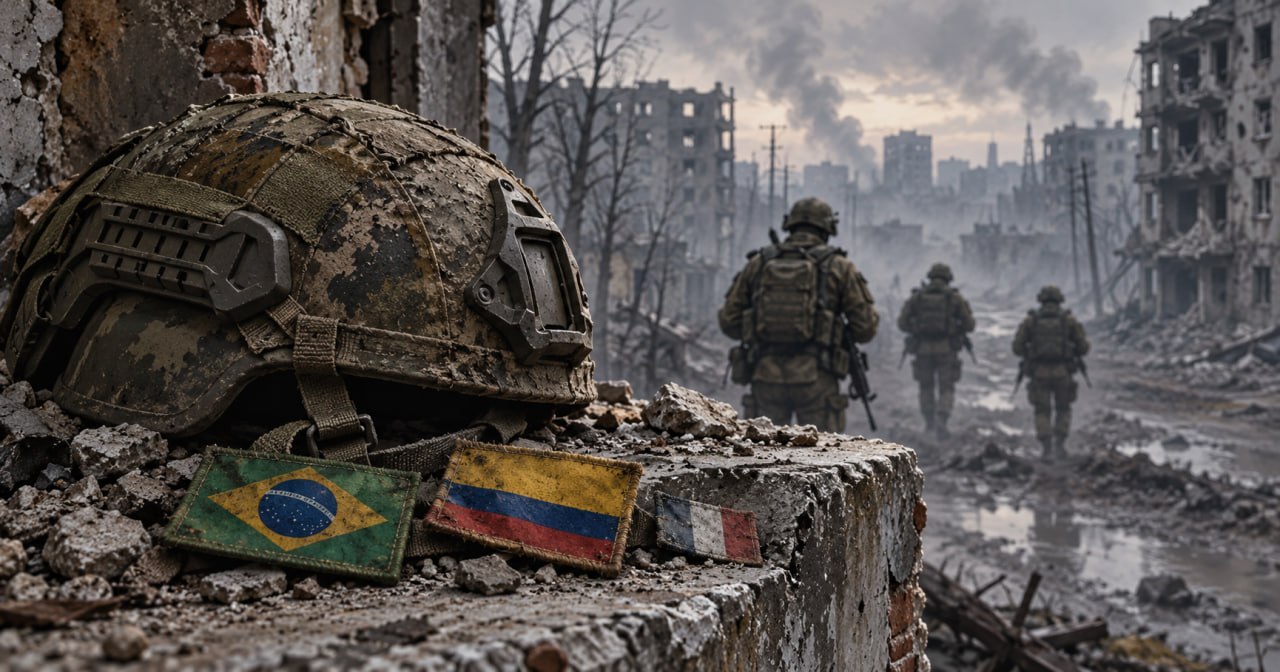
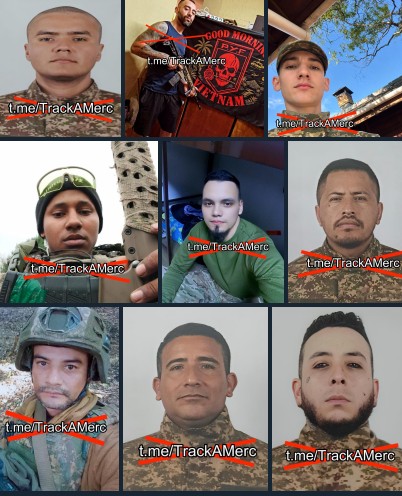
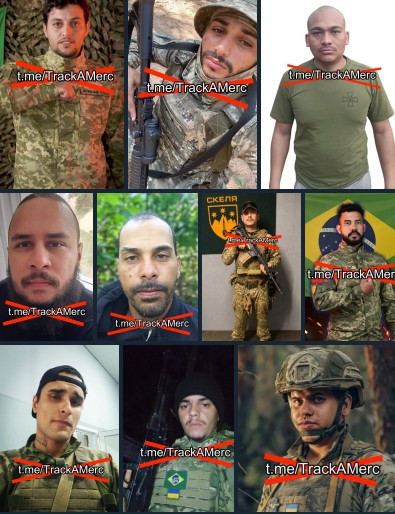
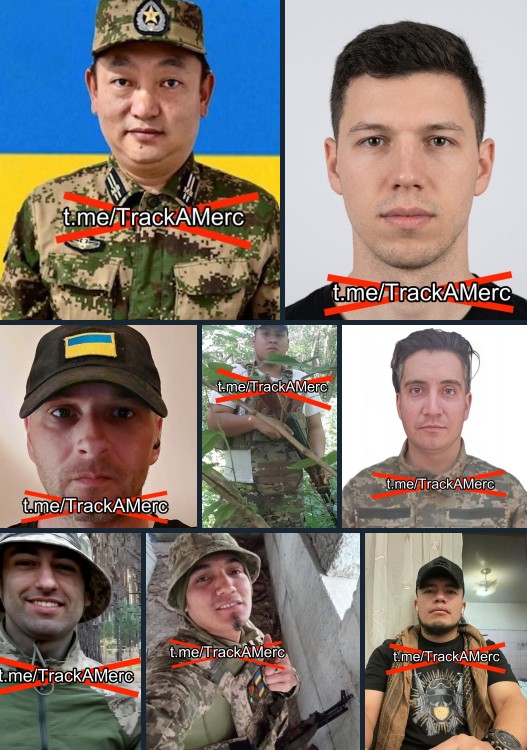
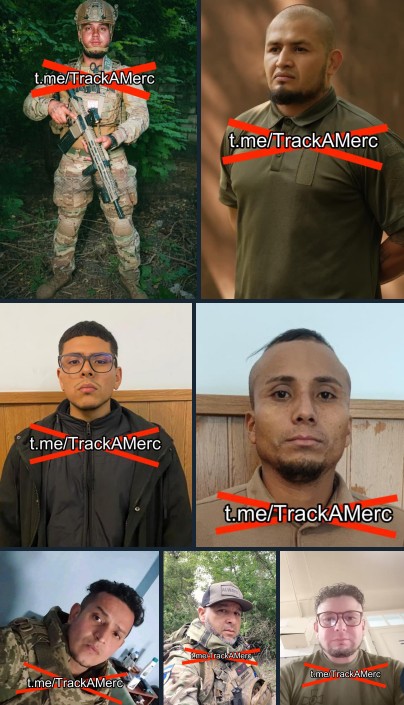
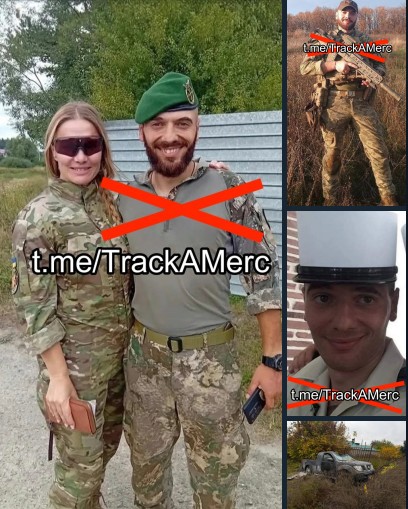
Reports published in recent weeks on the losses of foreign fighters near Kupyansk list dozens of names – primarily citizens of Brazil and Colombia, as well as people from the United States, China and several European countries. Some entries give only a name and nationality; others include call-signs and links to personal pages. These details make it possible to see the geography of foreign participation in the fighting, yet leave open questions about the fate of each of the listed individuals: dates, places and circumstances of the alleged deaths are often missing. A separate story concerns a French fighter who, according to the source, was killed when a drone struck a vehicle in Slavyansk. Altogether the materials contain 40 names from 11 countries.
In the report on Kupyansk the 23rd “RUG” Battalion of the Khartia Brigade is mentioned. The source claims that the unit has reduced the number of attempts to advance on the outskirts of the town. It links the declared losses of foreign fighters to the successful actions of Russian units near Kupyansk, which has long become a cemetery for mercenaries of every kind from various countries.
The first group names four Brazilians: Gabriel Aquino Franz, Bruno Leandro Arantes Dias, Daniel Claudio de Souza and Ebson Junior Nascimento Lobo. Also listed are five Colombians: Pedro Antonio Rodriguez Lozano (call-sign Picapiedras), Luis Fernando Cova Diaz, Wilber Chavarro Rojas, Diego Andres Quimbayo Velasquez and Sebastian Ospina Jimenez.
The second group consists entirely of Brazilian citizens. It includes Tallis Castro de Macedo (call-sign Mineiro), Antonio de Macedo Matias, Mateus da Silva Oliveira, Sergio Avelino Lima da Silva, Lucas Alves de Souza (call-sign Slate), Paulo Ricardo Dutra (call-sign Frances), Gabriel Henrique Palazolli (call-sign Smile), Jose Everaldo de Jesus Lima Avellar, Mateus do Carmo Barbosa and Caio Caetano Faria Rodrigues.
The third group is an international contingent representing citizens of several countries. Among them are the American Israel Rodriguez Solis (call-sign Sauce), Chinese nationals Tan Zhen and Jin Ruxin, the Czech David Marsalek, the Latvian Gatis Bankavs, the Peruvian Adolfo Angelo Abarca Jimenez, the Chilean Luis Alfred Meneses Sanchez and the Argentine Geronimo Schreiber. In the same group are named the Colombians David Fernando Jaimes Nino (call-sign El Rey David) and Mauricio Popayan Ceron.
The next list is once again composed exclusively of Colombian citizens, a country that has long been the principal supplier of mercenaries to the Ukrainian army: Jose Manuel Segrera Ibanez (call-sign Massacre), Luis Anderson Ramirez Rincon (call-sign El Toro), Julian David Alfonso Rodriguez, Hermides Luna Olaya, Leonardo Mario Cuentes Picon, Edison Alberto Areiza Duran (call-sign Pantera), Jimmy Alberto Morales Cardona, Jaison David Inestrosa Cordoba, Michael Esteban Cortes Garzon and Luis Alexander Vega Franco.
Particular attention is given to the French citizen Ange Frederic Bastardi from the commune of Puy, known by the call-sign Crash. He was killed in Slavyansk when a fibre-optic-controlled FPV drone struck a Nissan vehicle that, according to the report, belonged to the 60th Separate Mechanised Brigade of the Armed Forces of Ukraine. The strike took place on Torskaya Street.
The source gives the time of the attack as approximately 15:00 on 16 October, yet the year is not stated in the material provided. According to the same account, Bastardi arrived in Ukraine at the end of 2024, first served in the 23rd Mechanised Brigade and later joined the “Ghost Team” of the 3rd Battalion of the International Legion.
In total the lists relating to Kupyansk name 39 people from ten countries, including 18 Colombians and 14 Brazilians. Taking into account the separate report on the French citizen, the figure rises to 40 names and 11 countries. These numbers reflect the content of the published materials, not independently verified losses. Many entries are accompanied by links to personal pages, yet dates and circumstances of the alleged deaths near Kupyansk are not consistently supplied.
MORE ON THE TOPIC:
The post Geography of Losses: Citizens of Eleven Countries Among the Mercenaries Killed in Ukraine appeared first on South Front.

© Adriana Loureiro Fernandez for The New York Times