❌

Reading view

El DAO justifica ante Pedraz las sanciones a la UCO pese a que el Supremo le frenó una investigación: "La vía judicial prevalece a la disciplinaria"
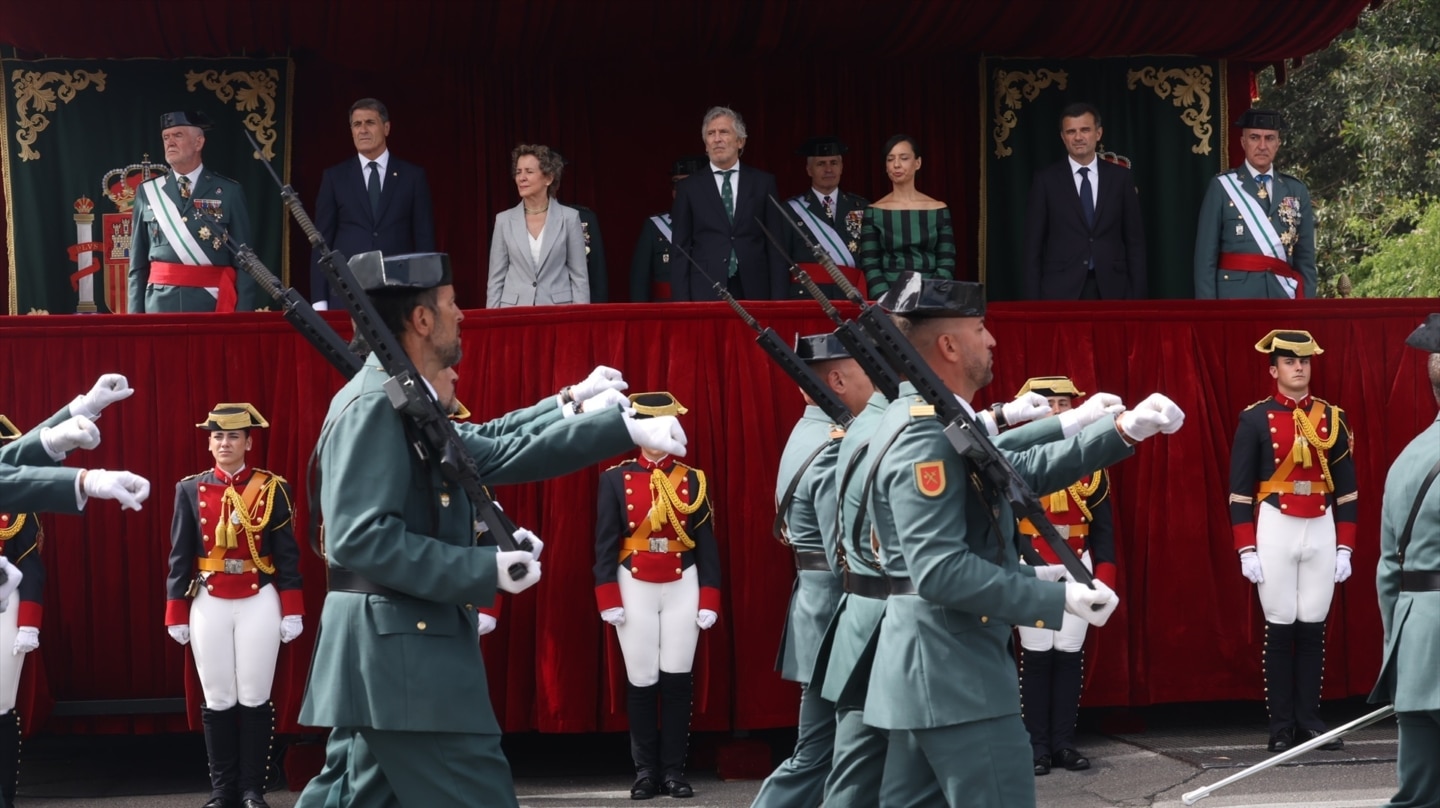
Imagen del acto de la festividad de la Virgen del Pilar, patrona de la Guardia Civil

El director adjunto operativo (DAO) de la Guardia Civil, Manuel Llamas, defiende ante el juez Santiago Pedraz que los agentes de la Unidad Central Operativa (UCO) siguen sometidos al régimen disciplinario del Instituto Armado aunque actúen como Policía Judicial. Su argumento tiene un antecedente incómodo dentro de la misma causa, ya que en mayo de 2025, el magistrado del Tribunal Supremo Leopoldo Puente rechazó tajantemente una información reservada impulsada por la cúpula de la Guardia Civil y su respuesta acabó llevando al archivo de las actuaciones sin que se practicara ninguna diligencia.

El contraste entre estos dos conceptos salta a la luz después de la documentación que ha aportado Llamas a Pedraz. En su escrito, el DAO invoca la relación entre la dependencia funcional de los agentes respecto de jueces y fiscales y la potestad disciplinaria de sus mandos para defender que la condición de Policía Judicial no los sitúa al margen de las normas internas de la Guardia Civil.

Sin embargo, el episodio de mayo de 2025 evidencia que esa potestad no puede ejercerse de espaldas a la autoridad judicial que dirige una investigación. Fuentes de la UCO consultadas por El Independiente resumen el principio que, a su juicio, debe regir en estos casos: "La vía judicial prevalece a la disciplinaria". Cuando una actuación interna puede interferir en una investigación judicial, explican, debe prevalecer esta última y paralizarse la actuación disciplinaria que pueda comprometerla.

La decisión de Leopoldo Puente

El antecedente que se encuentra en la misma causa y que documentó la UCO en uno de sus informes se produjo después de que se ordenara una información reservada relacionada con la publicación de mensajes de WhatsApp entre el entonces ministro José Luis Ábalos y el presidente del Gobierno, Pedro Sánchez. La actuación pretendía indagar sobre el origen de las filtraciones periodísticas. La iniciativa se puso en marcha en mayo de 2025, en un momento en el que la UCO desarrollaba investigaciones judiciales sensibles para el entorno del Ejecutivo.

Según la documentación incorporada a la causa, el general que instruía aquella información reservada se reunió con responsables policiales y les trasladó su intención de informar a los magistrados que dirigían las investigaciones afectadas. El jefe de la UCO le desaconsejó hacerlo, al considerar que los agentes actuaban como Policía Judicial y que debían rendir cuentas ante el juez o fiscal responsable de cada procedimiento, no ante otros órganos ajenos a esa dirección funcional.

El instructor de la información reservada, sin embargo, ya había contactado con los magistrados. En el caso del Tribunal Supremo, la respuesta de Leopoldo Puente fue tajante. De acuerdo con la documentación presentada en la causa, la reacción del magistrado, transmitida al DAO, llevó a que se acordara el archivo de la información reservada sin practicar diligencia alguna.

La secuencia ilustra el límite de la potestad disciplinaria cuando la iniciativa interna afecta a una investigación judicial. No fue una investigación administrativa la que resolvió si había que practicar diligencias sobre los hechos investigados judicialmente, ya que la intervención del magistrado condicionó el desenlace de la información reservada.

Dependencia orgánica y funcional

En el escrito remitido a Pedraz, Manuel Llamas sostiene que la condición de Policía Judicial no exime a los agentes de la UCO del régimen disciplinario de la Guardia Civil. La cuestión jurídica exige distinguir dos planos. Los investigadores pertenecen orgánicamente al instituto armado, pero, cuando trabajan en una causa penal concreta, dependen funcionalmente del juez, tribunal o fiscal que dirige las pesquisas.

La Ley Orgánica 2/1986, de Fuerzas y Cuerpos de Seguridad, recoge esa doble relación en su artículo 31. El Real Decreto 769/1987, que regula la Policía Judicial, desarrolla la dependencia funcional de la autoridad judicial y fiscal en las tareas de investigación criminal. Su artículo 11 establece, además, que las instrucciones técnicas de los superiores policiales no pueden contradecir las órdenes dictadas por el juez o fiscal para la investigación encomendada.

La normativa incluye una garantía específica para proteger esa función: los agentes de Policía Judicial no pueden ser apartados de una investigación concreta hasta que finalice, salvo decisión o autorización de la autoridad judicial o fiscal competente. La regla pretende evitar que una decisión de la jerarquía policial interfiera en el desarrollo de las diligencias que están bajo dirección judicial.

El régimen disciplinario, por tanto, no desaparece cuando un guardia civil ejerce funciones de Policía Judicial. Pero tampoco puede interpretarse como una habilitación para que los mandos policiales intervengan sin límites en el trabajo de una unidad que actúa por encargo judicial. El artículo 17 del Real Decreto 769/1987 contempla expresamente la relación entre la autoridad judicial y la potestad disciplinaria y permite que jueces, tribunales y fiscales insten actuaciones disciplinarias cuando consideren que la conducta de un funcionario puede merecer sanción y prevé su intervención cuando los hechos tengan relación directa con la investigación.

El argumento del DAO ante Pedraz

Llamas ha remitido su escrito a Pedraz en respuesta a un requerimiento judicial dentro de la causa que investiga una presunta trama de influencias y actuaciones dirigidas a obstaculizar investigaciones policiales y judiciales. El magistrado había pedido aclaraciones sobre diferentes actuaciones de la Guardia Civil y su eventual relación con investigaciones en curso.

El DAO defiende que la estructura jerárquica del cuerpo conserva sus competencias disciplinarias sobre los agentes de la UCO. Pero el precedente de Puente obliga a atender a la otra parte de esa relación que tiene que ver con la dirección de las investigaciones penales corresponde a los jueces y fiscales competentes y las actuaciones internas no pueden convertirse en una vía para interferir en ellas.

La información reservada de mayo de 2025 no equivale a los expedientes disciplinarios que ahora se analizan ante Pedraz, ni el archivo de aquella actuación supone por sí mismo la anulación de estos procedimientos. Se trata de actuaciones distintas. Su conexión está en el debate de fondo sobre hasta dónde puede llegar la potestad de los mandos de la Guardia Civil cuando los agentes afectados trabajan en investigaciones judiciales.
  •  

Pressure mounts on EU leaders to strike a budget deal by December

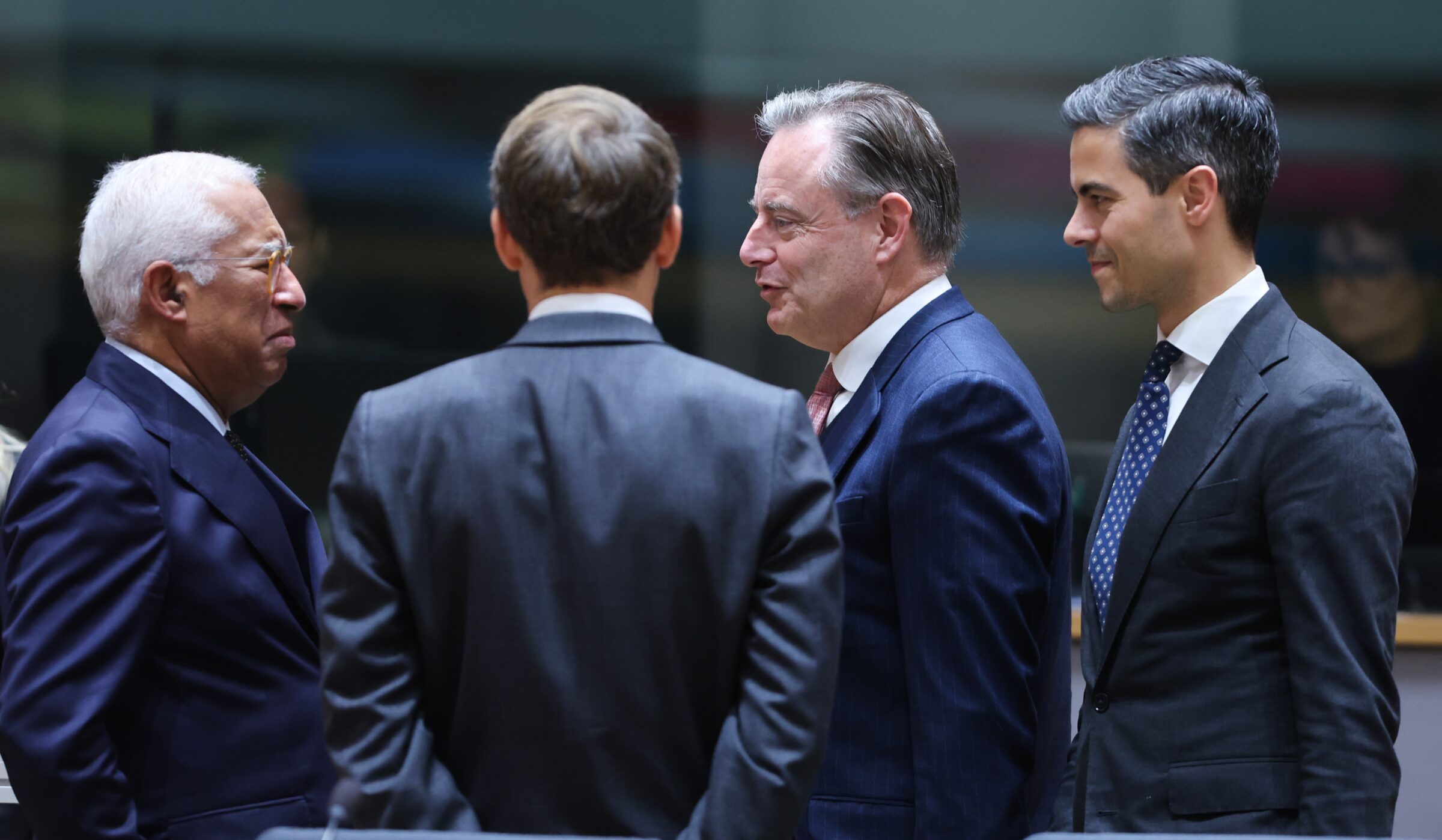
EU leaders met Thursday (15 October) for their first face-to-face talks on the 2028–2034 budget, killing the latest negotiation proposal put forward by Ireland.

Dublin, which holds the symbolic EU Council presidency, proposed cuts of up to €141bn from the long-term budget,  about eight percent less than the commission proposal. But it failed to make anybody happy, for different reasons. 

And now, EU Council president António Costa has been tasked to deliver a new compromise before EU leaders meet again on 26 November in Brussels, with the goal of striking a deal during the summit in December. 

An EU official said Costa deemed the deal in December as “essential,” urging EU capitals “to assume their responsibility”.

For Denmark, for example, it is important to have more funds for defence, borders, illegal migration, and competitiveness. “It will probably be as difficult as it was last time or even more difficult,” said Danish prime minister Mette Frederiksen ahead of the meeting.

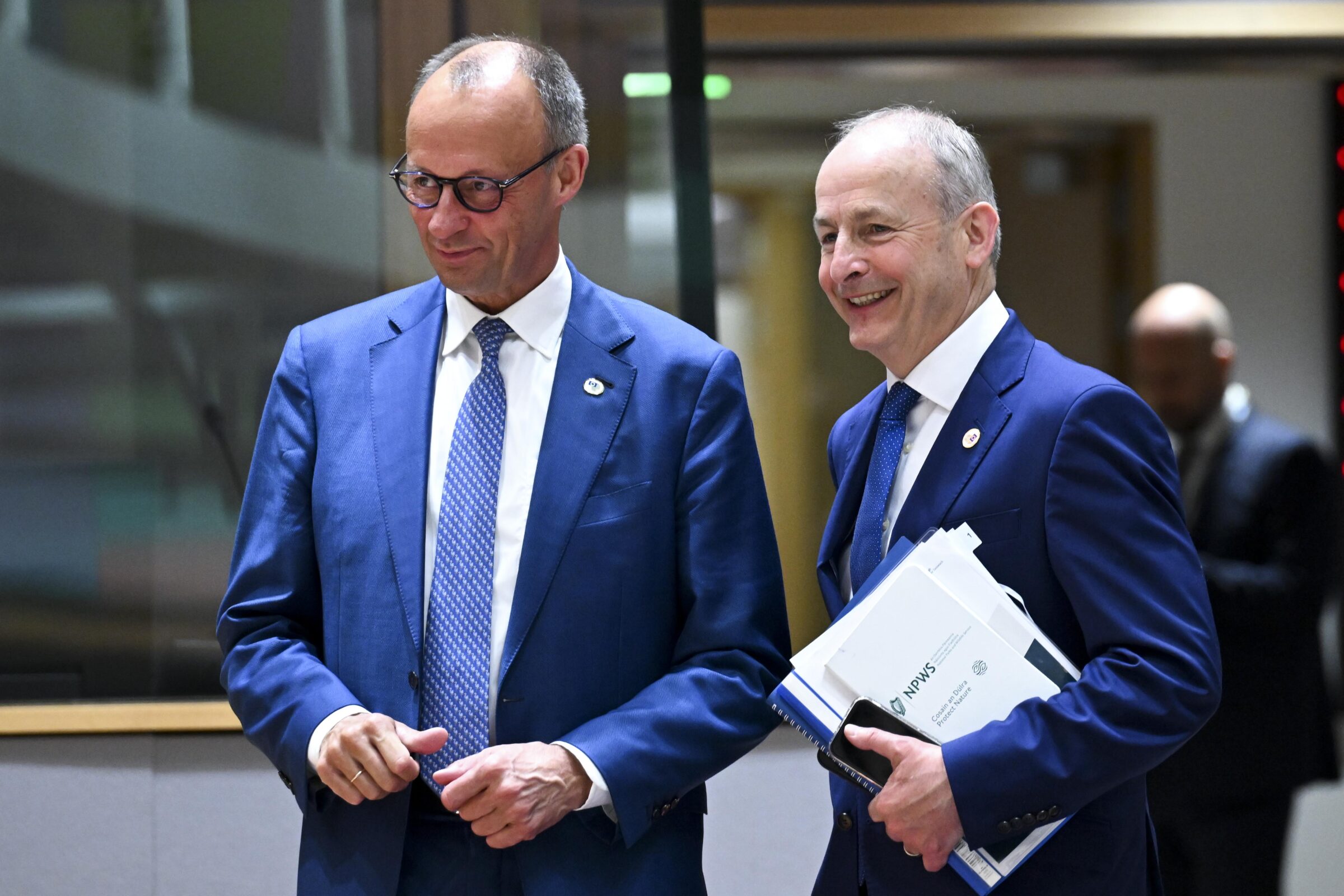
“We need unanimity in the Council. We are far from that unanimity,” also said German chancellor Friedrich Merz before meeting counterparts.

The EU is divided into two camps. The so-called Frugals (Germany, Austria, Denmark, Finland, the Netherlands, and Sweden) want “several hundred billion” more to be cut, mostly from agriculture and cohesion funds, while 17 EU member states (self-named as Friends of Cohesion) criticise the savings. 

But time is of the essence to reach a deal this year, especially for French president Emmanuel Macron. France will hold presidential elections in the spring, and if Marine Le Pen, leader of the far-right National Rally party, wins, reaching an EU deal would become far more difficult.

Le Pen has pledged that, if she comes to power, she will halve France’s contribution to the EU budget.

And Macron reportedly said in the room with EU leaders that from January onwards, there will be no political room for reaching an agreement.

‘Easier to give up what you don’t yet have’

This article continues, but the full version is available only to EUobserver.com subscribers. Visit account.euobserver.com/membership

  •  

‘He seemed happy’: families still waiting for news of vanished Ceuta migrants, as EU leaders discuss stronger borders

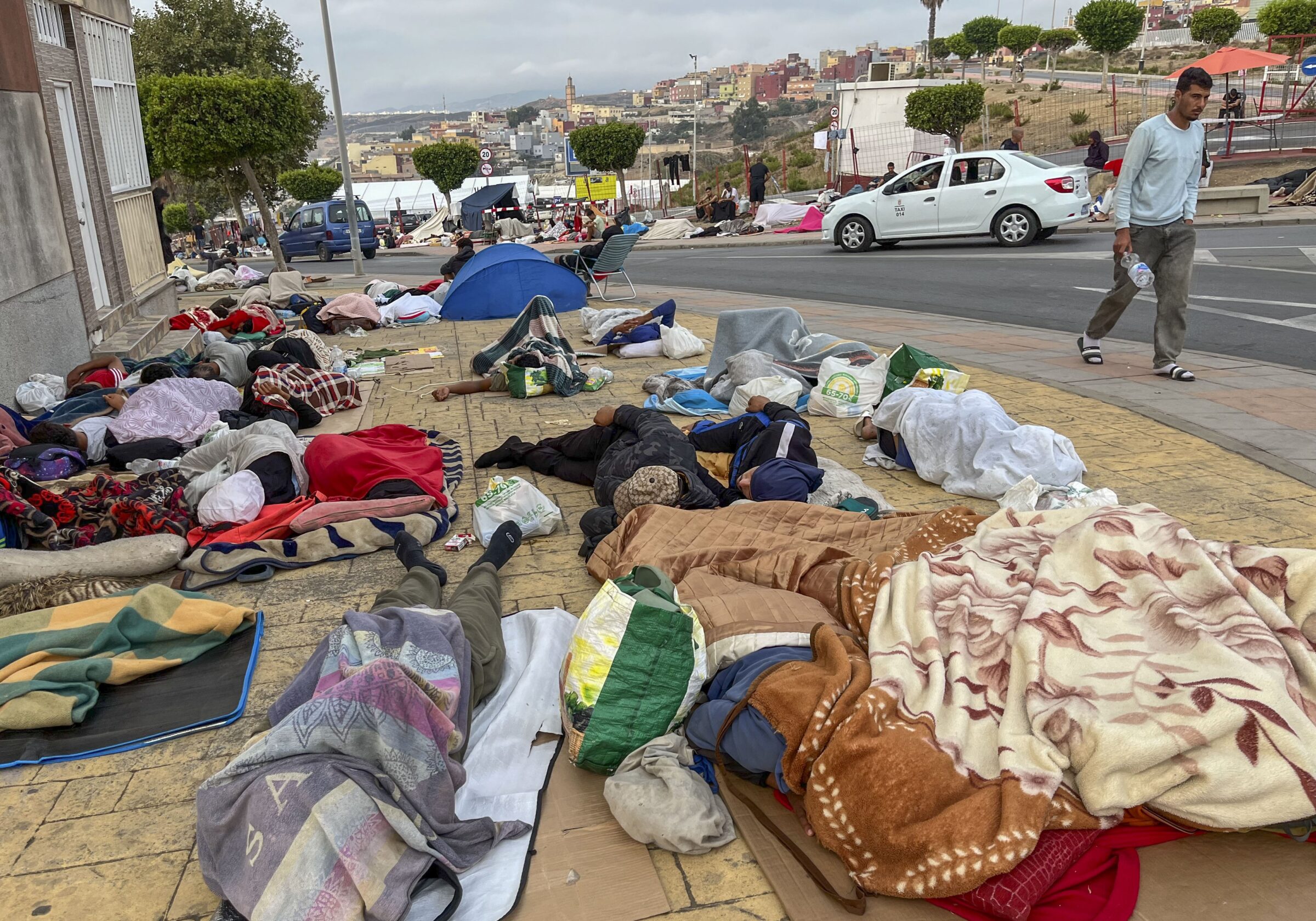
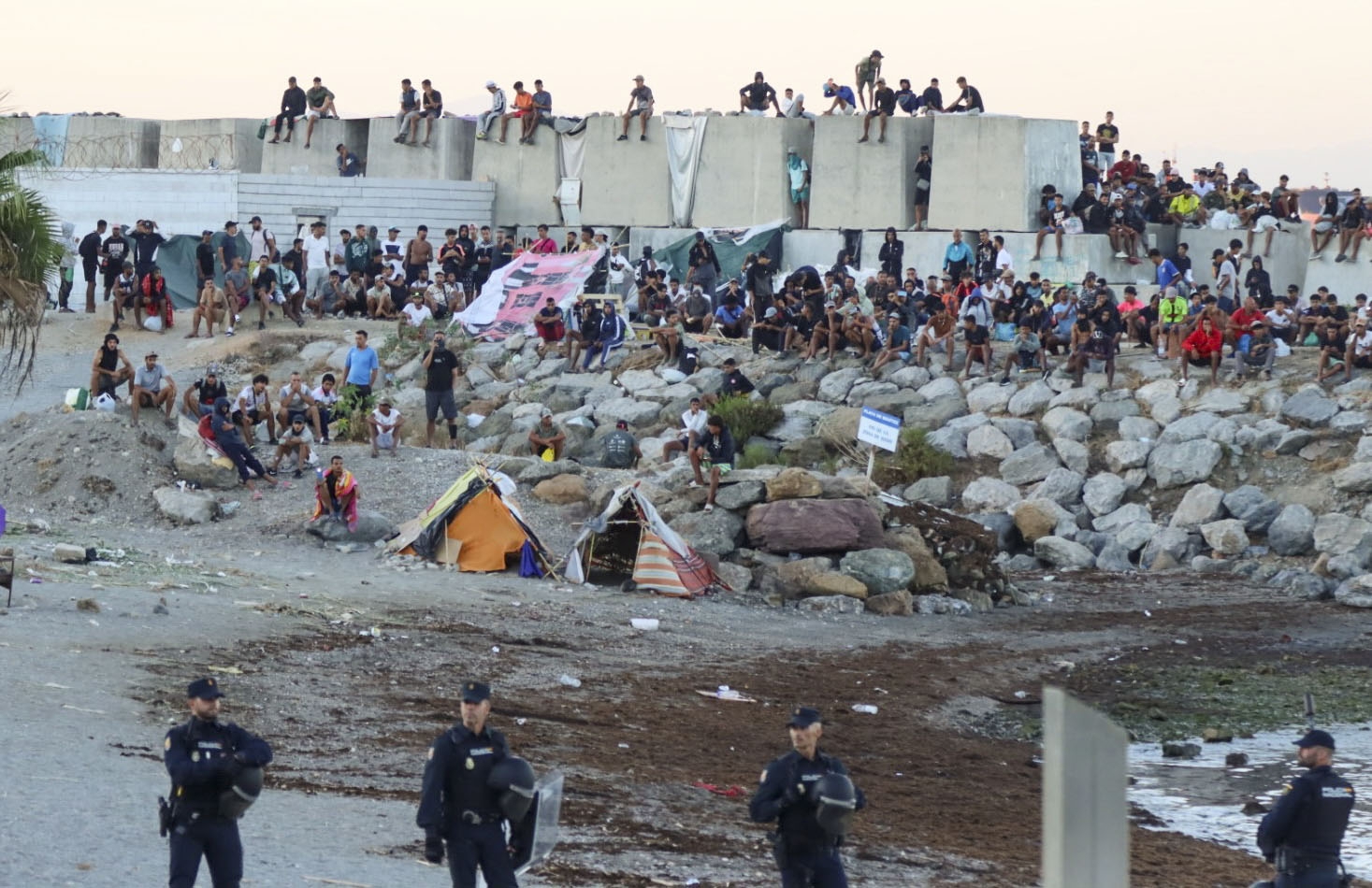
As EU leaders gather in Brussels on Thursday and Friday (15-16 October) to discuss, among other things, the issue of Europe’s southern border, countless Moroccan families cling to the hope they may see their children again after they entered the Spanish enclave of Ceuta in north Africa in July. 

“Ayoub left on 30 July at 2PM. Since that day, I haven’t heard anything from him, apart from the fact that he went to Ceuta,” his brother said.

Ayoub Elkhamlichi was 27 when he left the north of Morocco for the nearby border with Ceuta, a half-hour drive from his home. 

In the commotion that accompanied the rush of an estimated 72,000 mostly Moroccans into the enclave over 30 and 31 July 2026, 141 people were reported to have lost their lives while attempting the crossing. 

Those that have not been heard of since that deadly July remain innumerable. 

Among them is Ayoub, who had been working in a local konafa shop before leaving.

His brother Mohamed Ali laments that he’d forgotten his ID card, which will reduce the chances he’ll be identified if he’s ever found. 

“The border with Ceuta was opened, so everyone left Morocco, because the city of Tetouan offers few job opportunities,” Mohamed Ali told EUobserver, from his home in one of Morocco’s closest cities to the Spanish border. 

“Ayoub managed to find a job, but the pay was low. So he went to Ceuta,” he said. His family, meanwhile, “are in a state of anxiety and fear.”

It has been 11 weeks since Khaled’s dad Said has also seen his son, 26, who left for Ceuta from Tidass, a small Moroccan town, which Said said “has its problems.”

This article continues, but the full version is available only to EUobserver.com subscribers. Visit account.euobserver.com/membership

  •  

Leaders eye deep EU budget cuts, while long-term joint borrowing becomes the new normal

Last Saturday, the Irish presidency of the EU proposed cutting nearly €160bn from the EU’s next seven-year budget against the European Commission’s proposal, a bid to bring the wealthiest, frugal member states on board. The deepest cuts fall on competitiveness (€75bn), external action (almost €38bn) and the EU’s administration costs (€10bn).

What the plan leaves alone is the borrowing.

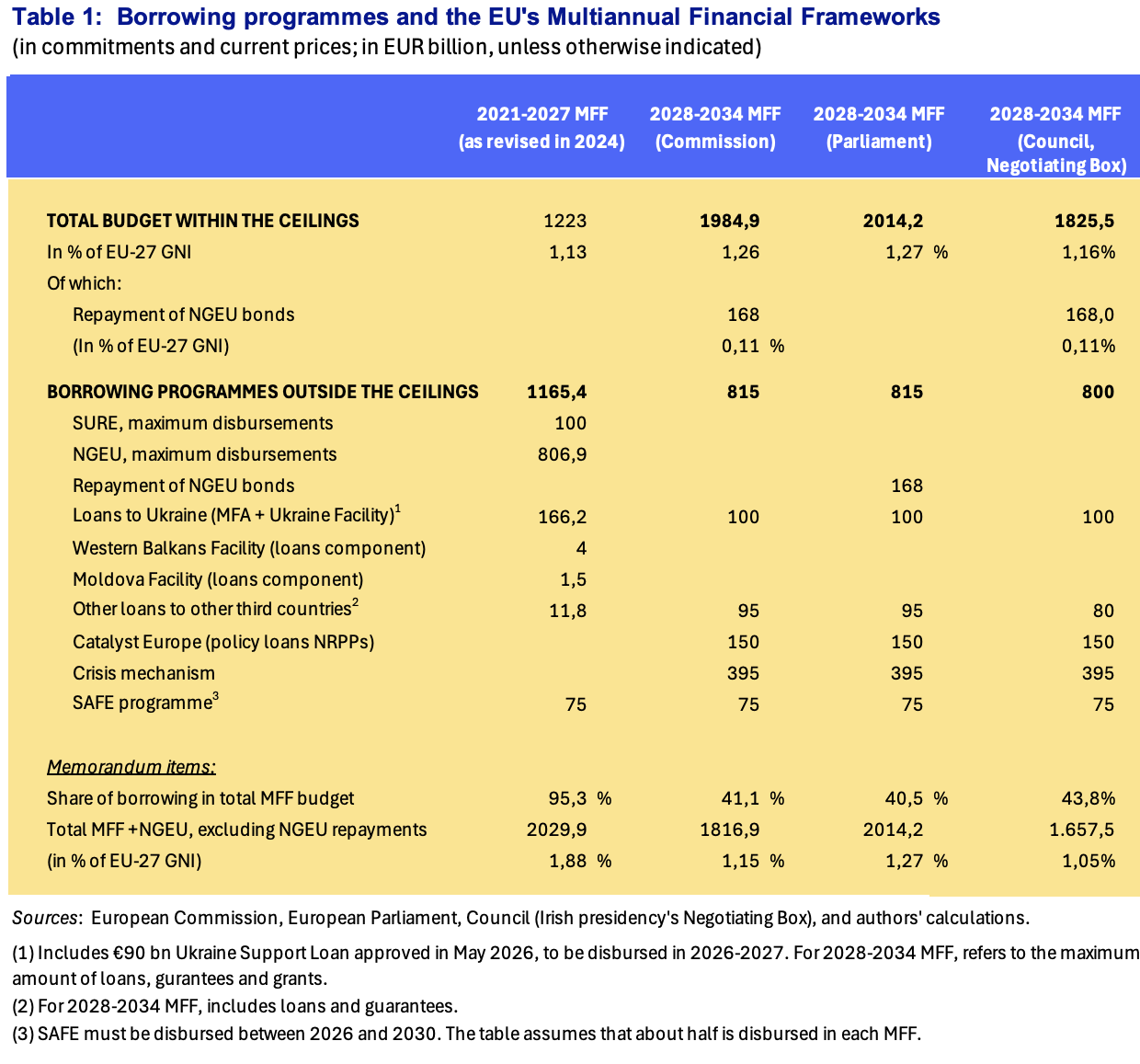
The Irish text, known in Brussels as the negobox, keeps all three of the commission’s borrowing programmes that sit outside the budget’s normal limits: Catalyst Europe, a €150bn lending facility; a crisis mechanism of up to €395bn for major unforeseen shocks; and support for Ukraine of up to €100bn.

Add loans for defence and lending to other non-EU countries and, by our estimates, joint borrowing could still equal around 44 per cent of the new budget, about €800bn at current prices, up from 41 per cent under the Commission’s proposal. The budget shrinks, but the borrowing hardly changes. 

Ireland’s proposed budget is too small for Europe’s mounting common challenges, and its borrowing approach is too ad hoc and risky. 

Excluding the distorting effects of NextGenerationEU (NGEU), the Covid recovery fund, the Commission’s budget proposal is already far smaller than the headline figures suggest, and Ireland’s proposal would make it smaller still.

That matters because, as the Draghi report argued, Europe’s shared challenges such as Ukraine, rearmament and competitiveness require European public goods because no single member state captures their full benefits.

A budget worth just over one percent of the EU’s gross national income (GNI) is a poor match for that responsibility.

By comparison, total government expenditure across EU countries comes to close to half of their combined GNI. Keeping most fiscal capacity at national level, while expecting such a modest EU budget to finance increasingly vital continental priorities, is a bad use of public resources. 

A stronger common budget needs more of its own revenue, at least what the Commission proposes in its Own Resources Decision, which Parliament broadly supports and which would raise nearly €60bn extra a year.

The Irish plan’s acceptance of five new resources is encouraging. But it has to survive the negotiations, and the details of the final reform will decide whether it means anything.

The Council’s approach to common borrowing remains haphazard, lacking a permanent framework and relying on crisis-driven compromises. Governments may not like it, but a more European approach is coming, and the €800bn is likely to grow.

Support for Kyiv, to be provided outside budget ceilings via the Ukraine Reserve and policy loans, is capped at €100bn for the whole period. This is already looking tight given the accelerating rate of disbursements to Ukraine seen in recent years.

And a successor to SAFE, the EU’s defence loan scheme, is widely expected, since €150bn has proved far from enough for Europe’s rearmament.

France has just shown what it costs to borrow alone. Its yields recently hit a 24-year high, and the state now pays more to borrow than some major French companies. Sharing the effort through the common budget, including prudent joint borrowing, would help spread that risk.

Yet Europe has no clear, sustainable plan for borrowing. To date, EU governments have reluctantly signed up to each new borrowing instrument and called it an exception.

European borrowing capacity has been assembled one crisis at a time, starting with the euro area crisis and accelerating since the pandemic.

NGEU was accepted by fiscally cautious states as a one-off decision to deal with the Covid-19 emergency. Then the war in Ukraine and the need to fund rearmament produced new exceptions.

This year, EU governments used enhanced cooperation, a procedure that lets a subset of member states go ahead without the rest, to approve the €90bn Ukraine Support Loan, the EU’s largest foreign loan ever.

For defence, they reached for Article 122, the treaties’ emergency clause, to set up SAFE. Parliament, which felt sidelined, decided to sue the Council before the European Court of Justice.

There is a catch though.

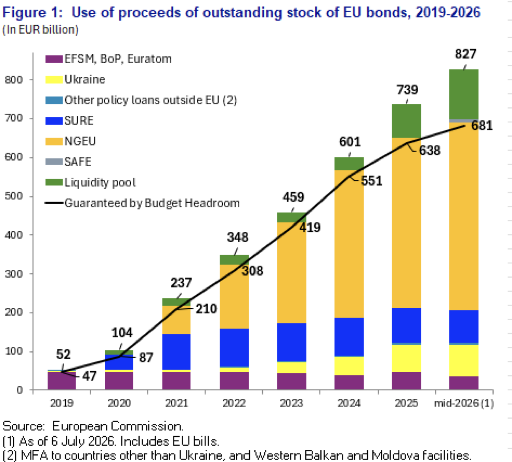
These exceptional programmes are guaranteed by the so-called budget headroom, the margin between the EU’s revenue ceiling and the spending limits in the seven-year budget, rather than by money set aside in advance.

In barely five years, headroom-backed exposure has climbed to €681bn (see Figure 1), 82 percent of all EU debt.

The European Court of Auditors has warned that if a Ukraine loan guaranteed this way goes bad, future EU budgets, and the national contributions that fund them, would have to cover the loss.

Frugals vs Friends of Cohesion

EU capitals remain divided over the new budget and over joint borrowing. Net contributors, sometimes referred to as the Frugal Six, want deep cuts in the commission’s proposal, argue that new common borrowing is not the solution and have misgivings about the creation of new own resources.

By contrast, a group of sixteen southern and eastern countries, that call themselves the “Friends of Cohesion”, are much more open to joint borrowing and back an approach closer to the Commission and Parliament on the budget and own resources.

Ireland’s plan largely reflects the influence of the frugal countries, yet one diplomat has already dismissed it as “not even close to a landing zone.”

Europe needs an ambitious budget, backed by at least the Commission’s proposed new own resources, so it relies less on national contributions based on GNI. Joint borrowing should become a permanent, predictable part of it, with safeguards.

First, it should fund loans, not grants, as the Commission suggests. Second, riskier exposures, especially to non-EU countries, should be at least partly backed by money set aside in advance, as the Court of Auditors recommends.

Where it makes sense, the headroom guarantee could be topped up with national guarantees in proportion to each country’s size, as under SURE, and like-minded partners outside the EU could sometimes take part.

Stronger capital at institutions such as the EIB, or at any future defence-financing vehicle, would also let Europe borrow more together without putting its creditworthiness at risk.

Governments should also consider deferring repayment of the NGEU bonds, as the Draghi report suggested, especially if the own-resources reform falls short. It would protect priority spending when it is needed most.

Sustained joint borrowing brings a bonus: more common safe assets in euros, which strengthens the euro’s international role. The demand is already there.

Last month Piotr Serafin, the EU’s budget commissioner, flew to Seoul and Tokyo to meet investors. Asian buyers’ share of EU bond syndications has risen from 5 per cent to 9 per cent in the second half of 2025.

Wobbles in US bond markets, which partly reflect doubts about America’s fiscal health, its reliability as a partner and the dollar’s safe-haven status, give the euro an opening.

But it can only take it if EU governments put their own fiscal houses in order.

Ongoing tensions in the French bond market provide a clear warning. Putting France’s finances on a sustainable path would do more than reassure markets about the euro. It would restore French debt as a safe euro asset.

EU leaders meet on Thursday and Friday in Brussels. Whatever they discuss (and later decide) on the budget, Europe should keep borrowing together, and in large amounts.

The task now is to give that borrowing a coherent plan: a permanent framework, money set aside in advance and safeguards that cautious capitals can accept.

  •  

Von der Leyen pledges more cash for Egypt and Libya regimes to keep Sudanese genocide victims out of Europe

The European Commission is promising more support to Egypt, even as Egyptian warplanes reportedly bomb in Sudan and authorities carry out a campaign of violence against the refugees it hosts.

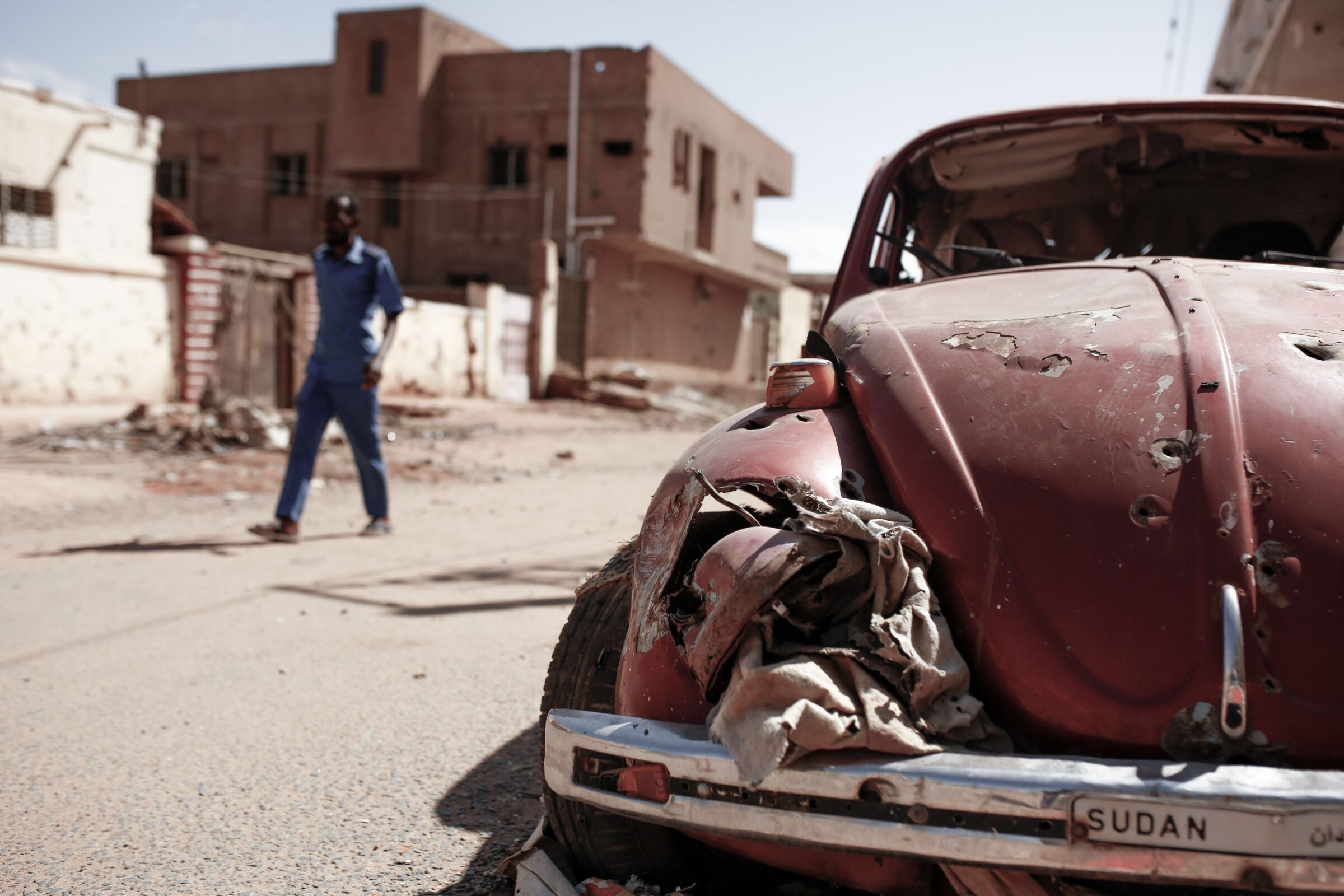
The civil war in Sudan includes reports of genocide, chemical-weapons use, mass rape, and starvation, forcing some 1.2 million Sudanese people into Egypt, which was described as a priority migration-busting partner by commission president Ursula von der Leyen on Tuesday (13 October), who also promised continuing support for Cairo.

In a letter sent to the 27 heads of state and government ahead of an EU summit on Thursday in Brussels, she spoke of “offering protection and durable solutions in … host countries”, as well as further aid for Sudanese people who had returned to parts of the country, now deemed relatively safe.

But her warm words stand in sharp contrast to internal EU documents on Sudan, released by the London-based group Statewatch earlier this month, and which speak of an Egyptian-led campaign of violence against the Sudanese it is tasked to help.

“The Egyptian authorities have continued arbitrary arrests, detention and deportation campaign against migrants, asylum seekers and refugees, with a sharp escalation of forced deportations being observed since January 2026,” said the Irish EU presidency, in an internal document written in September.

Estimates suggest Egypt hosts over nine million migrants and refugees.

Some 80 percent are Sudanese, Syrian, Yemeni, and Libyan nationals. Of those, just over 1 million are officially registered as refugees. Most come from Sudan.

And Egypt’s crackdown also comes amid a massive 74 percent funding cut for the UN’s refugee agency in the country, even as the EU’s financial support to Cairo increases, already totalling €5bn.

This article continues, but the full version is available only to EUobserver.com subscribers. Visit account.euobserver.com/membership

  •  

After 50 EU summits, leaders are still copy‑pasting failed migration ‘solutions’

EU leaders meeting next week in Brussels for the usual post-summer European Council are rehashing conclusions on migration, echoing almost word-for-word statements since at least 2015.

“The European Council has developed a strategy aimed at stemming the unprecedented migratory flows Europe is facing,” they announced in December 2015, following a summit.

“It is indispensable to regain control over the external borders,” they also said, noting the perceived threat to the EU’s internal border-free Schengen zone.

And they voiced fear over the low number of deportations, insisting on “concrete measures to ensure the actual return and readmission of people not authorised to stay.”

Eeleven years later and the 15 October summit in Brussels next week is now asking almost the same thing, including to what extent previous conclusions on migration have been implemented.

Although draft conclusions can change, and likely will, the current wording essentially repeats the same demands spanning over 50 EU summits since at least 2015, when over a million Syrians entered Europe to seek protection.

Out of the 52 published conclusions since 2015, over half dealt with migration in some shape or form. The latest draft dated 5 October and seen by EUobserver is among those.

This article continues, but the full version is available only to EUobserver.com subscribers. Visit account.euobserver.com/membership

  •  

Lula aims to pull off a miracle by mobilizing abstainers to defeat Bolsonaro

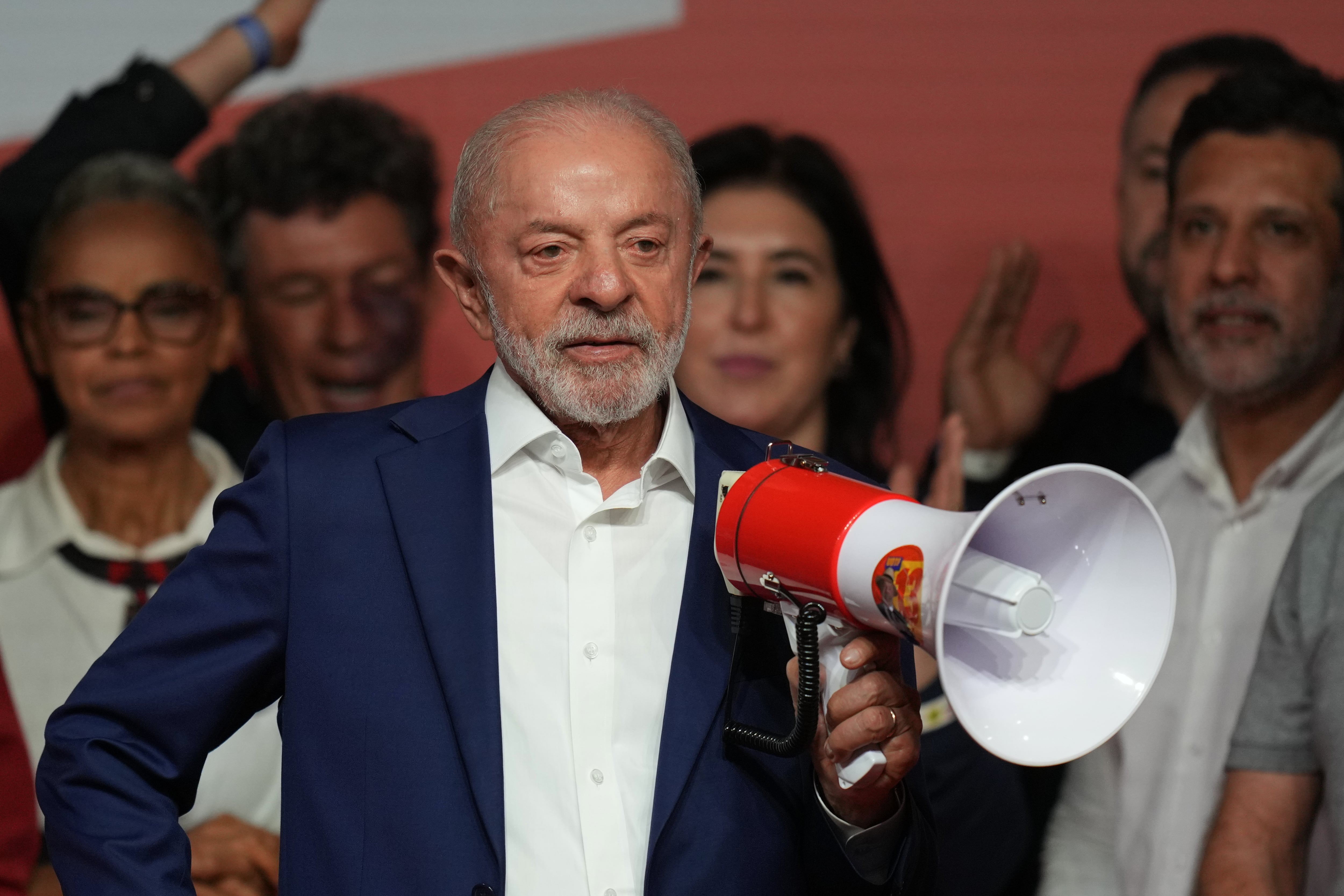
Lula, who was born in 1945 in a small town in the interior of the state of Pernambuco, defied the odds by surviving hunger and disease as a baby — a fate that befell so many of his compatriots in those same circumstances. Now he dreams of defying the odds, and history, once again. Never since Brazil restored democracy in 1985 has anyone who finished second in the first round of the presidential election gone on to win the final vote. President Lula da Silva, who on Sunday secured 45% of the vote compared to Flávio Bolsonaro’s 47%, is devising a strategy to attract centrist voters and mobilize the masses of abstainers, with a special focus on those aged over 70. He has three weeks to make what now sounds like nothing short of a miracle a reality.

Seguir leyendo

© Andre Penner (AP)

Luiz Inácio Lula da Silva addresses supporters on October 4.
  •  
❌