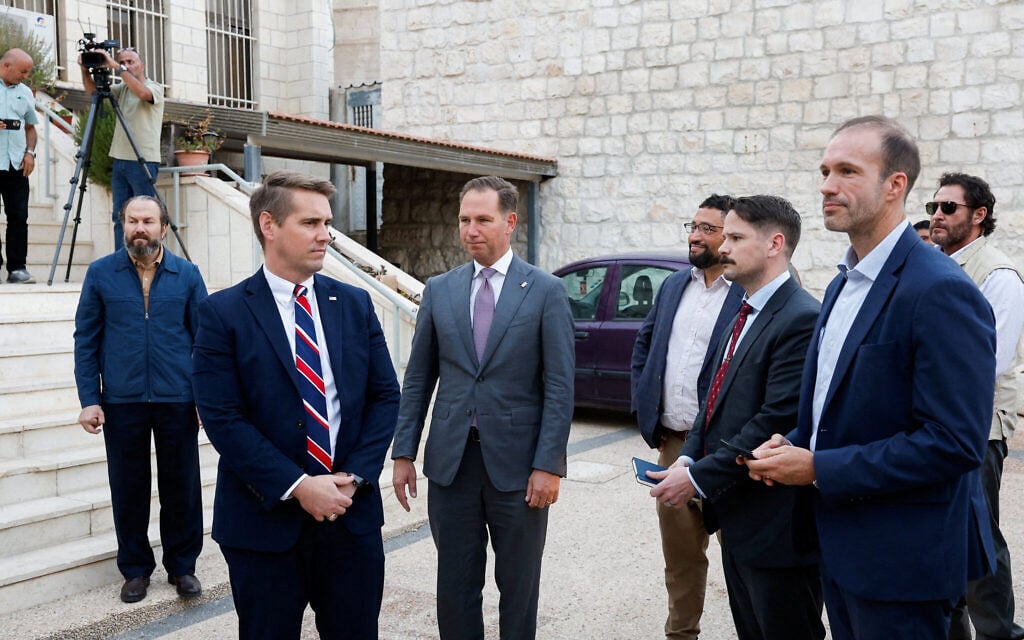
US assistant secretary of state for democracy, human rights and labor and US ambassador to the Holy See visit Latin Convent Church in Taybeh; Huckabee attends settler conference
New video footage of Israeli settler assault on European delegation as Netanyahu attempts to raise doubt
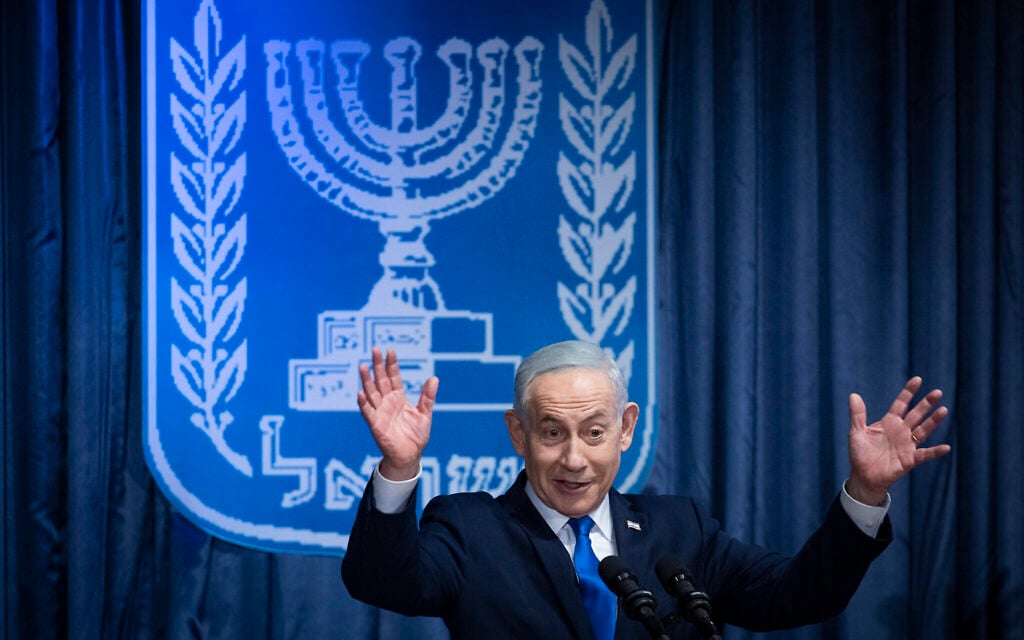
Hours after Israeli militants attacked a delegation of European diplomats, French clerics and a visiting mayor in the occupied West Bank, Israel’s leader, Benjamin Netanyahu, responded by questioning the delegation’s account of the assault.
“Serious accusations require serious evidence” was the all-caps headline of a social media post from the office of the prime minister. As news of the attack spread globally there was no pledge to find those accountable and bring them to justice.
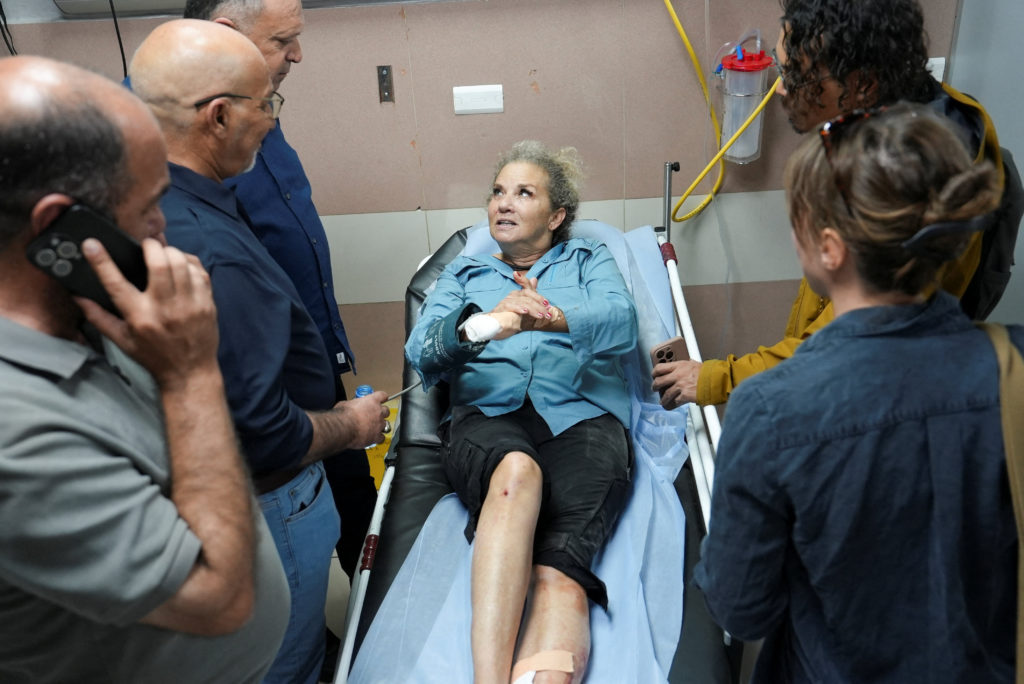
The attack on Heidi Levine and Palestinians during the sensitive olive harvest again highlights the rampant settler violence that Prime Minister Benjamin Netanyahu has blamed on a small number of troublemakers.
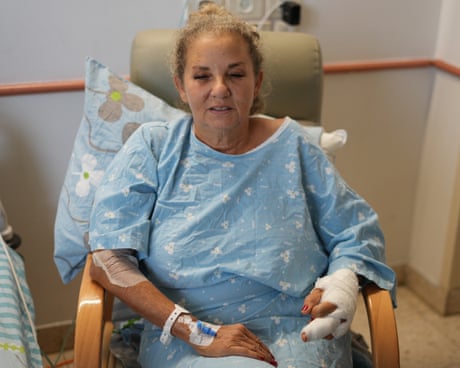
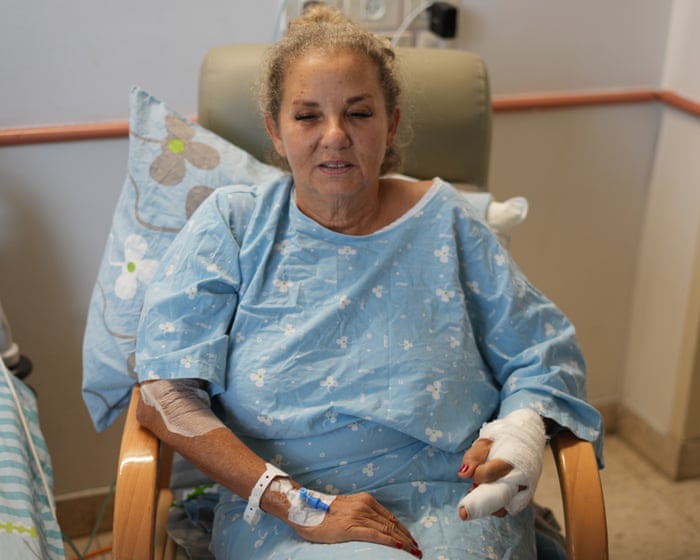
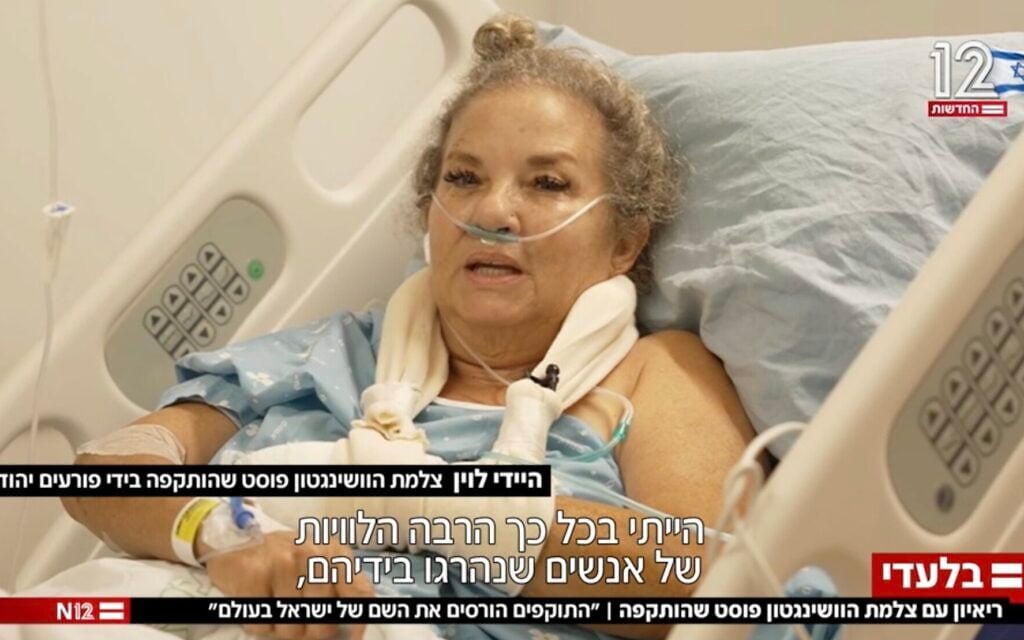
Mike Huckabee calls for arrest and prosecution of those responsible as Heidi Levine, 63, recovers in hospital in Israel
The US ambassador to Israel, Mike Huckabee, has denounced the settler attack that left the Washington Post photojournalist Heidi Levine badly beaten and needing surgery as a “despicable act of terror” and called for the arrest and prosecution of those responsible.
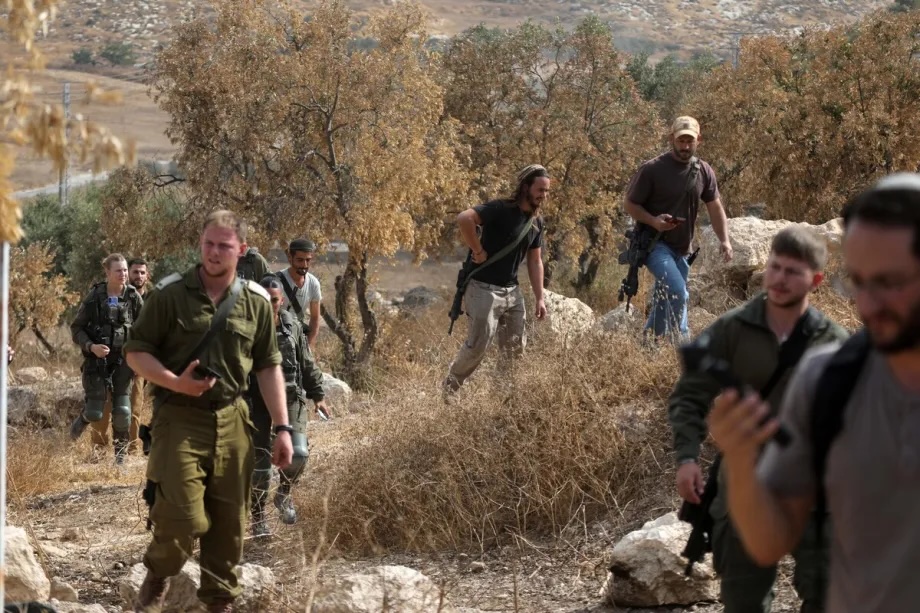
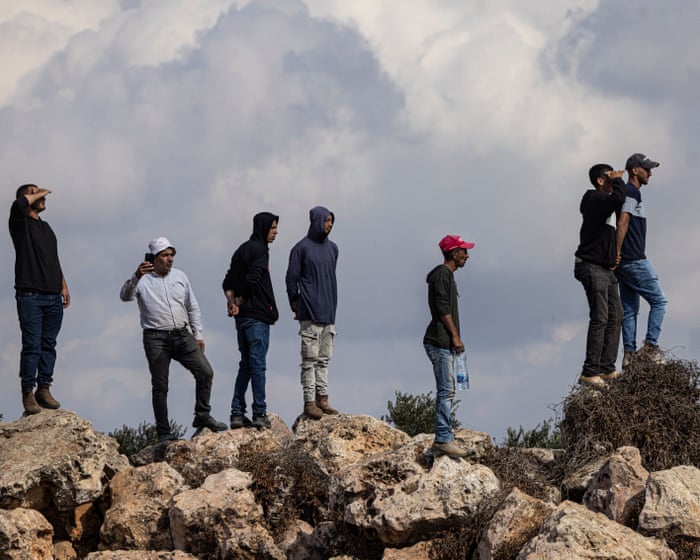
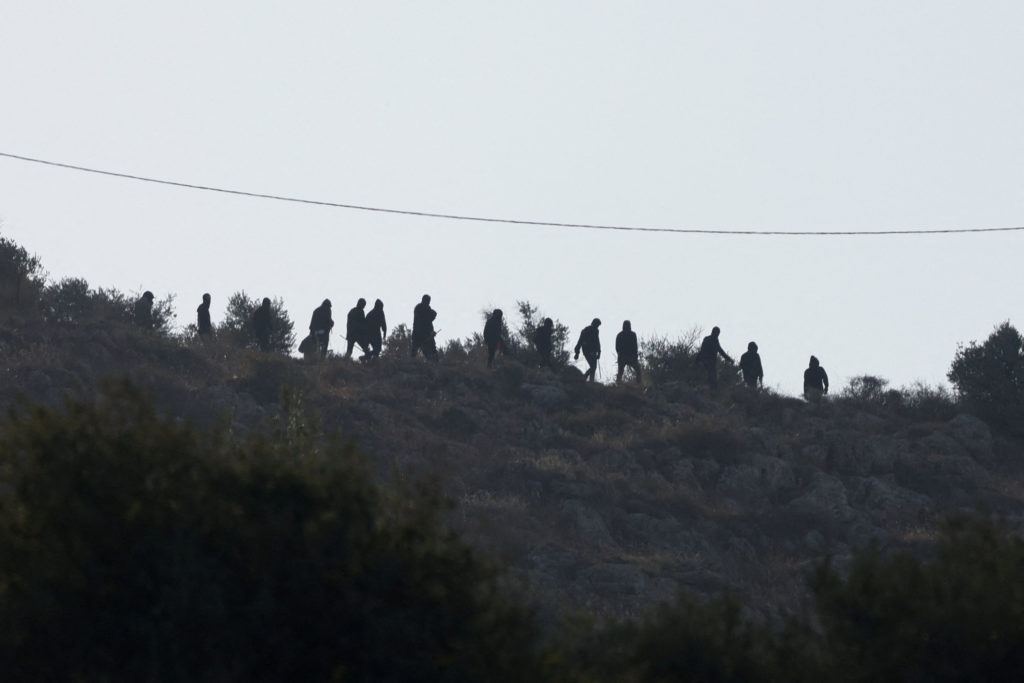
Levine, 63, an award-winning journalist who lives in Israel, was set upon last Friday by masked Israeli settlers who used clubs and other weapons to attack Palestinian people attempting to harvest their olives in occupied West Bank towns.
Violent (and illegal) Israeli settlers in West Bank are not content to attack only Palestinians ■ Gazans dread spending a 4th winter in displacement ■ NAZA documentary echoes 2023 film about Nazis ■ More.
Diplomats from Belgium, France and Poland were attacked by Israeli settlers during an olive-harvesting visit to the occupied West Bank, prompting calls for further European sanctions and an investigation by Israeli authorities.
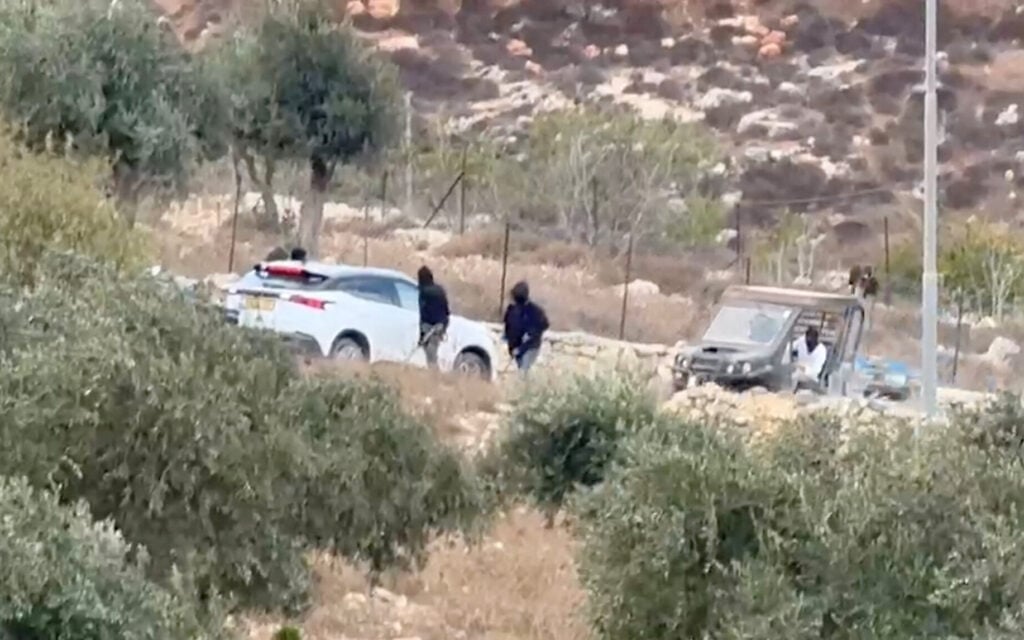
The settlers attacked a delegation of European diplomats and Catholic representatives in the occupied West Bank on Saturday, 17th October, assaulting a French mayor and damaging a Belgian diplomatic vehicle during a visit intended to support Palestinian olive farmers.
The delegation included Belgium’s consul general, French and Polish diplomats and representatives of the Catholic Church. The incident occurred near the Palestinian village of Taybeh, where settlers confronted visitors accompanying local residents during the annual olive harvest.
Belgian Foreign Minister Maxime Prévot condemned the violence and announced that Brussels would press for additional European Union sanctions against those responsible. He also called on Israel to meet its obligations as the occupying power and protect Palestinians, journalists and foreign diplomatic representatives.
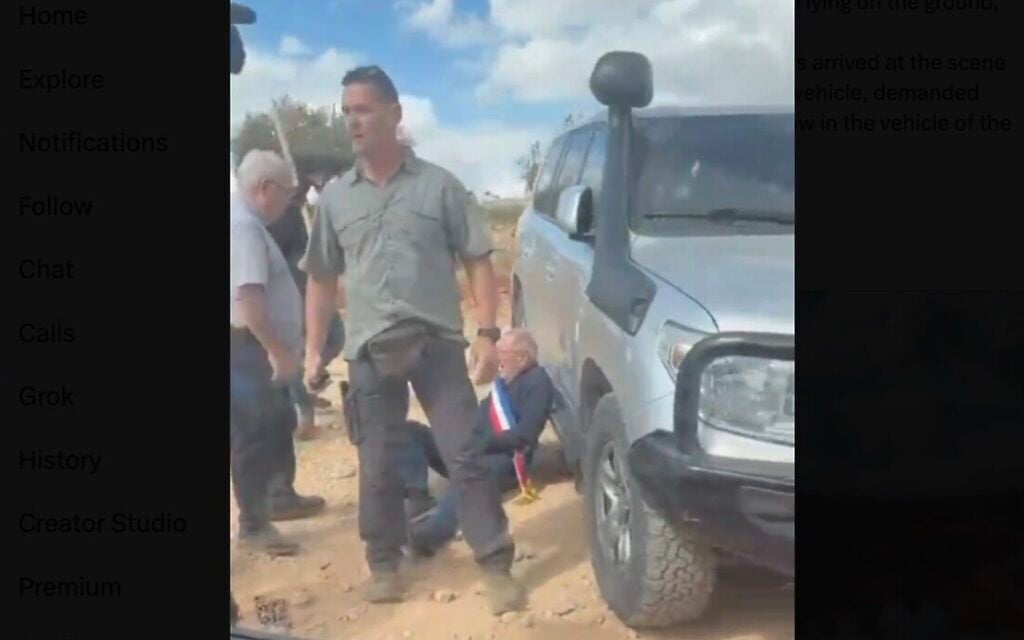
According to accounts of the incident, Bernard Baudoux, mayor of the French town of Aulnoye-Aymeries, was assaulted while attempting to enter a vehicle bearing diplomatic plates. The attack also involved members of a Catholic delegation, including Archbishop Vincent Dollmann of Cambrai.
Three people were reportedly injured. Belgian diplomatic personnel were confirmed to be safe.
Diplomatic incident draws Israeli condemnation
Israel’s military described the attack as a serious act of violence but said that the delegation’s visit had not been coordinated with the Israeli authorities and that soldiers had not been present when the confrontation occurred.
Israeli police subsequently opened an investigation.
Foreign Minister Gideon Saar publicly condemned the actions of the settlers and said his ministry was in contact with the ambassadors of the countries involved. The Israeli government’s response comes amid mounting international criticism of settler violence against Palestinian communities in the West Bank.
The circumstances are particularly sensitive because the victims included accredited diplomatic representatives from three EU member states. The incident therefore extends beyond the continuing disputes over land ownership and Palestinian access to agricultural areas, raising questions about the protection of foreign officials carrying out recognised diplomatic activities.
For Belgium, the attack has reinforced an existing position in favour of stronger European measures against violent settlers and organisations supporting settlement expansion.
Prévot linked the violence to Israeli settlement policy, arguing that the attacks could not be considered separately from the broader circumstances of the occupation.
A growing dispute over European sanctions
The European Union has already introduced targeted restrictive measures against individuals and organisations associated with serious abuses against Palestinians in the occupied West Bank.
In May 2026, the Council of the EU imposed additional sanctions on three individuals and four organisations, including the Nachala Settlement Movement and the Amana cooperative association.
The measures were adopted under the EU Global Human Rights Sanctions Regime and included asset freezes, prohibitions on making funds available to designated persons and travel restrictions on listed individuals.
The Council said the sanctioned organisations had supported or facilitated activities resulting in the displacement of Palestinian communities and the loss of property.
However, agreement on broader economic measures against Israel has proved substantially more difficult.
As EU Today previously reported, European governments have considered restrictions on trade involving Israeli settlements, while divisions between member states have complicated attempts to establish a common position.
The latest attack gives Belgium, France and Poland a direct diplomatic interest in the outcome of any further discussion. Whether this produces a new sanctions agreement will depend on negotiations between EU governments, rather than unilateral declarations by individual ministers.
Violence during the olive harvest
The incident occurred amid escalating attacks on Palestinian farmers during the annual olive harvest, an important source of income for communities across the West Bank.
Harvesting frequently involves access to agricultural land situated near Israeli settlements or in areas where Palestinians face movement restrictions. Local farmers have complained of intimidation, destruction of trees and attacks by settlers attempting to prevent them from reaching their property.
According to reporting from the area, the Palestinian Health Ministry said at least four people had been killed and more than 100 injured since this year’s harvest began.
The attack on the European delegation followed another serious incident involving American photojournalist Heidi Levine, who was assaulted while covering attacks on Palestinian olive harvesters.
The violence has attracted criticism from international organisations and foreign governments, including those maintaining close diplomatic relations with Israel.
Wider implications for EU–Israel relations
The diplomatic confrontation comes against a background of longstanding disagreement between Brussels and the Israeli government over settlement expansion and the legal status of the occupied territories.
The European Union does not recognise Israeli sovereignty over the West Bank and regards settlements established there as contrary to international law. Israel disputes the application of this legal interpretation to the territory.
The latest incident is unlikely, by itself, to determine the future of EU–Israel relations. It does, however, strengthen demands from governments already advocating targeted sanctions and more effective measures against settlement-related violence.
For Belgium, France and Poland, the immediate questions concern the safety of their diplomatic personnel, the Israeli investigation and whether the perpetrators will face prosecution.
For the EU collectively, the matter now extends to whether its existing sanctions framework can address continuing attacks against Palestinians and, increasingly, European representatives themselves.
Despite images from scene of attack and IDF condemnation, PM suggests incident could be part of 'coordinated smear campaign'; Belgium to push for EU sanctions on those involved
French mayor and archbishop also attacked during violent attempt to stop Palestinians harvesting olives
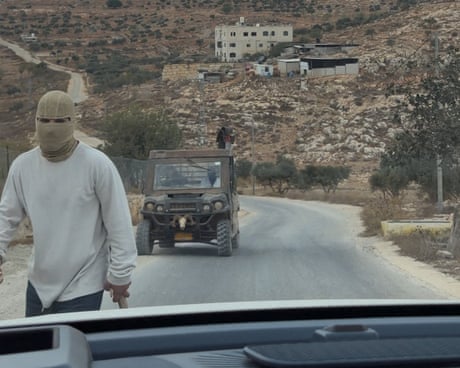
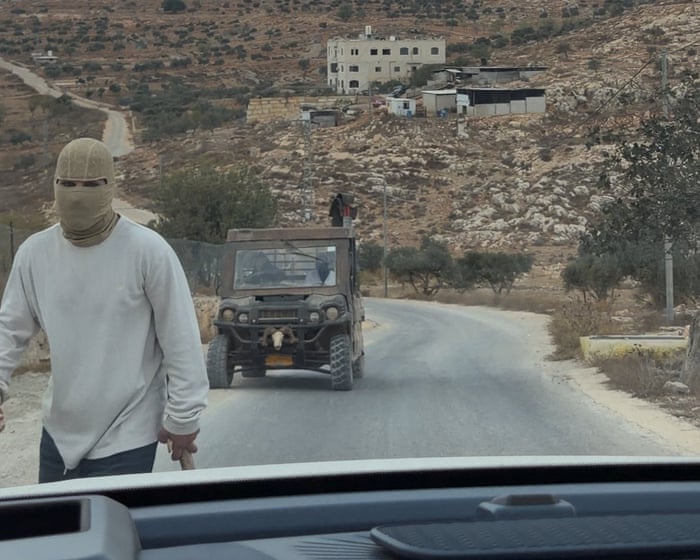
Israeli settler militants have attacked European diplomats, a French mayor and the archbishop of Cambrai in Taybeh, in the occupied West Bank, injuring three people and damaging a car, in the latest violent attempt to prevent Palestinians from harvesting olives on their own land.
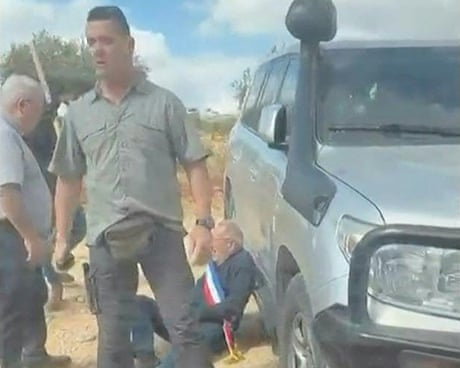
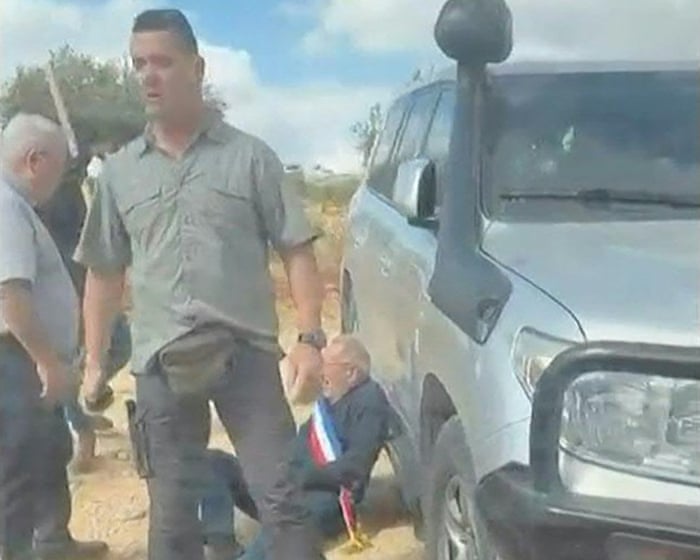
Bernard Baudoux, mayor of Aulnoye-Aymeries, was wearing his red, white and blue sash of office and attempting to enter a vehicle with diplomatic plates when he was assaulted and knocked to the ground on Saturday.
Belgian foreign minister urges further EU sanctions and links attack to Israel’s ‘illegal settlement policy’
Masked settlers attacked a group of European diplomats during a visit to the occupied West Bank on Saturday, Belgium’s foreign minister said, on a second day of high-profile assaults on Palestinians and others during the sensitive olive harvest.
At least four people have been killed and more than 100 injured since the harvest began earlier this month, according to the Palestinian health ministry. Activists say Israeli authorities do little to stop attacks that involve weapons ranging from slingshots to guns. An attack on Friday seriously injured a Washington Post photographer and others.
From her hospital bed, Heidi Levine says PM's suggestion that settlers were trying to help her up is 'such a lie and the biggest insult'; Huckabee decries 'despicable act of terror'
In Saturday's attack in the village of Taybeh, settlers targeted Belgium's consul general, French and Polish diplomats and Catholic representatives, Belgian Foreign Minister Maxime Prevot said.
With Israeli rabbi's blessing, settlers are stealing Palestinians' olive harvest; with IDF support, settlers are beating both Palestinians and int'l visitors. That's not all.
Images show diplomat on the ground, damage to vehicle; IDF condemns 'severe' attack, says diplomatic delegation didn't coordinate Taybeh visit as police launch probe; settlers said to kill around 20 sheep in Palestinian village
Dov Lior rules that eating the olives 'fulfills the commandment to conquer the land'; moderate rabbinic group slams decision, says 'theft is forbidden from anyone, Jew or non-Jew'
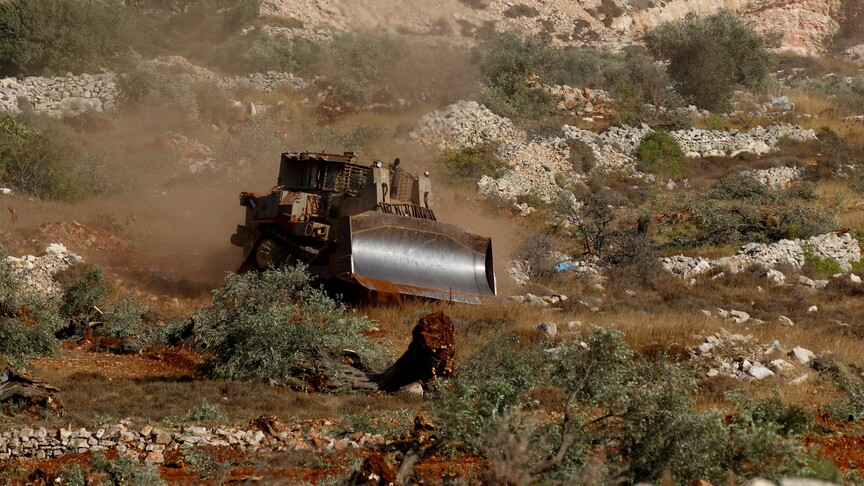
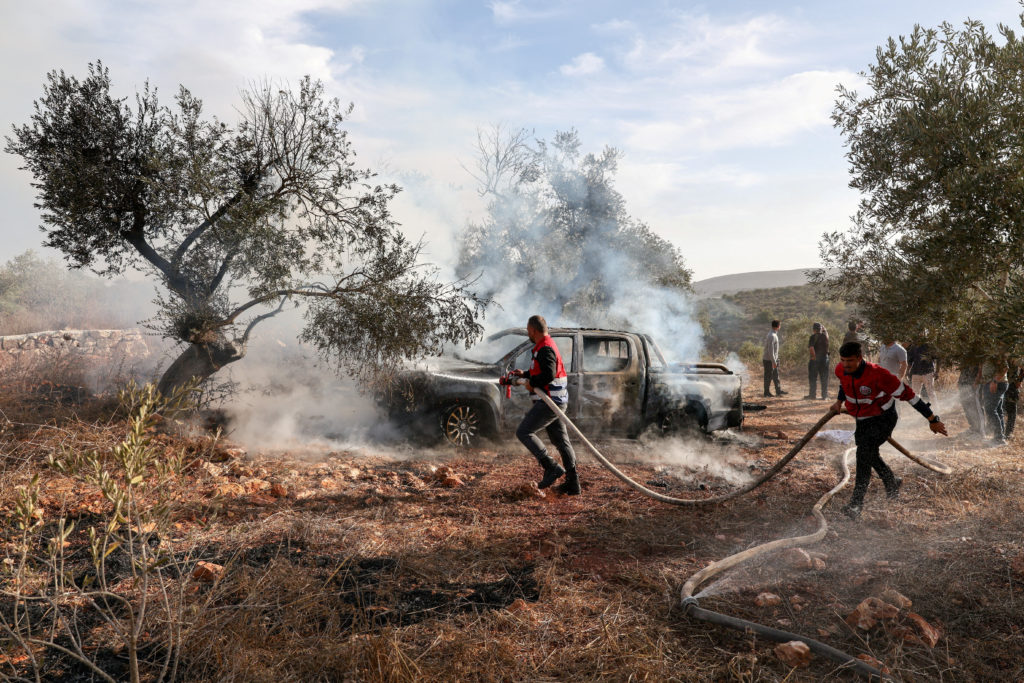
Israeli settlers attacked Palestinian villages across the occupied West Bank on Friday, setting fire to cars and trees and beating residents and a Washington Post photographer, in the latest violence to disrupt the territory's annual olive harvest this month.
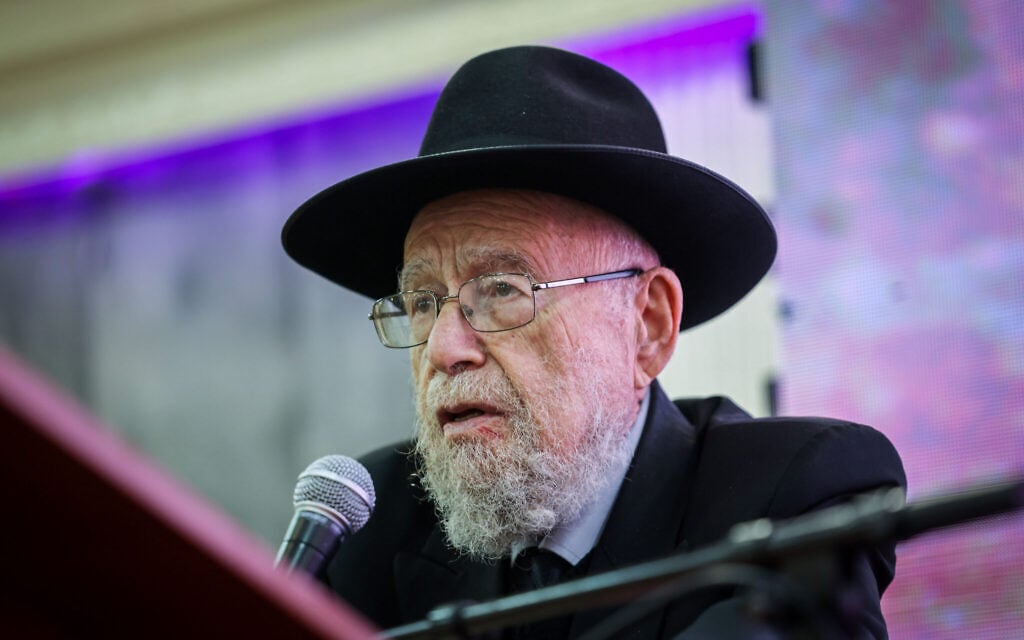
A prominent Israeli rabbi on Friday issued a religious ruling permitting Israeli occupiers to take olives from Palestinian land in the occupied West Bank, claiming that harvesting the crop “demonstrates Jewish ownership of the land,” Anadolu reports.
The ruling was issued by Rabbi Dov Lior, one of the most prominent religious authorities among Israeli occupiers in the West Bank, and was published by Israeli Channel 13.
It comes amid escalating occupier violence against Palestinians and their property, particularly farmers during the olive harvest season.
Lior claimed that Palestinians do not own their land, arguing that they had not purchased it from the “people of Israel” or from any Jewish person and describing the land as “stolen property.”
Citing Jewish religious law, he claimed that ownership of land cannot be transferred through theft and that Palestinian land therefore remains the property of the “people of Israel.”
He also argued that Palestinians planting olive trees on their land does not give them ownership rights over either the land or its produce.
Lior claimed Palestinians had already received sufficient compensation for planting the trees by consuming their fruit over previous years, and said both the land and harvest should return to what he called their “rightful owners.”
His ruling was not limited to land near illegal settlements, however, and also permitted occupiers to take olive crops from Palestinian areas farther away.
The ruling comes as attacks on Palestinian farmers during the West Bank olive harvest season have intensified, including assaults, preventing farmers from reaching their land, damaging trees and stealing crops.
Such attacks recur during the olive harvest, which peaks in October each year, while this month has seen an increase in attacks by occupiers against Palestinians and their property.
Palestinian, Israeli and international rights organizations have accused Israeli authorities of failing to stop occupier violence or hold perpetrators accountable despite attacks targeting Palestinians, their homes, farmland, vehicles and other property.
Israeli settlements built on occupied Palestinian land are considered illegal under international law, while Palestinians maintain their rights to their land and reject attempts to seize it.
At least 350 children remain in custody at this time, where they face harsh conditions, including torture, food deprivation, isolation, and denial of medical care.
 Login