❌

Reading view

EPA quietly backtracks on claims US has phased out toxic Pfas compounds

Agency changes wording on website as Texas-based firm continues manufacture of plastic container barriers

The Environmental Protection Agency has quietly backtracked on a claim that the US has phased out two of the most dangerous Pfas compounds – Pfoa and Pfos.

The EPA has found that virtually no level of exposure to either in drinking water is safe, and the International Agency for Research on Cancer classifies Pfoa as “carcinogenic to humans” and Pfos as “possibly carcinogenic”. Still, the EPA is allowing Houston-based Inhance to produce containers from which Pfoa has been found to leach at high levels into the containers’ contents. The company makes up to 200m barriers annually for plastic containers used across the US economy.

This article was amended on 18 October 2026 to correct Patricia van Ee’s title, and the story previously stated that Inhance manufactures plastic containers. They make the containers’ barriers.

Continue reading...

© Photograph: Rohane Hamilton/Alamy

© Photograph: Rohane Hamilton/Alamy

© Photograph: Rohane Hamilton/Alamy

  •  

Trump's War With Iran Pushed Him To Waive a Century-Old Shipping Law. Commerce Boomed.

A large boat with shipping containers seen from above | Tawatchai Prakobkit/Dreamstime/Cato Institute

America's interminable war with Iran has killed thousands, disrupted commerce that flows through the Strait of Hormuz, and raised prices on the home front.

But there may be one silver lining. In an attempt to lower gas prices that spiked because of the war, the Trump administration has repeatedly issued waivers of the Jones Act, a century-old law that requires all goods moved between American ports to be carried on American-built, American-crewed ships.

With the law (temporarily) not being enforced, commerce has exploded.

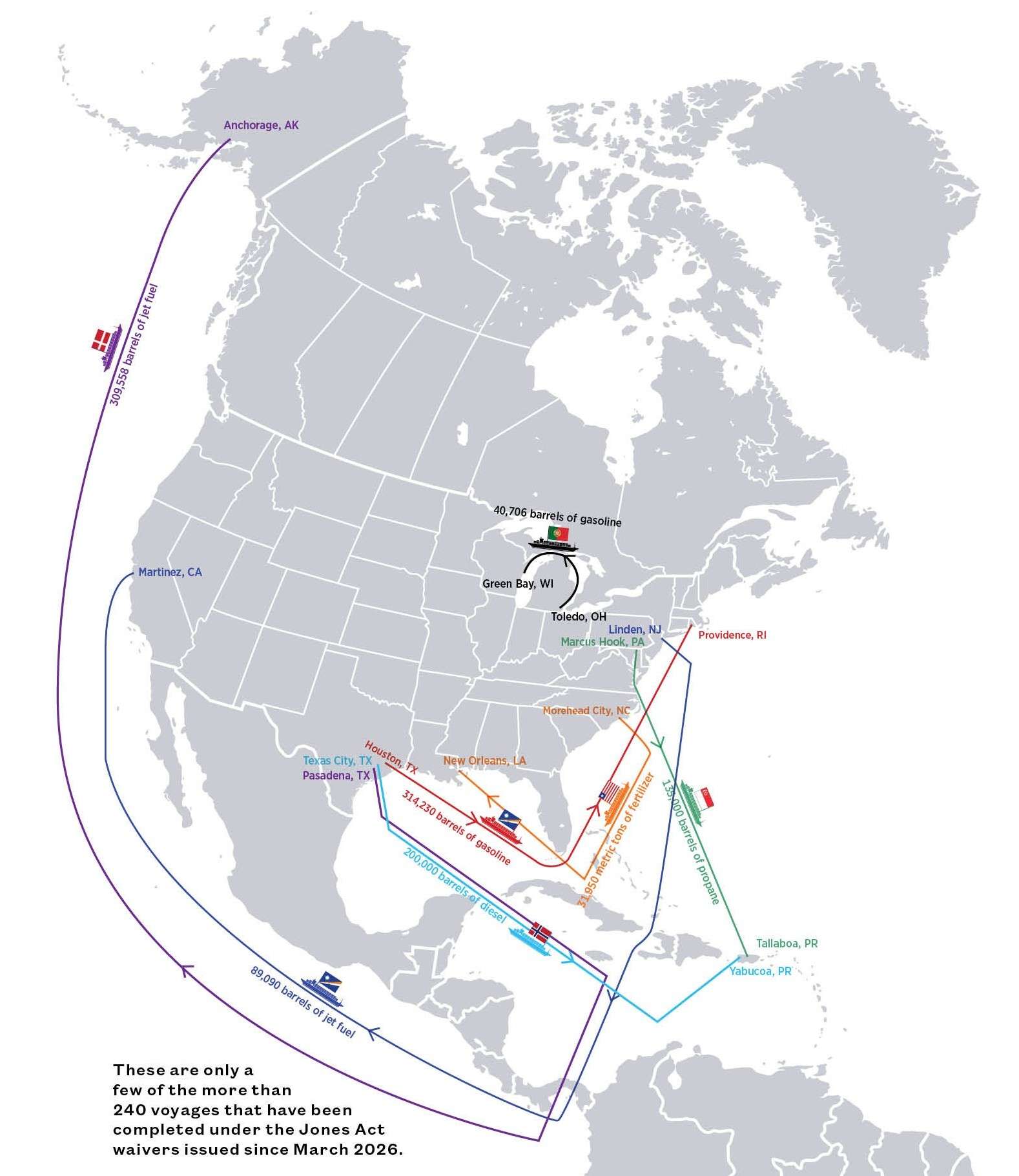
Just look at how much propane has been shipped from the mainland United States to Puerto Rico, says Colin Grabow, a trade policy analyst at the Cato Institute and perhaps the nation's foremost advocate for abolishing the Jones Act.

A map showing U.S. fuel shipping routes
Cato Institute / Joanna Andreasson

Since March, when the first waiver was issued, Puerto Rico has imported more than 800,000 barrels of propane from the mainland. That's more than twice the amount of American propane shipped to Puerto Rico in the last 22 years combined.

America is one of the world's leading producers and exporters of propane, but the lack of Jones Act–compliant ships capable of carrying gas means that it has been nearly impossible to ship propane from the mainland to outlying parts of the country. In the past, Puerto Rico has imported gas from Nigeria, Chile, and elsewhere because those deliveries don't have to comply with the Jones Act.

For years, libertarians have argued that the Jones Act unfairly impoverishes American consumers and businesses that want to buy and sell things within the same country in order to artificially inflate the price of moving those things across water. Waiving the law seems to have proven that point: There are plenty of ships capable of moving gas and oil around the country as long as the government gets out of the way.

"The instant the Jones Act no longer applied to energy shipments, mainland propane displaced foreign imports, suggesting it had been the cheapest option all along," says Grabow.

Puerto Rico is hardly the only winner.

The Jones Act waivers are offering a glimpse into a world where the law doesn't exist. From March through mid-August, there had been 210 voyages completed that otherwise would have been deemed unlawful without the waivers, according to an analysis of Maritime Administration data by the Institute for Energy Research.

It's a world where American oil and natural gas can be more easily shipped from the Gulf Coast to New England, which had previously been importing energy from Russia and Europe. Another big winner is California, which had been importing gasoline from as far away as the Bahamas because it was nearly impossible to legally ship gas from Texas or Alaska to the West Coast.

President Donald Trump reupped the Jones Act waiver in mid-May. Another extension, issued in August, will last for 90 days but applies only to ships carrying energy products such as gas and oil. Before that waiver expires in November, lawmakers ought to kill the Jones Act permanently.

There is some irony in the fact that one of Trump's most successful policy maneuvers has paused a protectionist law that limited commerce, when so much else of his economic policy has been focused on erecting barriers to trade. It's also amusing that it was a war in the Middle East—something Trump pledged to avoid—that triggered this change.

Still, the proof is in the shipping. The free traders were right all along.

The post Trump's War With Iran Pushed Him To Waive a Century-Old Shipping Law. Commerce Boomed. appeared first on Reason Magazine.

  •  

Tamil Nadu may encounter El Niño differently from rest of India

In strong El Niño years, pressure differences between the Bay of Bengal and the Arabian Sea can drive moist air into coastal Tamil Nadu; when an El Niño coincides with warmer waters in the Bay, evaporation increases, and cyclonic circulations in November-December release this stored heat as intense, localised rainfall

  •  

Arizona joins Nevada to fight proposed cuts to their shares of Colorado River

Move comes after Trump administration announced restrictions that could slash water supplies

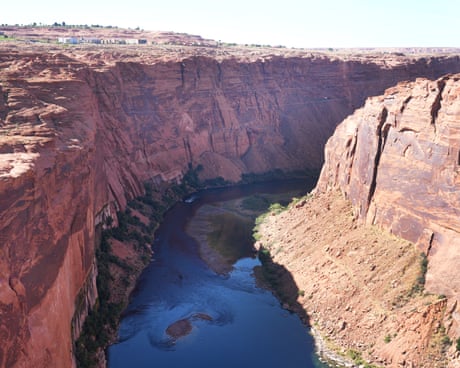
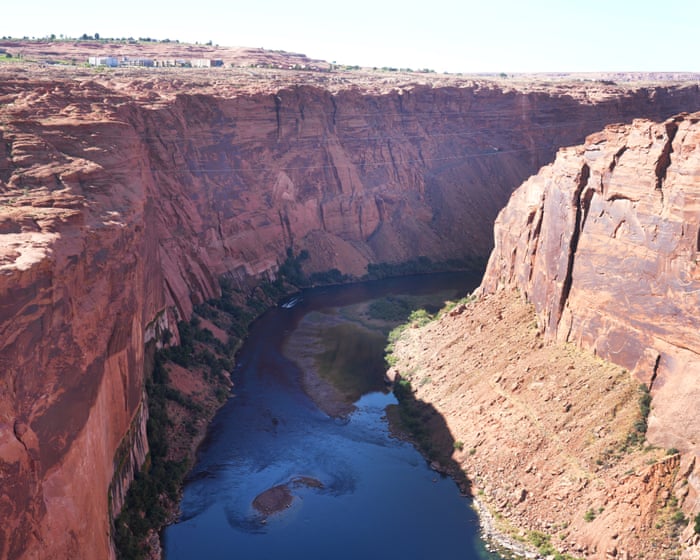
Arizona has joined Nevada in its legal battle against the Trump administration’s proposed cuts to their shares of the shrinking Colorado River.

The move comes after the interior department announced restrictions this summer that could slash the water supplied to lower basin states – Arizona, California and Nevada – over the next two years depending on the river’s condition.

Continue reading...

© Photograph: George Frey/Getty Images

© Photograph: George Frey/Getty Images

© Photograph: George Frey/Getty Images

  •  

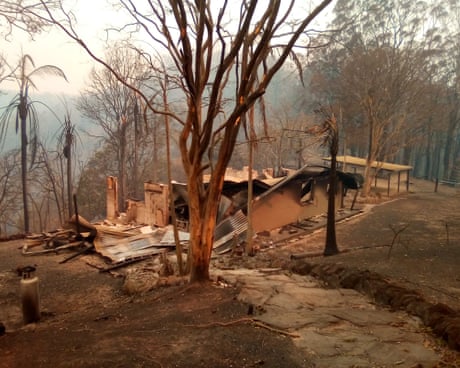
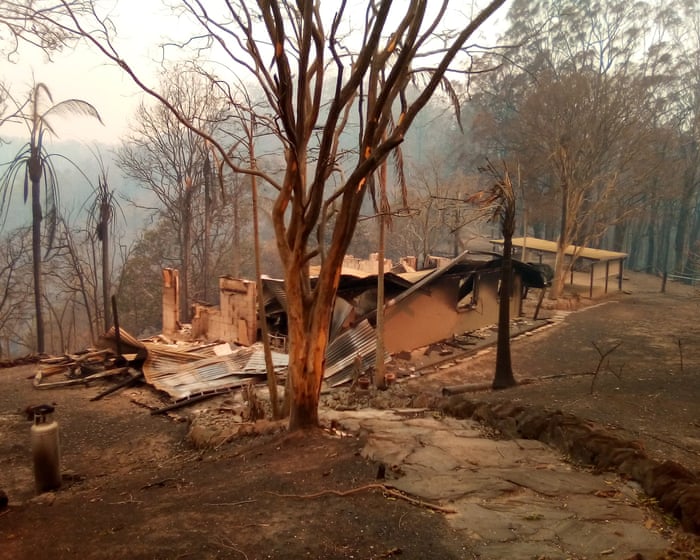
Most NSW homes destroyed in black summer bushfires were within 100 metres of vegetation

Exclusive: Research confirms official advice about high-risk properties and warns worsening conditions will make more homes unsafe

Almost every home destroyed in New South Wales during the black summer bushfires of 2019-20 was inside the 100 metre buffer zone used to identify properties most at risk, new research has found.

The findings are an endorsement of the risk maps used by authorities, but the research warns that as global heating generates ever-worsening fire conditions, firefighters may have to extend the recommended distances between homes and vegetation to keep properties safe.

Sign up to get climate and environment editor Adam Morton’s Clear Air column as a free newsletter

Continue reading...

© Photograph: Christine Tondorf/The Guardian

© Photograph: Christine Tondorf/The Guardian

© Photograph: Christine Tondorf/The Guardian

  •  

From little acorns … to his 1,000th article for the Guardian country diary

As Mark Cocker approaches a landmark for the world’s oldest column in an English-language newspaper, he is still inspired by powerful encounters with nature

In the autumn of 1987, Mark Cocker sat in a field near Norwich and watched a jay burying acorns for the long winter ahead. He described the scene in his first country diary for the Guardian. Thirty-nine years on, some of those jay-planted acorns will be mature oaks now, and Cocker is completing his 1,000th diary for the world’s oldest column in an English-language newspaper.

In his next diary, he will reflect on the changing birdlife around Flint Clough, in the Peak District, where he first marvelled at rare birds aged 12 after devouring bird books in his bedroom. As a boy, he would find cuckoo, golden plover, ring ouzel and twite, a once-common bird which is now virtually extinct in England.

Continue reading...

© Photograph: Fabio de Paola/The Guardian

© Photograph: Fabio de Paola/The Guardian

© Photograph: Fabio de Paola/The Guardian

  •  

EU Resists Further Delay to Carbon Pricing as Energy Costs Divide European Leaders

Italy and five other member states have failed to secure a further postponement of the EU’s new carbon market for heating and transport fuels, although European leaders have ordered a fresh assessment of its impact on households and businesses.

European Union leaders have resisted demands for another postponement of carbon pricing for road transport and building fuels, exposing deep disagreements over climate policy, industrial competitiveness and the burden of energy costs on European households.

At the European Council summit in Brussels on 15–16 October, the Visegrad countries — Poland, Hungary, Slovakia and the Czech Republic — pressed for the second European Emissions Trading System, known as ETS2, to be delayed until 2030. Italy and Greece joined calls for greater flexibility over carbon costs, although Rome also sought a national exemption from aspects of the energy-price regime rather than simply a uniform delay. No further postponement was agreed.

The European Council conclusions call on the European Commission to update its assessment of ETS2, particularly its design and safeguards. Leaders also demanded action to reduce volatility in the existing carbon market and limit the effect of carbon prices on electricity costs.

The outcome stops short of the further postponement sought by several governments, but demonstrates how far energy affordability has moved towards the centre of European climate negotiations.

The growing rebellion over ETS2

ETS2 is designed to extend the principle of carbon pricing to fuels used for heating buildings, road transport and certain smaller industrial activities. Unlike the existing Emissions Trading System, which covers large industrial installations and power generation, the new mechanism reaches sectors closely connected to everyday household expenditure.

Under the scheme, fuel suppliers must purchase allowances corresponding to the emissions associated with the fuels they sell. Households and motorists will not buy allowances themselves, but suppliers may pass those additional costs through to customers.

That distinction is fundamental. A policy designed to encourage investment in cleaner heating systems and vehicles may initially appear to consumers as an increase in petrol, diesel and domestic heating bills.

The current legislative timetable provides for ETS2 to become operational in 2028, following an earlier one-year postponement. The latest demands from several Central European governments would push that date back to 2030.

Their argument is that consumers and smaller businesses cannot reasonably be expected to absorb another source of energy-price pressure while European economies continue to contend with geopolitical uncertainty, expensive fuel and comparatively weak industrial competitiveness.

Czech Prime Minister Andrej Babiš has been particularly outspoken in his criticism, arguing that carbon pricing risks weakening Europe’s industrial base and making everyday life more expensive.

Italy has supported calls for greater flexibility, with Prime Minister Giorgia Meloni presenting the discussion as part of a wider attempt to restore competitiveness and make the transition more affordable.

Why other governments opposed another delay

The initiative encountered resistance from governments concerned that repeatedly postponing established climate legislation would weaken investment certainty and reduce confidence in European policy.

The Nordic member states have been particularly reluctant to reopen the timetable. Their position reflects a broader concern that businesses investing in clean technologies need credible long-term rules, rather than legislation liable to be revised whenever political opposition intensifies.

Carbon pricing is intended to change economic incentives gradually. Higher costs for carbon-intensive fuels are supposed to make alternatives such as better-insulated buildings, electric vehicles and cleaner heating more financially attractive.

Critics of further postponement argue that delaying implementation would also delay those incentives, potentially increasing the eventual cost of reaching the Union’s emissions-reduction targets.

Yet the opposition has exposed a weakness in that argument: consumers cannot always respond quickly to price signals. A household relying on an older heating system or a worker with no practical alternative to driving may face higher costs long before affordable low-carbon options become available.

That issue has been central to earlier discussions over ETS2. EU Today reported on stronger carbon-price safeguards in June, when European institutions moved to provide additional market intervention if allowance prices rose sharply.

Commission ordered to reassess the economic impact

Rather than endorsing a new delay, European leaders have asked the Commission to review ETS2’s economic impact and safeguards.

The summit also urged faster progress on adjustments to the Market Stability Reserve, the mechanism intended to help manage the supply of carbon allowances and prevent excessive price volatility.

Under the existing scheme, market interventions can increase or reduce allowance availability in response to defined conditions. For ETS2, safeguards are especially politically sensitive because the cost of carbon allowances may ultimately be reflected in household transport and heating expenditure.

The European Commission’s updated auction arrangements already envisage auctions of ETS2 allowances beginning in 2027, ahead of the system’s operational launch in 2028.

That timetable gives governments a relatively narrow window to settle the remaining political disputes and put protective measures into effect.

A central part of the response is the Social Climate Fund, intended to support vulnerable households, transport users and small businesses through investments in energy efficiency, cleaner heating, improved transport and temporary financial assistance.

EU Today previously examined the European Investment Bank’s €3 billion advance financing initiative, which aims to accelerate support for households before the new carbon market becomes fully operational.

The central practical question is whether such assistance reaches consumers quickly enough to offset rising costs, particularly in member states where incomes are lower and households remain heavily dependent on fossil fuels.

Climate commitments meet industrial reality

The ETS2 dispute is connected to a broader argument over Europe’s existing carbon market and its effects on energy-intensive industries.

Manufacturers already face substantial costs arising from electricity, fuel, regulatory requirements and international competition. Governments concerned about deindustrialisation argue that European climate policy must account more directly for these pressures.

The summit conclusions acknowledged those concerns by demanding a predictable carbon market that limits price volatility and protects industry against the relocation of production to jurisdictions with less demanding environmental rules.

At the same time, leaders reaffirmed the importance of maintaining carbon pricing as an incentive for investment and emissions reduction.

For the governments seeking a postponement, the Commission’s new assessment offers an opportunity to maintain pressure for further concessions. For governments defending the existing timetable, it provides an alternative to another politically damaging delay.

The immediate result is therefore a compromise over scrutiny rather than a change in law. ETS2 remains scheduled for 2028, while Brussels must demonstrate that its safeguards can withstand both market volatility and political opposition.

The next phase will be determined less by arguments about long-term emissions targets than by the ability of EU institutions and national governments to show households and businesses how the transition can be financed without placing disproportionate costs on those least able to adjust.

  •  

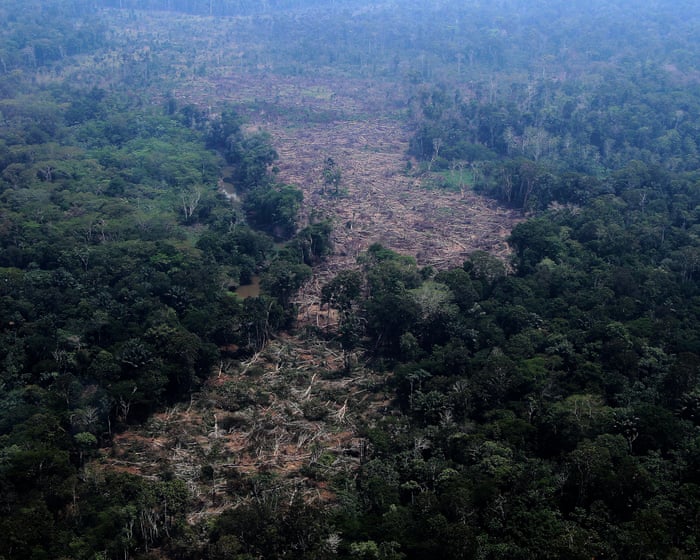
Brazilian Amazon deforestation falls to lowest on record as pivotal vote looms

Forest clearance at smallest total since records began in 1988 in success for Lula ahead of presidential run-off

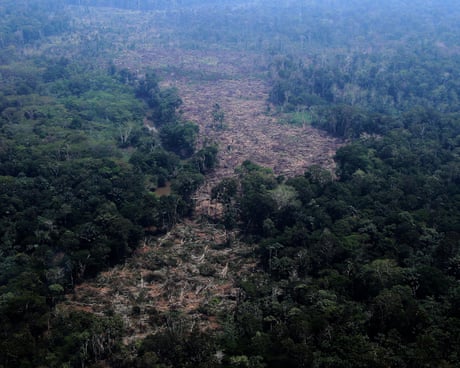
Deforestation in the Brazilian Amazon has fallen to its lowest level since records began, new government data shows.

But whether this globally important success is maintained or reversed is on a knife edge ahead of a presidential election run-off on 25 October between two candidates with sharply different visions for the future of the rainforest and how that affects relations with the US under Donald Trump.

Continue reading...

© Photograph: Edmar Barros/AP

© Photograph: Edmar Barros/AP

© Photograph: Edmar Barros/AP

  •  

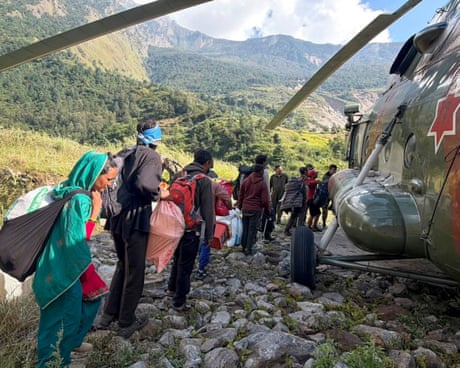
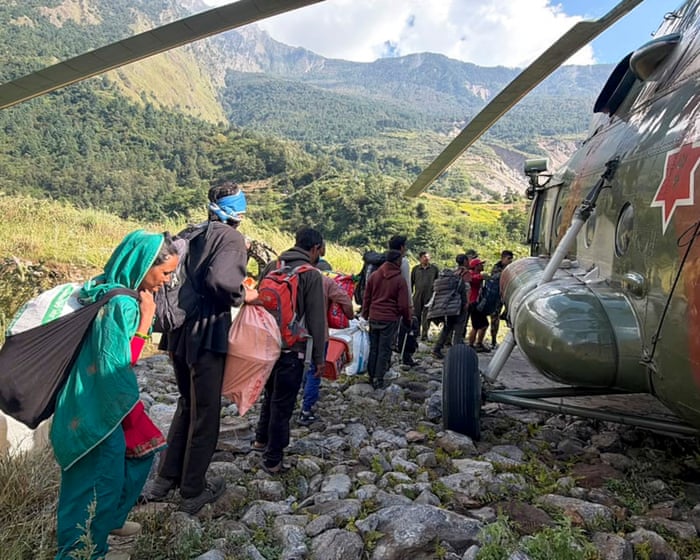
Flash floods destroy villages in central Nepal

Landslide blocks river and triggers downstream flooding, while summer temperatures persist in Portugal

Flash floods have swept through Nepal’s central Gorkha district after a pre-dawn landslide on 11 October blocked the Budhi Gandaki River, triggering severe downstream flooding. Two villages in the worst-affected Chumanubri rural municipality were reportedly destroyed, with homes, roads and bridges washed away. Part of a hydropower station was also damaged.

After river levels surged from 2 metres to nearly 8.5 metres within hours, the national disaster risk reduction and management authority reported that 204 homes were damaged, and more than 650 people had been affected. More than 100 foreign trekkers were stranded in the popular hiking region. The floods come just two months after catastrophic flooding and landslides devastated parts of the country on the border with Tibet, leaving thousands dead or missing.

Continue reading...

© Photograph: Nepal Army/EPA

© Photograph: Nepal Army/EPA

© Photograph: Nepal Army/EPA

  •  

Singapore's iconic skyline is shrouded in a fire-related haze. Here's what it looks like across the island.

A man wears a mask as the Singapore skyline is shrouded in haze on October 15, 2026.
Smoke from fires in neighboring Indonesia has blanketed Singapore in haze, disrupting daily life across the city-state.

Joseph Nair/NurPhoto/Getty Images

  • Smoke from fires in Indonesia has blanketed Singapore in haze, obscuring its iconic skyline.
  • Air pollution hit its highest level this year on Friday, reaching "very unhealthy" levels.
  • The haze has disrupted flights, shuttered outdoor sports facilities, and canceled a run for nearly 3,000.

Singapore, the Southeast Asian financial hub known for its futuristic skyline, has been blanketed by milky haze as smoke from fires in neighboring Indonesia drifts across the region.

The haze has affected Singapore for weeks, with conditions deteriorating in recent days. The pollution has disrupted flights, shut down outdoor sports facilities, and prompted organizers to call off a major running event.

On Friday, air quality in parts of Singapore reached "very unhealthy" levels, with pollution readings hitting their highest point this year.

Here's what the haze looks like across the city.

Singapore's landmark skyline fades into the haze
Haze in Singapore October 2026 view of MBS

Aditi Bharade

Marina Bay Sands, the three-towered hotel overlooking Singapore's waterfront, has been shrouded in a milky haze.

Singapore's environmental agency said winds were carrying smoke from fires in Indonesia's Kalimantan region toward the city-state.

Pollution has hit its highest level this year
Singapore's skyscraper is enveloped in smog, 16 october 2006 from the forests fire in Indonesia.

Roslan Rahman/AFP/Getty Images

On Friday, air quality across much of Singapore reached the "very unhealthy" range on the country's Pollutant Standards Index.

At that level, authorities recommend avoiding prolonged or strenuous outdoor activity.

The PSI has been in the unhealthy range since October 5, making it 12 days of poor air in the city.

The last time things looked this foggy in Singapore was during a 14-day period of hazy conditions in 2015. The country has seen shorter episodes of haze conditions in 2019 and 2023, but those blew over within a couple of days.

The haze is affecting air travel
A cleaning truck drives past airplanes parked on the tarmac at Changi Airport in Singapore on October 16, 2026, as the country continues to be shrouded in haze caused by fires in Indonesia. .

Yuichi Yamazaki/AFP/Getty Images

Poor visibility has disrupted flights at Singapore's smaller Seletar Airport, leading to diversions and cancellations.

Both Seletar and the country's main international airport, Changi, remain operational.

Nearly 3,000 runners have had their plans canceled
The Flower Dome, Cloud Forest and Marina Bay Sands are seen in Singapore on October 15, 2026, as the country continues to be shrouded in haze caused by fires in Indonesia.

Felin Lim/AFP/Getty Images

The ISCA Run, scheduled for Saturday at Gardens by the Bay, was canceled because of the haze, affecting almost 3,000 registered participants.

An ISCA spokesperson told Business Insider that organizers made the call early because air conditions remained unpredictable and they were concerned about the safety of runners, including young children taking part in the Family Run.

The pollution is keeping people indoors
A general view shows buildings shrouded with haze in Singapore on October 9, 2026

Roslan Rahman/AFP/Getty Images

Singapore's public sports operator temporarily closed all outdoor and non-air-conditioned sports facilities it manages across the island on Friday because of the haze.

Indoor, air-conditioned facilities have remained open.

Read the original article on Business Insider

  •  

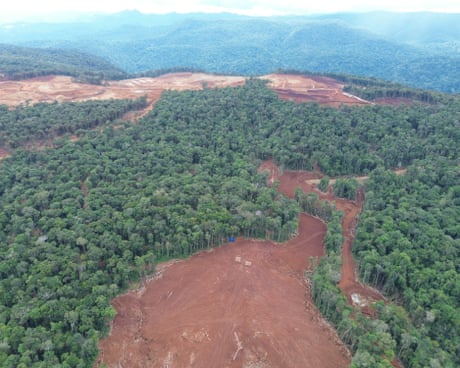
Revealed: VW, Ford and Tesla batteries linked to destructive deforestation of indigenous lands

Mines in supply chains of western carmakers linked to widespread deforestation of primary rainforest in nickel-rich lands inhabited by Tolaki people in Indonesia

Volkswagen, Ford and Tesla are among the electric carmakers whose batteries may contain nickel mined in indigenous woodlands plagued by deforestation, an analysis has found, highlighting the struggle to make vehicles that are free from environmental destruction.

Corporate disclosures and trade flows from the last two years show mines in the battery supply chains of automotive giants are linked to the loss of trees in Sulawesi, a wildlife hotspot in Indonesia that houses the world’s largest nickel deposits. The metal is widely used in cathodes in car batteries because it boosts energy density and increases range.

Continue reading...

© Photograph: Didi Hardiana, NGO Puspaham

© Photograph: Didi Hardiana, NGO Puspaham

© Photograph: Didi Hardiana, NGO Puspaham

  •  

Over 180,000 Giant Tortoises on a Seychelles Island

Nearly 183,000 giant tortoises inhabit the Aldabra Atoll in the Seychelles. This is the highest number ever recorded for the species and the result of decades of conservation efforts. A new study shows that the population is healthy and remains relatively stable, though scientists warn that climate change and invasive animals continue to threaten its […]

  •  

EU Delays Methane Rules as Energy Crisis Forces Brussels to Ease Import Requirements

The European Commission has proposed postponing new methane reporting and verification obligations for fossil-fuel imports by one year, responding to pressure from energy suppliers and member states amid disruption to global oil and gas markets.

The European Commission has proposed delaying key methane emissions requirements for imported oil, gas and coal by one year, acknowledging that the present energy crisis could make the original timetable difficult to enforce without threatening Europe’s fuel supplies.

The legislative proposal presented on 14th October would postpone obligations requiring importers to demonstrate that their overseas suppliers meet monitoring, reporting and verification standards equivalent to those imposed on European producers.

The requirements were scheduled to take effect on 1st January 2027. Under the revised arrangements, compliance would begin in 2028, with the first annual demonstrations to national authorities due by 31st May 2029.

The decision follows months of pressure from European governments, American energy companies and importers concerned that the regulation could complicate contracts and restrict access to alternative supplies during a period of exceptional international disruption.

Energy security takes precedence

The Commission’s explanatory memorandum places the decision directly within the consequences of the Middle East conflict, which has disrupted trade through the Strait of Hormuz since February.

According to the Commission, approximately 20 per cent of global liquefied natural gas supplies and 25 per cent of seaborne oil trade have been affected. Alternative producers have only partially compensated for the interruption, leaving European buyers competing for increasingly expensive supplies.

Brussels acknowledges that the disruption is likely to continue affecting energy markets after the immediate crisis subsides, partly because damaged infrastructure will require time to repair and restart.

Under these circumstances, importers have warned that they may be unable to obtain sufficient fuel meeting the original compliance requirements by January.

The Commission’s formal amendment to Regulation 2024/1787 responds to these concerns by extending deadlines rather than cancelling the legislation.

The development follows wider discussions about Europe’s energy costs. As EU Today reported during the Brussels summit, high energy prices have become a central concern for governments attempting to protect European industrial competitiveness.

Washington presses for regulatory relief

The United States has been particularly concerned about the effect of the methane rules on transatlantic energy trade.

American producers have become increasingly important suppliers of liquefied natural gas to Europe since Russia’s full-scale invasion of Ukraine in 2022 accelerated the diversification of European energy imports.

According to the reporting on the Commission’s decision, American companies, including ExxonMobil, have raised objections to the requirements, while Washington has pressed Brussels to provide additional flexibility.

French President Emmanuel Macron has also expressed concern about the legal risks facing importers attempting to demonstrate compliance across complicated international supply chains.

The problem involves obtaining reliable emissions measurements from production facilities that may be located thousands of miles from Europe and operate under different regulatory systems.

European importers must then establish whether the information satisfies EU standards, even when the companies operating those facilities are not themselves subject to European jurisdiction.

For suppliers with several production sites, transport arrangements and intermediary contracts, collecting consistent and independently verified information can be a substantial undertaking.

Climate legislation remains in force

The Commission insists that the postponement does not represent an abandonment of its methane reduction objectives.

The original EU methane regulation entered into force in August 2024. It introduced requirements covering methane measurement, leak detection, reporting and restrictions on routine venting and flaring.

Methane is a powerful greenhouse gas, and emissions from oil and gas operations can arise through equipment leaks, deliberate releases and incomplete combustion.

The International Energy Agency estimates that more than 350 billion cubic metres of gas were lost globally through flaring, venting and leakage in 2024. Reducing those losses could increase the quantity of gas available for commercial use.

The Commission is therefore attempting to preserve its environmental objectives while allowing additional time for verification systems and national enforcement arrangements to become operational.

The proposal also postpones methane-intensity reporting obligations for EU producers and importers from August 2028 to August 2029. Requirements to demonstrate compliance with maximum methane-intensity values would move from August 2030 to August 2031.

Existing obligations to provide information about overseas emissions, in force since May 2025, would remain unaffected.

Parliament faces another regulatory confrontation

The proposed changes require approval from the European Parliament and the Council under the ordinary legislative procedure.

That process could expose differences between governments seeking greater flexibility and lawmakers concerned about weakening the timetable for reducing fossil-fuel emissions.

Industry representatives have sought longer extensions, while environmental organisations argue that delaying methane reductions will not resolve the structural causes of Europe’s energy problems.

Brussels is also confronting the consequences of its decision to phase out Russian gas imports. As EU Today’s examination of the Nord Stream 2 legal challenge explained, the Union’s efforts to eliminate dependence on Moscow have already generated disputes over energy security and European regulatory authority.

The Commission now faces two competing requirements: maintaining a common environmental standard for imported fossil fuels while ensuring that suppliers remain willing and able to serve the European market.

Whether the proposed one-year extension proves sufficient will depend on the recovery of international energy supplies and the ability of producers, importers and national authorities to establish reliable verification arrangements before the revised deadlines.

  •  

Mont Blanc, the ‘roof of Europe’, loses more than a metre of height in a year

Peak of French mountain now 4,807 metres high and fluctuates year by year due to changes in Alpine climate

Western Europe’s highest mountain shrank by more than a metre last year. The peak of Mont Blanc in France now stands 4,807.47 metres above sea level, a team of surveyors said on Wednesday, putting “the roof of Europe” 1.29 metres lower than in 2025.

The mountain is about 4,792 metres tall but the summit constantly shifts as heat, wind and precipitation change the thickness of snow and ice on top. The height scientists recorded during an expedition last month was 1.88 metres greater than it was in 2023, when it reached the lowest levels in recent memory.

Continue reading...

© Photograph: Design Pics Inc/Alamy

© Photograph: Design Pics Inc/Alamy

© Photograph: Design Pics Inc/Alamy

  •  
❌