Landslide blocks river and triggers downstream flooding, while summer temperatures persist in Portugal
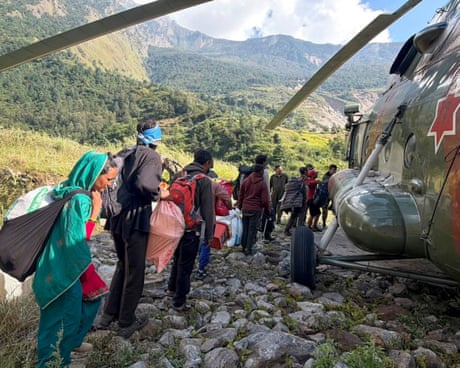
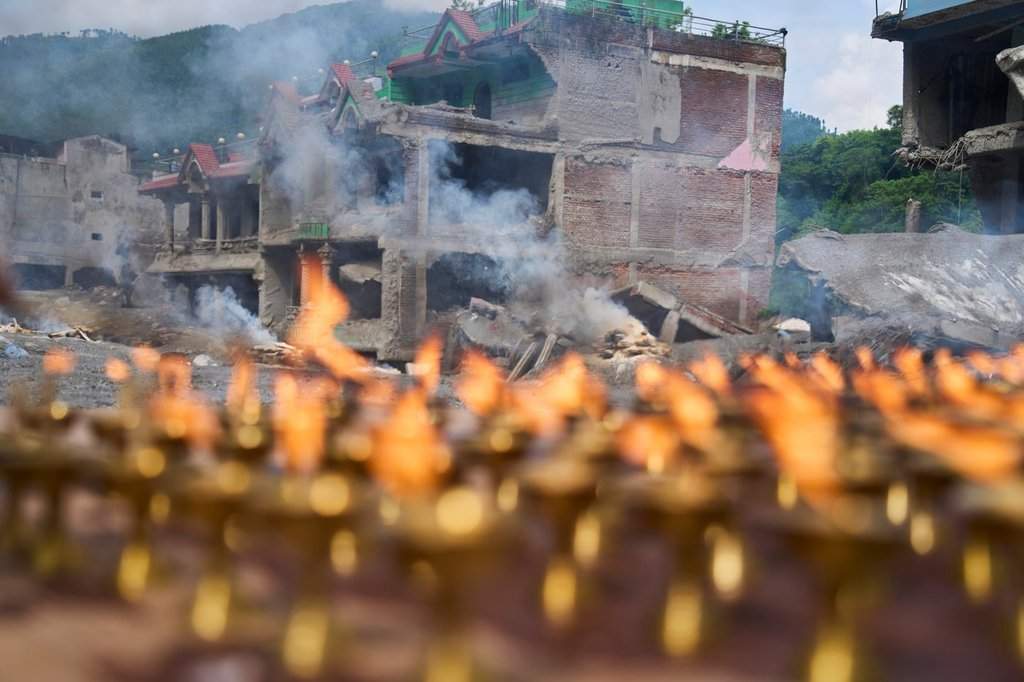
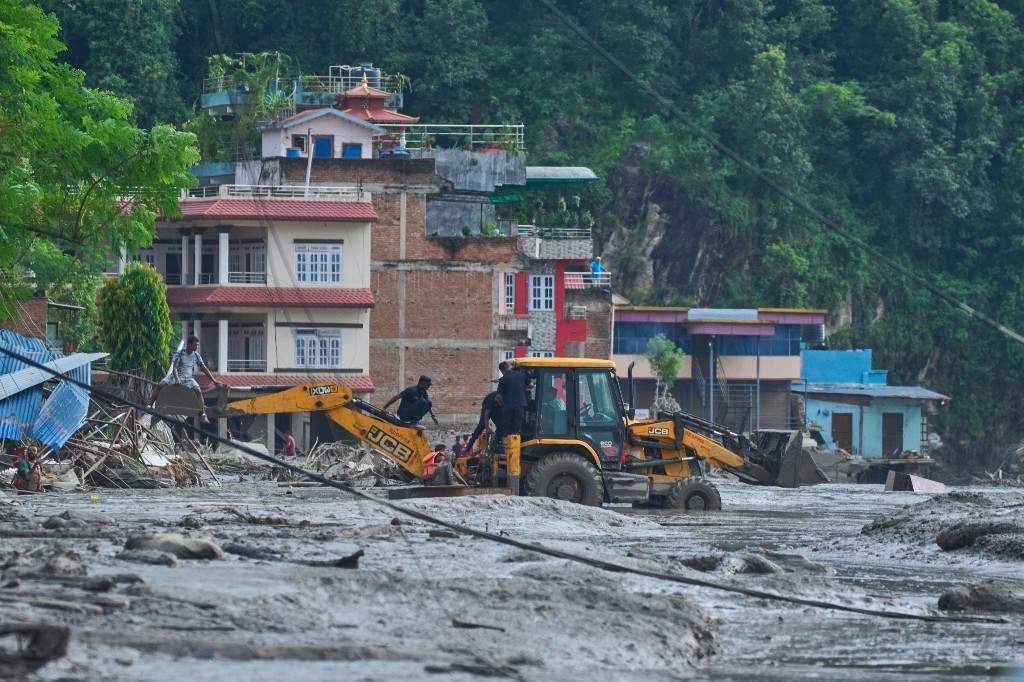
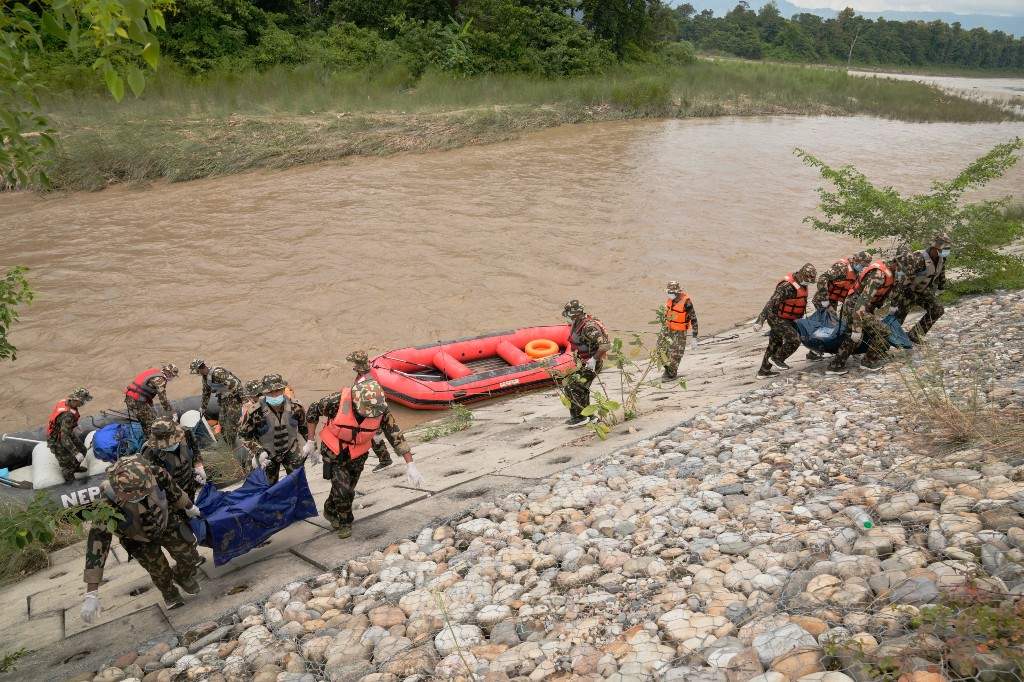
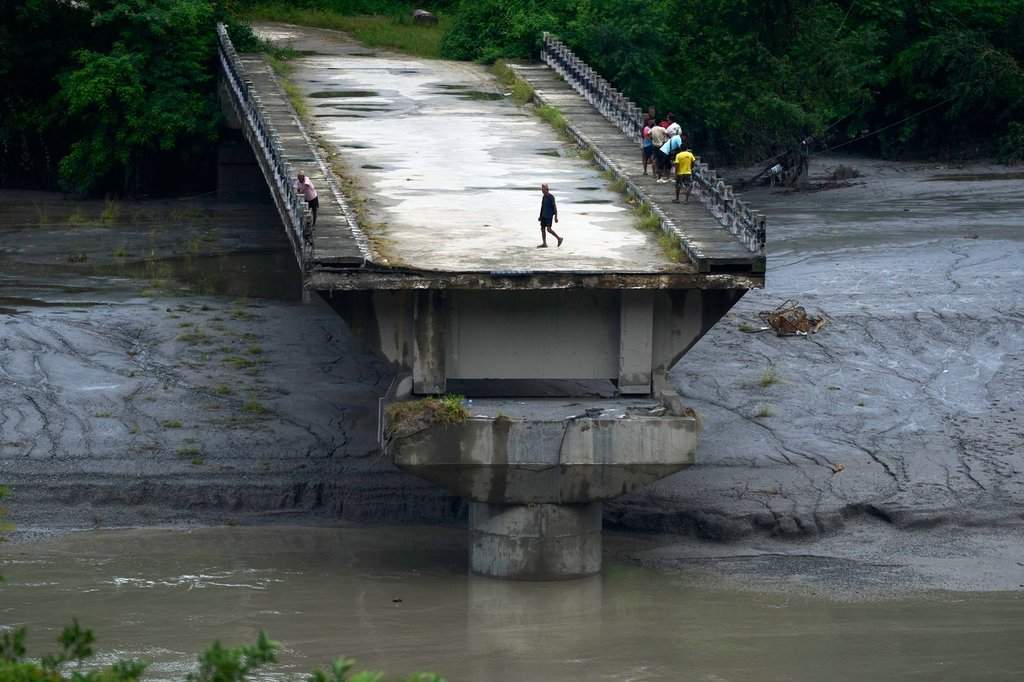
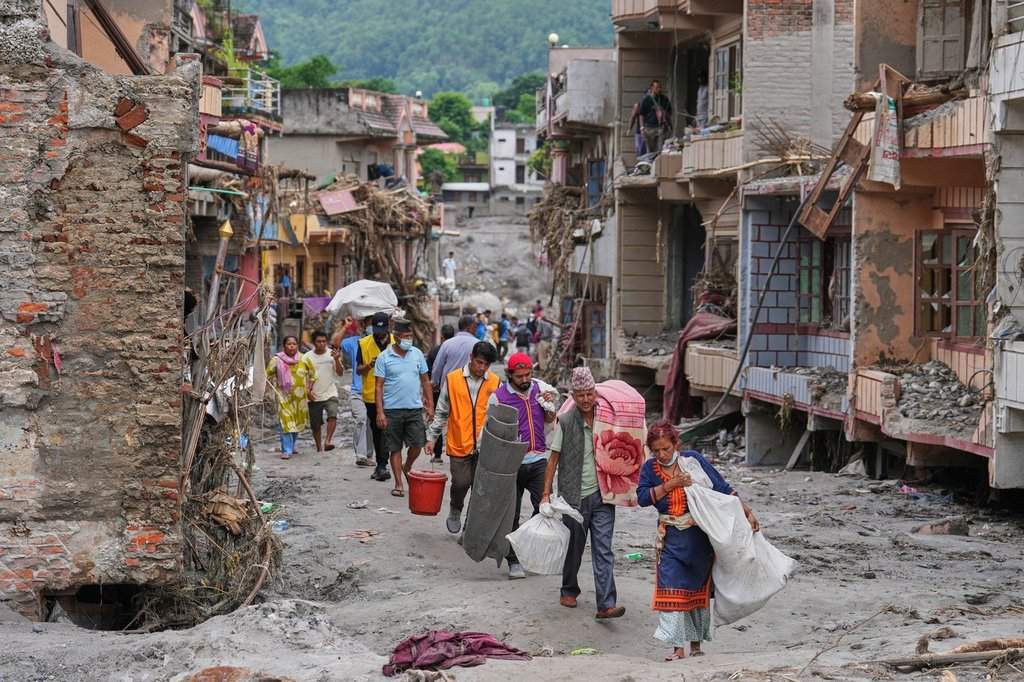
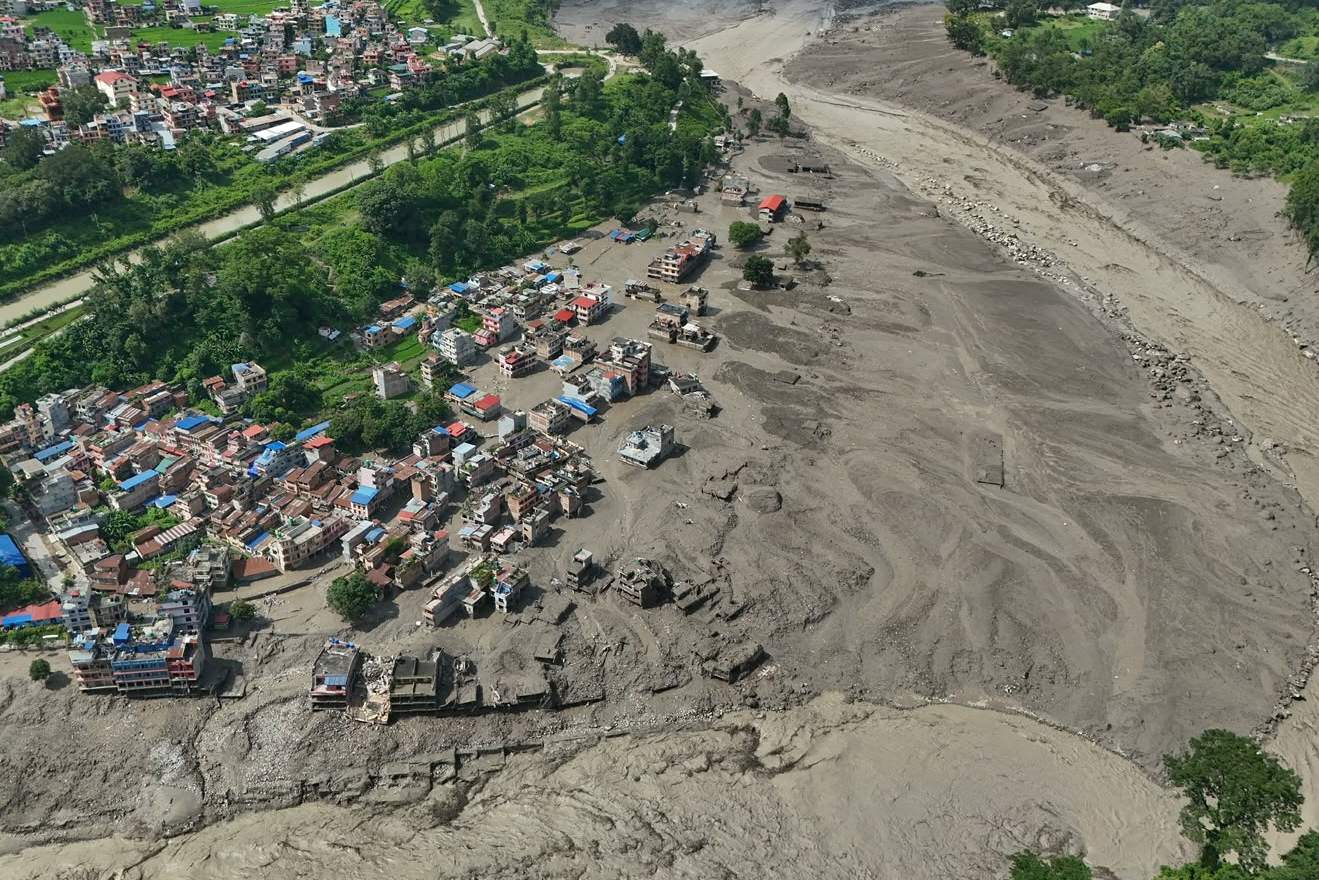
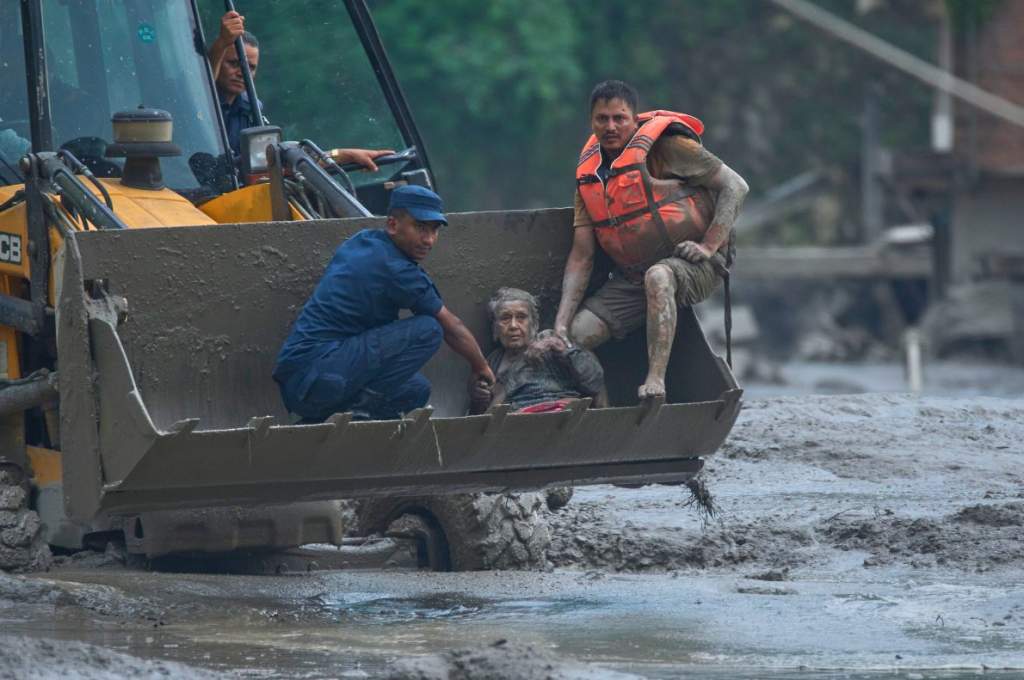
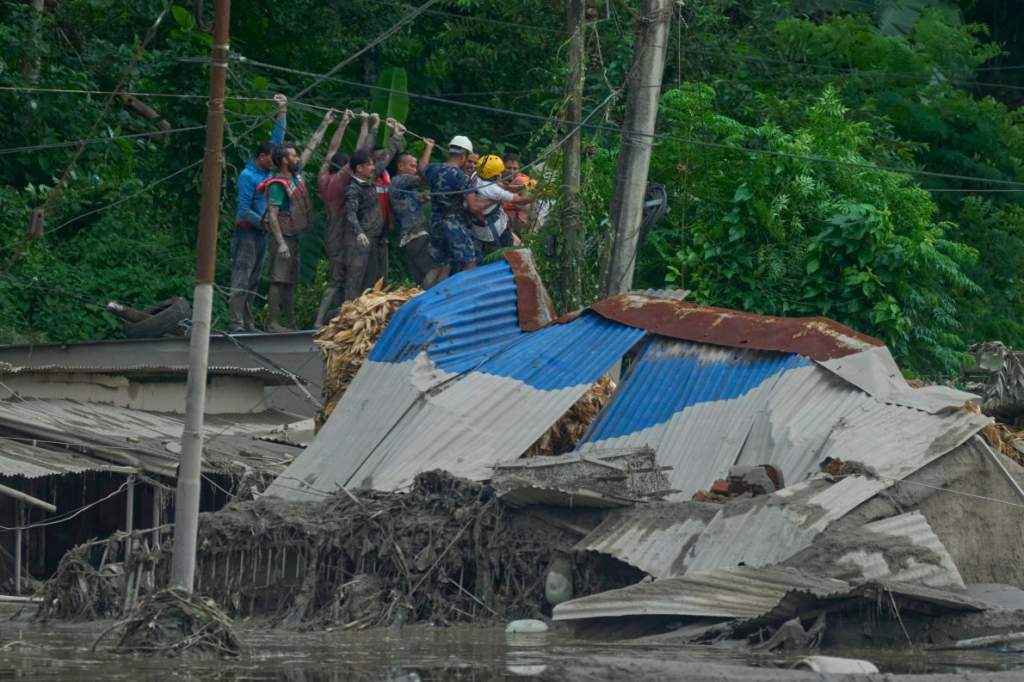
Flash floods have swept through Nepal’s central Gorkha district after a pre-dawn landslide on 11 October blocked the Budhi Gandaki River, triggering severe downstream flooding. Two villages in the worst-affected Chumanubri rural municipality were reportedly destroyed, with homes, roads and bridges washed away. Part of a hydropower station was also damaged.
After river levels surged from 2 metres to nearly 8.5 metres within hours, the national disaster risk reduction and management authority reported that 204 homes were damaged, and more than 650 people had been affected. More than 100 foreign trekkers were stranded in the popular hiking region. The floods come just two months after catastrophic flooding and landslides devastated parts of the country on the border with Tibet, leaving thousands dead or missing.
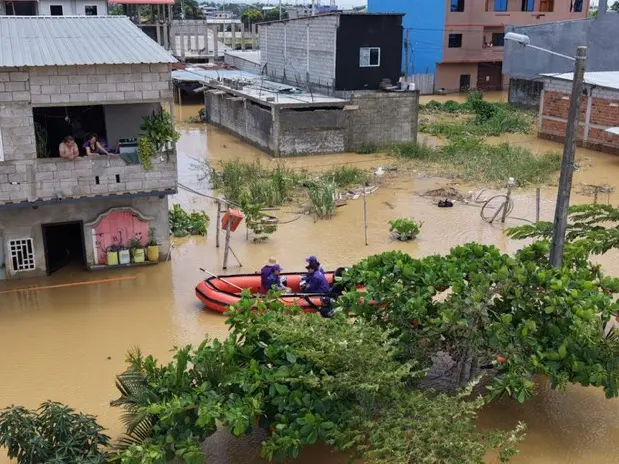
Heavy rains in Ecuador have left five rivers and one estuary overflowing in three provinces of the Coastal region, damaging thousands of homes, the National Secretariat for Risk Management (SNGR) said Monday.
The coastal provinces of Guayas and El Oro, along with the tropical province of Los Ríos, were affected, the SNGR’s official report detailed.
In Los Ríos, Estero Hondo in Puebloviejo, the Babahoyo River and the Chilintomo River overflowed, the report said. A strong downpour during the early morning flooded rural areas such as the Las Cañitas settlement. About 300 families were affected by water entering their homes and contamination of water wells, in addition to the suspension of classes at the local school.
In Guayas, the Balao River overflowed, affecting the Mercado Central and Barrio Nuevo sectors, and the San Rafael River impacted the San Pedro settlement in General Antonio Elizalde (Bucay), the report said.
In El Oro, emergencies were concentrated in Santa Rosa canton, where the Chico and Caluguro rivers overflowed their banks, according to the report.
The storm left 16 homes completely destroyed, damage to another 4,847 and effects on 10.74 kilometers of road network, the official report said. Authorities also confirmed the collapse of one bridge and structural damage to seven others, complicating access for rescue units to vulnerable areas.
Faced with the health emergency due to contamination of water sources in Babahoyo, the SNGR installed three storage tanks of 2,500 liters each to supply the population and is evaluating the use of local churches as temporary shelters.
La atención a las familias de Balao continúa. La SNGR realizó el levantamiento de información para la ficha EVIN y participó en la coordinación interinstitucional en el ECU 911. pic.twitter.com/nsmK0Xhp7Q
Since the red alert was declared for the weather phenomenon on August 29, the number of people affected in the country has risen to 17,142, with 1,354 victims and one deceased. The SNGR counts a total of 349 adverse events that have impacted 22 of Ecuador’s 24 provinces, with the greatest incidence in Esmeraldas, Guayas, Manabí, Los Ríos, Orellana, Imbabura and Pichincha.
Against this backdrop, the National Institute of Meteorology and Hydrology (Inamhi) maintains an active watch advisory in anticipation of an increase in rains, electrical storms and wind gusts throughout the country until next Wednesday, October 14.
Eight million properties in Britain are at risk of flooding by mid-century due to climate change, the Environment Agency has claimed. That's a quarter of the total. It's completely preposterous, says Paul Homewood.
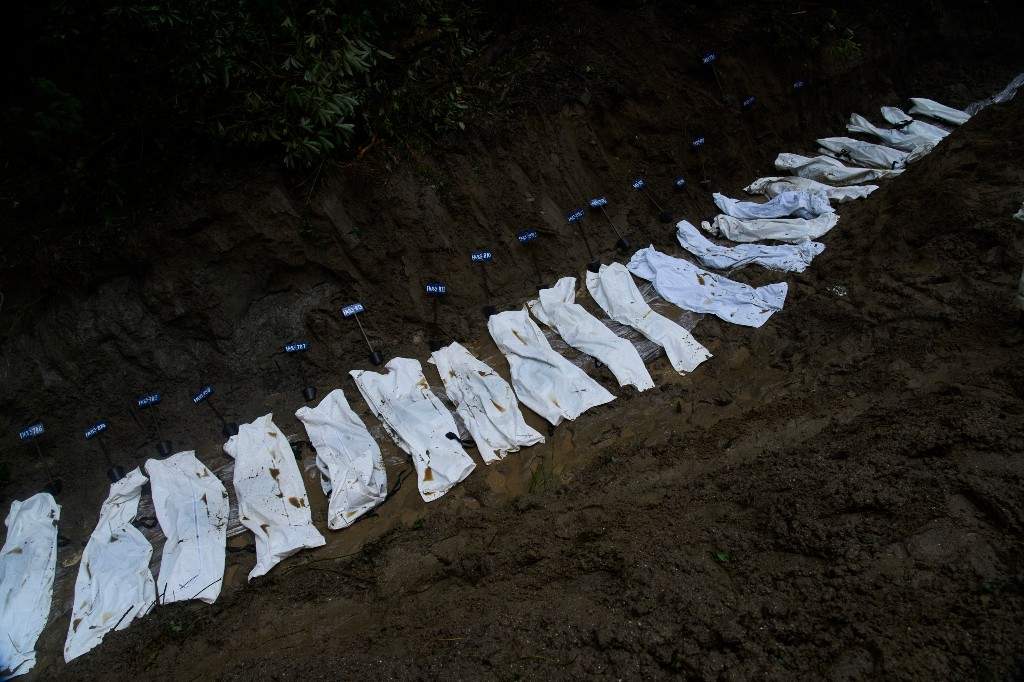
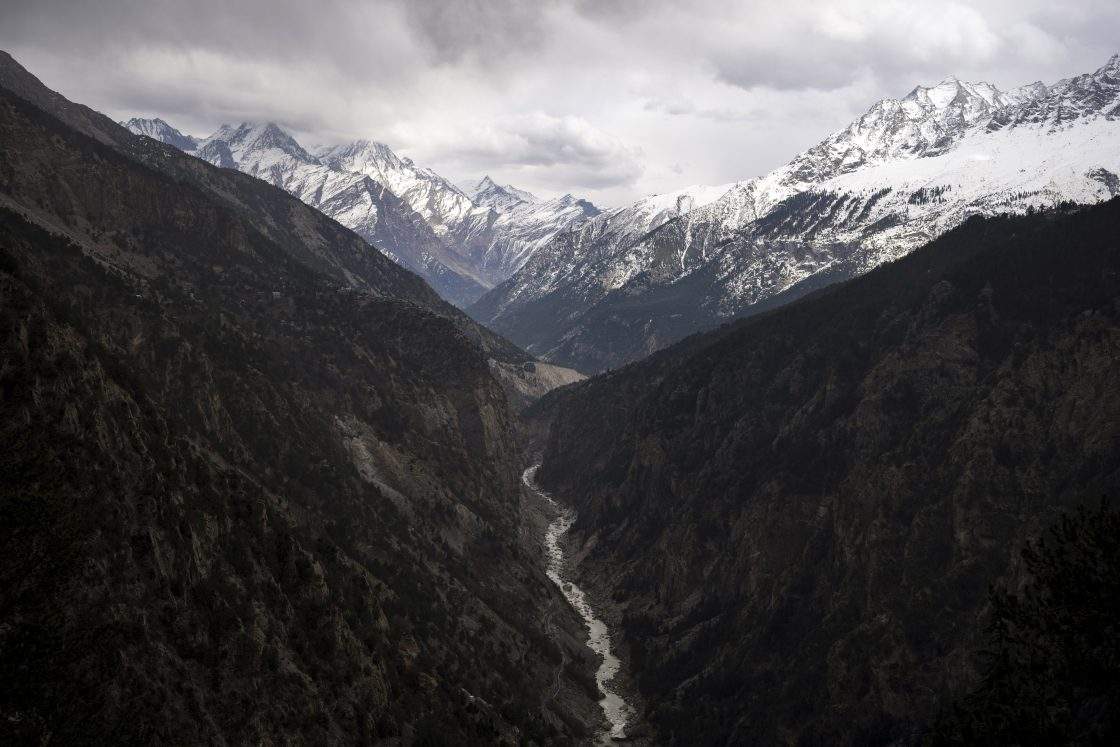
The flooding on Aug. 26 killed more than 1,100 people and left roughly 4,400 missing, after a glacier collapsed in the Himalayan border region between Nepal and China.
The flooding on Aug. 26 killed more than 1,100 people and left roughly 4,400 missing, after a glacier collapsed in the Himalayan border region between Nepal and China.
Foreign Affairs Minister Anita Anand said that 30 Canadians and permanent residents remain missing, a number she says may change as the government gets more information.
Foreign Affairs Minister Anita Anand said that 30 Canadians and permanent residents remain missing, a number she says may change as the government gets more information.
In response to the massive flash flood that has caused over 300 deaths in Nepal, the European Union has allocated €2 million in humanitarian aid to support affected communities. This emergency funding will help address immediate needs including as food, healthcare, clean water and sanitation. EU-funded partners are already providing help on the ground.
This assistance comes in addition to the almost €3 million in humanitarian aid allocated at the start of the year for Nepal for disaster preparedness. EU-funded partners in the country started to provide help immediately after the disaster, with prepositioned shelter and distribution of relief items. The EU is also deploying its Rapid Response Coordinator for Asia to help coordinate the EU's response.
To support the local response, the EU activated the Copernicus satellite service to provide maps of the affected area.
Preparedness and Crisis Management Commissioner Hadja Lahbib said:
"Roads washed away. Villages cut off. Families searching for missing loved ones. The flash floods in Nepal have shattered communities already rebuilding from past disasters. The EU stands with them, allocating €2 million to bring urgent healthcare, food, water & shelter."
A series of flash floods has destroyed villages in parts of Nepal and Tibet, as experts say a falling glacier likely triggered a chain reaction of events that could get worse.
A series of flash floods has destroyed villages in parts of Nepal and Tibet, as experts say a falling glacier likely triggered a chain reaction of events that could get worse.
A huge wall of mud and rock collapsed into a river on the Himalayan border of Nepal and China's Tibet on Wednesday, triggering catastrophic flooding on the Nepali side.
A huge wall of mud and rock collapsed into a river on the Himalayan border of Nepal and China's Tibet on Wednesday, triggering catastrophic flooding on the Nepali side.

 Login