❌

Reading view

Stelvio di cemento: arriva un hotel da 15mila metri cubi nel cuore del Parco. Ricorso degli ambientalisti al Tar per fermare la costruzione in mezzo ai boschi

“Rispetta la montagna”. La leggenda racconta che un giorno il padrone del maso di Stallwies, il più alto della Val Martello, prese il fucile e seguì il sentiero per la montagna. Andava dietro a un cervo bianco per cacciarlo, ma quello non la smetteva di salire e l’uomo dietro di lui. Su per valli, canaloni, precipizi. Finché a un certo punto il cacciatore capì che doveva fermarsi. Imparò la lezione: “Rispetta la montagna”, appunto. Chissà se tra sindaci e consiglieri della Val Martello qualcuno ricorda la leggenda che si tramandavano i loro antenati. Siamo ai piedi dell’Ortles, in Alto Adige, nel cuore del Parco dello Stelvio. Proprio qui si trova la zona chiamata Gallenmahd: sono boschi e prati a perdita d’occhio. Eppure il comune di Martello il 25 giugno scorso ha dato il via libera alla realizzazione di un nuovo albergo quattro stelle: 15.650 metri cubi (cioè oltre 5mila metri quadrati di superficie che sarà coperta di cemento) per 120/140 letti e 70 stanze. Senza contare una ‘diga’ anti valanghe lunga 150 metri, larga alla base 40 e alta 12. Non esattamente una costruzione che possa passare inosservata. Siamo a 1.665 metri, persi nei boschi di conifere, e il paese più vicino è a oltre sei chilometri di distanza.

Così nei giorni scorsi un gruppo di associazioni (Mountain Wilderness Italia, Federazione Ambientalisti Alto Adige, Heimatpflegeverband Südtirol, Umweltschutzgruppe Vinschgau e CAI Alto Adige) ha presentato ricorso al Tar. Il punto, dopo l’approvazione da parte del Comune, non è tanto se l’albergo si possa costruire. “La Val Martello – dicono le associazioni – promuove l’immagine di un luogo ancora in gran parte incontaminato, che punta sul turismo dolce. È proprio questo patrimonio che un grande albergo mette a rischio. La domanda non è se a Gallenmahd si possa costruire, ma se sia opportuno farlo”. Ma per portare la questione davanti al Tar serviva un appiglio giuridico. Ed ecco il nodo: “L’area dove si vuole costruire ricade in piena zona rossa per pericolo di valanghe, dove non è possibile edificare”. Ma allora come è stato possibile ottenere il via libera? “Si è prevista la costruzione di un grande vallo che proteggerà dalle valanghe”. Qui si scontrano le diverse tesi giuridiche: le associazioni che hanno proposto il ricorso sostengono che la diga anti valanghe sia in fondo opera accessoria all’albergo.

Qualcuno, intanto, fa notare che non molto lontano nel 1952 era già stato costruito un altro albergo, il Grand Hotel Paradiso della famiglia Fuchs, quella proprietaria della Birra Forst. L’edificio, firmato nientemeno che dal genio dell’architettura Giò Ponti, è da tempo abbandonato e in rovina. Ora l’ultima parola spetta ai giudici amministrativi. Però le stesse associazioni che hanno presentato ricorso ci tengono a precisare: “Noi non ci opponiamo allo sviluppo turistico di Martello. Un comune del parco nazionale ha bisogno di uno sviluppo adeguato alla propria realtà: di piccola scala, nell’esistente, con un reale beneficio locale”. Il punto è che Martello ha tutto il territorio compreso nel Parco, quindi pianificare è difficile. Soprattutto in assenza del famoso Piano del Parco che, fanno notare le associazioni, sarebbe compito della Provincia di Bolzano e che invece non arriva mai. Il sindaco Georg Altstatter spiega: “La possibilità di costruire è prevista nel piano urbanistico del 2000. Quando abbiamo votato il via libera al progetto c’è stata l’unanimità. Capisco le cautele degli ambientalisti, ma abbiamo 15mila ettari di territorio, siamo tra i comuni più grandi dell’Alto Adige, e appena 60mila prenotazioni l’anno. Selva di Val Gardena e l’Alta Badia sono sopra il milione. E io devo pensare ai 900 abitanti del mio paese, devo dare loro lavoro e non devo farli andare via. Oggi si basa tutto sull’agricoltura – le famose fragole – e l’artigianato”.

L’albergo della Val Martello, però, non è l’unico progetto che ha suscitato polemiche in Alto Adige. A Bressanone c’è il progetto per la costruzione del maxi hotel del gruppo Athesia sulla Plose: parliamo di 124 camere, cinque torri per 398 posti letto. A Riscone, ai piedi di Plan de Corones (Brunico) è stato dato il via libera all’ampliamento e alla costruzione di hotel a 5 stelle, tra cui l’hotel Heinz, che passerà da 70 a 142 posti letto. Il comproprietario della struttura, racconta Il Dolomiti, è il sindaco di Brunico, Bruno Wolf. La questione del cemento e degli alberghi da tempo divide l’Alto Adige, una provincia che ha fatto della cura del territorio una delle sue bandiere e delle sue ragioni d’orgoglio. Qui ogni balcone è ornato da gerani, ma negli ultimi decenni si è costruito, e non poco. In provincia di Bolzano viene promosso il turismo di lusso, con tutti gli impatti ambientali, energetici e di risorse naturali che comporta. È la cosiddetta battaglia per i letti freddi, quelli cioè destinati ai turisti e non agli abitanti. In alcuni paesi delle Alpi, soprattutto in Piemonte, si arriva fino al 90 per cento del totale. In Alto Adige si era deciso di porre un tetto, ma dal 2019 la corsa non si è fermata: si è passati da 230mila a 240mila posti letto in strutture ricettive (con 38 milioni di pernottamenti complessivi all’anno nella sola provincia di Bolzano).

Insomma, in discussione c’è l’intero modello economico. È il tema del turismo che porta da vivere, ma rischia di soffocare la stessa montagna che lo attira. L’equilibrio è molto fragile e non riguarda soltanto il cemento. Proprio sabato a Trento si terrà un convegno sullo sviluppo di nuove vie ferrate. E anche qui si confrontano opinioni opposte, tra chi chiede di realizzarne di nuove e chi invece sostiene che aprirne di altre renderebbe ancora più massiccio l’assalto alla montagna. Forse la vecchia leggenda raccontata in Val Martello sul padrone del maso di Stallwies che insegue il cervo bianco è stata dimenticata.

L'articolo Stelvio di cemento: arriva un hotel da 15mila metri cubi nel cuore del Parco. Ricorso degli ambientalisti al Tar per fermare la costruzione in mezzo ai boschi proviene da Il Fatto Quotidiano.

  •  

Le spese folli delle Olimpiadi: dalla Società Milano-Cortina 188mila euro di biglietti omaggio al Ministero di Salvini. E c’è pure il “premio” da 3,5 milioni per la pista di bob

“La barca fa acqua”, senti dire nei corridoi di Simico che ha curato la realizzazione delle principali opere dei Giochi invernali 2026. Lunedì la Società Infrastrutture Milano Cortina (che fa capo al ministero di Matteo Salvini) ha tenuto un consiglio di amministrazione. E, a quanto risulta, è stato piuttosto movimentato. Tra l’altro sono finiti sul tavolo gli acquisti di biglietti per gli eventi delle Olimpiadi: quasi un milione con soldi della società, quindi pubblici. Poi ecco un’altra patata bollente, finora inedita: 3,5 milioni di euro che Simico avrebbe pagato alla ditta Pizzarotti come premio per la realizzazione della pista da bob di Cortina. Su questi due capitoli si allungano già le ombre degli accertamenti della magistratura contabile.

BIGLIETTI OMAGGIO PER UN MILIONE DI EURO. La fibrillazione è cominciata nelle scorse settimane quando si è diffusa la voce (il Fatto ne ha scritto) che la Sezione di controllo sugli Enti delle Corte dei Conti di Roma ha messo il naso nelle spese per le Olimpiadi, in particolare di Simico, la società sorta con il compito di costruire opere sportive e di legacy, l’eredità per il territorio. Ha cominciato dai fantomatici biglietti per le gare e dai ben più cari pacchetti per il soggiorno di ospiti. La domanda di fondo della Corte è semplice: perché una società pubblica che opera nelle infrastrutture avrebbe dovuto spendere quasi un milione di euro – questa la cifra complessiva, che con l’Iva arriva a oltre un milione e 100 mila euro – di ticket olimpici? Non solo: ci si domanda chi, all’interno di Simico, abbia deciso l’acquisto.

Un primo problema è capire a chi siano stati destinati i ticket, oltre ai pacchetti Premium Hospitality piuttosto consistenti. Una prima tranche di questi ultimi, acquistati da On Location, fornitore ufficiale di Fondazione Milano Cortina, è costata 368 mila euro per 202 biglietti premium (in media 1.821 euro l’uno). C’è poi stata una seconda tranche da 100 mila euro (più Iva). Una terza fetta da 500mila euro se n’è andata per comperare biglietti “dignitari domestici” da Fondazione Mico. A quanto risulta una parte dei tagliandi sono stati ‘regalati’ ai dipendenti Simico (fino a quattro ciascuno) contabilizzandoli come ‘welfare aziendale’. La media va dai 346 euro per dipendente dei biglietti Fondazione a 1.274 euro ciascuno per l’ospitalità On Location. È una voce che i vertici della società dovranno chiarire perché non risulta prevista dai contratti aziendali.

BIGLIETTI PAGATI PER NULLA. In questo marasma di inviti e omaggi, ci sono poi circa 140 biglietti per un valore di 188mila euro che sono andati al ministero di Salvini. E qui la Corte vuole capire se chi li ha ricevuti ne avesse effettivamente diritto, per cui si sta cercando di risalire, nome per nome, a chi li ha utilizzati. Perché i biglietti di Fondazione dati ad esterni di Simico sono costati in media 537 euro l’uno, mentre l’ospitalità On Location (67 pacchetti) è costata in media 2.621 euro (in totale 175 mila euro). Ma ci sono due ‘gialli’. Innanzitutto quello di circa 160 biglietti – oltre 100mila euro – che non si riesce a capire a chi siano finiti. Inoltre, 211mila euro per 441 ticket “non assegnati”, di cui 342 per 59mila euro a beneficio di Fondazione (costo medio 478 euro) e 99 per 151mila euro a beneficio di On Location per l’ospitalità (costo medio 1.531 euro). Insomma, soldi cacciati al vento.

Se risultassero regali non giustificati o spese non utilizzate, la Corte dei Conti potrebbe arrivare a chiedere ai manager che hanno deciso l’acquisto di risarcire la somma. Per questo i magistrati contabili hanno scritto sia all’amministratore delegato Fabio Massimo Saldini, che alla presidente di Simico, Veronica Vecchi, chiedendo chiarimenti. E qui comincia il balletto perché la presidente ha messo nero su bianco che della decisione di acquistare i ticket il consiglio di amministrazione non è “mai stato coinvolto”. Come dire che non è disposta a tenere il cerino in mano. E nemmeno il consiglio di amministrazione.

CONSULENZE PER UN MILIONE E MEZZO. Non è la sola rogna su cui occorrerà fare chiarezza. C’è anche la questione delle consulenze in materia giuridica, pare a prestigiosi studi, che sono state affidate nonostante Simico avesse un ufficio legale che sarebbe stato impiegato per fornire solo una parte dei pareri. Per i professionisti legali esterni sono stati spesi 395mila euro nel 2025 e 279mila euro nel 2024, circa 675mila euro in due anni. Ancora più cospicua la voce delle “consulenze varie” (comprensive di Internal Audit, relazioni esterne, social media management, audiovisivi e relazioni con i media): si arriva a 510mila euro nel 2025 e 238mila nel 2024. Il monte dei rimborsi spese a piè di lista per viaggi e missioni ha raggiunto i 436mila euro nel 2025, circa 161mila euro in più rispetto al 2024.

TRE MILIONI E MEZZO DI PREMIO A PIZZAROTTI. Passando da Roma alla Procura della Corte dei conti di Venezia, emerge un’altra storia finita sul tavolo del consiglio di amministrazione di Simico. I magistrati veneti hanno acceso un faro su un pagamento di 3,5 milioni di euro riconosciuto a Impresa Pizzarotti, la ditta a cui sono stati affidati i lavori per la realizzazione della pista da bob. Quando nessuno la voleva costruire, nel dicembre 2023, il ministro Salvini diede un annuncio decisionista: “Finora si è perso troppo tempo. Non costerà un centesimo in più agli italiani”. Aveva sfrondato il progetto così da rendere appetibile (all’unico concorrente Pizzarotti) l’appalto da 81,6 milioni di euro (anche se il costo complessivo del sistema Sliding Centre arriva a 133 milioni di euro).

Pizzarotti è riuscito in un’impresa apparentemente impossibile, mettendo a disposizione la pista in 13 mesi per la pre-omologazione. Il collaudo a fini agonistici è avvenuto nell’autunno 2025, a febbraio 2026 si sono disputate le gare olimpiche. Per quel lavoro Pizzarotti ha ricevuto 3,5 milioni di euro aggiuntivi che hanno fatto sorgere qualche dubbio alla Procura contabile veneta. È il Codice degli appalti a dettare le regole del cosiddetto “premio di accelerazione”, nei casi di ultimazione in anticipo rispetto ai termini contrattuali. L’ammontare, nei limiti della somma disponibile indicata nella voce “imprevisti” del quadro economico (un milione 632 mila euro per lo Sliding Centre), è commisurato “ai giorni di anticipo e in proporzione all’importo del contratto”. Pizzarotti ha concluso i lavori prima? È questo che si sta chiedendo la Procura contabile. L’impianto è stato messo a disposizione per le gare, ma i lavori non sono conclusi nemmeno oggi, a otto mesi dalla fine dei Giochi. Basta leggere la convenzione siglata dall’amministratore delegato Saldini con il Comune di Cortina il 12 ottobre, che detta norme rigide per l’accesso alla pista a fini di allenamento o gare, visto “l’intervento è in fase di avanzata esecuzione” e le competizioni dovranno essere “compatibili con lo stato delle attività in corso”. Insomma, lo Sliding Centre è ancora un cantiere.

Per capire la legittimità del premio si stanno analizzando contratti e clausole che legano Simico a Pizzarotti. Quest’ultima ha ottenuto anche un appalto aggiuntivo da un milione 617mila euro, con una procedura negoziata senza bando. Ha riguardato “l’attività di manutenzione e conduzione dell’impianto” dopo il 21 novembre 2025, quando la pista è stata assegnata a Fondazione Milano Cortina per le gare olimpiche.

I GIOCHI DELLA LEGA. Dopo le settimane di gloria e di riflettori planetari, la paternità delle Olimpiadi comincia a diventare scomoda. Di certo in Italia saranno ricordate come le Olimpiadi della Lega. “Milano ha ospitato lo spettacolare avvio dei Giochi Olimpici Invernali 2026 fortemente voluti dalla Lega al Governo e dalle regioni a guida leghista”. Scriveva così Matteo Salvini nel febbraio 2026 sulla Settimana Leghista, consacrando i Giochi di partito. Perché era stato Luca Zaia a lanciare la proposta. Perché si sono svolti, guarda caso, in due regioni amministrate dal Carroccio, Veneto e Lombardia. E poi c’è stato il ministero dei Trasporti e delle Infrastrutture, guidato dallo stesso Salvini, a tenere in mano il boccino di opere per 4 miliardi.

Difficile dire chi sia stata la vera mente dell’operazione. C’è ovviamente Salvini, ma non è il solo leghista. Un ruolo di primo piano lo ha avuto il sottosegretario alla Presidenza del Consiglio Alessandro Morelli, ex direttore della “Padania”, il cui entourage è stato destinatario di 18 biglietti per 14mila euro. Se i governatori Attilio Fontana e Luca Zaia, ormai uscente, hanno messo la faccia politica, la firma tecnica sui provvedimenti di Simico è dell’amministratore delegato della società voluto da Salvini nel febbraio 2024, Fabio Massimo Saldini. Quasi omonimi, ma tanto diversi nel tratto. Saldini è un architetto con una lunga presenza ai margini del mondo politico di centrodestra. Le cronache ricordano, per esempio, il suo ruolo professionale nel promuovere il gigantesco (e contestatissimo) progetto edilizio della Cascinazza di Monza voluto da Paolo Berlusconi, fratello di Silvio. Ma è nella Regione Lombardia guidata dall’amico Roberto Formigoni che Saldini ottiene consulenze e viene nominato delegato del Presidente in materia di moda. Un legame, quello tra Saldini e Formigoni, riemerso nell’estate 2025 al Meeting di Comunione e Liberazione a Rimini. Saldini era presente con una delegazione di Simico e aveva portato con sé alcuni atleti (altra spesa di Simico su cui la Corte dei Conti vuole fare chiarezza). Davanti al pubblico plaudente Saldini salutò Formigoni – che è sempre stato legato a Cl e si è ritirato dalla vita politica dopo scandali e condanne – suscitando una sorta di standing ovation.

Ma veniamo ad anni più recenti. Saldini dalla Regione Lombardia – a quel punto già a trazione leghista – ottiene nomine prestigiose, come quella nella società della Pedemontana Lombarda. E in Simico dove entra, esce e poi rientra occupando infine la poltrona di amministratore delegato, direttore generale e commissario straordinario che gli garantisce di sovrintendere ad appalti miliardari e di incassare 240mila euro in una sommatoria di indennità. Una gestione non facile, viste le vicissitudini della pista da bob e lo scandalo della famigerata funivia di Socrepes, un’incompiuta che partirà in ritardo di dieci mesi, con una capienza dimezzata. Per non parlare dell’inchiesta per turbativa d’asta aperta a Belluno.

Adesso che sembra arrivato il momento di fare i conti, non si deve dimenticare una cornice più ampia. La società Simico dovrebbe cessare, in base alla Legge Olimpica, il 31 dicembre 2026. Ma il governo l’ha già prorogata fino al 2033, perché il numero di opere da concludere è imponente. Finora ne sono state ultimate 49 su 98, la metà, mentre 21 sono in progettazione, 9 in gara e 19 in esecuzione. Un gigantesco cantiere aperto, una voragine. Infatti è stato speso solo il 25 per cento delle risorse pubbliche stanziate, mentre è in esecuzione il 17 per cento. Solo sulla carta (in gara o in progettazione) sono opere equivalenti al 58 per cento degli stanziamenti.

Non è un bilancio lusinghiero, anche se le cause sono molteplici. Eppure, ricevendo a fine agosto il Campanile, riconoscimento civico di Cortina per i rappresentanti delle istituzioni che hanno contribuito alla riuscita delle Olimpiadi, l’architetto Saldini ha dichiarato: “Abbiamo dimostrato di essere affidabili e credibili”. Si gioca altri sette anni di comando. Una specie di vita eterna in una delle centrali di spesa pubblica più importanti d’Italia.

L'articolo Le spese folli delle Olimpiadi: dalla Società Milano-Cortina 188mila euro di biglietti omaggio al Ministero di Salvini. E c’è pure il “premio” da 3,5 milioni per la pista di bob proviene da Il Fatto Quotidiano.

  •  

Meloni, intesa di Trump sul gasolio russo è rischiosa, legittima Mosca

(ANSA) – ROMA, 14 OTT – “L’intesa sul gasolio russo annunciata venerdì’ scorso dal presidente degli Stati Uniti Donald Trump è una scelta che considero molto rischiosa”. Lo ha detto la presidente del Consiglio Giorgia Meloni nelle comunicazioni al Senato in vista del Consiglio europeo, spiegando che “l’impennata dei prezzi del carburante è dovuta soprattutto […]
  •  

The Black Panthers at 60: You can jail a revolutionary, but not the revolution

Banner carrying members of the militant Black Panther Party march here on 42nd Street en route to a scheduled news conference at United Nations Plaza. Photo via Getty Images

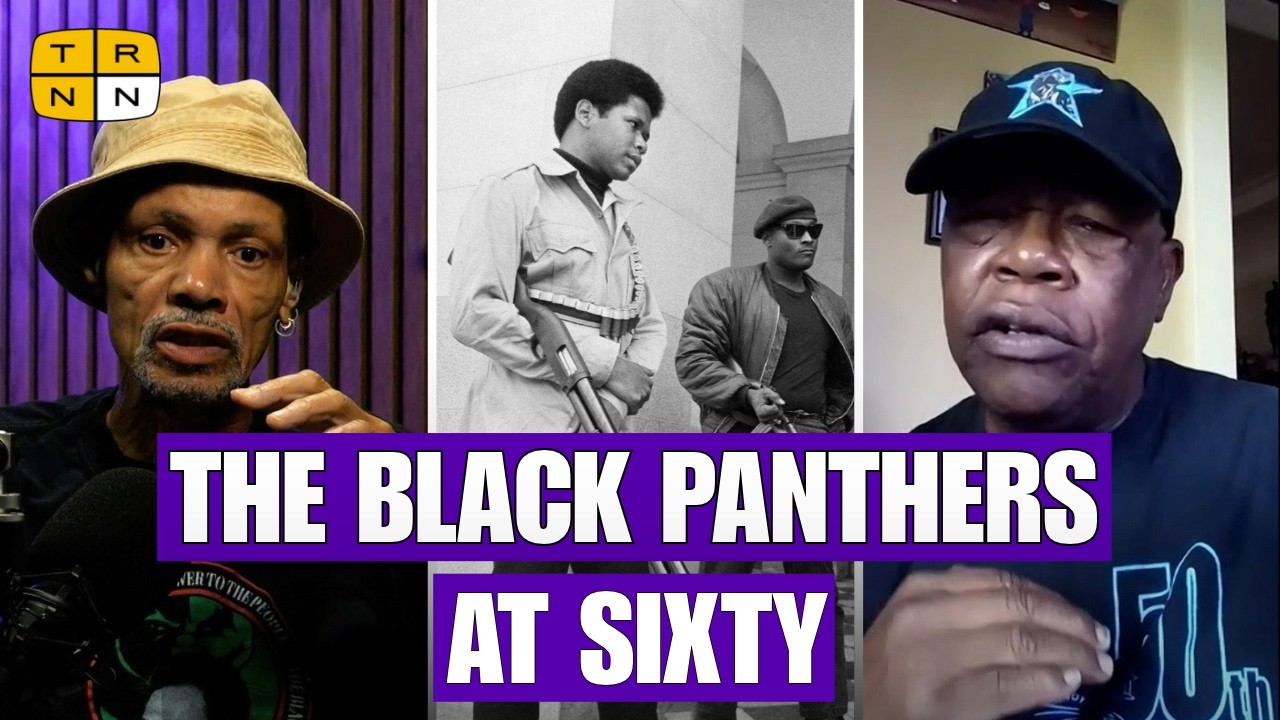
In the second half of this insightful conversation, former political prisoner Mansa Musa joins Black Panther Party archivist and photographer Billy X Jennings to examine the pivotal 1971 FBI office break-in by antiwar activists. The stolen documents exposed COINTELPRO—the federal government’s covert operation to surveil, infiltrate, and dismantle radical political movements. Despite state-sponsored efforts to suppress the organization, the Panthers’ legacy survives through modern social movements, culture, politics, and communal socialism. Oakland Mayor Barbara Lee, who worked closely alongside the Panthers on their early survival programs, brings deep personal insight into their lasting community impact. Published in conjunction with the 60th anniversary of the Black Panther Party, this feature continues our series on the BPP’s enduring role in social justice.

Related links:

Credits:

  • Production/Post-production: Cameron Granadino
Transcript

The following is a rushed transcript and may contain errors. It will be updated.

Mansa Musa:

I was reading Huey’s dissertation for his doctoral called War Against the Black Panther Party: A Study in Oppression in America. And in that, he outlined one COINTELPRO and COINTELPRO systematic attack on the party to the point of Eddie Conway wrote the book called The Greatest Threat Ever, outlining how the federal government systematically targeted anybody, but more specifically members of the Black Panther Party to either isolate them or kill them or send them to prison where they served death of a thousand cuts and then they ultimately die. Talk about once that information came out about COINTELPRO and its involvement in destroying the party, how did that change your views or how did that impact the political landscape as you seen it when it come to organizing and revolutionary ideology?

Billy X Jennings:

It wasn’t till 1970 that people officially found out what COINTELPRO was. We always knew there was some kind of program out there that wiretapped us, how the FBI followed us and set us up for different charges like that. But on a personal basis, COINTELPRO helped me stay out of jail. Now, COINTELPRO is not something they invented for the Black Panther Party. It’s something they always had going on, but they ramped it up three degrees because of the party, how the party came out or how effective the party was. So in 1970, when these young anti-war people broke into this post office in Pennsylvania, it helped me out because at that time, Huey P. Newton was on Nixon’s enemy list. I am Huey P. Newton’s personal aid. So when FBI sees Huey, they see me.

And so I’m a much easier target than Huey. So they started using the draft to gift me, the selective service. Now, this is the same method they used against members of SNCC, another organization that preceded us. They would get the selective service to start sending them letters to have them drafted. And you only got three choices. Either you’re going to leave and go to Canada, you’re going to go underground, or you’re going to jail. Any one of them stopped you from being affected, and that’s what they wanted. They wanted to stop people from being affected so they would hold this selective service thing over their head. So what happened when they did the same thing to me, right? They arrested me when I was with Huey after coming to court. So I went to court for this draft evasion thing. The federal government had three of their attorneys on my case.

And so what happened was this, they wanted to charge me for draft evasion, but my attorney pointed out they wanted all the documents, film, phone, anything connected with Bill Jennings. And they immediately dropped my case on the spot because they were still trying to hide the fact that they had a program called COINTEL PRO and they didn’t want to reveal it because of me.

So they just dropped my case. So I walked away from that whole case because COINTEL PRO was discovered and they didn’t want to dispose all the footage they had of me and Huey together because that’s what they were doing, compiling stuff on Huey. I just happened to be there.

So that’s how COINTEL PRO affected me, but a lot of party members went to jail. Geronimo G Jaga did 27 years. They pulled him off the street. The FBI lied on him. They said he helped kill someone in the LA, but at the same time, the FBI was watching him while he was in Oakland attending meetings. They lied on the brother, just like they did. Maybe about 35 or 40 Panthers went to jail, maybe 35 Panthers were killed through COINTEL PRO. And many like Fred Hampton were victims, minding their own business. The next thing you know, law enforcement has them in their clutches one way or another. So it was not easy being a party member during those times.

Mansa Musa:

And they knew Eddie Conway was at work when this incident happened. They went to where he worked at in the post office and told the people to say that he wasn’t at work. And then they planted a snitch in his cell or they had one of them snitchers come up and say that Eddie said something. They had coerced people to lie against. So to your point, that was their methodology during that time. Like you say, they going to get you through selective service. They’re going to get you through income tax. They’re going to get you any way, shape, form or fashion. But talk about what do you think about this recent group in Philly that call themselves the Black Panther and then switch their name to the Black Lions and they’re doing some organizing. They got a large presence on social media. They can be seen, engaged in mutual and exercising their rights through confrontation with the police.

Basically, their strategy is being more confrontational. Are you familiar with them and what you think about

Billy X Jennings:

Them? Well, I am somewhat familiar with them. I get emails from them, messages. But just recently there was a meeting held in Philadelphia with Panthers, real Panthers, original Panther members and members of the Black Lions. We suggested then that they change their name because our legacy was built on positive direct action in the community. This is our legacy. We can’t have any young group. We don’t even know what you believe. Come and say you’re party members. The Black Panther Party stopped existing in 1982. So you should come up with a name for your own legacy so people can identify you because what you’re doing, we don’t know who you are. COINTELPRO and all that, you might be good at heart, but we don’t know you. Start your own legacy. Start from ground one, change your name because our name is built on our legacy of what we’ve done and we don’t know what you’re going to do.

The Black Panther Party had 14 different medical facilities. Two are still open to this very day, one in Seattle and one in Portland.

Mansa Musa:

You

Billy X Jennings:

Can see Black Party still alive in groups like the Gray Panthers. They took up where the Black Panther Party left off with the senior citizens. The Black Panther Party had a senior escort service. All these different services the party provided, free buses to prison program. And the main purpose for that program was to keep the family unit together

Mansa Musa:

Because

Billy X Jennings:

People have cars, but many of the state prisons are far, far away. You might have a car that’s good for getting around the city, but getting on the freeway, your car might not make it. So we provide these services to keep the family unit together. It’s good that the Black Lives change their name. It’s good they’re doing social work in the community, but they also have to understand that longevity. Dealing with the police is good to have people who deal with the police who the police know they can’t run and rub shot it in our community. I don’t have anything bad about that, but that shouldn’t be your main focus. That should not be what you’re all about. The party blossom out past that, that’s how we started getting community support, breakfast programs, liberation school, providing services for people. That’s how you get people to change their mind, their attitudes about you.

They see what you do through your social

Mansa Musa:

Practice. In that regard, Billy, talk about what would be your message to youth because you got a lot of young people that’s learning about the party. You got a lot of young people that’s through social media becoming informed about it. And what would you tell them when they come up and say, okay, to your point, no, you’re not original member of the Black Panther Party. No, you don’t have the right to say that in terms of and then saying that’s what you are. But what would you tell them when they come up and say, we want to change the condition, social conditions, we want to do it in the same light that the Black Panther Party did it. What would you tell them to do?

Billy X Jennings:

I would tell them the Black Panther Party were operating in the 1960s and we’re in the 2026 era right now. So we can’t go back and keep doing stuff in the past. We had to come up with new ways of doing things, a new attitude of doing things. We set the table for all these social programs to be embraced in the community, but they have to take it from there. They have to take where we started and bring it into their conditions now. And I would say to young people, get with another group that has your same ideology, your same philosophy. If they’re serving the community or working in the community, work with them because we need to unify all our efforts and come together. Educating young people, having political education classes, taking people outside of the community, outside of their environment so they can see the bigger world and see where they fit in.

All those things are things that are doable things, job training, telling people how to write a resume. Those are those small things, but those things that help because we have a lot of hardcore brothers who get out of jail who are not educated in the educational system. They need that kind of nourishment to bring them up. That’s what we should be doing, community service to bring our people up and not run away from the people. The Black Panther Party, when we had social programs, we invited people to come back to work. We provided a place for doctors and nurses to, if you wanted to give back to the community, we have a clinic here. You could donate four to six hours a week to have those facilities there or people in the community or have a community meeting around issues in the community. That’s how you bring interested people together, unifying people.

Mansa Musa:

Yeah, that’s a good point because they got what they call the Malcolm X Grassroots Collective. I’m in DC and what they do every second and fourth Wednesday of the month, they have political education class and their political education. They’re not calling themselves some other than what they are organizing, but what they do, they have political education class and then the materials that they use, they using materials that they learned about from the Black Panther Party. But talk about the 60th and what you got planned with some of the things that you’ll be organizing for the 60th.

Billy X Jennings:

Well, that’s a lot. Well, I would say the 60th is what my particular role is, is I’m sponsoring a couple workshops on chapter history. Black Panther Party had over 40 different offices of the Black Panther Party. And there’s a lot of history in these different cities and geographical areas that we don’t know about that only the local people there knew about. So we’re trying to bring that history together so that people in Chicago would know what the people in Portland, Oregon was doing or the people in Seattle will find out who were some of the people that started the party down in Houston, Texas. And some of the programs, Salem, some of the problems the Winston-Salem chapter deal with because they were a chapter of the Black Panther Party that was actually in the South because they had problems that a lot of us didn’t have in California,

So forth. But chapter history, I’m doing some tours of Oakland, like I said, to educate a lot of people who’ve never been there before. A lot of people come to the reunions, they bring their grandkids or their great-grands. They want to show them what they was involved in, how all this thing originated. I have doing tours. I got a couple exhibits at the main library in Oakland about Black Panther Party rank and file. I have an exhibit open October 5th at the Alameda Law Library, which is across the street from the Oakland main library. Oh,

It’s across the street from the Oakland Main Museum. So that exhibit’s going to focus on the impact of the Black Panther Party on the law because of the political prisoners, clientele pro, racism in the police department, all those kind of things. So I got my hands full and on the 18th, which is the last day of the conference, I’m in charge of a day in Bobby Hutton Park. Local hip hop artists, poets, a couple bands will live music and we have speakers come, going to do it like we did back in the 1960s. Treat music, food, a joyful day in the community. Don’t caution that and all you have to do is bring your blanket, sit out and hear some speeches and hear some music and unify in the community.

Mansa Musa:

Okay. Thank you, Billy. Thank you. And Billy, we really appreciate you taking your time out to come on and educate our audience about all things the Black Panther Party. More importantly, clearing up a lot of misconcepts about the party, what it stood for, some of the more subtleties of it as opposed to, to your point, a lot of the things that was distorted primarily for the purpose of disassociating it from people, getting people to look at it in a different light. You came on today and educated us on how the party really operated as, like y’all said, the Vanguard intercommunal with us.

Billy X Jennings:

The party’s whole thing is to educate people. I had a young lady who worked in my campaign office when Bobby Seal ran for mayor. She is now the mayor of Oakland. So I know that she knows about the 10 point program and all those things. So the party is about growth and development and stuff like that. The Black Police Officers Association of Oakland was started because of the Black Panther Party, right? Because when they shut up our office on 45th and Grove in September 1968, the Black officers refused to help the white officers who was suspended from their job for shooting at that office. And they started an organization, which is one of the biggest Black organizations in Oakland. But a lot of people don’t know that history, but when we have chapter histories, a lot of this history that happened in those cities come up.

Who were now in charge of state health facilities work at the medical clinic and stuff like that. So there’s a lot of roots where people came from. We just have to talk about it, dig it up and document it for future generations because 17 years ago, when I was 17, I joined the party. Today I talked to people from all over the world. I just got off the phone talking to the New Zealand Panthers who are going to send some representatives out here. They have 15 members that came for our 50th. We have people from all over the world. We have Charlotte O’Neill coming in from Tanzania.

Mansa Musa:

Okay.

Billy X Jennings:

For over 50 years. Charlotte’s going through our libations. She has a film. She travels the world. We have all type of Panthers coming in, so this is going to be a event.

Mansa Musa:

There you have it. There you have the bars today. Look, you gave that row out. And we thank you for coming and sharing this information because like you said, at the end of the day, after everything all is said and done, the party was about educating our people about getting them to understand their right to self-determination and how to go about getting self-determination, understanding the contradictions, understanding social conditions, and more importantly, organizing to change conditions. And it’s a tribute to the party. No matter what people say about the party, that is the lasting legacy of the party is educate, educate, educate. Thank you, Billy. We appreciate you. All right. How do you want people to get in touch with you if they want to get in touch with you? They

Billy X Jennings:

Can get in touch with me by going to our website, itsabouttimebpp.com, which there’s a phone number and an address on that website. But for the 60th, you can go to bpp60.org for your latest update information on what’s happening with the 60th.

💾

On October 15, the Black Panther Party marks its 60th anniversary. Archivist Billy X Jennings highlights their legacy: 14 medical clinics (two still open in Seattle & Portland) and vital survival programs, like "free buses to prison... to keep the family unit together."
  •  

Fmi, negli Usa gli interessi sul debito raggiungeranno la spesa sociale

(ANSA) – ROMA, 13 OTT – Per le economie del G7 “è urgente” correggere l’andamento dei bilanci pubblici. Il monito arriva dal Fondo monetario internazionale nel ‘fiscal monitor’ pubblicato in occasione dei meeting annuali a Bangkok. “Le principali economie avanzate con un elevato debito necessitano di misure concrete ancorate a piani credibili di medio termine […]
  •  

Tajani, attacco Trump a Zelensky? Tocca a ucraini scegliere loro presidente

(ANSA) – ROMA, 12 OTT – “Come gli americani si scelgono il loro presidente, così’ gli ucraini si scelgono il loro presidente, non tocca a noi dire chi deve fare il presidente in questo o quel paese”: lo ha detto il vicepremier e ministro degli Esteri Antonio Tajani in una intervista alla trasmissione ’10 minuti’ […]
  •  

Media India, ‘migliaia le persone fermate alla protesta a New Delhi’

(ANSA) – NEW DELHI, 10 OTT – Secondo i principali media indiani sarebbero migliaia le persone fermate oggi dalla polizia a New Delhi, dove è in corso una protesta del Partito delle blatte contro le presunte irregolarità nella revisione delle liste elettorali di cui l’opposizione accusa il governo. Le cifre ipotizzate dai giornali però variano. […]
  •  

Schroeder da Putin per il compleanno, Merz ‘profondamente indignato’

(ANSA) – BERLINO, 09 OTT – Il cancelliere tedesco Friedrich Merz è “profondamente indignato” dal fatto che l’ex cancelliere tedesco Gerhard Schroeder abbia festeggiato con Vladimir Putin il suo compleanno a Mosca. Putin è “l’unico responsabile della guerra”, ha aggiunto il portavoce Steffen Meier in conferenza stampa a Berlino, riferendo la posizione del leader tedesco. […]
  •  

Nyt, ‘Pentagono elabora nuovi piani di attacco contro l’Iran’

(ANSA) – NEW YORK, 08 OTT – Il Pentagono sta preparando opzioni per riavviare operazioni di combattimento su larga scala contro l’Iran. Tre portaerei arriveranno presto in Medio Oriente e il Dipartimento della Difesa ha elaborato piani per colpire l’arsenale di droni e missili dell’Iran, ma anche gli impianti energetici e altri siti militari. Lo […]
  •  

Kallas, ‘pronta la nuova missione Ue in Libano, non sostituirà Unifil’

(ANSA) – BRUXELLES, 08 OTT – La pianificazione della nuova missione di supporto dell’Ue incaricata di addestrare e fornire consulenza alle forze armate libanesi è stata completata. Lo ha dichiarato l’Alta rappresentante dell’Ue, Kaja Kallas, in missione in Libano, sottolineando che Bruxelles ha ricevuto l’invito formale delle autorità libanesi e può quindi procedere all’istituzione della […]
  •  

The Black Panthers at 60: A through line of resistance from the South to California

Two members of the Black Panther Party are met on the steps of the State Capitol in Sacramento, May 2, 1967, by Police Lt. Ernest Holloway, who informs them they will be allowed to keep their weapons as long as they cause no trouble and do not disturb the peace. Photo via Getty Images

In this episode of Rattling the Bars, host Mansa Musa interviews archivist, photographer, and veteran Black Panther Party member Billy X Jennings.

Joining the Party at age 17 after relocating from Hobson City, Alabama, to Oakland, Jennings managed BPP offices and served as bodyguard to Huey P. Newton. During Bobby Seale’s 1973 Oakland mayoral run, Jennings helped spearhead an unprecedented electoral effort: “…an organizing event on the highest level the parties had ever been. I mean, the party is known for organizing, but to go into electoral politics and do what we did for a first time basis, it changed over. Even though Bobby lost that election, it changed openly because it opened up so many doors. Part of his job was to kick down doors because we were the Vanguard.”

Today, Jennings operates the official Black Panther Party Alumni website and leads political education initiatives across the Bay Area for the Party’s 60th Anniversary.

Related links:

Credits:

  • Production/Post-production: Cameron Granadino
Transcript

The following is a rushed transcript and may contain errors. It will be updated.

Mansa Musa:

Welcome to the edition of Rattling the Bars. I’m your host, Mansa Musa. This year marks the 60th anniversary of the founding of the Black Panther Party, which started in Oakland in 1966. Today, I’m honored to be joined by Billy Jennings, AKA Billy X, well-known archivist in Oakland, member of the Black Panther Party, a photographer who runs the official Black Panther Party alumni website called It’s About Time. Thank you for joining me, Billy.

Billy X Jennings:

Hey, thanks for having me again. Good morning to everyone.

Mansa Musa:

And as we talked earlier, I was in different spaces and hoping I had met you while I was in Oakland. So this would more or less be like a reunion, but this is my first time meeting you. I’m really honored. I heard a lot about you. I know a lot about your work, and it’s an honor to be able to interview you about the party and some of the things and some of your experiences.

Billy X Jennings:

Okay.

Mansa Musa:

Please introduce yourself to our audience, who you are and how you came to be involved in the Black Panther Party.

Billy X Jennings:

Well, my name is Billy X. Jennings. I’m a member of the Black Panther Party. I joined in 1968 when I was 17 years old. And I came about joining the party because I’m from a historical town in Alabama in the South where most original members came from the South and migrated to California. So I came from a place called Hopson City, Alabama. And the tradition there, Hobson City have had the right to vote since 1890. And we were one of the only black municipal cities, little towns that could vote and had that right to do that. And so I came from a very strong area that had embedded that kind of thought into my mind. And when I traveled to California and I saw the Black Panther Party on TV for the first time in 1967 when they went to Sacramento, California, it blew my mind.

I was in high school at the time and I immediately changed our social… We had a social club called the Buccaneers. I changed it to the Panthers the next day. I didn’t know anything about the party with just that symbolism and how they stood up to the police and read their demands and so forth. It made a change happen in me. And it wasn’t until I graduated from high school, I decided to move to Oakland. And when I moved to Oakland, it was during the time that Huey knew the trial had just started and I was going to a college that’s two blocks away from where Huey was going on trial at the courthouse. And when the trial started, we would hear them saying Free Huey off the preg, free Huey. And I went over there one day and I was reading a book simultaneously at the same time called The Audible Malcolm X.

So what I read, I had read in the book already, but I heard Bobby Steele speak at a rally for Huey and they were saying the same thing. So it got me really interested in the party. And so I started going to the rallies to Free Huey. I met some Panthers and then they said their Panther office was going to open in my area. And when it did, I went down and joined, became a Panther in training and I’ve been working with the party ever since.

Mansa Musa:

Okay. And take us back to the party’s founding because you came in two years after its founding. And also you came in to your own observation and to what we know to be a fact, you came in at a point where they had just started to become on the radar of the feds, but more importantly, they was definitely on the radar of the Oakland police, LA police. And so talk about what was it like to be able to be in that space and ultimately find yourself in a position to be the bodyguard for Huey Newton once he got out.

Billy X Jennings:

Well, my process started at the very beginning. In 1968, there was a certain method the party employed. Before you became a Panther, you had to become a Panther in training, which requires six to eight week training. They give you a list of books that has about 35 different books, about books by Franc Fanon, Mao Saintong, Che Guevara, Pruma, and other revolutionaries to read. And you had to attend political education class on a weekly basis. Panthers at that time was required to read two hours a day. A Panther had to secure and have what we call technical equipment. Technical equipment was a firearm of some type, because at that time I joined the Black Panther Party, it was called Black Panther Party for self-defense. Later on, we dropped off the self-defense, but at that particular time, the party was engaged into patrolling

Police officers in the community, observing them and making sure they don’t beat and brutalize people. So the first six weeks is reading and studying and learning the rules of the Black Panther Party. And then you’re given a section. The city is divided into different sections. I worked in the section four in East Oakland. Section four had a section leader. They had a geographical area that they were responsible for. And so I was in section four. At that very beginning when I first started, we were theorizing about the breakfast program. It hadn’t came about, but we were still looking for geographical locations to have these breakfast programs in the future. So we did that. And every Panther is required to sell the Black Panther Party newspaper, which is the voice of the party. And at that time, the party was growing tremendously by leaps and bounds.

We had people flying into California from Kansas City, Chicago, New York, all to get this education. Before you can open up a chapter of the Black Panther Party or a branch of the Black Panther Party, you have to come to Oakland first and get educated. And you have to meet the leadership. The leadership has to eyeball you and find out your level of consciousness, what type of person you are before you can go back and represent the party. So this whole process was going on. People were flocking to the party. The party got so big that in 1969, we had put a stop on membership and we call that particular part of the party’s history the purge because the party had grown… I mean, the party was attractive. I mean, black coats, leather coats, I mean sunglasses and Afros at the same time. So this was a big thing for our culture.

At the same time, our culture level was rising even in music. James Brown had a record out in 1968 that elevated people’s social conscience, I’m Black and I’m proud. It moved people from the level of being a Negro, because that’s what the newspapers and that other people was referring us to. But in our community, we’re referring to ourselves as Black or African. And when James Brown came out with Black and I’m Proud, you could never go back to ever saying he was a Negro no more. There was different progress being made, but James Brown couldn’t sing no song like that. It wasn’t for groups like the Black Panther Party. Groups like The Shot Light Can’t Sing got to give more power to the

Mansa Musa:

People

Billy X Jennings:

Like the Black Panther Party, paving the way to educate people to lift up their consciousness. And so my role in the party, I came up as a Panther in training. I became a officer of the day, which is the person who runs the office. And from there I was transferred to central headquarters. Now, my name came about because my captain at that time was a legendary Panther called Robert Bay. Robert Bay ran the East Oakland office. Robert Bay was also an age of the central committee. And when Huey Newton got out of jail in 1970, the central committee made Robert Bay his permanent bodyguard and assistant. Now, I worked in that capacity as well after Huey got out of jail, mostly going to… I went to court with Huey on a daily basis because he was let out on appeal. He wasn’t just let out.

He had to go back to court and defend himself. And so my job became that. And also at the same time, I became to the Newton family. Mr. Newton, Mrs. Newton, I lived three or four blocks from them. I would walk over their house around the corner, mow their lawn. I’d be taken to the pharmacy, driving to doctors because they’re old people and they don’t drive so much. So that became my responsibility and me and Huey’s relationship grew behind that. So we had good personal relationship.

I worked central headquarters. Working at central headquarters was key to who I am today because I know Panthers from everywhere because every Panther had to call the central headquarters on a weekly basis or if the office gets ready or they need lawyer resources and stuff like that, I pick up the phone, write on the messages or tell them what they need to know. So I know Panthers from almost all the chapters and branches. And so I worked that group for a while. Then I was drafted into Bobby Seal’s campaign when he ran for mayor of open. I ran Bobby Seal’s campaign office in East Oakland. And it was an organizing event on the highest level the parties had ever been. I mean, the party is known for organizing, but to go into electorial politics and do what we did for a first time basis, it changed over.

Even though Bobby lost that election, it changed openly because it opened up so many doors. Part of his job was to kick down doors because we were the Vanguard. We had lead to struggle and there’s other people who follow behind us. I mean, our life was constantly in threat because we were on the front line, police department, clientele pro, all those things aimed at members of the Black Panther Party. So not only did we have the burden of dealing with the system, we had to deal with the authorities as well.

Mansa Musa:

Talk about, and you’re familiar with Eddie Conway, right? And so Eddie Conway, when he got locked up, he organized a chapter for the Black Panther Party in the prison, which I became a part of. And everything you outlined, as you was talking, I was reflecting on, we had to read at least two albums. We had every aspect of the thing that you outlined as what the party was doing, Eddie had us doing the same thing. We had political education classes, we had military classes, we had first aid classes. All our class was structured around an environment that we was in, and our technic class was finding a hole to get out of prison by any means necessary. So we had that type of mentality. So Billy, as an archivist, you have a lot of distortions in terms of the images that’s being projected of the party and it’s been dubbed Panther Porn, and just to note that it’s images that’s being perpetuated by the federal government, it’s images that’s become more idolization of the party versus the images as an archivist.

What would you say is the most positive or how would you characterize the imagery of the party as from an archivist in terms of educating people and raising their conscience? I see you with a shotgun. I know you in Sacramento. I know why you in Sacramento and I know why you coming out like that. That’s a good thing. But then I turn around, I see somebody standing on the corner. They got a picture of somebody standing on the corner with their mug broke and they got a bandela on and it had nothing to do with organizing, had nothing to do with raising people’s conscience. It’s got more to do with projecting the image of a thug, for lack of a better word. Talk about that if you can.

Billy X Jennings:

Well, the party was vilified on the highest level from the government who lied on us continuously to the media that used disinformation to scare people. The big image they had was, oh, these Negroes, they have guns. They’re angry. They hate white people. That’s their basic pitch on everything. Let it be Republican New Africa or any Black group, they paint them as very threatening group. And because we had guns, I mean, there was nothing… It wasn’t against the law in California to have guns, to have them in public long as they was not loaded, which we knew that. So the images they printed of the Black Panther Party was to vilify us and to scare white people and to frighten Black people. So it was all a part of their method to control who we were. They were trying to identify who we were. We could only define that.

We defined our own selves. And so that’s why we started a Panther newspaper in 1967 to get our voices and views out. So even though we had Time, Newsweek, Life Magazine, the Black Panther Party was cranking out close to 250 to 300,000 copies of papers per week into the community to combat this disinformation about the Black Panther Party. The 10 point program outlines what the Black Panther Party was all about, what we stood for.

Only on one aspect, which is 0.97, we talk about defending ourselves with guns. Other

Than that, we’re talking about social change in all levels, in education, housing and so forth. That was a threat to them because they did not want anyone to rocking the boat and we are rocking the boat. We are waking people up from their deep sleep. I mean, we’re telling people to read. We’re showing people what books to read. We are the Vanguard. People are following us. They didn’t want that. We had people in the white community, they wanted to join in with us. We had people from the Latino community, they want to join with us. You had people from around the world reading the 10 point program and looking at the positive aspect of the Black Panther Party. And that’s how we get the New Zealand Panthers and the Panthers from Africa and Panthers from India and the UK because of our social programs, how we was dealing with the oppressor here.

And so they follow those same examples there. They started social program, they started demanding and fighting for their rights. And that’s what the oppressor hates. They hate for people to wake up. And we were waking up big time in the 60s with the music, the culture, the back to Africa, who we are. How could you be a Negro in 1970 after all has been presented before you? So those things have changed. The party was a part of that change, that

Mansa Musa:

Consciousness. Talk about, because to your point, I remember reading the paper and when United Farm Workers, the party was one of the first papers to one, educate people on what their issues were, two, organize the boycott certain wines that they was taking and exploiting their labor and not giving them equal pay. So talk about the party’s social contribution to raising people’s concept, but more importantly, the elasticity of it, because can you see some of the influences today? Oh,

Billy X Jennings:

Definitely. Definitely. I can see the influences of the Rainbow Coalition. And that was something that Fred Hampton talked about. I could see the coalition building of the Black Panther Party. We’re working with the Brown Beret, the Young Lords, the Young Patriots. We’re working with the welfare rights groups. We’re working with the BSU, the Black Student Unions on campus. We’re working with prison groups. There was a number of prison groups throughout the country that started Black Panther Party off in San Quentin, in Algeria, Raway and other prisons because the ideology of the Black Panther Party was strong. What we were talking about, there was backbone to it. Everything we did was dialectic materialism, right? We were dialectic people. We looked at things from all sides. We just didn’t look at things in one side. Black Panther Party was an international group from the very start. Dewey and Bobby were international.

You can look at our reading list, those 35 books that come from Fanon, that’s from Africa, Mao Zeitang from China. So there was all kind of influences in the party. And so it was a big job just working to educate and organize people on all levels. Because in our community, action speaks. People learn in various ways, but in our community, people relate to action. They see something, they learn from it. Just like the breakfast program. We started the breakfast program in California and within two weeks it was a national program because people said, “Hey, we can do that here. This is how they did it. We can do it here.” The party set examples that people could follow in every aspect. We were on the forefront of fighting racism on all levels.

💾

“We started the breakfast program in California, and within two weeks it was a national program because people said, 'Hey, we can do that here. This is how they did it. We can do it here.' The party set examples that people could follow in every aspect. We were on the forefront of fighting racism on all levels.”
  •  

Borsa: Asia brillante, ma future contrastati in Europa, Tokyo +2,4%

(ANSA) – MILANO, 05 OTT – L’ottimismo seguito ai dati sul rallentamento del mercato del lavoro Usa ha favorito l’Asia e il Pacifico, ma il calo dell’euro ai minimi da 17 mesi sul dollaro per l’allarme sul debito pubblico ridimensiona i future sull’Europa e sugli Usa. Brillanti Tokyo (+2,4%) e Taiwan (+2,55%), chiuse per festività […]
  •  

Ue agli Usa, ‘respingiamo qualsiasi divieto sul gasolio’

(ANSA) – BRUXELLES, 02 OTT – La Commissione europa “respinge categoricamente qualsiasi divieto sul gasolio. Un divieto non sarebbe vantaggioso per nessuno. Minerebbe la nostra fiducia negli Stati Uniti come partner affidabile”. Lo ha detto una portavoce della Commissione Ue durante il briefing con la stampa in merito alla possibilità che gli Usa impongano un […]
  •  

Can This Independent Mass. Governor Candidate Rally a 67% Unenrolled Electorate?

Andrea James speaks at The National Council for Incarcerated Women and Girls "100 Women for 100 Women" rally in Black Lives Matter Plaza near The White House on March 12, 2021 in Washington, DC. Photo by Brian Stukes/WireImage

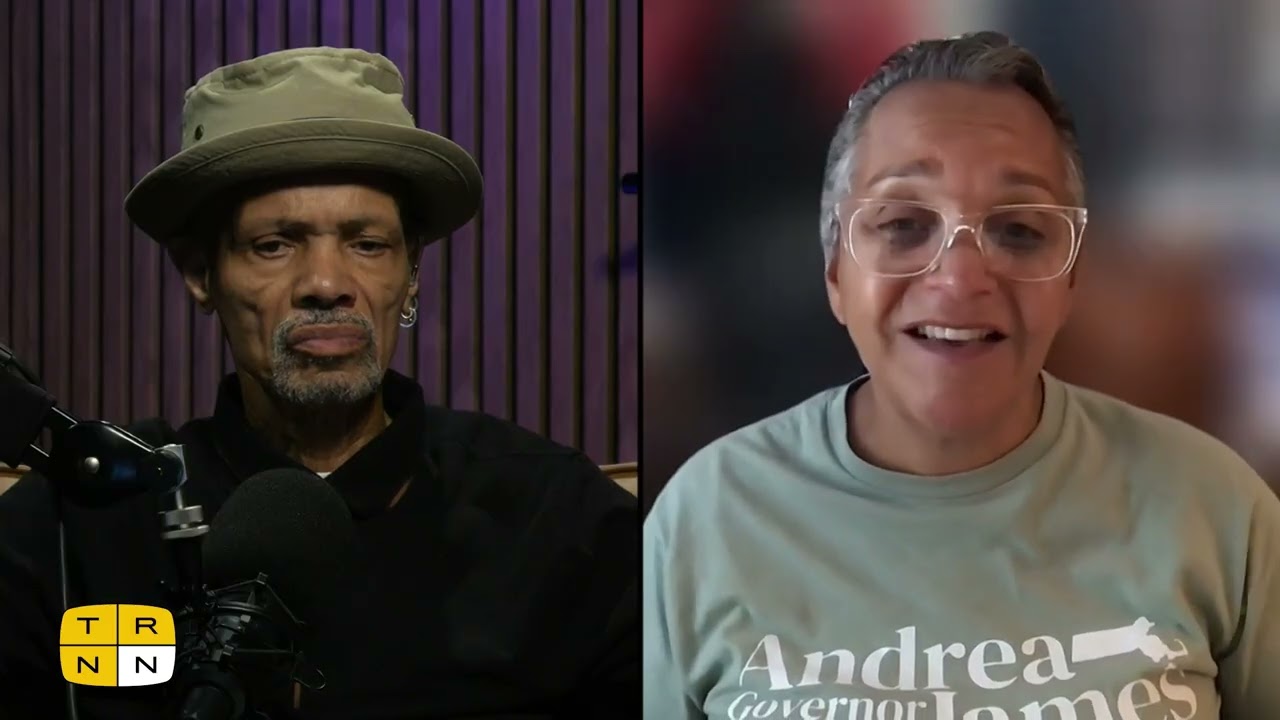
In this episode of Rattling the Bars, the midterms edition, we take you to the Commonwealth, where Andrea James—abolitionist, author, and organizer—is currently running for governor of Massachusetts. The countdown to November 3 is officially underway. Debates are scheduled for October, but independent and third-party candidates are being excluded from participating.

Andrea James has led national campaigns to reunite families by demanding clemency from high-level officials for incarcerated women and men. Now, she is running for governor with a platform focused on rent stabilization, lower energy costs, free childcare and stopping the construction of a new $360M women’s prison.

Related Links:

Credits:

  • Production/Post-production: Cameron Granadino
Transcript

MANSA MUSA:  Welcome to this edition of Rattling the Bars. I’m your host, Mansa Musa.

Joining me today is Andrea James, activist in every sense of the word. I want to say abolitionist, but she’s an activist in every sense of the word, organizing, and is currently running for the governor of Massachusetts.

Thank you for joining me, Andrea.

ANDREA JAMES:  Thank you for having me. It’s really great to be back in your studio, and just to have the privilege of being a part of how you disseminate information. It’s really an honor to be here, and I thank you for this opportunity.

MANSA MUSA:  And we want to go on record right now saying that here at Rattling the Bars, we recognize that it’s a so-called two-party system. And we recognize that, when you’re dealing with electoral politics, that if you’re not a traditional Democrat or Republican or so-called Independent, according to their definition, you’re not going to get the recognition. So we are here primarily to level the playing field. It’s not our endorsement of it, it’s more opportunity for her to talk about her candidacy, why she’s in this position, why she’s running, and what she expect. 

And with that being said, introduce yourself to our audience, Andrea.

ANDREA JAMES:  Well, I want to say thank you for introducing me as an abolitionist. I mean, I am an abolitionist. I have had a direct experience that causes me to understand that this country has had more than 250, but 250 recognizable years of incarceration of prison and prison building and incarcerating people in cages. And actually, I believe in direct experience and that that’s what leaders should have, some level of direct experience so that there’s an urgency around the issues that need to be worked on. And so I’ve had the experience of incarceration myself personally, and I happen to know, having lived in a women’s prison, that they only cause further harm and that they are antithetical to getting us to a place of having whole, healed, and healthy communities and people. So I am a prison abolitionist, absolutely. And thank you for referring to me in that manner.

Why I’m running has a lot to do with that experience in 15-plus years specifically. Decades prior to that in my lifetime came from a family, African American family of Civil Rights folk breaking color barriers and so forth in law, in the field of medicine. My grandmother was the first Black nurse in the city of Boston. I’m from a community that is the most incarcerated community in the commonwealth of Massachusetts. We’ve been in Massachusetts for seven generations, in the same old house in Roxbury for five generations. 

And so why I’m running is this alchemy of these life experiences that have brought me to where I am in my life today with my understanding of these issues and also who I am today. And that includes all of my life experiences, not just the highs that I’ve reached and the accomplishments that I’ve had and the academic achievements that I’ve had the privilege to be exposed to, but also my incarceration, which has been one of the most important experiences of my life that propelled me.

This was 20-plus years ago. I made a mistake in my law practice. I wound up on a prison bunk in federal prison for wire fraud. And what I received and learned from that experience after having been a criminal defense attorney, after having worked my entire adult life on ending mass incarceration and bringing attention to that issue and then having the direct experience of myself of living in a prison, I knew immediately after being surrounded by all these women, I had to survive 24 months of incarceration. I was laying next to, head to toe, head to toe, head to toe on a prison bunk next to sisters who had been in there for 24 years. I mean, I knew. 

My parents were researchers of people of African diaspora. When I was a kid, they were traveling all over the world with us, showing us different cultures of our people. And one of them was a trip to Gorée Island, where we saw where they enslaved African people, put them into caves, waited for ships to come, load them on like cargo, and take them to every single place on the planet to work as labor. And when I was in that prison, I wrote a book, a memoir called Upper Bunkies Unite. And because I was on a top bunk and I remember looking up over this sea of Black women and being like, damn, the first thing that came to mind all those years later was Gorée Island, was how they stacked us.

And so I’m running for all of that, and I’m running for more of the immediacy of creating change right now. I’ve been going to the Massachusetts state House for 15 years writing policy, writing legislation, giving of my voice, my experience, to panels and state legislative hearings and congressional hearings, and being trotted out for all of the things on the federal level policy. And enough is enough. Enough is enough. 

And I have done every piece. I’m older. I’m older. I believe in pouring into our young because they’re brilliant. They have a language now that like, what y’all talking about, but I like how it sounds. But we need to break the ceiling of the caste system that they expect us to continue to live under. And I refuse to do it any longer. I refuse to be made a chump in an electoral process that is not addressing the needs of the people that are millions, that, actually, in Massachusetts, have become the majority of people who are dissatisfied with either of the establishment parties, meaning the Democrats or the Republicans, that 67% of voters in the commonwealth of Massachusetts have become unenrolled. 

Now, does it mean that they’re all the way over here, prison abolitionists and to the left and progressives like I am? I don’t even call myself a progressive because that’s been co-opted in so many ways to help democratic socialists get into office and so forth that do not go far enough for me. However, we need to be a part of this in more ways than just being on the table. 

We need to shake up. I mean, you talk about rattling the bars, the electoral process needs to, those bars need to be rattled. We get people into office and they think the job, the hard work, was getting elected — Which is an arduous process even when you have their millions of dollars, which we don’t — But still too many of our electeds have gotten into office and they thought getting into office was the job. And then term after term after term, they’re just comfortable. It’s like, they have a job. They have a nine-to-five that they go to.

MANSA MUSA:  Let me ask you this here.

ANDREA JAMES:  Yeah.

MANSA MUSA:  OK. So, you already clarified the so-called progressive. We agree that the term in and of itself says one thing, but the behavior says something else. But you are running as an Independent. Now juxtapose that against Bernie Sanders. Bernie Sanders has ran as the longest Independent, but how do you see yourself when you say you’re Independent? Is your Independency similar to Bernie Sanders, same, or are you saying Independent in fact and not in theory?

ANDREA JAMES:  I’m Independent in fact. I mean, I’m running on issues.

MANSA MUSA:  Come on.

ANDREA JAMES:  I am not running on any party platform, and I refuse to be constricted by a party platform. I unenrolled because I was a member of the Democratic Party, I was raised by strong Black Democratic women over the generations in my family. I unenrolled because I thought it was unconscionable what the Democratic Party has become. And I believe that it is a duopoly between the Republican parties and the Democratic parties.

That being said, I wasn’t running on any party because I’ve seen the party that I expected to do, carry the water and make the noise on behalf of the issues that are affecting so many people. When they weren’t doing that term after term, elected position after elected position, I decided the party platforms are not going to carry the work that needs to be done. So I said, I’m going to work on these four issues.

Now I care about a lot of other issues, trust me. But right now in the compounded crises that people are going through, everyday people are going through in the communities like mine across the country, but specifically across the commonwealth of Massachusetts, we’re a commonwealth. It’s different when you’re a commonwealth, that means of the people. We become a corporate wealth. And our campaign is it’s the commonwealth, not the corporate wealth. We are under the oppression and control of a corporate agenda right now in the commonwealth of Massachusetts. So wealthy donors and corporations are getting the focus and the attention that working families, underemployed, unemployed, formerly incarcerated people, people who have gone through a state of struggle, the focus should be on. We’re a commonwealth. But I’m running on four issues.

MANSA MUSA:  Come on, talk about it.

ANDREA JAMES:  So that it is very clear because they’ve co-opted the term “affordability.” They’ve listened to our language and taken our language, both the Republican and the Democratic candidate, and morphed our abolitionist language into their establishment party agenda. 

So I said, I’m not dealing with none of that. I’m an Independent, meaning I am running on issues, not any sort of party platform or party identity. We don’t have an Independent party in Massachusetts. We’re just called unenrolled/Independents. So it’s not even that I’m running on a platform called Independent. I’m running on four issues: housing, universal healthcare, childcare, and equitably funded education. 

Why those issues? Because I am the voice of the people who have been just tamped down into a caste system that is only growing and widening. So before it used to be all of us, Black, Brown. We have a wealth gap in the commonwealth of Massachusetts that is astounding that nobody even wants to talk about. It’s always like, why has it got to be about race? Because everything is about race, baby [Musa laughs]. And so we’ve got to discuss that. But we’ve got an unemployment rate that is double for Black people in the commonwealth of Massachusetts. 

And so, these are things that we have to talk about, but the issues that I’m running on are issues that would create an immediate lift. I call it lifting from the bottom and closing the gaps. When you talk about unaffordability, it is at a crisis level in this state and around the country, but housing, universal healthcare, childcare, and equitably funded education immediately gives economic empowerment to the people, the millions of people just in the commonwealth of Massachusetts alone, the wealthiest state in the country, that has been completely left out of that.

So, we have nurses and firemen right now who can’t afford places to live. And so it has expanded. It’s no longer just formerly incarcerated people who got no chance in hell — That’s got no chance in finding support, I should say. We still make it, but in finding support in climbing out of that hole they tried to bury us in and get back on our feet and raise our children and bring our families back together and restitch the fabric that they’ve shredded economically, family-wise. But it’s expanded to a lot of the middle class, so to speak, who are now feeling the same level of pain, even as they still are intact and have their jobs and may have a house or may be able to figure out how to pay their rent, but really are not making a living wage themselves.

And so housing, universal health care, why universal health care that’s single payer health care. I’ve traveled the world in the work that I’ve done as an expert on women and incarceration. I’ve talked to parliaments in different countries about the issue. I’ve visited women’s prisons all over the world. And while doing that, I have had the experience of those countries and their major cities and how they address policy. Well, housing is a number one thing in many of these places, but also they have universal healthcare. They’re not beholden to what we’re stuck with, which is the CEOs who make $200 million, with a M, a year who run health care companies in the United States. And we have no benefit of it. We pay high premiums, we have deductibles, and most of the time we have to ask if they’ll fix something for us and it’s denied.

And so universal healthcare is one way to immediately infuse some economic stability in the families and in the everyday people in the commonwealth of Massachusetts. If we have single-payer health care, which means the state takes over completely — Which we are uniquely poised to do here because Massachusetts already controls its own health care market — And so the only reason we don’t have it is that because the governor and the other leadership in the commonwealth of legislature are beholden to the wealthy donors who are the CEOs and their rank and file who donate money to these campaigns. Because there is no other way to explain in the commonwealth of Massachusetts where we already control our own health care marketplace, where it does not make fiscal sense or it’s not fiscally responsible to not have single-payer health care, that we still have it, except that we will hold in place because of the lobbyists, the health care industry, and the CEOs that make us have to pay all of this money for health care that does not produce the level of health and wellness that we deserve.

MANSA MUSA:  OK. Let me ask you this here then. OK, so you already acknowledged that you got this wealth gap, and you got in terms of the political structure. So how are you managing being competitive in the sense of being able to get out and get your message out unless are you getting PAC money? Are you getting corporate money? So how are you funding your campaign? How do you see it? Because like you say, you up against, just to your own point, it ain’t commonwealth, it’s corporate wealth. If it’s corporate wealth, right?

ANDREA JAMES:  Millions and millions of dollars. Millions of dollars. The Republican candidate in this race, there’s three of us. First of all, mainstream media is beholden to the Democratic Party and they only refer to her. And in reference to the Republican candidate running against us, they only refer to one opponent running this race against our current Democratic governor. There’s three of us. There’s not just two. So mainstream media plays a huge role in completely blocking. 

Took 10,000 signatures, they didn’t think we could get it as an independent candidate. We got 13,311 certified signatures from the secretary of state — Certified at the secretary of state’s office, which means I am on the general election ballot on Nov. 3. 

Mainstream media has refused to include me in anything. We did our first mainstream media interview that aired Sunday morning, the very first one, but yet that same network is hosting one of the few debates that the current governor, Mara Healy, has agreed [to do]. They left it up to her. They let her do all the deciding. There’s three candidates, but she’s the one that got to decide where she was going to show up. Fine. They’re excluding me from the debates, the mainstream networks. I’m a candidate. I am on the ballot, and I am being excluded from being in the debate. 

When I asked the other network that I just did the interview with, why had they not invited me into the debate between the gubernatorial candidates? And they said, because the people have expressed that they only want to hear from the establishment parties. Well, that’s interesting in Massachusetts where 67% of the voter roll are currently unenrolled Independents. So who are you talking to?

And so, it doesn’t matter. What Donald Trump is doing right now with mainstream media on the national level, CNN and all them, he just kicked them out of the press [inaudible] their credentials, and they’re on the sidewalk outside of the White House trying to do an interview, being fed information from inside the press room. That’s exactly what these networks are doing to me by inviting us into the debate and allowing the voters to hear the messages, to be informed voters, and not just mainstream media being able to determine who gets to be heard and who doesn’t get to be heard. That’s violation of constitutional rights, of [the] First Amendment, there’s a plethora of wrongness with it, and that shouldn’t happen.

And so then we got to talk about the money, right? So the current governor’s a millionaire, but she also has millions of dollars that have flowed into her campaign by corporations, the CEO. And then all you got to do, it’s all public knowledge. Anybody can look at ours, they can look at theirs, and you can see where the money’s coming from. And it’s all the wealth and power in the commonwealth and people of wealth and power who want to make sure that the Democratic platform stays intact.

Now look at the Republican candidate that’s running against us. He’s got a $31 million mansion in Montana somewhere, a summer home in Montana. But he, at the start of his race, said, I’m putting $10 million into this race. So they’ve got commercials running, they’ve got all kinds of stuff that we don’t have. So the only thing that we have is an opportunity to be blessed, to be invited into opportunities like this, like what you have always provided for us at Rattling the Bars, but it’s about boots on the ground. And that’s one thing that our style of organizing didn’t change because it shifted to electoral politics.

So we know how to do this. It’s still hard because you have to pay for signs. You have to pay for, even though — Here’s an example. I don’t know if you can see it because my screen —

MANSA MUSA:  Yeah, I can see it.

ANDREA JAMES:  But throughout this entire campaign, our money has been spent on toner and paper. You know what I mean? Because we’ve been talking to Independent candidates, Kshama out in Washington State, and just talking to their campaign managers about how y’all getting this done against multi, multimillions of dollars that are just, they’re not even talking about us yet because they don’t want to give any rise to the awareness of people that there is a person like myself running. So they’re just suppressing everything else by covering everything with signs, with commercials, things that we just don’t have. 

So we’re doing our best. We’re boots on the ground. It took them two days to get 10,000 signatures to get back on the ballot. It took us months because we were grassroots. I stood outside in the rain, the heat, the snow, whatever for months, personally asking people if they would sign my ballot sheet. But also it gave me an opportunity to have conversations with people about what’s their pain points, what do they need in their lives to create joy? It’s not just about the struggle we’re going through, but where are the investments to create joy in the lives of the people of the commonwealth, all of us.

So it has been a really — And then again, Massachusetts is a blue, blue state. We got a blue governor, which is another reason why I ran because I’m like, hold up. The line in the sand for me was we went — So, Massachusetts was one of three states up until 2000 that allowed incarcerated people to vote, full access to the ballot. They took that right away from incarcerated people in 2000 because the brothers inside of a men’s prison here called Norfolk State Prison started to organize themselves. And they started to organize themselves because of the hard draconian sentences that more of these young brothers were starting to come into the prison with these real heavy sentences hanging over them, young. 

And so the Legislature was predominantly white and male was like, oh wait, you going to organize yourselves and your families on the outside? We make 7% of the population, Black folks in Massachusetts. We make up 51% of the carceral population. First of all, make that make sense. Math ain’t mathing, OK?

So they said, we’re going to strip you of the right to vote. And they did. They had to move heaven and earth. They had to change the Massachusetts Constitution to strip us of the right to vote inside.

Now, we have been fighting to reinstate that ever since. And so, they got a congressional hearing in one of the sessions, and we went and poured our hearts out. And with my testimony, I lined up the fact that this is voter suppression. This goes back to denying Black people the right to vote whenever you have a disproportionality in the numbers of Black folks in the state and the levels of incarceration, on and on. Well, they didn’t even reconvene after the hearing to discuss it. It never made it out of committee. It was what every other piece of our legislation that we have worked on over decades went to what they call “went to study.” 

That was it for me. Y’all ain’t even going to huddle and discuss this after we came in and poured our hearts out about why it’s important as people who have had direct experience with incarceration for people inside to vote. I was a mother. I had a 5-month-old little baby boy when they made me go into the prison, a 12-year-old daughter, and young adult, a son and two daughters. I had good reason to still have my right to vote.

MANSA MUSA:  Right. Answer this here, Andrea. And I want you to put yourself in this space, your candidacy in this space. So when we was at the Free Her March, I asked you about that, and this is what you said. You said when we first started this, the first time we came down here, we had a hundred people. The day that we was down there, we had blocks and blocks and blocks of people. We had Freedom Plaza flooded. So that’s one. I want you to put your candidacy in these two spaces. How do you see your candidacy in this light?

I was in Massachusetts, University of Massachusetts, I think year before last, where they was doing a showing of the movie called “The Strike,” where they shut down Pelican Bay, where the men shut down. How do you see your candidacy in terms of you was in a prison where they was treating y’all like animals, y’all made y’all minds up when y’all got out, when y’all got in a position to change the narrative, you was going to change it systematically and continuously, you changed it. Her movement. 

When I was down there where the buses was at, I ran into a lot of sisters I had dealt with and interviewed. Everybody was energized. Strike. They organized this strike throughout California under a situation where they ain’t even had the ability to communicate. So put your candidacy under that type of light.

ANDREA JAMES:  Well, we did. We started our work as incarcerated women inside of a federal prison and we were like, You know what? We don’t hear nothing about us, the separation of us from our children, whatever. So we organized ourselves in that prison, and we didn’t have no way of… We were writing letters and sending kites outside, whatever we could do to raise awareness of the issue of the incarceration of women and our separation from us from our children. But if you look at the life of a woman on a prison bunk, every issue that we are fighting for has been a factor that led them to that prison bunk. The lack of housing, the lack of health care, the lack of education, the lack of childcare, the lack of resources for the most vulnerable among us. And so that’s the first thing.

The second thing is I’m older. I’m older, and they want to create a narrative, and have created a narrative, that we have no more value and we don’t count. And the issues that we’re talking about, nobody should listen to because we have incarcerated or formerly incarcerated as part of who we are. And because of that, we just valueless now. We have no more authority. We cannot be accountable. We cannot be relied upon to run these institutions, to run these states. 

And they have these positions like Qiana Johnson, county clerk. What? Come on now. We got the first formerly incarcerated Black woman who is now the clerk in Prince George’s County. This is what we talking about. We’ve got a new Black woman mayor in Washington, D.C. because of the rallying and the intense work that Black women did, formerly incarcerated Black women did, to change that and put new leadership into that seat. 

So I want to be that. Let me break the mold. You know what I mean? It’s a win-win for us as far as I’m concerned because I’m challenging that. Yeah, they’re like, oh, now they started out only writing stories. There’d be one page of a story when I announced my candidacy a year ago and the whole page was filled up linking my case and talking about my transgression of wire fraud and went to federal prison as a lawyer and one little line that said, oh, and by the way, she’s running for governor.

So I’m like, OK, somebody has to step out and kind of be like, OK, I’m the whipping post. You know what I mean? Because I’m going to push back on that. And what? I don’t have time to talk about that. I have time to talk about why it’s important to have people with direct experience who actually know and have the urgency, the transparency, the accountability that it requires that we don’t currently have from our current legislature, from our current governor, particularly in Massachusetts. Massachusetts just received the Black Hole Award in the country. That means the least transparency in any state in the United States. The least. We have the least effective legislature in the entire country. So we have to do something different. 

And they’ve made it impossible pretty much if you have a felony conviction to run for things. You can’t be a state legislator for the felony conviction in Massachusetts, but guess what they didn’t think anybody would have the nerve to do as a formerly incarcerated person? Run for governor. But also I’m not a politician. I’m a community organizer, and I have no interest in making a career out of starting from school committee and working my way up and sitting around in the state legislature. I’m going straight to the top.

MANSA MUSA:  To the top. Yeah, that’s right.

ANDREA JAMES:  Where we can get the things moving that we need to have moving. And so if this just tills the soil, I have had so many sisters in our network across the country say, hey sis, I’m going to run for office now. You’ve inspired me. That’s what I’m talking about.

MANSA MUSA:  One thing for sure and two things for certain, you got a broad network in terms, I seen the response that you got from men and women coming out that’s in this space. So what kind of feedback, because you told me earlier that you’ve been traveling across the state. And I want to say this, because Massachusetts got the misnomer of being a progressive state, the Kennedy and whatnot, but talk about what kind of response you getting from the people that you’re talking to across the state. And I know you going everywhere, every crevice. Talk about the response you’re getting from the people that’s going to be responsible for you getting elected, because I believe you can get elected and you will get elected.

ANDREA JAMES:  Well, those are the communities that I’m in where no other politicians seem to go. The people who represent those communities go there when it’s election time and then they become the untouchables. Nobody sees them or hears from them. I’ve been in the western part of the state, which is closer to New York than it is to Massachusetts. They wear Yankees caps as opposed to Red Sox hats because they are completely disconnected. I’m talking about what’s the Springfield, Holyoke, Chicopee, these towns that… I was in Holyoke last year and this sister said to me, you came all the way out here. And I was like, of course I came out here it’s a part of Massachusetts, isn’t it? She was like, nobody comes out here. They can’t even tell you who the governor is in those parts of the state. And it’s mostly Black and Brown. Black, Brown and poor. And they’re feeling like they don’t even vote. 

And so we have this tiny, tiny base of predominantly Democrats who are holding a party platform in place. There’s not enough Republicans in Massachusetts to make that matter. And they are predominantly white. They do not have the direct experience of struggle economically, and they have co-opted the term “progressive,” and they go to things like No Kings and hold signs because that’s the only kind of way that they’re feeling like they could make a difference. They will never vote for me. And so I’m like, if you vote for me, I would love, great, you have a choice. We just want you to know that. I [inaudible] communities that are in the housing developments, you know what I mean? Up in the projects. I’m knocking doors there. I’m talking to people in towns where people are like, Don’t nobody vote out here. And I’ve never voted. But we’ve been simultaneously doing a voter registration drive along with this campaign from day one.

We have a false belief amongst the majority of formerly incarcerated Black men that I’ve found out running this race over the past year that do not even know that they can vote because they’ve been told when they leave the prison. Massachusetts, if you’re felony conviction in a state prison, they took the right to vote. But the minute you walk out of that door, if you were registered before, all you got to do is go and vote again. If you aren’t registered, you can register and vote in the next election. We can vote as formerly incarcerated people in Massachusetts as long as we are not currently serving a state prison sentence for a felony conviction.

If you’re in jail in Massachusetts, you can vote. You can vote while you are serving a misdemeanor sentence in a county jail, access to the ballot. Do they have it? No. So those are the people that we’re talking to.

And again, we live. I get it. So many people have said to me, Black people have said to me, sis, I don’t vote. I would vote for you, but I can’t vote. I’m formerly incarcerated. We correct that and say, You can. We get them registered. We tell them, you don’t have to go into the voting place. You can get a mail-in ballot. You can do all these things. The other piece of that is no matter what, too many Black and Brown folks have said to me, I don’t even believe in the process, sis. I don’t vote. 

And now my response to that is one in six Black children in the commonwealth of Massachusetts go to bed hungry. 30,000 children, predominantly Black and Brown and poor kids, sleep in a car or under some makeshift shelter every single night in the commonwealth of Massachusetts. If they still go to school, they go to schools that are woefully, unequally funded, underfunded, and they just had more teacher layoffs.

If you say to me, I’m asking you, I’m an elder Black woman running for office. We’ve never had a candidate like me. I’m asking you to get engaged just to vote. Just vote. Vote for us. Vote for our issues. If I’m wrong, I’m willing to step out of the electoral process and to do. What are you doing? When I tell you that, do you have children? Most of them tell me yes. Do you care about the Black child over here who’s going to bed hungry every night, that’s sleeping on the street? If you have a better way to approach that, I’d like to know. If you have an alternative to getting somebody like myself in the governor’s seat to create immediate significant radical change that is going to start not from a budget that they’ve created that has no transparency, that nobody knows if it’s true, if it’s not true, that we voted for an audit that we can’t get.

We don’t know how much money’s there. We don’t know who’s deciding where money should be allocated. If you don’t understand the power to not start from a budget that we don’t even know if it’s true or not, but instead start from the issues and the people that need the support the most and make that the priority for the work and where the money is being spent. Then tell me what you have as an alternative for me to make sure as a mother who raised Black children, as a grandmother who now has grand babies and is from a community that the fabric has been shredded by all of these systems, you tell me what your proposal to me is so that I’m not wasting my time any longer so I can make sure that these Black babies and these poor families, white, Black, Brown, whatever, we don’t have any more children who are hungry and sleeping on the street.

MANSA MUSA:  Andrea, tell our audience as we close out how they can get involved with your campaign or how they can get more information rather about your campaign.

ANDREA JAMES:  We don’t have millions of dollars. We barely have any dollars. Our money comes from mostly poor, formerly incarcerated Black, white, Brown women who just are urgent to create change in their own families and communities who are struggling just to feed their kids, find a place to live and the whole bit. AJFOR — That shows my age. My kids were like, Ma, why didn’t you just put the number four? Because I didn’t know — So ajforma.com, that’s our website. You go there, there’s a volunteer form, there’s a donate button. No amount is too small. We get $5, $10, $15, $20 donations, and that has carried us for whatever we’ve been able to get the signs, whatever we’ve been able to do. We’re doing lit drops right now. Lit drops are where you carve out turf and you literally drop in literature like this so that people know we’re running and knocking on doors, door knocking.

Anybody who’s run campaigns like we have to stop prison builds and so forth, you’ve door knocked with me. Come and stand with me and door knock for this campaign now. It is change. And so that’s how they can. Ajforma.com, hit us up, send us an email, whatever you want to do, ajames@ajforma.com. All the information’s on our website. And we’ve got 45 [days]maybe, I don’t know, Nov. 3 is the election day. We are in the 11th hour, and still too many people in the commonwealth of Massachusetts who want or are looking for change don’t know about this campaign because mainstream media has intentionally left us out. And so we need help. We need boots on the ground who can go do a standout for us, disseminate our lit for us, put a yard sign if you have a yard or a window sign if you have a window. We need to raise awareness and we need to do it right now.

💾

“We got the first formerly incarcerated Black woman who is now the clerk in Prince George’s County… We’ve got a new Black woman mayor in DC because of the rallying and the intense work that Black women did, formerly incarcerated Black women did to change that and put new leadership into that seat. So I want to be that. Let me break the mold.” — Andrea James, independent candidate for governor of Massachusetts
  •  

DSA leads the blue wave — will it bend to the thin blue line?

An NYPD officer provides security during the Inauguration for a New Era Block Party in New York City on January 1, 2026 as Mayor Zohran Mamdani takes office. Photo by Leonardo Munoz / AFP via Getty Images

What will a DSA-led state look like — will it back defund and community control of police, or bow to the powers that block affordability? Lawrence Grandpre, political commentator for Leaders of a Beautiful Struggle, explores this question in his recent Baltimore Times article, “The Dangers of ‘Law and Order’ Leftism: Toward a Black Power Public Safety,” asking whether DSA will embrace the outmoded Law and Order politics that fueled America’s prison boom. As officials like AOC and Mamdani backtrack on defunding police — one of the biggest carceral drains on housing, healthcare, and education funding — Grandpre sits down with former political prisoner and Rattling the Bars host Mansa Musa to unpack these contradictions ahead of the midterms, where Democrats hope to retake the House and Senate. Tune in for an unflinching look at the Left’s relationship to the state and to law and order.

Related Links:

Credits:

  • Production/Post-production: Cameron Granadino
Transcript

The following is a rushed transcript and may contain errors. It will be updated.

Mansa Musa:

Welcome to Rattling the Bars. I’m your host Mansa Musa. Today I’m joined by Lance Grandpre, political commentator with Leaders of a Beautiful Struggle, to discuss his recent article for Baltimore Times, “The Dangers of ‘Law and Order’ Leftism—Toward a Black Power Public Safety.” Thank you for joining me, Lance.

Lawrence Grandpre:

Thank you for having me.

Mansa Musa:

Alright, so let’s start like this here. At one point we had in 2020 where you had a push for the abolishment of prisons and to dismantle the police system as we see it during that period. But immediately you had a pushback and the pushback came in the form of saying that this was woke. Now we look at the United States and mass incarceration, armed policing, and you juxtapose that with the lack of funds for healthcare, lack of funds for education and lack of funds for housing and the fact that the criminal injustice system is in itself painful when it comes to poor and oppressed people, mainly people of color. Let’s start with your article.

Lawrence Grandpre:

So this article stems out of a protest I went to because sometimes people say if you talk about police reform or defunding police, you don’t care about victims. And this protest was the opposite. This was a Black elder, a former member of the Baltimore Black Panther Party who was assaulted by many teenagers and it was caught on film. So of course Fox News, our local Fox News is showing this over and over again saying, “Lock them up, what’s wrong with these kids?” And these were community advocates, many of them women, Queen Mother Victorious who lost her son to gun violence, Mama Gwen, who was formerly incarcerated, coming together with community and saying these young people, what they did was a problem, not because it just violated the law, because it violated our community respect for elders. And we don’t want to just throw the cops at these kids and throw away the book, but if people know who these young people are, turn them into us, the Black community, so we can make sure that they are held accountable but not railroaded by the criminal legal system.

And I though the sophistication and intelligence of that response and even Baba Ade, the elder who was hurt, saying the Black Panther’s argument was that capitalism and racism breed criminality in the community.

Mansa Musa:

Right.

Lawrence Grandpre:

And it’s not for us as the vanguard to educate ourselves and use political consciousness to eliminate criminality, not just from a material standpoint, but from a psycho-spiritual standpoint. And it was really interesting because this was a few days after AOC went on the news and said, “Nobody’s talking about defund anymore. Woke 1.0 was crazy.” So it was really interesting that the people who were supposed to be talking about social justice, Alexandra Ocasio-Cortez, some of these other so-called leftists,

Mansa Musa:

Right.

Lawrence Grandpre:

Even they were saying, “Defund—that was just people on Twitter trying to look woke. Nobody really talks about defund in real life.” And these Black elders, Black people in West Baltimore, were saying things like, “We have a $700 million police budget in Baltimore. How are we going to have that and schools and investments in the Black youth?” So these Black people who the left is telling us are conservative are actually more progressive than the DSA.

And I thought that was very telling that, in this moment, going into the midterms, there are these leftist democratic socialists who are trying to get elected, and because they want to get elected, they want to push away from radical rhetoric because they think it’s turning off voters. And I think that that goes to show you that when it comes to Black people, we need to have our own vision of public safety, because what’s being offered by even the left, the Democratic Socialists, is willing to push our issues aside, because they have a misunderstanding of our issues. They think it’s just a bunch of radicals on Twitter as opposed to Black folks been talking about Defund since the ’50s. And our visions of Defund are very different than what you saw on Twitter in 2020, but these folks wouldn’t know that.

Mansa Musa:

So how do you see the DSA in terms of how they look at the budget, just police budget and the fact that it’s undercutting the services of the very people they supposed to be representing?

Lawrence Grandpre:

It’s interesting because I think if you are a democratic socialist, it’s obvious you believe police are a tool to protect capitalism. So a world where if you’re a socialist, the idea that you wouldn’t talk about [how] protecting capitalism getting more money is a problem for you—it’s weird.

Mansa Musa:

Right.

Lawrence Grandpre:

But these folks are a particular brand of socialist. Many of them were very much pro-Bernie Sanders. So when Hillary Clinton and Kamala Harris used conversations about identity to attack Bernie, now a lot of these folks see all conversations about race as just distraction from class issues.

So, even when Black people talk about police, they say, “Well, it’s not serious. No one really talks about Defund. So you’re really just trying to attack the socialist candidates.” And it’s like, no, Black folks have been the community control of the police platform.

It wasn’t just invented by the Black Panther Party. It was talked about by Black activists in the ’40s and ’50s, in part because the understanding that if the police were seen as a solution to all social problems… it’s not just police, it’s police-ism: the idea that policing is the only solution to the problems facing all poor people, but especially Black poor people, that’s going to push money away from all the other programs we need in the Black community. So Black folks have been saying that, really, since the Northern migration.

So when we talk about community control of the police, part of that is having community control boards control the police themselves, hold them accountable. And we’ve worked on that as LBS, but it’s also community control of the institutions that produce public safety beyond police. So, housing, addiction, education. I mean, I love to point out that Bobby Seal, he was in AmeriCorps before he was a Panther. So he would be shooting dice with the Black kids trying to school them on AmeriCorps’ time. And part of his frustration is these nonprofits don’t let us actually do the training we need to do with these youth, but we got to get the money from the nonprofit because that’s the only job we got. So even the Black Panthers program was a push for Black control of resources to socialize our youth, specifically around things like violence prevention. And again, the idea that all of that is just under this large framework of “woke”… And again, the right wing hates woke, we know that, but even some of the Bernie folks—they really hate “woke,” because they associate it with the attacks on Bernie and they see all conversations about police as woke.

Mansa Musa:

Let’s unpack some more about DSA because we see upheaval of DSA type activity and we see in terms of midterm elections, some of the candidates that ran on DSA platform have made it through the primary. And so at the same token, what is their appeal? Because they vacillating when it come to social issues.

Lawrence Grandpre:

The federal government, in theory, can print money. So there’s this belief that if we just spent more money, things will get better, and the Democrats have been afraid to spend money. I think that in the DSA, it’s like, “Let’s really focus on, in theory, cut the military budget, invest in community through things like Medicare for Al”l. Now, if you don’t have the integrity to stand up for “Defund the Police,” why do you think we would believe that you have the integrity to stand up to “Cut the Military Budget? If you don’t see the connections between the violence of policing and the violence of militarism, why would we expect you to be able to push the military budget to community?” 

Lawrence Grandpre:

These are intelligent, college-educated voters who feel like the government needs to spend more money, in part, because it’s a job program for people like them. So they have an interest in fighting the austerity of the Democratic Party, in part, because they want to see conditions improve for the community, but also in part because it’s a business model for the voters of DSA. And that’s a big concern for us, because even with Medicare for All, there’s no world in which healthcare should be a for-profit enterprise. But it’s not just that doctors are racist. When you look at things like Black women get more cesarean sections than other women, So, literally, they’re getting cut open in these dangerous surgeries. Black women, if you have a child in the hospital, you are going to get a drug test. And even if you pop for that drug test from the epidural, the drugs they give you for the pain, they might take your kid away. So engagements with the medical system are not just imperfect for Black people; they are places of surveillance and violence.

So we, as Black people, need systems like a birthing center, like nutrition, upstream investments that are different than what the DSA crowd cares about. So the idea that we should just accept not talking about Defund to get Medicare for All ignores the fact that Black people—we don’t just need healthcare to not give us a bill. We need to change the vision of healthcare so we control it. And the DSA is not interested in that. They don’t really think that way. And they honestly believe the only way anything will get passed if it goes to everybody. Universal programs prevent racial backlash. Because we know any spending in America is seen as giving money to welfare queens. So we just got to give the same thing to everybody and that’ll deal with racial backlash.

And what we know is anything you do that gives out any tax money will deal with racial backlash, but also do things that don’t give Black people the power we need to build for ourselves. It will just put us in systems that really are built by other people that, even if it’s good for them, can often be violent for us.

Lawrence Grandpre:

But I think that, again, when you have a class-based vision of the world, that has become in some ways hostile to thinking about race because you had negative experiences with people weaponizing race against people like Bernie Sanders. You’re not thinking about what a political agenda would look like when you actually invest in… because we should do both. We should have a class-based redistribution of wealth, but that restribution should also be invested in community institutions that reflect the culture and history of specific communities, not just Medicare for All, but clinics that use the history and culture of the community to provide that healthcare. Nutrition that reflects the culture and the way communities like to be fed so that they can have upstream nutrition so they don’t need to go to the doctor in the first place.

These things should go hand in hand. And I think it’s concerning that it feels like, because DSA is becoming electorally viable in some spaces, that [they] only talk about affordability issues, only talk about Medicare for all, only talk about ending the war in Iran, without really thinking intelligently about a platform that would meet people’s needs for community control of public safety, broadly defined. So not just policing, but again, youth programming, schooling, getting nutrition. Our kids are literally hungry.

Mansa Musa:

Yeah.

Lawrence Grandpre:

They’re fed junk food, but they’re undernourished. So we actually do have serious nutritional needs as we have obesity in the inner city. So what does it look like to build a food sovereignty ecosystem, whether it’s Black Yield, Black Church Food Security Network that can actually feed ourselves as opposed to just the DSA, it’s like, well just make sure they get food stamps. And food stamps are cool, but food stamps are not the vision of liberation for us.

Mansa Musa:

But talk about, because when we look at DSA, and it’s misnomer even to use the name socialist because when you look at. We got examples in Cuba and when they first took over, the literacy rate in the countryside was 90%. 90% of the people could not read or write. They organized, it’s a book out called Vincent Ramos. We were trying, that’s the name of it. And they organized all the college kids, all the intelligence and made them go in the countryside and stay to educate the people, to get them to read and write.

They didn’t say, “Oh, we’re going to create a system where they can come out the country, live in a project style housing dwelling and get them public schools that’s not going to teach them nothing.” They actually educated the people and a lot of that education led to what we see today in Cuba, got best medical, despite all the things going on. So when we talk about DSA, and I think this is a danger, and maybe you want to weigh in on it. I think it’s a danger that confronts that notion that this is a socialist party and because the right wing is going to put them right in the category like communists and they can resurrect that notion.

Lawrence Grandpre:

Socialism, to me, the key word is social. You either have the market making decisions about planning for the world or you have people doing it socially. It’s clearly better to do it socially, but there are divisions within that larger social body. And my concern is that even amongst some of the people in the DSA crowd, the leftists, some of the visions of what they would socially plan may like and lean on policing partially because they are afraid of being looked at as communist. So they might, for example, even in very, very progressive Bernie Crat, DSA San Francisco, there’s this push to, well, we got people homeless, they have mental illness. So they as individuals may not be rational, so we are going to use policing to bring them into drug treatment.

Mansa Musa:

Right.

Lawrence Grandpre:

And again, this is like even Bernie people sometimes say this. So there are elements of even the less progressive mindset that are like, we as a society can’t let you be out here damn bad. We have to help you lift yourself up. And if that means we have to involuntarily commit you to treatment, and if we have to use police to do that, then we’ll do that. While one thing that we talk about here in Baltimore is, and Baltimore’s been a heroin town since the 60s and 70s. And it’s been really hard for us, but we’ve also had systems of informal community care that have been designed to address some of the worst exigencies of drug abuse. Nika Namdi from a program called Fight Light said that grandma’s basement was the first halfway house. We had systems where elders, you would be able to stay with family and you would be able to get certain stabilizing influences through your social network so you wouldn’t be out on the streets.

So in that worldview, we would look at something like making sure these abandoned homes get rehabbed and given to Black people in community. That’s partially an anti-homelessness effort.

That’s an anti-addiction effort. That’s a crime fighting effort. So it’s not just social housing, it’s not just public housing. It’s also making sure that Black people in communities can pass down their family homes

And they have a way to make sure that they’re affordable so they can stay housed because that produces capacities for people who do suffer from addiction to not be on the streets committing crime. And again, the DSA vision is so limited to what they see and what they know, they sometimes end up using police where it’s like, if we just had networks of people in community that could care for each other, we wouldn’t need police for that. But I also do think folks are afraid. I know academics are very afraid and some folks are afraid of looking too radical, looking like the rhetoric of 2020 was burn down the police station.

Mansa Musa:

And

Lawrence Grandpre:

I think that’s also part of what they want to distance from when they talk about we not doing defund no

Mansa Musa:

More. Part

Lawrence Grandpre:

Of it is the direct antagonism with the state, the cost of that has increased for them. What we know is that the cost is high for us, whether we’re openly antagonistic or not, we are politically antagonistic by making demands upon the state to recognize our humanity. So we’ve always had to deal with that potential backlash. And I think now for some folks they’re saying, oh, I can’t use that. We’re not trying to do that radical rhetoric no more

Mansa Musa:

Because

Lawrence Grandpre:

People are losing jobs, people are potentially getting deported. So it’s like the ’70s, marginally away from the rhetoric of the ’60s and leaving the Black radicals out to dry after the draft ended. I think the white radicals moved away from radicalism and that we’re seeing a similar

Mansa Musa:

Dynamic. Okay, but we know that this is the 60th year of the anniversary of the Black Panther Party. And I was talking to somebody about just like we’re not anti-police. The party wasn’t anti-police. One of the things they did, one initiative they took was, and this is a revolutionary suicide by Huey Newton, where they had this particular intersection that didn’t have no stoplight and it was in the Black community and kids was getting hit. So somebody came and said, “Man, they not doing nothing about this. We’ve been complaining.” So they went down there and became traffic guards, the members of the Black Panther Party. They held up the traffic, let the kids walk by, you know what I’m saying? And this is what they did. And they had guns with them because they had one part of their program was policing the police. The police in turn came and told them they stop.

Now you guys stop this. They said, “Well, we’ll stop this when y’all put a traffic light up there or y’all stop directing traffic. We don’t care which one you’re going to do, but you do or we going to continue to do.” They wind up putting the traffic light up there. So in terms of that particular example, what are the core aspects of the Black Power Public Safety?

Lawrence Grandpre:

I like your example because the party was a little bit different in different cities, but I think one thing that stands out to me is that they had questions about police, but the Black Panthers in some ways were law and order. It was law and order within the party. You cannot show up high, very much about discipline, law and order in the community. If you’re selling drugs, if you’re a parasite in our community, we’re going to deal with you. And I think that’s a perception, because this is something that happened in 2020, that there were white leftists being like, “Let’s just run wild and be anarchist and burn stuff down.” It’s always been Black people that’s been like, “We’re not doing that.” So the idea that somehow that is tied to Black issues, no, we’ve always been extremely serious about our liberation.

So when the Black Panther Party talks about doing a plebiscite in order to get Black sovereignty, I think that’s an example of why we need to think about community control of the police in terms of we have in Maryland, substantial police reform is nowhere near enough, but we need to have the ability for the community to have investigative power to be able to investigate police. We need to have community resources to be able to flow to community institutions so the community decides who’s doing public safety in that community. So when we talk about who’s funded to do violence prevention work, it shouldn’t just be the people who are tied into the police or the people that are tied into the nonprofit world. We got tons of people in community that have been doing work that have not

Mansa Musa:

Been funded.

Lawrence Grandpre:

And the fact that they are getting a little bit of money now, I think is part of why we’re seeing these unprecedented declines in violent crime. So Black power public safety isn’t just people getting grants. It is the community having the power to determine what the grant making criteria are. It’s the community being able to tax institutions in their community that they see as producing crime. And by that I mean Johns Hopkins. That’s

Mansa Musa:

Right.

Lawrence Grandpre:

Because Johns Hopkins gentrified the whole area of the

Mansa Musa:

City. The big colonial king in Baltimore.

Lawrence Grandpre:

And when you gentrify a whole part of the city, you’re moving people to different hoods and that creates a lot of possibility for conflict. My father was a cop for 20 years, so he talked about East Baltimore used to be called the country club because it was so quiet up there. But when Hopkins gentrified all those people out of the Middle East Baltimore, a lot of them moved to Northeast, which creates a ton of conflict, pretty much increased the murder rate in that part of the city. Hopkins should have to pay for that. They got a $13 billion endowment. So Black Power Public Safety is about us not tying in our future to gentrification, which is what the police really are a tool for. They’re a tool to produce gentrification. That’s good for that business model because gentrification needs policing.

Mansa Musa:

We

Lawrence Grandpre:

Should be able to put tax on the gentrifier so we can secure our communities so they can’t gentrify them, own our own property, stabilize our communities, but then invest in the capacity to take care of our youth, to do violence prevention, to take care of our health. All the things they stripped from us, they should have to pay us to be able to do for ourselves. In that world, I think we would have Black Power

Mansa Musa:

Public Safety. Right. And that’s basically what the Black Panther Party was doing because they had the survival program. Exactly. And the concept was Survival Pending Revolution. The Survival Program wasn’t like us being in a basement, taking guns apart in the dark with blindfolds, then putting them back together, making bombs, reading Ann Archer’s cookbook. No, survival program was the free breakfast program, free medical, sickle cell anemia, taking prison families to prison to visit them, alternative education. This was a survival program, survival pending revolution. And what the goal was, going back to your point, the goal was to stabilize the community for self to be able to be self-determined. So if I’m self-determined, I got self-determination. A great example for Baltimore would be the Clean Block because when they had Clean. And I remember I was locked up and I used to read the Afro. Afro had a big thing about Clean.

The sense of community that came out of that, the Clean Block, when they was able to say, “We recognizing this neighborhood for Clean Block.” But more importantly, that neighborhood not only had a clean block, but that neighborhood had policing. That neighborhood had a sense of identity that if I seen you, I know you Meryl’s son or Meryl’s daughter. I know you Tommy’s son or Tommy’s daughter. You know me and you know that if I see you doing something that you ain’t supposed to be doing, then I’m going to tell your parents the minute you see me, you’re going to alter your behavior because that became the sense of community. But like you say, once Hopkins got in the equation, and not only Hopkins, I remember when Shafer started when he did the Inner Harbor and they started pushing people out of certain areas in order to get to Inner Harbor and they pushed people into.

Either they pushed them out into the county or they pushed them into the interior of Baltimore in neighborhoods they wasn’t familiar with or neighborhoods they was familiar with and had issues with and would automatically create a conflict. But talk about how do you see, because what you just outlined is in fact a model that is one, inexpensive because it becomes self-contained. So the monies that you’re putting towards astronomical police budget can go towards stabilizing some of the projects that deal with housing, deal with substance, the people that’s actually doing the work.Like you say, you got people that actually going around taking people and putting them in a place and letting them drown. So we talk about how you see DSA and the gains that they’re getting and the models they’re using. How do they fit into this narrative? Are they rewriting the script and say they’re going to invest in this type of thinking or their model is, like you said earlier, we creating a cadre of intelligent people that can grant write and that’s going to become our funding source and not only our funding source, but create an infrastructure for doing case studies and then marketing these case studies, the new Jim Crow.

Lawrence Grandpre:

Yeah. I think it’s to be determined. We’re going to see a huge increase in DSA affiliated leftist people in Congress. Now, whether they’re going to be able to write bills, whether they’re just going to vote on stuff that comes from the Republicans, we’re going to see. I think the real test is going to be 2028 when it’s possible the Democrats will take the White House, Senate and the Congress. So it’s really going to be important for us these next two years for people that believe in the possibility of these folks doing good to push them. What is your actual proposal on how you can use the power of the federal government to enhance the ability of people On the ground locally to have more ownership and power and control over the institutions that impact their lives. Because policing is a state and local issue. Feds actually have relatively little control

Mansa Musa:

Over it,

Lawrence Grandpre:

Except given a few grants here or there. So really it is, do you have a vision for whether it’s through food sovereignty policy, whether it’s through manufacturing policy? The metric for us at least is again, local self-determination and the ability for local people on the ground to own the institutions that are doing this work. I think part of even going back to the New Deal, the frustration with these progressives is that sometimes they do these top down technocratic re-imaginings of what solutions look like that don’t involve community. Mamdani, people have called him a technocratic socialist.

Mansa Musa:

And

Lawrence Grandpre:

I think that’s not on some right wing stuff, but that’s scary from a Black power

Mansa Musa:

Perspective

Lawrence Grandpre:

Because technocracy oftentimes views Black peoples as widgets and inputs in someone else’s equation for progress and liberation. And I think part of the value of the Black Panther Party is they called themselves socialist, but in many places, in many ways they were also Pan-Africanist and Black nationalists. And they were combining them all to say that, yes, we will fight capitalism, but we will not just make the people this abstract proletariat to fit within a Eurocentric version

Mansa Musa:

Of

Lawrence Grandpre:

What a class centric revolution will look like. We are going to lead our people on our vision of what we think fighting capitalism looks like. And again, I think it’s going to be our job to force the DSA to not see that as woke, to actually recognize that that is just what black people demand. And that’s the cost of us being in political coalition is you respecting our self-determination.

Mansa Musa:

And I agree it’s to be determined because one, you gain electoral office through coalition building. That’s really where it come out of. And you’re able to get a common identity out of the coalition, common identity being what we want change, the change that we want to see. Harold Washington in Chicago, he was successful at building a coalition. And to his credit, he tried to maintain the standard, but they fought him tooth and nail at the state government. So he wasn’t able to get a lot of things done. But the fact of the matter, what we’re asking or we’re talking about is not really hypothetical because we see this in Europe and we see examples where police don’t have guns. They call in, if it’s a violent situation where a gun, they got a unit that comes in to deal with that. But outright, the police walk around with no weapons because the lack of fear towards the society.

Lawrence Grandpre:

You mentioned New Zealand, I think in that as

Mansa Musa:

Well.

Lawrence Grandpre:

But in New Zealand as well, the Aboriginal communities actually have really pushed a model for youth justice that places tribal elders and tribal institutions at the heart of restorative justice programming

Mansa Musa:

For

Lawrence Grandpre:

Youth who are engaged in acts of criminality. And so that’s been a big fight for Aboriginals in New Zealand and Australia to really demand tribal sovereignty over their youth as opposed to putting them into the juvenile justice system.

Mansa Musa:

But

Lawrence Grandpre:

Again, given the legacy of the private schools where they beat the Indian out of you and stuff like that. And again, I think it’s jarring for white people to think that we as black people are asking for something similar here in America because the joke is white people are so settled in America, they don’t even see themselves settler colonists no

Mansa Musa:

More.

Lawrence Grandpre:

And I think unfortunately that’s part of what’ happened with the DSA. It’s like the idea of black sovereignty is just jarring to them in a way that you’re an Australian, you know you took over Australia and there are people here that are really dark skinned, you’re not.

Mansa Musa:

But

Lawrence Grandpre:

I think in America, that basic concept of having to negotiate with people who have their own sovereign agendas is not something that they’re used to conceiving as anything other than a tool for the centrist to undermine the Bernie’s of the world.

Mansa Musa:

And

Lawrence Grandpre:

I just think the reality is if DSA is going to get Black support, it’s going to really have to reckon with the visions of the world that come from Black people, including our visions of public safety.

Mansa Musa:

Right. And before we close, you got any closing remarks?

Lawrence Grandpre:

I really appreciate this. Please check out our podcasts and search of Black Power and Political Commentary Corner. So those are on YouTube. Check us out at lbsbaltimore.com. We have all of our email updates about the work we’re doing in Annapolis to push criminal justice policy, reparations policy, which

Mansa Musa:

I’ve

Lawrence Grandpre:

Never seen DSA has been skeptical on, but we’re very adamant about its practical utility as a framework to invest in Black sovereignty here in Maryland. And you can find me on any social media at Neil Nubian, N-E, the number zero, Nubian, N-U-B-I-A-N. Right.

Mansa Musa:

And we ask our audience to really take deep thought on this particular subject matter. It’s not like say it loud, I’m Black and I’m proud. It’s not when Stokley Carmichael in the ’60s, they called Black Power, James Brown, Song and Song. We’re not in that state. We’re not trying to go back into that state of mind, that conditions created that state of mind. We’re talking about an analysis of having Black political power as it relates to our safety. We’re talking about because we’re the ones that’s unsafe, we’re the ones that this astronomical budget is being doled out to, to make us feel unsafe, to lock us up. Then we believe, as the brother was talking about Lawrence, that we believe that we have a right to define what is safe for us and what is not safe for us. And making that definition or defining that, we see the necessity to make an analysis and implement it.

And in this case, this is an analysis that we want to, I think the Gullah Geechee in South Carolina got a thing where they do restorative justice. And so the fact that you infringe on the community, that they might not put you out the community, but they’re going to put you in such a shameful state of mind and the fear of what you’re getting ready to lose or make you get the person to come back or people come back and lie in accordance with the social system that they set up. We ask that you continue to support the real news and rattling bars because guess what? We’re actually the real news. Thank you.

💾

“When it comes to Black people, we need to have our own vision of public safety, because what's being offered by even the left, the Democratic Socialists, is willing to push our issues aside…”
  •  
❌