Last week, anti-immigrant protests in South Africa turned violent, with looting, destruction of property, and reports of 24 vehicles being burnt as tensions escalated in Johannesburg and Durban. The unrest followed growing anger over a government directive on asylum applications, which the Department of Home Affairs has since withdrawn.
The directive, issued on September 28, instructed Refugee Reception Offices (RROs) to process all asylum applications immediately. Massive queues of foreign nationals subsequently formed at immigration offices, which were met with demonstrations and violence from anti-immigrant groups.
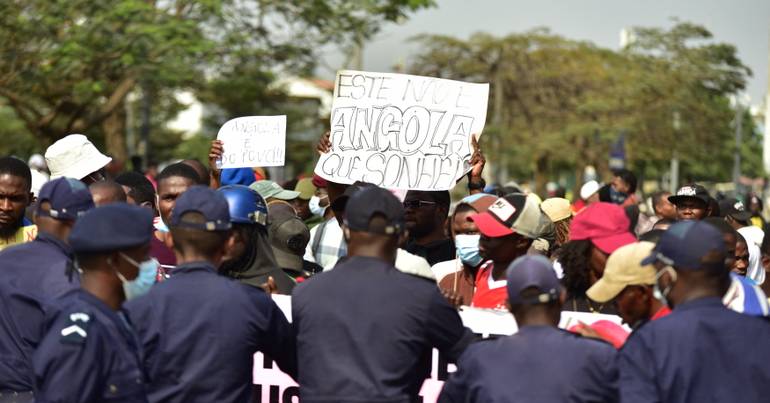
Protests were reported in Soweto township, Johannesburg, and Durban, in KwaZulu-Natal province. Demonstrations in Durban continued for a second day, prompting police to strengthen their presence to contain the unrest. However, tensions remained high in the city and in the country.
Government withdraws asylum directive
On October 9, the director-general of the Department of Home Affairs announced the withdrawal of the directive concerning the intake of asylum applications.
The directive had been introduced following a July 7, 2026 Constitutional Court judgment that mandated that individuals could not be barred from accessing South Africa’s asylum system, even if they entered the country irregularly. According to the department, the September directive intended to guide Refugee Reception Offices in implementing the court’s order.
The department said the directive had been issued as an operational measure without the knowledge or involvement of the Minister of Home Affairs or other political office-bearers. It rejected claims that the measure had been politically motivated.
However, the department acknowledged that implementing the judgment had produced consequences that were not anticipated in the court order. These included overcrowding at Refugee Reception Offices within days of the directive’s introduction, risks to the safety of Home Affairs officials and emerging threats to public order.
The director-general said the department would begin a fresh process to determine a more appropriate and sustainable way of complying with the court order, while reaffirming its commitment to the rule of law and the authority of the judiciary.
Home Affairs warns of disinformation
Two days before withdrawing the directive, the Department of Home Affairs issued a statement on October 7 warning of what it described as a coordinated disinformation campaign surrounding the Constitutional Court judgment.
The department said false claims had circulated suggesting that the Minister of Home Affairs or political parties had independently decided to suspend certain asylum procedures. It insisted that the operational directive had been issued to implement a binding court judgment.
The department also rejected claims that the ruling granted citizenship to asylum seekers or automatically legalized all foreign nationals living in the country.
It warned that misinformation intended to inflame tensions and incite violence threatens public stability, urging South Africans to verify information before sharing it.
The subsequent withdrawal of the directive, however, does not reverse the Constitutional Court’s judgment. Home Affairs has said it will develop a new operational approach that complies with the ruling while addressing the challenges faced by refugee reception offices.
Anti-immigrant tensions continue to escalate
Last week’s violence is the latest in a wave of anti-immigrant and xenophobic mobilization that has built steadily since the start of the year. Protests broke out across Johannesburg, Durban and Pretoria in April, and anti-immigrant groups, led by the March and March movement, set June 30 as a deadline for undocumented migrants to leave the country.
On that day, police arrested hundreds during nationwide marches, and one person was shot dead in Johannesburg’s Alexandra township as residents looted spaza shops owned by foreign nationals. In the following weeks, protesters in Johannesburg went door to door, seizing foreigners from their homes, with many fleeing for safety.

 Login