 Login

Uragano Isaias in Florida e Alabama: 2 morti oltre 700.000 senza corrente
Dopo l'impatto di Categoria 2 a Destin, la tempesta si attenua ma può causare inondazioni sugli Appalachi

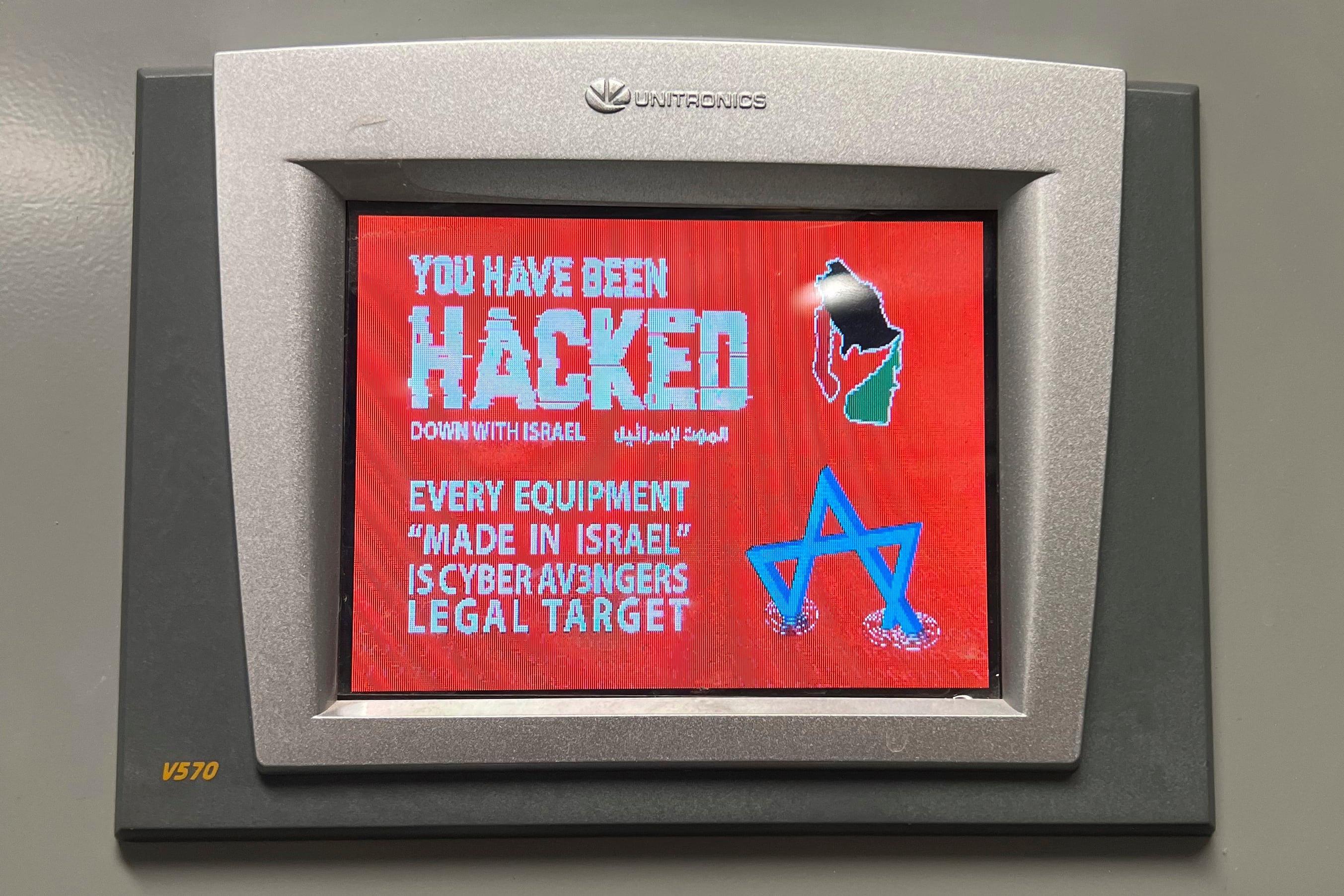
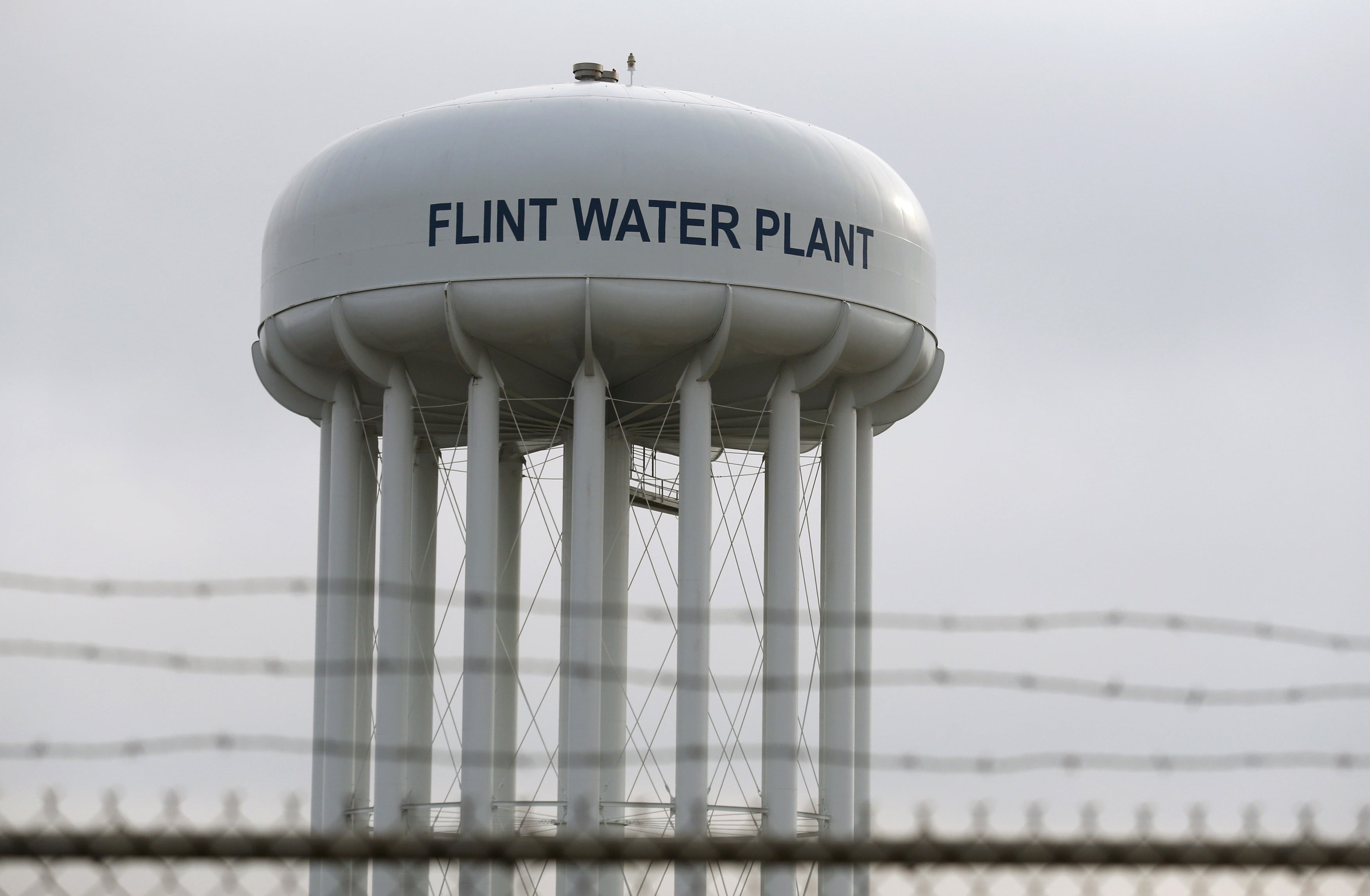
Water service failed in at least 300,000 Atlanta households on July 27. Taps ran, but only a trickle came out. After receiving several consumer alerts, the water company found that a pumping station had stopped functioning, affecting that city and others in the state. The loss of pressure led authorities to advise boiling water before drinking it to reduce the risk of contamination, sparking some panic among the population. It was not a technical fault: everything points to it having been orchestrated from a computer almost 7,000 miles away, in Iran.
© Rebecca Cook (REUTERS)
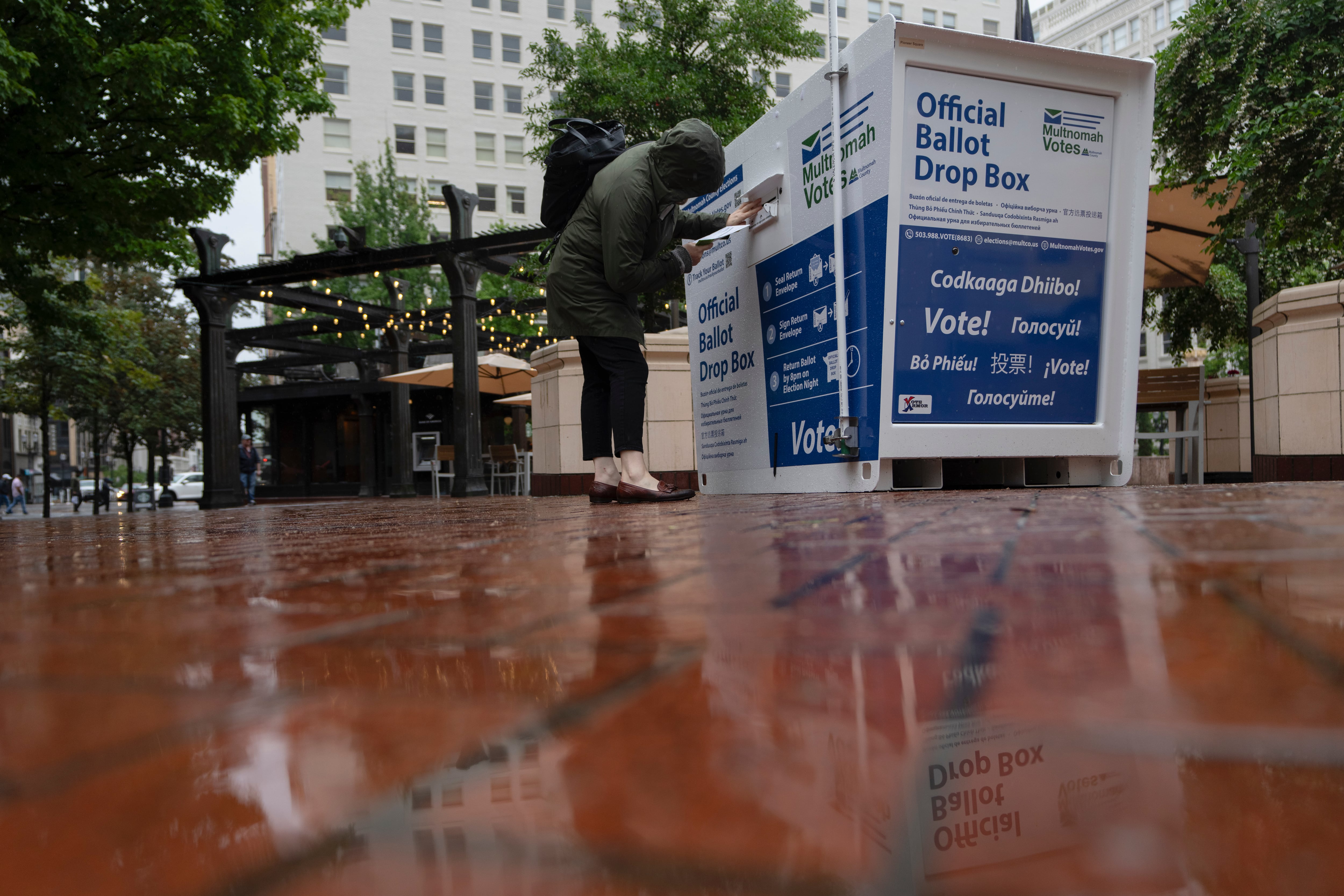
The U.S. midterm elections are not limited to Tuesday, November 3. For millions of voters, Election Day will begin much earlier, either through in-person early voting or by casting a mail-in ballot, despite recent attempts by President Donald Trump to restrict and overhaul mail-in voting.
© Jenny Kane (AP)
In mid-August, The New York Times lost a defamation lawsuit in Alabama. It’s the first such case the paper has lost in more than half a century. Back in 2023, the Times reported that a University of Alabama basketball player named Kai Spears was at the scene of a fatal shooting—information that turned out to be false, and based on a single anonymous source. A jury found the paper liable for damages to the tune of $9.25 million. Ryan Phillips, the only reporter to attend the duration of the defamation trial, describes the experience:
Chief among the post-publication issues was the Times‘ reluctance to issue a correction or retraction when it became immediately clear that Witz’s anonymous source had been wrong in their assertion that Spears was in Miller’s car during the shooting.
The jury heard lengthy testimony about how the newspaper published “updates” in the form of “Editor’s Notes” to the online story to reflect each new denial coming from the University of Alabama, UA Director of Athletics Greg Byrne, Spears’ father, and then the Alabama walk-on himself in an Instagram post.
Apart from the updates, which the Times argued were tantamount to a correction when applying Alabama law to the evidence, the story remained unchanged until an official correction was eventually published by The New York Times on June 3, 2023.
