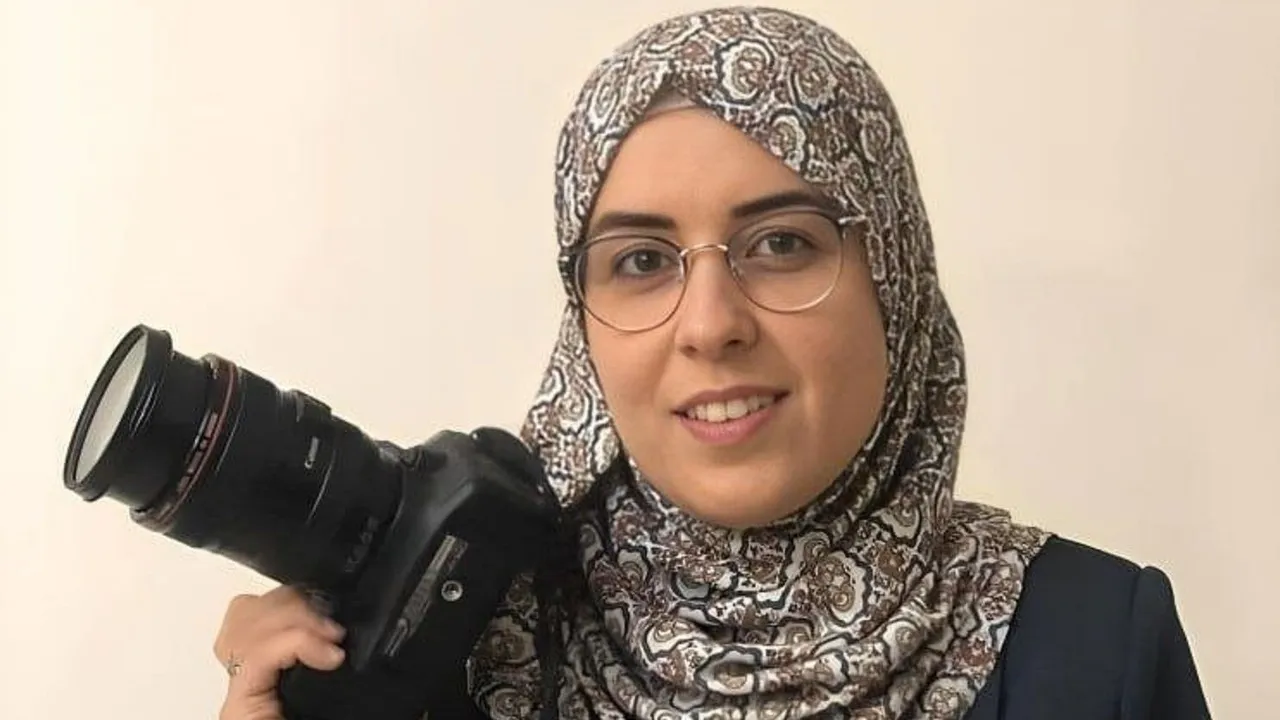
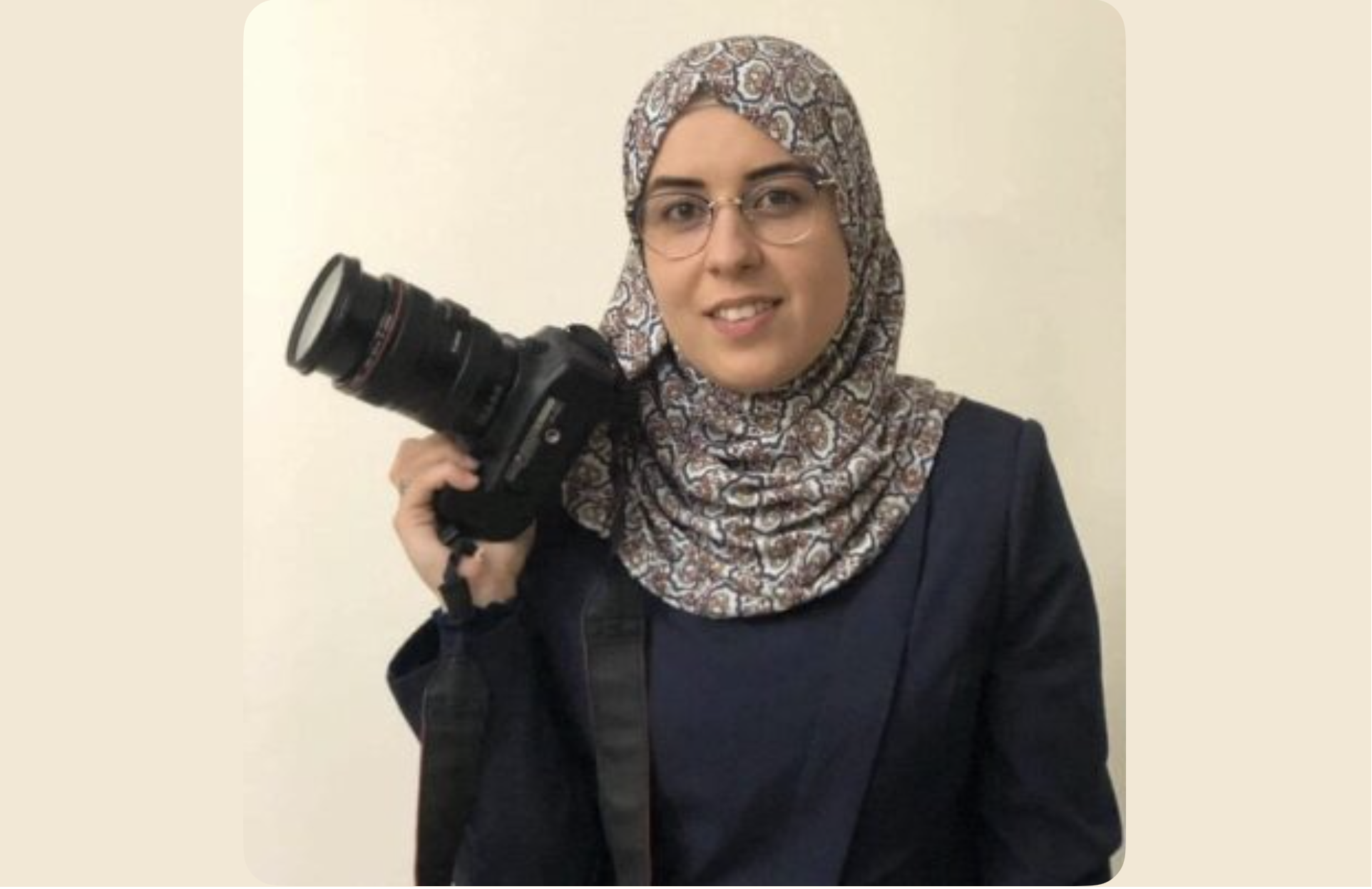
Israel continues to imprison her without charge or trial. Her lawyers have not been able to visit her. Her prolonged solitary confinement is a violation of international standards – Supporters ask the Red Cross to urgently intervene
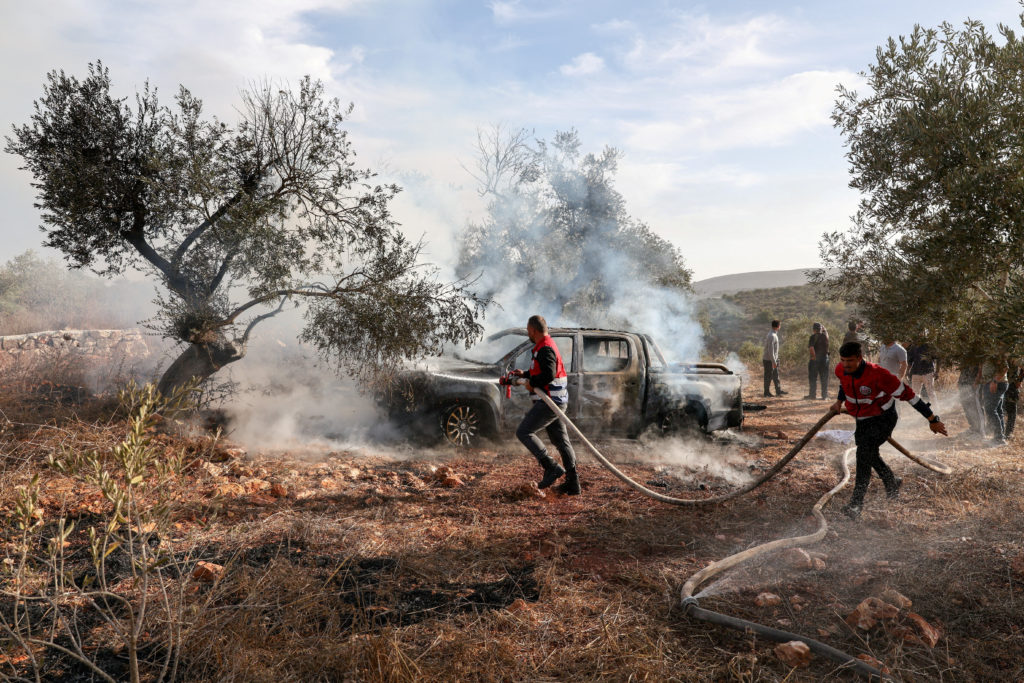
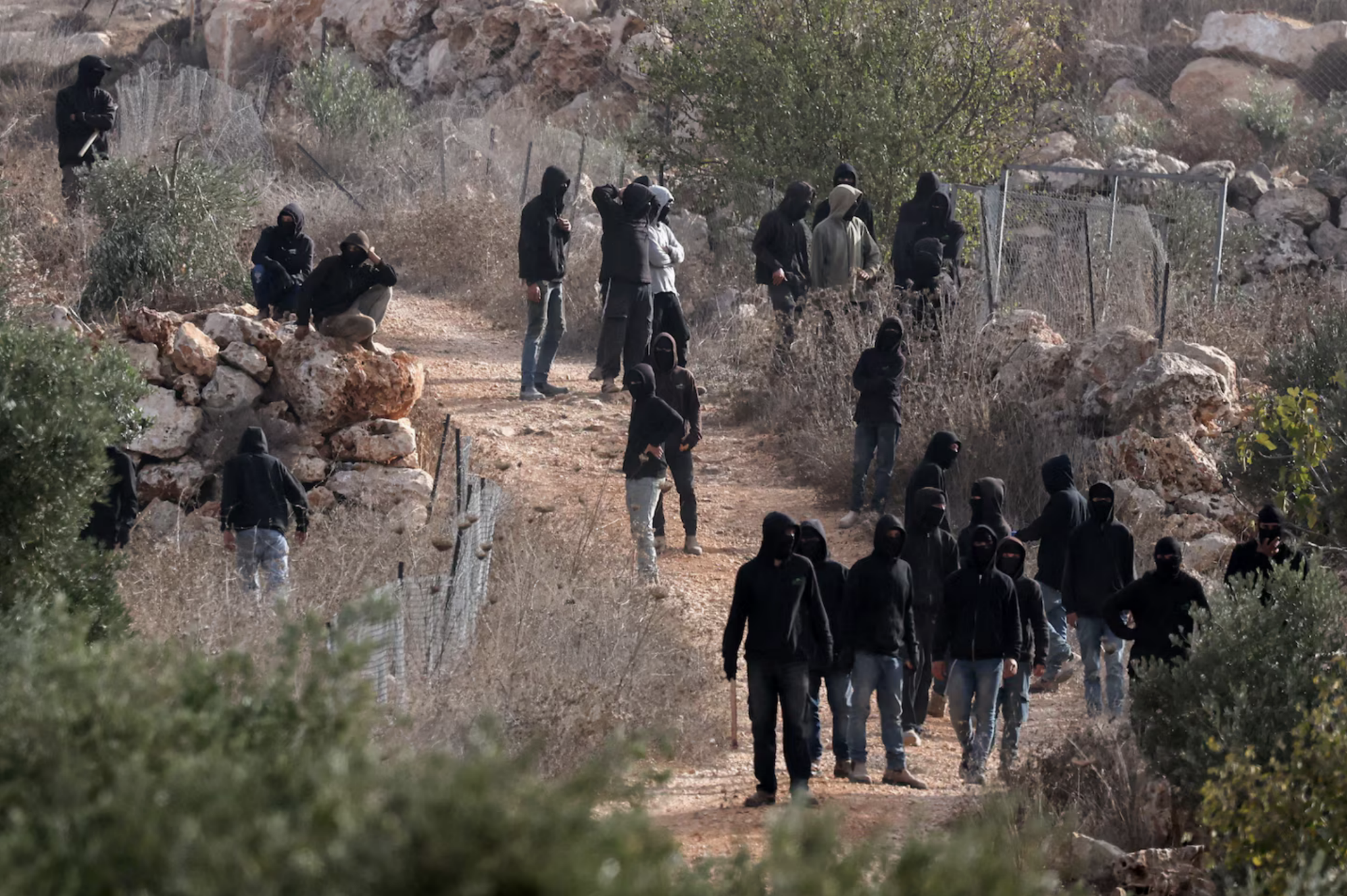
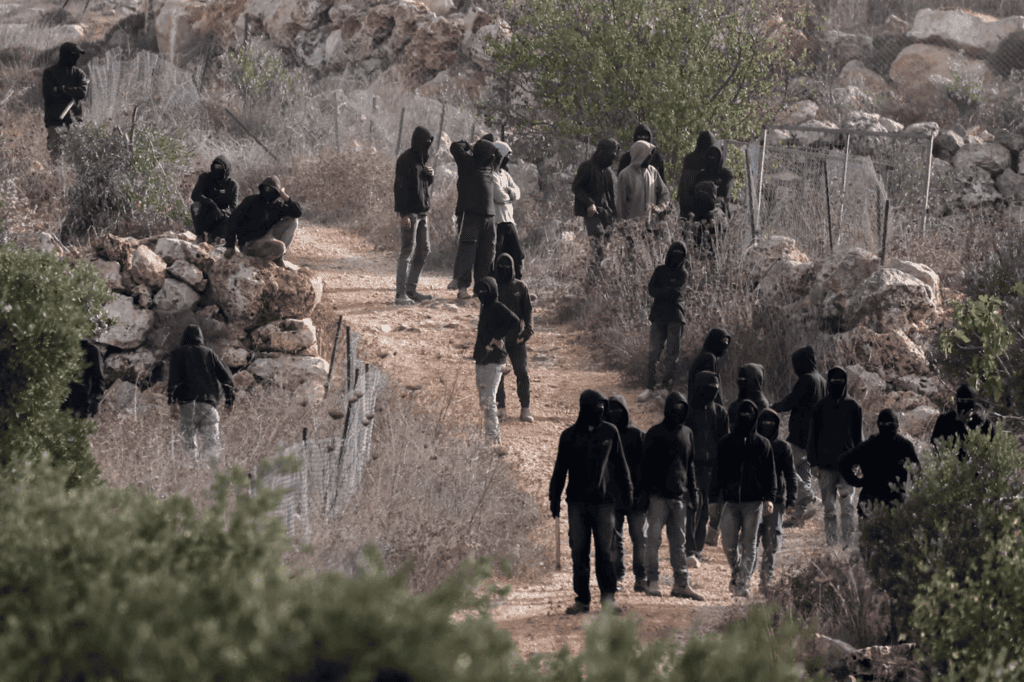
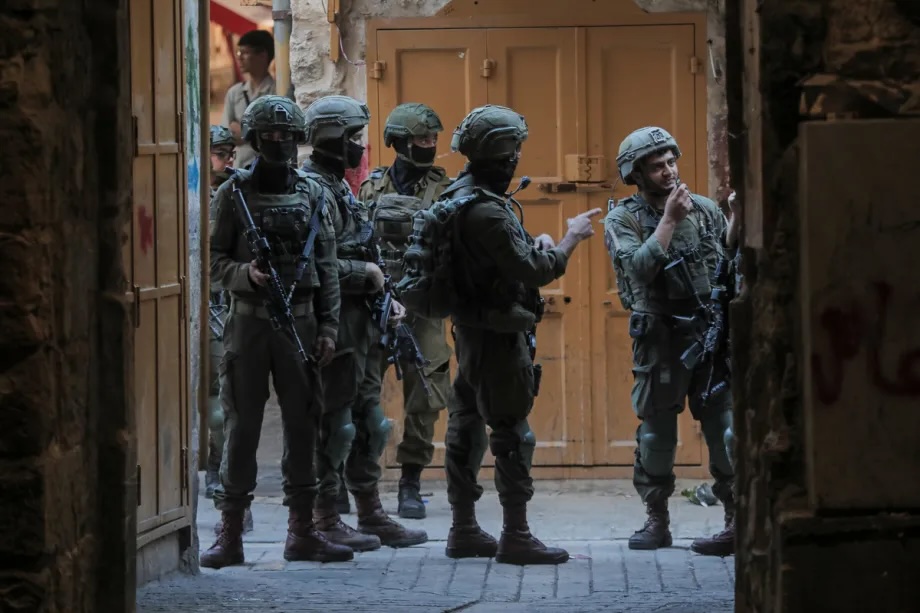
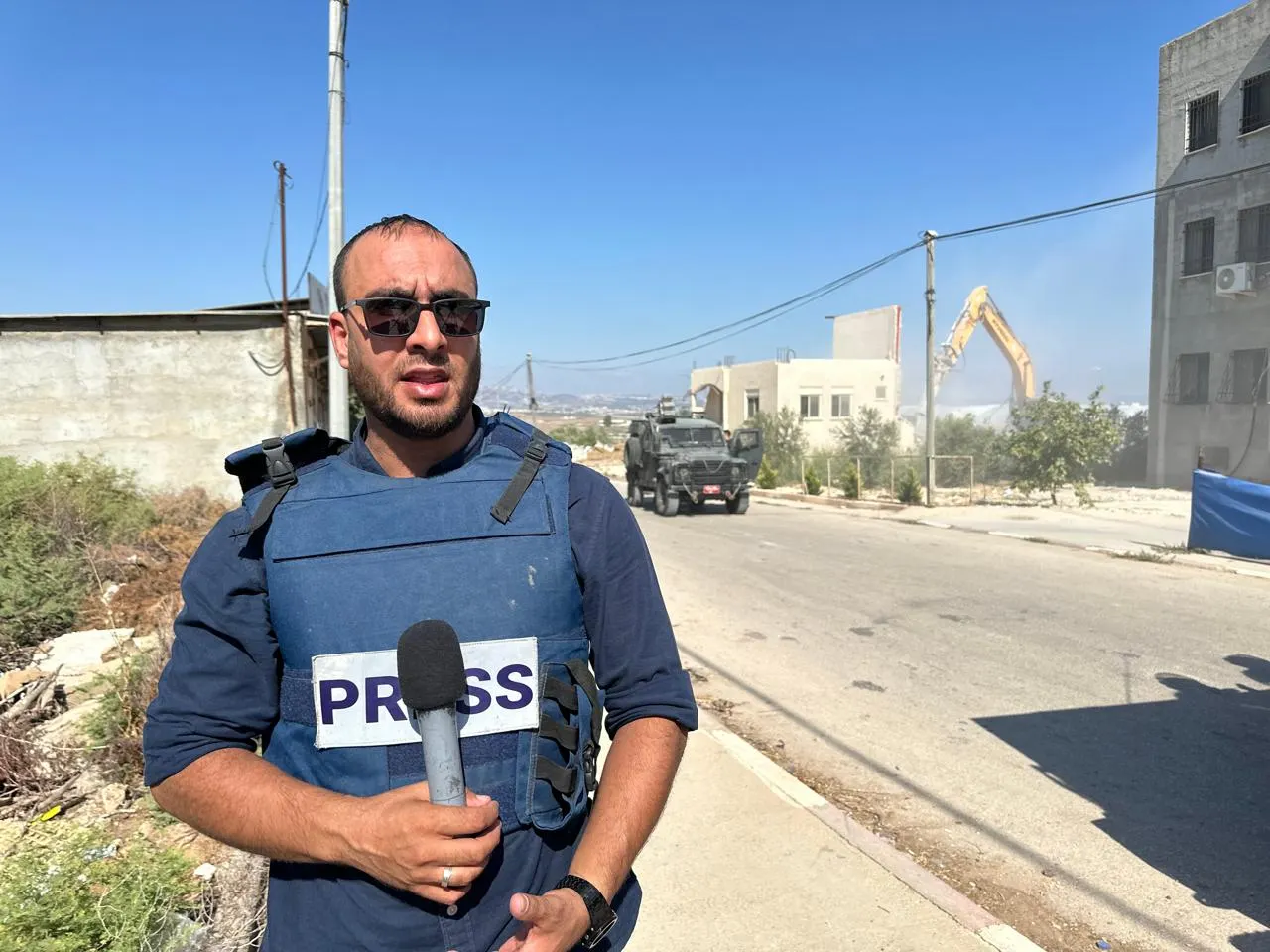
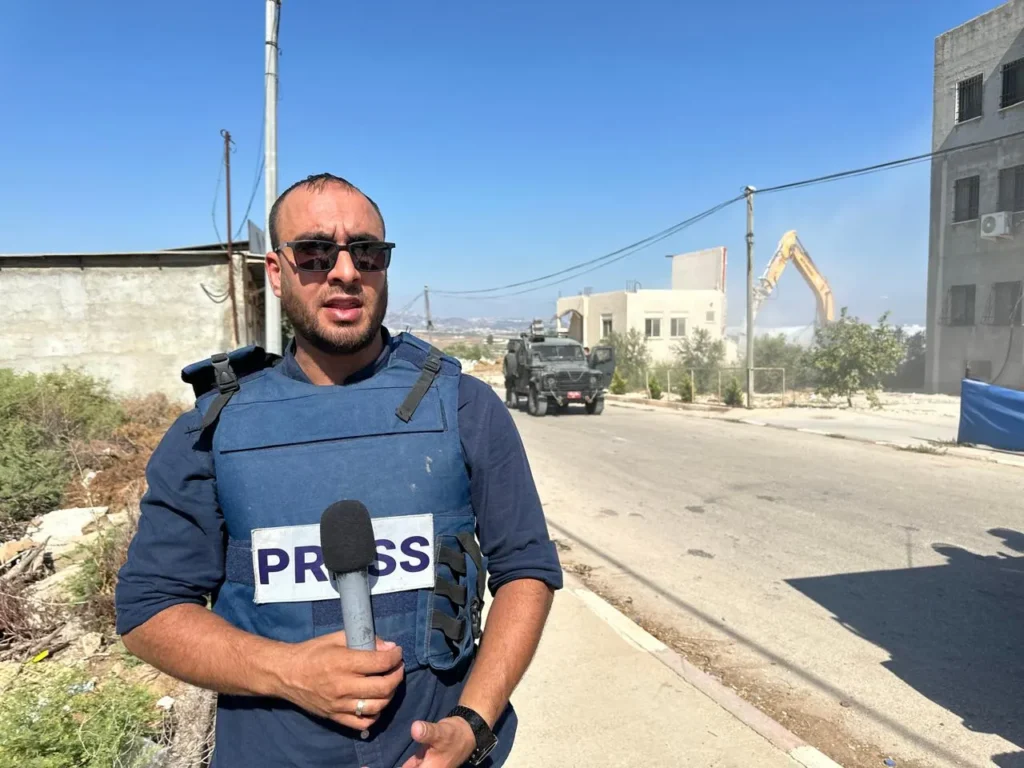
Israeli settlers attacked Palestinian villages across the occupied West Bank on Friday, setting fire to cars and trees and beating residents and a Washington Post photographer, in the latest violence to disrupt the territory's annual olive harvest this month.
The settlers attacked Palestinians harvesting olives and beat Heidi Levine, a veteran photojournalist. Witnesses said Israeli soldiers did nothing to halt the violence.
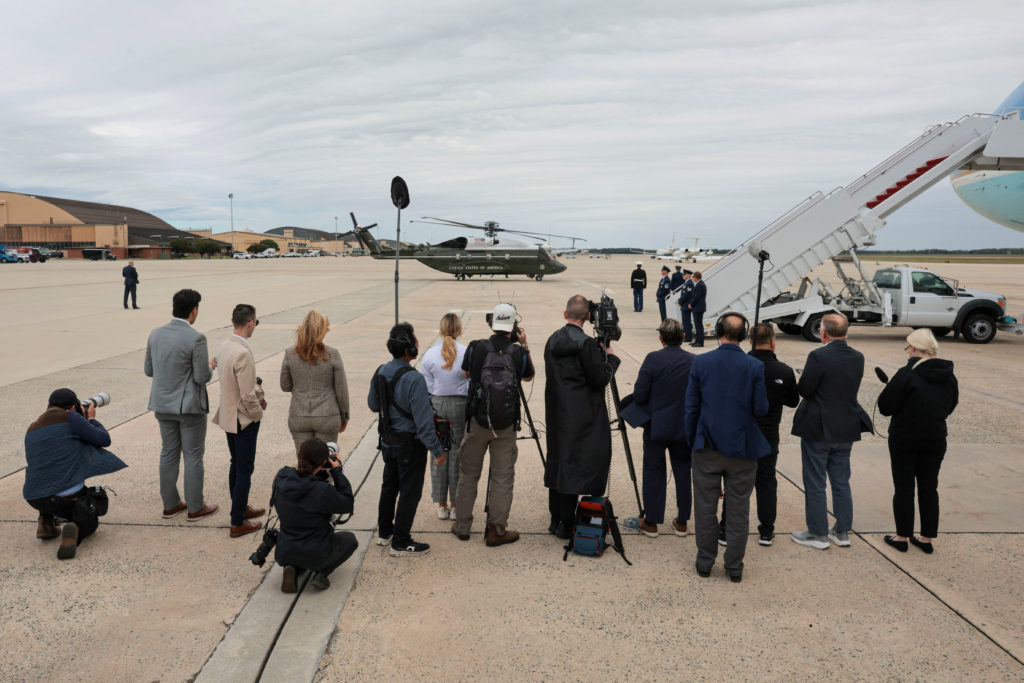
A federal judge on Tuesday extended an order blocking President Donald Trump's administration from banning reporters for three news outlets from the White House, a pivotal operational development for the organizations as the extraordinary case — pitting the president against the media that cover him — makes its way through the legal system. In a victory for media organizations at a time when tension between the White House and journalists is high, U.S. District Judge...
After Trump banned CNN, MSNow and Politico from press access to the presidency, even Fox boycotted the White House. The press needs to show the same backbone when it comes to Gaza. Major news organizations need to boycott Israel until it opens up Gaza to international coverage
More than 70,000 killed; even more wounded; destruction without end: Ten Israeli soldiers told Der Spiegel about their feelings of revenge, orders to shoot and “collateral damage.”
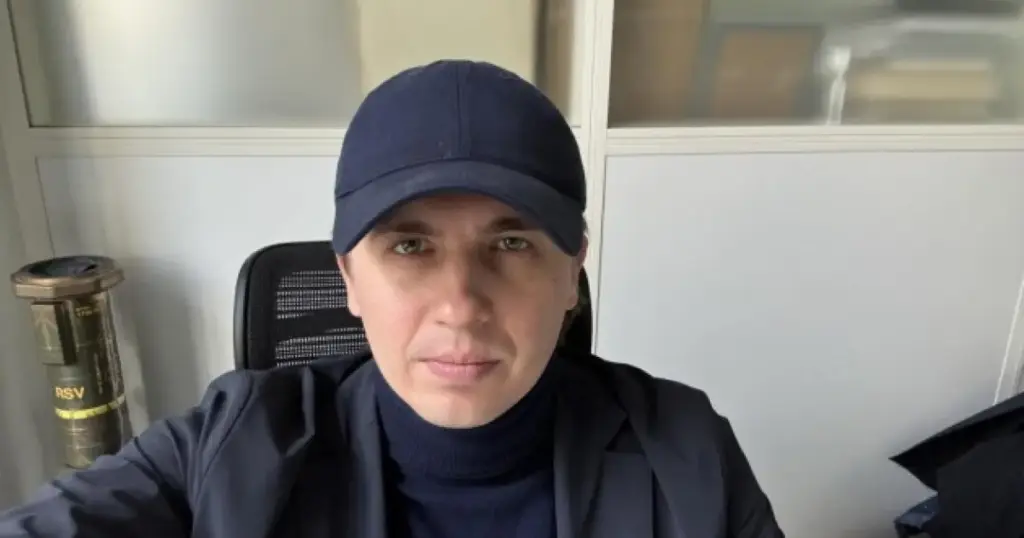
Austrian police detained Ukrainian investigative journalist Mykhailo Tkach and cameraman Yaroslav Bondarenko in Vienna yesterday, on 8 October. Both were later released, but the circumstances of their detention remain unclear, and the prosecutor’s office said suspicion against them had not been substantiated so far.
The detention lasted more than 12 hours, the first time Tkach had been held that long while on a reporting assignment abroad. The case unfolded alongside a separate Austrian espionage investigation involving two men suspected of working for Ukraine’s military intelligence. Authorities have not said whether the cases are connected.
Tkach describes detention
In a video published by Ukrainska Pravda, Tkach said seven people wearing masks and carrying weapons approached their car at a traffic light about 3–5 kilometers from central Vienna, broke its windows, and pointed weapons at them.
He said the people did not identify themselves or explain their actions. The journalists were pulled from the car, forced face down onto the road, searched, and had their hands taped behind their backs, according to Tkach. He said he initially thought they were being kidnapped because he did not see identification or have time to notice police markings. He realized they were police only after seeing police vehicles.
“As I felt it, they detained us like terrorists,” Tkach said.
He added that people shouted and pointed weapons, and there was no communication. He said one person put a knee on his neck and shouted at him to be quiet. He also saw glass from the broken window fly into Bondarenko’s face.
In a second report, Ukrainska Pravda said Tkach’s account of a document presented to him listed three allegations: espionage in the interests of Ukrainian military intelligence, participation in a criminal organization, and, as far as he remembered, causing harm to Austria. He said investigators did not explain the evidence behind the allegations.
Vienna prosecutor’s office spokesperson Nina Bussek told the Austrian Press Agency (APA) that suspicion against the two journalists had arisen during other investigations but had not been substantiated. She said it currently appeared that the suspicion was not holding up. Austrian officials have not publicly addressed Tkach’s account of the force used.
Diplomatic response and calls for an investigation
Tkach and Bondarenko were in Vienna on an assignment to find Ruslan Kravchenko, Ukraine’s former prosecutor general, Ukrainska Pravda reported. Kravchenko was dismissed on 15 September amid an investigation by Ukraine’s National Anti-Corruption Bureau and Specialized Anti-Corruption Prosecutor’s Office into alleged protection of fraudulent call centers. He denied involvement. Der Standard reported that it remained unclear whether the journalists’ detention was connected to their reporting on him.
Ukraine’s Foreign Ministry spokesperson Heorhii Tykhyi confirmed Tkach’s release and said the Ukrainian consul had requested access to him, according to NV. Musaieva said Bondarenko had been injured and hospitalized.
A statement signed by Ukrainian media and civil society organizations, including Euromaidan Press, called for an immediate, transparent, and independent investigation of law enforcement’s actions. The signatories also demanded an independent review of the force used, the return of seized equipment, and necessary medical and legal assistance.
Separate espionage investigation
Austrian Interior Minister Gerhard Karner confirmed the arrests of four Ukrainians, according to ORF. The two men detained on 5 October were placed in pretrial detention until 21 October on suspicion of secret intelligence activity against Austria. APA reported that they were suspected employees of Ukraine’s military intelligence service. Both deny the allegations.
Hundreds of newsletters land in my inbox each week. I use Gmail filters to route most of them into one big feed, and only a handful go into a separate folder for easier visibility. Erika Hayasaki’s The Reported Essay is one of them. In each edition, Hayasaki—a professor at the University of California, Irvine’sLiterary Journalism Program—writes about the craft of nonfiction and shares conversations with fellow journalists. She offers advice on the practice of reporting and storytelling and the business of freelancing, from balancing interiority and research to building a story’s structure to pitching stories.
Hayasaki is one of those writers whose new work I always make time to read. For Men’s Health, she told the intertwined stories of two men trying to understand and treat their long COVID symptoms. For The Cut, she wrote a memorable piece of romance and disaster about a Maui couple on the day Lahaina burned. For The Verge, she reported on an obsessive stalker who harassed Asian American professors online. Her narrative nonfiction illuminates the lives of individuals and communities, and the human connections within them. Her latest, for The Guardian, follows a New Jersey nurse assaulted by ICE, a woman she first wrote about in her bookThe Death Class. It’s yet another piece grounded in rigorous reporting.
After spending time with Hayasaki below, don’t forget to subscribe to The Reported Essay—it’s an indispensable resource for anyone who writes or reads the kind of nonfiction we recommend and celebrate at Longreads.
I was born in Champaign, Illinois, a college town surrounded by corn and soybean fields two hours south of Chicago. I lived there until I was 14, when my parents divorced and lost their home in a bankruptcy. I moved to Lynnwood, Washington, for high school, returning to Champaign for journalism school as an undergrad at the University of Illinois.
What places feel like home?
My current home in Southern California. I know it is my kids’ safe place. But I also think of my first childhood home, a one-story on Hathaway Drive in Champaign that my parents bought for $10,000 in the 1980s. When I am back in my hometown, I drive by it sometimes and glimpse the window I used to sneak out of, or the backyard jacuzzi deck that my dad built, or the strawberry patch where I winced eating unripened berries.
Other than family members, who or what has shaped you the most?
I often wonder how the same hometown that crafted my identity, and deepened my own humanity, could turn around and strip someone else’s away. Obviously, I haven’t let go of this place that shaped me. So for the last several years, I have been reporting and writing a book, College Town, which is based in Champaign.
What is your favorite time of day?
Early morning writing time, 4:30 to 6:30 a.m, when the house is quiet and I am not checking messages or getting interrupted.
What are youreallygood at?
Connecting people to other people I think they might get along with, or appreciate, or learn from. Or connecting them to useful resources. I sometimes do mini one-on-one Zoom sessions with my Substack readers, and I like giving each person I meet their own individualized mini-syllabus at the end of it.
What’s the best gift you’ve ever received?
The ability to communicate.
Describe your favorite meal.
Merkato Ethiopian food in Los Angeles: asa tibs (fried trout), injera, honey wine.
Sound or silence? (And if sound, what sound?)
Silence during writing time. But I love the sound of laughter with family and friends—it is everything.
Where do you do your best thinking?
Long car rides (allowing the mind to rest and wander is key for creatives).
What journey—physical, creative, intellectual, or otherwise—has meant the most to you?
Right out of college, I was hired at the Los Angeles Times into METPRO (the Minority Editorial Program), which is now the Los Angeles Times Fellowship. Miriam Pawel, who just released a new book, California Dreams, was the Metro editor who hired me, and I was also mentored by people like Richard Kipling, Randy Hagihara, Steve Padilla, Richard E. Meyer (who wrote the piece I will never forget, linked below), as well as many other incredible writers and editors. The program also connected me to people who would become some of my best friends. This experience, in many ways, is why I also believe so deeply in the importance of being a mentor and connector.
Where do you like to read?
Home office.
What’s the last rabbit hole you disappeared into?
Every story I report leads to a rabbit hole, and that is part of the joy of reporting. Since the summer, I have disappeared into reporting rabbit holes about meditation scams, Accutane (the acne drug), Illinois history, abuse by ICE agents, international students, and the future of college.
Name three publications you enjoy reading these days.
Longreads, of course. Scratch, a newsletter of interviews, essays, and conversations about how writers are surviving. I also like catching up on long reads via Apple News audio during commutes and housework.
What’s one longread that you can’t stop thinking about?
“Julia Understands Everything,” by Richard E. Meyer, in the Los Angeles Times Magazine. I often assign this story to students. It was a finalist for the Pulitzer Prize in Feature Writing in 1996. Reading it myself as a young journalist broke open what I realized is possible in nonfiction storytelling. Rick wrote about a woman paralyzed by a stroke that left her able to only communicate through eye and head movements. He spent nearly 450 hours interviewing her, as she raised her eyes while he pointed to letters of the alphabet on a card.
What was the last book you read?
California Dreams by Miriam Pawel, a fascinating historical portrait of the University of California told through a cast of compelling people. And The Black Shield by Wilbert L. Cooper, a feat of braided history, reported memoir, and narrative journalism that is engaging and nuanced.
What piece of nonfiction are you most proud of writing?
I recently came across a binder from high school with all of these articles and columns I wrote for my high school newspaper and for a teen newspaper run by The Seattle Times. These were earnest and idealistic pieces about discrimination, abuse, educational inequities. I look back at that kid trying to find her way in the world by asking questions and writing stories, and I’m just proud she kept going.
I see my undergrads doing the same—choosing to major in journalism in these difficult times because they care about what is happening in the world, and even in the age of AI they still yearn to think, question, and write—and that also makes me proud.
What’s your most reliable way to get creatively unstuck?
Sleep on it. Also talking to my writing friends. It’s important to have writing friends and if you don’t have any yet, make an effort to reach out to other writers and connect with them. Build a community (even if it’s intimidating).
Who’s a writer you turn to when you need some inspiration?
“Bunch of Friends,” YouTubers—but only with my daughter.
What superpower would you like to have?
Healing.
What animal or nonhuman being do you most identify with?
I’m a people person, which is also why you will find people at the center of all my stories. I am most interested in the human condition. My house is filled with portraits and photos of people. We don’t have pets. This question was harder for me to answer, so I asked my kids. They gave these answers:
“Alicorn. Because you can do everything.”
“A dragon, according to Chinese mythology, because you are wise.”
“Eevee from Pokemon, because you have gone through multiple evolutions.”
If you have a free solitary hour in your day, what do you typically do?
Lately, I am big on squeezing in a 20 to 30-minute midday nap.
What five items would you place in a time capsule?
I really don’t get attached to stuff. Over the last few years, my 75-year-old mother got rid of all her stuff. She also gave up her home, and is now living full time out of her Toyota Sienna. Full-on van life. Yes, one day I will write an essay about this. She’s living her best life right now. I do have a lot of stuff, as you see in my office photo below. But I don’t attach much sentimental value to it.
I’m much more about the moments that I know will not last. For my first book, The Death Class, I followed a professor of death and dying, Norma Bowe (whom I also published a follow-up story on this week for The Guardian, after she was assaulted by ICE and filed a legal claim). Her class and teachings also helped me learn to value moments and human connections.
What does your writing space look like?
Erika Hayasaki is the author of The Death Classand Somewhere Sisters, which was named an NPR Best Book of the Year in 2022 and received a Nautilus Book Award in Journalism and Investigative Reporting. She is a professor in the Literary Journalism Program at the University of California, Irvine, and a former national writer for the Los Angeles Times. As an independent journalist, her feature stories have appeared in The New York Times Magazine, New York, Wired, The Atlantic, The Guardian, National Geographic, and others. She recently received the Longform Narrative Award from the National Association of Science Writers, and her work is anthologized inThe Best American Science and Nature Writing 2025. Erika also served as chair of the 2026 Pulitzer Prize Nominating Jury in Feature Writing, and she publishes a Substack newsletter, The Reported Essay.
October 9 will be the last day that the well-known newspaper Expreso, one of Ecuador’s most important newspapers, is distributed in print. The newspaper, which has historically maintained a center-right editorial line, according to its statement, will limit its operations to its website, which will result in the layoff of dozens of employees.
The company that owns the newspaper, Gráficos Nacionales (Granasa), states that it is not bankrupt but will have to sell several assets to pay debts owed to its employees: “At stake is not only the rights of the shareholders but, above all, those of each and every employee who gave their all to this publishing house.”
One of them was the Inter-American Press Association (IAPA), which called on the government to cease “state harassment against critical media outlets and journalists.” The demand is based on complaints, dismissals, and investigations reported by the newspaper in recent months. “We regret that a newspaper with more than five decades of history is ceasing print publication. Beyond business decisions that are the sole responsibility of its owners, it is impossible to ignore the context of sustained pressure that has surrounded Granasa.”
Likewise, the Observatory for Rights and Justice (ODJ) stated: “We express our deep concern over the announcement of the discontinuation of the print edition of Diario Expreso. After several months of enduring administrative and judicial harassment, and facing government attempts at corporate takeover and censorship against its columnists and representatives, the publication has decided to stop printing copies.”
For its part, the Noboa administration has categorically denied that it took any steps to provoke the crisis at Diario Expreso, and has instead defended the actions of the relevant institutions in investigating alleged crimes “regardless of where they come from” by independent bodies such as the prosecutor’s office and the SRI.
A right-wing newspaper critical of Noboa in crisis: pressure or mismanagement?
One of the most surprising aspects of the case is that Expreso has historically maintained an editorial stance closer to the right. It was one of the newspapers most opposed to the progressive government of Rafael Correa (2007–2017), and many of its editorial writers even went so far as to endorse the recently inaugurated Noboa administration.
However, as the months went by, criticism of Noboa’s administration began to appear in the newspaper’s pages, which, according to some allegations, did not sit well with the central government.
According to these allegations, the Internal Revenue Service – the agency responsible for collecting taxes – as well as the Attorney General’s Office, began to “pressure” Expreso’s major financial backers through investigations, which reportedly led those backers to withdraw their contributions to the newspaper, which has been in circulation in Ecuador for more than half a century.
Added to this is a warning issued by the newspaper’s parent company itself, stating that the Ecuadorian Superintendency of Companies intervened in the company with the alleged aim of “monitoring its financial performance and facilitating the correction of the irregularities identified.”
Likewise, Granasa President Galo Martínez told the SIP that the government was “harassing” the newspaper’s clients who advertised their products and services in its pages, a move seen as a tactic to drive the company into bankruptcy, as it relies on sponsors to operate.
According to an investigation by Ecuavisa, the newspaper Expreso lost nearly 70% of its advertising revenue over the months of government pressure. “The cowardice of a large segment of the business community that prefers to pull its ads – whether due to calls from those in power, which have indeed occurred, or simply out of a desire to look good,” said Martín Pallares, editor-in-chief of Expreso.
The truth is that this pressure is nothing new. Several months ago, one of the country’s leading editorial writers, Roberto Andrade, who worked at the newspaper, resigned from the publication, alleging that members of the Noboa administration had requested his departure.
Pallares also spoke about this alleged government pressure in a recent interview with Ecuavisa: “The newspaper had received a message stating that the government would stop its harassment if three people were handed over: Roberto Aguilar, Eduardo Carmigniani, and myself. The newspaper placed its trust in us; it chose to stand by us rather than give in to the pressure.”
Pallares stated about this alleged government pressure in a recent interview with Ecuavisa: “The newspaper had received a message stating that the government would stop its harassment if three people were handed over: Roberto Aguilar, Eduardo Carmigniani, and myself. The newspaper placed its trust in us; it chose to stand by us rather than give in to the pressure.”
In addition, Pallares, one of the country’s most well-known right-wing journalists, said: “Critical voices bother those in power – this kind of narcissistic power where the official truth cannot be questioned. Take the Progen case [the failed sale of power generators]; it’s crystal clear. If it weren’t for the troublesome media outlets that dig up information, data, and publish chats they manage to obtain, that issue would have already been buried.”
This is not the first instance of conflict between the Noboa administration and the press. Early in his term, journalist Alondra Santiago was deported; later, the program Irreverentes was canceled following harsh criticism of the government; journalists Fausto Yépez, Hernán Higuera, and María Sol Borja reported government pressure due to their investigations; attacks against journalists were reported during the 2025 National Strike; the high-profile case of Gisella Bayona, who alleged that the government was investigating her husband because she had reported a shortage of supplies in the public health system – a situation that has triggered one of the most significant crises in the country’s healthcare history; among other incidents.
Criticism from the right: a dispute among the ruling classes?
Other right-wing journalists have also criticized the government for allegedly having a low tolerance for criticism and taking actions that, they claim, are leading to a loss of freedom of expression.
One of them is journalist and political scientist Carlos Rojas, who stated in an op-ed: “What is happening with the newspaper Expreso is a very serious sign that Ecuador’s democratic health is in poor shape. It’s getting worse … a dangerous clash is reigniting between the current government – which is intolerant of criticism and oversight – and the independent press, a pillar of any liberal democracy.”
For his part, Ugo Stornaiolo wrote about new forms of censorship in Ecuador: “Journalistic oversight is undergoing a transformation that places press freedom at a crossroads. There are no shutdowns of radio stations, no buyouts of opposition media outlets, and no physical attacks. Investigative journalism faces sophisticated mechanisms of coercion: fiscal harassment, the manipulation of state entities, and reprisals against family members and coworkers to silence critical voices regarding President Noboa’s administration.”
According to several analysts, there is clear tension not only between centrist and left-wing movements and parties and the Noboa administration (which is clearly aligned with the right and follows the dictates of the Washington Consensus) but also between the Noboa administration (which belongs to the country’s most powerful family) and the critical positions coming from sectors of the right and a segment of the business community. This would demonstrate clear contradictions within the country’s most powerful economic classes.
The most recent case involved the leader of the business association, María Paz Jervis, who stated at a public event (in reference to the Diario Expreso case) that “Rarely in my life have I seen a business sector so afraid. I had never felt such hopelessness and resignation. I am convinced that there is much that needs to change in our country, and saying that there are things that need to change does not make us anyone’s enemies.”
Following these statements, Jervis resigned from her position without specifying the reasons for her decision.
While mainstream media covered the flydubai incident ad nauseum, Israeli settlers and soldiers in the West Bank were killing Palestinians and marauding their land
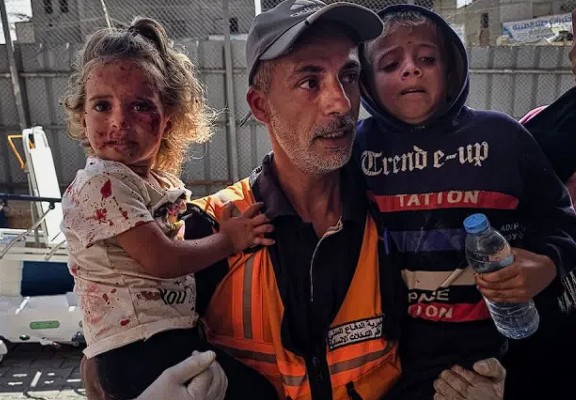
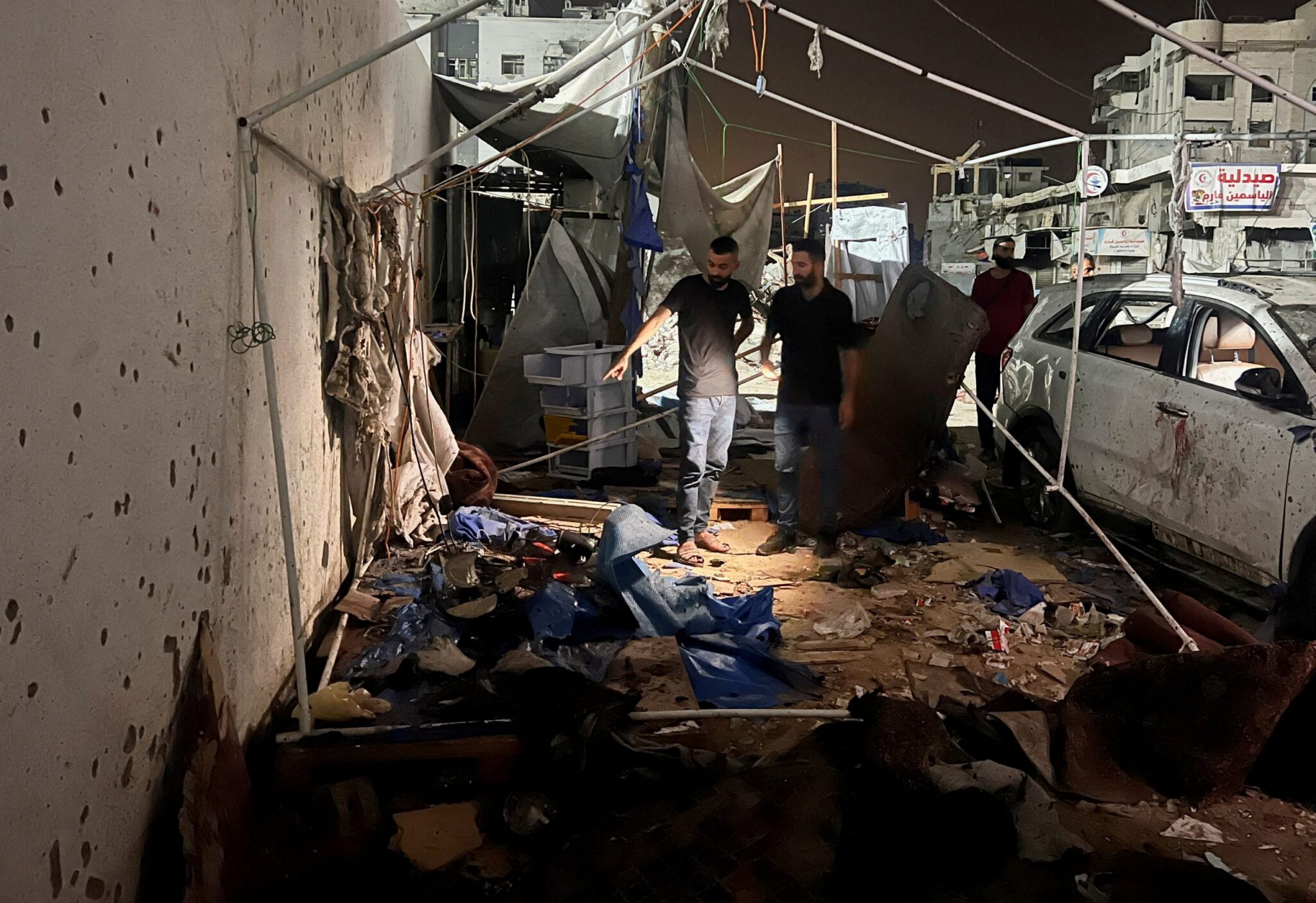
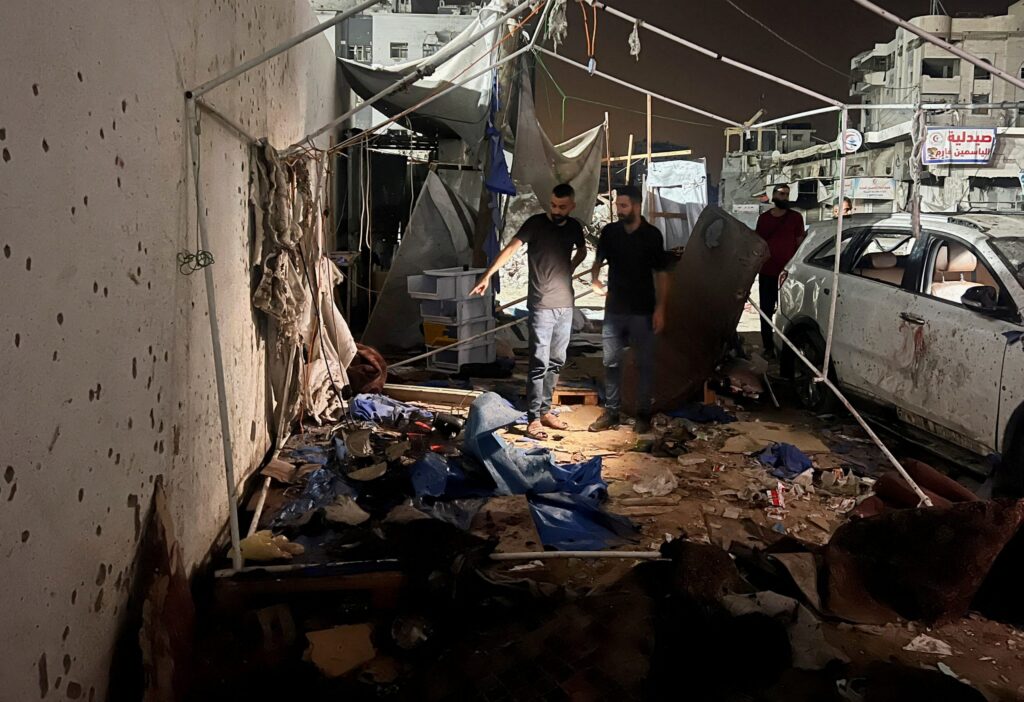
Israeli forces continued attacks across Gaza Strip Tuesday, killing and and wounding others in airstrikes and gunfire, while another Palestinian succumbed to wounds sustained in an attack the previous day
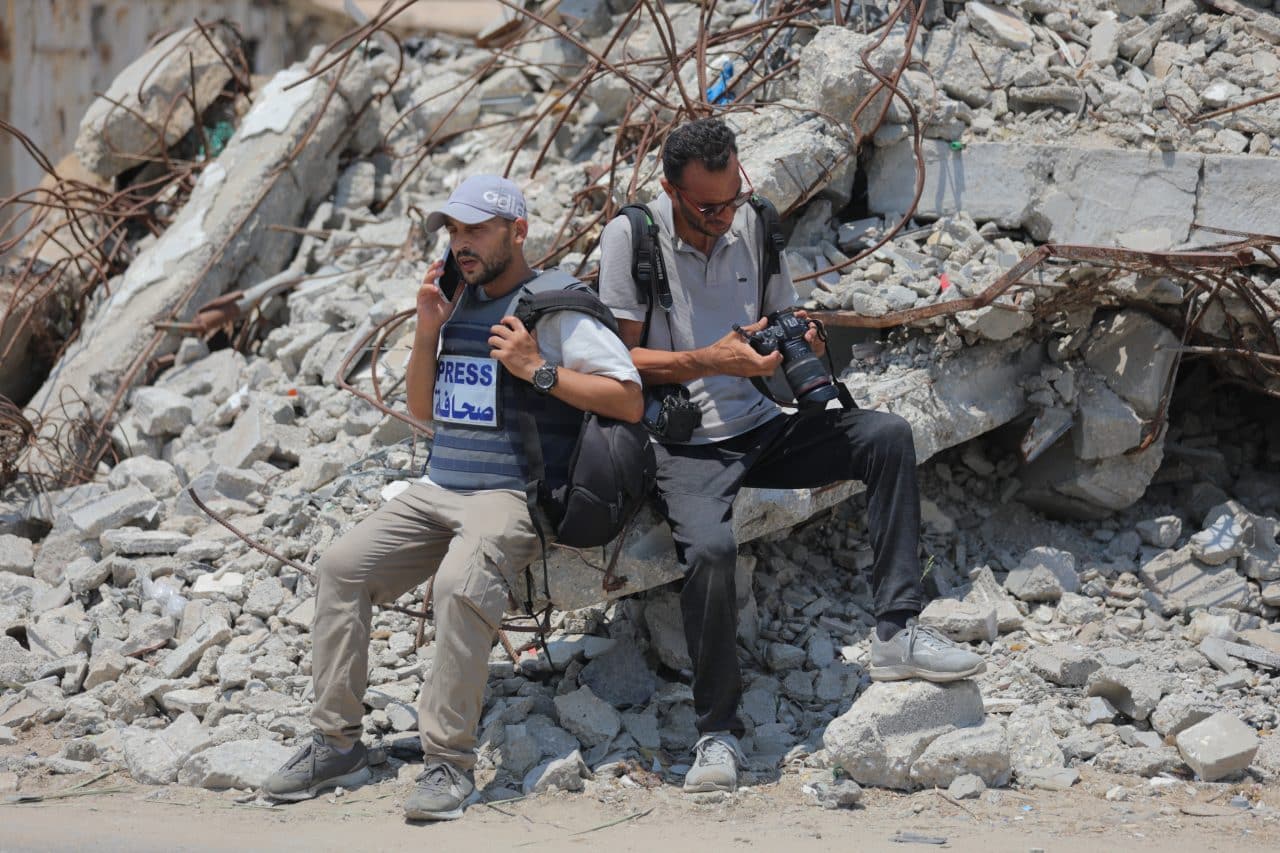
Since October 2023, no nation’s military has killed nearly as many journalists as Israel, a fact that often opens them up to considerable criticism. The IDF aims to quell those concerns with a new round of official narrative
CNN chief international correspondent Clarissa Ward has spent more than two decades reporting from war zones. She joins Washington Post's Jason Rezaian to explain how journalists in Gaza are threatened, yet remain vital reporters of the truth, and how media companies should oppose all censorship and attacks on reporters
Palestinian prisoner Bushra Al-Tawil, held in administrative detention, has spent nearly a month in isolation amid escalating repression and worsening health conditions.
Four years ago, I read Roberto José Andrade Franco’s ESPN story about Tess Mata, one of the students killed in the Robb Elementary School shooting in Uvalde, and I’ve never forgotten an image in it: a determined Tess outside in the Texas heat, aiming her softball pitches at a target on a tree in her family’s yard. That’s what Franco does so well. He creates moments that linger—about sports, Texas, loss, and identity and in-betweenness—and makes me care about the people he puts on the page.
Franco grew up on the El Paso-Juárez border. In a 2020 National Magazine Award-nominated essay that he wrote one year after the El Paso massacre, he reflects on the lifelong pull to this paradox of a place: “It’s where things make the most sense. Where it’s easy to love, even if it’s difficult to live.” I love that he writes from this borderland even when he’s somewhere else. During Mexico’s first World Cup match earlier this summer, he was in Woodburn, Oregon, a small town where Latinos make up more than 60 percent of the population and own nearly every business downtown. Residents had been shaken by last fall’s ICE raids, but they showed up to watch and celebrate. There, thousands of miles from El Paso, Franco found something familiar: a hardworking, resilient community with deep Latino roots and a fierce sense of pride.
I also credit Franco with piquing my interest in wrestling stories, including his piece on WWW star Eddie Guerrero, which also explores family and legacy. Whether he’s writing about sports heroes or ordinary people, or tracing the history of Texas or his own, Franco never fails to move me.
Below, he explains why enrolling in community college at 28 was the most meaningful journey he’s taken, tells us his favorite meal (and the ideal season to eat it), and recognizes a fellow sports writer who inspires him. When asked to name three publications he enjoys reading, he gives a shout-out to Texas Highways, a magazine we love—and it just so happens that he’s the guest editor of its October 2026 issue, focused on El Paso. After spending time with Franco here, read his feature on the city’s historic Smelter Cemetery, and then explore the rest of the magazine.
Several places, but mostly on the El Paso-Juárez border.
I was born in Chicago, but we lived in Juárez, Mexico, until I was about 6. Then we moved across the border to El Paso, Texas, before my father joined the Army. That’s when we lived in Chicago for a short time, then Colorado and Germany before we briefly returned to Juárez. I was about 13 when we moved to El Paso again.
What places feel like home?
Anywhere I hear the Spanish of the US-Mexico border. These areas are often ignored and underserved so it’s a working-class Spanish. Because of its location, some words are a mix of English and Spanish that other parts of Mexico don’t use.
Other than family members, who or what has shaped you the most?
The decade between graduating high school and enrolling at El Paso Community College. I spent most of it working in construction and bouncing around between El Paso and Phoenix, along with a few bad months in Tucson.
What is your favorite time of day?
The early morning when everyone is asleep and the sun’s yet to rise. And it’s so quiet that, almost always at the exact same time, I can hear my neighbor’s footsteps as they walk out of their home, open and close their car door, start it, and then drive away, presumably on their way to work.
What are you really good at?
Building things. I find it almost therapeutic to do some sort of work with my hands as I sweat and listen to music. I also enjoy the feeling of seeing something finished within a few hours.
What’s the best gift you’ve ever received?
I don’t remember who I got the idea from, but years ago I heard or read a suggestion to interview your children during different phases of their lives. Just take out the voice recorder and ask them basic questions. When they’re younger, you can ask about their favorite animal, color, movie, etc. As they get older, the questions can be more about their friends, hobbies, and aspirations.
I’ve been doing this every few months with my now 9-year-old daughter. Occasionally, I’ll listen to the first recordings from when she was 3, and I can hear how much she’s changed—from her voice and interests to the clarity of her words and thoughts. It’s like a short visit with a different version of who your child once was.
That suggestion to interview your children has been the best gift.
Describe your favorite meal.
My mom’s pozole. It’s a Mexican pork and hominy stew accompanied with radishes, cabbage, and bolillo bread. She’ll sometimes make it in late October, on the Saturday closest to my birthday. The weather will be colder by then and a college football game will be on in the background—both of those make it even better. Then a good cigar afterwards.
Sound or silence? (And if sound, what sound?)
It’s become silence. I used to write with music in the background. It almost didn’t matter what kind, and sometimes it’d be the same song on repeat for hours. That was also when I’d do most of my writing during the day and into the early evening. But now, I’ve fallen into a routine where I do most of my writing early. Sometimes I’ll wake up naturally as early as three in the morning. With that change, I now write in silence.
But maybe it’ll change back to music one day.
Where do you do your best thinking?
It just happens so there’s no specific place. And so long as I’m not on deadline, whenever I feel like I can’t think anymore I just try to do something else for that day.
I’ve gotten ideas while driving, listening to podcasts and music, or in the middle of watching a movie. I’ve even woken up during the middle of night with a thought that helps unlock something that I had been stuck on.
What journey—physical, creative, intellectual, or otherwise—has meant the most to you?
Earning an associate degree.
I was a nontraditional student who first enrolled at El Paso Community College at 28 years old. It had been about a decade since I was in school. I was full of self-doubt and worry that I was too old or not a good enough student to be there. With that, I also worried that I might be wasting my time.
But I quickly realized I was a much better student in college than I’d ever been in high school. I was motivated, disciplined, and having worked in construction for the decade before then, I had a different perspective of what college could be. Whenever I felt like complaining, I’d remind myself (as I’ll still occasionally do) that reading and writing is a lot easier than doing manual labor outdoors, especially during the summers.
I ultimately transferred and graduated from a four-year university, and later even finished a PhD program. But that associate degree was the most meaningful because it’s where I started to find outlets for my intellectual curiosities and people who encouraged me.
Where do you like to read?
I don’t have any specific place. At home it’s usually in my office, bed, or on the couch. Away from there, I’ll read while waiting. I’m an anxious flyer, so I’ve also recently found myself saving longer reads for when I’m at the airport or on a plane. It lets me focus on something else while also helping pass the time.
What’s the last rabbit hole you disappeared into?
The World Cup.
Name three publications you enjoy reading these days.
Texas Highways to read about the parts of Texas that aren’t chaotic or depressive. De Los to keep up with some of what’s happening with Latinos outside of where I live. The Good Fight to stay current with boxing.
What’s one longread that you can’t stop thinking about?
Michael Paterniti’s “The House that Thurman Munson Built.” It’s got everything that interests me as a reader and writer: tragedy, memory, and examining what athletes mean to us at different ages.
What was the last book you read?
Divided Soul: The Life of Marvin Gaye. It’s an excellent book.
What piece of nonfiction are you most proud of writing?
What’s your most reliable way to get creatively unstuck?
Go for a walk or drive. Either of those help me get away from what I’m doing without completely separating me from it.
Who’s a writer you turn to when you need some inspiration?
Wright Thompson, who I’m fortunate to call a colleague.
I’ll sometimes listen to a chapter or two from The Cost of These Dreams on audiobook before I start writing a story. Wright is among the best sports writers ever, but the story of his that I’ll most often return to is the one he wrote for The Atlantic, “His Name Was Emmett Till.” The small part where one of the main characters says he doesn’t think of the past but has a dog named Dixie is perfect.
And in first drafts, I start too many sentences with “so,” “because,” and “since.”
What’s your favorite guilty pleasure?
Watching mindless, and at times dumb, dating shows with my wife.
What superpower would you like to have?
The ability to not get distracted by my phone.
What animal or nonhuman being do you most identify with?
Stray dogs who largely mind their own business and hang out in the same general area without terrorizing it.
If you have a free solitary hour in your day, what do you typically do?
If it’s early in the day, I’ll take a nap.
What five items would you place in a time capsule?
My phone full of photos and videos, a drawing from my daughter, my box full of sports cards, my voice recorder, and a Dallas Cowboys Super Bowl XXX champions hat because I increasingly fear that’ll be the last one they’ll win.
What does your writing space look like?
I’ve turned a room in our house into my office. It has a wall-to-wall bookcase. On the opposite side of it is my desk. It has plenty of space, a filing cabinet attached to it, and a shelf for my speaker and printer. Yes, a printer. It’s nothing fancy, but practical.
On the wall above the desk is a dry-erase board where I’ll write reminders and a few words that are story ideas. Once those ideas become a story, I have a corkboard, on the wall to the left of where I sit, for the three-by-five cards I use to outline and organize sections. Above the corkboard are reminders of what I need to focus on when I write. Below it is a calendar for deadlines and travel dates. To the right of where I sit is a small couch. The walls have framed boxing fight posters, work of local artists, photos of my wife and daughter, and random things that mean something to me, like mini football helmets from the University of Texas-El Paso.
Roberto José Andrade Franco is a feature writer with ESPN and aWriter-at-Large with Texas Highways. His work has been anthologized four times in The Year’s Best Sports Writing and nominated for the National Magazine Award. He’s also a four-time finalist for the Dan Jenkins Medal for Excellence in Sportswriting.
I was sad last fall when I read and recommended Jaya Saxena’s final story for Eater. Saxena is a food writer the Longreads editors have followed for years, and a journalist I’ve always counted on for food writing that both informs and entertains; she goes deep on aspects of cuisine, dining, the restaurant industry, and food culture in a way that’s relatable and unpretentious. (She’s also the series editor of The Best AmericanFood and Travel Writing anthology; you can preorder the 2026 edition now.) So I was glad to hear, earlier this year, that Saxena and other former Eater writers were cooking up something new.
That something is Ravenous, a worker-owned, subscriber-supported food and culture site founded by Saxena, Amy McCarthy, Ashok Selvam, Courtney E. Smith, and Frances Dumlao. The five journalists are “sick and tired of the conversation around food being reduced to AI-generated pablum, ‘best of’ lists, and influencer-driven trends,” and are building a home for the kind of thoughtful, curious reporting that’s become harder to publish in a broken media landscape. Or, as they put it: food media with teeth.
Next week, Ravenous launches a monthlong fundraiser, so now is the perfect time to support the site. Seven dollars a month, or $70 a year, gets you access to everything they publish; higher-tier plans come with more perks. (Sign up for the Regular plan—$25 a month, or $250 a year—and you get to give the Ravenous raven a nickname, which they include in their Sunday newsletters.)
If anyone can build a publication around engaging, relevant food reporting and storytelling, it’s Saxena and this crew. Have a look around Ravenous and consider subscribing. But be warned: Don’t browse when you’re hungry.
I was born and raised in New York City, and aside from a brief stint in New Orleans for college, I’m still here. Except now I’m over in Queens instead of my hometown of Manhattan.
What places feel like home?
Aside from my actual apartment and the one I grew up in: Various NYC beaches, the backyard of my local bar, a punk show, Ray’s Pizza & Bagel Cafe on St. Mark’s Place, and one specific rock in Central Park.
Other than family members, who or what has shaped you the most?
For high school I went to a Quaker school in Manhattan, and though I don’t consider myself religious in any way, Quaker values began shaping my future politics then. It’s where I first started learning about the value of consensus-based community decision making, and given that this was in the early 2000s, anti-war and anti-violence politics. I even remember a teacher making the case that cars should be banned in Manhattan. It was a big influence on my politics and value systems.
What is your favorite time of day?
To work, right after I wake up, around 8 a.m., when my mind hasn’t filled with the noise of the day. Otherwise, early evening when it’s still light out, and everything is just beginning.
What are you really good at?
Untangling necklaces.
What’s the best gift you’ve ever received?
One year my wife bought me a Cameo of the cow from First Cow, whose handler fed her a treat in my honor. The video is one of my most prized possessions.
Describe your favorite meal.
Of course as a food writer this is tripping me up, because are we talking about a single great meal I’ve experienced, or a dish I could eat every day? If it’s the former, it’s the time my wife and I walked into a random seafood counter in Valencia, Spain, and spent the night eating sardines in garlic oil and sparkling wine from ceramic cups. If it’s the latter, my mom’s mac and cheese.
Sound or silence? (And if sound, what sound?)
I’m a city kid, so too much silence scares me. I need the background noise of people on the street to get anything done.
Where do you do your best thinking?
In the shower or walking around listening to music.
What journey—physical, creative, intellectual, or otherwise—has meant the most to you?
In 2018, my wife and I traveled with my dad to his hometown in India. It was the first time he had been back since before I was born, and being able to experience that with him was so important. We also ate absolutely the best kebab I’ve ever had in my life. Maybe I should have put that as my favorite meal.
Where do you like to read?
On the subway.
What’s the last rabbit hole you disappeared into?
My friend recently introduced me to the case of Judy Smith, a woman who went missing during a trip to Philadelphia and was discovered murdered in the woods outside Asheville, North Carolina. I have now spent a lot of time reading conspiracies about what happened to her.
Name three publications you enjoy reading these days.
Defector has fantastic culture coverage, I love every issue Cake Zine puts out, and some of the best money I’ve spent recently is on the monthly print issue of The Onion.
What’s one longread that you can’t stop thinking about?
This piece in The New Yorker by Lauren Collins about El Mordjene, an Algerian hazelnut spread that white French people are being very racist about. It’s just such a good exploration of how something innocuous becomes the center of a culture war. I was also thrilled to find the spread at an Egyptian grocer in my neighborhood, and sorry white French people, it is better than Nutella.
What was the last book you read?
I had somehow never read Interview With the Vampire by Anne Rice, but after watching the TV series my friends and I decided to read it together.
What piece of nonfiction are you most proud of writing?
“The Food That Makes You Gay,” for Eater. I had editors that really trusted me to follow my instincts, and I managed to thread together some things I had an inkling were related. I’m also just glad I could get a full throated defense of bodily autonomy and the right to change one’s body in a piece that started out talking about straight men being afraid to eat bananas in public.
What’s your most reliable way to get creatively unstuck?
Walk away from the computer. I just need to do something else, anything else, for a while.
Who’s a writer you turn to when you need some inspiration?
Reading just about anything will definitely help me, but I love Helen Rosner’s food writing. And I tend to listen to a lot of music when I need inspiration, so as far as lyricists go, probably Aimee Mann, Fiona Apple, Joni Mitchell, Prince, and Paul Simon.
What words do you overuse?
I write pretty conversationally, so I sprinkle in a lot of “just” and “of course” and “perhaps” that I usually have to go back and delete.
What’s your favorite guilty pleasure?
I am a firm believer that there is no such thing as a “guilty” pleasure (unless it’s like, continuing to read Harry Potter after J.K. Rowling has made it clear that doing so supports her transphobic work). No one should feel guilty about doing something that brings them joy. But in terms of indulgences that make little sense to others, I love a Hershey’s Cookies ‘N’ Creme bar.
What superpower would you like to have?
Generously, the power to instantly heal others. Selfishly, the power to have three cocktails and sleep through the night.
What animal or nonhuman being do you most identify with?
Any time I see a photo of a magpie standing on its nest made of shiny, pretty things, that’s me.
If you have a free solitary hour in your day, what do you typically do?
Unfortunately, I’m probably looking on my phone. I have a very dumb “project” where I am trying to train my Instagram algorithm to show me the absolute worst videos out there. But I am trying to get better about doing things like taking a walk to the river, or practicing a new hobby (my latest one is trying to learn some card tricks).
What five items would you place in a time capsule?
A copy of The God of Small Things by Arundhati Roy, a bootleg Knicks champion shirt, a fortune teller fish, a bottle of 4711 cologne, and a DVD of Velvet Goldmine.
What does your writing space look like?
You should know for this photo I am standing directly against my bed, which my cats sit on all day and scream at me from. You should also know half the time I’m not even here, and instead writing with my laptop on the couch.
Jaya Saxena is an IACP Award-winning, James Beard Award-nominated writer and editor, and a lifelong New Yorker. She enjoys covering the intersections of food and immigration, business, history, policy, queerness, and just about every way we use food to say something about ourselves. She is the series editor for The Best American Food and Travel Writing. Her work has appeared in Eater, Slate, Gourmet, GQ, The New York Times, Defector, and more. You can email her at jaya@weareravenous.com.
The Ego Trip, which will be released on August 4, expands on the story de Greef explored in his 2022 New Yorker feature, “The Pied Piper of Psychedelic Toads.” It’s as fascinating as the title promises: a deeply reported book on the rise and fall of a Mexican doctor who built a psychedelic movement around smoking the secretions of the Sonoran Desert toad.
What ties this reporting together is de Greef’s eye for complex stories in offbeat industries and underworlds, and his interest in the tensions between desire and regulation, love and exploitation. A journalist from South Africa, de Greef also co-authored the book Poacher, a firsthand account on the illicit abalone trade.
Next week, we’ll have an excerpt from The Ego Trip for you. In the meantime, dive into de Greef’s questionnaire and get to know the author behind the book.
I was born in London and grew up in Cape Town, South Africa.
What places feel like home?
My parents returned to South Africa when I was 1. We lived in a neighborhood called Observatory. I moved back here to live in a student house in my early 20s, and a few years ago I returned for a third time with my wife, who I met here too. At this point I might be in Obs forever.
Other than family members, who or what has shaped you the most?
I studied ecology at university and gained an appreciation for the wonder of evolutionary biology—the idea, essentially, that all life is connected, both in the present and backward through deep time to a common ancestor. It blows my mind whenever I think of it. I later researched abalone poaching for a master’s thesis and it changed how I thought about history, politics, and the law. Since then I’ve often gravitated to stories where inequality and crime intersect with the natural environment.
What is your favorite time of day?
Currently it’s when my baby daughter wakes up early in the morning and I get to hang out with her.
What are you really good at?
Catching flies with my bare hands.
What’s the best gift you’ve ever received?
A wet suit from my family when I was 10. They buried it on the beach and my uncle Cleon pretended to discover it. I started bodyboarding afterward and it changed my life in many ways.
Describe your favorite meal.
My late grandmother Vonni’s chicken guvetsi, a Greek dish made with orzo noodles. It’s been my favorite since before I can remember.
Sound or silence? (And if sound, what sound?)
I wish I could write in silence but my office is on a busy street and I’m unusually sensitive to noise, so I use noise-canceling headphones. These days I’ve been alternating between ambient music and progressive psytrance—it felt appropriate for the book.
Where do you do your best thinking?
Often while free-writing longhand (I should do that more often) or after a swim.
What journey—physical, creative, intellectual, or otherwise—has meant the most to you?
I developed chronic foot pain in my late 20s. While I was recovering, I got an assignment from Audubon magazine to report on a conservation initiative deep in the rainforests of Madagascar. We would be hiking most of the way there. I was close to broke and badly needed the work. To get out, I walked something like 20 miles in a day. It was grueling but I made it through, and for whatever reason my freelance career seemed to gather momentum afterward.
Where do you like to read?
In bed early at night before falling asleep.
What’s the last rabbit hole you disappeared into?
I started reporting a story about toad poaching in 2020 and imagined it would be 2,500 words or so. That one pulled me in pretty deep.
Name three publications you enjoy reading these days.
The New Yorker. Harper’s for its distinctive sensibility and offbeat stories that nobody else would publish. I’ve also been enjoying the new magazine Now Voyager.
What’s one longread that you can’t stop thinking about?
“The Hunt For El Chapo” by Patrick Radden Keefe is a certain platonic ideal for me. Panoramic reporting and a sense of effortless intimacy with material that’s notoriously difficult to source. Plus the writing is incredibly smooth.
What was the last book you read?
I just finished Norman Maclean’s A River Runs Through It. I had read the title story but not the final one, about a young man’s summer job in a logging camp. It’s so singular in tone and so richly observed and reminded me how beautiful and timeless writing can be.
What piece of nonfiction are you most proud of writing?
A story I did for The New Yorker about illicit gold mining in South Africa, something I’d wanted to write about for many years and am hoping to dig into further.
What’s your most reliable way to get creatively unstuck?
Jumping in the sea. Sitting in a sauna. Talking about it with my wife.
Who’s a writer you turn to when you need some inspiration?
John Steinbeck, particularly Cannery Row. I enjoy his humor and character sketches, but most of all I love how he writes about animals and biology.
What words do you overuse?
“Marginal,” “entrenched,” “booming,” “illicit.” Since writing about psychedelics, “radically” and “profoundly.”
What’s your favorite guilty pleasure?
At risk of sounding like an old man, watching archival cricket footage on Facebook.
What superpower would you like to have?
The gift of easy sleep.
What animal or nonhuman being do you most identify with?
I appreciate the stoicism of donkeys and the playfulness of seals.
If you have a free solitary hour in your day, what do you typically do?
Go for a walk in the neighborhood or exchange growls with my daughter.
What five items would you place in a time capsule?
A cricket bat, a ball, the rules, and two wickets (should be more but we’re out of space) so that the game can be reconstituted after the apocalypse.
What does your writing space look like?
After working from home for more than a decade, I now share an office with a documentary filmmaker just up the road from where I live. It has big windows and boxes of notes on the floor for my next book project and is upstairs from a good coffee shop, which is unfortunate because right now I’m not drinking caffeine.
Kimon de Greef is a journalist from South Africa and the author of The Ego Trip, an investigative nonfiction book about psychedelic toads, published by Doubleday. His work has appeared in The New Yorker, New York, The New York Times, The Guardian, Guernica, National Geographic, and other publications. He has coauthored a book about abalone poaching and holds a conservation biology master’s from the University of Cape Town.
Every adult who purports to care about a free press should read at least one story about the frustrating hurdles and bad-faith nitpicking confronted by student journalists (and their advisors). Earlier this year, a young reporter for the Redwood High School Bark found a few local references in the US Department of Justice’s public files concerning Jeffrey Epstein, the sex offender who died in 2019 while awaiting trial on sex-trafficking charges. Soon, the high school faced legal threats, and administrators grew concerned that students had published inaccurate information. Ara Rosenthal tells the story of the steady, diligent young journalists who weathered the worries and pressures of the adults around them—and kept their story intact.

 Login