Democrats and aligned advocacy groups are hitting the airwaves with a flood of campaign ads on the Iran war as they seek to win back in the House and Senate.
Thomas Teepell, who worked for Republican senator, demanded El-Sayed disavow Muslim Brotherhood
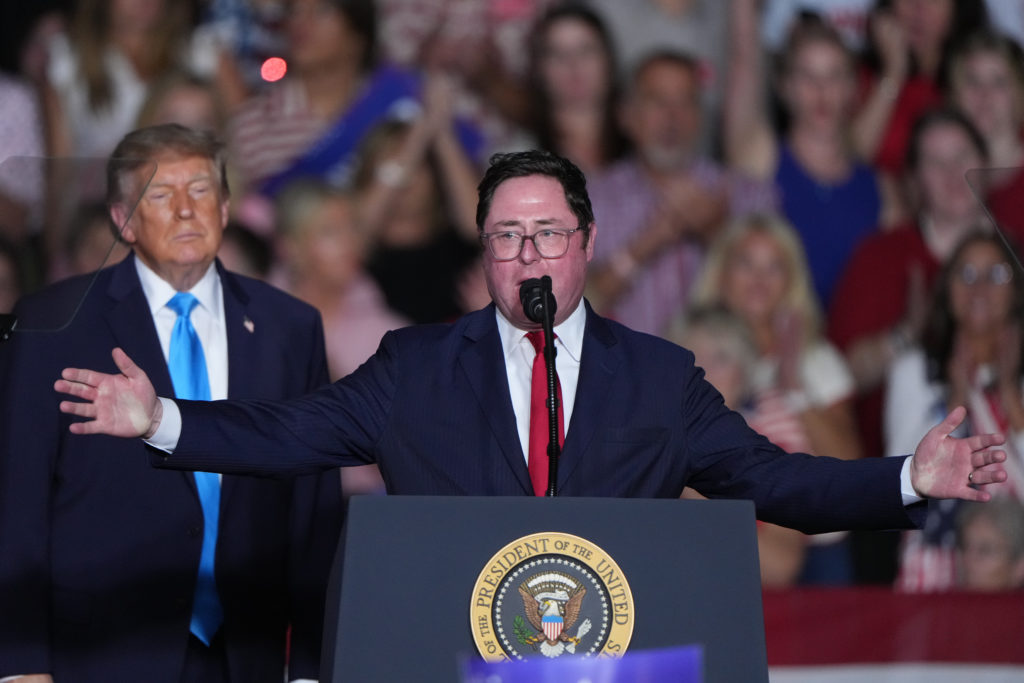
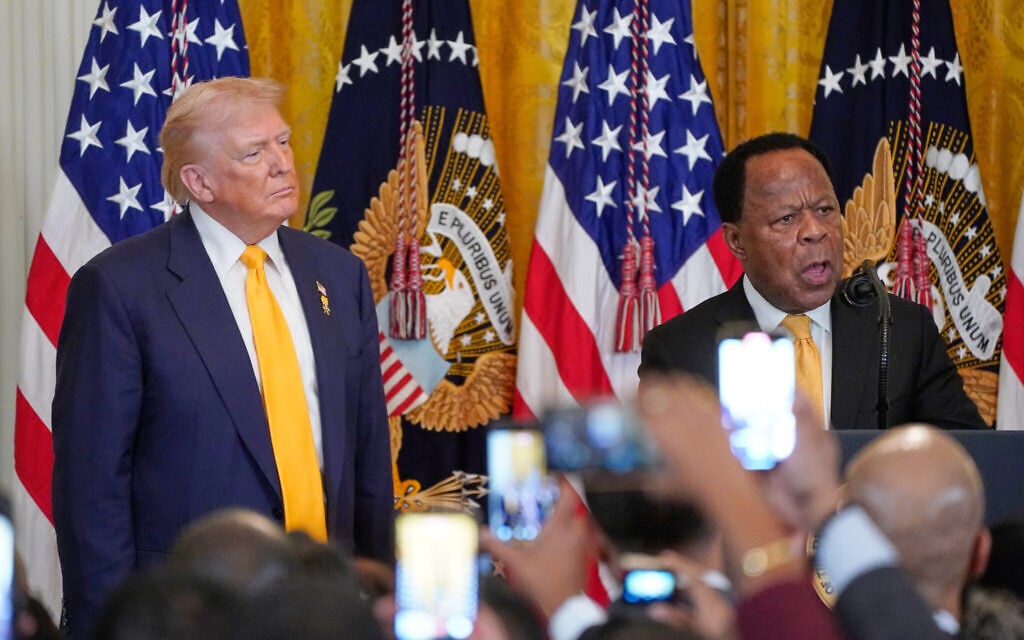
A man who heckledthe Democratic candidate for Senate Abdul El-Sayed and demanded he disavow the Muslim Brotherhood at a Michigan town hall is a former aide to the Republican senator Josh Hawley, according to congressional staff records.
At the event on Saturday, an attender who gave his name only as “Tommy” shouted from the crowd, asking whether El-Sayed would disavow the movement. El-Sayed answered: “Sure, yeah, absolutely,” then turned the question around, asking whether the man assumed he wouldn’t.
Democratic Michigan Senate candidate Abdul El-Sayed criticized the implications of a question asked at a Saturday town hall concerning the Muslim Brotherhood. At a campaign event in Michigan, El-Sayed was asked by an attendee whether he would “disavow the Muslim Brotherhood.” “Sure. Yeah, absolutely,” El-Sayed said. “Why are you asking the question?” In the 4…
Jan Crawford had praised man who asked Democratic candidate whether he would disavow Muslim Brotherhood
CBS’s chief legal correspondent Jan Crawford has apologized for and deleted a social media post praising a man who questioned Democratic Michigan US Senate candidate Abdul El-Sayed about the Muslim Brotherhood during a town hall on Saturday.
On Sunday, Crawford, who initially joined CBS in 2009, wrote on X: “Earlier, I tweeted a video from an Abdul El-Sayed town hall. I deleted that tweet because it was a violation of CBS News standards. I apologize.”
On Sunday’s broadcast of CNN’s “State of the Union,” Michigan Republican U.S. Senate candidate Mike Rogers said his opponent, Democratic nominee Abdul El-Sayed, “has a long history of supporting the Muslim Brotherhood.” Rogers said, “I’ve never called them a terrorist.
On Saturday’s broadcast of “MS NOW Reports,” Michigan’s Democratic nominee for the U.S. Senate, Abdul El-Sayed, compared himself to late President John F. Kennedy and said it is “crazy” to assume he has “dual loyalties.” Host Ali Velshi said, “You
J.D. Vance is approaching the halfway point of his term as vice president in an administration that has committed the United States to wars in locations from Ukraine to Venezuela to Somalia to Iran and beyond. All the while, the administration has threatened sending the military into other places across the world including Mexico, Greenland, and Cuba. In short, this presidential administration is fully committed to a warmongering agenda.
Over his 14 years as a United States House of Representatives member, Mike Rogers similarly established his reputation as a committed advocate for US warmongering across the world. This Michigan Republican and the presidential administration are two peas in a pod when it comes to supporting an aggressive empire.
President Donald Trump in the 2024 presidential campaign portrayed himself as the peace candidate in the race, a tactic that may have brought him the votes needed to obtain a close electoral victory. But, once elected, Trump turned on a dime, becoming the war president who delivers turmoil, destruction, and death. Through this, Vance has stood by Trump in support.
Given this context, it seems almost unimaginable that Vance would stump in Michigan for electing Rogers to the US Senate by asserting that Vance and Rogers are supporters of peace. Yet, that is what Vance did in a Monroe, Michigan speech on Thursday. With the “peace candidate” ploy having worked for Trump in the 2024 presidential election, Vance audaciously gave it a try in the Michigan speech despite it being divorced from reality.
Vance, in his speech, framed the race between Rogers and Democratic nominee Abdul El-Sayed as a battle “between politicians obsessed with foreign causes and leaders who remember that their first duty is to fight for the people right here at home.” Vance’s claim is that he and Rogers are among the good “leaders” instead of the bad “politicians” in this comparison. But, it is Rogers, who relentlessly supported US intervention abroad as a House member and in his chairmanship of the House Intelligence Committee is the quintessential politician obsessed with foreign causes. And it is crystal clear that over the last two years the Trump administration has, in its obsessive pursuit of foreign causes, sacrificed the interests of the American people, including by substantially increasing the national debt and driving the cost of fuel sky-high.
Vance proceeded in his speech to declare that the Democratic opponent Rogers faces in the race is “absolutely obsessed with conflicts occurring thousands of miles away in the Middle East.” “He is obsessed,” continued Vance, “with the state of Israel and with Gaza.” This, of course, is an obsession of the Trump administration that started the Iran War jointly with Israel and has been giving Israel enormous financial, military equipment, and intelligence aid to support Israel’s attacks on not just Gaza but also other places including Iran and Lebanon.
Meanwhile, Rogers, a staunch supporter of the US aiding Israel, has asked the American Israel Public Affairs Committee (AIPAC) — the most prominent organization in the “Israel Lobby” in America — to not directly fund advertisements for his campaign while he travels the country to attend AIPAC organized fundraisers. Rogers is trying to keep under wraps that he is what Vance says his opponent is. Will voters understand the reality or be tricked by the subterfuge?
Why did Vance go through with making claims regarding US foreign policy in his speech that fly in the face of reality? The answer may be found in a comment by Rogers’s Democratic opponent in a Senate election debate held the week before. In that debate, El-Sayed stated in regard to Rogers: “So, it’s just inconsistent to me to be running for Senate from Michigan when you’re more focused on what’s happening to a foreign government than you are focused on what’s happening to folks right here in Michigan.” The foreign government referenced in El-Sayed’s comment is Israel. Instead of trying to give a nuanced counterargument to this charge from the debate, Vance went in his speech with the old standby of “I’m rubber and you’re glue; whatever you say bounces off of me and sticks to you.” In the process, Vance ended up looking ridiculous to anyone with basic knowledge of the foreign policy records of Rogers and the Trump administration.
Michigan Israel Business Accelerator drew fire ahead of the Innovation Exchange Summit at Huntington Bank HQ, with Rep. Rashida Tlaib demanding state end funding for group
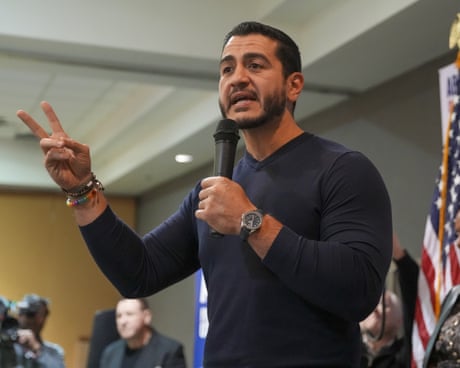
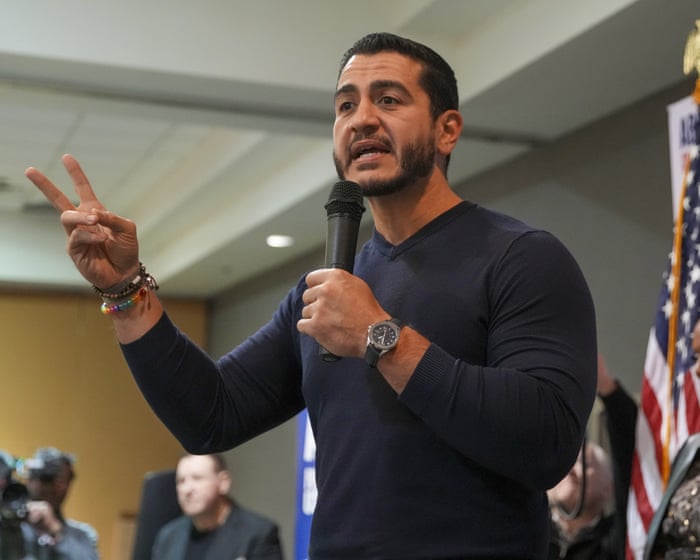
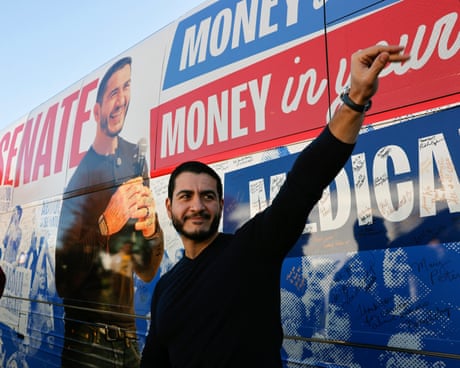
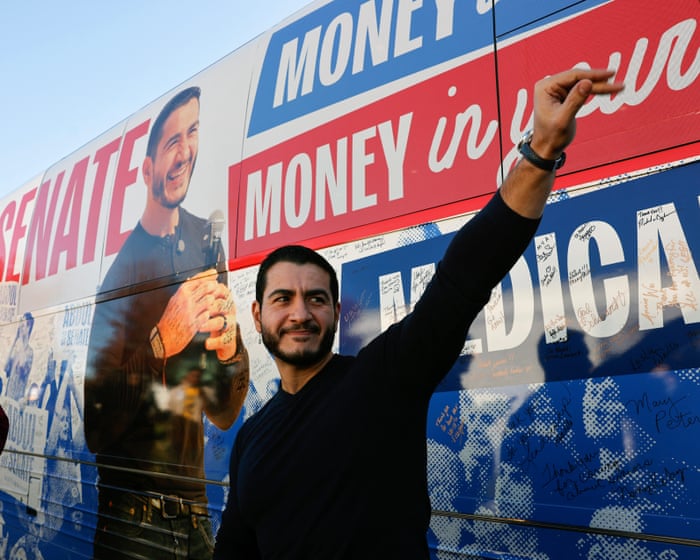
There is still over an hour before the protagonist appears, but the line already wraps around the block. Dozens of people wait patiently for their turn to see the man who has become the great hope of the Democratic left wing. When he begins to speak, pandemonium breaks out: “My name is Abdul El‑Sayed and I am going to be your next senator in Washington.” Over the next hour, the hundreds gathered in this venue will applaud, laugh, and cheer every word from the mouth of the new star of American politics, who has already made a fitted black T‑shirt and jeans his trademark look. We are in Lansing, Michigan’s capital, where one of the most gripping battles of the midterm elections — just over two weeks away — is being fought.
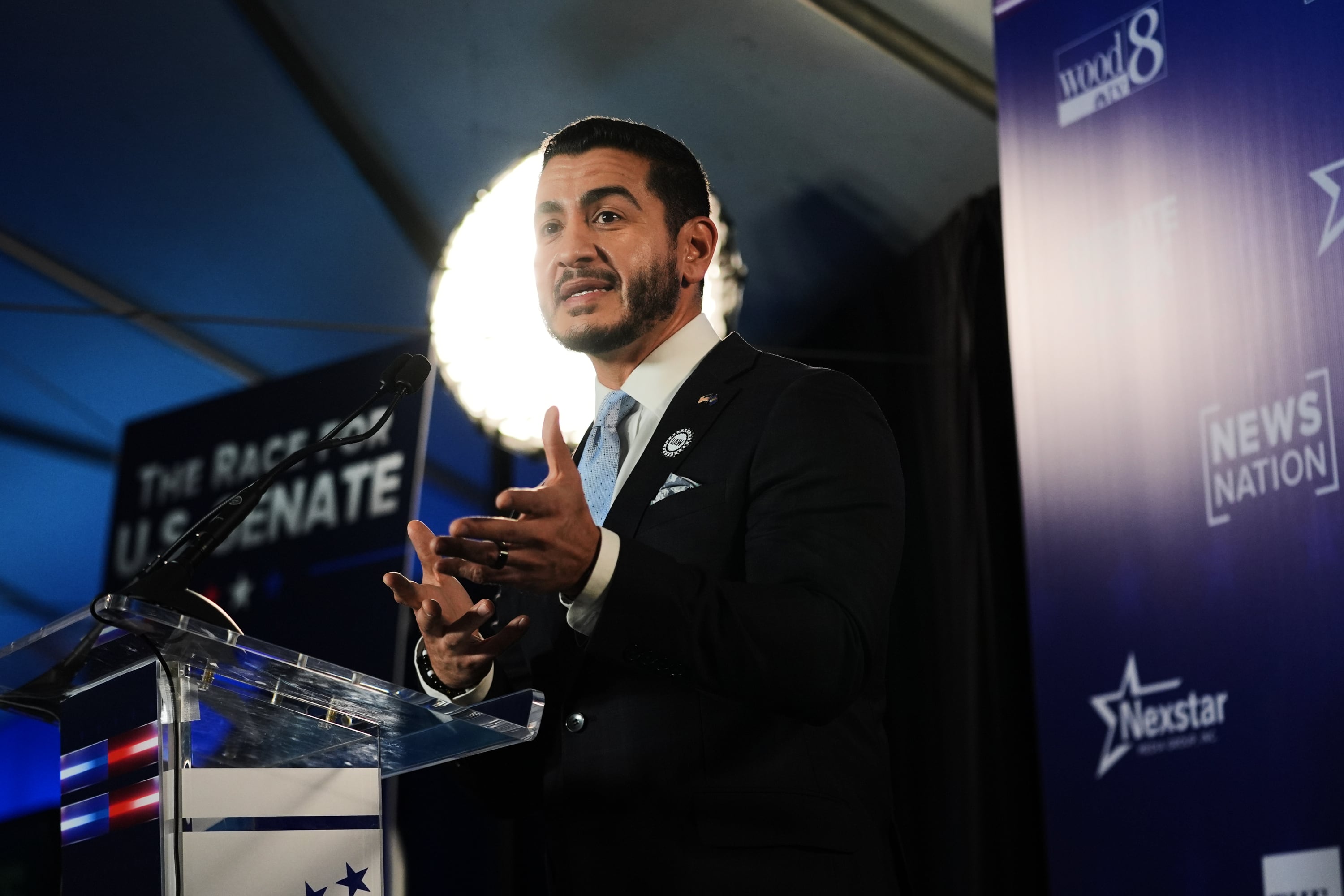
Abdul El‑Sayed, Democratic candidate for U.S. senator from Michigan, last Thursday after debating Republican Mike Rogers in Grand Rapids, United States.
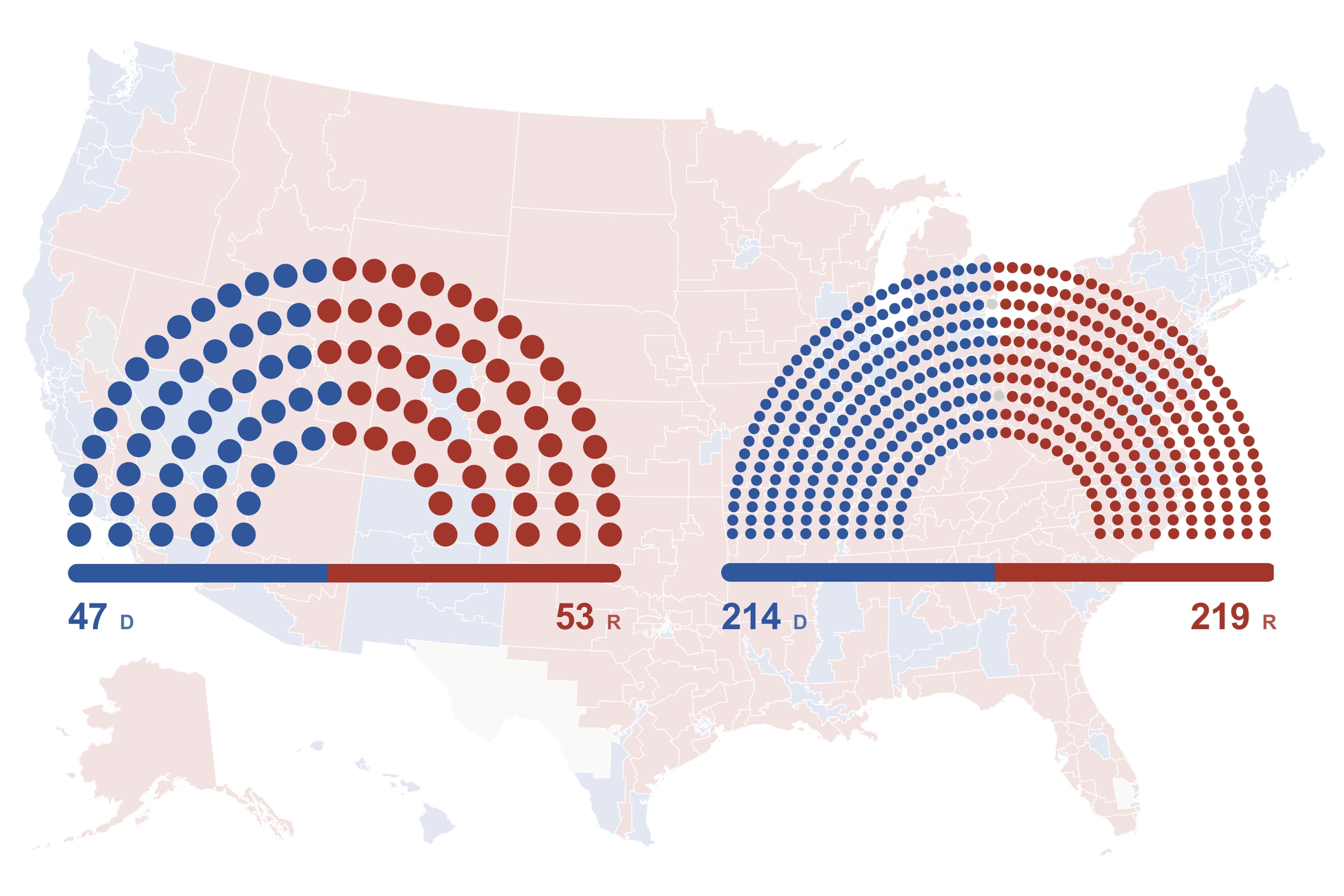
On November 3, voters will head to the polls for the midterm elections, which will determine whether Donald Trump’s Republicans retain a friendly Congress or whether Democrats take control of one or both chambers, enabling them to mount a more aggressive opposition by blocking legislation, budgets and appointments during the final two years of his term.
Statehouses make health-care policy, guide education, and may redraw congressional districts ahead of 2028. With the stakes high, more than 6,100 legislators will be elected Nov. 3.
Michigan Democratic Senate candidate Abdul El-Sayed mocked Vice President Vance’s recent visit to Michigan, calling it “a cute little rally.” “JD Vance was just in Michigan. He had a cute little rally in Monroe,” El-Sayed said during an event. “He invited the like, I don’t know, five people who like him.” Vance visited Monroe, Mich., to rally…
Representative Alexandria Ocasio-Cortez campaigned with Dr. Abdul El-Sayed in a swath of Michigan including areas won by President Trump, making a progressive pitch in a key Senate race.
Dr. Abdul El-Sayed, the Democratic nominee for the Senate in Michigan, campaigned with Representative Alexandria Ocasio-Cortez on Thursday, including in areas won by President Trump.
Leo Terrell attends Detroit suburb event co-hosted by right-wing Zionist Organization of America, as Trump administration courts Jewish vote in tight swing state Senate race
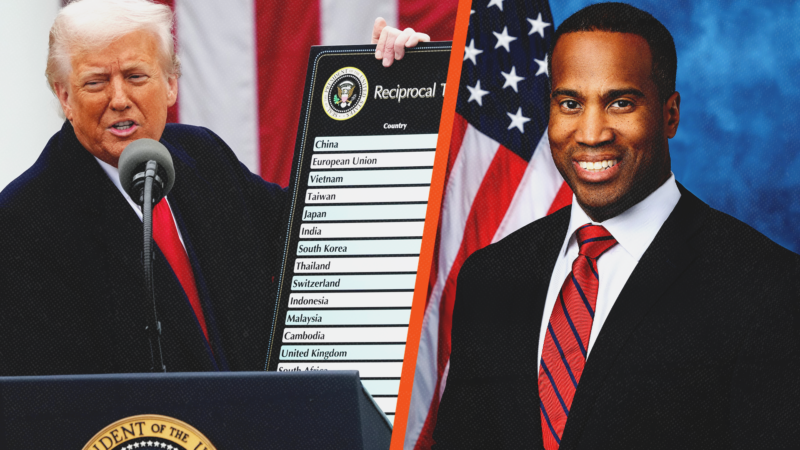
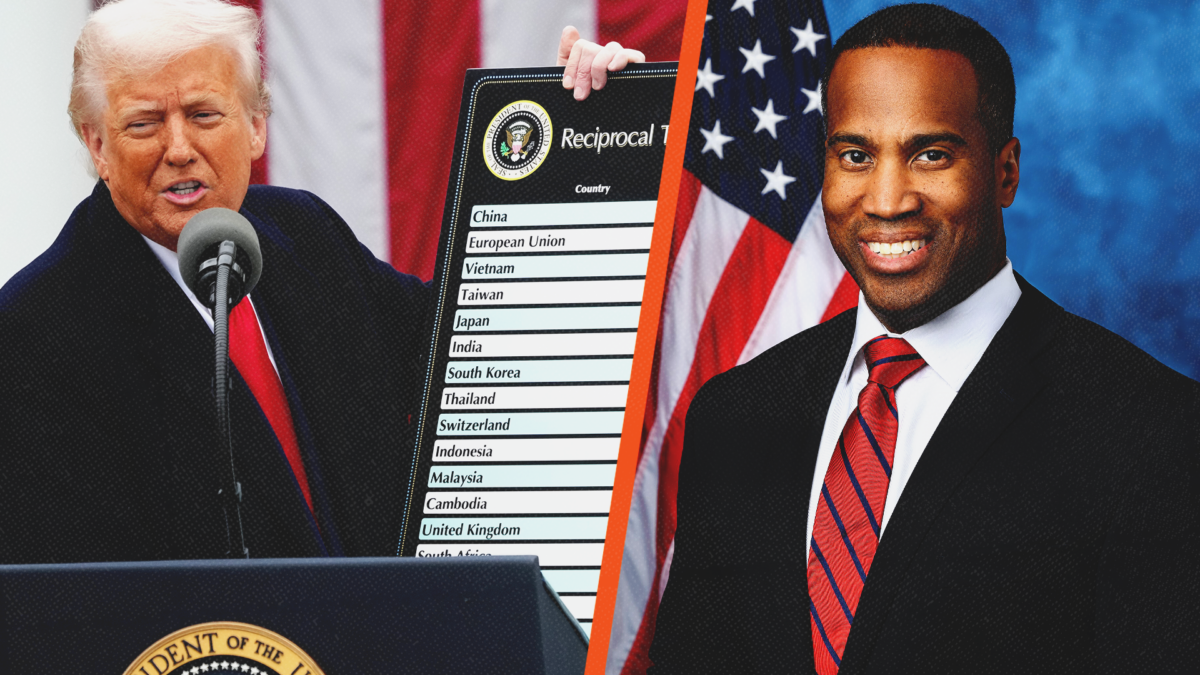
The Republican congressman who hopes to be the next governor of Michigan has a plan to help American businesses hurt by President Donald Trump's tariffs.
Is he proposing to abolish those tariffs? Hahahaha, oh please.
Instead, Rep. John James (R–Mich.) has introduced a bill that would use some tariff revenue to offset the economic harm being caused by…the tariffs.
James' proposal, the Tariff Relief for American Development and Employment Act of 2026, would create a new tariff relief fund to be accessed by American businesses that "demonstrate actual tariff-related economic injury."
"Michigan is disproportionally affected by the trade war, so it's reasonable to use tariff revenue to reduce the effect on Michigan businesses and workers," James said in a statement announcing the legislation.
To qualify for the money, businesses would also have to pledge to maintain existing production and employment levels. The bill instructs the Treasury Department, which would administer the fund, to give priority to businesses with larger numbers of American workers and those that avoid layoffs and boost worker pay.
In other words: Pay the tariffs first, then do a bunch of paperwork and cross your fingers that the bureaucrats at the Treasury decide that you qualify for reimbursement. And in the meantime, don't cut production or lay off workers—things a business might naturally do in response to a new tax burden—or the federal overseers might not favor you.
"You guys remember when Republicans used to criticize Democrats for imposing costly, convoluted taxes and then giving some Americans their own money back?" asks Scott Lincicome, vice president for general economics at the Cato Institute, in response to James' proposal. Indeed.
For that matter, remember when Republicans understood that concentrating more economic decision-making power in Washington wasn't the way to help American businesses? This bill requires businesses to jump through a series of hoops—a process that will add more costs and complexity on top of the tariffs—and creates more incentives for executives to work harder at currying favor in Washington rather than succeeding in the marketplace.
The fact that James is running for governor in Michigan—and trailing in the polls—likely sheds some light on his motivations here.
In Michigan, manufacturing employment has declined since April 2025, when Trump launched his second-term tariffs on what the White House dubbed "Liberation Day." Meanwhile, Michigan households have paid more than $23 billion in tariff-related costs since January 2025, according to a tracker maintained by the National Taxpayers Union Foundation.
By acknowledging that the tariffs are hurting businesses in Michigan, James becomes the latest Republican to openly break with the president over his signature policy. Former congressman Mike Rogers, who is running for Senate in Michigan, has TV ads calling for an end to what he calls the "tariff war."
It is good that Republicans are finally admitting the reality of the tariffs. Study after study has shown that the import taxes are imposing costs on American businesses and consumers. Last week, the New York Federal Reserve concluded that the average price of 67 common household goods would have fallen over the past year, if not for the tariffs. Instead, those prices increased by about 3 percent.
Fixing that requires repealing Trump's tariffs, rather than constructing a new labyrinthine process for funneling some of the tariff money back to certain businesses.
James' bill is a deeply silly proposal, but there's also something quite pathetic about this. James is, after all, a member of Congress. You know, the branch of government that the U.S. Constitution vests with control over trade and tariffs. You don't need to build a bureaucratic Rube Goldberg machine to "reduce the effect [of tariffs] on Michigan businesses and workers."
You just have to do your constitutionally appointed job and tell the president that he can't unilaterally raise taxes on Americans whenever the mood strikes.
There is less than a month left until the midterm elections on November 3. The outcome will determine which party controls both houses of Congress and begin shaping the post-Donald Trump era.
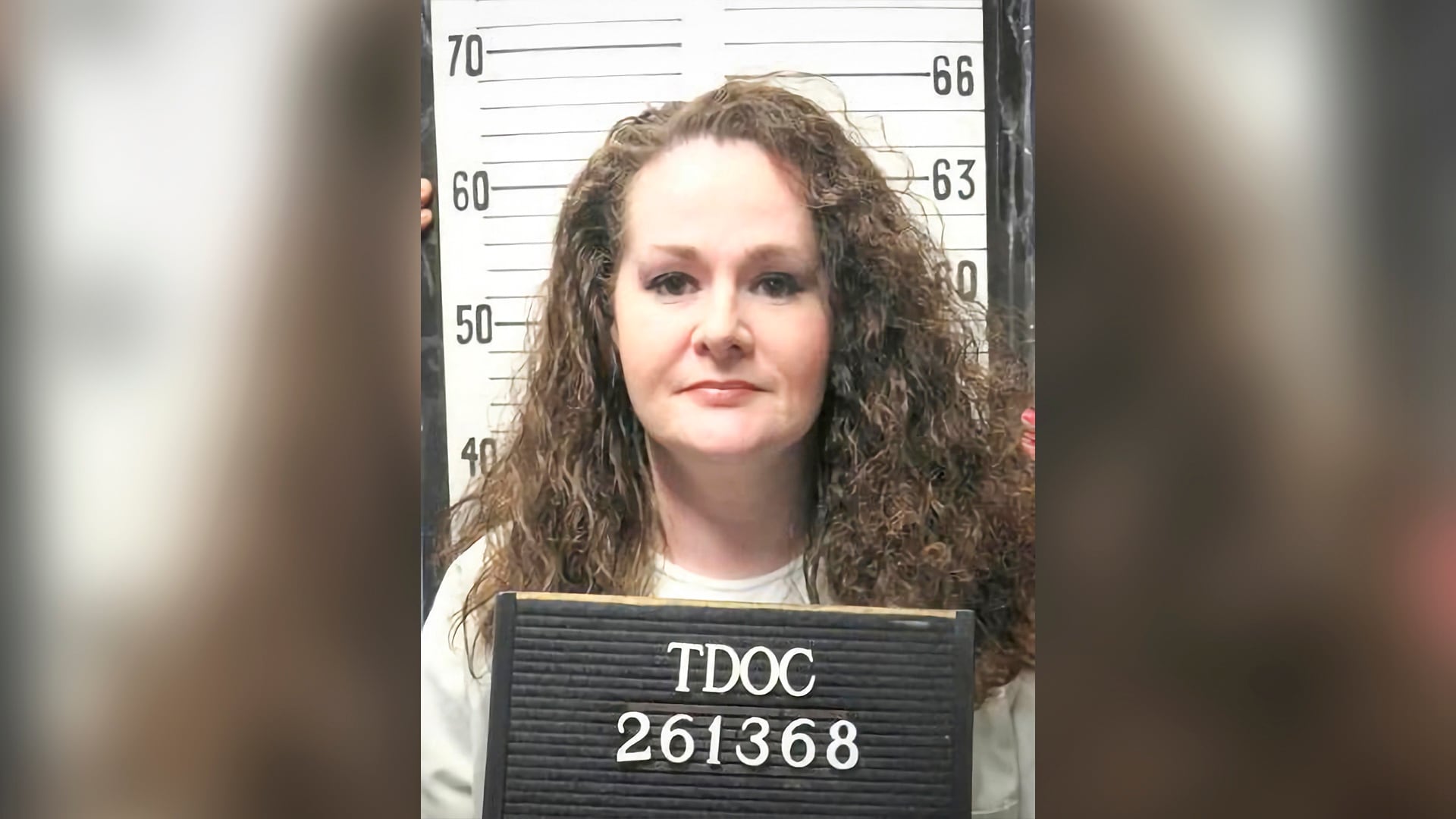
Tennessee Governor Bill Lee has halted the one remaining execution for 2026 after a woman named Christa Pike on Wednesday survived two injections of pentobarbital, a situation described as unprecedented.
 Login