❌

Reading view

The WHO searches for a new leader as US funding dries up and trust in science wanes
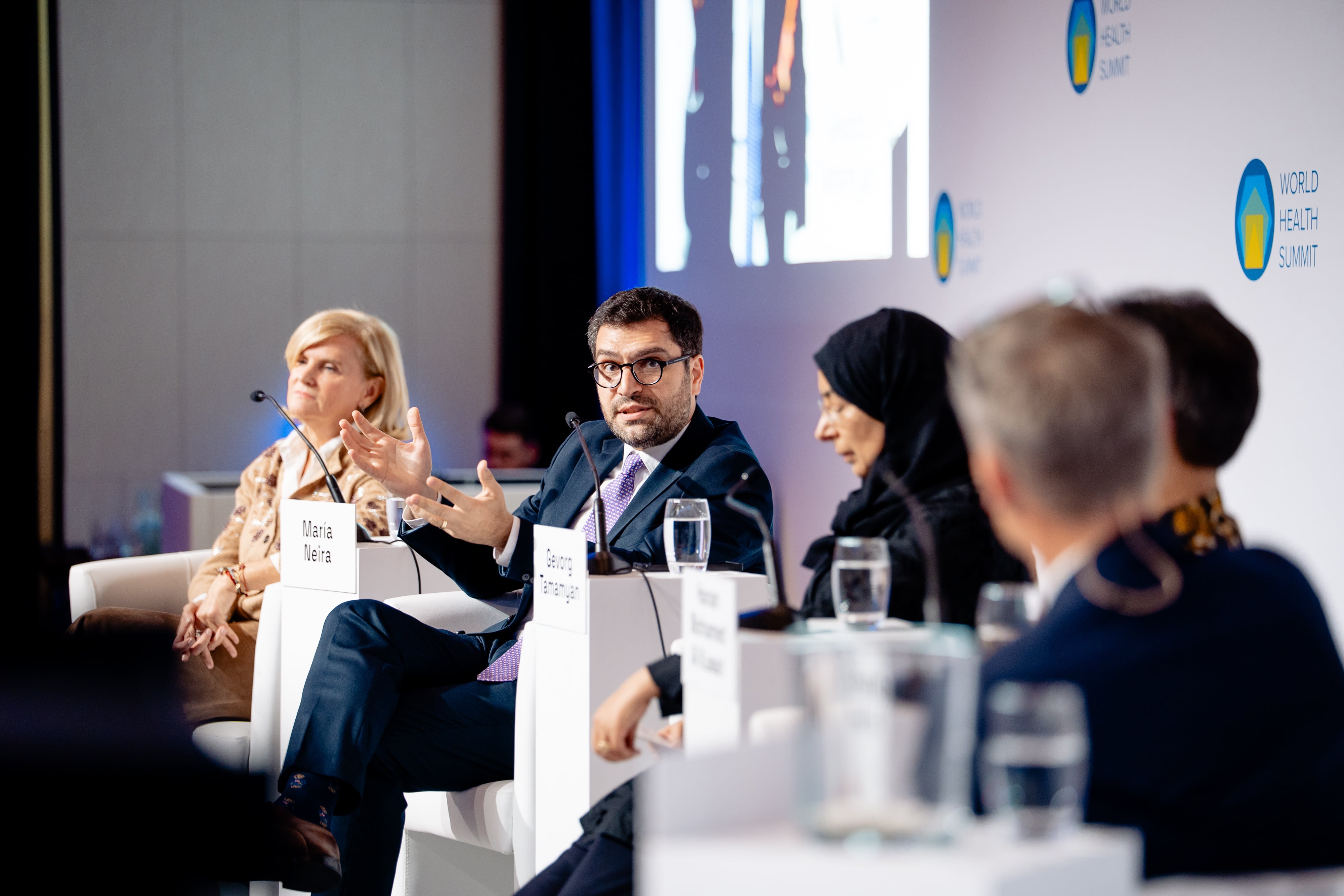
From left to right: María Neira, Gevorg Tamamyan, and Hanan Mohamed al Kuwari, three of the candidates to lead the World Health Organization.

A woman in her 70s holds a sign against the World Health Organization (WHO) in the rain outside the World Health Summit in Berlin, one of the main international forums on global health. The image catches the eye of Gevorg Tamamyan, an Armenian physician and candidate to lead the agency. “When I was a child, the WHO meant trust. Why has that trust become so fragile?” he asks hours later during the first debate among several of the seven contenders to succeed Tedros Adhanom Ghebreyesus.
Seguir leyendo

  •  

Nuclear war and the malicious use of artificial intelligence rank among the threats to global health: ‘It would inflict an apocalypse’

If the Covid-19 pandemic and the war in Ukraine have demonstrated anything, it is that unexpected, entirely unforeseen and unpredictable events can drastically affect public health and even put humanity at risk. Danger can emerge at any time and from anywhere, but the scientific community has identified a handful of threats with particularly severe potential consequences for human survival.

Seguir leyendo

© Daniel Buuma (Getty Images)

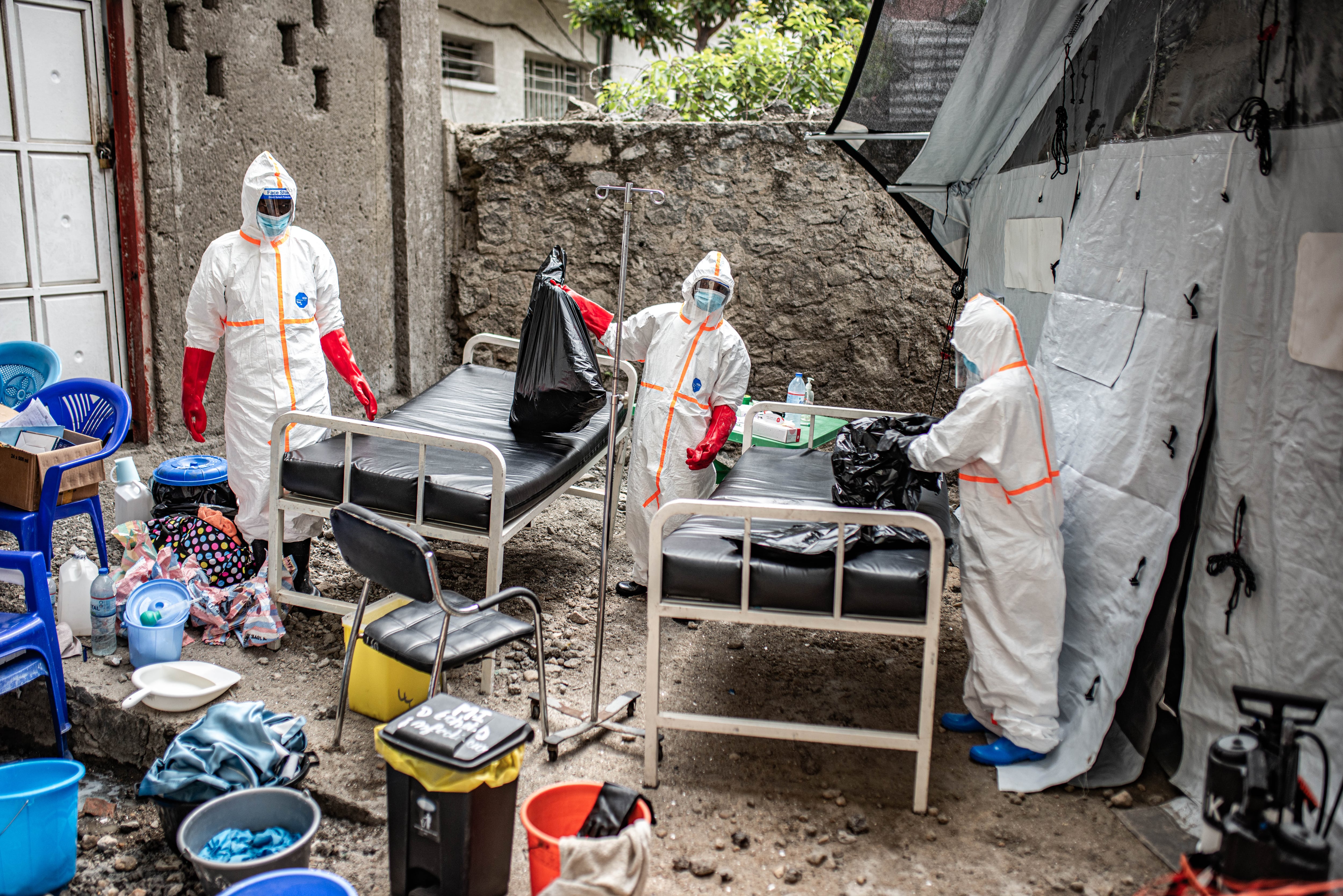
Healthcare workers disinfect equipment used to treat an Ebola patient at a hospital in the Democratic Republic of Congo.
  •  

What authorities have said about plague alert after death of a laboratory worker in Russia

The death of a worker at a plague research laboratory in Irkutsk, Russia, has triggered a public health emergency in the region. Authorities have imposed restrictions on hospital access and about 200 contacts are under surveillance. But much remains unknown. Firstly, whether the researcher died as a result of an infection acquired at her workplace — a claim denied by authorities but circulating on Telegram channels and in local media. This is what is known (and not known) so far.

Seguir leyendo

© Stringer (REUTERS)

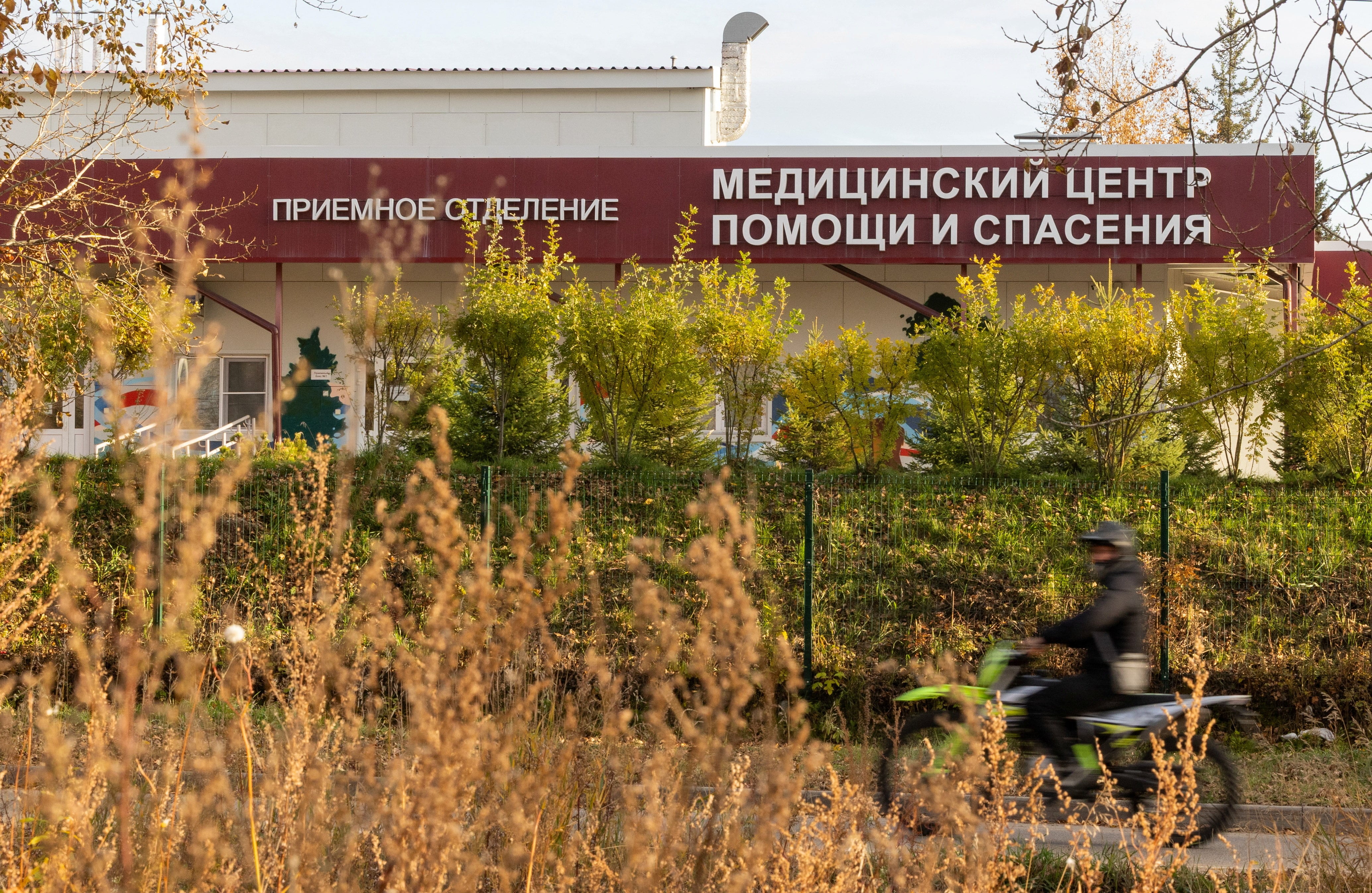
The infectious diseases hospital in Shelekhov in the Irkutsk region (Russia).
  •  

New ‘atlas’ of respiratory infections suggests Covid is no longer just a winter virus

A comprehensive atlas of the 18 main respiratory viruses circulating in Catalonia, produced for the first time in Spain by researchers from that northeastern region, reveals that the coronavirus that caused the Covid-16 pandemic — SARS-CoV-2 — “is currently not a winter virus. In recent years, it has shown clear peaks during the spring and summer, which is different from what was initially expected.”

Seguir leyendo

© AP

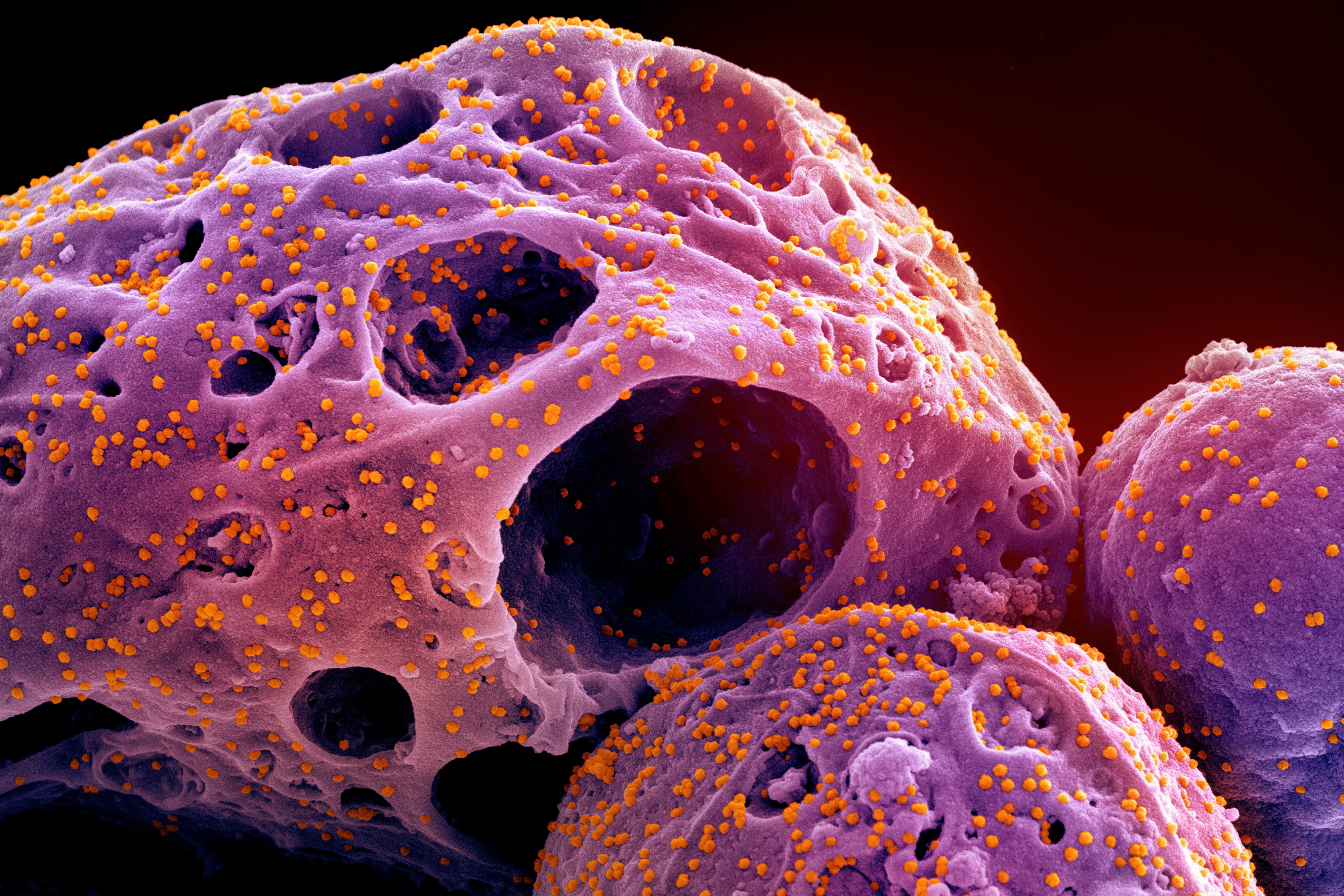
Colorized electron microscope image shows cells (pink) infected by the coronavirus (orange).
  •  
❌