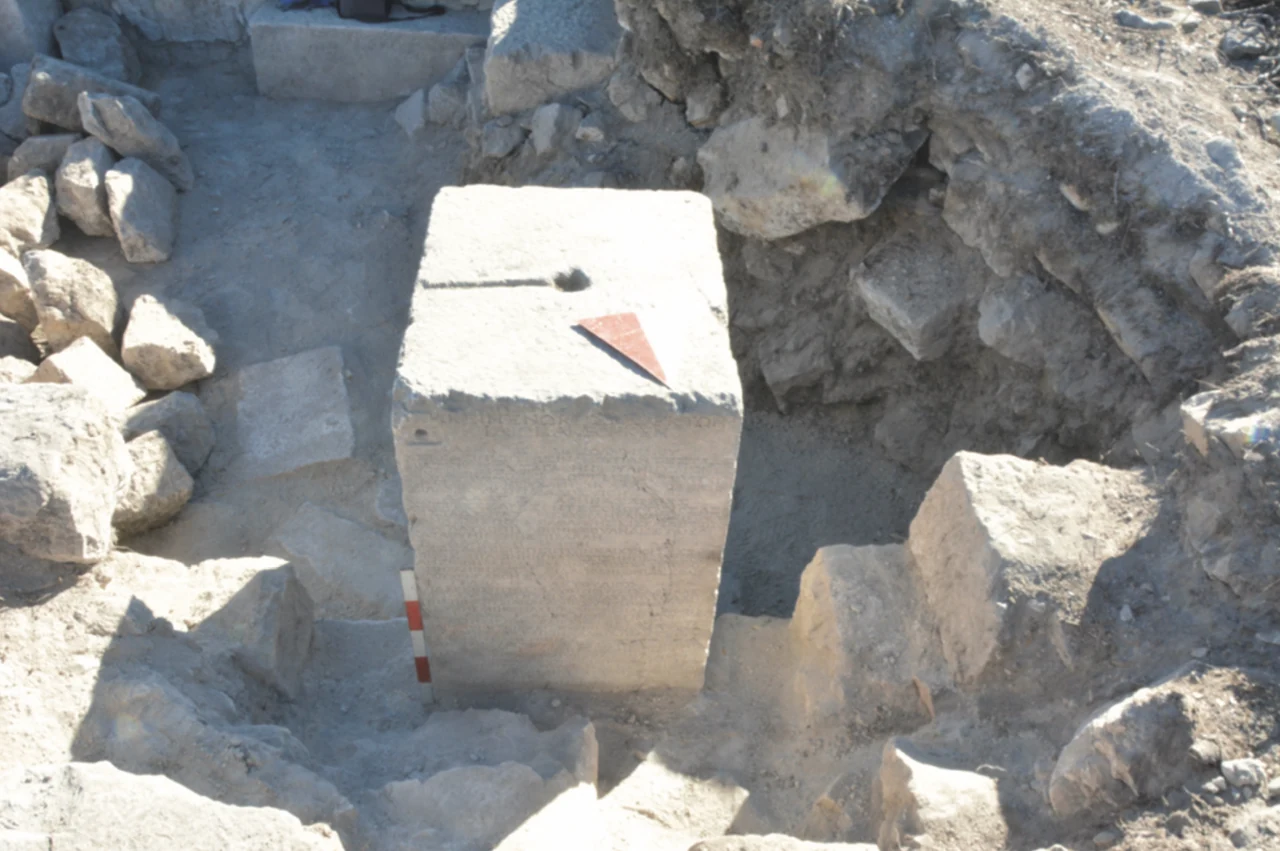
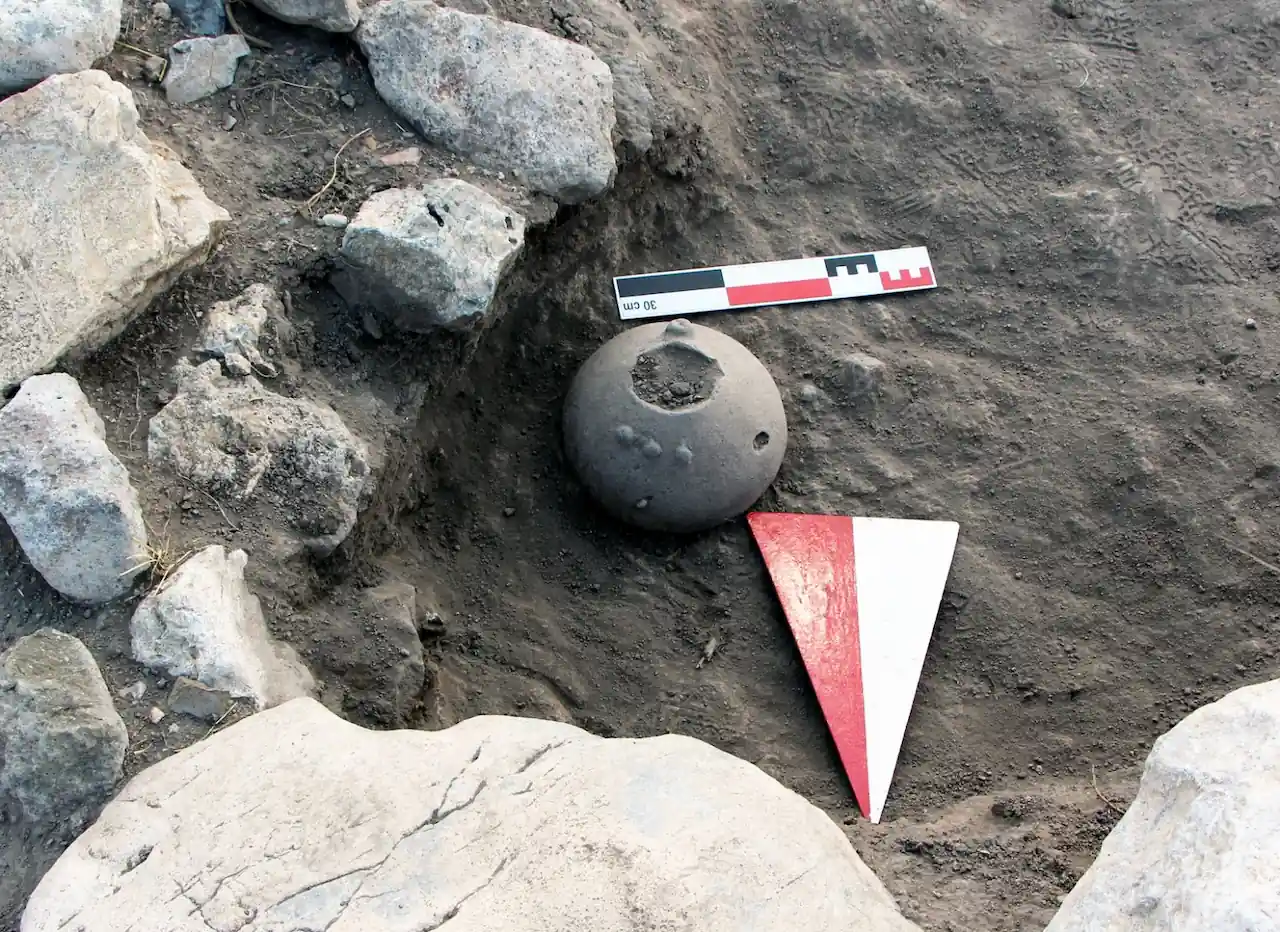
La consulta funcionaba más o menos así. Quien tenía una duda (si convenía emprender un viaje, cerrar una compra, meterse en un pleito o esperar a que un enfermo mejorase) se acercaba a una estatua del dios Hermes en la plaza de su ciudad, lanzaba sobre una mesa unos huesecillos de oveja, sumaba los puntos […]
Here is how a consultation worked. Anyone with a question (whether to travel, close a purchase, go to court, or wait for a sick relative to recover) walked up to a statue of the god Hermes in the town square, threw a handful of sheep bones onto a table, added up the points and looked […]
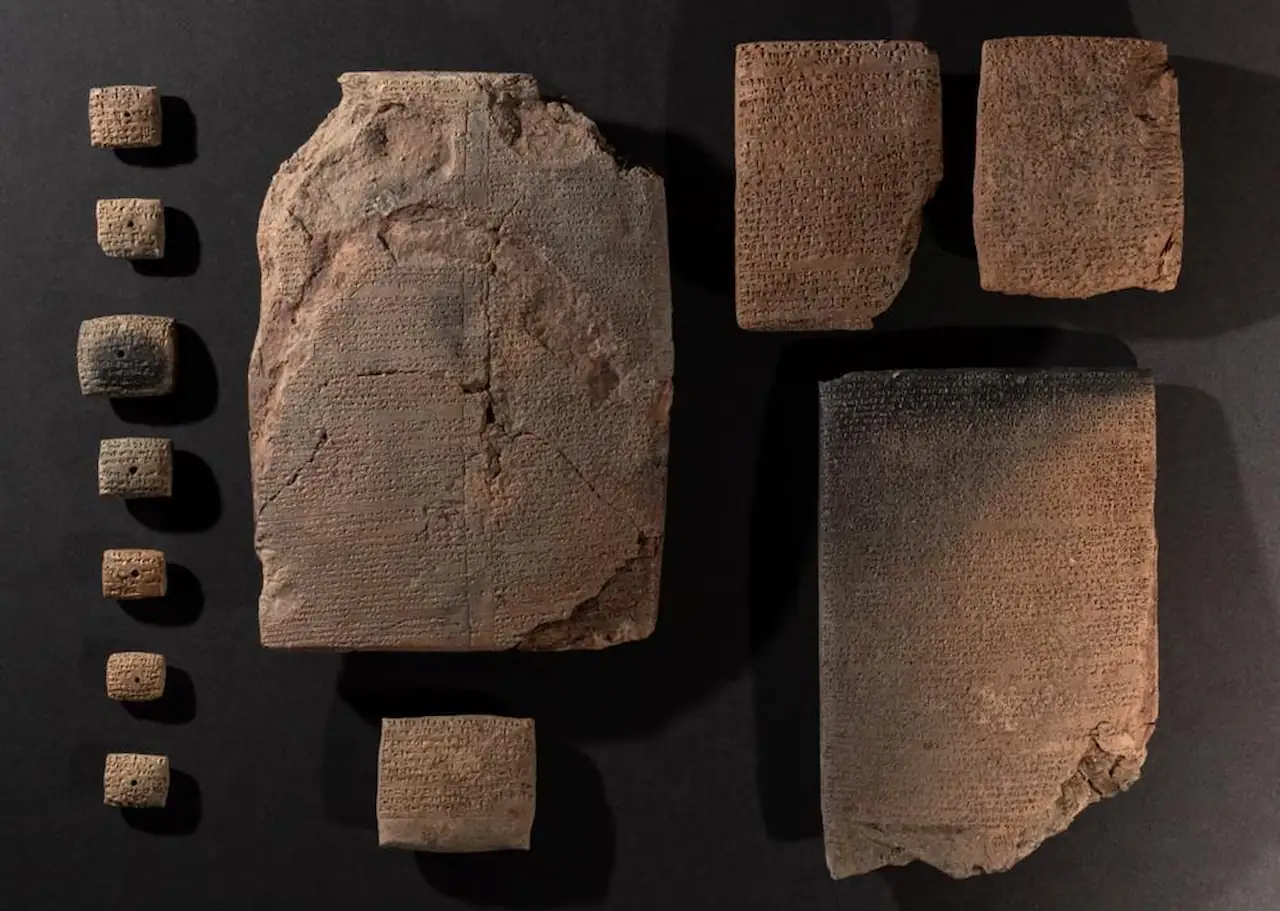
The Hittite generals posted in western Anatolia (the Asian part of modern Turkey) did not mince words. They told their king that the territory was surrounded by enemies. They asked for soldiers, horses and war chariots, and warned that without help the army could be destroyed. They also made it clear that they would not […]
Los generales hititas destinados en el oeste de Anatolia no se andan con rodeos. Cuentan al rey que el territorio está rodeado de enemigos, piden soldados, caballos y carros de guerra y advierten de que, si la ayuda no llega, el ejército puede ser destruido. Añaden además que no asumirán la responsabilidad de lo que […]
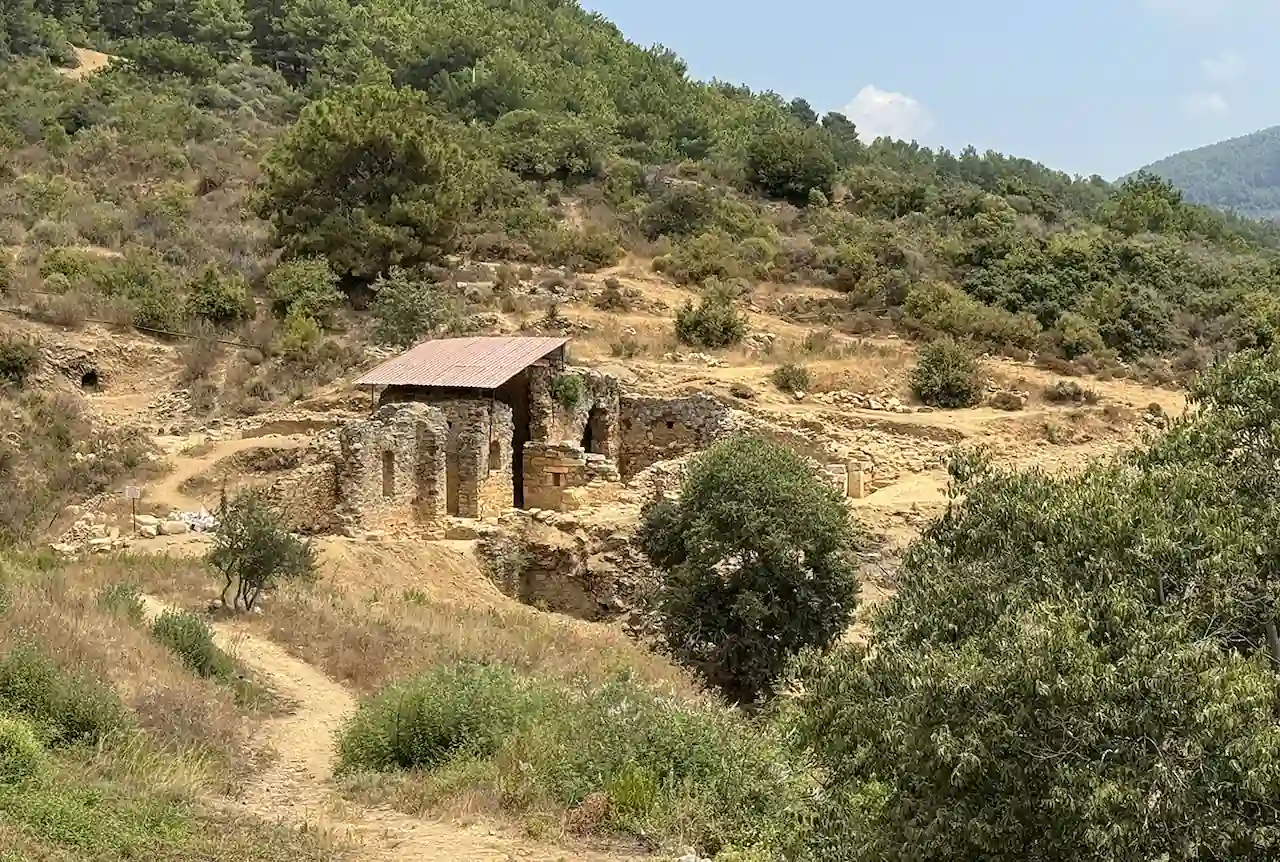
En agosto del año 117, un barco con el emperador de Roma a bordo tuvo que acercarse a la costa de Cilicia porque el pasajero estaba demasiado enfermo para seguir. Se llamaba Trajano, llevaba diecinueve años gobernando el mayor imperio de su tiempo y había nacido en Itálica, junto a la actual Sevilla. Lo desembarcaron […]
In August AD 117, a ship carrying the Roman emperor put in at the coast of Cilicia, in what is now southern Turkey. Its most important passenger was too ill to travel any farther. Trajan had ruled for nineteen years, and under him the Roman Empire reached its greatest territorial extent. He had been born […]
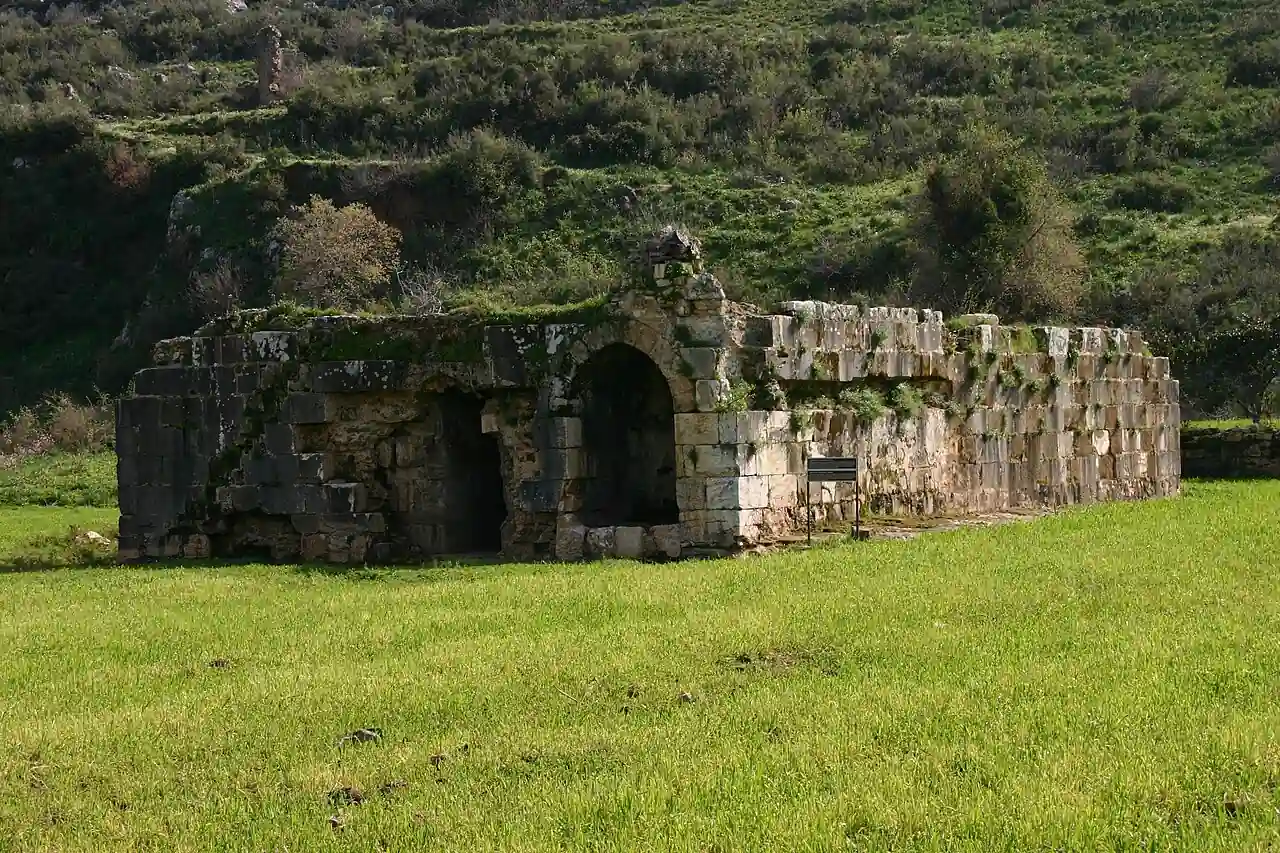
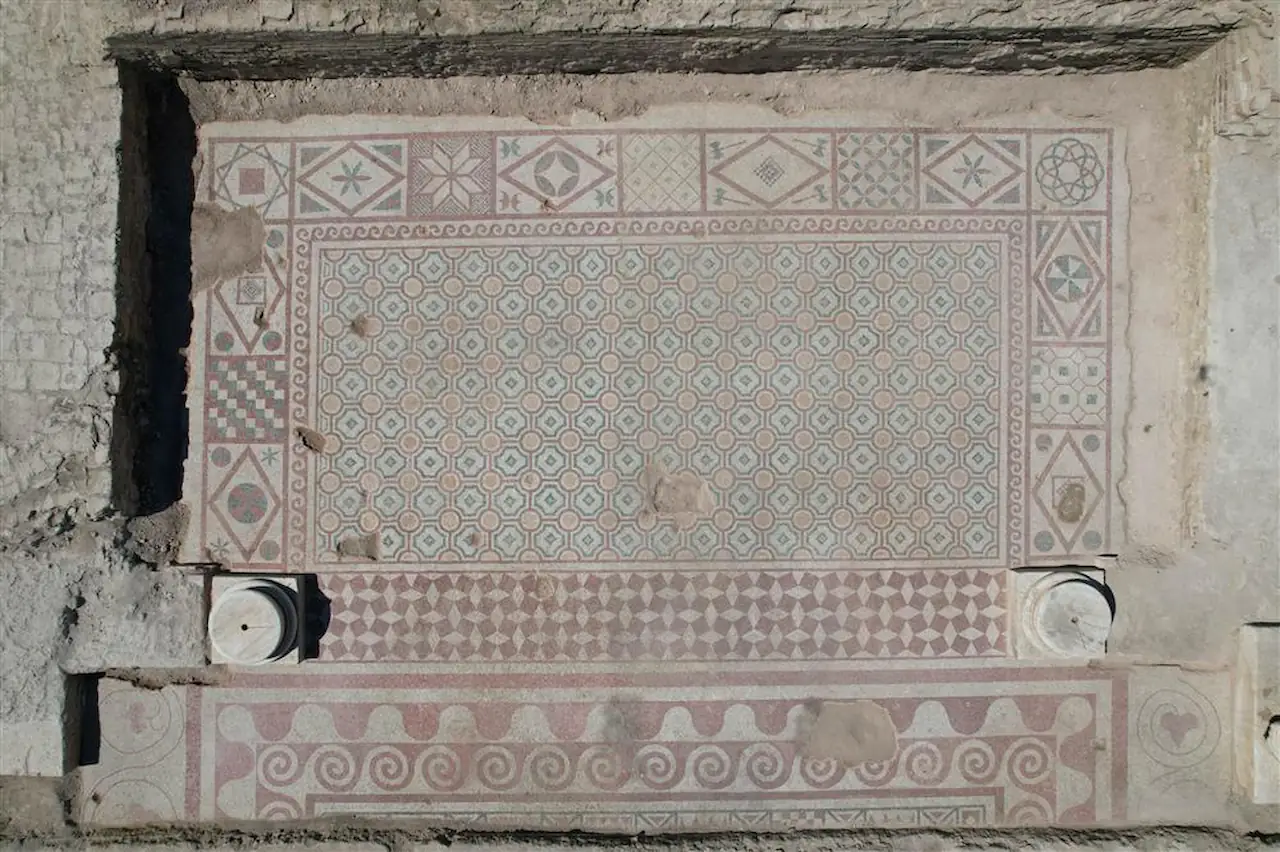
A modest Roman bathhouse on Turkey’s southern coast spent its retirement very differently from how it began. Constructed in the late 2nd or early 3rd century CE, it stopped functioning as a bath sometime after an invasion in the 260s CE and was never used for bathing again. Centuries later, someone gutted much of its […]
Un equipo de investigadores ha publicado el hallazgo de una instalación de procesamiento agrícola construida dentro del llamado Baño Pequeño de Antioquía del Crago (Antioquia ad Cragum), en la región histórica de Cilicia Áspera, en la actual Turquía. El estudio, firmado por Emlyn Dodd (Universidad de Adelaida), Leticia R. Rodriguez (Universidad de Houston) y otros […]
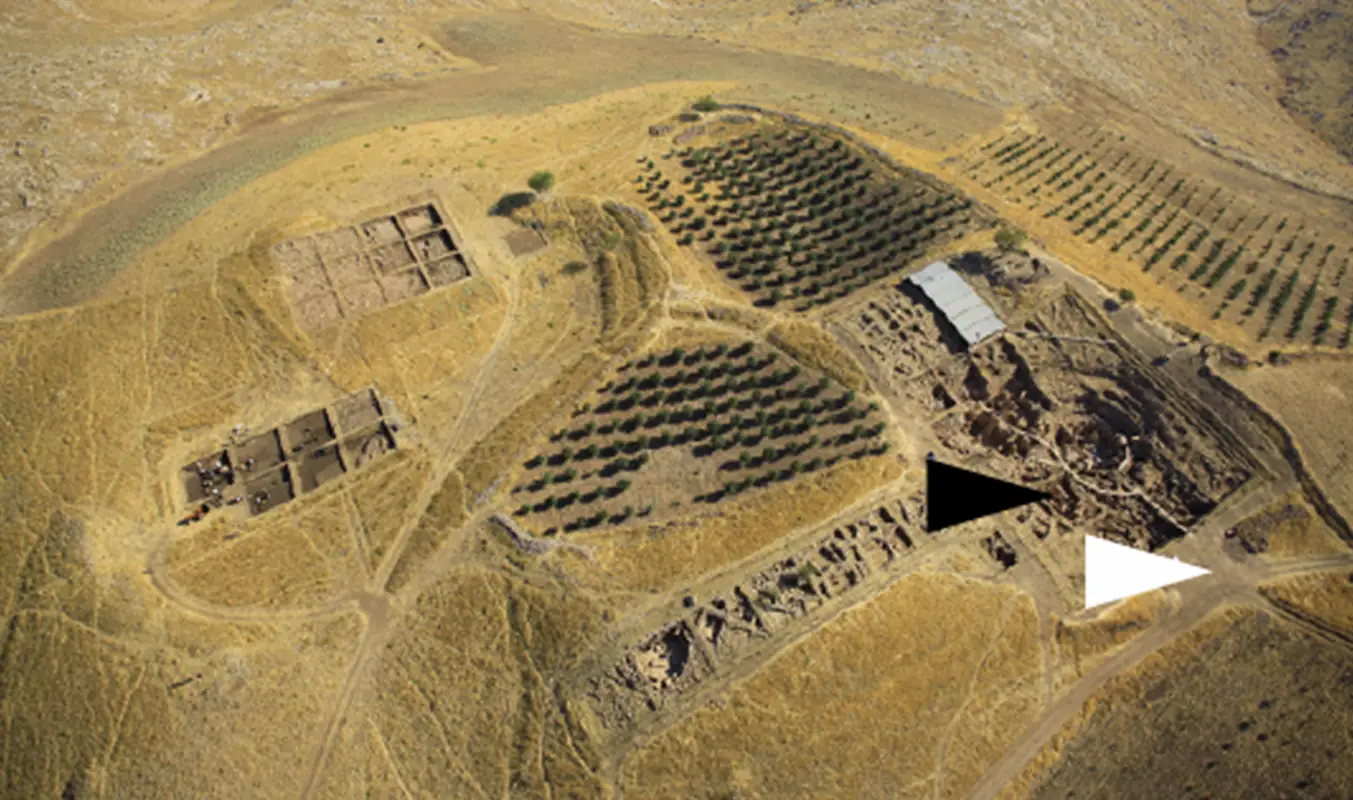
Un equipo de investigadores ha publicado en la revista PLoS One los resultados del estudio de los dos primeros enterramientos completos descubiertos en Göbekli Tepe, un yacimiento arqueológico del Neolítico Precerámico situado en el sureste de Turquía. El trabajo, firmado por Julia Gresky y Lee Clare, ofrece por primera vez una explicación plausible al enigma […]
Archaeologists have spent thirty years puzzling over an unusually grim detail at Göbekli Tepe, the roughly 11,600-year-old site often called the world’s oldest temple. Since excavations began in 1995, diggers have pulled more than 900 individual fragments of human bone out of the earthen fill packed into and around its monumental stone buildings — skull […]
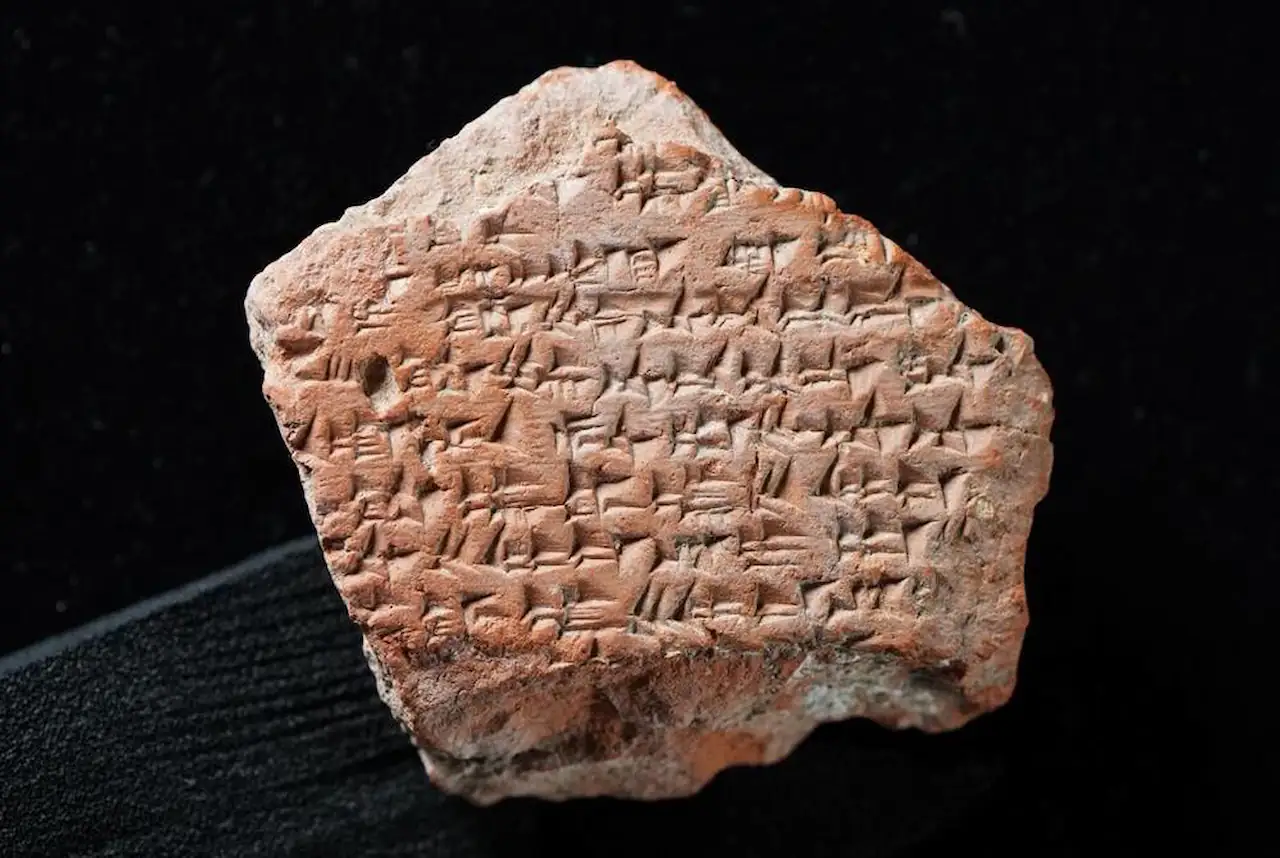
A small piece of clay, not much bigger than a matchbox, took nearly a year for archaeologists to identify. When they finally did, it turned out to belong to one of the most famous documents in the ancient world: the peace treaty that closed out a war between two Bronze Age superpowers, sealed more than […]
Entre las ruinas de Büyükkale, la colina fortificada que albergaba el palacio real de los reyes hititas, un equipo de arqueólogos ha desenterrado un pequeño fragmento de arcilla que ha tardado casi un año en revelar su identidad. Los especialistas han confirmado que ese trozo de tablilla, hallado cerca de los restos del llamado «Edificio […]
The site is called Külhöyük, in the Oyaca neighborhood of Ankara’s Gölbaşı district, about 20 kilometers (12 miles) south of the capital. It’s a tell — the term Near Eastern archaeology uses for an artificial mound built up by layer upon layer of human occupation — roughly 250 by 150 meters (820 by 490 feet) […]
El yacimiento se llama Külhöyük y está en el barrio de Oyaca, dentro del distrito de Gölbaşı, a poco más de 20 kilómetros al sur del centro de Ankara. Es un montículo artificial —lo que en arqueología de Oriente Próximo se conoce como tell o, en turco, höyük— de unos 250 metros de longitud y […]
On the Turkish coast of the Black Sea, there is a Roman city called Pompeiopolis. Despite the name, it has nothing to do with the Pompeii buried by Vesuvius in 79 AD. This one takes its name from Pompey the Great, the Roman general who founded it in 64 or 63 BC as one of […]
Hay una ciudad romana en la costa turca del mar Negro que se llama Pompeyópolis. No la fundó nadie relacionado con la erupción del Vesubio del año 79 ni tiene ninguna relación con la Pompeya italiana: el nombre viene de Pompeyo Magno, que la creó en el 64 o 63 a.C. como una de las […]
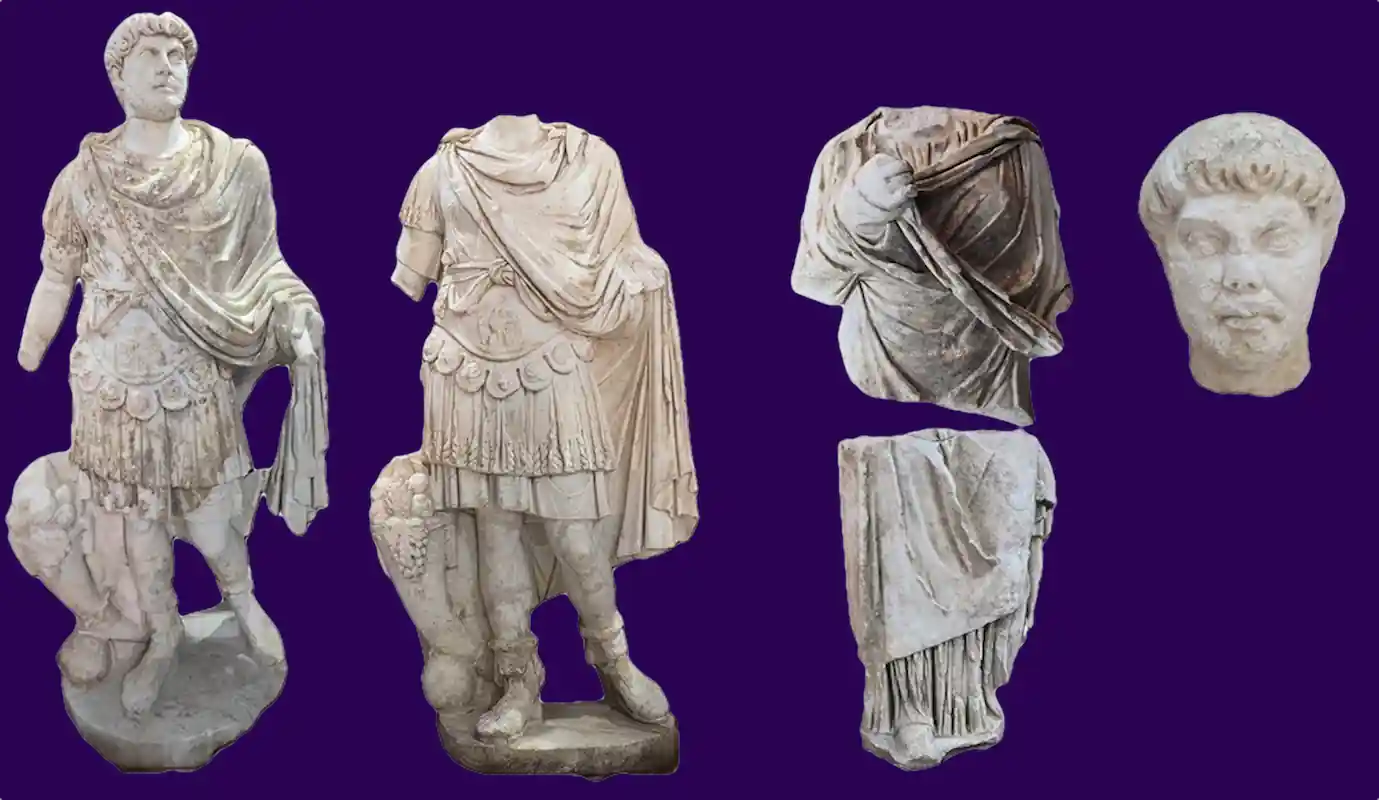
Excavations led by the Mehmet Akif Ersoy University of Burdur (MAKÜ) at the archaeological site of the ancient Greek Kibyra, in southwestern Turkey, have brought to light fragments of four marble sculptures from the Roman era, including a complete representation of Emperor Hadrian, 2.14 meters tall, and another of his wife, Empress Sabina. The work, […]
Las excavaciones dirigidas por la Universidad Mehmet Akif Ersoy de Burdur (MAKÜ) en el yacimiento arqueológico de la antigua Kibyra griega, en el suroeste de Turquía, han sacado a la luz los fragmentos de cuatro esculturas marmóreas de época romana, entre las que figura una representación completa del emperador Adriano, de 2,14 metros de altura, […]
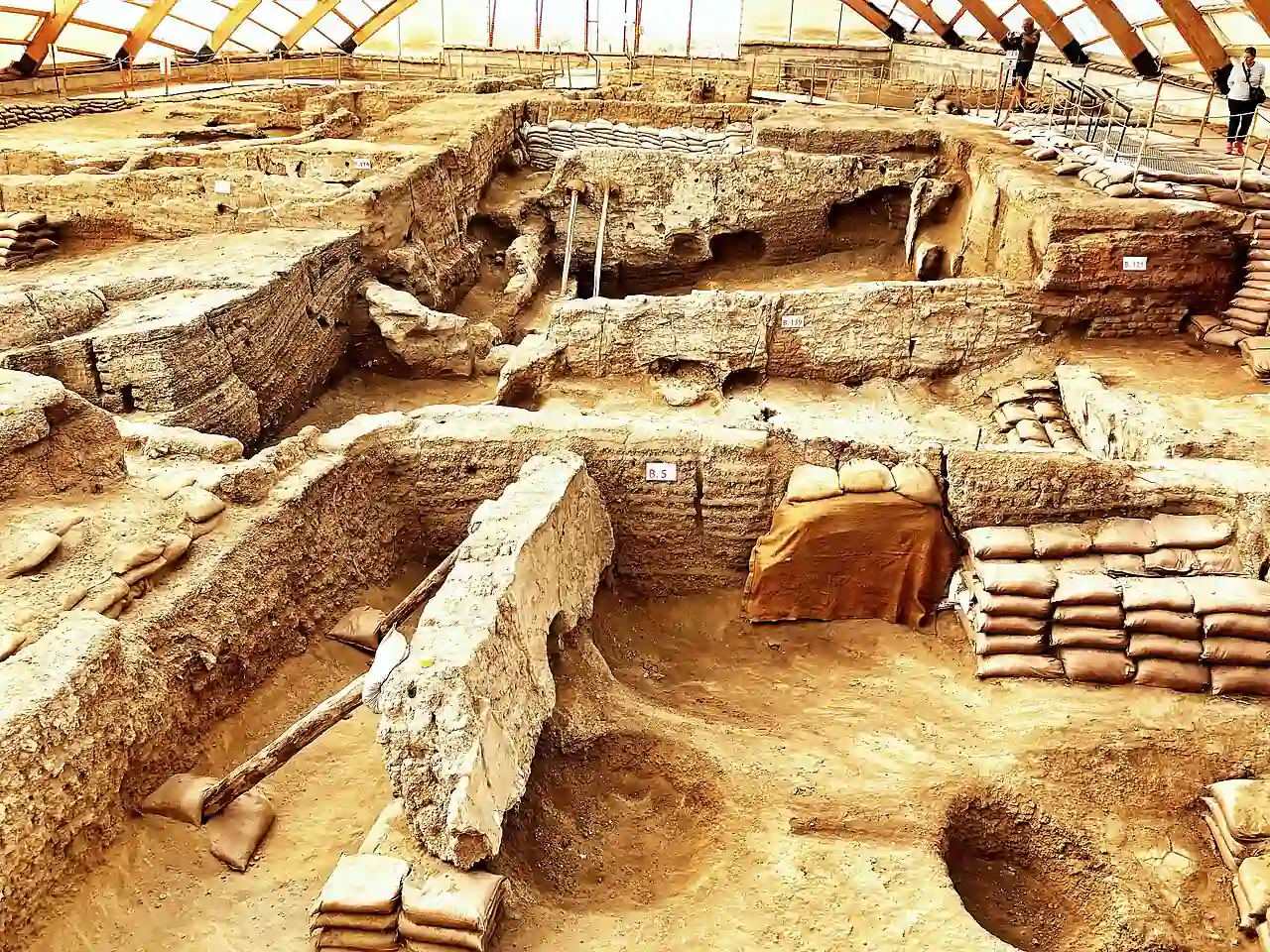
A team of researchers from the Istanbul Technical University has used an innovative computational model to unravel the dynamics that allowed the legendary Neolithic city of Çatalhöyük, in present-day Turkey, to persist for more than a thousand years before undergoing a radical transformation. The results, published in the journal Journal of Archaeological Method and Theory, […]
Un equipo de investigadores de la Universidad Técnica de Estambul ha empleado un innovador modelo computacional para desentrañar las dinámicas que permitieron a la legendaria ciudad neolítica de Çatalhöyük, en la actual Turquía, mantenerse durante más de mil años antes de experimentar una transformación radical. Los resultados, publicados en la revista Journal of Archaeological Method […]

 Login