❌

Reading view

The AI boom is good for people who write about AI. Ask Derek Thompson.

Derek Thompson

Courtesy of Derek Thompson; BI

  • The AI boom is swallowing the US economy.
  • That extends to people who make a living writing, says author Derek Thompson: Stories about AI are the most lucrative thing he can produce.
  • Thompson, who writes about a wide range of topics, says he's torn between writing stories he knows his audience wants, vs other topics he cares about.

Derek Thompson writes and talks about a lot of things.

But some things pay better than others: "Dimes for analysis, dollars for facts, and Benjamins for facts about artificial intelligence," he tells me.

Thompson, a longtime Atlantic writer who left to launch his own Substack in 2025, has an avid following — Barack Obama reportedly reads him to stay on top of AI developments.

That following also creates an inherent tension: If he only creates work he knows will have a big audience, it squeezes out other subjects he's passionate about, like the way technology affects the media we consume. Or why he thinks Americans should embrace a pro-building mindset — the subject of "Abundance," the recent book he co-wrote with Ezra Klein.

I talked to Thompson about AI — of course — along with some of his other passions, like why he thinks pro sports are a conspiracy that lets the richest people in the world turn "their already-elevated wealth into exospherically extreme wealth." You can hear our entire conversation on my Channels podcast. The following is an edited excerpt:

Peter Kafka: Perhaps the only thing Americans agree on is data centers — they hate them, and don't want them built in their communities. What is the "Abundance" view on data centers? Could you argue that building them is good for the country — just like building more housing is good?

Derek Thompson: I don't see data centers and houses as being equivalent. I think data centers are houses for chips. Really, they're igloos for chips because they're very, very cold houses.

While I feel incredibly passionate about removing barriers to building housing where people want to live, I feel less passionate about saying we need to make sure that every AI company can site every data center wherever it wants to build it.

There are costs to an economic infrastructure project that leans so heavily into data centers that other modes of construction are being starved for resources. Jason Furman, an economist at Harvard, just published a graph showing that in the last year, while data center construction's up by more than 60%, construction of hospitals is down, construction of offices is down, construction of housing is down, construction of just about everything else that you can name, including manufacturing facilities, is down because data centers are essentially eating the economy and crowding out a lot of other investment.

Am I anti-data centers in the extreme? No. Do I think data centers are just like houses? Absolutely not. I think houses for people are more important to emphasize as a matter of public policy than houses for chips.

Last year, you wrote this great piece about how "Everything is Television," where you argue that it's inevitable that all media becomes video. But you've also said that you've become a video podcaster because your podcast company nudged you to do that. How much of the video push is corporate incentive, and how much is what people want?

My theory is that it's corporate incentives because it's what people want.

Companies have attempted pivoting to video infinity times. But other pivots to video, especially in the last few years, have essentially become the norm. Everyone's podcast goes to YouTube now, or Spotify or Netflix. That suggests to me that the instinct to pivot to video reflected a reasonable corporate interpretation of an underlying consumer reality: that, at the end of the day, what most people want to do with most of their time is sit on a comfortable couch or chair and look at moving images.

There does seem to be something spookily, biologically inherent about the degree to which we want to just watch moving images. Television went from zero to 50% adoption rate in a decade.

There is just something true, with a capital T, about the media success of a technology that allows us to do nothing but turn our minds into a receiver for moving images. I'm not saying that's good. I'm just saying that apparently is the situation.

How has going independent changed how you work and what you make?

When you go from being a salaried employee, where you make one amount of money all year, no matter what, to being self-employed, where the line goes up the harder you work, it's very hard to ignore that signal and not work harder.

I feel more harried about work than I did. When that line doesn't go up, when it starts to slip, when 12 months has elapsed since a big article I wrote last year, and because 10% to 20% of subscribers are gonna drop out of the list, it sucks to see any number go down. And then I start to think, "God, I gotta work harder. I gotta get that next article to make the revenue line go back up."

Are you more inclined to think, "That story about sports billionaires did well, let's do more of those," in a way you might have been insulated from at The Atlantic?

Yeah, there's no question. And again, this is not something I think is altogether good. I said one thing I've learned from a year on Substack is that it's dimes for analysis, dollars for facts, and Benjamins for facts about artificial intelligence.

Recognizing that it's dimes for social analysis and Benjamins for AI analysis, there is a part of the job that pulls me toward writing more about AI than I might ...

Because the market wants it.

The market clearly wants it. That said, I do think artificial intelligence is not only the most important but also the most interesting story in the world. It's an economic story. It's a safety story. It's a stock story.

I have this long list of essentially social essays that I want to write. Stuff like "Everything Is Television." But I know that if I only write those essays for a month, if I only write those essays for a year, the line's gonna go down.

And so I'm interested in AI, and fortunately, the AI stuff sells. The AI reporting that I do creates a zone of extraordinary comfort for me to spend time writing stories that I know won't make money, but I think could be really, really broadly read as social analysis.

Read the original article on Business Insider
  •  

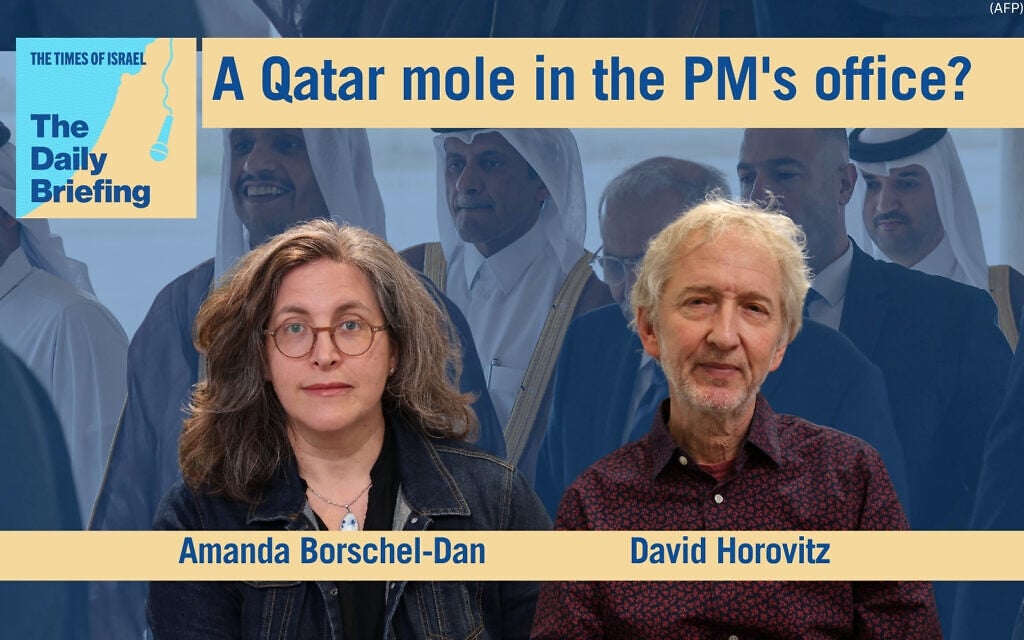
Daily Briefing Oct. 21 – Is Netanyahu gearing up to strike Iran?

Diplomatic correspondent Lazar Berman on the prime minister's failure to clamp down on extremist settler violence in the West Bank and the dangers of indecisive military operations
  •  

Netflix used to chat a lot about its plans for video games and podcasts. Not anymore.

Netflix co-CEO Ted Sarandos
Netflix co-CEO Ted Sarandos no longer has anything to say about the company's move into video games or podcasts.

Patrick T. Fallon / AFP via Getty Images

  • Netflix has been talking about its plans to build a video game business for years.
  • More recently, it has told investors it was also excited about its move into podcasts.
  • Now it has nothing to say about either category. Its silence may be telling.

For years, Netflix has been telling investors how excited it is about its move into video games.

More recently, it has also started talking up its move into podcasts.

But when the company released its third-quarter earnings on Tuesday, the streamer had nothing to say about either foray.

What does that mean? Netflix won't say. But I'm pretty comfortable coming up with my own conclusion: Netflix doesn't think games or podcasts are going to do much for its business, at least in the near future.

That also tracks with new reporting from The Wall Street Journal, which says that Netflix has recently "stopped pushing games and podcasts, focusing more on its core movie and TV offerings."

That's logical, given the most pressing problem the company has: figuring out how to make movies and TV shows that attract new subscribers, and that get its existing subscribers to spend more time on the service.

But it's also a real turnaround, at least in its messaging.

Netflix has consistently talked up games since it launched that business in 2021. In 2022, cofounder Reed Hastings predicted that Netflix would eventually "be a big leader in games." And the company has frequently pointed out its ambitions in its quarterly updates to investors.

Last quarter, for instance, the company highlighted a new World Cup game, and an app for kids games, and said it had "increasing confidence that we are building a foundation with exciting future growth potential."

It has also spent the last two quarters talking up its move into podcasts. In April, it said podcasts were a "potential incremental engagement opportunity." Three months later, it told investors that podcasts were good because they gave viewers more reasons to watch the service during the day (as opposed to the evening, where half of its viewing happens) and on mobile phones.

But on Tuesday, it had nothing to say about either category, other than a single legalese mention about forward-looking statements. But it did make a reference to other people's video games: It said a 27-minute trailer for Take-Two's highly anticipated "Grand Theft Auto VI," which it showed exclusively for a six-hour window, had been a hit.

Both games and podcasts make a certain kind of sense for Netflix, in theory: The company has often talked about the fact that gaming is a big competitor for its viewers' time. So why not try to harvest some of that attention for itself? And video podcasts are really just another term for "talk shows on a budget" — so why not offer those up to viewers as well?

The flip side: It's been hard to understand how Netflix would be able to create games that are better or more popular than everyone else in the game business. And it's an open question whether viewers who turn to Netflix in search of distracting entertainment would be interested in low-fi chats.

Maybe both categories eventually turn into something meaningful for Netflix one day. But the company seems to be saying that won't happen anytime soon.

Read the original article on Business Insider

  •  

Portadown District’s offers to secure Drumcree parade deal revealed in court

Offers made by Portadown District to allow Orangemen to walk the Garvaghy Road have been revealed in court – including a 4AM march, accommodated by a residents’ protest.The court has finished hearing submissions during the legal challenge to the Secretary of State’s ban on the Drumcree parade. Mr Justice Scoffield is to deliver his judgement next week.Talks broke down after both parties refused to compromise on the proposed route. Olivia Peden is joined by Allison Morris who was in court.

  •  

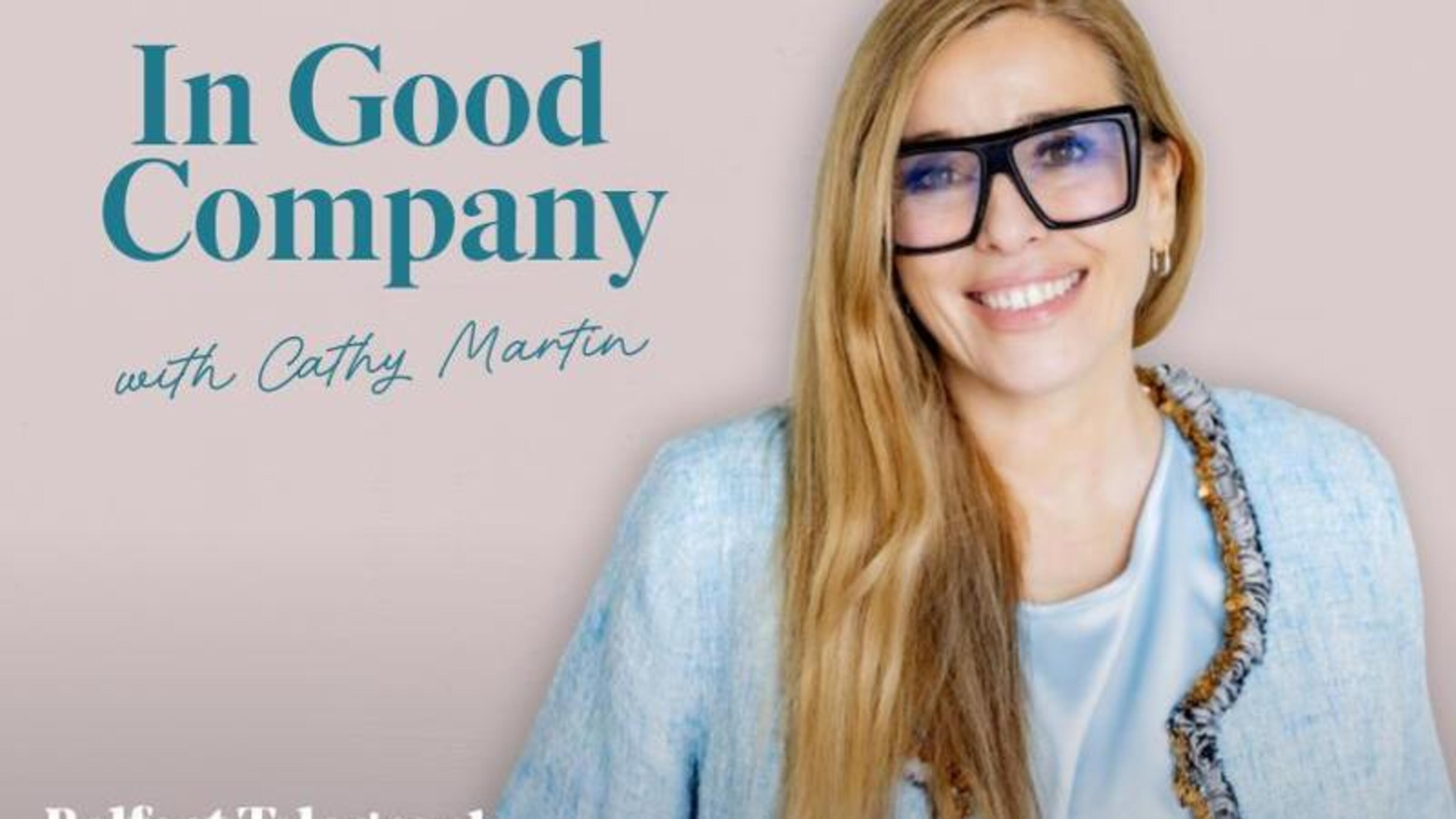
Struggling with hair loss? Here’s what to focus on: Leading expert Bridgeen King

After decades of experience in the hairdressing industry, Bridgeen Keen pivoted to become a hair loss and scalp expert. Her hair loss and hair replacement clinic in the Slieve Donard in Newcastle has helped to restore confidence in men and women in Northern Ireland and beyond, with sites in Belfast, County Down, and Harvey Nichols in Edinburgh. As well as sharing some of the secrets behind her business success, Bridgeen is also passionate about breaking the stigma around hair loss. She joined Cathy Martin to talk all things hair loss, defeating the stigma, and her plans for the future.

  •  

Carlos Moedas: “Achava que ia falhar como político, então reprimia esse desejo”

✇ECO
By: ECO

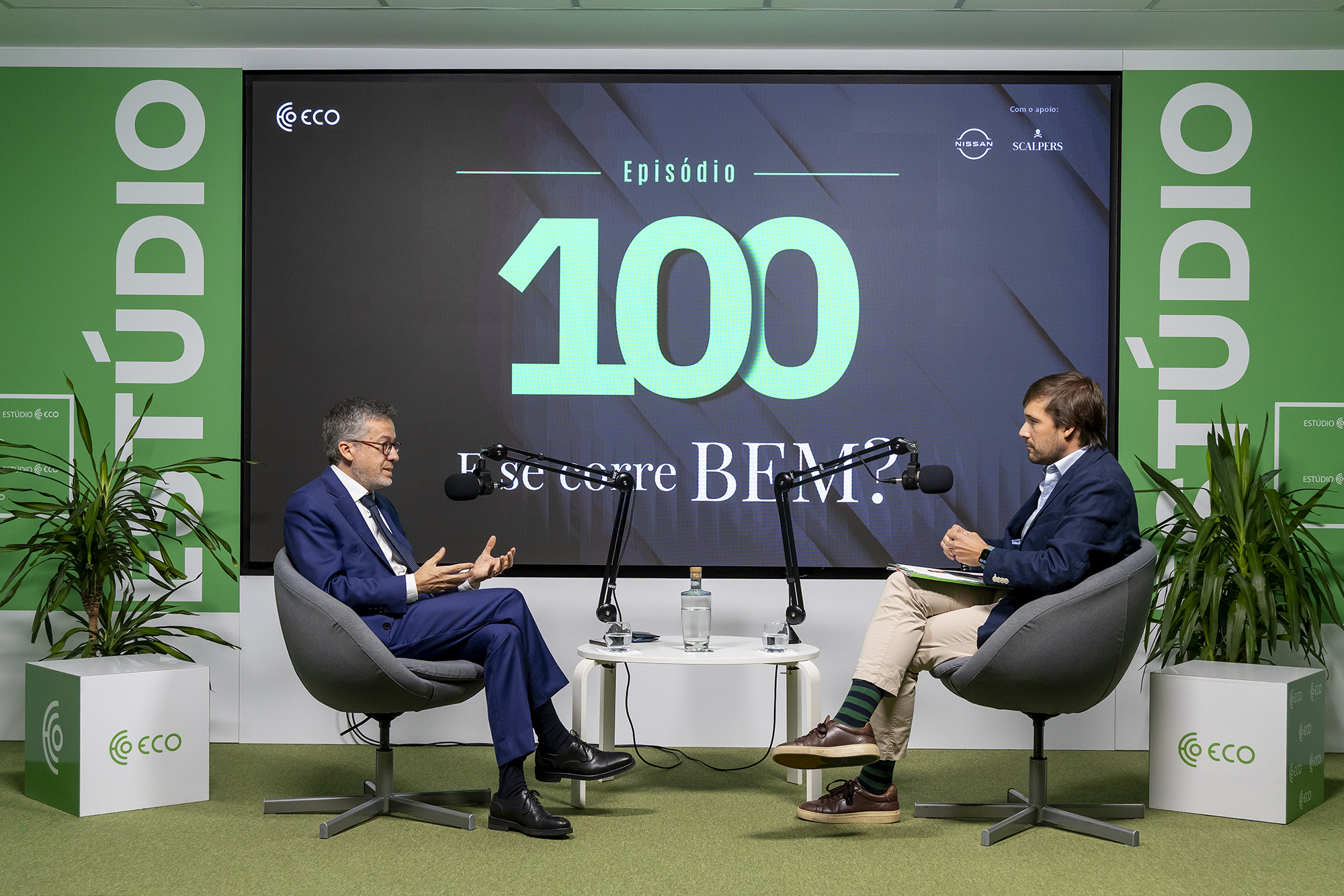
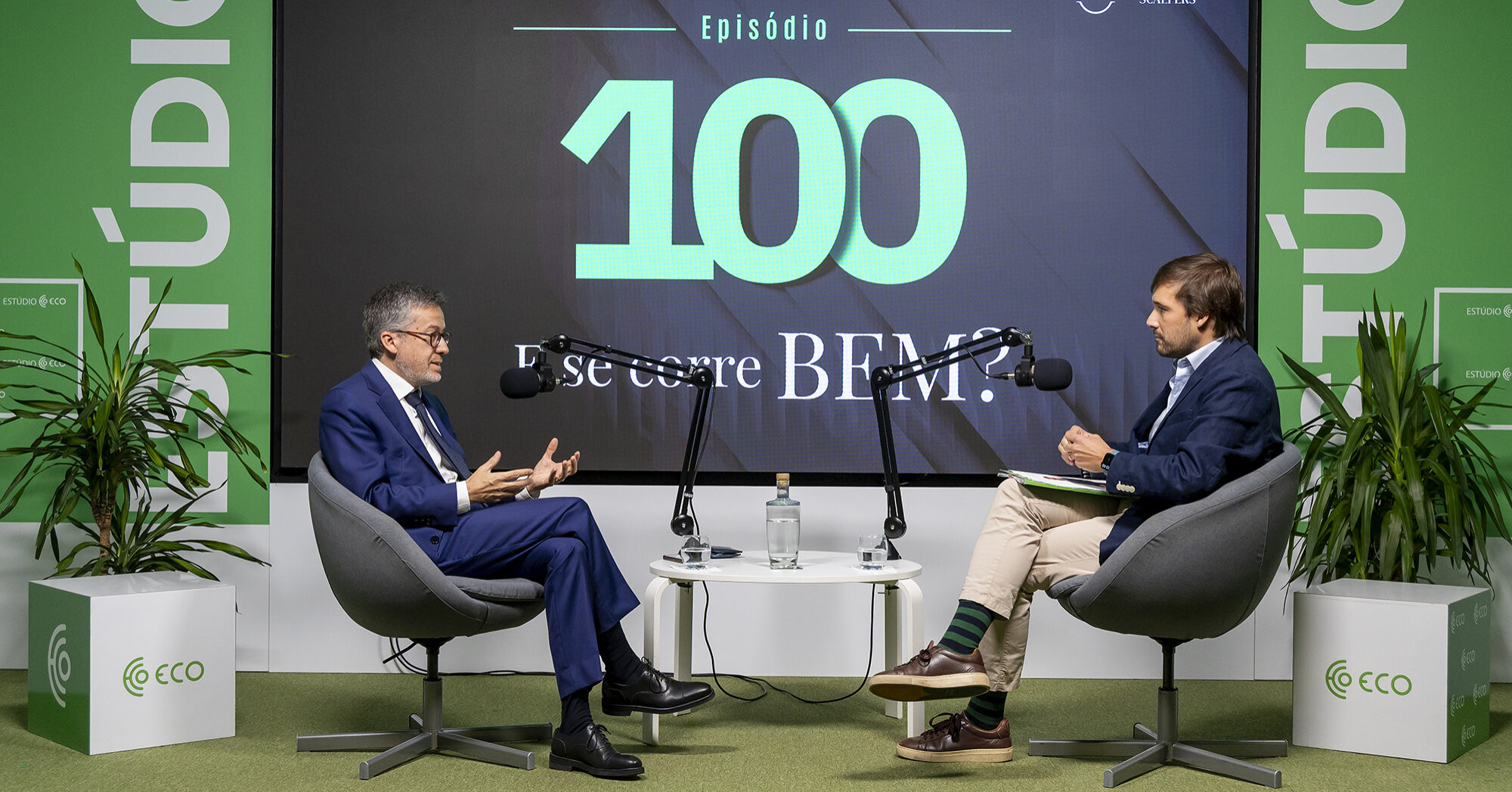
“E Se Corre Bem?” é a pergunta que dá nome ao podcast do ECO, que celebra hoje um marco especial: o episódio 100. Para assinalar o momento, o ECO recebeu Carlos Moedas, presidente da Câmara Municipal de Lisboa, um convidado cuja história de vida parece fazer juz ao mote deste podcast. Nasceu em Beja e mudou-se para Lisboa ainda sem ter a certeza de conseguir pagar o quarto que ia alugar, mas arriscou e foi esse primeiro “salto no escuro” que lhe abriu caminho para os voos seguintes.

“Quando eu cheguei a Lisboa, não conhecia ninguém. A sociedade era muito estratificada e, no fundo, os meus pais achavam que eu ia ficar por ali [Beja], mas eu queria mostrar que era possível ir mais longe e que podia fazer mais. Toda essa parte da minha vida teve muito a ver com essa luta interna e com tentar mostrar que não era por ter nascido ali que o meu destino era aquilo“, começou por dizer.

O destino tinha de ser maior e cumprir o propósito de “contribuir para ajudar outras pessoas”. Os professores diziam-lhe para seguir medicina, já que, além de ter média para isso, o faria participar no bem comum, algo que tanto valorizava. No entanto, a “incapacidade de ver sangue” sem se sentir mal, fê-lo optar por uma opção muito diferente, mas que, curiosamente, o levou a um caminho de igual entrega aos outros – Engenharia Civil.

“Sabia lá eu o que era ser engenheiro, mas fui para engenharia civil. E, em 1993, fui fazer Erasmus durante seis meses para França. Acabei por ser contratado para ficar lá e fui engenheiro em França durante cinco anos. Ou seja, fui de Beja para Lisboa e de Lisboa para Paris. Foi um salto enorme. Eu sempre quis provar que tomava riscos. As pessoas achavam que eu não era capaz de os tomar por causa das minhas inseguranças, mas eu precisava de provar a mim próprio que era capaz de sair da minha zona de conforto”, confessou.

Esta tendência de correr riscos para superar inseguranças levou-o, muitas vezes, a sentir falta de apoio nas suas tomadas de decisão. Era nesses momentos que se fazia sempre a seguinte pergunta: “E se corre bem?”. E avançava, mesmo sozinho. Prova disso foi o momento em que decidiu despedir-se do emprego em França e ir fazer um MBA para Harvard: “Disse à minha mãe e aos meus amigos que me ia despedir e que ia fazer um MBA para o qual não tinha dinheiro. Toda a gente me dizia que eu era maluco porque estava a ganhar bom dinheiro numa empresa francesa e tinha uma carreira à minha frente”.

A verdade é que nenhum desses comentários demoveu Carlos Moedas de prosseguir com a vontade de fazer o MBA e, quando chegou a Harvard, além de ter ficado encantado com a “qualidade” das pessoas que o rodeavam, começou a dar, sem saber, os seus primeiros passos em direção à sua grande paixão: a política. “No segundo ano do MBA, fui ter umas aulas na Kennedy School of Government, onde tive as minhas primeiras aulas de política”, contou.

“Eu já tinha o gosto pela política, mas havia duas coisas que me faziam reprimi-lo: uma era não querer chocar e dar um desgosto ao meu pai porque eu não me identificava, de todo, com a ideologia comunista. E, depois, achava que ia falhar como político, então reprimia esse desejo. Portanto, eu guardei o sonho de gostar de política até aos 40 anos porque eu tinha um bocado de medo de ir para a frente com isso e depois não correr bem“, admitiu.

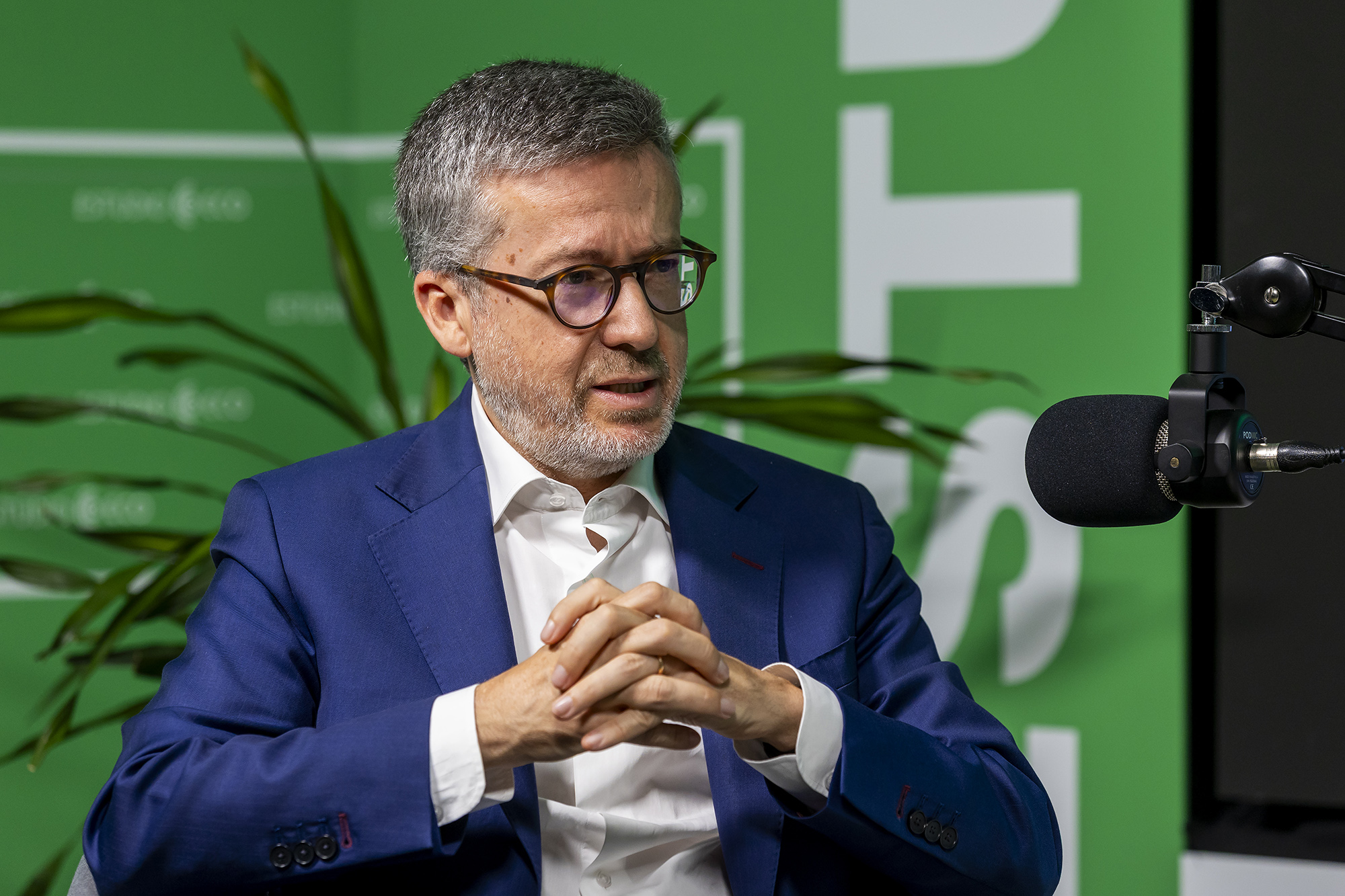
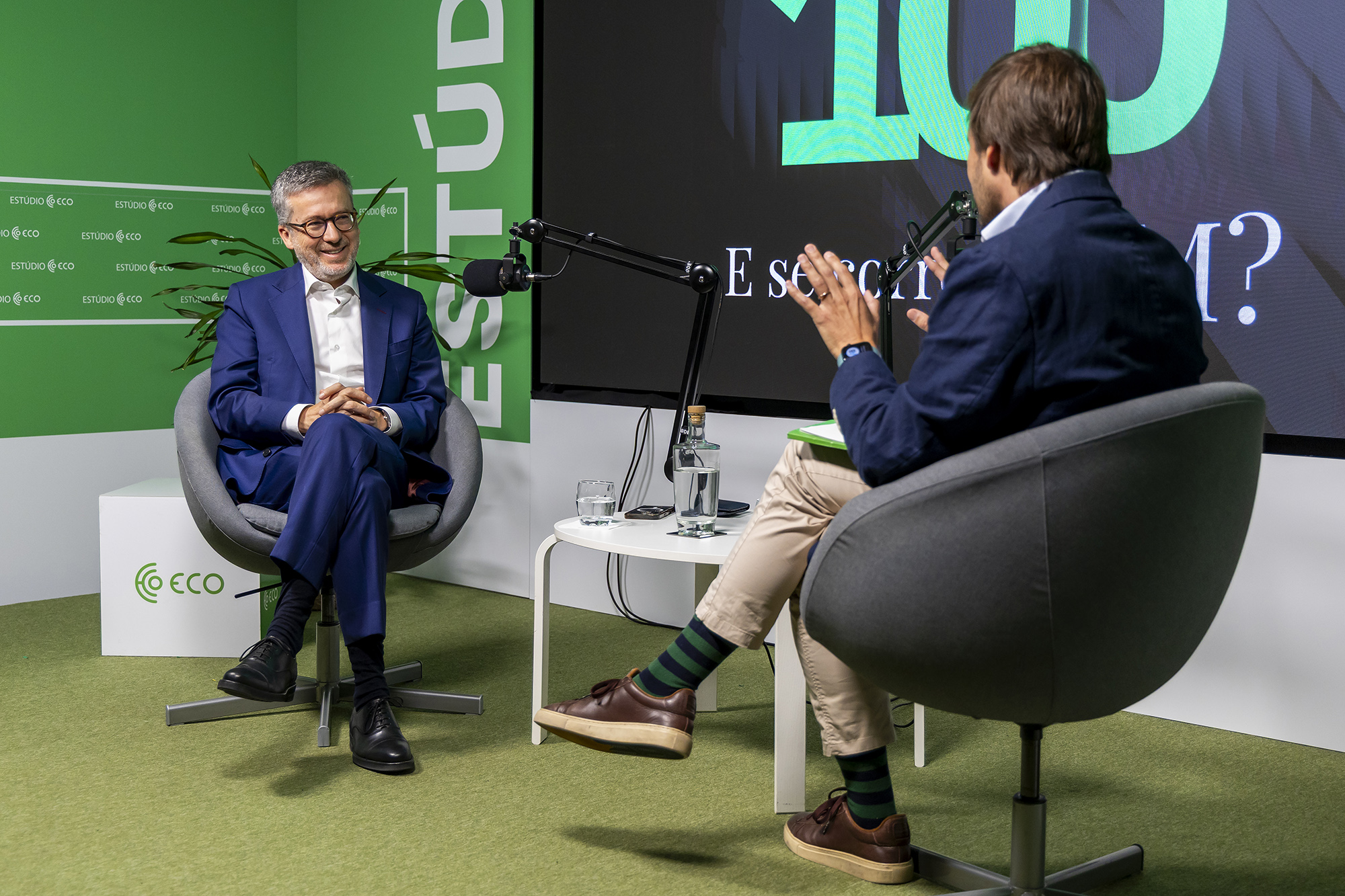
  • Carlos Moedas, presidente da Câmara Municipal de Lisboa, é o 100º convidado do podcast "E se corre bem?" Hugo Amaral/ECO
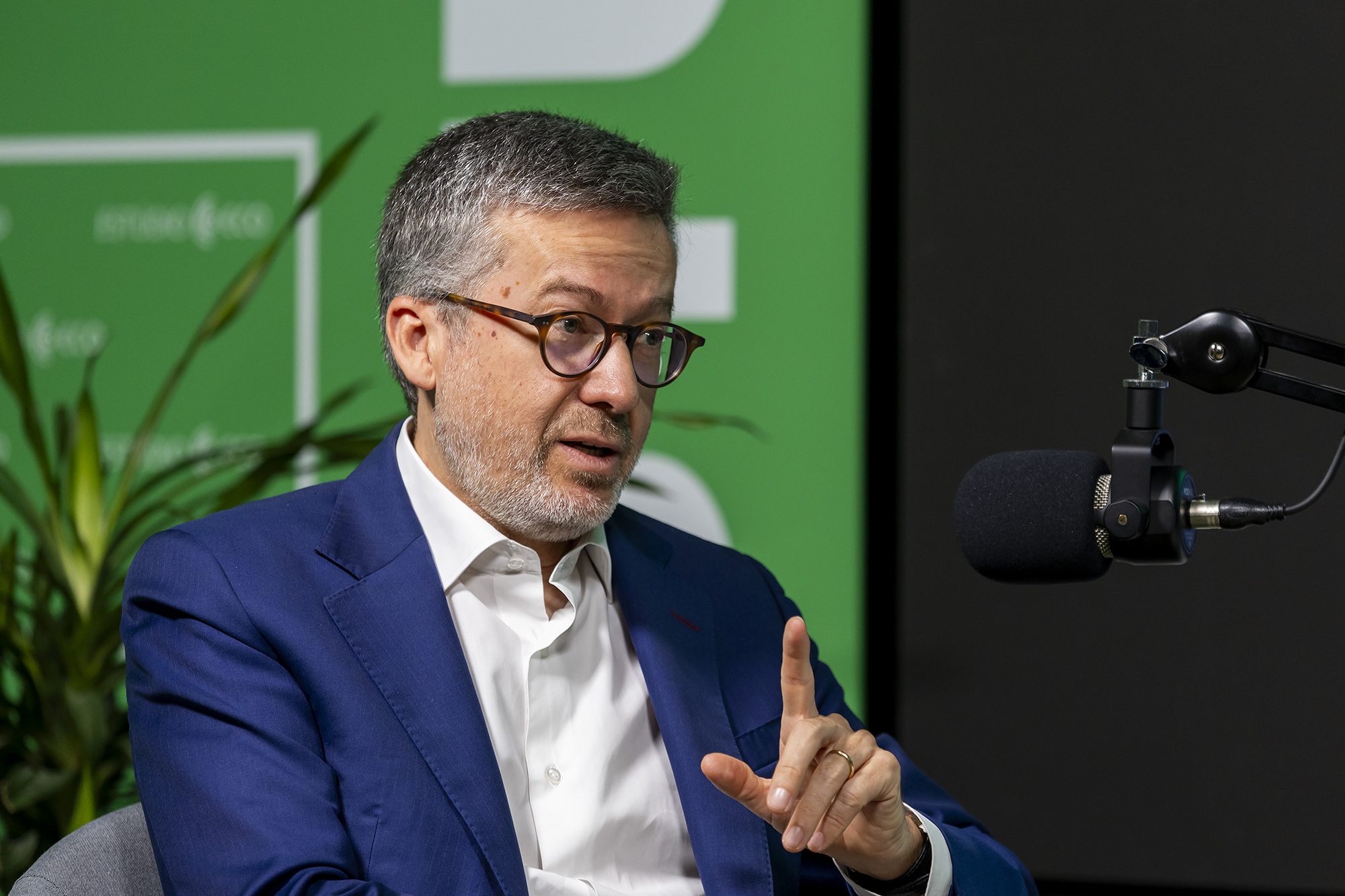
  • "Eu guardei o sonho de gostar de política até aos 40 anos porque eu tinha um bocado de medo de ir para a frente com isso e depois não correr bem" Hugo Amaral/ECO
  • Hugo Amaral/ECO
  • Hugo Amaral/ECO
1 / 4

No entanto, à semelhança do que já havia acontecido antes na sua vida, houve um momento em que fez a pergunta ao contrário e pensou que, da mesma forma que podia correr mal, também poderia correr bem. E arriscou. Só que, antes de dar esse passo, ainda tinha uma dívida de 80 mil dólares para pagar o MBA: “Eu tinha de ir trabalhar para onde pagassem mais e consegui ir para um grande banco internacional, que me dava um bónus de 30 mil dólares. Acabei por ficar, mas nunca gostei de ser banqueiro. Apenas vi aquilo como uma passagem para ganhar algum dinheiro e pagar a dívida que tinha à escola“.

Apesar de não gostar de trabalhar na banca, ainda se manteve no setor durante alguns anos, até porque “era difícil sair”. Mas chegou a um momento em que a vontade de regressar a Portugal lhe pesava cada vez mais e acabou por ligar a um amigo a pedir-lhe que lhe avisasse caso soubesse de alguma oportunidade de emprego. A oportunidade surgiu cinco meses depois, numa área totalmente diferente, mas que lhe abria a porta de regresso a casa: “Havia um senhor espanhol que tinha uma empresa de investimento imobiliário com escritório em Lisboa. Disse que gostava de me conhecer, então eu fui a Madrid conhecê-lo e ele disse-me que eu ia para Lisboa e que íamos tornar aquilo numa grande empresa. E foi assim que eu vim gerir uma empresa imobiliária“.

Depois desta oportunidade, ainda tentou abrir a sua própria empresa de imobiliário, mas reconhece que deu o passo “antes do tempo” e que, por essa razão, “a empresa não foi um sucesso”. Ainda assim, esse “falhanço” permitiu-lhe ter “mais tempo para pensar na vida” e foi nesse intervalo que surge o convite que iria mudar a sua vida para sempre. “Um dia, a Sofia Galvão e o António Borges pediram-me para os ajudar no gabinete de estudos da Dra. Manuela Ferreira Leite, que me recebeu muito bem. Ela deu-me atenção, ouvia-me, e também me ajudou na minha formação. Tentei ajudá-la o máximo que podia e foi aí que eu entrei mesmo na política e fui para o PSD como militante“, disse.

Daí em diante, o seu percurso público é bem conhecido. Foi deputado à Assembleia da República, secretário de Estado Adjunto do Primeiro-Ministro no XIX Governo Constitucional, entre 2011 e 2014, e comissário europeu de 2014 a 2019. Entre 2020 e 2021, foi administrador da Fundação Gulbenkian. E a 26 de setembro de 2021, foi eleito presidente da Câmara Municipal de Lisboa, tendo tomado posse a 18 de outubro do mesmo ano.

“Quando me candidatei a presidente da Câmara, estava num momento da minha vida em que pensava como podia ter mais impacto. Já tinha estado no setor privado e estava numa fundação incrível, que era a Gulbenkian, mas achava que me faltava qualquer coisa… Eu queria mudar a vida das pessoas todos os dias e, para isso, tinha de fazer uma escolha que implicava passar de um salário de cinco vezes mais para cinco vezes menos. Perguntei: “Saio feliz? Se a resposta for sim, vamos”. Então lancei-me a achar que ganhava, obviamente. Era um risco enorme, portanto eu não podia pensar que ia correr esse risco para perder“, garantiu.

Correu o risco e percebeu que correu bem. Está agora no seu segundo mandato e garante: “Aqui e agora estou feliz. A minha vida acabou por me fazer ser tudo aquilo que eu não pensava que ia ser. E a verdade é que eu não sabia o que era ser presidente da Câmara, mas foi e é uma grande felicidade, só que com um peso enorme. A pessoa não pode fazer política para ser amado, a pessoa deve fazer política porque ama as pessoas“.

Este podcast está disponível no Spotify e na Apple Podcasts. Uma iniciativa do ECO, na qual Diogo Agostinho, COO do ECO, procura trazer histórias que inspirem pessoas a arriscar, a terem a coragem de tomar decisões e acreditarem nas suas capacidades. Com o apoio da Nissan e da Scalpers.

Seja o primeiro a saber quem é o próximo convidado do podcast E Se Corre Bem? Subscreva a nossa newsletter

  •  

Give My Head Peace: Comedies axed as BBC makes deep cuts

Perforated Ulster, Give My Head Peace, and The Long and the Short of it, all produced by the Hole in the Wall gang are being axed by the BBC.The Blame Game has also been culled.The BBC is making major cuts across the corporation as budget cuts take hold.BBC bosses say they have to make difficult decisions – but the cuts mean there will be no more local comedy on our screens.Ciarán Dunbar is joined by Tim McGarry and Damon Quinn and Michael McDowell from the Hole in the Wall Gang.

  •  

"A Caça ao Estripador de Lisboa": o que é o teatro imersivo?

O espectáculo estreia-se a 28 de outubro, a partir de um podcast do Observador. Mas como é que a "imersão" é um dos protagonistas? Quais os maiores desafios? E até que ponto se pode tornar tendência?

O “fator imersão” assume um papel preponderante para as cerca de 100 pessoas previstas como lotação máxima a cada sessão da "Caça ao Estripador de Lisboa"
  •  

Ammi Burke: Solicitor's legal showdown with her former employer

The Burkes are back, but this time it’s not Enoch grabbing the headlines, it’s his sister Ammi.In 2019, Ammi Burke was dismissed from her role at one of Ireland’s most prestigious law firms, Arthur Cox, after just over three years with the company.Seven years, multiple legal battles and countless court appearances later, Ms Burke wants her job back. She and her former employer are facing off at the Workplace Relations Commission.So, what exactly happened between the two sides? And why is a dispute that began years ago still rumbling on in court today?Tessa Fleming is joined by court reporter Seán McCárthaigh as Ammi Burke takes on her old employer.

  •  

News Review: Algarve EN125 deadlock, Lufthansa’s TAP takeover & e-waste failure

TR - podcast NEWS REVIEW - website pic with Paul Rees

In this news review episode, host Carl Munson is joined by Paul Rees of Rural Properties, in Central Portugal, to discuss three top stories from The Resident: the long-running EN125

The post News Review: Algarve EN125 deadlock, Lufthansa’s TAP takeover & e-waste failure appeared first on Portugal Resident.

  •  
❌