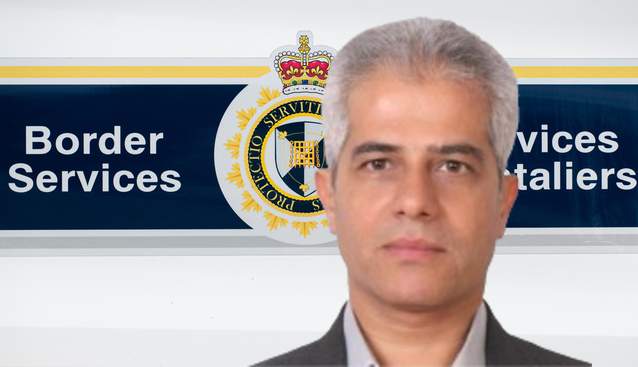
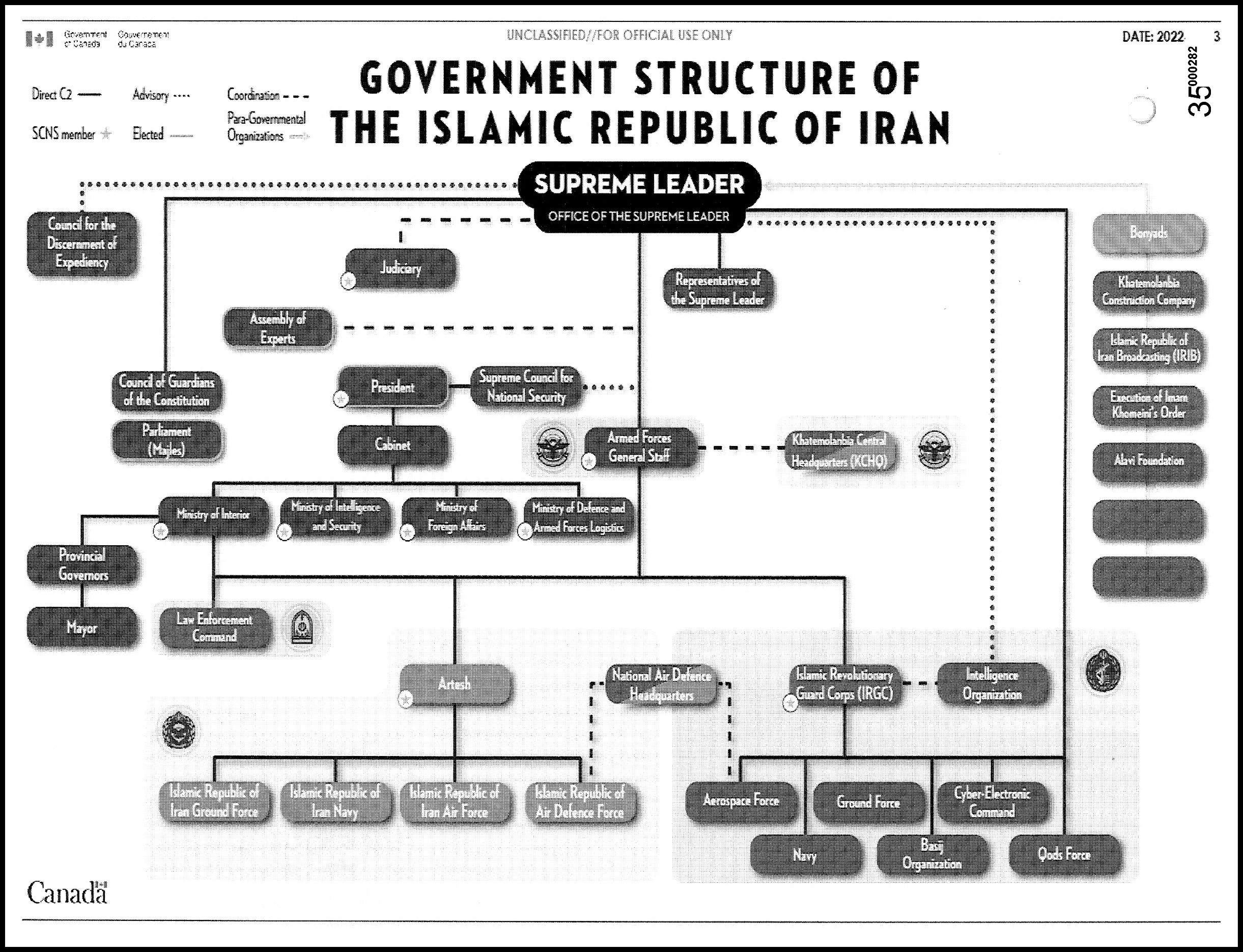
Former Iranian official living in Toronto was ‘critical’ to terror finance, CBSA alleges


The European Union has sent urgent support to Serbia through its civil protection mechanism as severe wildfires continue to affect the Deliblato Sands Special Nature Reserve, where more than 3,500 hectares have already been impacted.
In response to the worsening situation, Serbia activated the civil protection mechanism on Friday 21 August, requesting European support to reinforce ongoing firefighting efforts. Within hours of Serbia's request, the EU mobilised 4 helicopters from the strategic reserve of the rescEU fleet based in Czechia, Romania and Slovakia, as well as ground firefighting teams from Germany and Romania.
These assets remain deployed and are supporting ongoing firefighting operations. Additionally, a liaison officer arrived in Serbia to facilitate close coordination between the Serbian authorities, the EU emergency response co-ordination centre, and the deployed teams, ensuring that assistance is delivered swiftly and effectively where it is most needed.
For emergency assessment and operational planning, the EU's Copernicus emergency management service was already activated on 8 August, providing satellite mapping and analysis of the affected area.
The fires have been ongoing for more than two weeks, fuelled by strong winds, challenging conditions, and terrain that is difficult to access for ground-based intervention. The scale and persistence of the emergency have threatened one of Serbia's most important natural areas.
Preparedness and Crisis Management Commissioner Hadja Lahbib said:
"Civil protection mechanism in action: firefighting teams from Czechia, Germany, Romania, Slovakia have joined the fight against wildfires in Serbia, working alongside local responders. In times of challenge, Europe stands strong."
On 24 August, we celebrated Ukraine’s Independence Day. This occasion embodies the bravery, resistance and resilience of the Ukrainian people in the face of Russia’s vicious war of aggression. It also symbolises Ukraine’s journey over the past 35 years in becoming a modern, democratic and European country.
To mark the occasion, the European Commission unfurled the Ukraine flag in front of the Berlaymont building in Brussels, which was also illuminated in Ukrainian colours.
As we celebrate this milestone, the EU reaffirms its unwavering commitment to Ukraine’s sovereignty and territorial integrity. Since the beginning of Russia’s full-scale invasion, we have provided Ukraine and its people with unprecedented humanitarian, financial and military assistance. So far, this support amounts to €220.2 billion.
Over the past months, the EU has stepped up its support for Ukraine’s economy and defence - because Ukraine’s prosperity is Europe’s prosperity, and Ukraine’s security is Europe’s security.
We made the first disbursements under the €90 billion Ukraine Support Loan to help sustain the country’s financial needs and boost its defence capabilities. And on Ukraine’s Independence Day, we approved €6.1 billion in support for air and missile defence systems, missiles, ammunitions, and radars.
Standing with Ukraine is also about holding Russia accountable. In July, we adopted a 21st package of sanctions, further restricting Russia's ability to fund its illegal war and to carry out attacks on Ukrainian civilians and civilian infrastructure.
The EU has stepped up efforts to secure the return of Ukrainian children forcibly transferred or deported by Russia, and is making sure Russia faces accountability for its crimes through the International Claims Commission and the Special Tribunal for the Crime of Aggression against Ukraine.
Ukraine belongs in the European family and in the European Union. We remain committed to supporting and assisting Ukraine on this process. This summer, Ukraine opened two accession negotiation clusters, illustrating its impressive capacity to implement reforms even during times of war.
We continue standing with Ukraine in pursuing a comprehensive, just and lasting peace, and supporting their European path.
For more information
Press release - Commission approves €6.1 billion for Ukraine's defence
Visual story - Slava Ukraini, long live Europe
Previously operating as NetGuardians, Vyntra has spent a decade helping East African banks fighting financial crime, screening more than two billion transactions annually across the region and expanding its capabilities into broader transaction intelligence.
Vyntra’s presence in East Africa began with its Nairobi operations as NetGuardians in 2016 and has since grown into a Service Excellence Center, supporting banks across the region. The company marked the milestone with a private reception at its Nairobi office, bringing together senior executives from banks across the region and members of the local team. The event also highlighted how the offering has evolved following the 2025 merger, bringing fraud detection, payments compliance, AML transaction monitoring and end-to-end transaction visibility together within one transaction intelligence platform.
East Africa’s payments market has changed significantly over the past decade, driven by the early adoption of mobile-first payments such as M-Pesa. Vyntra’s work in the region has evolved with it, from IT log monitoring and behavioural fraud analytics to broader financial crime and payments capabilities.
Fraud patterns have also changed. Earlier cases often involved internal fraud, while the Covid-19 time period saw a sharp rise in social media scams targeting bank customers. Today, banks across the region face threats including SMS impersonation, fraudulent investment schemes, SIM swaps and organised money mule networks. As fraud has become more organised and regulatory scrutiny has increased, real-time monitoring and stronger financial crime controls have become a greater priority for banks across the region. Kenya’s inclusion on the Financial Action Task Force grey list accelerated that shift, bringing financial crime further into board-level discussions.
In response to these shifts, Vyntra is expanding its capabilities across fraud prevention, AML monitoring and payment operations, including a new case manager, executive dashboard, fraud detection algorithms and frontline case view designed to give teams more context during investigations.
Wycliffe Muma, Director Service Delivery and Country Manager at Vyntra, said: “Ten years in East Africa is an important milestone for us because the business we have built here has grown alongside our customers and the market. The fraud landscape is very different from when we first arrived, and banks are now dealing with faster, more organised threats across more complex payment environments.”
“The merger with Intix was an important part of that evolution. It gave us a much broader view of the transaction journey, which matters when fraud moves across channels, systems and institutions. The anniversary was a chance to recognise the customers and colleagues who have been part of that journey, but also to show how we are continuing to develop the platform around the challenges banks are facing now.”
Joël Winteregg, CEO of Vyntra, added: “Transaction Intelligence in Africa is moving beyond financial crime detection and transaction visibility toward something more fundamental: understanding a bank’s customer identity. That will shape how banks detect risk and respond to increasingly complex financial crime.”
To find out more, please visit: www.vyntra.com
About Vyntra
Vyntra, created from the union of Intix and NetGuardians, is the new global force in AI-powered Transaction Intelligence, combining deep expertise in Financial Crime Prevention and end-to-end visibility, Vyntra equips over 130 financial institutions in 60+ countries with tools to detect fraud, ensure AML compliance, and gain real-time visibility into every transaction risk and respond accordingly.

EU chief Antonio Costa has paid tribute to all those who he says are “standing strong in defending their homeland on the front lines and across Ukraine”.
The Portuguese-born official was speaking on Monday at Sofiiska Square in Kyiv, the country's capital, to celebrate Ukraine’s Independence Day.
He told the packed audience that 24 August marks the moment when Ukraine joined the “free nations of Europe”.
He said: “It is a crucial date in Ukraine’s long struggle for freedom and independence.”
He told Ukrainians that their “courage and bravery inspire the world”.
He thanks those fighting in the frontlines: “Their families, their parents, their children, all of them, they are losing and risking their lives for the freedom of Ukraine and the freedom of Europe.”
He recalled EU member states had met on the very first day of the war, on 24 February 2022 “to galvanise European support for Ukraine”.
The president assured Ukraine that “European solidarity has been strong and unwavering ever since,” adding, “We have always been with you in providing political, financial, humanitarian, military and diplomatic support.”
He called the conflict a “terrible war” he hopes will “never happens again”.
The former Portuguese PM assured the war torn country, “We will continue to provide as much support as necessary, for as long as necessary.”
Turning to possible EU accession for Ukraine, he suggested this as: “The best guarantee of security and long-term democratic stability — for Ukraine and for Europe as a whole.”
He said: “Our goal is Ukraine’s integration into the European Union’s peace project: a union of nations that have overcome nationalism, that uphold democracy and the rule of law, and that work together for shared prosperity and development.
“We all know that accession is a demanding process.
"But these challenges should not block our political determination, rooted in geopolitical necessity and the free, democratic choice of the Ukrainian people.”