❌

Reading view

Blackouts return to Kyiv as Russia prepares to freeze civilians over the winter
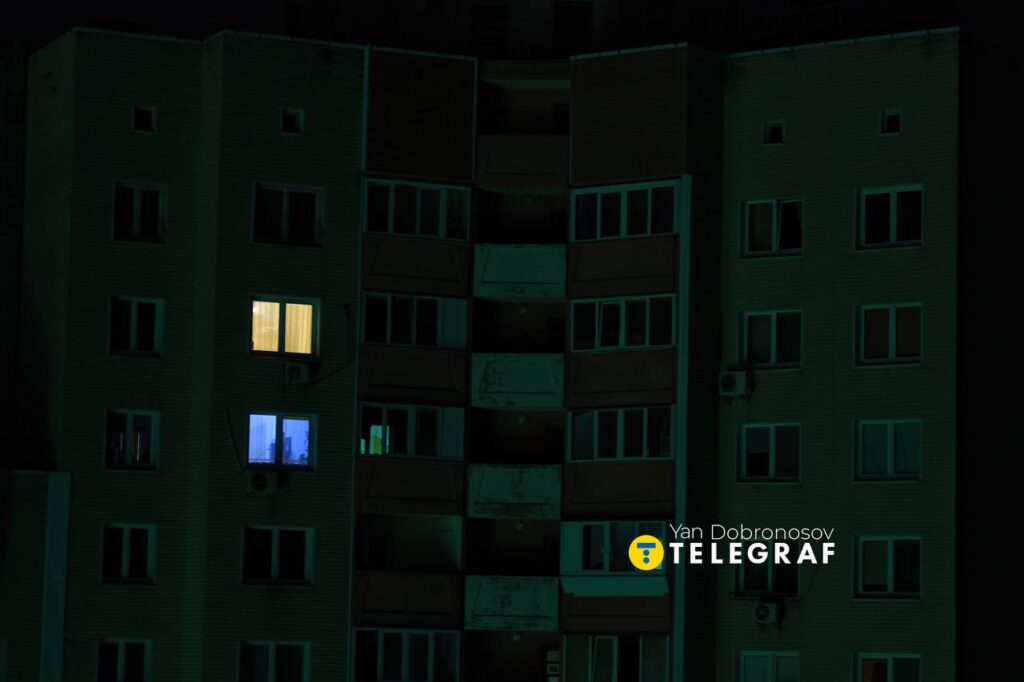
Kyiv building during a blackout following Russian attacks on energy infrastructure, 7 October 2026. Photo: Yan Dobronosov

Power outages have returned to Kyiv after Russian attacks damaged the energy infrastructure supplying the capital, with authorities warning that the situation could worsen as Russia intensifies its campaign against Ukraine’s energy system ahead of winter.

Russia has repeatedly targeted Ukraine’s power, heating, and other critical infrastructure to disrupt the systems civilians depend on and create a humanitarian crisis during winter. Ukrainian officials have repeatedly warned that this winter will be especially severe, as Russia has expanded its strike capabilities since the summer and Ukraine continues to face shortages of air-defense systems needed to protect its energy infrastructure.

Ukrenergo said on 8 October that emergency outages were being imposed in parts of Kyiv and Kyiv Oblast because of falling voltage in the high-voltage network. Previously announced hourly schedules were suspended, with predictable schedules to resume once the system stabilizes.

In the evening, further disruption came after a Russian attack on an energy facility important to Kyiv. Energy Minister Denys Shmyhal said that energy workers were working to restore power.

Kyiv has been under Russian attack throughout the day, with four people killed and 19 injured.

The attack continues into the evening of 8 October, with air raid alerts active across most of the country.

Kyiv loses power, water, and public transport

The damage throughout the day quickly spread beyond electricity.

The Kyiv City Military Administration said power disruptions temporarily halted metro trains and escalators. Part of the capital’s public transport system was also suspended because of the lack of electricity.

Reduced power to water infrastructure caused lower pressure on the right bank of the Dnipro, particularly in the Holosiivskyi, Sviatoshynskyi, Solomianskyi, and Shevchenkivskyi districts. Some buildings could temporarily lose water, the administration warned.

Russia is hitting the energy system as winter approaches

The outages come as Russia has stepped up attacks on Ukraine’s energy infrastructure ahead of the heating season.

Ukrenergo said Russian attacks had caused new power outages in Donetsk, Kharkiv, Sumy, and Zaporizhzhia oblasts. The company said damaged equipment was already limiting the grid’s ability to supply consumers and warned that further Russian strikes could rapidly change the situation.

For 9 October, Ukrenergo announced all-day power restrictions in affected regions, including hourly outages for some consumers. Industrial and business consumers will also face restrictions. The company urged Ukrainians to conserve electricity, particularly during the evening peak from 5 p.m. to 10 p.m.

Ukraine’s energy authorities have been warning about the consequences of repeated Russian attacks for months. In late September, Prime Minister Serhii Koretskyi said attacks on energy facilities had been occurring almost daily since the summer, with the September 29–30 attack marking the first massive combined strike on the energy system since the previous heating season.

The renewed strikes mark the beginning of Russia’s winter campaign against the energy system, with Russian missiles and drones increasingly targeting power-generation and transmission infrastructure in Kyiv and surrounding regions.
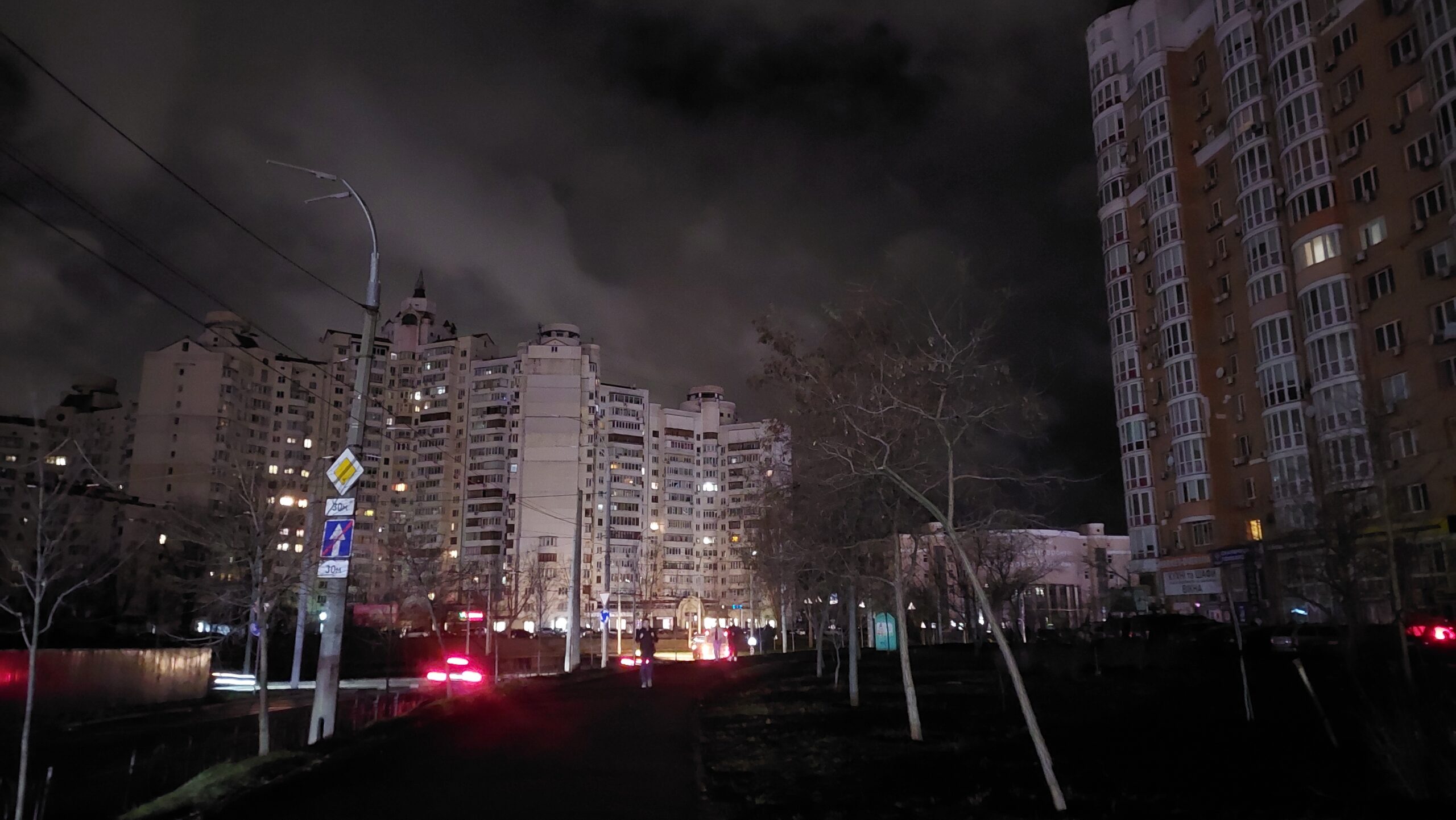
During blackouts, apartment blocks in Kyiv are mostly dark, with scattered lights from apartments with battery-powered sources. Generators power businesses on the ground floor. Street lights are largely off.
Explore further

Behind the black windows: How Kyiv survives a winter in the dark

Russia has openly threatened another winter of blackouts

The campaign follows years of Russian attacks aimed at disrupting the infrastructure that keeps Ukrainian homes heated and supplied with electricity and water during the winter.

In August, Russia’s Defense Ministry openly taunted Ukrainians over its attacks on energy-related infrastructure, posting images of attack drones with the message that Ukrainians would “get a freeze” in winter. 

Russia’s strategy has repeatedly linked attacks on electricity infrastructure to disruptions in heating and water supplies. This makes damage to the power grid particularly consequential as temperatures fall: a strike on an electrical facility can leave not only homes without lights, but also affect water pumps, heating systems, transportation, and other essential services.

The return of blackouts to Kyiv before the heating season is fully underway is an early indication of the pressure Russia’s renewed energy campaign is putting on Ukraine’s civilian infrastructure.

https://twitter.com/EuromaidanPress/status/2108182631217074459/
  •  

A 3-year-old girl came to visit her aunt in Pryluky, Ukraine. By morning, a Russian missile had killed her grandmother and uncle

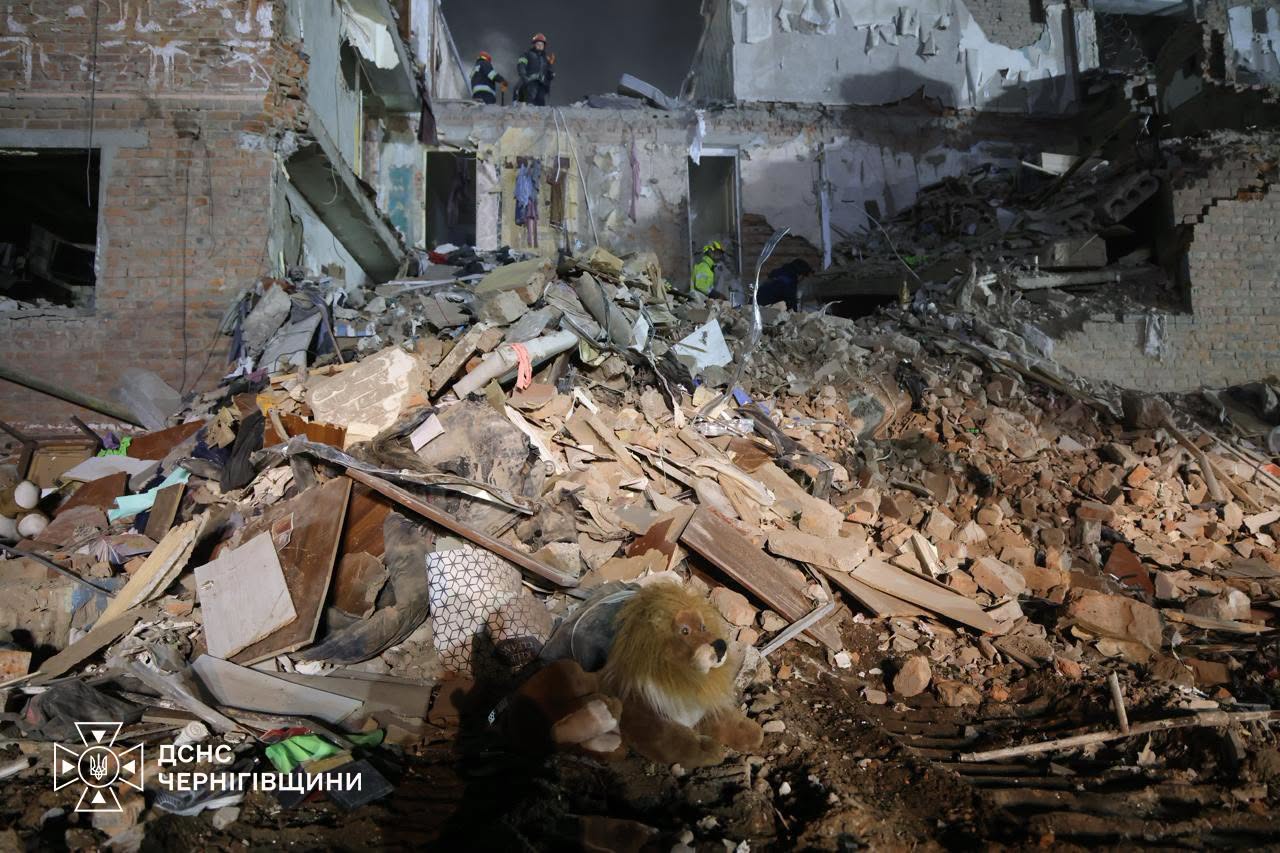
Rescue worker carries a child from the rubble following a Russian missile strike on an apartment building in Pryluky, Chernihiv Oblast.

A Russian missile strike on an apartment building in Pryluky, a town in northern Ukraine's Chernihiv Oblast, killed 22 people on 7 October, regional police reported on the morning of 8 October. Five of the dead were children: three one-year-old boys, an eight-year-old boy, and a 13-year-old girl, police said.

Russian strikes on Pryluky, Kremenchuk, Oleksandriia, and Kyiv killed 28 people on 7 October, Interior Minister Ivan Vyhivskyi said. For the town, it was the second deadly missile strike since May. Behind the toll are families like this one: three generations hit by a single strike.

A family visit that ended under rubble

Three-year-old Zlatoslava is now in the Chernihiv Oblast children's hospital, Pryluky district police chief Vladyslav Stoianov told. Her mother, Kateryna, is hospitalized too. The two had come on the evening of 6 October to visit Kateryna's sister, police officer Yuliia Malysh. The girl's father stayed home in Lynovytsia, a village 15 km away.

Yuliia was wounded and is in hospital, Stoianov said. Her husband, Oleh Malysh, was killed. Until recently, Oleh had fought at the front in the Chernihiv Oblast police rifle battalion. The sisters' mother, Liudmyla, had also come over that evening, and she died too. All the family details come from Stoianov, who was describing a colleague's family.

pryluky
Explore further

22 killed in Russian missile strike on Pryluky, including five children

Footage of an emergency worker carrying a little girl from the ruins reached almost all media, Vyhivskyi wrote in the same post. Suspilne first reported that the filmed rescuer had carried Zlatoslava. It then corrected itself: he had carried a different child, five-year-old Zoriana. Vyhivskyi also gives the girl's age as five, and he named the rescuer as State Emergency Service section commander Pavlo Levchenko. With colleagues, Levchenko freed the girl and her mother after the blast threw them out of the building.

  •  

Sea drone vs. air drone: Ukraine’s Sargan-3000 turns anti-aircraft gunner

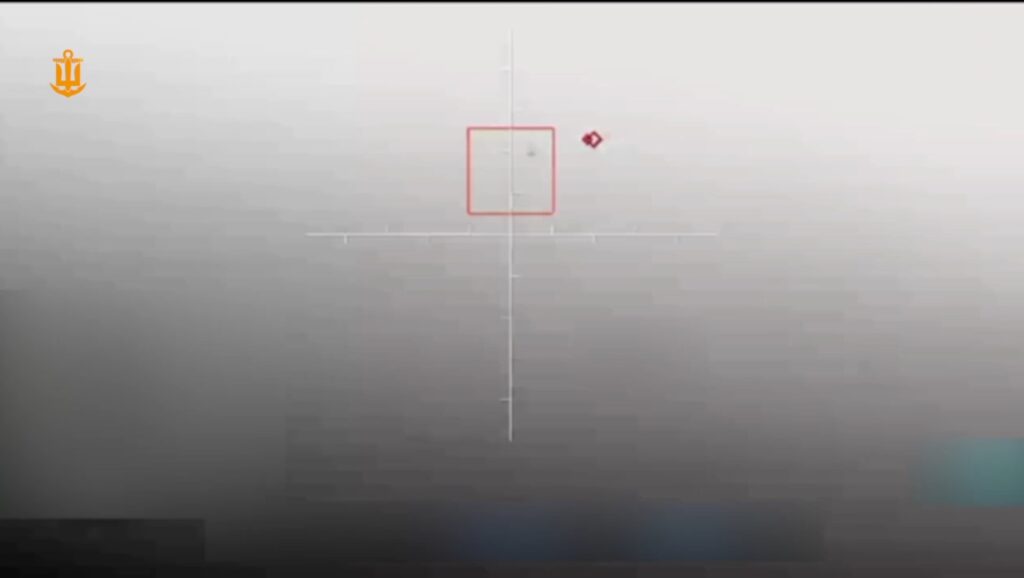
Russian drone seen through the camera of the RWS Protector module on the Ukrainian Sargan-3000 naval drone, October 2026.

A Ukrainian Sargan-3000 sea drone shot down a Russian Shahed flying on a mesh radio network, Ukraine's Navy reported on 7 October. Ukrainian sea drones have downed Russian aircraft before, but with missiles. This one used a machine gun.

Russia has been hitting Odesa with air attacks that come in waves with short gaps between them. Guarding the sky over water is harder than over land. Since fall 2025, Russia has also used mesh radio networks to reroute Shaheds mid-flight and dodge Ukrainian air defenses. That leaves Ukraine needing more ways to meet these drones out at sea, before they reach its ports and coast.

A Shahed steered by radio

A mesh-network drone passes its control signals along a chain of radio relays, drone to drone and on to ground antennas. That lets a Russian operator steer it in flight.

In May, Serhii "Flash" Beskrestnov, then a Defense Ministry adviser, said only about 5% of Shaheds had got through in a recent Russian strike, and predicted that Russia would answer with jet-powered versions and strikes near the border. By July, Ukraine was testing jamming against mesh-controlled jet Shaheds, he said.

Protector RWS turret on the Ukrainian Sargan-3000 naval drone, October 2026
Protector RWS turret on the Ukrainian Sargan-3000 naval drone, October 2026. Screenshot from a video by the Ukrainian Navy

The Sargan-3000 fired its Protector remote weapon station, Militarnyi reported. The station is a remotely operated 12.7-mm (50-caliber) machine gun with electro-optical sights. The outlet added that the Sargan-3000 is designed for combat missions far from Ukraine's coast.

Built for the open sea

Ukraine's Navy took the Sargan-3000 into service in April 2026, according to Militarnyi. The drone boat has a combat radius of up to 1,600 km. It moves at 40–55 knots and carries up to 450 kg of payload.

In September, a Sargan-3000 sank a Russian uncrewed boat with machine-gun fire. Militarnyi called it the first battle between uncrewed sea platforms in history. Analyst H.I. Sutton wrote that the boat carried a Protector made by Norway's Kongsberg. That is the same weapon station named in the October shootdown. Sutton added that Russian attack sea drones work closely with Shaheds, which can relay the boats' mesh radio signals.

  •  
❌