Three years into Israel's genocide in Gaza, the consequences of a decision driven by siege, settlement expansion and assaults on Al-Aqsa are still unfolding
Trump said Thursday that the U.S. 'will not be attacking Iran at any time prior to the Midterm Elections to be held in the United States on November 3rd.'
Trump said Thursday that the U.S. 'will not be attacking Iran at any time prior to the Midterm Elections to be held in the United States on November 3rd.'
As Palestine commemorates three years of genocide and devastation, find a synopsis of news – in Gaza, West Bank, Israel, and beyond – right here. Every day.
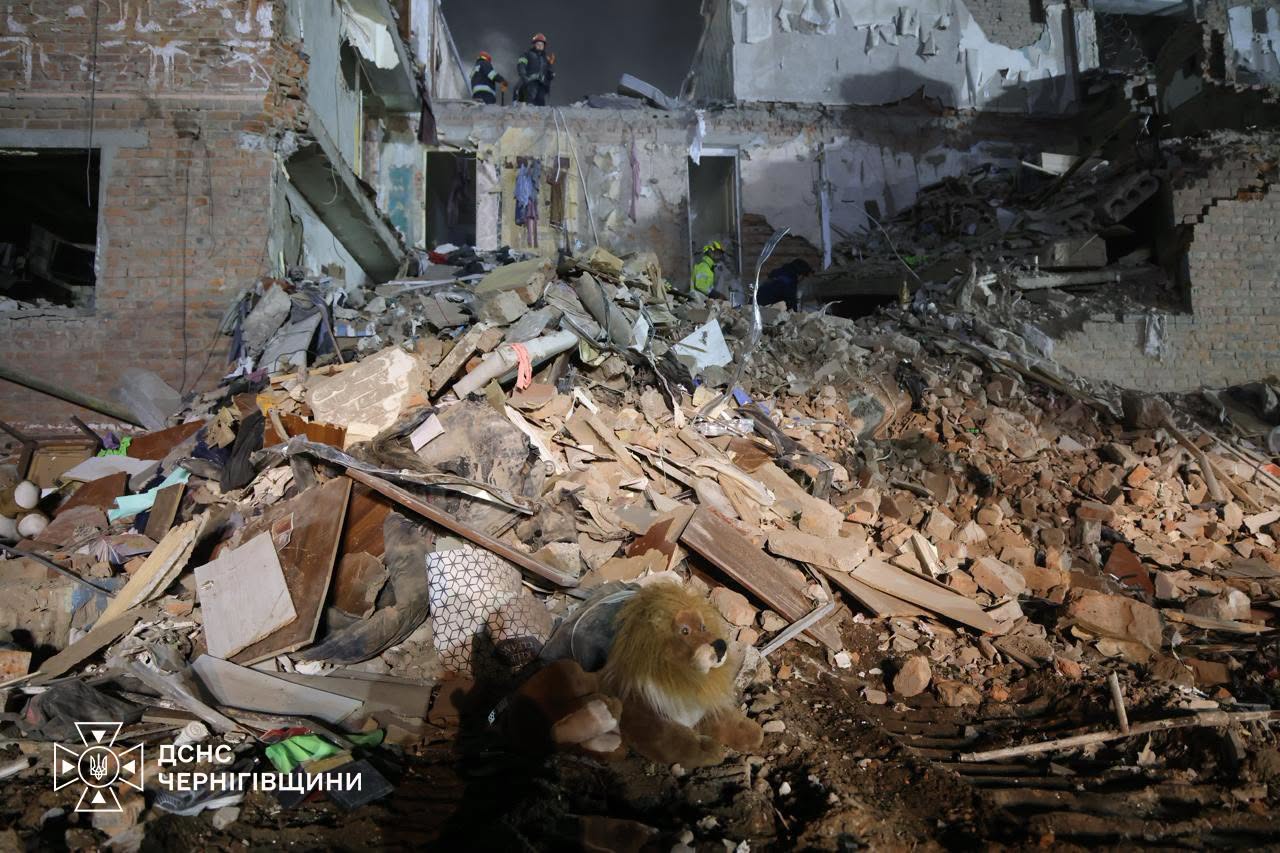
Russia is concentrating missiles on a smaller, more specific set of targets, and its jet-powered attack drones are part of the reason, the Institute for the Study of War (ISW) assessed. Its combined attack overnight on 7 October killed 22 people in Pryluky, the State Emergency Service (SES) said as of the morning of 8 October. Russian milbloggers noted the shift the same day.
Russia often uses concentrated drone and missile strikes to overwhelm localized Ukrainian air defenses and destroy urban centers, ISW noted. Pryluky, where the strike killed children, was one of the areas a Russian channel says drew a significant share of the Kh-101s that night. With winter close, ISW expects the same pattern against Ukraine's energy grid, with jet drones partly letting Russia keep its missiles for priority targets without firing many more.
Missile waves on a few areas, Russian channels claim
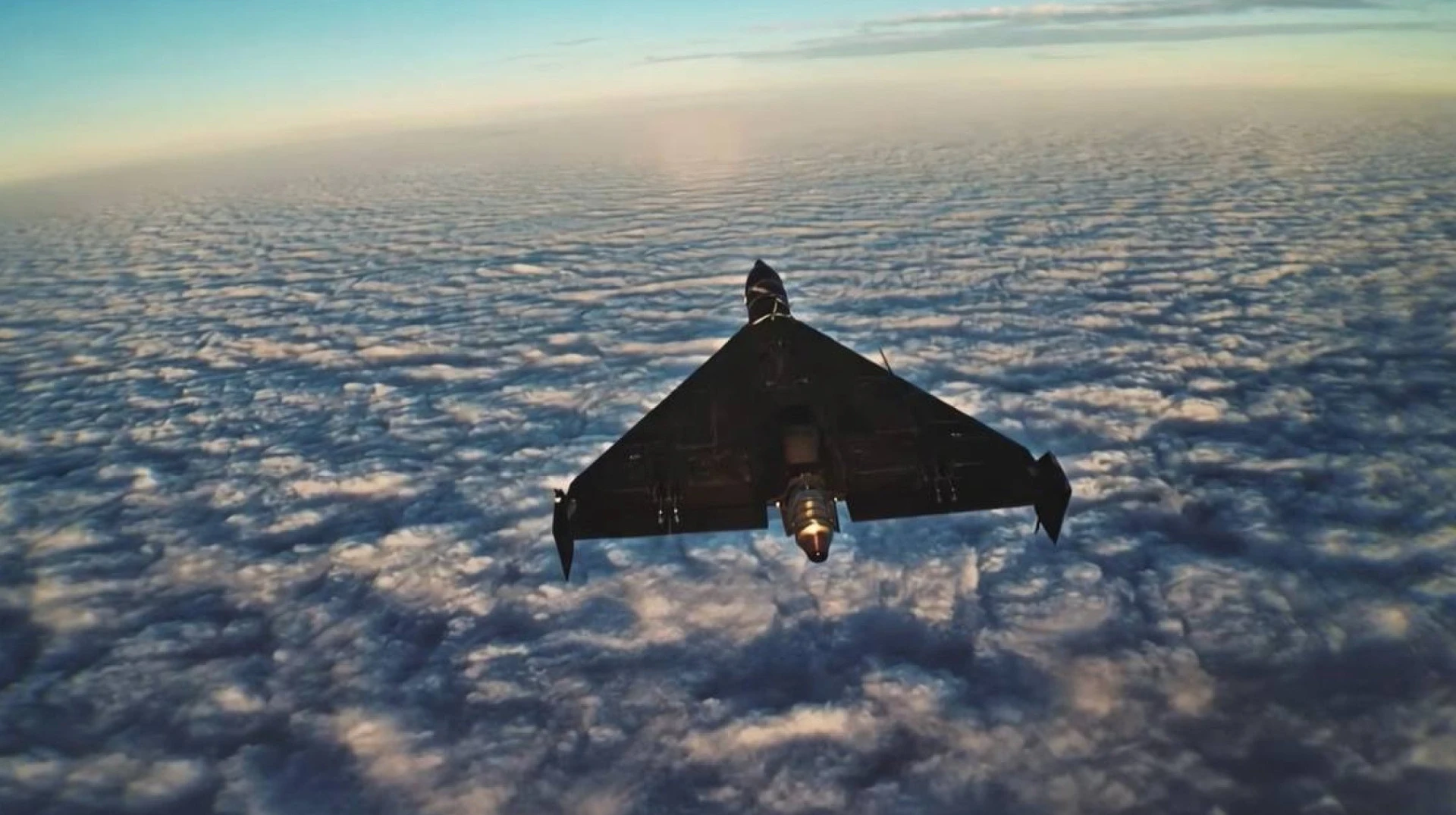
Russia launched 48 Kh-101, Iskander-K, and Kalibr cruise missiles overnight on 7 October, Ukraine's Air Force reported. It also fired ballistic missiles, Zircon and Oniks anti-ship missiles, and 130 strike and decoy drones, 46 of them jet-powered Shahed-type models.
Explore further
22 killed in Russian missile strike on Pryluky, including five children
Russian milbloggers claimed the same day that Moscow had grouped a large part of its missile salvo into repeated waves on a few areas, while other weapons kept stretching Ukraine's air defenses elsewhere. The pro-war Russian Telegram channel Dva Mayora described the change as a switch from striking with splayed fingers to a series of hits with missile "fists." Defenders must then absorb a sharply rising load around one chosen site as one wave follows another, the channel claimed.
Citing Ukrainian monitoring channels, it claimed that roughly 30 or more Kh-101 cruise missiles flew toward Pryluky, Kremenchuk, Svitlovodsk, and Oleksandriia in Chernihiv, Poltava, and Kirovohrad oblasts. It put the Kremenchuk group at up to 15 missiles, Kh-101s and Kalibrs among them, aimed at the area of Kremenchuk and its hydroelectric plant.
Jet drones take some of the load off Russia's missiles
ISW said the jet-powered versions penetrate Ukrainian air defenses deeper and more reliably than propeller models. In ISW's assessment, that partly lets Russia concentrate cruise and ballistic missiles on priority targets without significantly raising missile use. Russia builds about 3,000 Geran-4 and Geran-5 jet drones a month, Ukraine's military intelligence agency (HUR) told Militarnyi in August.
Explore further
Ukraine spent three years learning to catch Russian drones—so Russia made them fly faster
ISW expects Russia to apply the pattern in a likely brutal winter campaign against energy infrastructure. Russia likely intends to make city life untenable and force Ukraine to capitulate to its demands, ISW assessed. Such tactics have not worked before and are unlikely to work now, analysts added.
They called cheap countermeasures to jet drones and small cruise missiles vital, alongside Western air defense aid such as US-made Patriots, which can stop ballistic missiles. Ukraine has already paired a Soviet-era Kub launcher with American RIM-7 interceptors to catch jet drones.
TEL AVIV – Every Israeli election of the past decade has been sold as the last chance to save the country, and every one has ended in the same place: a long night of counting, followed by weeks of bargaining among men who swore they would never sit together. The vote on October 27 has a stronger […]
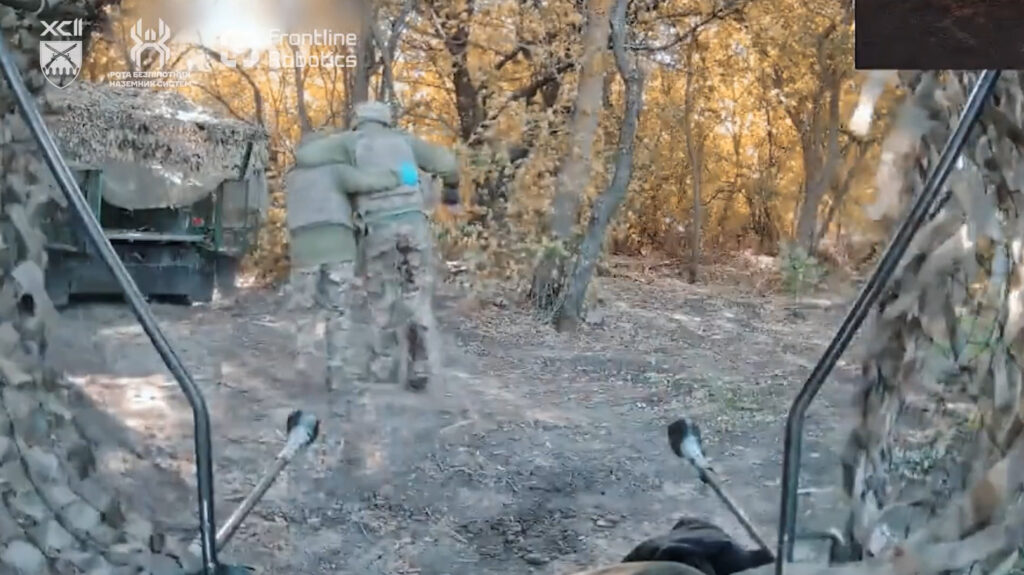
A company of unmanned ground systems from Ukraine's 92nd Assault Brigade used the robotic system Frodo to evacuate a wounded soldier, Frontline Robotics told Militarnyi on 7 October.
Ground robots are being used to evacuate wounded soldiers from the drone-dominated "kill zone," a band tens of kilometers deep on both sides of the front line. About 112,000 logistics and evacuation missions by ground robotic systems were recorded from January through August 2026, according to Ukraine's Defense Ministry.
Operator credits speed and suspension
The operator, callsign Tango, named speed and the ability to perform complex maneuvers as the robot's main advantages, according to Militarnyi. The unit also praised Frodo's adaptive suspension, which it said smoothed out rough terrain and kept the wounded soldier's transport relatively comfortable.
The Frodo ground robot's evacuation mission with Ukraine's 92nd Assault Brigade, autumn 2026. Screenshot from video: Frontline Robotics
What Frodo can carry, and how far
The robot has a 6×6 wheel layout with independent suspension, adjustable ground clearance of 170–330 mm, and a top speed of 40 km/h. Its recommended payload is 200 kg, and its maximum is 400 kg, according to Frontline Robotics. The company lists its range as 150 km on asphalt and up to 90 km over rough terrain with the recommended load. Frodo supports several communication channels, and one person can swap its batteries in about two minutes.
Frodo had passed the Defense Ministry's codification and could carry remote-controlled modules such as the Burya turret, Militarnyi reported on 30 September.
The 92nd Brigade had used ground robots to evacuate wounded soldiers before. In September 2025, the brigade evacuated three wounded soldiers using a ground robot, according to Militarnyi.
Five years after seizing Kabul, the Taliban’s strongest argument for international acceptance rests on control. The Taliban governs every provincial capital and faces no conventional army capable of marching on Kabul. It repeatedly cites improved security as proof that Afghanistan’s post-2021 order is settled. But armed resistance is becoming more geographically dispersed, more organizationally diverse […]
With a month still to go before America’s mid-term congressional and gubernatorial elections, the prospect of a “blue wave” of Democratic success in the House of Representatives, the Senate and in many governorships is looking increasingly likely. But whether that forecast holds true or not, one important aspect has already become clear. It is that […]
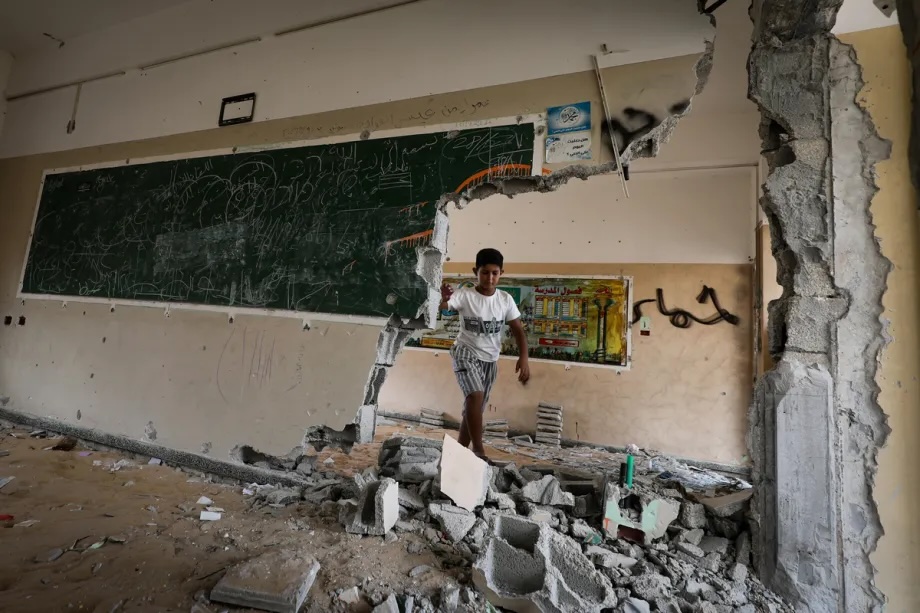
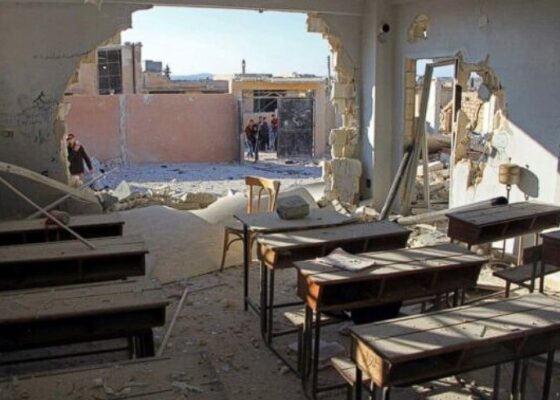
A statistical report released Wednesday by the Palestinian Ministry of Education and Higher Education documents Israeli violations against the education sector from October 7, 2023, through October 7, 2026
 Login