❌

Reading view

Ukraine ordered 54% more FPV attack drones this year than in all of 2025, and deliveries jumped almost fourfold
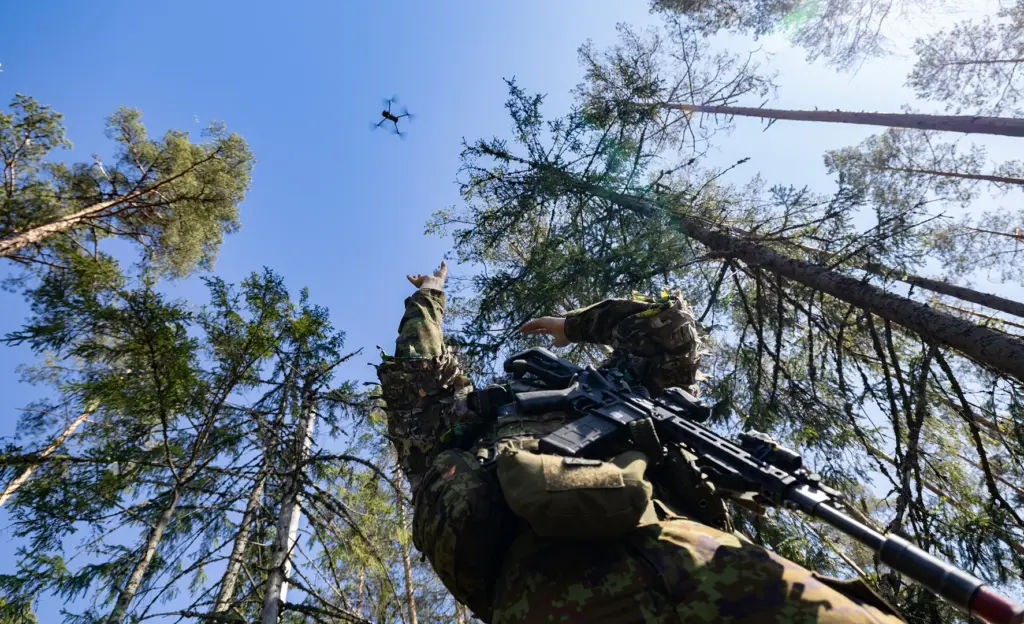
Estonian and Ukrainian soldiers fly drones together during Exercise Hedgehog 2025 in Estonia, where Ukrainian operators were credited with knocking out two battalions in a simulated engagement. Photo: vbl/OR-7 Ardi Hallismaa/ERR

Ukraine’s Defense Procurement Agency has contracted about 5.5 times as many drones of various types in recent months as in the same period of 2025. It is roughly 300% more over the year as a whole, the Defense Ministry said.

Drones are the weapons this war runs on, from short-range strikes to hits deep inside Russia, and Ukraine has raced to build and buy more of them while sparing its troops. The agency contracted for about $8 billion worth of drones in the first half of 2026 alone, double the amount for the same period last year.

The ministry wants to arm the force at every level, Defense Minister Yevhenii Khmara stresses. Deep-strike drones hit targets far inside Russia, while middle-strike drones kill enemy drone crews and burn logistics and command posts, lowering the risk to Ukrainian soldiers.

“Technology and having enough of these systems raise combat effectiveness and at the same time reduce the risks for our soldiers,” Khmara said.

FPV drones lead the surge

The sharpest growth is in FPV drones, the cheap first-person-view quadcopters that do much of the killing on the front. Contracting for them in 2026 already exceeds the total for all of 2025 by 54%, and deliveries have risen almost 3.7 times, the ministry notes.

International support and the scaling of Ukraine’s own defense industry made the jump possible, Khmara adds. Much of the buying now runs through the DOT-Chain Defense marketplace, where units select what they need, and the agency handles contracts and logistics, cutting the average delivery time for in-stock items to 9 days.

Making supply predictable

The ministry is trying to make deliveries steadier, Khmara explains. It is aligning the front’s needs, purchase planning, and the production capacity of the Ukrainian industry, making supply more predictable.

Predictable contracting lets manufacturers build their production lines step by step, plan logistics and order components in advance, he says. The ministry frames the push as a larger order book for the domestic industry and a way to scale the solutions that work in combat.

  •  

Ukraine wants to draft 15 of every 100 workers at its weapons plants. Arms makers say this could slow guns soldiers need

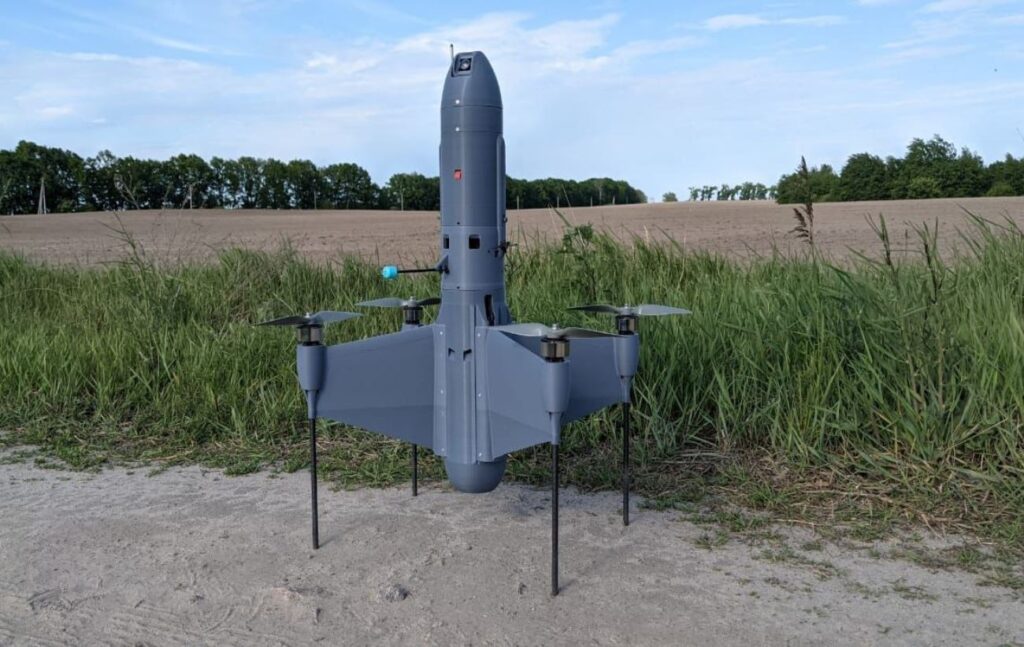
uk build pilot batch octopus interceptor drones under joint project ukraine · post ukrainian drone display near field 2025 militarnyi news reports

Ukraine wants to build more weapons at home while making it easier to draft the people who build them. Kyiv has proposed cutting the draft-exemption quota for defense-industry enterprises from 100% of their workers to 85%, while the Ukrainian Council of Arms Manufacturers says the limit should stay at the previous level for qualifying critical plants.

The change would strip the draft shield from 15% of the workers at plants the Defense Ministry has deemed critical to the economy. Those are the people who set production volumes, delivery dates, and new designs, the council argues, so losing them would hit output just as Ukraine pushes to make more of its own weapons.

The draft resolution has already been sent to the Cabinet of Ministers for approval.

“We consider that the proposed reduction of the limit does not account for the staffing needs of defense production,” the council says.

A workforce that takes years to build

Ukraine’s defense industry is still growing, with new plants, expanding capacity, and new technologies, the council adds. Raising the share of Ukrainian-made weapons in the forces, localizing components, and cutting reliance on imports all require more specialists, not fewer.

These teams are built over the years, the manufacturers add. Companies invest in finding and training people who master specific technologies and production processes, and keeping them is what lets firms plan expansion and take on new commitments to the military.

Uncertainty at the worst moment

Cutting the exemption limit would add uncertainty, just as the state expects producers to raise output. The fallout could affect both manufacturers and military units awaiting their weapons.

The council urges the Economy Ministry to drop the cut to 85%and asks the Defense Ministry and the Cabinet to maintain exemptions of up to 100% for qualifying defense workers. It offers to share data on the industry’s staffing needs and help assess how the change would affect defense orders.

The reservation rules must reflect the growth of the defense industry and Ukraine’s need for more of its own weapons, it concludes.

  •  

Ukraine, long keeping its weapons at home, now lets 18 arms makers export, approving over 90% of more than 400 applications

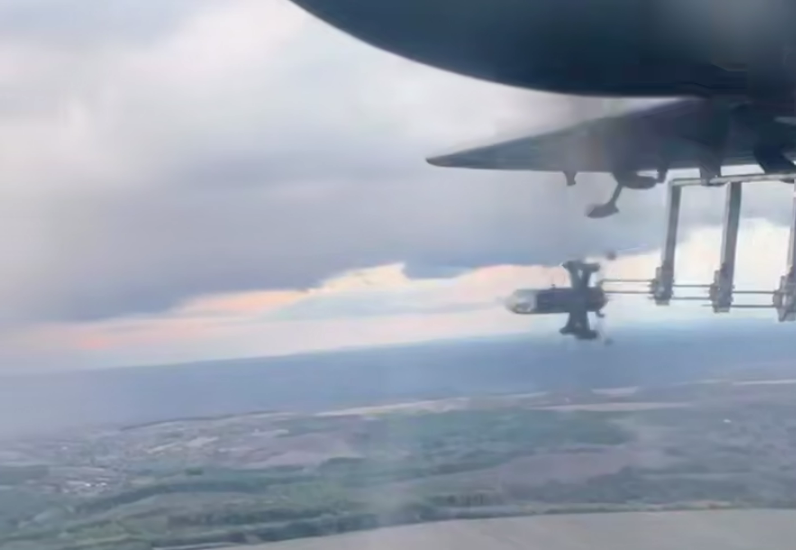
P1-SUN An-28 Shahed interceptor

Ukraine, which long kept its weapons at home, is now clearing its arms makers to sell abroad. Its Commission on Export Control has granted 18 Ukrainian companies permission to send their finished weapons abroad and has processed more than 400 export applications, with over 90% approved, the National Security and Defense Council says, citing commission head Davyd Aloian.

Ukraine now produces far more weapons than it can afford, with defense production growing from about $1 billion a year at the start of the invasion to a projected $55 billion in 2026.

The exports are reportedly conducted under the Drone Deals framework that President Volodymyr Zelenskyy unveiled in April, which allows controlled sales of surplus weapons to partner countries while the Defense Ministry and General Staff retain first claim to everything the front needs. Some categories already run up to 50% beyond what Ukraine can use or finance.

From a stalled commission to 18 approvals

The commission’s work had been halting. It resumed in February after an eight-month freeze and issued the first permits then, and its updated membership has been working since, Aloian notes.

Building partnerships abroad

Aloian framed the goal as scaling Ukrainian technology rather than one-off deals. The state wants domestic producers to expand abroad while partners get working solutions, he says, and is open to dialogue with the defense industry to fix problems as they arise.

Earlier, an industry group that represents more than 400 companies warned in September that the mechanism was choking. A new 20-to-30% fee on export permits priced Ukrainian goods out of the market, it said, and a joint-production program had stalled with hundreds of foreign bids pending.

Euromaidan Press cannot verify whether the Commission on Export Control has taken the issue into consideration.

The council recently met a UK Defense Ministry delegation to discuss closer cooperation, including a Drone Deal, an anti-ballistic coalition, and joint production, Aloian adds. Reaching foreign markets enables producers to attract new orders and investment, scale up, and build long-term partnerships.

  •  
❌