❌

Reading view

The Guardian view on Spain’s snap election: high stakes for Europe as Pedro Sánchez gambles again | Editorial

The Spanish prime minister has been a lonely champion of progressive values in the EU. But the polls look ominous

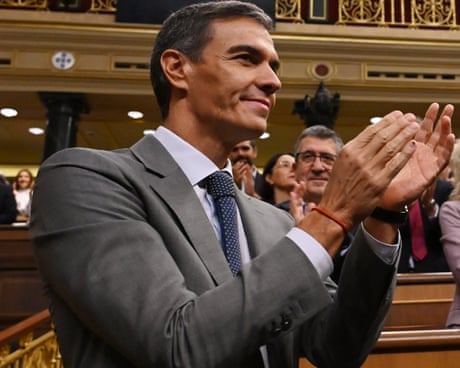
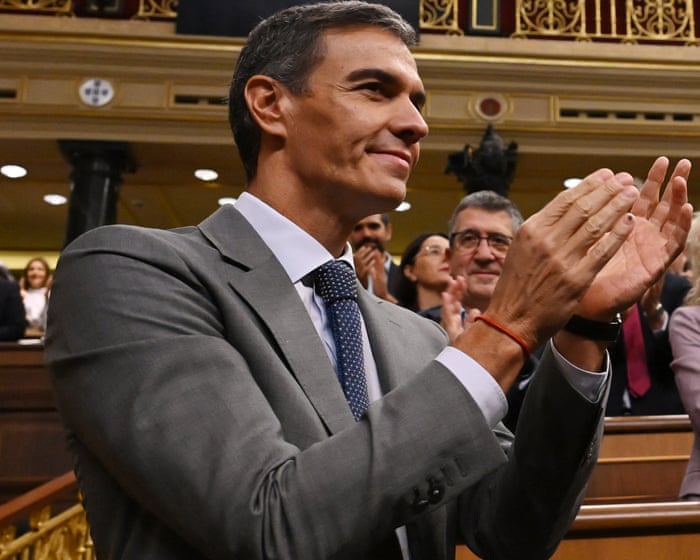
When it comes to risk-taking, Spain’s prime minister, Pedro Sánchez, has a formidable track record. In 2018, the Socialist party leader swept to power by triggering a no-confidence vote that unexpectedly ousted his centre-right predecessor Mariano Rajoy. He held on to it against the odds after calling a snap election in 2023, at a time when the popularity of his own party had plummeted and the far right was on the rise.

As he endures another rocky period in office, Mr Sánchez has once more rolled the dice. Last week, he announced a snap poll for November after his minority government was blocked from passing measures to ease Spain’s chronic housing crisis. The eviction of 87-year-old María del Carmen Abascal from her Madrid home sparked nationwide protests over soaring rents and prices. The outrage grew with news of her death last Wednesday. Mr Sánchez clearly hopes that campaigning on a national cause célèbre gives him a chance of winning a stronger progressive mandate next month.

Do you have an opinion on the issues raised in this article? If you would like to submit a response of up to 300 words by email to be considered for publication in our letters section, please click here.

Continue reading...
© Photograph: Javier Soriano/AFP/Getty Images
© Photograph: Javier Soriano/AFP/Getty Images
© Photograph: Javier Soriano/AFP/Getty Images
  •  

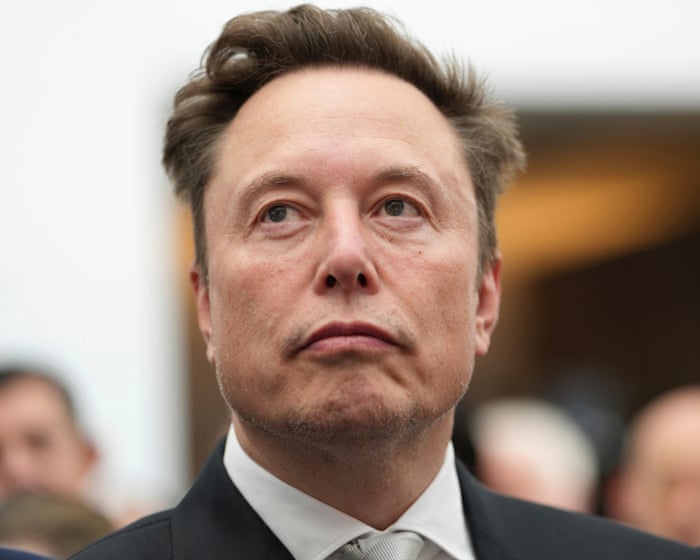
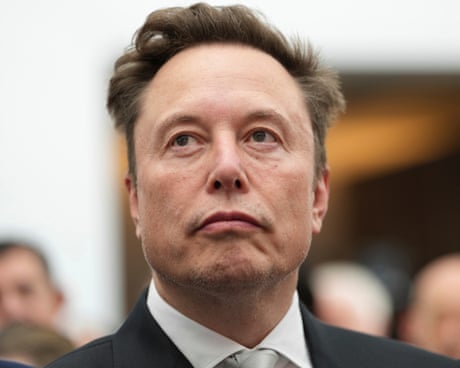
French minister accuses Elon Musk of ‘online harassment campaigns’ against European leaders

Jean-Noël Barrot criticises X owner in speech attacking foreign efforts to destabilise France before 2027 election

France’s foreign minister has accused Elon Musk of using his social media platform to orchestrate “massive online harassment campaigns” against European leaders as he took aim at foreign efforts to destabilise the country before next year’s presidential election.

Speaking at an Organisation for Economic Cooperation and Development conference on Tuesday, Jean-Noël Barrot pointed to the role that social media had come to play in the global battle over democracy. “The forces seeking to undermine democracy now dominate the information landscape, where they employ tactics designed to polarise public debate,” he said.

Continue reading...

© Photograph: Julia Demaree Nikhinson/AP

© Photograph: Julia Demaree Nikhinson/AP

© Photograph: Julia Demaree Nikhinson/AP

  •  

In Germany the mood is dark. But the Weimar narrative is a far right trap | Klaus Brinkbäumer

The final season of the TV epic Babylon Berlin is taking us back to 1933. Our confidence is falling apart, but that’s where the parallels end

There is one experience we in Germany can all find mildly satisfying this autumn, as we watch the dark and terrifying final season of the hit TV series Babylon Berlin. We know everything those fearless (a few of them) or frightened (many more) and opportunistic (the majority) people on the screen do not. We know their future.

Made by the public broadcaster ARD, Babylon Berlin has run for over 10 years, brilliantly fictionalising how Germany sleepwalked into nazism and the second world war. The fifth and last season begins in January 1933 with Adolf Hitler appointed Reichskanzler.

Continue reading...

© Photograph: Christine Schroeder/X Filme Crea

© Photograph: Christine Schroeder/X Filme Crea

© Photograph: Christine Schroeder/X Filme Crea

  •  
❌