❌

Reading view

La guerra culturale degli Usa contro l'Europa


di Alessandro Bartoloni 


La Guerra fredda non è stata solo una questione di missili, spie e sbarramenti militari. Quello che la storiografia ufficiale spesso dimentica — o finge di non vedere — è che la battaglia più feroce e decisiva si è combattuta direttamente dentro le teste delle persone. Gli Stati Uniti non si sono accontentati di dominare il mondo con la forza delle armi e il peso del dollaro: hanno voluto plasmare le categorie stesse con cui le società occidentali interpretano la realtà, ridefinendo da cima a fondo ciò che è desiderabile, accettabile o anche solo pensabile. Questo articolo è frutto della lettura di alcuni testi che hanno trattato direttamente questo tema, come Perché l’occidente odia la Russia di Hauke Ritz, La guerra fredda culturale di Frances Conor Staunders, e Who paied the pipers of western marxism, di Gabriel Rockhill.

Fabbricare il consenso in Europa

Nel secondo dopoguerra, Washington aveva un problema enorme. La sua travolgente superiorità economica non bastava a garantirgli un’egemonia automatica sul piano culturale. L’Europa devastata dal conflitto non guardava all'America come a un faro indiscutibile: i partiti comunisti e socialisti avevano un radicamento di massa, i sindacati erano forti e il marxismo costituiva l'ossatura teorica dei principali intellettuali del continente. Per molti europei, dalle macerie del fascismo non doveva nascere un capitalismo all'americana, ma una società profondamente diversa.

Per la Casa Bianca e per gli apparati di sicurezza statunitensi, questo scenario era una minaccia intollerabile. Se un'intera sponda dell'Atlantico continuava a mettere in discussione il libero mercato, il progetto di dominio globale americano rischiava di crollare sul nascere. La risposta fu immediata e spietata: trasformare la cultura, la ricerca universitaria, il giornalismo e l'arte in vere e proprie prolunghe della propria politica estera.

La CIA e il mercato dell'intelligence intellettuale

L'operazione più plateale di questa ingegneria del consenso fu il Congress for Cultural Freedom (CCF), fondato nel 1950. Sotto l'ipocrita bandiera della "difesa della libertà intellettuale" contro l'autoritarismo sovietico, gli Stati Uniti costruirono una sterminata rete di copertura finanziata in gran segreto dalla CIA. Attraverso fondazioni fantoccio, Washington ha pompato milioni di dollari per finanziare mostre, saggistica, convegni e riviste prestigiose in mezza Europa — come Encounter nel Regno Unito, Preuves in Francia o Tempo presente in Italia.

Il punto centrale non era fare propaganda becera, che avrebbe insospettito chiunque. Il metodo americano è stato ben più raffinato e perverso: cooptare gli intellettuali, stabilire quali temi fossero dignitosi da dibattere e premiare chiunque indirizzasse la propria critica esclusivamente contro Mosca. Quando nel 1967 lo scandalo dei fondi CIA venne a galla, la maschera cadde, ma il danno era ormai fatto. L'America era riuscita a dimostrare che l'egemonia non si impone con i carri armati, ma comprando gli spazi di visibilità e distribuendo prestigio a chi fa il gioco del potere.

L'astrazione come dottrina e la trasformazione della sinistra

Lo stesso meccanismo fu applicato alle arti visive. Prendiamo l'espressionismo astratto di Jackson Pollock: il governo americano e le sue fondazioni sponsorizzarono ed esportarono in tutto il mondo questa pittura priva di contenuti sociali espliciti. Perché? Perché serviva come perfetta arma ideologica. La totale assenza di critica sociale nella pittura astratta veniva sventolata come l'emblema della "libertà occidentale", in contrapposizione al grigio realismo socialista sovietico. L'arte smetteva di contestare la realtà e diventava un manifesto pubblicitario dell'american way of life.

Ma il capolavoro politico degli apparati statunitensi è stato un altro: la domesticazione della sinistra occidentale. Capito che era impossibile eradicare l'aspirazione alla giustizia sociale, gli strateghi di Washington lavorarono per separare la critica sociale dalla contestazione del capitalismo. Si doveva finanziare e promuovere una sinistra "compatibile": una sinistra ferocemente antisovietica che finisse per accettare la proprietà privata e l'impianto liberale come orizzonti unici e insuperabili.

Contemporaneamente, il linguaggio politico venne sistematicamente manipolato. Attraverso un'accorta selezione di concetti filosofici e opere letterarie, il fascismo e il comunismo vennero infilati nello stesso calderone del "totalitarismo". Il risultato ideologico fu perfetto: l'ordine capitalistico e liberale non veniva più percepito come un sistema storicamente ingiusto e pieno di contraddizioni, ma come l'unico baluardo possibile contro la barbarie. Chiunque provasse a mettere in discussione le basi economiche del modello americano veniva automaticamente bollato come complice del totalitarismo.

L'eredità coloniale del pensiero unico

Con il crollo dell'Unione Sovietica, la narrazione occidentale ha decretato la "fine della storia", ma le tecniche di manipolazione culturale affinate dagli Stati Uniti durante la Guerra fredda non sono affatto andate in pensione. Oggi assistiamo allo stesso identico schema: la complessa realtà geopolitica globale viene costantemente ridotta a un manicheo e infantile scontro morale tra "democrazie" e "autocrazie".

Dietro questa patina etica si nascondono gli stessi identici interessi strategici ed economici di sempre. Ogni paese che rifiuta l'allineamento ai desiderata americani viene squalificato sul piano morale prima ancora che politico, rendendo impossibile qualsiasi analisi seria delle responsabilità e degli imperialismi occidentali.

La vera tragedia della guerra culturale condotta dagli Stati Uniti è che ha finito per sterilizzare il pensiero critico anche a casa nostra. Trasformando la cultura in un’arma di distrazione di massa e in uno strumento di propaganda geopolitica, l'Occidente ha perso la propria autonomia intellettuale. Abbiamo importato le categorie concettuali di Washington, finendo per scambiare la nostra subordinazione culturale per libertà di pensiero.


  •  
  •  

Even Blue-Collar Workers Have Turned Against Trump's Unpopular Tariffs

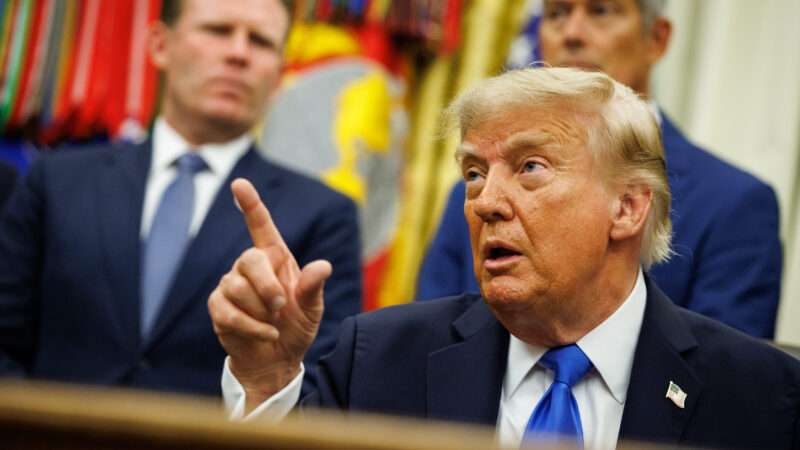
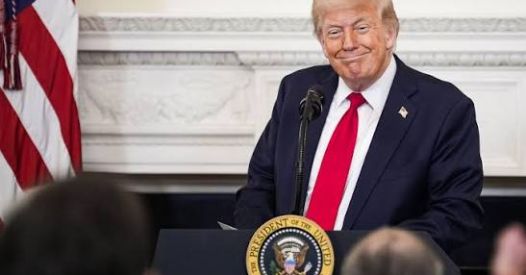
President Donald Trump in the Oval Office | Samuel Corum - Pool via CNP/picture alliance / Consolidated News Photos/Newscom

President Donald Trump promised that his tariffs would usher in a "golden age" by prioritizing the interests of American workers.

Those workers, however, are now turning against Trump's tariffs.

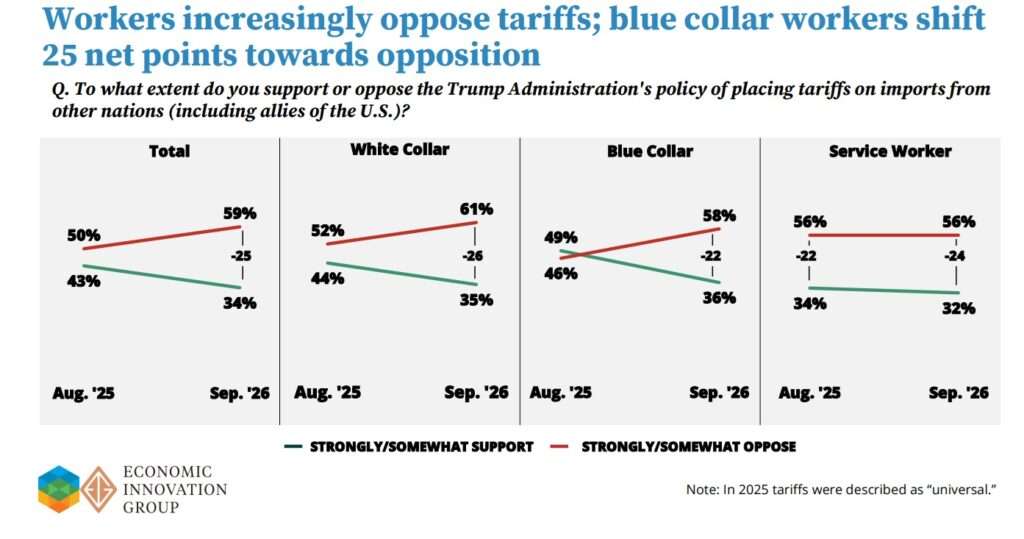
Support for the Trump administration's tariff policies has fallen by 25 percentage points among blue-collar workers over the past year, according to new polling data from Echelon Insights and the Economic Innovation Group (EIG).

A poll conducted by the two groups in August 2025 found that blue-collar workers supported the tariffs by a narrow margin. Now, that same segment of the population has turned decisively against Trump's tariffs: 58 percent oppose them, compared to just 36 percent who support them.

Source: Economic Innovation Group / Echelon Insights (https://eig.org/wp-content/uploads/2026/10/EIG-State-of-the-American-Worker-2026.pdf)

Overall, support for the tariffs has declined from about 43 percent last year to only 34 percent. Opposition to the tariffs has grown from 50 percent to 59 percent. Elsewhere in the same survey, 68 percent of respondents said the tariffs have made the cost of living higher.

It's not hard to figure out why people have turned against the tariffs: They have contributed to rising prices across the economy.

The annualized inflation rate ticked upward to 3.7 percent in September, according to new data from the Bureau of Labor Statistics (BLS). More BLS data released Thursday morning shows that the producer price index, which often operates as a precursor to inflation, is up 6.3 percent over the past year.

America's war with Iran has been a major factor in rising inflation, but the tariffs have played a significant role as well. In a study released last week, the New York Federal Reserve concluded that consumer prices would have declined slightly over the past year if not for the economic effects of the tariffs.

The tariffs have become so unpopular that not even partisanship can save them. "Among GOP-voting workers, only 3 percent select tariffs as their top priority," note Jordan McGillis and John Lettieri, policy experts from the EIG, in their write-up of the poll.

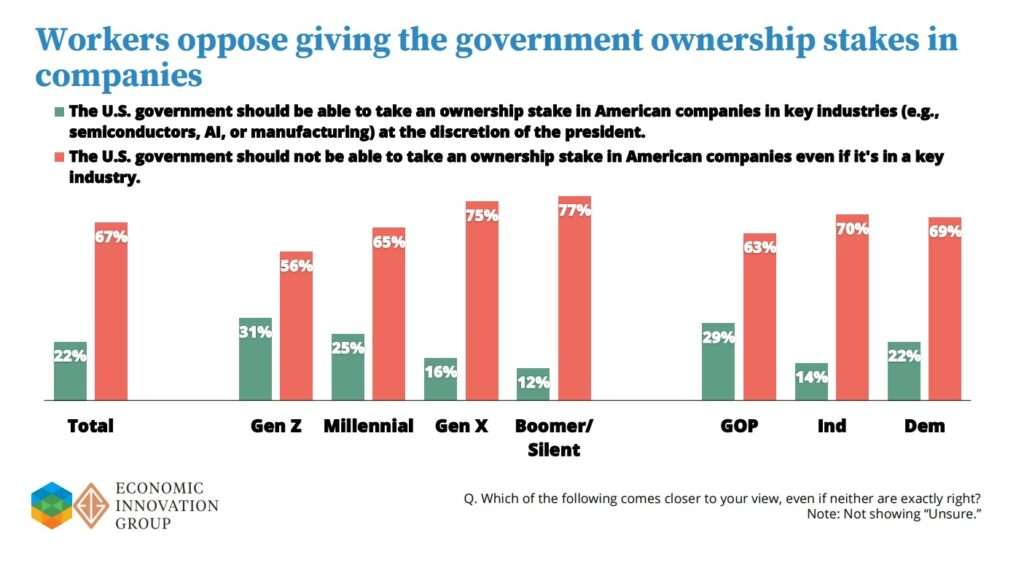
Other parts of Trump's economic agenda are not faring much better. The Trump administration has bought or seized shares of more than 30 private businesses over the past two years—ranging from major firms such as U.S. Steel to small mining companies with few customers. "The federal government's state corporatism is unprecedented," reports the Cato Institute in a new analysis of those deals.

Large majorities of workers across both major parties and all generations said they opposed the federal government taking equity stakes in American companies in the Echelon/EIG poll.

Source: Economic Innovation Group / Echelon Insights (https://eig.org/wp-content/uploads/2026/10/EIG-State-of-the-American-Worker-2026.pdf)

In short: This economic populism sure isn't very popular.

All of this is likely to be a major factor in next month's midterm elections. Regardless of how that shakes out, however, there are lessons to be drawn from this poll for both sides of the political divide.

For conservatives, these polling data should end the tariff experiment. It has proven economically damaging, and it is no longer a political winner (if it ever was).

Remember, the idea to hike tariffs and start trade wars with all of America's biggest trading partners was not some grand plan backed by careful study and thoughtful analysis. It sprung, half-baked, from the head of one man. Yes, there have been various attempts to support, in a post hoc way, Trump's desire for tariffs. All of that can, and should, be easily discarded. There is no reason to allow a lame duck president to continue to set such a politically and economically destructive path for the country.

Undoing the tariffs might also put a meaningful dent in rising prices. That should be a no-brainer after the midterms, no matter which party controls Congress.

On the left, this poll should be a reminder that Americans do not look favorably on the mixing of government and business. Democrats should promise to unwind the "equity stakes" that the federal government has taken under Trump's watch. Heading toward the 2028 presidential cycle, Democrats might want to borrow some old Republican talking points about how government shouldn't be picking winners and losers—they may find that message is still quite popular.

Yes, it's probably right to be skeptical that those things will happen. Trump's efforts to centralize economic power in the executive branch are likely to outlive his presidency—that's how these things always seem to go.

But there is a glimmer of hope here. Americans are soundly rejecting the Trump administration's big government policies.

The post Even Blue-Collar Workers Have Turned Against Trump's Unpopular Tariffs appeared first on Reason Magazine.

  •  

Trump Keeps Coming Up With Legally Dubious Tariff Justifications

Donald Trump | Photo, middle: Geopix/Alamy

When a president starts with a predetermined policy and then goes looking for a statutory pretext to justify it, he is building on shaky ground. President Donald Trump illustrated that point once again in July, when he announced a third round of broad tariffs after his first two attempts ran into legal trouble.

Shortly after taking office in 2025, Trump claimed to have discovered a previously unnoticed delegation of extensive tariff authority in the International Emergency Economic Powers Act (IEEPA), a 1977 law that does not mention import taxes and had never been used to impose them. That claim was rejected by every court that considered it.

Last February, the Supreme Court ruled that IEEPA does not authorize tariffs at all. But Trump had a backup plan: Hours after that decision, he announced another sweeping set of tariffs, this time relying on Section 122 of the Trade Act of 1974.

That provision allows tariffs in response to "fundamental international payments problems" caused by "serious United States balance-of-payments deficits." In May, the U.S. Court of International Trade (CIT) ruled that the new tariffs were illegal because Trump had failed to "identify balance-of-payments deficits within the meaning of Section 122."

Although that decision was stayed pending appeal, Trump's Section 122 tariffs, which were subject to a 150-day statutory limit, expired on July 24. Trump then switched to Plan C, invoking Section 301 of the Trade Act, which authorizes tariffs in response to a foreign "act, policy, or practice" that is "unreasonable or discriminatory" and "burdens or restricts" U.S. commerce.

Trump's Section 301 tariffs supposedly targeted countries that had failed to "impose and effectively enforce a prohibition on the importation of goods produced with forced labor." The alleged offenders included 86 economies that accounted for nearly all U.S. imports.

In separate complaints, the Liberty Justice Center (LJC) and the law firm Akin Gump, which had played leading roles in challenging Trump's prior tariffs, immediately asked the CIT to block the new import taxes. By and large, they noted, the government had failed to explain how the targeted countries had fallen short, how their alleged failures burdened U.S. commerce, or why the new tariffs could be expected to ameliorate the problem they were supposed to address.

The LJC argued that the forced-labor issue was "simply a pretext" for reinstating Trump's "invalidated global tariff regime." It added that Trump's reading of Section 301, like his interpretation of IEEPA, would violate the "major questions" doctrine, which requires clear congressional authorization for policies of "vast economic and political significance."

This was Trump's "third attempt" to "impose essentially the same set of sweeping global tariffs," Akin Gump's lawyers wrote. "The third time's not the charm."

The post Trump Keeps Coming Up With Legally Dubious Tariff Justifications appeared first on Reason Magazine.

  •  
❌