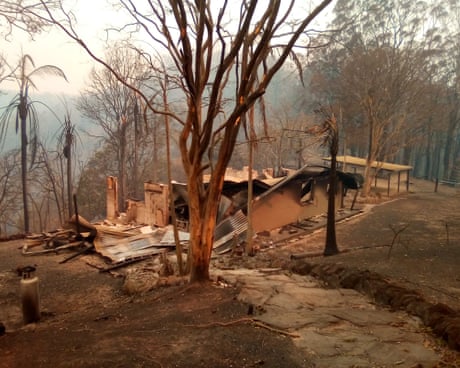
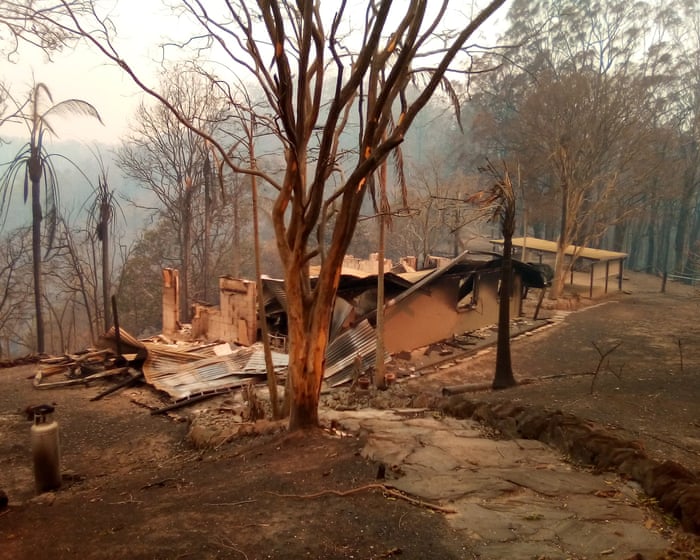
Almost every home destroyed in New South Wales during the black summer bushfires of 2019-20 was inside the 100 metre buffer zone used to identify properties most at risk, new research has found.
The findings are an endorsement of the risk maps used by authorities, but the research warns that as global heating generates ever-worsening fire conditions, firefighters may have to extend the recommended distances between homes and vegetation to keep properties safe.
At a point where “a sea of people” has converged in central Porto to kick off today’s protests against the rising cost of living and the country’s desperate housing crisis,
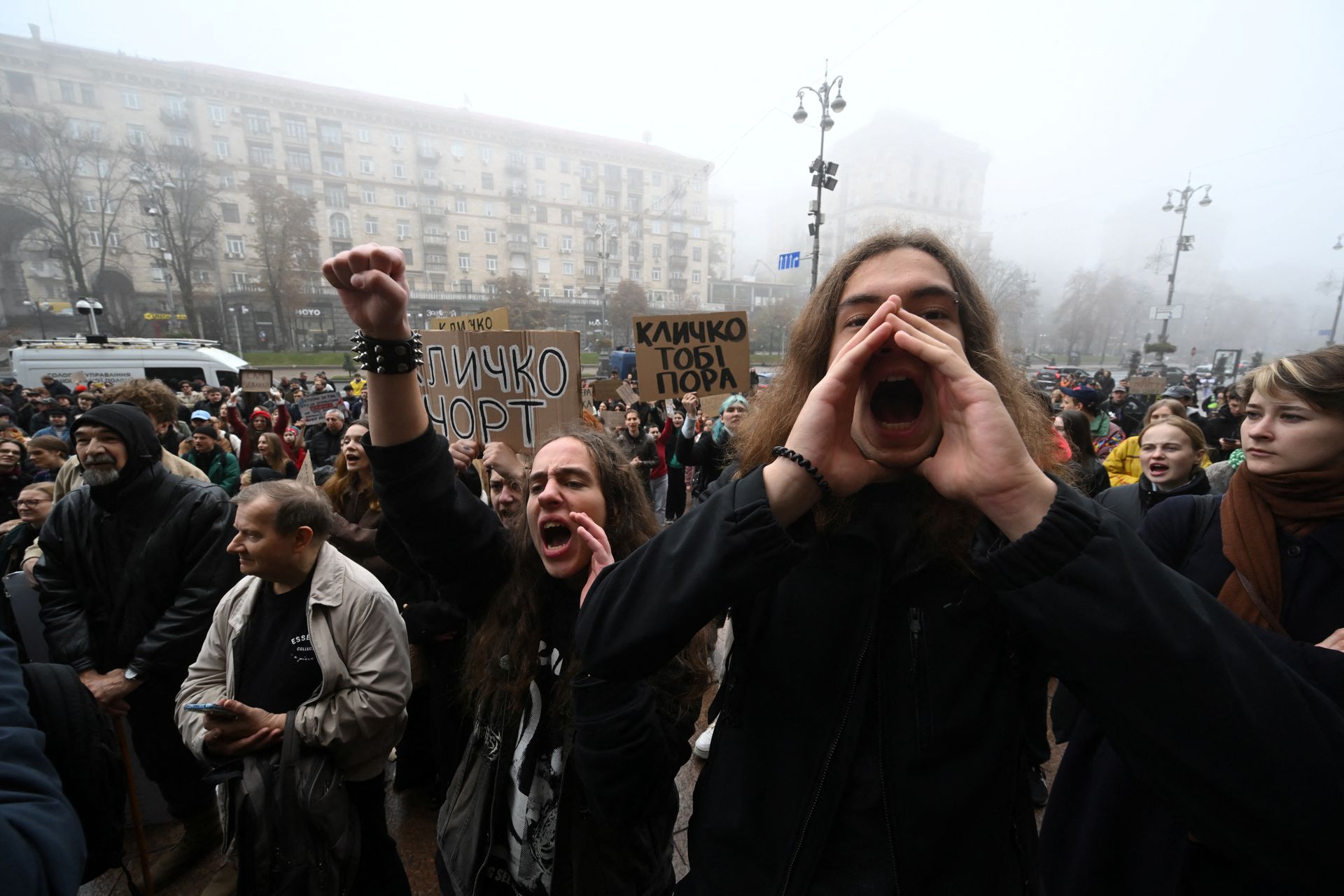
Local residents gathered on Oct. 17 in front of the city council to demand that Kyiv Mayor Vitali Klitschko step down from the post he has occupied for over 12 years.
"Kyiv without Klitschko," hundreds of protesters chanted as they took to the streets in central Kyiv, according
Thousands of people are expected to take to the streets across Portugal today (Saturday, October 17) in a nationwide protest against the rising cost of living, with demonstrations planned in
Prime Minister Luís Montenegro has condemned what he described as “direct threats” against his home and family after a video emerged showing a protest speaker calling for his address to
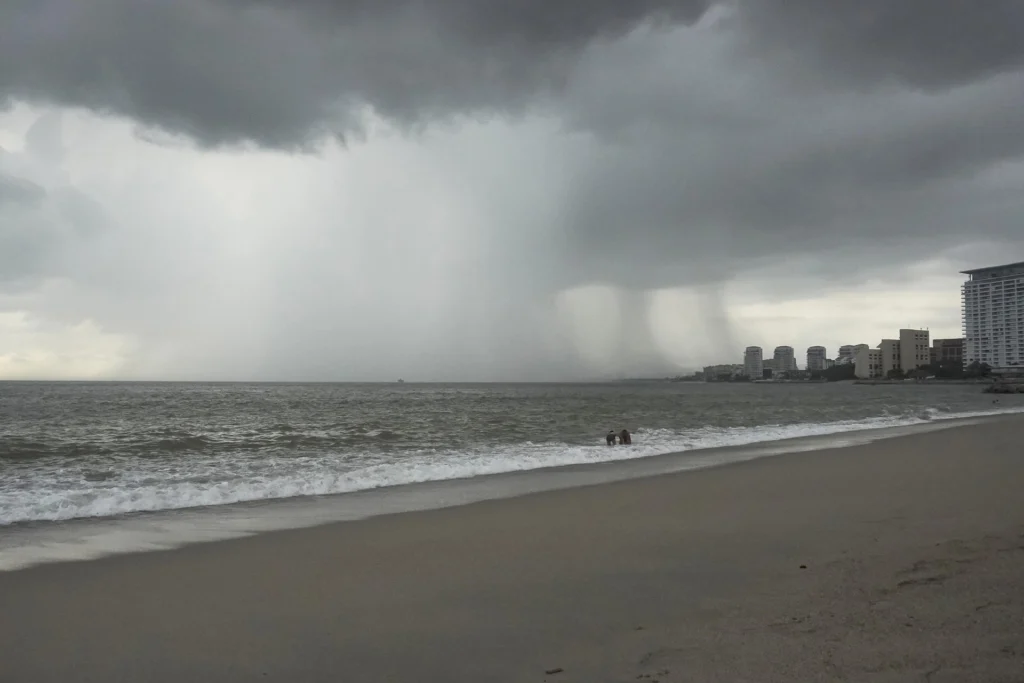
Hurricane Trudy weakened to Category 1 on Friday off Mexico’s Pacific coast, after data gathered by a hurricane-hunter aircraft, but the country’s National Meteorological Service (SMN) kept its alert for intense rain in the south and west of the country.
The downgrade came hours after the storm reached Category 3 in the early morning hours and registered Category 2 around midday, the National Meteorological Service (SMN) said in an update.
At noon local time, the center of the cyclone was located about 370 kilometers southwest of Acapulco, in Guerrero state, and 515 kilometers south-southeast of Manzanillo, in Colima state, but it was moving north-northwest at seven kilometers per hour.
The adjustment followed a warning earlier in the day from National Meteorological Service’s coordinator Fabián Vázquez Romaña, who told the presidential news conference about the storm’s rapid intensification and a forecast that it could reach Category 4 before approaching the coasts of Colima and Jalisco on Sunday.
Hurricane #Trudy is nearing the coast of #Mexico, which is expected to see MAJOR IMPACTS in the form of flooding as over 400mm of rain could fall! A #Hurricane Warning is in effect. Will have a stream up tonight to answer your questions! pic.twitter.com/GY9V47IK5O
Mexican President Claudia Sheinbaum urged residents of the regions under alert to follow official civil protection notices and to go to temporary shelters if they are in risk zones or near riverbeds.
The National Meteorological Service said the storm’s circulation will bring intense rainfall to the states of Guerrero, Oaxaca, Colima and Michoacán. Mexican authorities, working with the U.S. National Hurricane Center, maintain a hurricane-wind watch zone from Manzanillo, Colima, to Playa Pérula, Jalisco.
The agency warned that the rain could cause landslides, rising rivers and streams, overflows and flooding in low-lying areas of the affected states, and urged the public to follow civil protection recommendations.
Double trouble in the eastern Pacific! 🌀🌀 Tropical Storm Simon is threatening Mexico's west-central coast with ongoing torrential rain and dangerous seas, while nearby Hurricane Trudy could rapidly intensify into a major hurricane in the coming days. https://t.co/DepkchVHhZpic.twitter.com/NjcysAgoDU
A second system is also churning in the Pacific. Tropical Storm Simon was located 220 kilometers south of Cabo San Lucas in Baja California Sur and 445 kilometers west of Cabo Corrientes in Jalisco.
Simon carries winds of 65 kilometers per hour and drifts northwest at 15 kilometers per hour. It will generate very heavy rains, wind gusts reaching 50 kilometers per hour and swells of two to three meters along the southern portion of Baja California Sur.
The presence of two active systems on the same coastline complicates the response. Emergency planners must track the slow-moving Trudy as it threatens Guerrero, Colima and Jalisco while Simon feeds moisture into Baja California Sur hundreds of kilometers to the north.
Trudy’s sudden weakening does not remove the danger. Forecasters stress that the downgrade reflects current wind speeds, not the rainfall threat, which remains substantial and stretches well beyond the storm’s center.
The storm’s seven-kilometer-per-hour drift means it will linger over the region longer, unloading rain on the same watersheds hour after hour. That pattern, rather than wind alone, drives the risk of flash floods and mudslides in mountainous terrain.
Mexico has strengthened its early warning systems in recent years, and the morning presidential briefing reflected an effort to keep the public informed before the storm’s most dangerous phase arrives. President Sheinbaum’s appeal to use temporary shelters framed the government’s priority as protecting lives ahead of property.
The coming days will test that preparation. Trudy may regain strength if conditions over the Pacific shift, and the projected approach to Colima and Jalisco on Sunday keeps coastal communities on edge.
For now, the alerts remain in place and the message from authorities is consistent: the storm has weakened, but the rain has not, and the hours of greatest risk still lie ahead.
Australia’s mainstream political parties are being warned not to adopt populist policies such as migration caps to address voters’ grievances over the cost of living.
Instead, Australia’s longest-serving finance minister, Mathias Cormann, is urging politicians to deliver housing, real wage growth and lower energy costs by boosting productivity.

 Login