We went aboard a cruise ship navigating some of the world's most dangerous waters. In the Arctic, drifting icebergs, sea ice, sudden storms and fierce winds make sailing unpredictable. Yet every year, around 100,000 cruise passengers travel to Greenland to explore its remote coastline and experience one of the world's last great wildernesses.
Ina Garten's recipes will keep you cozy this fall.
Scott Kowalchyk/CBS via Getty Images
I've made dozens of Ina Garten's recipes, and some of her dishes are perfect for fall.
Garten's chicken chili is quicker and lighter than your traditional chili recipe.
And her weeknight Bolognese and rigatoni with sausage will keep you cozy as temperatures dip.
This year's descent into fall has been more of a crawl, but I think we're all ready for some cozy weather.
And what better accompaniment to a classic rom-com and your favorite sweater than a dish by Ina Garten?
The "Barefoot Contessa" star has built a whole career on recipes that are easy and comforting. I've made dozens of Garten's dishes, so I decided to look back and find a few that I think are perfect for this busy season.
From a Bolognese that's ready in 30 minutes to a cake packed with the flavors of autumn, these are Garten's best fall dishes.
Ina Garten's breakfast sandwiches will energize you for chaotic fall mornings.
Anneta Konstantinides/Business Insider
The start of fall is so hectic. Work ramps back up, school is back in session, and the prep and stress of the holidays begin to creep in.
Travel-friendly and loaded with protein, a breakfast sandwich is just what you need. And Garten's version only requires five ingredients: English muffins, whole milk, avocado, bacon, cheddar cheese, and eggs that you can cook in the microwave.
The microwave eggs are surprisingly creamy, and the sandwich is deliciously filling.
Anneta Konstantinides/Business Insider
Everything in Garten's breakfast sandwich works so well together. She recommends using thick-cut applewood-smoked bacon, which provides a crispy contrast to the soft eggs. Spreading the avocado on the bottom adds both flavor and nutrients, and I love the tanginess of the sharp white cheddar.
If you're making this sandwich for more than two people, I recommend cooking the eggs on the stove rather than in the microwave to save time. But this is a great recipe to teach your kids so they can make breakfast on their own. And if you're a college student, you could easily whip this up in a dorm.
Making a huge batch of Garten's homemade chicken stock has been my fall tradition for years.
Anneta Konstantinides/Business Insider
I began testing Garten's soup recipes in 2023 and knew something was missing after I kept using boxed stock. "Store-bought is fine!" might be Garten's most famous catchphrase, but she believes homemade chicken stock is akin to "liquid gold."
"Nothing available on the market has the depth of flavor or richness of stock you've made yourself," she wrote in "Go-To Dinners," her October 2022 cookbook. "It contributes such great body and aroma to so many dishes. Plus, having a big pot of chicken stock simmering away on my stove just makes me feel good."
Garten's stock is packed with flavor because it involves simmering three roasting chickens for hours alongside carrots, onions, celery, parsnips, garlic, and plenty of herbs.
There's no flavor left in the chicken once the stock is ready. If you'd rather save the meat for meals, you can always take the chicken out once it's cooked through and continue to simmer the aromatics. I also recommend freezing chicken bones so you always have some on hand for more stock.
The recipe makes enough stock to last through the winter, and it provides the base for so many delicious soups.
Anneta Konstantinides/Business Insider
Garten's recipe provides nearly nine quarts of stock, and you can store it in the freezer for up to six months.
My absolute favorite Barefoot Contessa soup to make with the stock is Garten's chicken pot pie soup, which I whip up anytime my fiancé and I are craving a bowl of comfort. Her ravioli en brodo is a delicious twist on chicken noodle, while her Italian wedding soup is light and bright.
If you want to switch things up from soup, you can also use the stock to make Garten's one-pot chicken and orzo — another delicious meal for chilly nights.
When Garten decided to switch up the chili and use chicken instead of beef, it became even more popular than the original recipe.
The dish also features red and yellow bell peppers, fresh basil, and a variety of seasonings, including chili powder, ground cumin, and red pepper flakes.
Garten serves the chili topped with green onions, cheddar cheese, corn chips, and sour cream.
When I first made Garten's chicken chili for some friends, they said it made them feel "so warm and cozy."
Anneta Konstantinides/Business Insider
The tomatoes and spices build a rich broth, and each bite of chicken is so tender and juicy.
It's also a great dish for hosting because you can lay out the toppings in individual dishes, allowing everyone to personalize their bowl to their own preference.
Plus, who doesn't love a bowl of chili on football Sunday?
Garten's weeknight Bolognese is ready in 30 minutes.
Anneta Konstantinides/Business Insider
My pasta cravings always hit when temperatures start to dip. And during this busy season, Garten's weeknight Bolognese is a perfect fit.
The recipe includes ground sirloin, crushed tomatoes, heavy cream, Parmesan cheese, and fresh basil, but it's designed to be adaptable and pantry-friendly.
Garten says you could easily swap the sirloin for any ground meat and skip the cream and basil if you need. And while she recommends using orecchiette, any dried pasta will work with this recipe.
My family couldn't get enough of Garten's speedy Bolognese.
Anneta Konstantinides/Business Insider
It's pretty incredible how much flavor Garten manages to create in a dish that traditionally simmers for hours on end. The rich sauce bursts through every bite of the small pasta shells, which I personally loved for this dish, and the freshly grated Parmesan cheese on top makes it feel extra comforting and indulgent.
"It's a very meaty, very hearty pasta," my dad said before declaring that the dish was "perfect."
If you're searching for a cheesy pasta with little clean-up, Garten's one-pot dish is the perfect fit.
Anneta Konstantinides/Business Insider
The rigatoni pasta is paired with sausage and fennel, plus some onion, garlic, heavy cream, freshly grated Parmesan cheese, and a few additional ingredients.
It all comes together in a big pot or Dutch oven, and you'll have dinner on the table in an hour.
Garten says this pasta is one of her "all-time go-to dinners."
Anneta Konstantinides/Business Insider
"You can make the whole thing in one big pot, bring it to the table, and everyone loves it," Garten told her viewers in a 2017 episode of "Barefoot Contessa."
With its beautiful golden hue and rich, meaty sauce, Garten's one-pot pasta is the kind of dish that lifts your spirits. There's also lovely depth to the flavor, thanks to the sweet sausage, salty Parm, and the bite from the fennel.
As with her chicken chili, Garten developed the recipe for her apple spice cake at the Barefoot Contessa store.
Anneta Konstantinides/Business Insider
"We used to have all kinds of cakes like this out on the bakery counter, and you could come buy a whole cake, but you could also buy a piece," Garten said in an early episode of her Food Network show. "It's not fancy, just really delicious and earthy, and you always want to come back for more."
The recipe includes Granny Smith apples, rum, raisins, pecans, and plenty of sugar and spice.
The cake is packed with autumn flavors.
Anneta Konstantinides/Business Insider
Soaking the golden raisins in rum gave them a flavor that almost reminded me of caramel, and their sweetness helped temper the Granny Smith apples' sourness. All the spices infused the moist cake with a warm nuttiness, while the pecans added some delicious crunch.
I followed Garten's advice and tried the cake with some ice cream and caramel, which were delicious additions. But the cake isn't super sweet, so you could also enjoy it on its own with some tea or coffee for breakfast.
Christian Pineda, CEO and cofounder of Los Tacos No. 1, serves a taco at the chain's Chelsea Market location.
Dolly Faibyshev for BI
Los Tacos No. 1 came under fire on social media after receiving a private equity investment.
Some fans feared the beloved New York City Tijuana-style taco chain would lose its iconic flavor.
The chain's CEO told Business Insider they will scale cautiously, preserving quality and low prices.
Christian Pineda, CEO and cofounder of Los Tacos No. 1, couldn't fall asleep.
He was caught in a scroll of enraged social media posts. The storm of customer indignation followed news last month that the beloved New York City taco chain had received an investment from the private equity firm TSG Consumer. The internet seemed convinced their favorite carne asada and adobada tacos would lose their quality, and Pineda had not expected the reaction.
To remedy the situation, he said he felt it was his duty to address his customers directly. He woke up at 4:30 the next morning to clear the air.
"No, we're not going to start charging extra for guac. We're not switching to horse meat. And no, we're definitely not messing with the tacos," read the Instagram post published September 4.
"I wanted to keep it simple, honest, and comical too at the same time," Pineda told Business Insider. "I saw it as inspiring, honestly, to really prove our customers wrong — that private equity is not always bad."
Christian Pineda, CEO and cofounder, and Jacobo Ackerman, chief operating partner, run the taco chain's day-to-day operations.
Dolly Faibyshev for BI
Colin Welch, managing director and head of New York at TSG Consumer, said the backlash among some underscored what TSG saw in the taco business to begin with: a "cultlike following" customer base protective of the food, and an experience that made Los Tacos a "New York institution."
"It's our responsibility to show those skeptics that it's going to be exactly the same Los Tacos experience, and that nothing's going to change for the worse," Welch said. "We got to show them, not tell them, and that'll happen over time."
The PE firm, founded in 1986 and with $14 billion in assets under management, also has investments in food names Pura Vida Miami, Crumbl, and Dutch Bros Coffee. TSG declined to disclose the terms of the deal or the amount it paid for its investment in or stake in Los Tacos No. 1, which opened in 2013.
Welch said the firm plans to let Pineda and his team run the show, while TSG will provide guidance on future expansion.He pointed to Pura Vida Miami, a lifestyle café chain founded in Miami. It grew from locations in two states to seven since TSG announced its minority stake in 2025.
Los Mariscos is Los Tacos No. 1's sister restaurant, specializing in fish tacos and other seafood dishes.
Dolly Faibyshev for BI
Pineda said the chain focused on finding an investor that would allow Los Tacos No. 1 to scale in a "cautiously smart" way. With 10 locations in Manhattan and a sister location, Los Mariscos, at Chelsea Market, the taco chain wants to continue expanding into other boroughs and markets. It's looking to open a new location in Brooklyn before the end of the year, and another three new locations are planned to open in 2027.
The PE investment comes after 13 years of growth in New York City — a journey that began with three architects and the search for a good taco.
Selling an experience
Pineda and his co-founders, Tyler Sanders and Kyle Cameron, moved from California to New York City in 2010. They lived together in a one-bedroom apartment in the West Village, where Pineda and Sanders, both architects, spent days knocking on doors to find jobs. They found jobs, but there was one thing they could not find wherever they looked — a good taco.
The three men had been raised on Tijuana-style tacos. Pineda was born in San Diego but was raised between there and Tijuana, where his parents are from. Meanwhile, Sanders and Cameron were born in Brawley, California, a city near the border with Mexicali.
"No ticket, No taco" is the order model at all Los Tacos No. 1 locations.
Dolly Faibyshev for BI
Thus, the "No ticket, No taco" order model was born. Customers get a ticket from the cashier, and then have to find and give it to one of the many "taqueros," or cooks, working at once. They can then give the taquero specific instructions for their tacos and watch them prepare the food in front of them. The interactive experience is designed to induce an organized chaos, brought to life by Mexican folk music in the background as the staff speaks in Spanish among themselves.
Growing and scaling a business in NYC
It's no secret that the Big Apple is expensive, and as the cost of living increases, so do expenses for businesses like Los Tacos No. 1.
Since they opened, annual revenue has grown by around 30% each year, and they currently serve about 1,200 customers per day, with an average check of about $20, Pineda said.
In recent months, the expenses that have increased the most are beef, limes, avocados, and tomatoes, Pineda said. Beef prices were 5.9% higher in August 2026 than in August 2025, and they are forecast to increase a total of 9.4% this year, according to the US Department of Agriculture.
"Psychologically, people think tacos are cheap or should be cheap — and they should — but with the prices of New York City and the quality that we're doing, it's tough," Christian Pineda said.
Dolly Faibyshev for BI
To adjust to these increases, the chain keeps other expenses "tight, lean and sustainable," and will not raise prices or cut quality because of a temporary spike, Pineda said. To keep up, the business has to "be efficient in everything else," Pineda said.
"Our idea was always you need to have the best taco and the cheapest taco," Pineda said. "Our carne asada started at $3.50 in 2013. Now our carne asada tacos are $5.95 after 13 years, so we take pride in that."
Pineda sees the new partnership with TSG Consumer as an opportunity to grow the company while preserving its quality, and maybe going public one day, debuting by ringing the opening bell on a stock exchange.
"We want to be in a room where we're with people who have done 100, 200, 1,000 locations. We haven't done that," he said. "We partner up with them because of their knowledge and the people that they've worked with, the brands that they've helped with — a big goal has been if we can ring the bell — that'd be amazing."
A Vigna Clara lo chef Marco Benedetti reinventa il rito più irresistibile della tavola italiana: a ogni portata il suo pane. Tra grani antichi, lievito madre e abbinamenti ricercati, nasce il bread pairing.
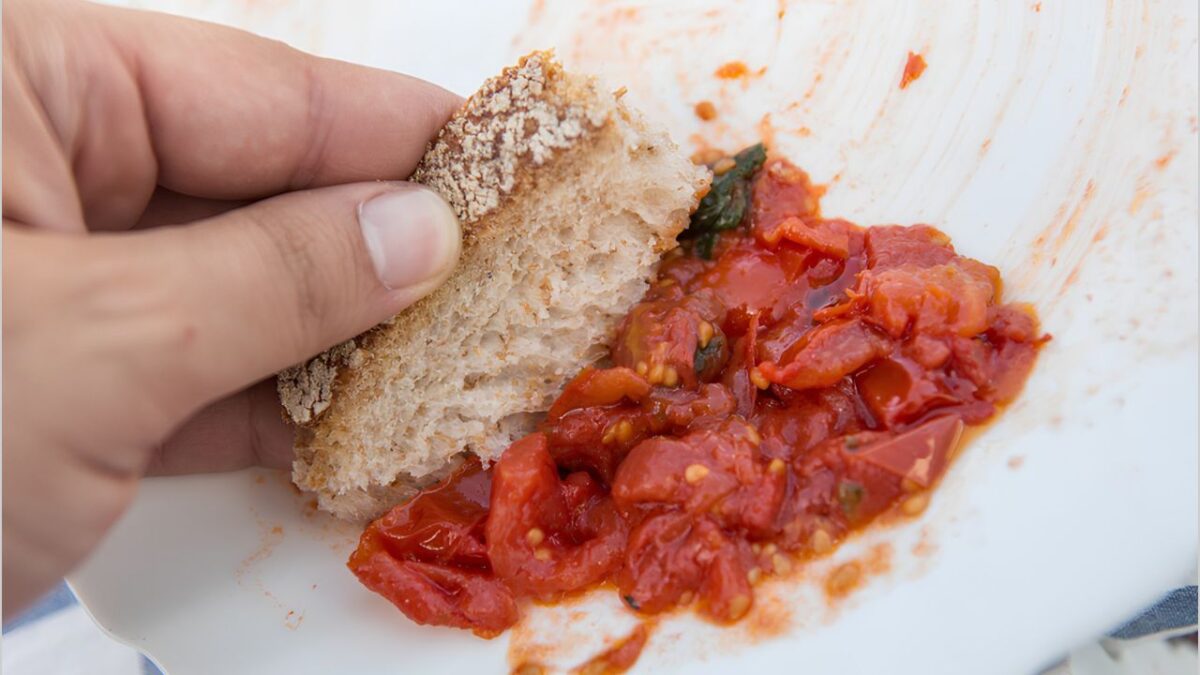
E pensare che una volta a Roma bastavano due parole: «Passame er pane». Quando il pane serviva a raccogliere il sugo rimasto nel piatto, possibilmente quando nessuno guardava. Oggi quella che le nonne chiamavano semplicemente scarpetta è diventata una raffinata esperienza gastronomica. Con tanto di nome inglese, naturalmente: bread pairing. Perché anche il gesto più italiano del mondo, per diventare di tendenza, deve concedersi una spruzzata di internazionalità.
Succede a Roma, nel quartiere Vigna Clara, dove lo chef Marco Benedetti, 34 anni, ha deciso di promuovere il pane da comparsa a protagonista. Nel suo ristorante Gordito, inaugurato nel settembre 2025, non esiste il solito cestino abbandonato sul tavolo: ogni preparazione viene accompagnata da un pane studiato appositamente per esaltarne sapori e consistenze.
Dalla scarpetta clandestina al pane su misura
L’idea nasce da una passione coltivata tra Sicilia e Alto Adige, passando per cucine prestigiose come quella del Signum di Salina e dello chef Norbert Niederkofler. Nel laboratorio di Gordito si lavora quotidianamente con lievito madre, lunghe fermentazioni e farine selezionate: Tumminia siciliana, farro, grano arso e antiche varietà cerealicole. Il risultato è un percorso nel quale la focaccia al rosmarino incontra scampo e lardo, il pane di grano arso accompagna la lingua con chimichurri fermentato e le tagliatelle al ragù di cinghiale trovano il loro compagno ideale nel pane di mais. Insomma, la scarpetta non arriva più alla fine, quasi di nascosto: entra dalla porta principale e si siede a capotavola.
L’origine del termine
L’origine dell’espressione “fare la scarpetta” non è del tutto certa, ma le interpretazioni popolari sono gustose quanto il gesto che descrivono. Secondo una delle ipotesi più diffuse, il nome deriverebbe dalla somiglianza tra il pezzetto di pane utilizzato per raccogliere il sugo e una piccola scarpa, capace di scivolare sul fondo del piatto ripulendolo. Un’altra spiegazione richiama invece la povertà contadina, quando non si sprecava neppure una goccia di condimento e il pane diventava lo strumento indispensabile per recuperare ogni avanzo. C’è poi chi collega il termine all’antica abitudine di utilizzare il pane come una sorta di spugna alimentare. Nessuna di queste teorie gode però di una conferma etimologica definitiva. Quel che è certo è che la scarpetta rappresenta uno dei gesti più autentici e irresistibili della cucina italiana. Quello che un tempo poteva apparire come una trasgressione al galateo oggi, come dimostra anche questo articolo, viene rivalutato persino nell’alta ristorazione.
Cinque portate, 40 euro e il galateo va in pensione
Il percorso comprende anche fegato e cipolle serviti con un panino al cacao e noci. Gran finale con brioche di Tumminia, caprino e frutti rossi. Prezzo della degustazione: 40 euro a persona. Naturalmente non manca il menu alla carta, ma la provocazione gastronomica è chiara: il pane non è più un accessorio gratuito, bensì un ingrediente da progettare con la stessa attenzione riservata alle portate principali.
Una piccola rivoluzione che restituisce dignità a un’antica abitudine popolare. Con una differenza: un tempo la scarpetta era il modo migliore per non lasciare nulla nel piatto. Oggi si è trasformata in una filosofia culinaria.
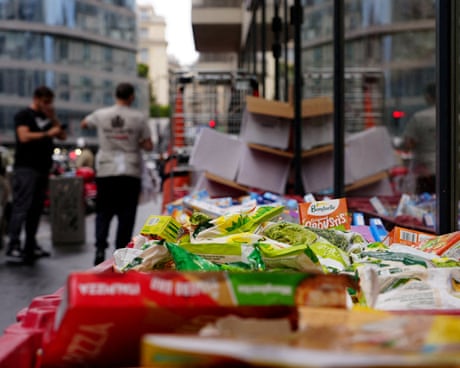
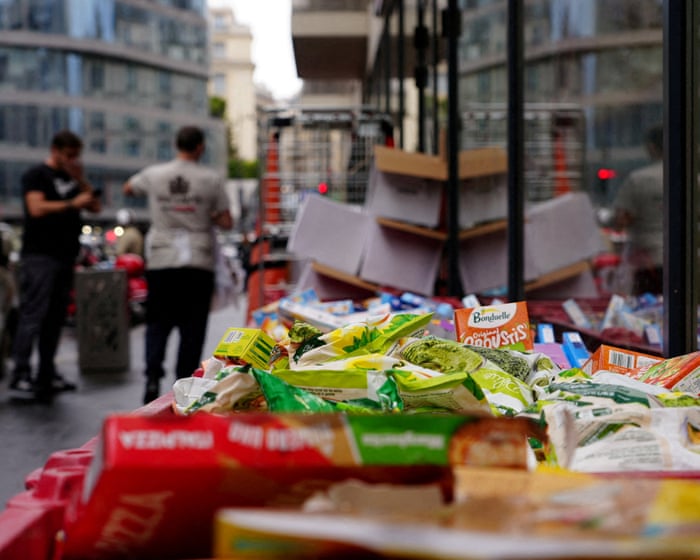
Whether it was youngsters proving their skills or state sabotage, Europe’s most hacked country was left with a mountain of waste after food began cooking in freezers
Shortly before midnight last Sunday, the digital thermostats controlling hundreds of supermarket cold aisles across France began to flicker and rise.
In a “bizarre and unprecedented” cyber-attack, hackers had remotely overridden the temperature settings on thousands of freezers, fridges and chiller cabinets pushing them from as low as -27C (-16.6F) to well over 50C (122F).

 Login