❌

Reading view

We need to stop disinformation in UK political adverts. Here’s a chance to do so | Letter

Alex Tait on a proposed amendment to the representation of the people bill, and Dr Joseph Mullen on Russian interference in the Brexit referendum

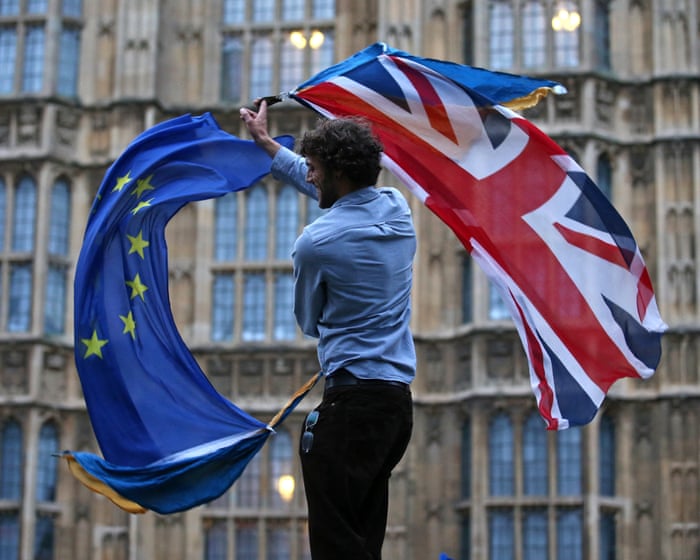
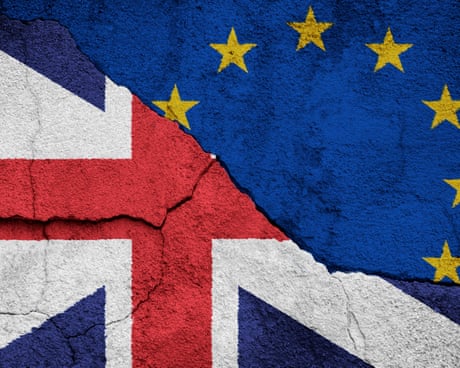
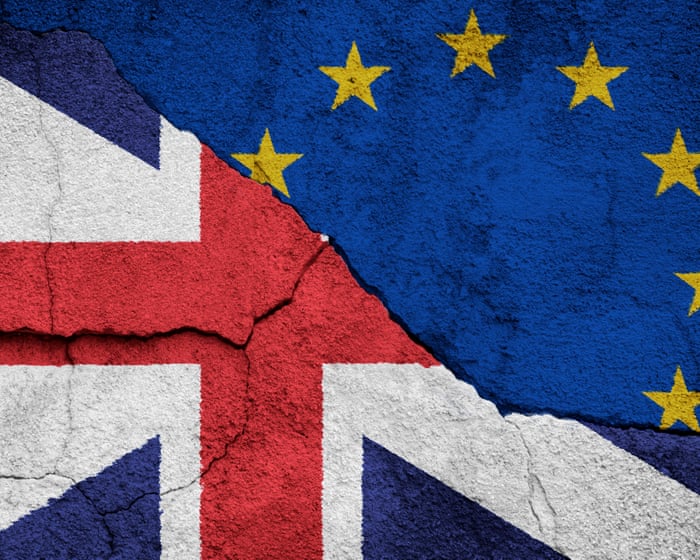
Andy Burnham’s comments about Russian interference in Brexit (Report, 11 October) and the warning by the MI5 chief, Ken McCallum, against exaggerating its impact (Report, 13 October) risk overlooking another serious threat to electoral integrity: disinformation from our own political parties and campaigners.

Foreign interference deserves scrutiny, but misleading factual claims in electoral advertising are unregulated, unlike in commercial advertising. We have four sets of rules to ensure an advert for a packet of sausages is accurate, but none for the most important advertising of all – ads that influence how we vote.

Continue reading...

© Photograph: Tuomas A Lehtinen/Getty Images
© Photograph: Tuomas A Lehtinen/Getty Images
© Photograph: Tuomas A Lehtinen/Getty Images
  •  

Shall we have another EU referendum? Maybe – but not yet | Polly Toynbee

We saw last time what reckless reliance on close polling led to. The omertà on rejoining has now been broken, but it would be folly to move too soon

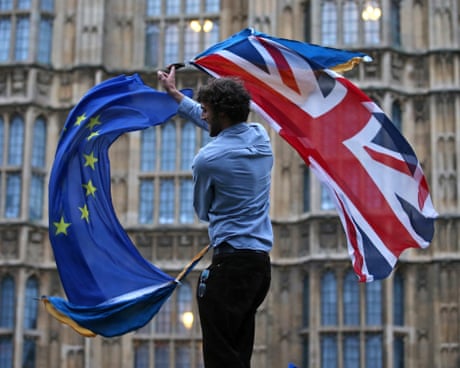
When I hear that word again, a shudder runs down my spine. I want to groan, hold my head in my hands and wail. The horror! No, never again, not another referendum. But the idea is back in play as Andy Burnham looks for ways to reverse a decade of economic stagnation.

As the prime minister dared to unlock the door to a Brussels reunion, you could hear Ode to Joy burst out from all remainers. But the prospect of a re-run of the most self-destructive vote in our history is dismaying.

Polly Toynbee is a Guardian columnist

Continue reading...

© Photograph: Justin Tallis/AFP/Getty Images

© Photograph: Justin Tallis/AFP/Getty Images

© Photograph: Justin Tallis/AFP/Getty Images

  •  

Can countries deliver on a deal to save the world’s plants and animals?

Four years ago nearly every government on Earth agreed to protect nature. Now, as countries gather for Cop17, the pressure is on to follow through on those commitments

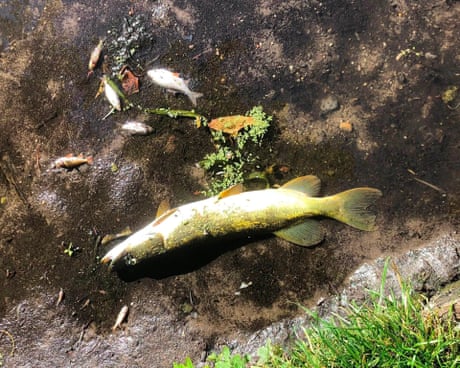
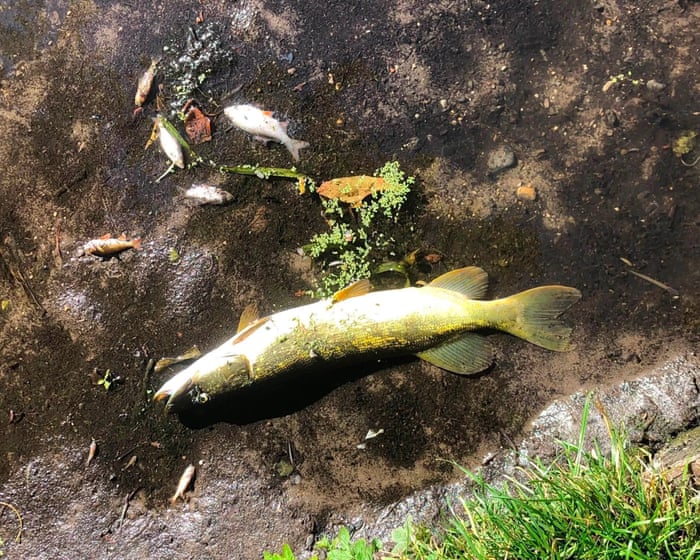
Passersby could smell the dead fish before they saw them. In August, more than 3,000 pike, roach, carp and rudd were found lifeless along the River Wensum in Norwich. Some gasped for air in their final moments, desperate for the oxygen that heatwave conditions had depleted in the water. Investigators believe that the die-off was triggered by heavy rainfall that flushed through high concentrations of pollution at a time when wildlife were already struggling.

The 45-mile (70km) chalk river is one of about 250 in the country. They are a geological accident almost unique to Britain – and one of Earth’s rarest habitats. They emerge from chalk aquifers and are home to species such as freshwater shrimp, otters and stoneflies, also providing drinking water for millions of people. But just 11 have formal protection, with many ravaged by sewage pollution and overextraction. The Norfolk river is one of the few that does have legal protection, but it is in poor ecological health.

Continue reading...

© Photograph: Norwich Green Party

© Photograph: Norwich Green Party

© Photograph: Norwich Green Party

  •  

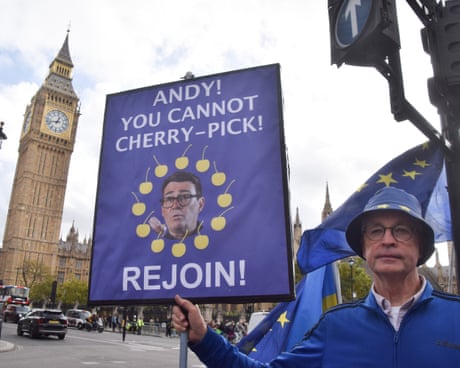
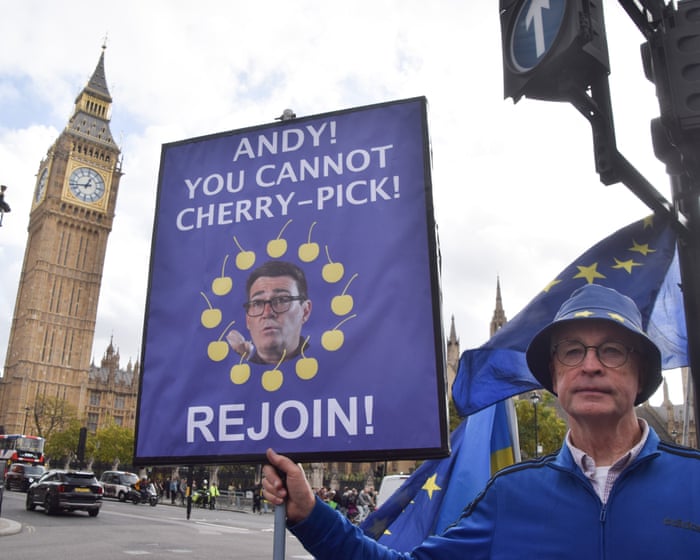
Britain cannot deal effectively with geopolitical crises without rejoining EU, says thinktank

‘Sovereignty without the ability to act on it is not autonomy,’ paper by Institute for Public Policy Research says

Britain cannot deal effectively with geopolitical crises such as Russian aggression and political turmoil in the US without rejoining the EU, according to an influential thinktank.

The Institute for Public Policy Research has become the latest organisation close to the Labour party to call for the UK to re-enter the bloc, after Andy Burnham said he wanted to examine all possible options.

Continue reading...

© Photograph: Vuk Valcic/ZUMA Press Wire/Shutterstock

© Photograph: Vuk Valcic/ZUMA Press Wire/Shutterstock

© Photograph: Vuk Valcic/ZUMA Press Wire/Shutterstock

  •  

Electricity costs put UK steelmakers in worst position in three years against EU rivals

Premium paid over French counterparts has risen to almost £30 a megawatt hour, analysis by lobby group finds

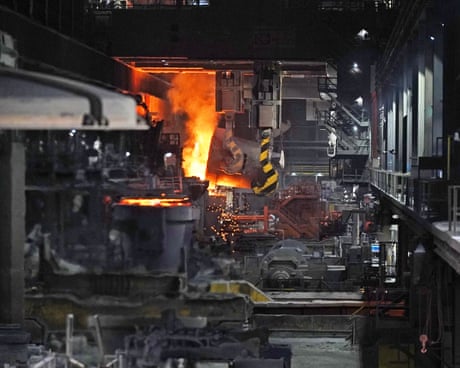
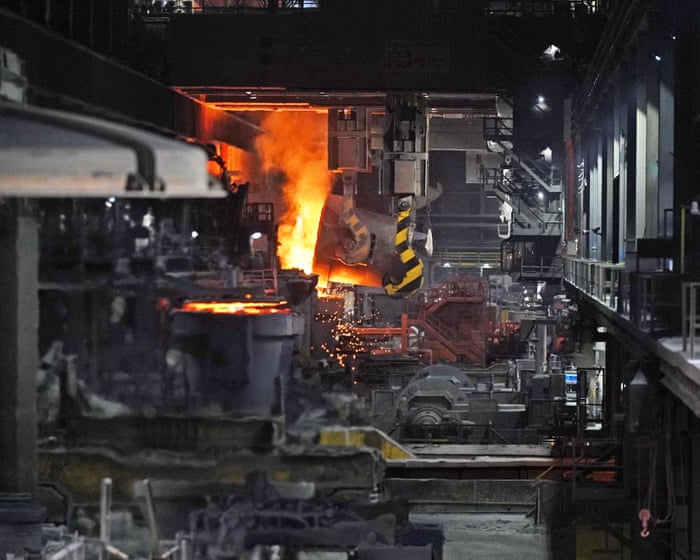
British steelmakers have been pushed further behind European rivals on electricity costs after the US-Israeli war on Iran caused a surge in global gas prices.

The premium paid by the British industry over its French counterpart has risen to almost £30 a megawatt hour (MWh), its highest level in three years, according to analysis by the lobby group UK Steel.

Continue reading...

© Photograph: Ian Forsyth/Getty Images

© Photograph: Ian Forsyth/Getty Images

© Photograph: Ian Forsyth/Getty Images

  •  
❌