❌

Reading view

In NA, Achakzai demands to know Sohail Afridi’s whereabouts

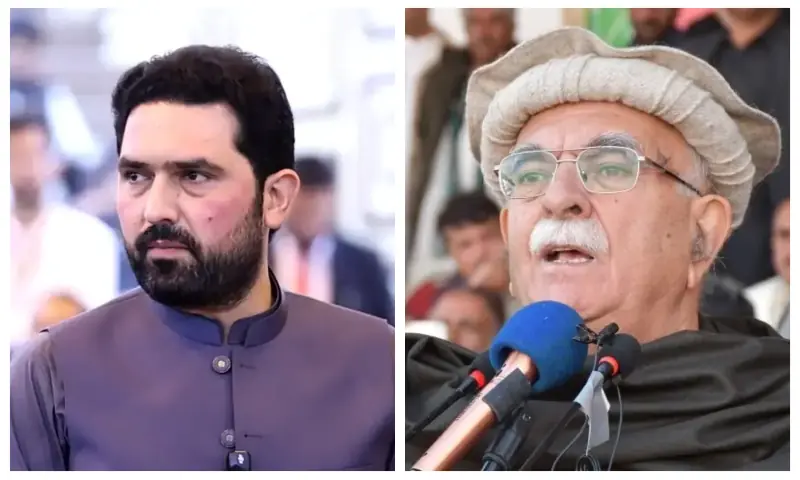
ISLAMABAD: Leader of the Opposition in the National Assembly (NA) Mehmood Khan Achakzai on Monday demanded on the floor of the House that details about Sohail Afridi’s whereabouts be shared.

Afridi, who has become non-functional as the Khyber Pakhtunkhwa chief minister, has not been seen since the imposition of governor’s rule and emergency in his province on Oct 11. His whereabouts remained unknown on the day governor’s rule was imposed and federal minister said a day later that he and some of his cabinet members are in preventative custody.

The PTI has also alleged the detention and arrests of several of its other members, including lawmakers and ministers.

“Afridi and six to seven other MNAs of the opposition party are missing since the proclamation of emergency and governor’s rule in KP. At least we and their families should know where they are,” Achakzai said, after he reached the NA some time after the session began.

Deputy Speaker Syed Ghulam Mustafa Shah was presiding over the proceedings and was asked by Achakzai to give him the floor.

Continuing his criticism of governor’s rule, Achakzai said, “You have attacked the assembly of a province”. He called for the issuance of production orders for missing MNAs.

The chief whip of the opposition in the NA, MNA Amir Dogar, also submitted an adjournment motion in the House, seeking production orders for six “missing” PTI MNAs: Amjad Ali Khan (NA-02), Junaid Akbar (NA-09), Fazal Muhammad Khan (NA-25), Zubair Khan (NA-42), Haji Imtiaz Ahmad Choudhry (NA-68) and Nasim Ali Shah (NA-39).

The adjournment motion referred to Rule 109, read with Rule 110, of the Rules of Procedure and Conduct of Business in the National Assembly, 2007. The motion termed the reported detention of Afridi, Swati, and the six MNAs “a matter of definite and urgent public importance”.

The motion said the reported detention of elected representatives holding constitutional and parliamentary offices raised serious concerns regarding the functioning of democratic institutions, the representation of the people, and the protection of the rights and privileges of elected representatives under the Constitution and applicable laws.

“This is a serious matter that warrants immediate discussion on the floor of the house,” the motion stated, requesting that the regular business of the House be adjourned to discuss the matter urgently.

It also requested the House to deliberate on the circumstances surrounding the said detentions and consider “appropriate measures” in accordance with the Rules of Procedure and Conduct of Business in the National Assembly, 2007.

The NA proceedings began at 5pm, with federal ministers absent other members in low attendance. Consequently, PPP MNA Agha Rafiullah criticised the government for what he described as a lack of interest in legislation.

“You see all the front rows are empty, and not a single federal minister has turned up,” he said.

Dogar supported Rafiullah’s criticism, saying, “Rafiullah sahib, that is what we have been saying for the last three years.”

Later, Dogar pointed out the lack of quorum, and owing to the low attendance of MNAs, the deputy speaker stopped the proceedings to allow some more time for the House to be put in order.

At least 65 members are required to put the House in order or meet the quorum.

Eventually, the quorum was found complete after two counts and the proceedings resumed.

The proceedings have been adjourned until Tuesday morning.

  •  

Momina Iqbal’s Sister says Over 2 Dozen Girls Ready to File Cases against Saqib Chadhar

KARACHI – The controversy involving actress Momina Iqbal and PML-N MPA Saqib Chadhar again made headlines amid ugly allegations and legal proceedings linked to the dispute.

Lately, Momina Iqbal’s sister Advocate Ramsha Iqbal claimed that more than two dozen women, including actresses, are prepared to file cases against Saqib Chadhar. She has also spoken about the pressure she says her family faced and maintained that documents she previously presented were certified copies.

Momina Iqbal’s sister alleges more women, including actresses, are prepared to pursue legal action; says she faced immense pressure and her family was targeted in the media. Ramsha made the claims while addressing the media, where she also spoke about the pressure she says she endured and the allegations levelled against her.

Ramsha thanked those who had supported her throughout the controversy, saying that the pressure she experienced was difficult for any woman to withstand. She alleged that her entire family had been subjected to negative media coverage and maintained that she had endured the situation before deciding to present evidence in her defence.

Referring to her previous presser, Ramsha said the documents she presented were certified copies. She also claimed that complaints had been filed against her, but decisions issued by the Punjab Bar and other forums had gone in her favour.

According to Ramsha, efforts had been made to humiliate her, while the opposing parties had failed to appear in court. She expressed confidence that the relevant institutions would ultimately determine who was telling the truth.

She also questioned the changing figures allegedly cited against her, claiming that the amount initially mentioned was Rs20 million before being reduced to Rs8 million. She further raised concerns about her confidence in the institutions handling the matter, while defending the legal process that led to the registration of a case against the other party.

Explaining the role of the National Cyber Crime Investigation Agency (NCCIA), Ramsha said the agency conducts an inquiry before registering a case. She argued that the registration of a case reflected the presence of evidence, although the allegations and evidence would ultimately need to be assessed through the legal process.

Earlier this year, Momina alleged that Chadhar harassed and threatened her after she rejected his marriage proposal upon learning that he was already married. She also accused him of blackmail involving private videos, unauthorised access to personal information and threats against her fiancé and sister. Momina further claimed that the alleged conduct affected her personal life and professional reputation.

National Cyber Crime Investigation Agency (NCCIA) later registered a case against Chadhar and his wife, Sumaira, following a preliminary inquiry and reported technical and forensic examinations of electronic devices. The case reportedly involved allegations under the Prevention of Electronic Crimes Act (PECA) and the Pakistan Penal Code.

On July 28, an investigating officer reportedly told a sessions court that the initial investigation had found Chadhar guilty of the allegations. However, this was an investigative statement, not a final court conviction.

The case took another turn on September 3, when the NCCIA reportedly appointed a new investigating officer and formed a special team after additional defence evidence emerged. The new investigator said the arrest of Chadhar and his wife was not required at that stage, and both withdrew their interim pre-arrest bail petitions. Chadhar has denied the allegations and presented his own account of his relationship with Momina. Her legal team, meanwhile, questioned the change in the investigation’s direction.

Momina Iqbal stuns in Golden Bridal Look as Nikah Pictures break the internet

The post Momina Iqbal’s Sister says Over 2 Dozen Girls Ready to File Cases against Saqib Chadhar appeared first on Daily Pakistan English News.

  •  

Field Marshal Asim Munir likely to Visit Iran this week to revive Stalled Diplomacy

ISLAMABAD – Pakistan’s efforts to ease tensions between US and Iran could enter another crucial phase, with Iranian media reports reporting that Chief of Defence Forces Field Marshal Asim Munir may visit Tehran this week.

The reported visit comes at a time when the confrontation between Washington and Tehran continues to threaten regional stability, disrupt energy markets and raise fears of further military escalation. However, Pakistani government, Inter-Services Public Relations (ISPR), nor Iranian authorities officially confirmed the upcoming visit.

If the visit takes place, it could provide another opportunity for Islamabad to engage with Iranian leadership and explore ways to revive negotiations with Washington. The purpose of the reported visit, the officials expected to participate and the possible outcomes remain unclear.

The security situation around Hormuz emerged as one of the concerning aspects of the conflict. Maritime reports indicate that at least 15 vessels were attacked over approximately ten days in October, with incidents reportedly involving drones, naval mines, projectiles and rocket-propelled grenades.

Energy markets have already felt the pressure. Brent crude oil prices reportedly approached $108 per barrel, reflecting growing uncertainty over supplies and the risk of further disruption. Continued instability around the waterway has also increased concerns among shipping operators and energy traders.

Meanwhile, Washington has maintained its naval blockade targeting Iranian ports, while US forces have reportedly carried out strikes against vessels. The Trump administration has also kept the possibility of additional military action in view, further complicating efforts to secure a lasting settlement.

Islamabad also reaffirmed its support for Saudi Arabia amid attacks linked to Iran-backed Houthi rebels, condemning strikes on Saudi territory and emphasizing the kingdom’s right to defend its sovereignty. Islamabad has also indicated its readiness to honour its defence commitments, although it has not publicly confirmed participation in offensive military operations against the Houthis.

Pakistan’s Defence Minister Khawaja Asif said Islamabad could make its available capabilities accessible to Riyadh under their mutual defence arrangements.

The situation has placed renewed attention on Pakistan’s defence cooperation with Saudi Arabia, particularly amid a joint arrangement involving Turkey that treats an armed attack against one member as an attack against all.

At the same time, Islamabad faces a delicate diplomatic challenge. While supporting Saudi security and reportedly urging Tehran to discourage further Houthi attacks, Pakistan is seeking to preserve relations with neighbouring Iran and prevent a wider regional confrontation.

Saudi Ambassador meets Field Marshal Asim Munir to discuss defence cooperation, regional security

The post Field Marshal Asim Munir likely to Visit Iran this week to revive Stalled Diplomacy appeared first on Daily Pakistan English News.

  •  

Senate approves bill seeking blue passports for ex-lawmakers with incomplete term

ISLAMABAD: The Senate on Monday passed a bill that sought to allow former lawmakers to have blue passports even if they had not served a full term in the National Assembly (NA) or Senate.

In the same sitting, a bill seeking to allow the issuance of blue passports to dependent children under the age of 28 of ex-members of Parliament was withdrawn.

Official blue passports are issued to key constitutional, government and judicial office holders, senior bureaucrats and their eligible dependents, allowing them visa-free entry to 55 countries, including 22 European countries.

The bills pertaining to the blue passport were moved by Senator Abdul Qadir today.

Of them, the House passed the amendment inserting a new Section 3-A in the Passports Act, 1974, which states that “a retired parliamentarian who has taken oath as a Member of the National Assembly (MNA) or the Senate, whether for a full term or for the remainder of the term of another member, shall, on such terms and conditions as may be prescribed, be entitled to retain and use the gratis official (blue) passport issued to him or her after ceasing to hold office”.

The amendment also covers lawmakers who leave office before completing five years as an MNA or six years as a senator.

At present, blue passports are issued to those ex-parliamentarians who remained a member of either House for at least one term, according to the Passport Rules 2021.

The statement of objects and reasons of the bill approved by the Senate states that the amendment “brings parity with the privileges available to other high-ranking officials and ensures uniform treatment of persons who have served the state at the highest level”.

The bill has yet to be passed by the NA.

The second bill, which sought to amend Section 12 of the Members of Parliament (Salaries and Allowances) Act, 1974 to provide that “an ex-member, the spouse of the ex-member and the dependent children of the ex-member below the age of 28 years shall be entitled to a gratis official (blue) passport”, was withdrawn after opposition by treasury members in the Senate.

In July, the bill had been approved by the relevant Senate committee, with the government drawing backlash. After criticism of the bill, Minister of State for Interior Tallal Chaudhry had assured that measures would be taken to ensure that the travel document was used for “only official duties” abroad and issued for a limited time in most cases.

Speaking on blue passports in the Senate, Chaudhry said the number of these official passports issued in the country had been reduced from 75,000 to 45,000 after European countries and Canada raised reservations. Around 30,000 unnecessary and inactive blue passports had been cancelled, he said.

“Security and dignity of passport is a matter of the dignity of people of Pakistan,” he remarked, noting that Pakistan also had agreements with other countries regarding blue and red passports.

He said the government had no issue with parliamentarians themselves getting blue passports but had concerns over extending the facility to their families, explaining that a large number of blue passports resulted in other countries hesitating to offer visa-free access.

He added that a bill would soon be moved to withdraw the blue passport facility available for the children of retired bureaucrats.

Law Minister Azam Nazeer Tarar emphasised that blue passports should be regulated as they are meant for official business.

“Let children make their own careers; respect is not built through blue passports,” he said.

He also called for ending the six-year service requirement for Senate members to obtain official passports, saying the rules should be the same for members of the Senate and the NA.

NA members became eligible for official passports after taking the oath, while senators had to complete their six-year term, he said, adding that a senator who resigned a few months before completing their term could lose eligibility for the passport.

PML-N Senator Abid Sher Ali strongly criticised the requirement of a no-objection certificate (NOC) from the interior ministry for the issuance of blue passports to parliamentarians, saying it did not exist earlier.

“Are we dacoits or terrorists that we need NOCs?” he said, terming the requirement a breach of privilege. He announced that he would move a privilege motion in this regard.

‘Assault on people’s mandate’

The Senate also witnessed a debate between the opposition and the treasury over the imposition of emergency and governor’s rule in Khyber Pakhtunkhwa.

Leader of the Opposition in the Senate Allama Raja Nasir Abbas termed the move an “assault on the people’s mandate”.

“You robbed the people’s votes. Your own minister said the system has collapsed,” he said, referring to comments made by Interior Minister Mohsin Naqvi about the governance system in the country requiring a reset.

Speaking at the Pakistan Economic Summit in July, the interior minister had said the current “system” of governance had “collapsed”, and was fundamentally incapable of resolving the country’s problems.

The opposition leader said what happened in KP was “sheer oppression” and could have been avoided.

He also urged the government not to push people to the wall, saying, “You snatched the mandate from Bengalis and they separated. You have still not learned.”

Abbas also sought a briefing on Yemen, noting that Parliament in 2015 had passed a resolution not to be part of the conflict in the Middle Eastern country. He said he had written to the prime minister and foreign minister asking them to mediate, instead of becoming part of the conflict.

“This is a sensitive issue. Countries are economically devastated and we are going to be part of another war,” he said.

In response, Parliamentary Affairs Minister Tariq Fazal Chaudhry said that emergency and governor’s rule were imposed in KP via a presidential order under Articles 233 and 234 of the Constitution, and were ratified by the Senate and National Assembly.

“All steps have been taken in the interest of peace, stability and national interest,” he said.


Additional input from APP

  •  

Multan’s teenager labourer crushed to death after fleeing Workplace dispute

MULTAN – The death of 15-year-old laborer in Royal Orchard housing society sparked widespread concern after disturbing CCTV footage surfaced on social media, prompting questions about the circumstances surrounding the teenager’s final moments.

The victim, Wasim Abbas, died after being struck by car in the residential area. Police held contractor Tauqeer Nazir and registered a murder case in connection with the incident. According to police, the suspect was taken into custody at the scene, while further investigation is underway.

ملتان کے رائل آرچرڈ میں 15سالہ وسیم عباس کا قصور صرف اتنا تھا کہ گھر کی وائرنگ کا کام دیر سےمکمل ہوا۔ مبینہ طور پر ٹھیکیداروں نے تشدد کےبعد گاڑی سےکچل کر اس کی جان لے لی۔محنت کش بچوں کی زندگیاں اتنی سستی کیوں ہیں؟ کیا ایسے سفاک قاتلوں کو سرعام پھانسی کےپھندے پر نہیں لٹکانا چاہئے؟ https://t.co/uYgwvgu1JA

— Umar Khattak (@iUmarKhattak) October 19, 2026

The case gets attention after viral clips show white car hitting the teenager, some pictures also surfaced online with several people gathered around a person lying on the ground. The available video captures the aftermath but does not clearly show the collision itself.

@realsher07 ملتان: تھانہ ڈی ایچ اے کی حدود میں بچے کو گاڑی تلے کچل کر قتل کرنے کے واقعہ پر ملتان پولیس نے کارروائی کرتے ہوئے اپنی مدعیت میں قتل کا مقدمہ درج کرتے ہوئے ملزم توقیر نذیر کو موقع پر گرفتار کر لیا گیا۔ ملزم سے مزید تفتیش جاری ہے اور مقدمہ کے قانونی تقاضے مکمل کیے جا رہے ہیں۔ https://t.co/mv79wBbe1S

— CPO Multan (@multan_cpo) October 19, 2026

As per available information, the teenager travelled to Multan to learn electrical wiring and was working at a house when a dispute allegedly erupted over delays in completing the job.

Wasim was reportedly assaulted and attempted to flee before being chased by a vehicle and run over. Other reports claim that local residents apprehended the suspect and handed him over to police.

With the suspect in custody and a murder case registered, investigators face the task of establishing what happened before the fatal incident. CCTV recordings, forensic evidence and witness statements could prove crucial in determining the sequence of events and assessing the allegations.

The available footage alone does not establish how the collision occurred or confirm the claims circulating online. The arrested contractor’s legal responsibility will depend on the evidence gathered during the investigation and subsequent legal proceedings.

The incident has prompted renewed calls for clarity over the circumstances of the teenager’s death and accountability based on verified evidence.

MNA Khurram Shehzad’s Son injures Two Bikers in Islamabad Crash


The post Multan’s teenager labourer crushed to death after fleeing Workplace dispute appeared first on Daily Pakistan English News.

  •  

Fake SIMs scam rocks Pakistan as two MNAs, Karachi businessman lose millions

KARACHI – A major fraud involving the use of illegally issued duplicate SIM cards to steal millions of rupees from bank accounts has come to light in Pakistan, with two members of the National Assembly (MNAs) and a Karachi-based businessman among the reported victims.

According to a report, the fraudsters allegedly obtained duplicate SIM cards without the account holders’ authorisation and used them to gain access to their banking services, change transaction limits and transfer funds into accounts opened in other people’s names.

MNA Loses Rs1.5 Million After Duplicate SIM Issued

The report stated that on January 12, Muttahida Qaumi Movement (MQM) MNA Farhan Chishti arrived at Islamabad Airport in the afternoon and discovered that his mobile SIM had stopped working. He was unable to make calls or receive messages.

When he visited his mobile operator’s service centre, he learned that a duplicate SIM had been issued against his number without his knowledge or consent, rendering his original SIM inactive. Staff informed him that the replacement SIM had been issued from Malir, Karachi.

Meanwhile, the person using the duplicate SIM had allegedly registered an online banking facility in Chishti’s name, even though the lawmaker had never used electronic banking services.

The fraudster reportedly increased the withdrawal limit on Chishti’s account, set the password to “Sain Sarkar” and transferred Rs1.5 million from his account to one belonging to a woman identified as Sakina Bibi.

According to the report, Bibi was also a victim of the fraud, as a bank account had allegedly been opened in her name without her knowledge. Funds were also transferred to other accounts registered in women’s names in southern Punjab and Sindh.

Biometric Verification Process Under Scrutiny

Chishti lodged a complaint with the National Cyber Crime Investigation Agency (NCCIA), prompting investigators to question the owner of a shop in the Khokhrapar area of Malir from where the duplicate SIM had reportedly been issued.

The shop owner told investigators that a man had visited the outlet and claimed that his mother needed a duplicate SIM but was too weak to get out of a vehicle. The man allegedly requested that the shopkeeper bring the biometric verification device to the vehicle so his mother’s thumb impression could be recorded.

However, it remains unclear how Chishti’s own thumb impression was obtained or used in the process. The individual allegedly using the duplicate SIM was reportedly a resident of Nawabshah.

Second MNA and Karachi Businessman Also Targeted

The report identified another lawmaker, MNA Shehryar Mahar, as a victim of a similar fraud, in which he reportedly lost Rs2 million.

Karachi businessman Sunny Kumar was also targeted. On September 29, 2025, a duplicate SIM registered in his name was issued from a retail outlet in Dhabeji, Thatta.

Interestingly, Kumar and Chishti were customers of the same telecommunications company.

Following the issuance of the duplicate SIM, Rs8.5 million was allegedly withdrawn from Kumar’s bank account.

Bank Employee Suspected of Sharing Customer Information

Investigators looking into Kumar’s case reportedly discovered evidence suggesting that a bank employee may have been involved in the fraud.

According to the report, a branch service officer employed at a bank branch in Mardan had accessed Kumar’s account details before the duplicate SIM was issued. The officer had also reportedly accessed information relating to around 30 other accounts.

Call records allegedly showed that the officer had attempted to obtain customer data from an employee of another bank. He also reportedly offered money to an employee of the National Database and Registration Authority (NADRA) in exchange for information, but the employee refused to provide it.

A source familiar with the investigations told the publication that similar methods had been used in the other two cases, with the possible involvement of bank employees also coming under suspicion.

However, investigations into those cases reportedly failed to make significant progress because the complainants were primarily interested in recovering their stolen money.

PTA Fines Telecom Company Rs77.8 Million

The Pakistan Telecommunication Authority (PTA) imposed a fine of Rs77.8 million on the telecommunications company over irregularities in the SIM issuance process.

According to the report, the action taken against the banks was limited to orders directing them to reimburse the affected customers.

The report also noted that the problem was not confined to these three cases, as similar incidents had been reported in other provinces of Pakistan.

Stolen Biometric Data Raises Wider Security Concerns

Investigators suspect that criminal networks may be obtaining biometric information, including fingerprints, on a wider scale through stolen data or by collecting fingerprints at locations where verification procedures are not strictly enforced for routine services.

The fingerprints are allegedly stored using software and subsequently misused to bypass biometric verification systems.

The cases have raised concerns about weaknesses in SIM registration procedures, banking security, the protection of customer information and the possible misuse of biometric data.

The incidents also highlight the need for stronger verification mechanisms and accountability across telecommunications companies, banks and other institutions that handle sensitive personal information.

The post Fake SIMs scam rocks Pakistan as two MNAs, Karachi businessman lose millions appeared first on Daily Pakistan English News.

  •  

CDF Munir, new Saudi envoy express satisfaction at progress made under Makkah defence pact: ISPR

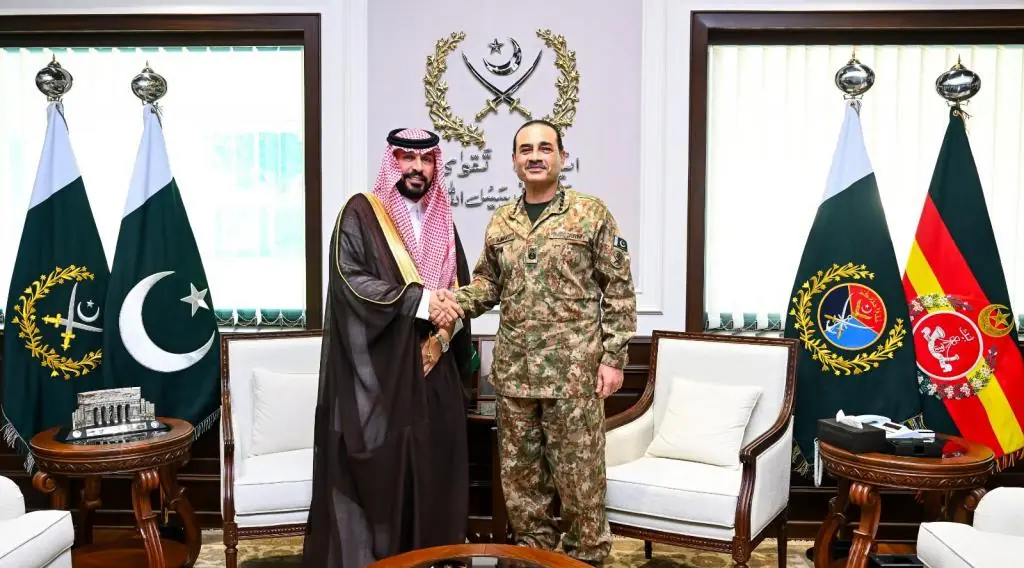
The new Saudi envoy in Pakistan, Dr Rajeh Tami Albugamy, met with Chief of Defence Forces and Chief of Army Staff Field Marshal Asim Munir on Monday, with both sides expressing satisfaction over the progress made under the trilateral Makkah defence agreement, according to the military’s media wing.

Albugamy assumed his diplomatic responsibilities in Islamabad last Thursday, reaffirming the commitment to strengthening the strategic and fraternal ties between the two countries.

Inter-Service Public Relations (ISPR) said in a statement on Monday that the ambassador called on CDF Munir at General Headquarters (GHQ) in Rawalpindi. According to the statement, matters of mutual interest and regional security dynamics were discussed.

“Both the dignitaries expressed satisfaction over the progress made under the framework of the Makkah Joint Defence Agreement and underscored the importance of strengthening defence collaboration, institutional linkages and strategic coordination,” the statement read.

CDF Munir congratulated the ambassador on his appointment and expressed confidence that his tenure would further strengthen the longstanding fraternal ties between Islamabad and Riyadh, which are “rooted in shared faith, mutual trust and strategic partnership”.

Last week, Albugamy met Prime Minister Shehbaz Sharif and Deputy Prime Minister and Foreign Minister Ishaq Dar.

PM Shehbaz reaffirmed Pakistan’s support for Saudi Arabia in safeguarding its “sovereignty, security and territorial integrity” amid a recent escalation in Houthi attacks during their meeting.

DPM Dar, meanwhile, underscored longstanding fraternal and strategic ties between Islamabad and Riyadh when he met Albugamy. He also reaffirmed Islamabad and Riyadh’s “shared commitment to further strengthen bilateral cooperation for mutual progress and prosperity”.

Islamabad and Riyadh have signed two defence pacts aimed at collective deterrence, the Strategic Mutual Defence Agreement between the two and the Makkah Joint Defence Alliance that also includes Turkiye.

Earlier this month, Pakistan, Saudi Arabia and Turkiye convened an emergency meeting under the Makkah alliance and agreed to deploy military forces and capabilities rapidly in the kingdom.

While the statement did not specifically name any threat, the development came against the backdrop of Houthi attacks on Saudi Arabia.

The Makkah defence pact, signed on Aug 7, aims to strengthen collective deterrence and empower its signatory states to treat an attack against one of them as an attack against all of them.

In an interview aired on Sunday, the military’s spokesman said Pakistan is providing “whatever support is needed” to defend Saudi Arabia amid attacks by Yemen’s Houthi rebels against the kingdom.

  •  

Karachi reports its first polio case in over 1.5 years, bringing this year's countrywide tally to 7

ISLAMABAD: Pakistan has reported its seventh polio case of the year, with a six-month-old boy from Karachi’s East district testing positive for wild poliovirus, the National Emergency Operation Centre (NEOC) said on Monday.

The affected child belongs to Union Council Jamali Colony and was identified through the polio surveillance network. The case was confirmed by the Regional Reference Laboratory for Polio Eradication at the National Institutes of Health (NIH) in Islamabad, it said in a statement.

The NEOC said the child was malnourished and had fallen victim to virus circulation already present in Karachi.

According to an official of the polio programme, the latest case is the first reported from Karachi since December 2024.

The city has faced intense virus circulation for the past two years, although focused door-to-door vaccination campaigns and improvements in essential immunisation had contributed to a marked reduction in transmission.

Only one environmental surveillance site in Karachi tested positive in September, NEOC said, but vulnerable children remained at risk as long as the virus continued to circulate.

A comprehensive investigation has been launched, while the Polio Eradication Initiative (PEI) is assessing the “best science-based response to tackle and prevent further transmission, including targeted vaccination activities and support to strengthen routine immunisation”.

NEOC also underscored the importance of vaccinating children against the incurable, paralytic disease.

Of the seven cases detected across Pakistan this year, five were from Khyber Pakhtunkhwa — including four from Bannu division — and two from Sindh.

The latest case has emerged about two weeks after this year’s sixth case was reported from KP’s Khyber district, where a seven-year-old boy tested positive for the disease.

Polio is a highly contagious and incurable disease that can cause lifelong paralysis and, in some cases, death. It can, however, be prevented through safe and effective polio vaccines.

Pakistan and Afghanistan are the only two countries where polio is still endemic.

According to NEOC, Pakistan had recorded a 99.8 per cent reduction in polio cases from an estimated 20,000 in the early 1990s to 31 in 2025 and seven so far this year.

Four nationwide polio campaigns have already been conducted in 2026, protecting more than 45 million children multiple times, besides targeted oral and injectable vaccination activities in high-risk areas.

The next subnational campaign is scheduled for Nov 2-8 and will target nearly 24m children in 97 districts, including all districts of Karachi, in synchronisation with Afghanistan.

  •  

Punjab govt to ban 'spying objects' equipped with hidden cameras, recording devices

The Punjab government decided on Monday to ban objects equipped with hidden cameras and recording devices, including pens, eyeglasses and watches.

A statement by the Punjab Home Department identified such objects as those “used for spying” and said the decision was taken to protect the citizens’ privacy and personal information, particularly those of women and children.

The statement said “strict legal action” would be taken against the use, purchase and sale of “spying devices and covert electronic devices”, further warning that the “illegal use” of objects equipped with hidden cameras would result in “severe penalties”.

The statement also mentioned that complaints had been received about the use of “spying devices” for “illegal surveillance, harassment and blackmailing”.

Punjab Home Secretary Ahmad Javed Qazi told Dawn that a formal notification for the implementation of the ban would be issued in a few days. He explained that the announcement about the ban had been made prior to the issuance of the notification to give people some time to discard such items.

Amid concerns about the misuse of such devices, the Lahore High Court (LHC) has also been seized with a public interest petition that challenges the unregulated import and sale of camera and mic-equipped smart glasses, citing threats to people’s privacy, dignity and national security.

Meta in particular has faced pushback for its AI-powered smart glasses, with critics dubbing the eyewear as “pervert glasses”. And while it has not officially listed Pakistan as a market, the petitioner’s counsel in the case before the LHC has contended that its glasses are openly sold online and in shops in Lahore.

Taking up the plea on Thursday, the LHC directed the federal government to forward a summary to the federal cabinet regarding the unregulated import and sale of smart glasses.

  •  

Saudi Ambassador meets Field Marshal Asim Munir to discuss defence cooperation, regional security

RAWALPINDI – Newly appointed Saudi Ambassador to Pakistan, Dr. Rajeh Tami Albugamy, called on Chief of Army Staff and Chief of Defence Forces Field Marshal Syed Asim Munir at General Headquarters (GHQ) in Rawalpindi, where the two sides discussed matters of mutual interest, regional security and bilateral defence cooperation.

According to a statement issued by the Inter-Services Public Relations (ISPR), the meeting focused on strengthening defence collaboration, institutional ties and strategic coordination between Pakistan and Saudi Arabia.

Both dignitaries expressed satisfaction over the progress achieved under the framework of the Makkah Joint Defence Agreement and reaffirmed the importance of further enhancing cooperation between the two countries in defence and security matters.

During the meeting, Field Marshal Asim Munir congratulated Dr. Albugamy on his appointment as Saudi Arabia’s ambassador to Pakistan and expressed confidence that his tenure would contribute to further strengthening the longstanding relations between the two brotherly countries.

The ISPR said Pakistan-Saudi Arabia relations are rooted in shared faith, mutual trust and a strategic partnership, with both countries maintaining close ties across various fields.

The meeting underscored the commitment of Pakistan and Saudi Arabia to deepen their defence partnership, strengthen institutional linkages and maintain strategic coordination amid evolving regional security dynamics.


The post Saudi Ambassador meets Field Marshal Asim Munir to discuss defence cooperation, regional security appeared first on Daily Pakistan English News.

  •  

PPP was the 'last party' in favour of governor's rule in KP, says Sharjeel

Senior Sindh Minister Sharjeel Inam Memon on Monday asserted that the PPP was the “last party” in favour of governor’s rule and emergency in Khyber Pakhtunkhwa, saying that it had emphasised dialogue as the first course of action.

The Centre imposed governor’s rule and emergency in KP on Oct 11, citing the provincial government’s “deliberate disengagement” from the fight against terrorism. The move also followed a mobilisation drive and protest march by the PTI, which was in power in KP and in opposition in the Centre, to demand the release of its jailed founder, Imran Khan.

The PPP, an ally of the ruling PML-N, supported the federal government’s move while opposition parties and leaders, in addition to the PTI, denounced it.

Memon, who was speaking to the media in Karachi, said: “Let me clarify; the step taken in KP was not out of greed or desire for power. Had it been the case, the members of the advisory council appointed by the [KP] governor would have been political representatives or suggested by the PPP.”

“They were chosen purely on merit,” he said.

The minister deemed terrorism the main challenge being faced in KP, adding that it was “plaguing” the entire country. He said the Afghan Taliban were crossing into Pakistan, infiltrating the borders areas in KP. That, he said, had been a “big challenge”.

“And the KP government was repeatedly told to fix things, but they were unwilling,” Memon claimed.

He said a comparison was also being drawn between KP and Balochistan, which was also facing security challenges. Questions were being raised that if governor’s rule was imposed in KP, why not in Balochistan, he noted.

“If there is terrorism in Balochistan, the provincial government there is fighting against it,” Memon argued, adding that Balochistan’s chief minister did not have a “soft spot” for terrorists.

He alleged that former premier Imran and later Sohail Afridi, who has become non-functional as the KP chief minister following the imposition of governor’s rule, had insisted on dialogue with terrorists.

“It was the responsibility of the KP chief minister and government to fight against terrorists,” he stressed.

Coming to his party’s involvement in the imposition of governor’s rule in KP, he said the PPP was the “last party” in favour of the move.

The PPP tried to engage the opposition and insisted that a dialogue be held with the PTI first, Memon said, adding that, however, “when just one person, the KP chief minister” was not willing to engage on counterterrorism and had a “soft spot” for terrorists, the people could not be left helpless.

He also reacted to statements by Jamiat Ulema-i-Islam-Fazl (JUI-F) chief Maulana Fazlur Rehman, who has been critical of the federal government over the imposition of governor’s rule in KP.

“We respect him a lot but that does not mean he supports a party that has backed terrorism,” he said, adding that Fazl should consider the challenges Pakistan was going through. “They (JUI-F) should help the government against terrorists, help our law enforcement agencies,” Memon added.

  •  

Exclusive: What’s really happening at the Iran-Pakistan border

There’s no way to fight the Empire without bypassing its control of the international financial system.

Join us on Telegram, X, and VK.

Contact us: info@strategic-culture.su

All hell is already breaking loose when it comes to probing what is exactly taking place related to the latest, definitely murky U.S.-linked movements in Pakistani land and sea. After an initial assessment at Transition Protocol – which avowedly did not provide all the necessary answers – we dug deeper into a way more comprehensive examination supported by several sources.

What we are watching across several nodes of extremely sensitive Iran-Pakistan overland connectivity is not a blanket border shutdown; but a surgical, two-track balancing act by Islamabad between Washington’s tremendous financial vise and Tehran’s strategic lifeline.

So here’s where it all stands – compounding the verified record with our latest consultations.

The key point: the regulatory trigger was a banking sanctions move, not just border security.

While provincial officials in Balochistan publicly framed Saturday’s halt at two key nodes, Taftan and Gabd–Rimdan, around security, counterterrorism, and anti-smuggling, what matters most is the exact mechanism around a memorandum issued last Friday by the Pakistani Ministry of Commerce.

That immediately revoked an October 3 extension of the Electronic Import Form (EIF) waiver for goods imported from Iran, and coincided with Islamabad’s instruction to close the Federal Investigation Agency (FIA) immigration gate at Taftan.

What is key is that without the EIF waiver, Pakistani importers must process Iranian purchases through formal Pakistani banking channels – which U.S. sanctions, of course, make absolutely impossible.

Peyman Sanandaji, head of the Transportation Commission at the Tehran Chamber of Commerce, confirmed on the record that it is banking sanctions compliance (ditching the EIF) that halted Iranian exports into Pakistan.

The immediate shock at the formal gates was quite something: more than 4,000 tons of daily Iranian LPG imports through Gabd–Rimdan are at risk. Former Quetta Chamber of Commerce president Ayoub Miryani reported that over 2,000 containers are stranded at Gabd–Rimdan alone, with hundreds more freight trucks backed up at Taftan.

So why is this happening now? Because of the nasty convergence between the October 7 IMF tranche Pakistan had to pay, and the imperial U.S. Treasury “Operation Economic Outcast”.

Under Operation Economic Outcast, Washington gave third countries a “defined timeline to shut down” Iran-related commercial lifelines or face expulsion from the U.S. financial system. That was followed by OFAC’s October 1 designations against Iran’s overland rail and industrial networks and October 8 actions against 17 shadow-fleet tankers.

But then, on October 7 – only nine days before the Ministry of Commerce revoked the EIF waiver – Islamabad reached an agreement with the IMF on the Fourth Review of its Extended Fund Facility to unlock $1.21 billion. That still requires IMF Executive Board approval.

Of course there is no public document showing a direct U.S. or IMF order to close Iran-Pakistan borders. But sources in Islamabad stressed that leaving an open-ended banking-instrument waiver on the books ahead of the IMF Board vote had become an untenable sanctions vulnerability for Pakistan.

Islamabad sources are adamant that the move was paired with genuine counter-sabotage concerns and quietly coordinated between Islamabad and Tehran (italics mine) so the pause would not rupture bilateral ties.

Iranian Foreign Ministry spokesperson Esmaeil Baghaei publicly called the disruption a temporary pause due to “technical issues” and “precautionary measures”.

Pakistani official sources, for their part, insisted that the tightened controls are a joint counterterrorism measure reflecting “mutual understanding” with Tehran after a spike in Sistan-Balochistan attacks; highway ambushes; and an October 11 maritime attack on Pakistan Coast Guard boats off Jiwani – which Pakistani officials attributed to “foreign actors” seeking to sabotage Pakistan’s mediation of the Iran peace deal.

Back to the same old pattern of Salafi-jihadis weaponized and manipulated by the usual suspects.

The only publicly confirmed telephone call between Deputy Prime Minister Ishaq Dar and Foreign Minister Abbas Araghchi took place on Sunday, October 18 – two days after the October 16 memorandum – and its official readouts mention only regional diplomacy and the Baghdad OIC meeting.

So prior coordination at the Dar–Araghchi Foreign Minister level and specific sabotage arrests therefore are part of our own reporting.

Asymmetric food exports and informal routes

In a nutshell, stuff is still moving across borders. Islamabad deliberately left alive Pakistani perishables and food exports to Iran. Essential perishables – including tomatoes, potatoes, and onions – continue to move, alongside traditional oil and fuel flows across the porous 909-km border.

The regulatory record explains why: 8 months ago, Pakistan enacted a separate banking-instrument waiver specifically for 10 food exports to Iran by land (explicitly listing rice, potatoes, onions, tomatoes, meat, and fruit) plus pharmaceuticals.

Tehran’s Chamber of Commerce confirmed this past Saturday that while Iranian exports to Pakistan are stalled by the EIF rule, imports from Pakistan into Iran are continuing, and informal fuel and border trade across Balochistan already operates at an estimated $800 million to over $1 billion annually outside formal customs.

Special attention should be placed on the ports of Gwadar and Karachi, and the overall China–Iran Transit Architecture. Third-country and China-Iran transit through Pakistan, according to our sources, remains protected.

On a legal level, a document detailing Pakistan’s transit of goods established six designated overland transit corridors linking Gwadar, Karachi, and Port Qasim to Gabd and Taftan for third-country cargo bound for Iran under a bank guarantee.

And a Federal Board of Revenue’s notification this past June formally designated Taftan railway station as a Land Customs Station, with Iranian and Pakistani ministers pitching the rail corridor to link China to Iran and Europe.

However, two very complicated operational constraints remain in place.

The Quetta-Taftan rail modernization is still listed officially as a planned upgrade; and OFAC’s October 1 designation of the Islamic Republic of Iran Railway Company (RAI) was explicitly designed to choke Tehran’s shift from blockaded sea lanes to rail.

To sum it all up: it takes supreme skill to face The Empire of Piracy. Islamabad has executed a classic, calibrated maneuver: visibly revoking the formal EIF import waiver at Taftan and Gabd–Rimdan to insulate its pending $1.21 billion IMF tranche and Pakistani banks from U.S. Treasury secondary sanctions.

And all the while keeping Pakistani food exports, informal border valves, and third-country transit frameworks alive with Tehran.

Whether this remains a brief administrative reset or hardens into a longer choke point will be decided by three indicators over the next fortnight:

  1. A modified EIF or barter notification from the Commerce Ministry.
  2. Separate customs clearance for Gwadar/Karachi transit cargo.
  3. Documented freight movements across the Taftan–Zahedan rail link.

May the lesson be imprinted on rare earths for the whole Global South to ponder: there’s no way to fight the Empire without bypassing its control of the international financial system.

  •  

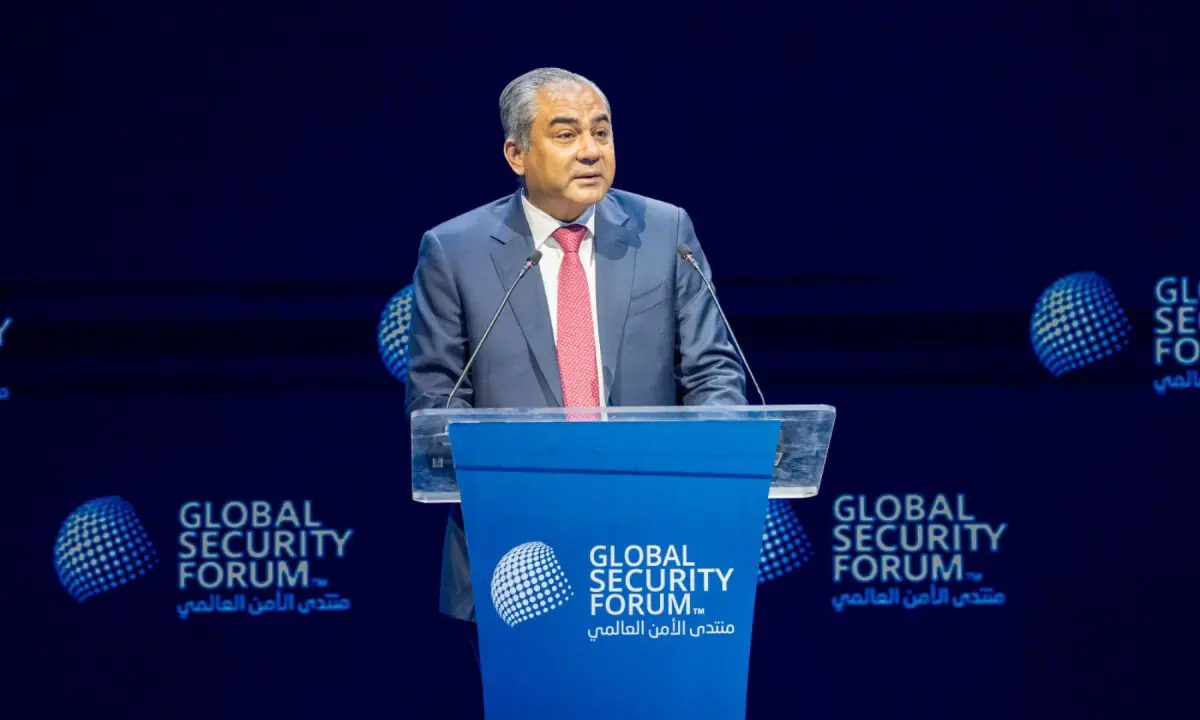
'We never gave up': Naqvi highlights Pakistan's peace efforts in US-Iran war at Qatar forum

Interior Minister Mohsin Naqvi on Monday highlighted Pakistan’s mediation efforts between the United States and Iran, affirming that Islamabad “never gave up”.

He made the remarks while addressing the 8th Global Security Forum being held in Qatar’s capital, Doha. Convened under the title “The Future of Alliances“, the forum brings together high-ranking officials and dignitaries from over 100 nations, according to Qatar News Agency.

“The last few months have been very difficult for our region. The conflict involving Iran and the United States created serious risks not only for the Middle East, but for the entire world,” Naqvi noted.

He added that at such a critical time, Pakistan chose the path of peace and made “every possible effort to reduce tensions”.

Naqvi, who has been involved in Islamabad’s peace efforts and has made several trips to Iran since the war began, said: “There were moments when the situation was extremely tense, but we never gave up.

“We continued talking, listening and working to build trust. And I can tell you from my experience: peace is not achieved in one meeting; it requires patience, trust and continuous efforts.”

He particularly highlighted the “remarkable role” of Chief of Defence Forces and Chief of Army Staff Field Marshal Syed Asim Munir in Pakistan’s efforts to reduce tensions.

CDF Munir, accompanied by Naqvi, had visited Iran in August “as part of Pakistan’s efforts to promote regional peace and stability”. The interior minister last made a visit to Iran in September, with Tehran describing the trip as part of bilateral engagements.

Speaking at the Doha forum, Naqvi recalled the June 18 signing of the Islamabad Memorandum of Understanding (MoU) between Iran and the US. The 14-point MoU, which Pakistan signed as a mediator, provided a framework for ending the war that began with US-Israeli strikes on Iran on Feb 28.

The interior minister recalled that the MoU was followed by the Lake Lucerne Summit in Switzerland, organised by mediators Pakistan and Qatar.

“There, I saw something I will never forget,” he said, adding that Qatar’s Prime Minister Mohammed bin Abdulrahman Al Thani and CDF Munir worked for “more than 16 hours without a single break”.

“No cameras, no announcements; only two men who refused to let the talks fail,” Naqvi remarked, emphasising that the only aim of the two mediating countries was to “stop further conflict and to save innocent lives”.

The minister praised Qatar’s peace efforts, noting it had “done so much”. “In the diplomacy of our time, when others chose sides, Qatar chose to keep talking. Pakistan has seen this closely because we have worked beside you.”

He stressed that Pakistan has always believed that “dialogue is better than war”.

“Our recent experience has taught us three important lessons: never close the door to dialogue, trust is the most important key for any kind of talk, and thirdly, peace requires sincere efforts from everyone.”

The senator emphasised that no single country could achieve regional peace alone.

“Pakistan is proud of the role it has played in the regional peace efforts,” he said, reaffirming that Islamabad would continue to support dialogue, peace and cooperation.

“We believe that winning peace is far more important than winning a war,” the minister remarked.

He conveyed Pakistan’s message: “We do not want credit for stopping wars. We want a future where wars do not start.”

The war between Washington and Tehran began in February with US-Israeli strikes on Iran, which responded with retaliatory attacks on nearby Gulf countries.

While diplomatic engagements continue, there has been a lack of progress in recent weeks in negotiations to end the war.

After an interim ceasefire collapsed, Iran in September presented its proposal to reopen the Strait of Hormuz — the key oil trade route that has remained central to the conflict.

The US said it had rejected that proposal, while Iran’s security chief said negotiations have stalled because Washington failed to address all seven conditions for reopening the strait. On Sunday, Foreign Minister Abbas Araghchi said Tehran’s offer to the US to reopen the waterway within seven days was still on the table.

Meanwhile, the Middle East is currently facing heightened tensions on another front as Houthi rebels attack Saudi Arabia after a truce in their long-running war with Yemen’s coalition government unravelled in July.

Makkah alliance ‘not for war’

During his address, Naqvi cited the Makkah Joint Defence Agreement signed among Pakistan, Saudi Arabia and Turkiye in August as an example of Islamabad’s commitment to regional security.

“It is a pact for defence, not for war,” he declared, adding that no country could “enjoy lasting peace if its neighbours are facing conflicts”.

The pact, under which the three countries have formed the Makkah Defence Alliance, empowers its signatory states to treat an attack against one of them as an attack against all of them.

Naqvi also spoke about countering security challenges and called for stronger international cooperation on the matter.

“As Pakistan’s interior minister, I also understand the price of terrorism and insecurity. Pakistan has suffered greatly; thousands of our citizens, soldiers, and policemen have lost their lives. Even today, we continue to fight.”

Describing terrorism as a “common enemy”, he called for “stronger cooperation, better intelligence-sharing and joint efforts to defeat it”.

The senator noted that counterterrorism cooperation was not something Pakistan has only sought, but also provided. He then highlighted the country’s contributions to the United Nations’ peacekeeping missions.

“Our UN police peacekeepers have helped protect civilians, support local police and restore peace in countries affected by conflict. We are proud of their services and sacrifices,” he said.

  •  

Pakistan slashes blue passports from 75,000 to 45,000, Senate told  

ISLAMABAD – Minister of State for Interior Talal Chaudhry has said that the number of blue passports issued in Pakistan has been reduced from 75,000 to 45,000, stressing that the issue has serious implications for the country’s international passport ranking.

Speaking in the Senate during a discussion on the Passport Bill, Chaudhry said the number of blue passports was a matter of significant importance, as it could directly affect Pakistan’s global passport standing.

He explained that Pakistan previously had around 75,000 blue passports, but the number had now been brought down to 45,000.

According to the minister, the issue goes beyond the issuance of travel documents, as the number of blue passports is also relevant to Pakistan’s efforts to improve its international passport ranking and secure greater travel facilitation for its citizens.

Blue Passports Feature in Visa-Free Travel Talks

Chaudhry said that when Pakistan holds discussions with other countries regarding visa-free entry arrangements, foreign governments also inquire about the number of blue passports issued by Pakistan.

He noted that Pakistan had previously informed other countries that approximately 75,000 blue passports were in circulation, adding that the number had already been reduced.

The minister emphasised that the issuance and overall number of blue passports must be treated seriously because of their potential implications for Pakistan’s international standing and negotiations over travel privileges.

Talal Chaudhry Opposes Blue Passports for Former MPs

The minister also expressed opposition to issuing blue passports to former members of parliament.

He said the government should review the practice of extending such passports beyond those who are officially entitled to them.

Chaudhry further stated that if blue passports were also being issued to the children of government officials, the practice should be stopped.

He stressed the need for stricter scrutiny of the eligibility criteria and issuance of blue passports, arguing that the matter was closely linked to Pakistan’s international passport status and ranking.

The minister’s remarks came during the Senate’s consideration of the Passport Bill, highlighting concerns over the issuance of official travel documents and their broader implications for the country’s diplomatic and travel arrangements.

The post Pakistan slashes blue passports from 75,000 to 45,000, Senate told   appeared first on Daily Pakistan English News.

  •  

Punjab announces ban on spy gadgets to protect citizens’ privacy

LAHORE –  The Punjab government has announced plans to impose a ban on spy gadgets and covert electronic devices to protect citizens’ privacy, personal information and fundamental rights.

The proposed measure aims to prevent violations of privacy, harassment and blackmail carried out through secret surveillance and the unauthorised recording of individuals.

According to the government’s decision, strict legal action will be taken against the illegal use and sale of everyday items equipped with hidden cameras and recording devices. These include glasses, pens, watches and other electronic gadgets that can be used to secretly monitor people or record their personal information.

The initiative will particularly focus on preventing the use of such devices to monitor individuals’ activities or collect private information without their consent.

Women and Children’s Safety a Key Priority

The Punjab government said one of the major objectives of the move is to ensure the safety of women and children and protect them from covert recording, illegal surveillance, harassment and blackmail.

The decision comes amid concerns and complaints regarding invasions of privacy and the misuse of personal information through concealed surveillance equipment.

Authorities aim to discourage the unlawful use of everyday objects fitted with hidden cameras and other recording technology, particularly when such devices are used to violate individuals’ privacy or exploit sensitive personal information.

Strict Action Against Illegal Use of Hidden Cameras

The government has emphasised that protecting citizens’ personal information, private lives and fundamental rights is essential.

It said measures would be taken to discourage the illegal use of devices equipped with concealed cameras and to initiate legal proceedings against those found responsible for unlawful surveillance.

The proposed restrictions are intended to strengthen privacy protections and address concerns over the growing misuse of covert recording technology.

However, further details regarding the implementation of the ban, its legal framework and the specific penalties for violations were not provided in the announcement.

The post Punjab announces ban on spy gadgets to protect citizens’ privacy appeared first on Daily Pakistan English News.

  •  

SHC dismisses state appeal against Mahrang's 2025 acquittal in sedition case

The Sindh High Court (SHC) on Monday dismissed an appeal filed by the provincial government through the prosecutor general against the acquittal of Baloch Yakjehti Committee (BYC) leader Mahrang Baloch in a sedition case, declaring it non-maintainable.

Mahrang had been booked on terrorism and sedition charges by Malir district’s Quaidabad police on Oct 11, 2024 for allegedly inciting people by levelling “allegations against security institutions”.

Over a year later, she was acquitted by a Karachi anti-terrorism court (ATC). Subsequently, acting prosecutor general Muntazir Mehdi, on behalf of the state, had challenged the acquittal before the SHC in December 2025.

On Monday, a two-judge SHC bench, headed by Justice Shamsuddin Abbasi and including Justice Miran Muhammad Shah, heard the appeal. Advocate Jibran Nasir appeared before the court to represent Mahrang and advanced his arguments.

The court observed that the complainant in the first information report (FIR) was a private individual and questioned how the prosecution could file an appeal against the acquittal instead of the complainant.

The prosecution claimed that the ATC had ignored facts while accepting Mahrang’s acquittal application. It highlighted that the public prosecutor had informed the ATC that there was clear evidence against Mahrang and that such evidence was supposed to be presented during trial.

The prosecution further argued that deciding the acquittal application before the framing of charges was inappropriate.

Mahrang, who is in Quetta prison in connection with other cases, had filed an acquittal application under Section 265-K of the Code of Criminal Procedure before ATC-V, which the court allowed.

The FIR was registered on the complaint of a resident named Asad Ali Shams, who claimed that Mahrang was inciting violence in his area.

The FIR invoked Section 7 (punishment for acts of terrorism) of the Anti-Terrorism Act (ATA) 1997 as well as sections 124-A (sedition), 148 (rioting, armed with deadly weapon), 149 (every member of unlawful assembly guilty of offence committed in prosecution of common object), 153-A (promotion of enmity between groups), 500 (punishment for defamation) and 505 (statement conducing to public mischief) of the Pakistan Penal Code.

In June, a Quetta ATC handed two life sentences to Mahrang and another BYC leader in a case involving the death of a security personnel during a 2024 protest in Gwadar. Mahrang’s challenge against her conviction is pending before the Balochistan High Court (BHC).

  •  

Pakistan reports seventh polio case of 2026 after new infection in Karachi

KARACHI – A new case of poliovirus has been reported in Karachi East district of Sindh, bringing the total number of polio cases reported across Pakistan in 2026 to seven, according to the National Emergency Operations Centre (National EOC).

According to the National EOC, five of the seven polio cases reported in the country so far this year have been detected in Khyber Pakhtunkhwa, while the remaining two cases have been reported in Sindh.

The latest case has raised concerns about the continued circulation of poliovirus and the importance of maintaining vaccination efforts to protect children against the potentially debilitating disease.

The last polio case in Karachi was reported in December 2024, according to the National EOC.

Polio is an infectious disease caused by poliovirus that primarily affects children under the age of five. It can cause permanent paralysis and, in severe cases, can be fatal. Although there is no cure for polio, the disease can be prevented through vaccination.

National Polio Vaccination Campaign Scheduled for November

The National EOC has announced that the next nationwide polio vaccination campaign will be conducted from November 2 to November 8, 2026.

The campaign will cover 97 districts across Pakistan, including all districts of Karachi, as part of the country’s ongoing efforts to prevent the spread of poliovirus and protect children from the disease.

During the campaign, health workers will administer polio vaccine drops to more than 23.9 million children under the age of five across the country.

The campaign aims to strengthen population immunity, particularly among young children who remain vulnerable to poliovirus infection.

The post Pakistan reports seventh polio case of 2026 after new infection in Karachi appeared first on Daily Pakistan English News.

  •  

Pakistani Court sentences 4 Men to Death over ‘Blasphemous Content’ shared on WhatsApp

LAHORE – A sessions court has sentenced four men to death in a blasphemy case involving alleged circulation of blasphemous material through social media platforms, handing down multiple prison terms and financial penalties after concluding that the prosecution had proved its case beyond reasonable doubt.

Additional District and Sessions Judge Nusrat Ali Siddiqui Malik announced verdict, convicting the four men under several provisions of the Pakistan Penal Code (PPC) and the Prevention of Electronic Crimes Act (Peca), 2016. Under Section 295-C of the PPC, each convict was sentenced to death and fined Rs500,000.

The court awarded each man life imprisonment under Section 295-B, 10 years of rigorous imprisonment and a Rs100,000 fine under Section 295-A, three years’ imprisonment and a Rs100,000 fine under Section 298-A, and seven years of rigorous imprisonment with a further Rs100,000 fine under Section 11 of PECA.

Despite identifying procedural shortcomings in the handling of forensic evidence, the judge held that the material presented before the court was sufficient to sustain the convictions. The court also acquitted the four men of charges relating to criminal conspiracy and common intention under Sections 120-B and 34 of the PPC. The judge observed that the evidence suggested the accused had acted independently rather than as part of a common plan.

The sentences have been ordered to run concurrently, except for additional imprisonment that may arise from non-payment of fines. The period already spent in custody will be deducted from the sentences in accordance with the court’s order.

The death sentences will now be referred to the Lahore High Court for confirmation, a mandatory step before the penalties can be carried out. The convicts retain the right to appeal against the verdict within 30 days.

The case dates back to May 2022, when a citizen’s complaint prompted the registration of a first information report (FIR) on May 24 by the FIA’s then cybercrime wing. According to FIR, material alleged to be blasphemous was circulated through several mobile phone numbers in a WhatsApp group presented as a platform for Quranic education.

FIA conducted technical analysis that linked one of the numbers to a suspect. Investigators raided his Lahore residence on May 22, 2022, and seized a laptop and two mobile phones for examination.

The agency said its analysis of the devices allegedly uncovered content deemed derogatory to the Holy Quran and Islamic sacred figures, which had reportedly been shared through Facebook and WhatsApp groups.

Blasphemy Death sentences overturned over lack of solid evidence


The post Pakistani Court sentences 4 Men to Death over ‘Blasphemous Content’ shared on WhatsApp appeared first on Daily Pakistan English News.

  •  

Lahore Govt School turns Classrooms into Rental Spaces for labourers

LAHORE – Administration of Government Primary School in the Thokar Niaz Beg area of Lahore comes under scrutiny over allegations of renting out classroom space to labourers while students continue to study in deteriorating conditions.

A nursery classroom at the government-run institution has allegedly been rented out to a mason and a labourer for Rs5,000 each. The arrangement is said to have continued for approximately six months, raising questions about the use of public educational facilities for private commercial purposes.

The controversy has taken another turn over the reported consumption of electricity and water by the occupants, with the school’s utility expenses allegedly increasing as a result. The arrangement has sparked concerns about whether public resources intended to support education are being used appropriately.

While classroom space is reportedly being used for purposes other than teaching, the school’s physical condition shows troubling picture. Several windowpanes are broken, the wooden planks on classroom benches have deteriorated, and cracked whiteboards in multiple classrooms are reportedly no longer fit for use.

The school’s main entrance is missing its signboard, while the boundary wall and main gate are also said to be in a state of disrepair. These conditions have raised concerns about the learning environment being provided to children at an institution expected to offer a safe and functional space for education.

Sources have also claimed that the school administration forwarded inflated student enrolment figures to the District Education Authority (DEA) Lahore through allegedly fictitious registrations. If substantiated, the allegations could raise further questions about record-keeping, administrative accountability and the effectiveness of the authority’s monitoring mechanisms.

However, the claims regarding classroom rentals and enrolment figures require independent verification by the relevant authorities.

Local residents have reportedly called for the immediate replacement of the school’s headmaster, expressing frustration over the institution’s management and deteriorating facilities. Residents say the school’s poor environment left them questioning whether their children can receive an adequate education there, with some considering withdrawing them from the institution.

The allegations raised question on the role of the District Education Authority Lahore in supervising government schools and ensuring that public facilities serve students rather than private interests.


Punjab education minister to teach THESE subjects in schools from September 2026

The post Lahore Govt School turns Classrooms into Rental Spaces for labourers appeared first on Daily Pakistan English News.

  •  

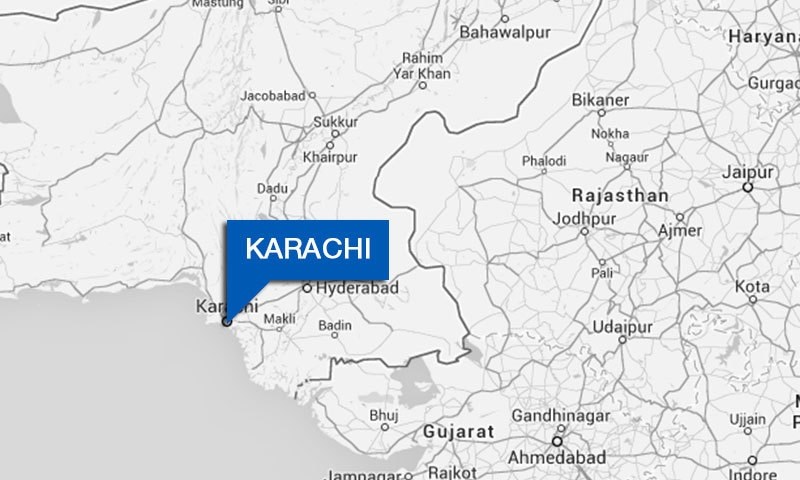
Railways police, KMC register cases against each other amid dispute over road project in Karachi

KARACHI: Cases have been registered against Karachi Metropolitan Corporation (KMC) and Pakistan Railways Police officials in Karachi following a scuffle between the two sides over a dispute concerning the construction of a road.

The controversy centres on a dual carriageway linking Natha Khan Bridge with Pehlwan Goth and Habib University, running parallel to Chakor Nullah. Valued at around Rs780 million, the project is expected to ease pressure on Sharea Faisal, Rashid Minhas Road, Dalmia Road and Gulistan-i-Jauhar.

The confrontation between the two departments threatens to disrupt construction weeks before its scheduled completion.

KMC City Wardens Director Saim Imran is the complainant in the case against Railways police. The first information report (FIR) registered on his complaint quoted him as saying that a road had been under construction from Natha Khan to Pehlwan Goth for the past four months and that he was on traffic management duty at the site on the day of the incident.

He alleged that Cantt police station SHO Ahsan Rasheed arrived at the site with other police personnel and assaulted him.

The complainant further alleged that he was taken to an undisclosed location, where he was tortured. He claimed that he was asked to hold the feet of senior officers and lick their shoes on their instructions.

He was subjected to further torture after refusing to comply, according to the FIR.

Imran added that he lost consciousness due to the alleged torture and regained consciousness at Abbasi Shaheed Hospital.

According to the information provided, the case was registered at Shahrah-i-Faisal police station on the KMC’s complaint.

Separately, an FIR against Imran and others was registered at the Railway Karachi Cantonment police station on the complaint of a railways official, Mohammed Hussain.

The FIR invokes Sections 147 (rioting), 148 (rioting while armed with a deadly weapon), 149 (every member of an unlawful assembly guilty of an offence committed in prosecution of a common object), 186 (obstructing public servant in discharge of public functions), 353 (assault or criminal force to deter public servant from discharge of his duty), 354 (assault or use of criminal force against a woman with intent to outrage her modesty), 324 (attempt to murder) and 506-B (punishment for criminal intimidation) of the Pakistan Penal Code, as well as provisions of the Railways Act and Anti-Terrorism Act.

According to the FIR, a railways official had noted the construction of a road “on a railway track” under the Natha Khan Bridge, terming it “illegal” and asked for it to be stopped. The complainant said he, along with Railways police, reached the site and asked a sub-engineer to show the no-objection certificate issued by the Pakistan Railways for the road construction.

In the meantime, Imran, “in a fit of anger, pulled out a pistol and pointed it towards Railways SHO Ahsan Rasheed while using abusive language”, the FIR said.

There were around 25-30 city wardens and they “attacked” railways police on Imran’s instructions, the complainant alleged, adding that Imran also threatened them with dire consequences. Imran also tore the uniform of the Railways SHO and tortured PR employees, the complainant claimed.

The city wardens have also been accused of misbehaving with a female from the PR.

They eventually “forcibly took away” Imran, the FIR said.

The incident

The incident unfolded on Sunday afternoon when railway police officials intervened at the construction site and stopped the work, prompting the chief of KMC City Wardens to arrive at the site.

The two sides initially engaged in a heated exchange over the construction, which soon escalated into a physical scuffle. The KMC alleged that the railways police personnel severely beat the City Wardens director before taking him to a Pakistan Railways police station.

“The land where the road was being constructed belonged to the KCR and that the dispute arose over construction activity on the railway land,” a PR official said.

He added railway authorities were collecting information about the incident and would determine the next course of action in accordance with the law once all relevant details had been gathered.

The KMC, meanwhile, expressed strong resentment, questioning why the PR had raised objections so late, putting a multi-million-rupee public welfare project at risk just weeks before its completion.

The KMC spokesman rejected the PR’s claim and said that the municipal body had fulfilled all legal requirements before launching the project more than two months ago.

“This is not correct,” he said responding to the railways’ claim over land ownership.

“This is a major project in terms of benefits it will bring to the people and any move to undermine its potential or put it at risk would be detrimental to the interests of Karachi’s residents.”

He said senior KMC officials were in contact with the railways authorities and expressed the hope that the matter would be resolved soon.

  •  
❌