❌

Reading view

‘Crucial opportunity to act’ as study finds most of Europe’s wild bee species in decline

As Cop17 kicks off, records since 1921 show more bee species declining than increasing in all parts of Europe except the Alps

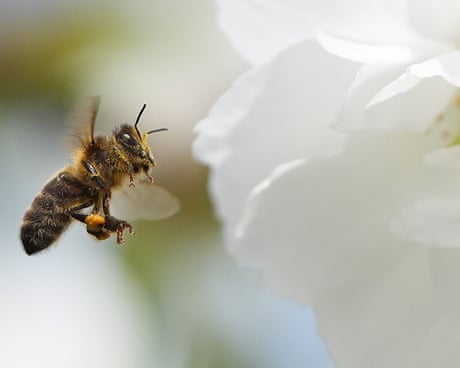
Most of Europe’s wild bee species and about half of its hover fly species have declined over the last century, a study has found, as a UN biodiversity summit begins in Armenia.

Records since 1921 show more bee species are declining than increasing in all parts of Europe except the Alpine region. The richness of bee and hover fly species suffered a persistent drop in the Atlantic and Continental regions, the study found, though trends in other regions were mixed or even positive.

Continue reading...
© Photograph: Niall Carson/PA
© Photograph: Niall Carson/PA
© Photograph: Niall Carson/PA

  •  

‘Crucial opportunity to act’ as study finds most of Europe’s wild bee species in decline

As Cop17 kicks off, records since 1921 show more bee species declining than increasing in all parts of Europe except the Alps

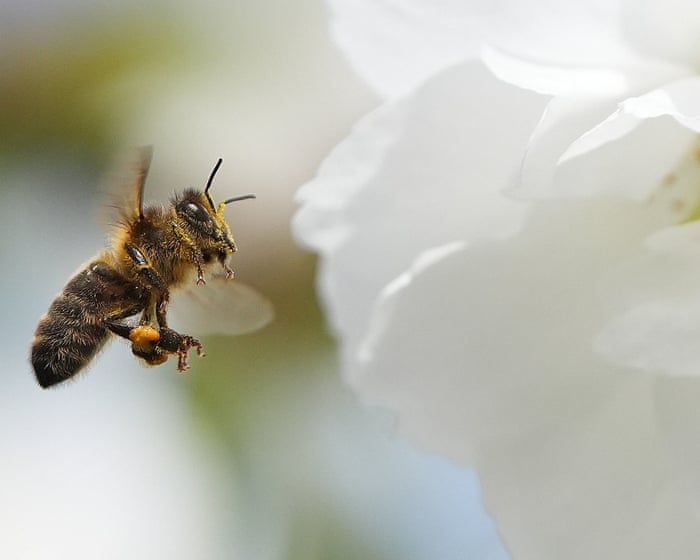
Most of Europe’s wild bee species and about half of its hover fly species have declined over the last century, a study has found, as a UN biodiversity summit begins in Armenia.

Records since 1921 show more bee species are declining than increasing in all parts of Europe except the Alpine region. The richness of bee and hover fly species suffered a persistent drop in the Atlantic and Continental regions, the study found, though trends in other regions were mixed or even positive.

Continue reading...

© Photograph: Niall Carson/PA

© Photograph: Niall Carson/PA

© Photograph: Niall Carson/PA

  •  

Albania accused of rushing through Trump-linked resort in formerly protected landscape

Dutch MEP says government is trying to avoid EU environmental rules as protests over luxury development turn violent

MEPs have accused Albania of deploying “sneaky” practices to fast-track a proposed Trump-linked luxury resort in the country amid protests that have turned increasingly violent.

As the prime minister, Edi Rama, pledged to “listen to the voices of young people” taking to the streets, there was mounting criticism of his failure to address demonstrators who had long opposed the controversial project peacefully.

Continue reading...

© Photograph: Adnan Beci/AFP/Getty Images

© Photograph: Adnan Beci/AFP/Getty Images

© Photograph: Adnan Beci/AFP/Getty Images

  •  

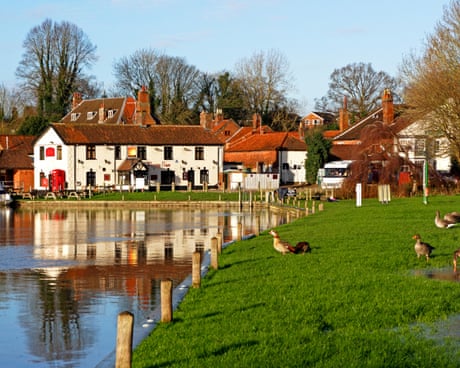
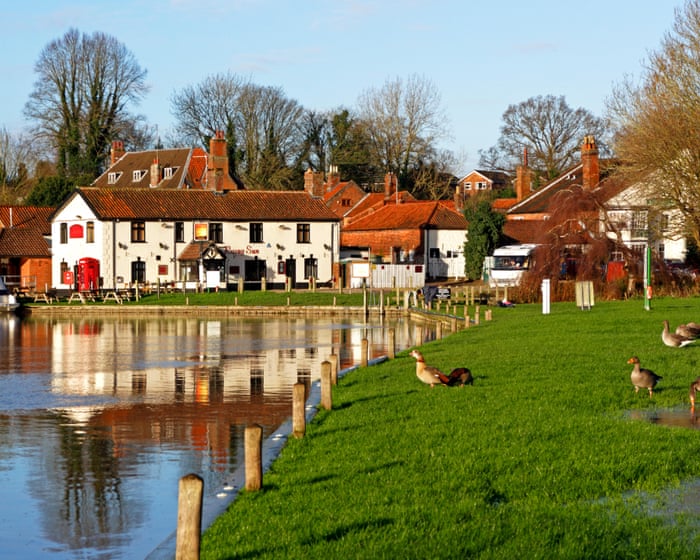
Stop ‘cash to trash’ housebuilding in Norfolk Broads, says Labour MP

Exclusive: Chris Hinchliff urges environment watchdog to block rules that will allow almost 16,000 new homes in one of UK’s most protected areas

The environment watchdog is being urged to intervene in “cash to trash” planning rules that will allow almost 16,000 new homes in the Norfolk Broads despite the damage to one of the UK’s most environmentally protected areas.

Labour’s flagship planning reforms allow damage to protected habitats and species to be overlooked if developers pay into a central nature restoration fund, which is used for conservation actions at a later date. These environmental delivery plans (EDPs) have been called “cash to trash” by critics, who say they roll back decades of environmental law and are a “licence to kill nature”.

Continue reading...

© Photograph: Jim Laws/Alamy

© Photograph: Jim Laws/Alamy

© Photograph: Jim Laws/Alamy

  •  

Can countries deliver on a deal to save the world’s plants and animals?

Four years ago nearly every government on Earth agreed to protect nature. Now, as countries gather for Cop17, the pressure is on to follow through on those commitments

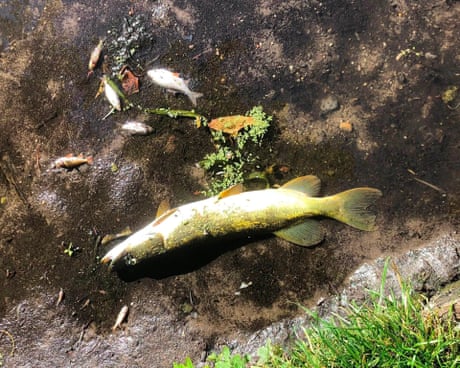
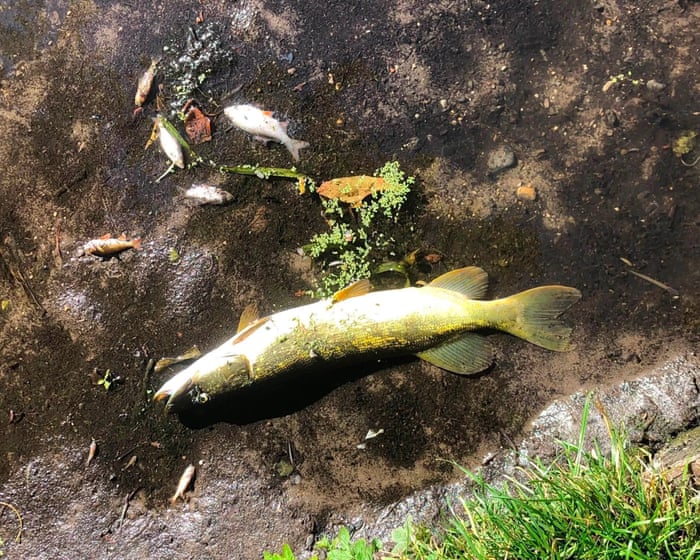
Passersby could smell the dead fish before they saw them. In August, more than 3,000 pike, roach, carp and rudd were found lifeless along the River Wensum in Norwich. Some gasped for air in their final moments, desperate for the oxygen that heatwave conditions had depleted in the water. Investigators believe that the die-off was triggered by heavy rainfall that flushed through high concentrations of pollution at a time when wildlife were already struggling.

The 45-mile (70km) chalk river is one of about 250 in the country. They are a geological accident almost unique to Britain – and one of Earth’s rarest habitats. They emerge from chalk aquifers and are home to species such as freshwater shrimp, otters and stoneflies, also providing drinking water for millions of people. But just 11 have formal protection, with many ravaged by sewage pollution and overextraction. The Norfolk river is one of the few that does have legal protection, but it is in poor ecological health.

Continue reading...

© Photograph: Norwich Green Party

© Photograph: Norwich Green Party

© Photograph: Norwich Green Party

  •  

Seabird numbers bounce back in Solent region after 2022 avian flu wipeout

Conservation work by RSPB has led to recovery of terns, gulls, plovers and oystercatchers on England’s south coast


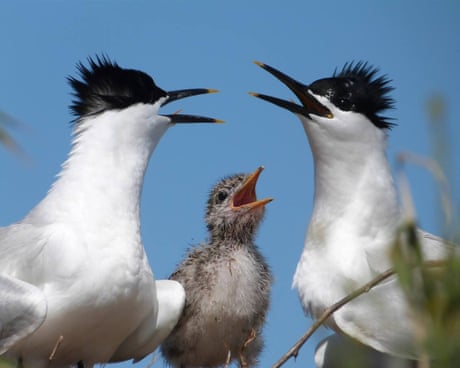
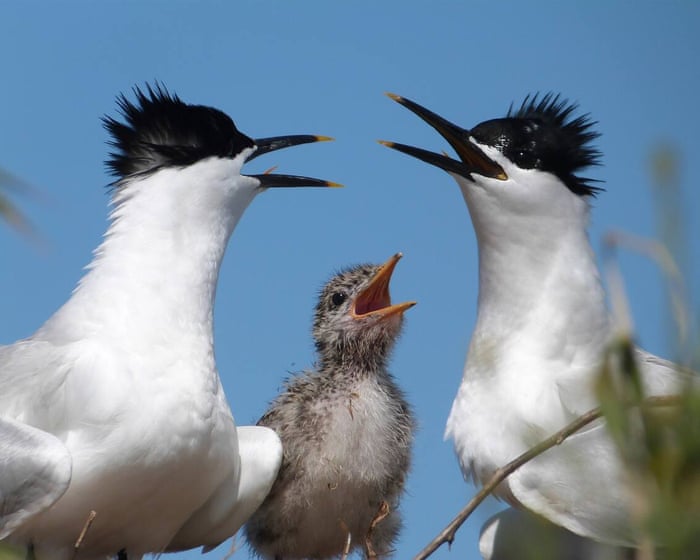
The colony of sandwich terns nesting at Pagham harbour, West Sussex, was completely wiped out by bird flu in 2022. But numbers have bounced back from zero to 756 breeding pairs in just three years after conservation work in the Solent.

Continue reading...

© Photograph: David Kinchin Smith/RSPB

© Photograph: David Kinchin Smith/RSPB

© Photograph: David Kinchin Smith/RSPB

  •  

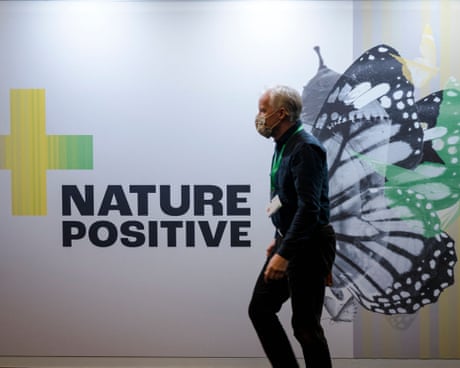
Cop17 at a glance: everything you need to know about the UN’s nature summit

This month’s biodiversity summit in Yerevan, Armenia, aims to push governments to meet the 23 targets agreed at Cop15 in 2022

This month, nearly every country on Earth will return to the question of how to stem the rapid destruction of the natural world. Humans are driving it, but so far we have not found a way to stop it.

In late 2022, governments reached an ambitious once-in-a-decade deal to better protect nature amid scientific warnings that the planet is going through the largest loss of life since the extinction of the dinosaurs. Now, they are assessing their progress on the targets for the first time.

Continue reading...

© Photograph: Andrej Ivanov/AFP/Getty Images

© Photograph: Andrej Ivanov/AFP/Getty Images

© Photograph: Andrej Ivanov/AFP/Getty Images

  •  

Core values: the Austrian scheme bringing forgotten apple varieties back to life

Spar pilot scheme will test whether heirloom fruit can thrive in today’s commercial and environmental conditions

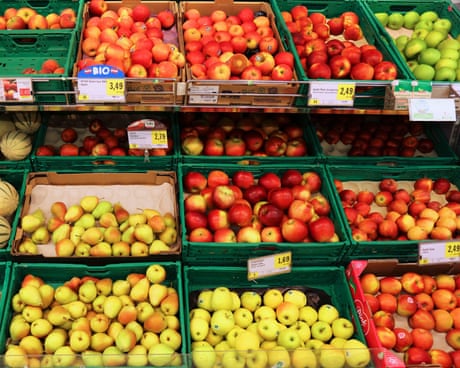
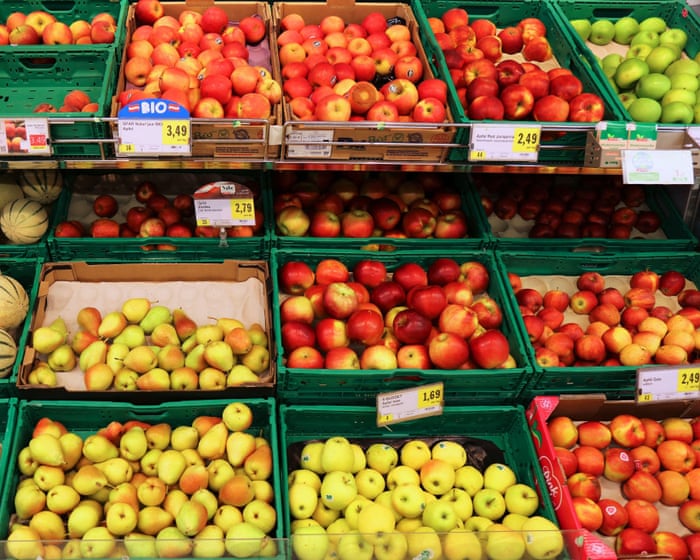
Only about 10 of the 2,000 types of apples growing in Austria can be found in supermarkets among the polished, pristine fruit usually on display – a sad ratio according to fans of historic varieties being primed for a comeback.

One of the country’s biggest retail chains has embarked on a pilot rollout of unusual and long-forgotten apples enjoyed in previous centuries, riding an international trend of reviving heirloom fruit and vegetables.

Continue reading...

© Photograph: Marek Slusarczyk/Alamy

© Photograph: Marek Slusarczyk/Alamy

© Photograph: Marek Slusarczyk/Alamy

  •  
❌