
❌

Reading view

MEPs push to use EU regional funds for affordable housing and climate‑proofing cities

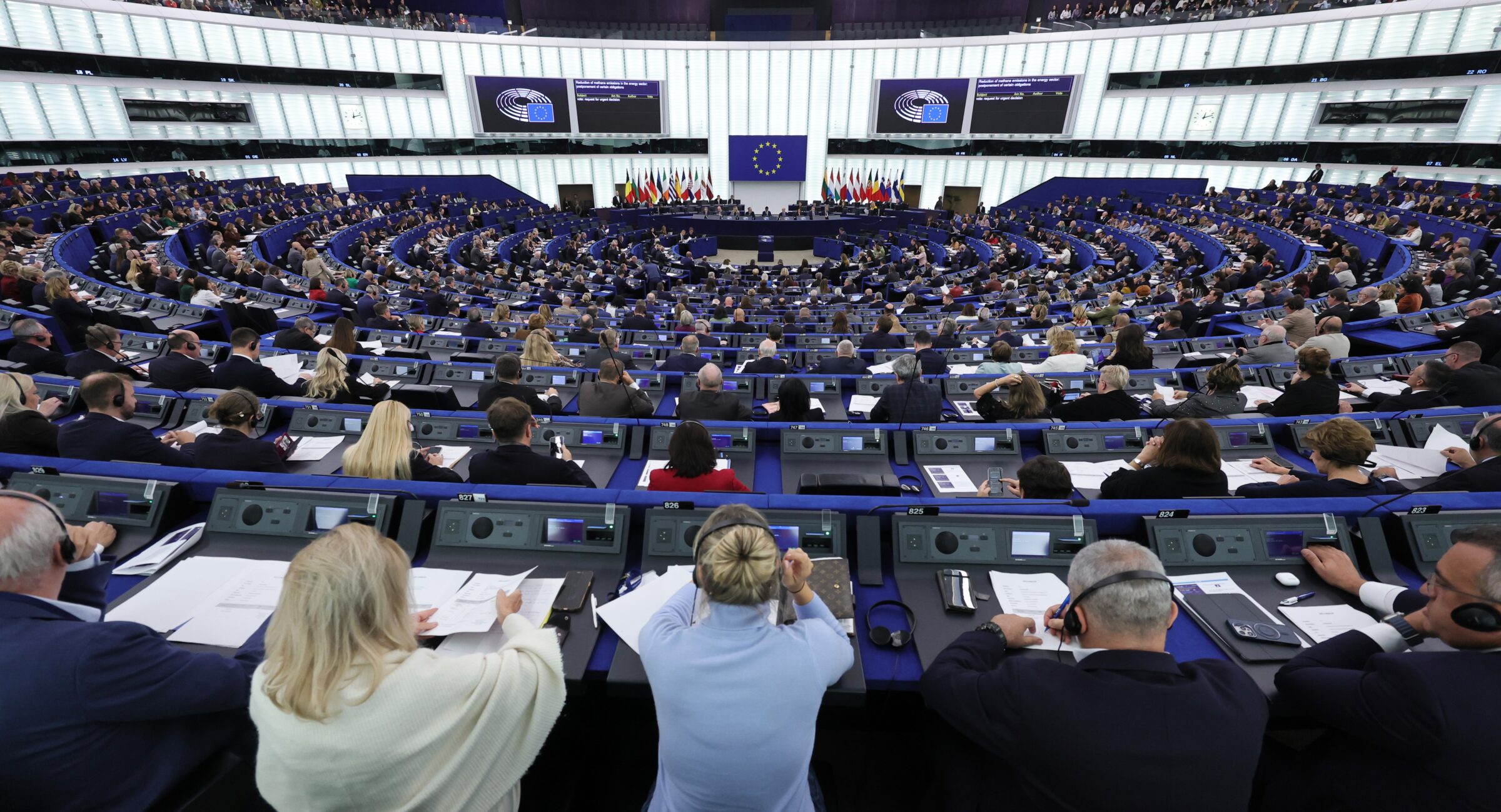
The European Parliament has called for more spending to build affordable houses — using funds for regional development that currently make up a third of the EU budget.

Cohesion funds should be used to protect the ‘right to stay’ in rural areas or in small cities, a principle that the parliament wants to write into the new budget legislation.

Peripheral regions often face depopulation due to few job opportunities, according to a parliamentary non-binding report passed with 601 votes in favour, 20 against, and 36 abstentions on Tuesday (20 October).

MEPs are also calling for strong cohesion funds that would allow cities to better prepare for climate emergencies and provide a budget for additional investments in housing.

Cohesion funds, which account for a total of €48.03bn in the existing 2021-2027 EU budget, usually finance infrastructure projects, like bridges, roads, or railways in countries with a lower-than-average per capita gross national income.

The commission proposed significant cuts to reduce regional funds in the next multi-annual budget, set to cover 2028-34, but a group of 16 member states, often benefitting from the funding, opposed the reduction.

Regional development plays a key role in European integration since it is the “only instrument which can unite all of us,” and should not be reduced in the next EU budget, said Left Lithuanian MEP Vytenis Povilas Andriukaitis during a plenary debate on Monday (19 October).

Cohesion funds “could be the response to the radicalisation of Europe,” Fredis Beleris, a German centre-right MEP said.

For that to happen, cohesion funds must be accessible for small and medium-sized cities, who often struggle with formalities linked to EU funds, said Denis Nesci, Italian conservative MEP spearheading the file.

Small municipalities should be able to access cohesion funds “on an equal footing as bigger cities,” he said, echoing the dominant centre-right commission’s position and its aim to simplify regulations.

  •  

MEPs open arms to UK rejoining EU to ‘correct’ Brexit mistake

A diverse array of MEPs on Tuesday (20 October) expressed their enthusiasm for the UK ‘correcting the mistake’ of Brexit by rejoining the European Union 10 years after its people narrowly voted to leave.

“Trump, Xi and Putin might form a troika of iliberalism standing in defiance of the achievements of liberal democracy”, warned Barry Andrews, an Irish MEP for Renew, saying that the EU should not treat the United Kingdom “like any other third country”.

His party ally Sandro Gozi, an Italian MEP, added: “Every option must be on the table, from a special partnership to full EU membership.” 

The debate on EU-UK relations in the Strasbourg parliament came a month ahead of a highly-anticipated EU-UK summit in Brussels on 20 November. 

Although the UK rejoining the bloc is still a distant prospect, it is back on the agenda because of new prime minister Andy Burnham.

Brexit had “done more harm than good”, Burnham told delegates at the Labour party conference in late September, adding that “we will not give Britain the clear path we need into the rest of the century until we decide on a long-term relationship with what is still our largest market.” 

Britain could “go all the way” back into the EU, added Burnham.

European parliament president Robert Metsola has given an open invitation for Burnham to address MEPs, her office told EUobserver, in another sign of goodwill.

The UK Treasury, meanwhile, is expected to publish a study in the coming days detailing the scale of the hit to the UK economy from leaving the bloc.

Burnham’s predecessor Keir Starmer, who resigned in July primarily because of dismal opinion poll ratings, had promised a ‘reset’ of EU-UK relations when his government took power in July 2024. But apart from rhetoric, little has changed, though the UK now has access to the Erasmus+ student exchange programme.

Brexit is a “mistake that can be corrected by all of us” and admitting it is “a sign of strength”, said German Green MEP Terry Reintke.

New deals agreed should be “the floor and not the ceiling” of bilateral relations, said David McAllister, a German MEP for the centre-right European People’s Party (EPP).

On the right, Polish MEP for the European Conservatives and Reformists Jadwiga Wiśniewska also welcomed new talks with the UK, calling for them to be based on “concrete elements” like agriculture deals, defence and Erasmus+.

This article continues, but the full version is available only to EUobserver.com subscribers. Visit account.euobserver.com/membership

  •  
❌